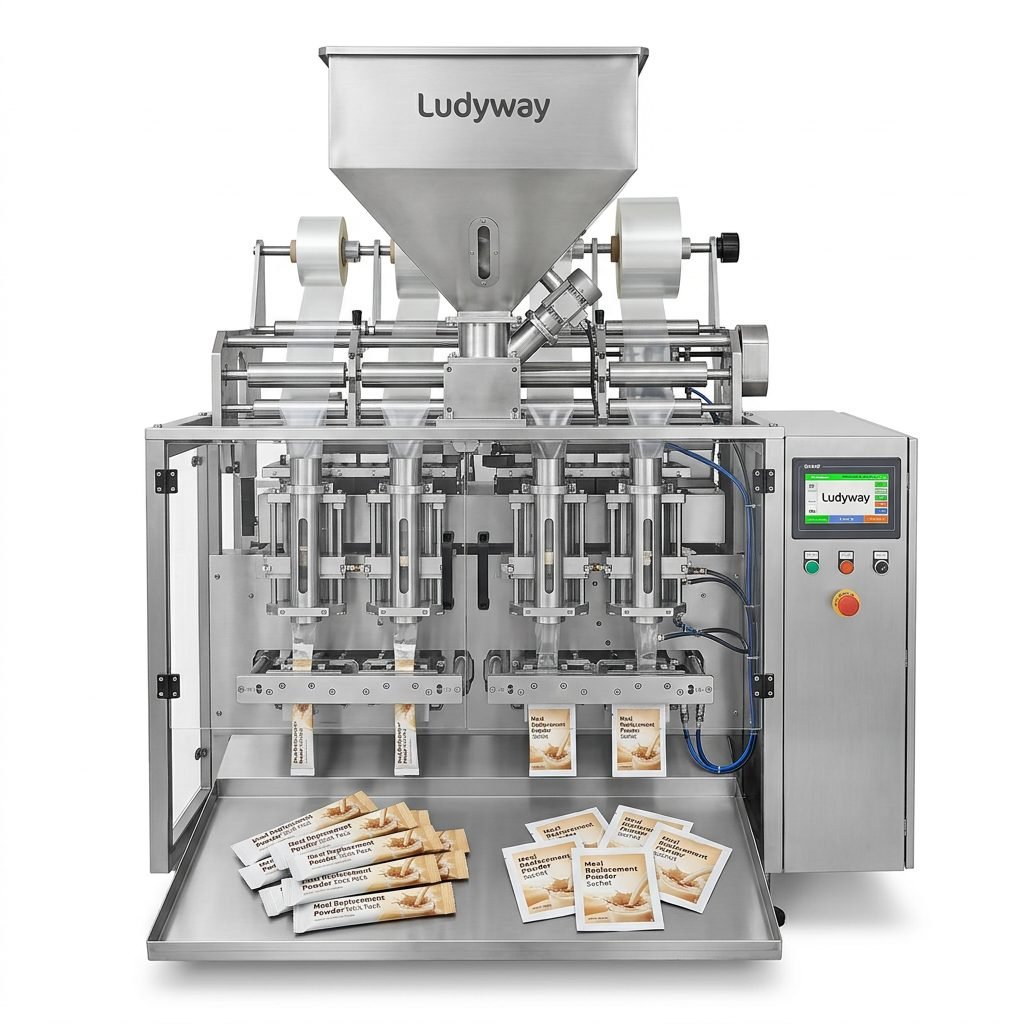
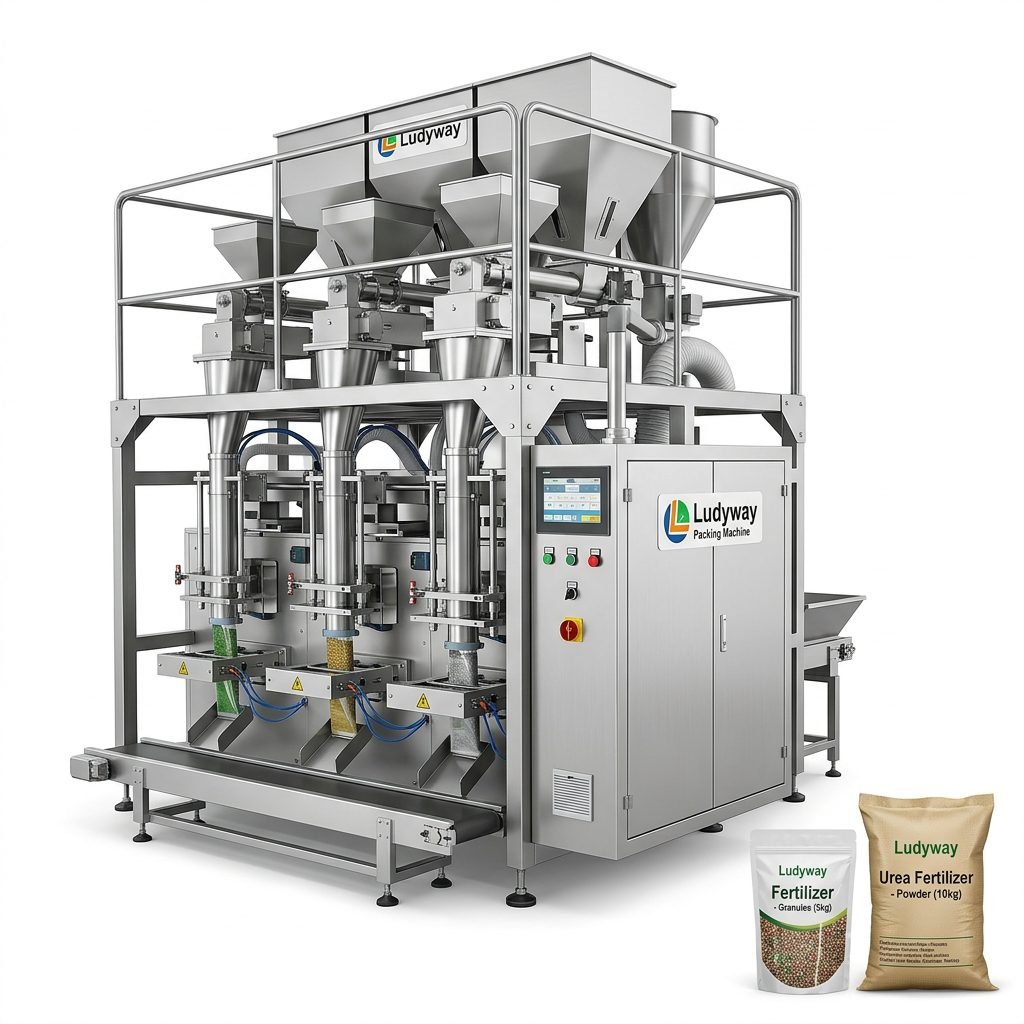
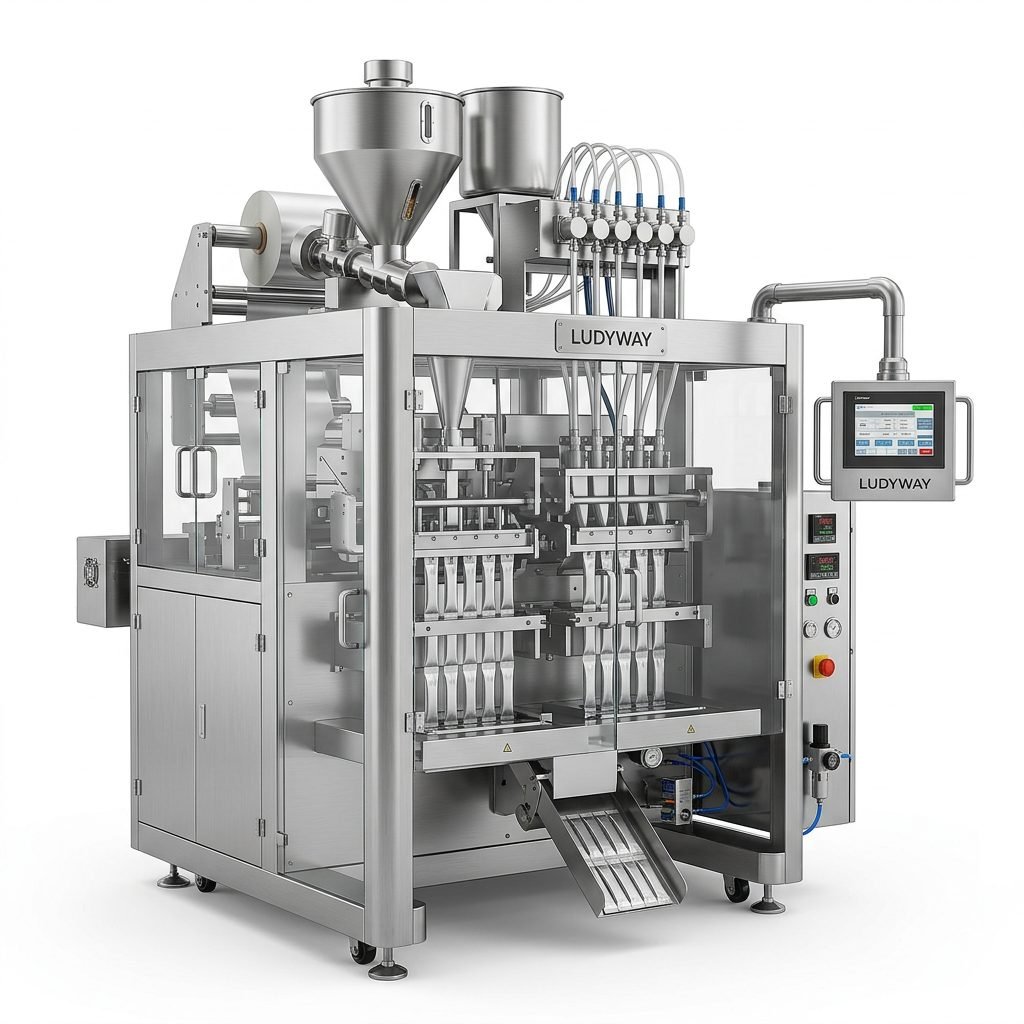
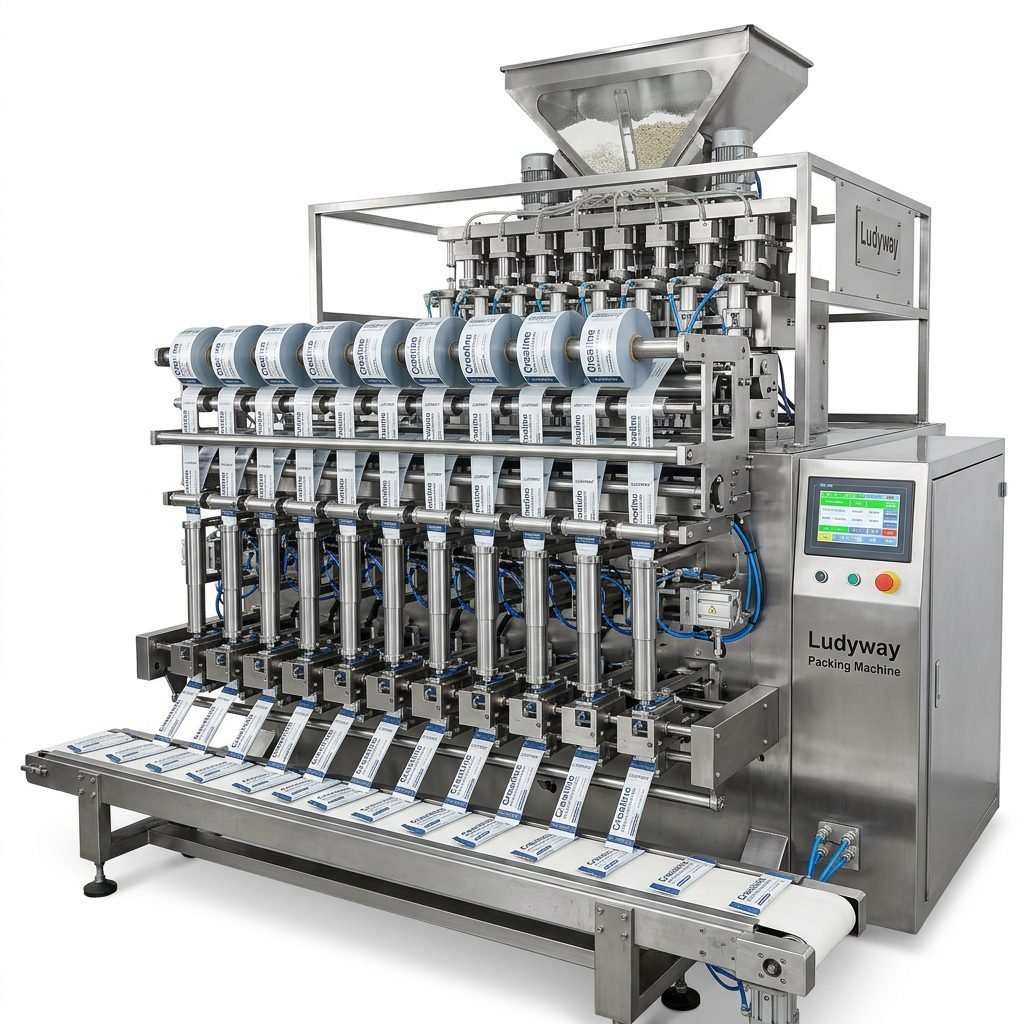
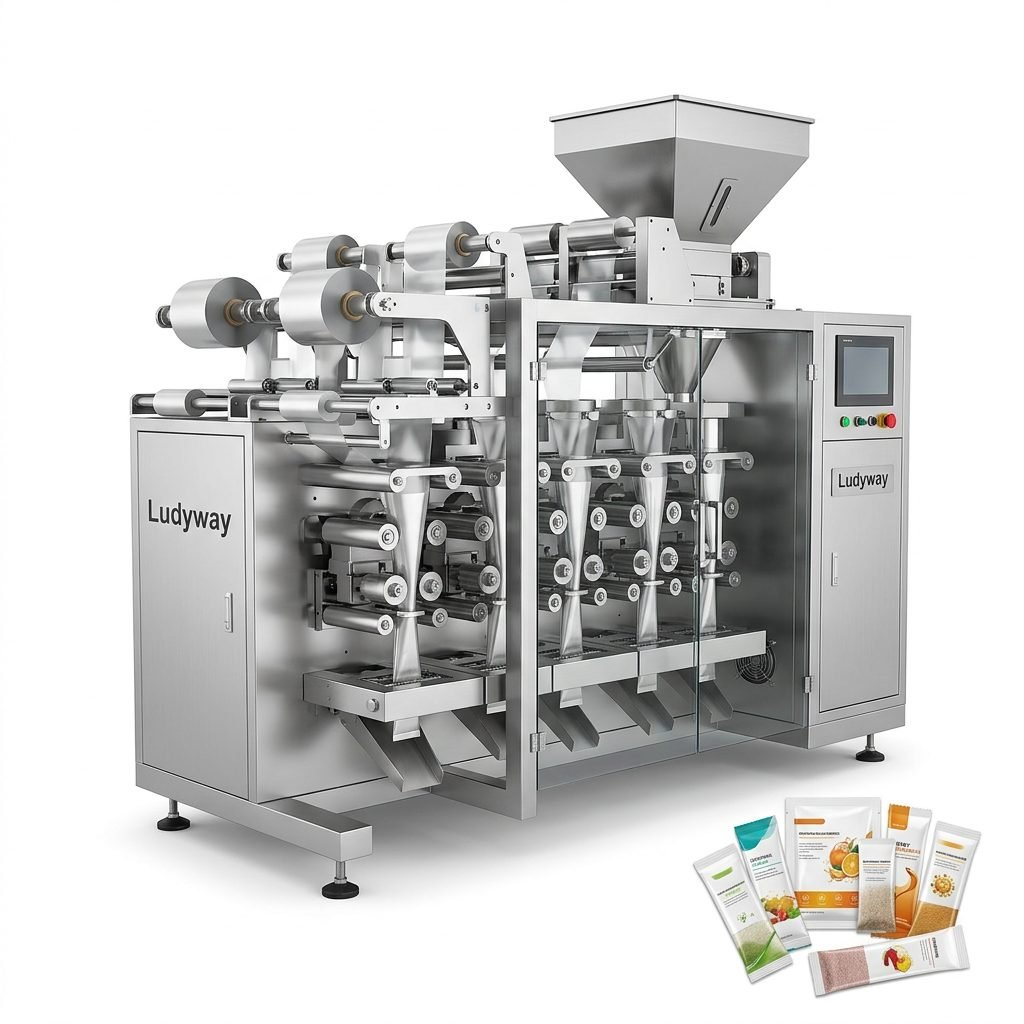
The food processing sector in Southeast Asia is experiencing unprecedented growth. With a rising middle class and increasing export demands, manufacturers are transitioning from manual packing to automated systems. A critical component of this modernization is the food vacuum packaging machine production line. This guide provides a strategic, step-by-step approach to planning, installing, and scaling a vacuum packaging line in the ASEAN region.
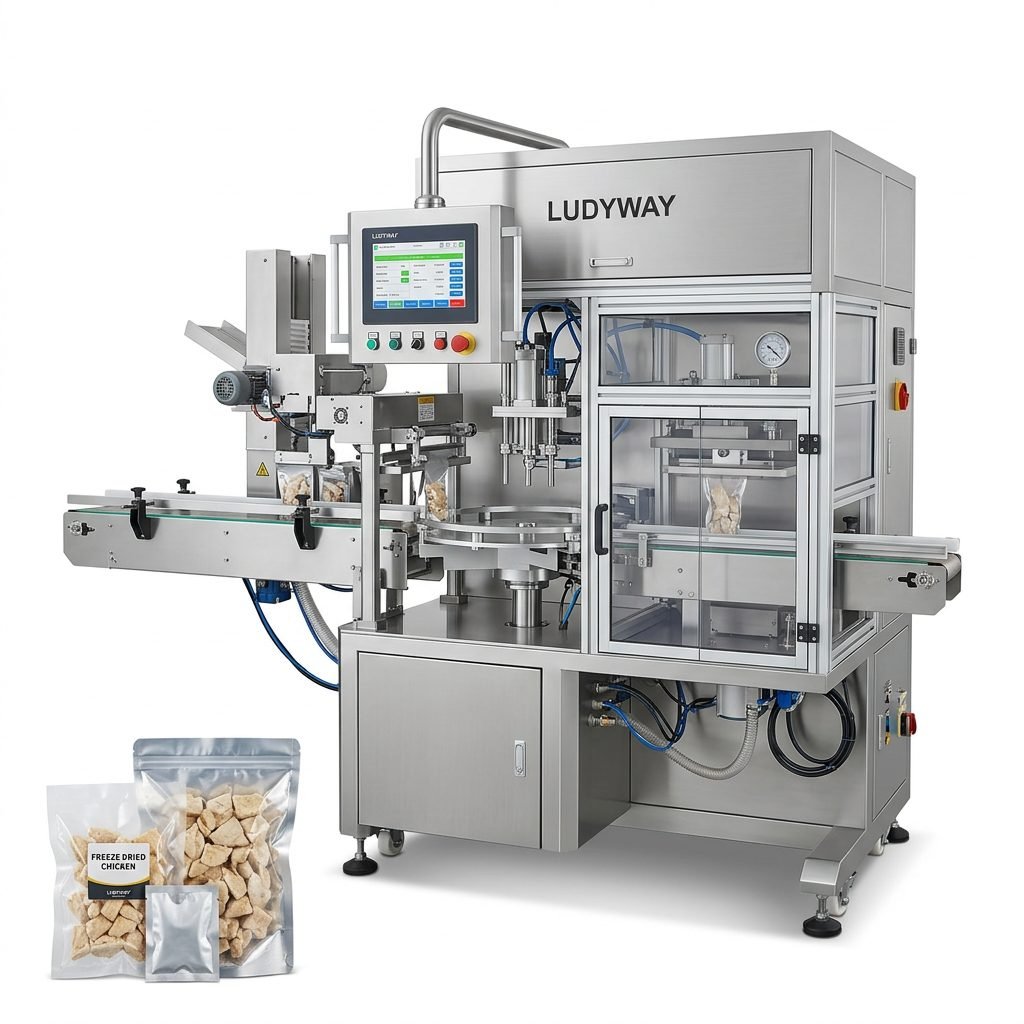
1. Understanding the Southeast Asian Market Dynamics
Before investing in machinery, you must analyze the regional landscape. The demand in countries like Thailand, Vietnam, Indonesia, and the Philippines is driven by processed seafood, ready-to-eat meals, and halal-certified products. The climate is tropical, which means humidity control is not an option—it’s a necessity. Your vacuum packaging technology must not only remove oxygen but also create robust seals resistant to high moisture environments.
Key Regional Product Segments
- Seafood: Shrimp, fish fillets, and surimi require high-speed vacuum sealing to prevent freezer burn.
- Agricultural Products: Rice, spices, and dried fruits need heavy-duty nitrogen flushing capabilities.
- Processed Snacks: Extended shelf life is critical for the booming export market to China and the Middle East.
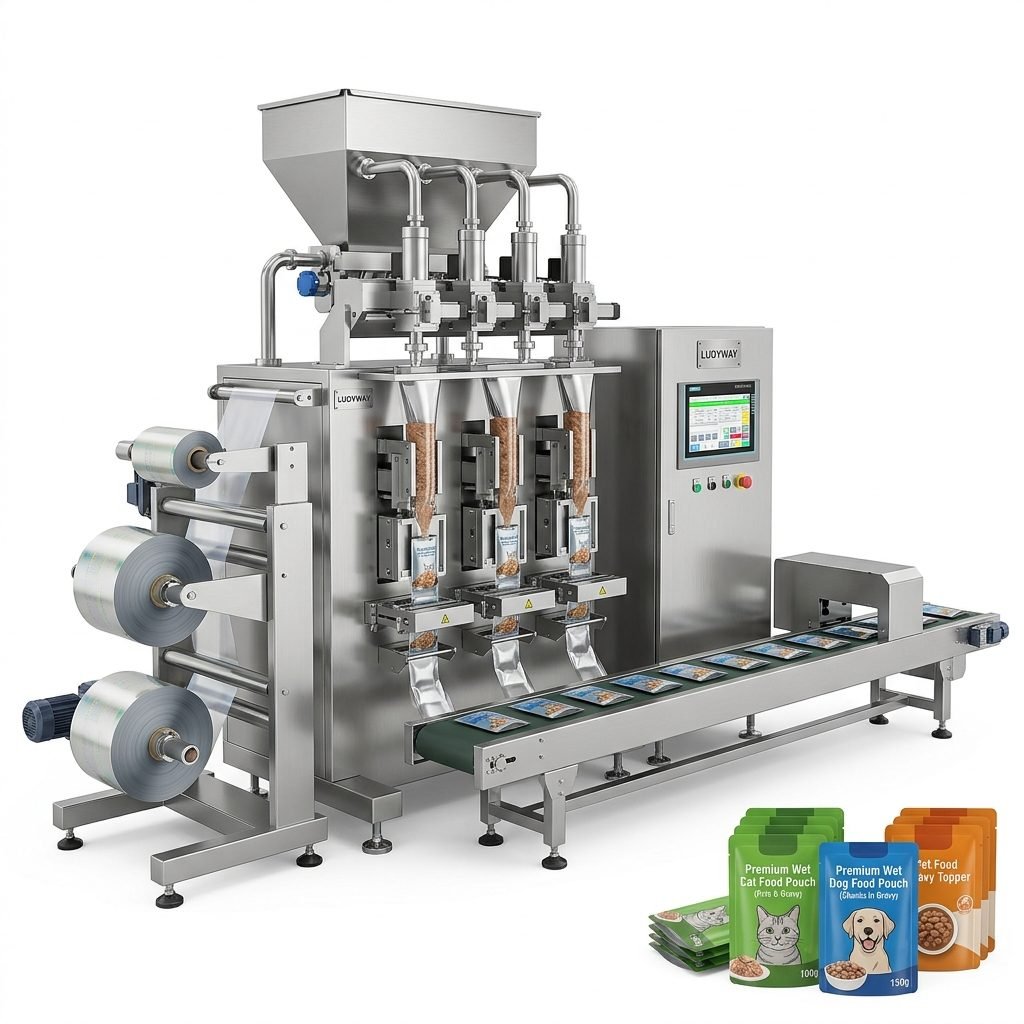
2. Strategic Planning and Factory Layout
The foundation of a successful food vacuum packaging machine production line is the floor plan. In Southeast Asia, many factories utilize vertical layouts due to land constraints. You must design the flow to minimize cross-contamination between raw and processed zones.
Critical Infrastructure Checks
- Power Supply: Verify voltage stability. Some industrial zones in Vietnam and Indonesia require dedicated transformers.
- Compressed Air: Vacuum pumps and pneumatic actuators need dry, oil-free compressed air. High humidity demands effective air dryers.
- Ventilation: Extraction systems for the heat generated by sealing bars are essential in non-air-conditioned environments.
3. Core Equipment Selection: The Heart of the Process
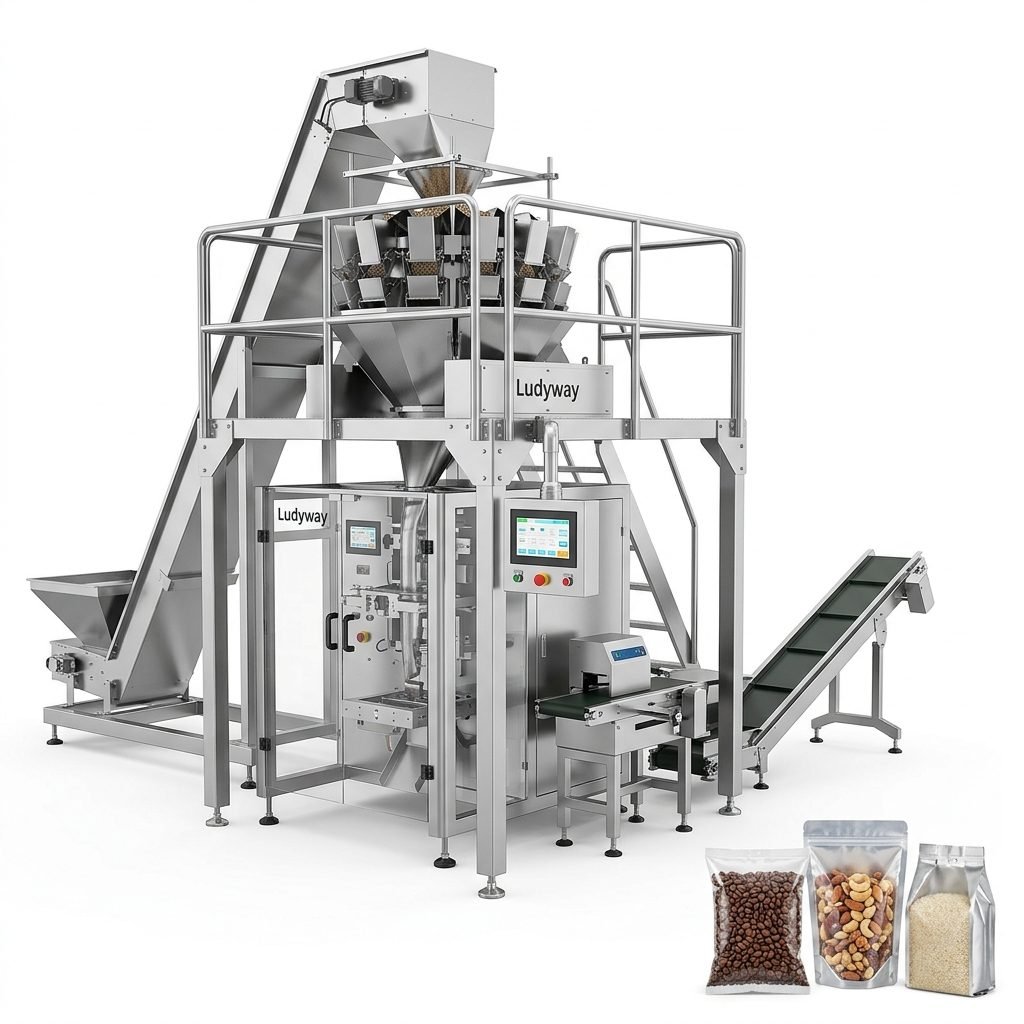
Not all vacuum chambers are created equal. For a robust packaging machinery line, you need to integrate several key components. The selection depends on your product form—whether you are packing granules, powders, or liquids.
Recommended Line Configuration
| Machine Module | Primary Function | Suitable Packaging Type |
|---|---|---|
| Multi-Head Weighing System | Precision dosing for solids | Granules, Pellets, Snacks |
| Vertical Form Fill Seal (VFFS) Machine | Bag forming, filling, and initial sealing | Pillow bags, Gusseted bags |
| Vacuum Sealing Chamber | Oxygen extraction and hermetic seal | Flat pouches, Bulk bags |
| Checkweigher & Metal Detector | Quality control compliance | All food contact packaging |
4. Preserving Product Integrity with Shrink and Vacuum Technologies
For many secondary packaging applications, combining a vacuum line with a shrink-wrapping system ensures tamper-proof finishes. This is particularly vital for export shipments traveling through the hot, humid routes of the Malacca Strait.

Integrating Shrink Wrapping
- Pre-shrink staging: Collects vacuum-packed bags for secondary bundling.
- Heat tunnel: Must be calibrated carefully to avoid damaging the vacuum seal integrity.
- Film selection: Use polyethylene films with high puncture resistance for frozen goods.
5. Addressing Global Standards and Local Regulations
Southeast Asian nations are aligning with global food safety standards. Your line must comply with HACCP principles and, increasingly, ISO 22000. Surface contact parts should be made of SUS304 or SUS316L stainless steel to withstand acidic marinades and salt corrosion common in regional seafood processing.
Compliance Checklist
- Validation of seal integrity (burst tests, dye penetration).
- IP65 electrical protection for wet washdown environments.
- Halal certifiable logistics for Malaysian and Indonesian markets.
6. The Competitive Advantage: Automation and Error Detection
Labor costs in Southeast Asia are rising, yet technical skills gaps persist. Therefore, your food vacuum packaging machine production line must bridge this gap with intuitive Human Machine Interfaces (HMIs). Look for systems with automated error rejection and real-time data logging.
Implementing vision inspection systems and industrial metal detectors directly onto the conveyor eliminates manual quality checks. This is crucial for brands exporting to strict regulatory markets like Japan and the European Union.
7. Maintenance in a Tropical Climate
The biggest enemy of packaging machinery in the region is moisture ingress. A proactive maintenance schedule is mandatory. Lubrication points must be checked weekly, and vacuum pump oil must be changed more frequently than in temperate zones. Ensure your supplier provides remote diagnostic support to minimize downtime.

8. Partnering for Turnkey Solutions
Setting up a complete line often requires integrating multiple vendors, which can lead to communication breakdowns. A single-source turnkey packaging line provider streamlines this process. When evaluating partners, consider their footprint in the ASEAN region and their capacity to provide high-speed multi-lane solutions for diverse product matrices.
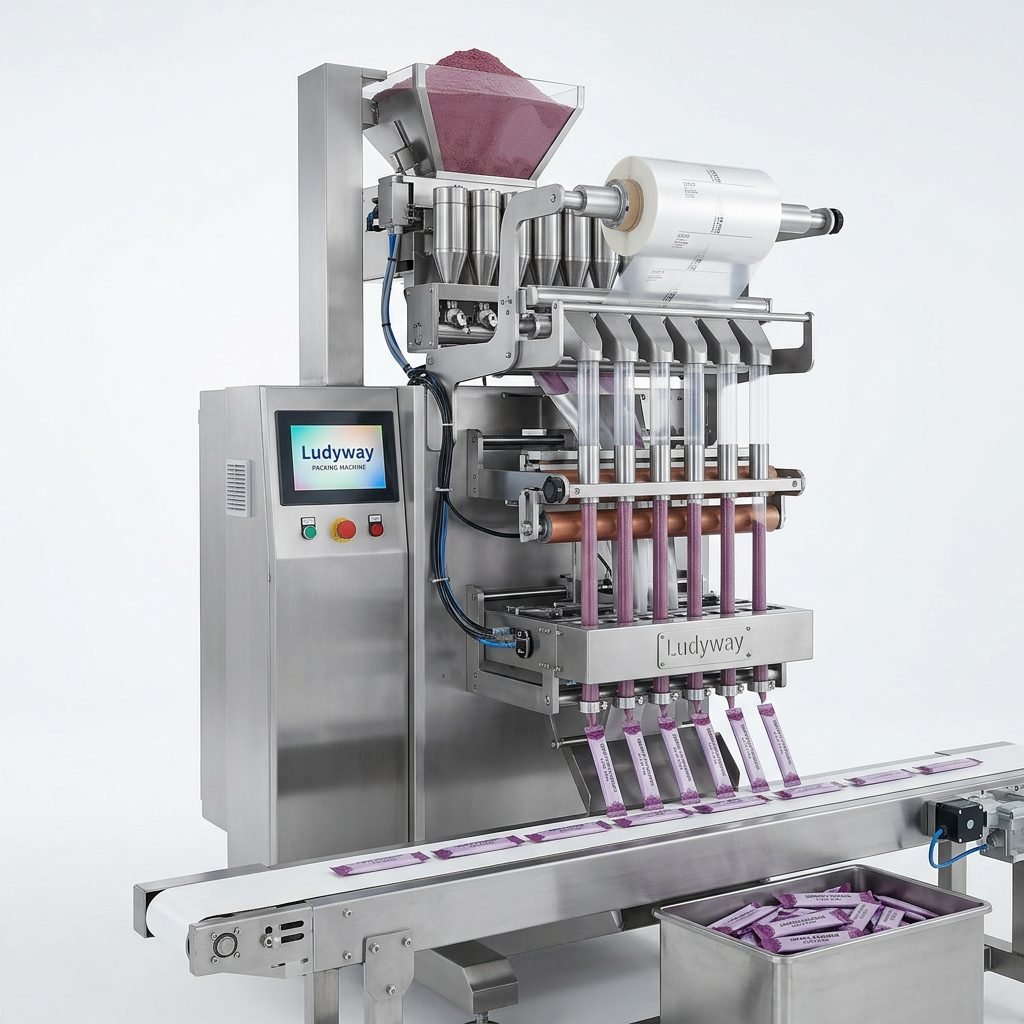
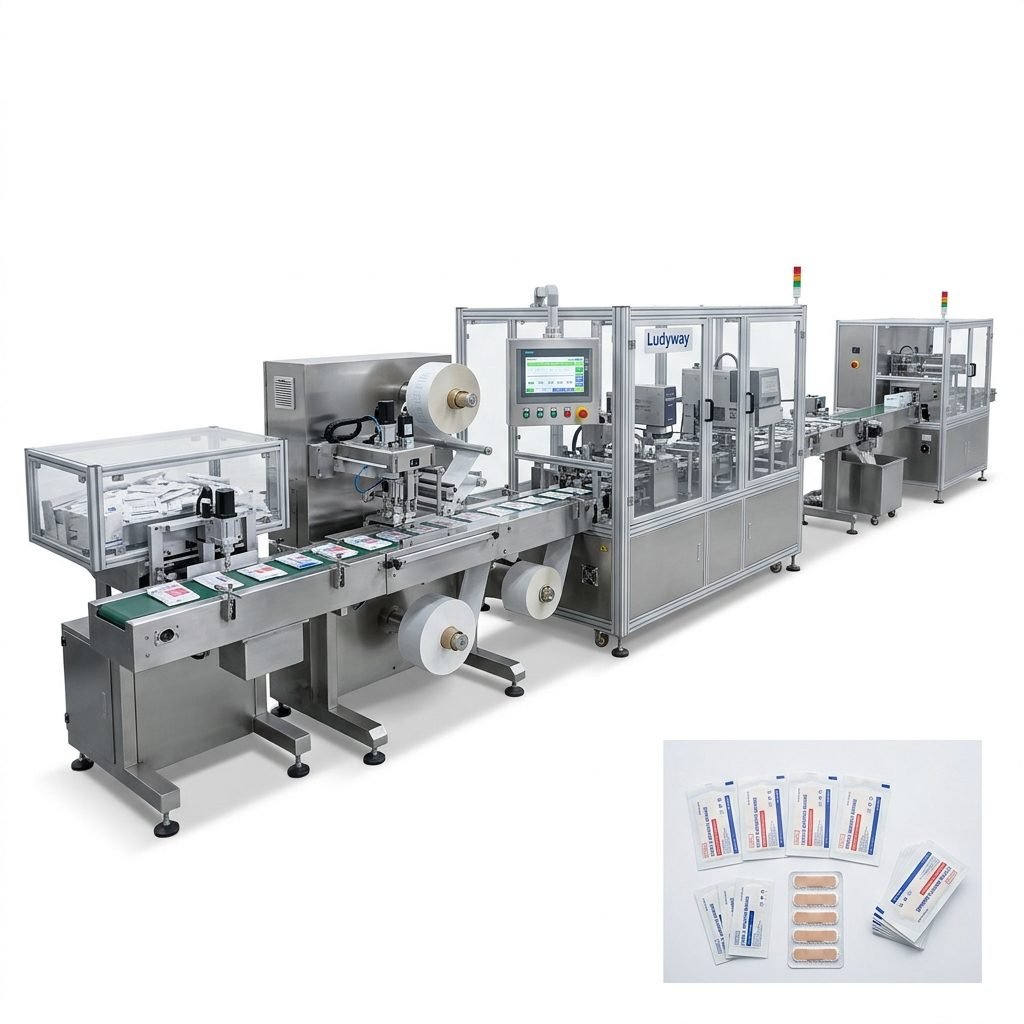
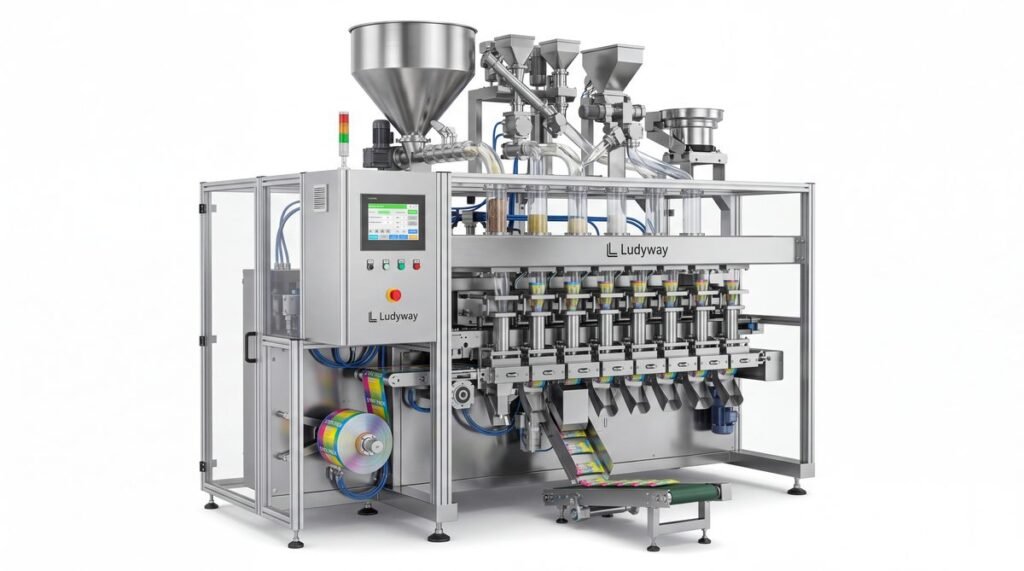
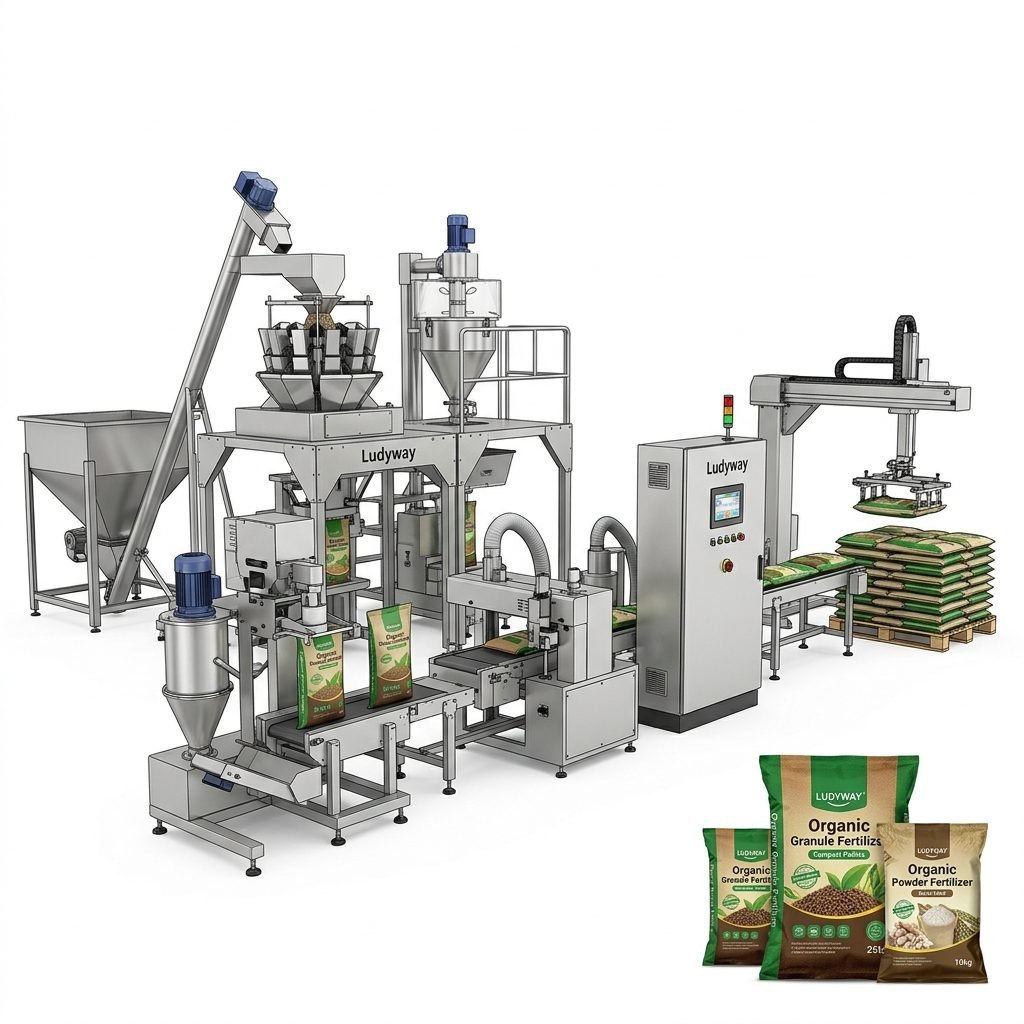
For established manufacturers seeking reliable production scaling, companies like Ludyway offer integrated systems that handle the entire spectrum from granule dosing to final vacuum sealing and cartoning, designed specifically with the tough operational challenges of Southeast Asian facilities in mind.
Recommended Industry Resources
- PMMI: The Association for Packaging and Processing Technologies
- Flexible Packaging Association (FPA)
- FDA Food Packaging and Food Contact Substances Guidelines
- ISO Packaging Standards
Building a future-proof food vacuum packaging machine production line in Southeast Asia is a substantial but rewarding investment. By prioritizing humidity-resistant engineering, flexible automation, and international safety compliance, your facility can capture significant market share in the world’s most dynamic food processing market.