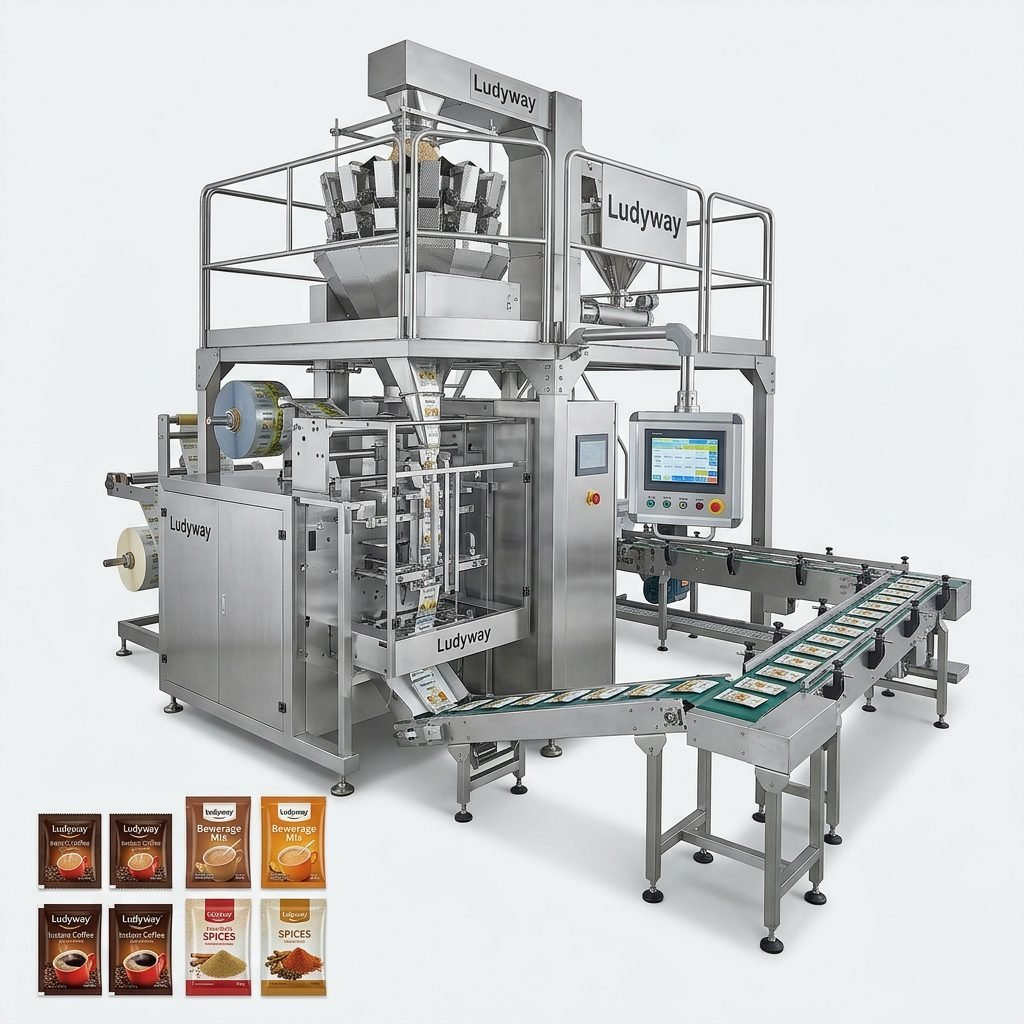
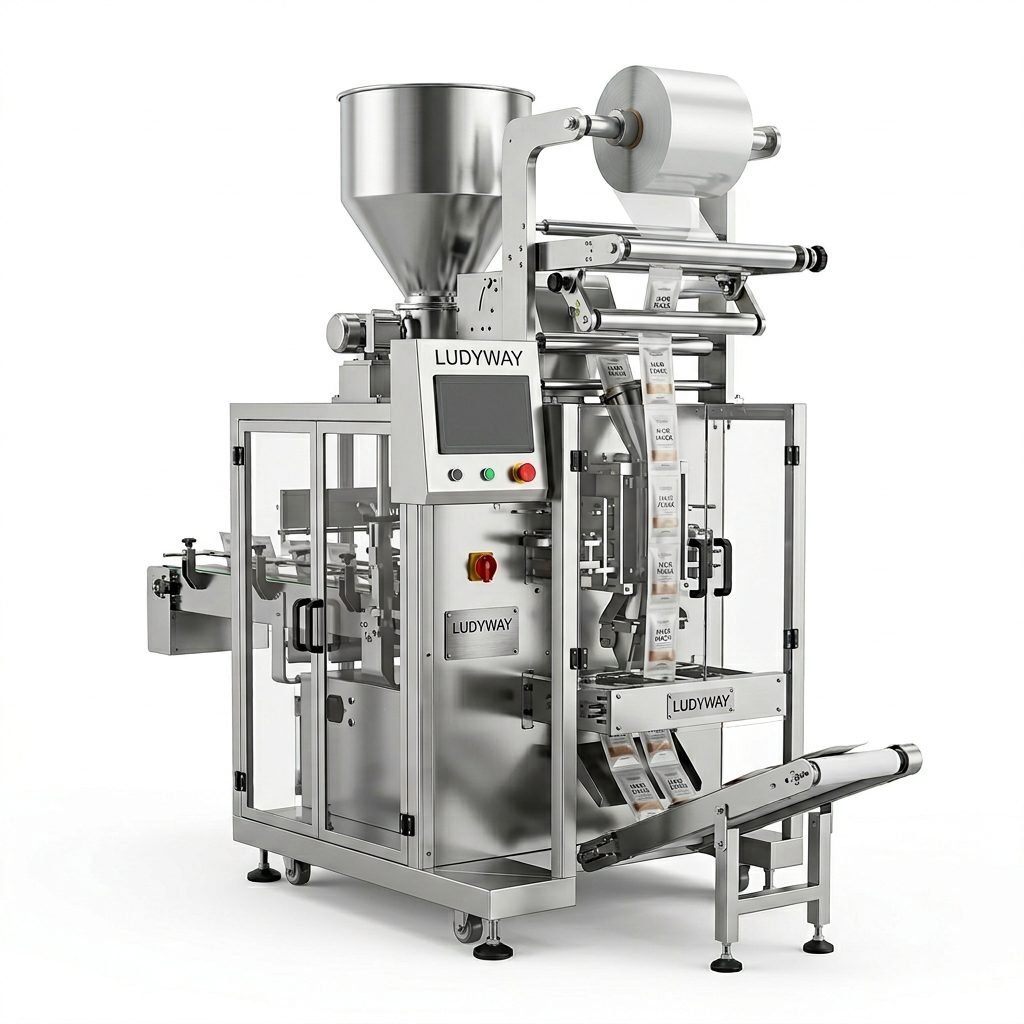
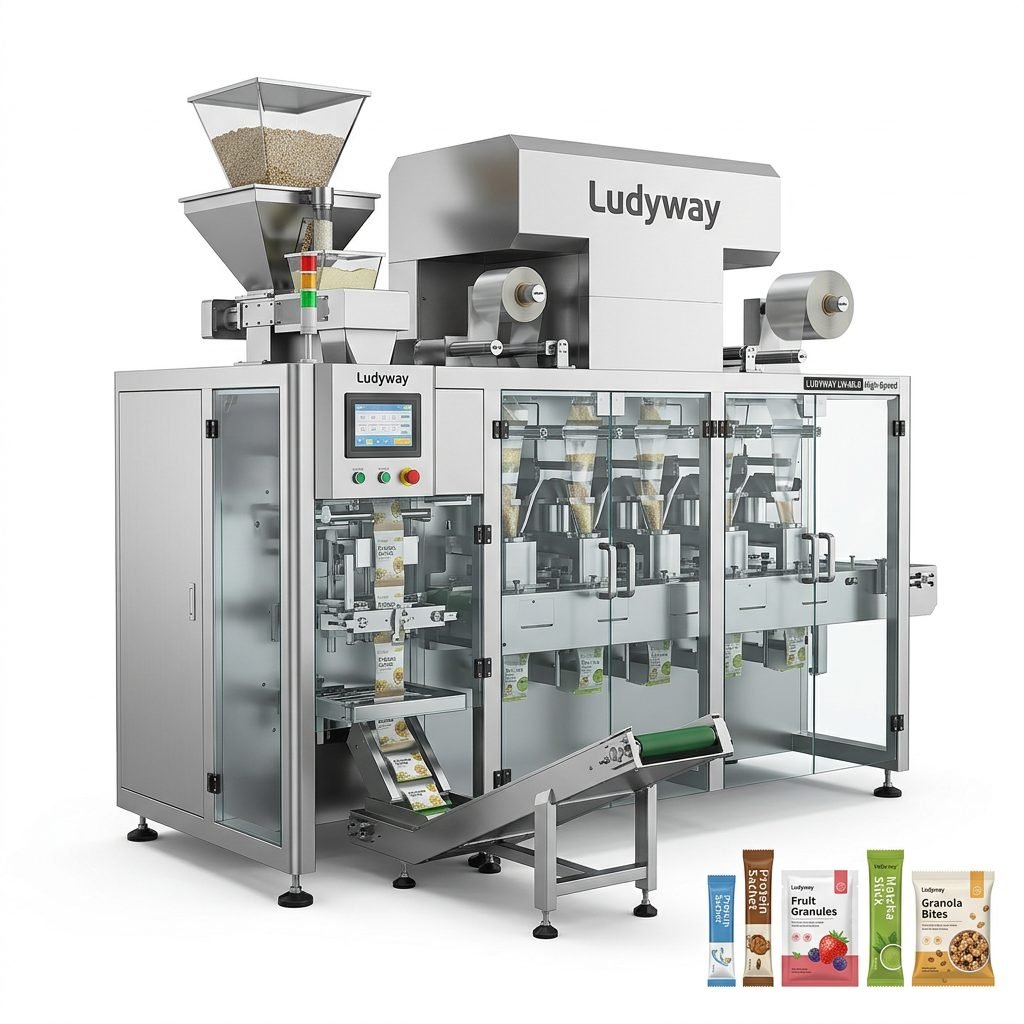
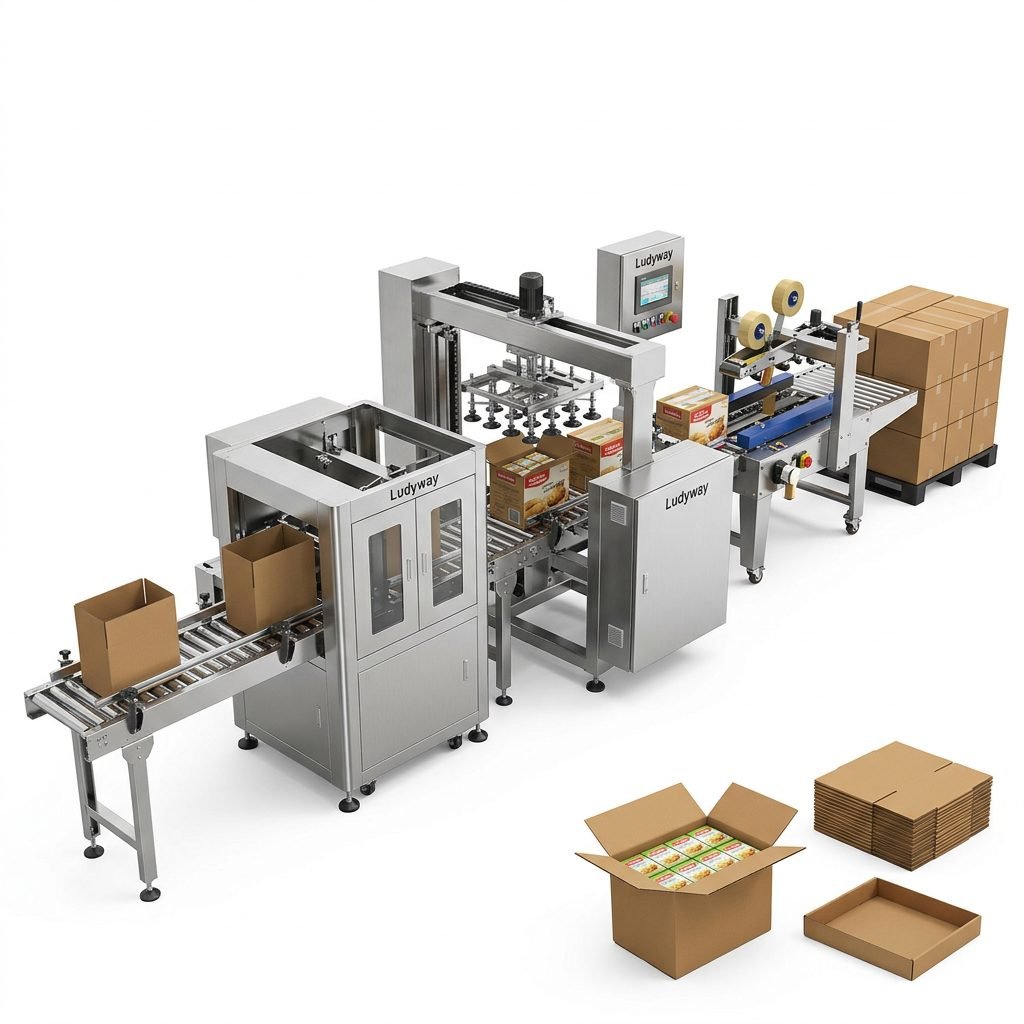
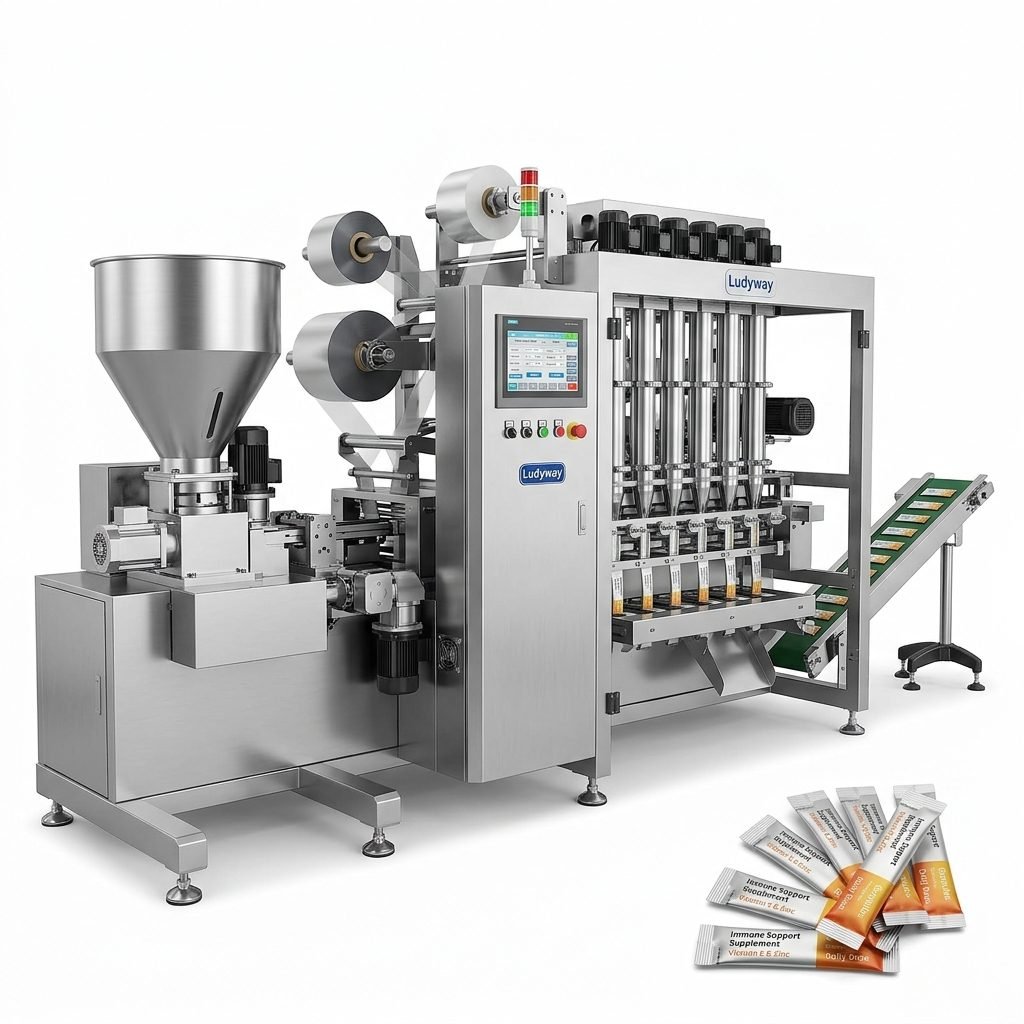
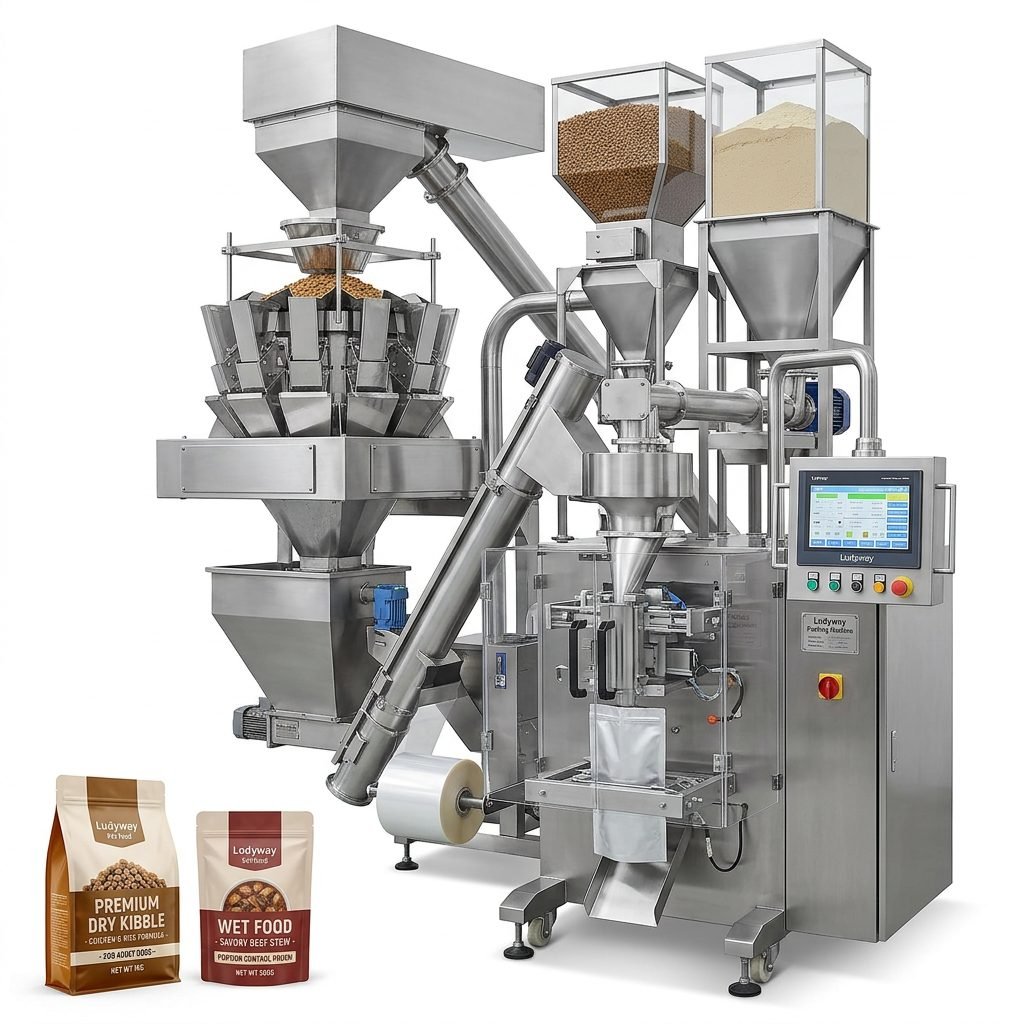
Investing in a vacuum food packaging machine is a strategic decision for food manufacturers, distributors, and commercial kitchens aiming to extend product shelf life, preserve freshness, and reduce waste. Whether you operate a small-scale artisanal business or a high-volume industrial facility, understanding the key features, types, and selection criteria is essential. This global guide walks you through everything you need to know before purchasing a vacuum packaging system that fits your operational requirements and budget.

What Is a Vacuum Food Packaging Machine?
A vacuum food packaging machine removes air from a package prior to sealing, creating an oxygen-depleted environment that dramatically slows spoilage, inhibits bacterial growth, and preserves product quality. This technology is widely adopted across the packaging and processing industry, from fresh meat and seafood to dry powders, granules, and ready-to-eat meals. By eliminating oxygen, vacuum packaging also prevents freezer burn, maintains flavor profiles, and reduces the need for artificial preservatives.
Key Benefits of Vacuum Packaging
- Extended Shelf Life: Vacuum-sealed products can last 3 to 5 times longer than conventionally packaged goods.
- Reduced Food Waste: Minimizing oxidation and microbial activity leads to significantly less spoilage throughout the supply chain.
- Enhanced Product Appearance: Tight, transparent packaging improves shelf appeal and consumer trust.
- Cost Efficiency: Bulk purchasing and longer storage reduce inventory turnover and logistics costs.
- Regulatory Compliance: Vacuum packaging helps meet FDA food packaging and food contact substance requirements for hygiene and safety.
Types of Vacuum Packaging Machines
Choosing the right type depends on your production volume, product characteristics, and packaging format. Below is a comparison of the most common vacuum packaging machine categories available in the global market.
| Machine Type | Best For | Production Level | Key Advantage |
|---|---|---|---|
| Chamber Vacuum Machine | Meat, cheese, liquids, bulk items | Small to Medium | Versatile; handles liquid-rich products |
| External Vacuum Sealer | Dry goods, small batches | Entry-Level | Affordable and compact |
| Double Chamber Machine | Medium-volume meat, seafood | Medium to High | Continuous operation with dual chambers |
| Thermoforming Vacuum Machine | Processed meat, cheese slices | High-Volume Industrial | Fully automated forming and sealing |
| Rotary Vacuum Machine | Granules, powders, snacks | Very High-Speed | Continuous motion for maximum output |
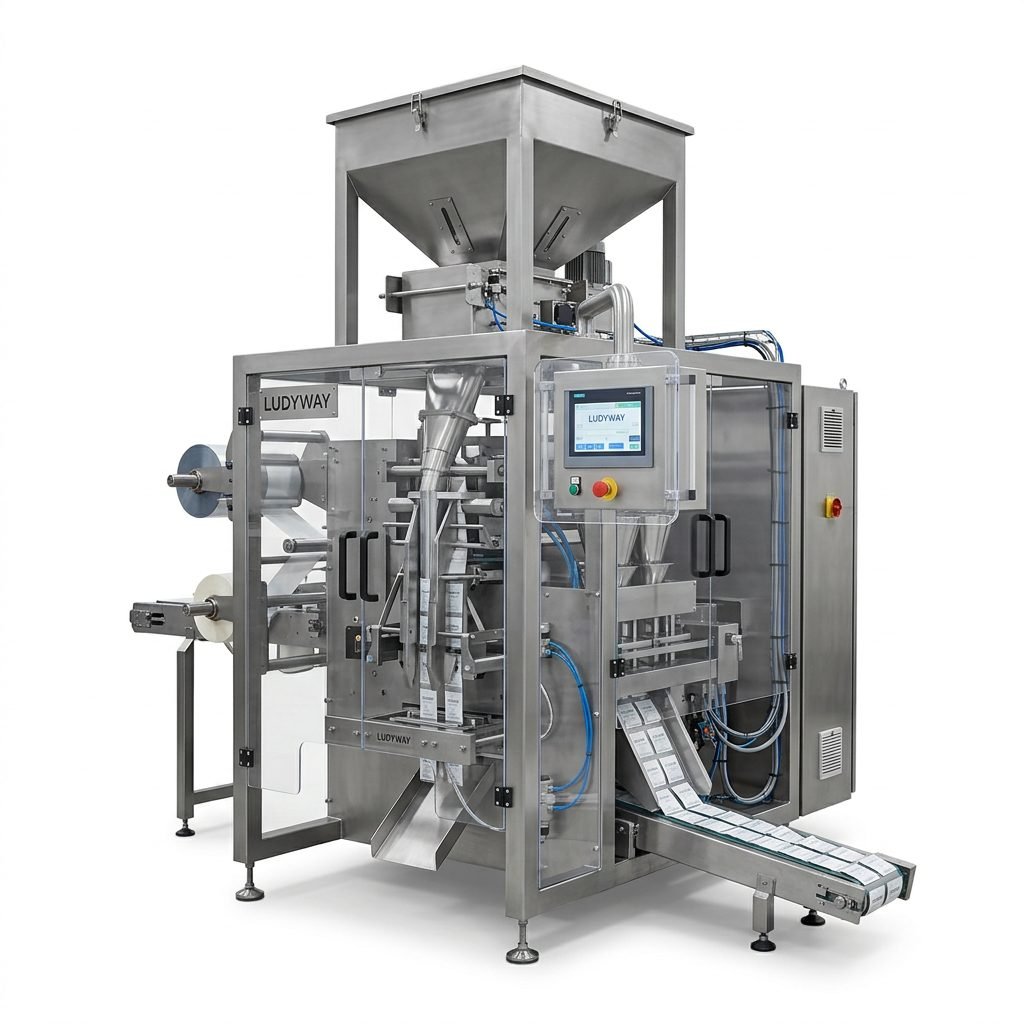
| VFFS with Vacuum Function | Powders, grains, coffee | Medium to High | Integrated vertical form-fill-seal with vacuum |

Critical Factors to Evaluate Before Purchasing
Beyond machine type, several operational and technical factors determine the long-term success of your vacuum packaging investment. Carefully assess each of the following areas before making a commitment.
Production Capacity and Speed
Match the machine’s throughput to your current and projected production needs. An undersized machine creates bottlenecks, while an oversized one wastes capital. Consider cycle time, sealing bar length, and the number of packages processed per minute. For high-speed operations, rotary or multi-lane configurations may be necessary to meet demand.
Product Compatibility
Not all vacuum machines handle every product type equally. Liquid-rich foods require chamber machines with controlled vacuum levels to prevent boiling at low pressure. Powders and granules demand specialized sealing systems that prevent fine particles from contaminating the seal area. Fragile products such as baked goods need gentle vacuum settings with gas-flush options.
Packaging Material Flexibility
Your machine should be compatible with the flexible packaging materials you intend to use, including PA/PE, EVOH barrier films, and aluminum-laminated pouches. Verify the machine’s sealing temperature range and pressure settings to ensure consistent, leak-proof seals across different film thicknesses and barrier properties.
Vacuum Pump Quality and Maintenance
The vacuum pump is the heart of the system. Busch, Leybold, and similar high-quality oil-lubricated rotary vane pumps offer reliable performance and longer service intervals. Dry pumps are available for sensitive environments. Consider pump capacity (measured in m³/h), oil change frequency, and spare parts availability in your region when comparing different models from packaging equipment manufacturers.
Automation and Control Features
- PLC Touchscreen Interface: Enables precise control over vacuum time, sealing time, and temperature with recipe storage for different products.
- Gas Flush (MAP) Capability: Modified Atmosphere Packaging replaces oxygen with nitrogen or CO₂ for products requiring special gas blends.
- Soft-Air Function: Gradually reintroduces air to prevent package collapse for delicate items.
- Data Logging: Tracks production metrics for quality control and regulatory compliance with ISO packaging standards.
- Automatic Film Tracking: Sensors that adjust film alignment during operation to minimize waste and downtime.
Industry Applications and Use Cases
Vacuum packaging machines serve a broad spectrum of industries worldwide. Understanding how your sector utilizes this technology helps narrow down the right specification.
Meat and Poultry Processing
The meat industry relies heavily on vacuum packaging to prevent oxidation, maintain red color in fresh cuts, and extend shelf life during cold chain distribution. Thermoforming machines dominate this segment due to their ability to produce high-volume, leak-proof packages with bottom film forming and top film sealing in a single automated line.
Seafood and Aquaculture
Fresh and frozen seafood products are particularly susceptible to spoilage. Vacuum packaging combined with skin pack technology creates a second-skin effect that locks in freshness and prevents drip loss during transport. Double chamber machines are commonly used in seafood processing facilities for their reliability and moisture-handling capability.
Dried Foods, Powders, and Granules
Coffee, spices, milk powder, protein supplements, and dehydrated vegetables benefit from vacuum packaging that protects against moisture ingress and aroma loss. These applications frequently use vertical form-fill-seal machines with vacuum capability or pre-made pouch vacuum systems depending on the desired packaging format and production speed.
Pharmaceutical and Nutraceutical Products
Powders, capsules, and granule-based supplements require packaging environments that meet stringent hygiene standards. Vacuum packaging machines used in pharmaceutical settings must comply with ISO 11607 requirements for terminally sterilized medical devices and related packaging validation protocols, ensuring product integrity throughout the shelf life.

Budgeting and Return on Investment
Vacuum packaging machines range from under $1,000 for basic tabletop external sealers to well over $100,000 for fully automated thermoforming or rotary systems. However, the purchase price is only one component of the total cost of ownership. Factor in the following when calculating your return on investment:
- Film and Material Costs: Different machines use different film formats. Evaluate the cost per package across your expected annual volume.
- Energy Consumption: Industrial vacuum pumps consume significant electricity. Compare pump efficiency ratings and duty cycles.
- Labor Requirements: Automated systems reduce manual labor but require higher initial investment. Calculate the payback period based on labor savings.
- Maintenance and Spare Parts: Budget approximately 3-5% of the machine cost annually for routine maintenance and wear-part replacement.
- Product Waste Reduction: Quantify the value of reduced spoilage and extended shelf life, which often justifies the investment within 12 to 24 months.
After-Sales Support and Service Considerations
Reliable technical support is critical for minimizing downtime in food production environments. Before purchasing a vacuum packaging machine, evaluate the supplier’s service capabilities. Leading manufacturers such as Ludyway, one of the largest packaging machine manufacturers in China with over 30 years of industry experience and a modern 20,000㎡ manufacturing facility, provide comprehensive after-sales support including remote diagnostics, on-site technician visits, and readily available spare parts across more than 100 countries and regions. Verify response times, warranty terms, and the availability of local service partners before finalizing your purchase.
Questions to Ask Your Supplier
- What is the standard warranty period, and what does it cover?
- Are spare parts stocked locally, or do they need to be shipped internationally?
- Is remote technical support available for troubleshooting?
- Do you offer operator training, either on-site or via video tutorials?
- What are the recommended preventive maintenance intervals?
- Can you provide references from customers in my industry and region?
Global Standards and Regulatory Compliance
Vacuum packaging machines intended for food and pharmaceutical use must comply with various international regulations. In the United States, the FDA regulates food contact substances used in packaging materials and machine components. In the European Union, machinery must carry CE marking and comply with relevant directives. Additionally, many buyers reference PMMI packaging machinery market research and industry reports to benchmark equipment specifications against market standards. Always verify that your chosen machine meets the regulatory requirements of your target market before importing.
Making the Final Decision
Purchasing a vacuum food packaging machine is a significant decision that impacts product quality, operational efficiency, and brand reputation. Start by clearly defining your product range, production targets, and budget constraints. Request demonstrations or sample runs with your actual products whenever possible. Compare multiple suppliers, evaluate total cost of ownership rather than just the initial price, and prioritize build quality and after-sales support. With careful evaluation, the right vacuum packaging system will deliver consistent performance and a strong return on investment for years to come.
For further guidance, explore industry resources from the Flexible Packaging Association, review state of the industry reports from PMMI, and stay informed on European packaging regulations to ensure your investment aligns with current and future market requirements.