The North American bakery industry is experiencing unprecedented demand for automated packaging solutions. From artisanal sourdough to high-volume sliced bread lines, selecting the right bakery packaging machine directly impacts product freshness, shelf appeal, and operational profitability. This comprehensive buying guide covers everything you need to know before making an investment.

Understanding the North American Bakery Packaging Landscape
The bakery packaging equipment market in North America is shaped by several key factors: stringent FDA and CFIA regulations, growing demand for sustainable packaging materials, labor shortages driving automation adoption, and the rapid expansion of in-store bakeries and commissary operations. According to the PMMI business intelligence reports, the food packaging machinery sector continues to see steady growth, with bakery applications representing a significant share.
Whether you operate a wholesale bakery producing thousands of units per hour or a specialty shop requiring flexible portion packaging, understanding machine categories, material compatibility, and throughput requirements is essential before contacting suppliers.
Key Regulatory Considerations
- FDA Food Contact Compliance – All packaging materials and machine contact surfaces must meet FDA food contact substance regulations.
- CFIA Requirements – Canadian bakeries must adhere to Canadian Food Inspection Agency standards for labeling and food safety.
- Sanitary Design – Machines should feature stainless steel construction, easy-clean surfaces, and minimal crevices where food particles can accumulate.
- ISO Standards – Relevant ISO packaging standards provide guidelines for quality and safety management in automated packaging operations.
Types of Bakery Packaging Machines
Modern bakeries utilize several distinct machine categories depending on the product format, desired packaging style, and production volume. Understanding these options is the foundation of a successful equipment purchase.
Vertical Form Fill Seal (VFFS) Machines
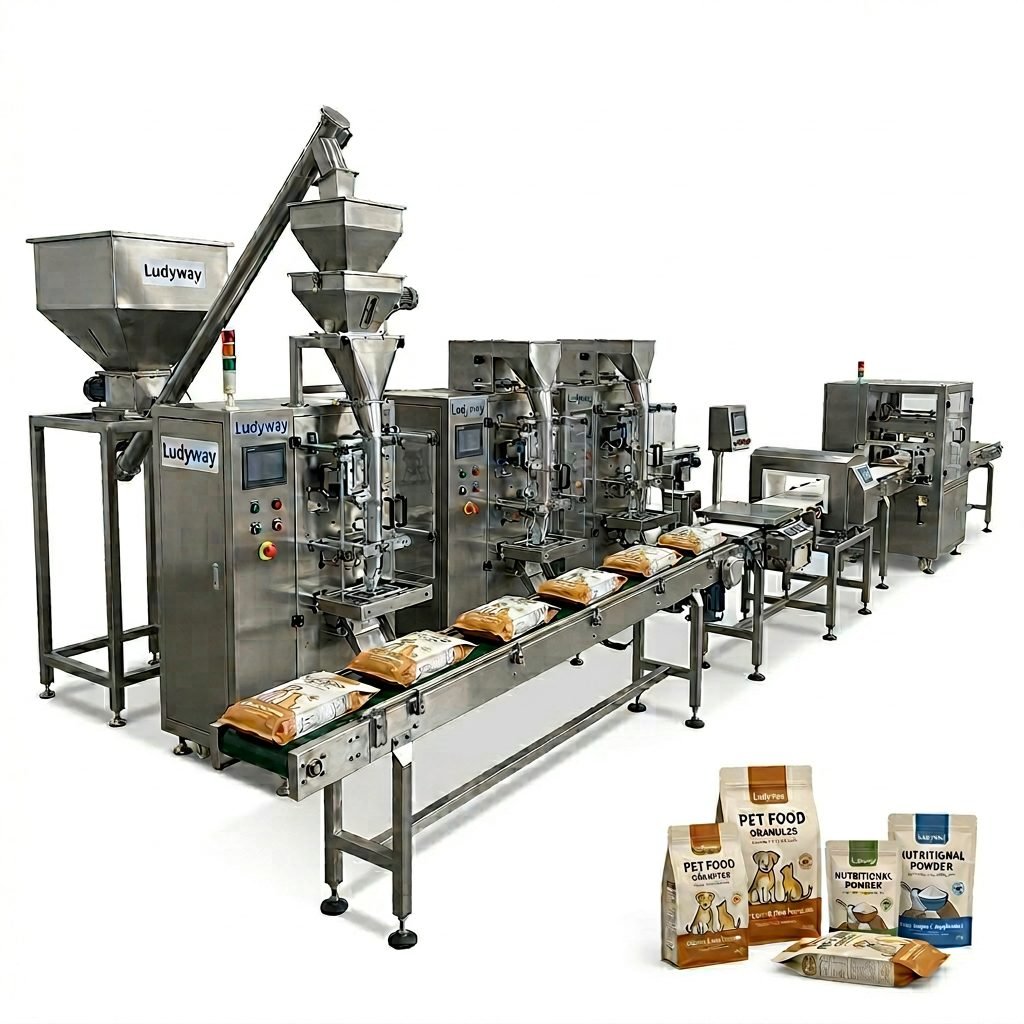
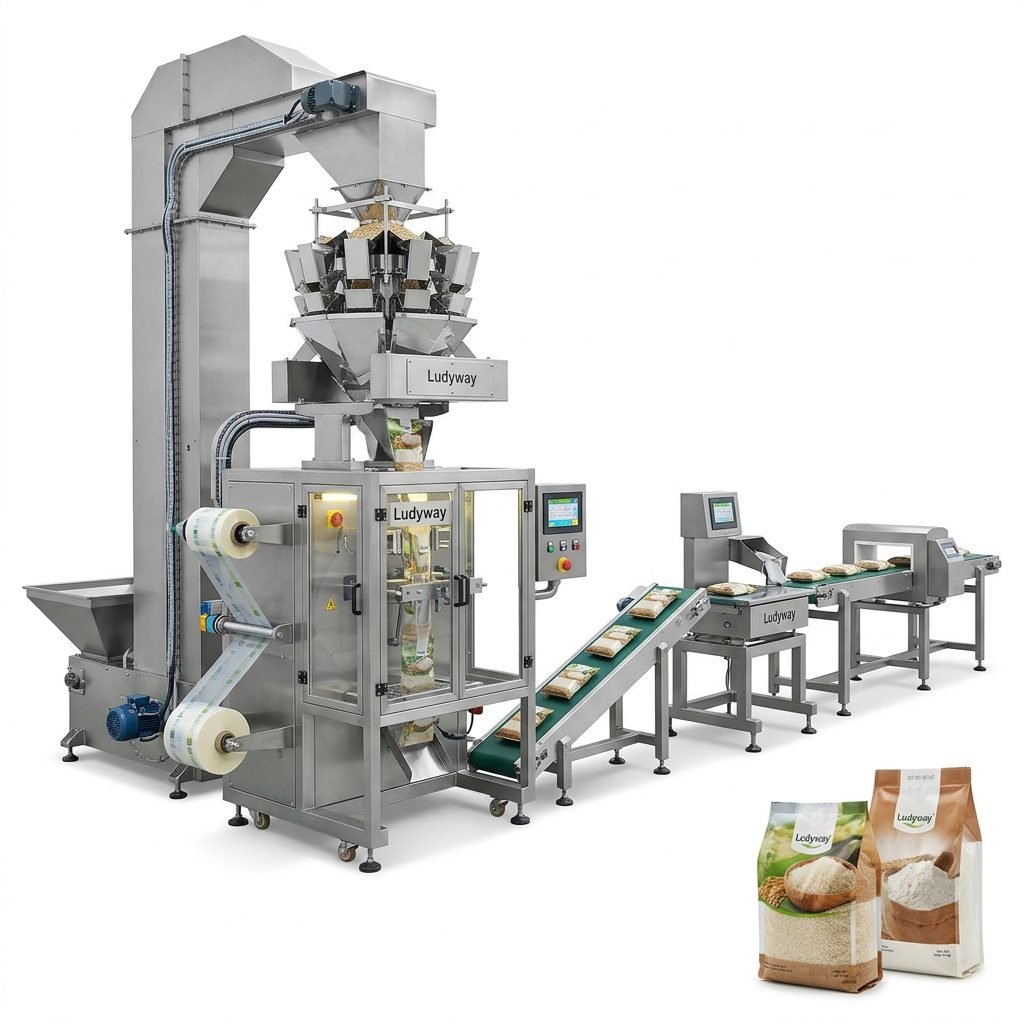
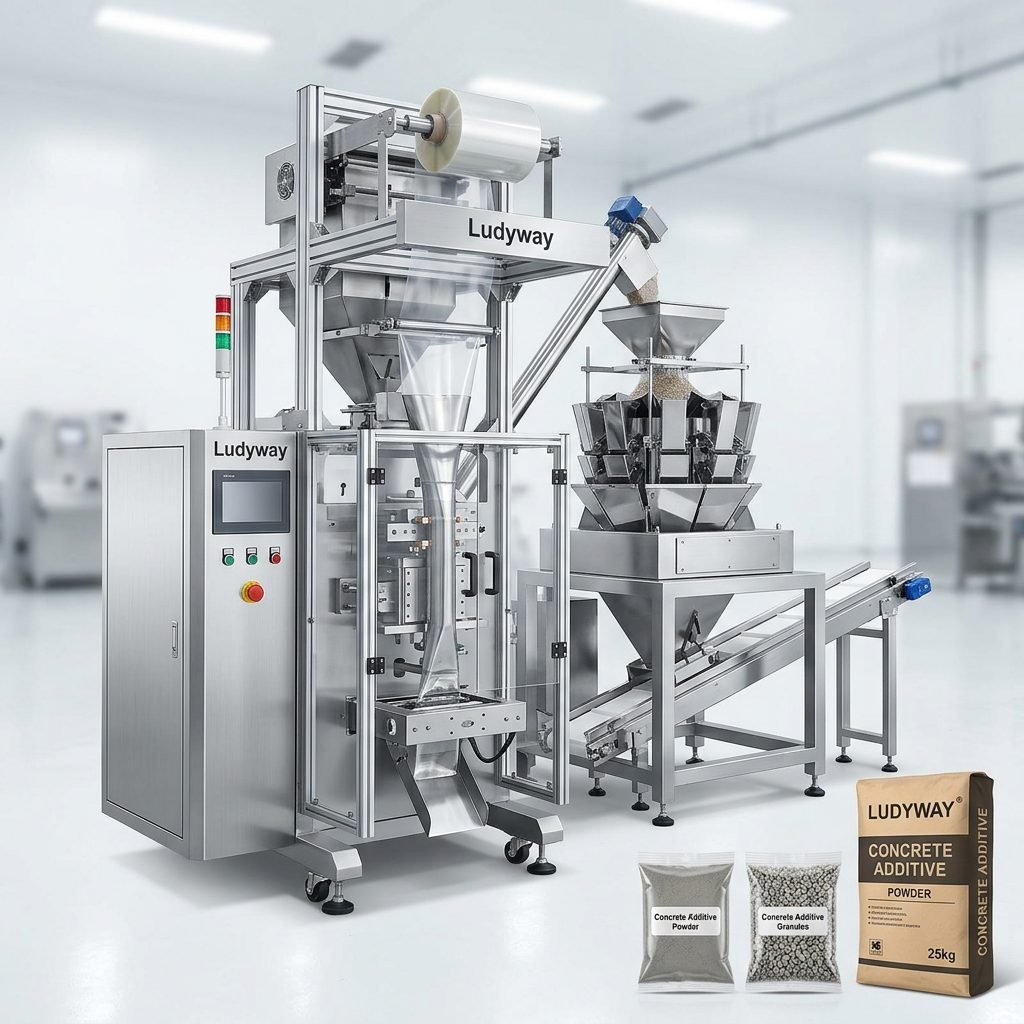
VFFS baggers are among the most widely used systems in North American bakeries. They form bags from roll stock film, fill product, and seal packages in a continuous vertical operation. These machines excel at packaging free-flowing dry products such as flour, sugar, baking mixes, and granular ingredients. Multi-lane VFFS configurations can dramatically increase throughput for high-demand applications.
Horizontal Flow Wrappers
For baked goods requiring gentle handling — including bread loaves, pastries, cookies, and snack cakes — horizontal flow wrappers provide an ideal solution. Products are conveyed horizontally through the film wrapping and sealing process, minimizing product damage while maintaining high packaging speeds. These machines are widely used for both fresh and frozen bakery items.
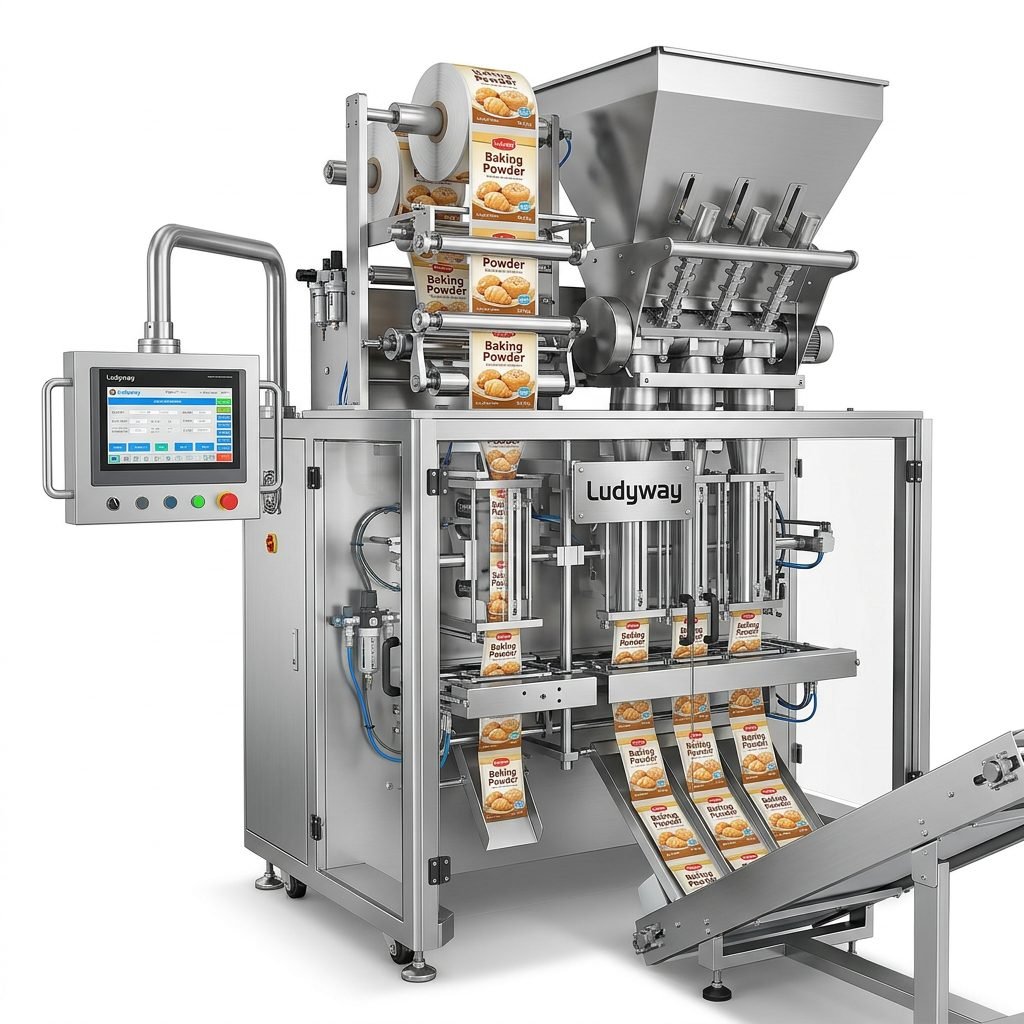
Stick Pack and Sachet Machines
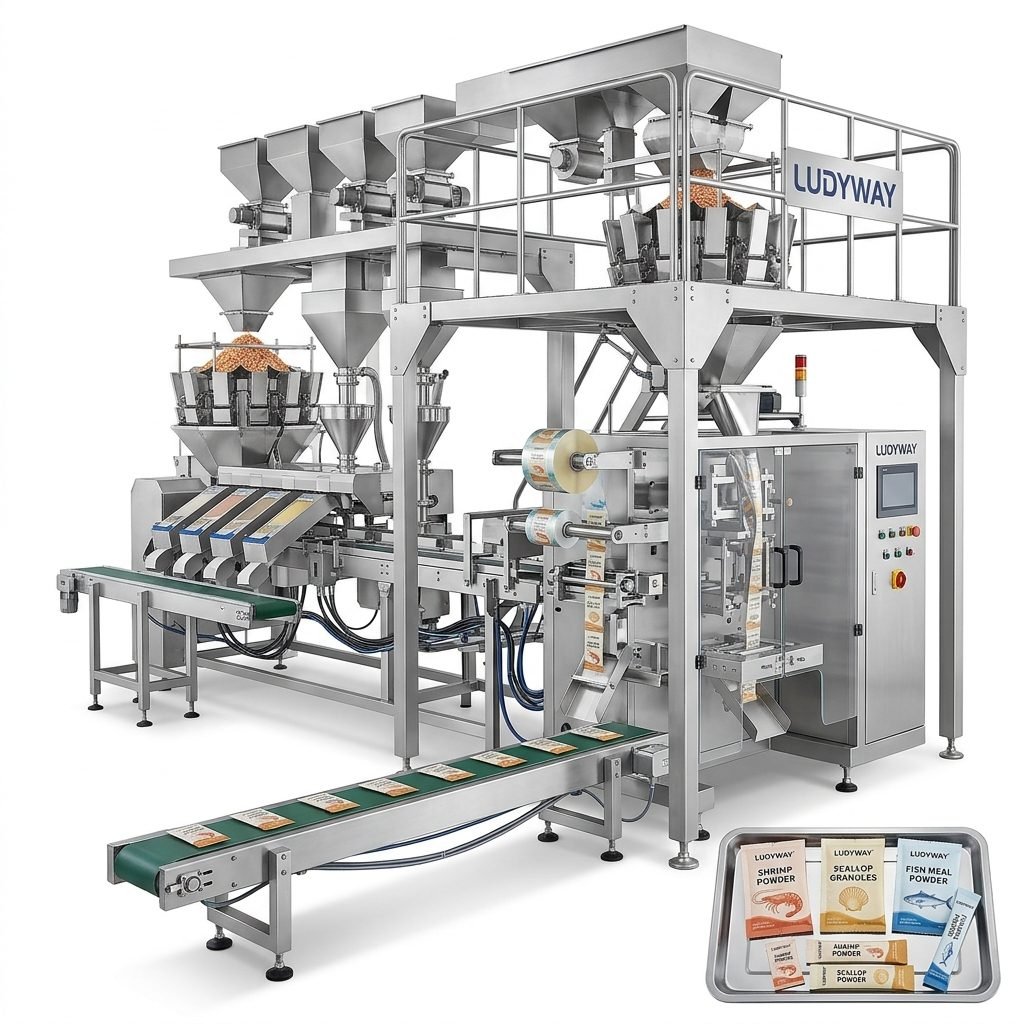
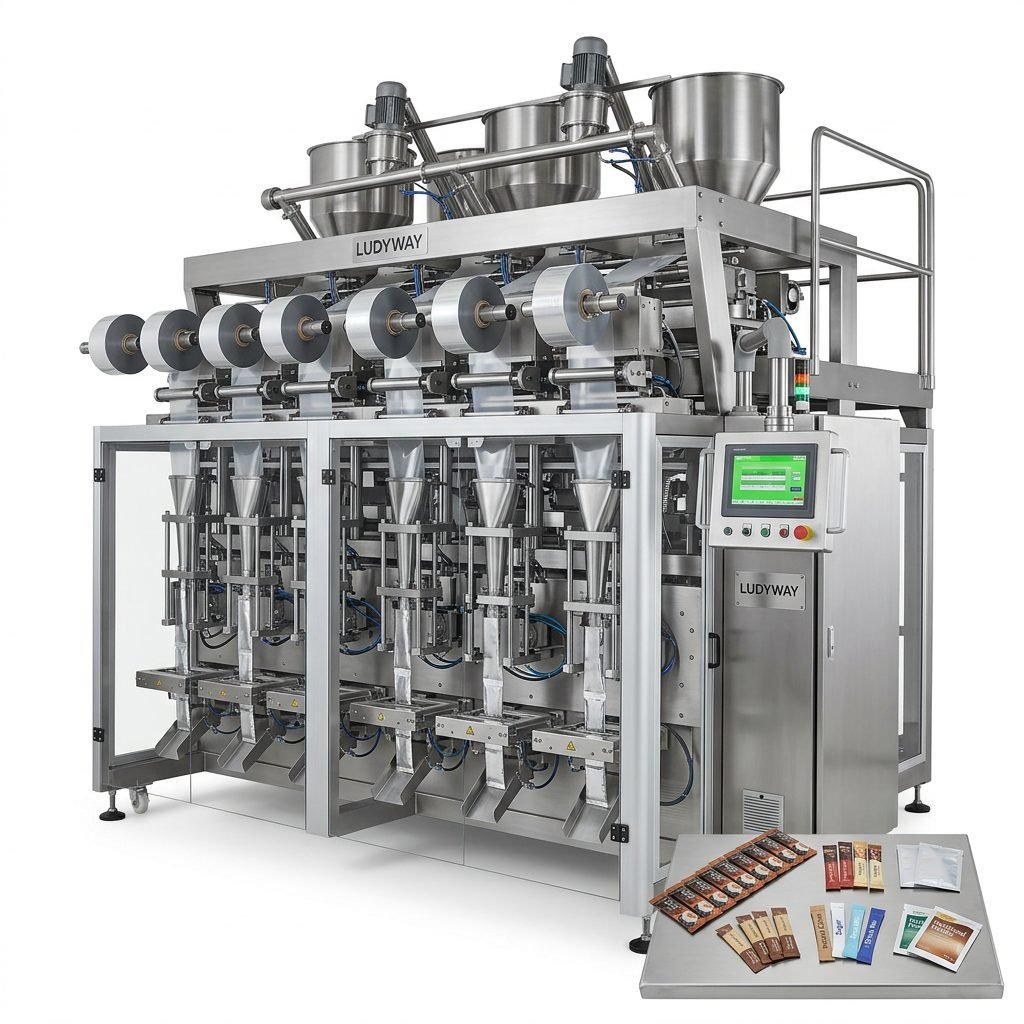
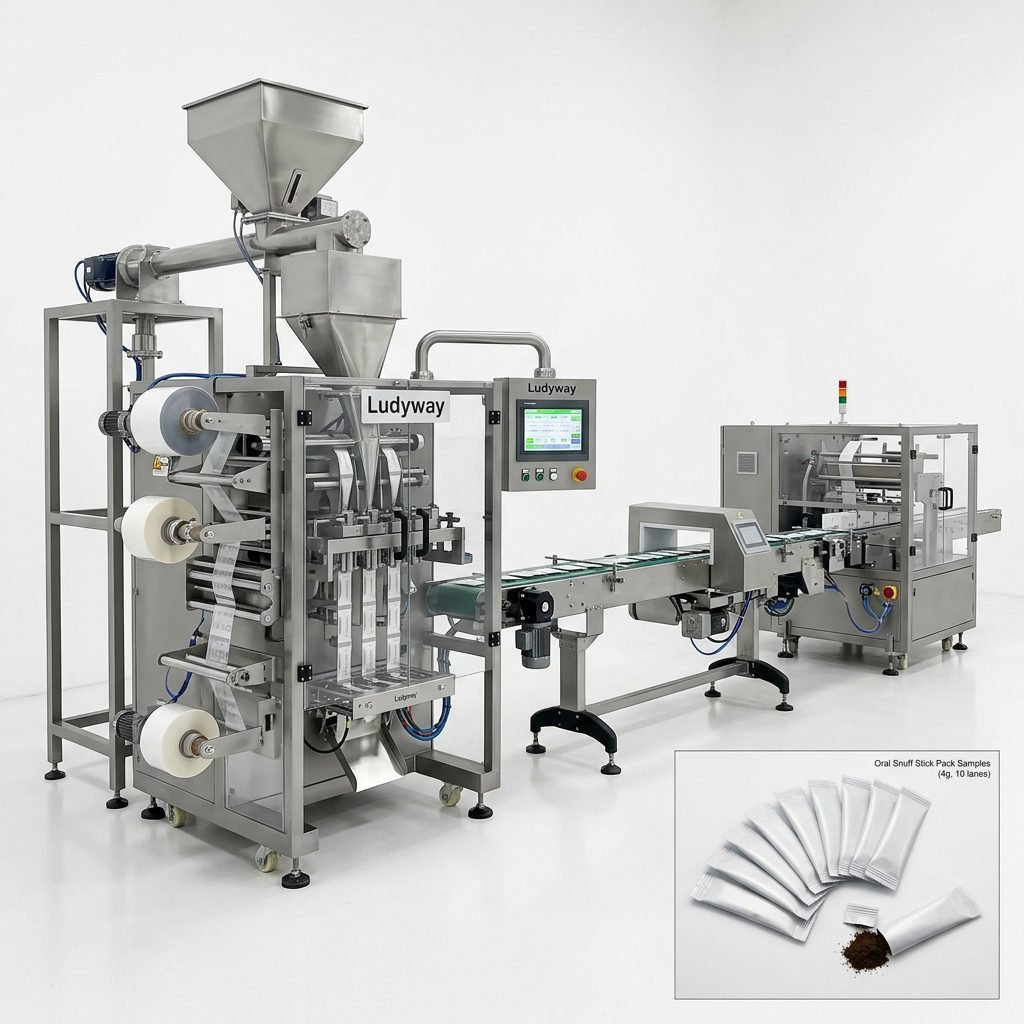
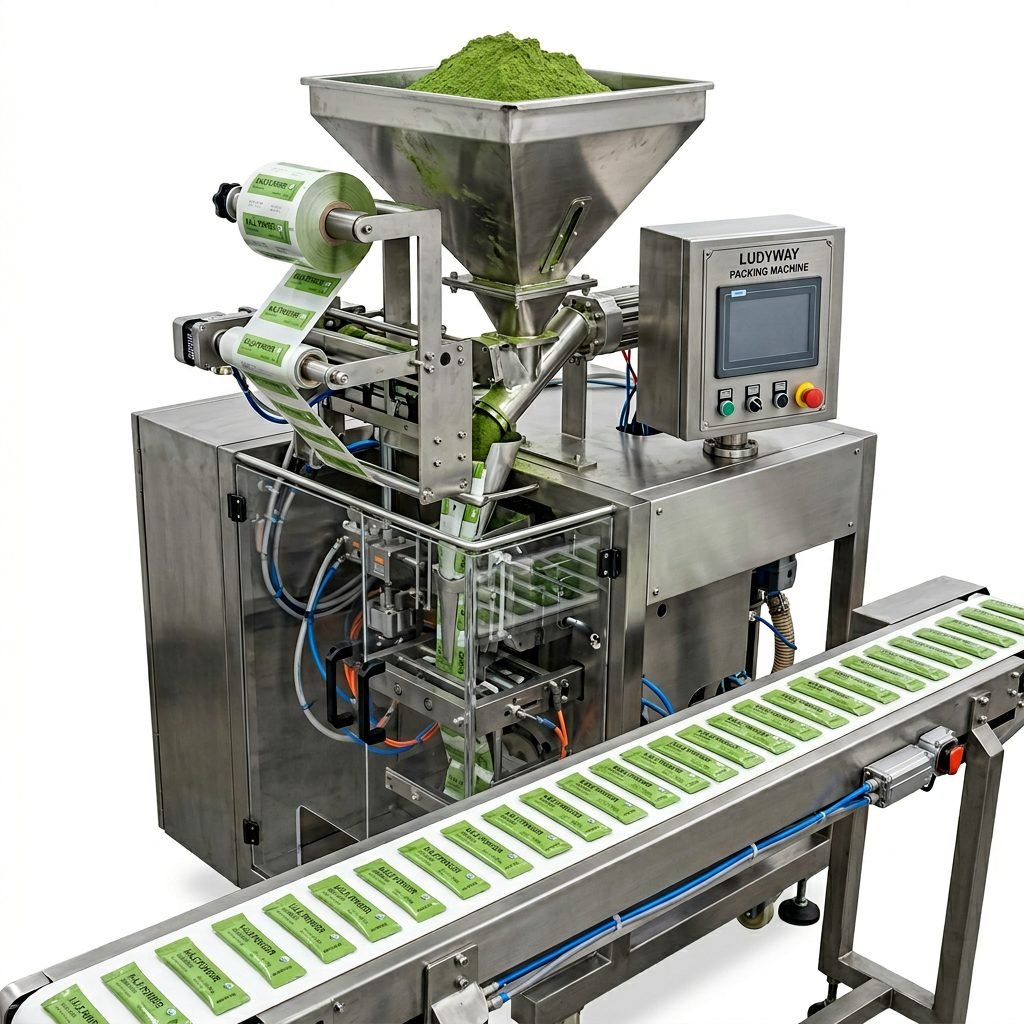
The growing demand for single-serve and portion-controlled packaging has made stick pack and sachet machines increasingly popular. These systems produce narrow, elongated pouches ideal for instant beverage powders, protein supplements, and baking additives. Multi-lane configurations can produce dozens of sticks simultaneously, achieving exceptional throughput rates.
Pre-Made Pouch Filling and Sealing Machines
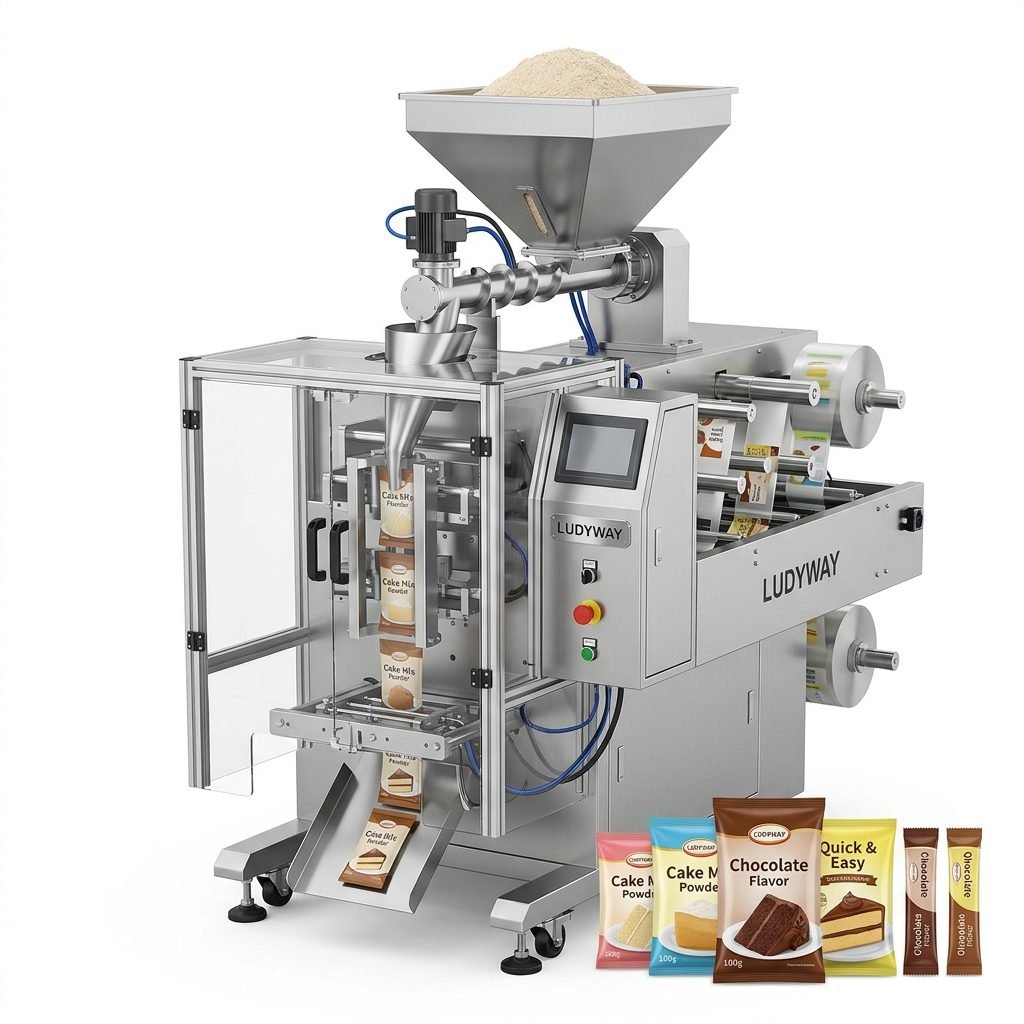
For bakeries utilizing stand-up pouches, zipper bags, or specialty packaging formats, pre-made pouch fillers offer flexibility and strong shelf presence. These machines open, fill, and seal pre-manufactured pouches, making them suitable for premium bakery mixes, granola, and value-added dry ingredient blends targeting retail shelves.
Critical Buying Factors for Bakery Packaging Equipment
Selecting the right machine requires evaluating multiple technical and operational parameters. The following table summarizes the most important specifications to consider during your purchasing process.
| Selection Factor | Key Considerations | Impact on Operation |
|---|---|---|
| Production Speed | Packages per minute (PPM), lane count, cycle time | Directly determines daily output capacity |
| Product Compatibility | Powder, granule, solid, liquid, or multi-component | Machine type must match product characteristics |
| Package Size Range | Width, length, and fill volume flexibility | Limits or expands product portfolio options |
| Film Material Compatibility | Polyethylene, polypropylene, laminates, compostable films | Affects sustainability goals and shelf life |
| Changeover Time | Tool-less adjustments, recipe memory, quick-release parts | Crucial for bakeries with multiple SKUs |
| Sanitary Construction | Stainless steel, washdown capability, IP rating | Essential for food safety compliance |
| Automation Level | Semi-automatic vs. fully automatic with inline weighing | Labor requirements and consistency trade-offs |
Total Cost of Ownership Analysis
Beyond the initial purchase price, smart buyers evaluate total cost of ownership (TCO) over the machine’s expected service life. Key cost components include:
- Initial Capital Expenditure – Machine cost, freight, installation, and training.
- Consumables – Film, labels, ink, and other recurring material expenses.
- Maintenance and Spare Parts – Preventive maintenance schedules and parts availability in North America.
- Energy Consumption – Electrical and compressed air requirements for sustained operation.
- Downtime Risk – Reliability track record and local technical support responsiveness.
Evaluating ROI and Payback Period
A properly specified bakery packaging machine typically delivers payback within 12 to 24 months through labor savings, reduced material waste, and increased throughput. High-speed multi-lane systems may achieve even faster returns in high-volume operations. When calculating ROI, factor in both direct cost savings and revenue upside from expanded production capacity and improved package quality.
Automation Trends in North American Bakeries
The PMMI 2025 State of the Industry report highlights several trends shaping packaging equipment investments across the food sector. Labor availability challenges continue to drive automation adoption, with bakeries of all sizes seeking machines that reduce manual intervention while improving consistency. Additionally, the Flexible Packaging Association reports growing demand for sustainable film options compatible with modern high-speed packaging machinery.
Smart Packaging and Industry 4.0 Integration
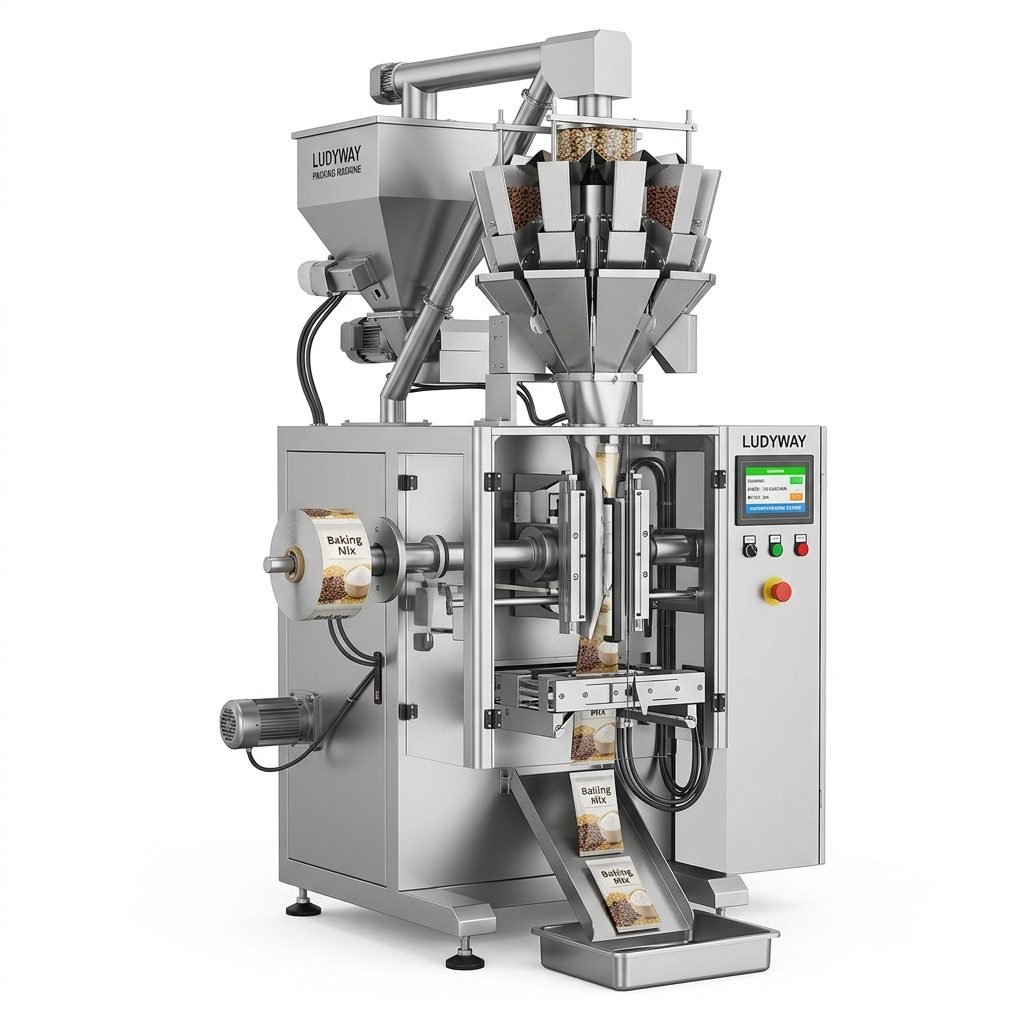
Modern bakery packaging lines increasingly incorporate IoT sensors, remote monitoring, and data analytics. These capabilities enable predictive maintenance, real-time production tracking, and seamless integration with enterprise resource planning (ERP) systems. When evaluating equipment, consider whether the control architecture supports OPC-UA, Ethernet/IP, or other industry-standard communication protocols for future-proof connectivity.
Sustainability and Packaging Material Innovation
Consumer preference for eco-friendly packaging is reshaping material choices across the bakery sector. Compostable films, recycled content laminates, and mono-material structures are increasingly specified. Ensuring your chosen packaging machine can handle these evolving materials — which may have different sealing characteristics and slip properties — is a strategic consideration for long-term viability.
Supplier Selection and Due Diligence
Choosing the right equipment partner is as important as selecting the right machine. North American buyers benefit from considering both domestic and global suppliers to find the optimal balance of technology, support, and value.
Key Questions to Ask Potential Suppliers
- What is the installed base in North America for this specific machine model?
- Can you provide local service and spare parts support with guaranteed response times?
- Does the machine come with comprehensive documentation and training in English?
- What warranty coverage is standard, and what extended options are available?
- Can you facilitate a factory acceptance test (FAT) before shipment?
- Are there customer references in similar bakery applications?
Leading global manufacturers continue to expand their presence in the North American market. For instance, Ludyway, one of the largest packaging machine manufacturers in China with over 30 years of industry experience and a 20,000㎡ modern production facility, serves customers in more than 100 countries with advanced packaging equipment including multi-lane stick pack and sachet systems suitable for bakery powder and mix applications. Evaluating such global suppliers alongside domestic OEMs can reveal compelling value propositions.
Packaging Machine Comparison by Application
| Bakery Application | Recommended Machine Type | Typical Speed Range |
|---|---|---|
| Flour and dry mixes | Multi-lane VFFS / Stick pack | 40–120 PPM per lane |
| Cake and muffin mixes | Pre-made pouch filler / VFFS | 25–80 PPM |
| Sliced bread and buns | Horizontal flow wrapper | 30–150 PPM |
| Cookies and biscuits | Horizontal flow wrapper / Tray packer | 60–300 PPM |
| Single-serve baking additives | Multi-lane stick pack machine | 200–600+ sticks/min |
| Artisan bread and pastries | Semi-automatic flow wrapper | 15–40 PPM |
Installation, Training, and Ongoing Support
A successful equipment deployment extends well beyond the machine delivery date. Proper installation and operator training are critical to achieving nameplate performance and avoiding costly startup delays.
- Site Preparation – Ensure adequate floor space, utility connections, and environmental controls are in place before machine arrival.
- Operator Training – Comprehensive training covering setup, operation, changeover, and basic troubleshooting reduces reliance on external support.
- Preventive Maintenance Programs – Establish a schedule for cleaning, lubrication, and component inspection to maximize uptime.
- Remote Support Capabilities – Many modern machines support remote diagnostics, enabling faster issue resolution without on-site visits.
Industry Resources and Further Reading
Staying informed about packaging technology developments helps bakery operators make better equipment decisions. The following authoritative resources provide valuable market intelligence and technical guidance:
- PMMI – The Association for Packaging and Processing Technologies
- PACK EXPO International – Industry-leading trade show for packaging innovation
- Flexible Packaging Association – Resources on flexible packaging materials and sustainability
- FDA Packaging and Food Contact Substances
- European Commission – Packaging and Packaging Waste Regulation
Making the Final Decision
Purchasing a bakery packaging machine in North America is a significant strategic investment. By thoroughly evaluating your production requirements, understanding available machine technologies, analyzing total cost of ownership, and conducting rigorous supplier due diligence, you position your bakery for sustained growth and operational excellence. The right machine not only protects your products but also enhances your brand image and strengthens your competitive position in an increasingly demanding market.
Take time to visit PACK EXPO Las Vegas or other industry exhibitions to see equipment in operation, meet suppliers face-to-face, and test your actual products on demonstration machines before finalizing your purchase decision.