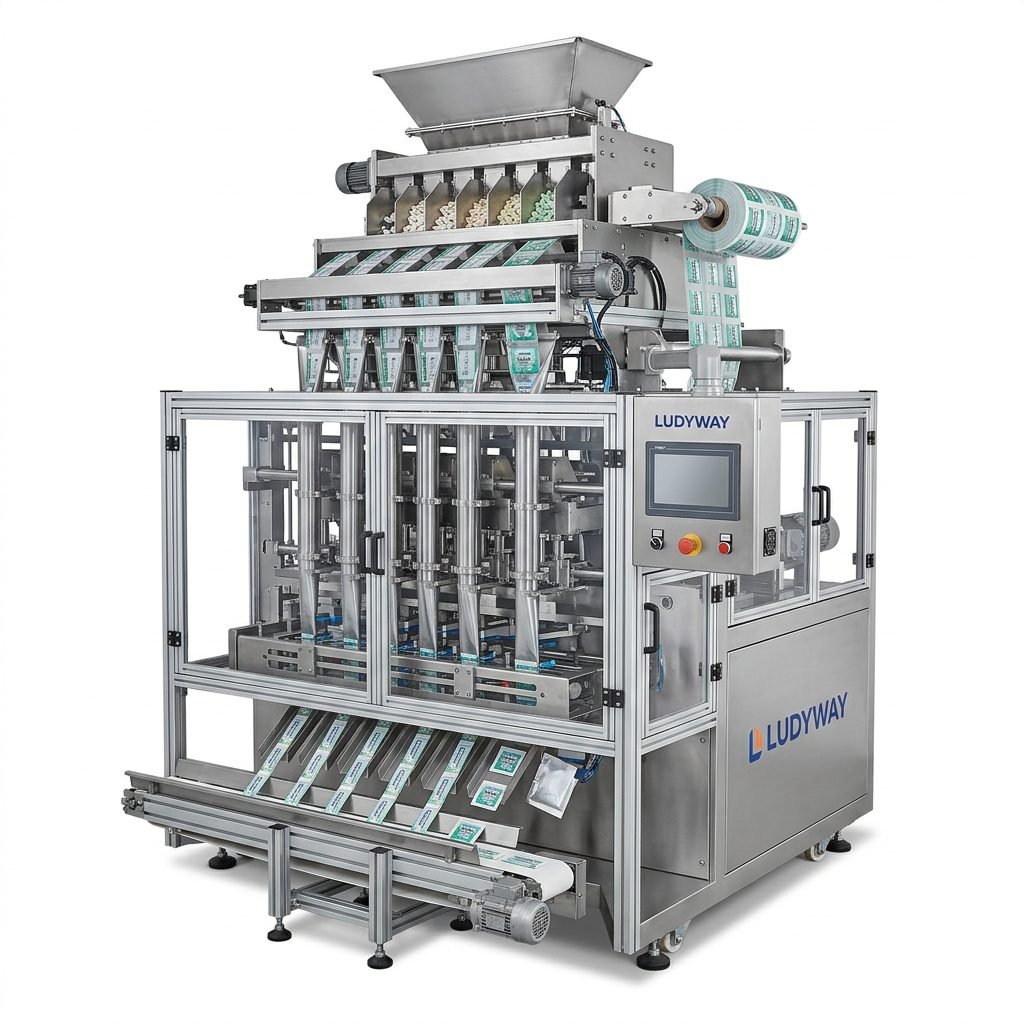
Proper and regular maintenance is not just a recommendation for your air cushion packaging machine—it’s a necessity for ensuring operational efficiency, prolonging equipment lifespan, and avoiding costly downtime. A well-maintained machine produces consistent, high-quality protective packaging while reducing the risk of unexpected breakdowns. This guide provides essential cleaning and maintenance tips to keep your air cushion system running at peak performance.
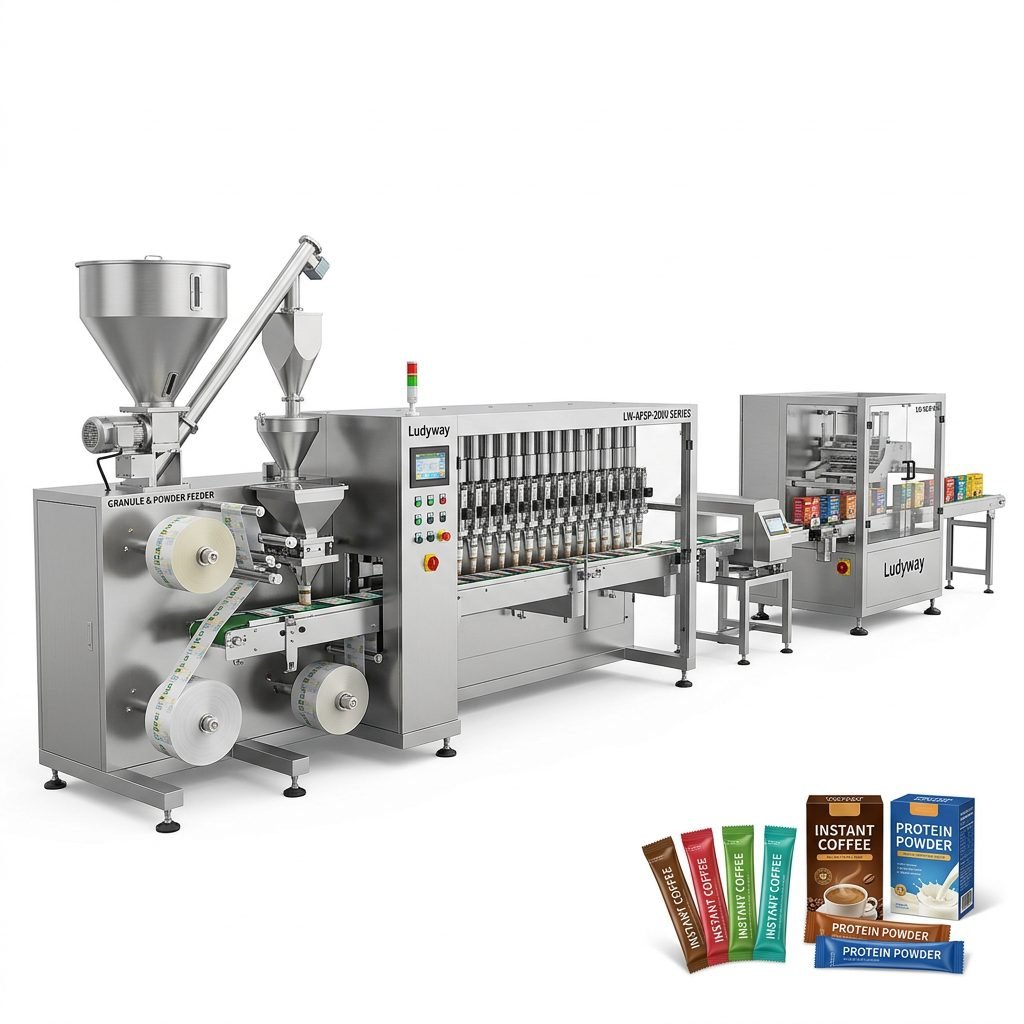
Why Consistent Maintenance Matters
Investing time in routine maintenance saves significant money in the long run. Neglecting basic cleaning schedules can lead to material buildup, sensor failure, and mechanical wear. Dust, film debris, and adhesive residues are the primary enemies of precision engineering inside packaging equipment. By implementing a structured maintenance plan, you ensure product consistency, improve workplace safety, and maintain the resale value of your industrial assets. Furthermore, consistent upkeep directly impacts the quality of the air cushions, ensuring they provide perfect protection during transit.
Daily Cleaning Checklist for Optimal Performance
At the end of every shift, operators should perform a quick but thorough cleaning routine. The goal is to remove any foreign particles before they compromise the system.
- Power Down and Lock Out: Always disconnect the main power supply before touching any internal components. This is the first rule of industrial safety.
- Remove Film Residue: Use a dry, lint-free cloth to wipe down the film carriage and rollers. Pay special attention to the sealing area where melted plastic can accumulate.
- Blow Out Dust: Utilize compressed air to gently blow dust away from sensors and unwinding stations. Avoid directing high-pressure air directly at sensitive electronic boards.
- Inspect the Air Filter: Check the air intake filter for the inflation blower. A clogged filter restricts airflow, forcing the motor to work harder and potentially overheating.
Weekly Deep Cleaning Procedures
While daily wipe-downs handle surface dust, a weekly deep clean addresses the components that directly affect film tracking and seal integrity.
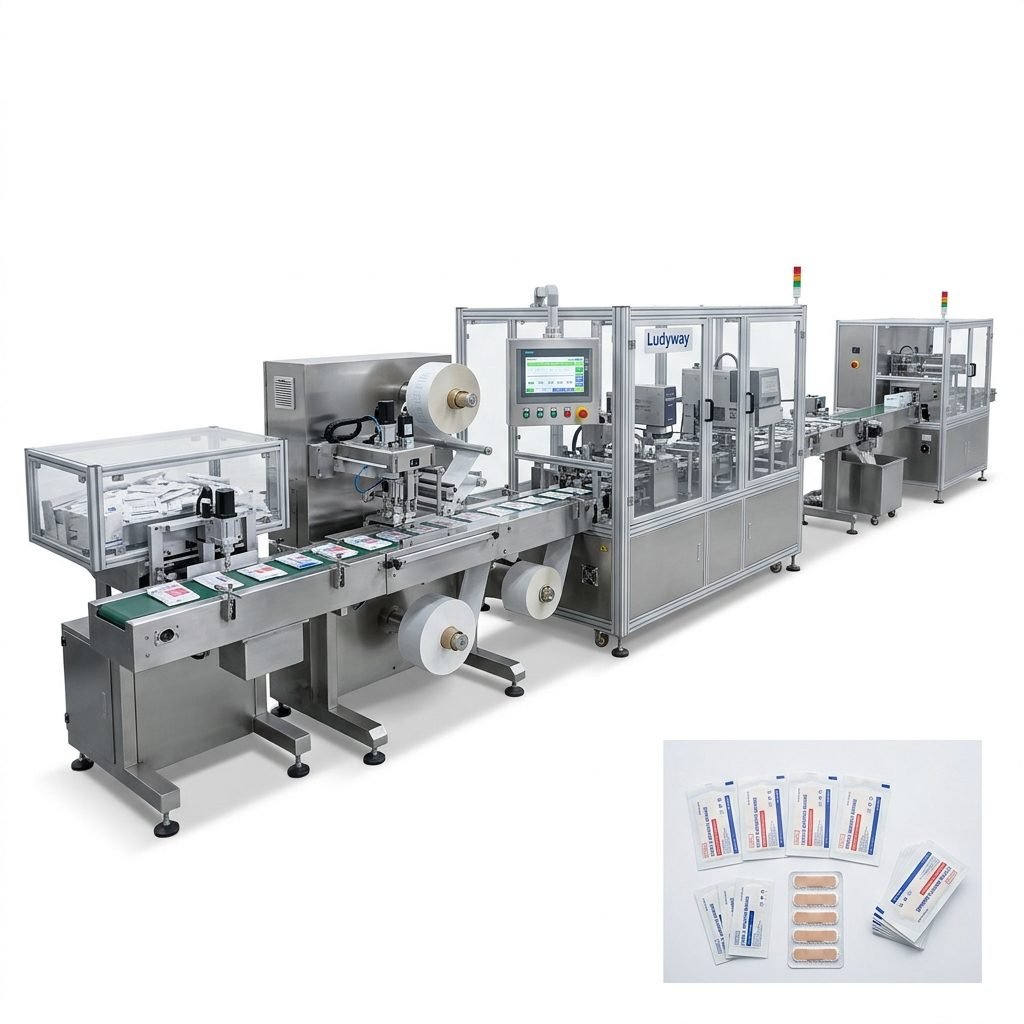
Cleaning the Sealing Components
The sealing wire and Teflon-coated bands are the heart of the system. Do not use abrasive tools to scrape off melted film. Instead, use a brass brush while the sealing bar is slightly warm to easily lift residue without scratching the protective coating. A scratched Teflon cover leads to inconsistent seals and film jams.
Inspecting and Cleaning Rollers
Check all idle rollers for adhesive build-up. If the rollers are not perfectly smooth, the film can track erratically, causing misaligned seals. Use a mild isopropyl alcohol solution to clean rubber rollers, ensuring they are completely dry before reloading the film.
Monthly Preventative Maintenance Tasks
Monthly inspections shift focus from cleaning to mechanical and electrical integrity. These checks identify potential failures before they trigger a full stop.
| Checkpoint | Action Required | Frequency |
|---|---|---|
| Moving Parts | Apply food-grade lubricant to chains, bearings, and linear guides. | Monthly |
| Sensor Alignment | Verify the “film out” and registration sensors are perfectly aligned. | Monthly |
| Electrical Panels | Tighten terminal screws and check for dust infiltration in control boxes. | Monthly |
| Blower Assembly | Inspect fan blades for hairline cracks and ensure unobstructed rotation. | Monthly |
The Critical Role of Air Intake and Filtration
The inflation blower relies strictly on clean air. Dusty environments can cause particulate matter to enter the cushioning cells, which is problematic for sensitive electronics packaging. Change the inlet filter regularly. A sudden drop in cushion firmness is often a direct symptom of insufficient airflow caused by a neglected filter, not a mechanical failure in the pump.
Film Path Adjustments and Tension Control
Incorrect film tension is a leading cause of waste. If the tension is too high, the film will stretch and snap during inflation. If too loose, the film will bunch up and create “angel hair” plastic strings. During your routine service, check the dancer arm or tension controller. A smooth, consistent pull from the unwind motor ensures uniform bubble size and prevents sudden stops caused by tension breaks.
Common Mistakes to Avoid
- Using Too Much Lubricant: Excess grease attracts dust and grime, turning into a grinding paste that accelerates wear on shafts and bushings.
- Ignoring Software Alerts: Modern packaging equipment often features diagnostic displays. Don’t simply clear error codes without investigating the root cause of the fault.
Long-Term Sustainability and Parts Life
Maintaining an air cushion machine is an investment in sustainability. A calibrated machine minimizes plastic film usage by ensuring every pillow is filled with the precise amount of air required. Furthermore, scheduling professional inspections annually with certified technicians, such as those from leading manufacturers like Ludyway, can help recalibrate internal settings that drift over thousands of operating hours. This not only extends the machine’s life but guarantees you remain compliant with international packaging standards.
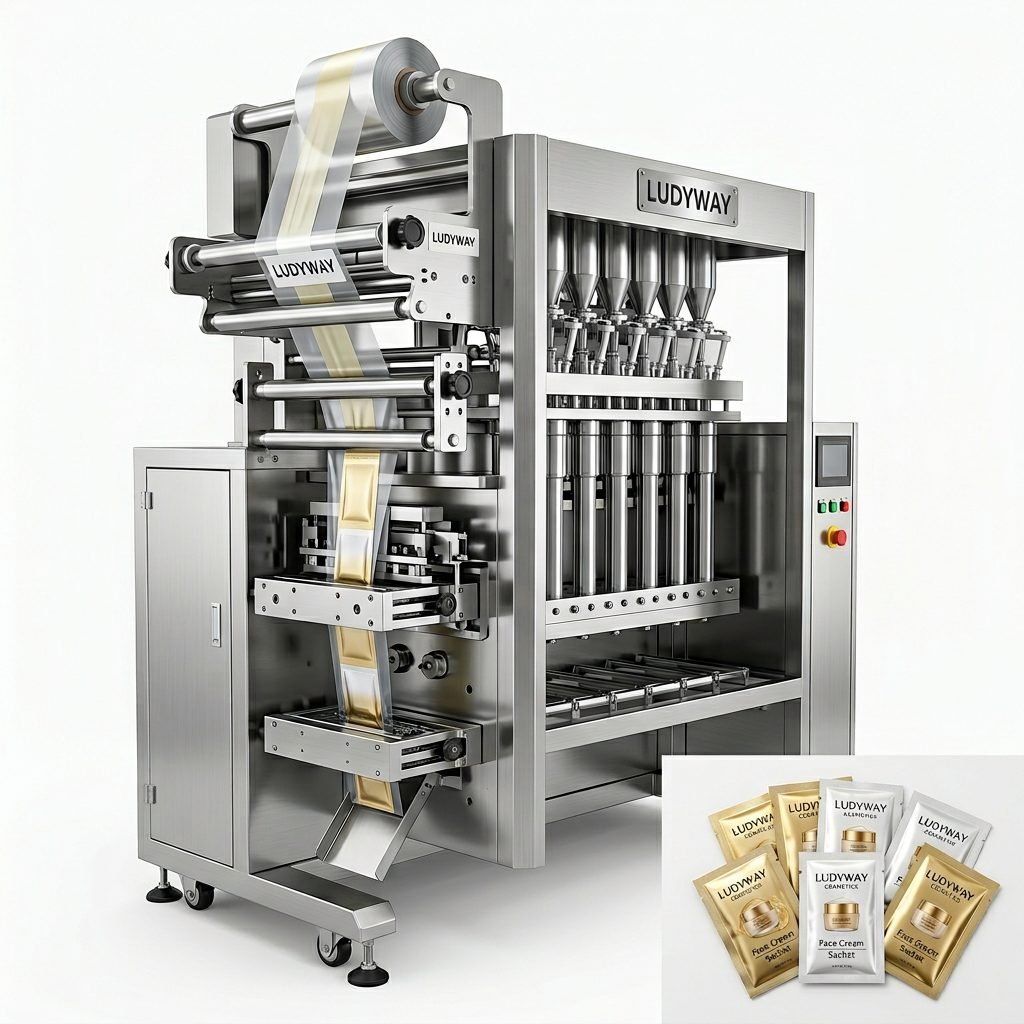
For more detailed specifications on industrial packaging machinery durability and maintenance standards, we recommend exploring the following professional resources: