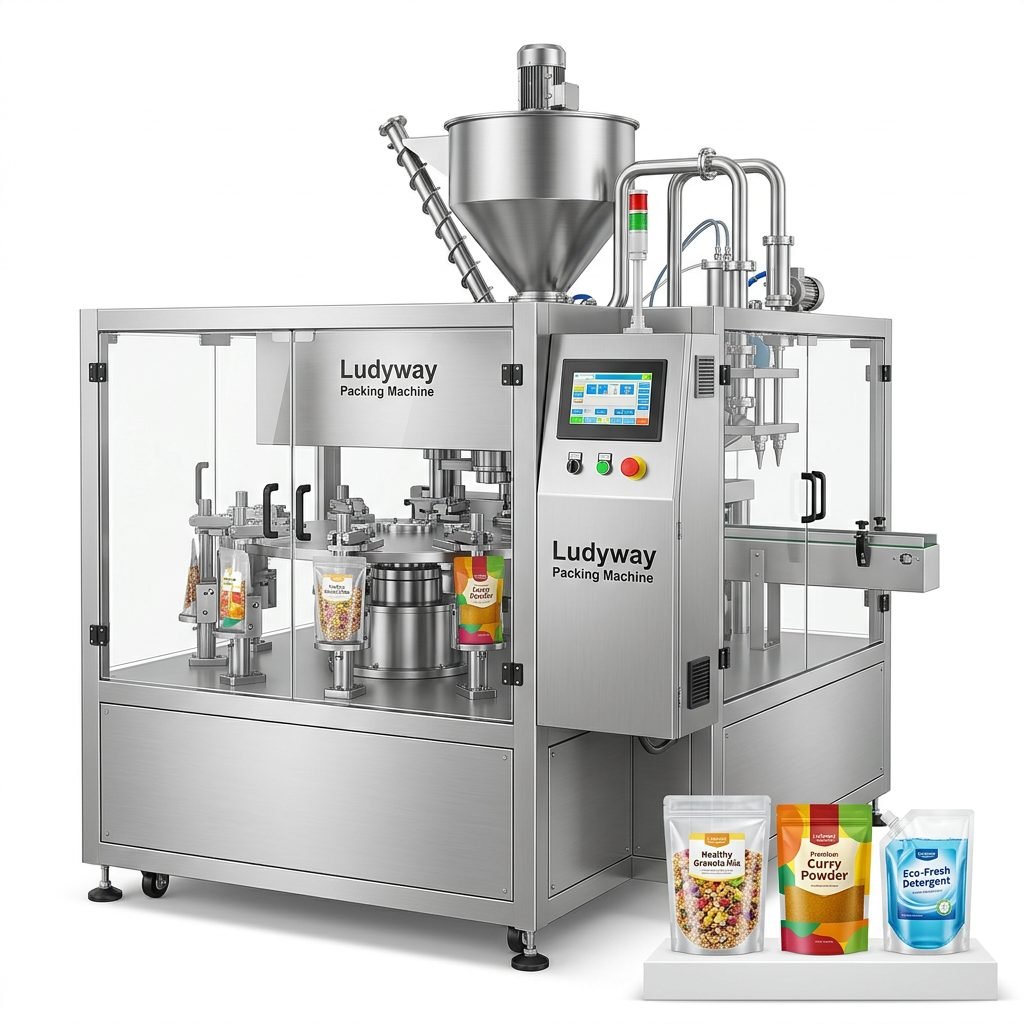
The European food processing landscape is undergoing a significant transformation. With food safety regulations tightening and consumer demand for extended shelf life growing exponentially, food vacuum packaging machines have become indispensable assets for manufacturers across the continent. Whether you operate a small-scale artisanal food business in Italy or a large meat processing facility in Germany, selecting the right vacuum packaging equipment can dramatically impact your product quality, operational efficiency, and bottom line.

Why Vacuum Packaging Matters for European Food Businesses
Vacuum packaging technology removes air from the package prior to sealing, creating an oxygen-depleted environment that significantly slows down spoilage processes. For European food manufacturers, this translates into tangible benefits that extend far beyond basic preservation. The technology actively prevents the growth of aerobic bacteria, moulds, and yeasts while protecting products from freezer burn and dehydration during cold storage.
According to recent PMMI State of the Industry reports, the European packaging machinery market continues to expand, driven by automation trends and stricter food safety requirements. Countries such as Germany, France, the Netherlands, and Italy represent key markets where vacuum packaging adoption rates have increased substantially over the past five years.
Key Advantages at a Glance
- Extended Shelf Life: Products can last 3-5 times longer compared to conventional packaging methods
- Preserved Nutritional Value: Oxidation of vitamins and nutrients is significantly reduced
- Enhanced Product Presentation: Vacuum-packed foods maintain their natural colour, texture, and aroma
- Reduced Food Waste: Longer storage capability means fewer products discarded due to spoilage
- Improved Logistics Efficiency: Compact packaging reduces storage space and transportation costs
- EU Regulation Compliance: Vacuum sealing helps meet food packaging safety standards required across European markets
Types of Food Vacuum Packaging Machines Available in Europe
Understanding the different machine categories is essential before making a purchasing decision. Each type serves specific production requirements and comes with its own operational characteristics.

Chamber Vacuum Packaging Machines
Chamber machines place the entire product and pouch inside a vacuum chamber. They are ideal for medium to high-volume operations processing meats, cheeses, ready meals, and liquid-rich foods. These machines deliver consistent vacuum levels and can handle larger pouches with ease. European meat processing plants frequently utilise double-chamber configurations for continuous production workflows.
External Vacuum Sealers (Nozzle-Type)
External vacuum machines extract air through a nozzle inserted into the pouch opening. They work well for dry products and lower-volume applications. While generally more affordable, they offer less versatility with moist or liquid-containing foods. Many European bakeries and dry goods producers favour this category for its simplicity and lower maintenance requirements.
Thermoforming Vacuum Packaging Lines
Thermoforming systems represent the high-end of industrial vacuum packaging. They form trays or pouches from roll stock film, fill them with product, apply vacuum, and seal in a continuous automated process. Large European food manufacturers producing items such as sliced meats, sausages, cheese blocks, and modified atmosphere packaging (MAP) products commonly invest in these sophisticated lines for maximum throughput and packaging precision.
Tray Sealing Machines
Tray sealers apply a top film over pre-formed trays after vacuum extraction. Popular across European supermarkets, this format is widely used for fresh meat, poultry, fish, and prepared foods. The clean, retail-ready appearance makes tray-sealed products highly appealing to consumers while maintaining product integrity throughout the cold chain.
Critical Factors to Evaluate Before Purchasing
Selecting a vacuum packaging machine requires careful analysis of your specific production environment. European buyers must consider several interconnected factors to ensure optimal equipment selection.
| Evaluation Criteria | Key Questions to Ask | Impact on Decision |
|---|---|---|
| Production Volume | How many packs per hour do you need? | Determines machine speed and automation level |
| Product Characteristics | Is your product solid, liquid, granular, or powder? | Dictates chamber type and sealing requirements |
| Packaging Material | What film thickness and barrier properties are needed? | Affects seal quality and machine compatibility |
| Available Floor Space | What are your facility dimensions and layout constraints? | Influences machine footprint and configuration |
| Budget and ROI | What is your total investment capacity including maintenance? | Balances initial cost against long-term operational savings |
| EU Compliance | Does the equipment meet CE marking and EU packaging regulations? | Essential for legal operation within European markets |
European Regulatory Landscape and Compliance Standards
Operating a food vacuum packaging machine in Europe requires adherence to multiple regulatory frameworks. The EC Regulation 1935/2004 on food contact materials applies directly, as do the specific provisions of EC Regulation 2023/2006 on good manufacturing practices. Additionally, machinery must carry CE marking confirming compliance with the Machinery Directive 2006/42/EC and relevant harmonised standards.
For businesses exporting vacuum-packed foods across EU borders, understanding the European Commission’s packaging and packaging waste regulations is crucial. These regulations increasingly emphasise recyclability and reduced environmental impact, which may influence your choice of packaging films and machine capabilities.

Key Standards to Verify
- EN 415 Series: Safety standards specific to packaging machines
- EN ISO 11607: Requirements for packaging used with terminally sterilised medical devices (relevant for dual-use facilities)
- HACCP Compatibility: Machine design should facilitate cleaning, sanitation, and hazard control procedures
- IP Rating: Ingress protection appropriate for washdown environments in food processing facilities
- Energy Efficiency: Compliance with EU Ecodesign requirements where applicable
Maintenance, Service, and Total Cost of Ownership
European buyers increasingly evaluate total cost of ownership (TCO) rather than simply comparing purchase prices. A lower upfront cost machine may incur significantly higher expenses over its operational lifetime due to energy consumption, spare parts availability, and downtime frequency.
Essential Maintenance Considerations
- Preventive Maintenance Schedule: Regular oil changes, seal bar inspection, and vacuum pump servicing are non-negotiable for reliable operation
- Spare Parts Availability in Europe: Confirm that critical components such as sealing elements, vacuum pumps, and control boards can be sourced quickly within European distribution networks
- Technical Support Response Time: Local service engineers and multilingual support capabilities significantly reduce production disruptions
- Operator Training Requirements: Well-trained staff reduce operator errors, extend machine lifespan, and improve packaging consistency
- Energy Consumption: Modern vacuum pumps with variable speed drives can substantially reduce electricity costs compared to older fixed-speed models
Choosing the Right Supplier for European Operations
Supplier selection directly influences your long-term satisfaction with vacuum packaging equipment. Beyond the machine specifications, evaluate potential partners based on their European market presence, after-sales infrastructure, and industry expertise. Manufacturers with established distribution networks within Europe can provide faster installation, commissioning, and ongoing support.
Visit international packaging exhibitions such as PACK EXPO International to see machines in operation, compare different manufacturers, and discuss your specific requirements with technical specialists. These events also provide valuable insights into emerging trends and technologies shaping the European food packaging sector.
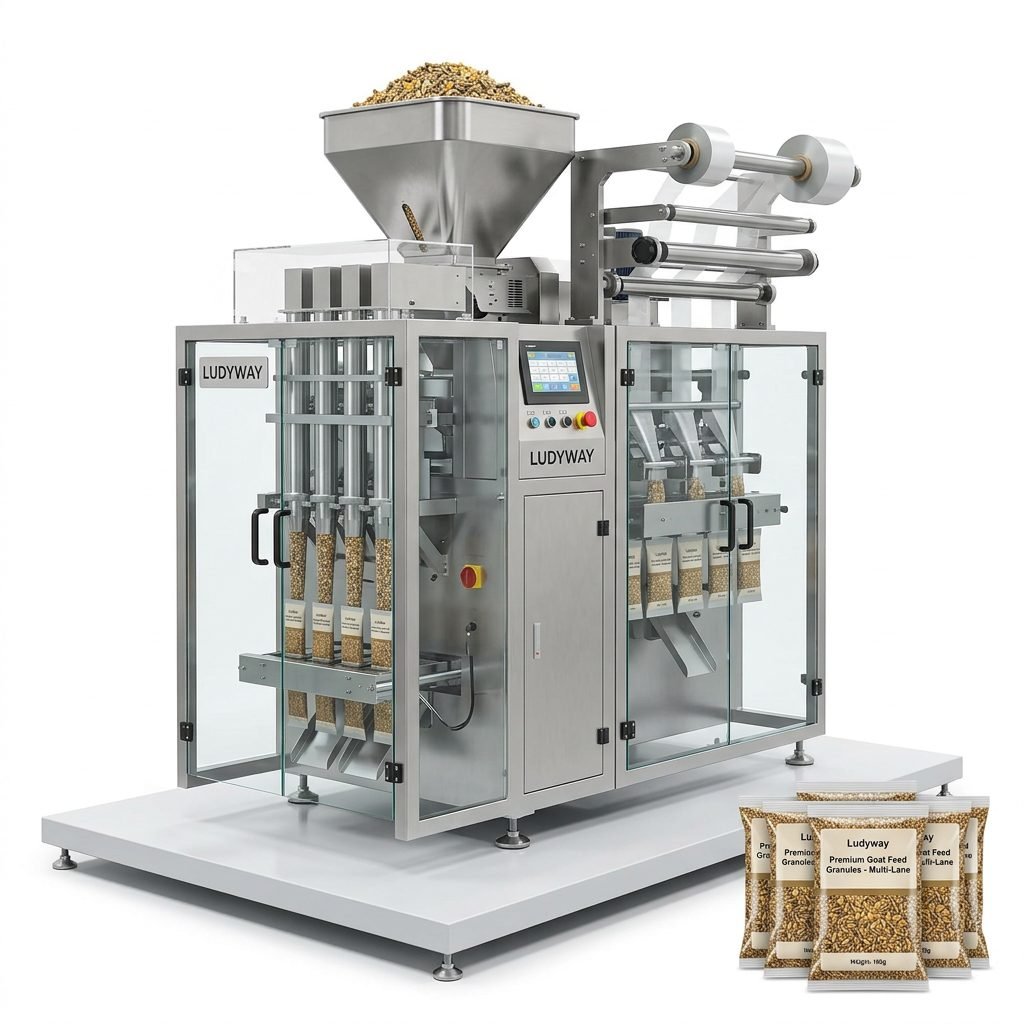
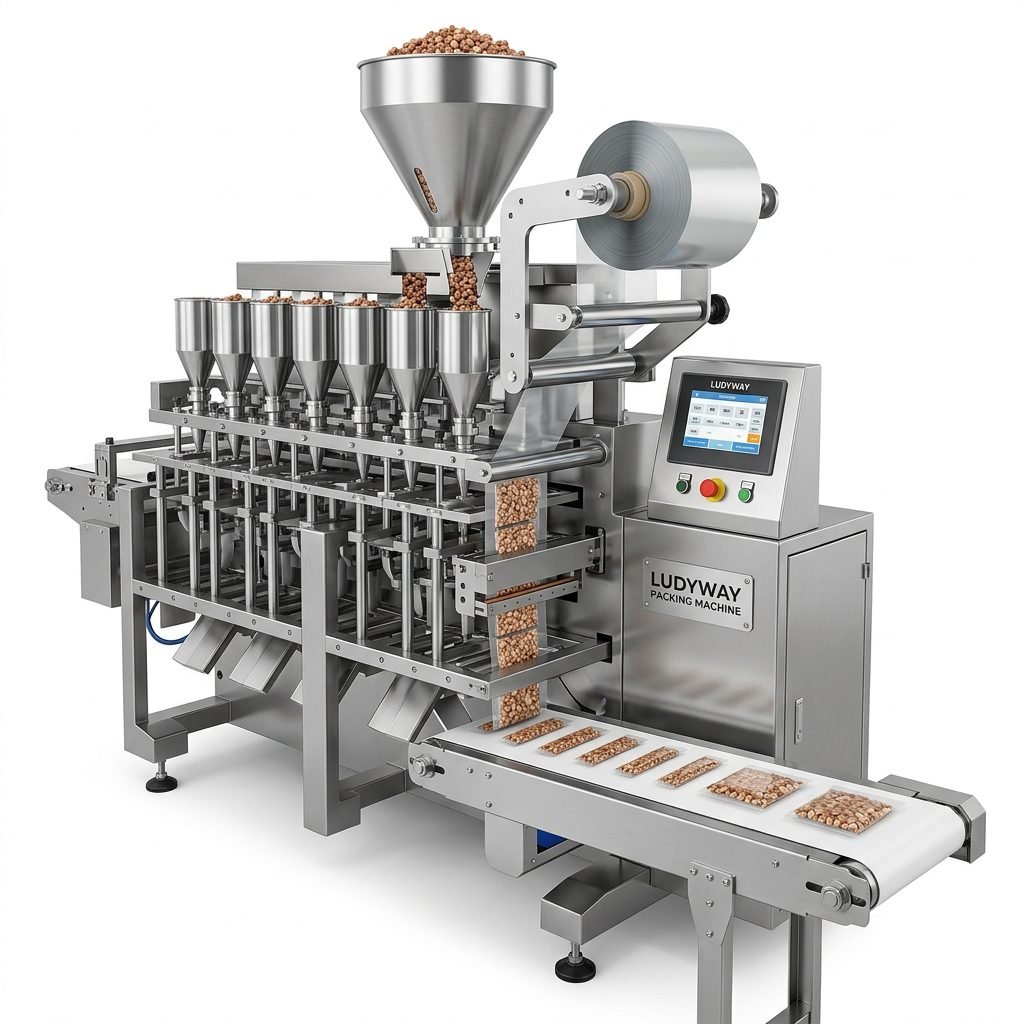
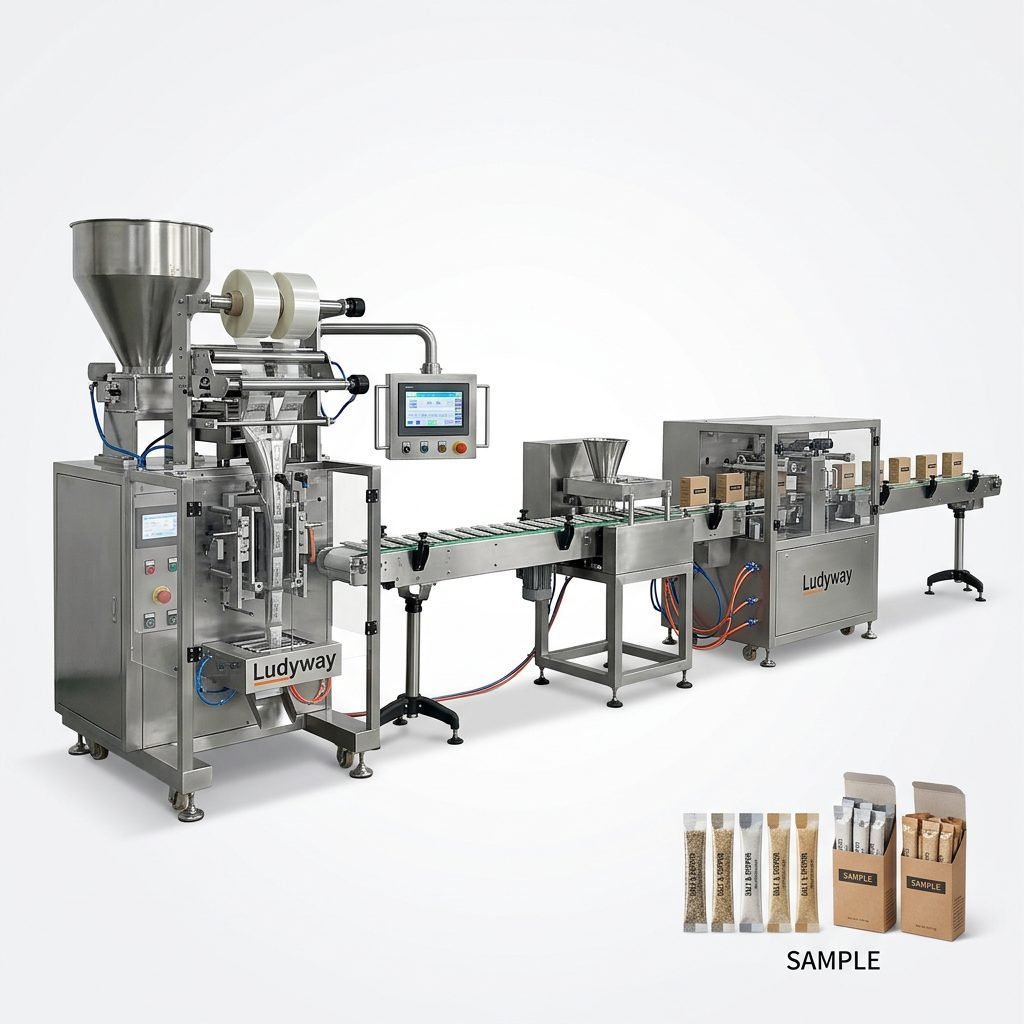
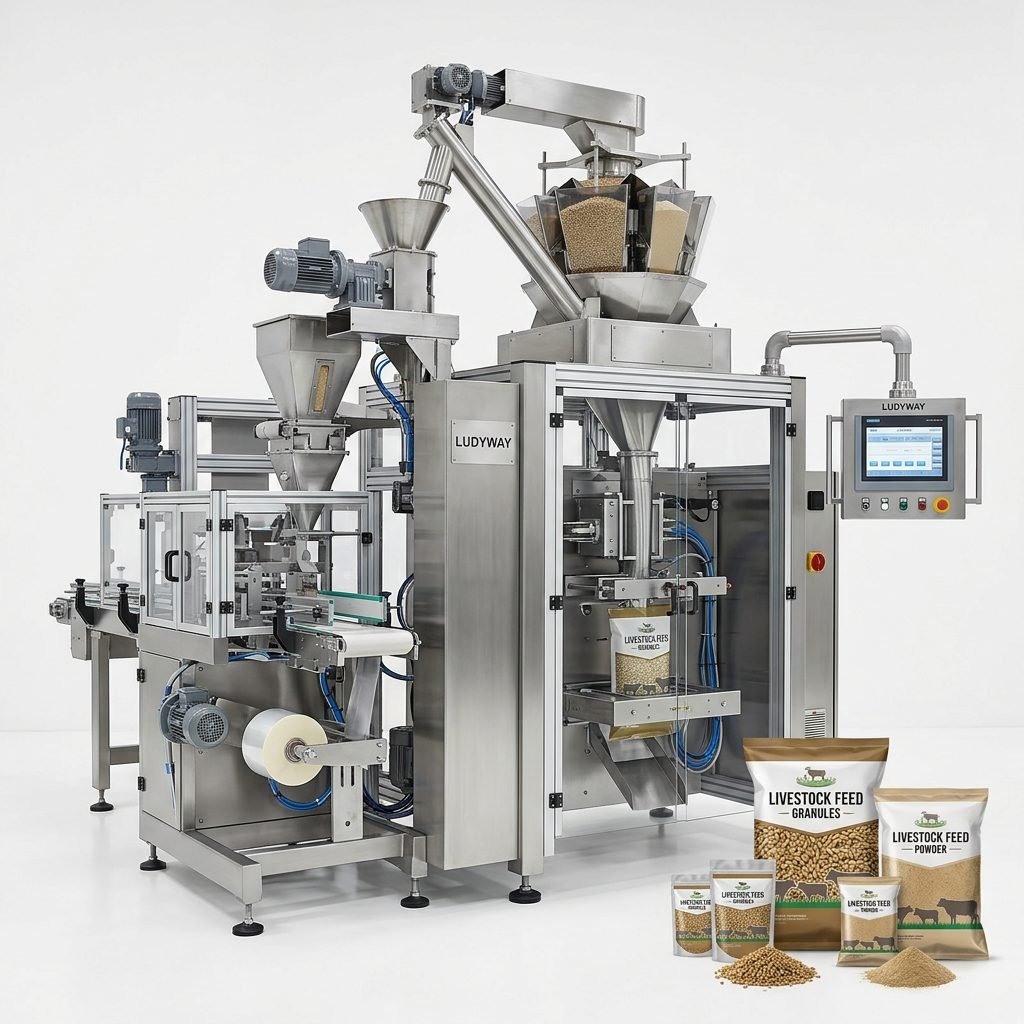
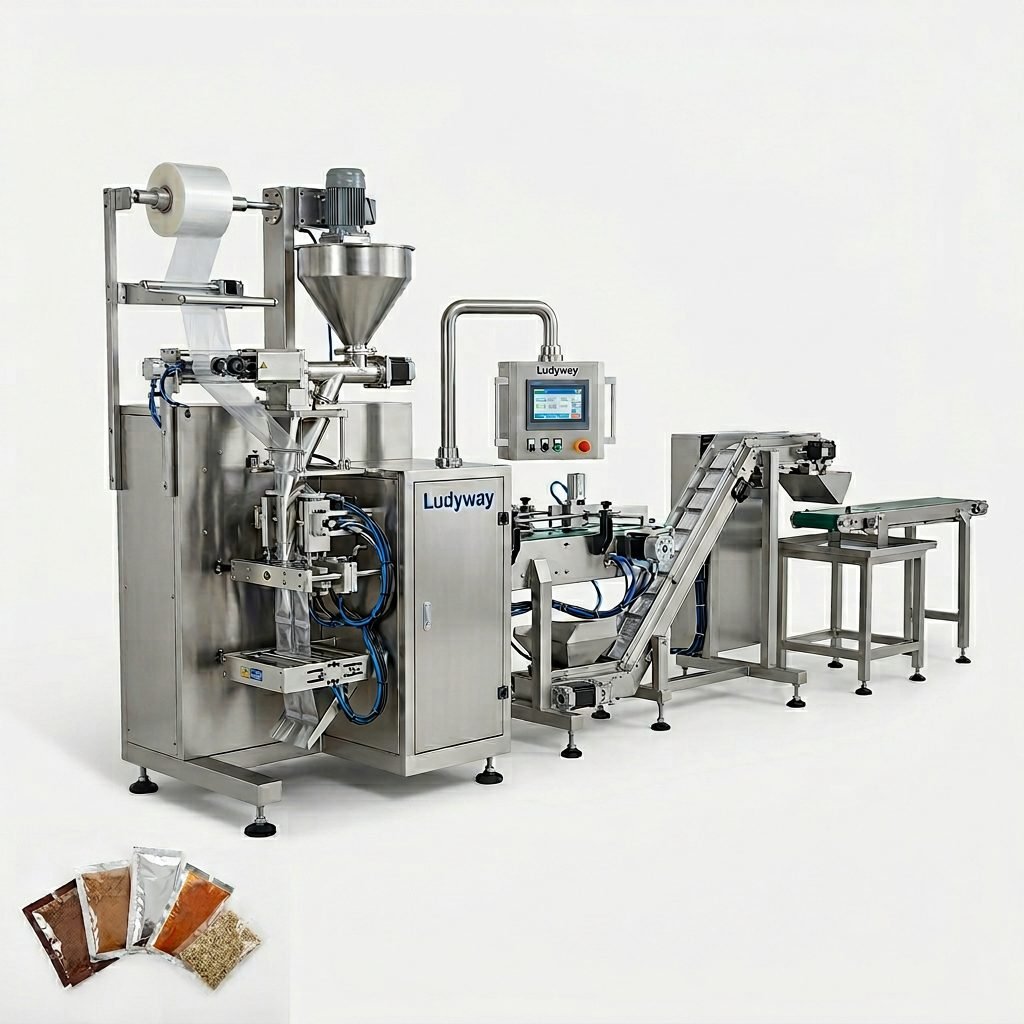
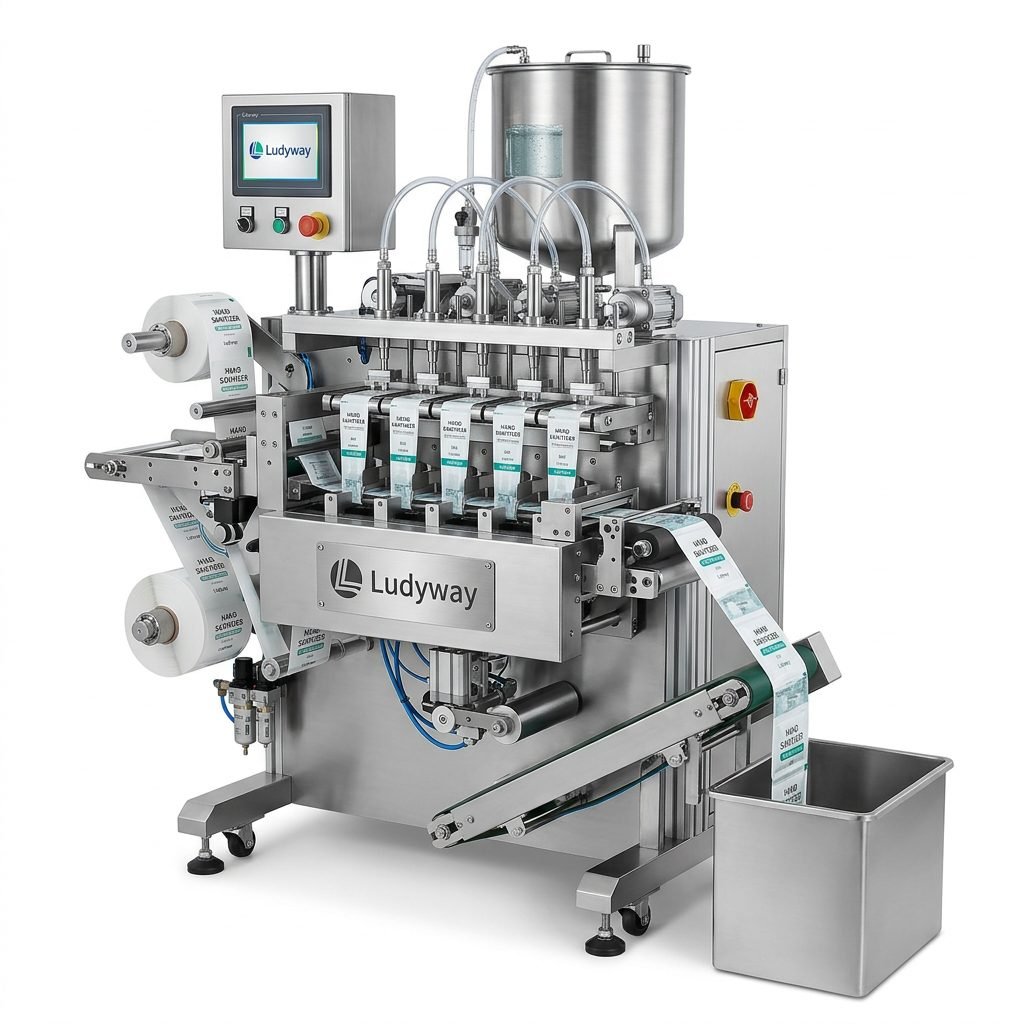
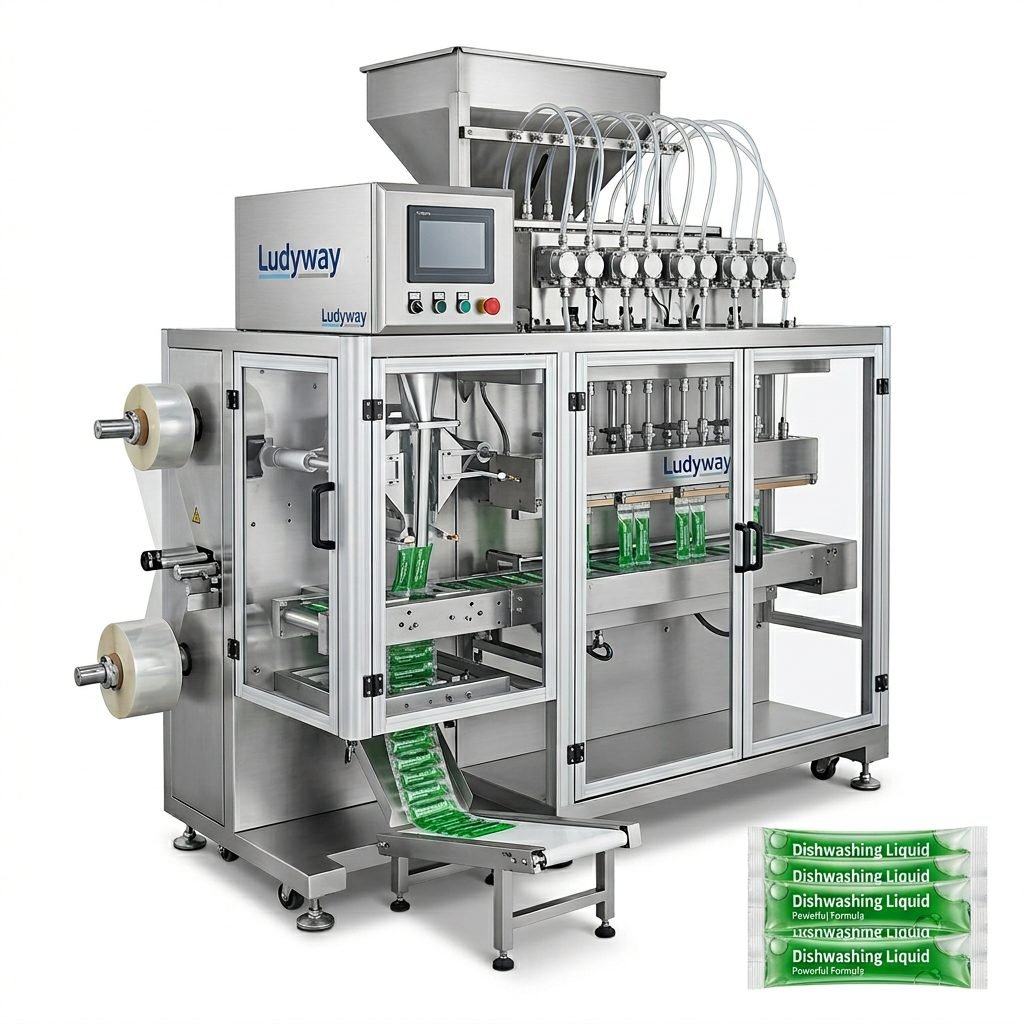
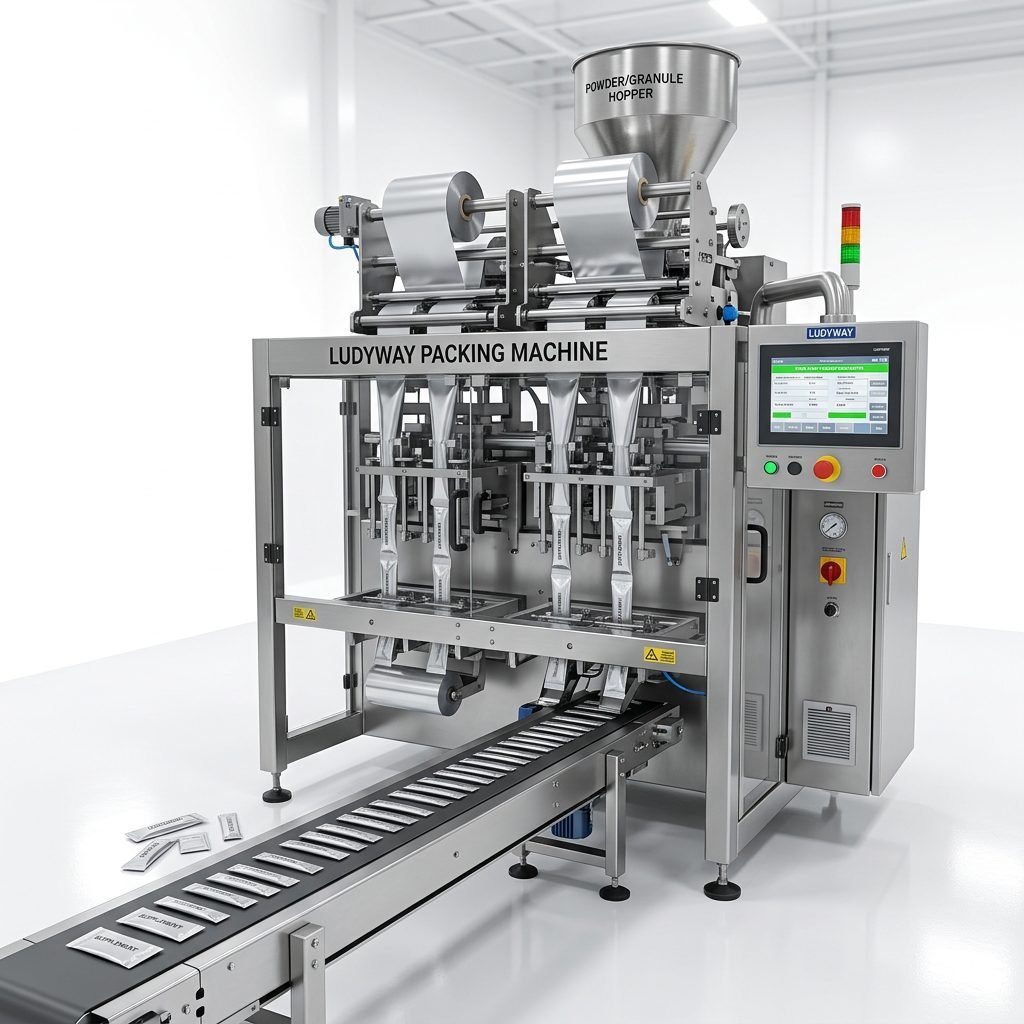
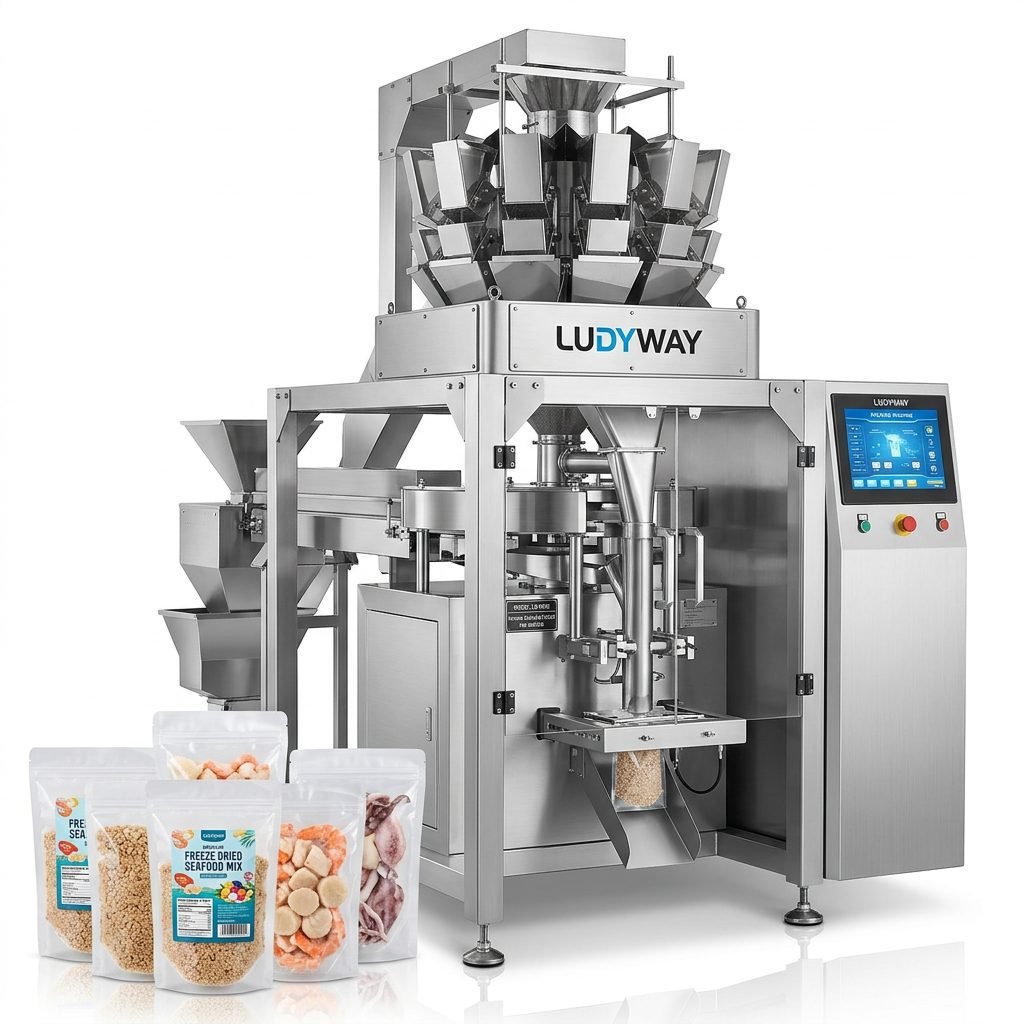
One notable manufacturer in this space is Ludyway, a packaging machine manufacturer with over 30 years of industry experience, offering advanced vacuum packaging solutions and turnkey production systems for food, pharmaceutical, and health industries across more than 100 countries and regions.
Questions to Ask Potential Suppliers
- Can you provide references from European food manufacturers similar to our operation?
- What warranty terms do you offer and what is covered under standard service agreements?
- Do you have certified service technicians based in Europe?
- What is the typical lead time for critical spare parts delivery to our location?
- Can the machine accommodate future upgrades or modifications as our production needs evolve?
- How does your equipment perform with the specific packaging films we intend to use?
- What data reporting and Industry 4.0 integration capabilities does the machine offer?
Emerging Trends in European Vacuum Packaging Technology
The European vacuum packaging sector continues to evolve, driven by sustainability imperatives, automation advancements, and digital integration. Forward-thinking buyers should be aware of several important developments shaping the market.
Sustainable Packaging Materials Compatibility
European consumers and regulators increasingly demand eco-friendly packaging solutions. Modern vacuum packaging machines must accommodate recyclable mono-material films, biodegradable options, and thinner gauge materials without compromising seal integrity or barrier performance. Machines with precise temperature control and adjustable sealing parameters handle these newer materials more effectively than older equipment with fixed settings.
Smart Factory Integration
Industry 4.0 capabilities are becoming standard expectations rather than premium add-ons. Machines equipped with IoT sensors, data logging, and remote monitoring enable predictive maintenance, production analytics, and seamless integration with enterprise resource planning (ERP) systems. European food manufacturers increasingly prioritise equipment that supports ISO standards for data exchange and industrial communication protocols.
Modified Atmosphere Packaging (MAP) Capabilities
Many vacuum packaging machines now offer MAP functionality, where the air is replaced with a controlled gas mixture after vacuum extraction. This technique is particularly valuable for fresh produce, baked goods, and delicate food items that require some oxygen or carbon dioxide to maintain optimal appearance and texture. Dual-purpose machines that can switch between vacuum and MAP modes provide valuable production flexibility.
Installation, Commissioning, and Operator Safety
Proper installation is fundamental to achieving the performance specifications promised by equipment manufacturers. European buyers should plan for adequate electrical supply, compressed air infrastructure, and extraction systems before the machine arrives. Professional commissioning by qualified technicians ensures that all parameters are calibrated correctly for your specific products and packaging materials.
Operator safety must never be compromised. Verify that the machine includes CE-compliant safety guards, emergency stop systems, and proper interlocks. Comprehensive operator training should cover not only daily operation but also cleaning procedures, basic troubleshooting, and safety protocols. Well-trained operators contribute significantly to consistent packaging quality and reduced workplace incidents.
Making the Final Decision: A Practical Checklist
After researching the market and evaluating options, use a structured approach to confirm your selection. The following checklist helps ensure no critical factors are overlooked before signing a purchase agreement.
- Production Capacity Verified: Machine speed matches or exceeds your current and projected throughput requirements
- Product Testing Completed: You have tested your actual products on the machine and achieved satisfactory results
- Film Compatibility Confirmed: The machine works reliably with your chosen packaging materials
- Facility Requirements Met: Electrical, pneumatic, and spatial requirements are fully addressed
- Regulatory Compliance Documented: All applicable CE certifications and safety documentation are provided
- Service Agreement Defined: Warranty terms, response times, and maintenance plans are clearly outlined in writing
- Total Cost Calculated: You have a clear understanding of purchase price, installation costs, training, consumables, energy usage, and expected maintenance expenses over a 5-year period
- Operator Training Scheduled: A concrete plan exists for training your production team on safe and efficient machine operation
Investing in a food vacuum packaging machine represents a strategic decision that affects product quality, operational efficiency, and regulatory compliance for years to come. European food manufacturers who conduct thorough research, evaluate multiple suppliers, and prioritise long-term value over lowest initial cost consistently achieve the best outcomes from their packaging equipment investments.
For further guidance on selecting packaging machinery suited to your specific application, explore the resources available through PMMI’s packaging industry resources and the Flexible Packaging Association’s knowledge hub, both of which offer valuable insights into packaging technology trends and best practices relevant to the European market.