Oceania’s ready meal sector is experiencing unprecedented growth. From bustling food manufacturing hubs in Melbourne and Sydney to expanding facilities in Auckland and Brisbane, demand for high-quality, convenient meal solutions continues to surge. For food manufacturers, selecting the right ready meal packaging machine is critical to maintaining product freshness, extending shelf life, and meeting stringent food safety standards. This comprehensive buying guide explores everything you need to know about ready meal packaging machinery in the Oceania region, from machine types and key features to supplier evaluation and cost considerations.
Understanding the Oceania Ready Meal Market
The ready meal industry in Australia and New Zealand has evolved significantly over the past decade. Changing consumer lifestyles, rising dual-income households, and growing demand for premium chilled and frozen meals have driven manufacturers to invest in advanced packaging technologies. According to industry data from the PMMI Business Intelligence reports, the global ready meal packaging sector continues to expand at a compound annual growth rate exceeding 5%. Oceania’s geographic isolation also means that efficient packaging plays a vital role in preserving product quality during long-distance distribution across the region.
Key Types of Ready Meal Packaging Machines
Choosing the appropriate packaging machinery depends on your product format, production volume, and packaging material requirements. Below are the primary machine categories used across Oceania’s food processing facilities:
Tray Sealing Machines
Tray sealers are the most widely deployed ready meal packaging solution in Australia and New Zealand. These machines seal pre-formed trays with lidding film, providing an airtight barrier that preserves freshness. Modern tray sealing systems offer Modified Atmosphere Packaging (MAP) capabilities, which replace oxygen with inert gases to significantly extend product shelf life. For manufacturers seeking guidance on packaging standards, the ISO Packaging Standards provide valuable reference frameworks.
Vertical Form Fill Seal (VFFS) Machines
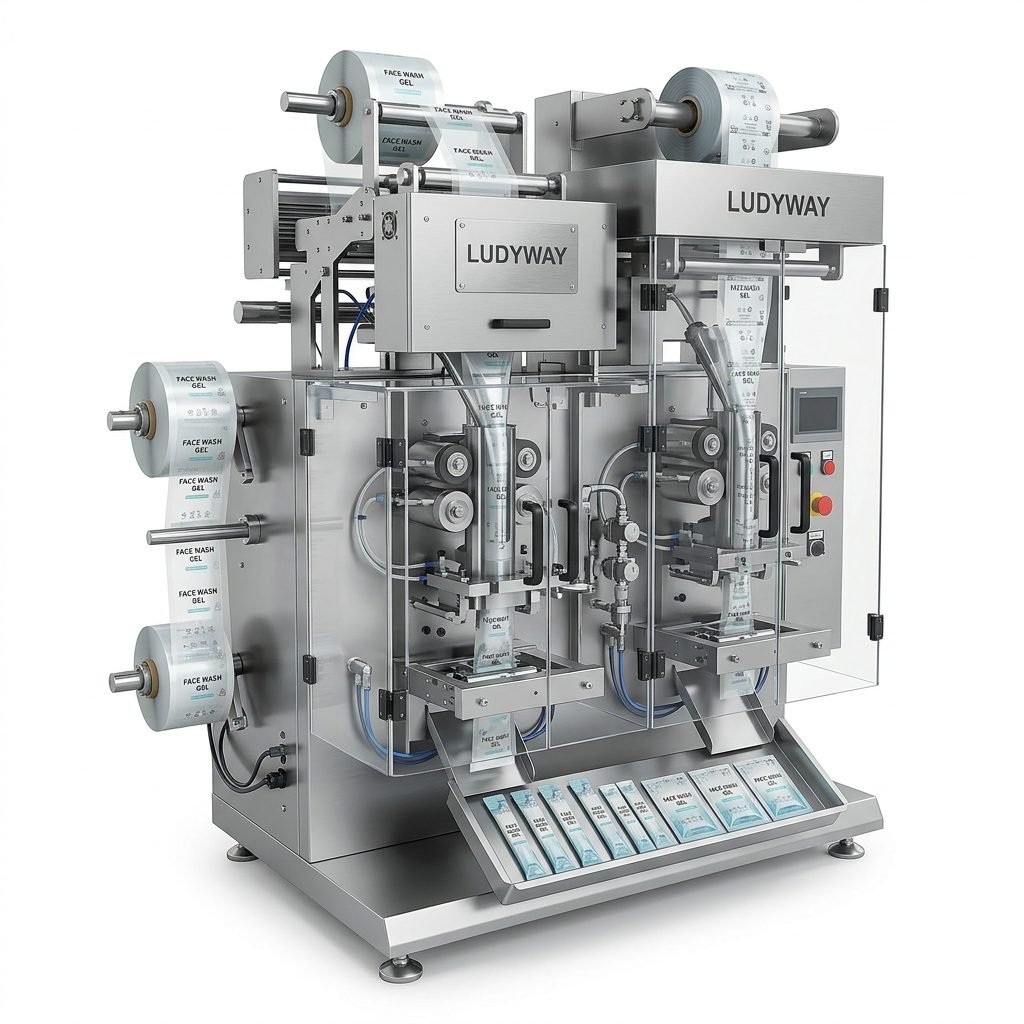
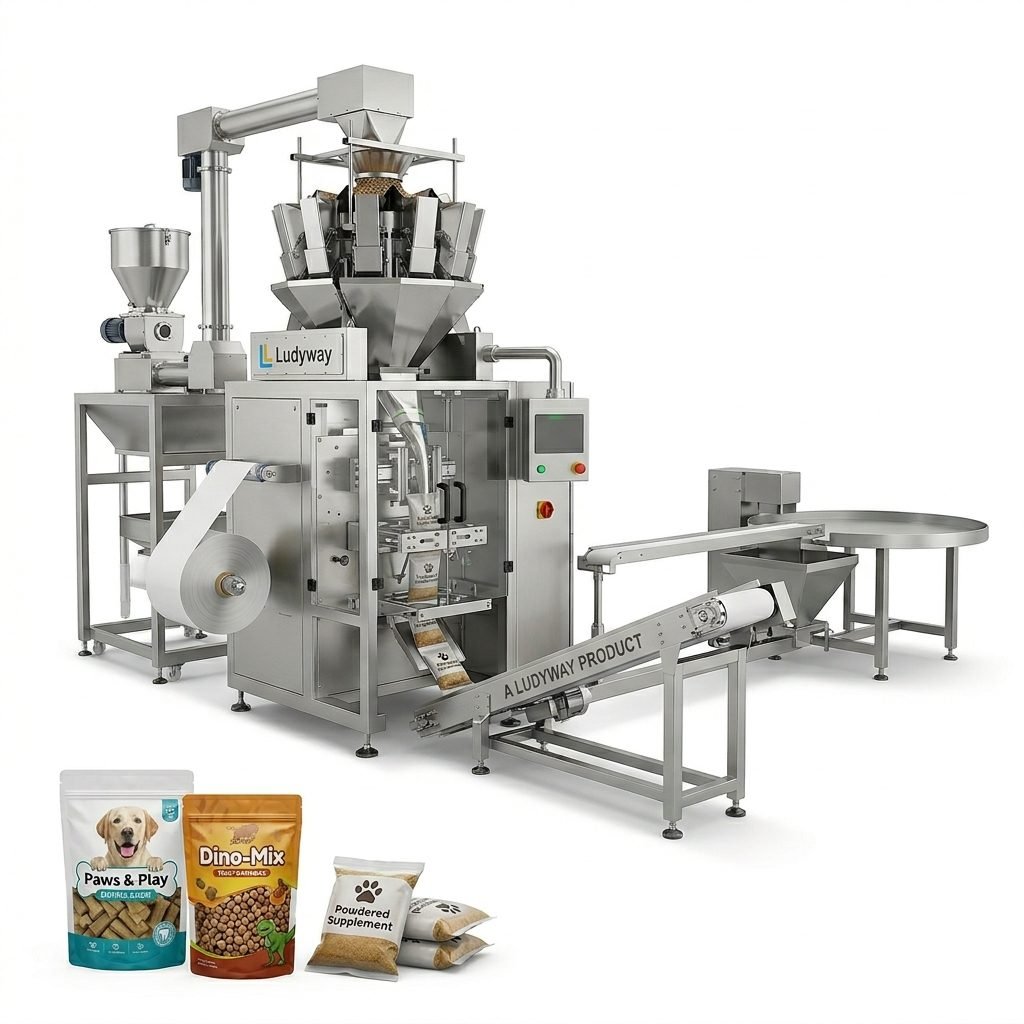
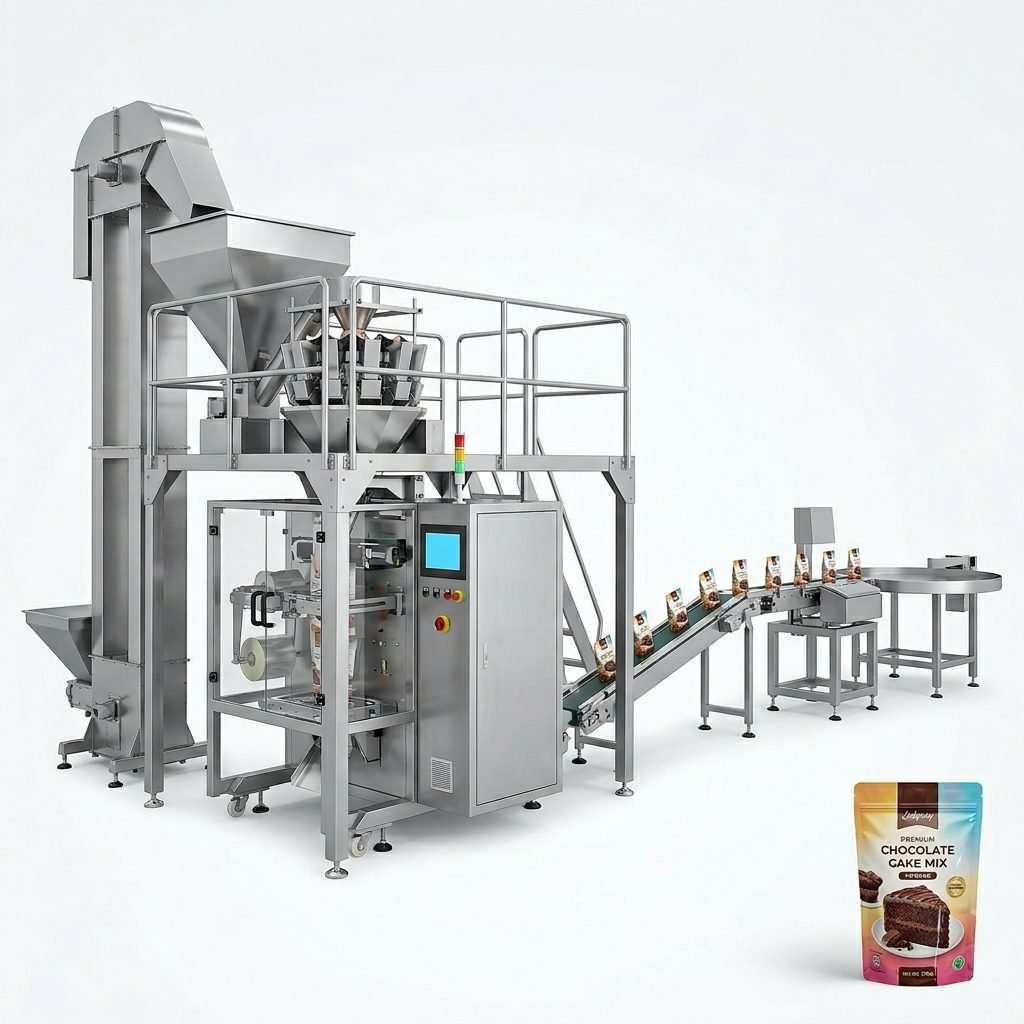
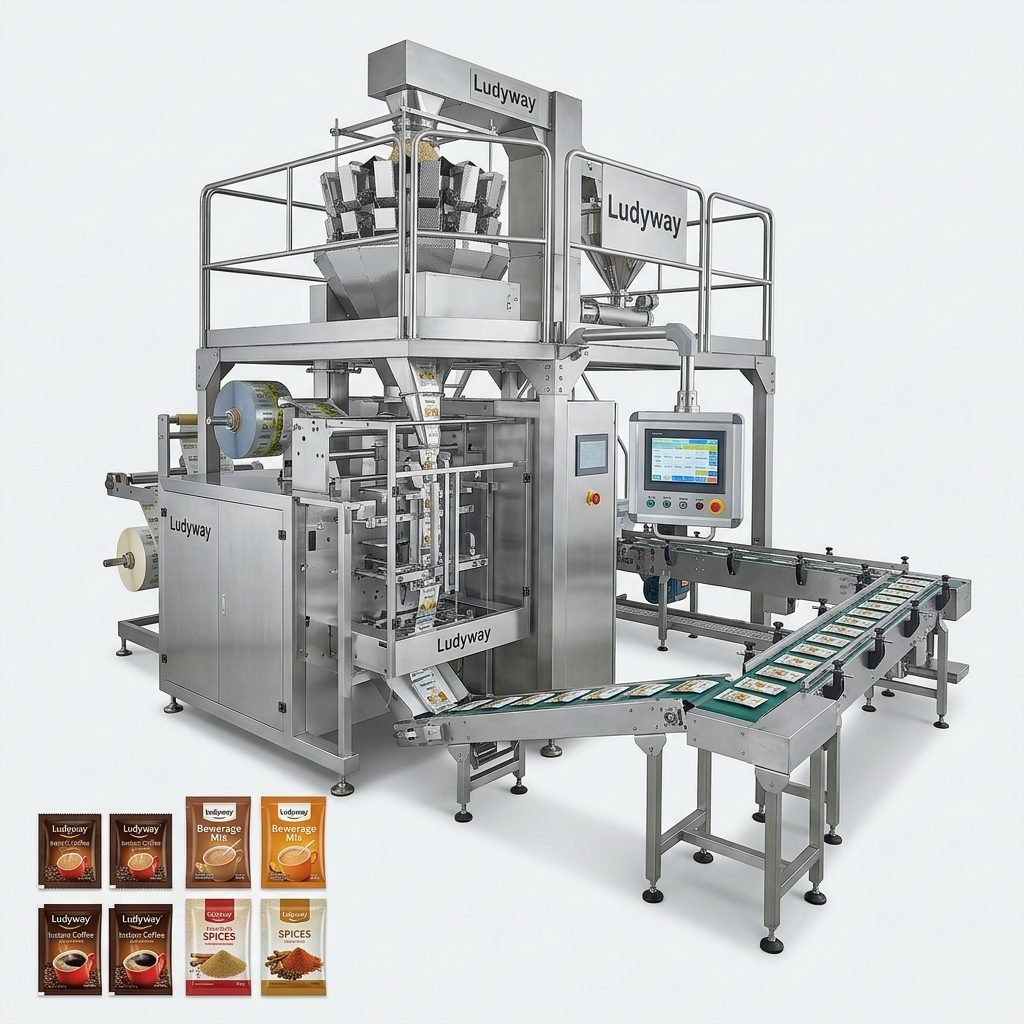
VFFS technology is ideal for packaging frozen vegetables, rice-based meals, and dry ready meal components. These versatile machines form pouches from roll stock, fill them with product, and seal them in a continuous vertical operation. High-speed models can achieve output rates exceeding 120 packs per minute, making them suitable for large-scale production facilities.
Horizontal Flow Wrappers
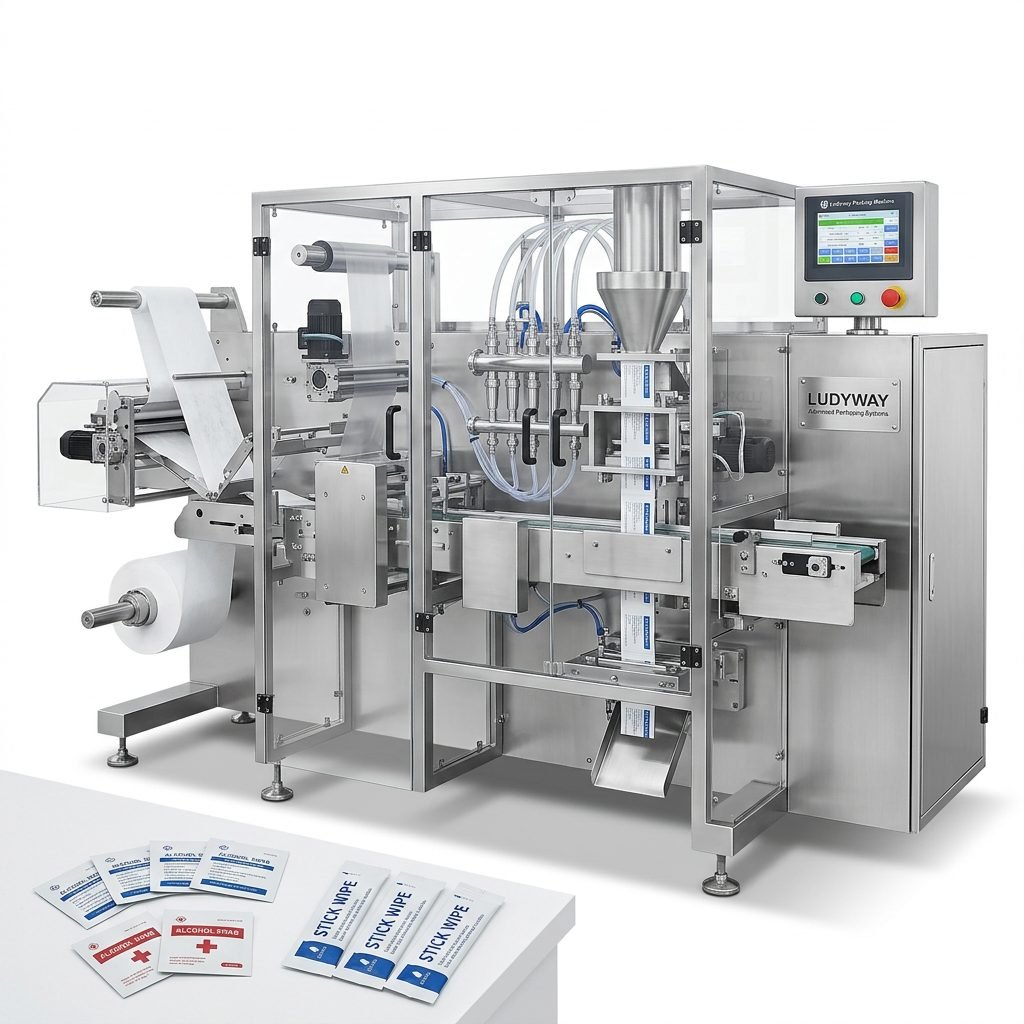
Flow wrapping equipment accommodates a broad range of ready meal formats, including wrapped sandwiches, burritos, and bakery items. Horizontal configurations allow seamless integration with upstream and downstream equipment, creating fully automated packaging lines.
Critical Features to Evaluate When Buying
Investing in a ready meal packaging machine requires careful assessment of several technical and operational factors. The following checklist highlights the most important considerations for Oceania-based food manufacturers:
- MAP compatibility – Essential for extending shelf life of chilled ready meals by 7–14 days or more
- Hygienic design – IP65 or IP66 rated construction with tool-free disassembly for CIP (Clean-in-Place) protocols
- Multi-format flexibility – Ability to handle different tray sizes, pouch dimensions, and film types with minimal changeover time
- Sealing integrity – Precision temperature control and pressure monitoring for consistent, leak-proof seals
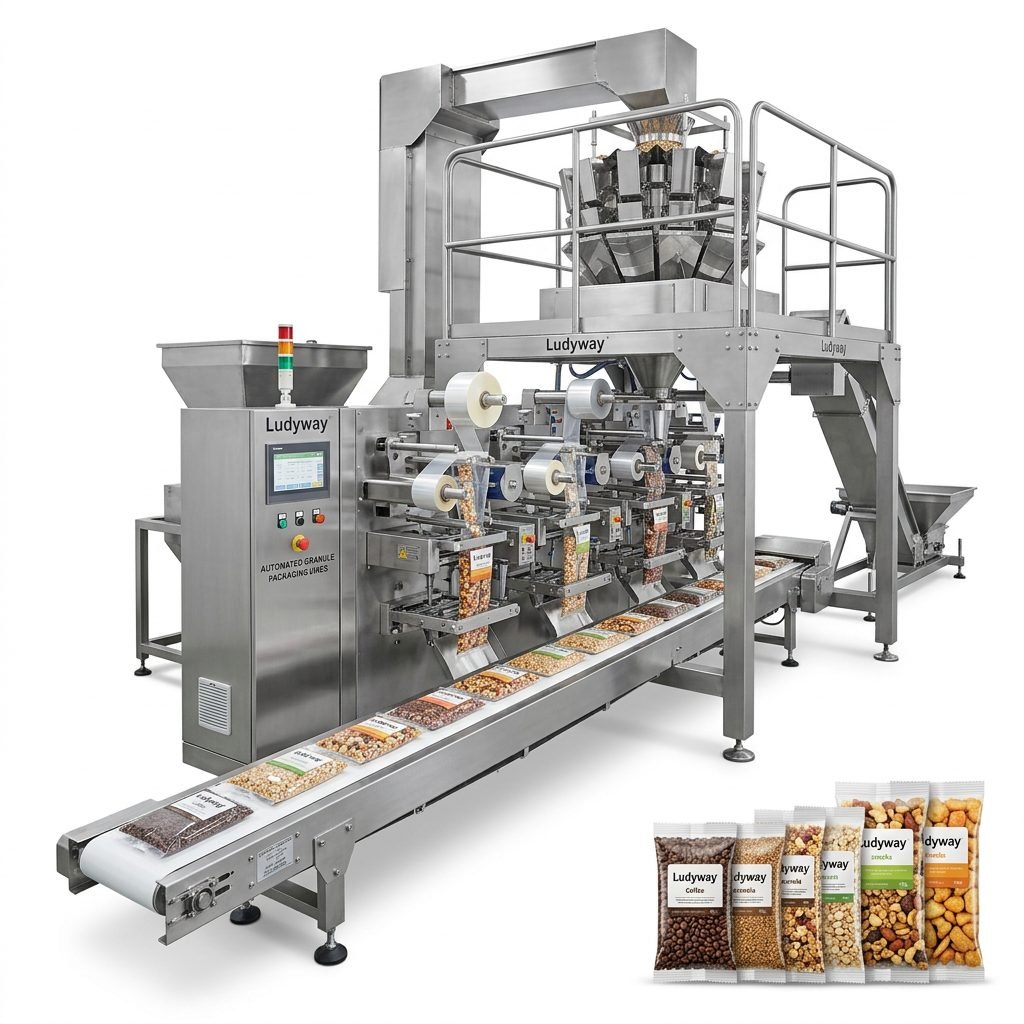
- Integration capability – Compatibility with fillers, labelers, checkweighers, and cartoning systems
- Data logging – Digital recording of critical control points for HACCP compliance and traceability
Regulatory Compliance in Australia and New Zealand
Food packaging operations in Oceania must adhere to FSANZ (Food Standards Australia New Zealand) regulations, as well as relevant international standards. Packaging materials that come into direct contact with food must comply with migration limits and safety assessments. For detailed guidance, manufacturers can reference the FDA Packaging and Food Contact Substances framework, which aligns closely with Oceanian food safety principles. Additionally, Flexible Packaging Association regulatory resources offer valuable compliance insights for flexible packaging applications.
Cost Considerations and ROI Analysis
Ready meal packaging machinery represents a significant capital investment. Purchase prices vary widely based on automation level, speed, and configuration. The table below outlines typical price ranges for equipment available in the Oceania market:
| Machine Type | Speed Range | Approximate Price (AUD) | Best Suited For |
|---|---|---|---|
| Semi-Automatic Tray Sealer | 15–30 packs/min | $35,000 – $80,000 | Small to medium processors |
| Fully Automatic Tray Sealer | 40–80 packs/min | $120,000 – $350,000 | High-volume manufacturers |
| VFFS Pouch Machine | 60–120 packs/min | $80,000 – $250,000 | Frozen meals, dry components |
| Horizontal Flow Wrapper | 50–150 packs/min | $60,000 – $200,000 | Sandwiches, wraps, bakery |
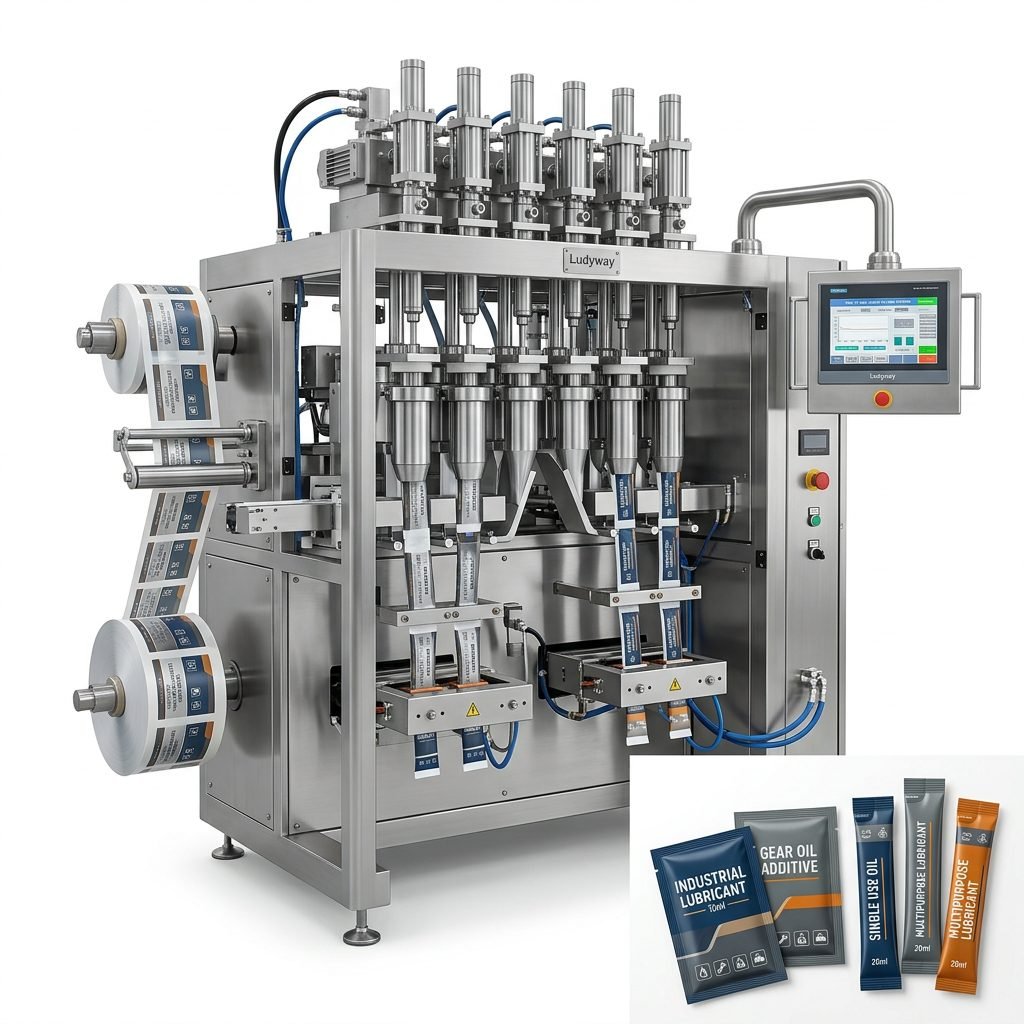
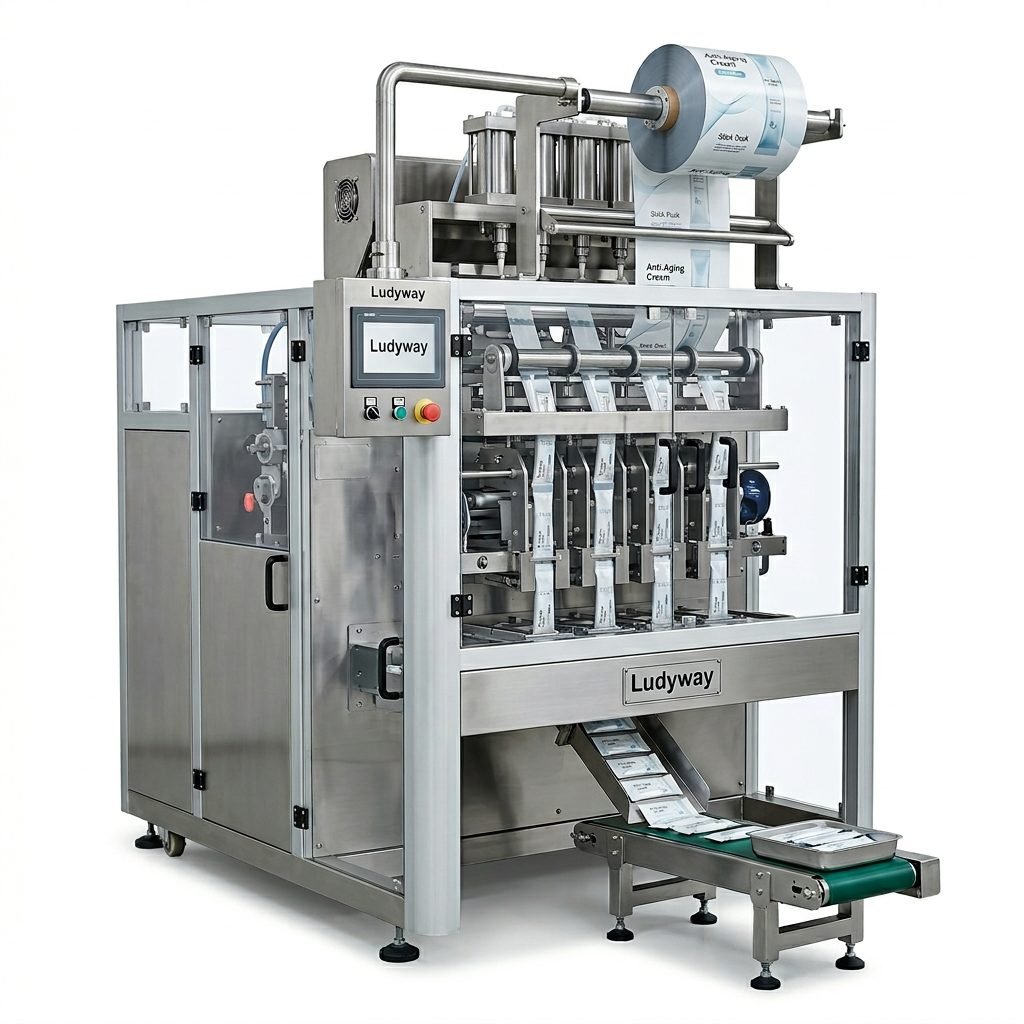
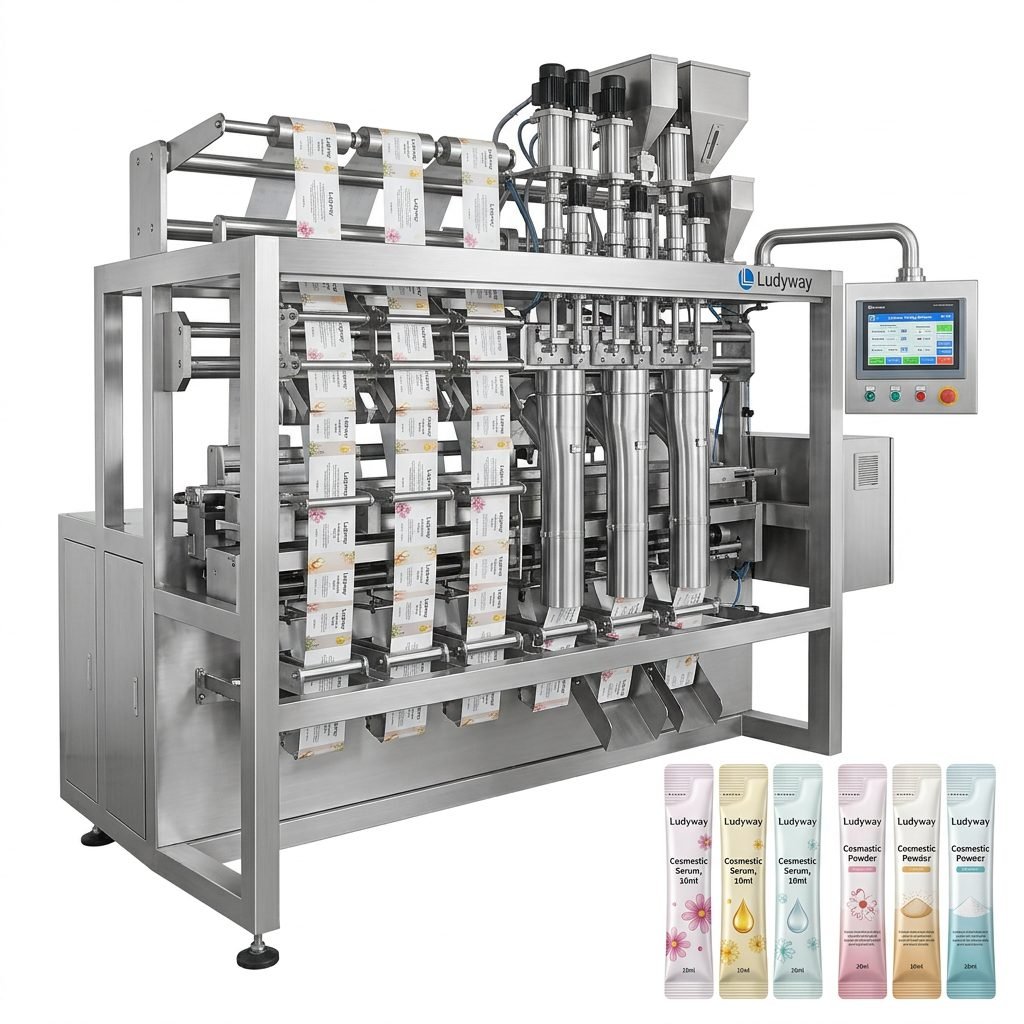
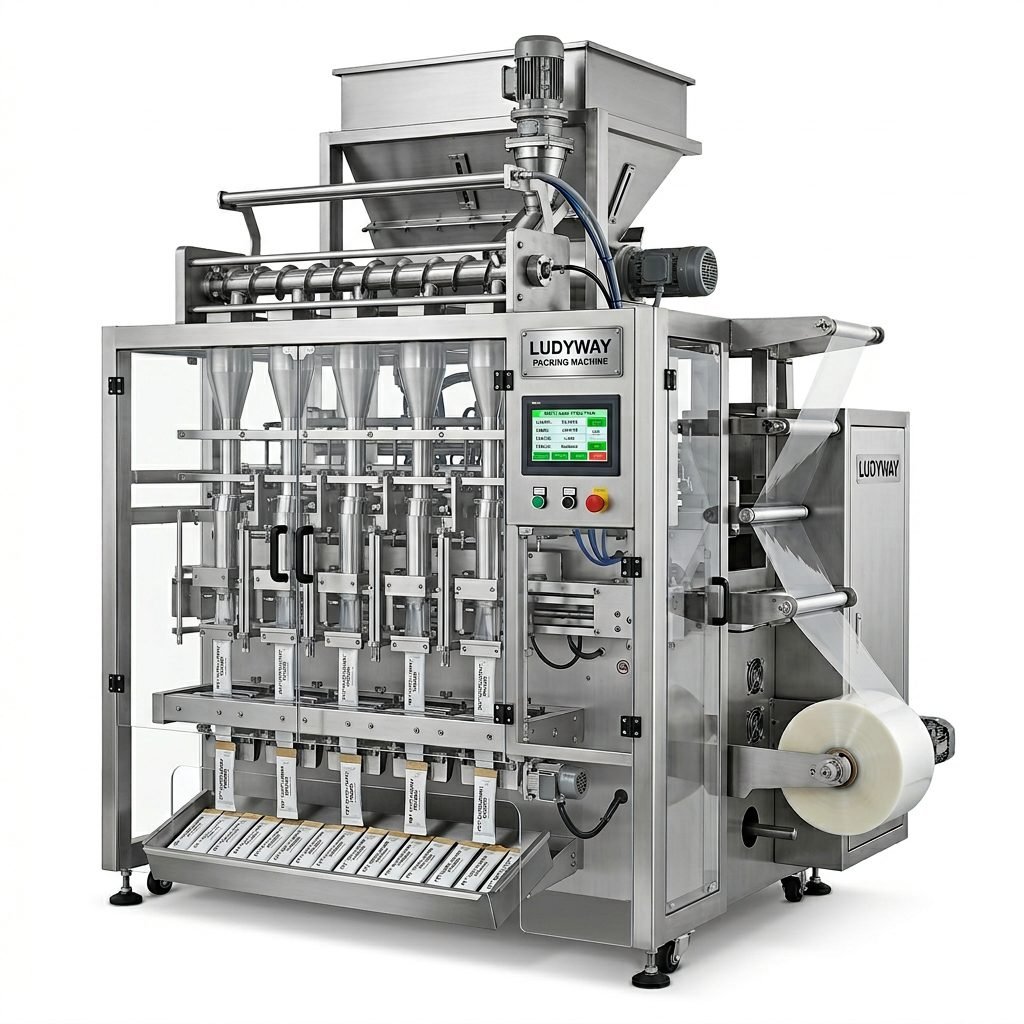
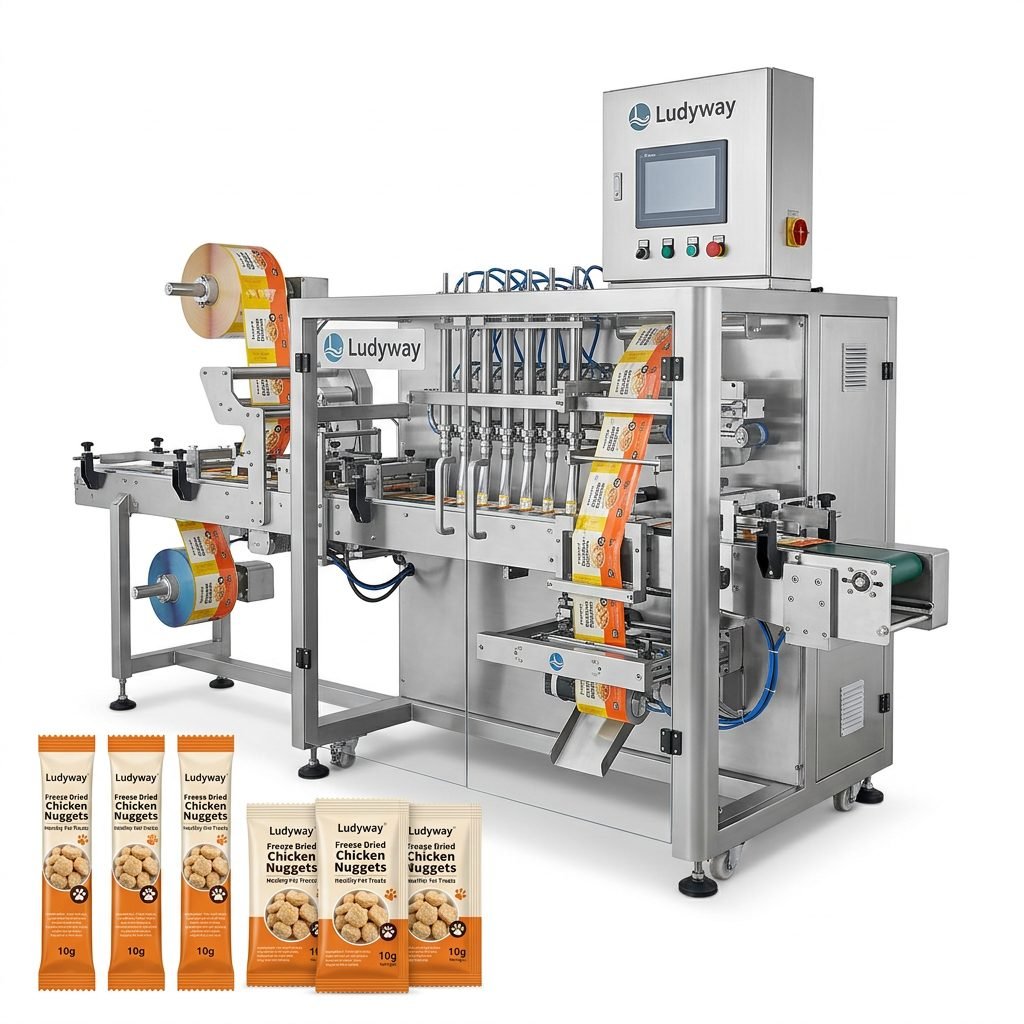
| Multi-Lane Stick Pack System | 200–600 packs/min | $150,000 – $500,000 | Sachets, seasonings, single-serve |
Beyond the initial purchase price, Oceania buyers should factor in freight costs, import duties (typically 5% for packaging machinery into Australia), installation, training, and ongoing maintenance. Many suppliers now offer comprehensive service agreements that include remote diagnostics, scheduled preventative maintenance, and guaranteed response times—critical considerations for facilities operating in remote locations across the region.
Supplier Selection: What to Look For
With numerous equipment suppliers serving the Oceania market, evaluating potential partners requires a systematic approach. Key evaluation criteria include:
- Local support presence – Technicians based in Australia or New Zealand for rapid response
- Spare parts availability – Warehoused inventory within Oceania to minimize downtime
- Industry experience – Proven installations in ready meal or similar food processing environments
- Training provision – Comprehensive operator and maintenance training programs
- Warranty terms – Minimum 12-month warranty with extended options available
- After-sales service – 24/7 technical support hotline and remote troubleshooting capability
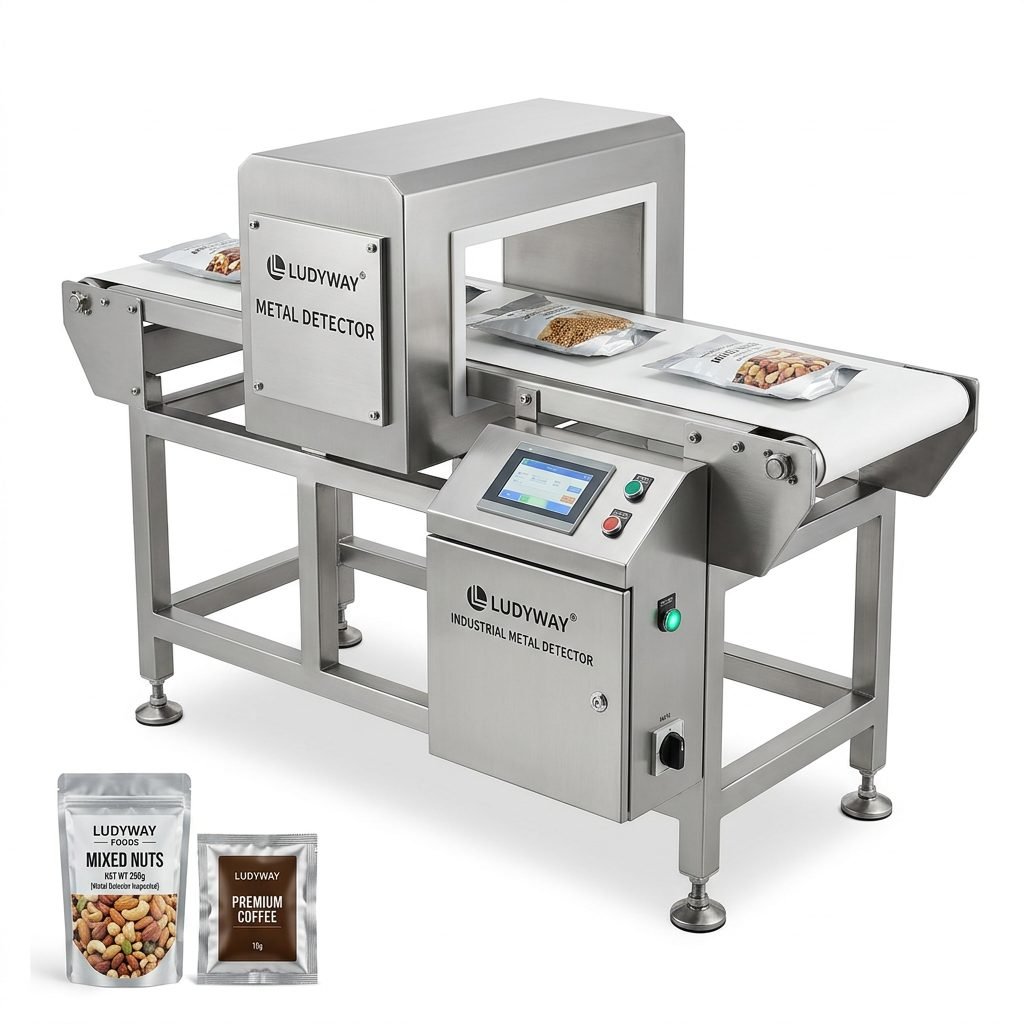
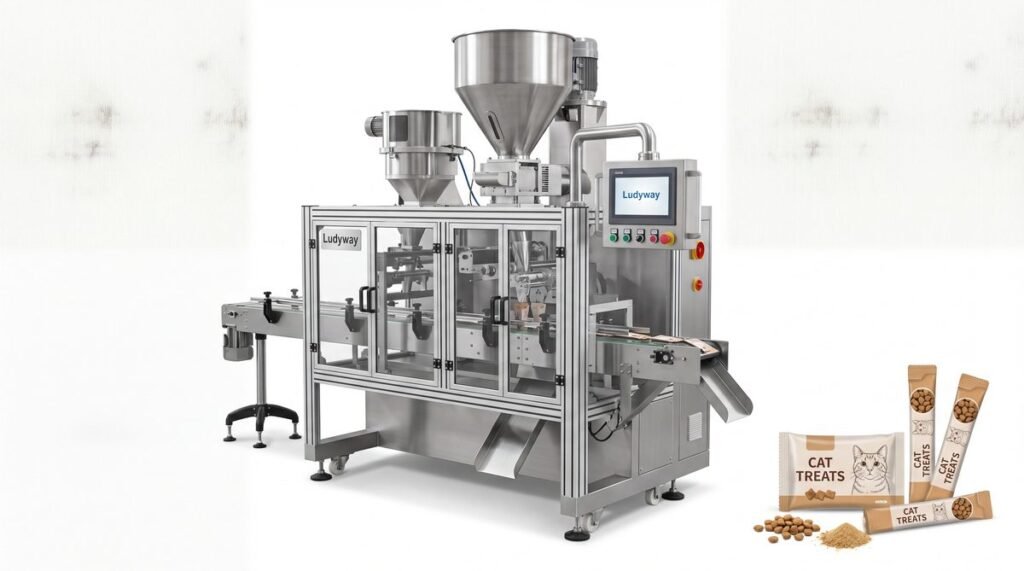
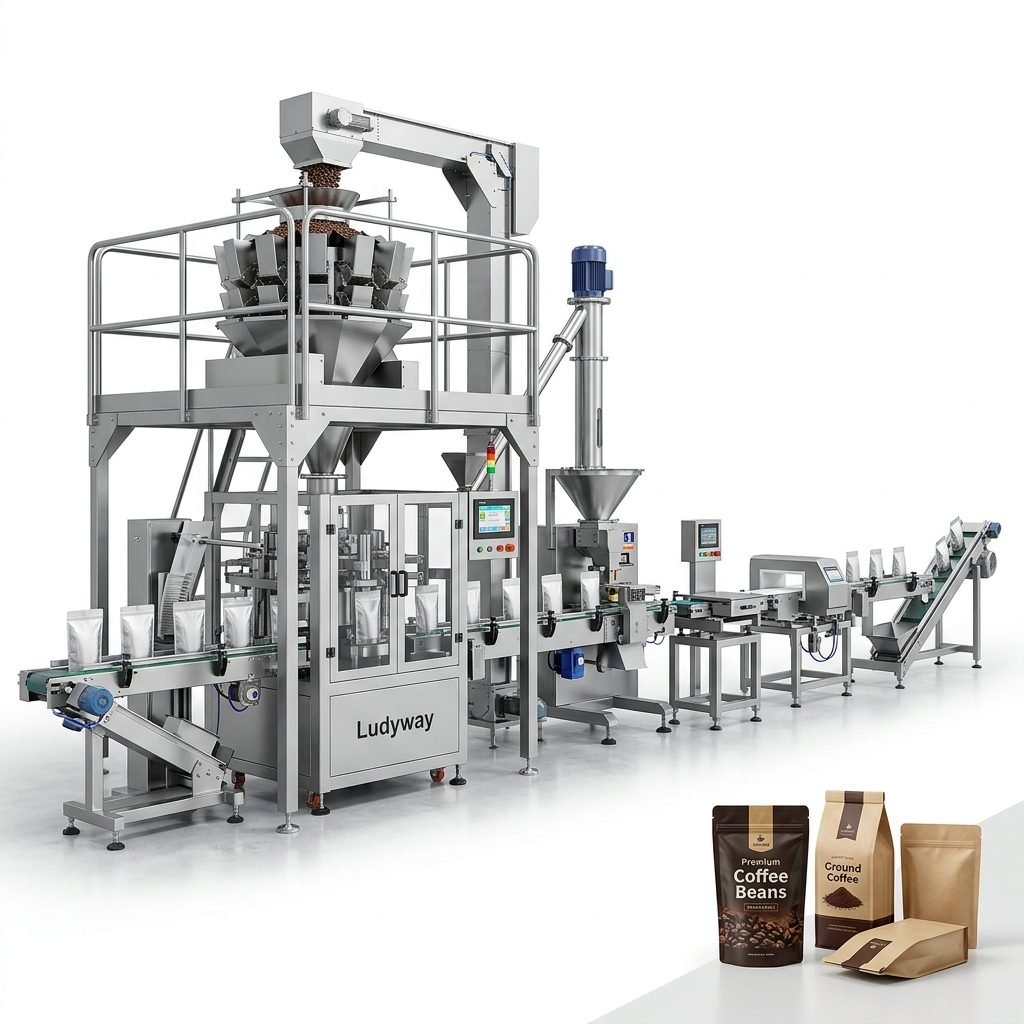
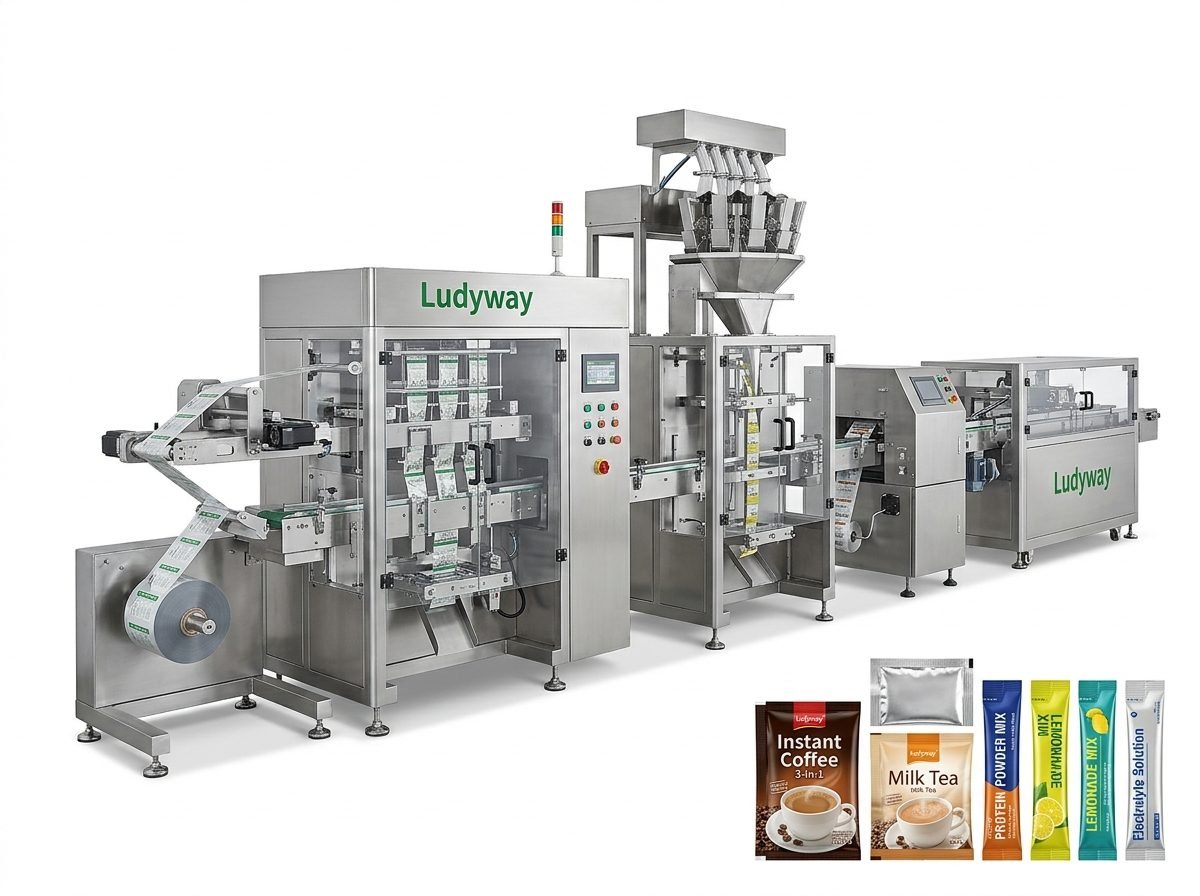
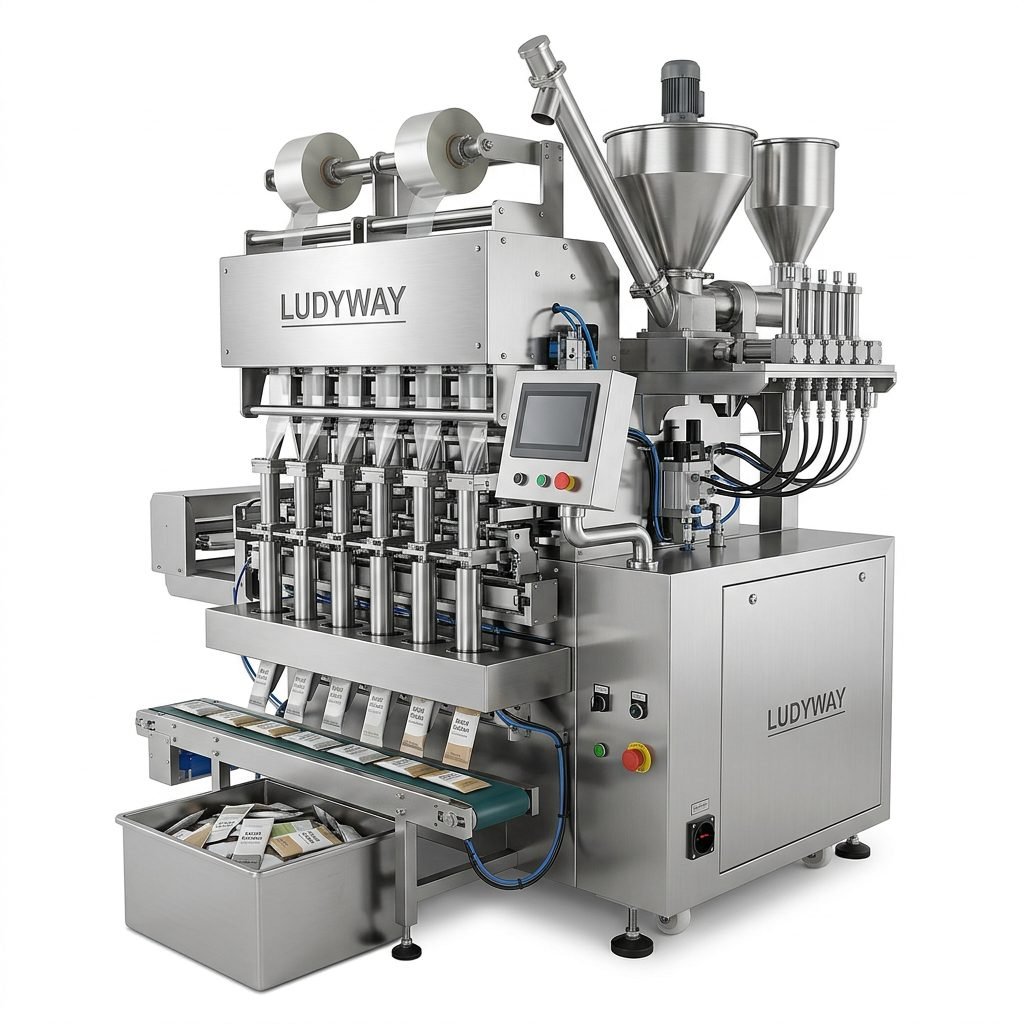
One notable manufacturer supplying advanced packaging solutions globally is Ludyway, which operates a modern 20,000㎡ production facility and offers more than 50 intelligent packaging machine models tailored for granule, powder, liquid, and pouch applications. With engineering expertise spanning over 30 years, the company delivers turnkey packaging systems to customers in over 100 countries, including food manufacturers across Oceania seeking reliable, high-performance equipment.
Automation and Industry 4.0 Integration
Modern ready meal packaging lines increasingly incorporate smart factory technologies. From real-time production monitoring dashboards to predictive maintenance algorithms, Industry 4.0 capabilities are transforming how Oceanian food manufacturers manage their packaging operations. Key automation features to consider include:
- OEE tracking – Overall Equipment Effectiveness monitoring for continuous improvement
- Remote access – Secure VPN-based machine access for off-site diagnostics
- Automated changeovers – Recipe-driven adjustments for format changes under 5 minutes
- Vision inspection systems – Automated seal integrity and label placement verification
- ERP integration – Seamless data exchange with enterprise resource planning software
Sustainability is another major driver shaping purchasing decisions. European packaging waste regulations are influencing global trends, and Oceania-based manufacturers are increasingly seeking machinery compatible with recyclable mono-materials and compostable films. Equipment that can handle thinner gauge materials without compromising seal integrity offers both environmental and cost benefits.
Installation and Commissioning Timeline
Planning for a new packaging line installation requires realistic timeline expectations. A typical project timeline for ready meal packaging machinery in Oceania follows this sequence:
- Needs assessment and specification – 2 to 4 weeks
- Supplier evaluation and quotation – 3 to 6 weeks
- Machine manufacturing – 8 to 16 weeks depending on complexity
- Factory acceptance testing (FAT) – 1 week at supplier facility
- Shipping to Oceania – 4 to 8 weeks including customs clearance
- Site preparation and installation – 2 to 4 weeks
- Commissioning and training – 1 to 2 weeks
- Production ramp-up – 2 to 4 weeks
Total project duration from order placement to full production typically spans 4 to 8 months. Manufacturers should plan accordingly and factor this timeline into their capacity expansion strategies.
Common Pitfalls to Avoid
Many first-time buyers in the Oceania market encounter similar challenges. Being aware of these common pitfalls can save significant time and money:
- Underestimating utility requirements – Verify compressed air capacity, electrical supply, and water connections before machine arrival
- Overlooking film compatibility – Not all machines handle every film type; test with your specific packaging materials during evaluation
- Insufficient operator training – Budget for comprehensive training rather than minimal familiarization sessions
- Ignoring future scalability – Select equipment that can accommodate production growth over a 5-year horizon
- Choosing on price alone – Total cost of ownership, including maintenance, parts, and downtime, often outweighs initial savings
Future Trends in Ready Meal Packaging
The Oceania ready meal packaging landscape continues to evolve. Several emerging trends are worth monitoring as you plan your investment:
- Recyclable packaging structures – Growing regulatory pressure and consumer demand for sustainable formats
- Smart packaging integration – QR codes, NFC tags, and temperature indicators for enhanced consumer engagement
- Robotic automation – Collaborative robots for loading, unloading, and secondary packaging tasks
- Digital twin technology – Virtual simulation of packaging lines for optimization before physical installation
- Energy-efficient machinery – Reduced power consumption through servo-driven systems and heat recovery
For the latest industry data and market intelligence, the PMMI State of the Industry 2026 report and Flexible Packaging Association industry resources provide comprehensive analysis of packaging trends affecting food manufacturers worldwide, including the Oceania region.
Making the Final Decision
Selecting the right ready meal packaging machine for your Oceania operation requires balancing technical requirements, budget constraints, and long-term business objectives. Begin by clearly defining your product range, target throughput, and packaging format preferences. Engage with multiple suppliers, request detailed proposals, and whenever possible, conduct on-site demonstrations or factory acceptance tests before committing to a purchase. For additional guidance on packaging machinery standards and regulations, consult the ISO packaging and distribution standards and the PMMI packaging industry resources library.
Investing in quality packaging machinery is not merely an equipment purchase—it is a strategic decision that impacts product quality, operational efficiency, and brand reputation. By following this guide and conducting thorough due diligence, Oceania-based food manufacturers can select machinery that delivers reliable performance, regulatory compliance, and strong return on investment for years to come.