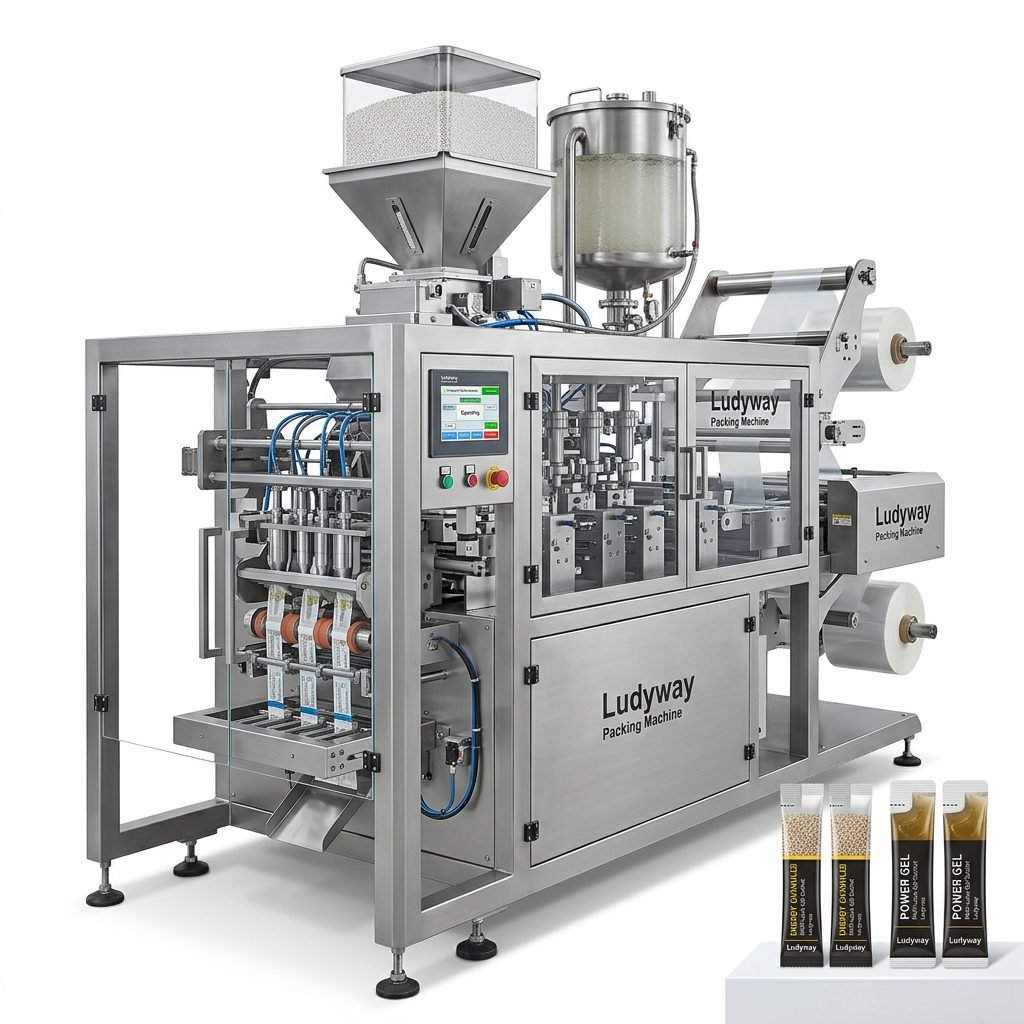
Setting up a spice packaging machine production line in France requires careful planning, knowledge of local regulations, and the right equipment selection. France is one of Europe’s largest food processing markets, and the demand for packaged spices continues to grow steadily. Whether you are producing ground pepper, curry powder, turmeriek, or mixed seasonings, a well-designed packaging line ensures product quality, shelf life, and regulatory compliance.
Understanding the French Spice Packaging Market
The French spice market is characterized by high standards for food safety, traceability, and packaging quality. French consumers pay close attention to product presentation, ingredient transparency, and sustainable packaging. For manufacturers, this means selecting spice packaging machines that not only deliver speed and accuracy but also meet French and EU regulatory standards.
France imports a significant portion of its spices from Asia, Africa, and South America, then processes and packages them locally for distribution across the European Union. Key packaging formats include sachets, stick packs, pouches, and multi-lane stick packs, each suited to different retail and food service channels.
Key Regulations and Compliance in France
Before installing any packaging equipment, you must understand the regulatory framework. France follows EU packaging directives along with national requirements:
- EU Regulation (EC) No 1935/2004 – Materials and articles intended to come into contact with food
- EU Regulation (EC) No 2023/2006 – Good manufacturing practice for food contact materials
- DGCCRF – The French Directorate General for Competition, Consumer Affairs and Fraud Control enforces packaging compliance
- French Environmental Code – Includes requirements for packaging waste, recycling, and the AGEC law
- ISO 22000 – Food safety management systems certification is highly recommended
Your packaging production line must comply with these standards from day one. Working with an experienced equipment supplier familiar with EU requirements can significantly simplify this process.
Choosing the Right Spice Packaging Machine
Spices present unique packaging challenges. They vary widely in particle size, density, moisture content, and flow characteristics. Ground cinnamon behaves differently from coarse sea salt, and curry powder has distinct handling requirements compared to whole peppercorns. Selecting the correct filling technology is essential for consistent, accurate packaging.
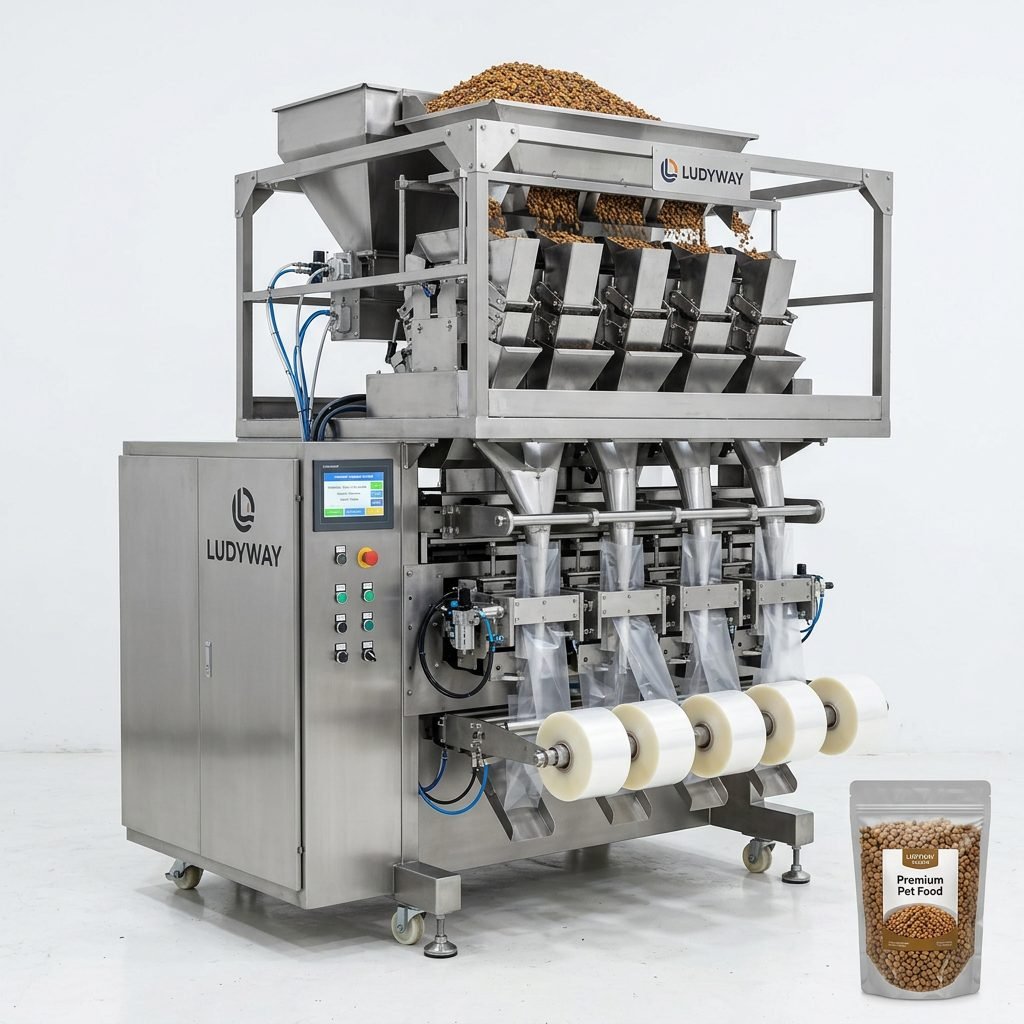
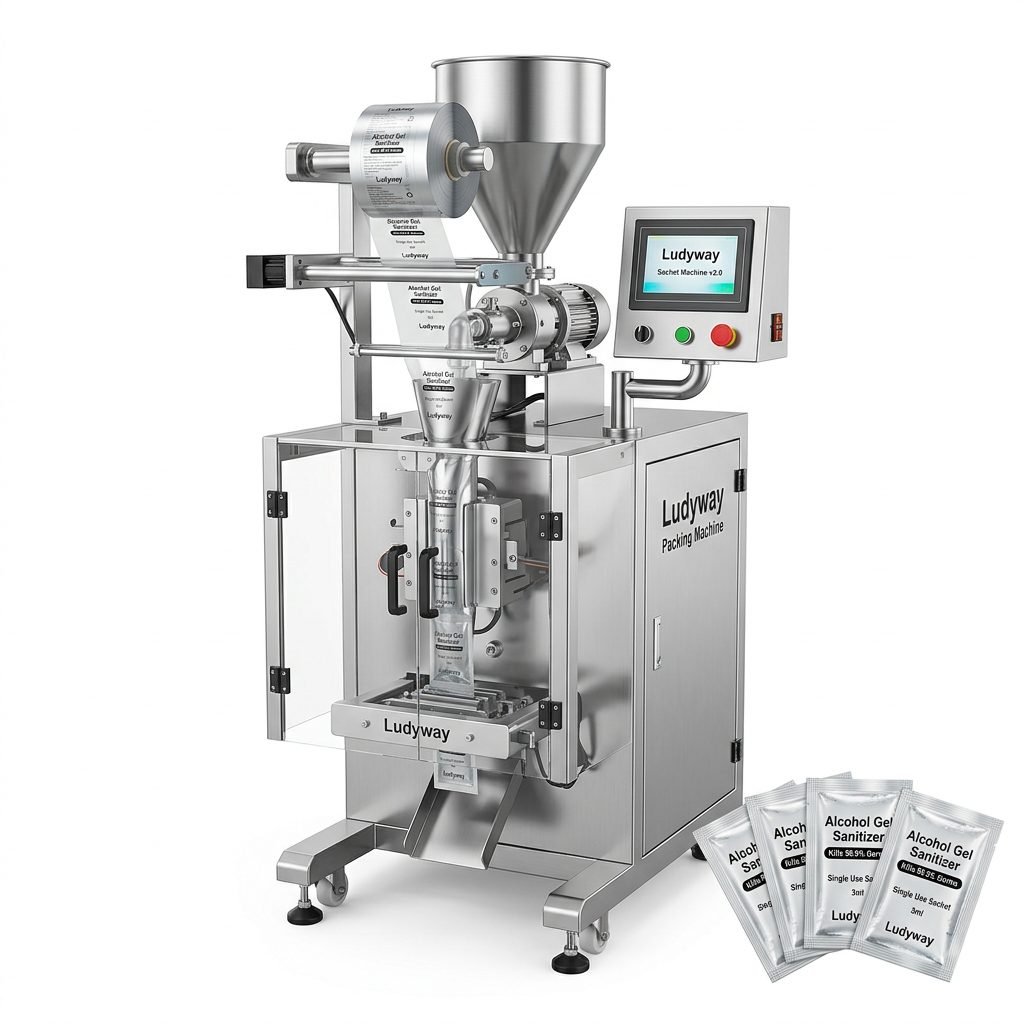
Multi-Lane Sachet Packaging Machines
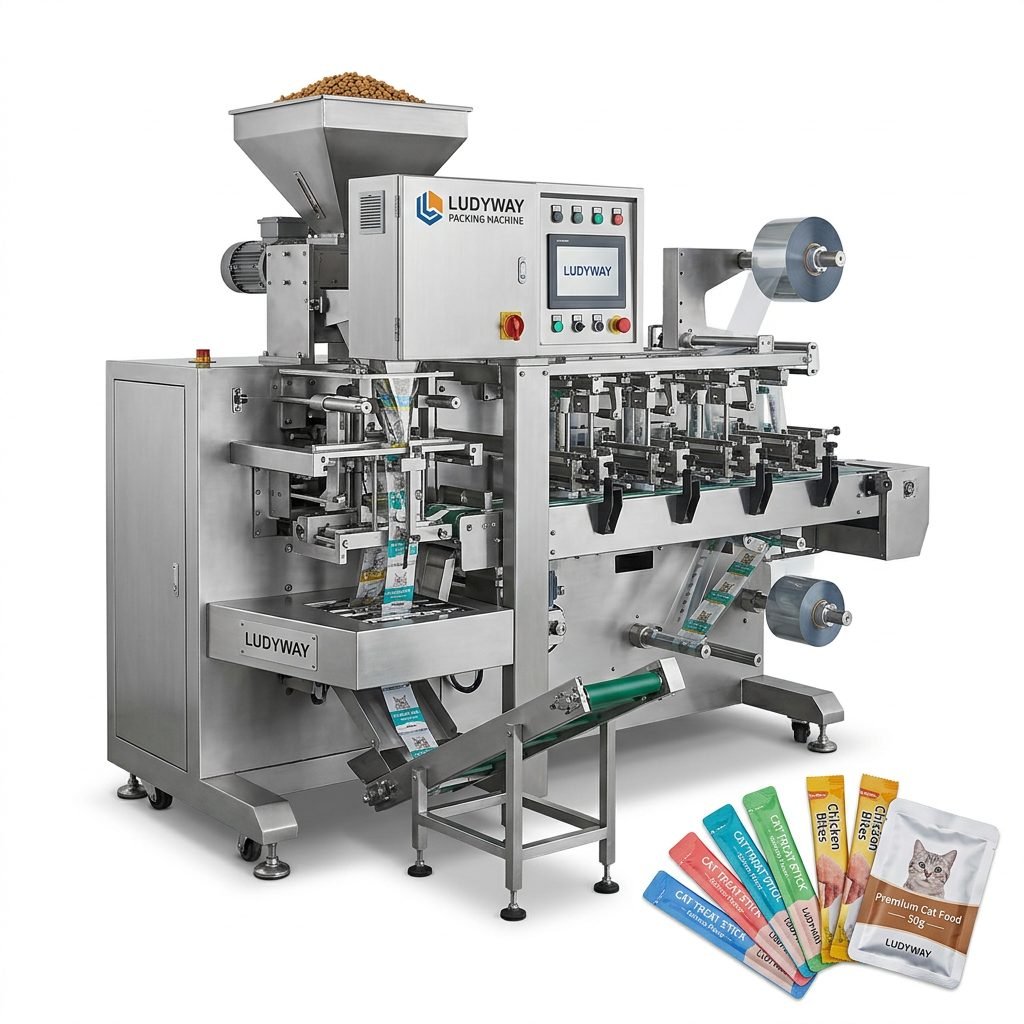
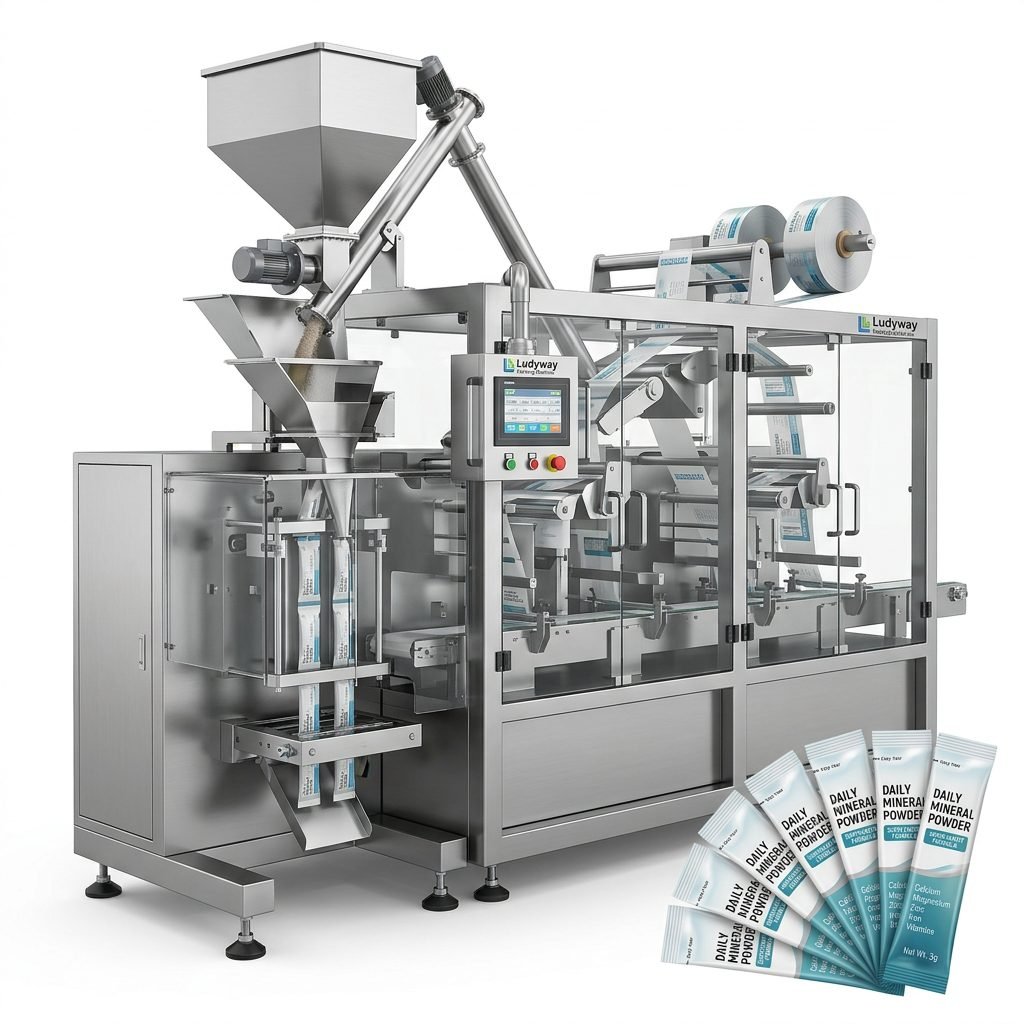
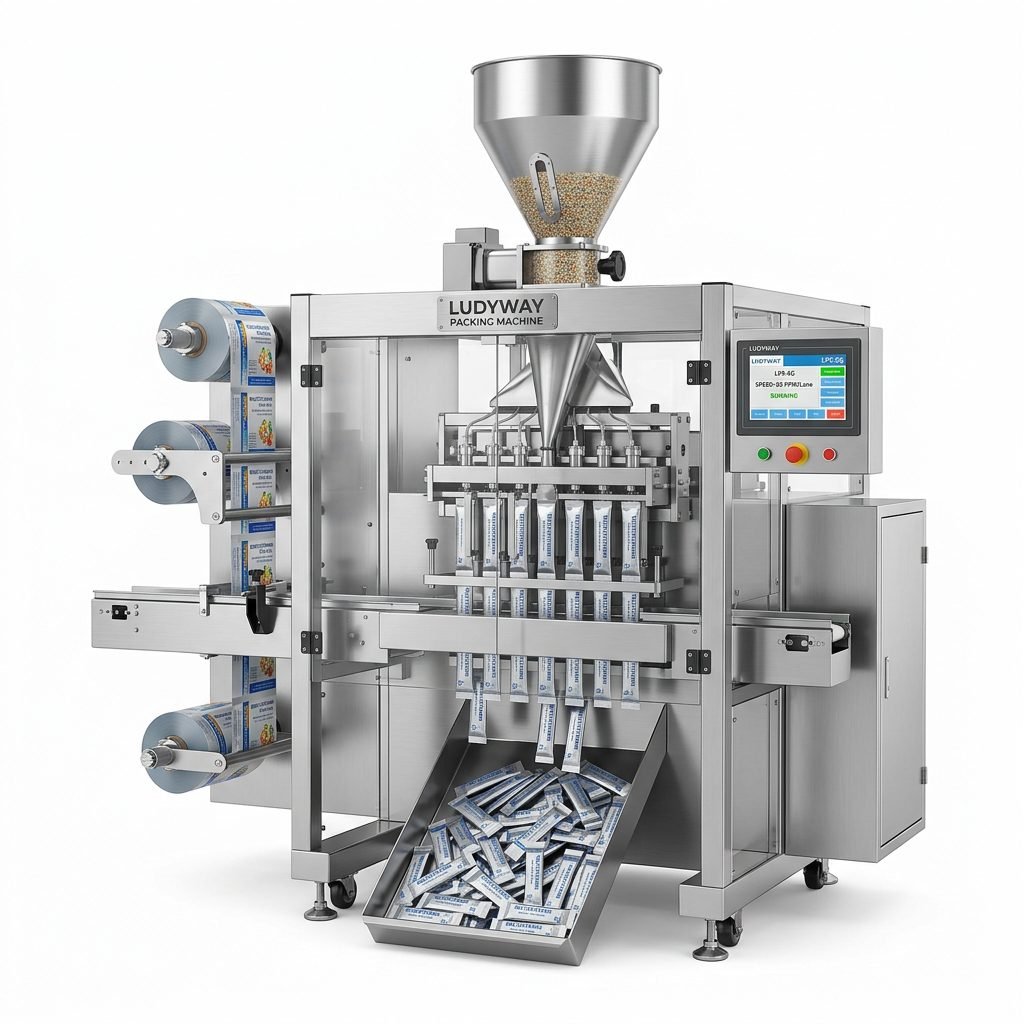
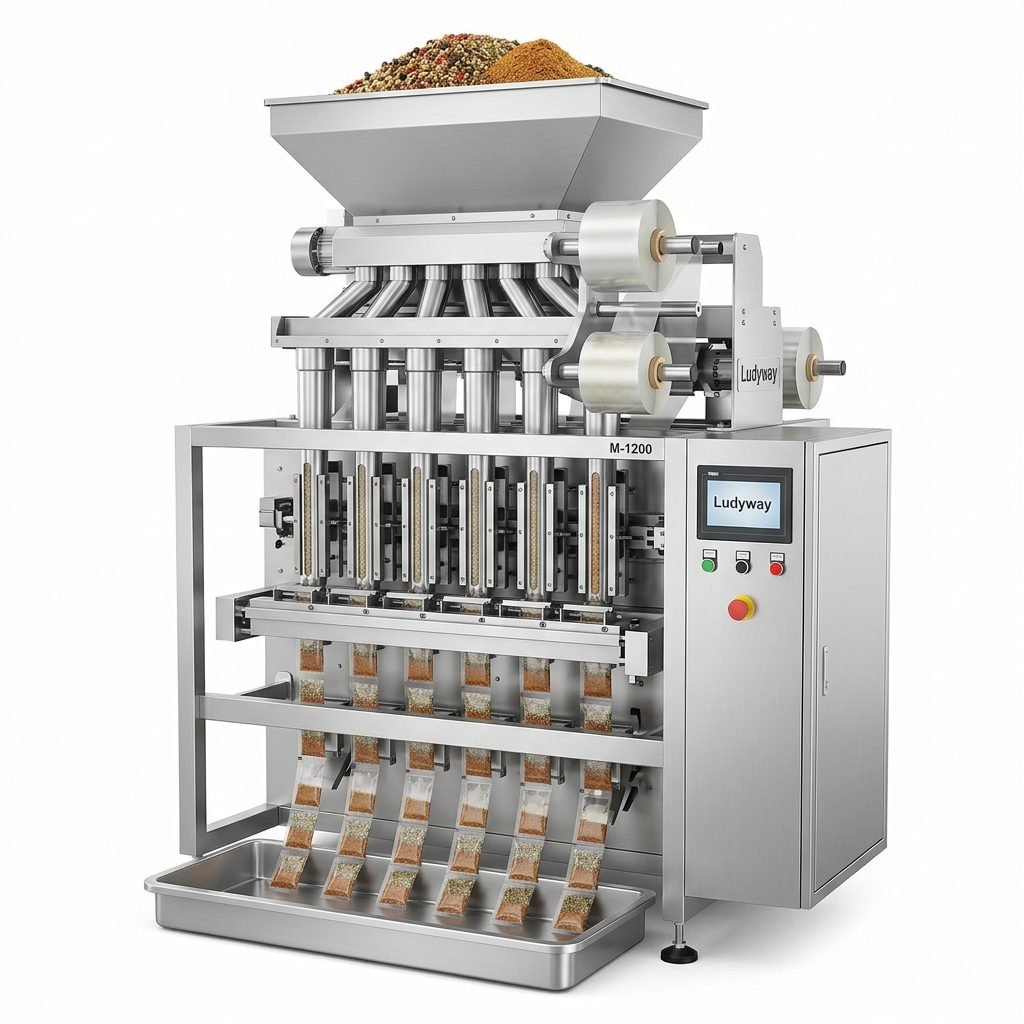
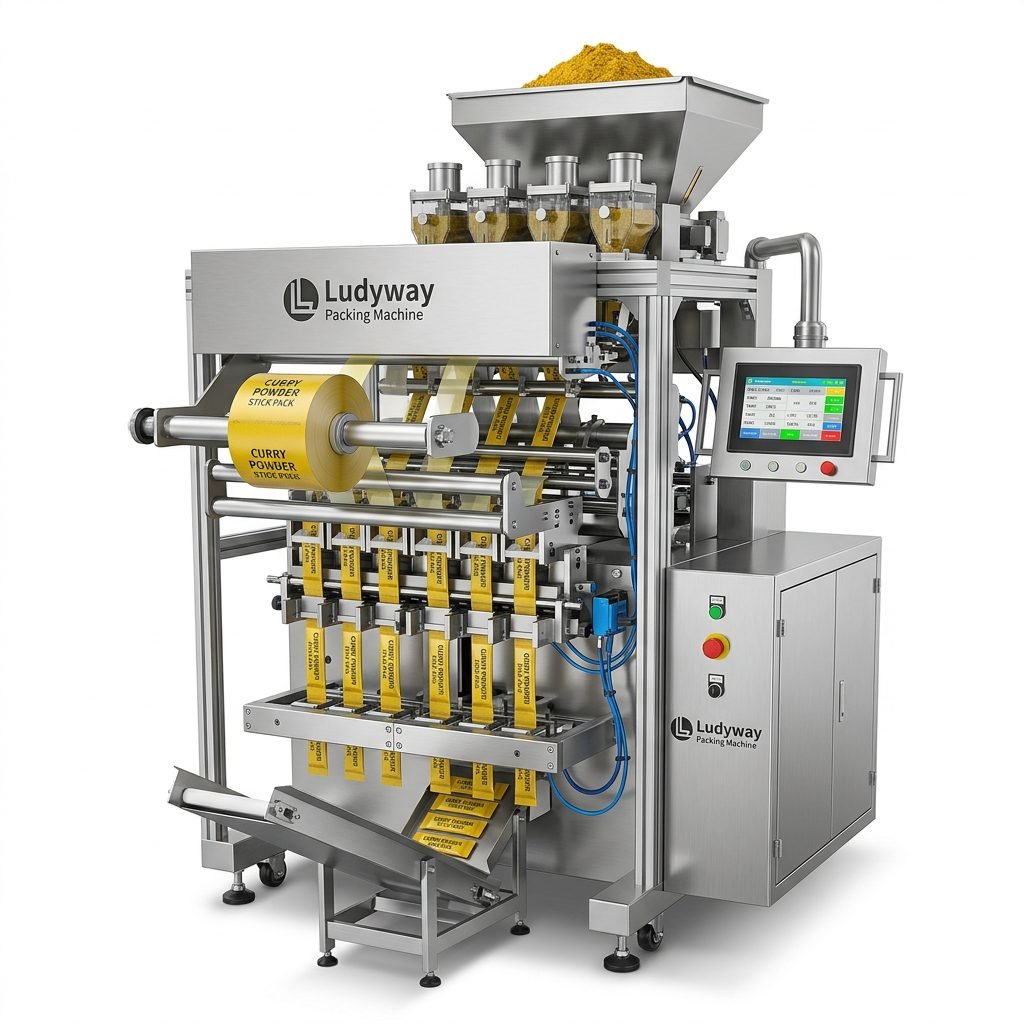
For high-volume spice production, multi-lane sachet packaging machines offer exceptional throughput. These systems can produce 4 to 16 lanes simultaneously, making them ideal for single-serve spice sachets commonly found in French supermarkets and food service outlets.
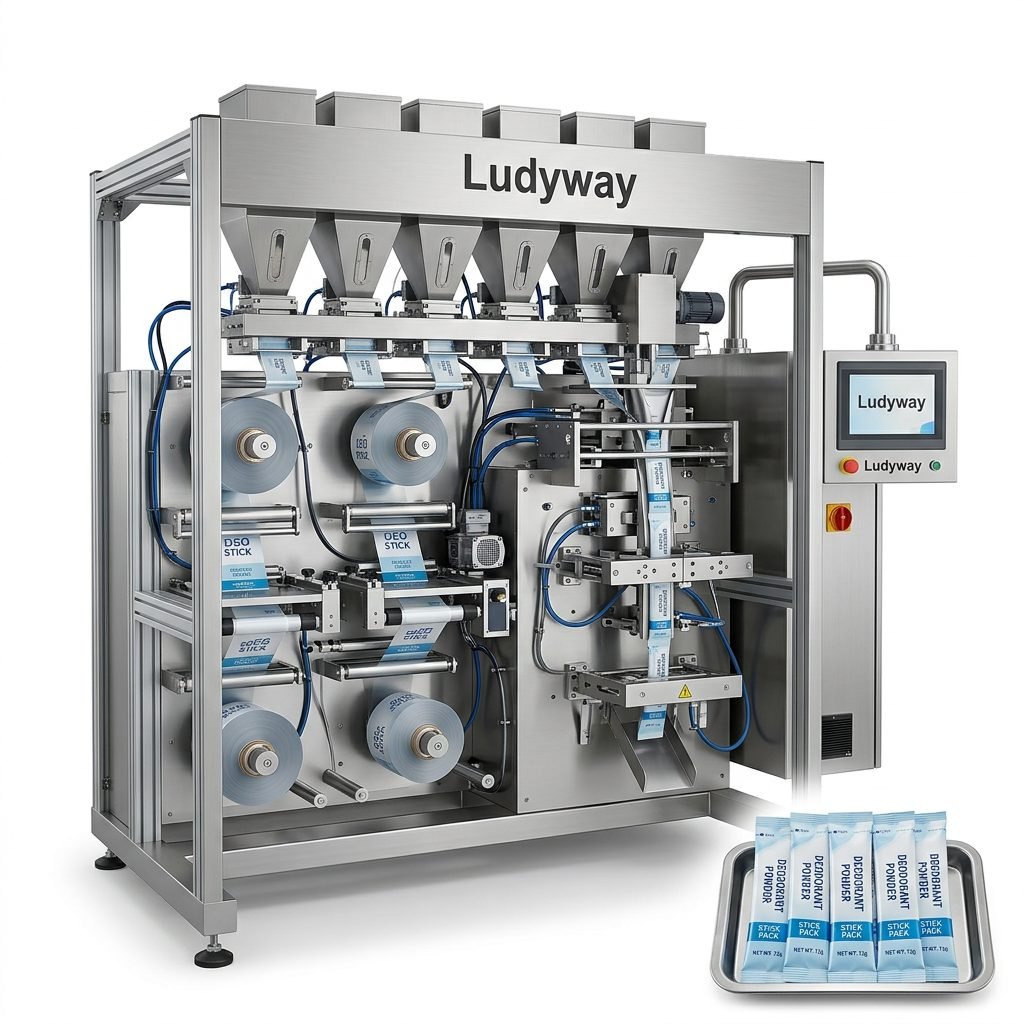
Stick Pack Packaging Systems
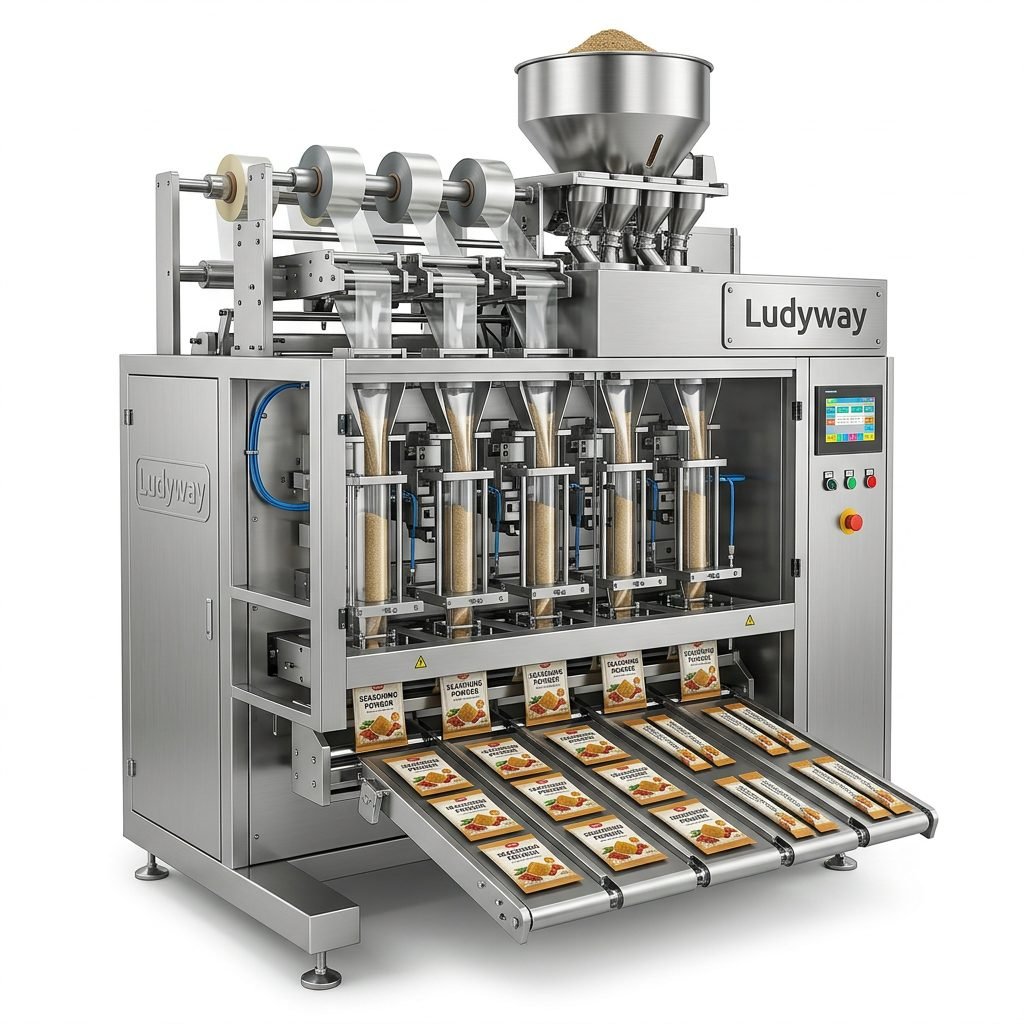
Stick pack machines are increasingly popular in the French market for their convenience and portion control. These systems create narrow, elongated packets perfect for single-use spice portions. They are widely used for black pepper, chili flakes, and herbal seasoning blends.
Essential Components of a Spice Packaging Production Line
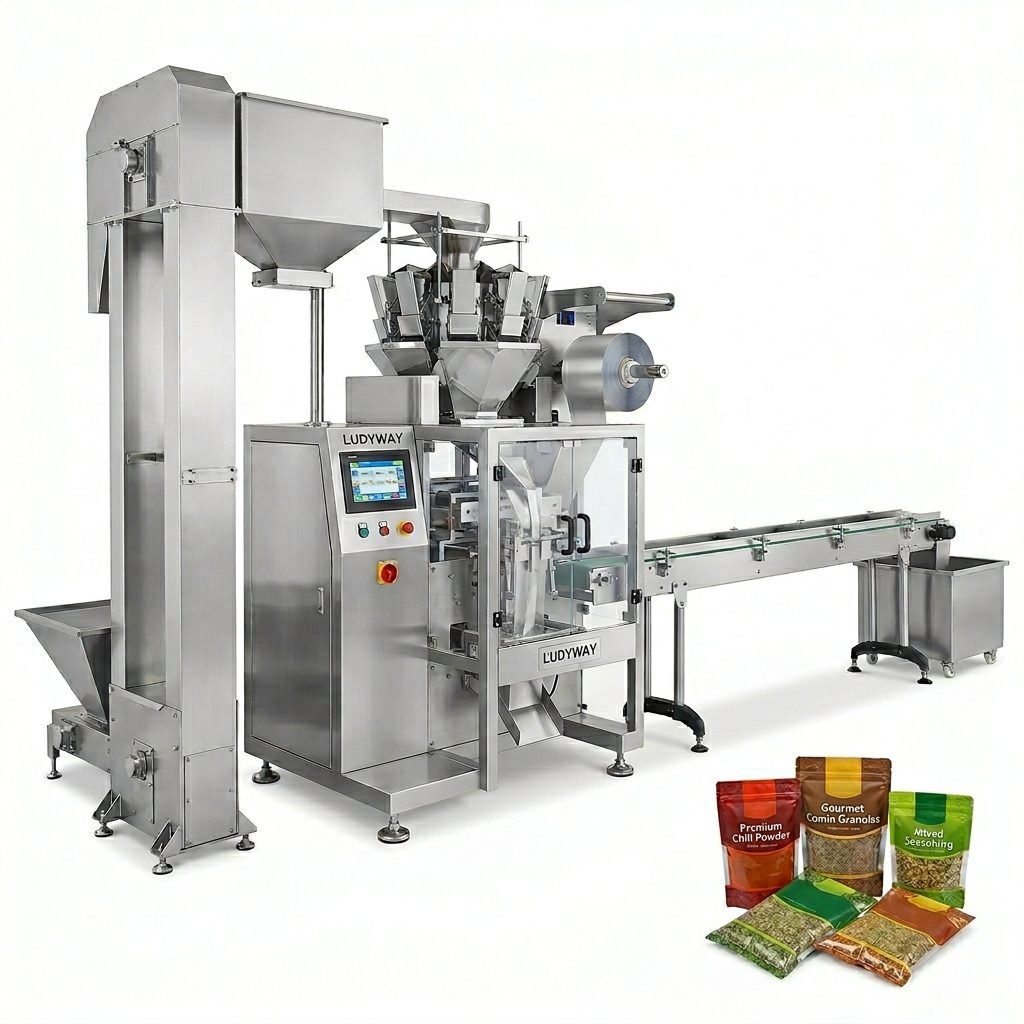
A complete packaging line involves more than just the primary filling machine. The following table outlines the essential components and their functions:
| Component | Function | Key Consideration |
|---|---|---|
| Feeding System | Transfers raw spice material into the packaging machine | Must handle varying densities and flow properties |
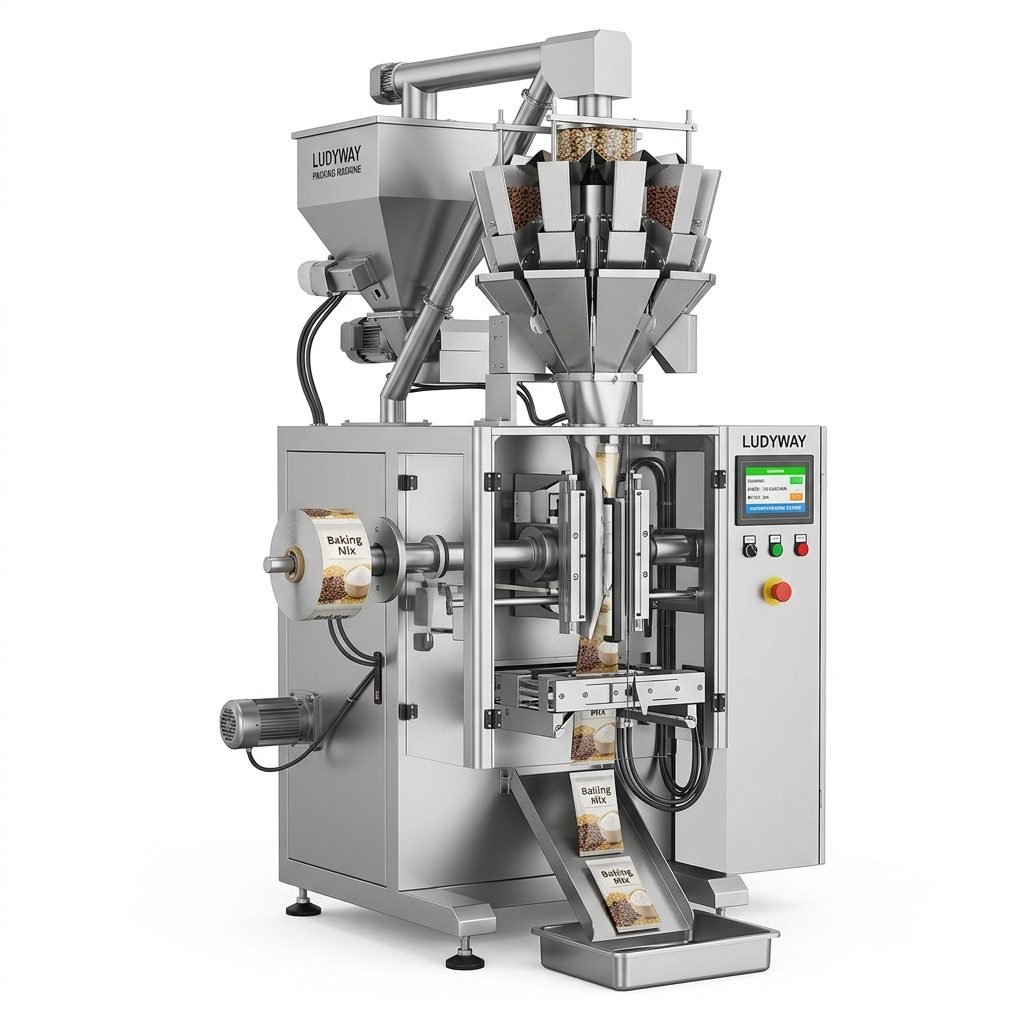
| Multi-Head Weigher | Accurately portions spices by weight | Precision of ±0.1g for small sachets |
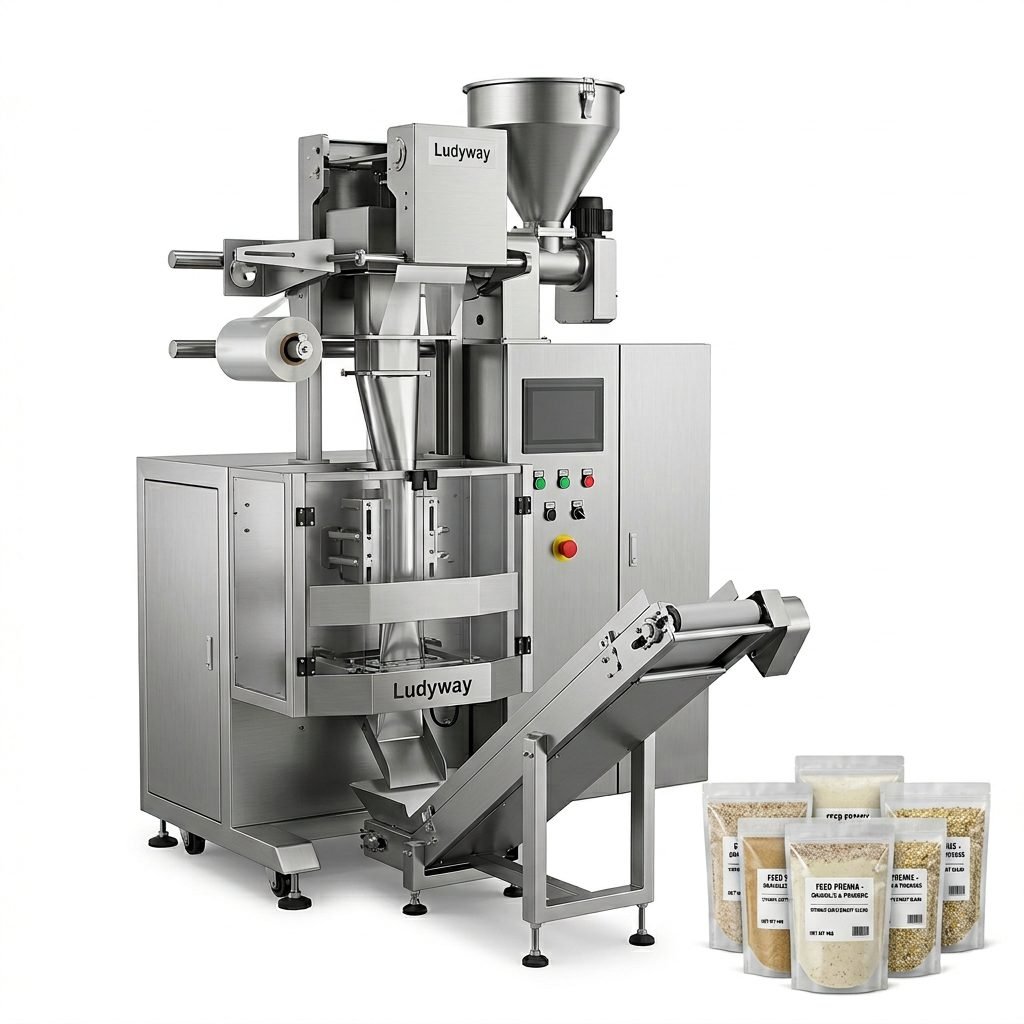
| Vertical Form Fill Seal (VFFS) Unit | Forms film, fills product, and seals packages | Film compatibility with French recycling standards |
| Nitrogen Flushing System | Extends shelf life by removing oxygen | Critical for preserving spice aroma and flavor |
| Date Coding and Printing | Applies batch numbers and expiry dates | Must comply with French labeling laws |
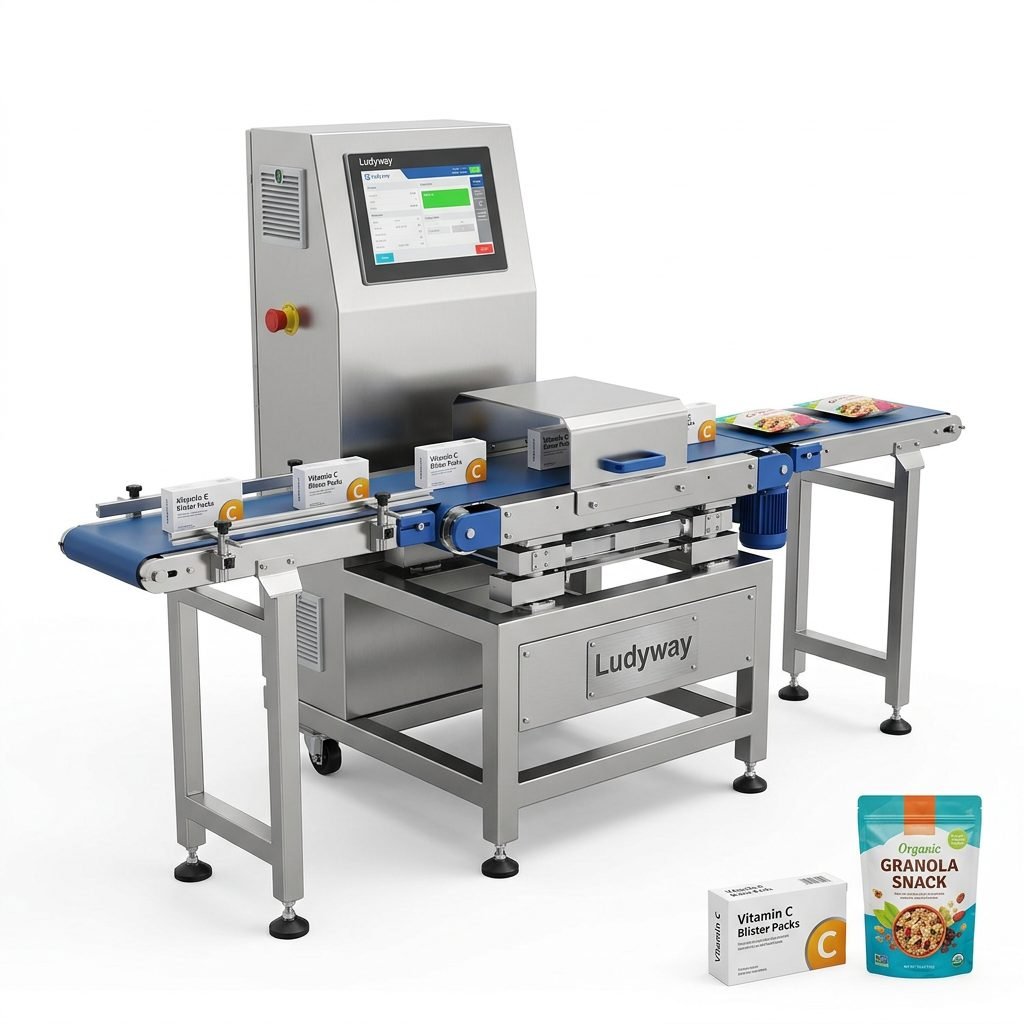
| Checkweigher | Verifies package weight in real time | Essential for quality control and compliance |
| Metal Detector | Detects metal contaminants | Required by French food safety regulations |
| Cartoning Machine | Packs finished sachets into retail cartons | Automation level depends on production volume |
Installation and Setup Process in France
Installing a packaging production line in France involves several critical steps. Proper planning ensures a smooth commissioning process and minimizes downtime.
Site Preparation
French industrial facilities must meet specific requirements for electrical supply (typically 380V/400V three-phase), compressed air, and cleanliness standards. The production area should have adequate space for the complete line, including raw material staging, packaging operations, and finished goods storage.
Equipment Shipping and Customs
When importing packaging machinery into France, you will need to handle EU customs clearance, VAT registration, and CE marking compliance. All equipment must carry the CE mark certifying conformity with EU health, safety, and environmental requirements. Working with a supplier experienced in European exports can streamline this process.
Installation and Commissioning
Professional installation should be carried out by certified technicians who understand both the equipment and French workplace safety standards. The process includes:
- Mechanical assembly and alignment
- Electrical connections and safety checks
- Pneumatic system setup
- Software configuration and calibration
- Initial test runs with product samples
- Performance validation against specifications
Operator Training and Workforce Preparation
French labor laws require proper training for all machine operators. Your equipment supplier should provide comprehensive operator training covering machine operation, troubleshooting, cleaning procedures, and safety protocols. Documentation should be available in French as well as English to ensure clear communication.
Maintenance and After-Sales Support
Ongoing maintenance is critical for packaging machine reliability. Establish a maintenance schedule that includes:
- Daily – Cleaning, visual inspection, and basic lubrication
- Weekly – Check sealing temperatures, film alignment, and sensor calibration
- Monthly – Detailed mechanical inspection, belt tension checks, and software backups
- Quarterly – Comprehensive preventive maintenance with replacement of wear parts
Cost Considerations and ROI Analysis
Investing in a spice packaging production line in France involves several cost factors. The table below provides a general framework for budgeting:
| Cost Category | Description | Estimated Range |
|---|---|---|
| Equipment Purchase | Primary packaging machine and auxiliary systems | €80,000 – €350,000+ |
| Shipping and Logistics | International freight, insurance, and port handling | €5,000 – €20,000 |
| Customs and Duties | EU customs clearance and applicable tariffs | 2% – 5% of equipment value |
| Installation | On-site assembly, commissioning, and testing | €8,000 – €25,000 |
| Training | Operator and maintenance staff training | €3,000 – €8,000 |
| Facility Modifications | Electrical, compressed air, and layout changes | €10,000 – €50,000 |
Sustainability and Packaging Trends in France
French consumers and regulators increasingly demand sustainable packaging solutions. Key trends affecting spice packaging include:
- Recyclable mono-materials – Replacing multi-layer laminates with recyclable alternatives
- Reduced packaging weight – Lighter films that maintain barrier properties while using less material
- Bio-based plastics – Emerging materials derived from renewable sources
- Compostable packaging – Growing niche for organic spice brands
Your packaging line should be flexible enough to accommodate various flexible packaging materials as French regulations evolve. The AGEC law and upcoming EU Packaging and Packaging Waste Regulation (PPWR) will further drive changes in packaging material requirements.
Partnering with the Right Equipment Supplier
Choosing the right supplier for your spice packaging production line is a critical decision. Look for manufacturers with proven experience in powder and granule packaging, a portfolio of installations in Europe, and comprehensive after-sales support. A reliable partner will help you navigate French regulatory requirements, provide CE-certified equipment, and offer ongoing technical assistance.
As one of the largest packaging machine manufacturers globally, Ludyway specializes in advanced packaging equipment for the food industry, offering multi-lane stick pack, sachet, and fully automated packaging systems. Their equipment is designed to handle the diverse characteristics of spice products while meeting international quality and safety standards.
Frequently Asked Questions
What is the typical production speed for spice packaging lines?
Production speed depends on the machine configuration and sachet size. Multi-lane stick pack machines can produce 200 to 600 packages per minute, while single-lane sachet machines typically run at 40 to 80 packages per minute.
Do I need a nitrogen flushing system for spice packaging?
For most ground spices, nitrogen flushing is highly recommended. It extends shelf life by preventing oxidation, preserving essential oils, and maintaining the spice’s aromatic profile. Whole spices may not require nitrogen flushing but benefit from moisture-barrier packaging.
How long does it take to set up a complete production line in France?
From order placement to full production, you should plan for 3 to 6 months. This includes equipment manufacturing, shipping, customs clearance, site preparation, installation, commissioning, and operator training.
What certifications should my packaging machinery have?
For the French market, your equipment must have CE marking as a minimum. Additional certifications such as ISO 9001 (quality management) and compliance with IFS Food or BRCGS packaging standards are highly beneficial for working with major French retailers.
For more information on packaging industry standards and resources, visit the PMMI – Association for Packaging and Processing Technologies or review the Flexible Packaging Association industry data.