The European peanut butter market is experiencing significant growth, driven by rising consumer demand for protein-rich, plant-based foods. According to industry data, the European peanut butter market is projected to grow at a CAGR of over 6% through 2030. For manufacturers looking to scale production, investing in the right peanut butter packaging machine is a critical decision that impacts product quality, shelf life, and operational efficiency.
Understanding the European Peanut Butter Packaging Landscape
Europe presents unique challenges and opportunities for peanut butter producers. From strict EU food safety regulations to diverse packaging preferences across countries like Germany, France, the Netherlands, and the UK, manufacturers must navigate a complex landscape. Whether you’re producing smooth, crunchy, or organic varieties, the packaging machinery you choose directly affects your ability to compete in this €2+ billion market.
Types of Peanut Butter Packaging Machines Available in Europe
Selecting the appropriate equipment depends on your production scale, packaging format, and automation requirements. Below are the primary machine categories used by European manufacturers:
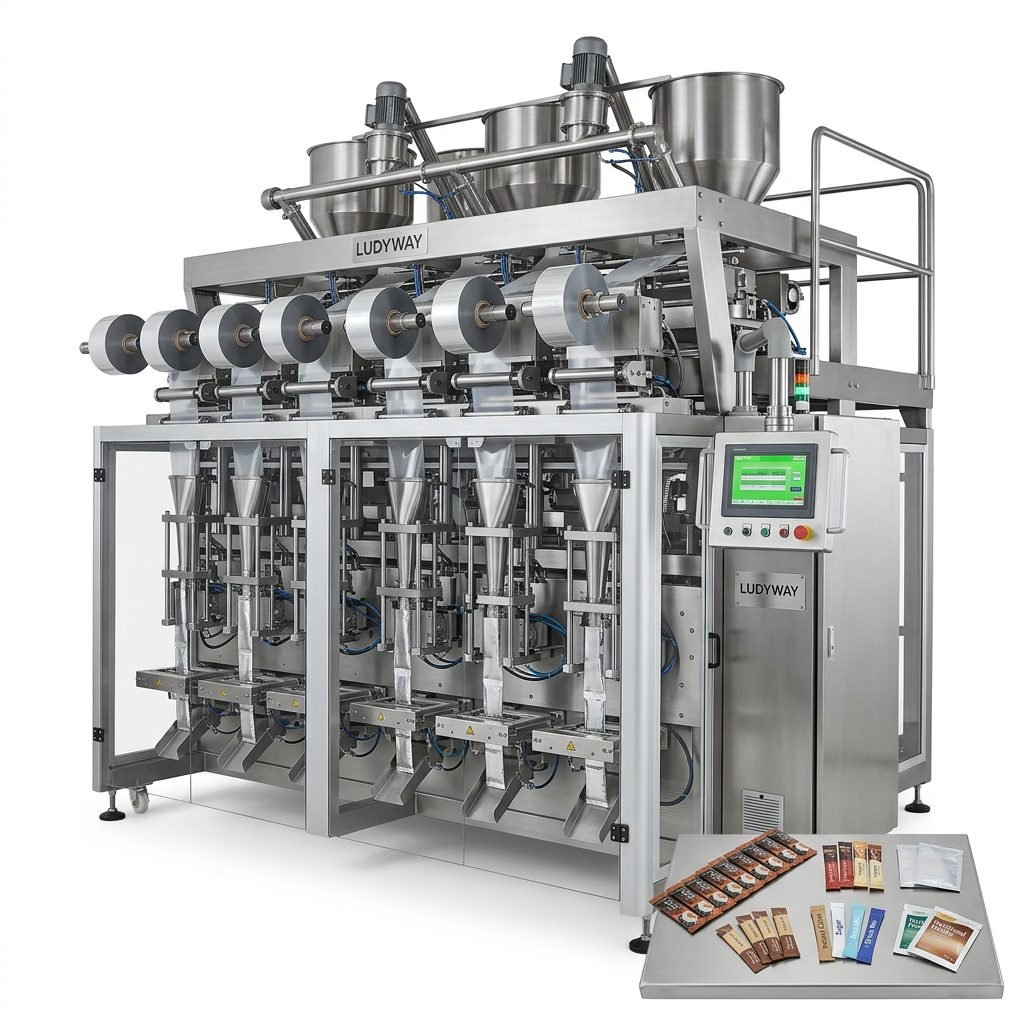
Multi-Lane Stick Pack and Sachet Machines
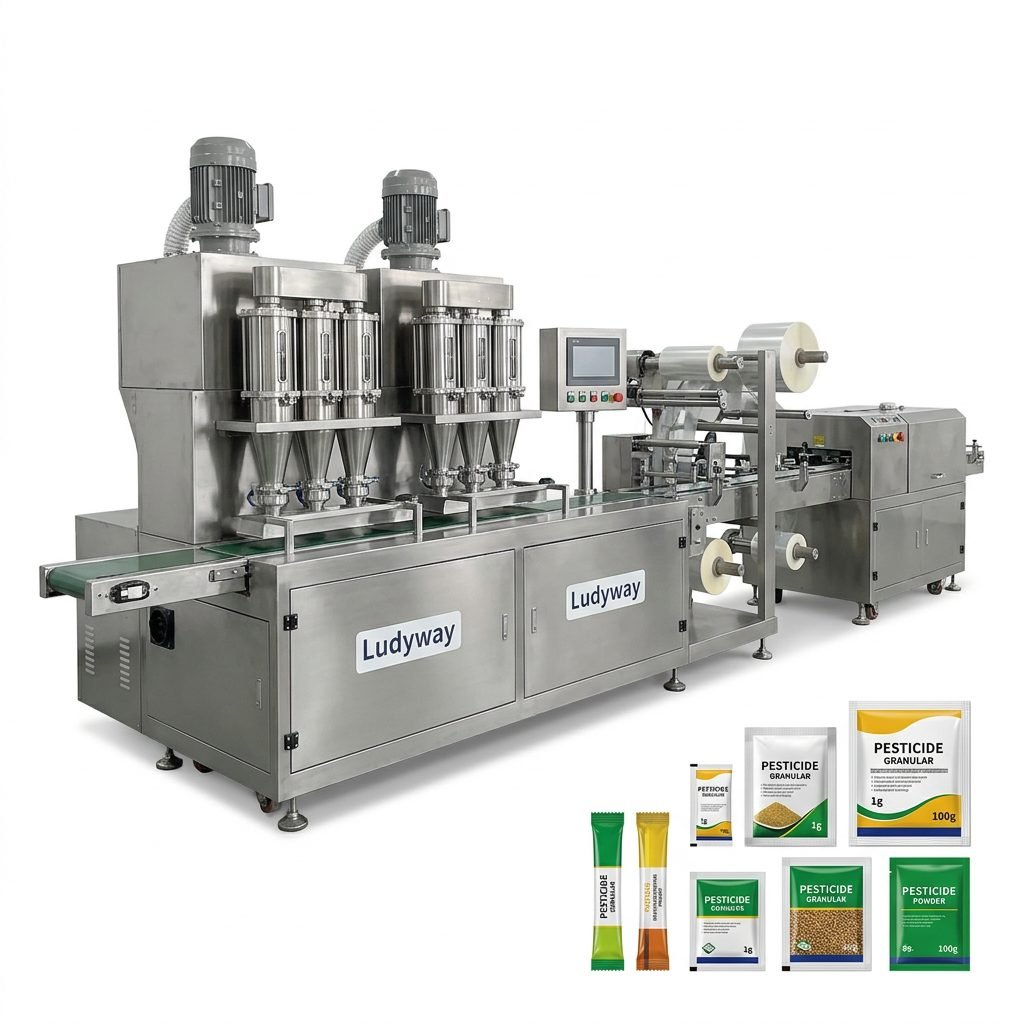
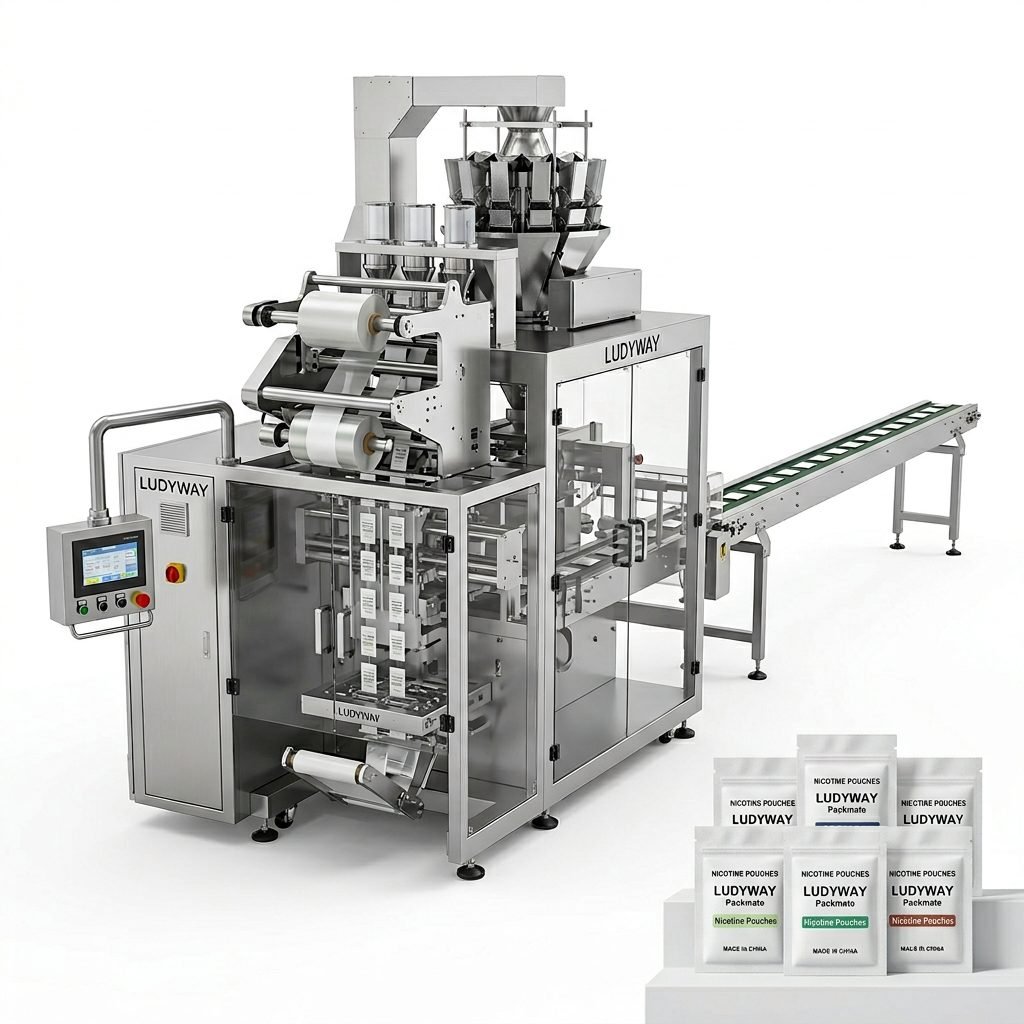
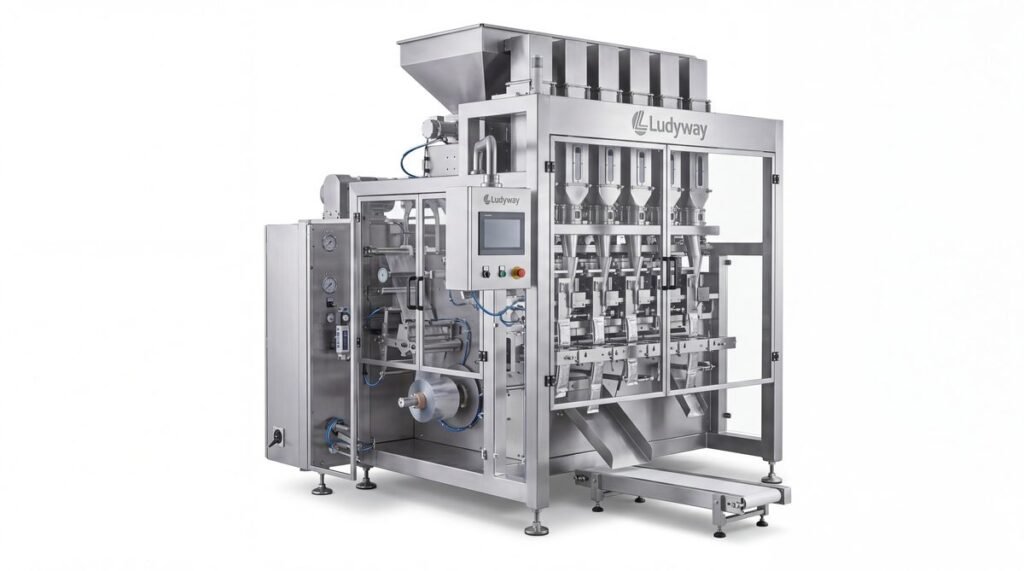
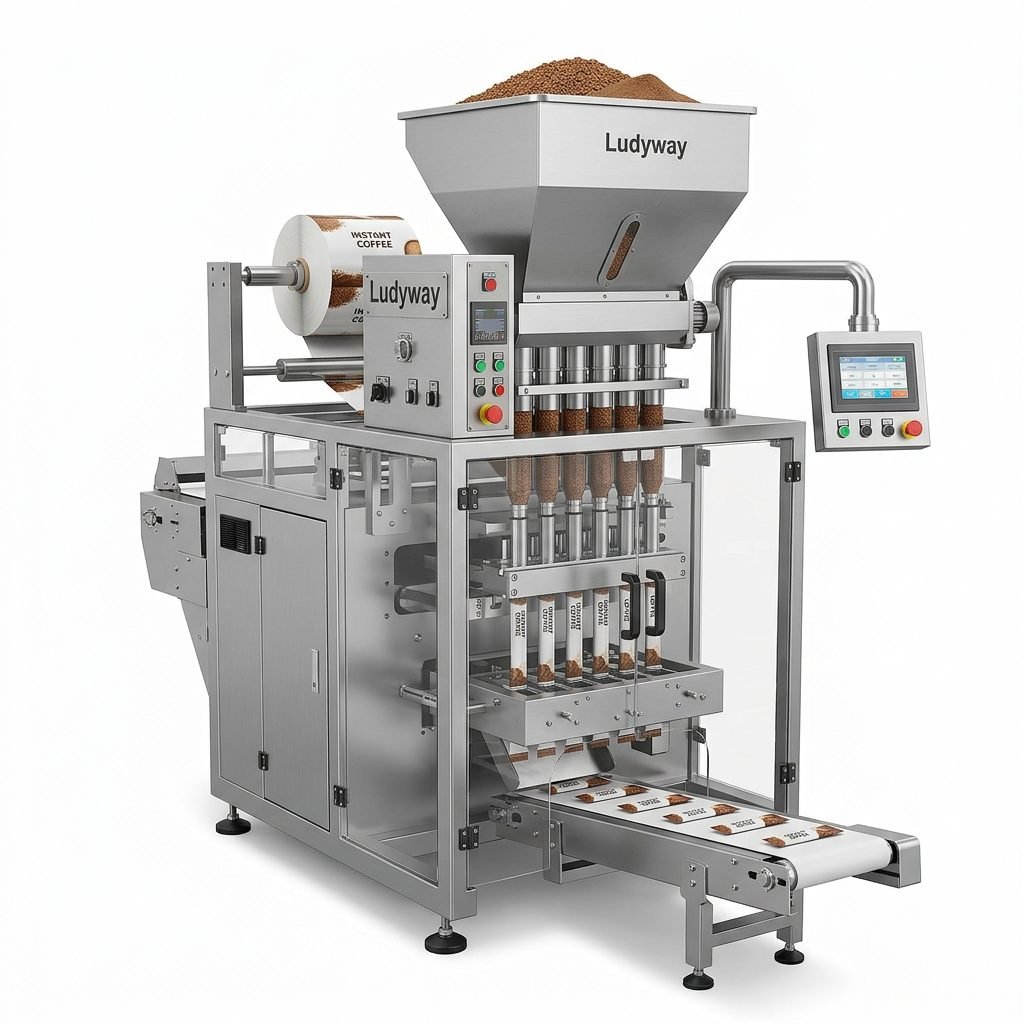
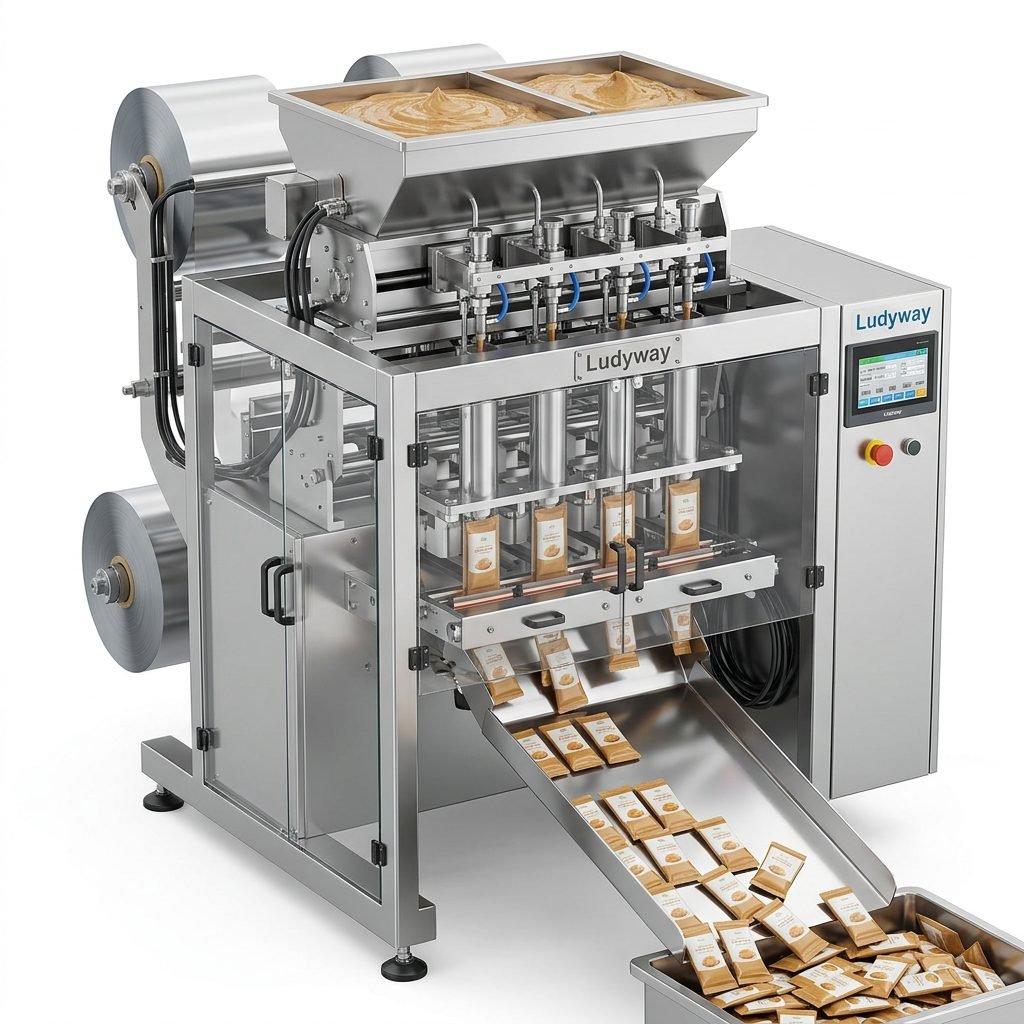
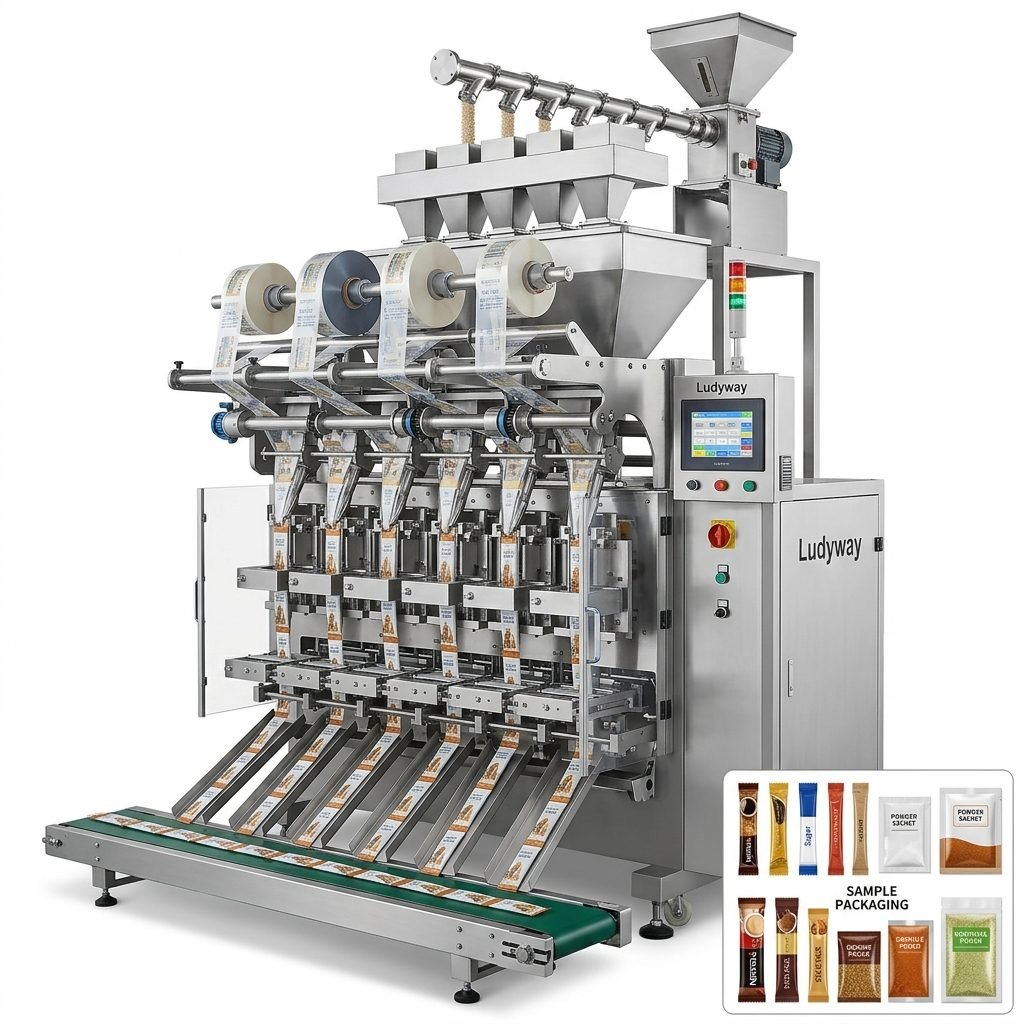
Ideal for single-serve and portion-control packaging, multi-lane stick pack machines can produce up to 600 packs per minute across multiple lanes. These systems are widely adopted in Europe for on-the-go peanut butter sachets, hotel amenity portions, and sample packs. The multi-lane configuration maximizes output while minimizing floor space.
Premade Pouch Filling and Sealing Machines
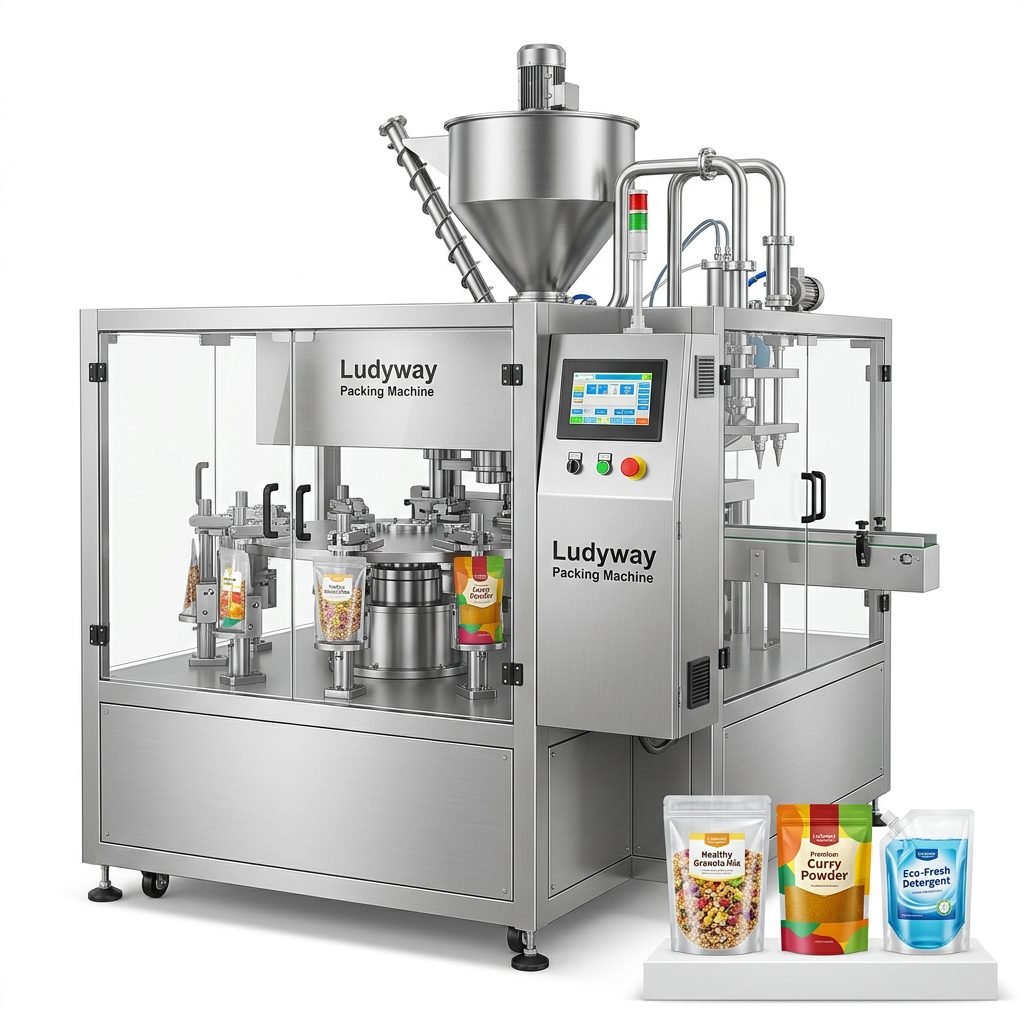
For retail-ready stand-up pouches and spouted pouches, rotary and inline premade pouch machines offer flexibility. European consumers increasingly prefer resealable pouches with easy-pour spouts, making this equipment category essential for brands targeting supermarket shelves.
Vertical Form Fill Seal (VFFS) Machines
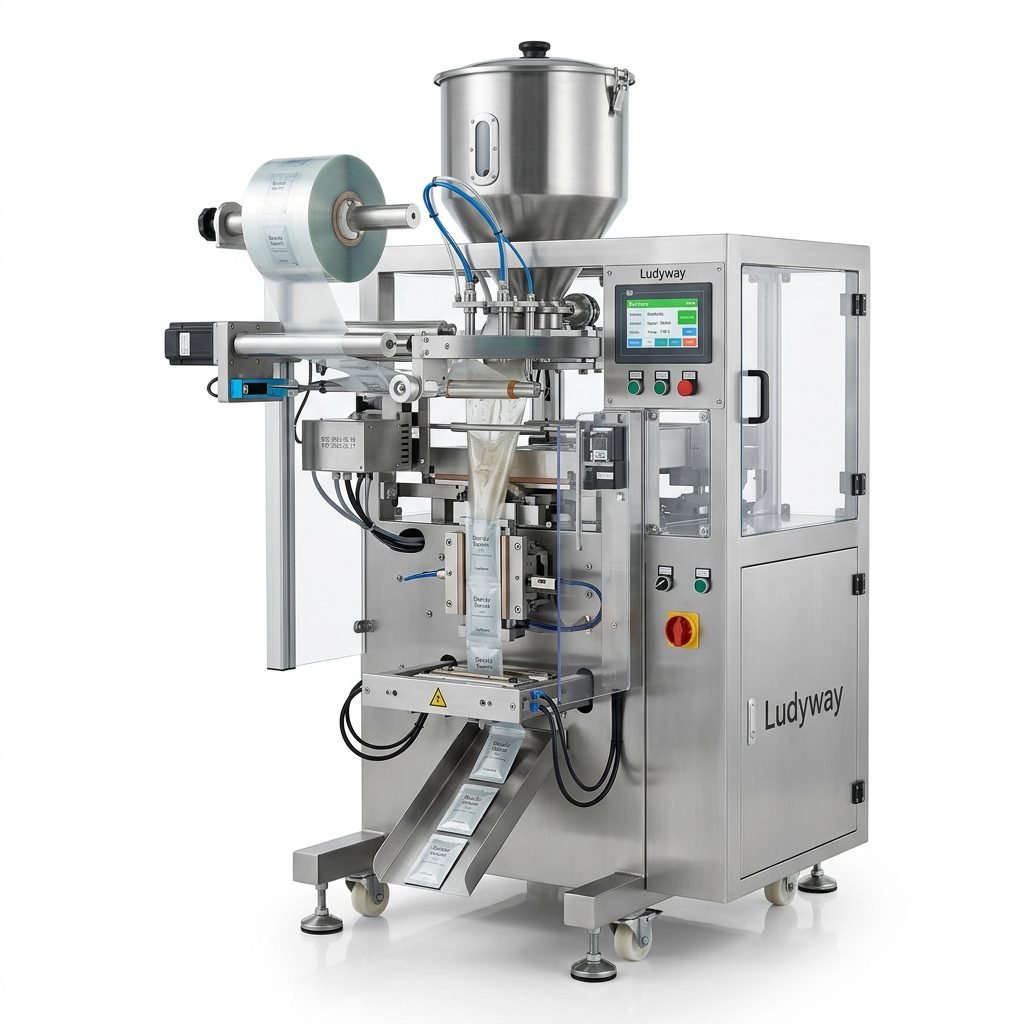
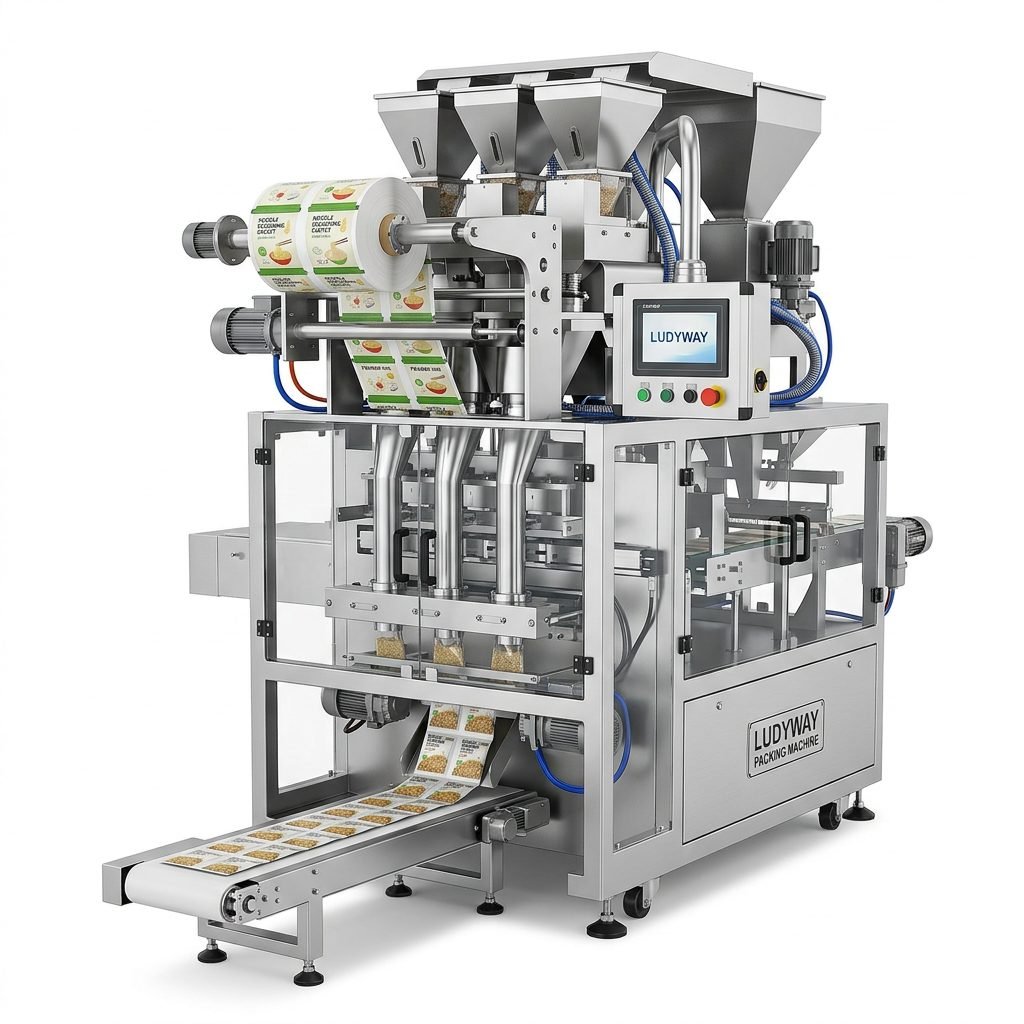
VFFS technology remains popular for medium to high-volume production of pillow bags and gusseted pouches. These machines form the pouch from roll stock film, fill with peanut butter, and seal—all in one continuous operation. European manufacturers often opt for servo-driven VFFS systems for precision dosing of viscous products.
Key Features to Evaluate Before Purchase
When comparing peanut butter packaging equipment for the European market, focus on these critical specifications:
- Viscosity Handling Capability — Peanut butter ranges from semi-solid to highly viscous. Ensure the filling system (piston, gear pump, or progressive cavity) is rated for your specific product consistency.
- Dosing Accuracy — European labeling regulations require precise net weight compliance. Look for machines with ±0.5% to ±1% dosing accuracy.
- CE Certification — Mandatory for all machinery placed on the EU market. Verify that the manufacturer provides full CE documentation and Declaration of Conformity.
- Material Compatibility — Machines should handle multi-layer barrier films, aluminum laminates, and recyclable mono-materials increasingly demanded by European sustainability mandates.
- Cleaning and CIP Systems — For manufacturers producing multiple nut butter varieties, Clean-in-Place (CIP) capability reduces cross-contamination risks and downtime.
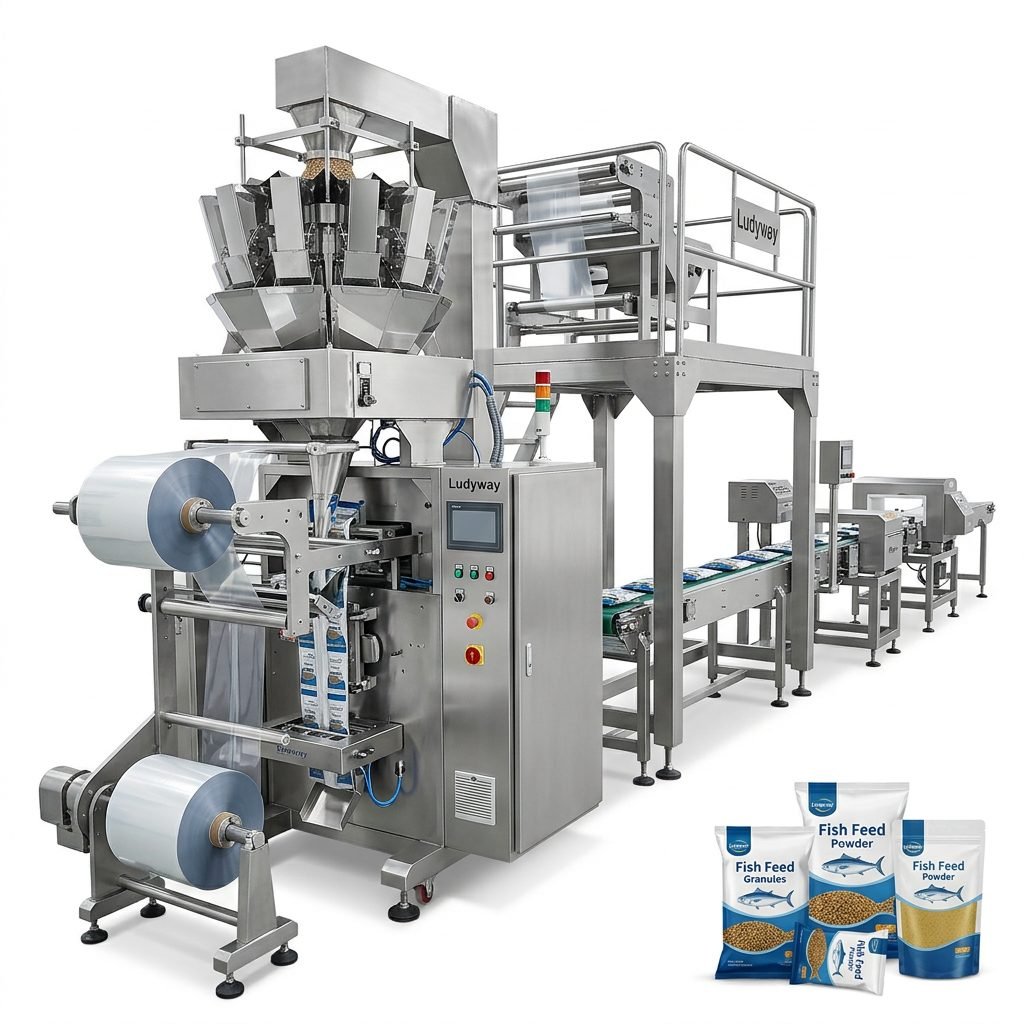
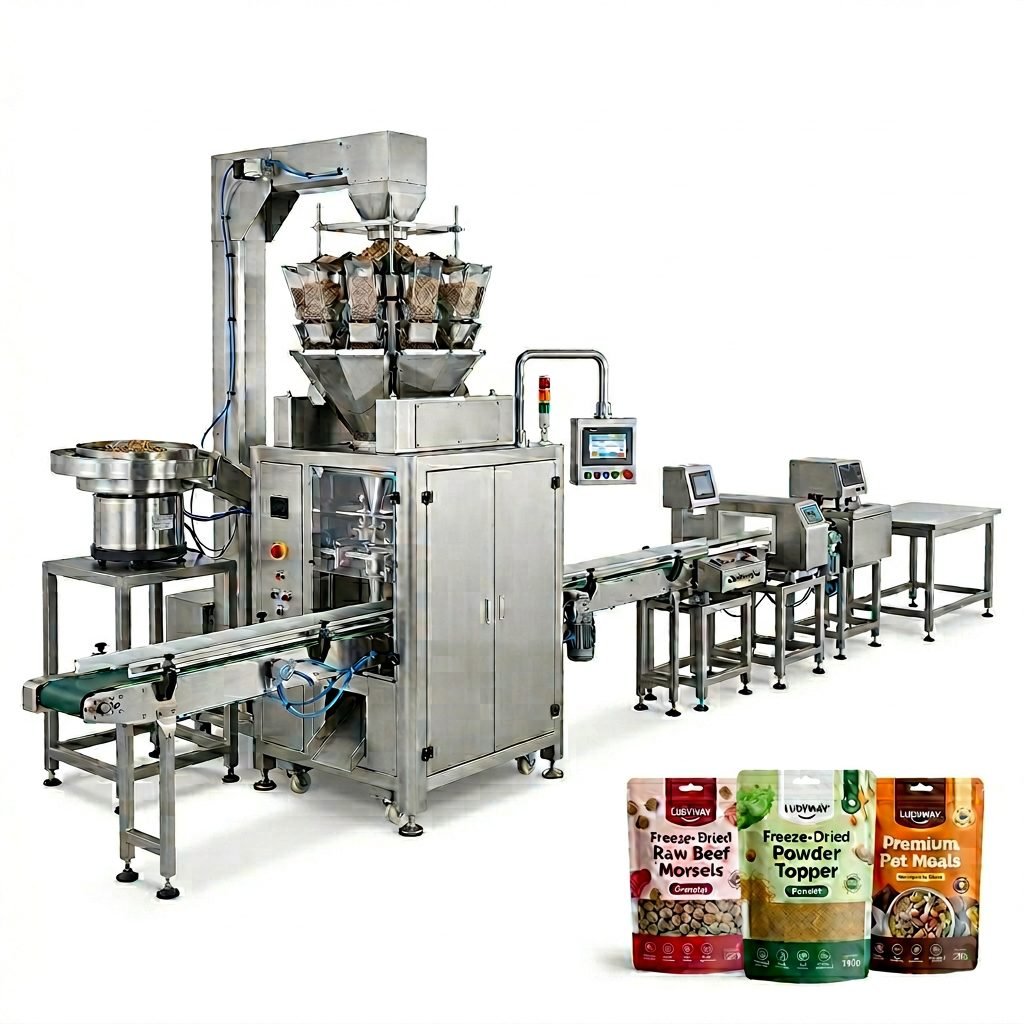
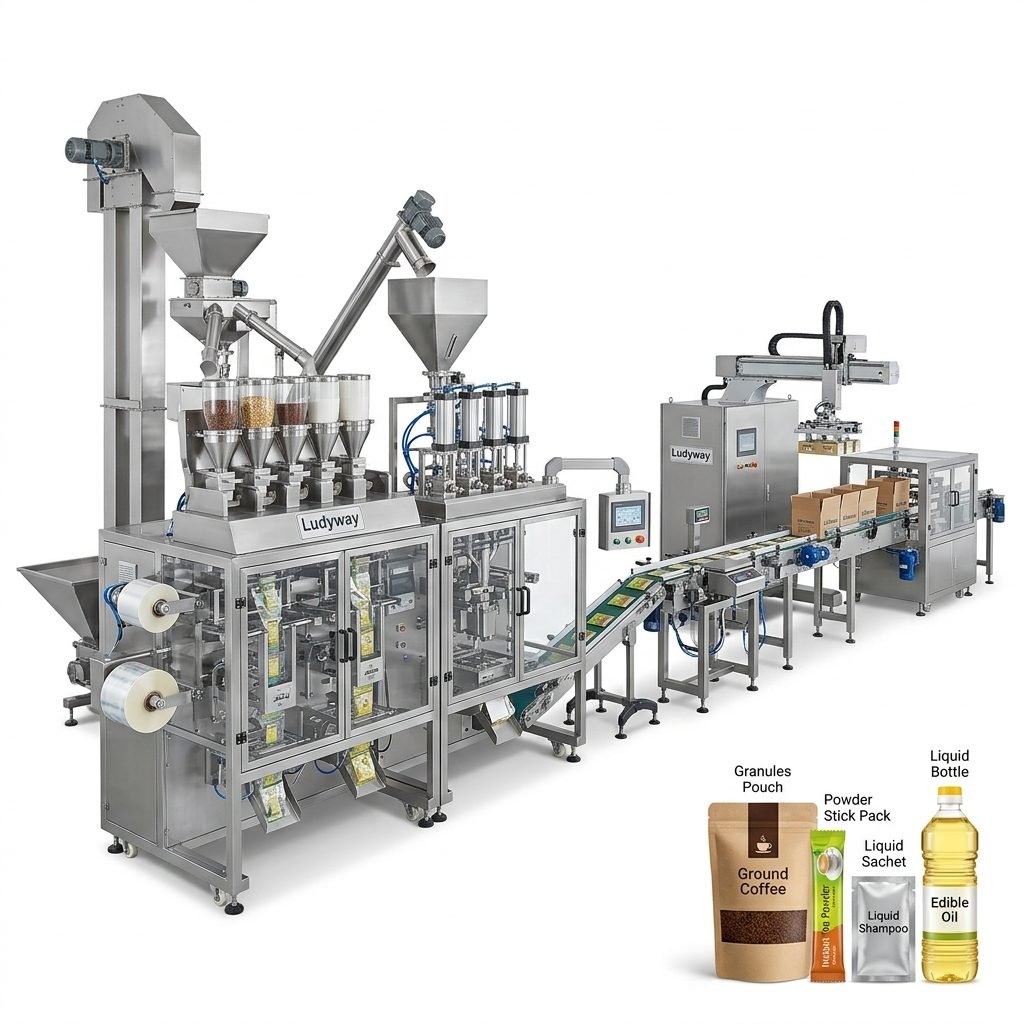
- Integration with Auxiliary Equipment — Consider compatibility with checkweighers, metal detectors, x-ray inspection, and cartoning machines for a fully automated packaging line.
European Regulatory Compliance and Standards
Packaging machinery sold and operated in Europe must comply with a comprehensive framework of regulations. Understanding these requirements is essential before making a purchase decision:
EU Machinery Directive 2006/42/EC
This directive establishes essential health and safety requirements for machinery. All packaging equipment must bear the CE marking and be accompanied by a Declaration of Conformity. Non-compliant machinery can face market withdrawal and significant penalties.
Food Contact Materials Regulation (EC) No 1935/2004
All materials that come into contact with peanut butter during packaging must comply with this regulation. This includes filling nozzles, hoppers, gaskets, and conveyor surfaces. European buyers should request migration testing documentation from their machine supplier.
Packaging and Packaging Waste Regulation (PPWR)
The EU’s latest packaging legislation places strict requirements on recyclability and recycled content. Your packaging machinery should be capable of running recyclable mono-material films and lightweight packaging formats to align with EU sustainability targets.
Machine Specification Comparison for European Buyers
The following table outlines key specifications to consider when evaluating different peanut butter packaging machine types:
| Machine Type | Best For | Speed Range | Typical Investment | Ideal Production Volume |
|---|---|---|---|---|
| Multi-Lane Stick Pack | Single-serve portions, samples, travel packs | 200–600 ppm | €40,000–€180,000 | High-volume, continuous operation |
| Premade Pouch Rotary | Retail stand-up pouches, spouted pouches | 30–80 ppm | €60,000–€250,000 | Medium to high-volume retail |
| VFFS (Vertical Form Fill Seal) | Pillow bags, gusseted pouches | 40–120 ppm | €35,000–€150,000 | Medium to high-volume production |
| Semi-Automatic Filling | Small batches, artisanal production | 10–30 ppm | €8,000–€35,000 | Low-volume, startup operations |
| Complete Turnkey Line | Fully integrated production from filling to cartoning | Custom configured | €200,000–€1,500,000+ | High-volume, automated factories |
Cost Factors and Return on Investment
Understanding the total cost of ownership is critical for European buyers. Beyond the initial purchase price, consider these factors that affect long-term ROI:
- Energy Efficiency — With Europe’s high industrial electricity costs, servo-driven machines with regenerative braking can reduce energy consumption by 20–40% compared to pneumatic systems.
- Labor Requirements — Fully automated packaging lines typically reduce operator needs from 4–6 workers to 1–2, delivering significant labor cost savings in high-wage European markets.
- Film Waste Reduction — Advanced sealing and registration systems minimize film waste by 3–8%, directly improving material cost efficiency.
- Maintenance and Spare Parts — Evaluate the availability of spare parts within Europe to avoid extended downtime. Suppliers with European service centers offer faster response times.
- Training and Technical Support — Comprehensive operator training programs reduce startup delays and prevent costly operational errors.
How to Choose the Right Packaging Machine Supplier for Europe
Selecting a reliable equipment partner is as important as the machine itself. European buyers should evaluate suppliers based on these criteria:
CE Certification and Technical Documentation
Verify that the supplier provides complete technical files including risk assessments, electrical schematics, pneumatic diagrams, and user manuals in your preferred European language. The PMMI packaging industry resources offer additional guidance on machinery standards.
European Service and Support Network
Look for manufacturers with established service infrastructure in Europe. This includes local engineers, spare parts warehouses within the EU, and remote diagnostic capabilities. Response time for technical support should be a key evaluation metric.
Track Record and References
Request case studies and customer references from European food manufacturers. Speaking with existing users provides invaluable insights into machine reliability, supplier responsiveness, and actual production performance. Flexible Packaging Association resources can also help verify industry credibility.
Factory Acceptance Testing (FAT) Options
Prior to shipment, Factory Acceptance Testing allows you to witness your machine running with your actual peanut butter product. For European buyers, this step is crucial to verify dosing accuracy, seal integrity, and overall performance before the equipment leaves the factory.
Questions to Ask Before Signing a Purchase Agreement
- Does the machine have full CE certification with complete technical documentation?
- What is the guaranteed dosing accuracy for peanut butter with your specific viscosity?
- Are spare parts stocked within the EU, and what is the typical delivery time?
- Can the machine handle sustainable packaging materials like recyclable mono-films?
- What is the warranty period and coverage for parts and labor in European countries?
- Does the supplier offer remote diagnostic support and software updates?
- Is on-site installation and training provided by qualified technicians?
Installation, Commissioning, and Validation in Europe
Once you’ve selected your peanut butter packaging machine, proper installation and validation determine how quickly you achieve full production capacity. Key steps include:
- Site Preparation — Ensure adequate floor space, utilities (compressed air, electrical supply), and environmental controls per the manufacturer’s specifications.
- Installation Qualification (IQ) — Document that the equipment is installed correctly according to ISO standards and manufacturer requirements.
- Operational Qualification (OQ) — Verify that the machine operates consistently within specified parameters across all operating ranges.
- Performance Qualification (PQ) — Confirm that the equipment consistently produces peanut butter packages meeting your quality specifications under actual production conditions.
Sustainability Considerations for European Packaging Operations
European consumers and regulators increasingly prioritize environmental sustainability. Your packaging machinery investment should align with these market realities:
- Mono-Material Film Compatibility — Machines should run recyclable mono-PE and mono-PP films without compromising seal integrity or speed.
- Lightweighting Capability — Advanced tension control and registration systems enable the use of thinner films, reducing material consumption by 10–25%.
- Energy Monitoring — Modern packaging machines with IoT-enabled energy tracking help European manufacturers meet corporate sustainability reporting requirements.
- Waste Reduction Features — Automatic splice tables, precision cutting, and optimized start-up sequences minimize film waste during roll changes and production starts.
Making the Final Decision
Choosing a peanut butter packaging machine for the European market is a strategic investment that requires careful evaluation of technical specifications, regulatory compliance, supplier reliability, and total cost of ownership. European food manufacturers who prioritize these factors position themselves for sustainable growth in a competitive market. Companies like Ludyway, with over 30 years of packaging machinery expertise and a global customer base spanning more than 100 countries, offer comprehensive peanut butter packaging solutions that address the specific needs of European producers—from CE-certified equipment to complete turnkey production lines.
For additional guidance, consult the PMMI Business Intelligence Library for packaging machinery market research, review FDA food packaging guidelines for products destined for transatlantic markets, and stay informed on EU packaging waste regulations that continue to shape European packaging requirements.
Frequently Asked Questions About Peanut Butter Packaging Machines in Europe
What is the average cost of a peanut butter packaging machine in Europe?
Entry-level semi-automatic filling machines start around €8,000–€15,000, while fully automated multi-lane systems range from €80,000 to €500,000+ depending on speed, features, and customization. Complete turnkey lines with cartoning and palletizing can exceed €1 million.
How long does delivery and installation typically take?
Standard machines typically ship within 8–16 weeks, while custom-engineered lines may require 16–26 weeks. Installation, commissioning, and operator training usually add 2–4 weeks depending on complexity.
Can one machine handle both smooth and crunchy peanut butter?
Yes, most modern filling systems can handle both smooth and crunchy varieties. However, particulate size in crunchy peanut butter must be specified during machine configuration to ensure appropriate filling nozzle diameters and pump selection.
What certifications are mandatory for packaging machinery in the EU?
CE marking is mandatory for all packaging machinery sold in the European Economic Area. Depending on your specific application, additional certifications such as ATEX (for potentially explosive atmospheres) or EHEDG (for hygienic design) may apply.