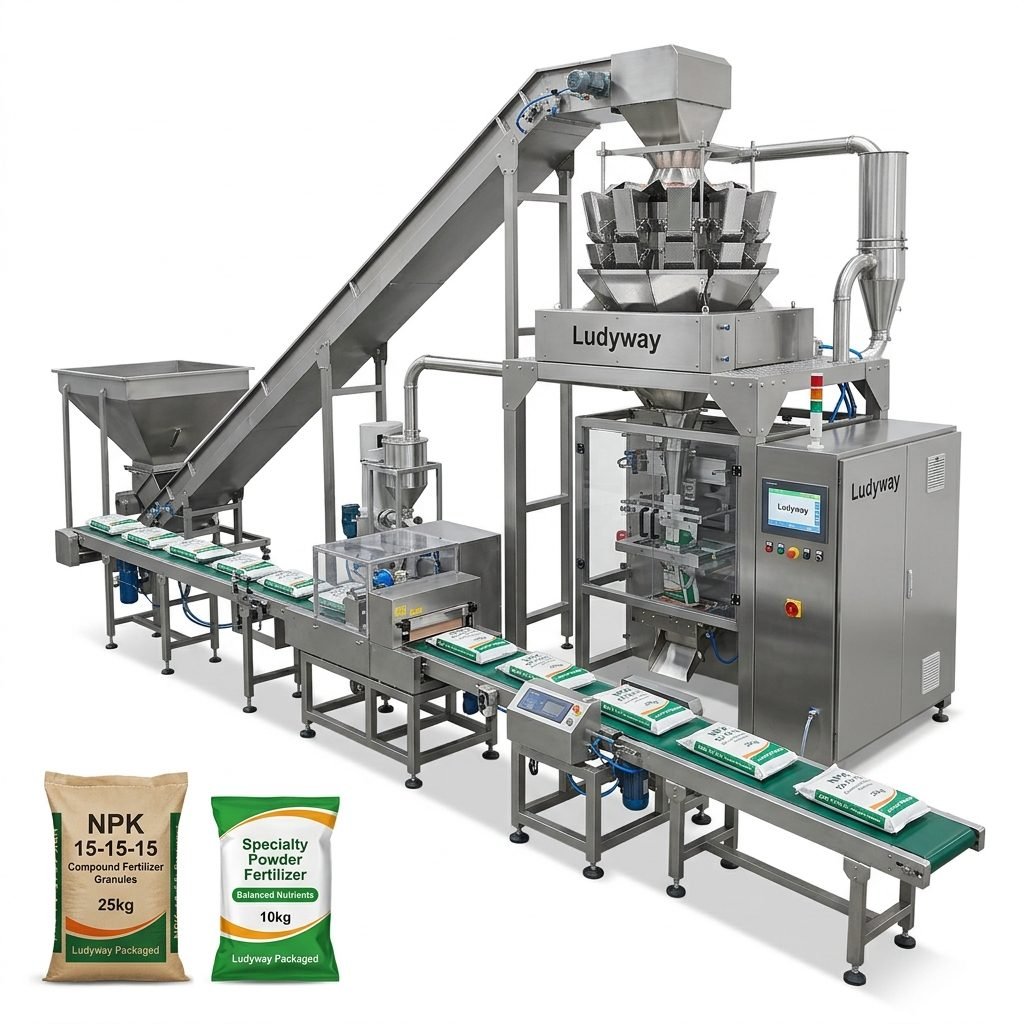
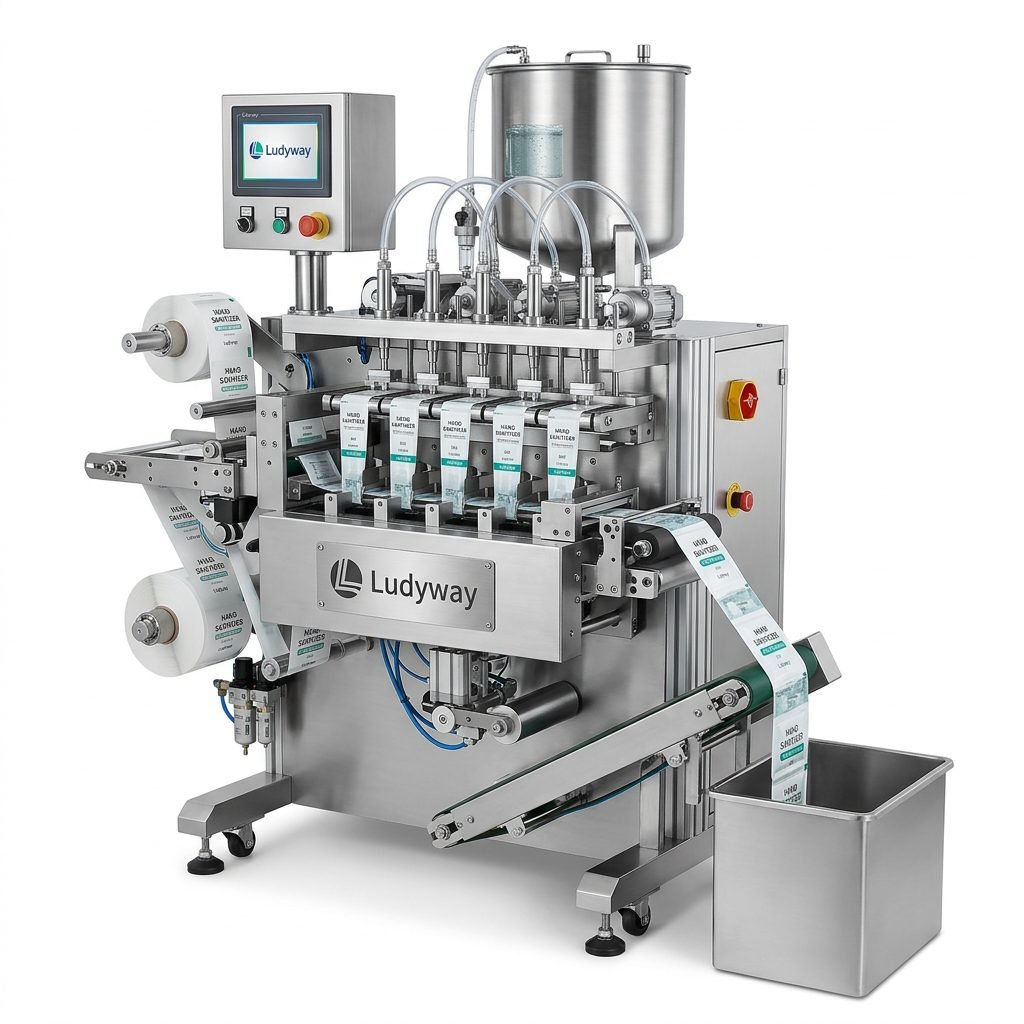
Investing in a coffee vacuum packaging machine is a critical decision for roasters, producers, and distributors across Asia. The right equipment preserves freshness, extends shelf life, and protects the unique flavor profile of your coffee. With the Asian coffee market experiencing unprecedented growth, understanding machine types, regional cost variations, and selection criteria has never been more important. This guide breaks down everything you need to know to make an informed purchasing decision.
Why Vacuum Packaging Matters for Coffee
Coffee beans and ground coffee are highly sensitive to oxygen, moisture, and light. Exposure to these elements triggers oxidation, leading to stale flavors and aroma loss. Vacuum packaging removes oxygen from the package before sealing, creating an airtight barrier that locks in freshness. According to Flexible Packaging Association research, properly vacuum-sealed coffee can maintain peak flavor for up to 12 months, compared to just 2-4 weeks for non-vacuum alternatives. For specialty coffee brands competing in discerning Asian markets like Japan, South Korea, and Singapore, a reliable coffee vacuum packaging machine is a non-negotiable investment.
Types of Coffee Vacuum Packaging Machines Available in Asia
The Asian packaging machinery market offers diverse options, ranging from compact semi-automatic units to fully integrated high-speed lines. Selecting the right type depends on your production volume, packaging format, and budget. Below are the most common categories found across China, India, Vietnam, and Thailand.
Single Chamber Vacuum Packaging Machines
Single chamber machines are the entry-level workhorses of the coffee industry. The operator places filled bags into the chamber, closes the lid, and the machine evacuates air before heat-sealing the package. These are ideal for small to medium roasters producing up to 500 bags per day. Prices in Asia typically range from $2,000 to $8,000 depending on chamber size and build quality. Chinese-manufactured models often deliver the best price-to-performance ratio in this category.
Double Chamber Vacuum Packaging Machines
Double chamber designs allow an operator to load one chamber while the other is running a cycle, effectively doubling throughput without increasing labor. These machines are popular among mid-sized coffee producers in Vietnam and Indonesia who need to scale production without jumping to full automation. Expect to invest between $6,000 and $18,000 for a quality double chamber unit sourced from Asian manufacturers.
Automatic Continuous Band Vacuum Machines
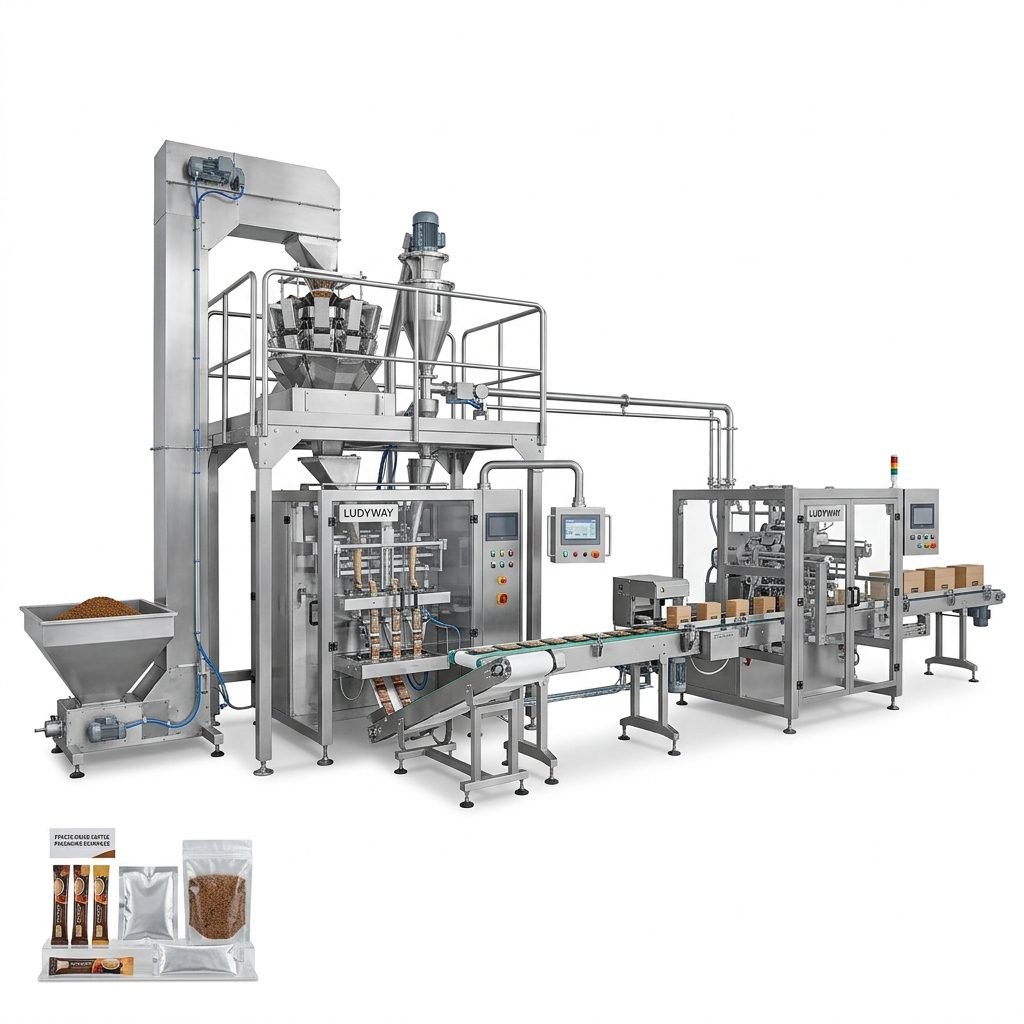
For high-volume operations, continuous band or belt vacuum machines automate the entire process. Bags are fed onto a conveyor, which carries them through vacuum sealing stations without manual intervention. These systems can process 1,500 to 5,000 packages per hour and are commonly deployed by large coffee exporters in Thailand and Malaysia. Prices start around $25,000 and can exceed $80,000 for fully customized configurations with gas flushing and multi-head weighing integration.
Multi-Lane Stick Pack and Sachet Vacuum Systems
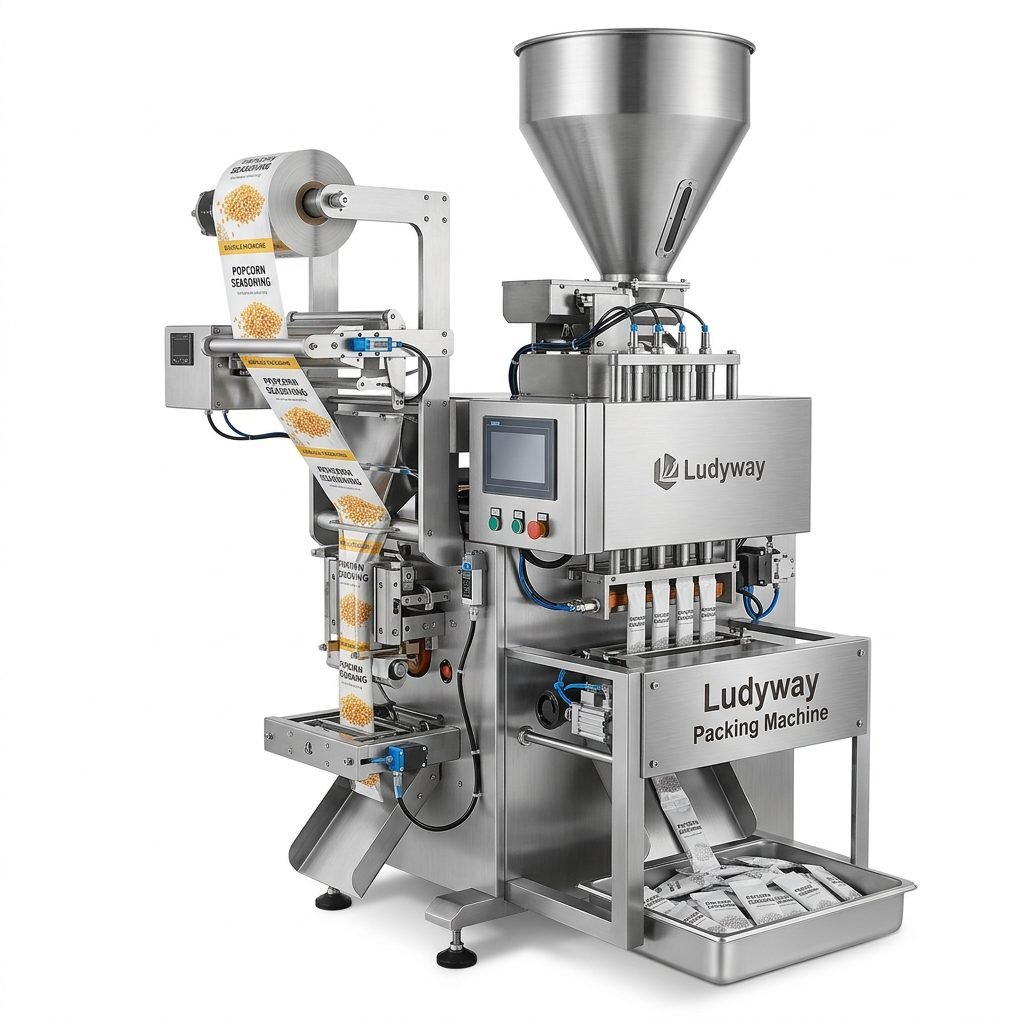
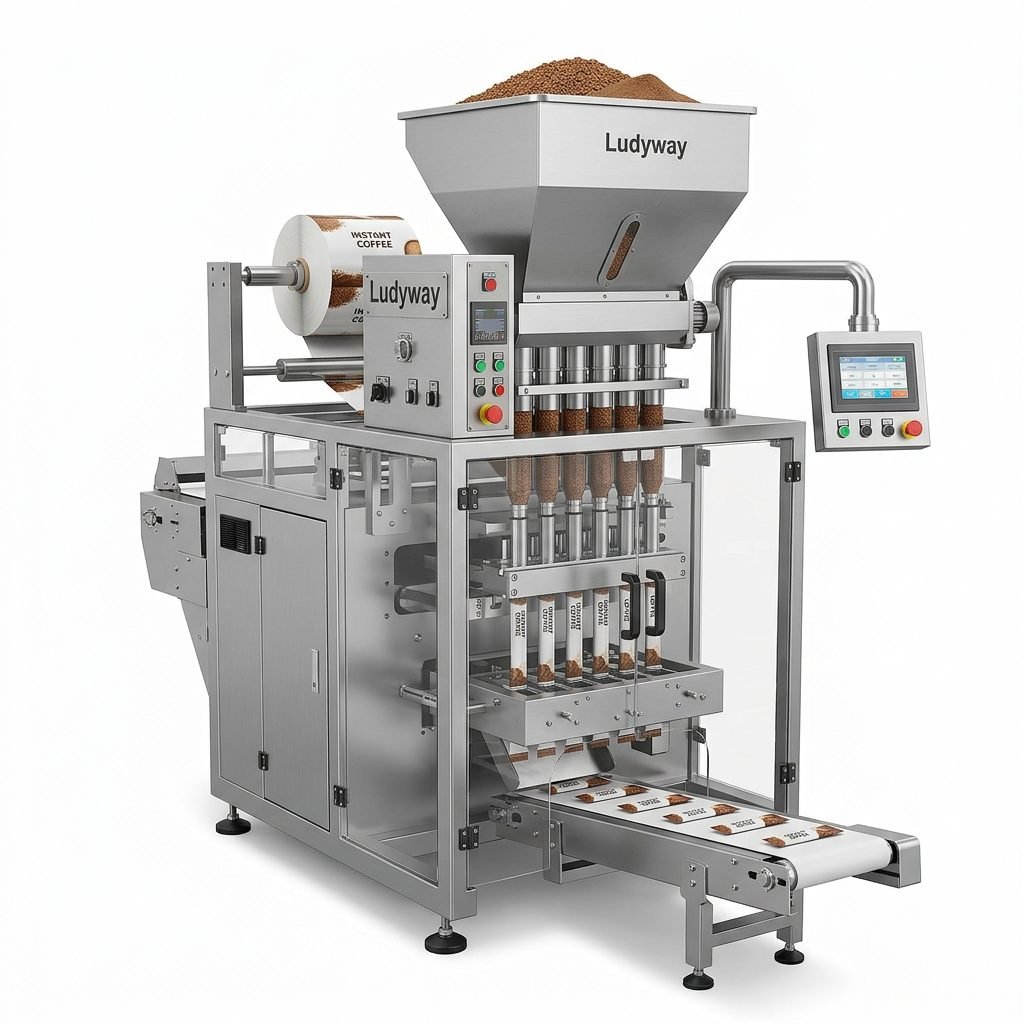
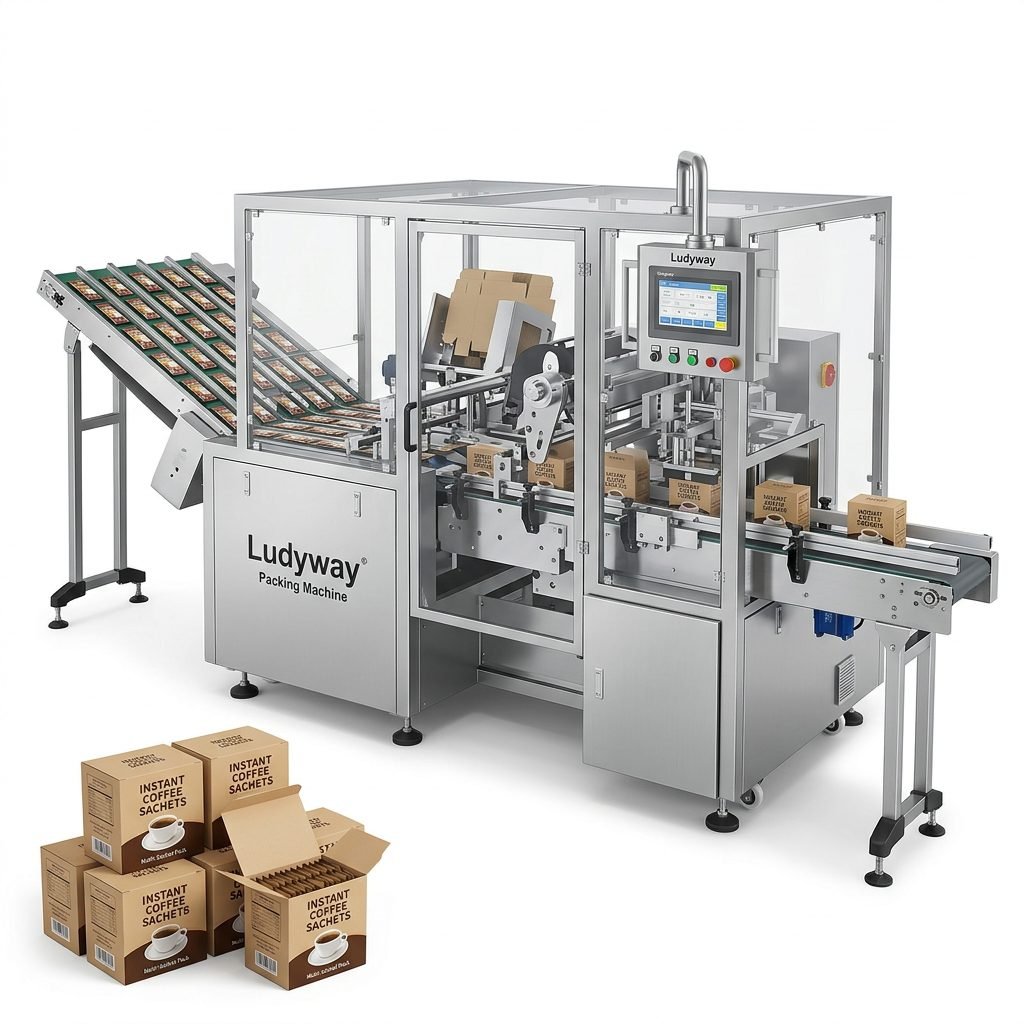
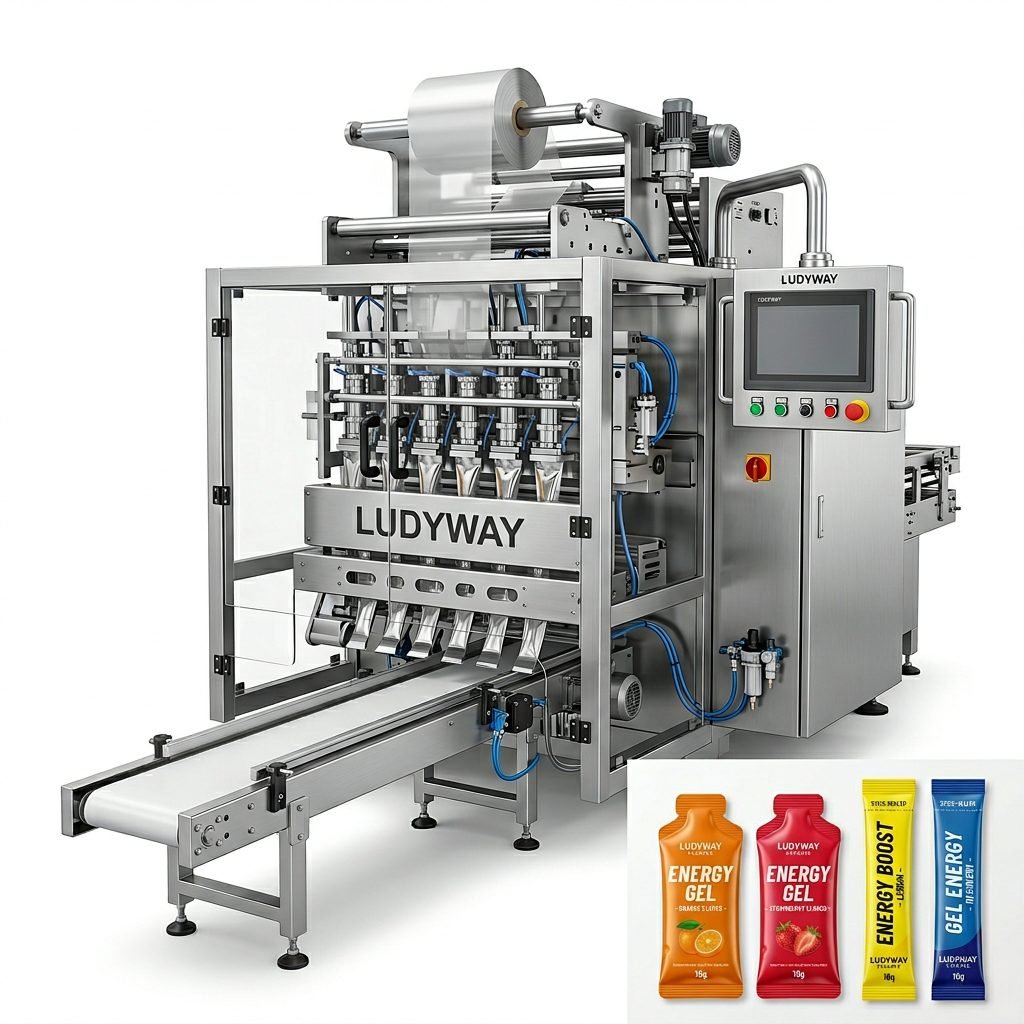
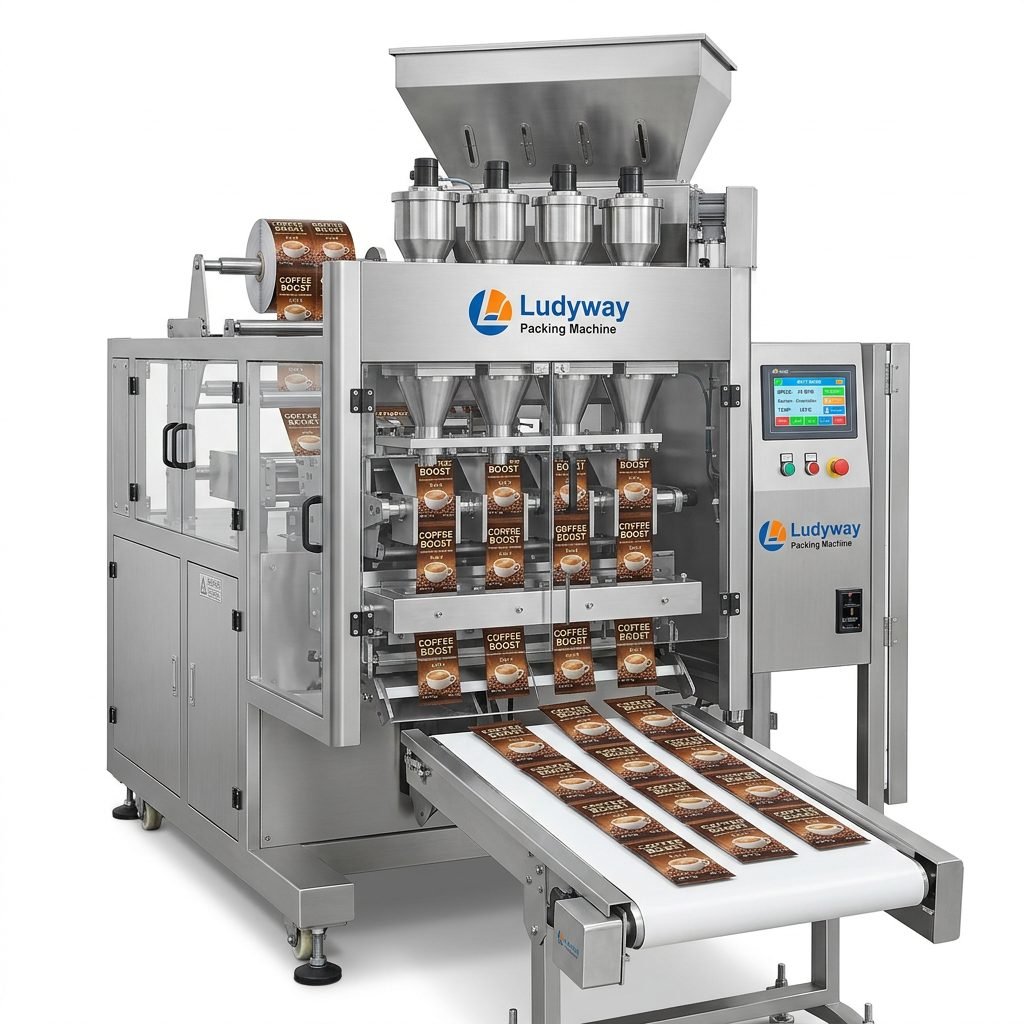
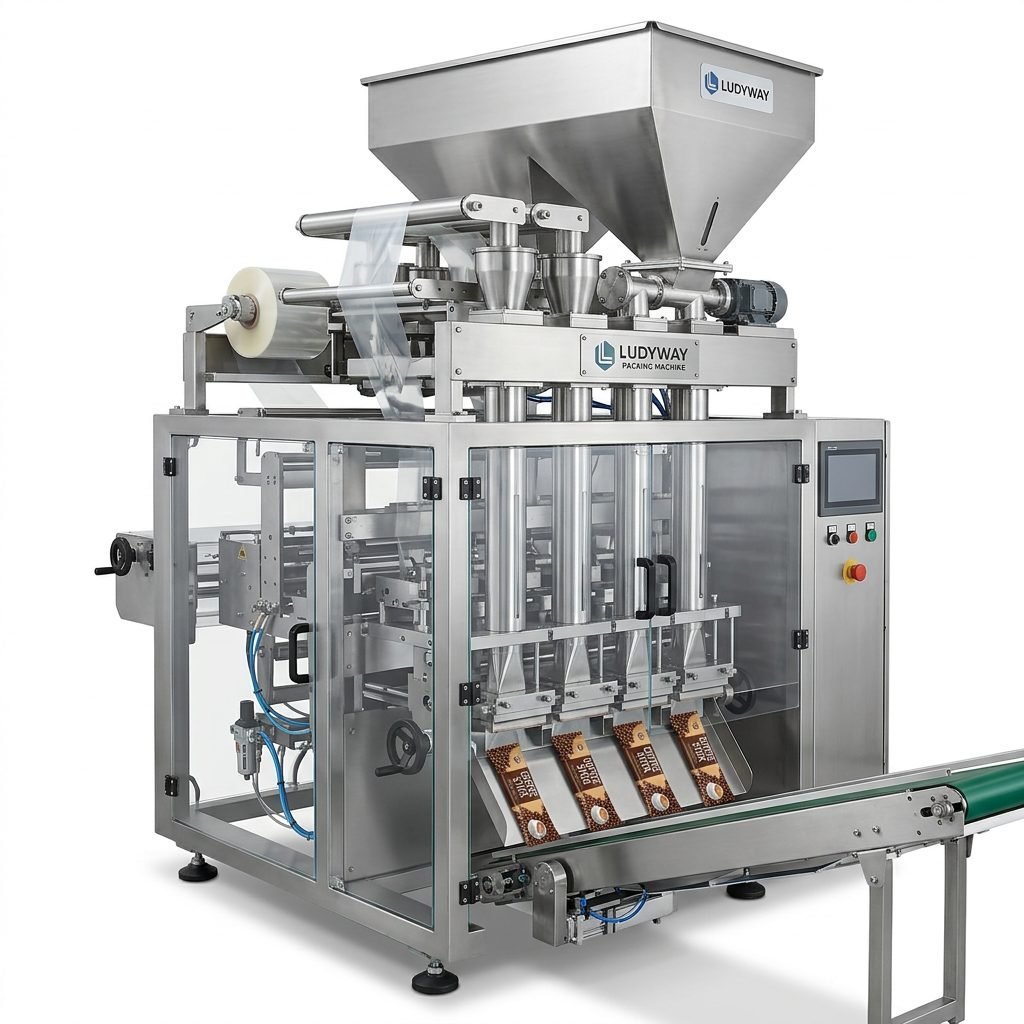
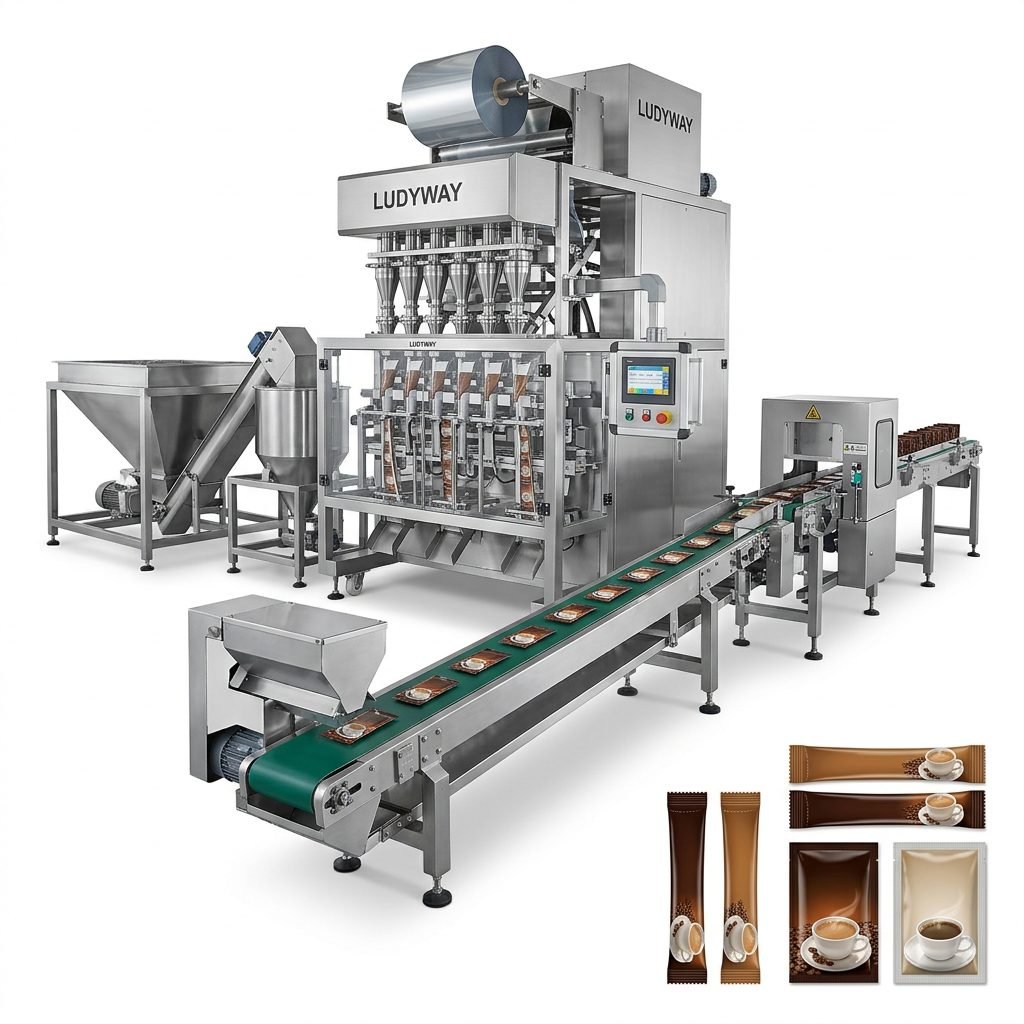
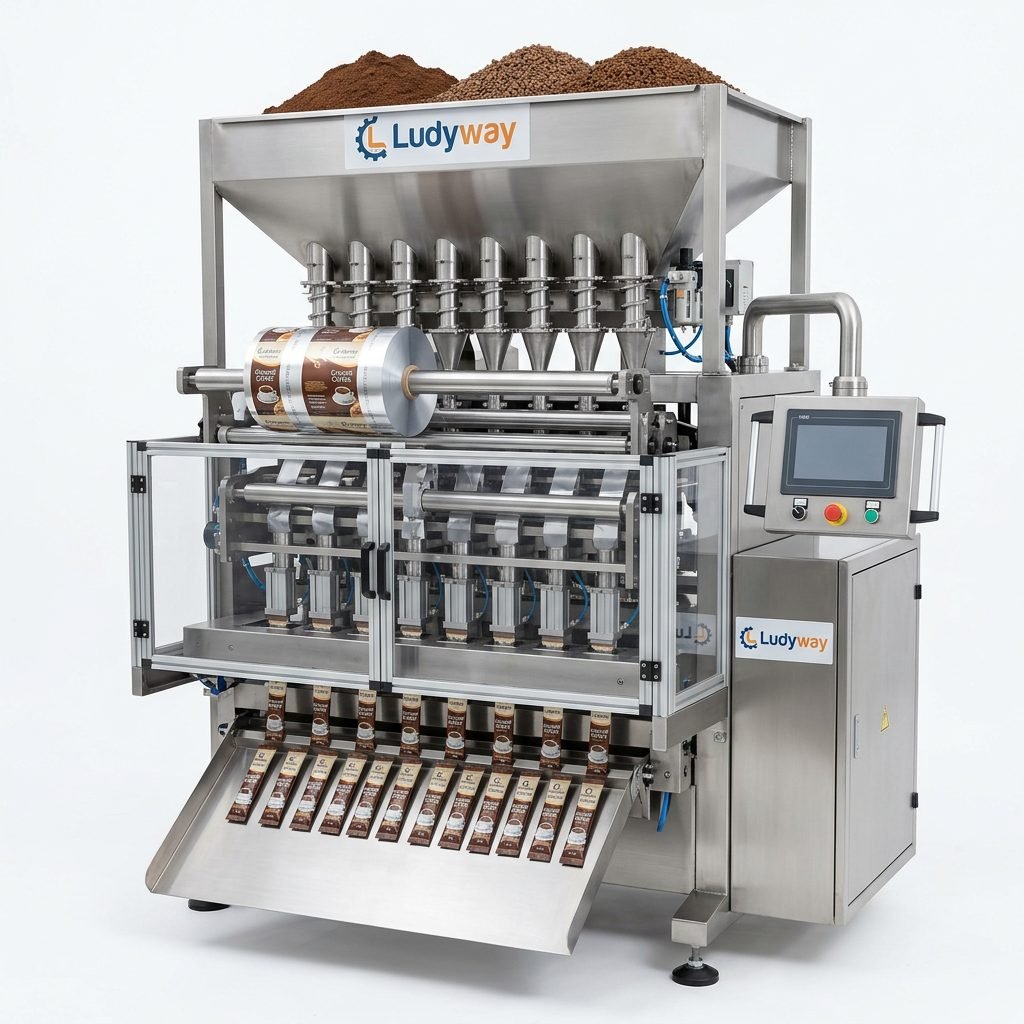
The fastest-growing segment in Asia’s coffee packaging market is multi-lane stick pack and sachet machinery. These machines produce individual single-serve coffee packets at speeds of 400-1,200 packs per minute across 4 to 20 lanes. They are essential for instant coffee, 3-in-1 mixes, and convenience formats that dominate markets like the Philippines, Indonesia, and India. Advanced models incorporate nitrogen flushing to create an oxygen-free environment inside each stick pack, effectively functioning as high-speed vacuum alternative systems. Prices range from $40,000 to $250,000+ depending on the number of lanes and automation features.
Cost Breakdown by Machine Type and Region
Pricing for coffee vacuum packaging equipment varies significantly across Asian manufacturing hubs. The table below provides a reference for budget planning based on 2025 market data:
| Machine Type | Production Capacity | Price Range (USD) | Key Manufacturing Regions |
|---|---|---|---|
| Single Chamber Vacuum | 200-500 bags/day | $2,000 – $8,000 | China, India, Taiwan |
| Double Chamber Vacuum | 800-1,200 bags/day | $6,000 – $18,000 | China, South Korea, Vietnam |
| Automatic Belt Vacuum | 1,500-5,000 packs/hour | $25,000 – $80,000+ | China, Japan, Thailand |
| Multi-Lane Stick Pack System | 400-1,200 packs/min | $40,000 – $250,000+ | China, Taiwan, South Korea |
| Rotary Vacuum Packaging Line | 3,000-8,000 packs/hour | $60,000 – $180,000+ | Japan, China, South Korea |
How to Choose the Right Coffee Vacuum Packaging Machine
Selecting a coffee vacuum packaging machine requires careful evaluation of your operational needs. Use the following checklist to guide your decision-making process:
- Production Volume: Calculate your current daily output and project growth over the next 3-5 years. A machine that barely meets today’s demand will bottleneck your expansion. For roasters producing under 300kg per week, a single or double chamber machine is sufficient. Larger operations exporting across Asia should consider automatic belt or multi-lane systems.
- Packaging Format: Determine whether you need whole bean valve bags, ground coffee bricks, single-serve stick packs, or bulk bags. Each format requires specific sealing configurations. Valve bag applications demand machines with precise pressure control to prevent bean crushing.
- Gas Flushing Capability: Many specialty coffee producers opt for nitrogen or CO2 flushing instead of pure vacuum to avoid compressing delicate beans. Ensure your machine supports modified atmosphere packaging (MAP) if this aligns with your quality standards.
- Material Compatibility: Verify that the machine handles your chosen packaging films—whether aluminum foil laminates, metalized PET, or biodegradable materials. Some films require specific heat-sealing temperatures and dwell times.
- After-Sales Support in Asia: Prioritize manufacturers with established service networks in your country. Machine downtime directly impacts revenue, so local technical support, spare parts availability, and operator training are essential selection criteria.
Key Technical Features to Evaluate
When comparing different coffee vacuum packaging machines, pay close attention to specifications that directly impact performance and product quality:
- Vacuum Pump Type: Oil-lubricated rotary vane pumps offer deeper vacuum levels (below 5 mbar) and longer service life compared to dry pumps. For high-volume operations, Busch or Becker pumps are industry benchmarks often found in premium Asian-manufactured machines.
- Sealing Bar Configuration: Look for dual-seal bars with an intermediate vacuum zone to ensure hermetic seals. Serrated sealing profiles provide stronger bonds on textured coffee bag materials.
- PLC Control Systems: Modern machines feature touchscreen PLC interfaces that store multiple product recipes, track production metrics, and simplify changeovers between bag sizes. Siemens and Omron controllers are widely used in Asian-built equipment.
- Stainless Steel Construction: For food-grade compliance, all product-contact surfaces should be 304 or 316L stainless steel. This prevents corrosion and meets HACCP requirements for facilities exporting to Japan, South Korea, and the EU.
- Residual Oxygen Monitoring: Advanced systems include integrated O2 sensors that verify seal integrity on every package, automatically rejecting defective units. This feature is increasingly demanded by international coffee buyers.
Asia Market Overview: Key Manufacturing Hubs
The Asia-Pacific region dominates global coffee packaging machinery production. Understanding the strengths of each manufacturing hub helps buyers identify the best sourcing strategy:
- China (Guangdong, Zhejiang, Shanghai): The largest producer of packaging machinery globally. Chinese manufacturers offer the widest range of coffee vacuum packaging machines at competitive prices. Quality has improved significantly over the past decade, with top-tier factories achieving ISO 9001 and CE certifications. Lead times average 30-60 days for standard models. Companies like Ludyway, with over 30 years of expertise and a modern 20,000㎡ manufacturing facility, represent the upper tier of Chinese packaging machinery manufacturers serving customers across more than 100 countries.
- Japan: Known for precision engineering and ultra-reliable machinery. Japanese brands command premium prices but offer exceptional build quality and longevity. Lead times are typically longer (3-6 months for customized systems).
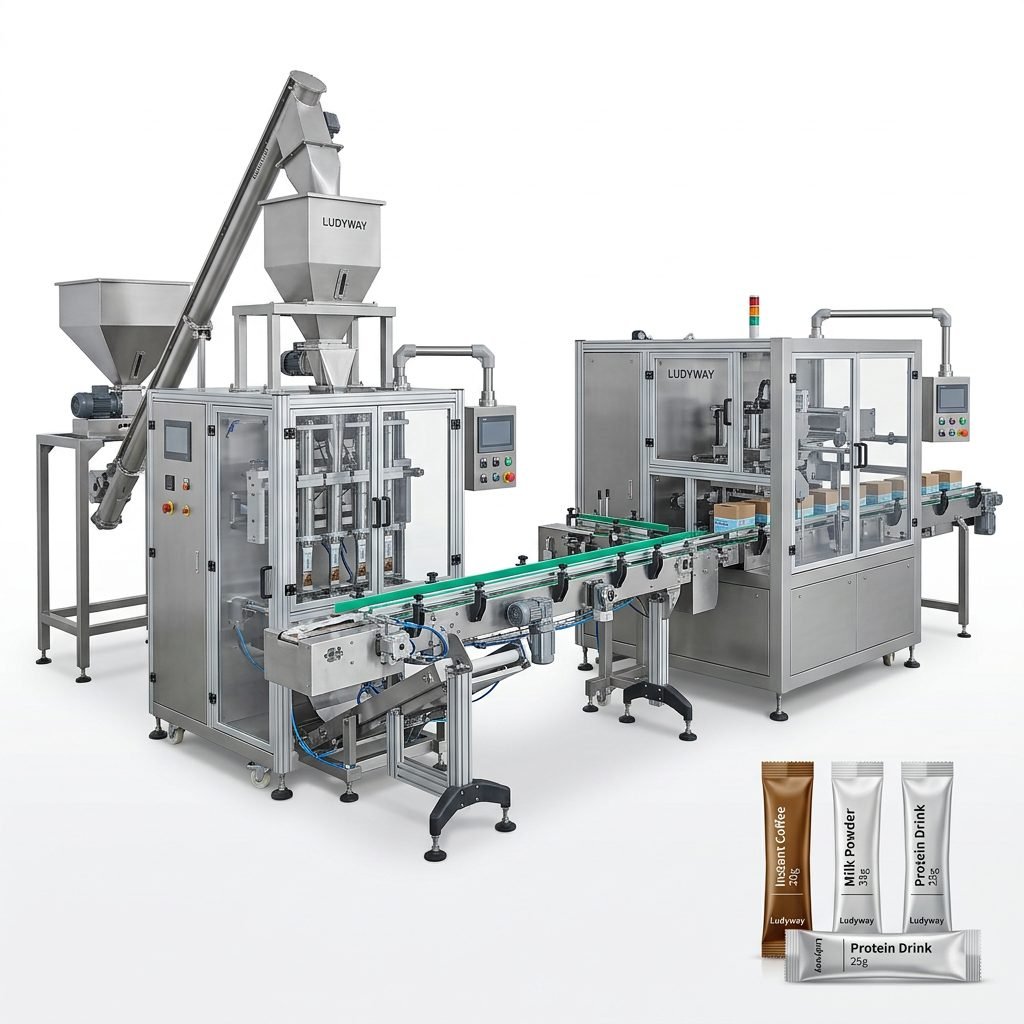
- South Korea: Strong in automated and robotic packaging solutions. Korean manufacturers excel at integrating vacuum packaging machines with upstream and downstream equipment for fully automated production lines.
- Taiwan: Specializes in mid-range machines that balance quality and cost. Taiwanese manufacturers are particularly strong in multi-lane stick pack and sachet systems for the instant coffee segment.
- India: An emerging manufacturing hub for entry-level and mid-range machines. Indian-built equipment is competitively priced and increasingly adopted by domestic coffee producers and neighboring markets like Sri Lanka and Bangladesh.
Regulatory Compliance and Industry Standards
Any coffee vacuum packaging machine deployed in Asia must comply with relevant food safety and machinery safety regulations. Key standards to verify include:
- FDA Food Contact Compliance: Essential for machines exporting packaged coffee to the United States. Refer to FDA packaging and food contact substances guidelines for material requirements.
- ISO 11607: This international standard for packaging for terminally sterilized medical devices also informs best practices for aseptic coffee packaging, particularly for cold brew and ready-to-drink formats.
- CE Marking: Required for machines sold into European markets. Many Asian manufacturers now offer CE-certified models as standard.
- GFSI-Recognized Schemes: Machines should be designed to support BRCGS or SQF certification requirements at the packaging facility level. This is increasingly demanded by international coffee buyers sourcing from Asia.
Common Mistakes to Avoid When Buying
Even experienced coffee businesses make costly errors when purchasing packaging equipment. Avoid these pitfalls:
- Underestimating total cost of ownership: The purchase price is only part of the equation. Factor in shipping, import duties (which vary significantly across Asian countries), installation, training, spare parts, and ongoing maintenance. A $15,000 machine can easily result in a total first-year cost of $22,000+ after accounting for these items.
- Overlooking film compatibility testing: Always request sample runs using your actual packaging materials before finalizing a purchase. Different films behave differently under vacuum and heat-sealing conditions, and assuming compatibility can lead to production headaches.
- Ignoring future scalability: A machine that perfectly matches current needs but cannot be upgraded may need replacement within 2-3 years. Look for modular designs that allow lane additions or speed upgrades.
- Choosing price over support: The cheapest machine on Alibaba or Made-in-China may come with minimal after-sales support. In the packaging machinery industry, ongoing technical support and parts availability are worth paying a premium for.
Return on Investment: Calculating Payback Period
Understanding the financial return of a coffee vacuum packaging machine helps justify the capital expenditure. The primary value drivers include extended shelf life (reducing waste and returns), improved product quality (supporting premium pricing), and increased throughput (lowering per-unit labor costs). Most mid-range automatic machines achieve a full payback within 18 to 36 months, while high-speed multi-lane systems in large operations can pay back in under a year through dramatic efficiency gains. For reference, industry reports from PMMI’s State of the Industry publications consistently highlight packaging automation as one of the highest-ROI investments in food processing.
Final Recommendations
Selecting the right coffee vacuum packaging machine in Asia comes down to aligning your production goals with the right machine category, verifying build quality and compliance certifications, and ensuring reliable local support. Start by defining your target throughput and packaging format, then evaluate manufacturers with proven experience in coffee-specific applications. Request references from other coffee producers in your region, and whenever possible, visit the factory or arrange a video demonstration of your exact product being packaged. With the Asian coffee market projected to grow at a CAGR of over 8% through 2030, investing in quality vacuum packaging technology today positions your business for sustained success in an increasingly competitive landscape.