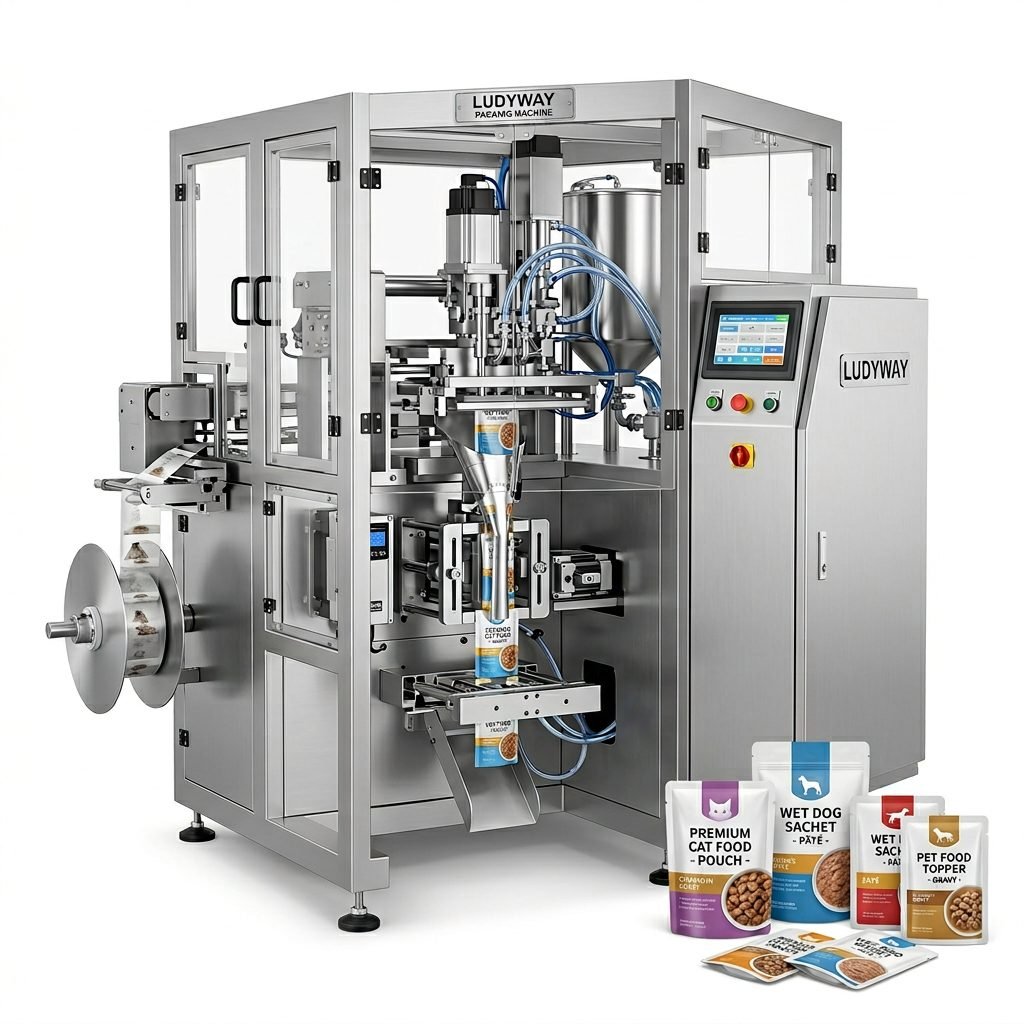
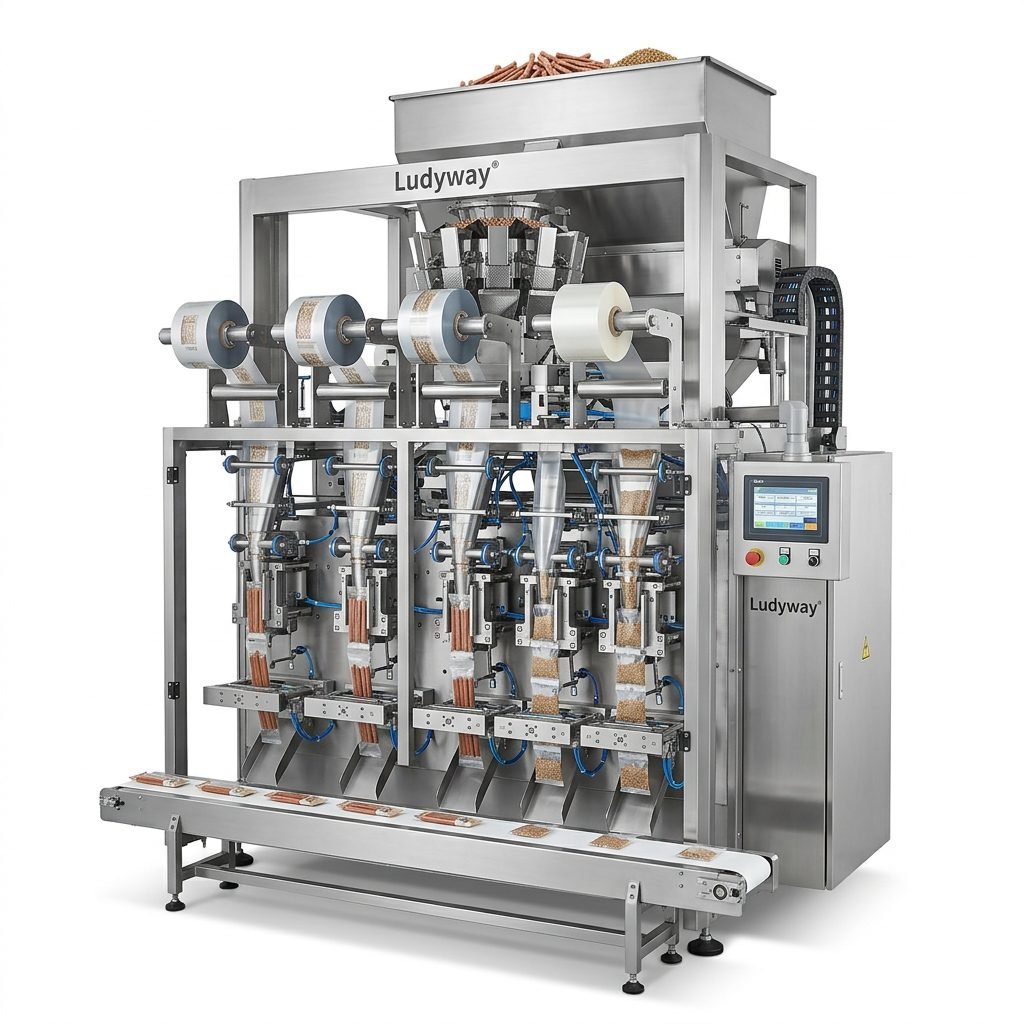
The U.S. chocolate confectionery market continues to experience robust growth, driven by consumer demand for premium, single-origin, and functional chocolate bars. For manufacturers entering or expanding in this space, establishing an efficient chocolate bar packaging machine production line is critical to achieving high throughput, shelf appeal, and compliance with stringent food safety regulations. A well-designed packaging line not only protects product freshness but also positions your brand for success in a competitive retail landscape.
1. Understanding U.S. Regulatory and Facility Requirements
Before purchasing any equipment, your facility must comply with FDA food packaging and food contact substances regulations. Chocolate bar packaging in the United States requires materials that meet specific migration limits for fats and cocoa butter. The packaging machinery itself must be constructed with food-grade stainless steel contact parts and be capable of being cleaned according to sanitary protocols. Additionally, review PMMI packaging machinery standards for equipment safety and interoperability guidelines relevant to North American operations.
2. Selecting the Right Chocolate Bar Packaging Machine
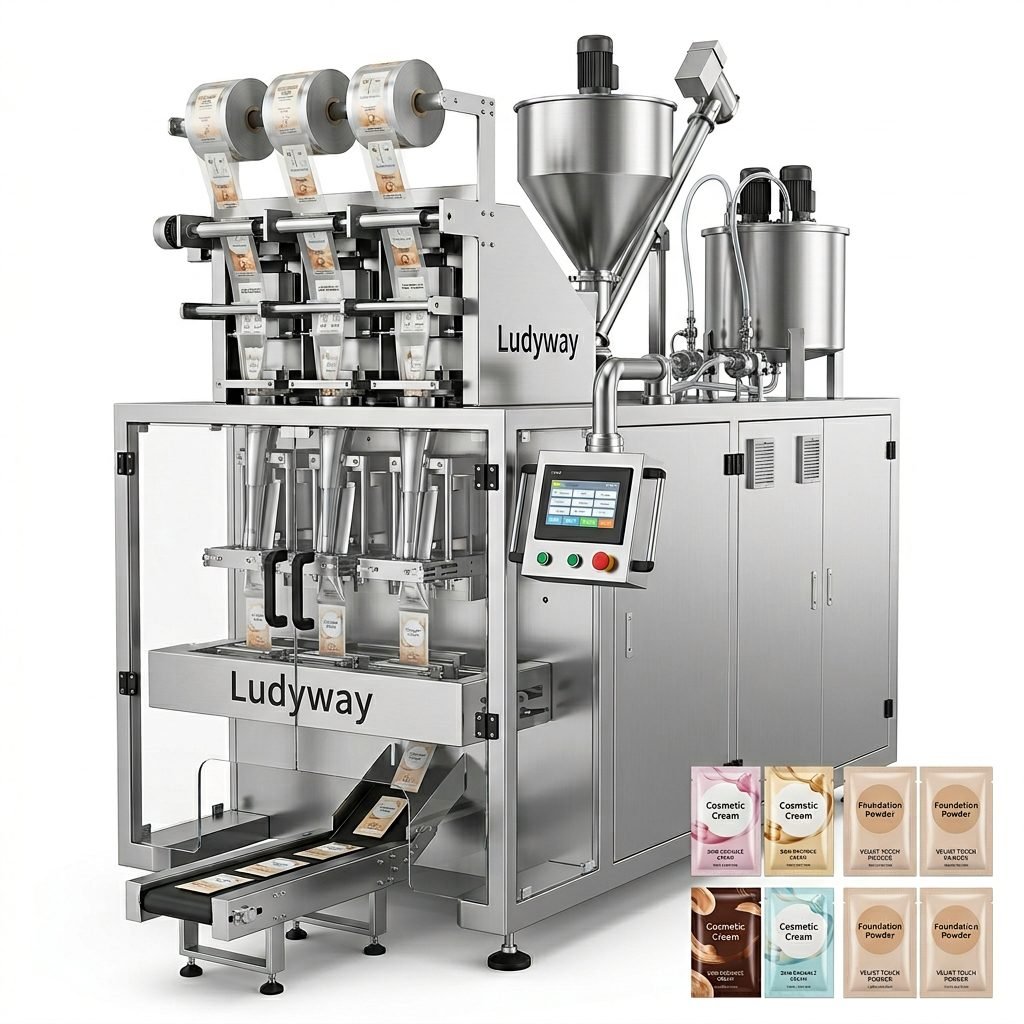
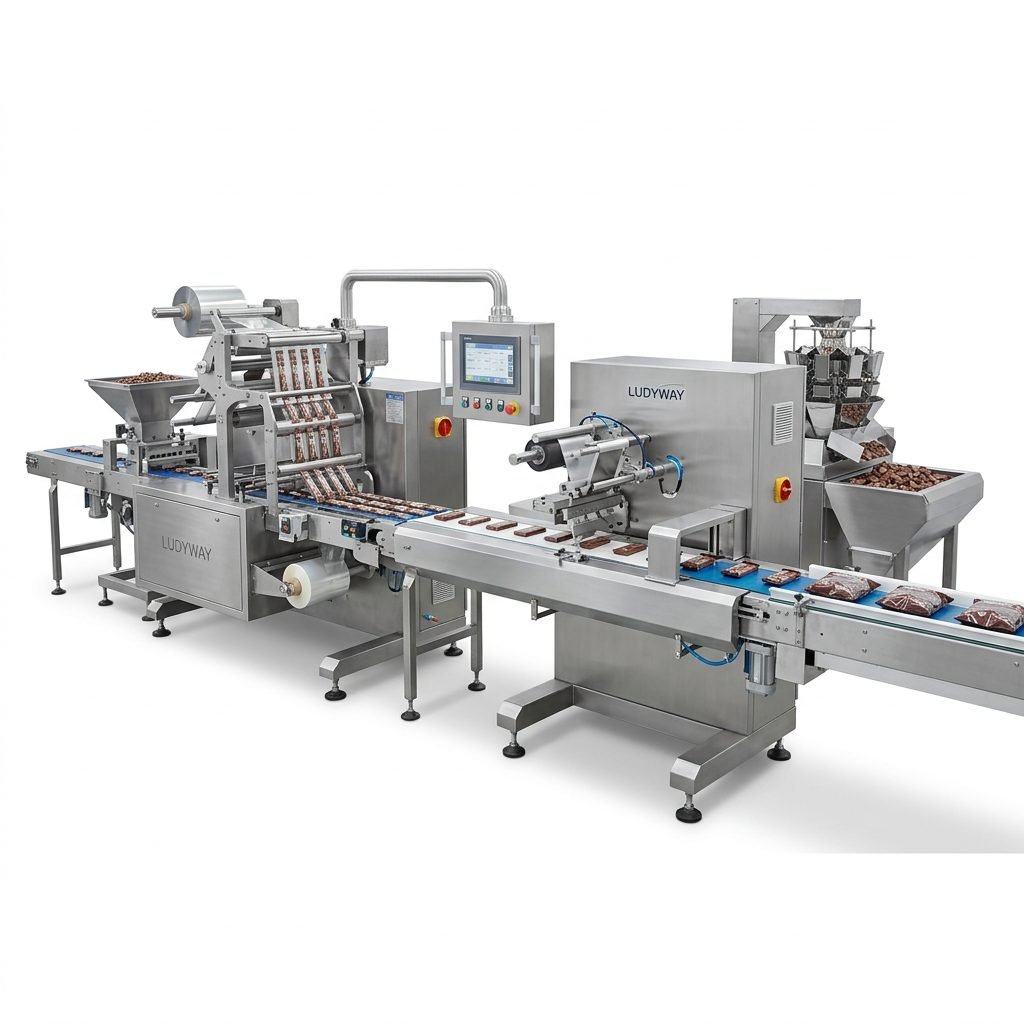
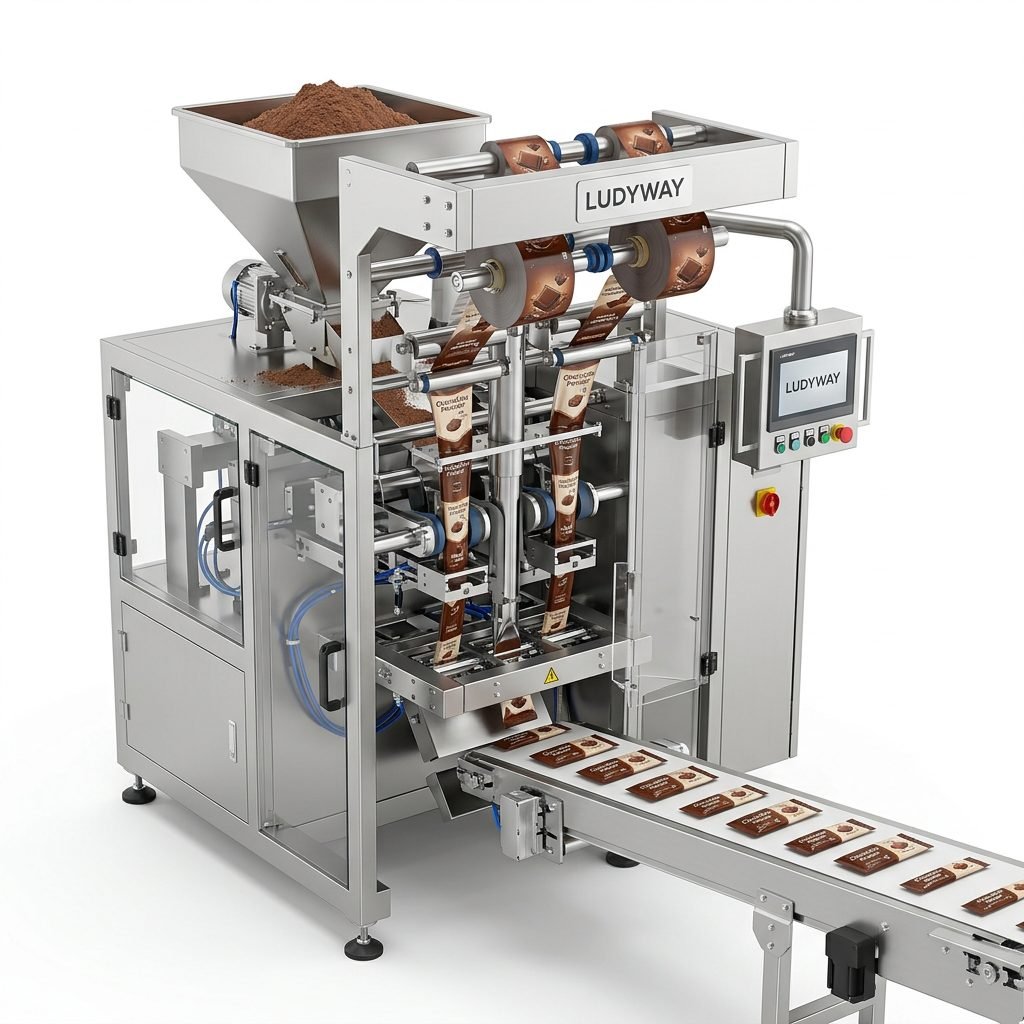
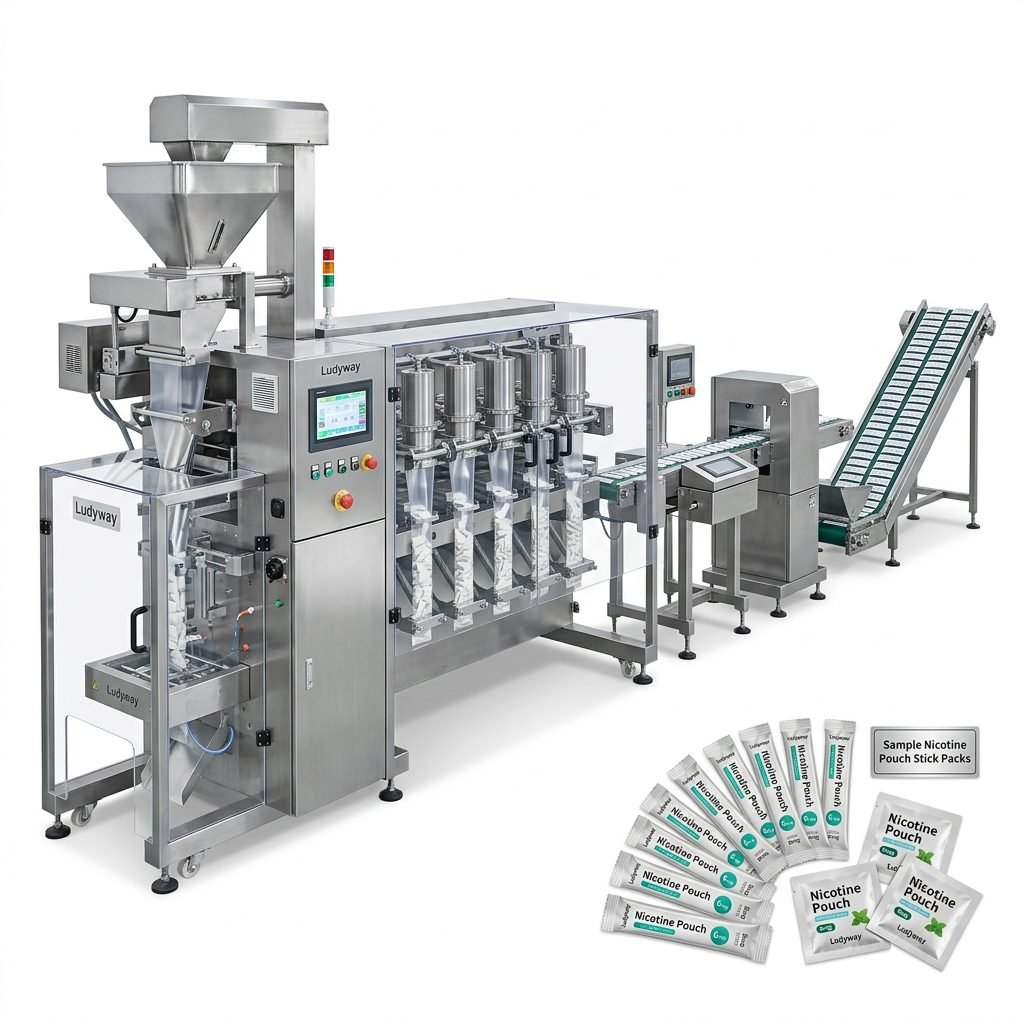
The core of your production line is the chocolate bar wrapping machine. Depending on your bar format — whether solid molded bars, enrobed bars with inclusions, or layered bars — you will need either a horizontal flow wrapper, a fold wrapping machine, or a combination system. High-speed multi-lane stick pack and sachet lines are increasingly popular for mini bars and snack portions. When evaluating turnkey packaging line manufacturers, look for solutions that integrate automatic feeding, wrapping, and date coding into one seamless system.
Key Machine Features to Consider
- Servo-driven film feeding for precise wrapper registration
- Gas flushing or nitrogen sealing for extended shelf life
- Quick changeover capability for multiple bar sizes
- Vision inspection systems for seal integrity and label placement
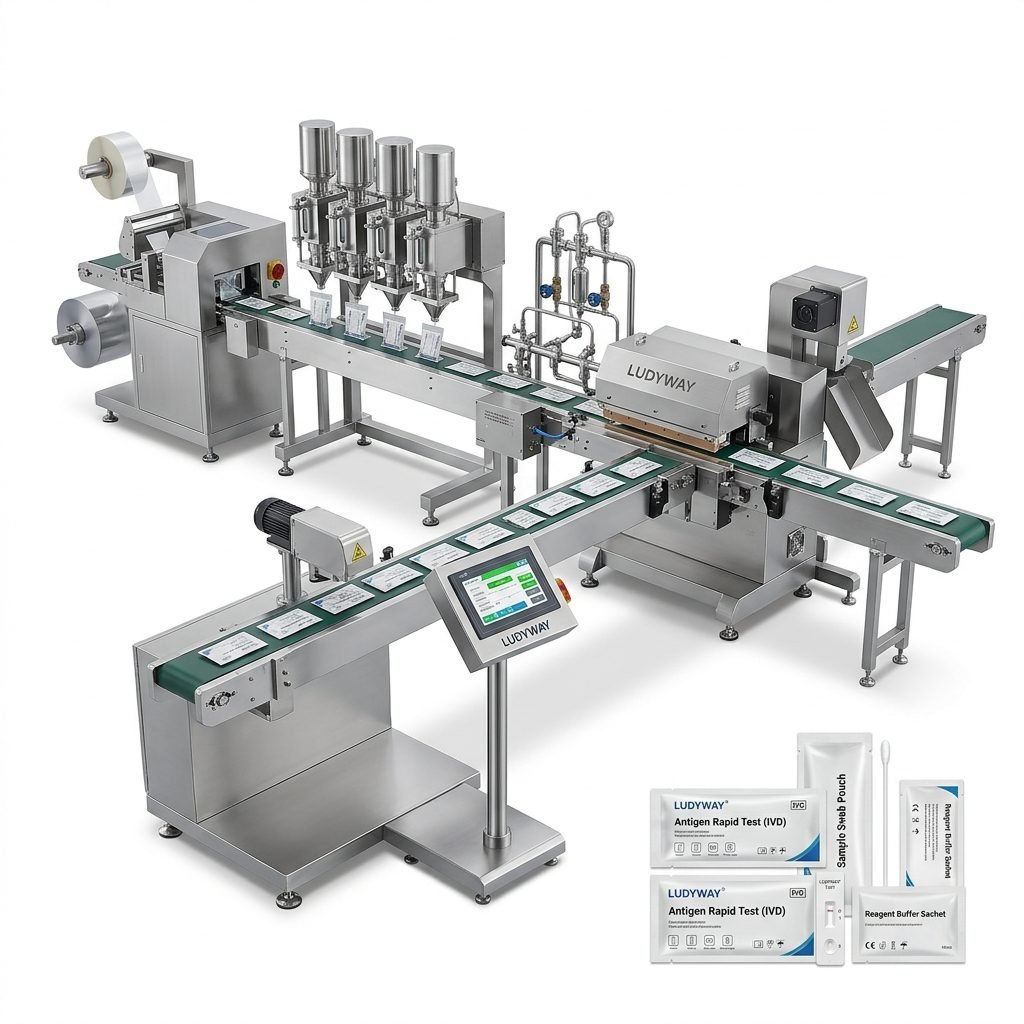
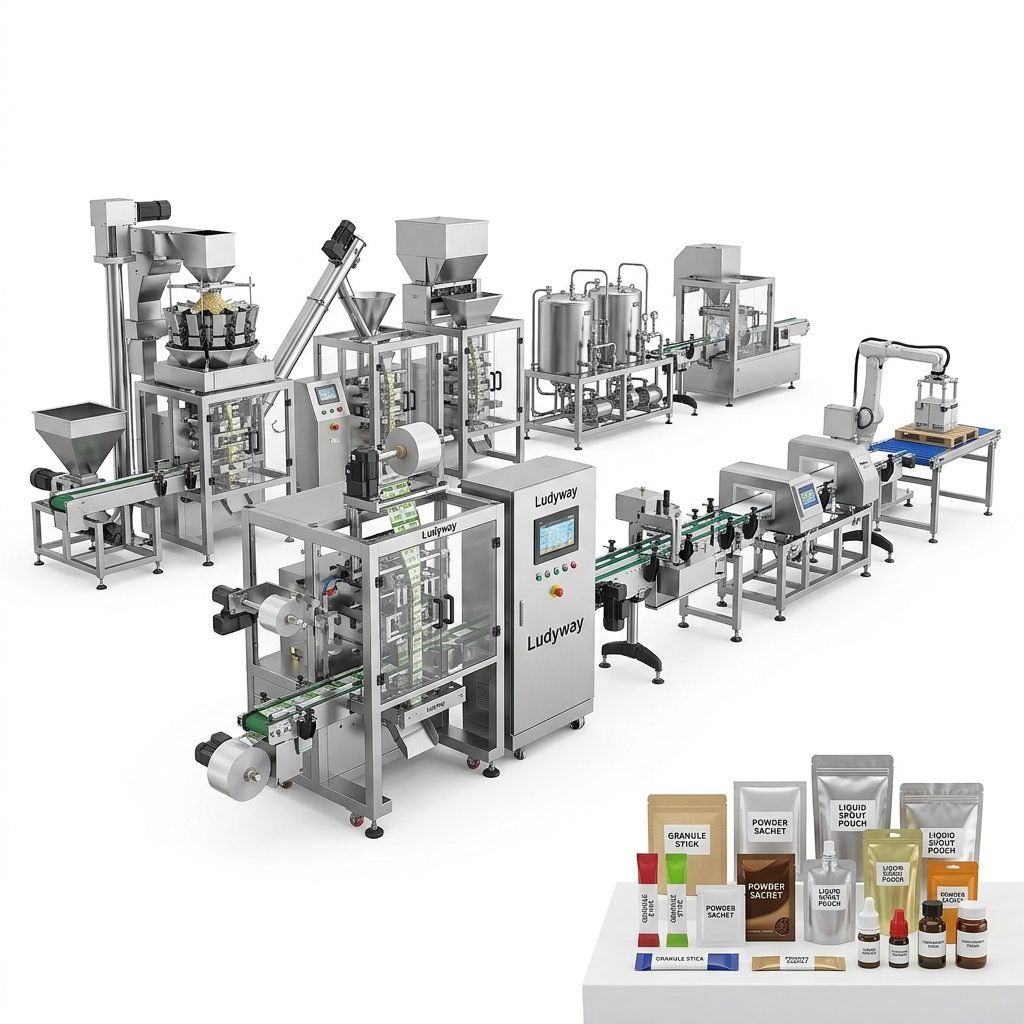
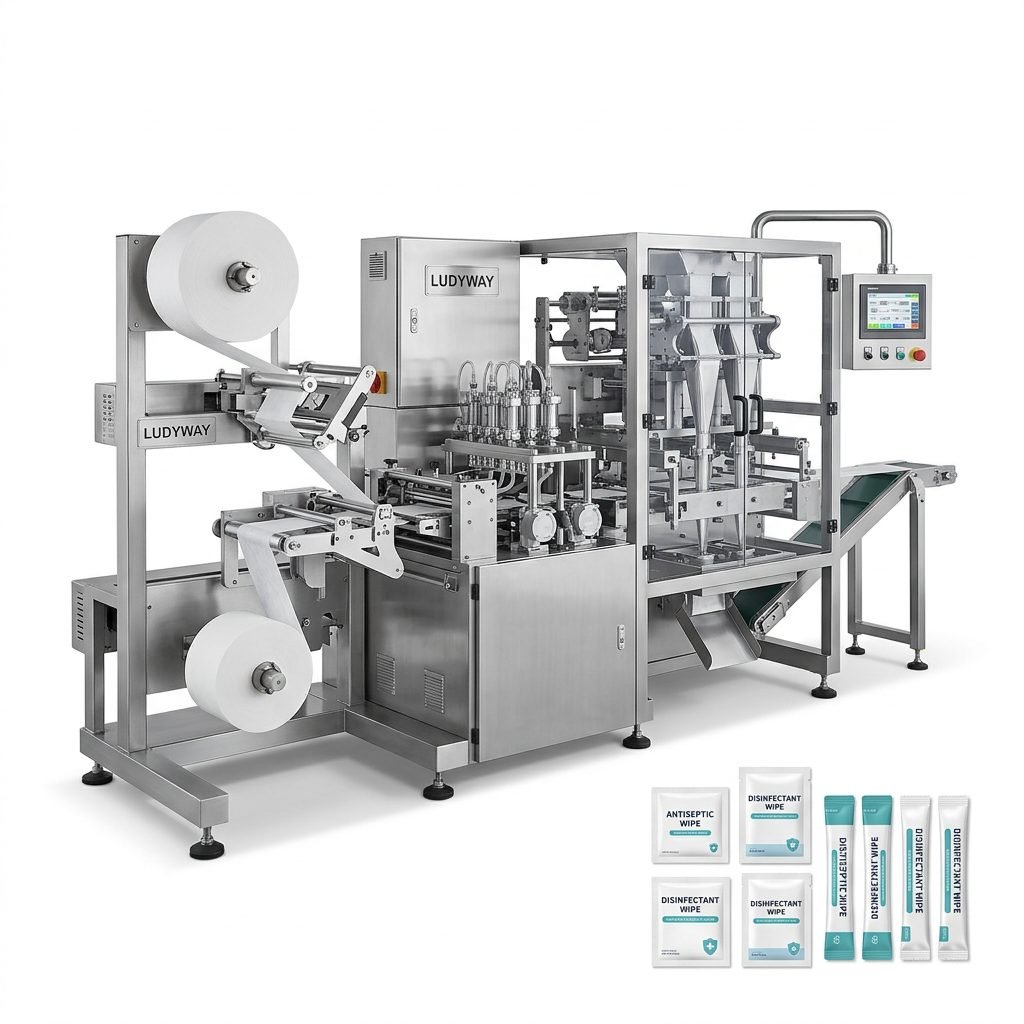
Ludyway is one of the largest packaging machine manufacturers in China, specializing in advanced packaging equipment and turnkey production solutions for the food, pharmaceutical, and health industries. With over 30 years of industry expertise and a modern 20,000㎡ manufacturing facility, Ludyway offers more than 50 intelligent packaging machine models that serve customers in over 100 countries and regions.
3. Designing the Production Line Layout
An optimized chocolate bar packaging production line layout minimizes product handling and temperature exposure. The typical flow begins with a cooling tunnel discharge, followed by a conveyor that feeds bars into the primary wrapping station. After wrapping, products move through metal detection and checkweighing before being cartoned and palletized. The following table outlines a standard layout configuration:
| Stage | Equipment | Function |
|---|---|---|
| 1. Cooling & Conditioning | Multi-tier cooling tunnel | Stabilizes chocolate before wrapping |
| 2. Primary Wrapping | Horizontal flow wrapper or fold wrapper | Applies primary film or foil laminate |
| 3. Quality Control | Metal detector & checkweigher | Ensures product safety and net weight |
| 4. Secondary Packaging | Cartoner and case packer | Forms cartons and packs into shipping cases |
| 5. End of Line | Robotic palletizer | Stacks cases onto pallets for warehouse |
For smaller facilities, a compact integrated automatic chocolate packaging machine that combines wrapping and cartoning can significantly reduce footprint while maintaining output speeds of up to 300 bars per minute.
4. Installation, Commissioning, and Workforce Training
Proper installation of a packaging machine production line in the United States requires compliance with local electrical codes and OSHA safety standards. It is advisable to work with a PMMI business intelligence resource to identify certified local service partners. Commissioning involves dry runs, film tension calibration, and temperature tuning for heat-seal parameters that account for chocolate’s sensitivity to heat.
Comprehensive operator training should cover:
- Sanitation procedures for allergen control and cross-contamination prevention
- Film roll change methods to minimize downtime
- Programmable logic controller interface for recipe management
- Basic maintenance tasks such as sealing jaw replacement
Common Setup Challenges and Solutions
| Challenge | Cause | Solution |
|---|---|---|
| Inconsistent seal integrity | Improper temperature or pressure | Calibrate sealing jaws and verify film specifications |
| Film wrinkling or misalignment | Tension imbalance in film feed | Adjust dancer arm and film roll brake tension |
| Product jams at feed point | Chocolate bar dimensions vary | Install vision-guided feeding and check mold consistency |
| Excessive product waste | Poor changeover procedure | Implement documented changeover checklists |
5. Preventive Maintenance and Spare Parts Strategy
A well-maintained chocolate packaging production line ensures consistent output and reduces unplanned downtime. Develop a preventive maintenance schedule based on manufacturer recommendations and actual production hours. Critical spare parts such as sealing jaws, thermocouples, belts, and sensors should be stocked locally to avoid extended lead times. Utilizing Flexible Packaging Association resources can help you select durable film materials that reduce wear on machine components.
- Daily: Clean product contact surfaces, inspect film path for adhesive buildup
- Weekly: Lubricate bearings and chains, verify metal detector sensitivity
- Monthly: Check pneumatic system for leaks, recalibrate temperature controllers
- Quarterly: Replace worn belts, perform full machine alignment
6. Optimizing for Sustainability and Market Trends
U.S. consumers and retailers increasingly demand sustainable packaging formats. When setting up your chocolate bar machine line, consider the compatibility with recyclable mono-material films and paper-based wrappers. The U.S. EPA Sustainable Materials Management program provides guidance on packaging waste reduction that can inform your material choices. Integrating eco-friendly packaging can also qualify your brand for retail programs that highlight sustainable products.
Digital Integration and Smart Factory
Modern packaging machine production lines now offer digital capabilities including remote diagnostics, OEE monitoring dashboards, and integration with plant-wide ERP systems. These features enable real-time production tracking and predictive maintenance alerts, helping you maximize uptime and minimize waste.
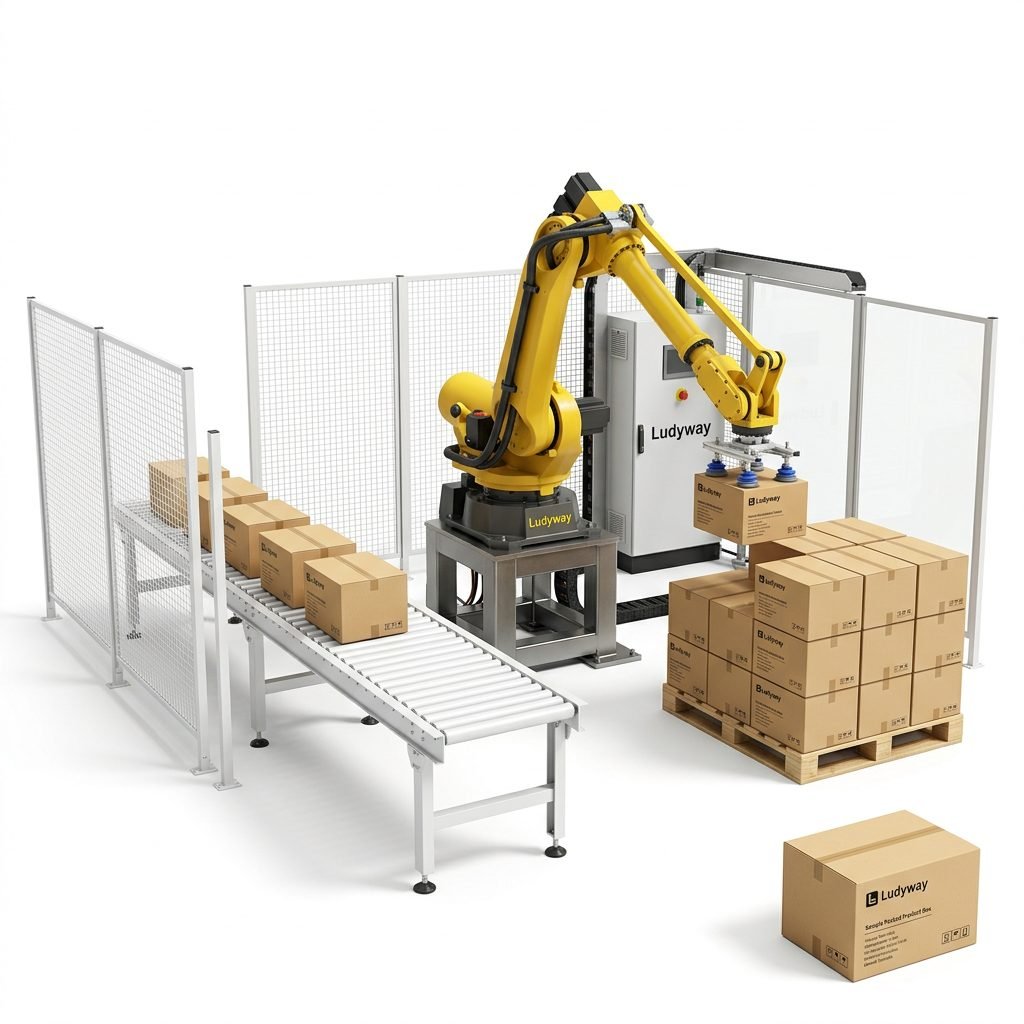
By carefully planning your equipment selection, facility layout, and maintenance strategy, you can establish a competitive chocolate bar packaging operation in the United States that meets regulatory requirements and consumer expectations. For further guidance on specific machine configurations, consult with experienced packaging machinery manufacturers and stay informed through PMMI State of the Industry reports for the latest trends in confectionery packaging technology.