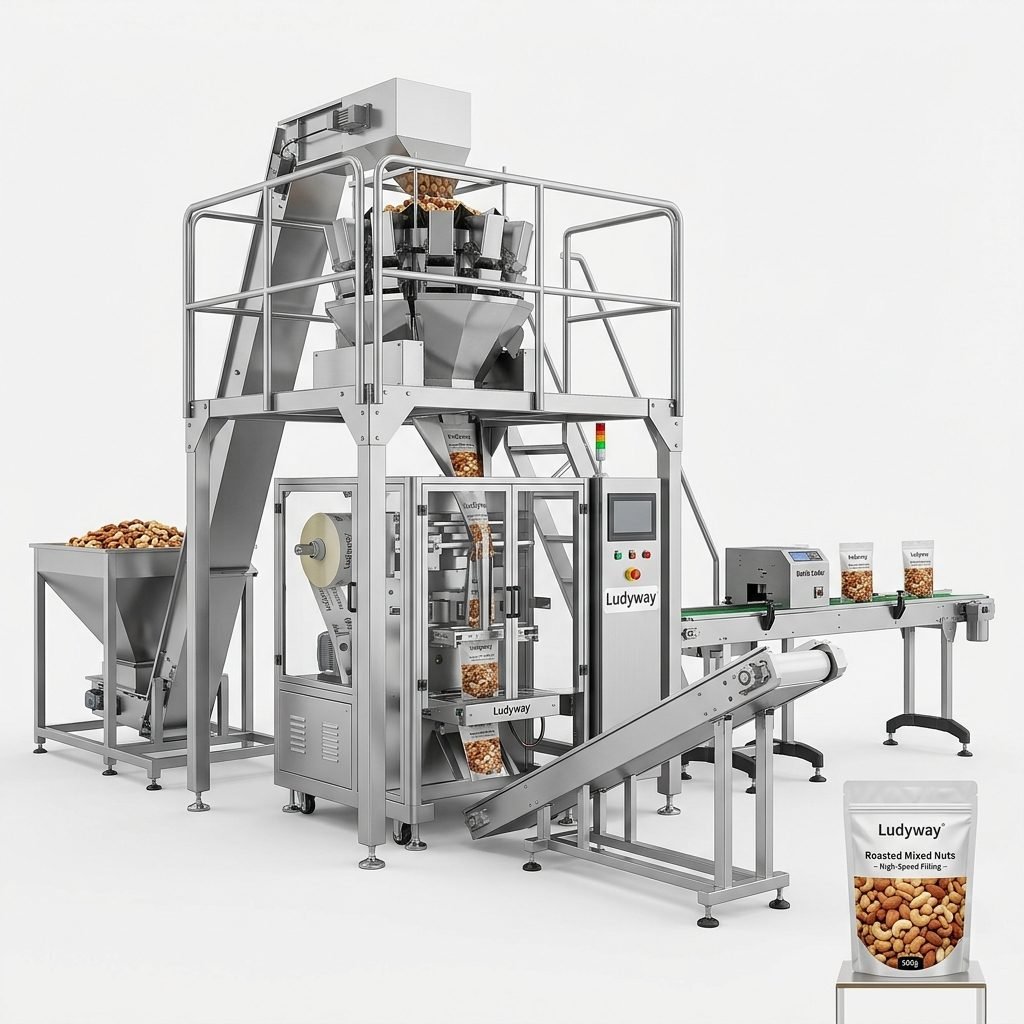
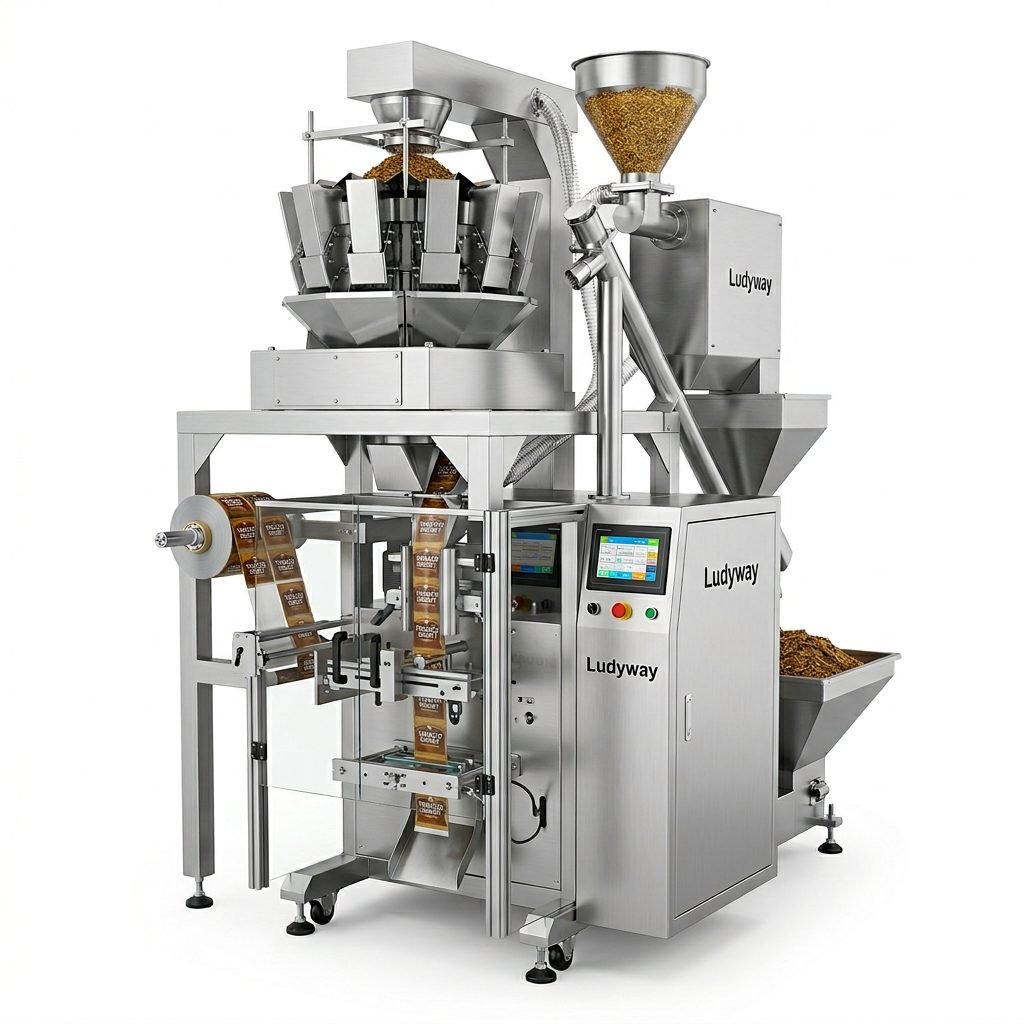
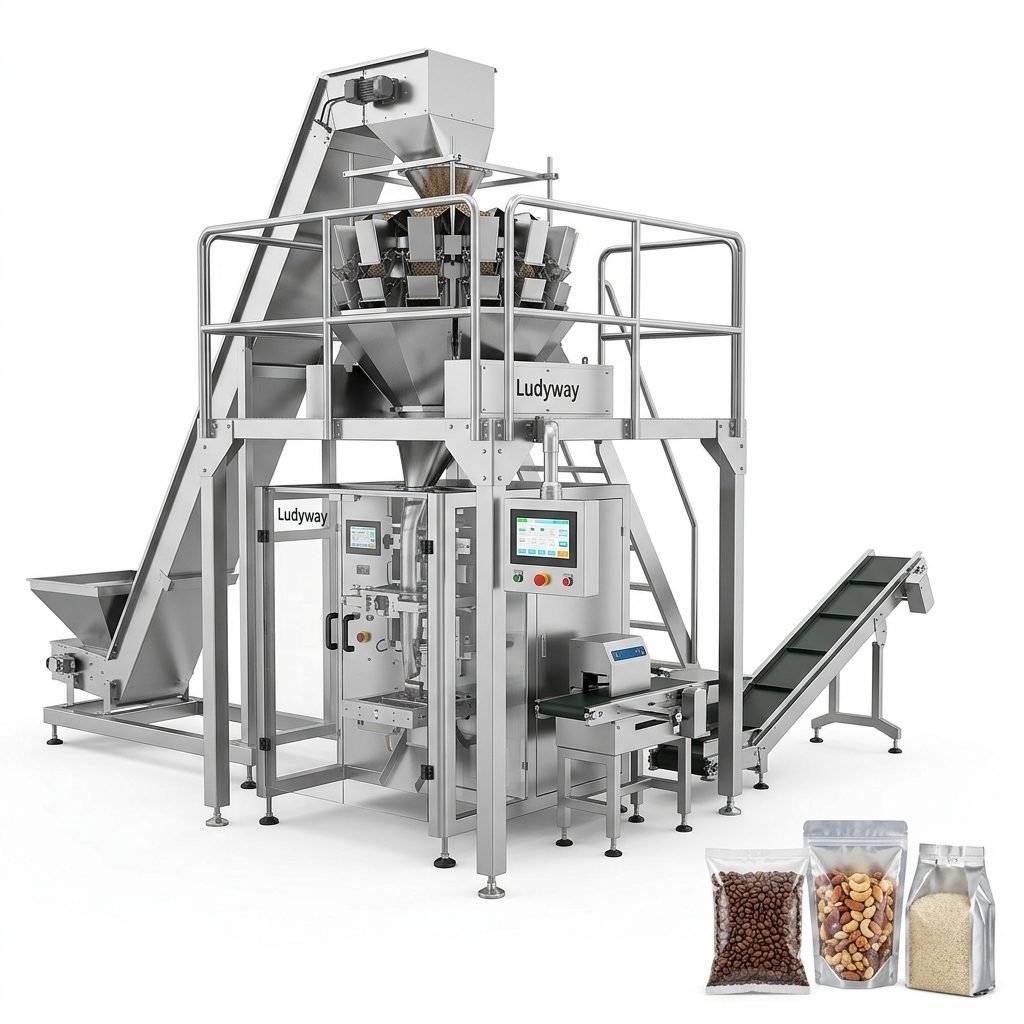
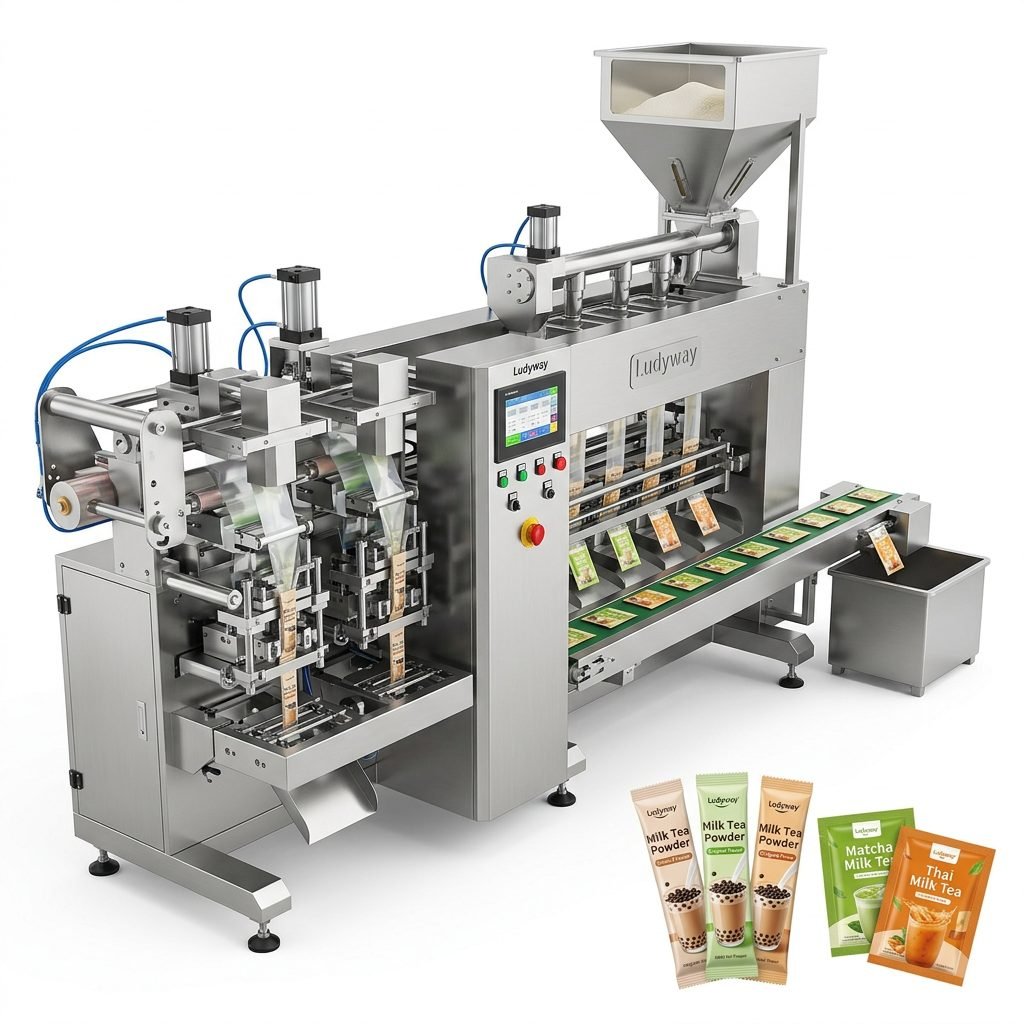
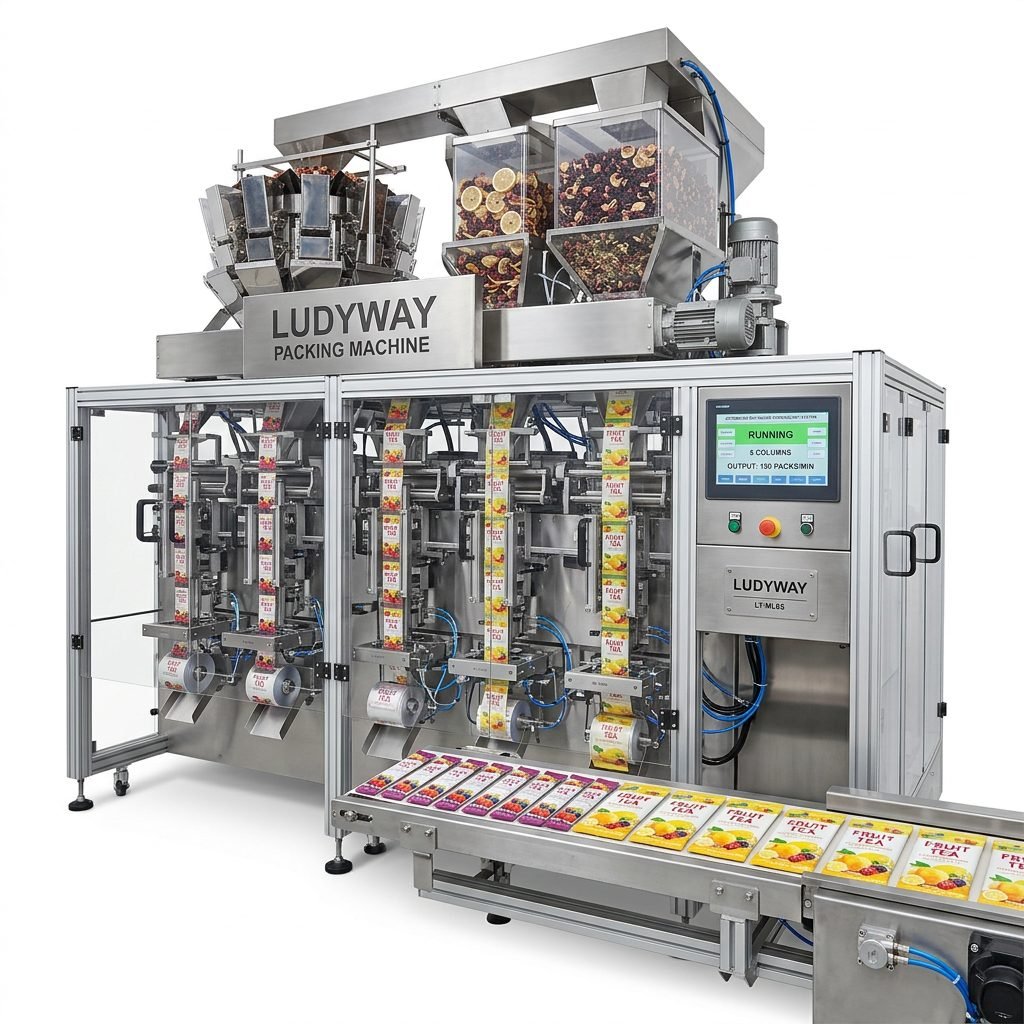
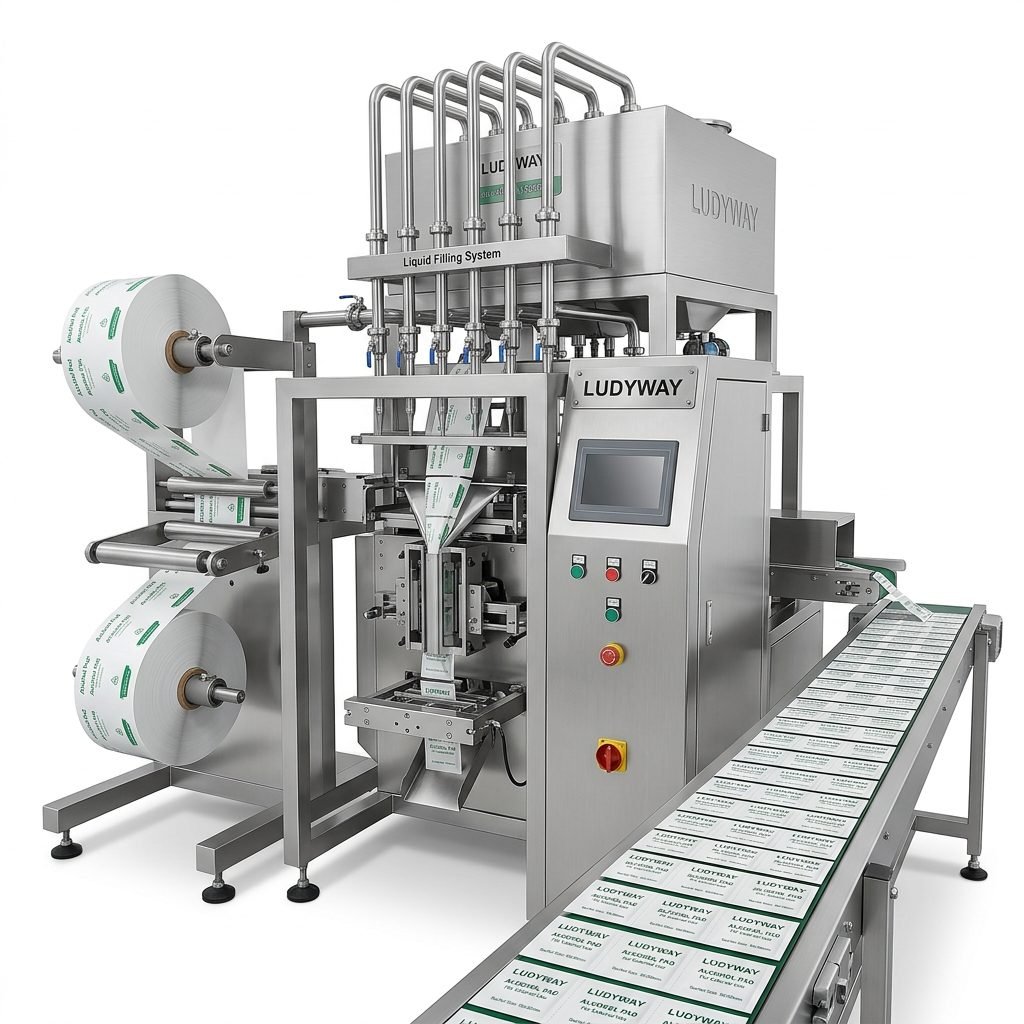
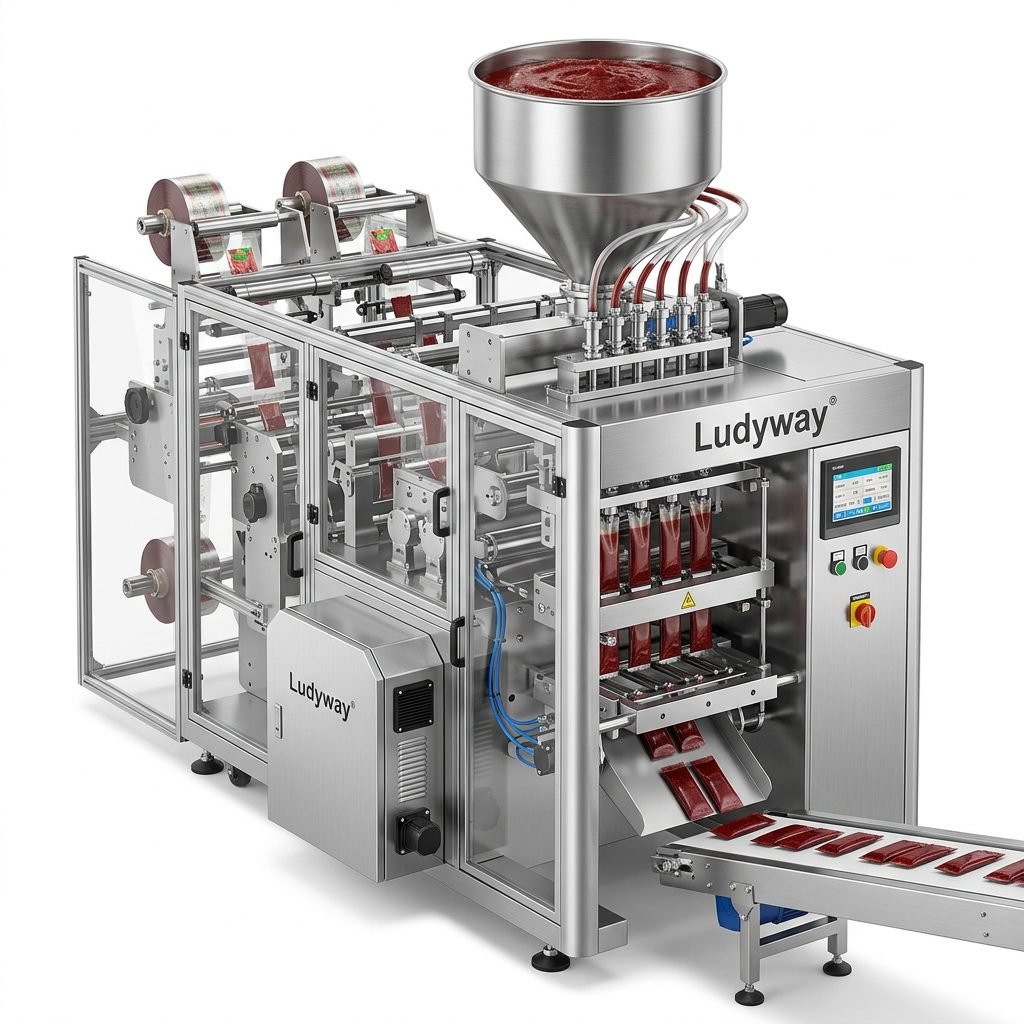
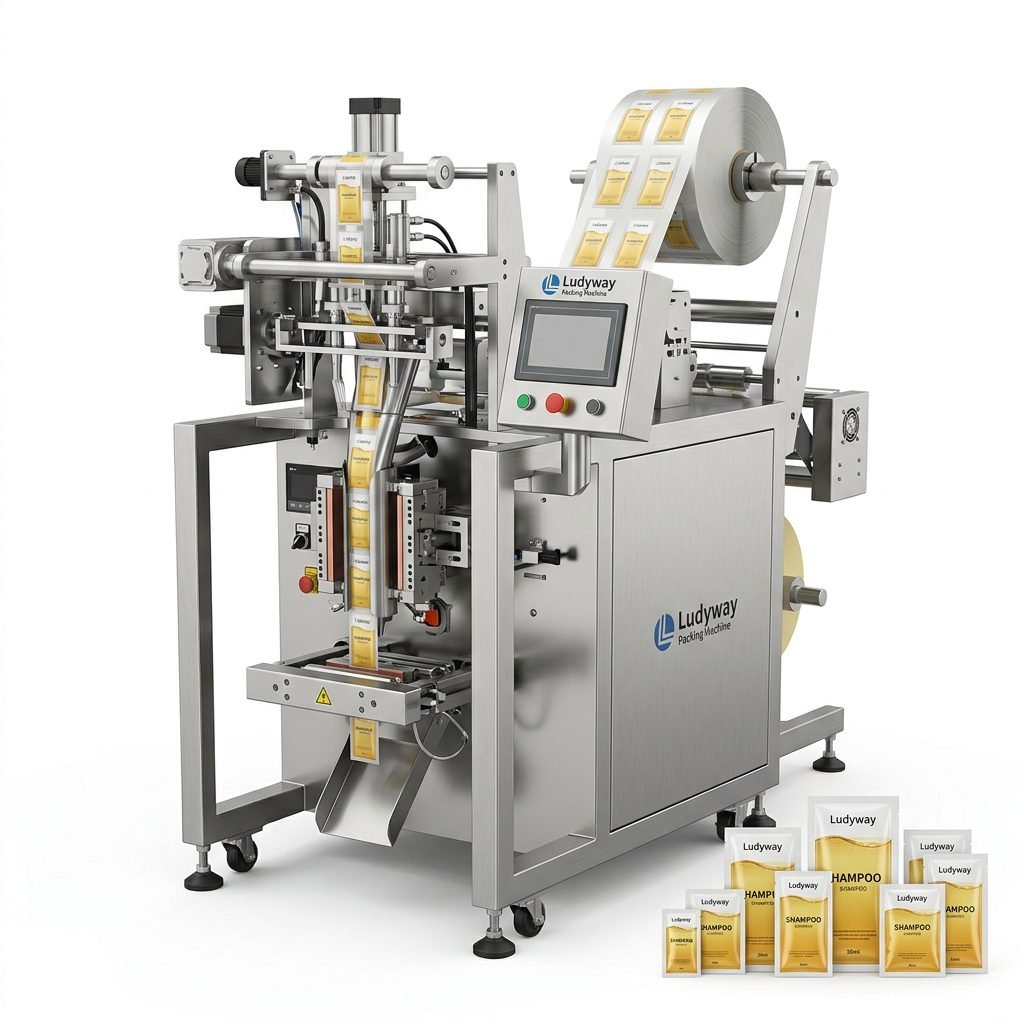
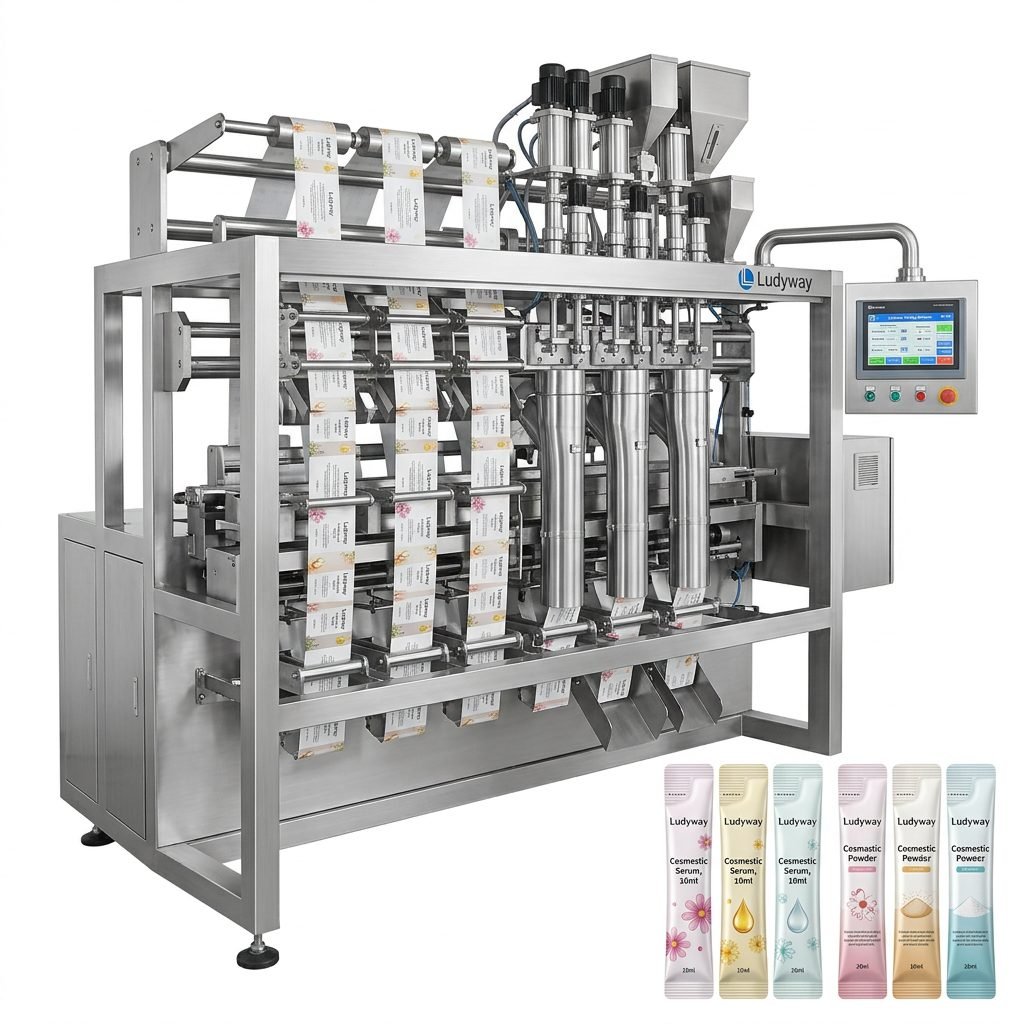
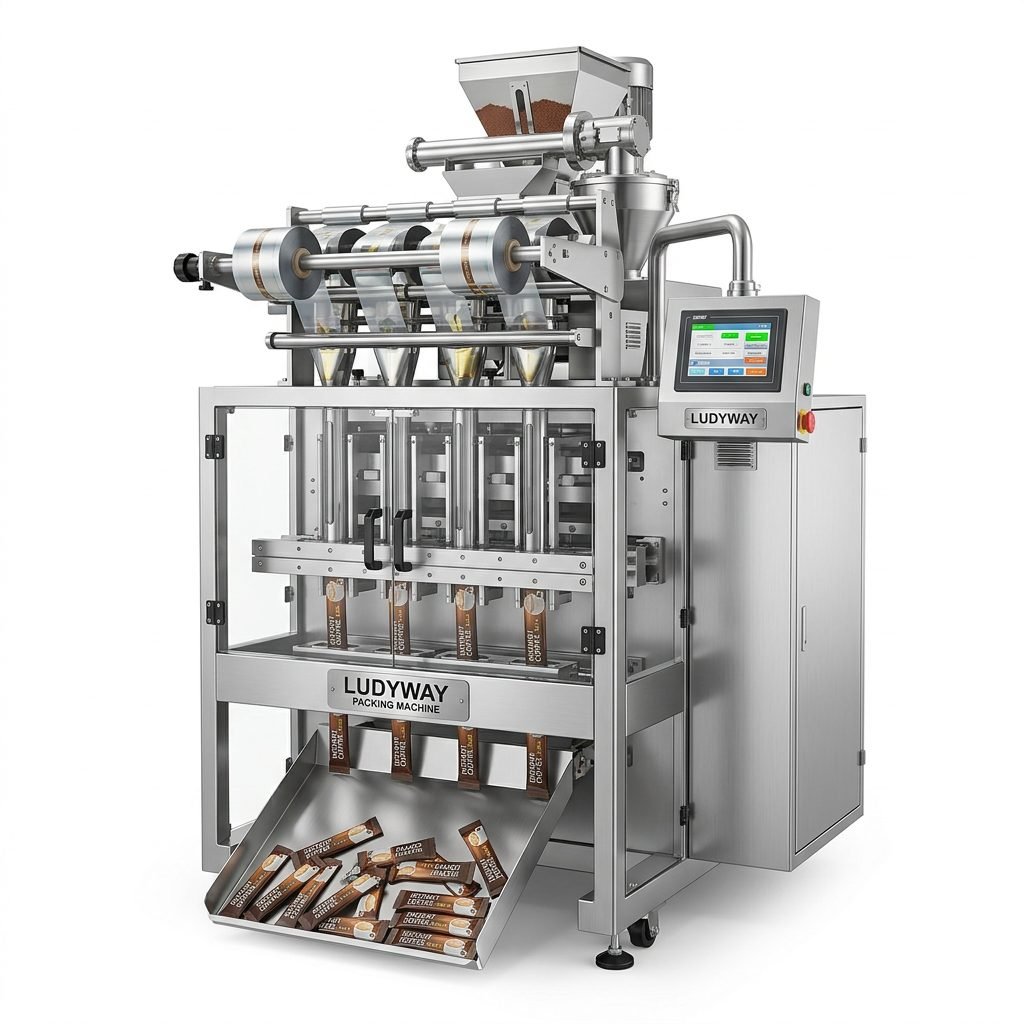
The German food processing sector demands precision, efficiency, and uncompromising hygiene. Central to achieving extended shelf life and maintaining product integrity is the integration of a high-performance vacuum food packaging machine. Whether you are scaling a small artisanal production line or engineering a fully automated industrial facility, navigating Germany’s stringent regulatory and technical landscape requires in-depth knowledge. This guide covers the technology, compliance standards, and selection criteria critical to making a profitable investment.

Understanding Vacuum Packaging Technology in the German Market
Vacuum packaging, or reduced oxygen packaging (ROP), extracts air from the package prior to sealing. The primary technical objective is to inhibit the growth of aerobic bacteria and fungi while preventing oxidation of fats and vitamins. In Germany, where cold chain management and sustainability are paramount, the choice of machine often dictates the efficiency of the entire logistics cycle. Modern packaging machine manufacturers like Ludyway engineer systems that not only extract air but can also introduce modified atmospheres (MAP), a feature increasingly demanded by German retailers for shredded cheese and processed meats.
Key Compliance: EU Machinery Directive and German DIN Standards
Germany enforces rigorous safety and sanitation standards. Any vacuum packaging machine imported or operated within the country must carry the CE marking, signifying conformity with the EU Machinery Directive 2006/42/EC. Beyond this, look for compliance with DIN EN ISO 11607 for terminally sterilized medical devices, which is often referenced by food sectors seeking the highest contamination barriers. The EHEDG (European Hygienic Engineering & Design Group) guidelines are not legally mandatory but are considered a gold standard for machine washdown capabilities. Prioritizing machines with sloped surfaces, IP65 or higher ingress protection ratings, and tool-free disassembly is critical to passing a German TÜV inspection.
Chamber vs. External Vacuum Sealers: Selecting the Right Fit
The German market bifurcates sharply into two major technical architectures. Understanding their operational differences will protect your throughput margins:
- Double Chamber Machines: The industry standard for high-volume meat, dairy, and ready-meal producers running batches. Liquid and marinated products are handled with superior seal integrity due to the equalized pressure, preventing pouch bursting. Automation integration via Siemens PLCs is common in this class.
- Nozzle Vacuum Machines: Predominantly used for dry goods like coffee, powders, and granulated products. While the initial investment is lower compared to chamber systems, the reliance on specialized embossed vacuum bags can increase long-term consumable OPEX in the German supply chain.

Critical Technical Specifications for the German Industry
When evaluating a vacuum packaging line for the German market, surface-level specs are insufficient. Engineers must scrutinize pump capacity, sealing bar dimensions, and control interfaces.
- Pump Technology: German factories prioritize energy efficiency. Busch oil-lubricated rotary vane pumps are the dominant standard for high vacuum levels (0.5 – 2 mbar). For sensitive electronics or dust-prone environments, dry-running screw pumps eliminate oil mist emissions.
- Sealing Systems: Bi-active sealing (heating from both top and bottom) is non-negotiable for thick foil laminates exceeding 120 microns. Look for sealing bars with active cooling to prevent post-seal wrinkling.
- Control Architecture: Compatibility with Industry 4.0 is vital. The machine must offer OPC UA or Profinet interfaces for integration into MES (Manufacturing Execution Systems). Recipe storage for 50+ product profiles is a standard expectation in German SMEs.
Vacuum Pump Performance Comparison
| Parameter | Oil-Lubricated Pump | Dry Screw Pump | Venturi System |
|---|---|---|---|
| Ultimate Vacuum | 0.1 – 0.5 mbar | 0.01 – 0.1 mbar | 50 – 100 mbar |
| Maintenance Cycle | Moderate (Oil Changes) | Low (No Oil) | Very Low |
| Best Application | Meat & Poultry | Powder & Electronics | Lightweight Snacks |
Material Compatibility and Sustainability (VerpackG)
Germany’s Verpackungsgesetz (VerpackG) imposes strict recycling quotas. Your vacuum machine must handle mono-material films (PE or PP) that are recycling-friendly but technically challenging to seal without losing barrier properties. Advanced machines use pulse-sealing technology with precise temperature control algorithms to prevent melting the base layer of these thinner, eco-friendly substitutes. Avoid machines calibrated exclusively for multi-layer aluminum composites, as these face heavy Green Dot licensing fees in the dual system.

Essential Features for German Retailers (LEH)
- Gas Flushing Capability: Look for precision mixing of O2, CO2, and N2 with flow meters calibrated to German DIN 1343 standard conditions.
- Soft-Air Function: Critical for fragile products like potato chips or baked goods. The gradual return of atmospheric pressure using sterile-filtered air prevents package collapse.
- Hygienic Design: IP65K stainless steel enclosures enable high-pressure cleaning required in German slaughterhouses and the dairy industry.
Navigating the Purchase: Direct Import vs. German Integrators
Sourcing a vacuum machine often involves choosing between a local German distributor or a direct partnership with a specialized global manufacturer. German system integrators offer localized service contracts often adhering to VDMA standards; however, the cost multiplier for CE-certified German middleware can exceed 40%.
Alternatively, partnering directly with manufacturers who possess deep engineering expertise—such as Ludyway, a global packaging machine manufacturer specializing in turnkey solutions—allows German buyers to access customized factory integration without excessive markups. With over 30 years of industry experience and a modern 20,000㎡ manufacturing facility, the ability to source machines directly from advanced packaging equipment manufacturers ensures that you receive machinery pre-configured for EU voltage (400V/50Hz) and certified for German workplace safety (Betriebssicherheitsverordnung).
Pre-Installation Checklist for the German Facility
- Druckluftqualität (Compressed Air Quality): Ensure the air supply meets ISO 8573-1 Class 1 solid particle contamination, critical for vacuum valve actuation.
- Sicherheitsintegration (Safety Integration): Confirm the machine supports AS-i Safety at Work protocols to interface with your existing protective door circuits.
- Betriebsanleitung (Technical Documentation): The machine must be supplied with a native German technical manual. This is a strict requirement under the Maschinenrichtlinie for your liability insurance.
Conclusion: Ensuring Long-Term Value in a High-Standard Market
Investing in a vacuum food packaging machine for the German market is a complex engineering trade-off between pump technology, hygienic design, and recyclable film compatibility. The right choice decreases product waste, mitigates regulatory risk under the LFGB (Lebensmittel- und Futtermittelgesetzbuch), and enhances the aesthetic appeal of your shelf display. By focusing on Industry 4.0 connectivity and robust after-sales technical support, you secure not just a machine, but a guaranteed Overall Equipment Effectiveness (OEE) improvement in your production KPIs.