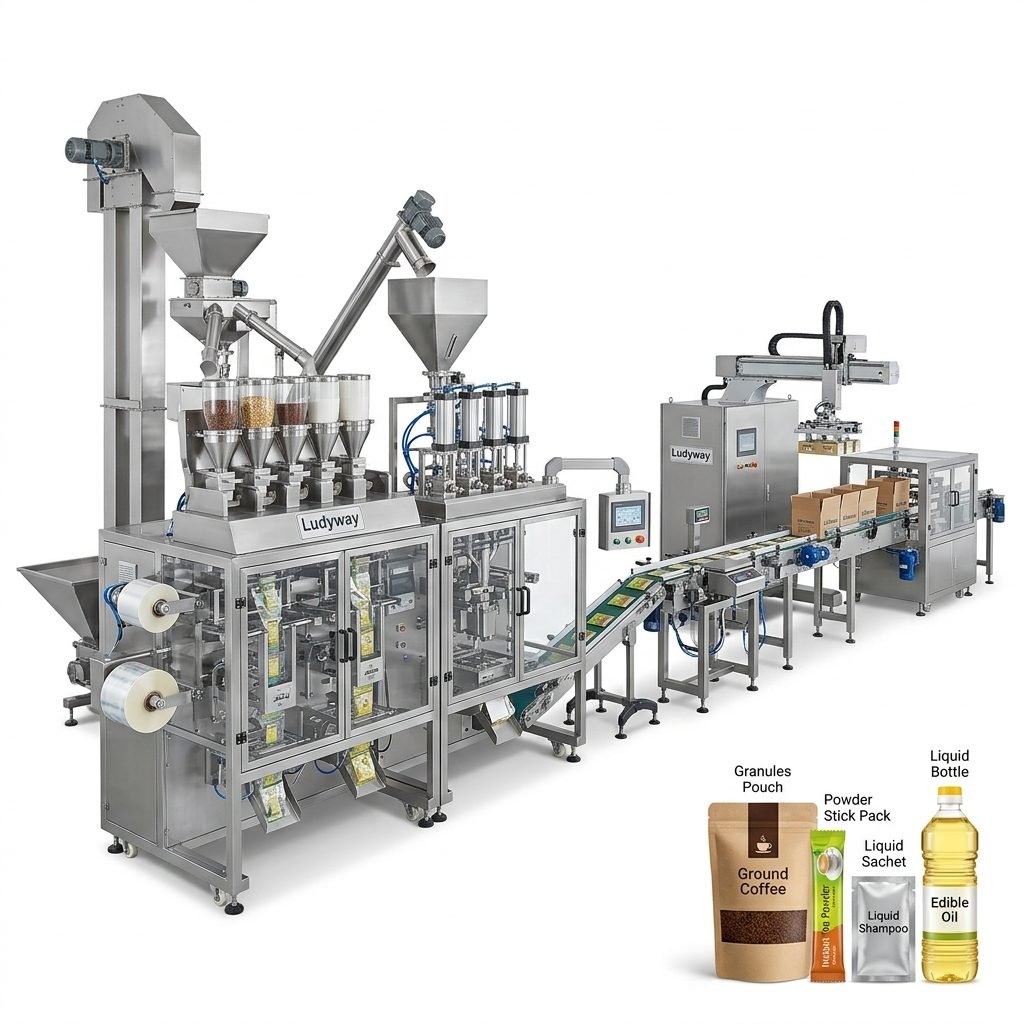
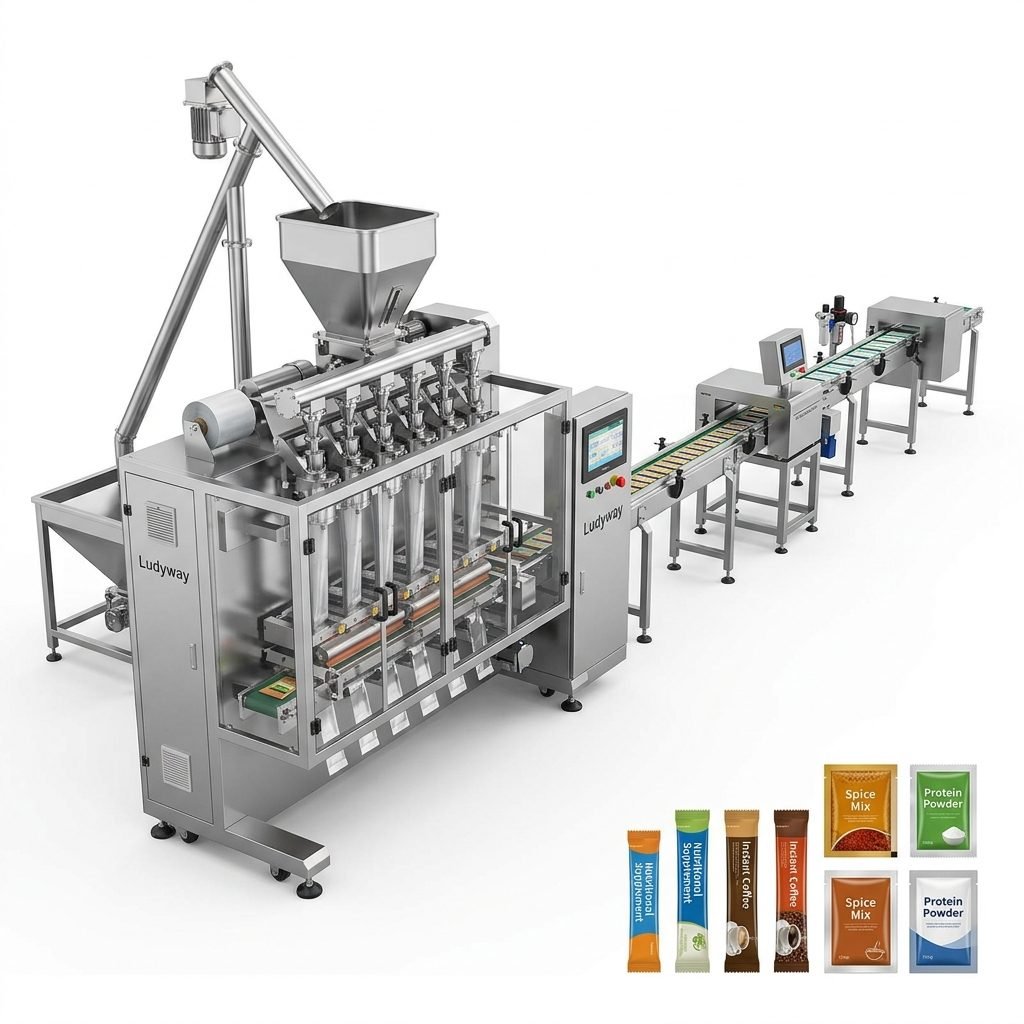
Choosing the right coffee bag packaging machine can directly affect product freshness, shelf appeal, labor cost, and production efficiency. Whether you pack whole beans, ground coffee, drip coffee, or instant coffee, the machine you select should match your bag style, output target, and filling accuracy requirements.
This guide explains the main machine types, key features, and practical buying tips to help coffee brands, roasters, and contract packers make a smarter investment decision.

Why Coffee Packaging Equipment Matters
Coffee is highly sensitive to oxygen, moisture, light, and contamination. Poor packaging can quickly reduce aroma and flavor, while inconsistent filling can cause weight variation and material waste. A well-designed coffee packaging machine helps you:
- Maintain freshness and aroma retention
- Improve seal consistency and bag appearance
- Reduce manual labor and operator error
- Support faster output for growing demand
- Integrate coding, nitrogen flushing, checkweighing, and cartoning
For premium coffee brands, packaging is not only about protection. It is also a key part of brand positioning, customer trust, and retail competitiveness.
Main Types of Coffee Bag Packaging Machines
Different coffee products require different machine structures. Below are the most common types used in the coffee industry.
1. Vertical Form Fill Seal Machines
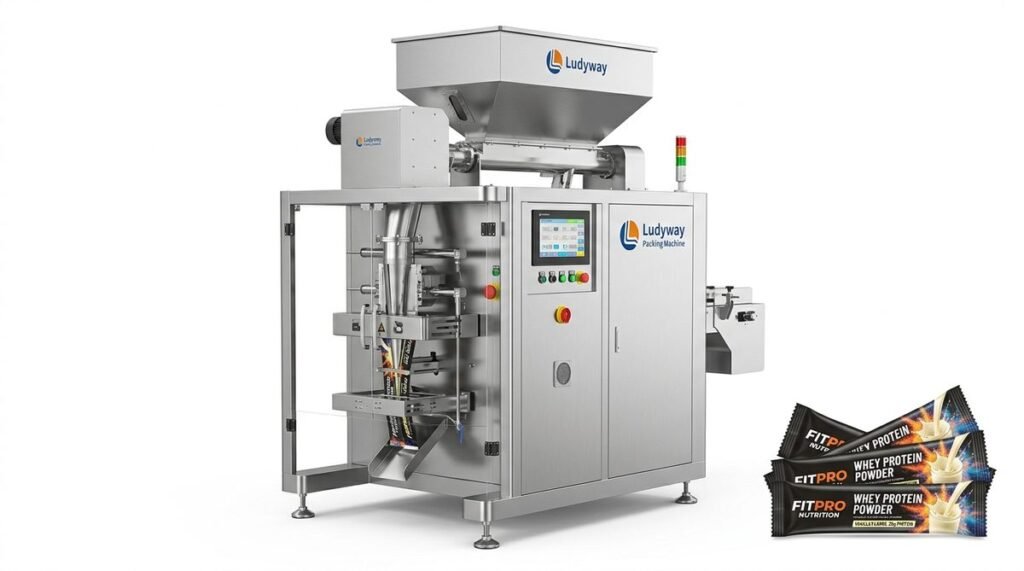
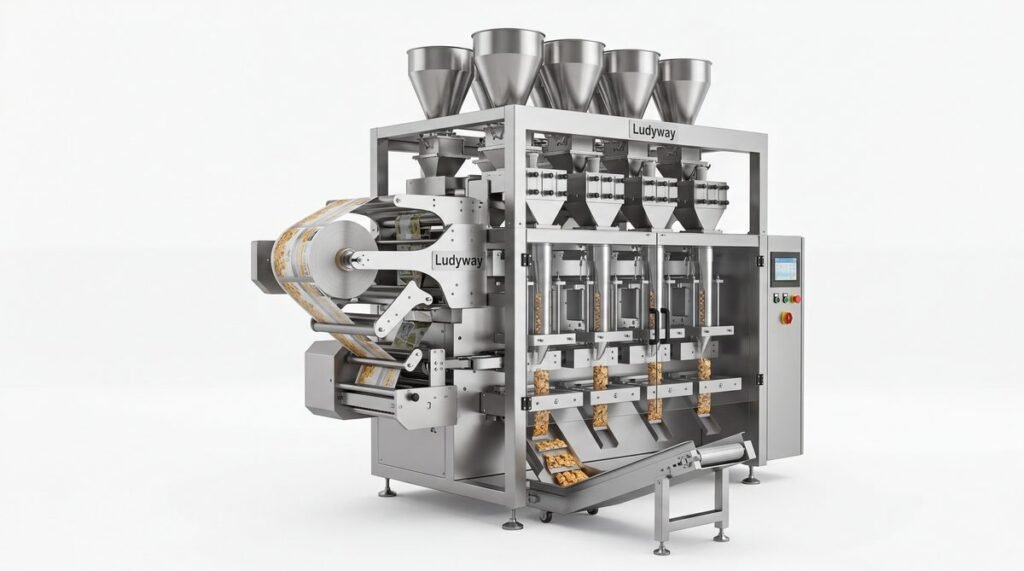
Vertical form fill seal systems, often called VFFS machines, create bags from roll film, fill the product, and seal the package in one automated process. They are widely used for coffee beans, ground coffee, and some powdered beverage products.
- Suitable for pillow bags, gusset bags, and quad seal bags
- Good for medium to high production volumes
- Can be combined with auger fillers or multihead weighers
- Often supports nitrogen flushing and date coding
2. Premade Pouch Packaging Machines
These machines fill and seal ready-made pouches rather than forming bags from film. They are ideal for premium coffee packaging formats such as stand-up pouches, zipper bags, and flat-bottom bags.
- Excellent for premium retail presentation
- Works well with resealable zipper pouches
- Reduces forming complexity for specialty bag shapes
- Suitable for beans, ground coffee, and some instant coffee formats
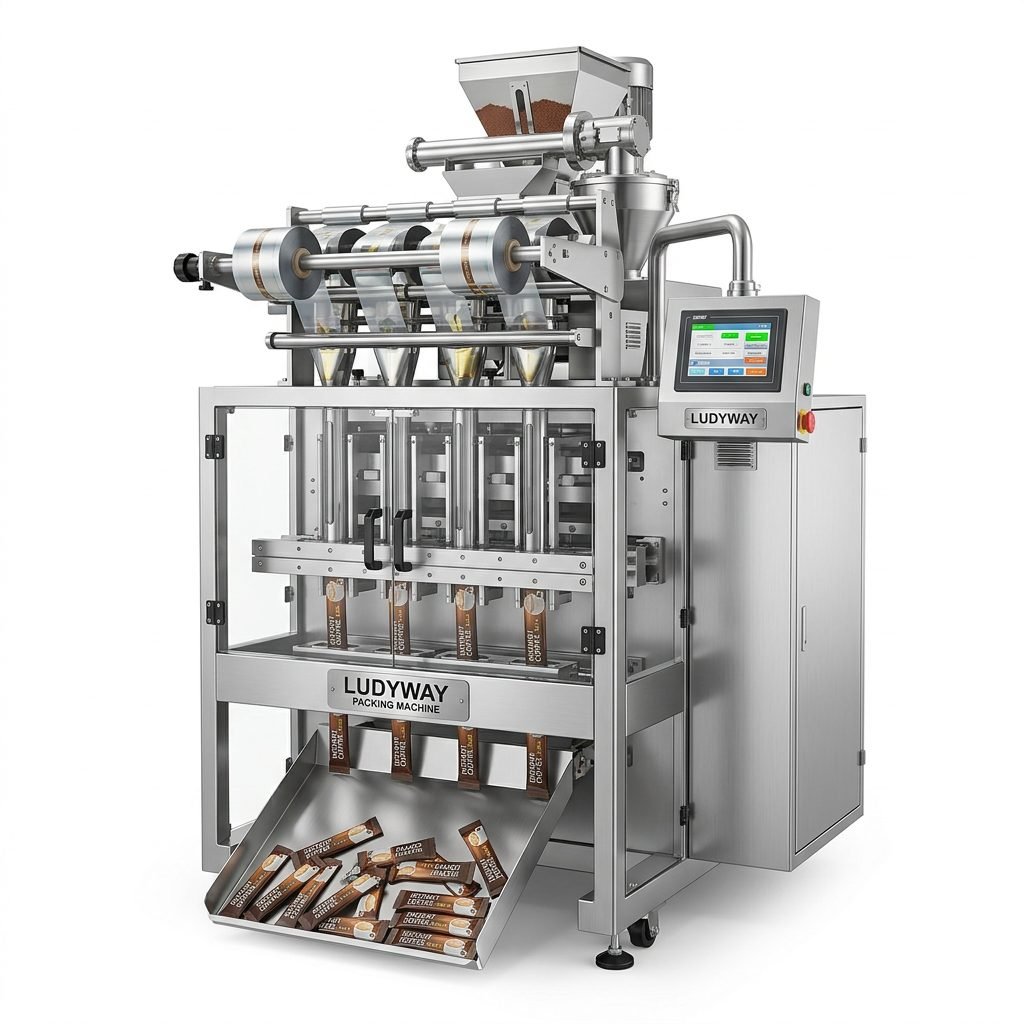
3. Multi-Lane Stick Pack and Sachet Machines
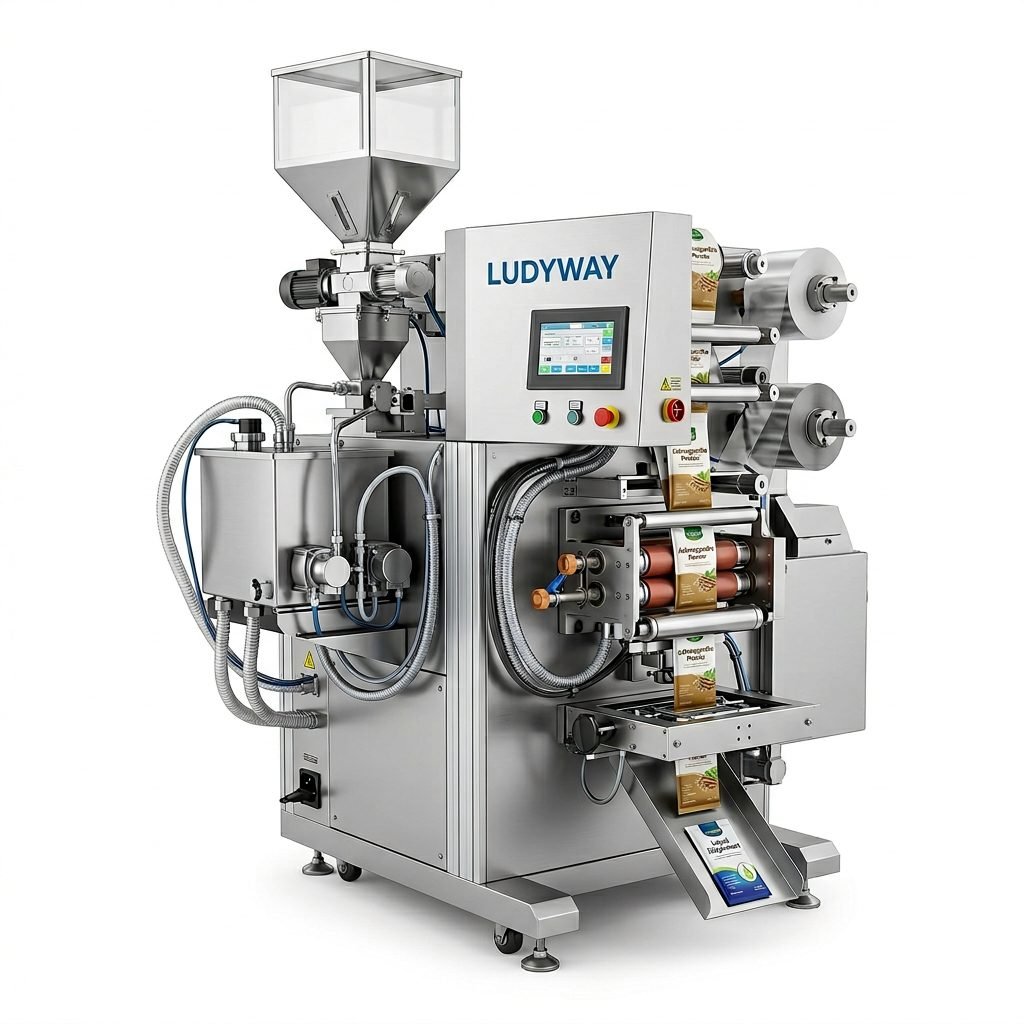
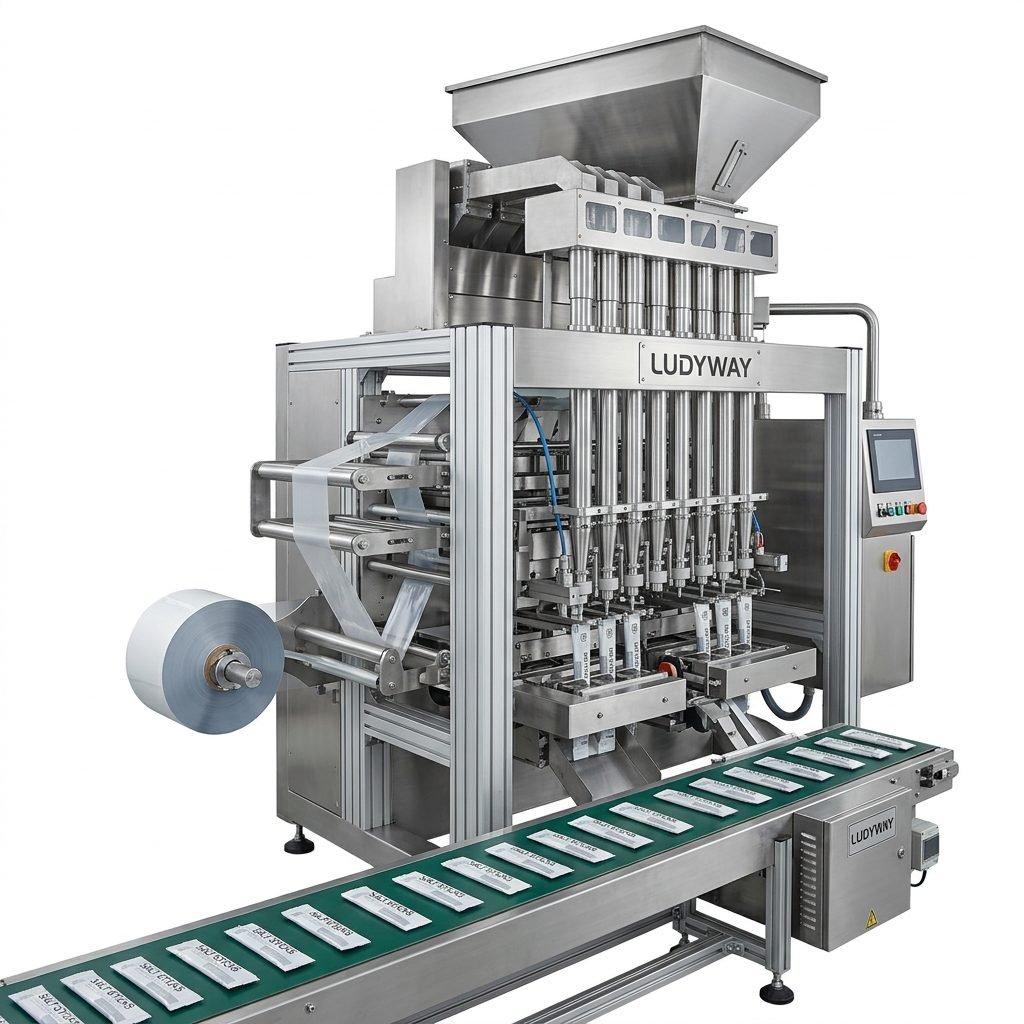
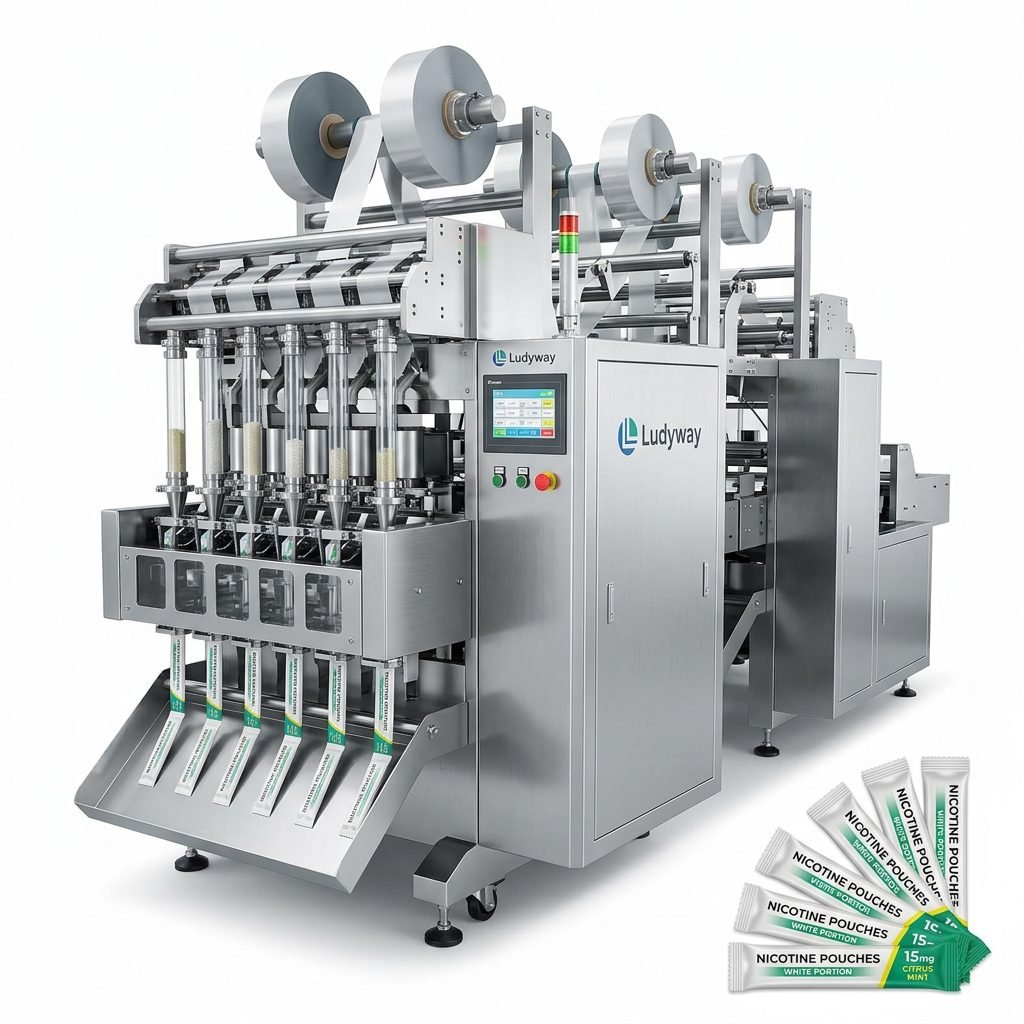
For instant coffee, 3-in-1 coffee powder, functional coffee blends, and travel-size servings, multi-lane stick pack or sachet machines are highly efficient. They produce narrow stick packs or small sachets at high speed.
- Best for single-serve coffee powder products
- High output with multiple lanes running simultaneously
- Compact pack size for convenience retail and e-commerce
- Ideal for promotional packs and hotel or airline use
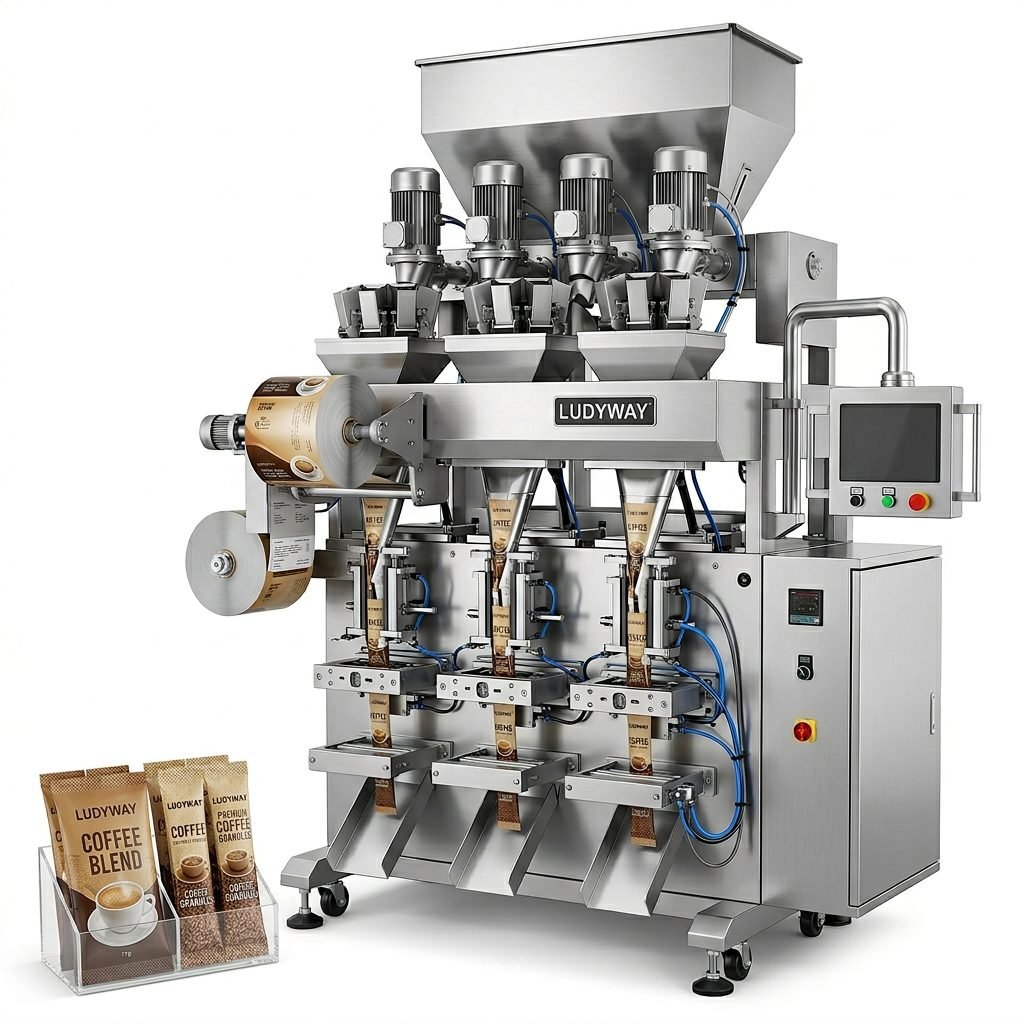
4. Coffee Bean Packaging Machines with Weighing Systems
Whole bean coffee packaging usually requires accurate weighing and gentle product handling to protect bean appearance. These systems often use multihead weighers paired with VFFS or premade pouch machines.
- Designed for whole beans and roasted beans
- Improves speed and weighing precision
- Supports premium bag types and valve bag applications
- Can reduce product breakage during filling
5. Ground Coffee Filling Machines
Ground coffee behaves more like powder, so auger filling systems are common. These machines are chosen when consistent dosing and dust control are important.
- Suitable for fine or medium coffee powder
- Better control of fill weight consistency
- Can be equipped with dust extraction features
- Works with bags, sachets, or stick packs depending on line design
Machine Selection by Coffee Product Type
| Coffee Product | Recommended Machine Type | Typical Filling System | Common Package Style |
|---|---|---|---|
| Whole coffee beans | VFFS or premade pouch machine | Multihead weigher | Pillow bag, gusset bag, flat-bottom bag |
| Ground coffee | VFFS or premade pouch machine | Auger filler | Vacuum bag, pouch, valve bag |
| Instant coffee powder | Stick pack or sachet machine | Auger or volumetric filler | Stick pack, sachet |
| Drip coffee portions | Specialized filter bag packing line | Precision weighing system | Inner filter bag + outer pouch |
| Coffee mix products | Multi-lane sachet or stick pack machine | Auger filler | Single-serve sachet or stick pack |
Key Features to Look For
High Filling Accuracy
Coffee is a value-sensitive product, especially for premium roasted beans and specialty blends. Even a small overfill can add up to major cost losses over time. Look for machines with stable weighing or dosing performance.
Nitrogen Flushing Capability
Nitrogen flushing helps reduce oxygen inside the bag and is one of the most important features for preserving coffee freshness. It is especially important for roasted beans and ground coffee with strict shelf-life requirements.
Degassing Valve Compatibility
Freshly roasted coffee releases carbon dioxide after packaging. If your bag structure uses one-way degassing valves, make sure the machine and bag design are compatible with that application.
Reliable Sealing Performance
Seal integrity matters for freshness, transport safety, and consumer satisfaction. Heat sealing quality should remain stable even during long production runs.
Flexible Bag Format Support
Many coffee companies sell multiple SKUs in different sizes. A machine that supports quick changeovers can reduce downtime and improve production flexibility.
Dust Control and Cleanability
Ground coffee and instant coffee can create fine dust. A clean machine design improves hygiene, protects components, and simplifies maintenance.
Smart Controls and HMI
User-friendly controls allow operators to adjust fill weight, sealing temperature, bag length, and running speed more easily. This becomes more important as product variety increases.
Important Optional Functions
Depending on your product and market positioning, optional functions can significantly improve the value of your coffee packing line.
- Date coding and batch printing for traceability
- Metal detection for food safety control
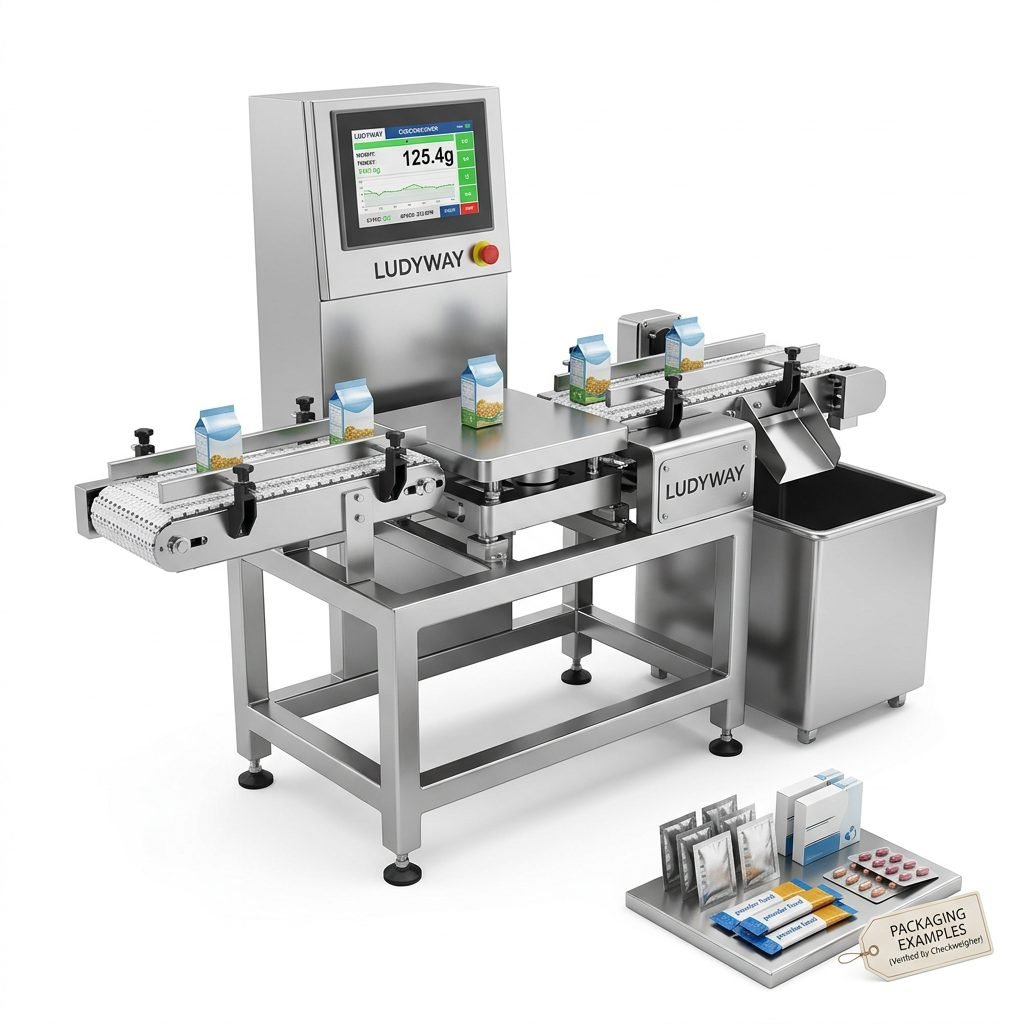
- Checkweighers for weight verification
- Zipper opening and sealing for resealable pouches
- Valve applicators for roasted coffee bags
- Cartoning and case packing for end-of-line automation
- Remote diagnostics for faster technical support
How to Choose the Right Coffee Bag Packaging Machine
Define Your Coffee Format First
Start with the product itself. Are you packing beans, powder, or single-serve portions? The answer determines the filling method, bag type, and machine structure.
Estimate Real Production Capacity
Do not buy based only on your current demand if growth is expected. At the same time, avoid overbuying a line that is too complex for your present operation. A balanced capacity plan is usually the best investment.
Match the Machine to Your Bag Style
Common coffee bags include:
- Pillow bags
- Side gusset bags
- Quad seal bags
- Stand-up pouches
- Flat-bottom pouches
- Zipper pouches
- Stick packs and sachets
The packaging format often determines whether a VFFS machine or a premade pouch machine is the better choice.
Check Product Flow Characteristics
Whole beans flow differently from ground coffee. Fine instant coffee powder also behaves differently from roasted coffee powder blends. Product flowability affects filler selection, speed, and consistency.
Consider Future Automation
If your business is expanding, choose a machine that can integrate with upstream conveying and downstream cartoning, labeling, or palletizing equipment. A scalable line protects long-term ROI.
Evaluate Supplier Experience
A machine may look similar on paper, but supplier experience in filling accuracy, sealing quality, and line integration makes a major difference in real production. Buyers looking for scalable coffee and powder packaging solutions often evaluate manufacturers such as Ludyway coffee packaging machine solutions because of their broad packaging equipment range and turnkey line capability.
Questions to Ask Before Buying
- What coffee products will the machine handle now and later?
- What bag sizes and materials are required?
- What is the target output per minute or per hour?
- What fill accuracy tolerance is acceptable?
- Do you need nitrogen flushing or valve bag support?
- How long does changeover take between SKUs?
- What spare parts and after-sales support are available?
- Can the machine be integrated into a complete packaging line?
Comparison of Common Coffee Packaging Machine Types
| Machine Type | Best For | Advantages | Considerations |
|---|---|---|---|
| VFFS machine | Beans, ground coffee | Efficient, versatile, good for roll film packaging | Bag style flexibility depends on machine design |
| Premade pouch machine | Premium coffee bags | Excellent appearance, supports zipper and stand-up pouch | Pouch cost is typically higher |
| Stick pack machine | Instant coffee powder | High speed, single-serve convenience | Mainly for small-format packs |
| Sachet machine | Coffee mixes, powdered beverages | Compact packs, flexible output formats | Less suited for large retail coffee bags |
Common Mistakes Buyers Should Avoid
- Choosing a machine based only on price instead of total operating value
- Ignoring oxygen protection and freshness requirements
- Underestimating the importance of bag material compatibility
- Buying a machine with limited upgrade potential
- Not testing actual coffee samples before final purchase
- Overlooking cleaning, maintenance, and spare parts access
Who Should Invest in a Coffee Bag Packaging Machine?
These machines are suitable for a wide range of businesses, including:
- Coffee roasters expanding from manual filling to automation
- Private-label coffee manufacturers
- Instant coffee and drink mix producers
- Contract packers handling multiple coffee SKUs
- Brands entering retail, export, or e-commerce channels
Final Buying Advice
The best coffee bag packaging machine is the one that fits your product type, bag format, speed target, and freshness requirements. For whole beans, weighing accuracy and gentle handling are essential. For ground coffee, auger filling, dust control, and sealing quality matter most. For instant coffee, multi-lane sachet or stick pack equipment often delivers the best output efficiency.
Before placing an order, request sample testing, confirm technical specifications, and review line integration possibilities. A well-matched machine can improve shelf life, reduce waste, strengthen packaging consistency, and support long-term business growth.