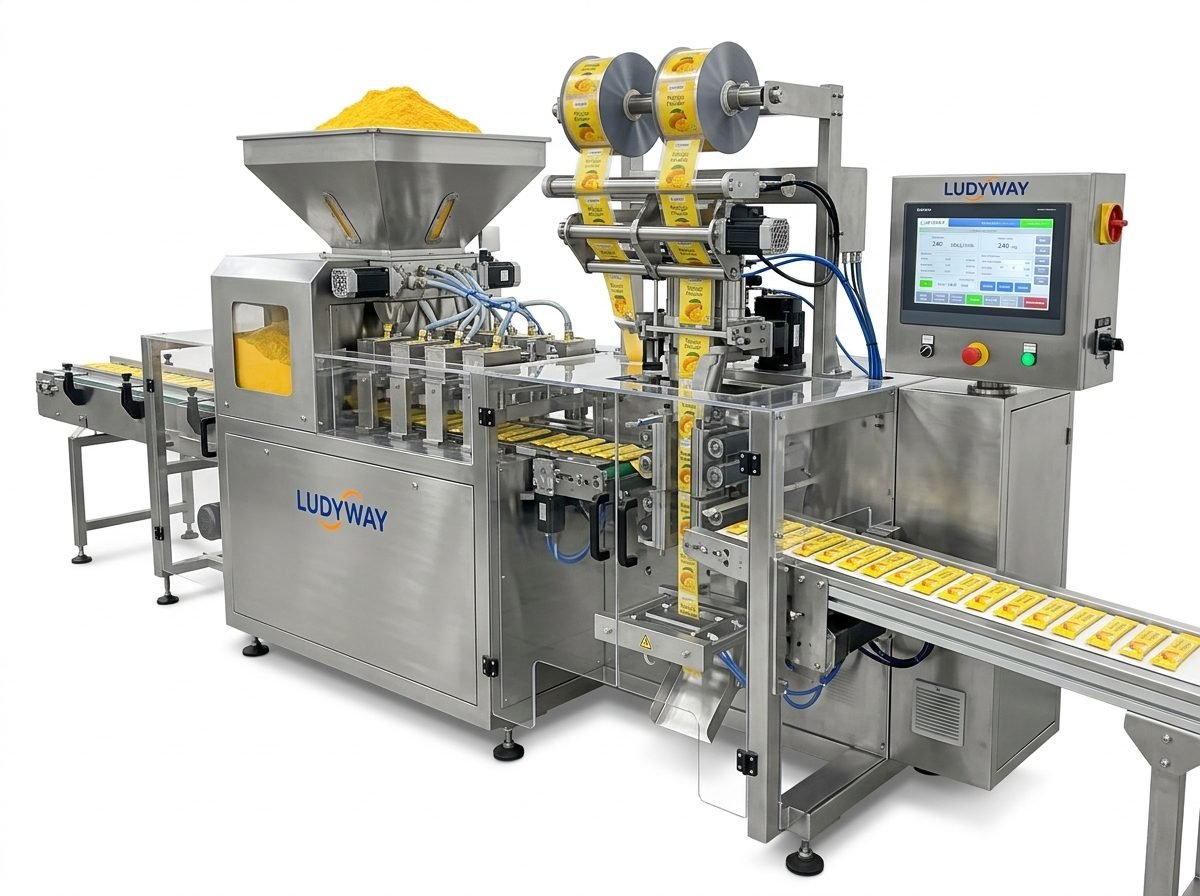
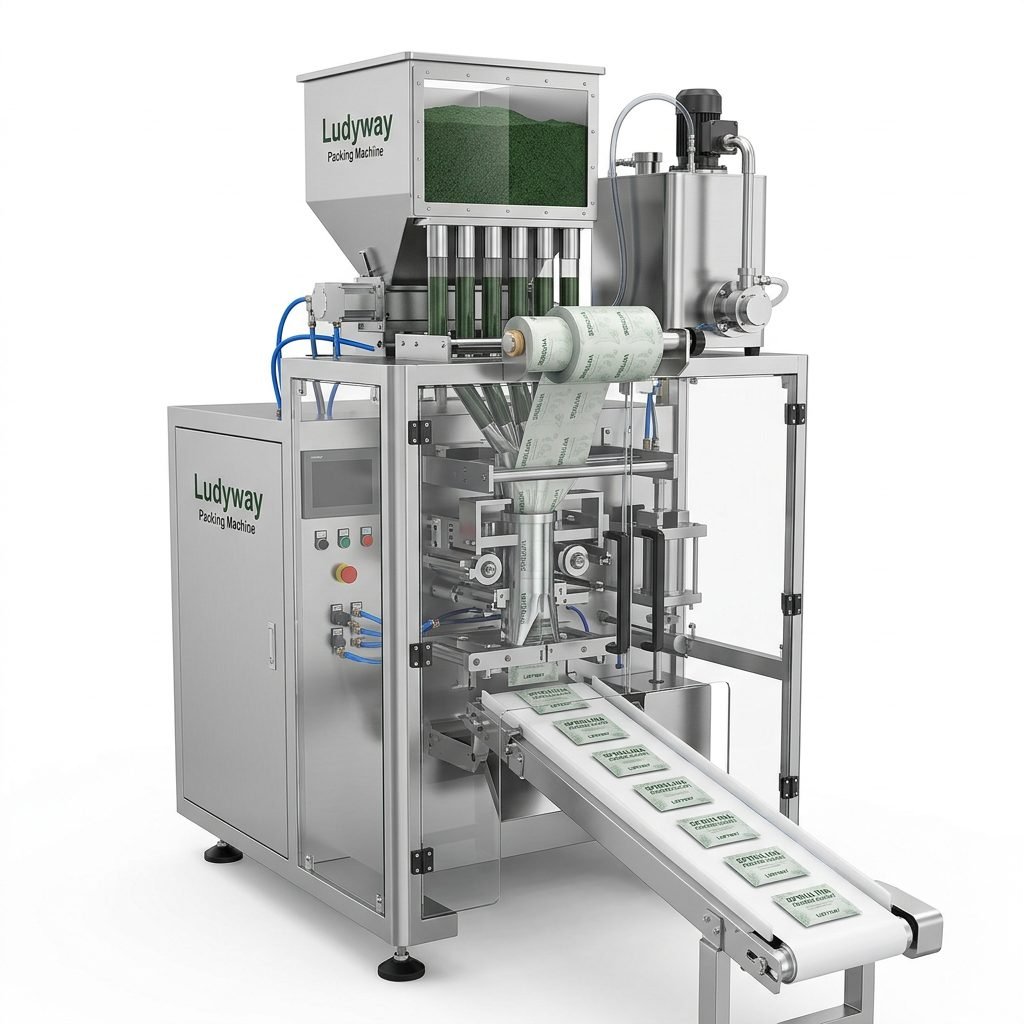
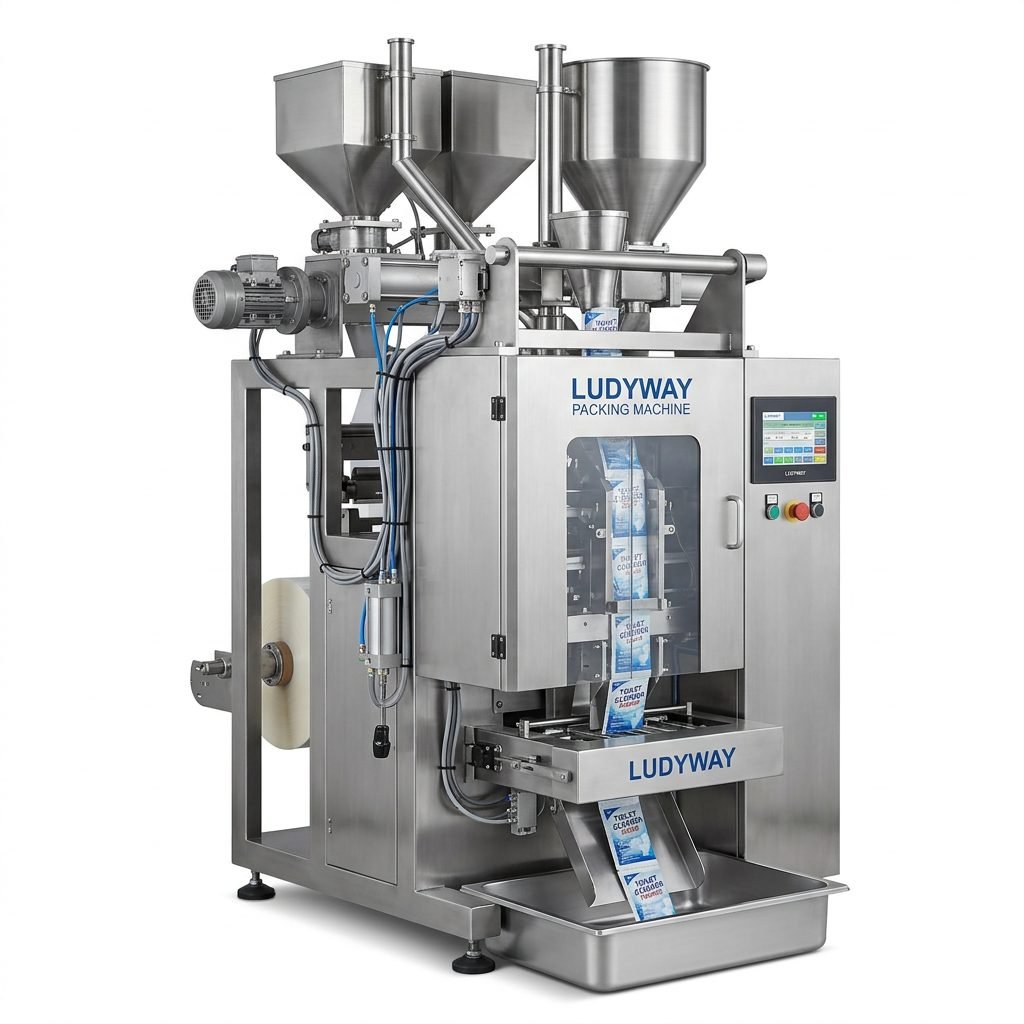
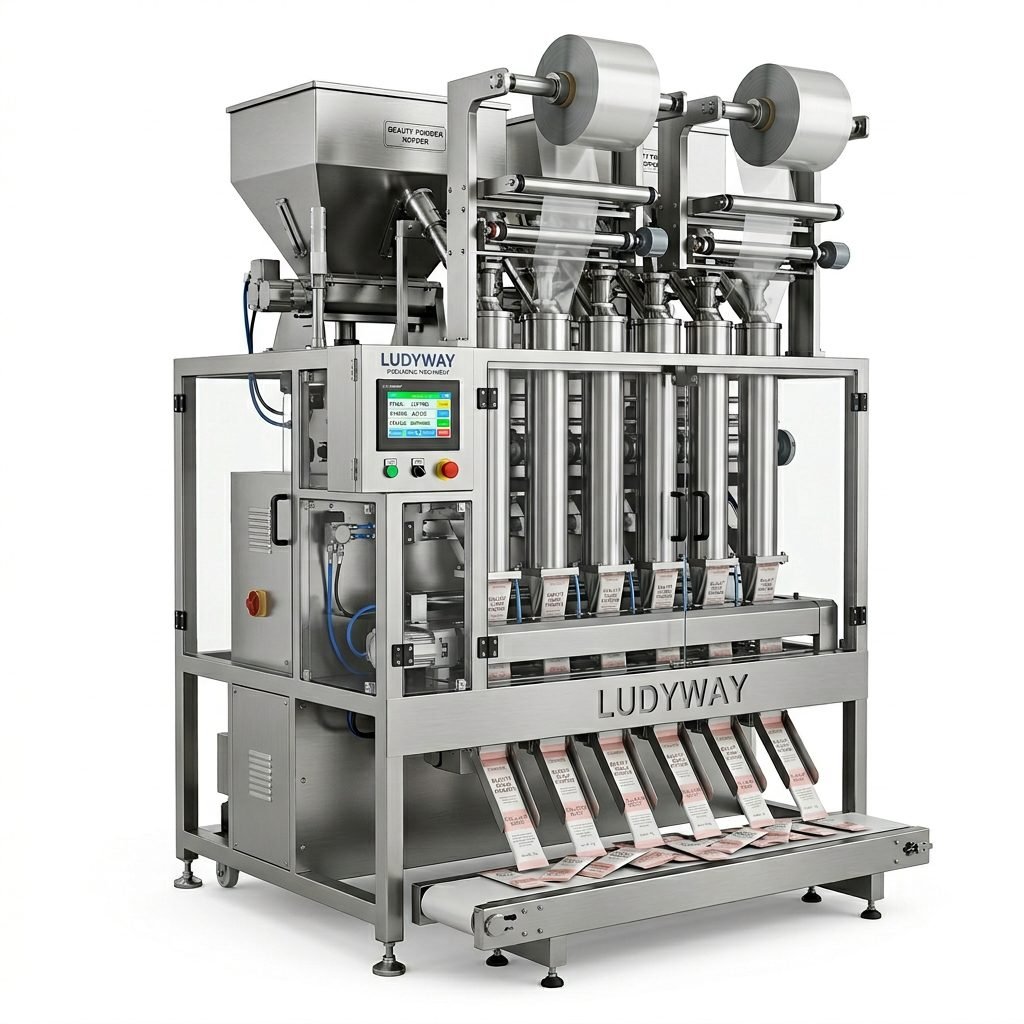
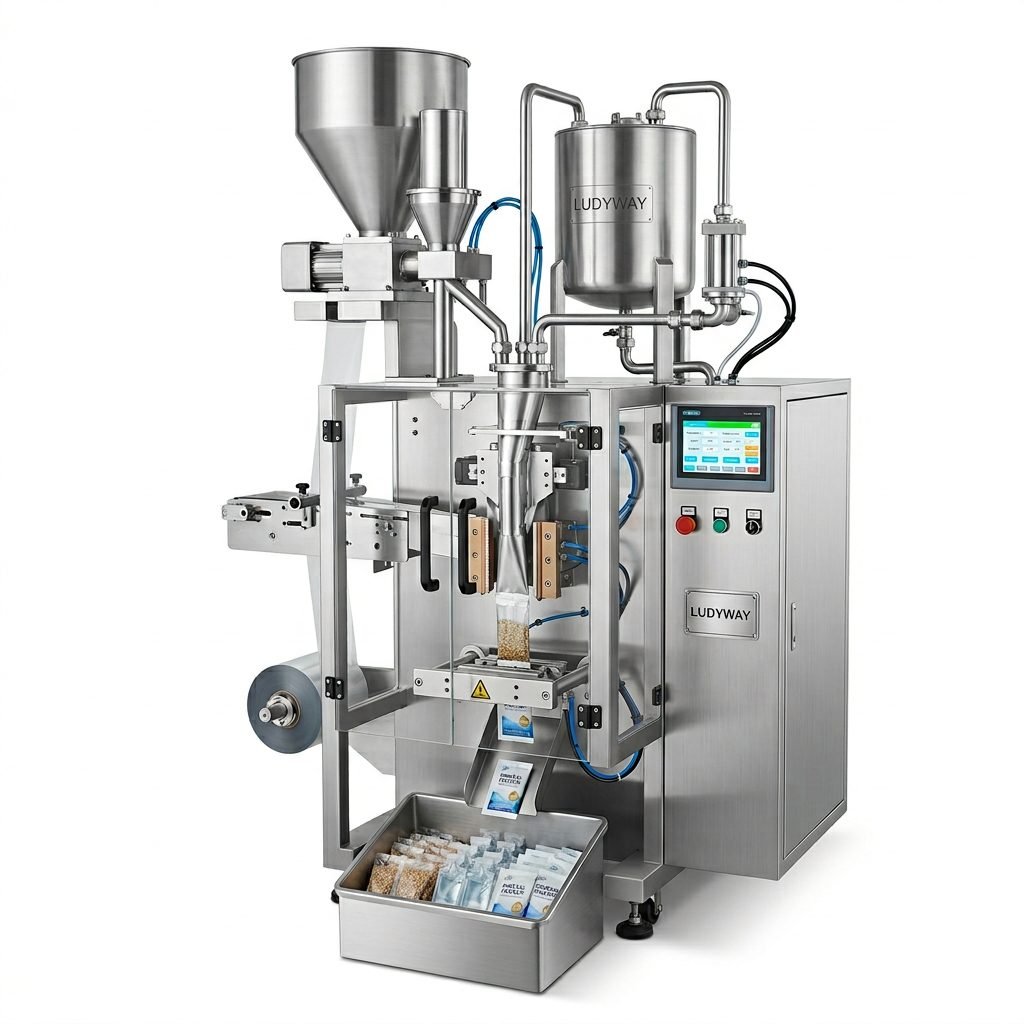
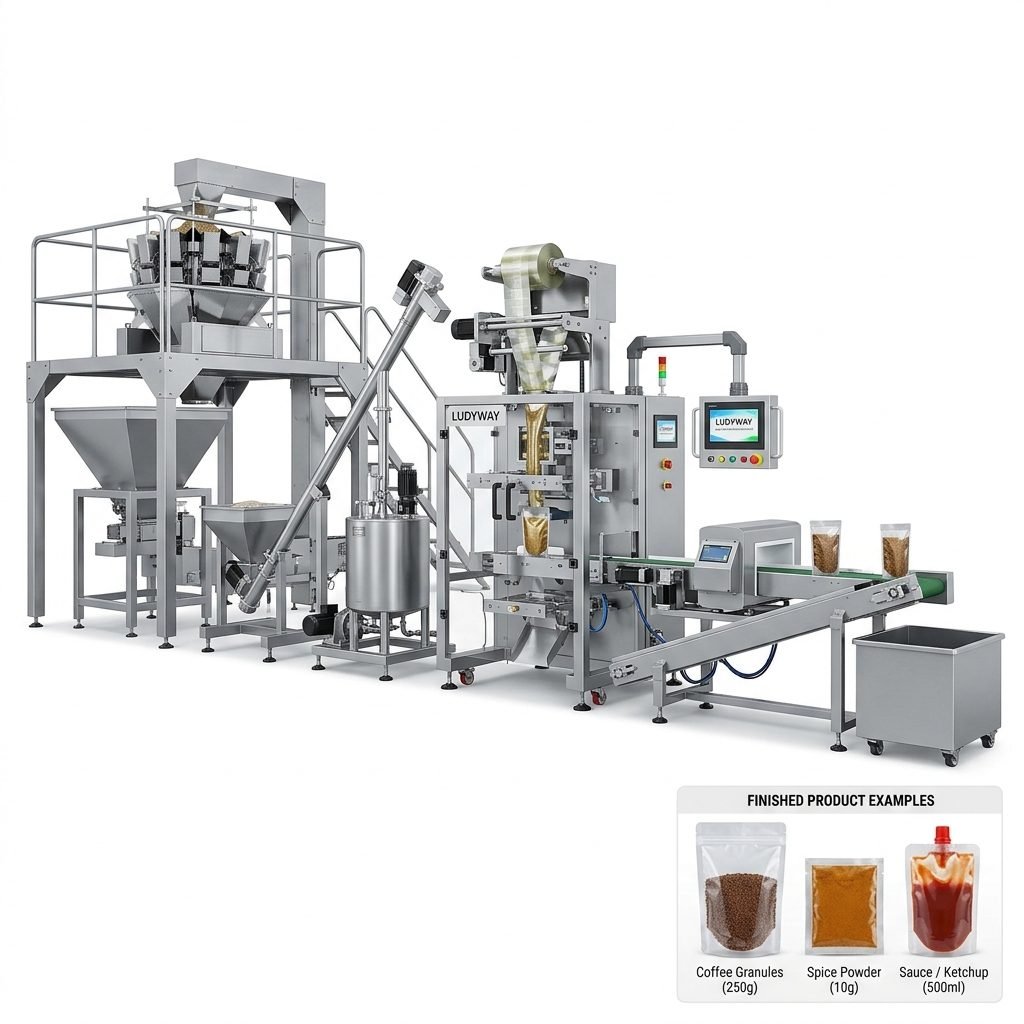
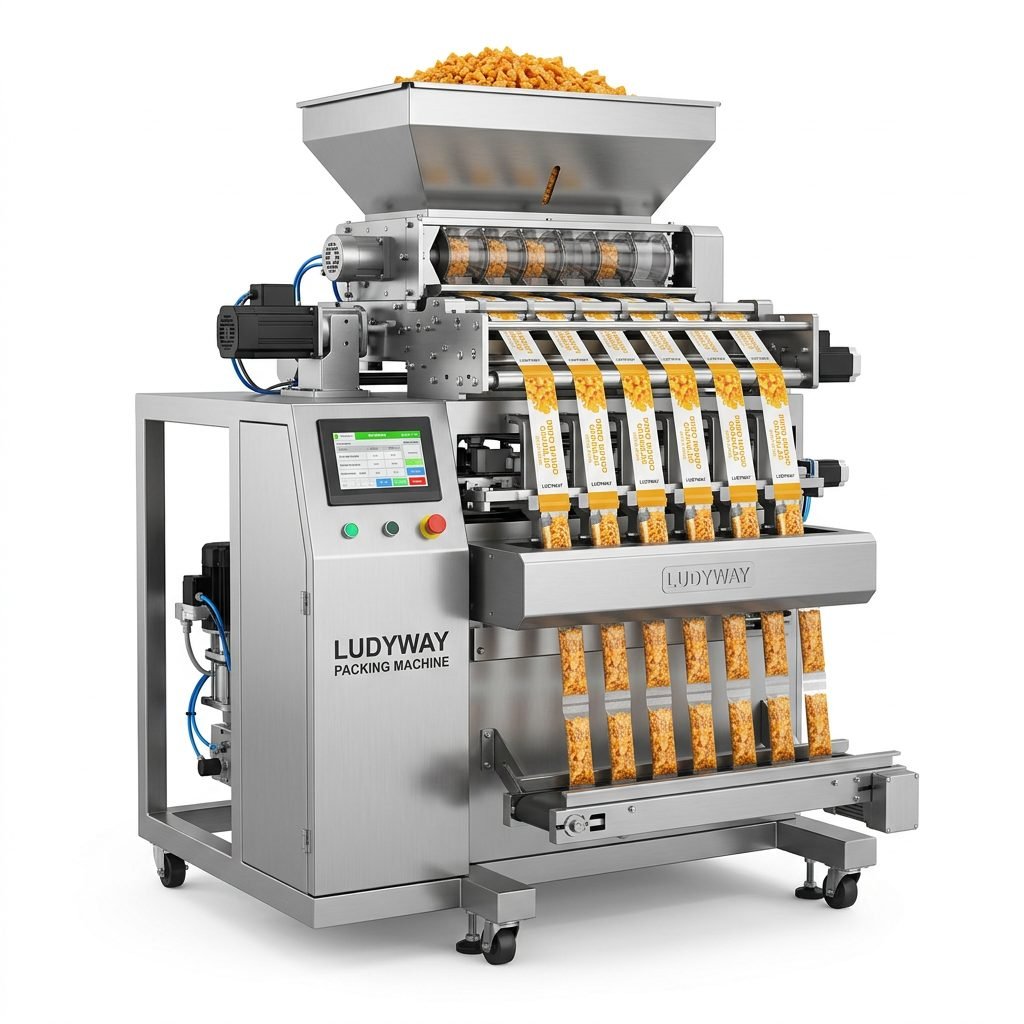
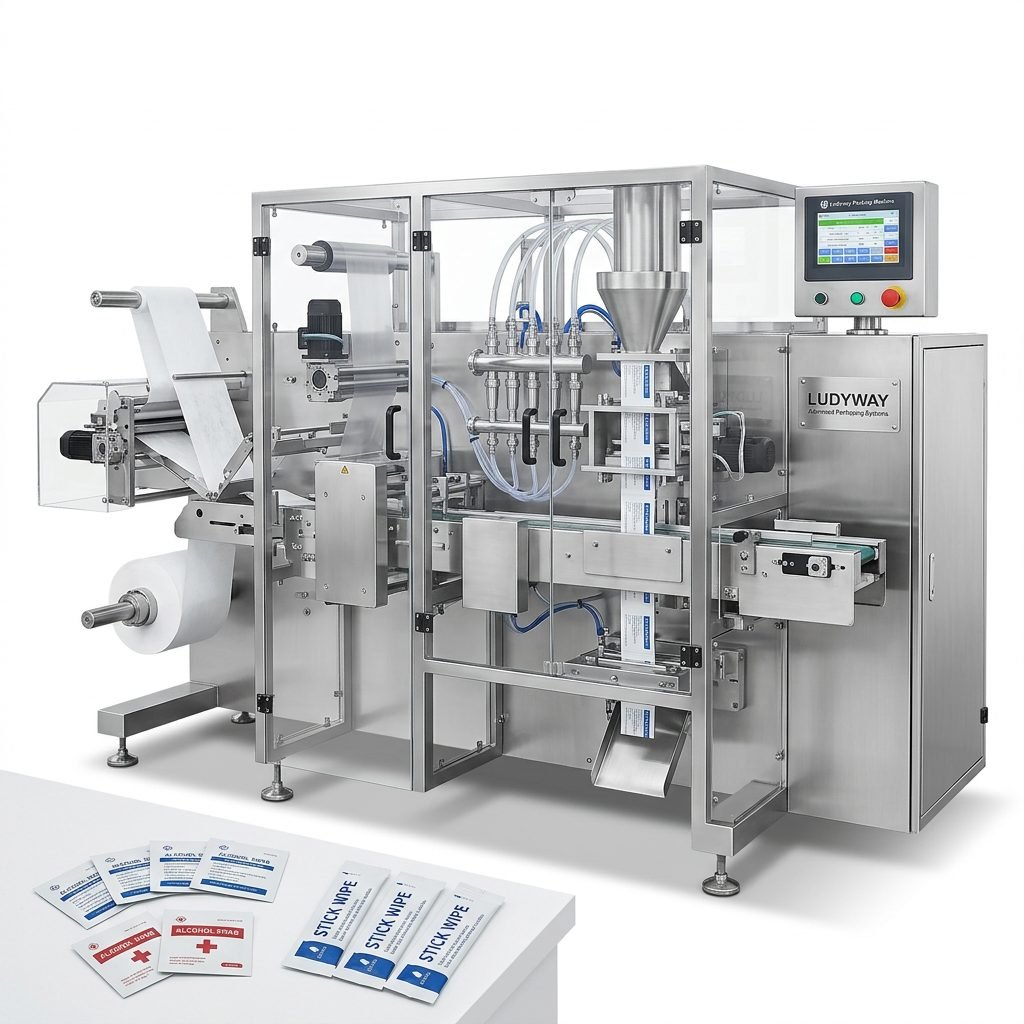
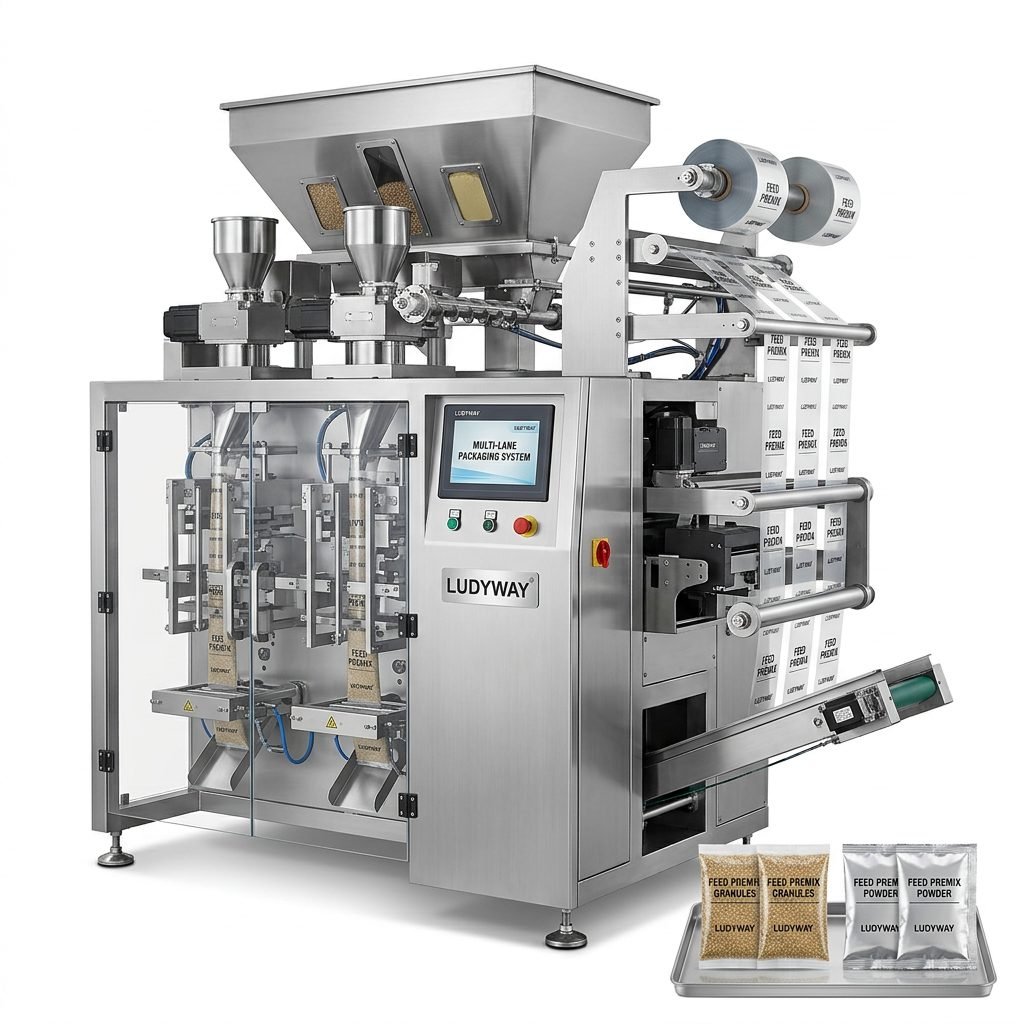
Proper maintenance is the cornerstone of maximizing the lifespan and performance of your powder spiral packaging machine. A well-structured routine not only prevents costly downtime but also ensures consistent fill accuracy and seal integrity. Whether you are handling fine pharmaceutical powders or dense food-grade ingredients like protein mixes, understanding the core wear points is crucial. For businesses relying on high-speed packaging machinery, integrating these essential maintenance tips will directly impact your operational efficiency.
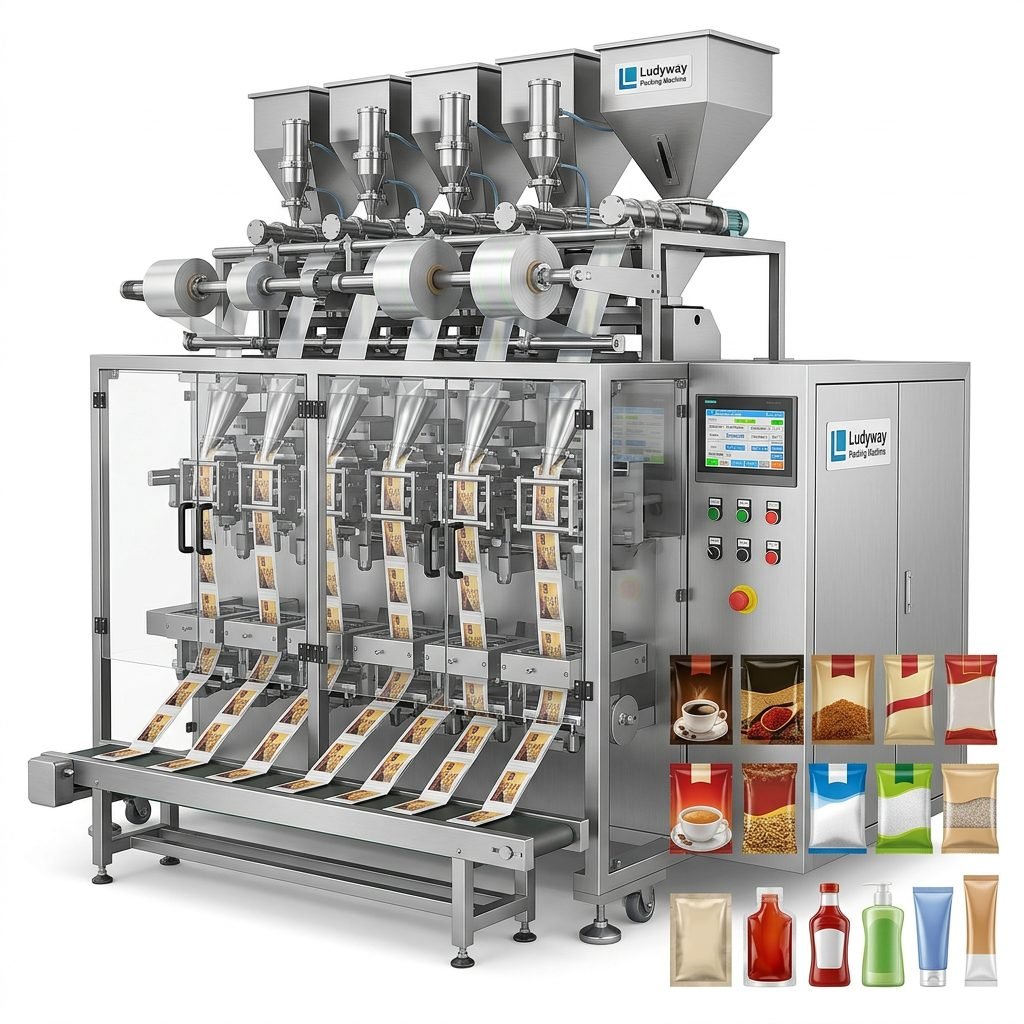
Why Routine Maintenance for Powder Fillers is Critical
Unlike liquid fillers, powder spiral packaging machines face unique challenges due to the abrasive nature of particulates. Dust ingress is the number one enemy. When fine powder migrates into bearings, drive systems, or control panels, it can lead to erratic spiraling, inaccurate weight deviations, and ultimately, motor failure. Adopting a proactive approach minimizes the risk of product waste and protects your capital investment.
Daily Cleaning Protocols: The First Layer of Defense
End-of-shift cleaning is non-negotiable. Operators should strictly follow a dry-cleaning protocol unless the machine is rated for washdown. Start by powering down and locking out the equipment. Use a vacuum system with HEPA filtration to remove loose powder from the hopper, spiral auger, and tooling area. Never use compressed air on a standard machine, as this forces particles deeper into sensitive seals and circuit boards.
Focus Areas for Daily Cleaning
- Hopper and Agitator: Remove residual powder to prevent bridging and caking.
- Spiral Auger and Tube: Inspect for static build-up and wipe down with approved anti-static cleaners.
- Sealing Jaws: Clean residue from Teflon coatings to prevent sticking and misalignment.
- Dust Extraction Ports: Ensure filters are clear and airflow is unobstructed.
Weekly and Monthly Mechanical Inspections
Beyond surface cleaning, mechanical calibration weekly ensures long-term precision. Check the torque on critical fasteners, as vibration from the spiral drive can loosen bolts over time. Lubricate guide rods and linear bearings with food-grade grease, but avoid over-greasing as this attracts dust. For monthly checks, inspect the timing belts for cracks and verify the alignment of the vertical seal bars.
Key Lubrication Points
| Component | Frequency | Lubricant Type |
|---|---|---|
| Tooling Slide Shafts | Weekly | Food-Grade Grease |
| Chain Drives | Monthly | Synthetic Chain Oil |
| Auger Bearings | Monthly | High-Temp Grease |
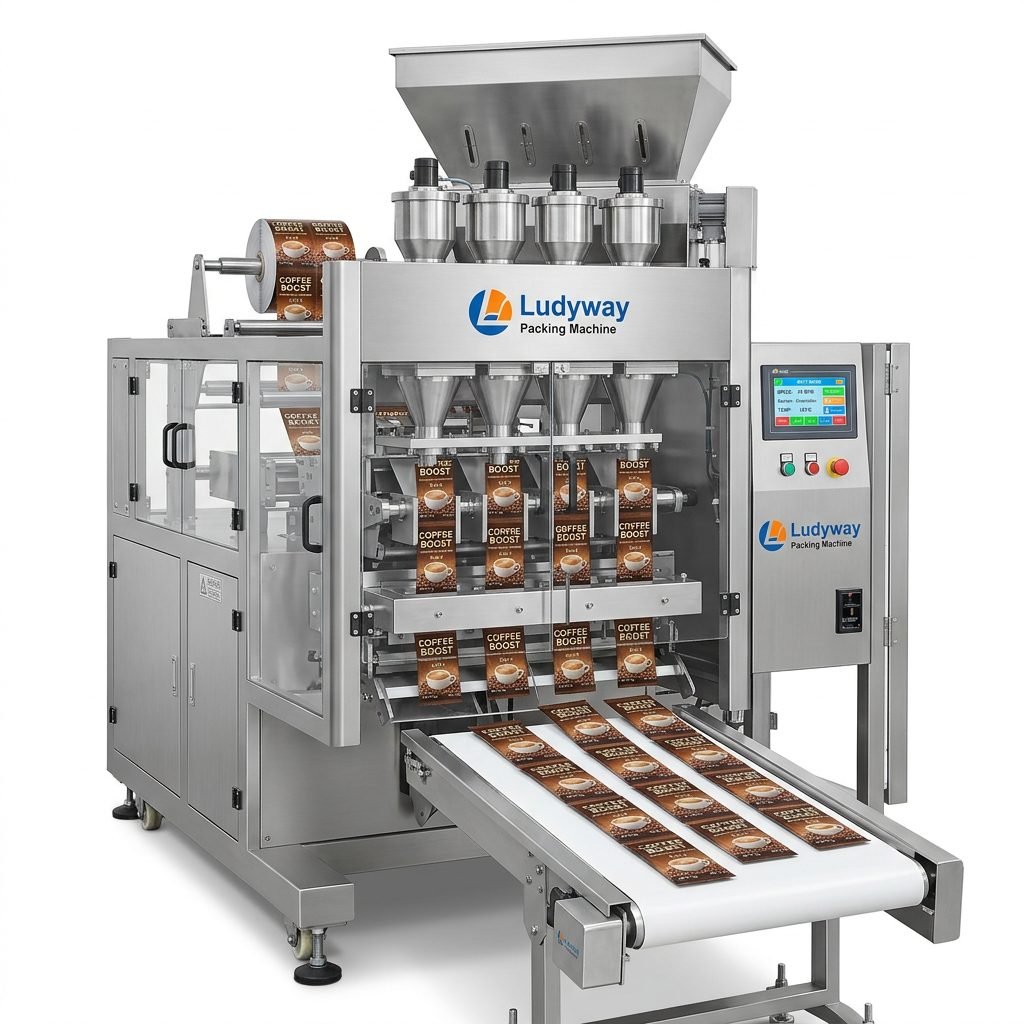
Mastering Spiral Auger Calibration
Inaccurate fills are almost always a sign of auger wear or speed mismatch. A worn spiral auger has a smaller effective diameter, tricking the PLC into dispensing less product. You should perform a catch-weight test every month. Run ten cycles, weigh the output, and calculate the standard deviation. If you see a variation greater than ±1%, your machine requires recalibration or an auger replacement. Additionally, check the ISO packaging standards for weight tolerance guidelines relevant to your region.
Steps for Auger Calibration
- Clean the hopper and auger completely to remove residual drag.
- Enter the PLC calibration mode via the HMI settings.
- Run the automatic “teach” cycle or manually set the motor speed and dwell time.
- Validate with a scale before returning to full production mode.
Addressing Film Tracking and Sealing Issues
Powder machines often suffer from “leakers” if the vertical seals are contaminated. If you notice wrinkles in the package or weak seals, inspect the forming tube for build-up. The film tension must be evenly distributed. Check the unwind bearings on the film carriage; sticky bearings cause the web to wander. Maintaining consistent sealing temperature and pressure is essential for package integrity, especially in the packaging and processing industry where contamination must be strictly prevented.
Electrical and Sensor Health Checks
Modern powder spiral packaging machines rely on fiber-optic registration sensors and servo motors. Dust accumulation on a sensor lens will block the registration mark, causing misfeeds. Gently wipe lenses with a microfiber cloth. Also, inspect cable harnesses for “dust wicking”—a phenomenon where powder travels inside wire insulation up to the control board, causing corrosion. Report any CRT or alarm history logs showing motor overload or encoder faults immediately.
Troubleshooting Quick Reference
| Problem | Likely Cause | Solution |
|---|---|---|
| Inconsistent Fill Weight | Worn Auger or Bridging | Replace auger / Increase agitation |
| Bag Drifting Off Center | Tracking Roller Misalignment | Adjust forming tube/rollers |
| Motor Stalling | Dust in Drive Coupling | Clean & lubricate drive train |
Spare Parts Management for Continuous Operation
Nothing halts a line faster than a missing high-wear part. A responsible maintenance plan requires an inventory of critical spares. The spiral auger is often custom to your product density, but standard components like Teflon sealing bands, cartridge heaters, thermocouples, and registration sensors should be on your shelf. Ludyway, a trusted expert in the field, provides comprehensive spare parts kits for their equipment, ensuring you minimize the lead time for replacements.
Essential Spare Parts Checklist
- Spiral Auger Set (specific to product granularity)
- Sealing Belts & Teflon Tape (replace based on wear, not just failure)
- Thermal Cutouts & Heaters (critical for consistent jaw temp)
- Motor Drive Belts (main and take-up belts)
- Sensor Array Kit (registration and proximity sensors)
By following these essential maintenance tips, you not only extend the life of your powder spiral packaging machine but also guarantee the quality safety of every single packet. Always refer to your specific OEM manual and consider linking your maintenance log to business intelligence data to predict wear patterns based on cycle counts.