Selecting the right seed filling machine is one of the most critical decisions for agricultural businesses, seed processors, and contract packaging companies. The wrong choice can lead to inaccurate weighing, seed damage, production bottlenecks, and costly downtime. Whether you are packaging small garden seeds or large agricultural crop seeds, understanding the core selection criteria ensures you invest in equipment that matches your production goals.
Understanding Seed Characteristics and Flow Properties
Before evaluating any seed filling machine, you must analyze the physical properties of the seeds you handle. Different seed types — from tiny lettuce and carrot seeds to larger corn, bean, and sunflower seeds — behave differently during the filling process.
- Seed size and shape: Round seeds flow differently than flat or irregular seeds. This affects the choice between volumetric and gravimetric weighing systems.
- Bulk density: Light, fluffy seeds require different handling than dense, heavy seeds.
- Fragility: Seeds prone to cracking or damage need gentle handling mechanisms to maintain packaging quality standards and germination rates.
- Moisture content: High-moisture seeds may bridge or clog in certain feeding systems.
- Surface texture: Smooth versus textured seed coatings influence how seeds move through conveying systems.
Conducting a thorough product analysis early in the selection process helps you avoid costly retooling and ensures consistent fill accuracy across production runs. For specialized applications, working with an experienced packaging machinery manufacturer that offers application testing can validate machine performance with your actual seed products.
Types of Seed Filling Machines: Matching Technology to Your Operation
The seed filling machine market offers several distinct technologies, each suited to different production scales and packaging formats. Understanding these categories helps narrow your options quickly.
| Machine Type | Best For | Filling Principle | Typical Speed |
|---|---|---|---|
| Volumetric Cup Filler | Uniform, free-flowing seeds | Fixed-volume cups | 30-80 packs/min |
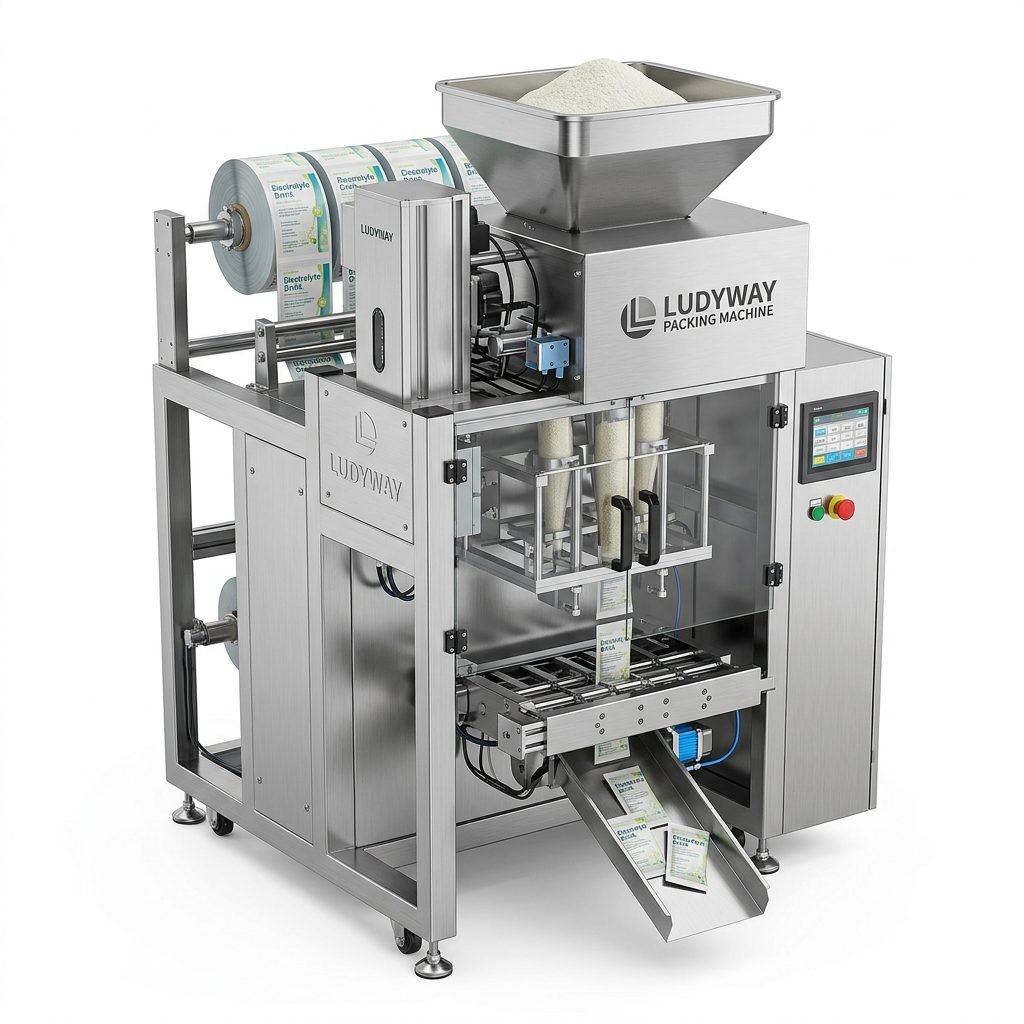
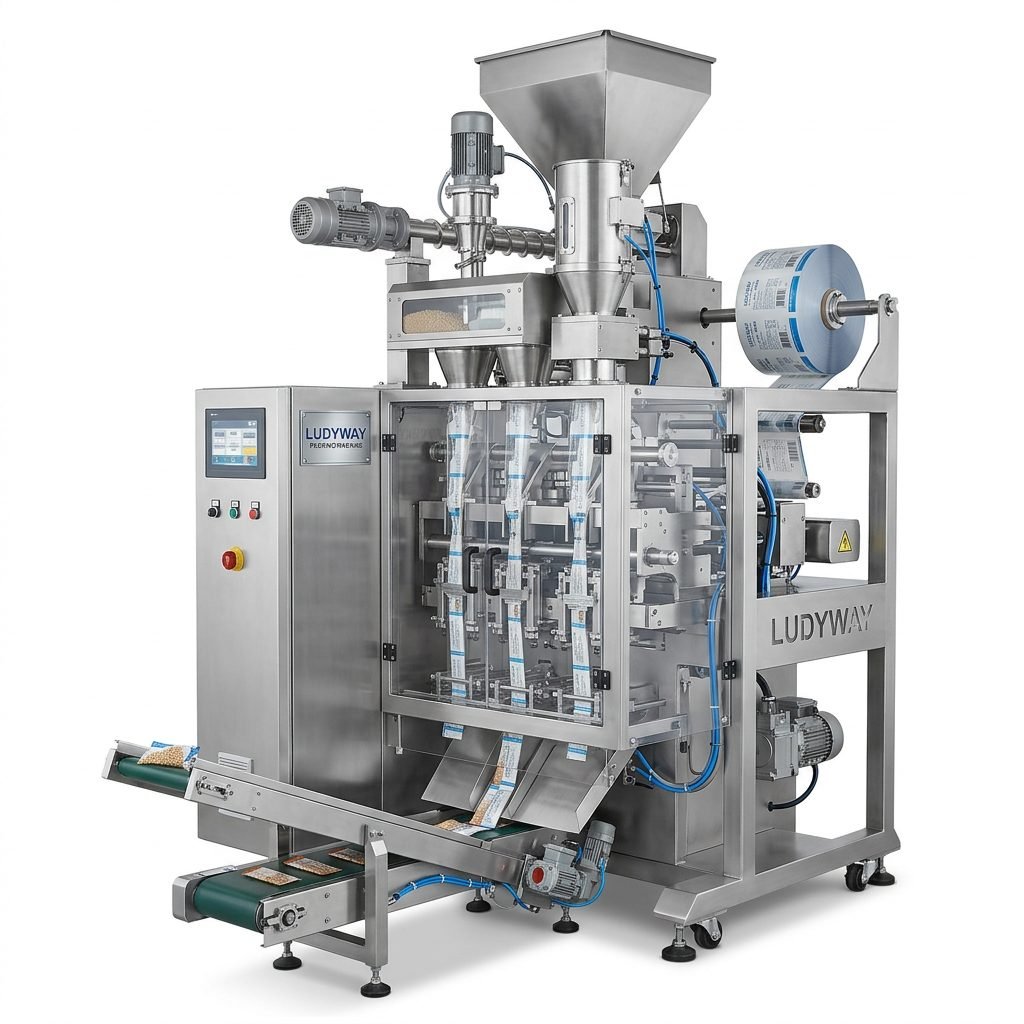
| Auger Filler | Fine seeds, powders, coated seeds | Rotating screw metering | 20-60 packs/min |
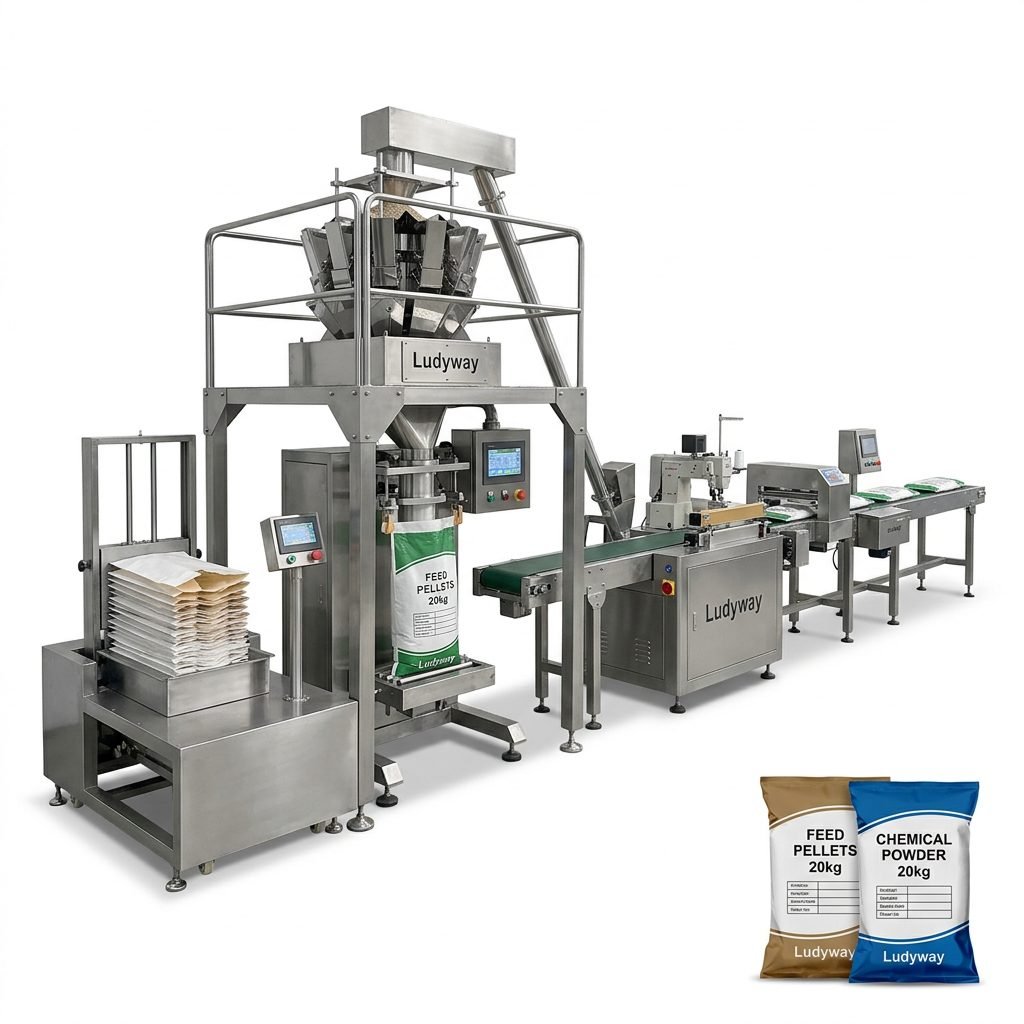
| Multi-Head Weigher | High-speed, precision weighing | Combination weighing | 60-150 packs/min |
| Net Weigh Filler | Large seeds, bulk packaging | Direct weight measurement | 10-30 packs/min |
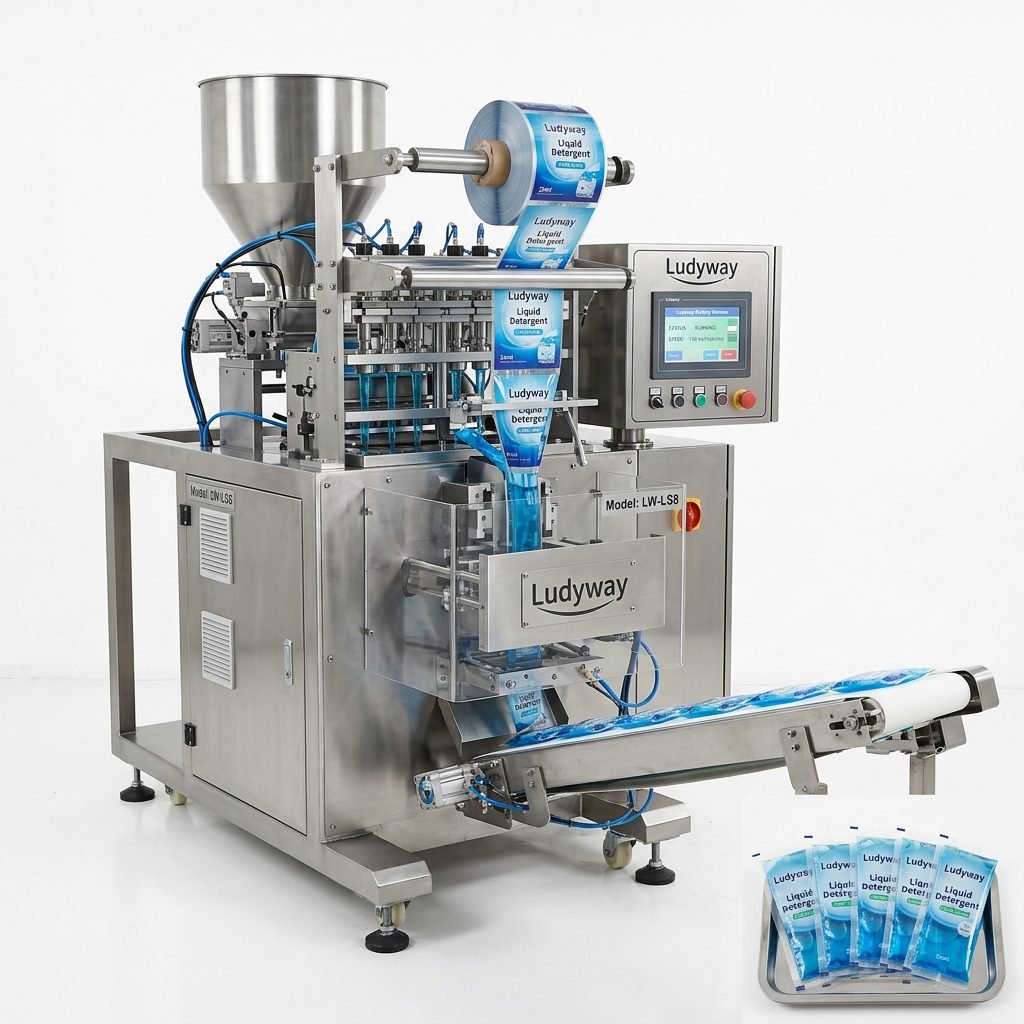
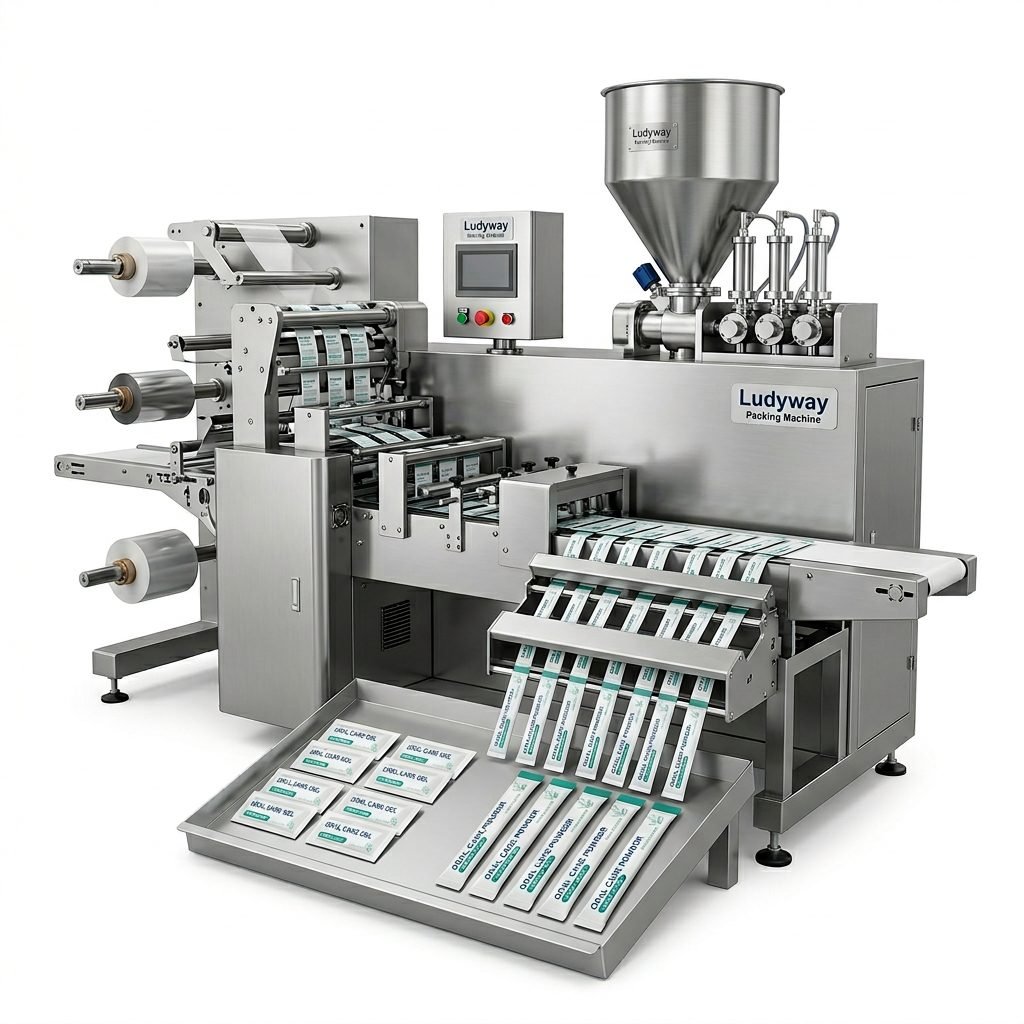
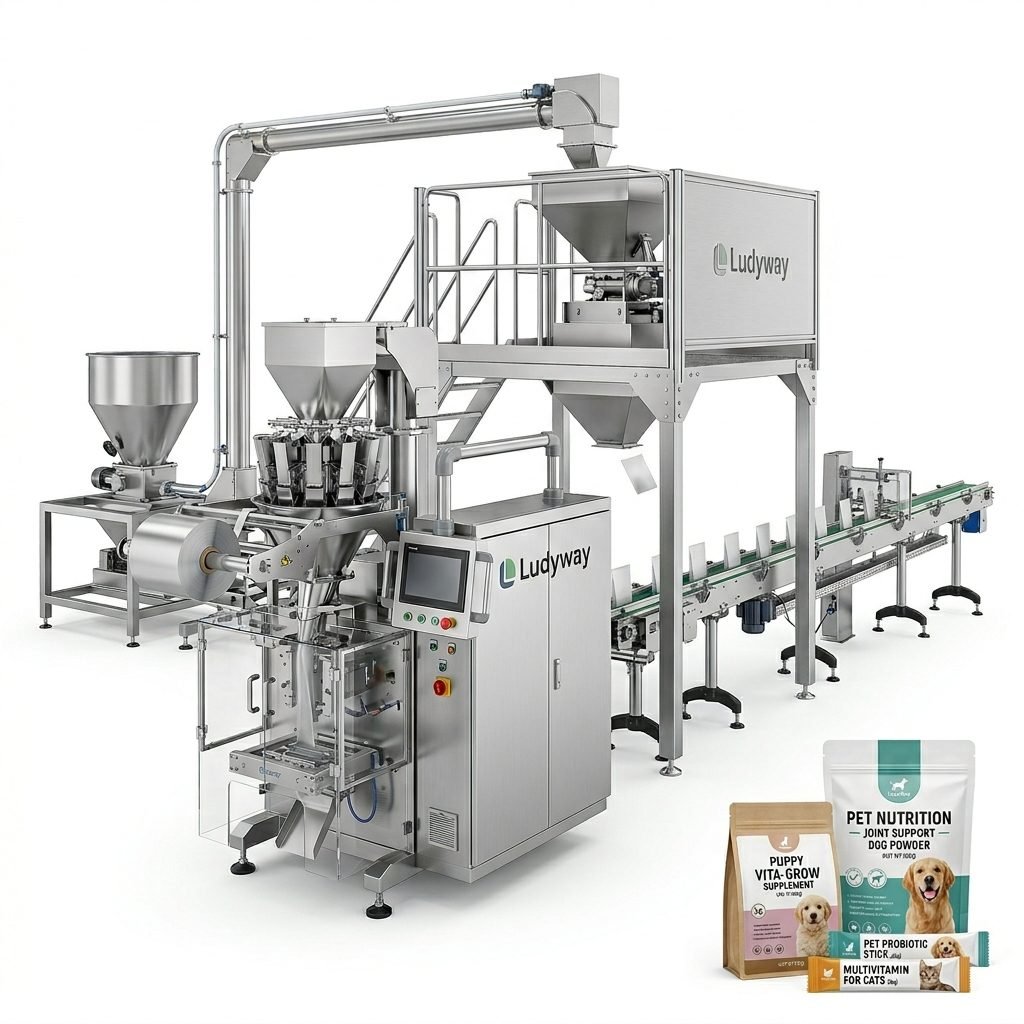
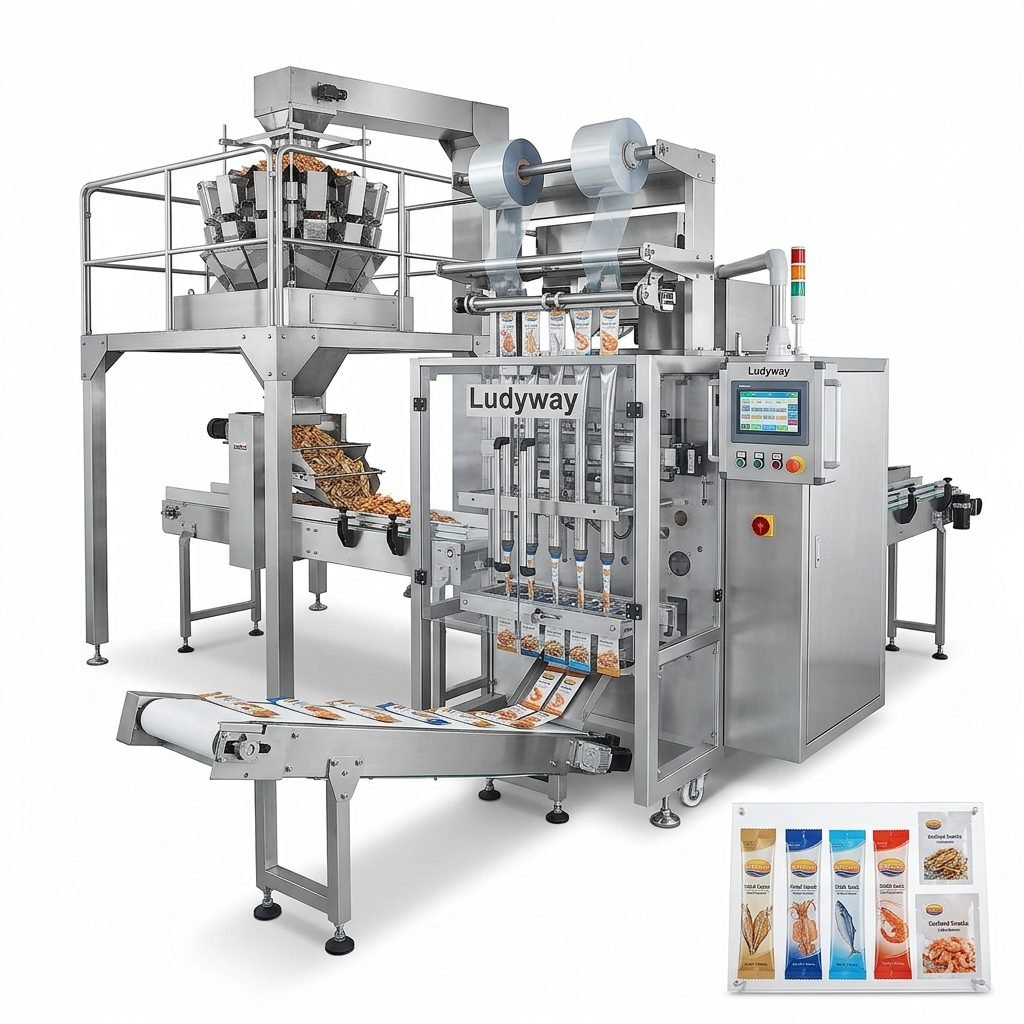
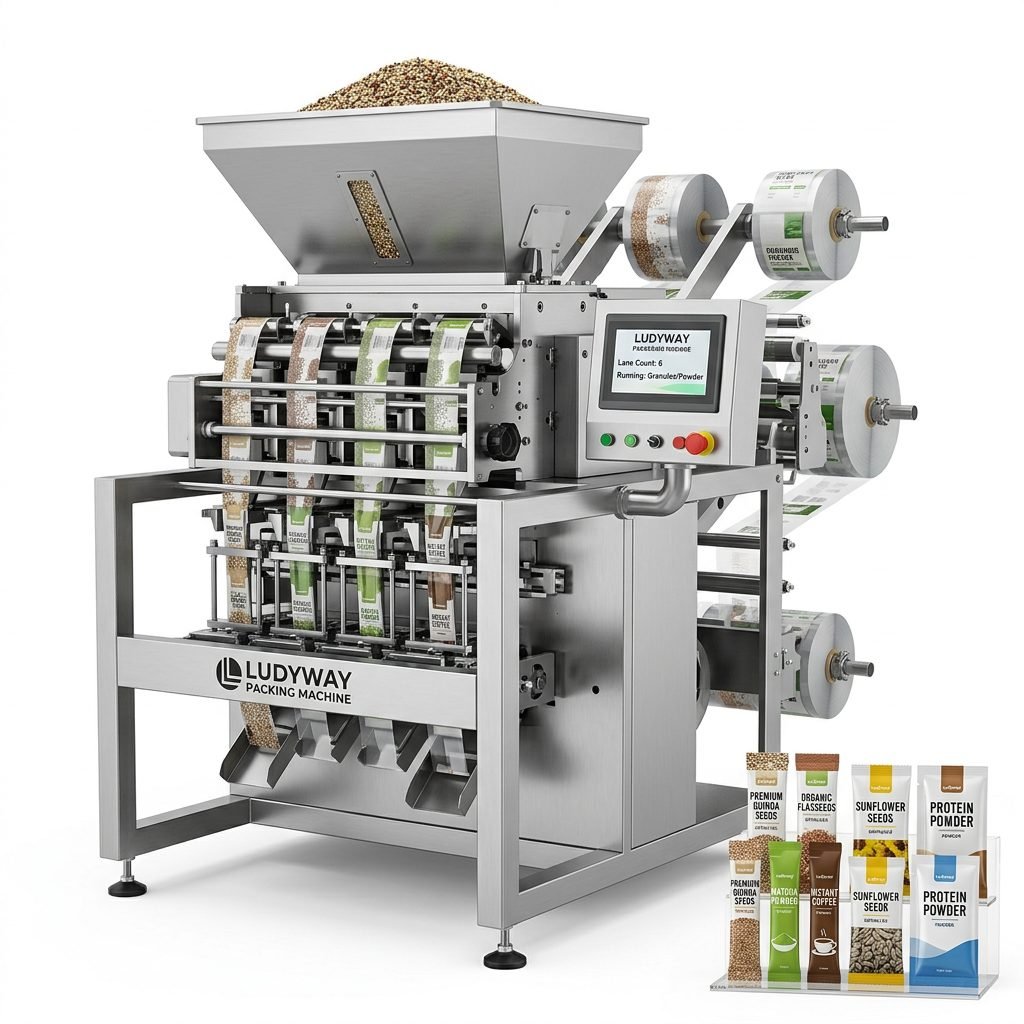
For high-volume seed companies packaging sachets or stick packs, multi-head weighers paired with vertical form fill seal machines deliver the speed and accuracy required. Smaller operations or those packaging larger bags may find volumetric or net weigh fillers more cost-effective.
Packaging Formats: Bags, Sachets, Stick Packs, and Pouches
Your choice of seed filling machine must align with your packaging format. The industry serves diverse markets, each with specific packaging requirements:
- Retail seed packets: Small paper or foil sachets requiring precise filling of often very tiny seeds.
- Bulk agricultural bags: Larger 5kg, 10kg, or 25kg bags for commercial growers.
- Stick packs: Narrow, single-use formats popular for precision planting quantities.
- Stand-up pouches: Resealable formats with zipper closures for premium seed brands.
- Pre-made pouches: For operations using rotary or inline pouch filling systems.
According to industry data from PMMI business intelligence, flexible packaging formats continue gaining market share in the seed sector due to their lightweight nature and shelf appeal. Ensure your filling machine can handle the film specifications, seal requirements, and bag dimensions you need.
Speed, Accuracy, and Production Capacity Considerations
When evaluating a seed filling machine, speed and accuracy are often trade-offs. High-speed operations must maintain acceptable weight variation tolerances to comply with regulatory requirements and avoid product giveaway.
Key capacity questions to address:
- What is your current daily or shift production output?
- What growth projections exist for the next 3-5 years?
- How many product changeovers do you perform weekly?
- What is the acceptable weight variation for your seed products?
- Do you need to integrate with upstream and downstream equipment?
For companies expecting export revenue growth or expanding into new markets, investing in higher-capacity equipment upfront can prevent the need for premature replacement. Packaging machinery that can be configured for different production speeds provides flexibility as demand fluctuates.
Automation Level and Integration with Existing Packaging Lines
Modern seed filling machines range from semi-automatic standalone units to fully automated packaging lines. The level of automation you choose impacts labor requirements, production consistency, and overall line efficiency.
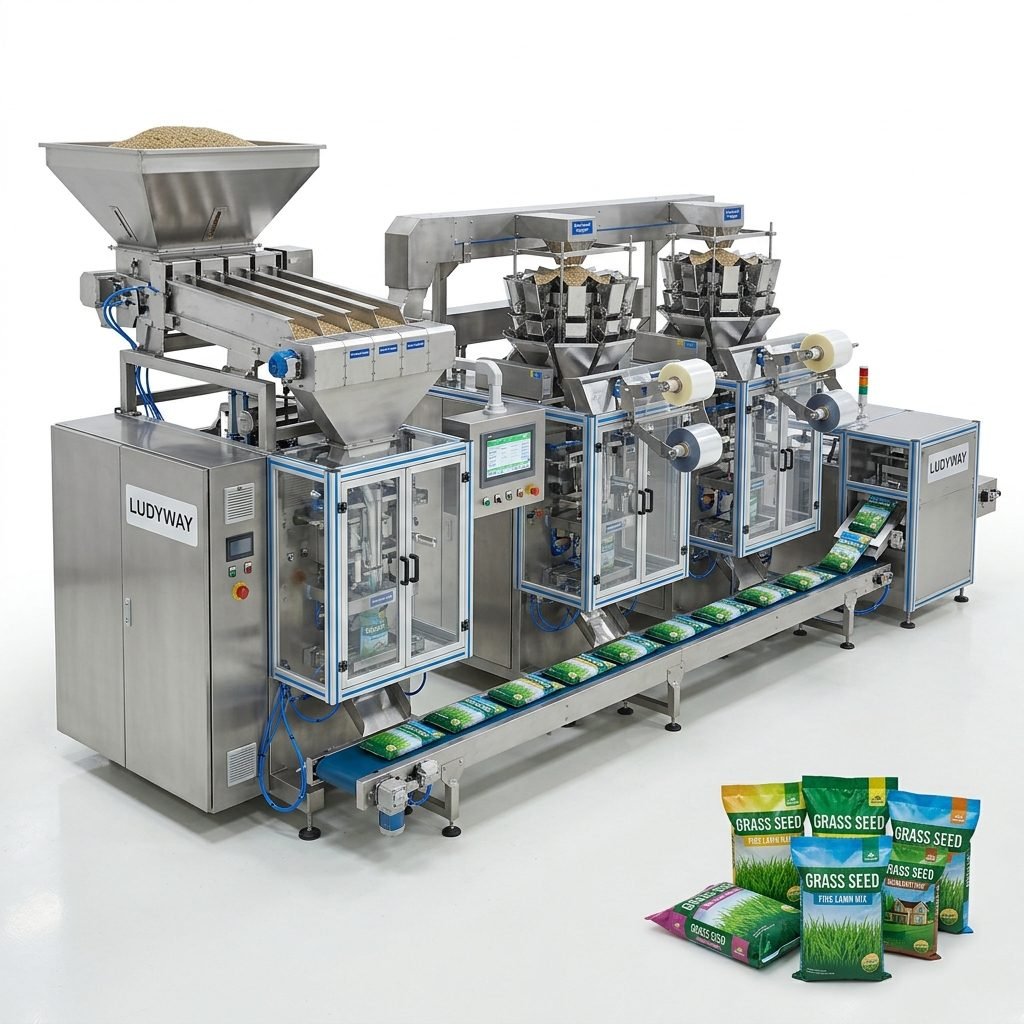
A fully integrated seed packaging line typically includes:
- Automatic feeding and conveying systems
- The core filling and weighing module
- Bag forming, filling, and sealing station
- Coding, printing, and labeling modules
- Inspection systems such as checkweighers and metal detectors
- Cartoning, case packing, and palletizing solutions
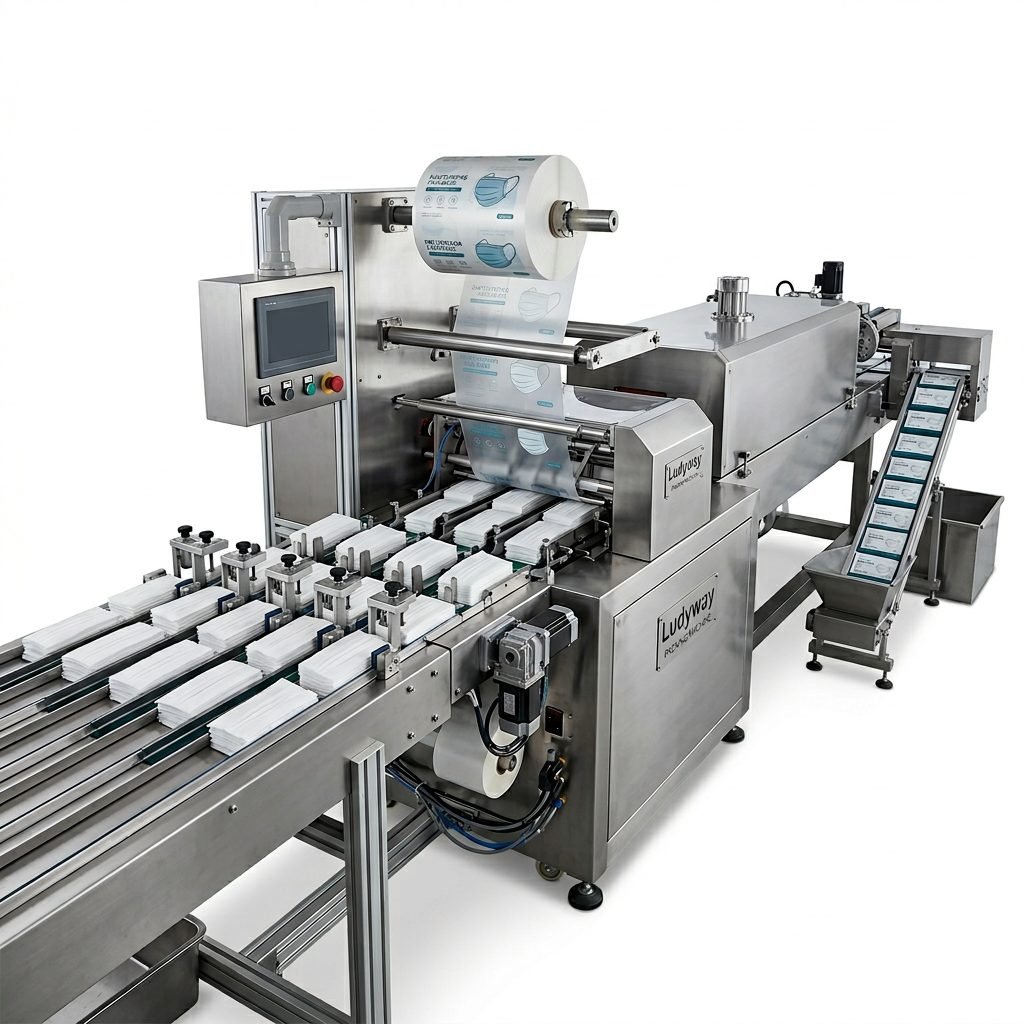
Integration capability is especially important for manufacturers seeking turnkey packaging solutions. Working with a single packaging machinery partner for equipment selection, system integration, and technical support simplifies project management and ensures compatibility across the entire line.
Material Compatibility, Hygiene, and Regulatory Compliance
Seed filling machines must be constructed from materials that protect seed quality and meet applicable food safety and agricultural standards. Key considerations include:
- Stainless steel construction: For product contact parts to prevent contamination and facilitate cleaning.
- Dust management: Seed dust can be explosive in certain concentrations; proper ventilation and dust collection are essential.
- Cleaning access: Quick-change designs and tool-free disassembly reduce downtime during product changeovers.
- Regulatory requirements: Depending on your market, compliance with ISO packaging standards and local regulations may be mandatory.
For seeds treated with chemical coatings or pesticides, additional material compatibility and operator safety features become critical. Equipment should be designed to handle these products without corrosion risks or cross-contamination issues.
Machine Durability, Maintenance, and After-Sales Support
A seed filling machine represents a significant capital investment. Evaluating the manufacturer’s engineering capabilities, component sourcing, and after-sales support structure is essential for long-term operational success.
What to look for in a packaging machinery partner:
- Proven manufacturing expertise with in-house engineering and automation capabilities
- Use of established industrial automation components for reliable control systems
- Availability of spare parts and technical support in your region
- Installation, commissioning, and operator training services
- Remote technical assistance capabilities for troubleshooting
- Experience serving customers in multiple countries and diverse industries
Companies like Ludyway Machinery, a China-based packaging machinery manufacturer with more than 30 years of experience and a 20,000-square-meter facility, provide more than 50 packaging machine models and serve customers in over 100 countries. Their approach includes machine selection, packaging solution design, and ongoing technical support throughout the project lifecycle.
Cost Considerations and Return on Investment
The purchase price of a seed filling machine is only one component of the total cost of ownership. A comprehensive cost analysis should include:
- Initial equipment cost: Base machine plus any customization or optional modules.
- Installation and commissioning: Site preparation, utilities, and integration costs.
- Operating costs: Labor, energy consumption, and consumables like packaging film.
- Maintenance costs: Preventive maintenance, spare parts, and potential downtime.
- Product giveaway: Overfilling due to inaccurate weighing reduces profit margins.
- Scalability: Can the machine accommodate future growth without replacement?
Investing in higher-quality equipment with better accuracy and reliability often delivers a faster return on investment through reduced product waste, higher throughput, and lower maintenance costs.
Making Your Final Decision: A Selection Checklist
Use this checklist to evaluate and compare different seed filling machine options:
| Criteria | Key Questions |
|---|---|
| Product compatibility | Has the machine been tested with your seed types? |
| Filling accuracy | What is the guaranteed weight variation? |
| Speed rating | Does the rated speed match your production needs? |
| Format flexibility | Can it handle multiple bag sizes and materials? |
| Automation level | Is the level of integration appropriate for your operation? |
| Manufacturer support | What warranty, training, and after-sales service is included? |
| Regulatory compliance | Does the equipment meet relevant standards for your markets? |
Selecting the right seed filling machine requires balancing technical requirements, production goals, and budget constraints. By systematically evaluating your needs against available technologies and partnering with experienced packaging machinery suppliers, you can invest in equipment that supports efficient, accurate, and scalable seed packaging for years to come.
For more information on packaging machinery standards and industry trends, explore resources from the Association for Packaging and Processing Technologies (PMMI) and the Flexible Packaging Association.