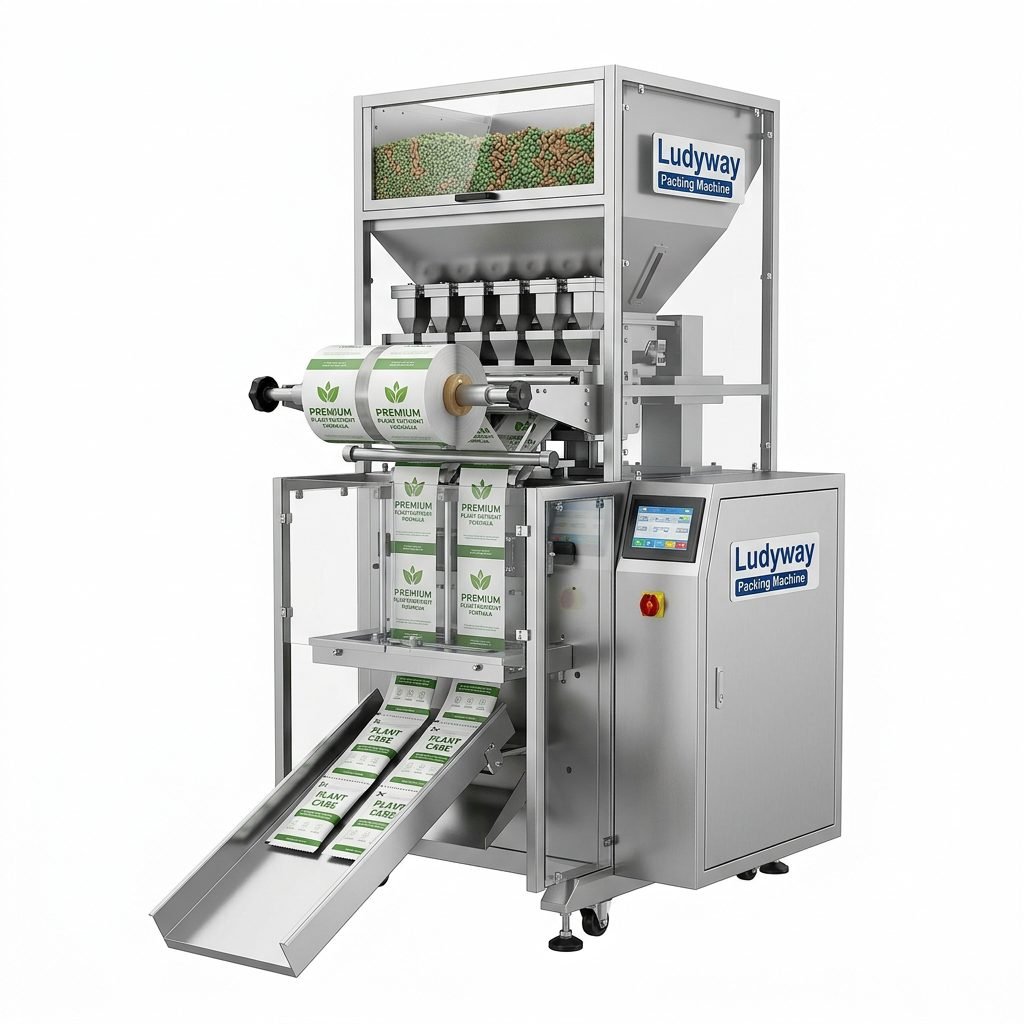
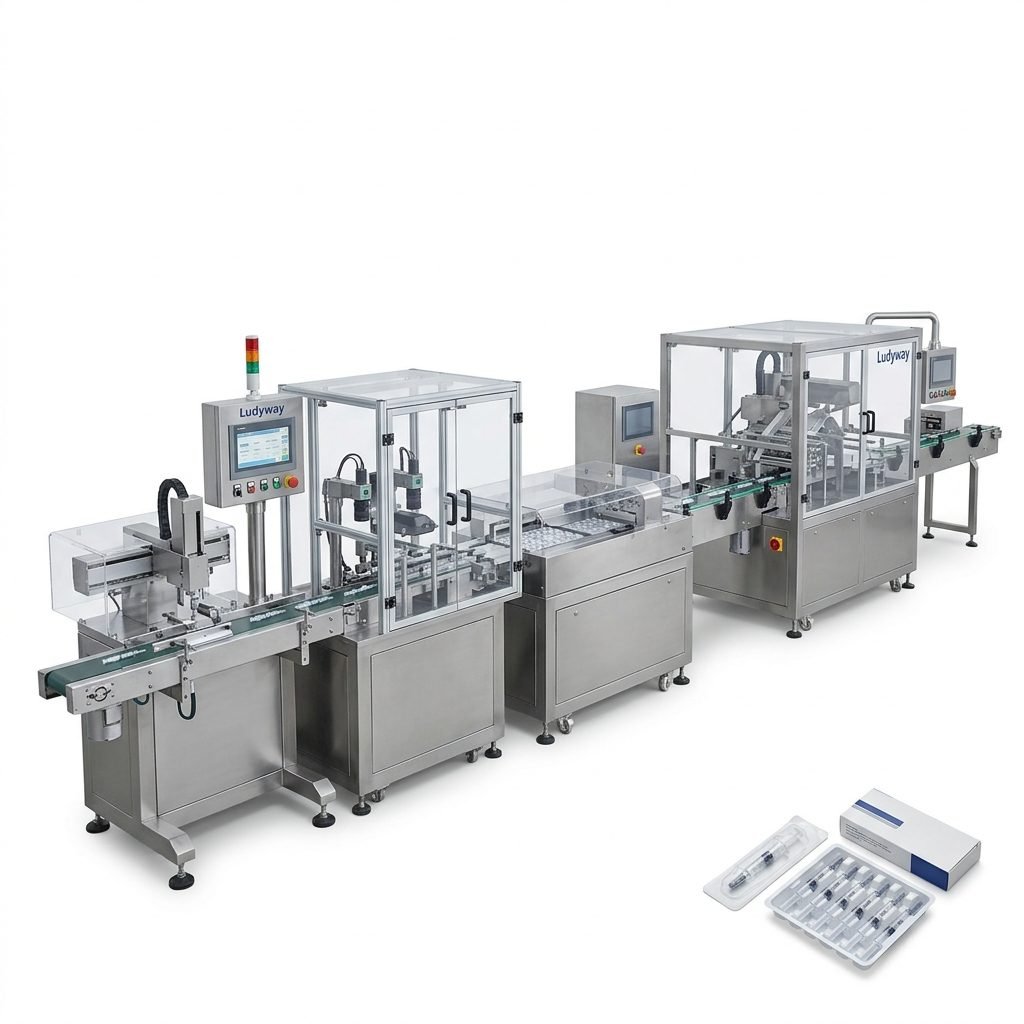
Proper maintenance of a cigarette box packaging machine is the foundation of consistent production output and extended equipment life. Without a structured upkeep routine, even the most robust machinery can suffer from unplanned downtime, inaccurate carton forming, or sealing failures that impact product quality and operational costs. This guide covers practical, actionable steps to keep your packaging line running at peak efficiency.
Daily Inspection Checklist
A disciplined daily inspection routine helps identify minor issues before they escalate into costly repairs. Operators should follow a consistent sequence each shift, documenting findings for trend analysis.
- Visual inspection of all guards, panels, and safety interlocks for damage or misalignment
- Check the condition of forming belts and chains for wear, fraying, or stretching
- Verify that the carton feeding mechanism operates smoothly without jamming or misfeeds
- Inspect glue application nozzles for clogs or uneven adhesive patterns
- Monitor pneumatic system pressure and check for air leaks around fittings and hoses
- Review the HMI display for any error codes or warning messages from the previous run
- Confirm that all sensors and photocells are clean and properly aligned
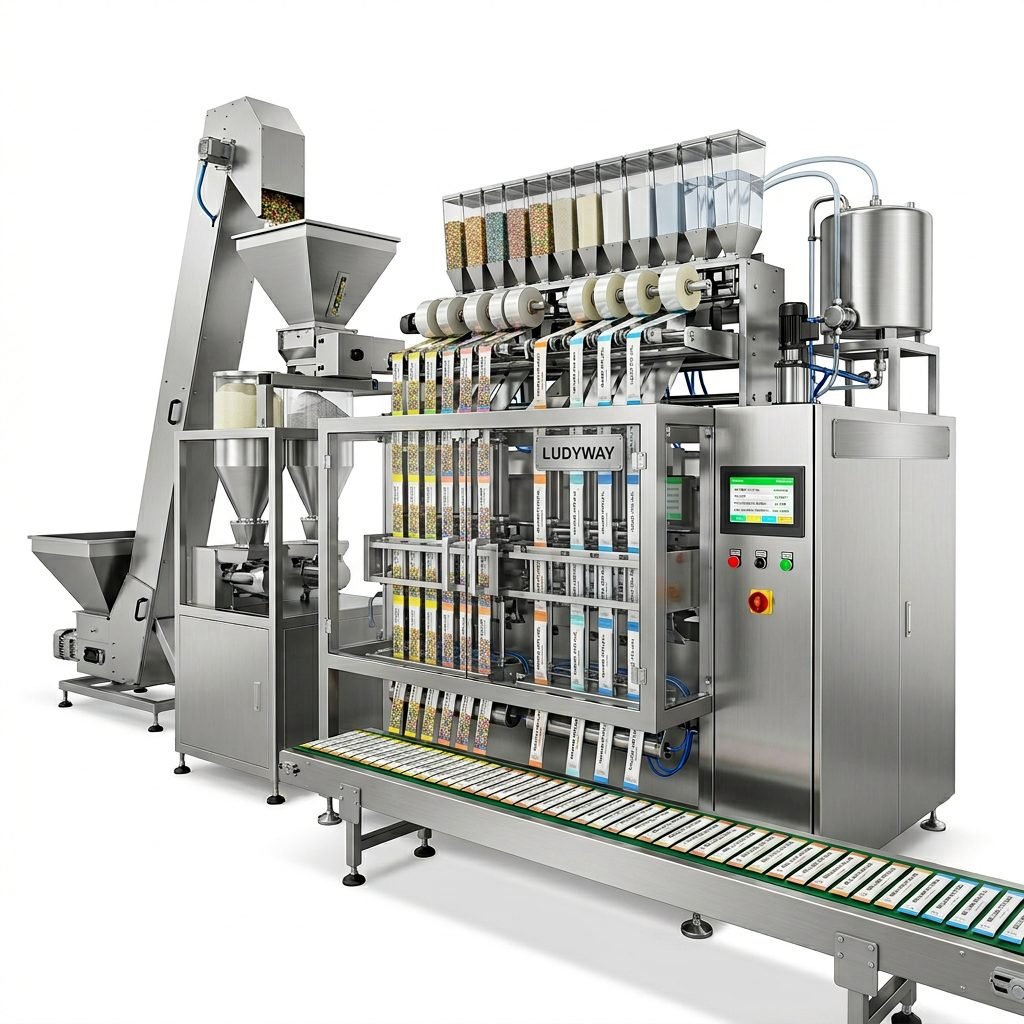
Essential Cleaning Procedures
Dust, adhesive residue, and tobacco particles accumulate rapidly inside a cigarette box packaging machine. Regular cleaning is not optional — it directly affects machine repeatability and seal integrity. Neglected buildup can interfere with sensor readings, cause mechanical binding, and create fire hazards in extreme cases.
Focus cleaning efforts on these critical zones:
- Glue application stations — Remove cured adhesive from nozzles, rollers, and scrapers using manufacturer-recommended solvents
- Carton folding tracks and guides — Wipe down all surfaces that contact paperboard to prevent friction inconsistencies
- Chain drives and sprockets — Clear debris from tooth profiles to maintain precise timing
- Electrical cabinets — Use filtered compressed air to remove dust from cooling fans and circuit boards (with power disconnected)
- Film and foil feed paths — Clean all rollers and tensioning components to prevent material tracking issues
Always follow lockout-tagout procedures before performing any cleaning that requires guard removal. Refer to ISO packaging standards for comprehensive safety guidelines applicable to packaging machinery operations.
Lubrication and Mechanical Care
Consistent lubrication is one of the most cost-effective ways to extend the service life of moving components. Over-lubrication attracts contaminants, while under-lubrication accelerates wear. The key is precision and regularity.
Pay special attention to high-cycle components such as cam followers, linear bearings, and rotary sealing jaws. These parts operate at elevated speeds and temperatures, making them particularly sensitive to lubrication breakdown. Use only food-grade or manufacturer-specified lubricants unless the application explicitly permits alternatives.
Document lubrication intervals in a logbook or digital CMMS platform. This creates an auditable trail and helps maintenance teams spot patterns — for instance, if a particular bearing requires replenishment more frequently than its rated interval, it may indicate an underlying alignment problem.
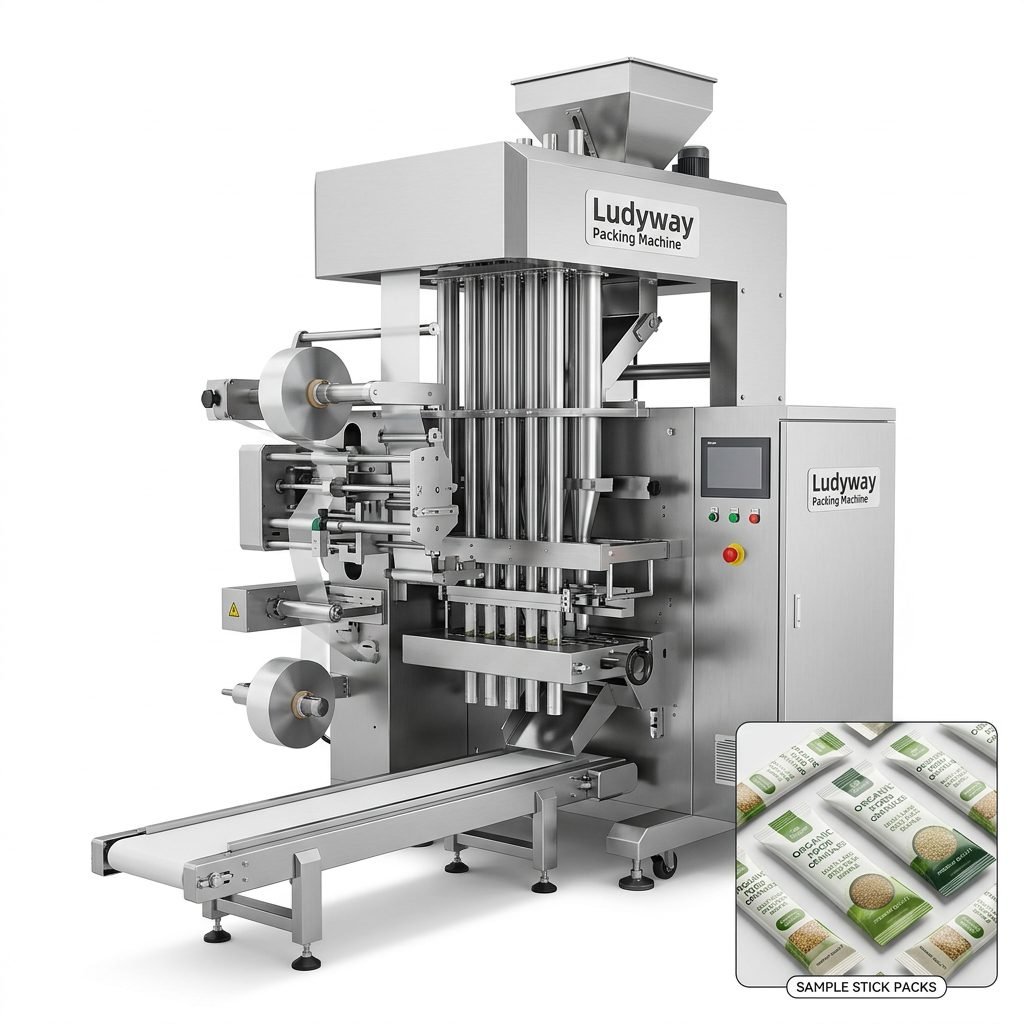
Common Issues and Troubleshooting
Even well-maintained machines encounter operational hiccups. Understanding the root causes of frequent problems helps operators respond quickly and accurately when issues arise.
Sealing and Gluing Problems
Inconsistent sealing is often traced to temperature fluctuation in the hot-melt system, worn sealing bars, or contaminated glue applicators. Verify that thermocouple readings match setpoints and that heating elements draw consistent current. If adhesive patterns appear uneven, check the condition of the glue wheel and the viscosity of the adhesive — ambient temperature changes can thin or thicken glue beyond its optimal range.
Carton Feeding and Forming Irregularities
When cartons fail to erect properly or jam at the infeed, inspect the blank magazine alignment and check for warped or out-of-specification carton stock. Suction cups on the carton pick-and-place system lose grip over time — replace them proactively rather than waiting for visible cracking. Also verify that the carton forming mandrels are dimensionally accurate and free of burrs that could catch on paperboard edges.
Sensor and Detection Failures
Photoelectric sensors and proximity switches are the eyes of the machine. When they misread, the entire sequence can fall out of sync. Regular sensitivity calibration and lens cleaning prevent most false triggers. Check cable connections for tightness, as vibration-induced loosening is a common yet overlooked cause of intermittent faults.

Preventive Maintenance Schedule
A structured preventive maintenance program transforms maintenance from a reactive firefight into a predictable, budgeted activity. The table below outlines recommended intervals for key tasks. Adjust frequencies based on your specific production volume and shift structure.
| Maintenance Task | Frequency | Responsible Role | Key Indicators |
|---|---|---|---|
| Clean glue system and replace filters | Weekly | Operator / Line Technician | Adhesive buildup, uneven patterns |
| Inspect and tension drive belts | Bi-weekly | Maintenance Technician | Slipping, squealing, cracks |
| Lubricate all grease points per manual | Monthly | Maintenance Technician | Discolored grease, dry bearings |
| Check and recalibrate sensors | Monthly | Automation Engineer | False readings, delayed response |
| Replace sealing bar PTFE covers | Quarterly | Maintenance Technician | Scorching, delamination |
| Full gearbox oil change | Annually | Maintenance Supervisor | Metal particles, viscosity change |
| Complete machine overhaul and inspection | Every 2-3 Years | OEM or Authorized Service | Performance drift, wear patterns |
Spare Parts Management
Unplanned downtime often extends unnecessarily while waiting for replacement components to arrive. Maintaining a strategic inventory of critical spare parts is an investment in uptime. At minimum, keep these items in stock:
- Sealing bars and thermocouples for each sealing station
- Drive belts and timing belts (all sizes used on the machine)
- Glue nozzles, filters, and pump diaphragms
- Sensor units — at least one spare of each photoelectric and proximity sensor type
- Pneumatic cylinders and solenoid valves for frequently actuated stations
- Suction cups and vacuum generators for the carton pick-and-place system
- Bearings and bushings for main drive shafts
Review consumption patterns quarterly and adjust inventory levels accordingly. Coordinate with your equipment supplier to understand lead times for less common components. The packaging industry business intelligence resources from PMMI offer valuable benchmarks for spare parts management strategies across different machine categories.
Operator Training and Documentation
The best maintenance program in the world cannot compensate for inadequately trained personnel. Operators who understand the machine’s mechanical logic and control system can often prevent issues by noticing subtle changes — a new vibration, an unusual sound, or a slight shift in carton quality. Invest in regular training that covers:
- Machine startup and shutdown sequences, including warm-up procedures for hot-melt systems
- Proper material handling to avoid introducing contaminated or damaged carton blanks
- Basic troubleshooting decision trees for common fault codes
- Documentation practices for shift logs and maintenance records
- Safety protocols, including emergency stop locations and lockout-tagout procedures
Good documentation closes the loop between operators and maintenance teams. A well-maintained logbook reveals recurring issues and helps justify capital investments in upgrades or replacements when the data shows a clear trend of increasing repair costs. For perspective on how packaging machinery maintenance fits into broader operational efficiency, the 2025 State of the Industry report provides useful context on maintenance best practices across the packaging sector.
Why Professional Support Matters
While routine maintenance can be handled in-house, certain tasks — such as major overhauls, control system upgrades, or complex mechanical alignments — benefit significantly from manufacturer expertise. Working with a supplier that understands the full scope of packaging line integration ensures that maintenance decisions align with long-term production goals.
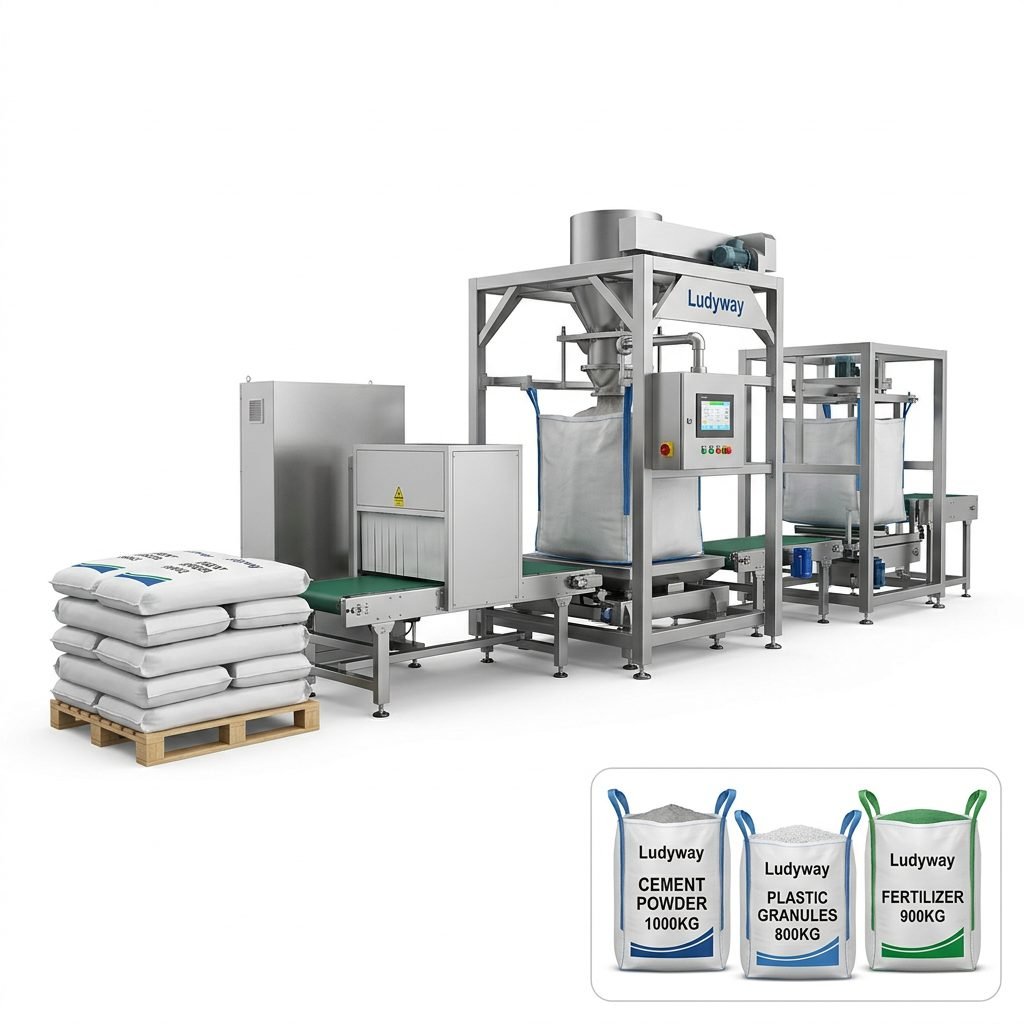
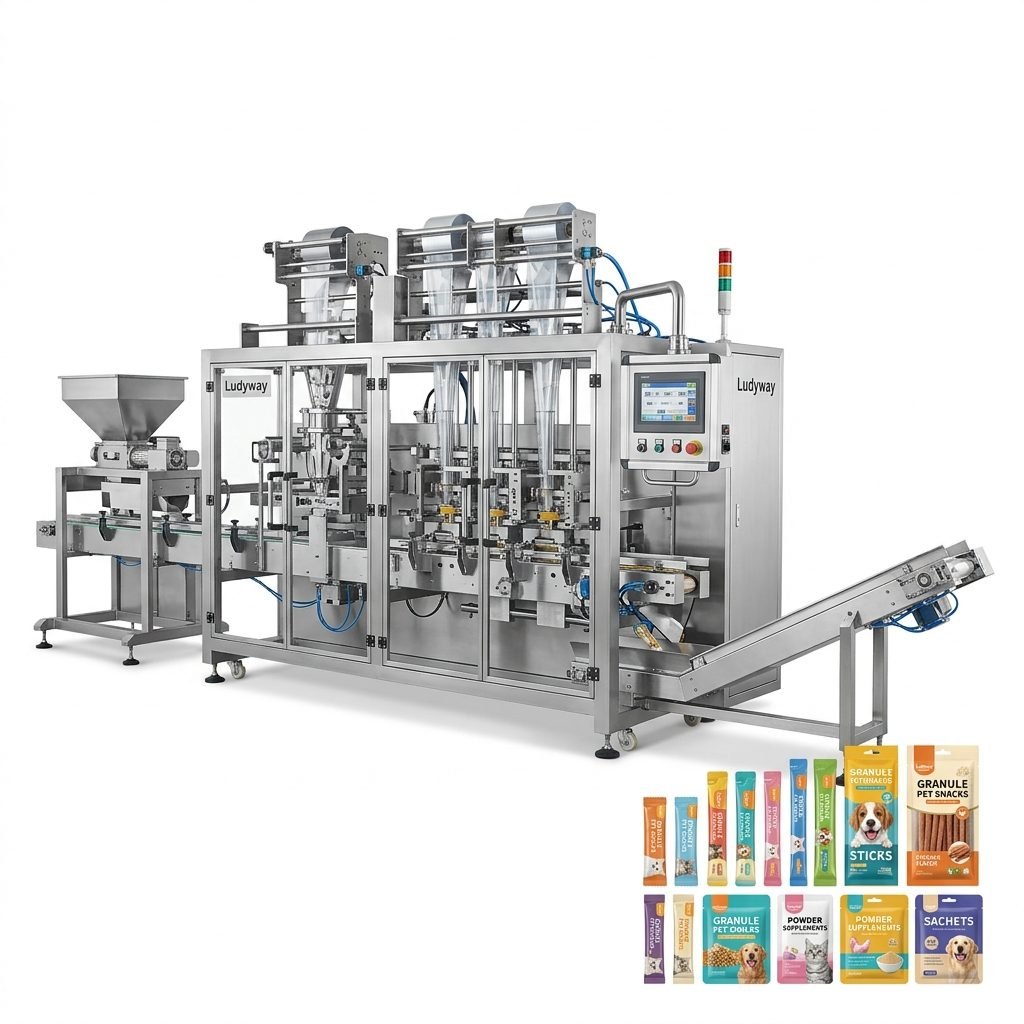
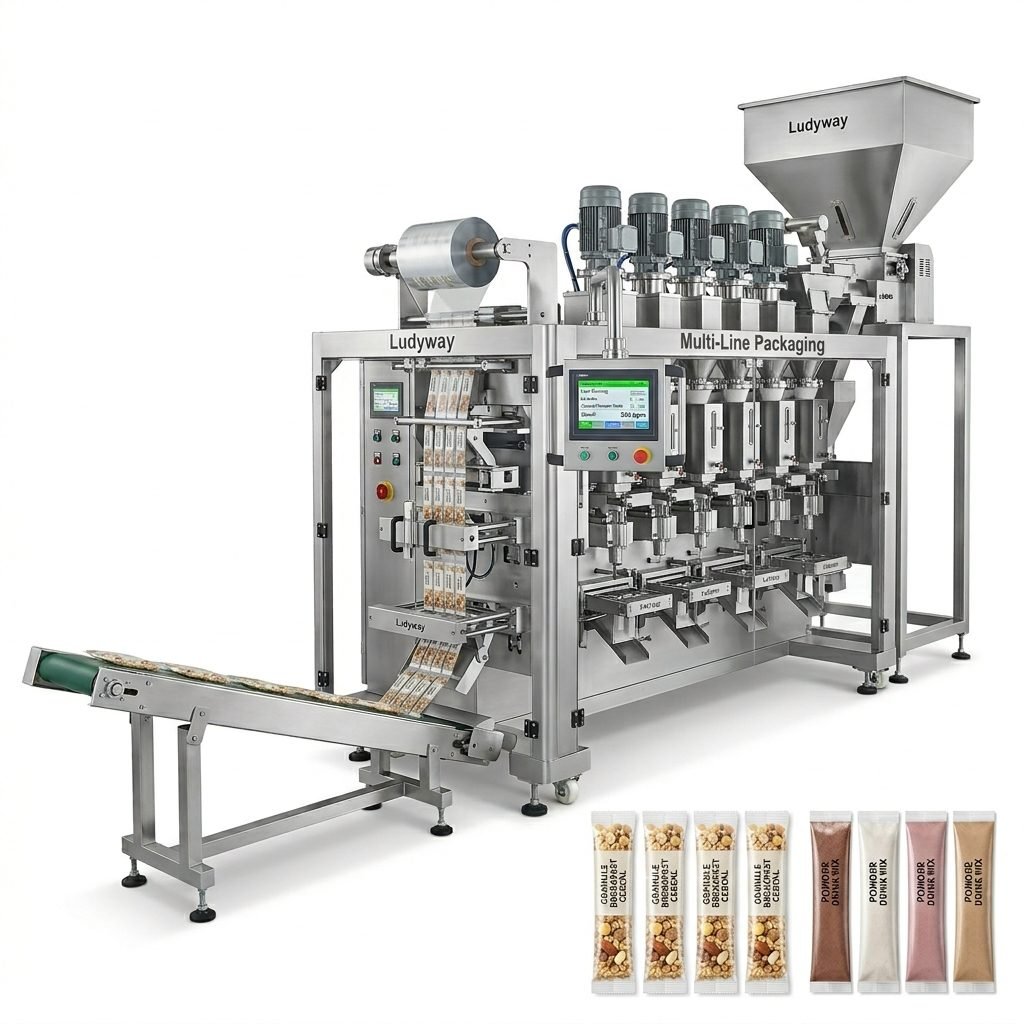
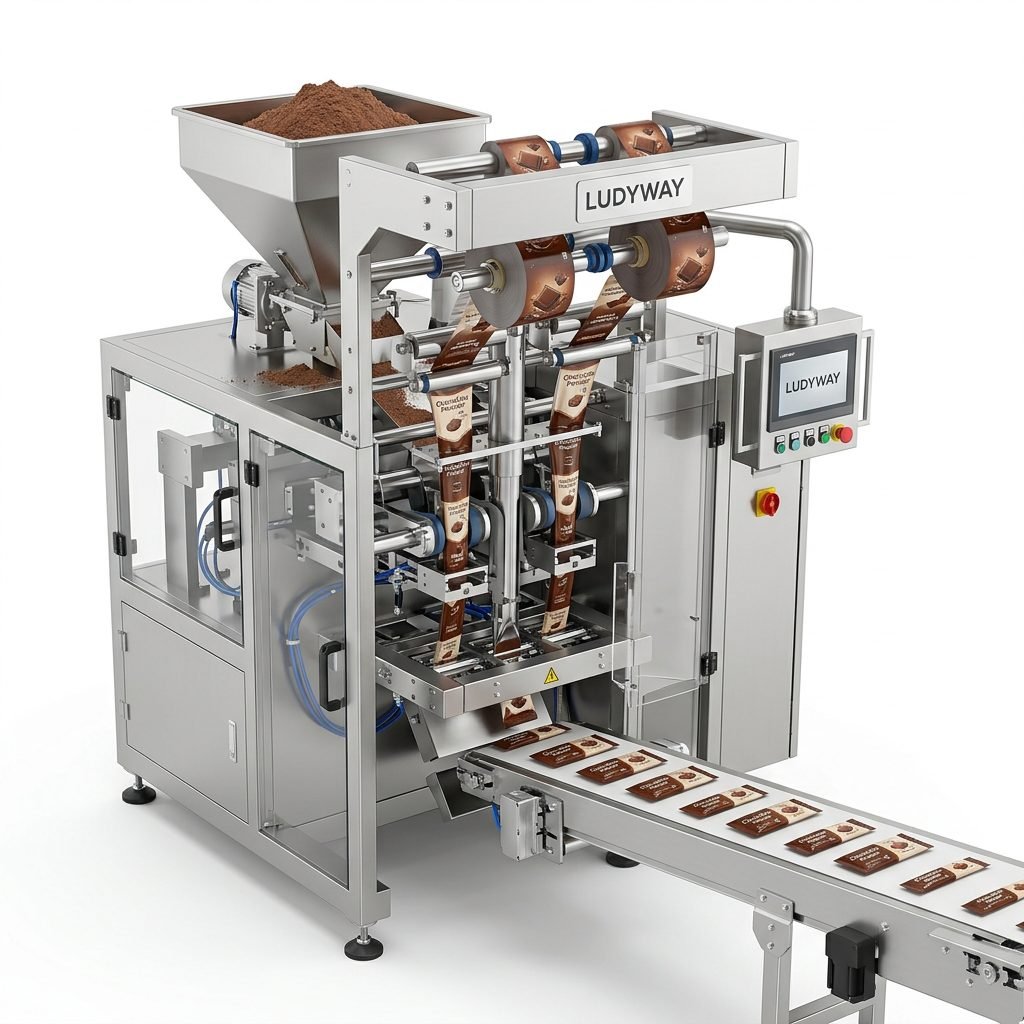
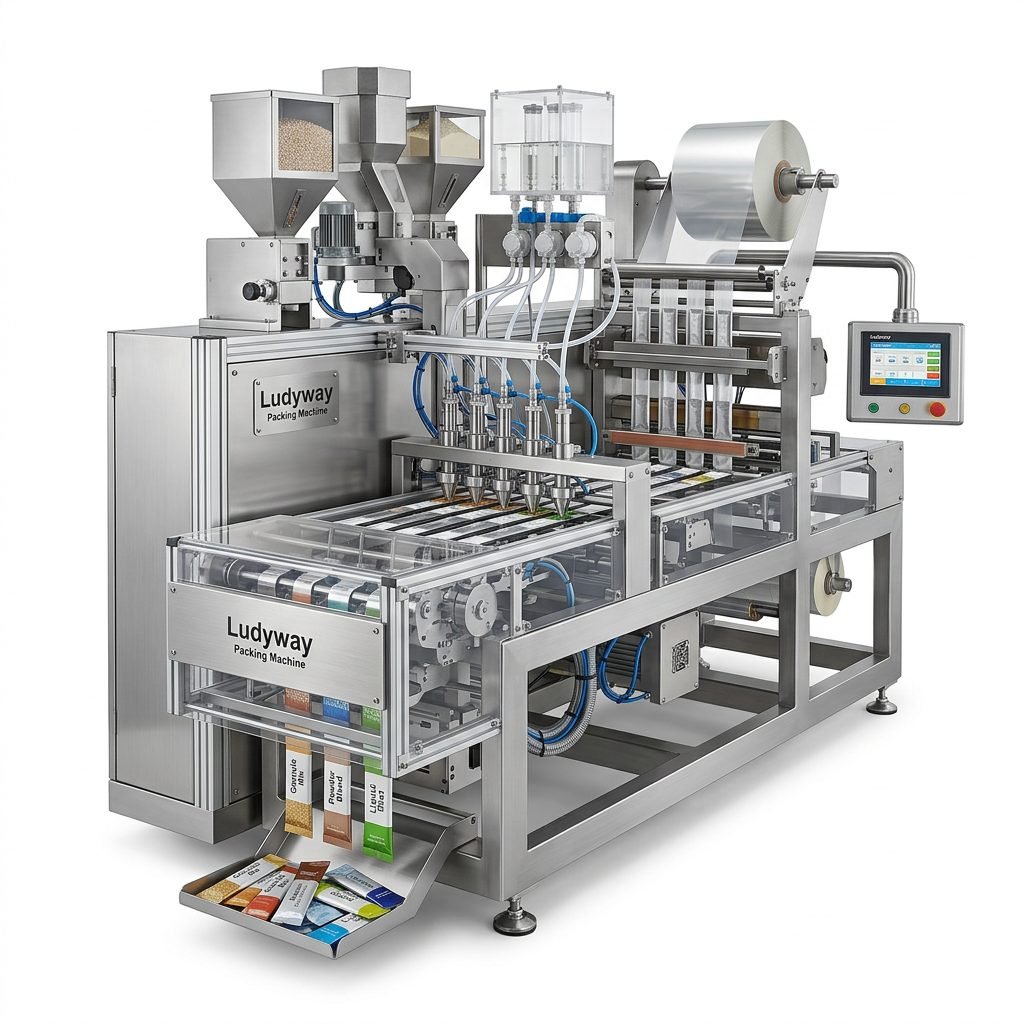
For businesses seeking reliable equipment backed by comprehensive technical support, Ludyway offers a range of advanced packaging solutions supported by decades of engineering experience across food, pharmaceutical, and consumer goods applications. Their technical teams provide guidance on preventive maintenance planning, spare parts management, and equipment optimization tailored to specific production environments.
Additional authoritative resources for packaging machinery standards and maintenance guidelines include the FDA food packaging and contact substances portal, the ISO 11607 standard for packaging validation, and the Flexible Packaging Association industry resources — all valuable references for maintaining packaging machinery in regulated environments.