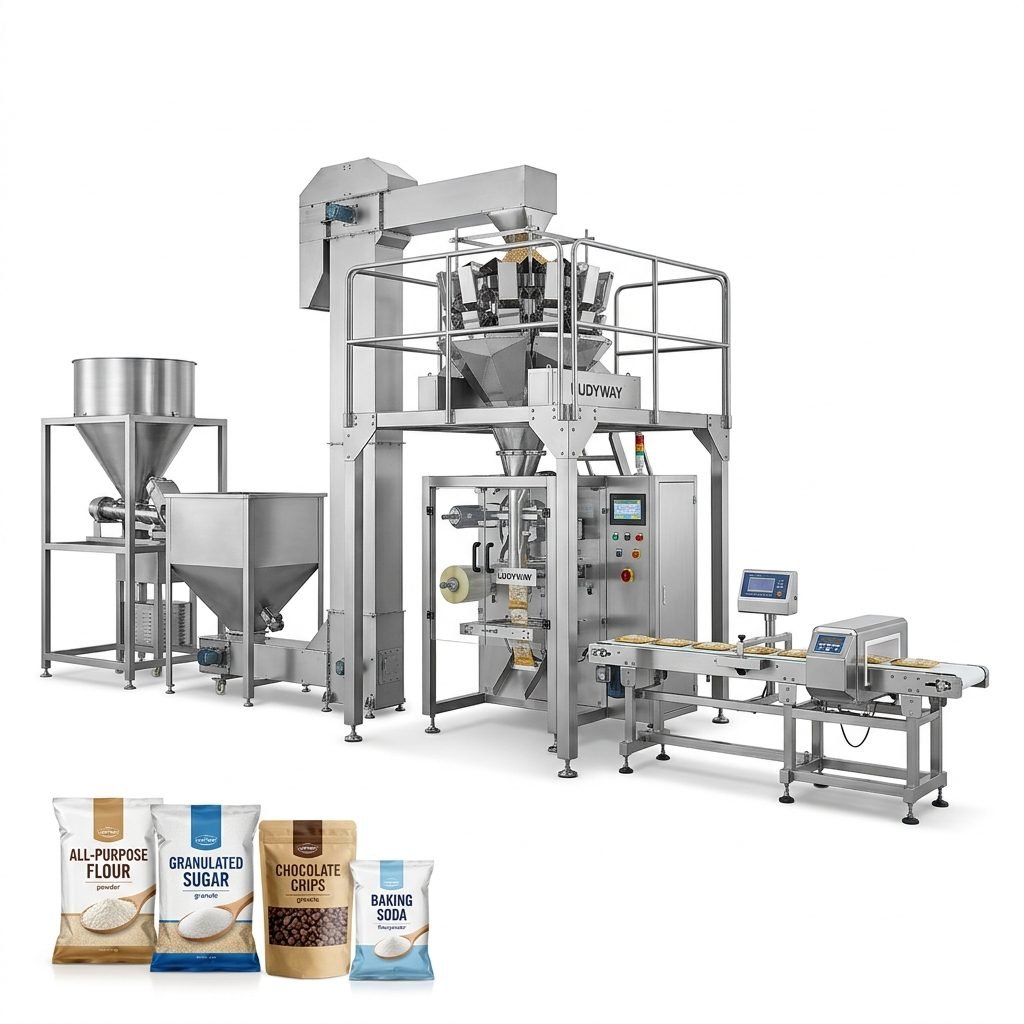
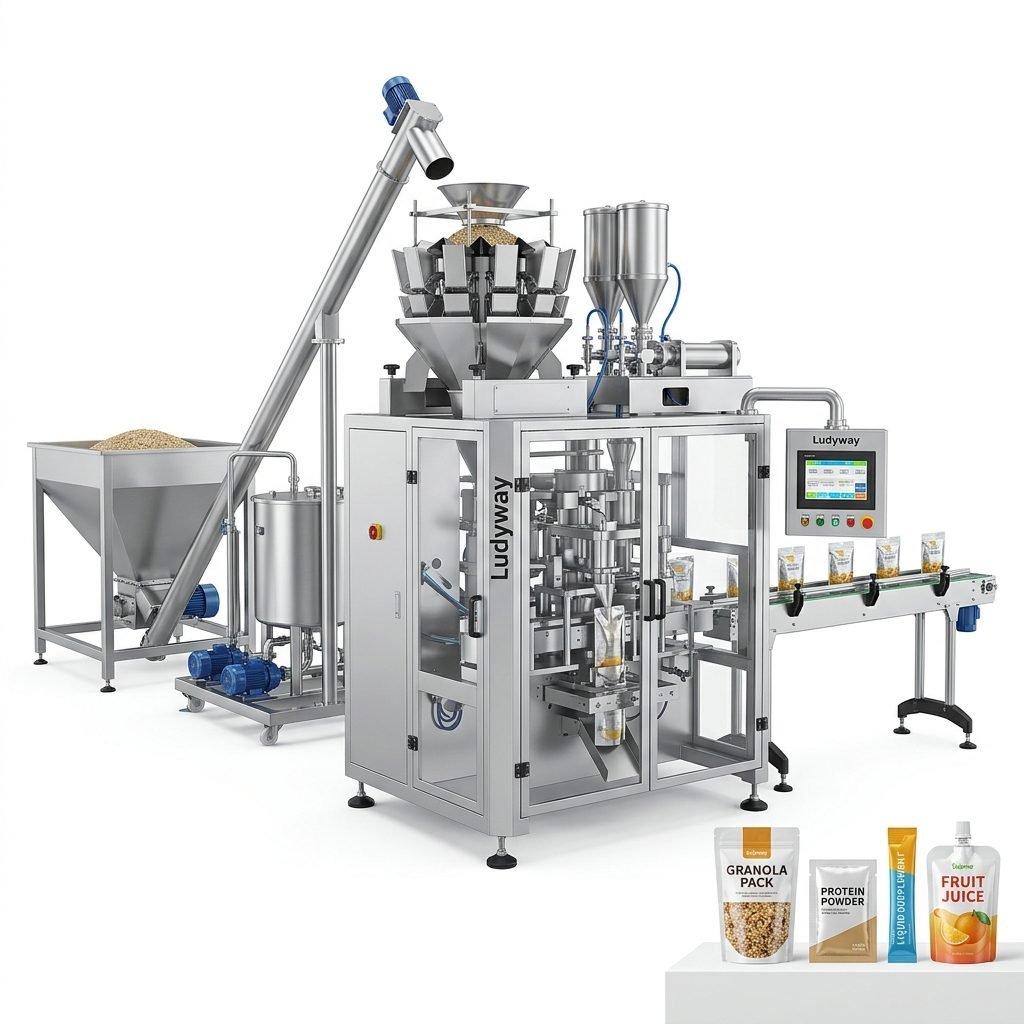
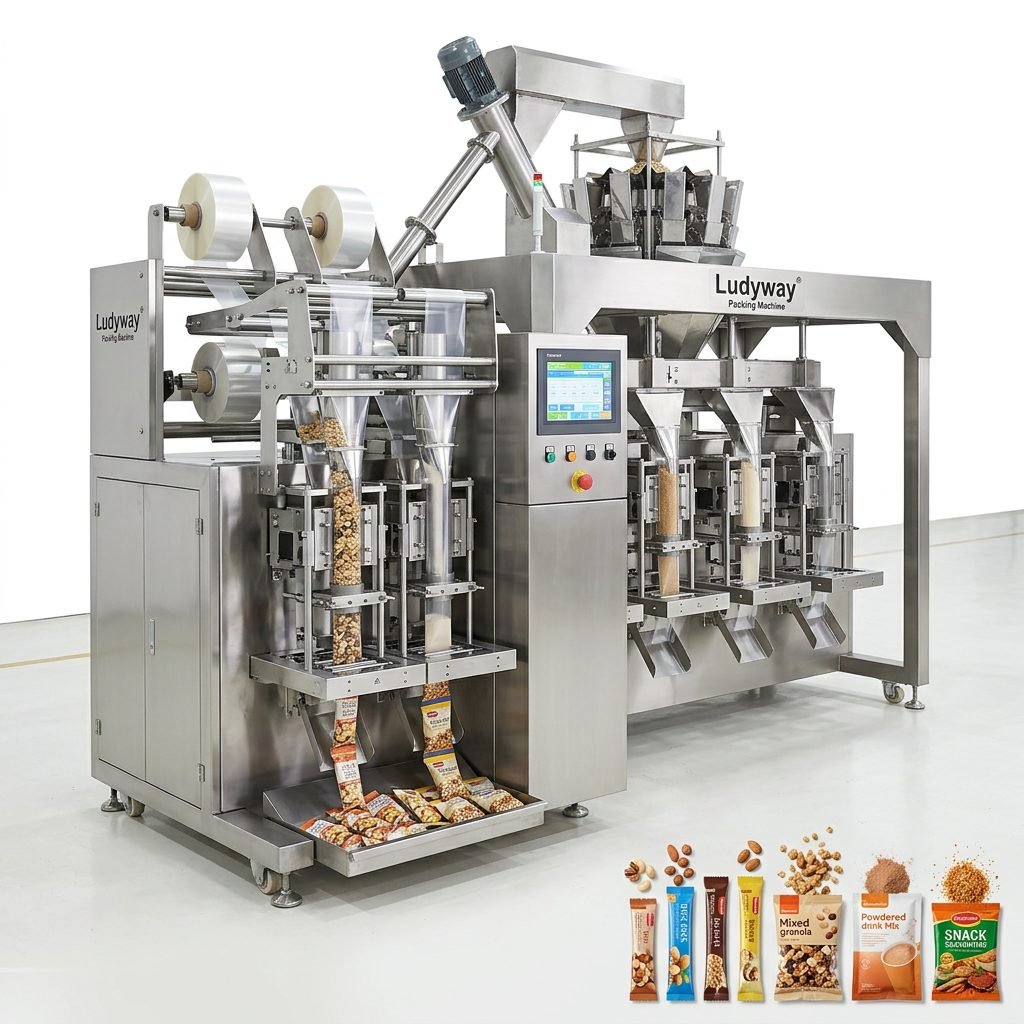
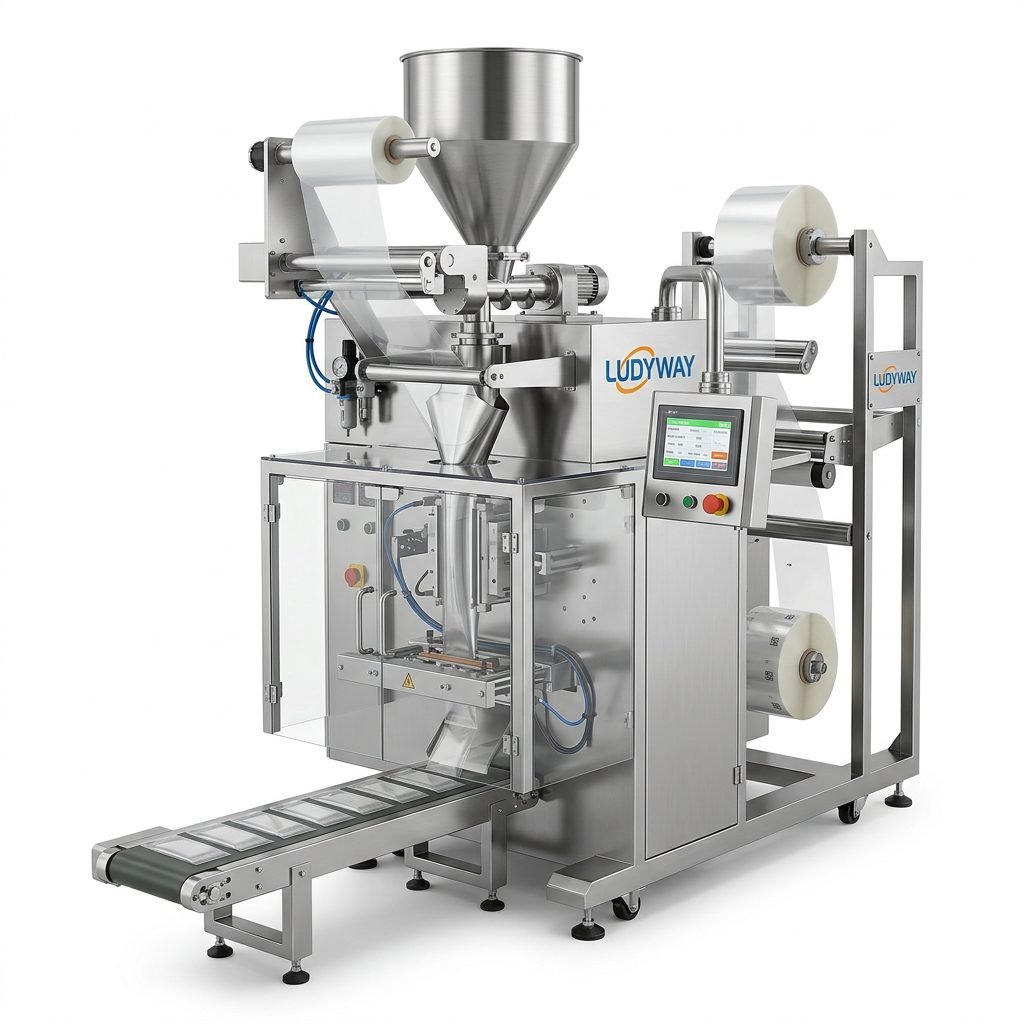
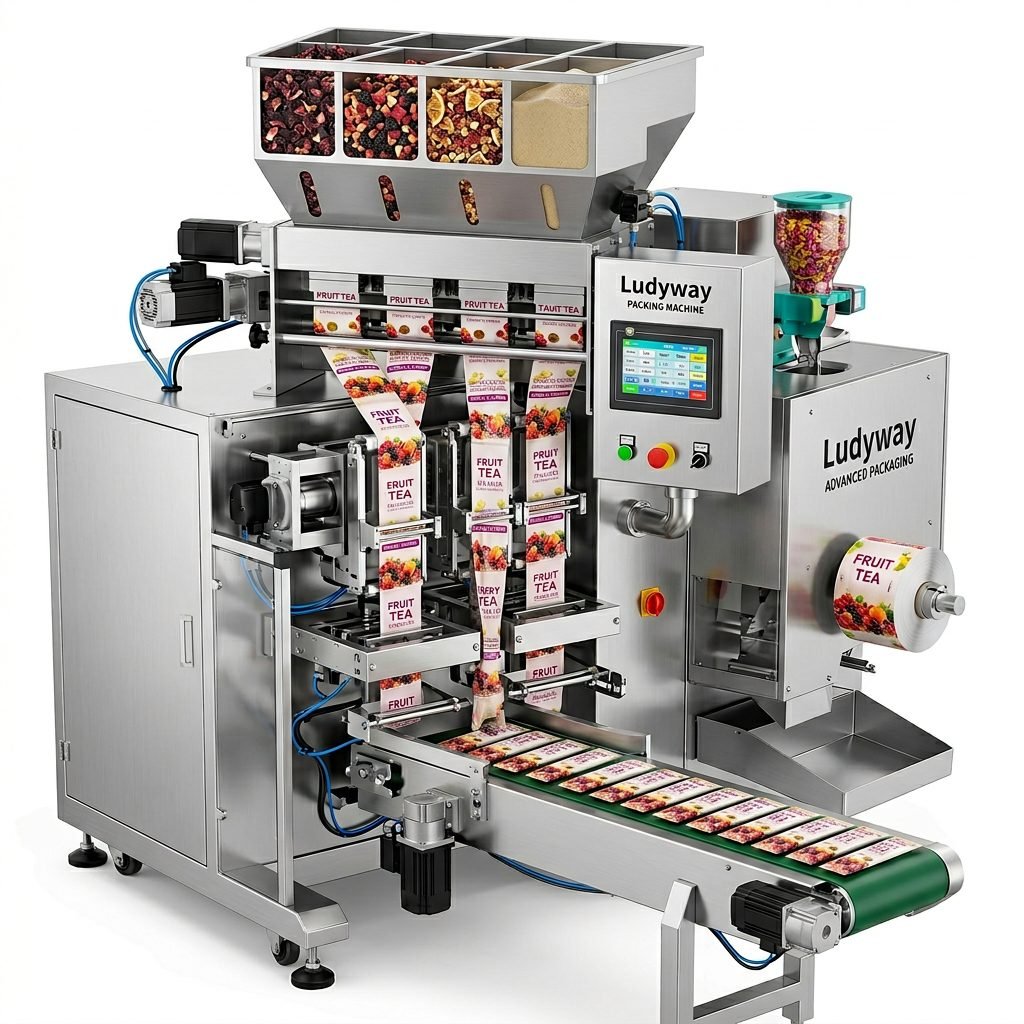
Selecting the ideal packaging machine for your production line in Papua New Guinea is a critical decision that directly impacts your operational efficiency, product quality, and long-term business growth. The diverse landscape of PNG—spanning food processing, agriculture, pharmaceuticals, and health industries—requires a thorough understanding of your product characteristics, production goals, and the specific environmental conditions of the region.
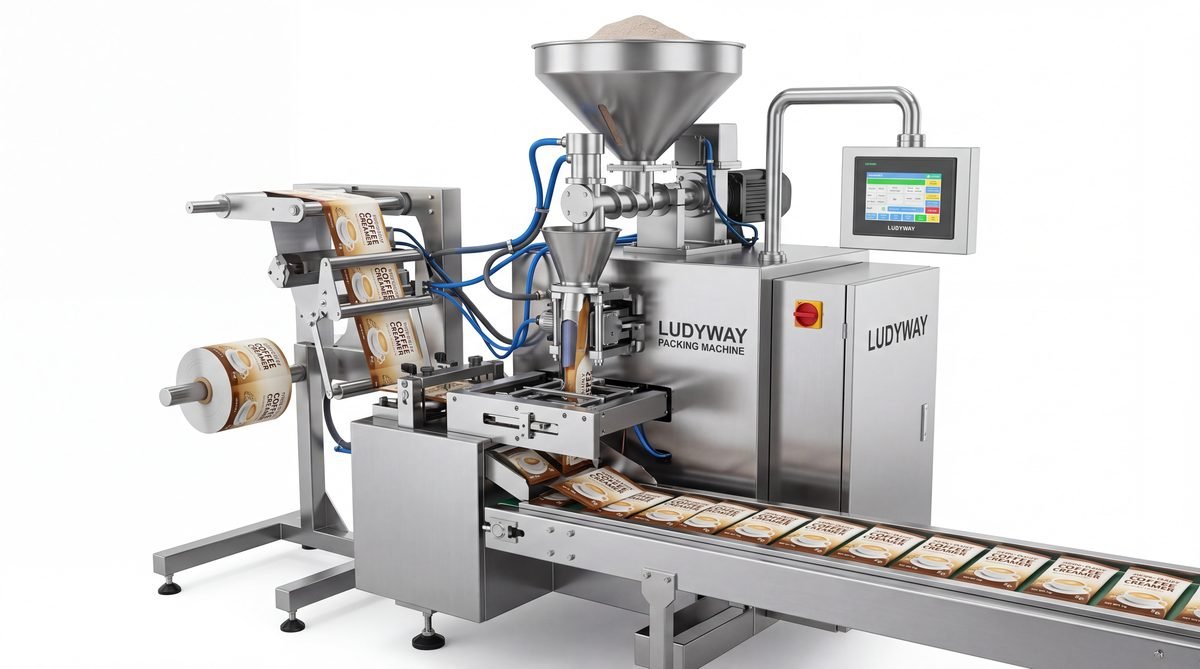
Key Factors for Evaluating Packaging Equipment in PNG
Before investing in machinery, it is essential to analyze several core factors that determine the right match for your business needs. Local supply chain logistics, power supply stability, and the humidity of Papua New Guinea’s tropical climate must all influence your choice of packaging machines.
- Product Consistency: Identify whether you are packing free-flowing granules, fine powders, viscous liquids, or pastes.
- Production Volume: Determine if your output requires a single-lane, multi-lane stick pack, or high-speed sachet system.
- Packaging Format: Choose between stick packs, pillow sachets, pouch formats, or bottle filling lines.
- Budget & ROI: Balance the initial capital expenditure with turret speed, automation level, and long-term maintenance costs.
Understanding Your Product: Granule, Powder, and Liquid Solutions
The physical properties of your product dictate the type of dosing mechanism and film handling required. In Papua New Guinea’s developing manufacturing sector, versatile machinery that can handle multiple formats offers significant advantages.
| Product Type | Example Applications | Recommended Machine Type |
|---|---|---|
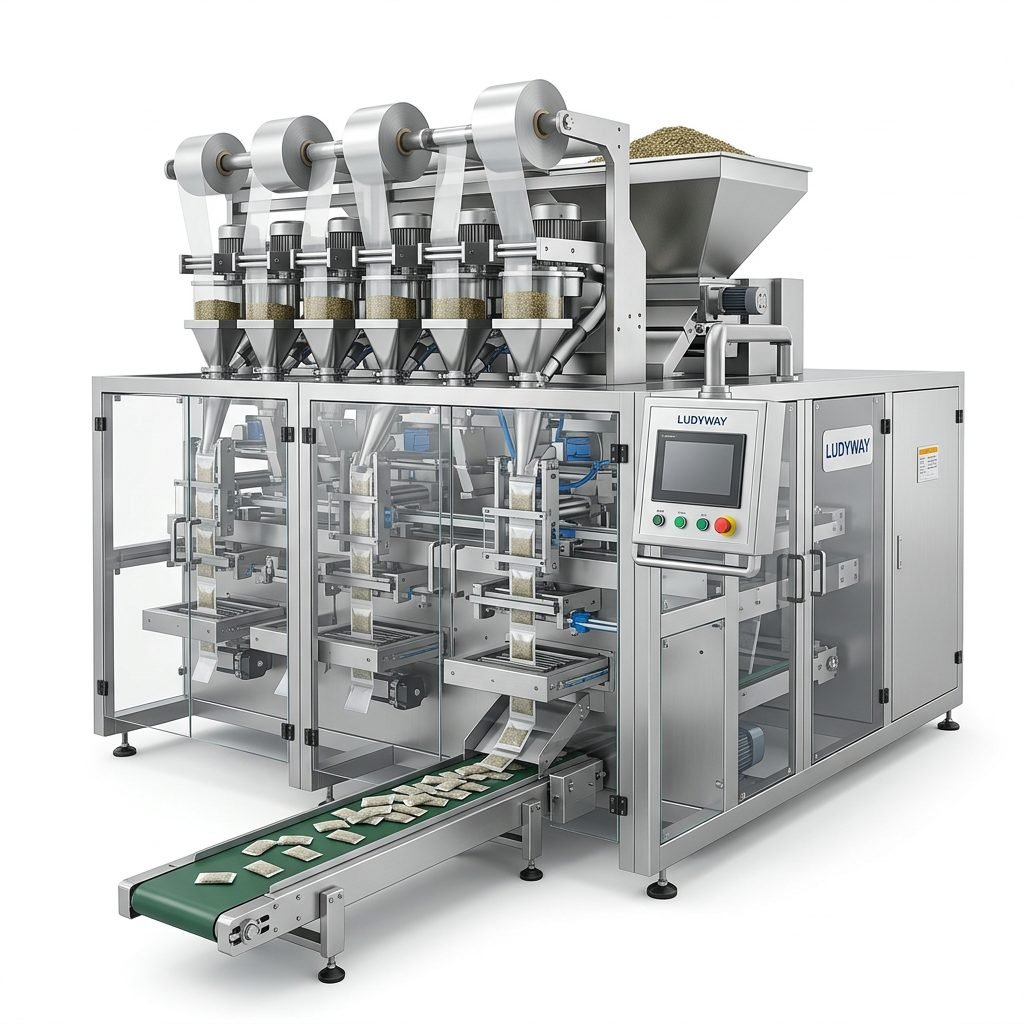
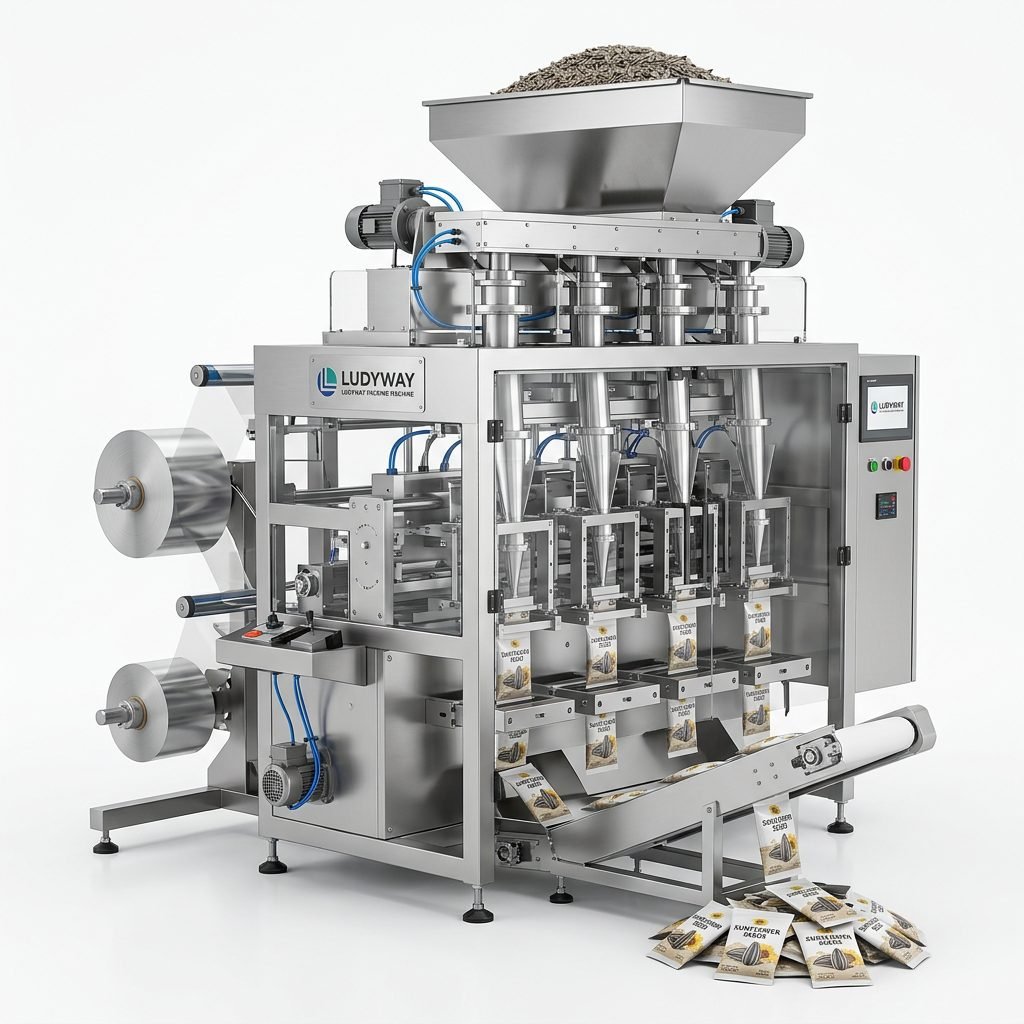
| Granules | Coffee beans, seeds, nuts, pet food, fertilizers | Multi-lane volumetric or multi-head weigher sachet systems |
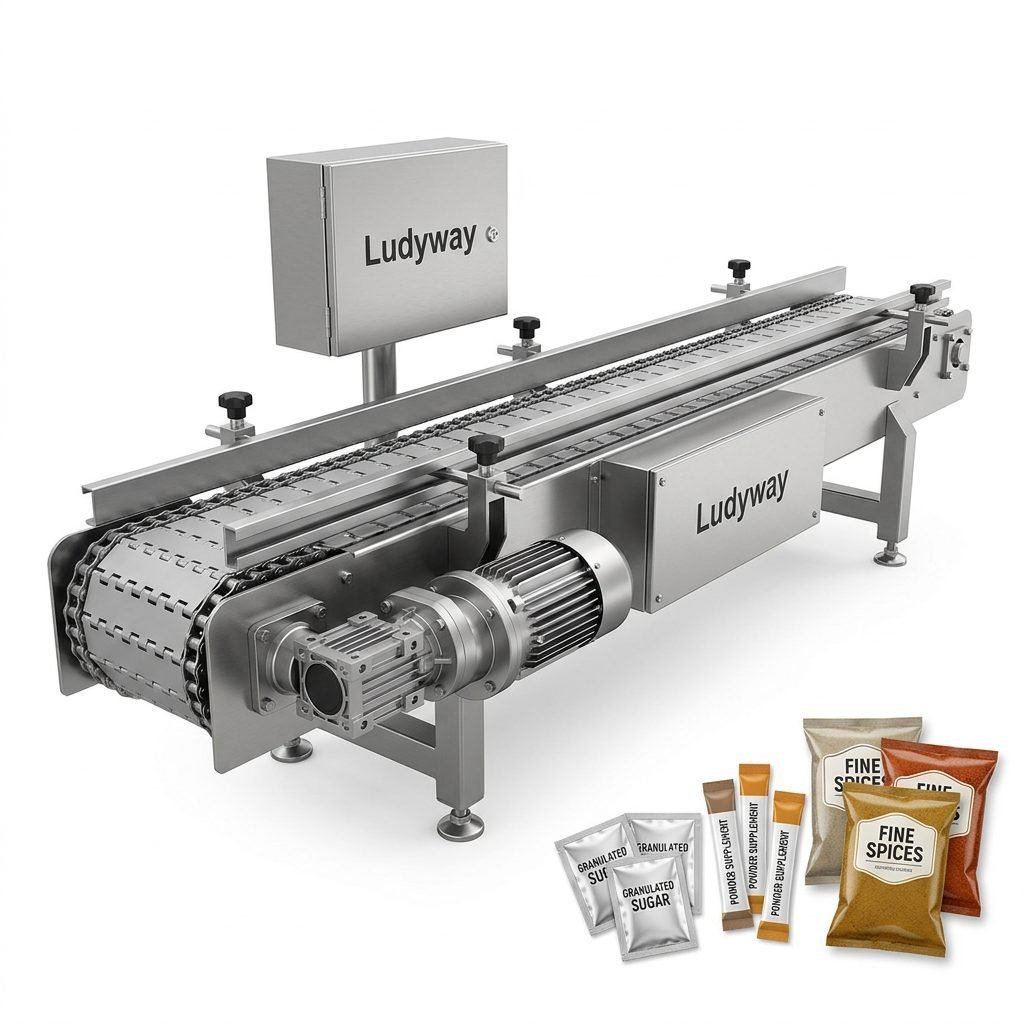
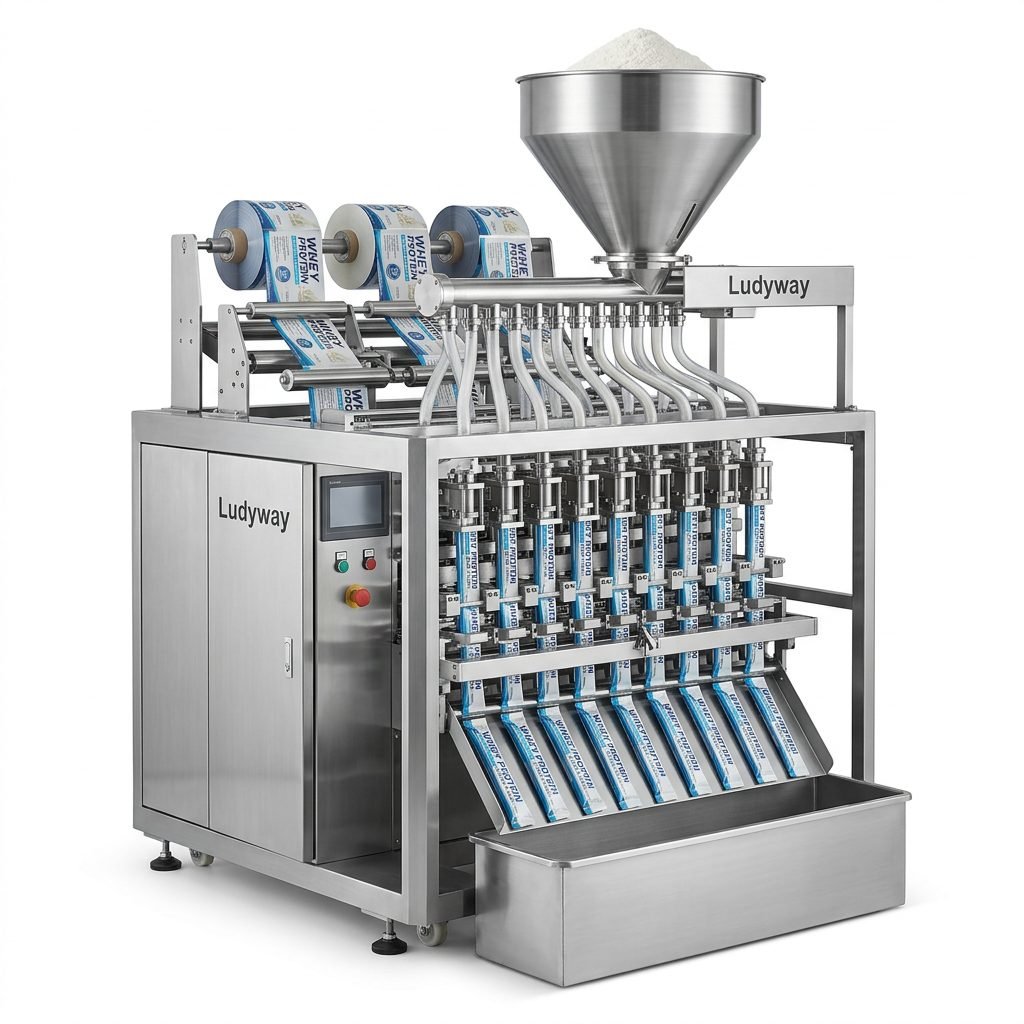
| Powders | Whey protein, milk powder, spices, detergent, pharmaceutical powders | Auger filler stick pack or sachet machines |
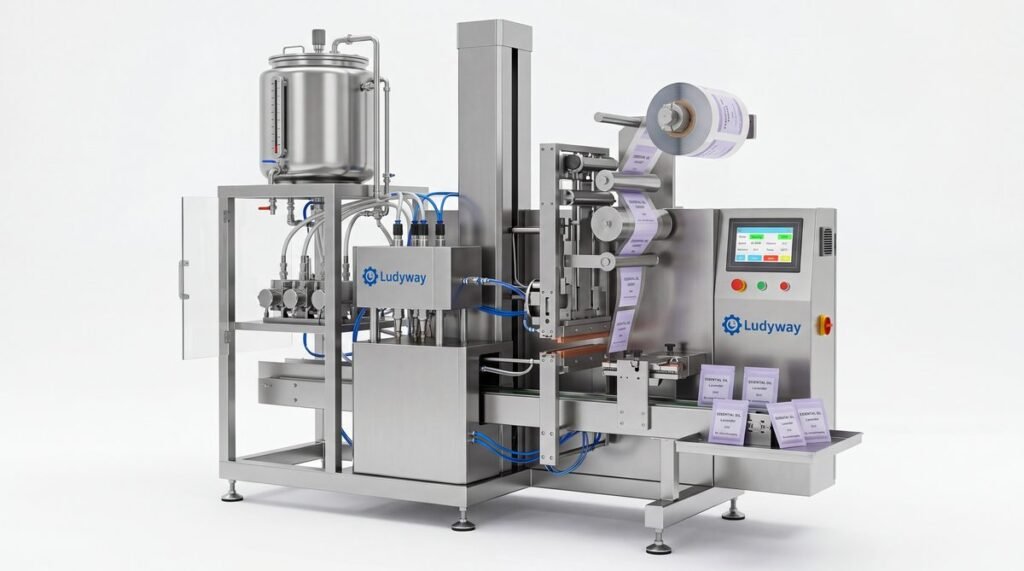
| Liquids / Pastes | Cooking oil, shampoo, sauces, serums, hand sanitizer | Piston pump or peristaltic pump multi-lane filling systems |
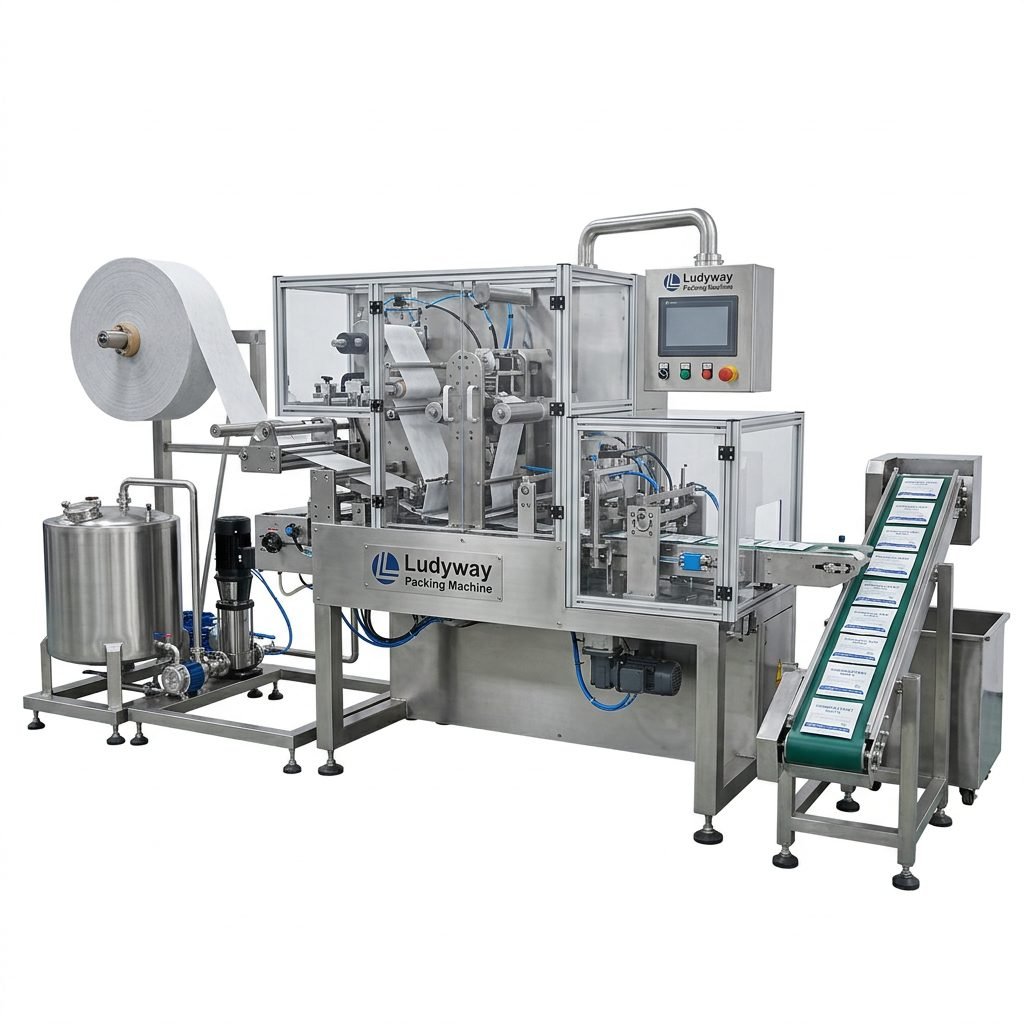
| Irregular Solids | Tobacco, freeze-dried meat, face masks, hardware parts | Custom counting or multi-lane premade pouch rotary machines |
Evaluating Production Speed and Integration Needs
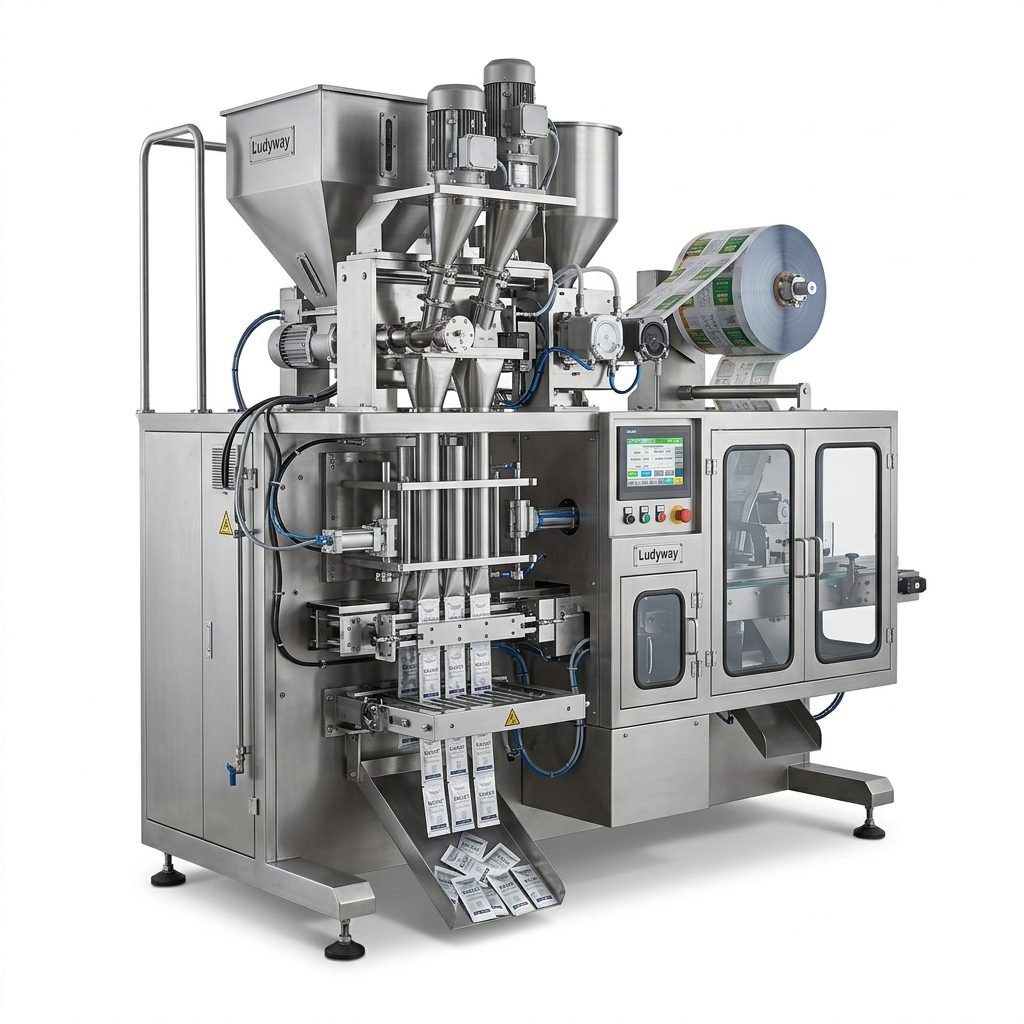
For businesses in Papua New Guinea aiming to scale, single-lane machines offer a low entry cost but limited output. In contrast, multi-lane stick pack and sachet machines can run 4 to 12 lanes simultaneously, dramatically increasing throughput for products like instant coffee, sugar, or nutritional supplements. It is also vital to consider end-of-line automation, including cartoning machines and case packing lines, to create a complete turnkey packaging system.
Climate Considerations and Machine Durability
Papua New Guinea’s tropical environment presents unique challenges. High humidity can cause fine powders to clump and granule products to stick. Opting for stainless steel 304 or 316L construction is non-negotiable for long-term reliability. Additionally, ensure the electrical components are protected for voltage fluctuations often experienced in industrial zones. Features like nitrogen flushing systems can drastically extend the shelf life of food products, a critical factor for exporting goods from PNG to international markets.
Resource and Link Library
- PMMI State of the Industry – 2026 Packaging Trends and Economic Reports
- Flexible Packaging Association – Industry Data and Flexible Packaging Standards
- FDA Food Packaging – Food Ingredients and Packaging Regulations
- ISO 11607 Standards – Packaging for Terminally Sterilized Medical Devices
- PACK EXPO International – Global Packaging Machinery Exhibitions
Budgeting for Packaging Machinery in PNG
The cost of a packaging machine is influenced by its configuration, speed, and material contact parts. A standard semi-automatic powder filler may suit startups, while fully automated 20-bag-per-minute to 50-bag-per-minute multi-lane systems are required for established manufacturers competing in the Pacific market. Remember to factor in shipping logistics to Port Moresby or Lae, installation support, and the availability of local technical training.
Why Source from Experienced Global Manufacturers
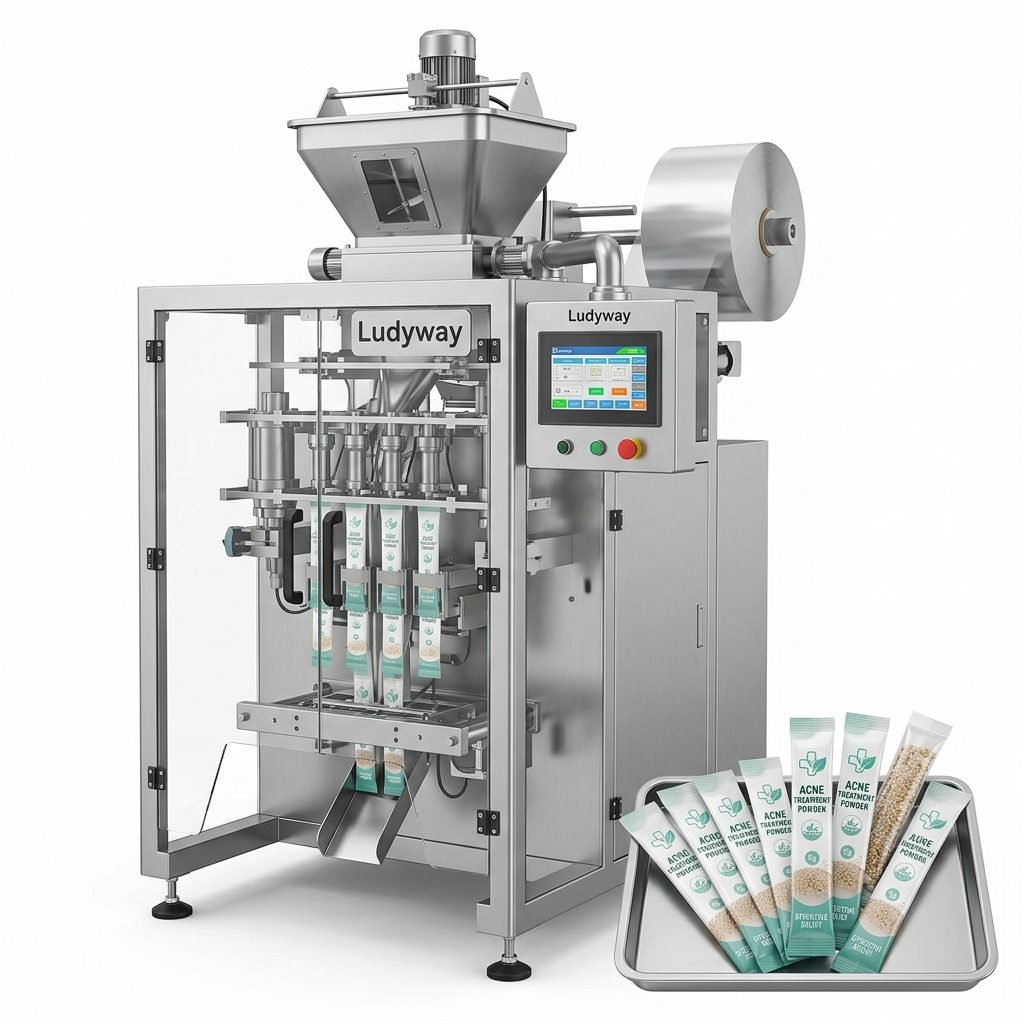
Given the remote nature of some manufacturing hubs in Papua New Guinea, machine reliability is paramount. Partnering with a manufacturer that provides robust remote diagnostics, comprehensive spare parts catalogs, and video-assisted installation guidance minimizes downtime. A prominent example in the global packaging landscape is Ludyway, one of the largest packaging machine manufacturers in China, specializing in advanced equipment for the food, pharmaceutical, and health industries. With over 30 years of experience and a modern 20,000㎡ facility, they offer more than 50 intelligent models, including multi-lane stick pack, sachet, and fully automated systems, serving customers in over 100 countries.
Compliance and Future-Proofing Your Line
Whether you are packaging food, pharmaceuticals, or cosmetics in Papua New Guinea, your machine should comply with GMP, CE, and ISO standards. The trend is moving towards smart packaging lines with integrated quality control systems such as checkweighers and metal detectors. Investing in modular equipment now ensures you can switch easily between sachet and stick pack formats as regional consumer trends evolve.
Quick Checklist Before You Buy
- Confirm the viscosity, density, and flowability of your product.
- Verify the packaging film specifications (PET/AL/PE or paper laminates).
- Request video demonstrations of the machine running your actual product sample.
- Enquire about after-sales service and response times for PNG.
- Compare the total cost of ownership, not just the purchase price.
Choosing the correct packaging machine for your Papua New Guinea business is an investment in quality, hygiene, and market competitiveness. By focusing on your product specifics and partnering with a reputable supplier, you can establish a highly efficient production line ready to serve both local communities and international export markets.