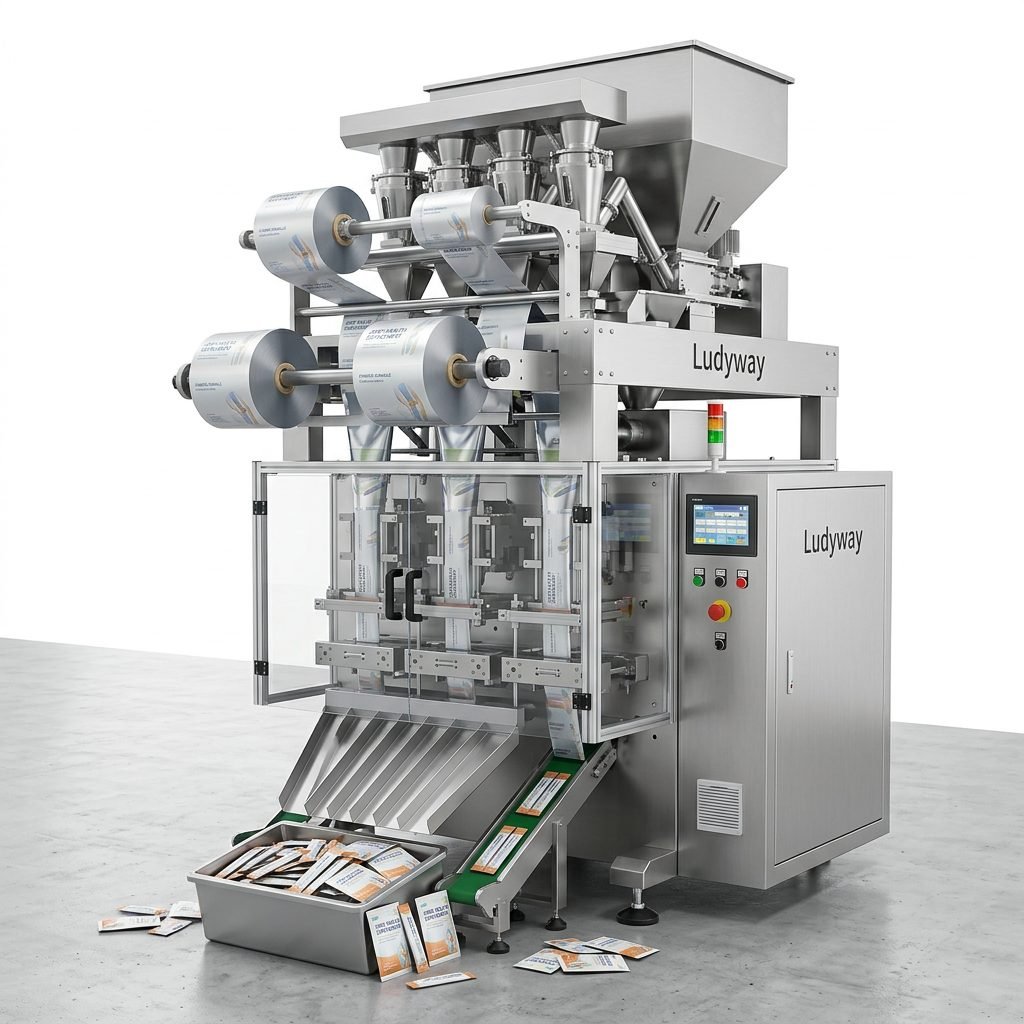
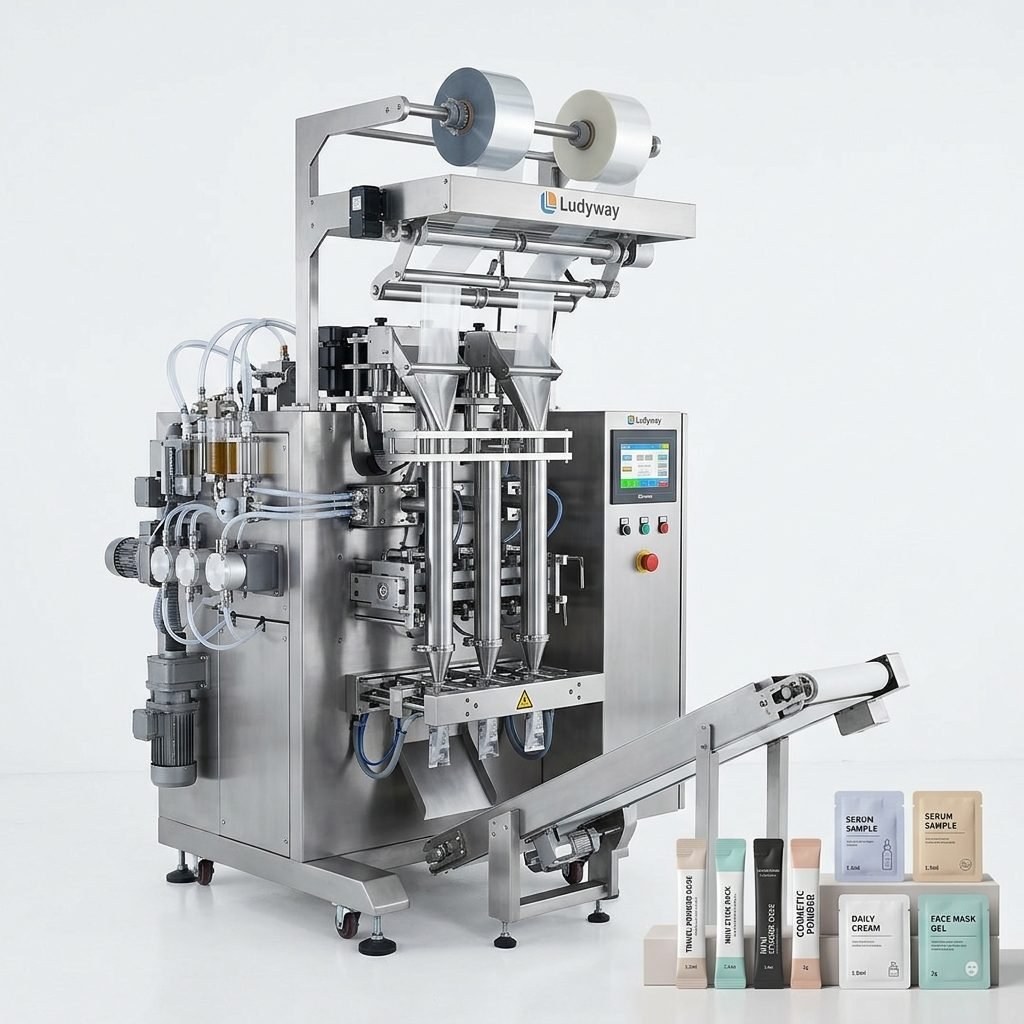
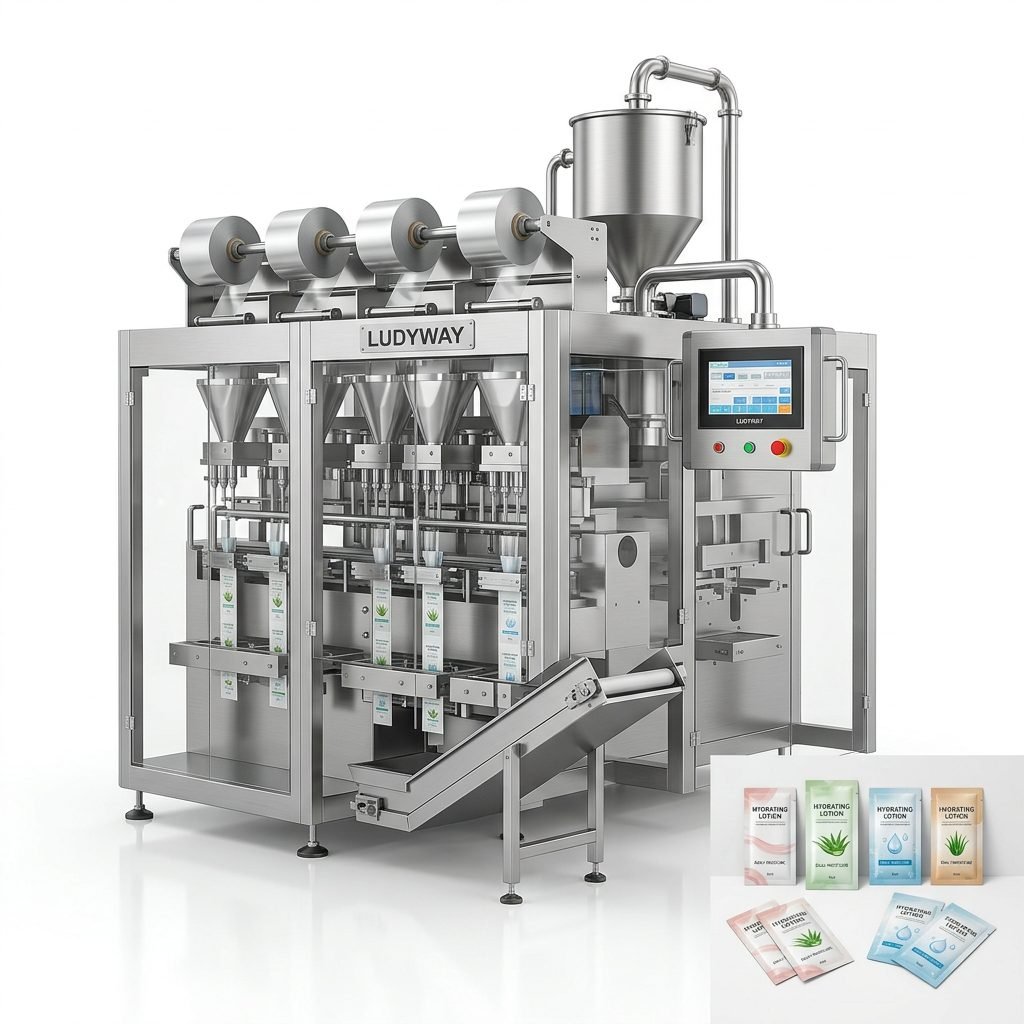
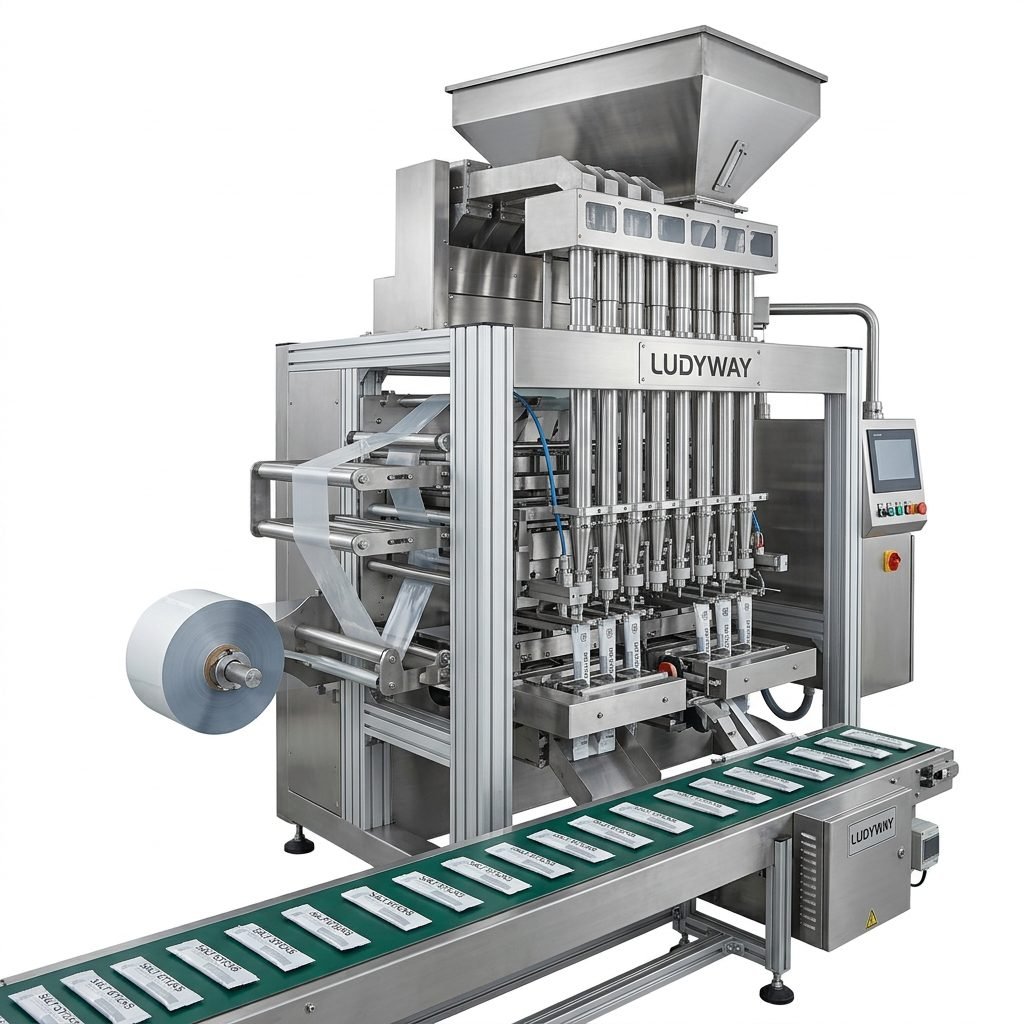
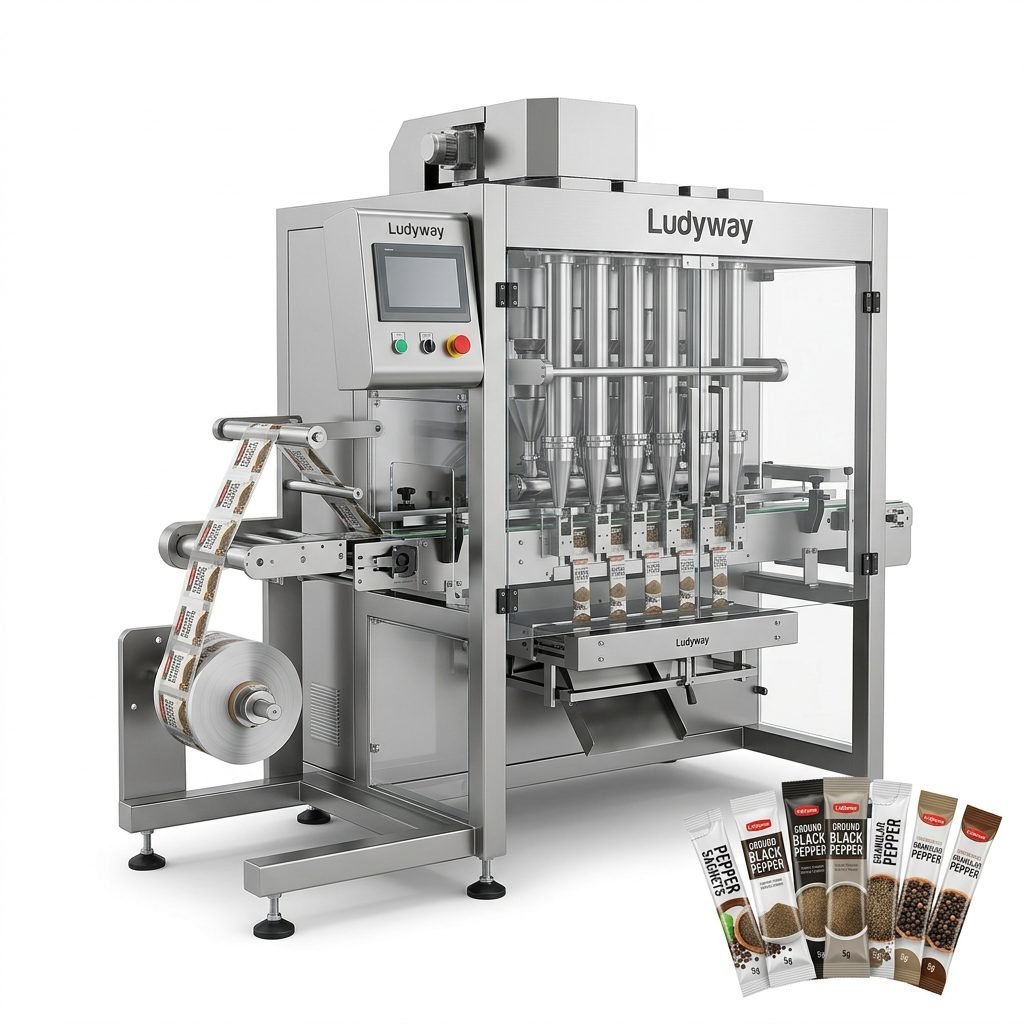
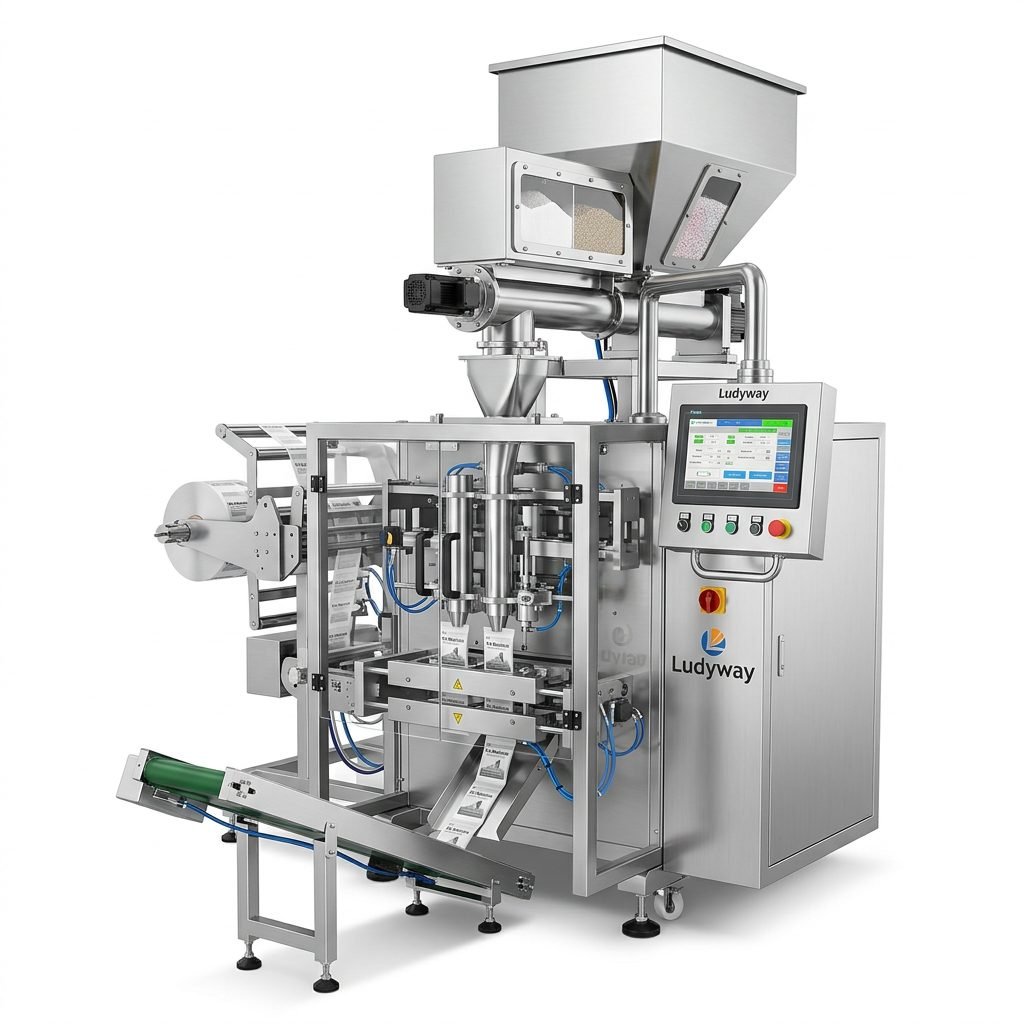
Ensuring the longevity and optimal performance of a horizontal sachet packing machine requires a proactive and systematic maintenance routine. A well-maintained machine not only reduces costly downtime but also guarantees consistent package quality, from seal integrity to accurate fill weights. Cutting corners on maintenance can lead to critical failures, compromising your entire production line. Partnering with a reputable packaging machinery specialist can provide the expertise needed for complex system evaluations. Here is a breakdown of the essential operational care your machine needs.
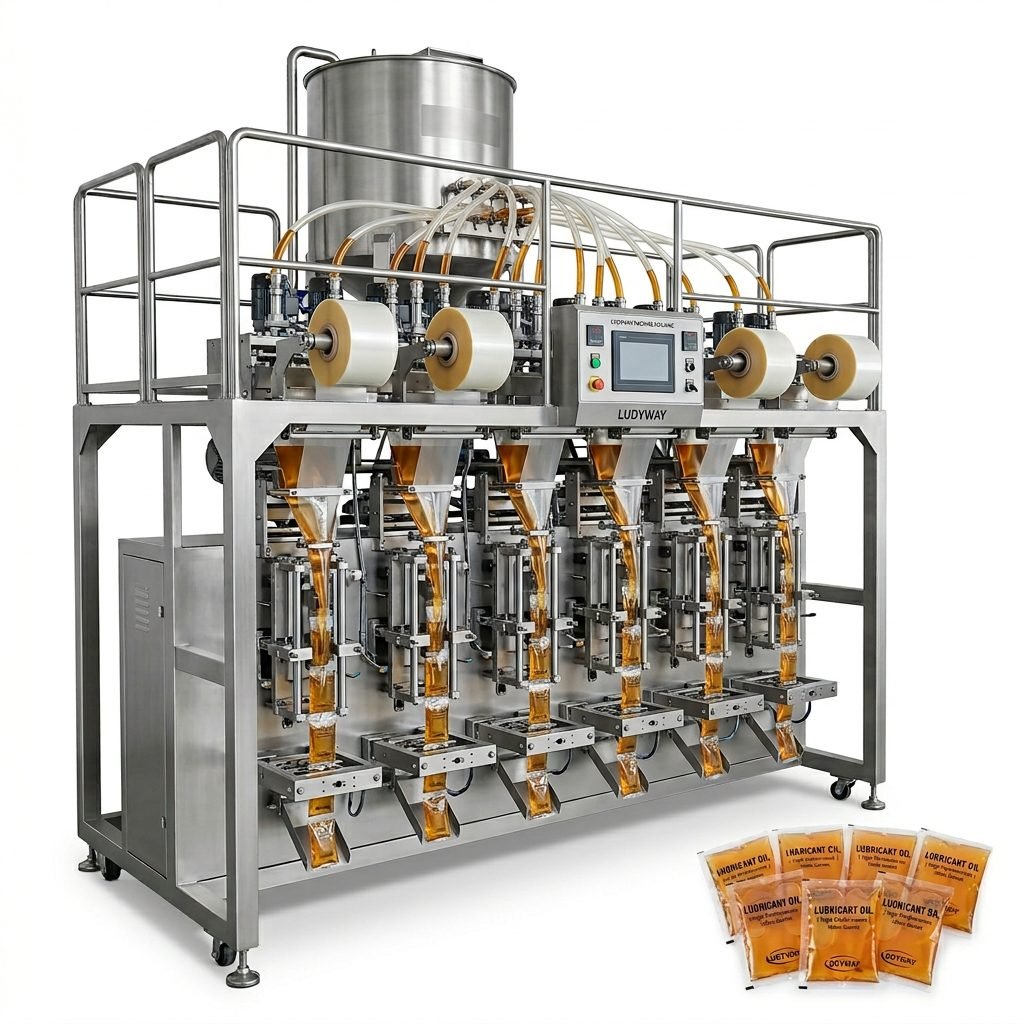
1. Strict Daily and Weekly Cleaning Protocols
Product residue and environmental dust are the primary enemies of precision machinery. A stringent cleaning schedule is the foundation of all maintenance activities. Daily cleaning prevents buildup that can interfere with the machine’s sensitive components.
- Hopper and Film Path: Remove all product residue from the hopper immediately after production runs. Dust or powder can accumulate on the forming shoulder and sealing plates, causing film tracking issues.
- Sealing Jaw Surfaces: Polythene residue often sticks to the heated sealing jaws. Use a soft brass brush or a non-abrasive cloth to clean them while they are slightly warm to prevent carbon buildup.
- Dust Control: Use compressed air to blow dust away from sensors, motors, and the electrical cabinet. However, avoid blowing contaminants into bearing housings.
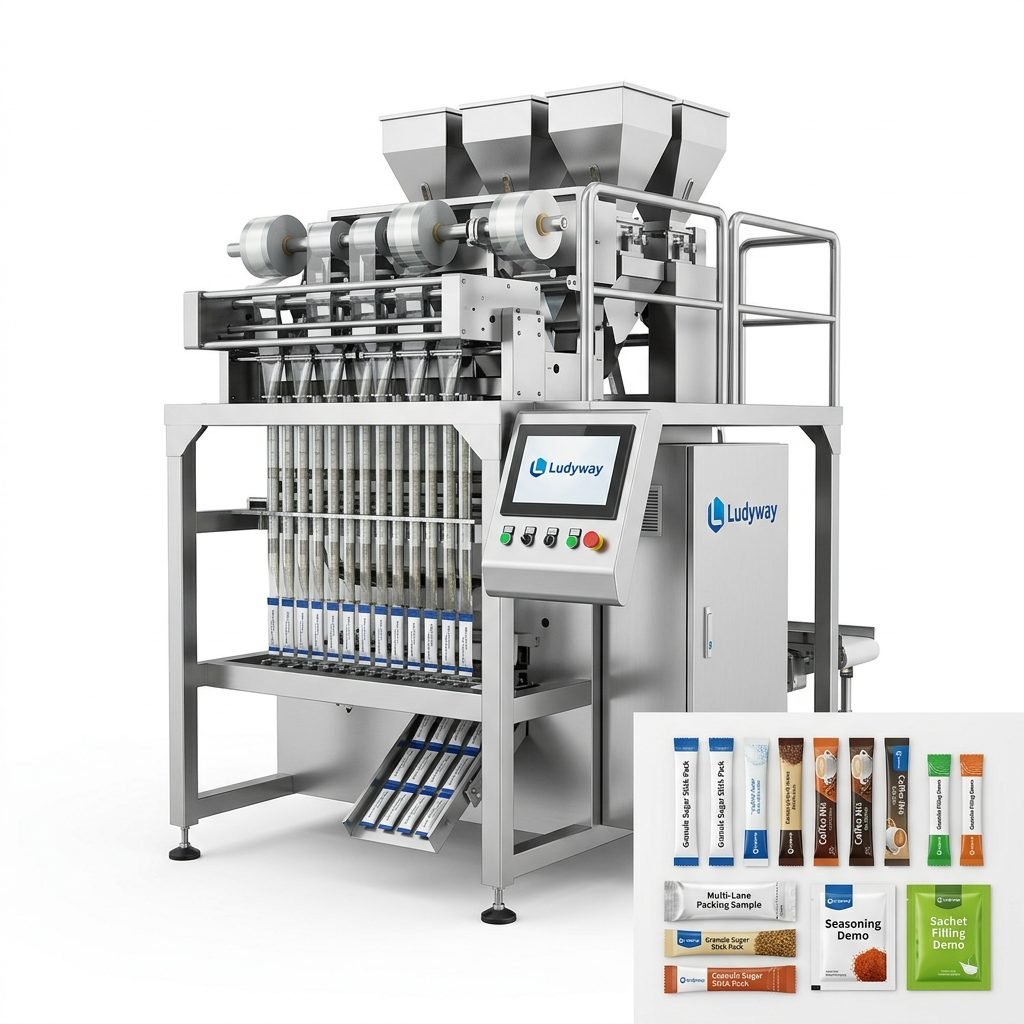
2. Critical Inspection and Replacement of Wear Parts
Ignoring the natural wear of components leads directly to sealing failures and film jams. Refer to your operator manual for specific service intervals, but prioritize these areas:
| Component | Maintenance Action | Frequency |
|---|---|---|
| Sealing Jaws & Heaters | Check for physical damage and Teflon coating wear. Check thermocouple accuracy. | Weekly |
| Cutting Knives | Inspect blade sharpness. A dull knife causes jagged bag tops and film drag. | Monthly |
| Rubber Rollers | Clean with a rubber revitalizer. Replace if glazed or cracked to avoid film slippage. | Monthly |
| V-Belts & Chains | Check for tension and stretch marks. Loose chains cause registration drift. | Quarterly |
3. Comprehensive Lubrication Plan
Friction is a mechanical enemy. A systematic lubrication plan significantly extends the life of moving parts in a sachet packing machine. Over-greasing, however, can attract dust and cause premature component failure.
- Bushings and Bearings: Apply a light machine oil to plain bushings and ensure sealed bearings are not running dry or noisy.
- Gears and Cam Followers: These require high-quality grease. Wipe away any excess that seeps out to prevent a sticky film from forming.
- Air Cylinders: Lubricate the piston rod lightly via the manual override button, but only if the air preparation unit does not have an automatic oiler.
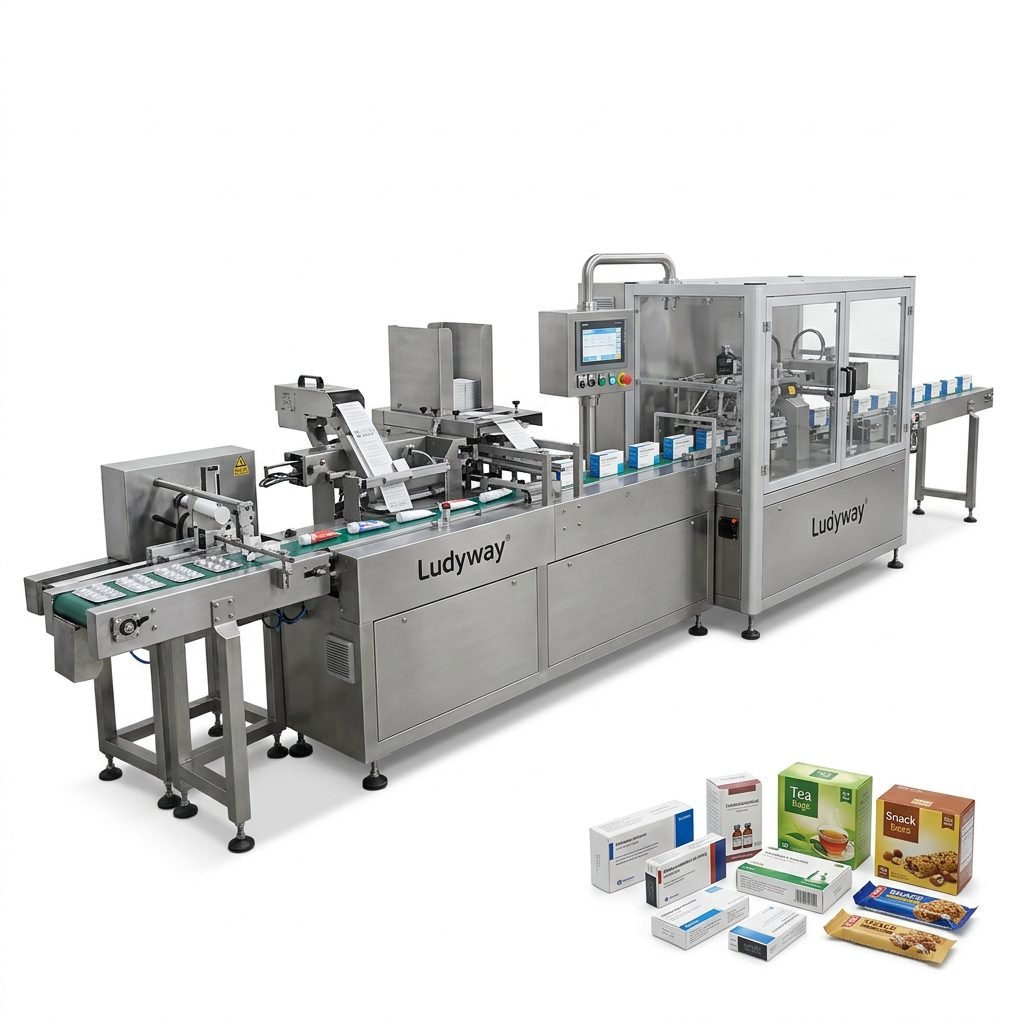
4. Electrical System and Sensor Verification
Modern horizontal sachet packing machines, especially high-speed multi-lane models, rely heavily on precise sensor feedback. Electrical malfunctions are often caused by loose connections or misaligned photo-eyes.
- Tighten Terminals: Vibrations inevitably loosen screws in the control panel. Turn off the main power and systematically retighten all terminal screws every three months.
- Sensor Alignment: The registration sensor must detect the printed eye-mark without flickering. Wipe the sensor lens with a soft, dry cloth to remove dust.
- Grounding Check: Ensure the machine is properly grounded. Static electricity can attract film layers and confuse sensor readings.
5. Daily Operational Checklist
Operators should not wait for a breakdown to engage with the machine. A brief daily inspection checklist, completed at the start of each shift, can catch small issues before they escalate. Key daily checks include:
- Verify that the air pressure gauge reads within the specified range (typically 0.6 – 0.8 MPa).
- Drain water from the air filter bowl to prevent moisture from entering pneumatic valves.
- Run a setup bag to check that seal temperature and dwell time are correct for the laminate structure in use.
- Listen for abnormal sounds, such as grinding bearings or air leaks in the pneumatic circuit.
If you are managing a complex production line, consulting a specialized packaging machine manufacturer like Ludyway can provide tailored advice for maximizing output through proper care. Over the years, Ludyway has focused on delivering innovative, high-performance, and cost-effective packaging solutions backed by decades of practical industry experience.
6. Troubleshooting Common Sealing Issues
Weak seals, burnt seals, or crooked cuts are the most frequent operator complaints. Most trace back to a short list of root causes. Below is a guide to rapid diagnostics:
| Problem | Potential Root Cause | Corrective Action |
|---|---|---|
| Wrinkled Seals | Film tension is uneven, or the forming shoulder is misaligned. | Check tracking rollers and adjust shoulder vertical alignment. |
| Product in Seal Area | Dribble, static adhesion, or product dust suspension. | Check static eliminators; clean dust collection system. |
| Peeling/Melted Seal | Incorrect temperature or faulty thermocouple calibration. | Verify actual jaw temperature with a digital pyrometer. |
7. The Value of Professional Preventive Maintenance
While daily cleaning and operator checks are essential, comprehensive preventive maintenance performed by a technician is invaluable. Manufacturers and industry bodies like the PMMI and the Flexible Packaging Association emphasize the importance of scheduled servicing to detect hidden degradation. A specialist will calibrate the linear bearings, analyze the lubrication of gear reducers, and use diagnostic tools to test the servo drives—tasks that go beyond daily care.
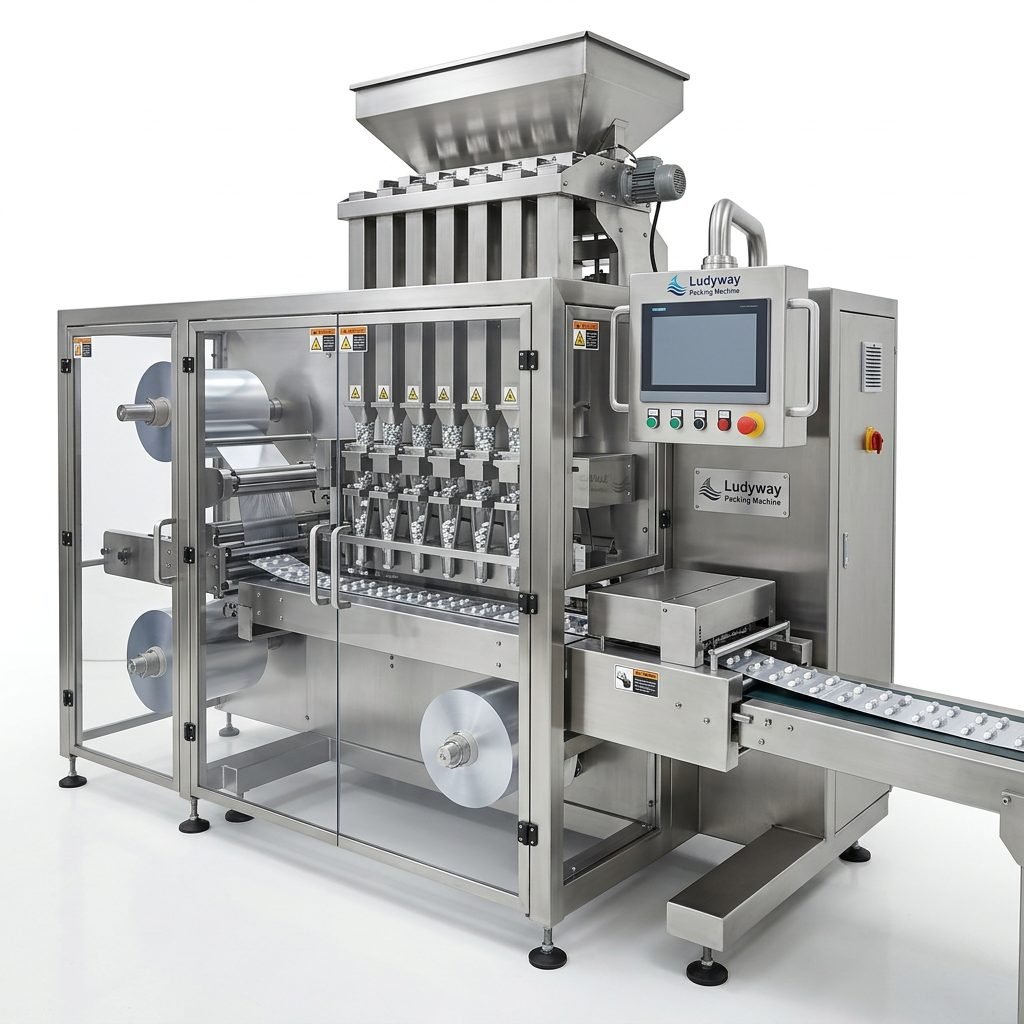
Through consistent application of these essential maintenance tips, production managers can greatly reduce unplanned downtime and ensure the horizontal sachet packing machine continuously operates at peak efficiency. Adhering to these guidelines not only preserves equipment value but also safeguards product quality from the filling station to the delivery conveyor.