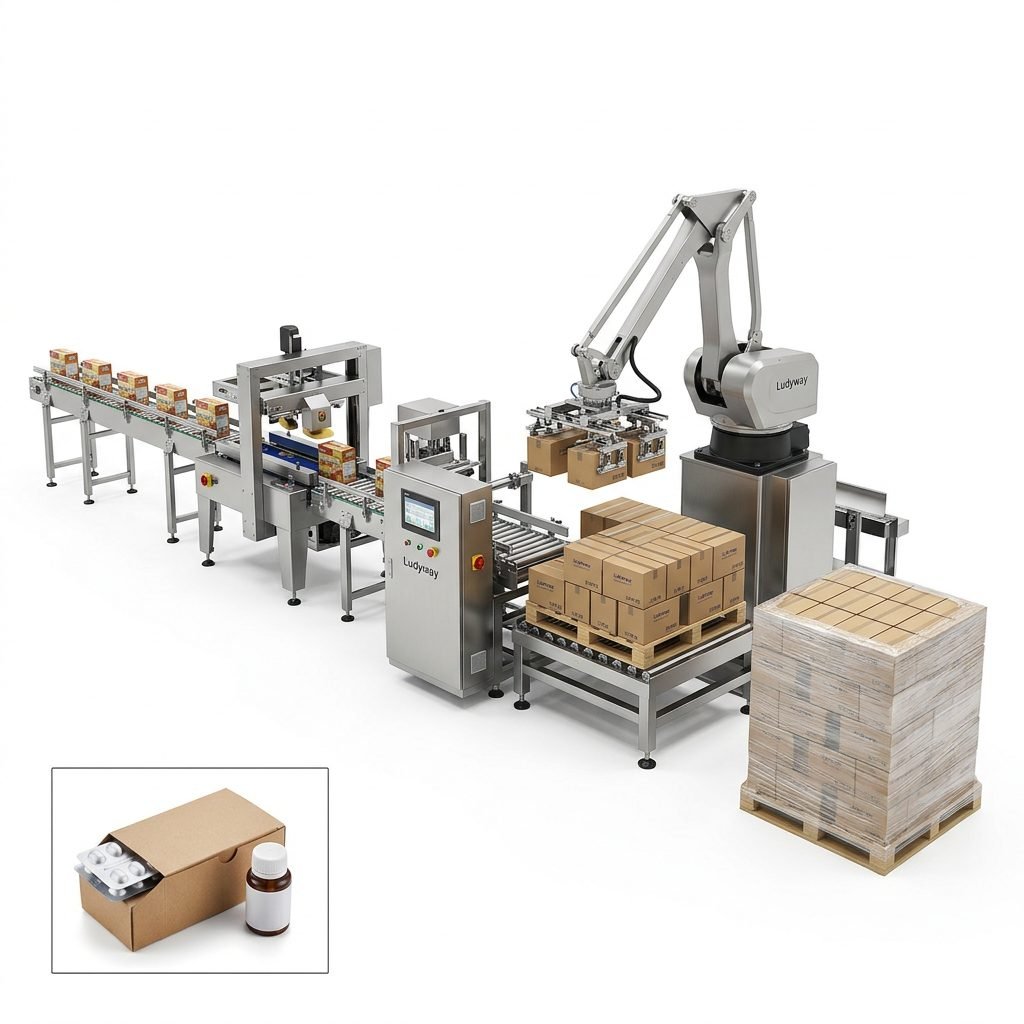
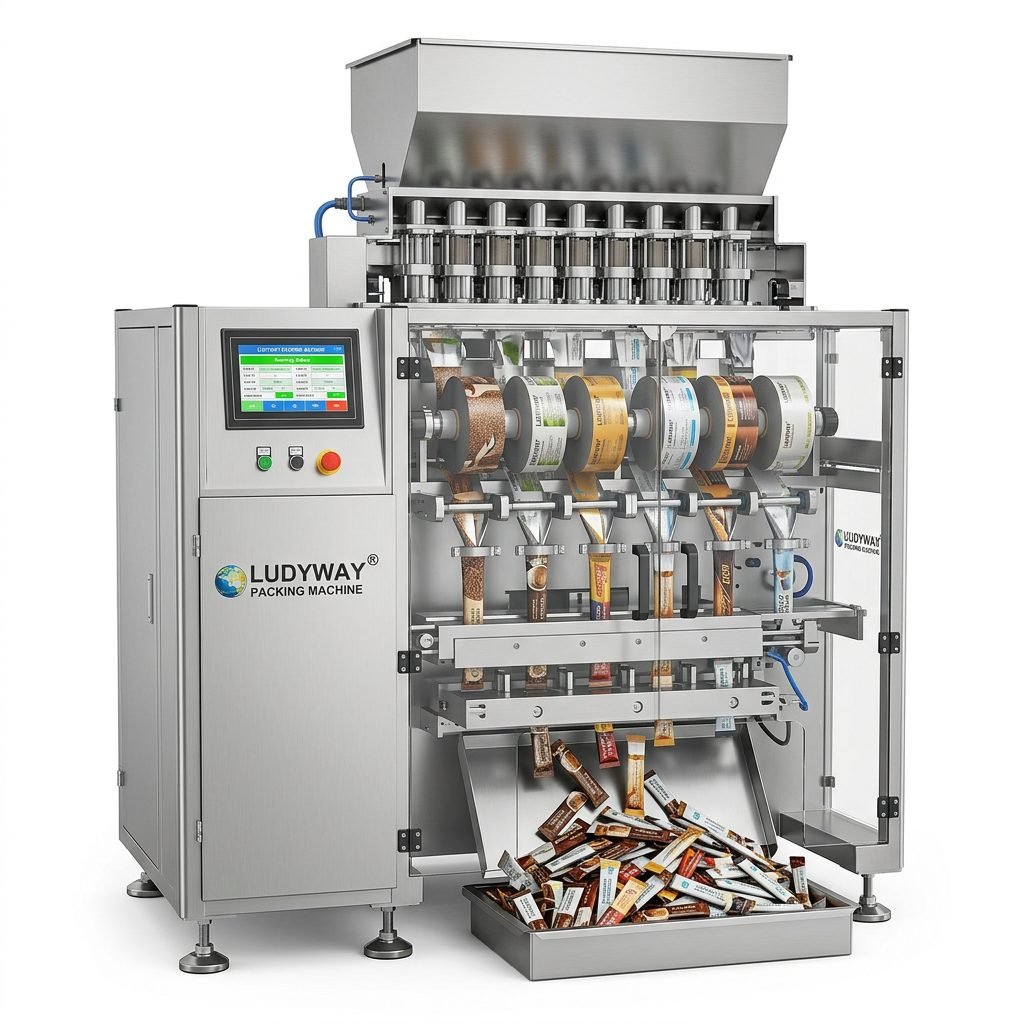
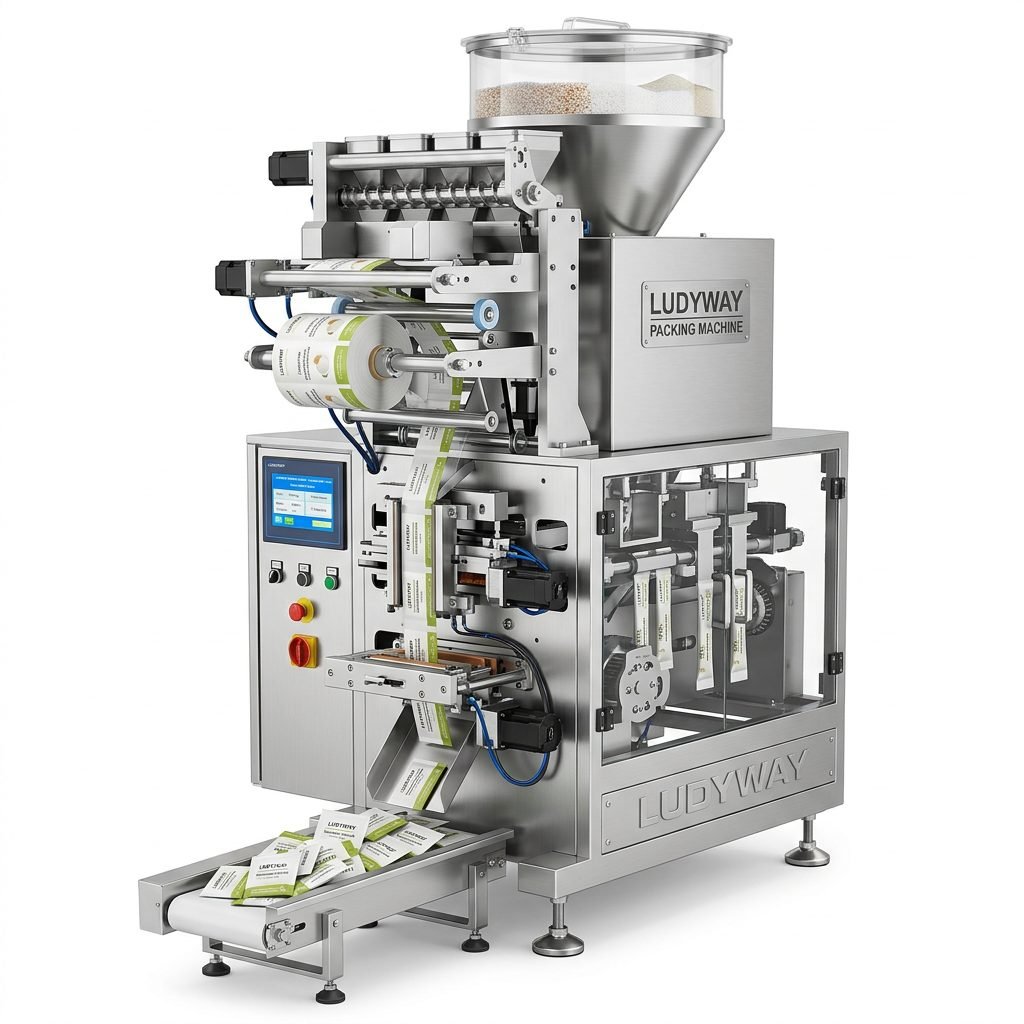
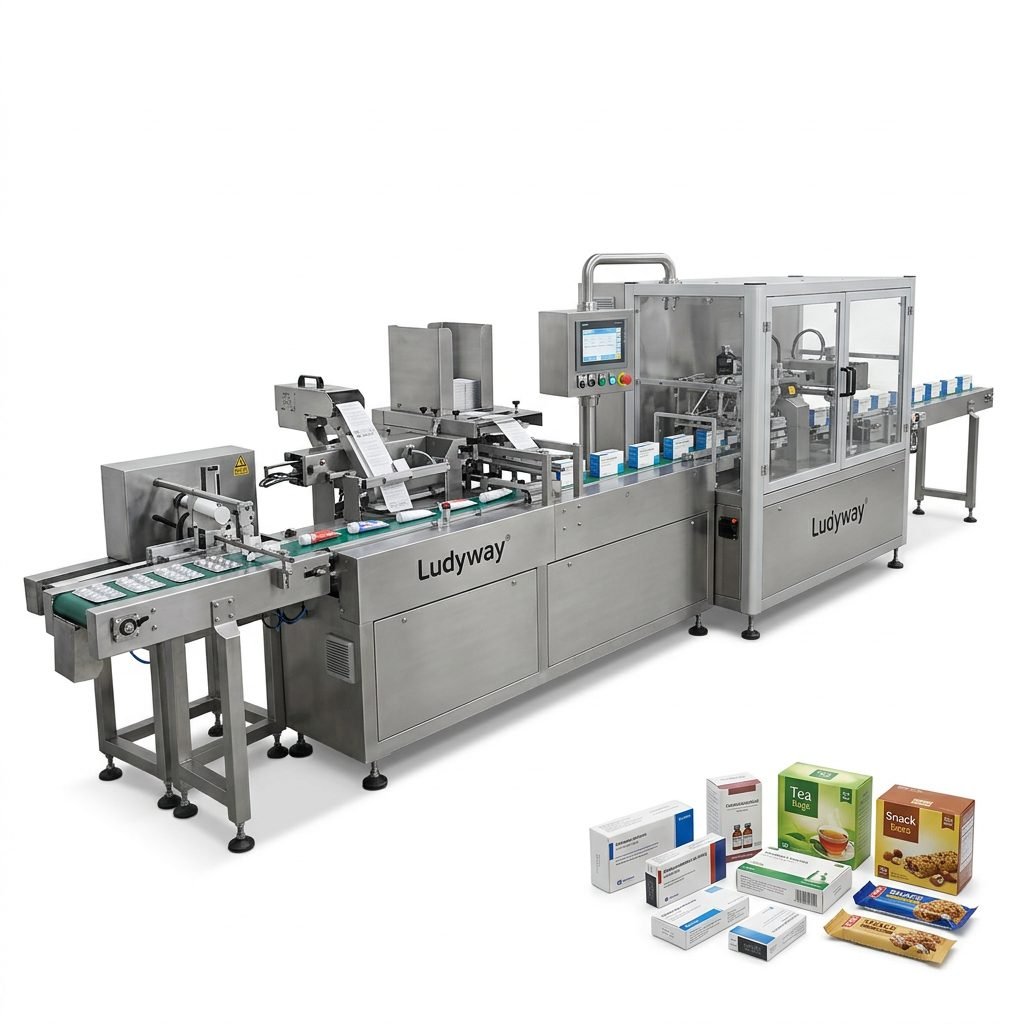
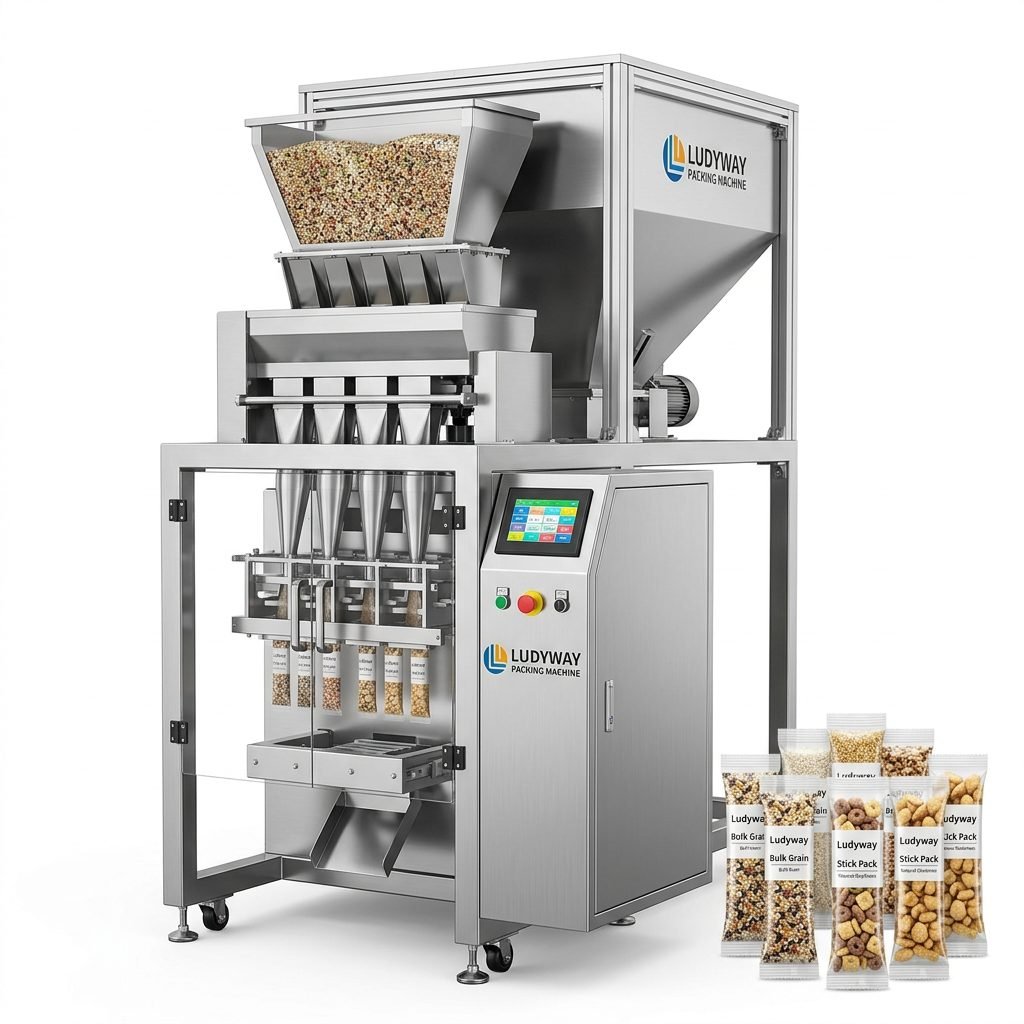
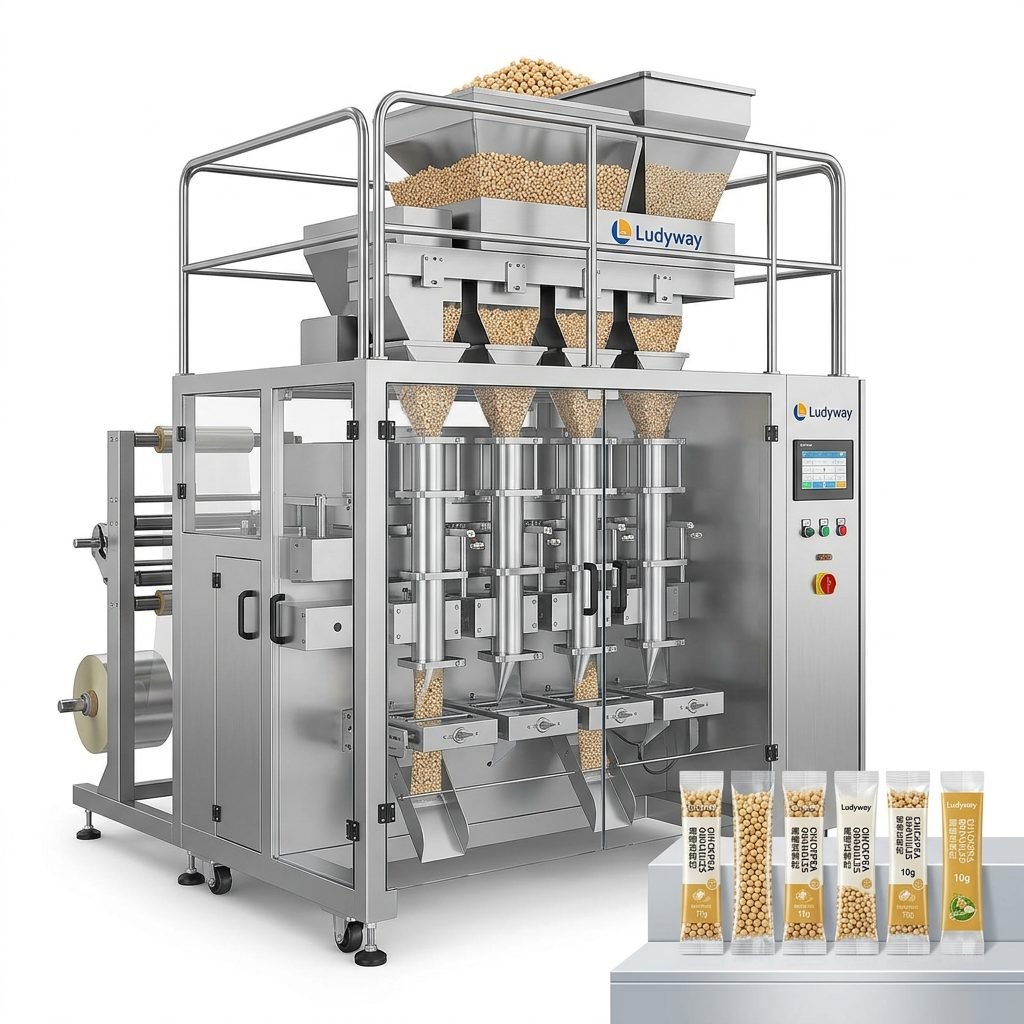
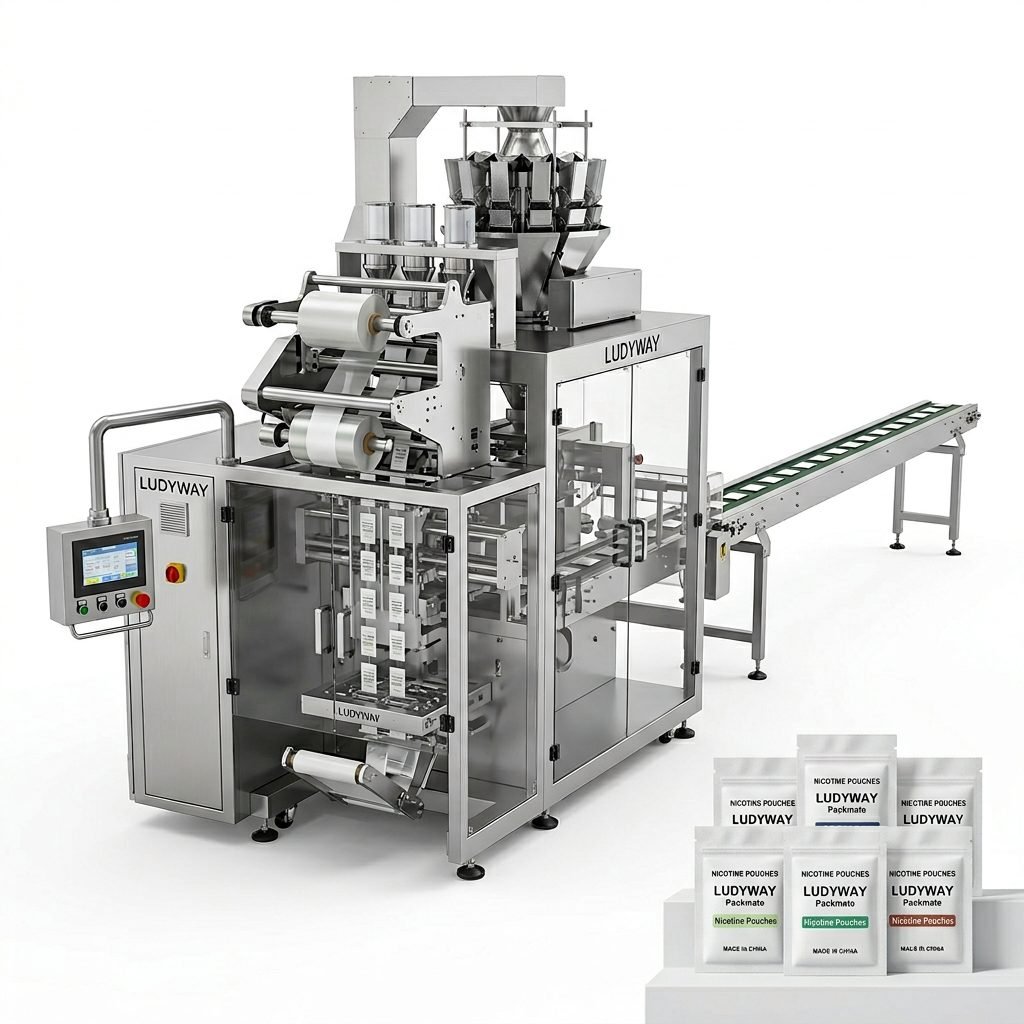
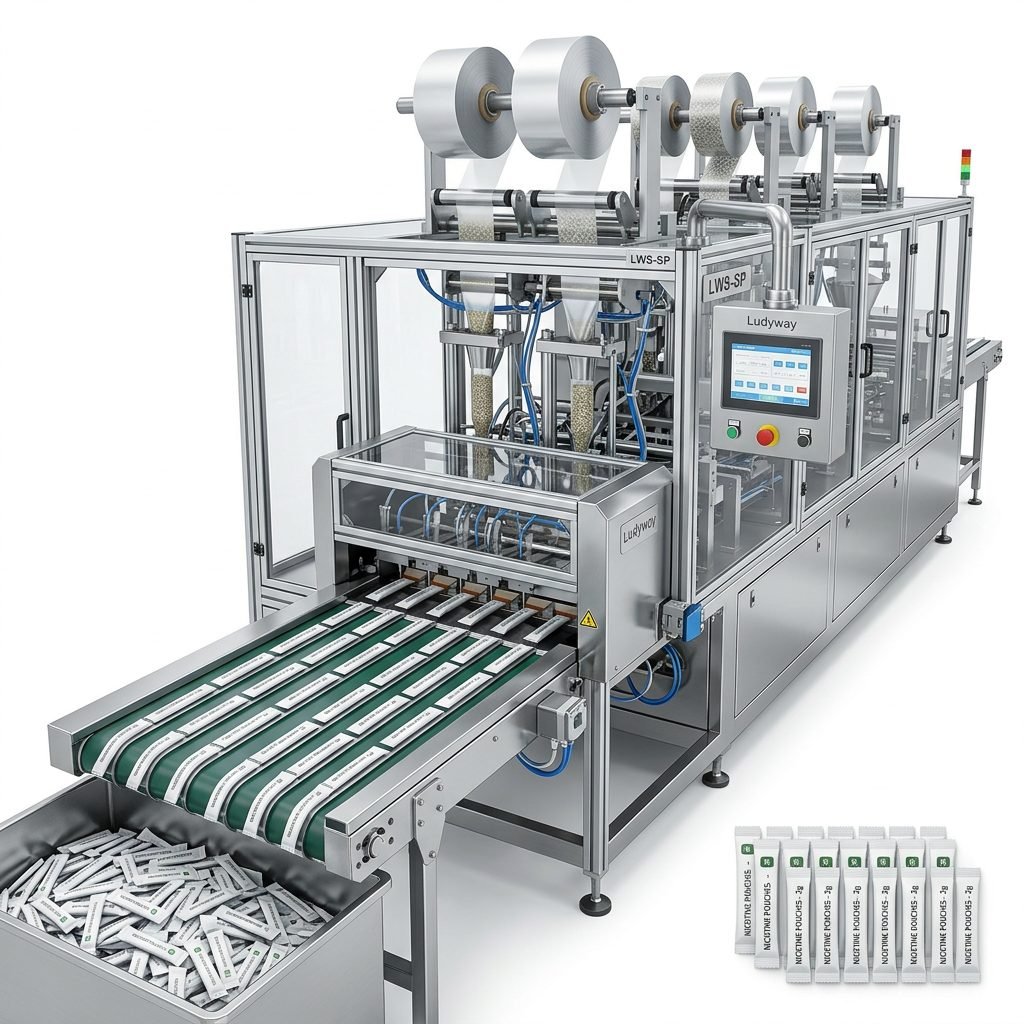
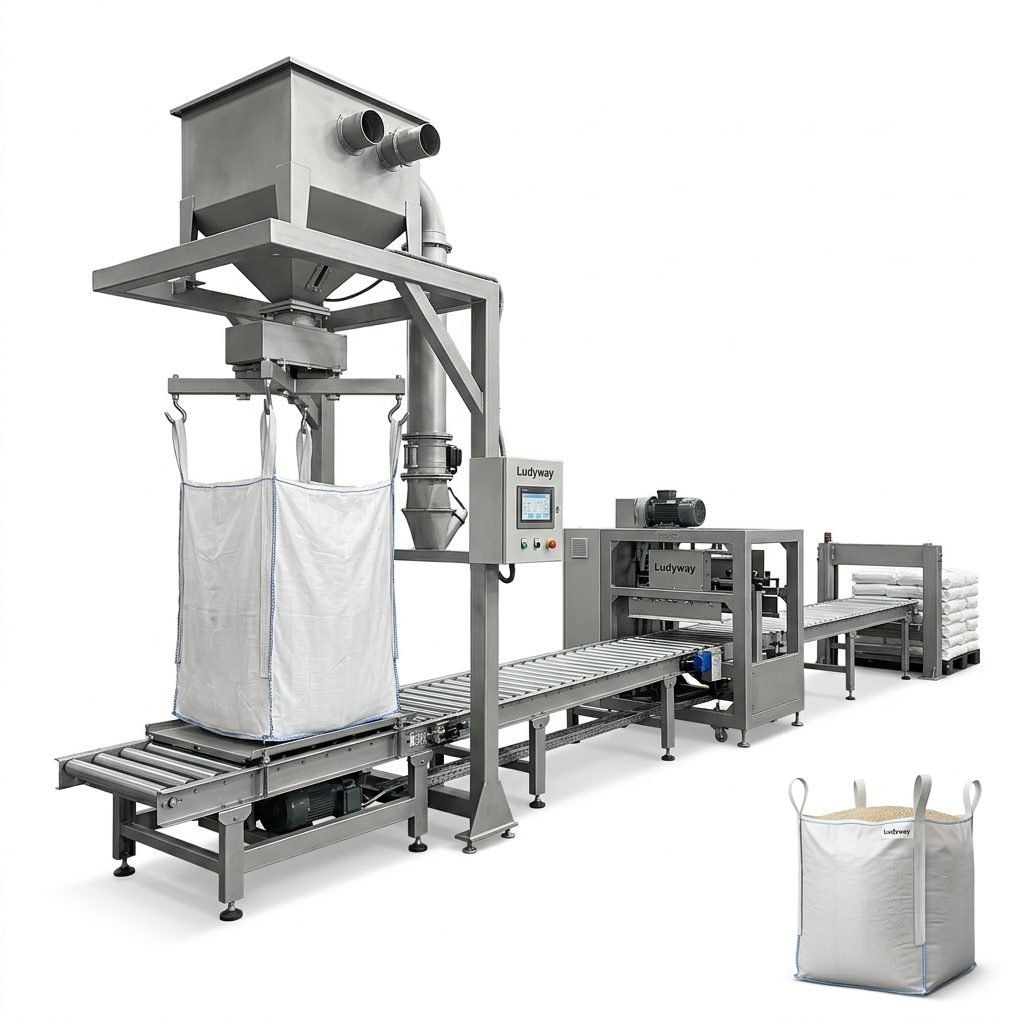
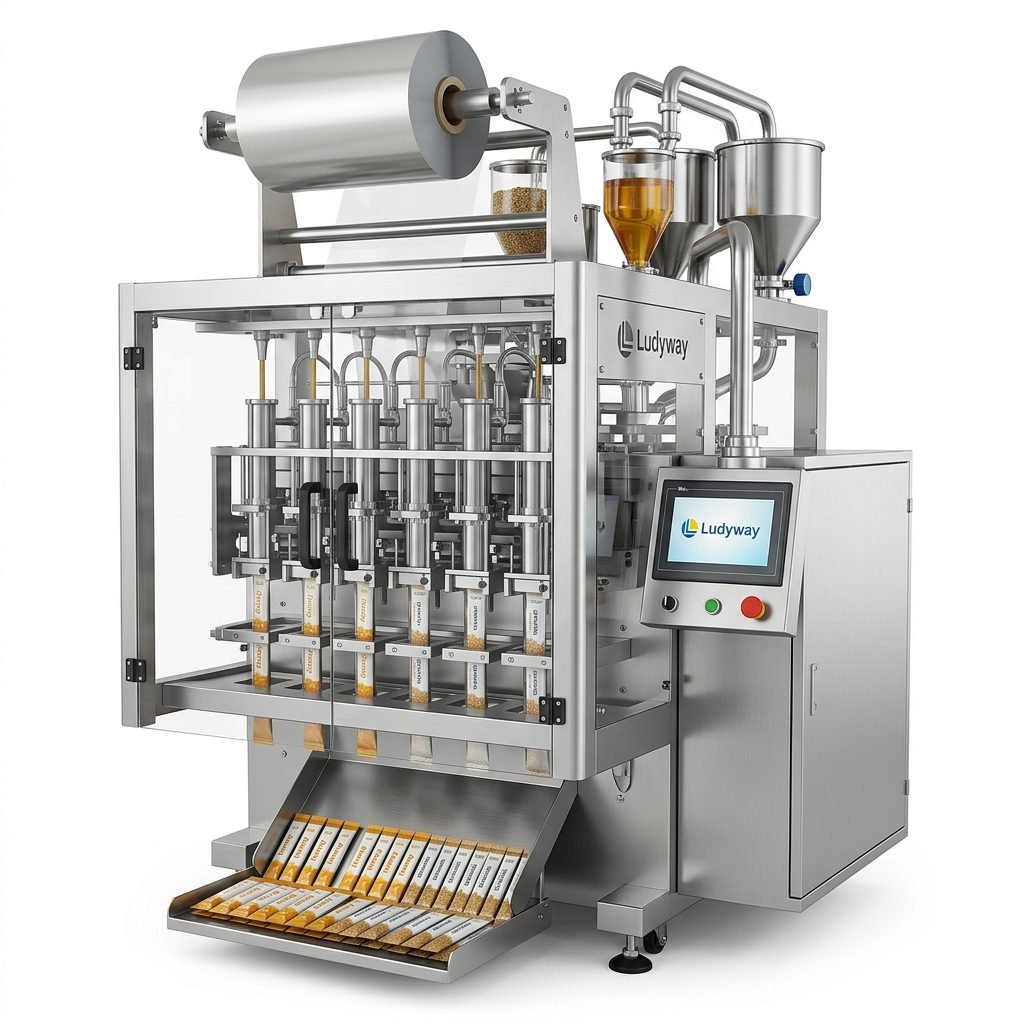
An air pouch packing machine is a critical asset for businesses that rely on protective packaging for shipping and logistics. These machines produce inflatable air cushions, void-fill pillows, and bubble wrap on demand, helping reduce shipping damage while optimizing material costs. However, like any industrial equipment, an air pouch packing machine requires consistent maintenance to deliver reliable performance, minimize downtime, and extend its service life. This guide covers essential maintenance practices, common troubleshooting tips, and a structured preventive maintenance schedule to keep your machine running at peak efficiency.
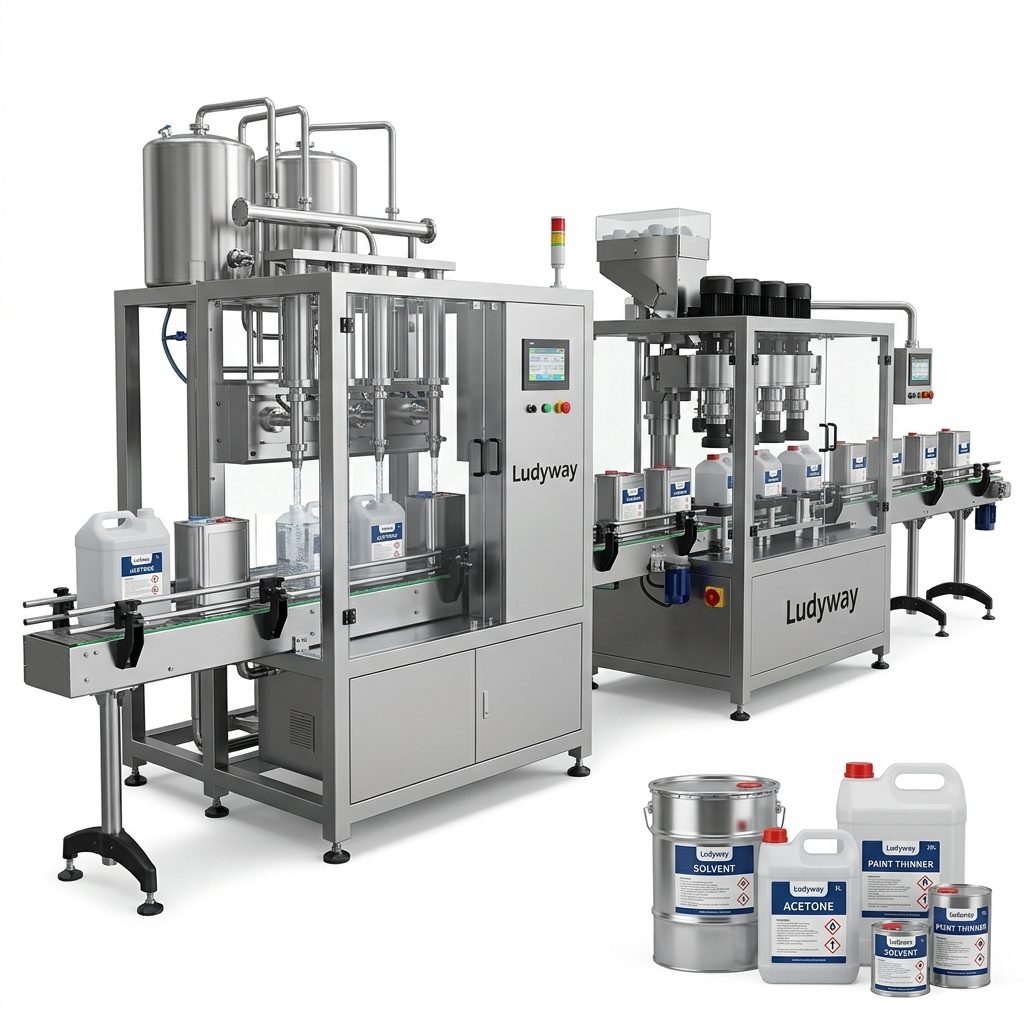
Why Regular Maintenance Matters
Neglecting routine care of your air pouch packing machine can lead to a cascade of problems: inconsistent inflation, film jams, air leaks, and premature component wear. A well-maintained machine not only produces consistent, high-quality air cushions but also reduces film waste and energy consumption. According to industry data from PMMI packaging industry research, preventive maintenance can reduce unplanned downtime by up to 45% in packaging operations. Investing time in maintenance pays off in lower total cost of ownership and fewer emergency repairs.
Daily Maintenance Checklist
Daily tasks are quick but essential. Operators should perform these checks at the start and end of each shift to catch issues before they escalate:
- Inspect the film path — Check for debris, adhesive residue, or film fragments along the rollers, guides, and sealing area that could cause jams.
- Clean the sealing elements — Wipe down the heating bar and sealing surface with a non-abrasive cloth to remove any melted film residue or dust buildup.
- Check air pressure and connections — Verify that the air supply is at the manufacturer’s recommended PSI level and inspect hoses and fittings for leaks or loose connections.
- Examine air cushions for quality — Run a test cycle and inspect the output for proper inflation, consistent seal integrity, and uniform pillow size.
- Clean the exterior surfaces — Wipe down the machine housing, control panel, and surrounding area to prevent dust accumulation near sensitive components.
Weekly Maintenance Tasks
Weekly maintenance dives deeper into components that experience gradual wear. Set aside 30 to 45 minutes each week for these tasks:
- Lubricate moving parts — Apply manufacturer-recommended lubricant to chains, bearings, guide rails, and any rotating shafts to reduce friction and wear.
- Inspect belts and drive systems — Check V-belts and timing belts for cracks, fraying, or tension loss. Replace any belt showing visible signs of deterioration.
- Test safety sensors and interlocks — Verify that all safety switches, emergency stops, and guard interlocks function correctly to protect operators.
- Clean or replace air filters — Check the air intake filter for the inflation system. A clogged filter restricts airflow and reduces cushion quality.
- Verify film tension settings — Incorrect tension leads to wrinkling, misfeeds, or incomplete seals. Adjust according to the film type and gauge being used.
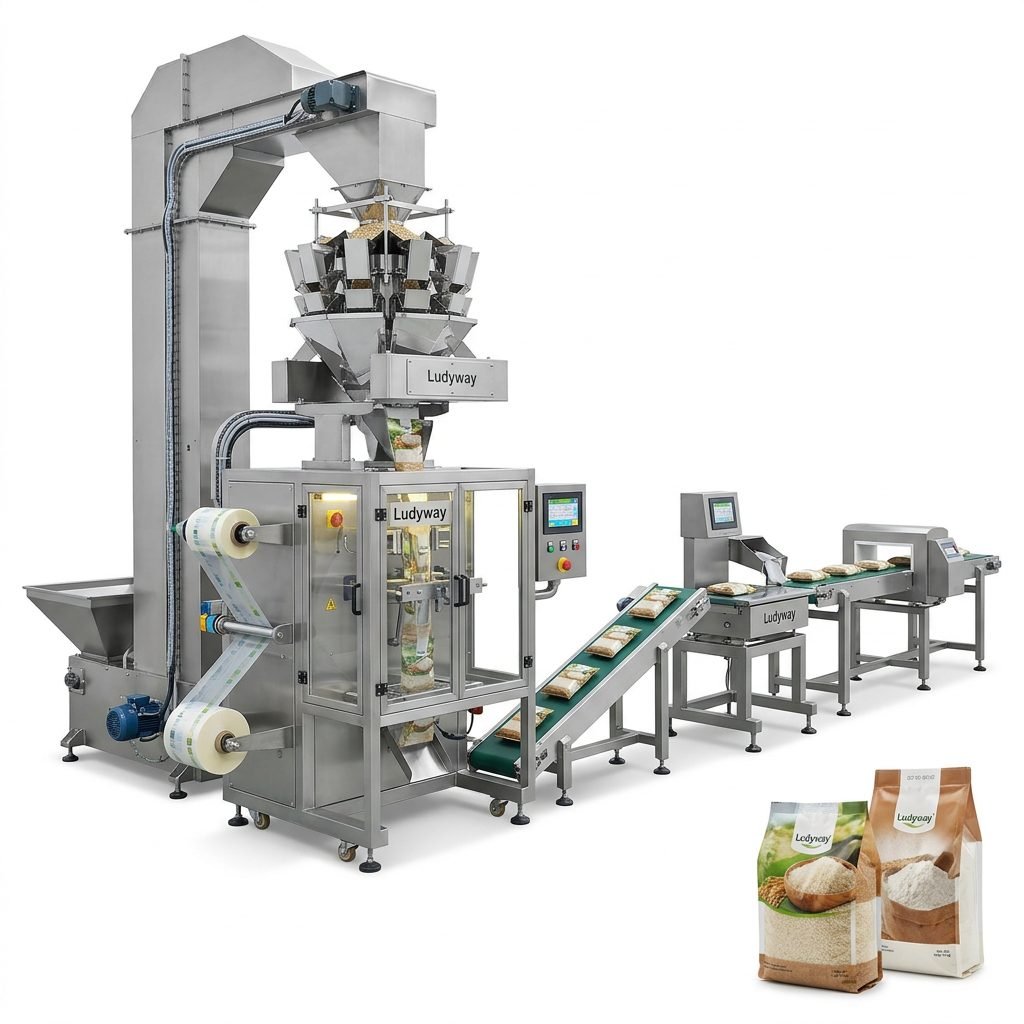
Monthly Preventive Maintenance
Monthly maintenance focuses on electrical systems, calibration, and deeper mechanical inspections. These tasks help identify wear trends before they cause failures:
- Inspect electrical connections — Tighten terminal screws, check wiring insulation for damage, and look for signs of overheating or corrosion on connectors and circuit boards.
- Calibrate temperature and sealing settings — Use a calibrated thermometer to verify that the heating element reaches the set temperature accurately. Recalibrate if readings deviate.
- Examine pneumatic cylinders and valves — Check for smooth operation, listen for unusual hissing sounds, and replace worn seals or O-rings as needed.
- Deep clean the film path and rollers — Remove all rollers one at a time, clean thoroughly with isopropyl alcohol, and inspect for wear, flat spots, or bearing noise.
- Review error logs if available — Machines with digital controllers often store fault codes. Review these logs to identify recurring issues and address root causes.
Maintenance Schedule Overview
The table below summarizes the recommended maintenance intervals for key components of your air pouch packing machine. Use this as a quick reference guide for your maintenance team:
| Component / Task | Frequency | Action Required |
|---|---|---|
| Sealing elements & heating bar | Daily | Clean with non-abrasive cloth |
| Air pressure & connections | Daily | Verify PSI, check for leaks |
| Moving parts lubrication | Weekly | Apply manufacturer-recommended lubricant |
| Belts & drive systems | Weekly | Inspect for cracks, fraying, tension |
| Air filters | Weekly | Clean or replace as needed |
| Electrical connections | Monthly | Tighten terminals, inspect insulation |
| Temperature calibration | Monthly | Verify with calibrated thermometer |
| Pneumatic cylinders & valves | Monthly | Check operation, replace worn seals |
| Full system audit | Quarterly | Comprehensive inspection & parts replacement |
Common Issues and Troubleshooting
Even with regular maintenance, occasional issues may arise. The table below highlights common problems with air pouch packing machines and their typical solutions:
| Problem | Possible Cause | Recommended Solution |
|---|---|---|
| Inconsistent inflation | Low air pressure, clogged air filter, or film path obstruction | Check air supply PSI, clean or replace filter, clear film path |
| Weak or incomplete seals | Incorrect temperature, dirty sealing bar, or worn heating element | Recalibrate temperature, clean sealing surface, replace element if needed |
| Film jams or misfeeds | Misaligned film roll, incorrect tension, or debris on rollers | Realign film, adjust tension, clean all rollers thoroughly |
| Excessive noise during operation | Worn bearings, loose components, or lack of lubrication | Lubricate moving parts, tighten fasteners, replace worn bearings |
| Air cushions deflate quickly | Damaged film, poor seal quality, or pinhole leaks | Inspect film quality, verify seal integrity, check for foreign objects |
Best Practices for Extending Machine Lifespan
Beyond scheduled maintenance, adopting the following best practices can significantly extend the service life of your air pouch packing machine and improve overall packaging operational efficiency:
Use High-Quality Consumables
The quality of the film you use directly impacts machine performance. Low-grade films may contain contaminants that leave residue on sealing surfaces, cause inconsistent inflation, or produce weak seals. Always select films that meet the machine manufacturer’s specifications for gauge, material composition, and roll dimensions. The Flexible Packaging Association provides valuable resources on film material standards and best practices for protective packaging applications.
Train Operators Properly
Operator error is a leading cause of avoidable machine issues. Ensure that all personnel who interact with the equipment receive comprehensive training on startup procedures, film loading, parameter adjustments, shutdown protocols, and basic troubleshooting. Well-trained operators can identify early warning signs and prevent minor issues from becoming major failures.
Maintain a Spare Parts Inventory
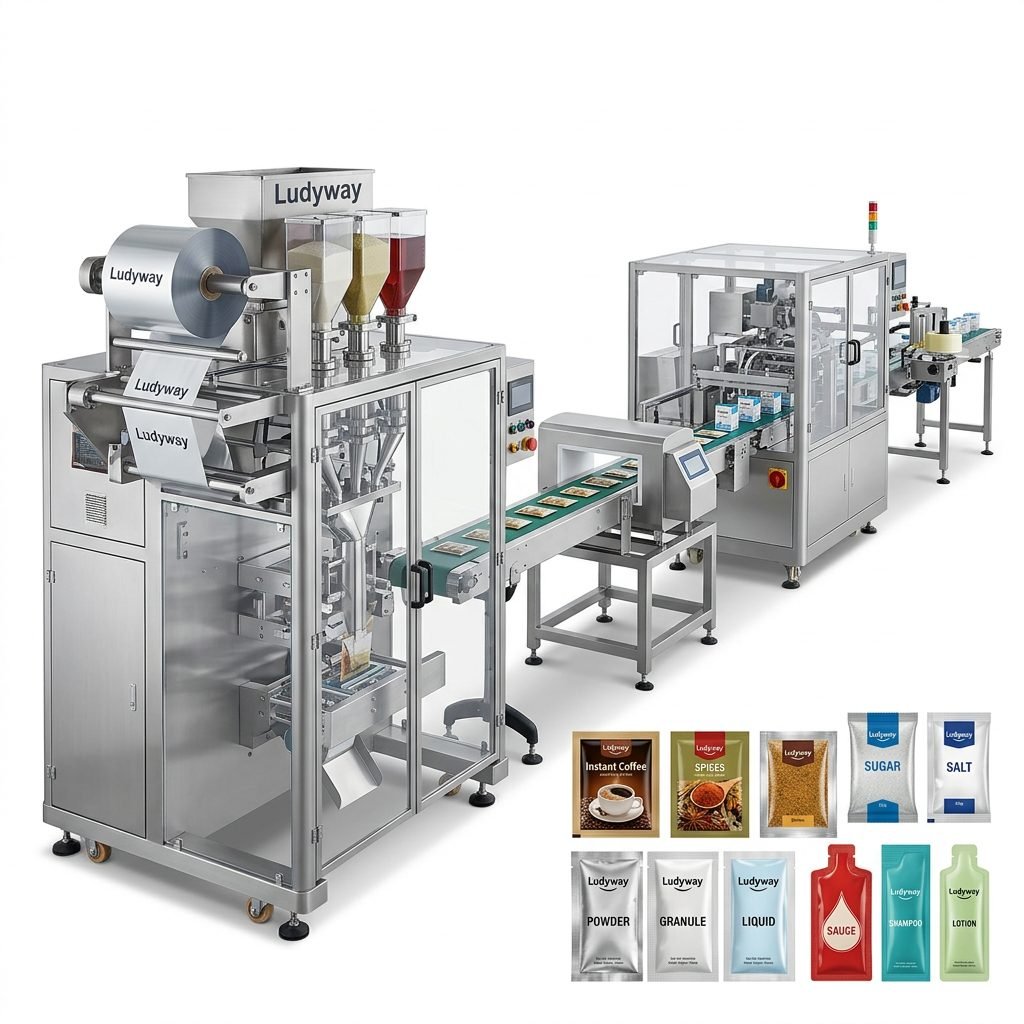
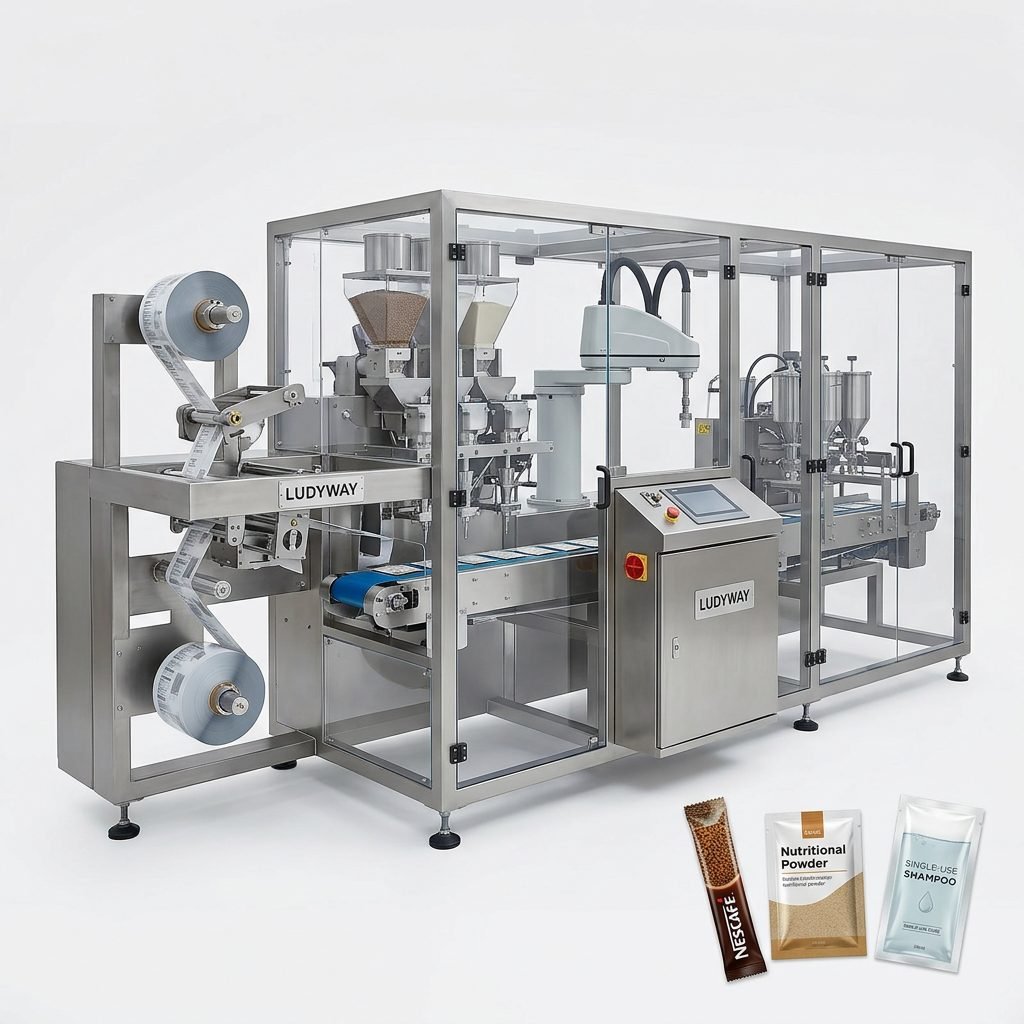
Keep critical spare parts on hand to minimize downtime during repairs. Essential spares include heating elements, sealing bands, drive belts, air filters, sensors, and common O-ring or seal kits. Consult your machine’s manual for a recommended spare parts list, and establish relationships with reputable suppliers. Companies like Ludyway, a leading packaging machine manufacturer, offer comprehensive spare parts support and technical assistance for their equipment lines globally.
Document All Maintenance Activities
Maintain a detailed maintenance log that records dates, tasks performed, parts replaced, and any observations. This documentation helps track wear patterns, predict when components will need replacement, and demonstrate compliance with ISO packaging standards for quality management. Digital maintenance management systems can automate reminders and generate reports for audit purposes.
Quarterly Deep Inspection Checklist
Every three months, schedule a more thorough inspection that goes beyond routine maintenance tasks. This quarterly audit should include:
- Full disassembly and cleaning of the film path — Remove all rollers, guides, and tensioners for individual cleaning and inspection.
- Electrical system testing — Test all sensors, relays, fuses, and control board connections with appropriate diagnostic tools.
- Pneumatic system pressure test — Conduct a full pressure test of the air system to identify slow leaks that may not be audible during normal operation.
- Replacement of wear-prone components — Proactively replace heating elements, sealing bands, belts, and filters that are approaching their expected service life.
- Software and firmware updates — If your machine uses digital controls, check for available updates that may improve performance or add diagnostic features.
When to Call a Professional Technician
While many maintenance tasks can be handled in-house, certain situations warrant professional service. Contact a qualified technician if you encounter:
- Persistent electrical faults or error codes that cannot be resolved through standard troubleshooting
- Unusual vibration, grinding noises, or mechanical resistance that suggests internal component damage
- Significant drops in air cushion quality despite following all recommended maintenance procedures
- Damage to the machine frame, control system, or major assemblies from impact or electrical surges
- The need for major component replacement requiring specialized tools or calibration equipment
Conclusion
A disciplined maintenance program is the foundation of reliable air pouch packing machine performance. By implementing daily, weekly, monthly, and quarterly maintenance routines, you can prevent costly breakdowns, extend equipment lifespan, and ensure consistent protective packaging quality. Remember to use high-quality consumables, train operators thoroughly, maintain spare parts inventory, and document all maintenance activities. For further guidance on packaging machinery standards and best practices, visit the PMMI packaging industry resources and the Flexible Packaging Association. Investing in preventive maintenance today protects your equipment, your products, and your bottom line for years to come.
Related resources: