Tea producers exploring packaging automation often start with a critical question: What is the investment required for a manual tablet blister packing machine designed for tea? While the global blister packaging market continues to expand—driven by demand for portion control, product protection, and enhanced shelf appeal—understanding the cost variables is essential for making an informed purchasing decision. A manual tablet blister packing machine for tea represents an entry-level solution, but its price can vary significantly based on construction, output capacity, tooling complexity, and regional manufacturing standards.
Key Factors Influencing the Cost of a Manual Blister Packing Machine
Before analyzing specific price ranges, it is important to understand the primary drivers that affect the final quotation. A manual machine relies heavily on operator involvement for material feeding, sealing initiation, and product removal. The following elements directly impact cost:
- Machine frame and build material: Stainless steel 304 or 316 construction, preferred for tea packaging solutions due to hygiene requirements, adds to the base cost compared to mild steel alternatives.
- Blister forming area and cavity configuration: The number of blisters per cycle and the overall platen size determine material utilization and production throughput.
- Sealing mechanism type: Heat-sealing platens with precise temperature control modules are more expensive than basic constant-heat systems but provide consistent seal integrity for delicate tea tablets.
- Tooling and change parts: Customized blister dies and sealing templates for unique tea tablet shapes increase upfront engineering costs.
- Regulatory compliance: Machines built to meet CE, FDA, or GMP guidelines for food-contact applications command a premium due to enhanced documentation and certified components.
- Origin of manufacture: Equipment produced in China, particularly by established manufacturers with modern facilities, often delivers a more competitive price-to-performance ratio compared to European or North American counterparts.
Estimated Price Ranges for Manual Tea Tablet Blister Machines
The market for manual tablet blister packing machines suitable for tea products spans a broad spectrum. Based on current industry data and supplier analysis, the following table summarizes typical investment levels:
| Machine Category | Typical Price Range (USD) | Best Suited For |
|---|---|---|
| Basic tabletop manual blister sealer | $800 – $2,500 | Start-ups, R&D labs, low-volume herbal tea tablet trials |
| Mid-range manual flat-platen blister machine | $3,000 – $8,000 | Small tea brands, specialty stores, contract packers |
| Heavy-duty manual/ semi-automatic unit | $9,000 – $18,000 | Growing tea manufacturers, multi-SKU operations |
These figures are indicative and exclude additional costs such as tooling, spare parts, shipping, import duties, and on-site installation. Requesting a detailed quotation that breaks down each component is strongly recommended before budget finalization.
Manual vs. Semi-Automatic Blister Packaging: Understanding the Value Proposition
For tea businesses experiencing steady growth, the transition from a fully manual process to a semi-automatic configuration can unlock substantial efficiency gains. A manual machine requires the operator to hand-fill each blister cavity, manually close the sealing platen, and individually offload finished blisters. In contrast, a semi-automatic blister packing machine incorporates pneumatic or mechanical assist features that reduce fatigue and improve cycle consistency. The incremental investment—often between $5,000 and $12,000 above the manual baseline—frequently pays for itself within 12 to 18 months through labor optimization and reduced material waste.
Operational Costs Beyond the Initial Purchase Price
Evaluating total cost of ownership is critical. Beyond the machine itself, tea packers should account for:
- Blister film and lidding material: PVC, PVDC, and aluminum foil costs vary based on barrier property requirements and order quantities.
- Energy consumption: Manual machines typically have lower electrical loads, but heating platens still draw consistent power during production runs.
- Maintenance and wear parts: Sealing gaskets, heating elements, and cutting dies require periodic replacement.
- Operator training: Proper technique ensures consistent seal quality and minimizes rejected blisters.
Why Some Tea Businesses Opt for Stick Pack and Sachet Alternatives
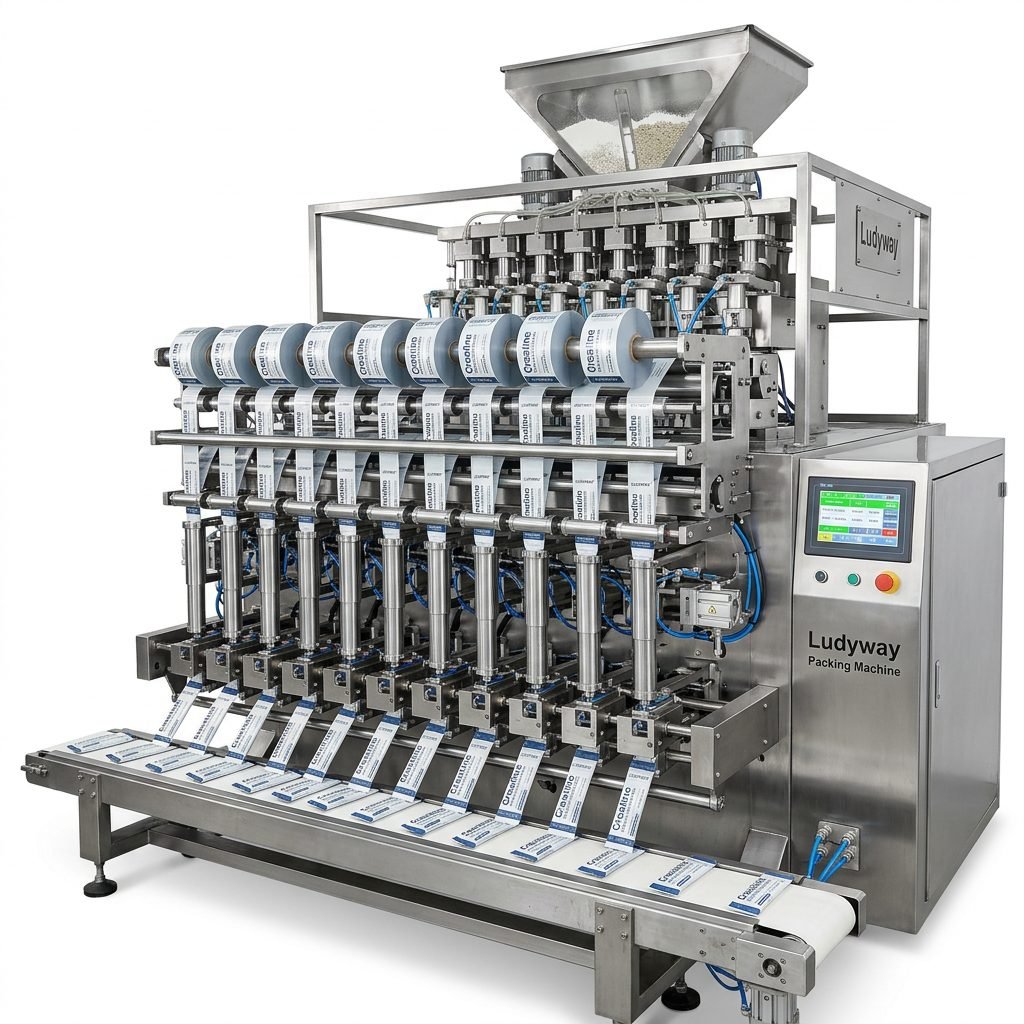
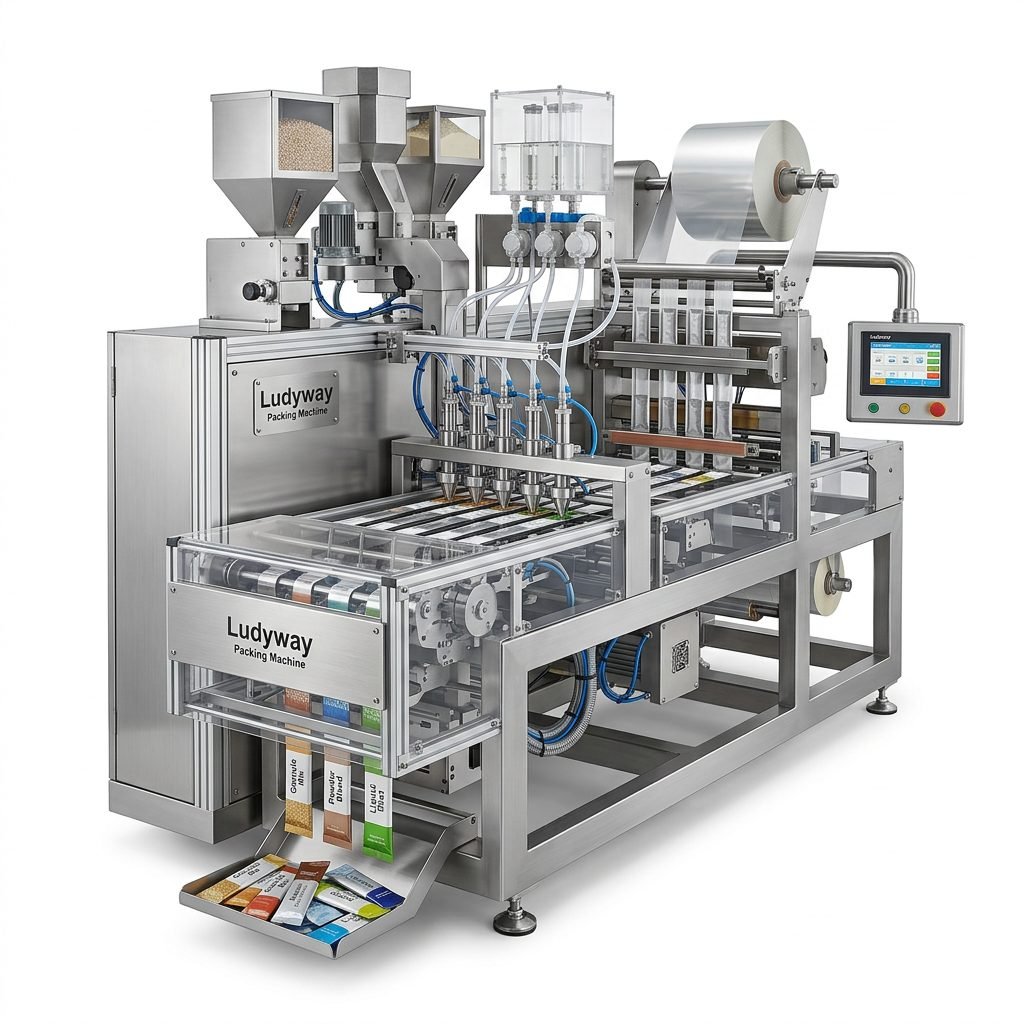
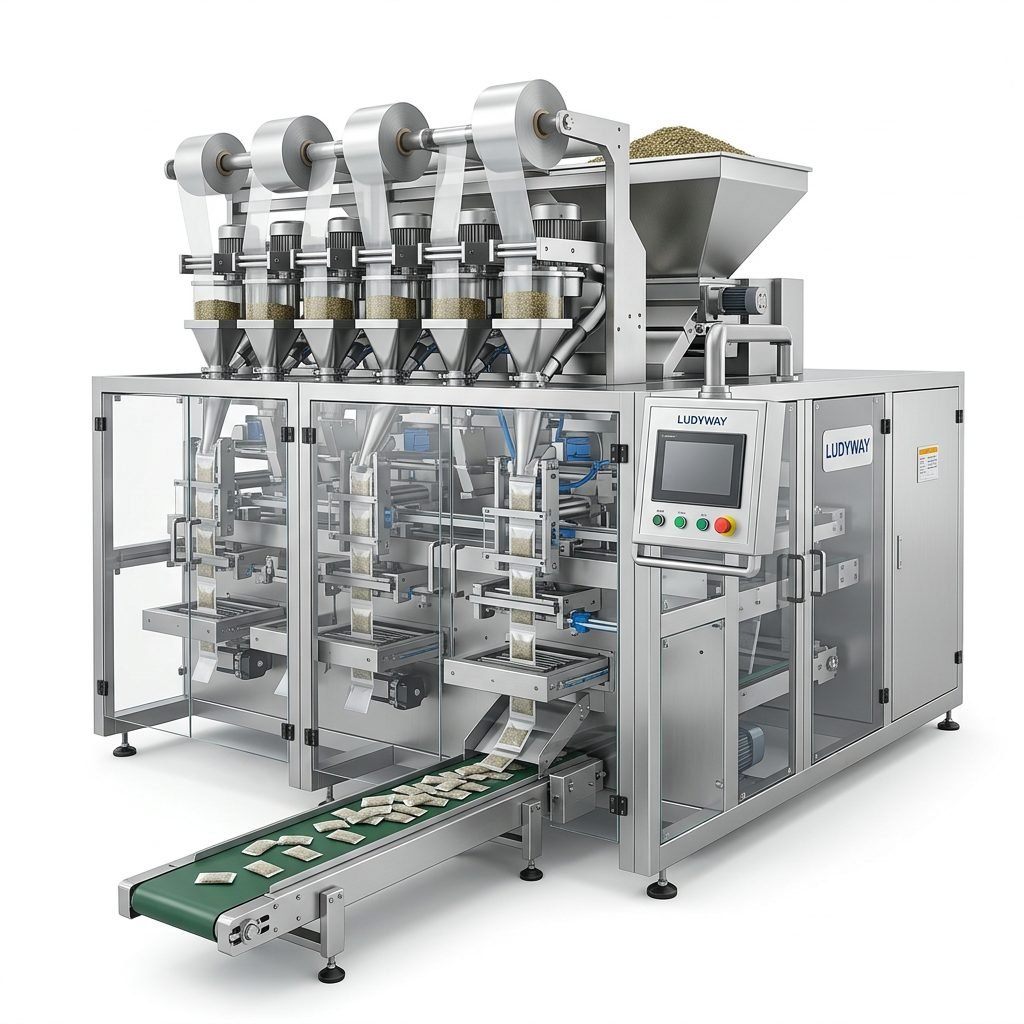
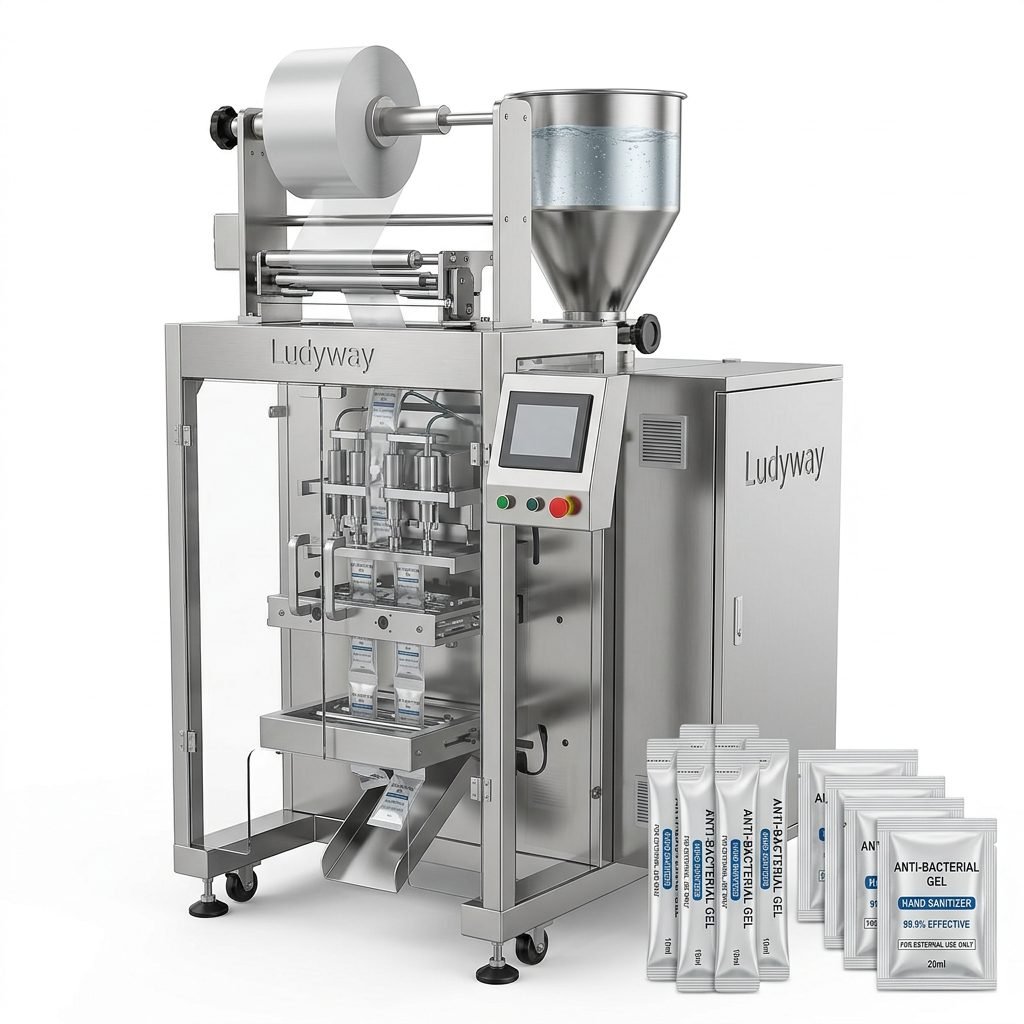
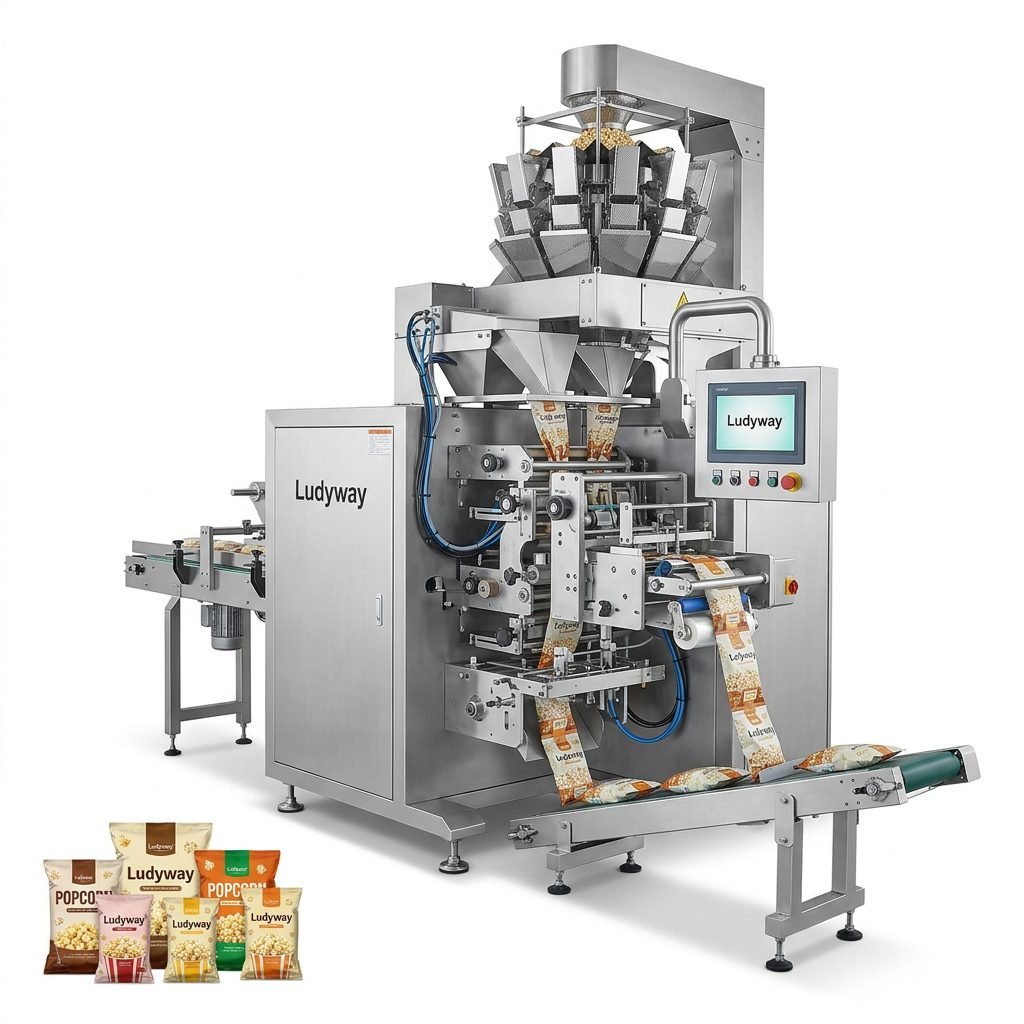
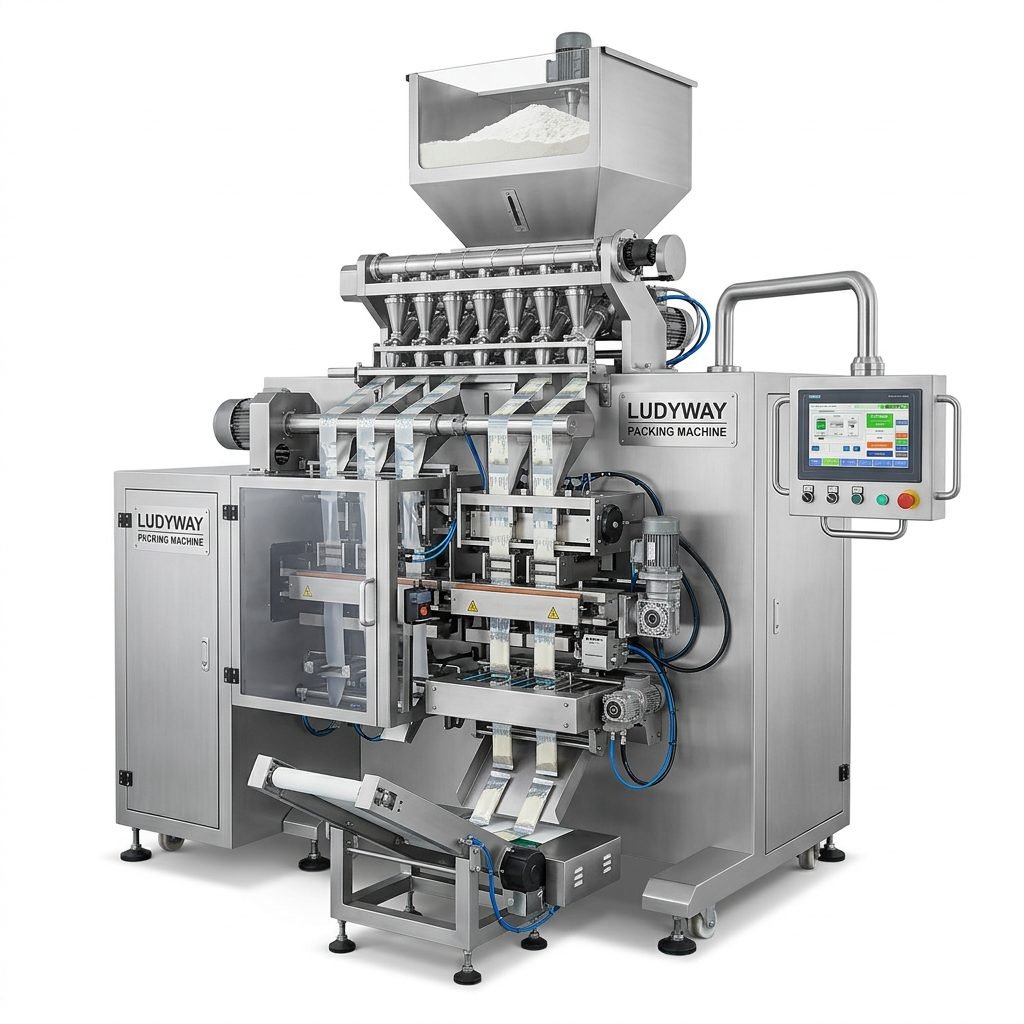
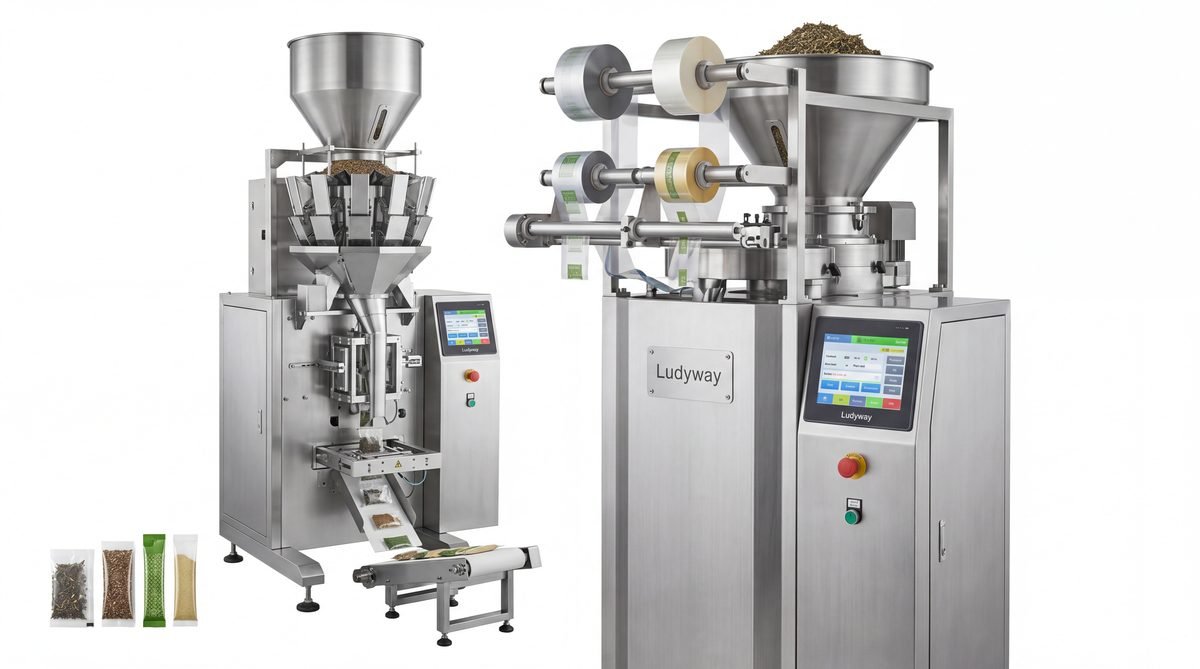
While blister packaging offers excellent product visibility and tamper evidence, a growing segment of the tea industry is adopting multi-lane stick pack and sachet packaging systems for granules, powders, and instant tea formats. These machines provide higher throughput, flexible portion control, and enhanced barrier protection in a compact footprint. For tea producers weighing their options, it is worth comparing the long-term operational costs of blister machines against the speed and material efficiency of modern vertical form-fill-seal equipment.
Selecting the Right Supplier for Your Tea Packaging Equipment
Choosing a reliable machinery partner is as important as evaluating technical specifications. A manufacturer with extensive industry experience, a modern production facility, and a global service network can significantly reduce project risk. Ludyway, operating from a 20,000㎡ manufacturing facility with over 30 years of industry expertise, provides advanced packaging machinery and turnkey production solutions for the food, pharmaceutical, and health industries. Suppliers with in-house engineering teams can also offer customizations—such as specialized tooling for uniquely shaped tea tablets or integrated nitrogen flushing—to meet specific product requirements.
Questions to Ask Before Requesting a Quotation
To receive an accurate and relevant price proposal, prepare the following details when contacting potential suppliers:
- Target output rate (blisters per minute or per hour)
- Blister cavity dimensions and layout requirements
- Tea tablet characteristics (size, shape, hardness, moisture sensitivity)
- Preferred packaging materials (PVC, PET, aluminum, paper-based)
- Available facility utilities (electrical voltage, compressed air if needed)
- Required certifications (CE, ISO, FDA, GMP)
Making a Confident Investment Decision
The cost of a manual tablet blister packing machine for tea ultimately reflects a balance between budget constraints and production ambitions. Entry-level machines provide an accessible starting point, while heavier-duty units support consistent output and reduced downtime. Whether you are launching a new tea tablet line or expanding an existing facility, investing time in supplier due diligence, sample testing, and total-cost analysis will yield a packaging solution that aligns with both operational goals and financial targets. For expert guidance on selecting the right tea packaging machine, consulting with an experienced manufacturer can help navigate the available options and identify the most suitable configuration for your specific application.
Related industry resources: