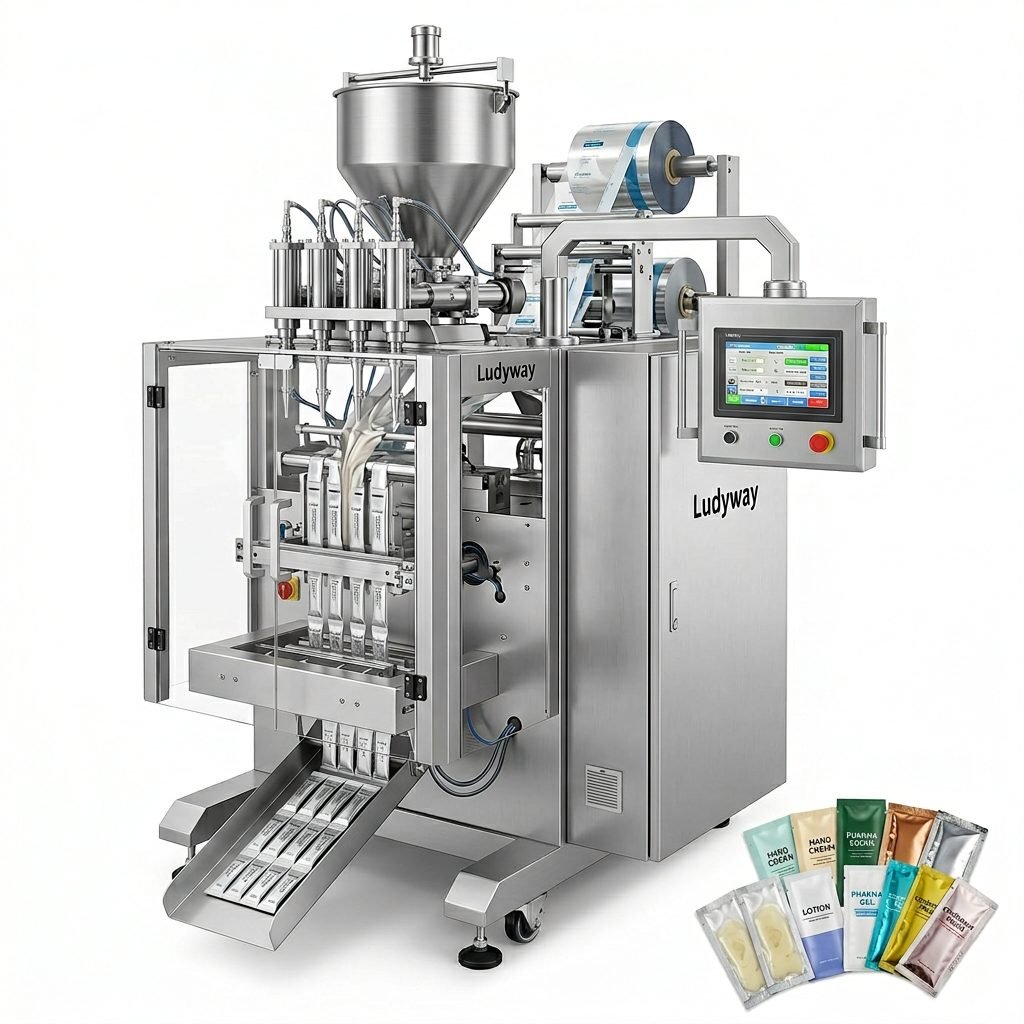
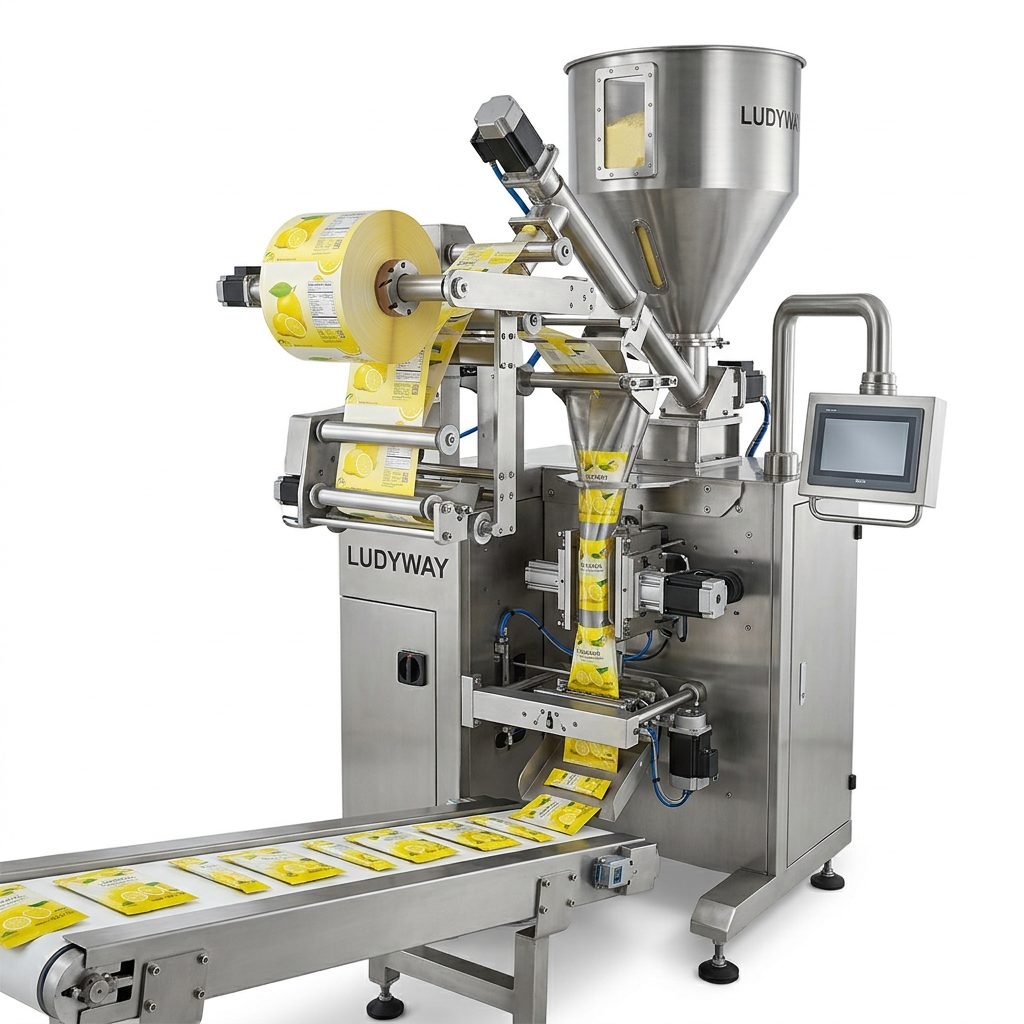
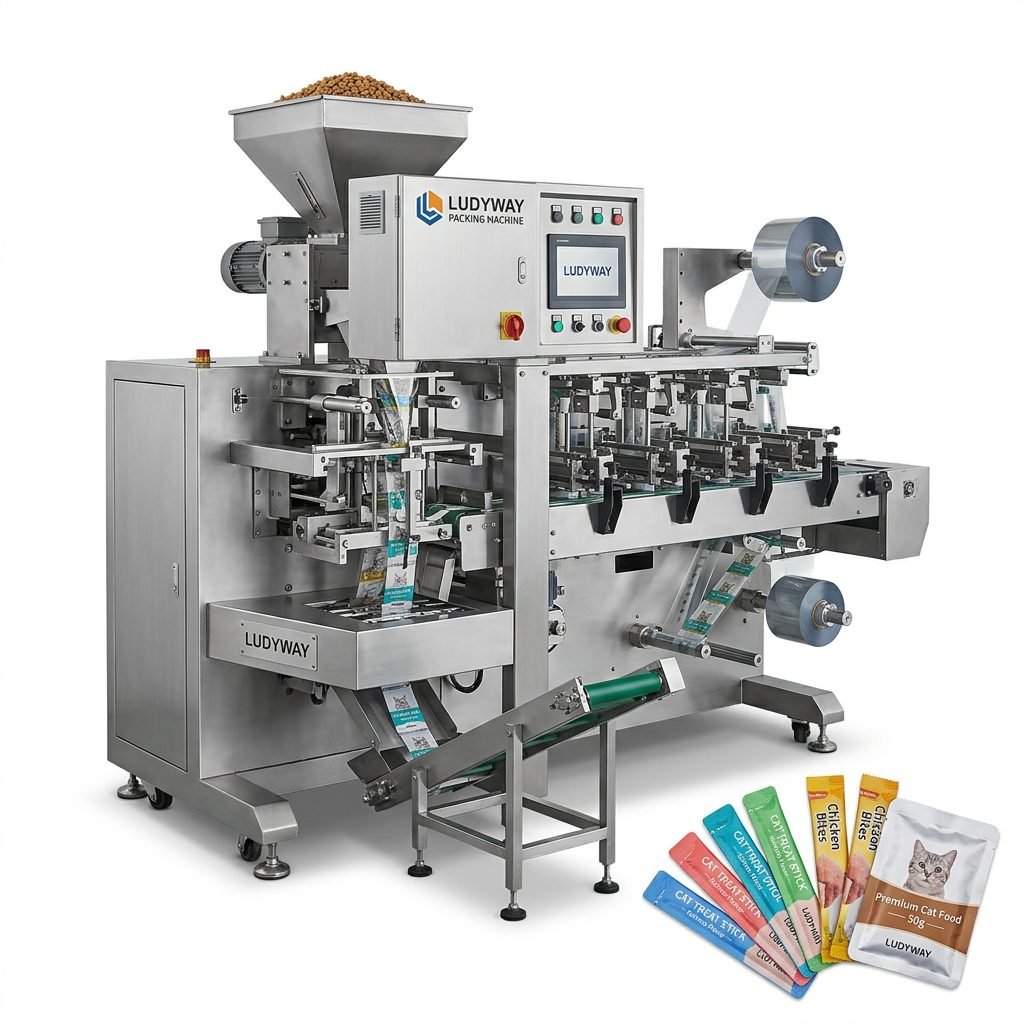
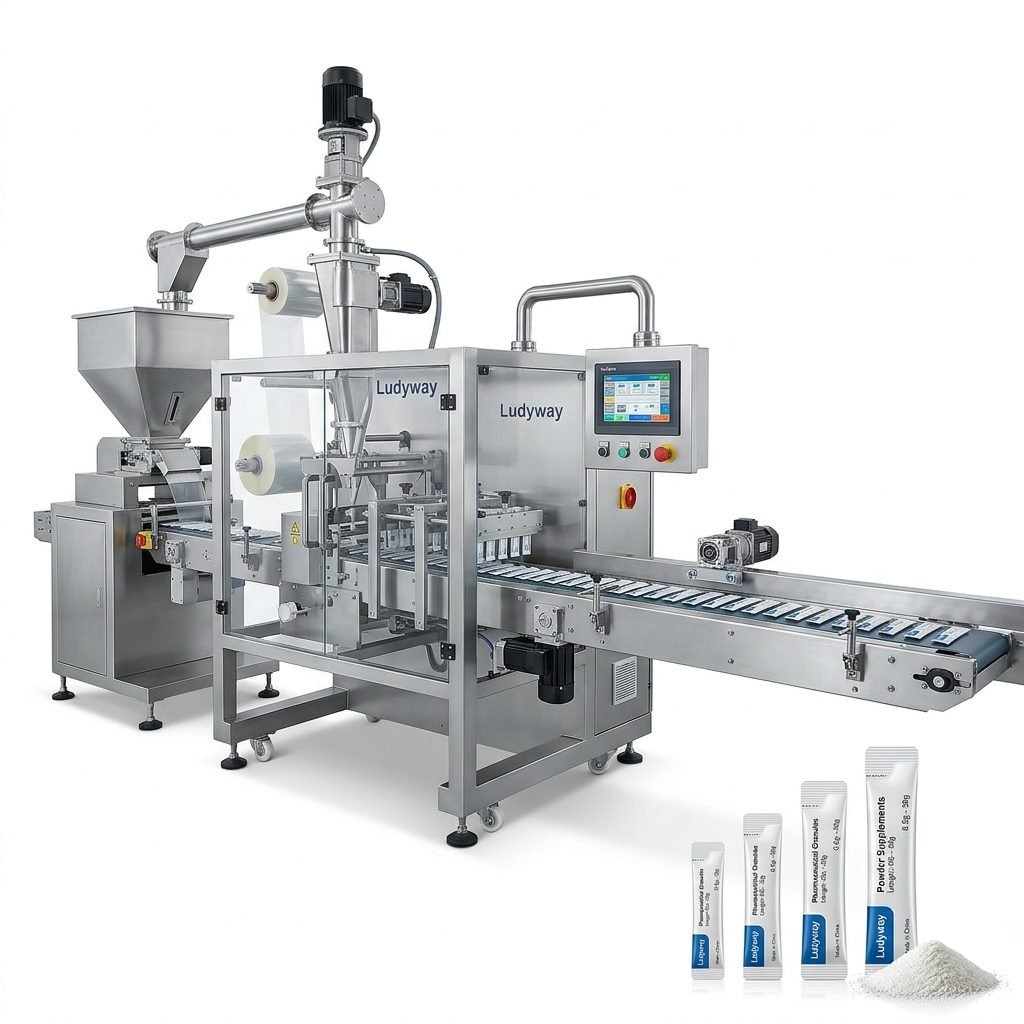
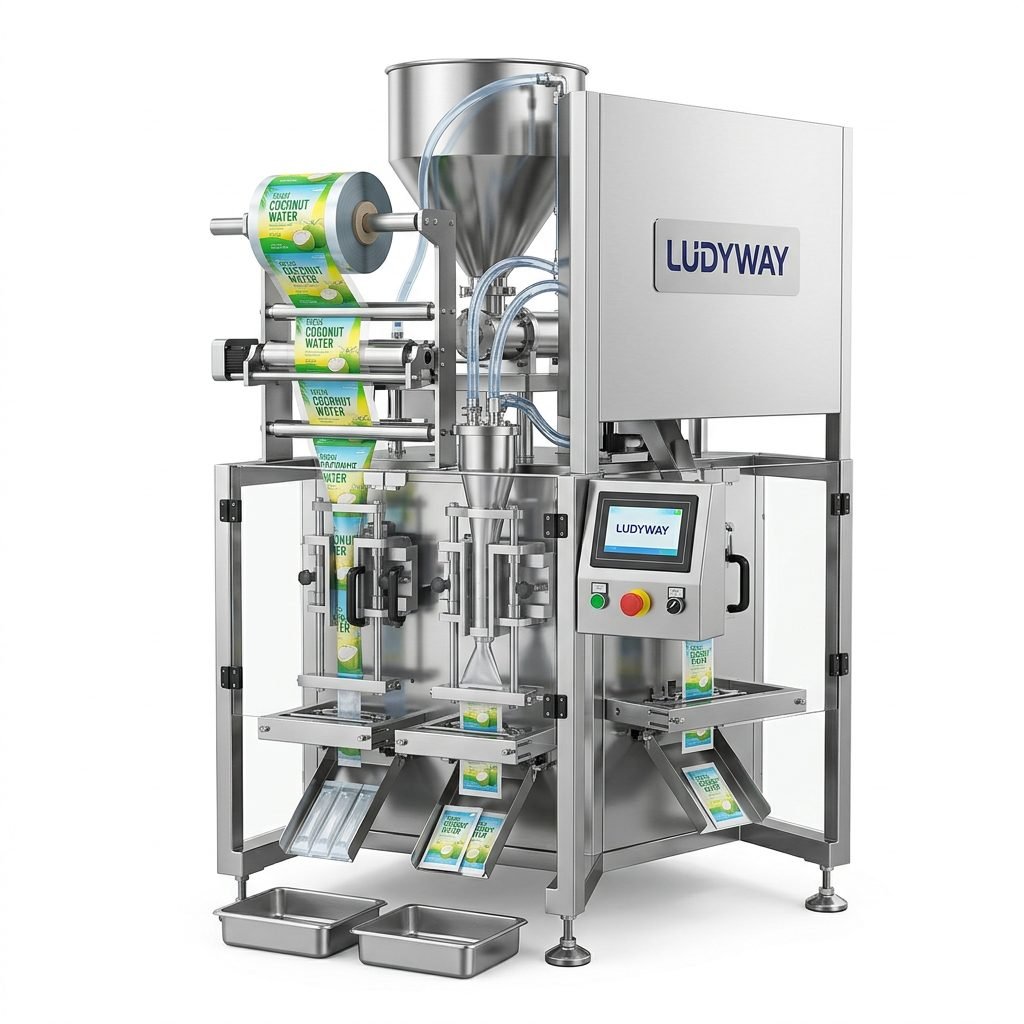
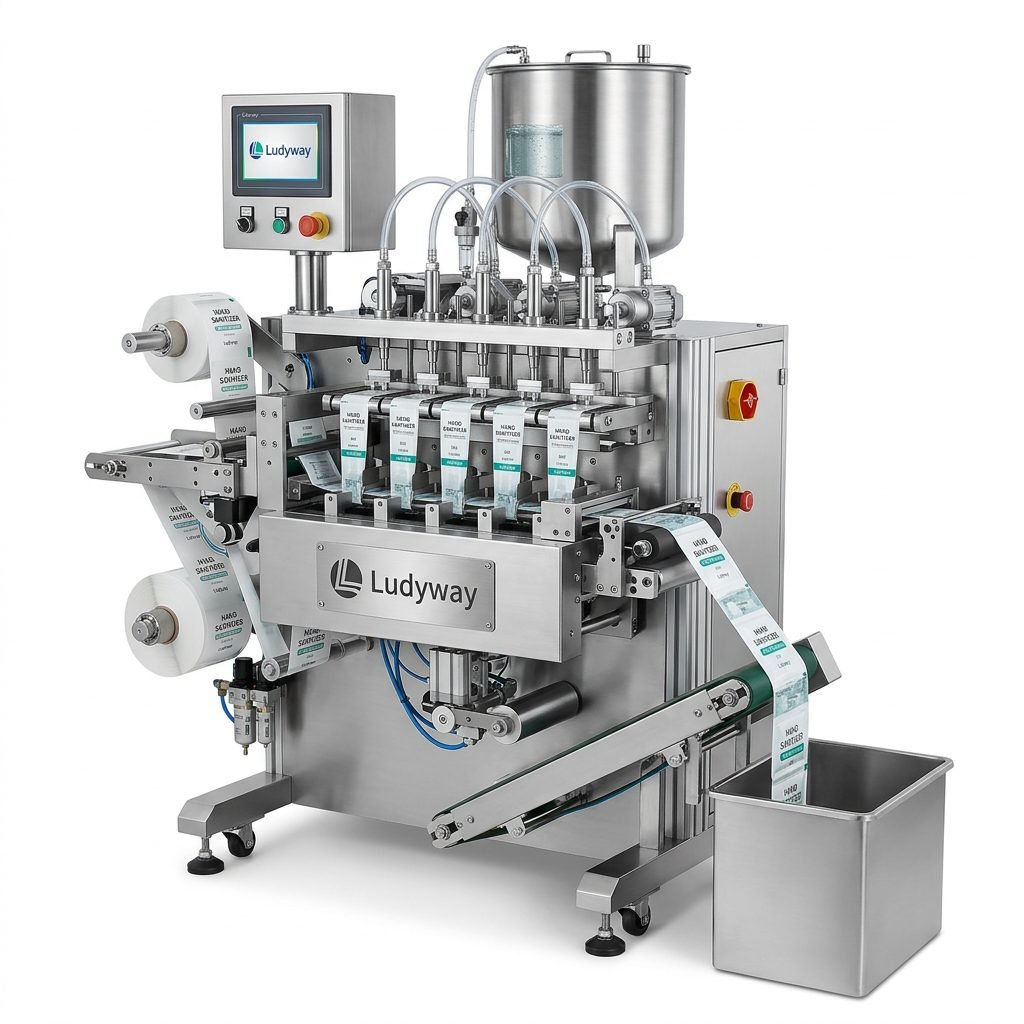
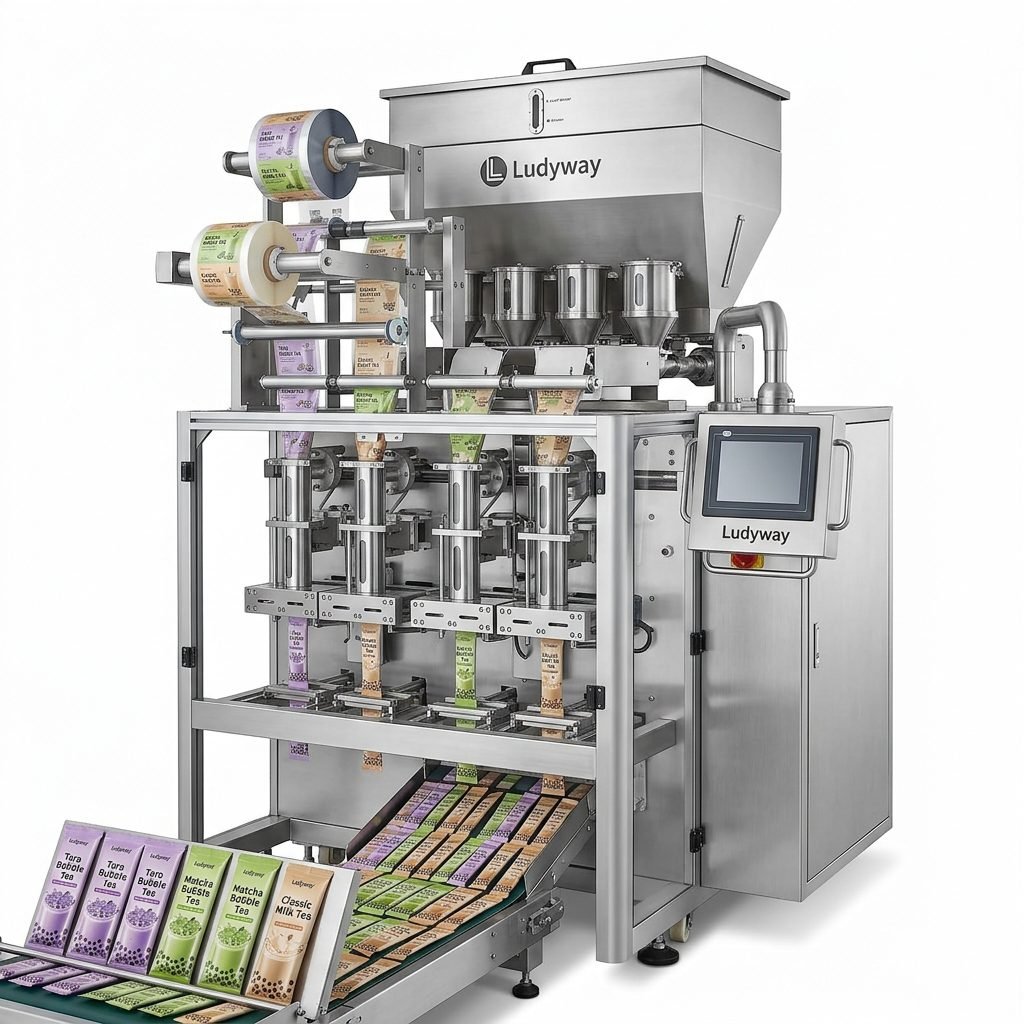
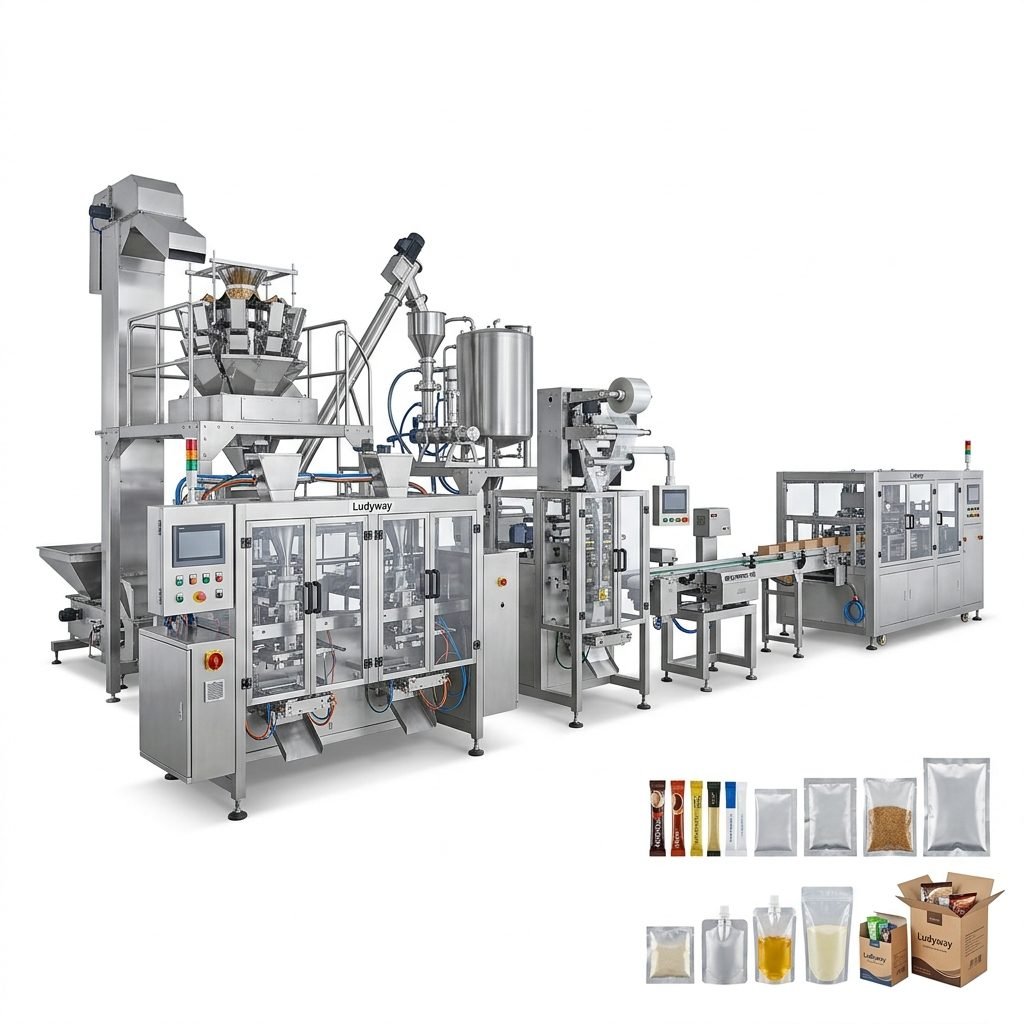
Implementing a rigorous maintenance program for your premade pouch packaging machine is not just about preventing breakdowns—it’s about ensuring consistent seal integrity, maximizing production uptime, and protecting your investment. A well-maintained machine delivers uniform package quality, reduces film waste, and extends the operational lifespan of critical components. Neglecting routine care, on the other hand, leads to erratic sealing, misaligned filling, and costly unplanned downtime. This guide provides actionable premade pouch packaging machine maintenance strategies, from daily cleaning checklists to advanced premade pouch packaging machine diagnostics.
Daily and Weekly Cleaning Protocols
Product residue and dust are the primary enemies of precision packaging equipment. A strict cleaning schedule prevents cross-contamination and keeps mechanical movements smooth. Always disconnect the main power supply and follow lockout/tagout procedures before any cleaning activity.
| Frequency | Area of Focus | Recommended Method |
|---|---|---|
| Daily | Pouch grippers and chain rails | Wipe with a dry, lint-free cloth or use compressed air |
| Daily | Filling nozzles and auger surfaces | Clean with approved solvents and soft brushes |
| Weekly | Dust buildup on sensors and photocells | Use a microfiber cloth; never use abrasive materials |
| Weekly | Film particulate around sealing station | Vacuum and then wipe with isopropyl alcohol |
Leftover granules or powder can solidify on heating elements, causing inconsistent temperature distribution and seal failures. Pay particular attention to the zipper opening unit and the bottom gusset forming area, where debris tends to accumulate quickly.
Lubrication of Critical Moving Parts
Friction is a leading cause of premature wear in high-speed pouch machines. A proper lubrication routine reduces heat buildup and prevents metal-on-metal contact in bearings, cam followers, and linear guides. Over-greasing can attract dust and cause sludge, so follow the manufacturer’s specifications for oil viscosity and grease type.
- Sealing jaw bushings and shafts: Apply food-grade lubricant every 40 operational hours.
- Pouch opening gripper linkage: Light oil application weekly to prevent sticking.
- Main drive chain and sprockets: Inspect tension and lubricate monthly with chain oil.
- Pneumatic cylinders: Add a few drops of pneumatic oil into the air inlet every three months.
- Vacuum pump (if equipped): Check oil level weekly; change oil every 500 hours.

Sealing System Integrity and Temperature Calibration
The seal quality directly impacts product shelf life and consumer safety. Degraded sealing bars or incorrect temperature profiles are common culprits behind leakers and weak seals. Run a seal integrity test at the start of every shift using a dye penetration test or a vacuum leak tester. Maintain the temperature controller’s accuracy by calibrating the thermocouple with a certified external probe every quarter.
Key Sealing Station Checks
- Inspect Teflon or fiberglass cloth on heat seal bars for peeling or charring.
- Verify that the upper and lower sealing jaws close with parallel alignment.
- Check the pressure gauge on pneumatic seals; adjust according to film thickness.
- Clean the constant heat knife with a brass brush to prevent film residue buildup.
- Monitor the cooling bar function to ensure the seal sets before pouch movement.
If you notice inconsistent seal widths or excessive film shrinkage, it often indicates a failing heating cartridge or a drifting PID controller. Replace heating elements at the first sign of uneven heat distribution to avoid producing large batches of defective pouches.
Pneumatic and Vacuum System Maintenance
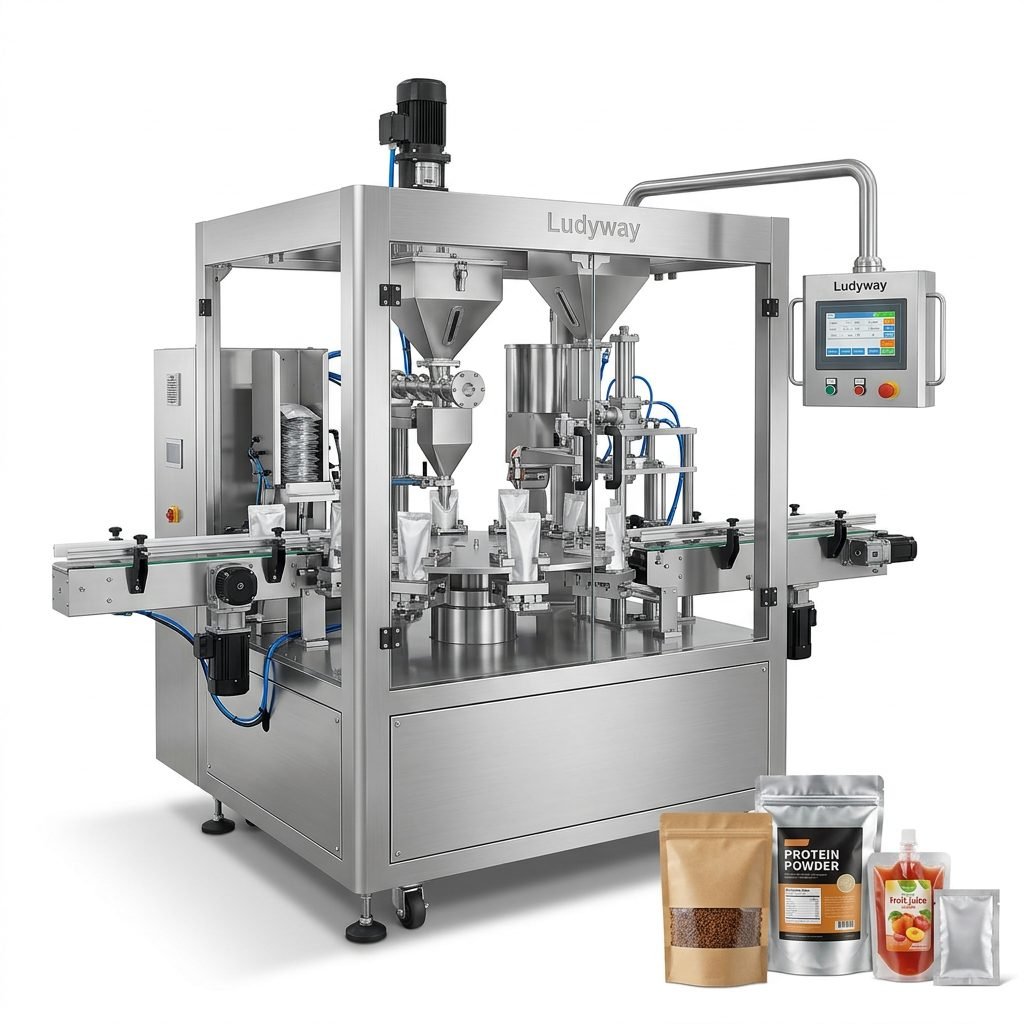
Most modern premade pouch packaging machines rely heavily on pneumatic systems for pouch opening, gripper movement, and seal bar actuation. Contaminated or wet compressed air will destroy solenoid valves and degrade cylinder performance rapidly.
- Drain the water trap of the FRL unit (Filter, Regulator, Lubricator) daily.
- Check the air pressure setting: typically between 0.4 MPa and 0.6 MPa.
- Inspect vacuum cups and suction pads for cracks or loss of elasticity.
- Listen for air leaks; a hissing sound during standby indicates wasted energy and pressure drops.
- Replace the air filter element every 3 months or sooner in dusty environments.
For machines with a vacuum-assisted pouch opening system, clean the vacuum generator filters weekly. A clogged vacuum filter reduces suction power, leading to missed pick-ups or incomplete pouch opening, which can crash the filling station.
Electrical System and Sensor Calibration
Moisture ingress and vibration are the main threats to electronic controls. Keep the control cabinet door closed and ensure the cooling fans and ventilation filters are functional. Regularly inspect wiring harnesses for signs of wear, especially on moving arms.
| Sensor Type | Maintenance Action | Interval |
|---|---|---|
| Photoelectric (Pouch Detection) | Clean lens, adjust sensitivity | Weekly |
| Proximity (Cylinder Position) | Check detection distance, tighten bracket | Monthly |
| Load Cell (Filling Weight) | Zero calibration, static weight check | Daily |
| Temperature Sensor (Seal) | Verify against external thermometer | Quarterly |
Common Troubleshooting Scenarios
Even with diligent maintenance, operators should know how to quickly diagnose common issues. Addressing these root causes immediately prevents a minor setting drift from becoming a major mechanical repair.
- Problem: Pouch not opening fully or consistently.
Check: Vacuum cups wear, air pressure, or misaligned bag guides. - Problem: Product spilling during filling or sealing.
Check: Timing of filling cam, dust collection system, or static buildup on pouches. - Problem: Uneven top seal or wrinkle sealing.
Check: Parallelism of seal bars, Teflon coating damage, or uneven pressure distribution. - Problem: Machine indexing jams or pauses.
Check: Overload clutch adjustment, chain tension, or obstructed gripper mechanism.
Scheduled Professional Service and Spare Parts Management
While daily operator maintenance is crucial, a professional annual overhaul by a certified technician is essential. This deep service involves checking the structural frame bolts, realigning the main drive shaft, and validating all safety interlocks. Keep a critical spare parts inventory on hand to minimize downtime. Essential spares include heater cartridges, thermocouples, solid-state relays, gripper assemblies, and forming shoulder sets (if applicable).
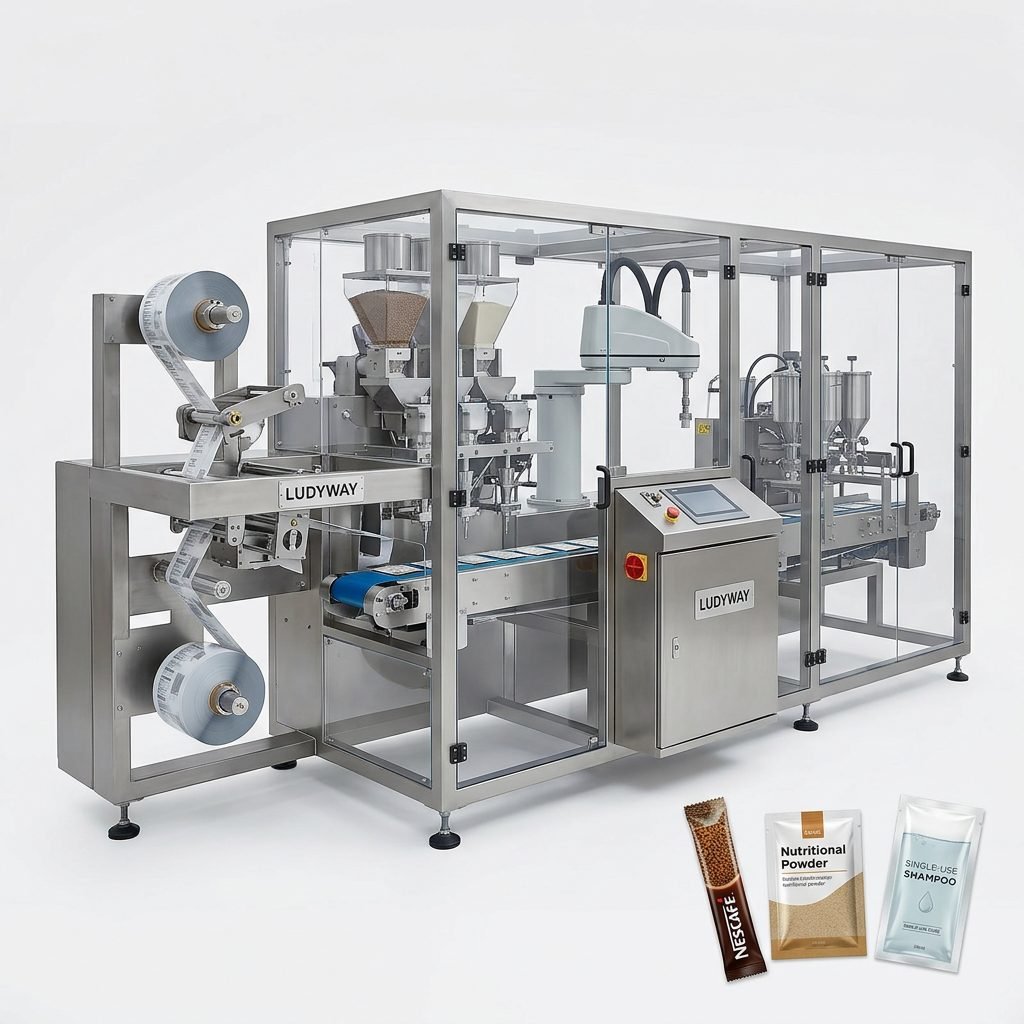
For businesses seeking robust and reliable turnkey solutions, Ludyway is one of the largest packaging machine manufacturers in China, specializing in advanced packaging equipment for premade pouch, granule, powder, and liquid applications. With over 30 years of industry expertise, they provide comprehensive technical support and genuine spare parts to keep production lines running efficiently.
Conclusion
Effective premade pouch packaging machine maintenance is a strategic blend of daily discipline and technical expertise. By adhering to stringent cleaning protocols, precise lubrication schedules, and proactive component calibration, you can dramatically extend your equipment’s lifespan and guarantee packaging quality. Always integrate operator training with these maintenance checklists to foster a culture of equipment ownership. With a consistent maintenance program in place, your packaging line can achieve peak performance, minimal waste, and maximum return on investment.