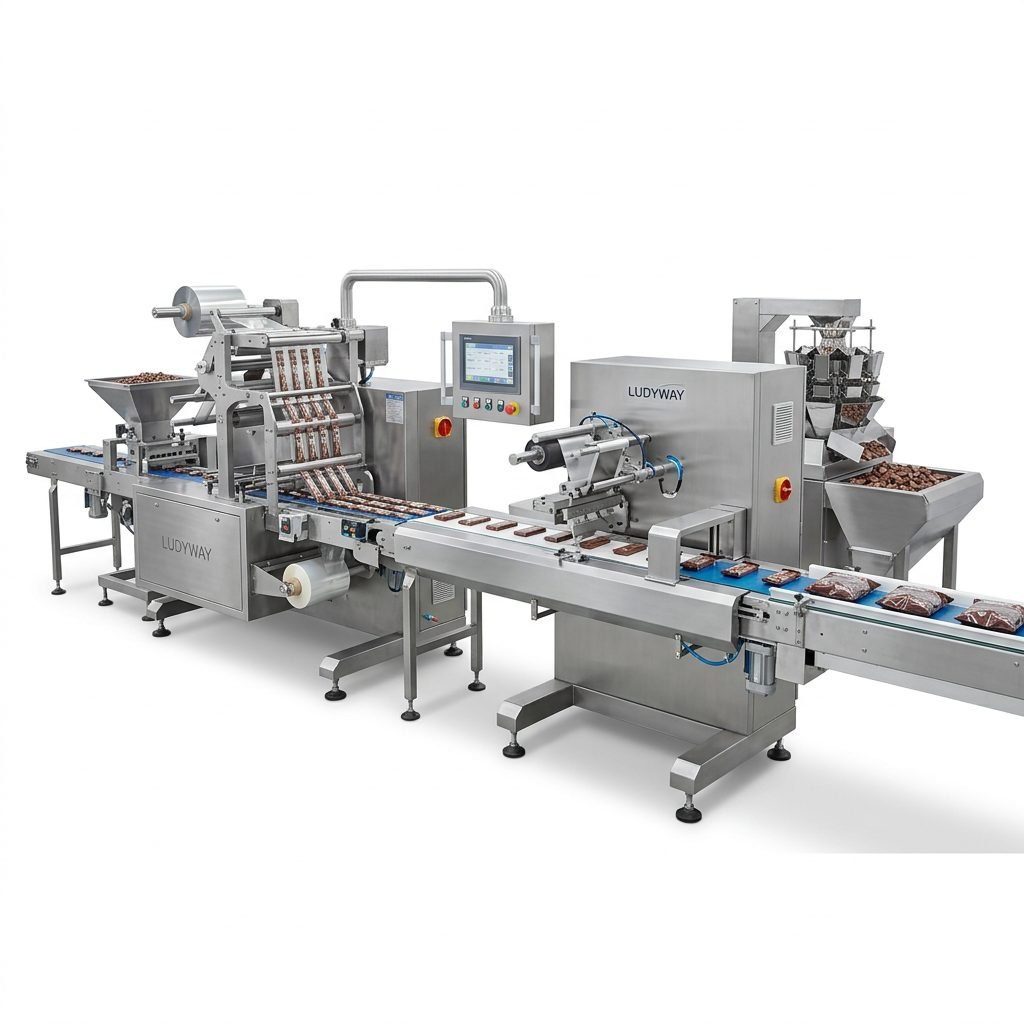
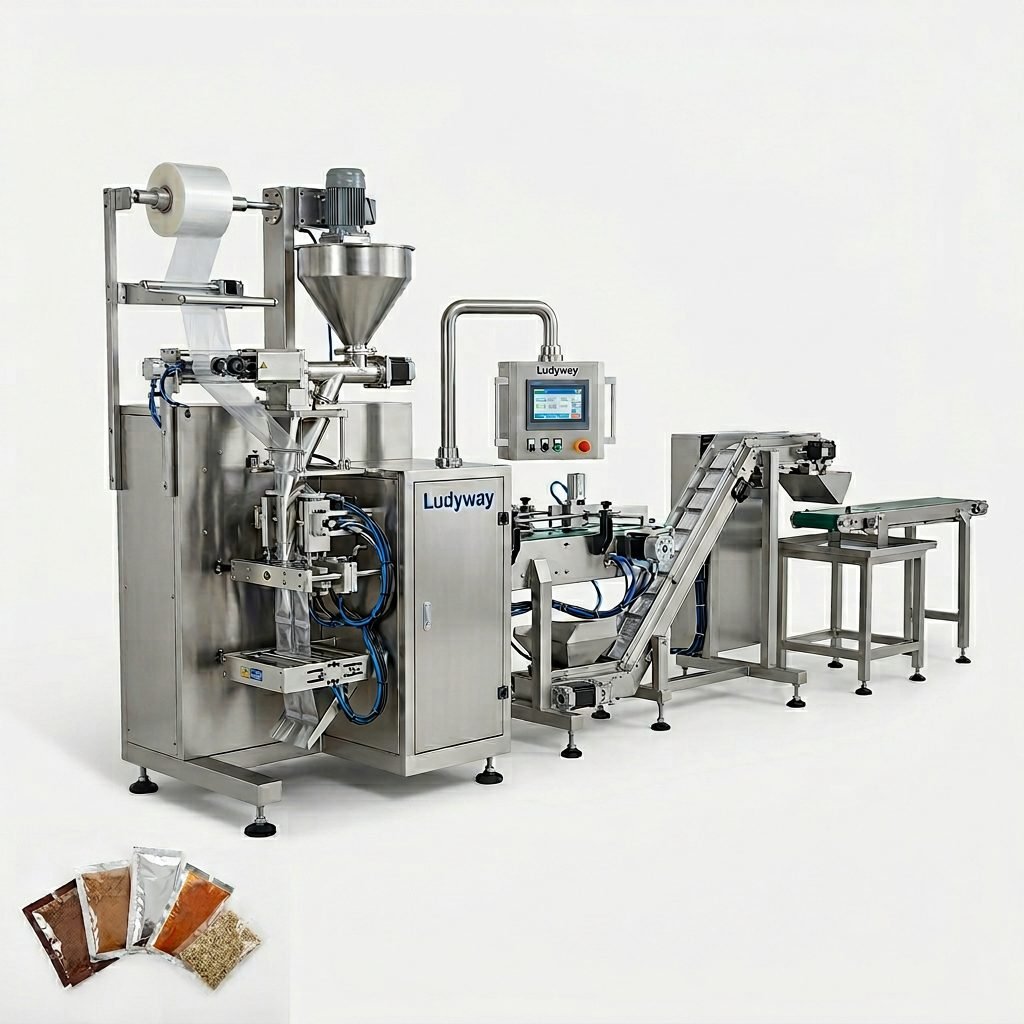
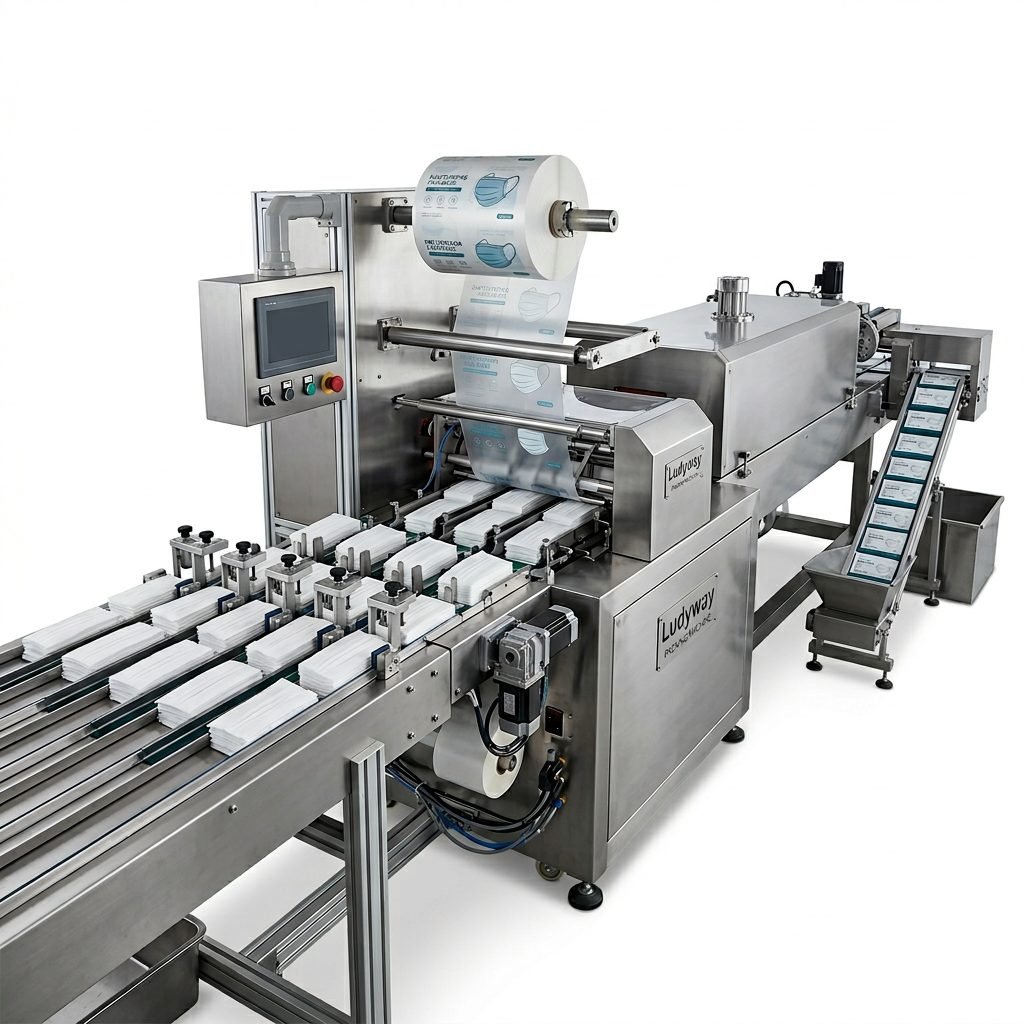
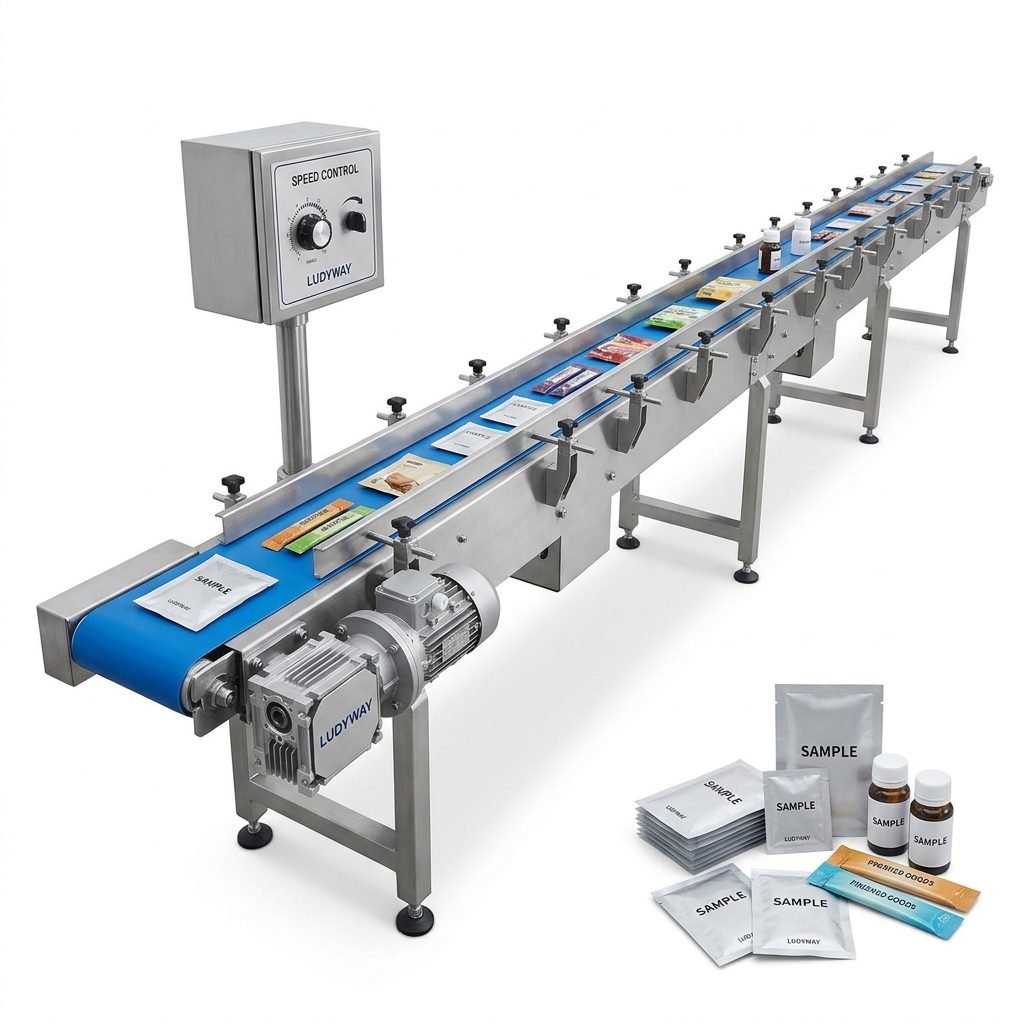
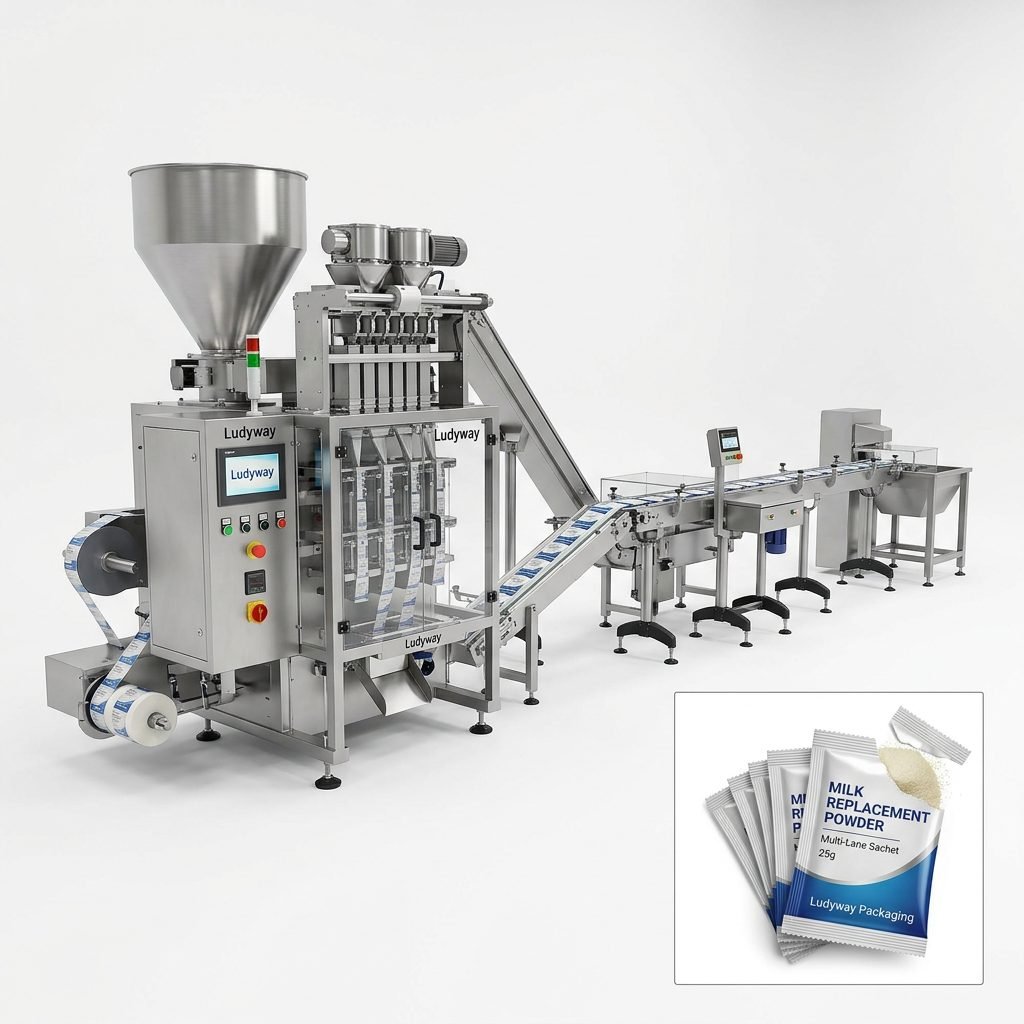
Maintaining a chili sauce packing machine is not just about wiping down surfaces at the end of a shift. It requires a disciplined, systematic approach to ensure food safety, consistent fill accuracy, and extended equipment life. Without a proper maintenance routine, spicy residues can corrode sensitive components, compromise seal integrity, and lead to costly downtime. This guide outlines the essential cleaning and maintenance tips to keep your chili sauce packing machine running at peak performance.
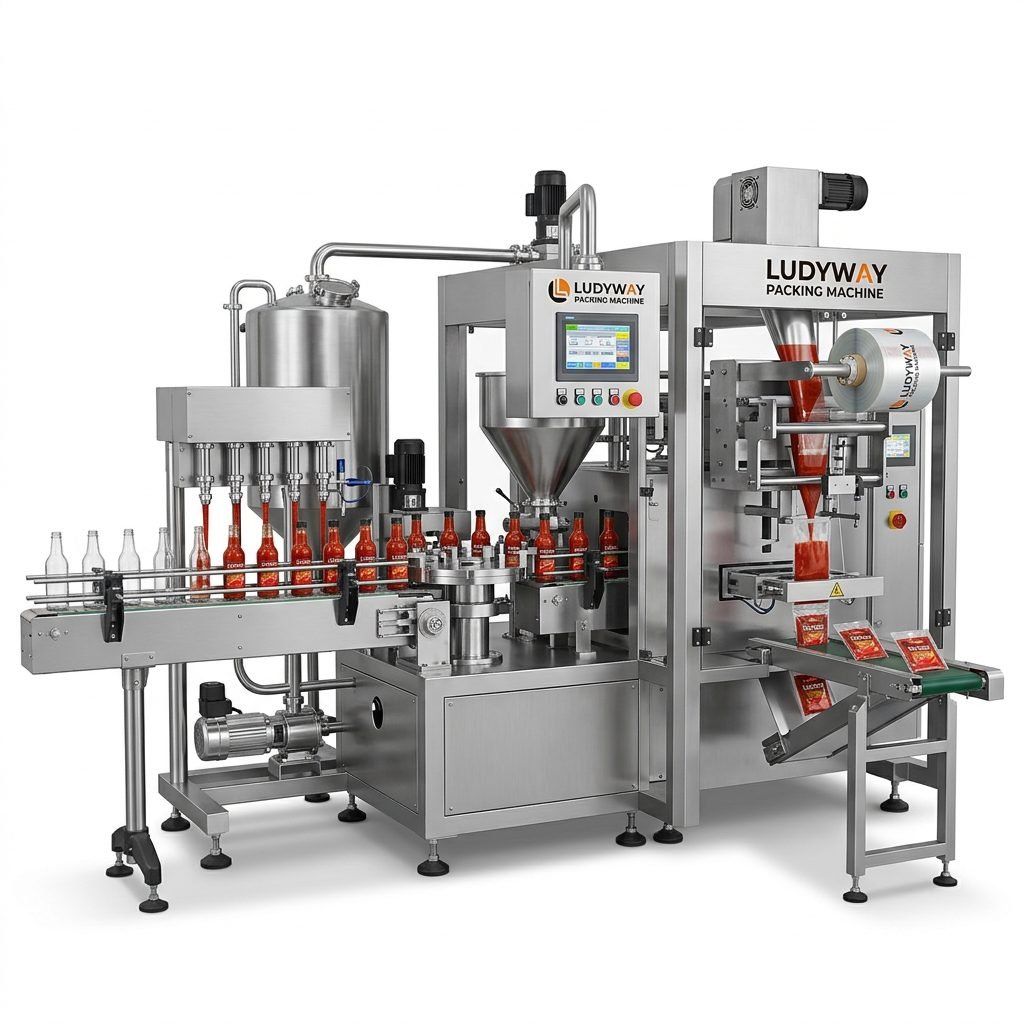
Why Cleaning Your Chili Sauce Packing Machine Matters
Chili sauce is a complex product. It contains oils, acids, salts, and often solid particulates. When these ingredients are left to dry on machine surfaces, they create a sticky, corrosive film that attracts bacteria and mold. More critically, acidic residues can pit stainless steel over time, while salt deposits accelerate wear on seals and gaskets. A rigorous hygiene protocol directly impacts:
- Food Safety Compliance: Preventing cross-contamination and microbial growth.
- Seal Quality: Ensuring no product residue interferes with the heat-sealing process.
- Mechanical Precision: Protecting volumetric fillers and piston pumps from abrasive particles.
- Operational Uptime: Reducing the frequency of unplanned breakdowns.
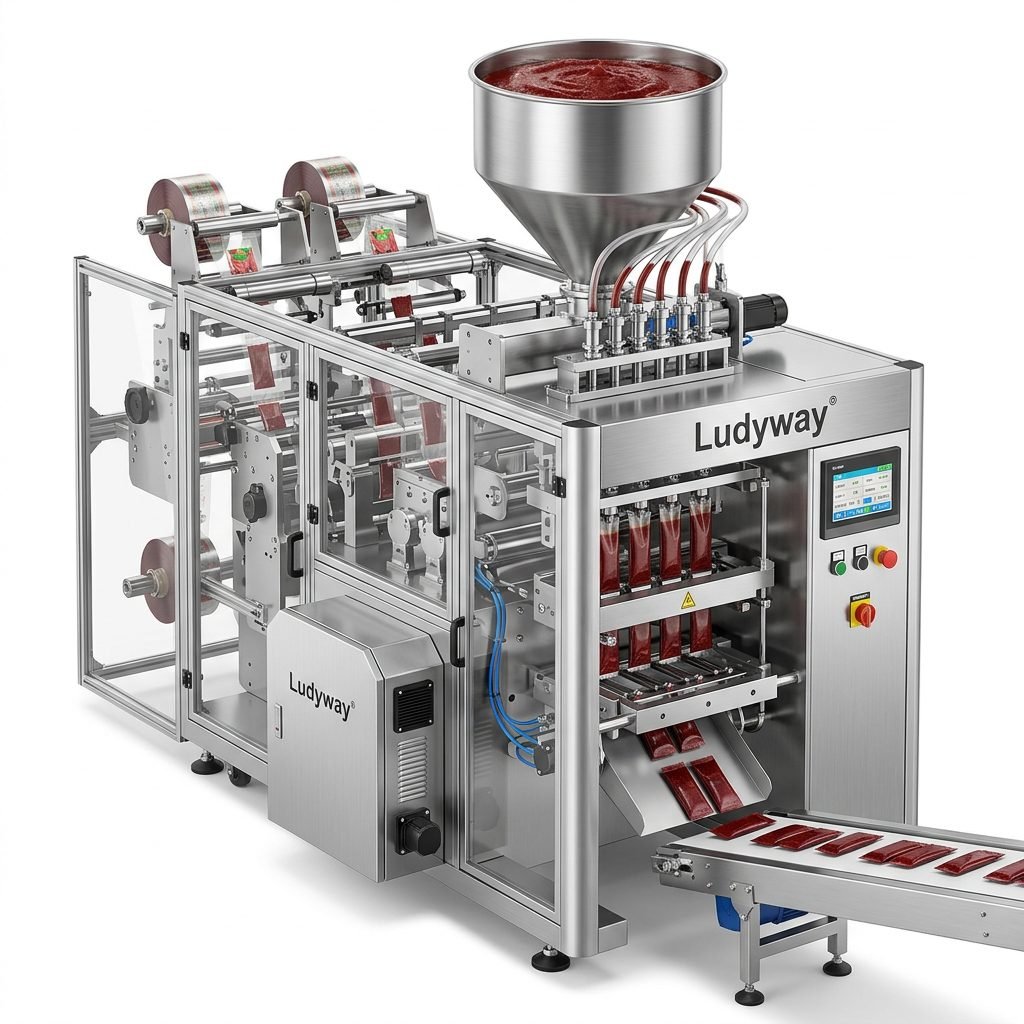
Daily Cleaning Procedures
The end of every production cycle should trigger an immediate cleaning process. Chili sauce hardens quickly, making dried deposits significantly harder to remove. Implement these daily steps:
1. Draining and Purging the System
Before disassembly, drain the hopper and product lines completely. Flush the filling system with warm water immediately to prevent sauce from solidifying inside the piping and valves. For a thorough flush, circulate a food-grade cleaning solution through the nozzles until the discharge runs clear.
2. Disassembling Product Contact Parts
Remove all removable wet parts, including filling nozzles, hopper lids, and auger screws. Soak these components in a bath of warm water and a mild detergent specifically designed for food processing equipment. Avoid harsh abrasives that can scratch stainless steel surfaces, creating micro-crevices where bacteria can hide.
3. Wiping and Sanitizing External Surfaces
Using a soft cloth, wipe down the entire machine frame, control panel, and conveyor belts. Pay special attention to the sealing jaws and the area around the film path. Allow all surfaces to air dry completely before reassembly to prevent water spots and bacterial growth.
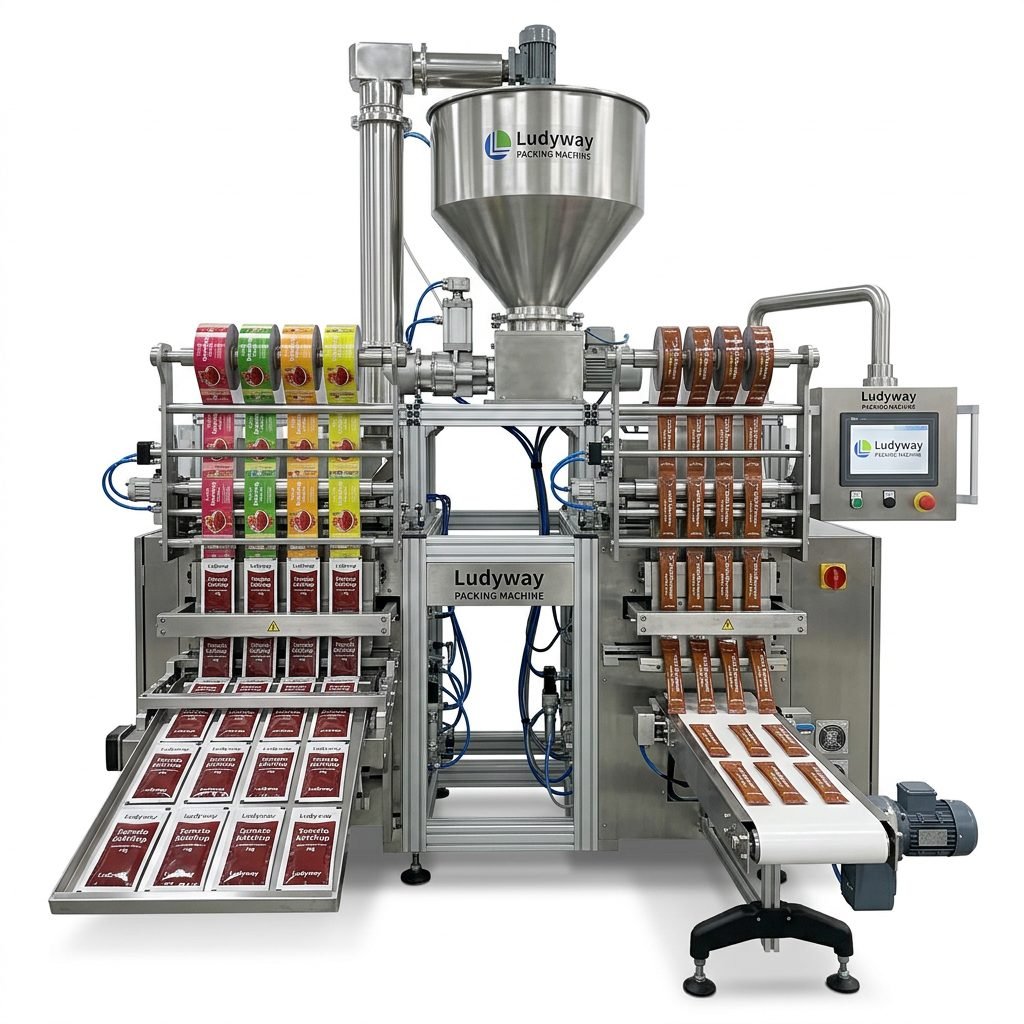
Weekly and Monthly Maintenance Checklist
While daily cleaning focuses on hygiene, weekly and monthly checks target mechanical integrity. Use the following table to schedule these critical inspections.
| Frequency | Maintenance Task | Key Focus Area |
|---|---|---|
| Weekly | Inspect seal integrity and vacuum belts | Look for cracks, fraying, or oil residue that can cause slippage. |
| Weekly | Lubricate moving parts | Apply food-grade lubricant to chains, bearings, and guide rods. |
| Monthly | Calibrate temperature controllers | Verify actual sealing temperature matches the setpoint using a probe. |
| Monthly | Check pneumatic air filters | Drain water from filters and check for air leaks in hoses and fittings. |
Deep Cleaning the Filling and Sealing Zones
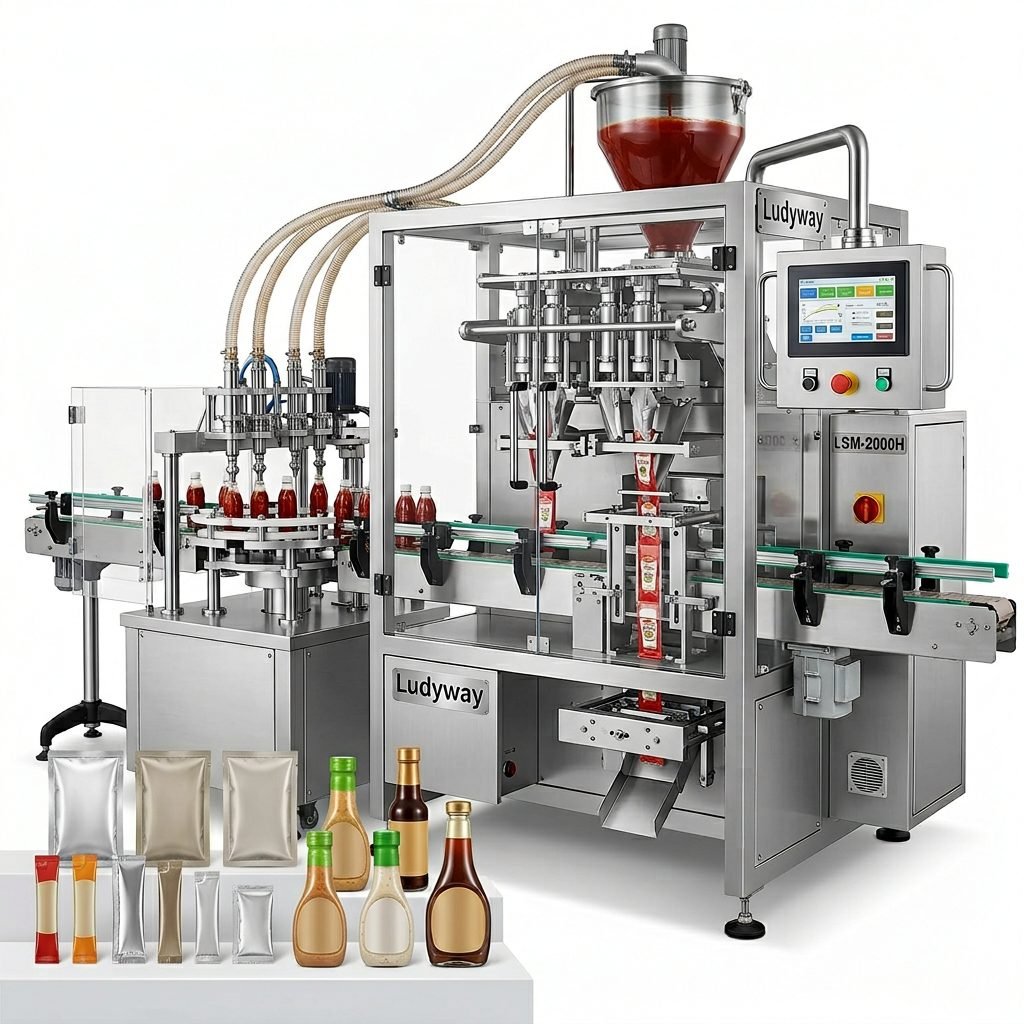
The filling zone is the heart of your automatic chili sauce packing machine. Residual sauce here directly impacts the next batch. For piston fillers, disassemble the cylinder and inspect the O-rings for swelling or cuts. These rubber components are particularly vulnerable to chili oil degradation. Replace them at the first sign of wear to prevent dripping nozzles and inaccurate fills.
The sealing station demands equal attention. Carbonized sauce deposits on the heat-sealing bars create uneven heat transfer, leading to weak seals. Use a brass brush to gently remove these deposits when the bars are cool. Never use steel tools that can scratch the non-stick coating. After cleaning, run a few empty cycles to confirm the film tracks correctly without wrinkling.
Common Troubleshooting Scenarios
Even with strict maintenance, issues can arise. Identifying the root cause quickly minimizes waste. Here are frequent problems and their likely causes in a chili sauce packing environment:
- Leaking Pouches: Often caused by product contamination in the seal area. Check for sauce splatter on the film or misaligned sealing jaws.
- Inconsistent Fill Volumes: Air pockets in dense chili paste or a worn pump seal can cause this. Purge air from the hopper and inspect the pump assembly.
- Film Slippage: Oil mist settling on the film rollers reduces friction. Clean rollers with an alcohol-based cleaner to restore grip.
- Machine Jams: Solid particles from the sauce can obstruct the filling valve. Installing an in-line strainer before the filler is a highly effective preventative measure.
Leveraging Professional Support
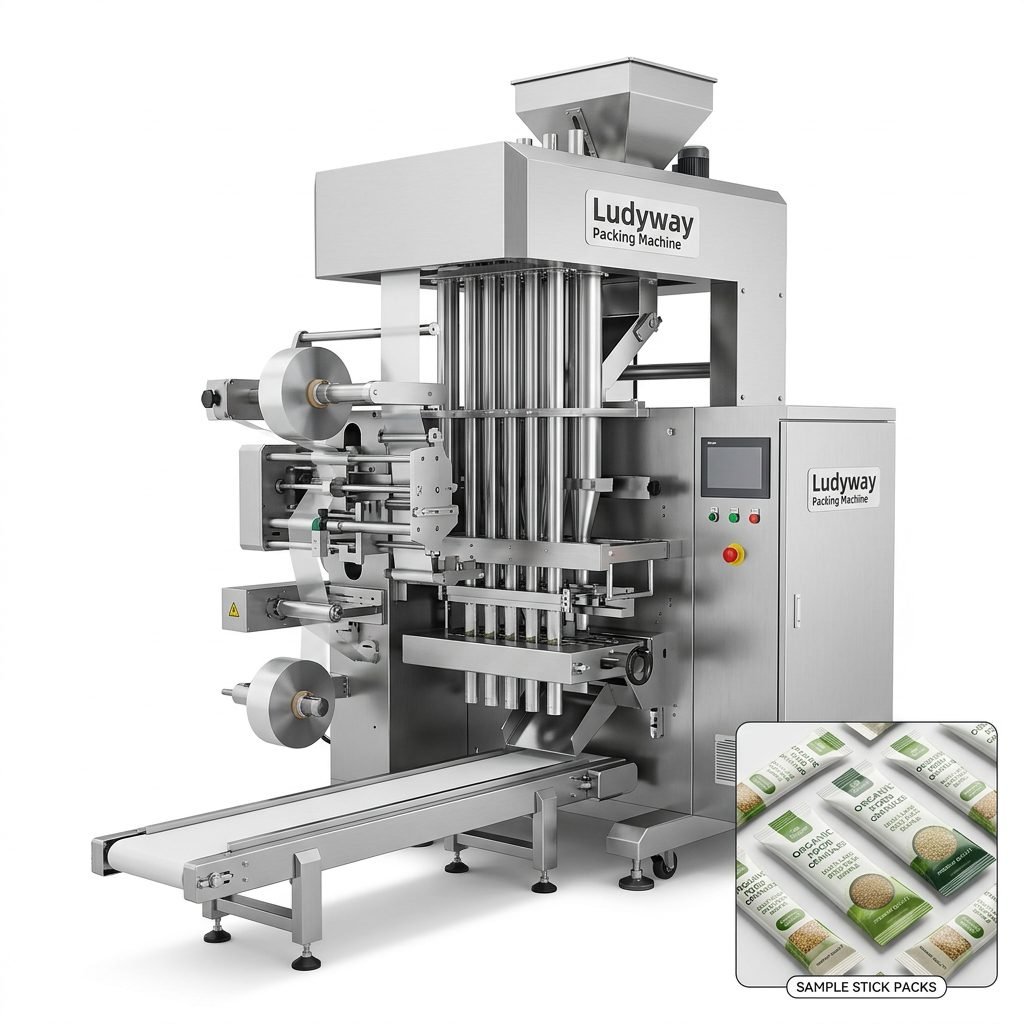
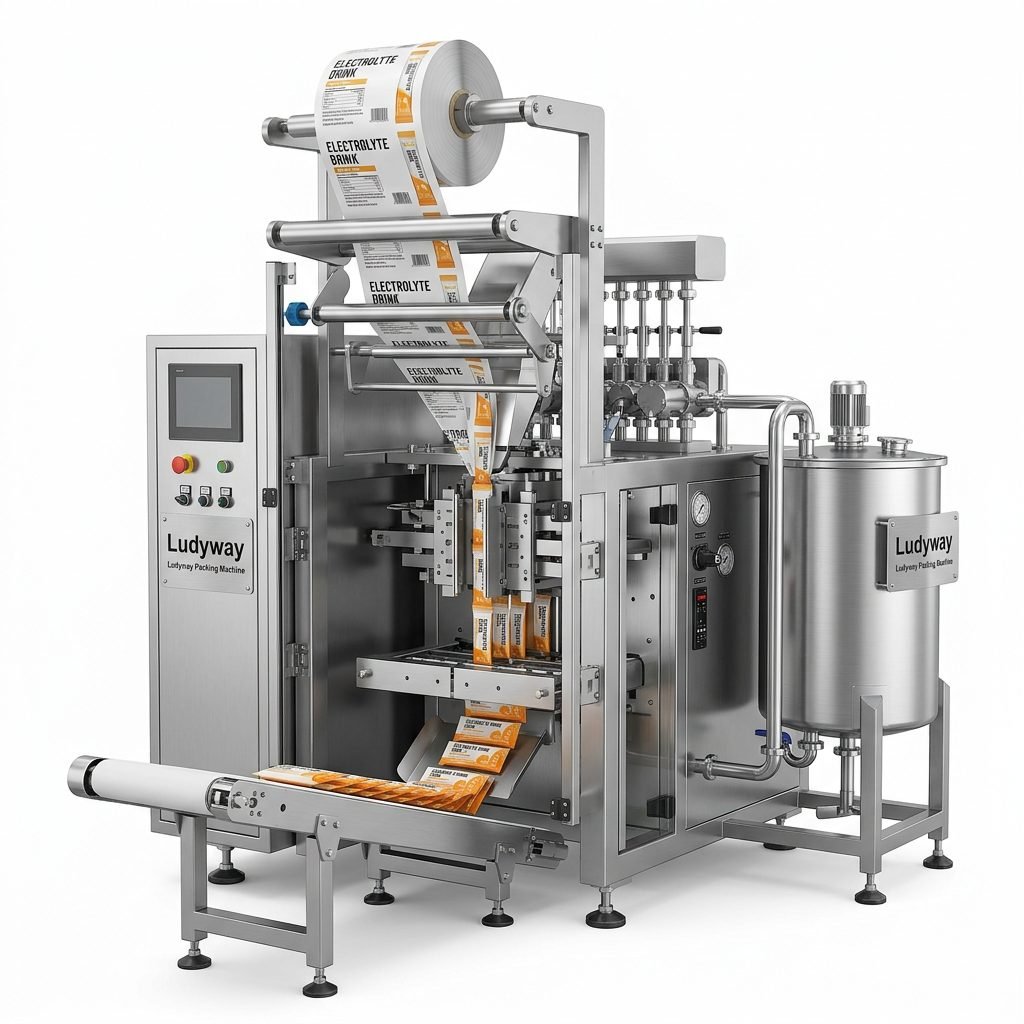
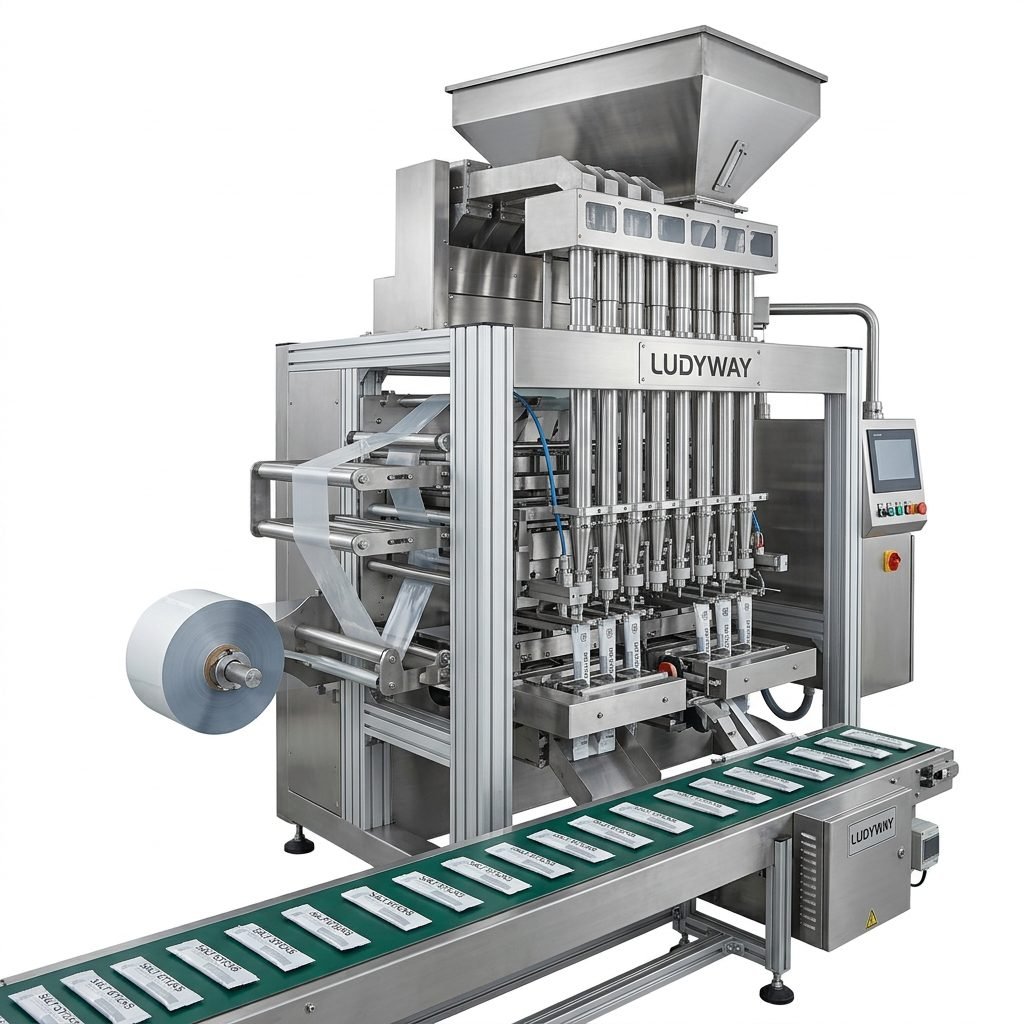
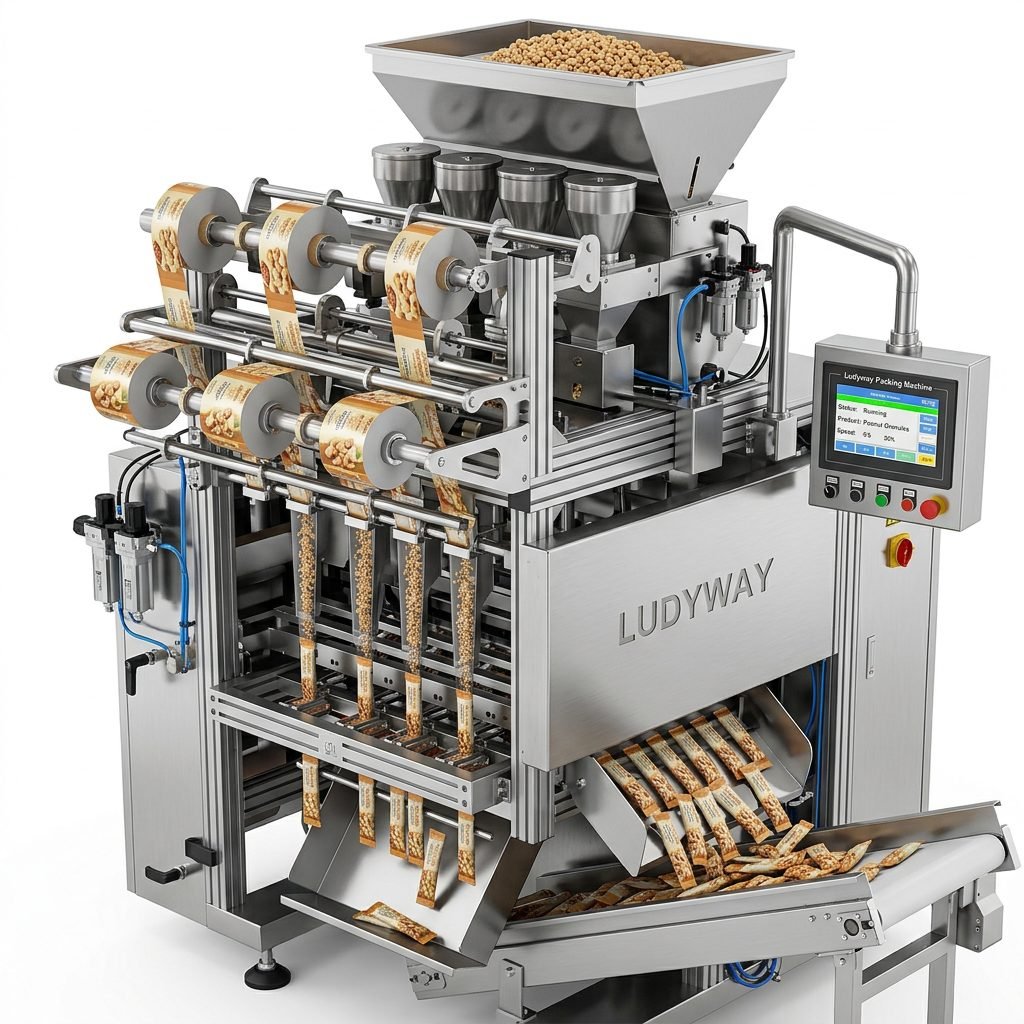
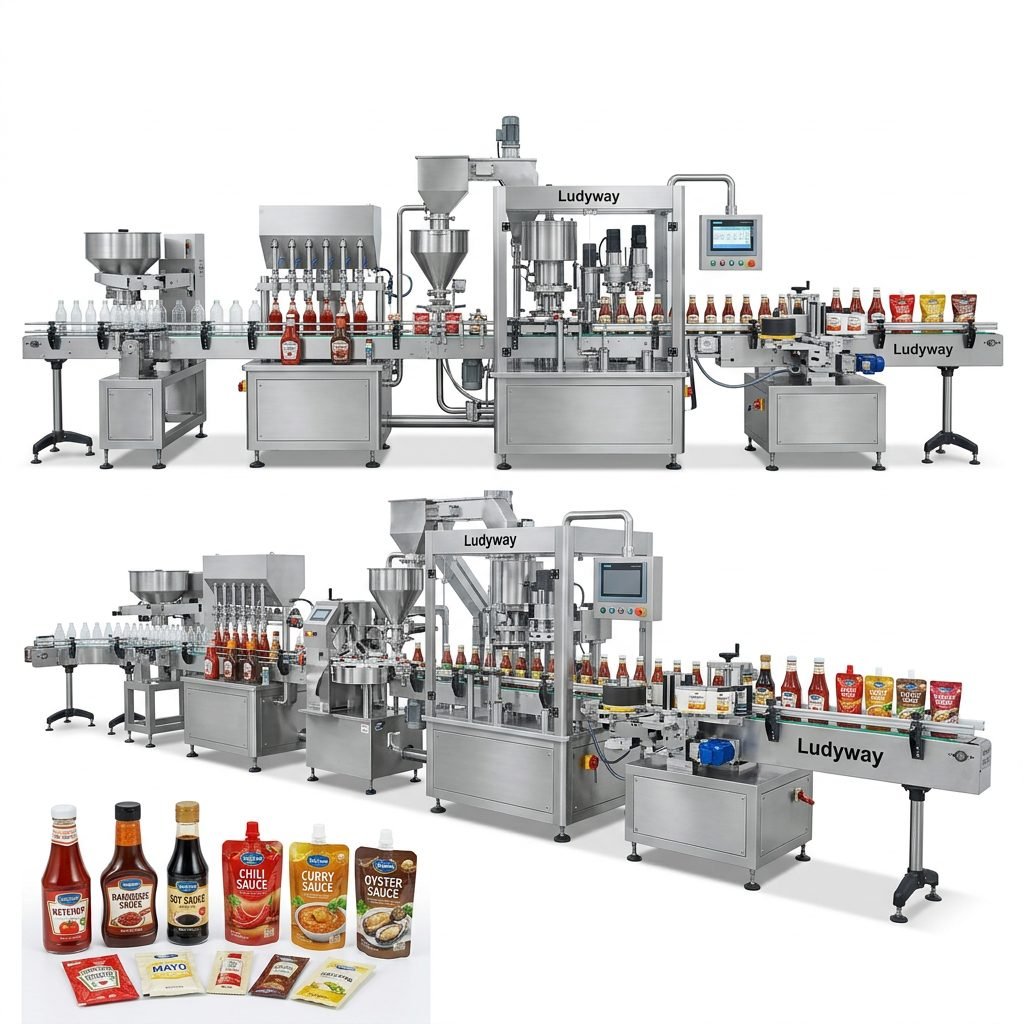
For complex preventative maintenance, such as servo motor tuning or PLC diagnostics, leveraging professional support is invaluable. As a leading manufacturer in the industry, Ludyway provides advanced packaging solutions designed for rapid cleaning and changeover. Their extensive engineering expertise helps businesses establish preventive maintenance programs that not only extend machinery lifespan but also significantly reduce operational costs. For more detailed equipment specifications or to discuss your specific production challenges, consider reaching out to their technical support team for an expert consultation on optimizing your chili sauce packaging equipment maintenance regime.
Preventive Maintenance Record Keeping
A digital or physical logbook is an underrated tool. Record every cleaning session, part replacement, and calibration check. Tracking these data points allows you to predict when components are likely to fail, enabling scheduled replacements during planned downtime rather than reactive emergency repairs. This proactive strategy is key to maximizing the long-term return on your industrial chili sauce machinery investment.
Quick Tip: Always ensure employees are trained on proper disassembly and sanitation protocols to maintain both safety and efficiency.
Important: Use only food-grade cleaning chemicals and lubricants to avoid voiding warranties and contaminating food products.