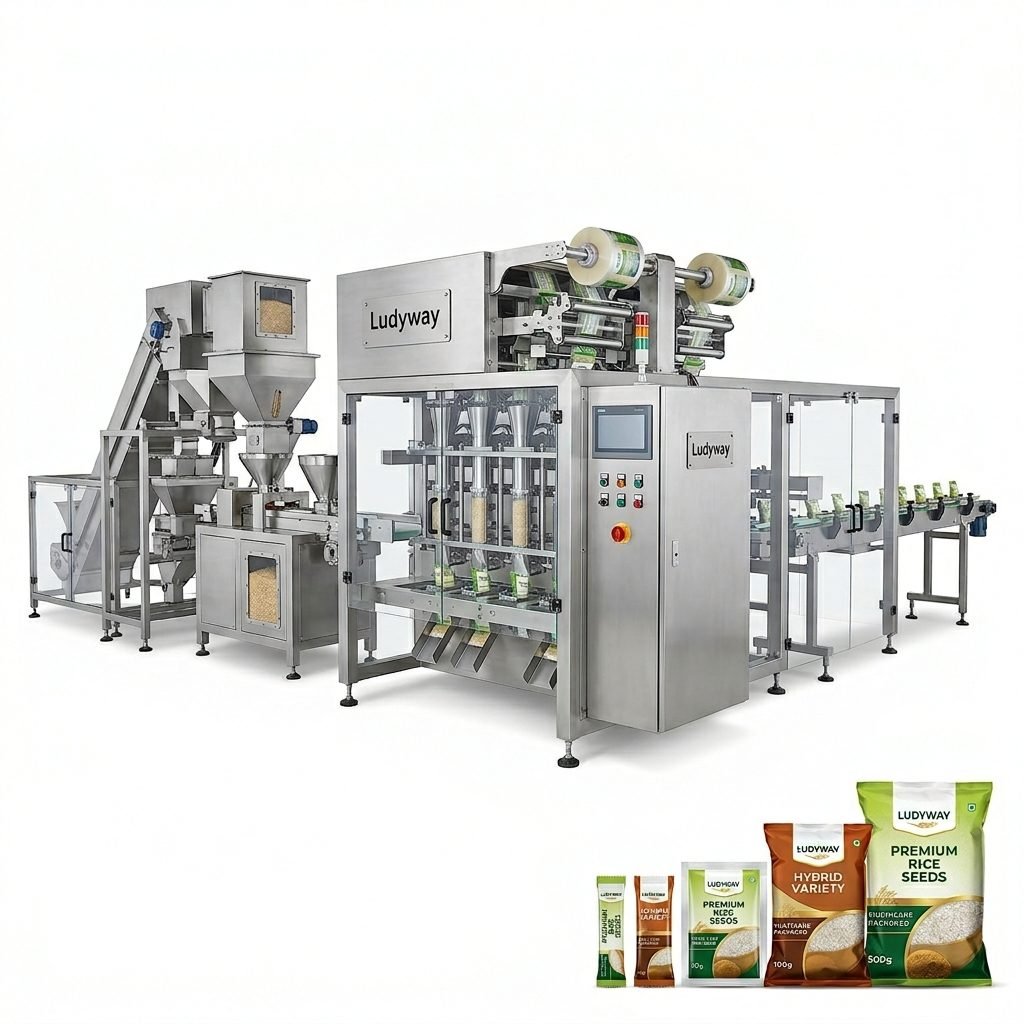
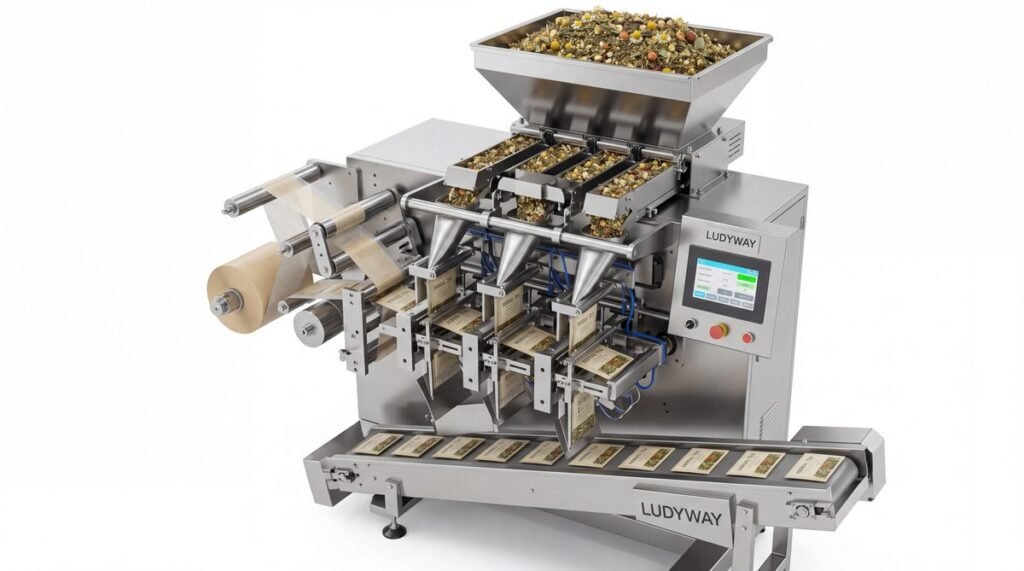
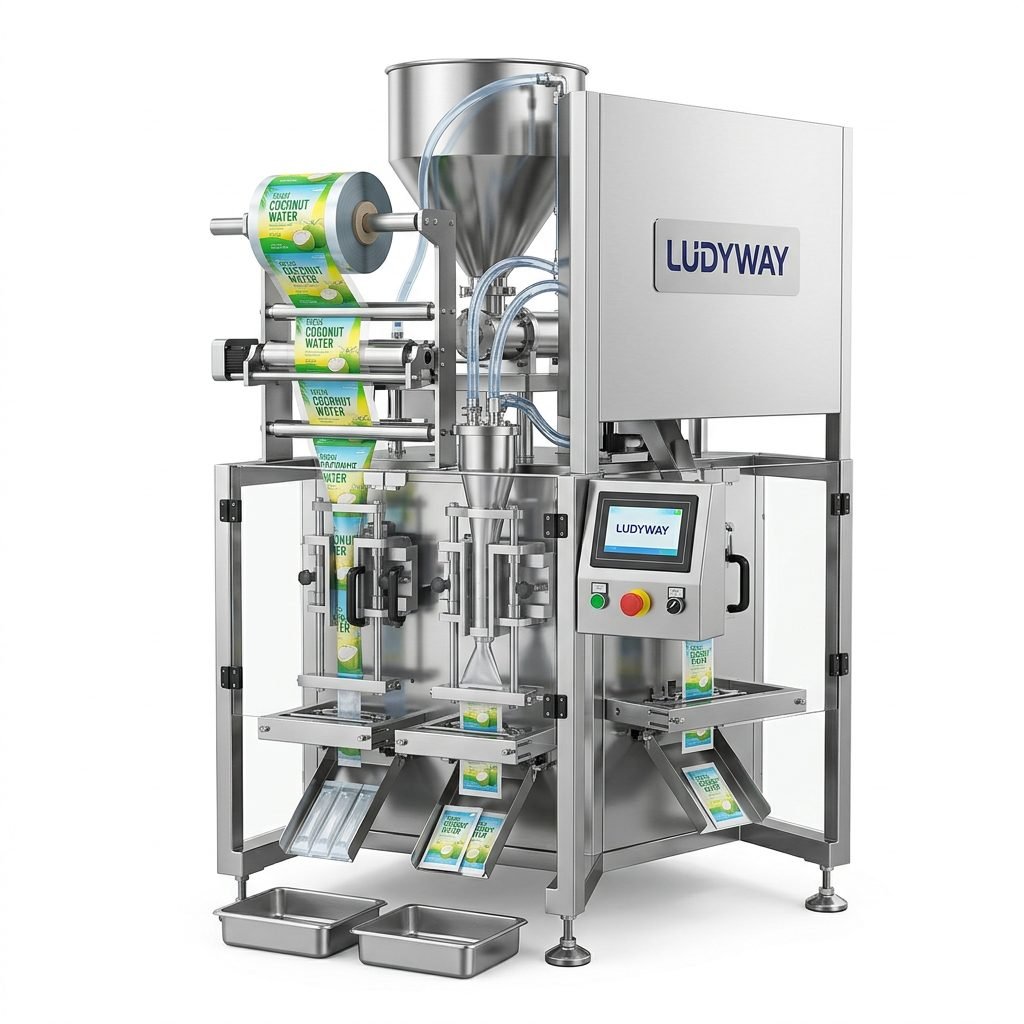
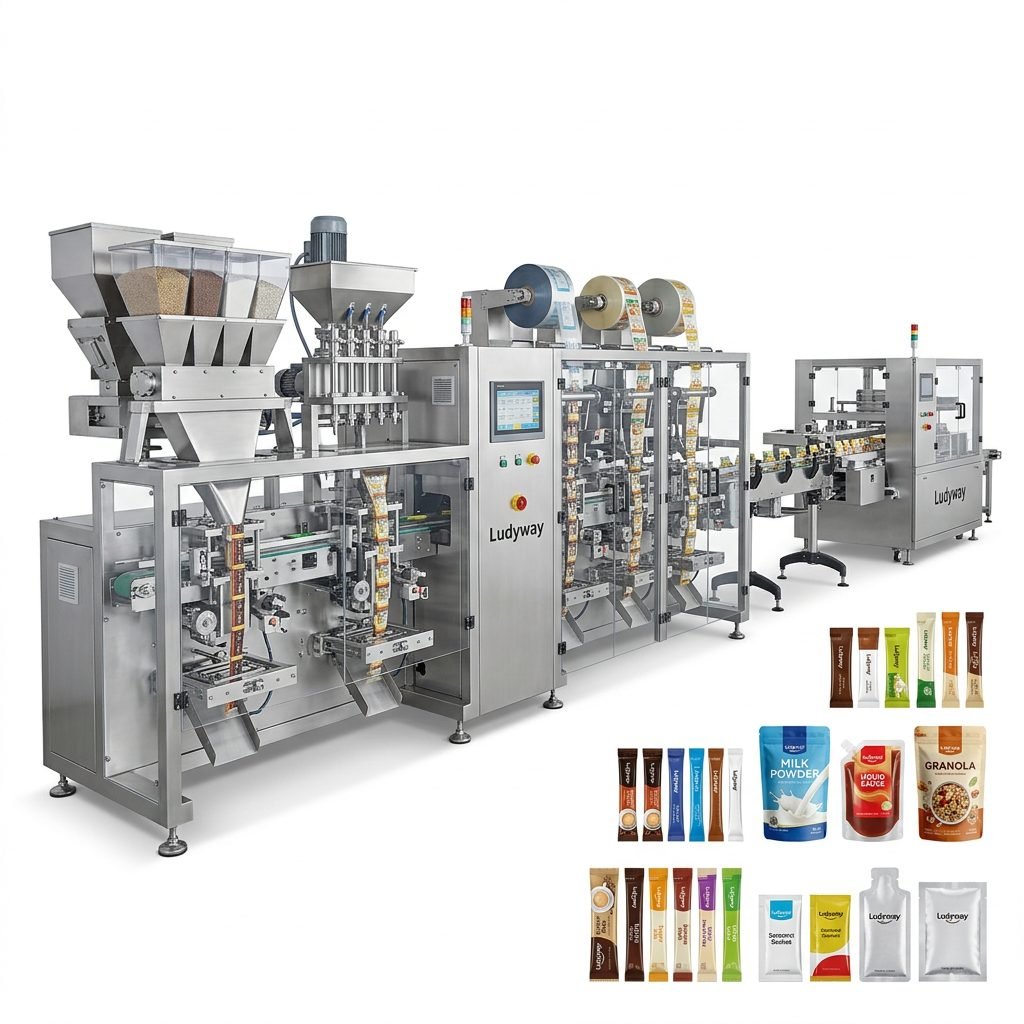
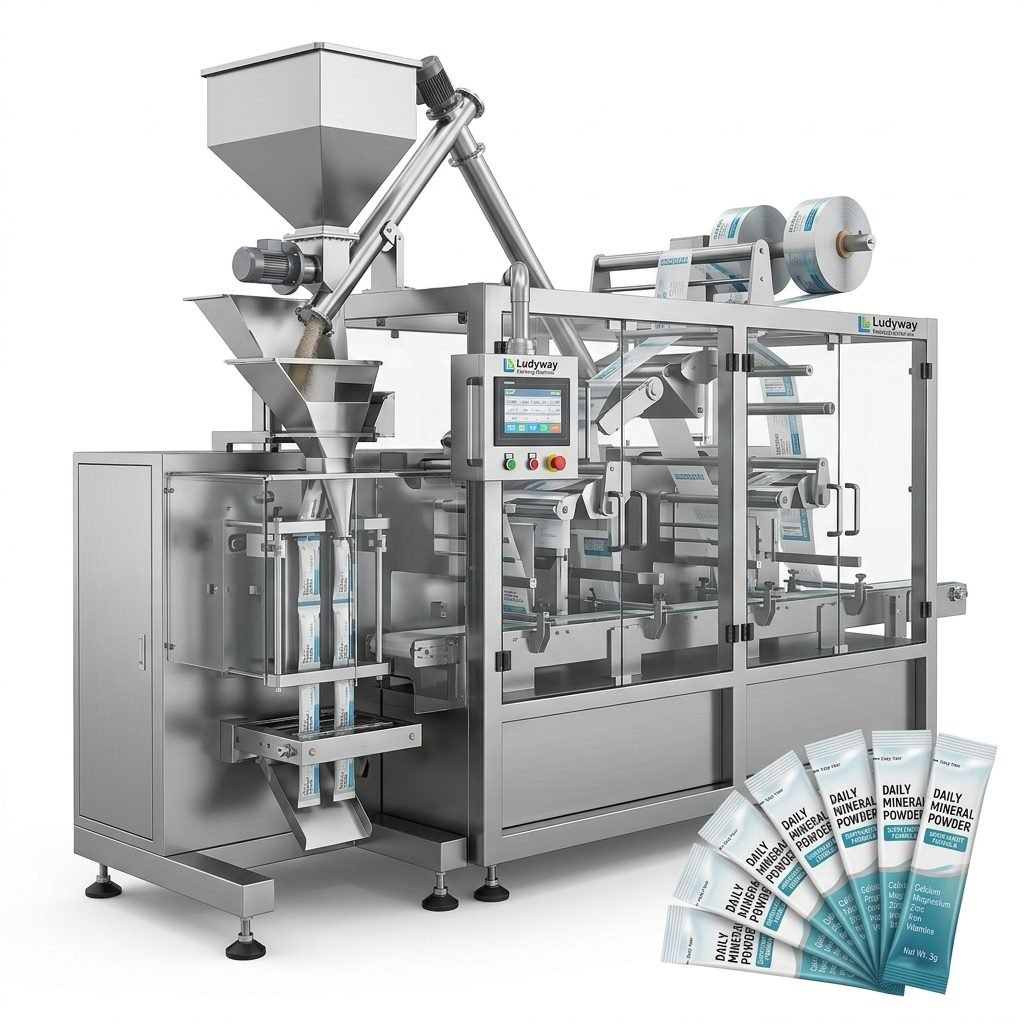
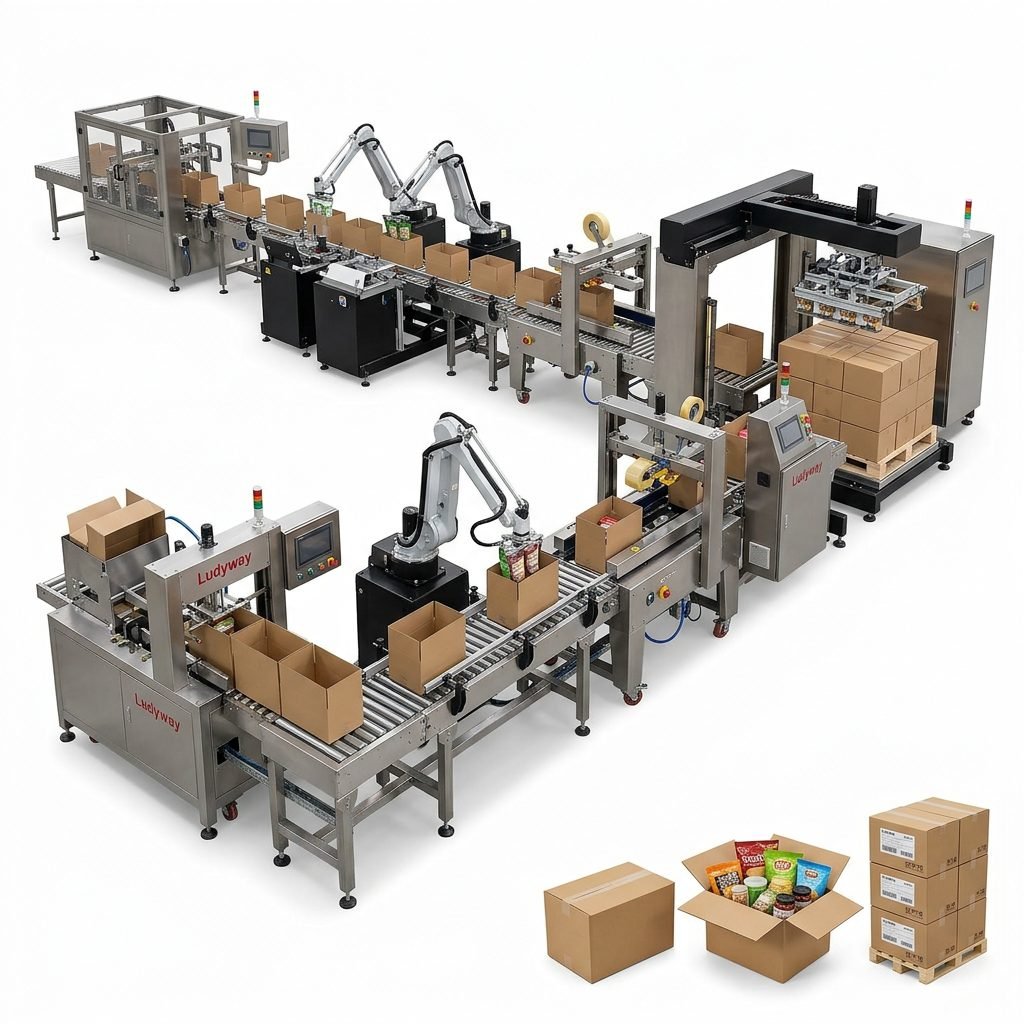
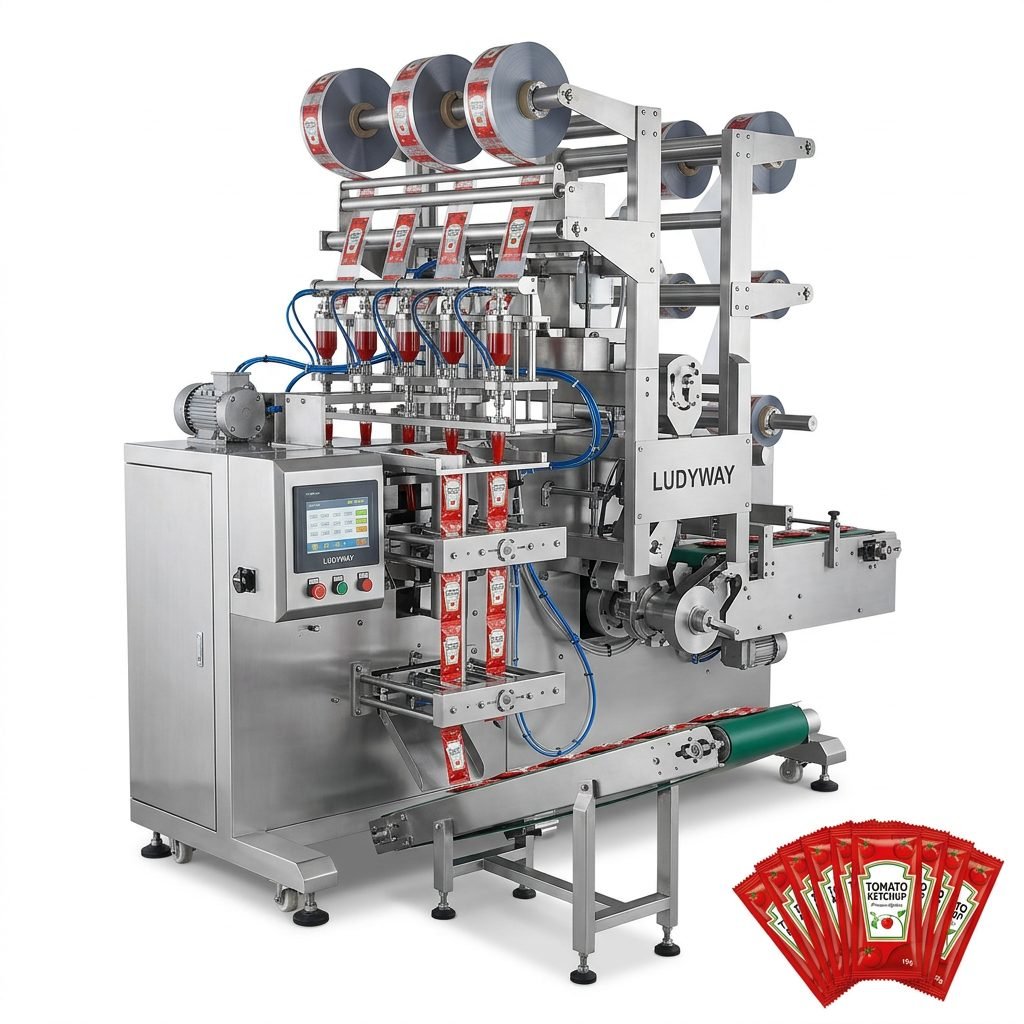
A VFF (Vertical Form Fill) packing machine is a critical asset in many food, pharmaceutical, and chemical production lines. Without a structured maintenance program, even the most robust packaging machine can suffer from unexpected downtime, costly repairs, and reduced service life. Implementing daily, weekly, and monthly maintenance routines ensures consistent sealing integrity, accurate filling weights, and smooth mechanical operation. This guide covers the essential maintenance practices that operators and plant managers should follow to protect their investment and keep production running efficiently.
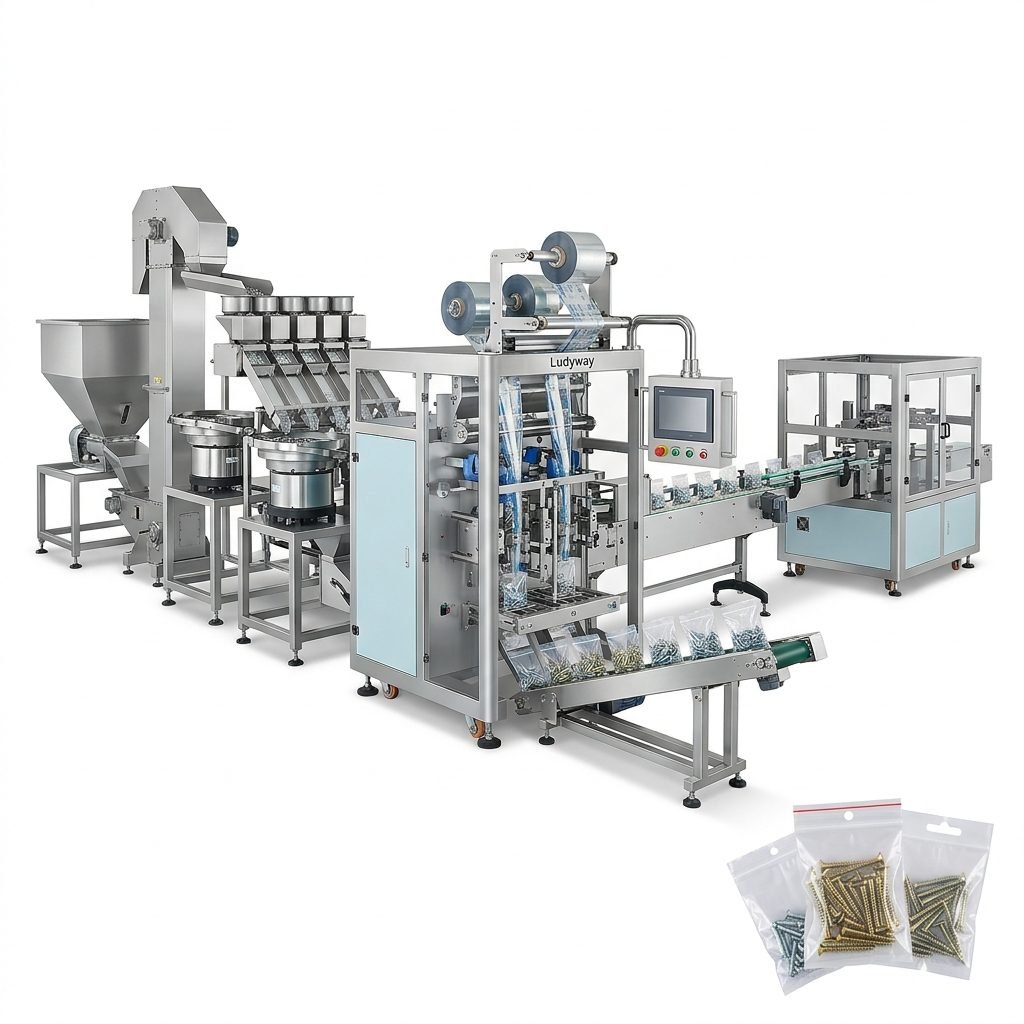
1. Daily Cleaning and Visual Inspection
Every production shift should begin and end with a thorough visual inspection of the VFF machine. Product residue, dust, and debris accumulate quickly in forming tubes, sealing jaws, and film rollers. Operators must:
- Remove loose product and debris from all accessible machine surfaces using compressed air or a soft brush.
- Wipe down sealing jaws and forming collars with food-grade cleaning agents to prevent residue buildup that causes weak seals.
- Check film tracking and alignment; misaligned film leads to crooked bags and seal failures.
- Inspect the cutting blade for sharpness and cleanliness — a dull or sticky blade tears bags and creates jagged edges.
Consistent daily cleaning prevents cross-contamination in food and pharmaceutical applications while extending the life of consumable parts like Teflon tape, heating elements, and rubber rollers.
2. Lubrication of Moving Components
Proper lubrication is the backbone of mechanical reliability in any VFF packaging machine. Friction points on cam followers, linear bearings, chain drives, and gearboxes require scheduled lubrication with manufacturer-recommended oils and greases. Over-lubrication attracts dust, while under-lubrication accelerates wear.
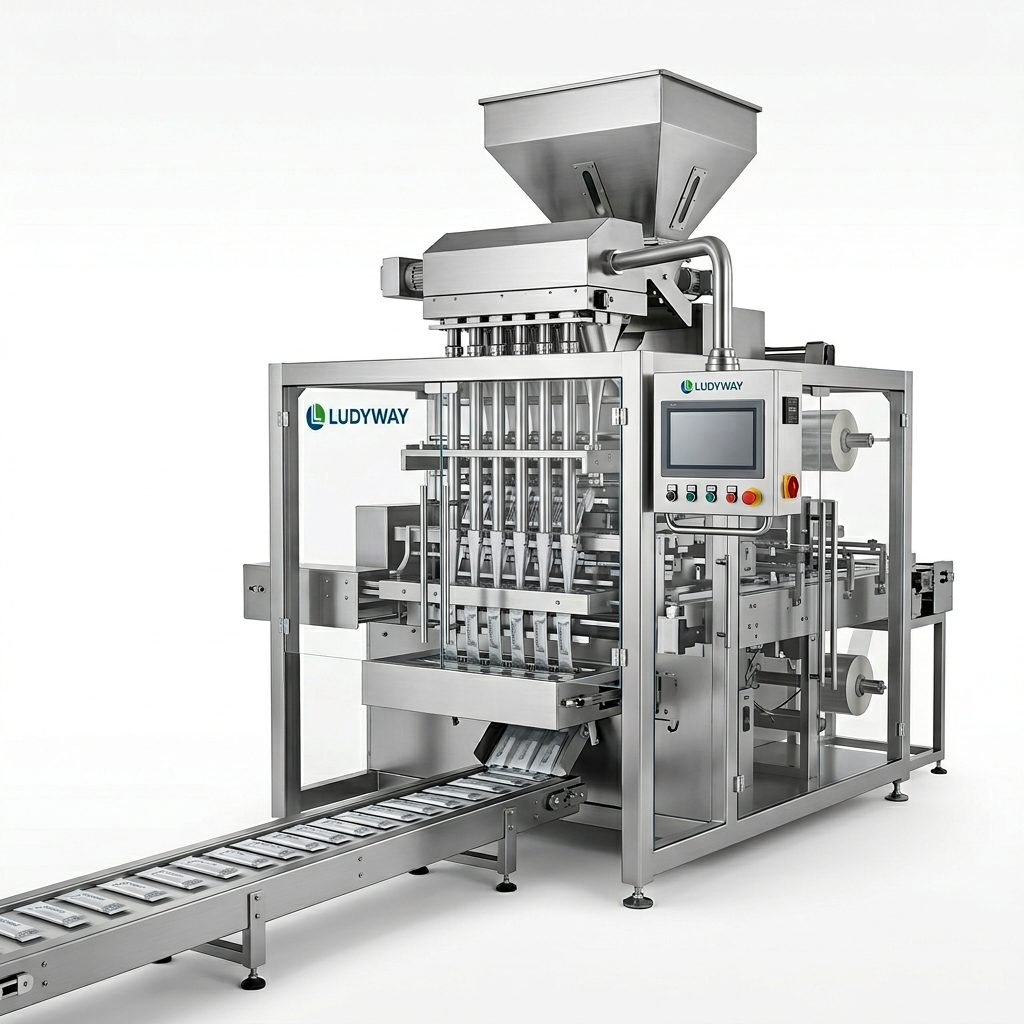
Key Lubrication Points Checklist
| Component | Lubricant Type | Frequency |
|---|---|---|
| Chain Drives & Sprockets | Medium-weight chain oil | Weekly |
| Linear Bearings & Shafts | Lithium-based grease | Weekly |
| Sealing Jaw Pivot Points | Food-grade silicone spray | Every 3 days |
| Gearbox Oil Reservoir | ISO VG 68 gear oil | Every 6 months |
| Film Roll Bearings | Light machine oil | Monthly |
3. Sealing System Inspection and Temperature Calibration
The sealing system is the most critical subsystem in a VFF packer. Inconsistent heat, worn Teflon covers, or misaligned jaws cause leaky bags, product waste, and customer complaints. Operators should perform a seal strength test at the start of each shift by filling a sample bag with air or water and applying manual pressure. Any burst or slow leak indicates sealing parameters need adjustment.
Sealing Jaw Maintenance Steps
- Check actual jaw temperature against the controller setpoint using a calibrated thermocouple probe every two weeks.
- Replace Teflon covers at the first sign of peeling, discoloration, or carbonized buildup — delayed replacement damages the heating element itself.
- Measure jaw parallelism with feeler gauges; uneven pressure distribution creates weak spots along the seal.
- Clean thermocouple sensors and ensure wiring connections are tight and free of corrosion.
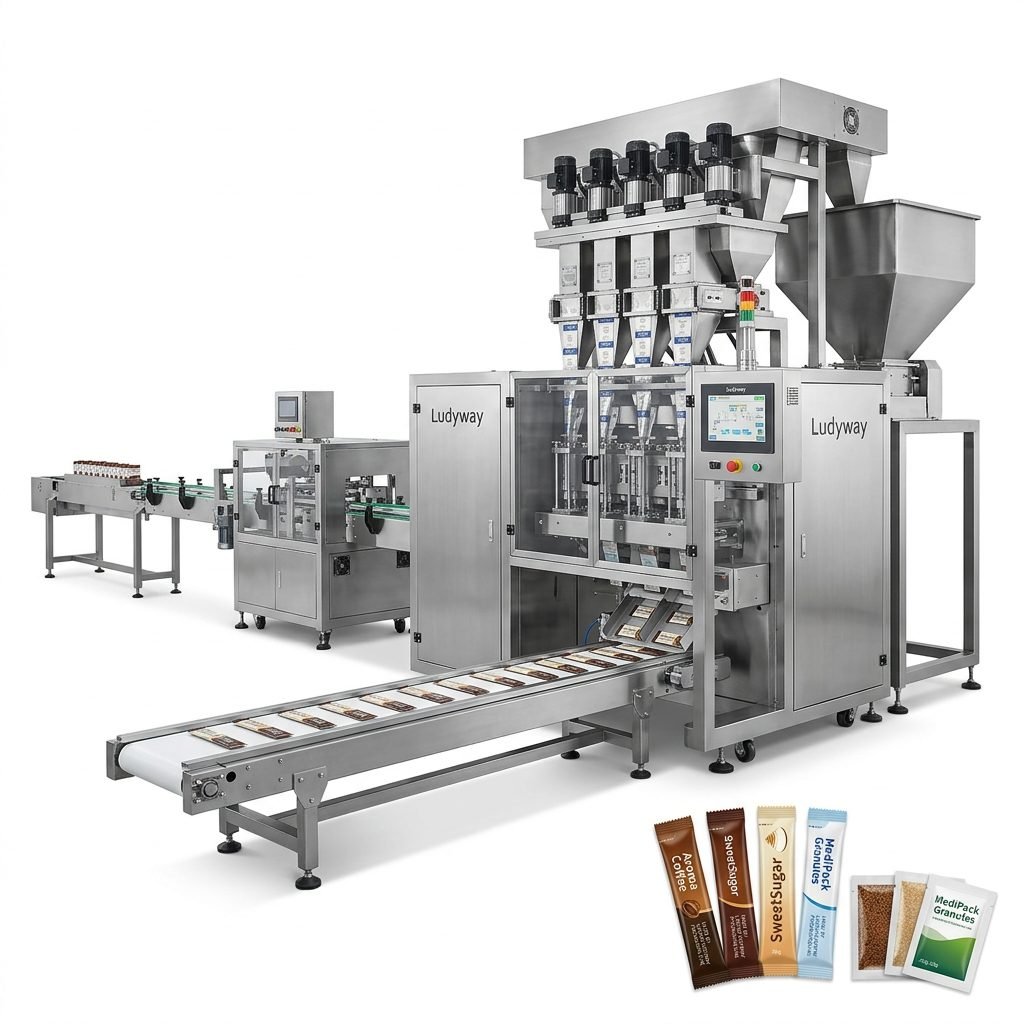
4. Preventive Maintenance Schedule
Establishing a structured preventive maintenance calendar ensures no component is overlooked. The table below outlines a recommended schedule that can be adapted to your specific machine model and production volume. Sticking to these intervals reduces unplanned downtime by up to 40% according to industry data.
| Task | Interval | Responsible Person |
|---|---|---|
| General cleaning and visual checks | Daily | Machine Operator |
| Seal strength testing | Every Shift | QA / Operator |
| Lubrication of bearings and chains | Weekly | Maintenance Technician |
| Replace Teflon and inspect jaws | Monthly | Maintenance Technician |
| Electrical panel cleaning and torque check | Quarterly | Electrical Engineer |
| Full mechanical inspection and belt replacement | Annually | Service Team |
5. Electrical System and Sensor Checks
Modern VFF machines rely heavily on PLC controllers, temperature sensors, photoelectric eyes, and servo drives. Electrical failures are often preceded by intermittent faults that go unreported. Monthly electrical maintenance should include:
- Tightening all terminal connections in control cabinets to prevent loose connections causing signal loss.
- Cleaning dust from PLC enclosures and verifying cooling fans are operational.
- Testing emergency stop circuits and safety interlocks — never bypass safety devices.
- Verifying temperature controller calibration and replacing aged solid-state relays that control heater circuits.
6. Film Handling and Registration System
Packaging film is a significant consumable cost, and poor tracking wastes material and causes misregistered prints. Operators should inspect film rollers for wear or bearing play monthly. The registration sensor — whether color-mark or contrast-based — must be kept clean and properly adjusted. A misaligned sensor causes the machine to cut through printed graphics, leading to rejected batches and wasted film.
Common Film Issues and Solutions
- Film wrinkling: Check roller parallelism and tension settings; replace worn rubber rollers.
- Print misregistration: Clean the registration sensor lens and verify the eye mark contrast on the film.
- Static buildup: Install or maintain ionizing bars to prevent film sticking and dust attraction.
- Intermittent tracking drift: Inspect guiding rollers for bearing play and check forming tube alignment.
7. Spare Parts Management
Keeping a well-stocked inventory of critical spare parts is one of the most cost-effective strategies for minimizing downtime. At minimum, your on-site spares inventory should include Teflon tape, heating elements, thermocouples, cutting blades, timing belts, film rollers, and common sensors. Waiting for a replacement part to ship can result in days of lost production — a cost far greater than the price of storing spares. Suppliers like Ludyway provide recommended spare parts lists tailored to each machine model, ensuring operators have what they need when they need it.
8. Operator Training and Documentation
Even the best maintenance plan fails without trained personnel. Operators must understand not only how to run the machine but how to recognize early warning signs of component wear. Maintenance logs should be kept for every intervention, recording dates, parts replaced, and observations. This historical data helps predict failure patterns and optimize the packaging line maintenance strategy over time. Annual refresher training covering safety protocols, new software updates, and wear-part identification keeps the team sharp and reduces human-error incidents.
9. Annual Professional Service and Overhaul
While daily and weekly maintenance can be managed in-house, an annual comprehensive service by experienced technicians delivers deeper value. Professionals perform tasks that go beyond routine operator maintenance, including:
- Complete disassembly of sealing stations and forming assemblies for deep cleaning and inspection.
- Laser alignment verification of all mechanical axes.
- PLC program backup, firmware updates, and control parameter audits.
- Replacement of all timing belts, whether visibly worn or not, based on service-hour recommendations.
- Comprehensive report with photographic evidence and future replacement recommendations.
This structured approach transforms reactive repair habits into a proactive maintenance culture that extends machine service life significantly and preserves resale value.
10. Final Recommendations for Maximizing Machine Longevity
Implementing the practices outlined above — from daily cleaning and lubrication to annual professional overhauls — creates a reliable and predictable production environment. The key takeaways for extending VFF packing machine service life are consistent record-keeping, proactive part replacement before failure, and continuous operator education. A well-maintained machine not only delivers better packaging quality and efficiency but also contributes to lower total cost of ownership and higher return on investment over its operational lifetime.
For more detailed guidance on maintaining your specific packaging equipment model, consult the manufacturer’s technical documentation or contact an authorized service provider for a customized maintenance plan.