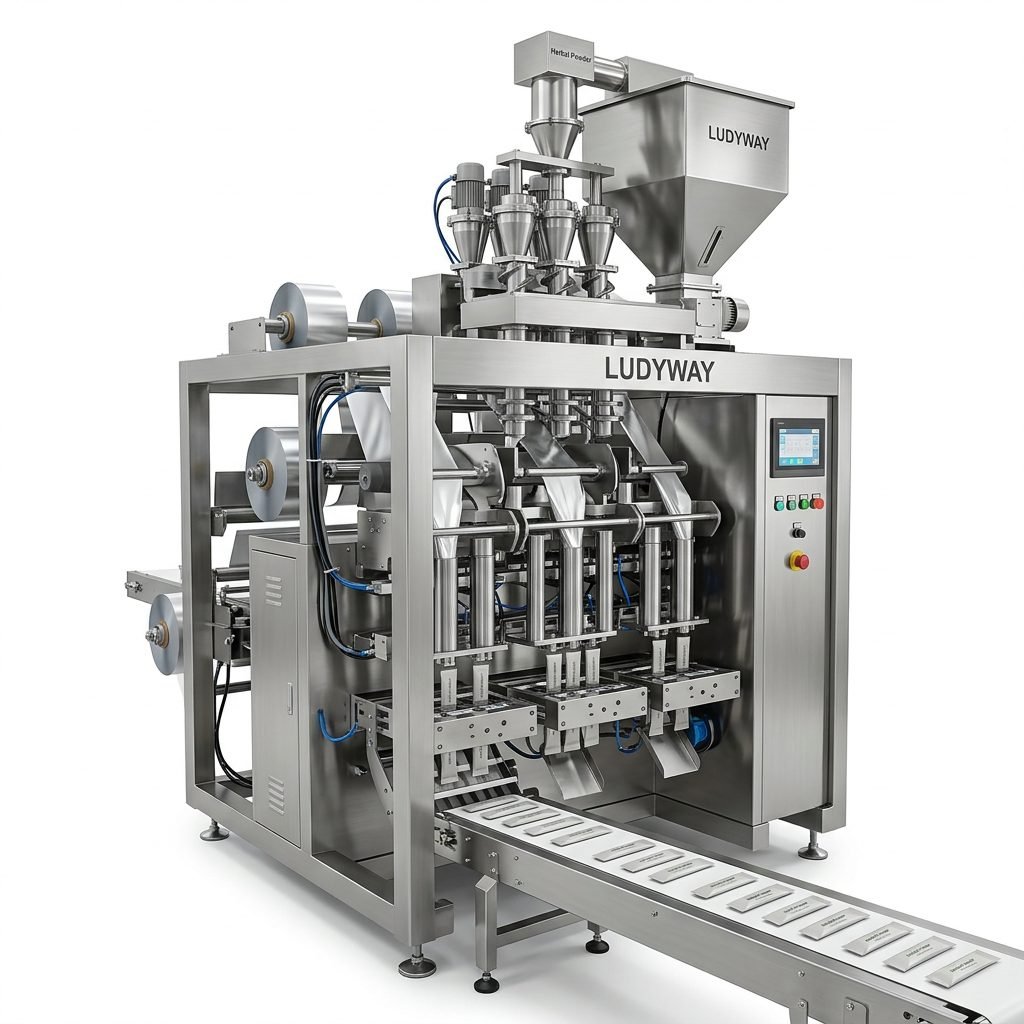
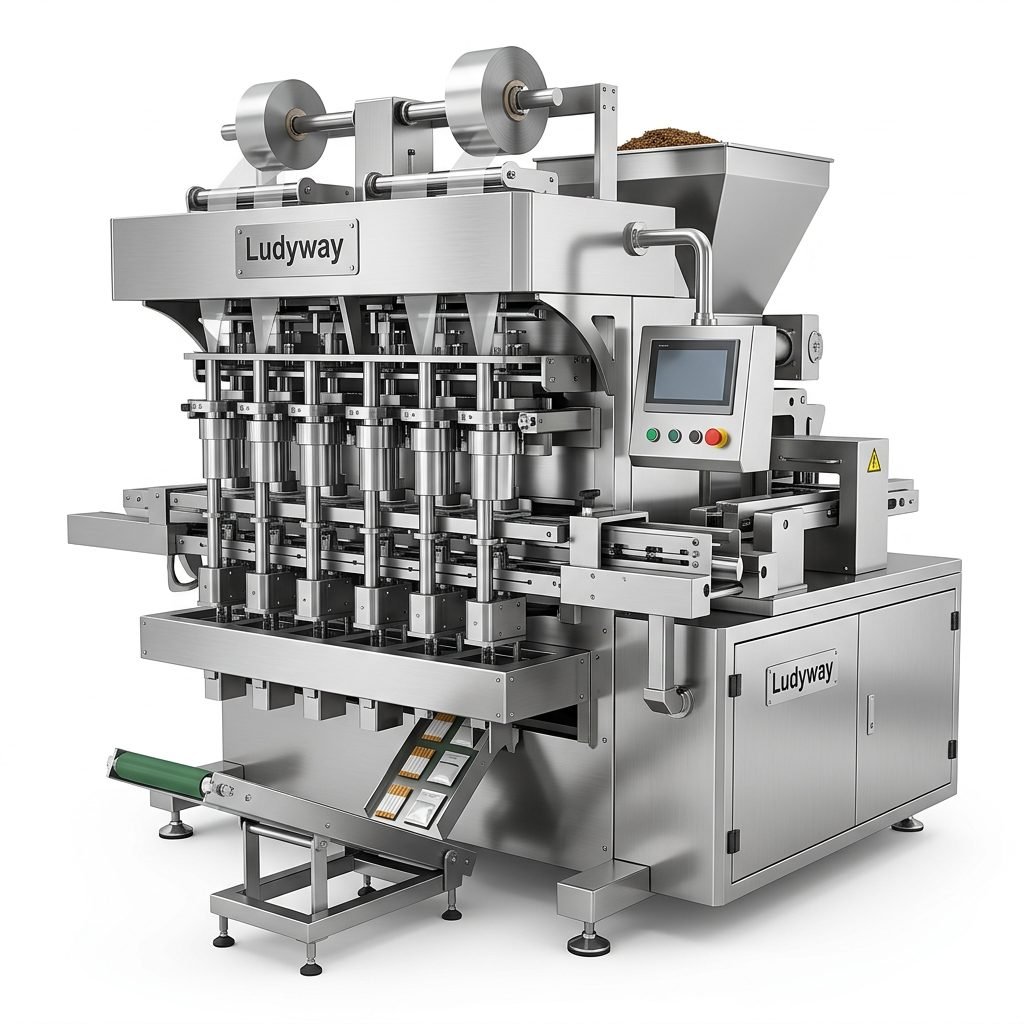
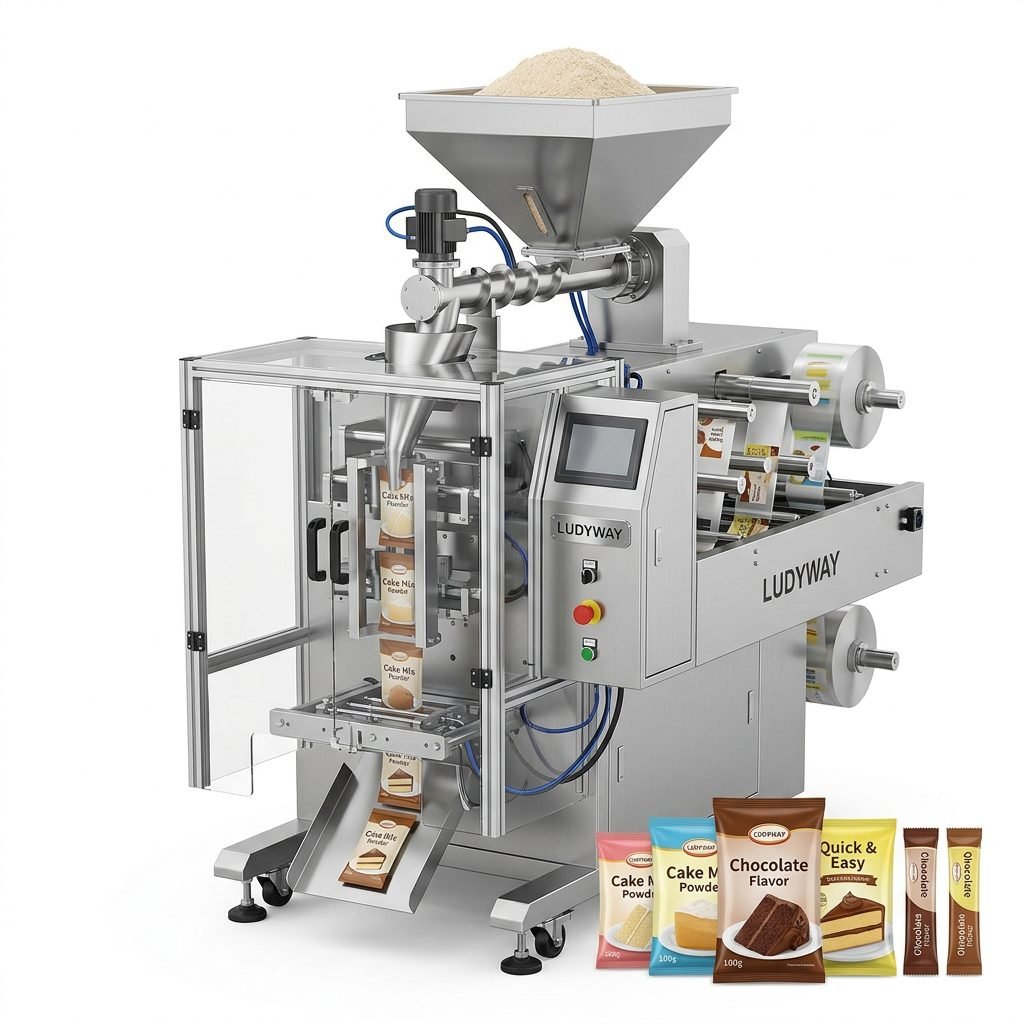
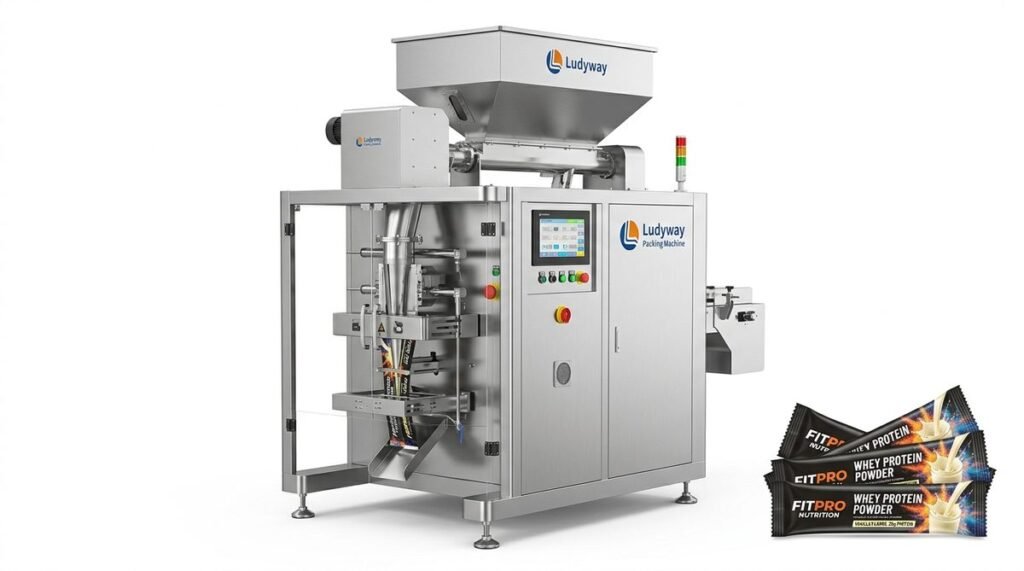
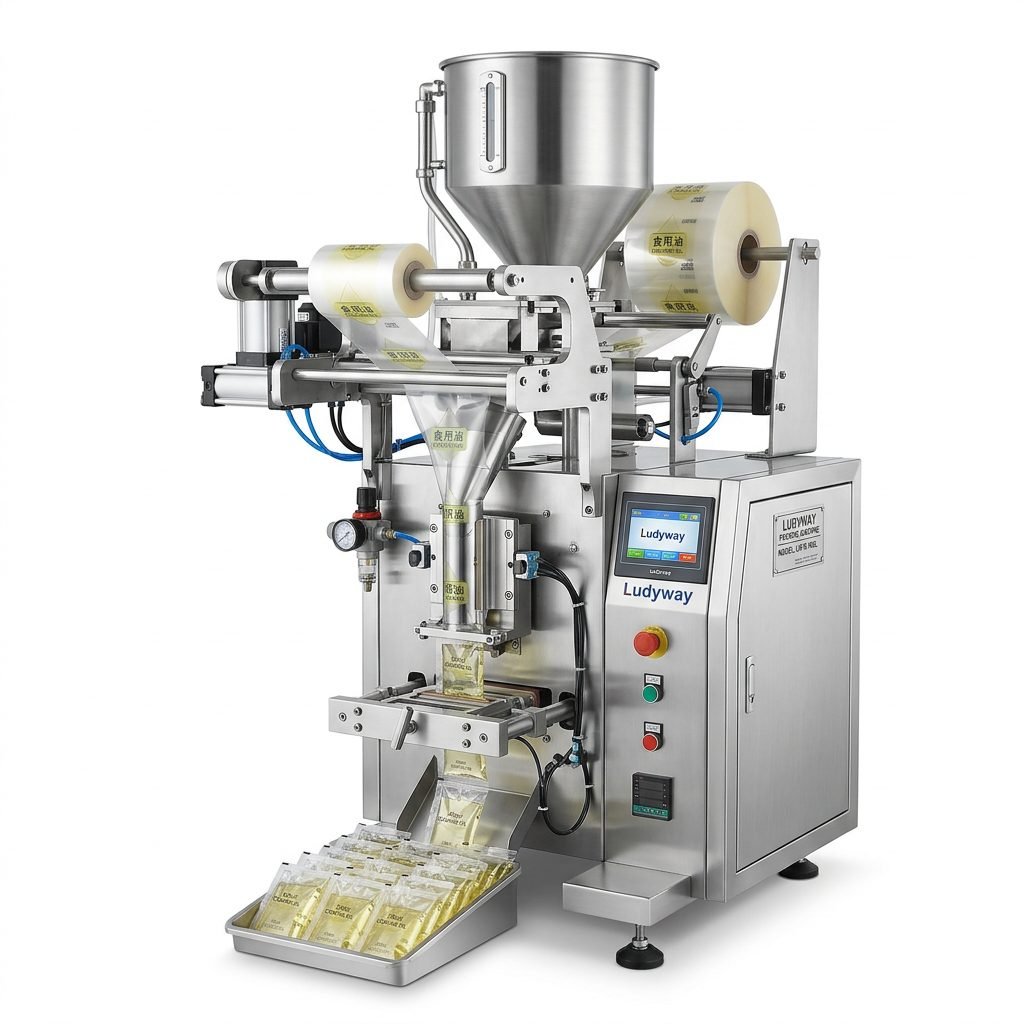
A void fill packaging machine is a critical asset in any shipping or fulfillment operation. It protects products during transit by dispensing the correct amount of cushioning material, minimizing damage and reducing costs. However, like any industrial equipment, consistent performance and longevity depend entirely on a well-executed maintenance program. Neglecting routine care leads to unexpected downtime, material jams, and compromised package protection. This guide outlines the essential steps to keep your void fill machine running at peak efficiency.

Why Preventive Maintenance is Non-Negotiable
A reactive approach—fixing problems only after a breakdown—is costly. A preventive maintenance strategy ensures reliable performance, safeguards your investment, and supports consistent throughput. Key benefits include:
- Reduced Downtime: Scheduled inspections catch minor issues before they escalate into major failures.
- Consistent void fill quality: Well-maintained components produce uniform cushioning, vital for protective packaging integrity.
- Lower operating costs: Clean and lubricated parts consume less energy and require fewer emergency repairs.
- Extended equipment life: Proper care maximizes the return on your investment over many years.
Daily Cleaning and Inspection Protocols
Daily tasks form the foundation of any effective plan. Operators should perform these checks at the start of each shift.
- Clear material debris: Remove dust, paper remnants, or film fragments from the feeding mechanism, sealing area, and cutting blades. Accumulation is a primary cause of jams.
- Inspect air filters: Many machines use compressed air. Clogged filters strain the system. Check and clean them if necessary.
- Examine power cords and connections: Look for signs of wear, fraying, or loose connections that pose safety hazards.
- Test safety features: Verify that emergency stops, interlock switches, and sensor guards function correctly.
- Wipe down surfaces: Use a dry, lint-free cloth to clean touchscreens and control panels for clear visibility.
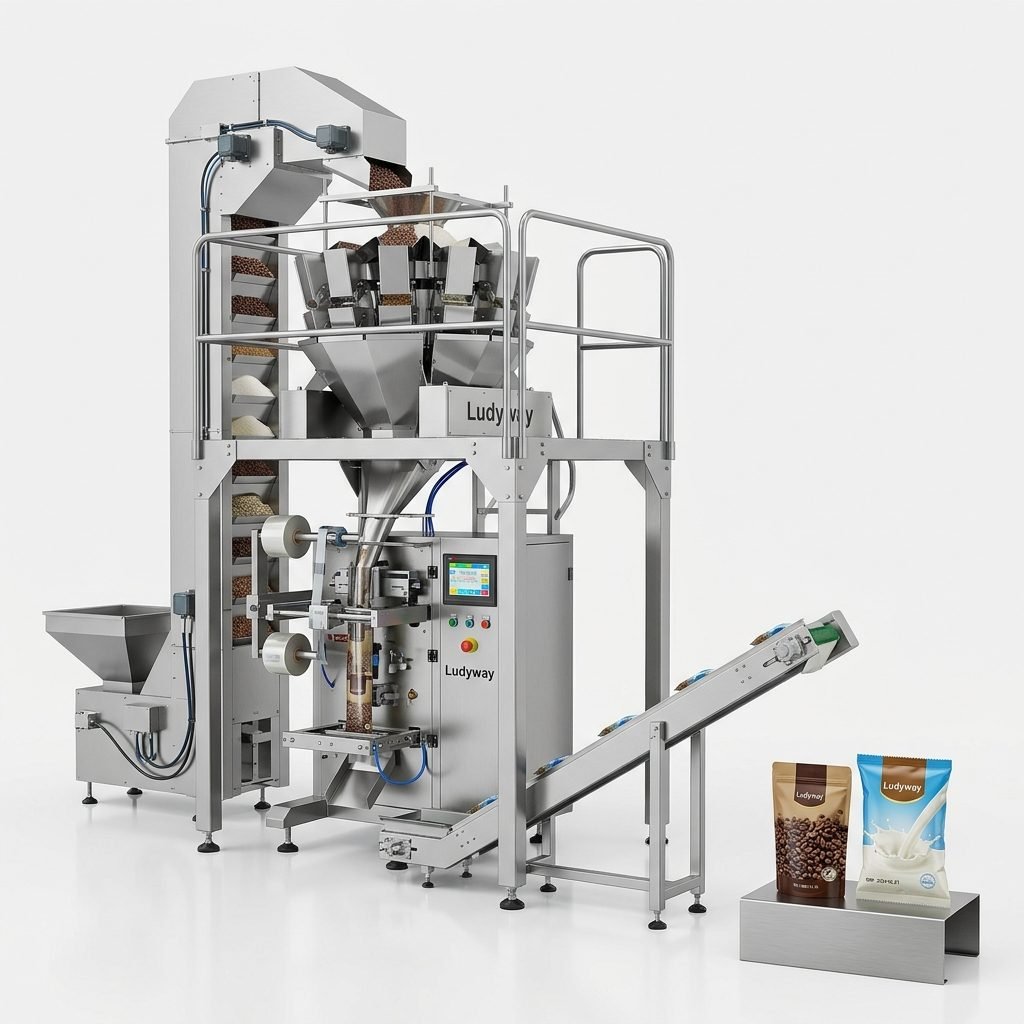
Lubrication: The Lifeline of Moving Components
Friction is the enemy of mechanical systems. A disciplined lubrication schedule protects chains, bearings, gears, and guide rails from premature wear. Always consult your machine’s manual for specific lubricant types and application points.
| Component | Recommended Frequency | Lubricant Type |
|---|---|---|
| Drive chains | Monthly | Chain oil (synthetic) |
| Linear bearings | Quarterly | NLGI 2 grease |
| Air cylinder seals | Weekly | Light machine oil |
| Cutting mechanism pivots | Bi-weekly | Dry film lubricant |
Caution: Over-lubrication attracts dust and creates a grinding paste. Apply sparingly and wipe away excess.
Material Handling System Checks
The material feeding system is where most bottlenecks occur. Consistent tension and proper alignment prevent frustrating film breaks and misfeeds.
- Inspect rollers and belts: Check for cracks, flat spots, or glazing on rubber rollers. Replace worn rollers immediately to maintain proper film tension.
- Clean photoelectric sensors: Dust on sensors causes false readings. Gently clean lenses with a soft cloth and isopropyl alcohol.
- Verify alignment: Misaligned guides cause uneven winding. Manually run a small amount of material to confirm straight tracking.
- Check tension control: Inconsistent tension creates loose fills or breaks the material. Test and calibrate per manufacturer specifications.
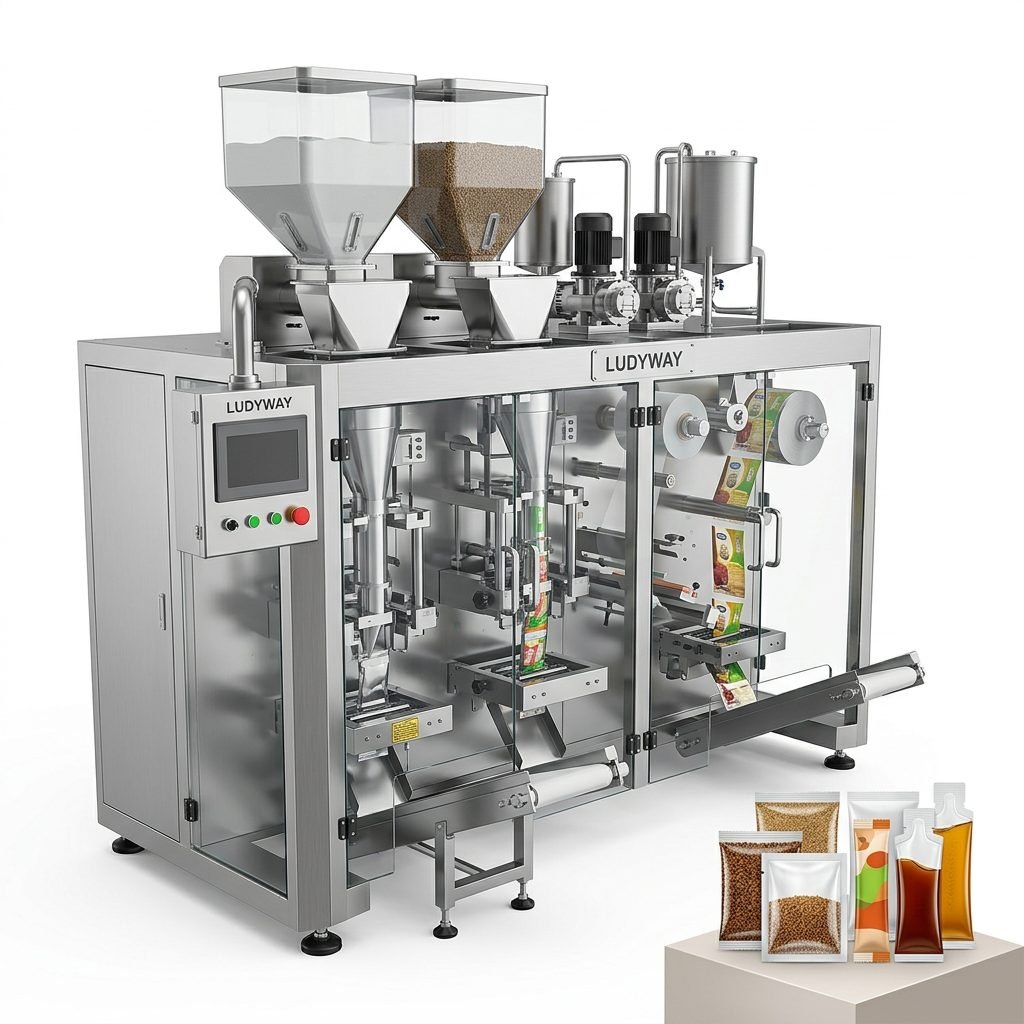
Sealing and Cutting Mechanism Care
For machines producing air cushions or paper pads, the sealing jaw and cutting blade directly impact output quality. Buildup on these parts leads to weak seals or incomplete cuts.
- Clean sealing elements: When cool, remove residue from Teflon-coated bands or heating wires using a soft brass brush. Avoid scratching surfaces.
- Monitor temperature settings: Fluctuations point to failing thermocouples or heater cartridges. Calibrate temperature controllers periodically.
- Sharpen or replace blades: Dull cutting edges tear material instead of cutting cleanly. Follow the manufacturer’s replacement interval.
Quarterly Electrical and Software Diagnostics
Modern packaging equipment relies on sophisticated controls. Electrical maintenance is best performed by qualified technicians.
- Tighten terminal connections: Vibration loosens electrical connections over time. Re-torque terminals in the control panel.
- Backup machine parameters: Save configuration files to an external device. Power surges can corrupt programmable logic controller memory.
- Update firmware: Manufacturers may release updates improving machine logic or adding features. Check with technical support.
- Inspect wiring harnesses: Look for heat damage or insulation cracks. Replace aged wiring proactively.
Common Troubleshooting Scenarios
Even with diligent maintenance, occasional issues arise. Recognizing early symptoms speeds recovery.
| Problem | Possible Cause | Solution |
|---|---|---|
| Inconsistent cushion size | Air pressure fluctuation or sensor blockage | Check compressor output and clean sensor lenses |
| Frequent film jams | Worn rollers or incorrect tension settings | Inspect and replace rollers; recalibrate tension |
| Machine stops mid-cycle | Tripped safety interlock or overheating | Verify guards are closed; check cooling fans |
| Weak or open seals | Low temperature or dirty sealing jaw | Clean jaw surface and increase heat slightly |
Spare Parts Inventory Management
Waiting for replacement parts during a breakdown extends downtime unnecessarily. Stocking critical spares is a strategic advantage.
- Heater elements and thermocouples
- Teflon tape and sealing bands
- Cutting blades
- Drive belts
- Common sensors (photo eyes, proximity switches)
- Air filters and regulator assemblies
A well-organized spare parts program ensures most repairs happen within hours, not days.
Training and Documentation
The best maintenance program fails without skilled execution. Invest in operator training and detailed documentation.
- Create standard operating procedures: Develop clear, step-by-step guides for all routine tasks.
- Maintain a machine logbook: Record every inspection, repair, and part replacement. This history reveals recurring issues.
- Conduct refresher training: Schedule annual sessions covering updates and best practices.
- Post quick-reference guides: Place laminated checklists near the machine for immediate operator reference.

External Resources and Industry Standards
Staying informed about industry developments helps refine your maintenance approach. Relevant resources include:
- PMMI – Packaging Industry Resources
- PMMI – Business Intelligence Library
- Flexible Packaging Association – Industry Resources
- ISO – Packaging Standards
Partnering for Long-Term Reliability
Sometimes, professional service support is the most efficient route. Qualified technicians from Ludyway offer deep expertise in maintaining advanced packaging systems, helping businesses maximize uptime and equipment lifespan through structured service agreements. Outsourcing complex tasks like full mechanical overhauls or deep electrical diagnostics ensures work is performed to factory specifications without straining internal resources.
Implementing these practices transforms your void fill packaging machine from a potential bottleneck into a reliable workhorse, supporting smooth logistics and product protection year after year.