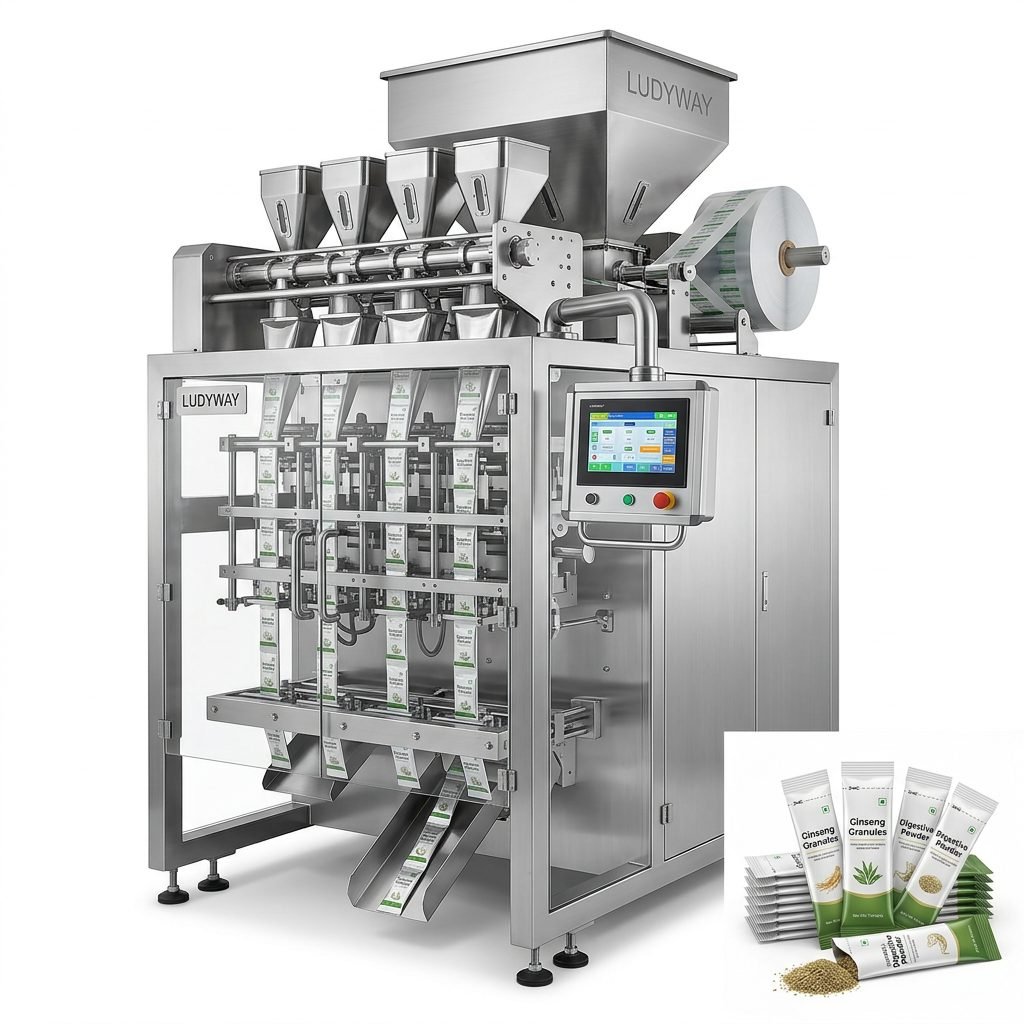
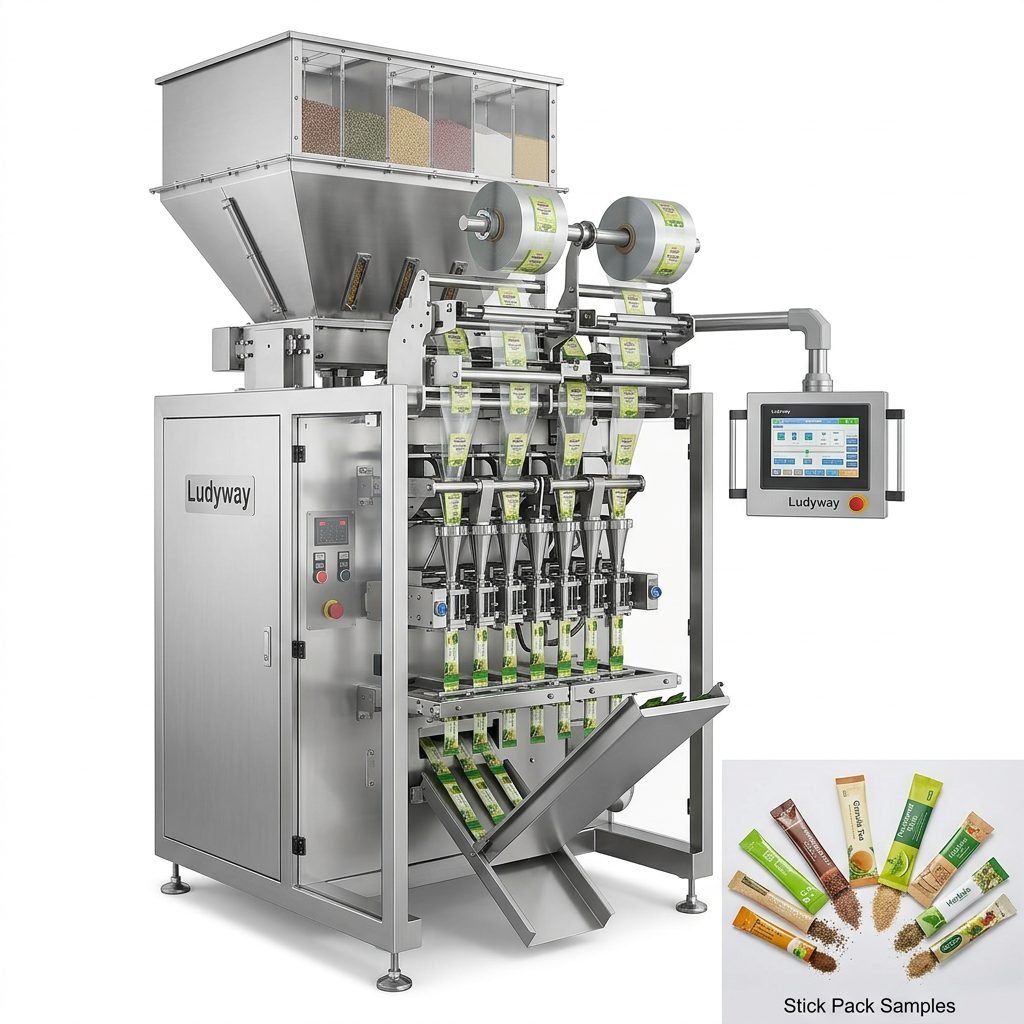
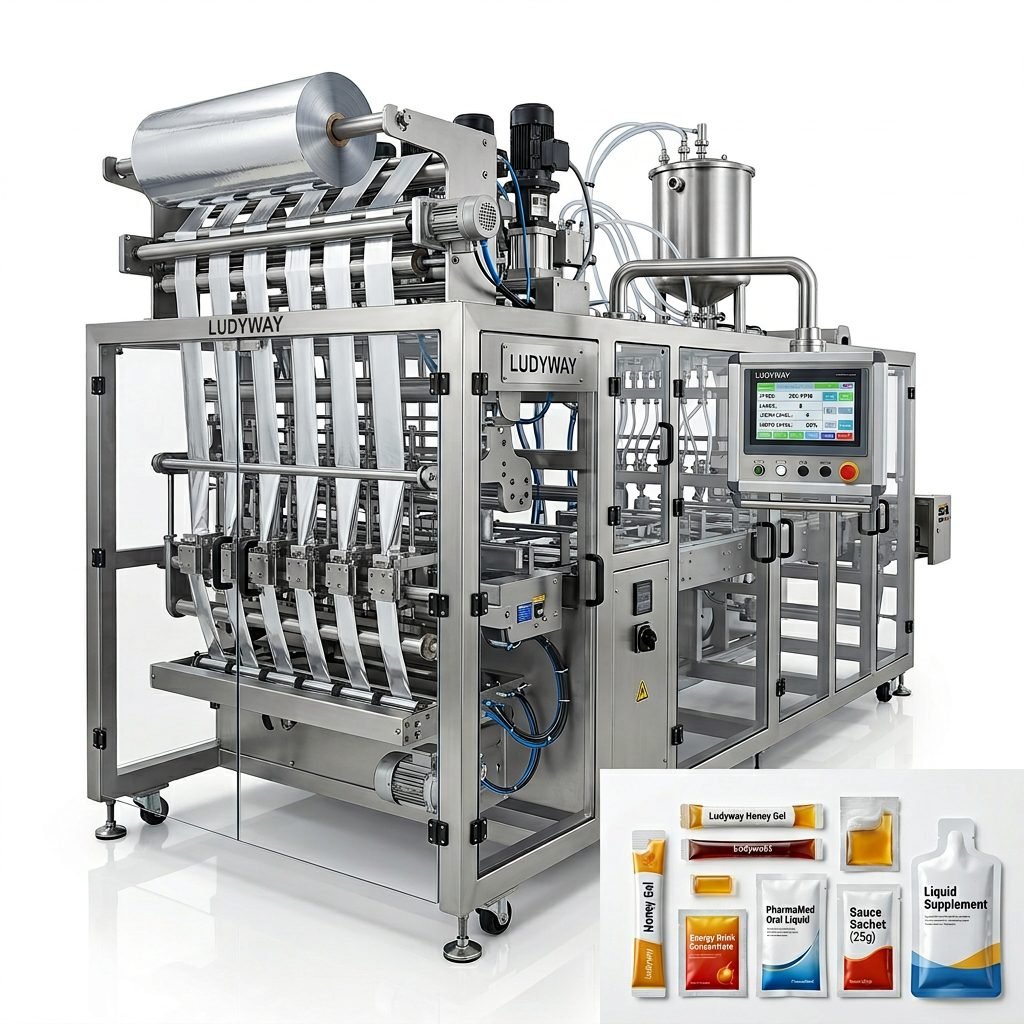
Proper maintenance of your AS1000 Automatic Liquid Packaging Machine is the cornerstone of production efficiency and long-term equipment reliability. A well-structured maintenance routine not only prevents unexpected downtime but also ensures consistent filling accuracy and seal integrity for your liquid products. This comprehensive guide covers essential daily, weekly, monthly, and annual maintenance procedures designed to maximize the lifespan of your investment.
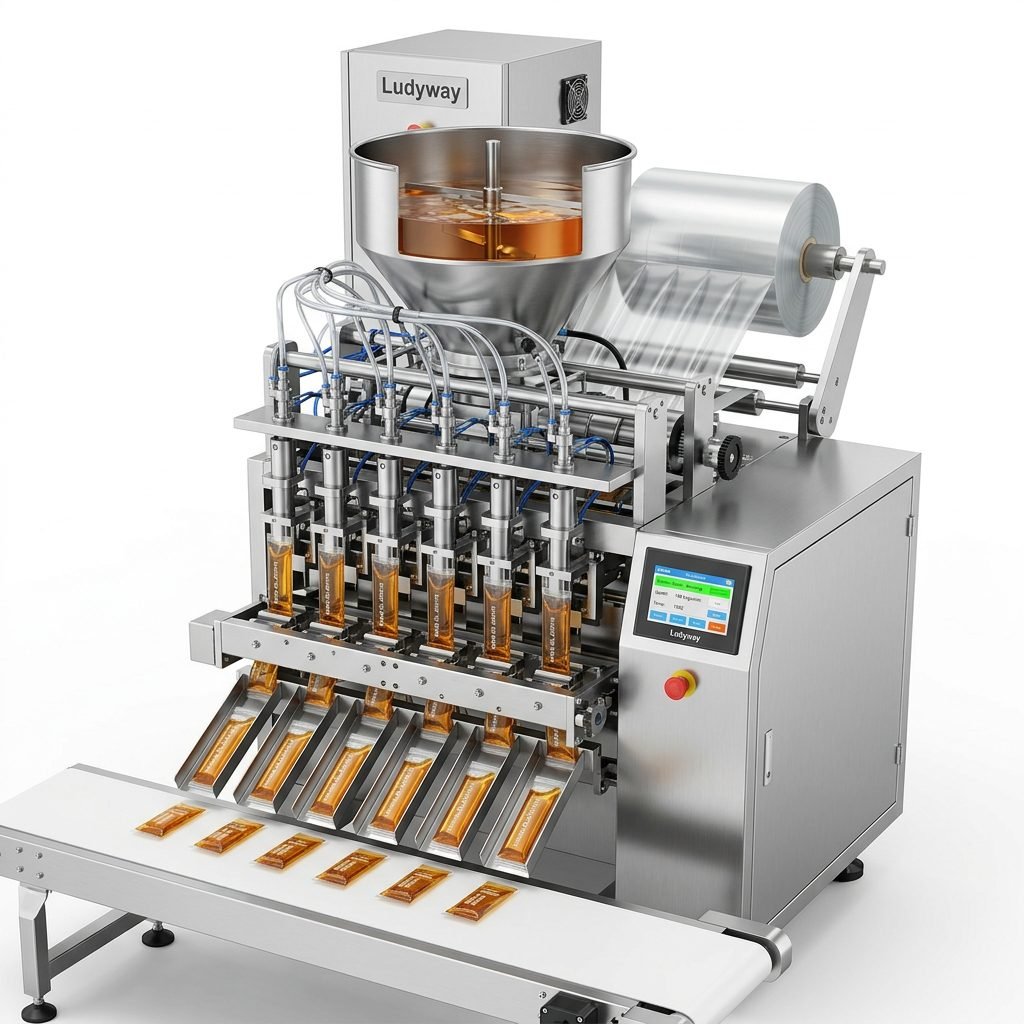
Understanding Your AS1000 Maintenance Schedule
The AS1000 integrates sophisticated liquid filling technology with precision sealing mechanisms. Neglecting regular upkeep can lead to inaccurate fill volumes, seal failures, and costly repairs. The following schedule breaks down maintenance tasks by frequency, ensuring no critical component is overlooked.
Daily Maintenance Checklist
Daily tasks are your first line of defense against operational issues. Perform these checks at the start of each shift and after production runs.
- Clean all product contact surfaces thoroughly with approved food-grade sanitizers to prevent cross-contamination.
- Inspect the filling nozzles for drips, clogs, or wear; clean with soft brushes and compatible solvents.
- Check the sealing jaw temperature and confirm it matches the set parameters for your film material.
- Wipe down the machine exterior and control panel to remove dust and product residue.
- Verify photoelectric sensor alignment for accurate film tracking and registration.
Weekly Maintenance Tasks
Weekly maintenance goes deeper into mechanical and pneumatic system health. Document all findings to track performance trends over time.
- Lubricate all guide rods, linear bearings, and chain drives using manufacturer-recommended grease.
- Inspect pneumatic hoses and fittings for air leaks; tighten connections or replace damaged lines immediately.
- Clean and check the film unwind assembly, ensuring proper tension control and brake function.
- Examine the cutting blade sharpness and adjust or replace if cuts appear rough or incomplete.
- Test all emergency stop buttons and safety interlock switches for immediate response.
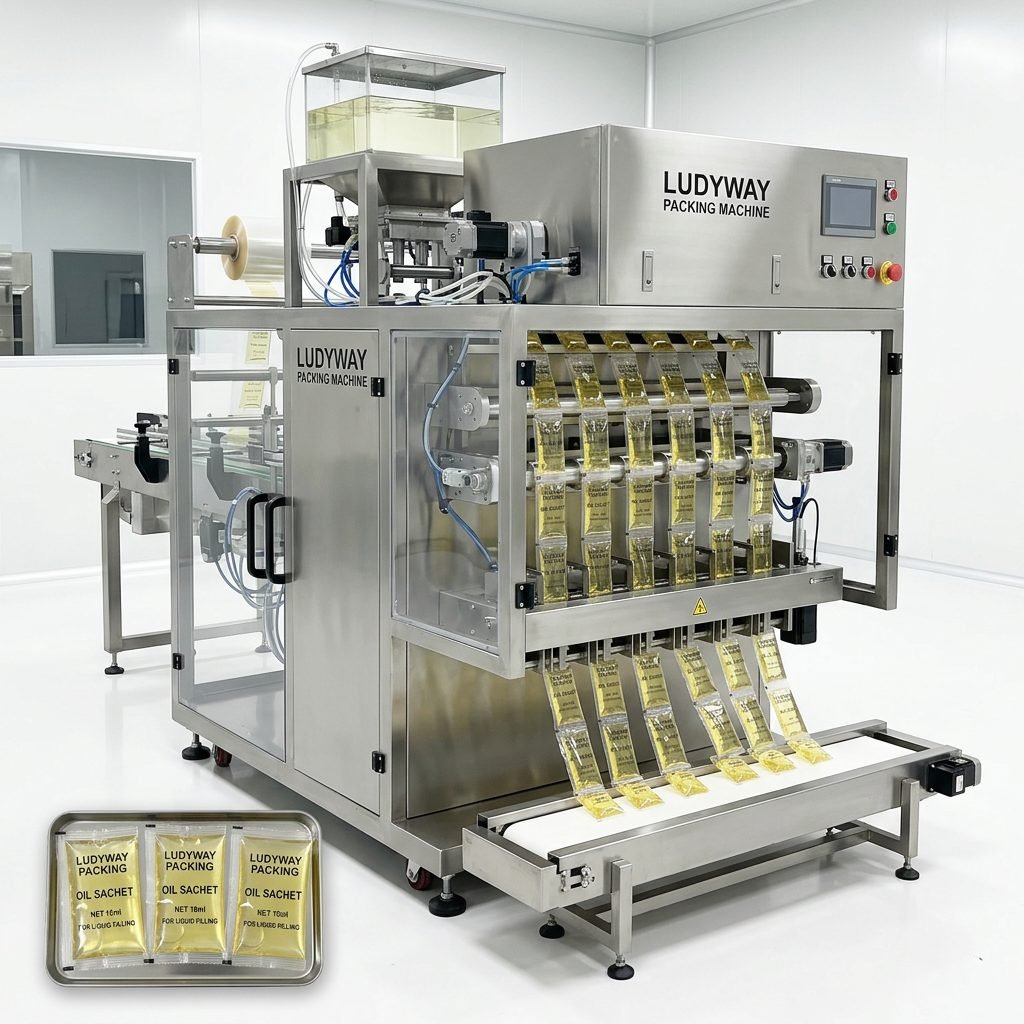
Monthly Maintenance Procedures
| Component | Inspection Points | Action Required |
|---|---|---|
| Piston Pump Assembly | Seal ring wear, piston scoring | Replace seals if fill volumes drift beyond tolerance |
| Servo Motors & Drives | Unusual noise, vibration, overheating | Check connections, clean cooling fans, recalibrate if needed |
| Electrical Cabinet | Dust accumulation, loose terminals | Blow out dust with dry compressed air, tighten all wire connections |
| Film Forming Tube | Scratches, product buildup | Polish or replace if film drag is excessive |
Step-by-Step: Cleaning the Liquid Pathway
One of the most critical procedures is cleaning the complete liquid pathway. Follow these steps to maintain optimal hygiene and filling performance.
- Flush with warm water immediately after production to remove residual product from hoses and nozzles.
- Circulate a CIP (Clean-in-Place) solution through the system for the recommended contact time based on your product type.
- Rinse thoroughly with deionized or distilled water until all cleaning agent residues are eliminated.
- Disassemble filling nozzles and soak in sanitizing solution; inspect O-rings and replace if swollen or cracked.
- Reassemble carefully, ensuring all clamps and fittings are secure before the next production run.
Quarterly and Annual Maintenance
Long-term reliability depends on thorough inspections at extended intervals. These tasks often require a trained technician and genuine spare parts.
- Replace all drive belts and timing pulleys showing signs of wear or cracking.
- Drain and refill gear reducer oil in all motorized assemblies.
- Perform a complete PLC and HMI backup to safeguard your machine parameters and recipes.
- Calibrate temperature controllers, pressure sensors, and load cells against certified reference standards.
- Inspect the main frame and welded joints for stress cracks or corrosion, especially in washdown environments.
Common Troubleshooting Scenarios
Even with diligent maintenance, occasional issues arise. Here are quick diagnostic steps for frequent problems encountered on the AS1000 model.
| Problem | Possible Cause | Solution |
|---|---|---|
| Inconsistent fill volume | Worn piston seals or air in liquid line | Replace seals; bleed air from system; recalibrate pump stroke |
| Seal integrity failure | Incorrect temperature, dirty sealing jaws | Adjust temperature ±5°C; clean jaws with brass brush; check dwell time |
| Film tracking off-center | Sensor misalignment or film roll not centered | Recalibrate edge guide sensor; realign film roll per manual |
Spare Parts Management
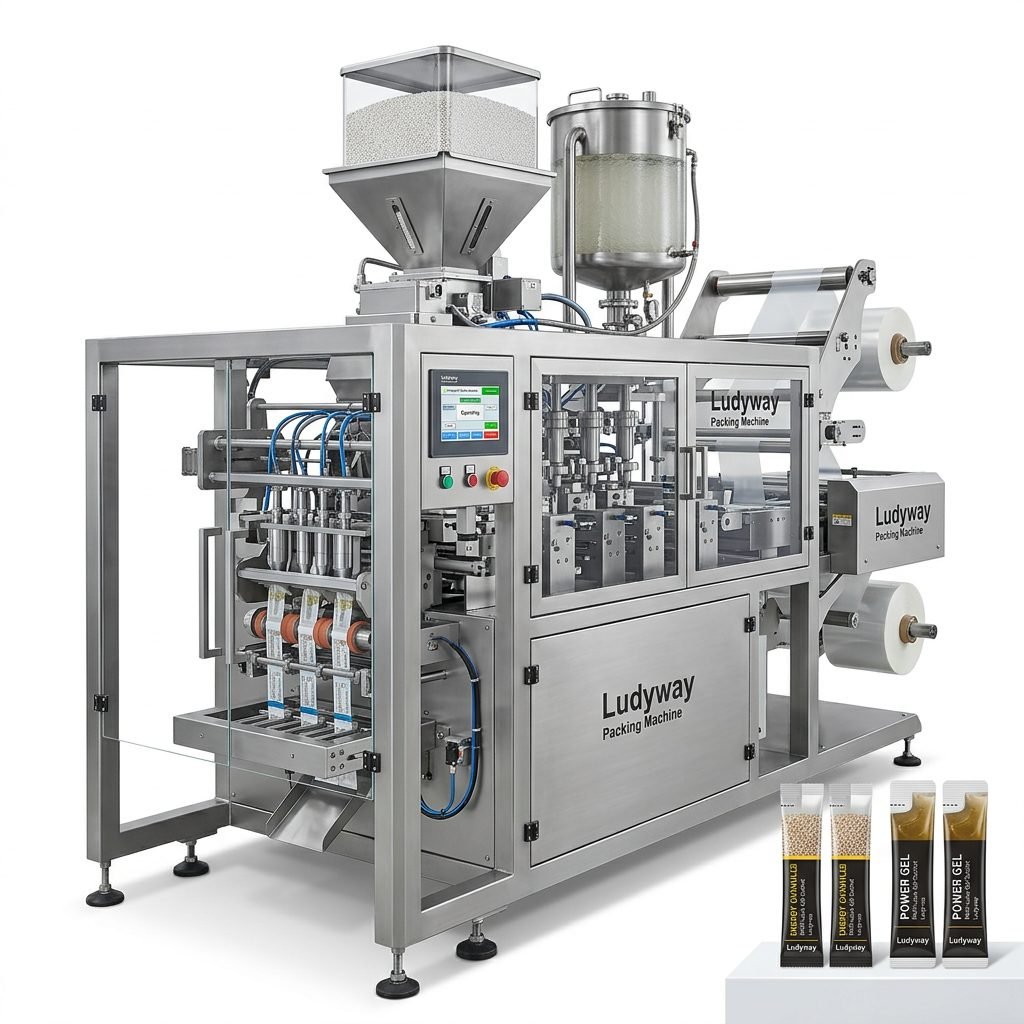
Keeping a strategic inventory of critical spare parts minimizes downtime when components fail. Recommended items to stock include:
- Piston pump seal kits and O-ring assortments
- Heating element cartridges and thermocouples for sealing jaws
- Drive belts, timing belts, and tensioner pulleys
- Photoelectric sensors and proximity switches
- Pneumatic cylinder rebuild kits
- PLC backup battery and interface cables
Lubrication Best Practices
Proper lubrication reduces friction and extends component life. Always use food-grade lubricants where product contact is possible, and follow the AS1000 lubrication chart precisely.
- Apply H1 food-grade grease to all linear bearings every 40 operating hours.
- Oil pneumatic cylinders with food-grade mineral oil monthly if not equipped with self-lubricating seals.
- Check chain tensioner lubrication points weekly; avoid over-lubrication which attracts dust.
Documentation and Record Keeping
Maintain a detailed machine logbook documenting all maintenance activities, part replacements, and calibration data. This practice supports predictive maintenance strategies and helps identify recurring failure patterns. Include the following in your records:
- Date and time of service performed
- Technician name and signature
- Parts replaced with serial and batch numbers
- Calibration readings before and after adjustment
- Any abnormal observations or follow-up actions required
Safety Considerations During Maintenance
Never compromise on safety when servicing the AS1000. Adhere to strict lockout/tagout procedures before entering the machine envelope. Disconnect main power and pneumatic supply, release stored energy in capacitors and air reservoirs, and verify zero energy state before beginning any maintenance task. Always wear appropriate PPE including cut-resistant gloves and safety glasses.
Training Your Maintenance Team
Even the best maintenance program fails without properly trained personnel. Ensure your team understands the specific requirements of liquid packaging equipment by investing in comprehensive operational and technical training. As a leading manufacturer, Ludyway provides dedicated after-sales support and training programs to help customers optimize machine performance and maintenance practices.
For further guidance on packaging machinery standards and industry best practices, refer to these authoritative resources:
- PMMI – Packaging Industry Resources
- ISO – Packaging Standards
- FDA – Food Packaging and Food Contact Substances
- Flexible Packaging Association – Industry Resources
Need help with your AS1000 maintenance program? Contact our technical support team at info@ludyway.com or call +8613129592456 for expert assistance and genuine spare parts ordering.