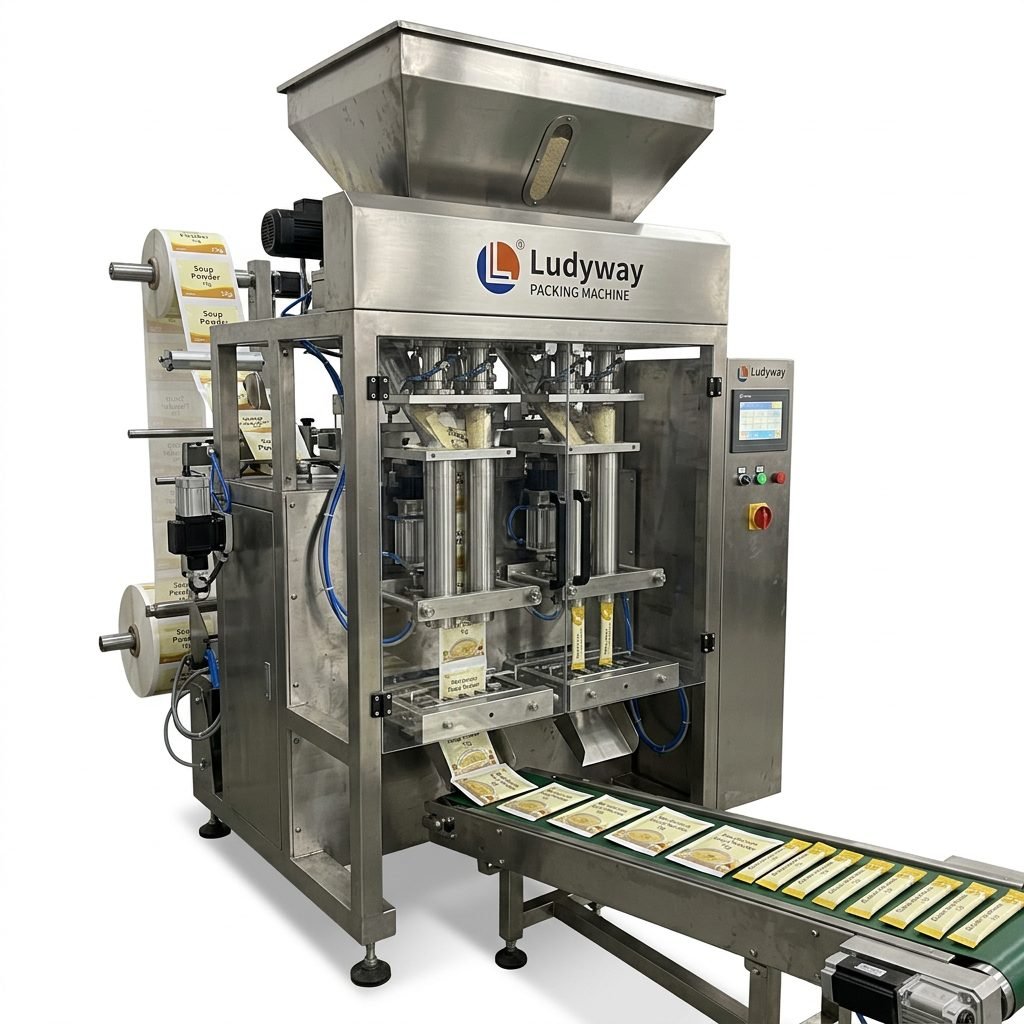
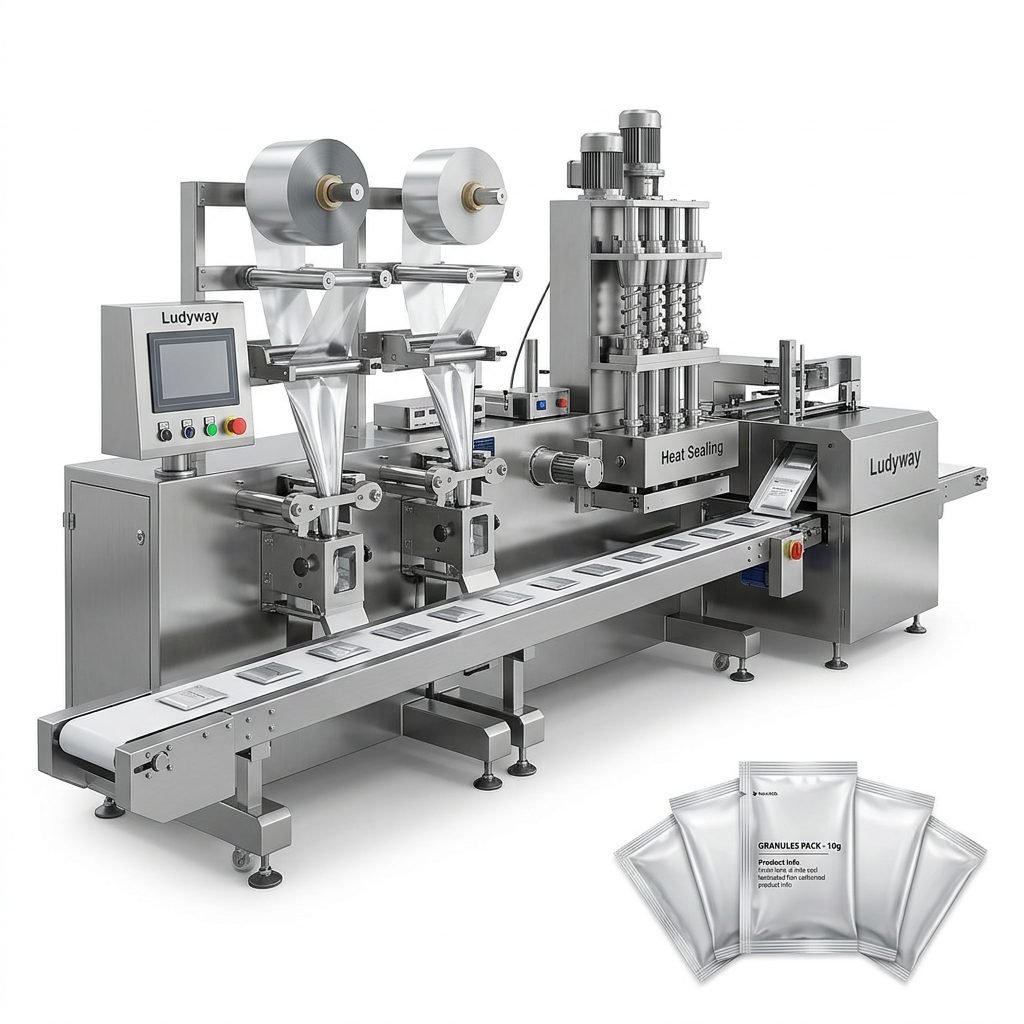
Proper maintenance is the backbone of any high-performance packaging line. Whether you are running a single-lane unit or a fully integrated multi-lane packaging system, consistent upkeep of your zipper packing machine directly impacts output quality, reduces downtime, and extends equipment life. This guide walks you through the essential steps to keep your machine operating at peak efficiency.
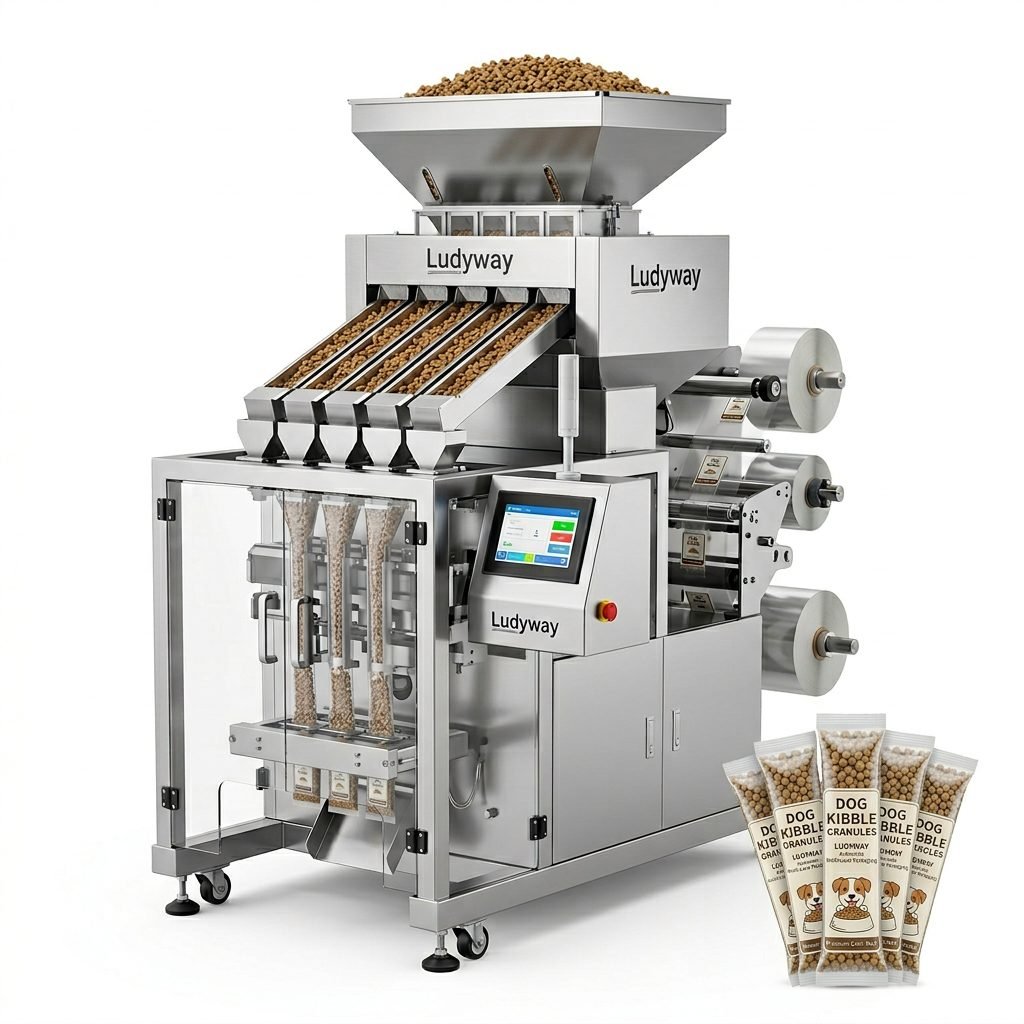
Daily Cleaning: The Foundation of Machine Longevity
Product residue, dust, and film fragments accumulate quickly inside a zipper packing machine. Daily cleaning prevents these contaminants from interfering with sealing quality and sensor accuracy.
- Use compressed air to blow away loose particles from the forming tube, sealing jaws, and zipper applicator area.
- Wipe down all stainless steel surfaces with a food-grade cleaning solution. Avoid abrasive materials that can scratch protective coatings.
- Inspect and clean photoelectric sensors and film registration marks — dirty sensors are a leading cause of misalignment errors.
- Empty and clean the dust collection tray beneath the filling station to prevent cross-contamination between production runs.
Lubrication: Protecting Critical Moving Parts
Friction is the enemy of precision. A well-lubricated zipper packing machine runs quieter, consumes less energy, and produces more consistent seals. Pay special attention to these areas:
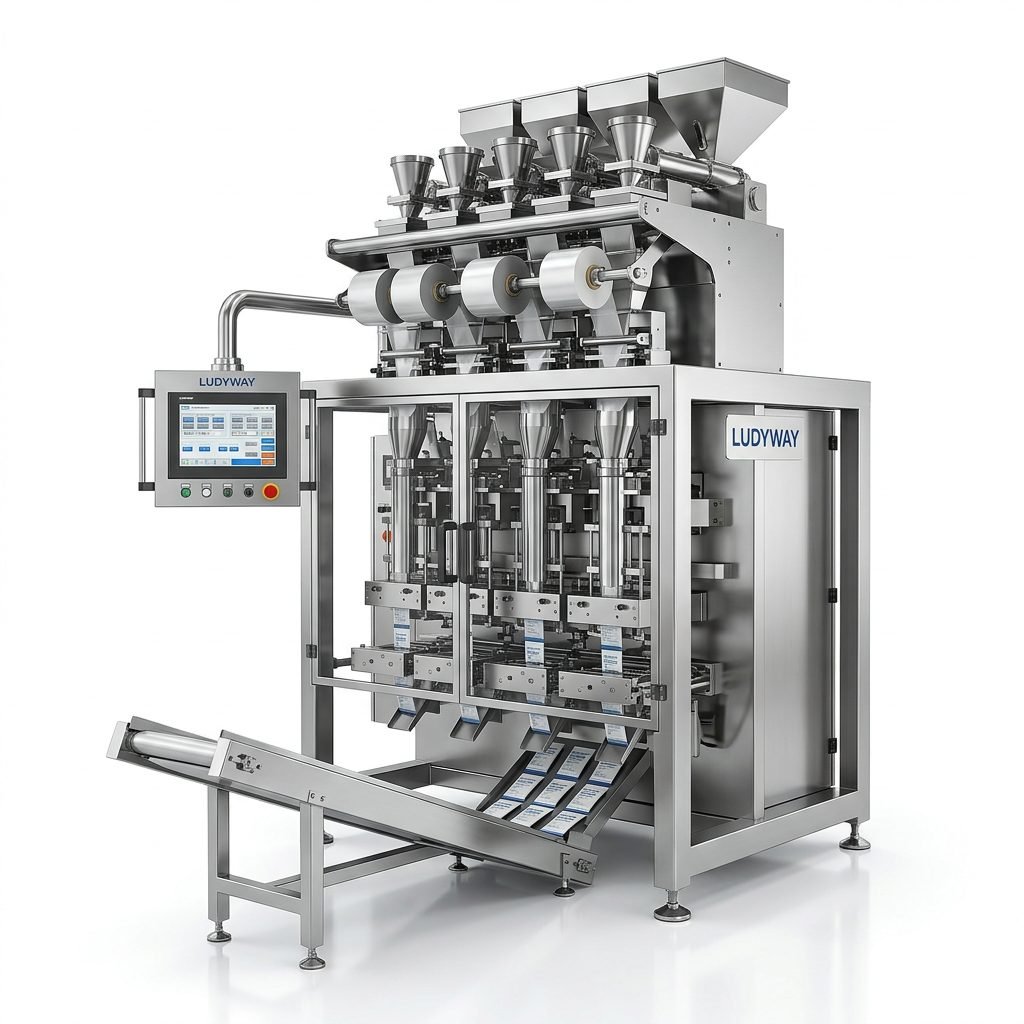
- Sealing jaw bearings and guide rails — apply food-safe lubricant weekly at minimum, or daily for high-speed operations exceeding 60 bags per minute.
- Zipper guide tracks and applicator rollers — these delicate components require lightweight oil to prevent jerky movements that can misalign zipper placement.
- Film unwinding shaft and tension rollers — lubricate bearings monthly to maintain smooth film feeding and prevent stretching or tearing.
- Always refer to your manufacturer’s lubrication chart. Over-lubrication can be as harmful as under-lubrication, attracting dust and creating buildup.
Lubrication Schedule Reference
| Component | Lubricant Type | Frequency |
|---|---|---|
| Sealing Jaw Bearings | Food-grade grease | Weekly |
| Zipper Guide Tracks | Light machine oil | Every 48 operating hours |
| Tension Roller Bearings | Lithium-based grease | Monthly |
| Drive Chain & Sprockets | Heavy-duty chain oil | Bi-weekly |
Inspection and Adjustment: Staying Ahead of Wear
Routine inspections catch small issues before they become production-halting failures. A thorough walk-around every shift should include the following checks:
Sealing System Integrity
The sealing quality of your zipper packing machine is its most critical performance indicator. Inspect both the longitudinal and cross-seal jaws for even wear patterns. Uneven sealing pressure leads to leakers, which are costly in terms of product waste and rework. Check Teflon tape condition on heat-sealing surfaces daily. Replace tape that shows browning, peeling, or adhesive breakdown.
Film Tension and Alignment
Improper film tension causes wrinkling, misaligned zippers, and inconsistent bag lengths. Verify that the film runs true through all guide rollers without drifting. If you notice the film edge wandering, inspect the edge guide sensor and realign the unwinding assembly. Check that the zipper strip feeds perpendicular to the film — even a 1-millimeter angular deviation can cause sealing defects.
Electrical and Sensor Diagnostics
- Test all emergency stop buttons and safety interlocks at the start of each shift.
- Verify temperature controller readings against actual sealing jaw temperatures using an external thermocouple. A 5°C deviation can compromise seal integrity.
- Inspect wiring harnesses for signs of heat damage near the sealing station — insulation breakdown is a fire risk and a common cause of intermittent faults.
- Clean and calibrate the film registration sensor whenever you change film types or thicknesses.
Common Problems and How to Troubleshoot Them
Even well-maintained zipper packing machines encounter occasional issues. Understanding the root causes helps operators resolve problems quickly without unnecessary service calls.
Problem 1: Inconsistent Zipper Seal Strength
- Likely cause: Worn sealing jaw Teflon coating, incorrect temperature setting, or inconsistent dwell time.
- Solution: Replace Teflon tape, recalibrate temperature controller, and verify pneumatic cylinder pressure is within specification. Run a seal strength test using a peel tester if available.
Problem 2: Zipper Misalignment or Wrinkling
- Likely cause: Improper zipper track tension or misaligned guide rollers.
- Solution: Re-thread the zipper material through all guides, ensuring it enters the forming collar without twisting. Adjust guide roller parallelism to within 0.5-millimeter tolerance.
Problem 3: Frequent Film Breaks During Startup
- Likely cause: Excessive film tension or cold sealing jaws at startup.
- Solution: Reduce initial tension settings and allow sealing jaws to preheat for a full 10-minute warm-up cycle before feeding film. This is especially important for laminated films with polyethylene sealing layers.
Preventive Maintenance Schedule: A Structured Approach
A disciplined preventive maintenance (PM) program is the single most effective strategy for maximizing the operational life of your zipper packing machine. Below is a recommended framework adaptable to different production intensities.
| Interval | Maintenance Actions | Responsible |
|---|---|---|
| Daily | Clean product contact surfaces, inspect sensors, test safety interlocks, verify seal quality | Machine Operator |
| Weekly | Lubricate bearings and guide rails, check chain tension, inspect Teflon tape, verify temperature calibration | Maintenance Technician |
| Monthly | Inspect drive belts and replace if cracked, check pneumatic hoses for leaks, clean electrical cabinets, verify sensor alignment | Maintenance Technician |
| Quarterly | Replace sealing jaw Teflon tape, inspect and clean gearboxes, test motor current draw, full calibration audit | Senior Technician / Supervisor |
| Annually | Replace all wear parts (bearings, belts, seals), full electrical safety inspection, PLC backup, comprehensive equipment audit | Engineering Team / OEM Support |
Spare Parts Management: Minimizing Downtime
Nothing stalls a production line faster than waiting for a replacement part. A well-stocked spare parts inventory is essential for any facility running zipper packing machines. Keep the following critical spares on hand:
- Sealing jaw Teflon tape and heating elements — these are consumable items that degrade with normal use.
- Zipper guide rollers and bearings — mechanical wear items that affect alignment precision.
- Photoelectric sensors and fiber optic cables — vulnerable to dust contamination and accidental impact.
- Pneumatic cylinder seals and O-rings — essential for maintaining consistent sealing pressure.
- Drive belts and timing belts — inspect regularly for cracks; replace at the first sign of deterioration.
Operator Training: The Human Factor
The most meticulously maintained zipper packing machine will underperform if operators are not properly trained. Invest in comprehensive training programs that cover:
- Startup and shutdown procedures — including proper warm-up sequences and cleaning protocols between product changeovers.
- Basic troubleshooting skills — empowering operators to resolve common issues like film tracking errors and minor seal adjustments without escalating to maintenance.
- Quality inspection techniques — teaching operators to identify acceptable versus unacceptable seal quality using visual inspection and simple peel tests.
- Safety protocols — ensuring all personnel understand lockout/tagout procedures, hot surface hazards, and emergency stop locations.
Documentation and Record Keeping
Maintaining detailed service records transforms reactive maintenance into predictive maintenance. Track the following for every zipper packing machine in your facility:
- Date and description of each maintenance activity performed.
- Parts replaced, including supplier part numbers and costs.
- Observed wear patterns and measurements (e.g., Teflon tape thickness before replacement).
- Calibration data for temperature controllers and tension settings.
- Downtime incidents with root cause analysis summaries.
This historical data reveals recurring failure patterns and helps optimize your preventive maintenance intervals. It also simplifies warranty claims and communication with equipment manufacturers. For companies looking to expand or upgrade their packaging capabilities, consulting established manufacturers like Ludyway can provide access to advanced equipment designed with modern maintenance-friendly features, including quick-change zipper modules and automated diagnostic interfaces.
Additional Resources on Packaging Standards
Staying informed about industry standards strengthens your maintenance program. Explore these authoritative resources for deeper insights into packaging machinery best practices and regulatory compliance:
- PMMI – The Association for Packaging and Processing Technologies — comprehensive resources on packaging machinery standards and market intelligence.
- ISO – Packaging Standards (ICS 55) — internationally recognized standards for packaging machinery safety and performance.
- FDA – Food Packaging and Food Contact Substances — regulatory guidelines for packaging materials used in food applications.
- Flexible Packaging Association – Industry Resources — technical guides and sustainability resources for flexible packaging operations.
Conclusion
Consistent maintenance of your zipper packing machine is an investment that pays dividends in reliability, product quality, and total cost of ownership. By implementing structured daily cleaning routines, adhering to lubrication schedules, conducting regular inspections, and maintaining a critical spare parts inventory, you create a robust foundation for uninterrupted production. Remember: preventive maintenance is always more cost-effective than reactive repairs. Train your operators thoroughly, keep detailed service records, and stay connected with industry standards bodies to continuously refine your maintenance approach.