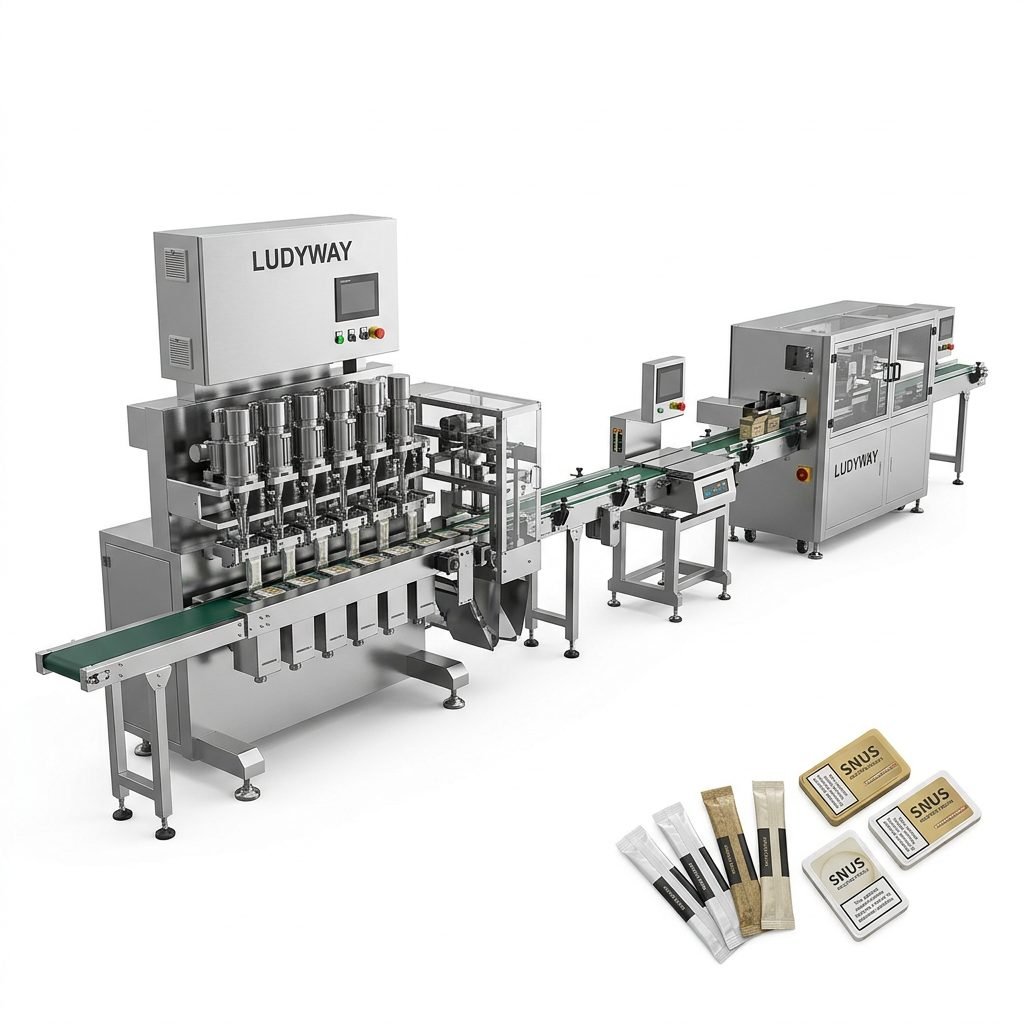
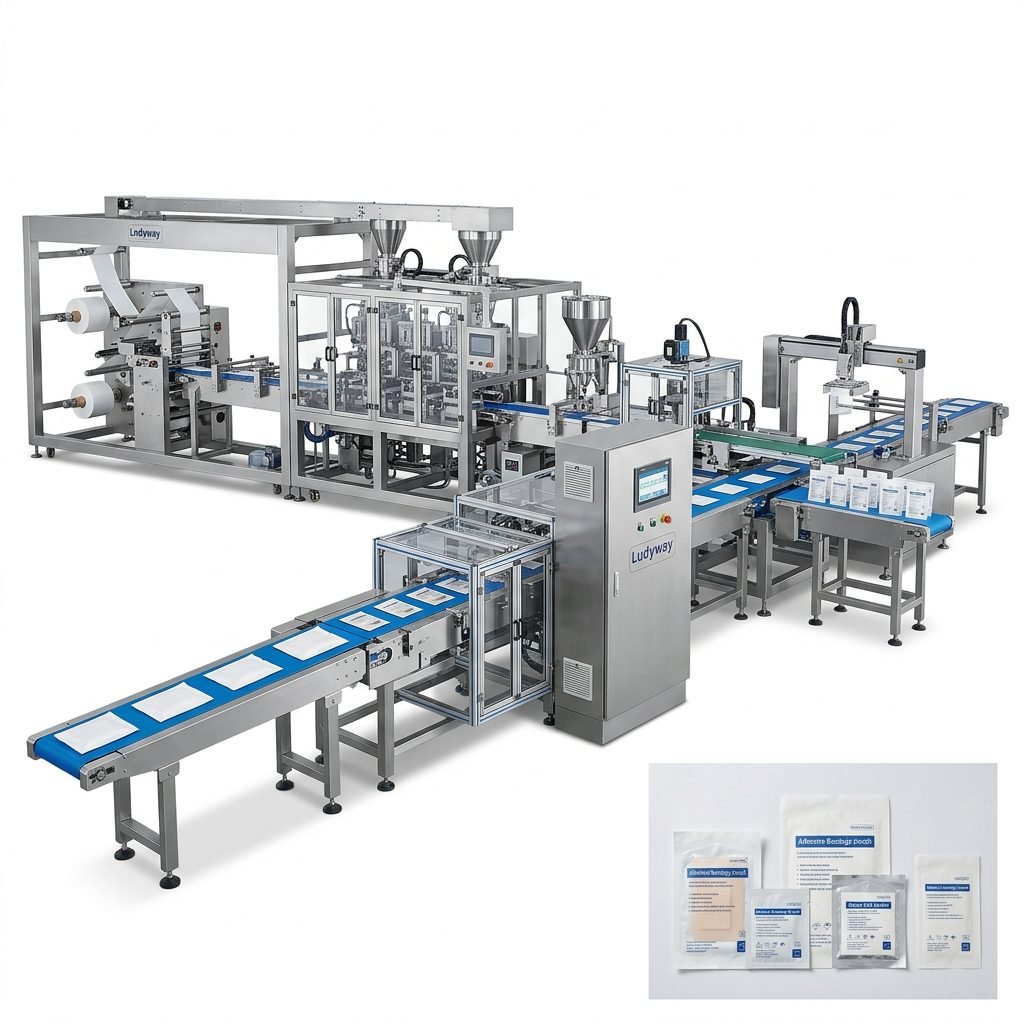
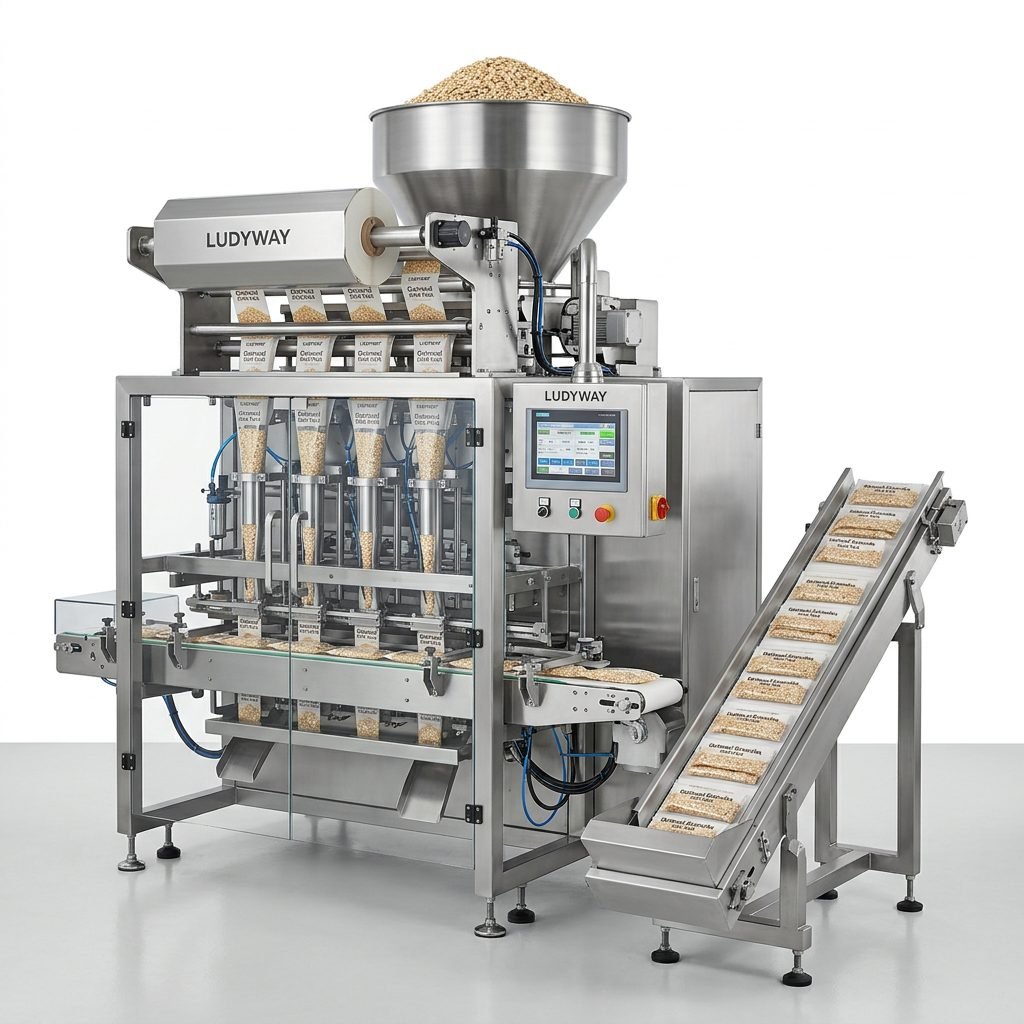
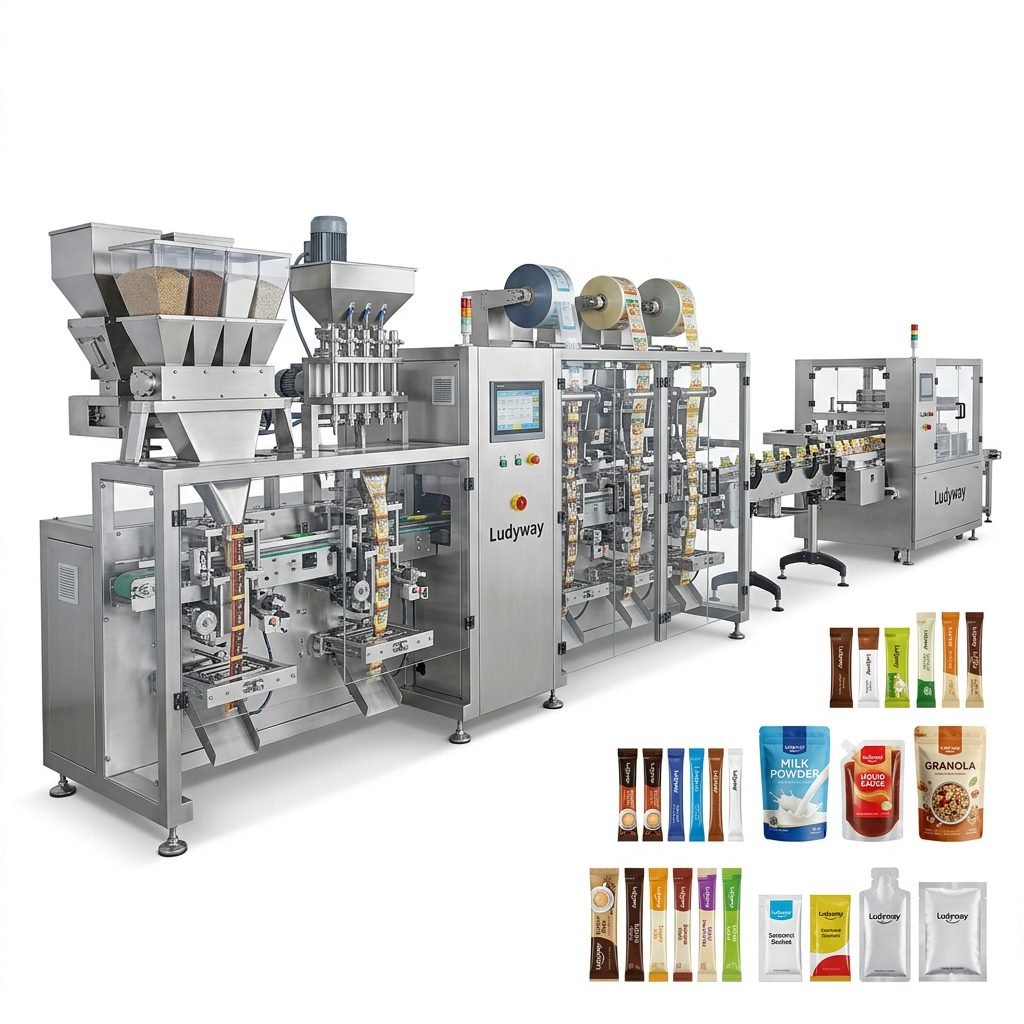
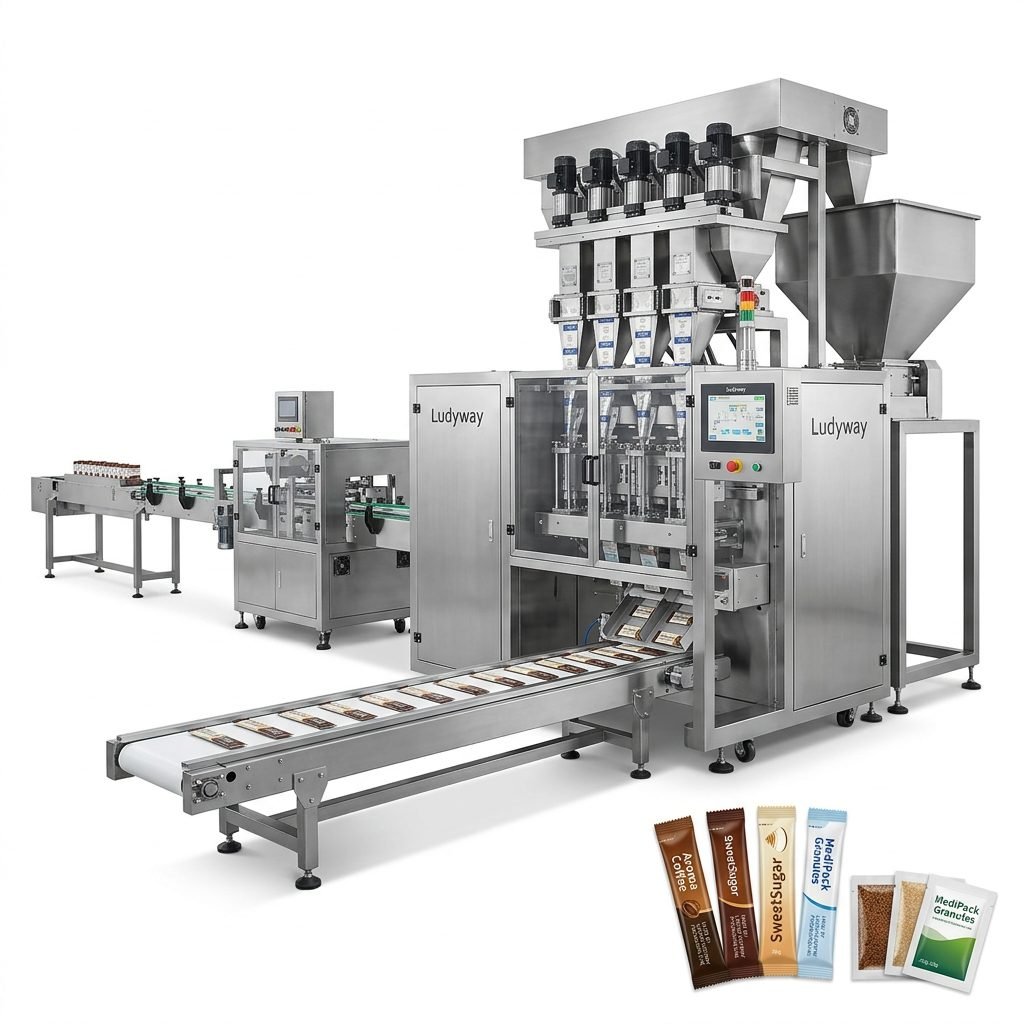
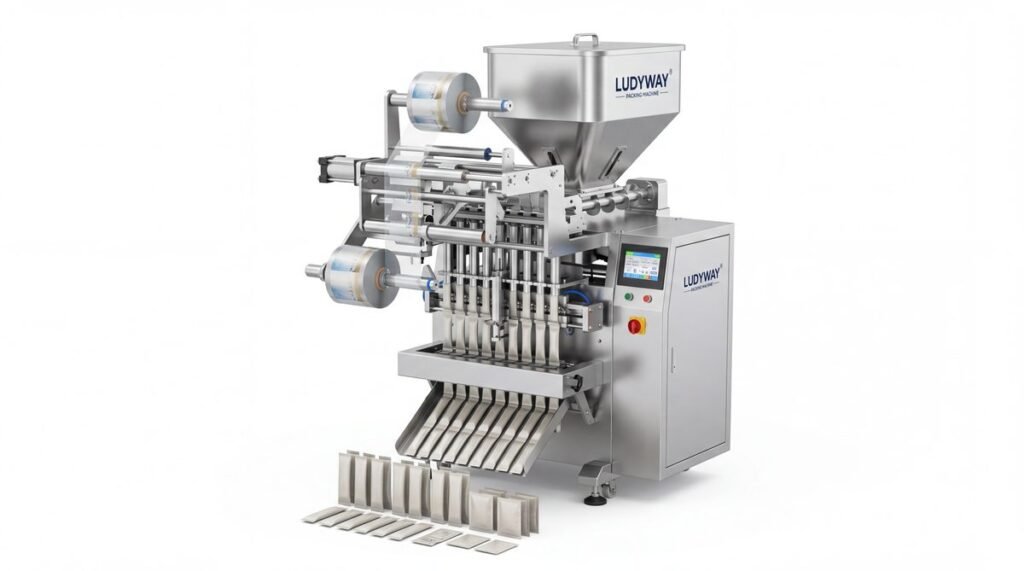
Investing in a tea card packing machine is a strategic decision for tea producers, co-packers, and brands looking to scale operations. Whether you are packaging premium loose-leaf tea, herbal blends, or traditional tea cards, the cost of the equipment can vary significantly based on automation level, speed, and customization needs. This guide breaks down the price ranges, key cost drivers, and essential buying tips to help you make an informed investment.
Understanding Tea Card Packing Machine Price Ranges
The market for tea packaging machinery is diverse, with solutions ranging from semi-automatic units to fully integrated, high-speed lines. Below is a general pricing overview based on machine configuration and output capacity.
| Machine Type | Speed Range | Estimated Price (USD) | Best For |
|---|---|---|---|
| Semi-Automatic Tea Card Packer | 10–25 packs/min | $8,000 – $20,000 | Small tea shops, startups |
| Automatic Single-Lane Machine | 30–50 packs/min | $22,000 – $45,000 | Mid-sized tea brands |
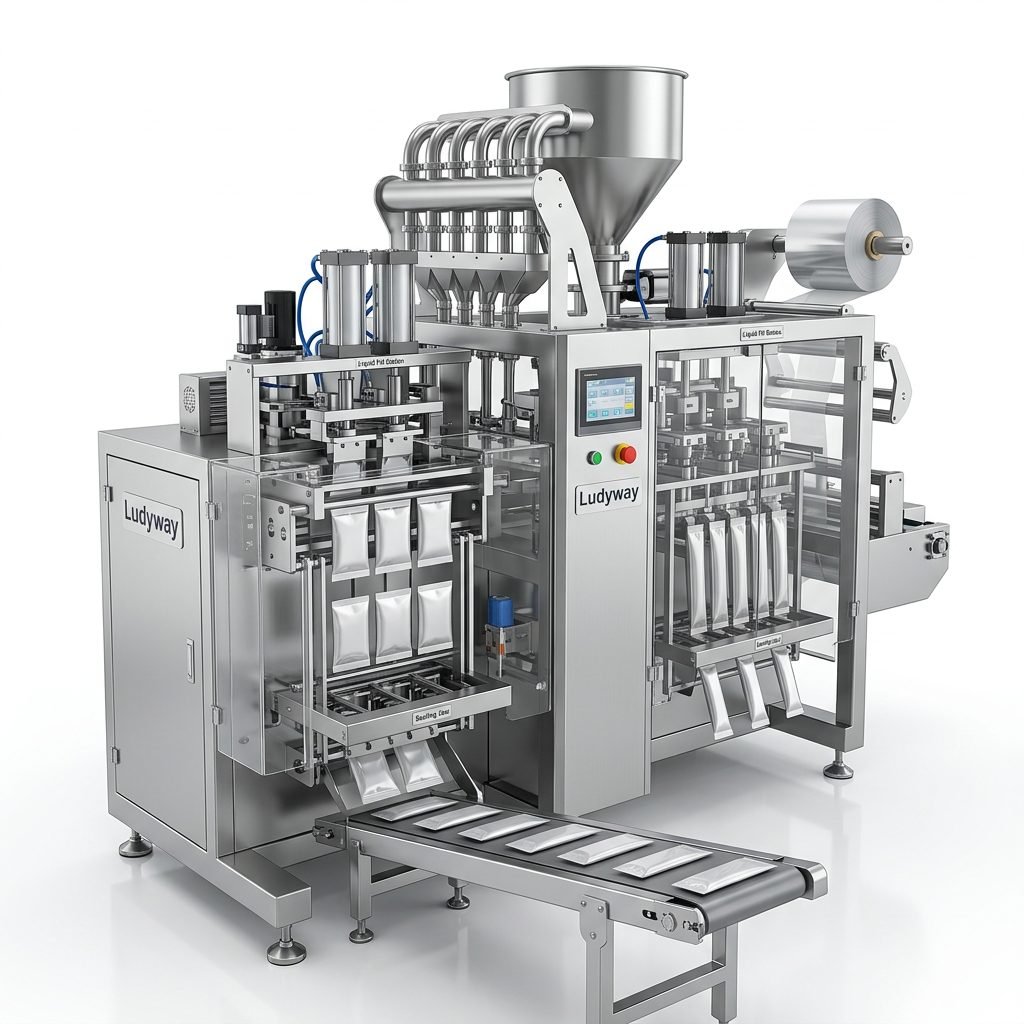
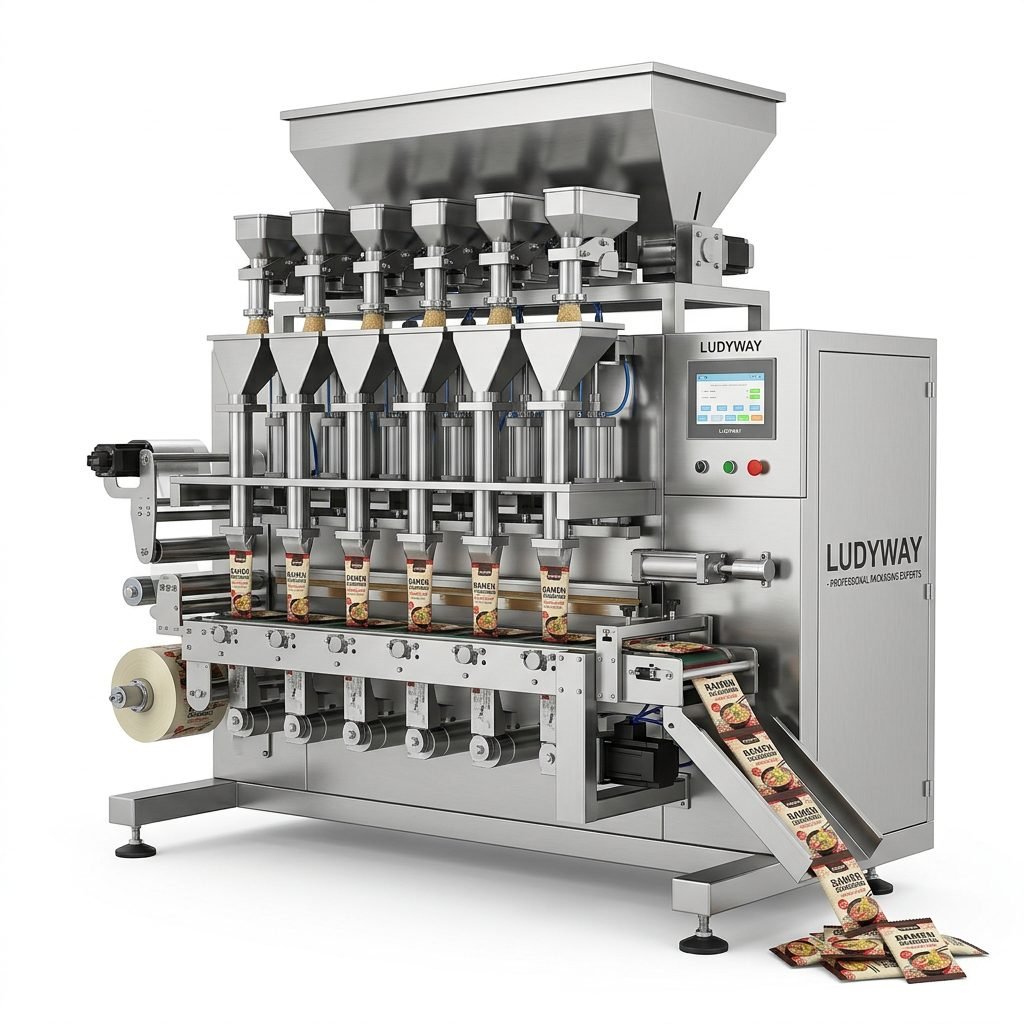
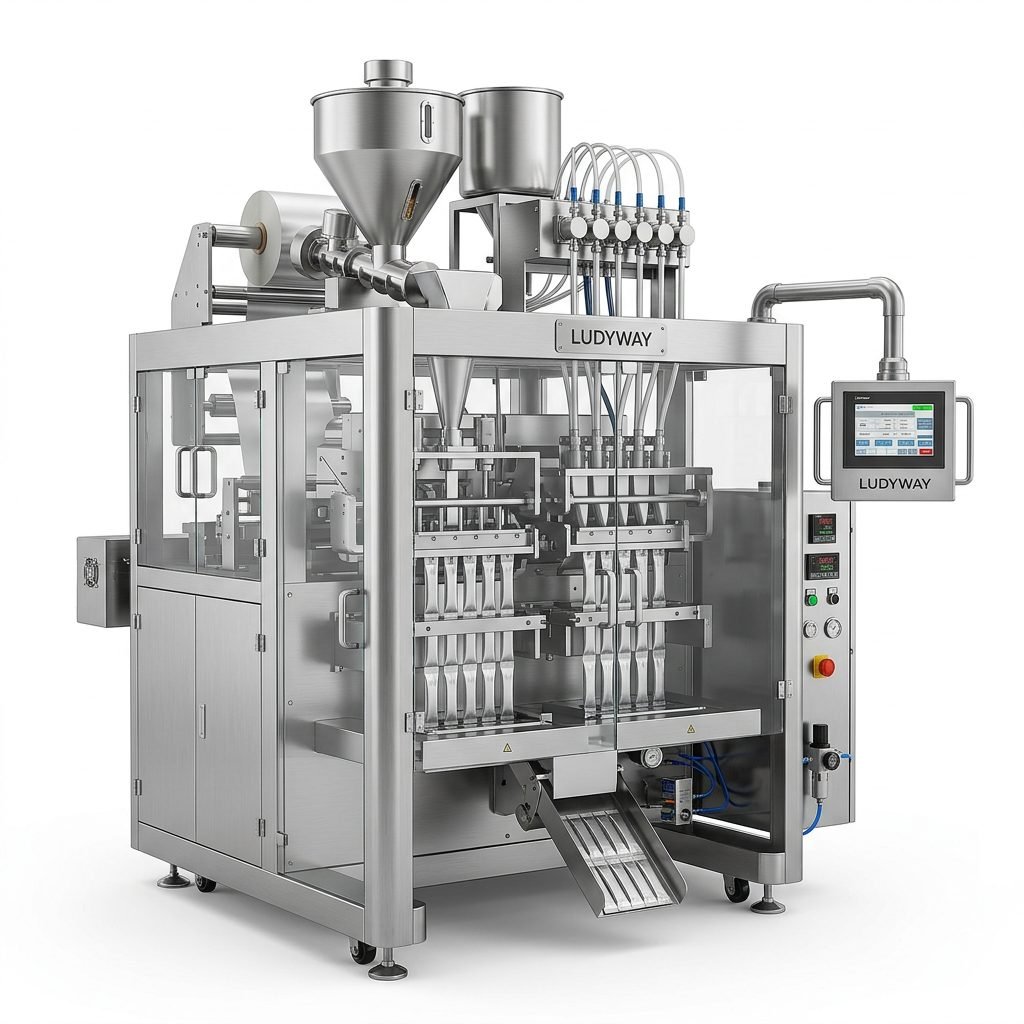
| Multi-Lane Stick Pack Machine | 200–600 packs/min | $50,000 – $120,000 | Large-scale production |
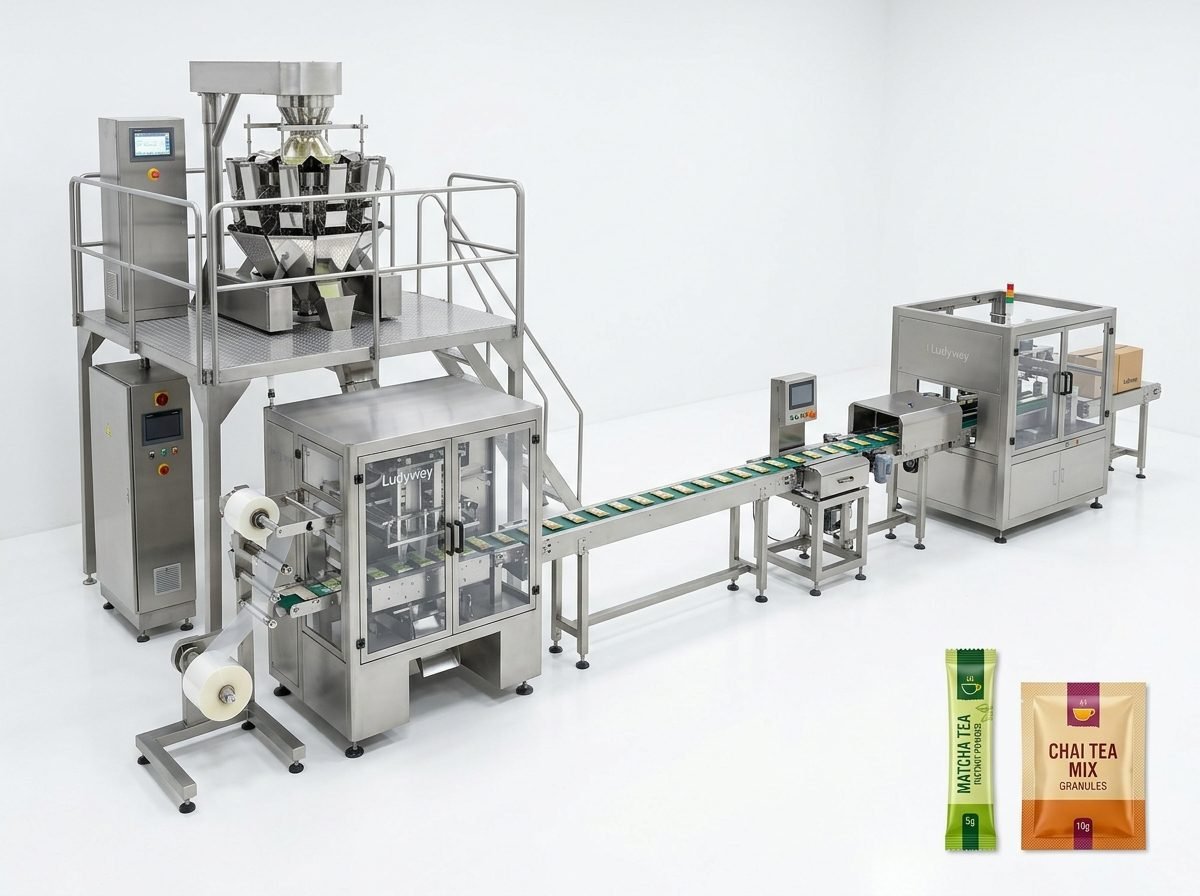
| Turnkey Tea Packaging Line | Custom (fully integrated) | $150,000 – $500,000+ | High-volume exporters, industrial plants |
Note: These prices are indicative and depend on configuration, country of manufacture, and after-sales support packages. A comprehensive industry analysis from PMMI can provide further market context for packaging machinery investments.
7 Key Factors That Influence Tea Card Packing Machine Costs
The final quote from a manufacturer is rarely a fixed number. Several variables directly impact the total cost of ownership. Understanding these helps you negotiate better and avoid hidden expenses.
1. Level of Automation
Fully automatic tea packaging machines with servo-driven controls, automatic film splicing, and integrated weighing systems command a premium. Semi-automatic machines require more manual labor but reduce upfront capital expenditure.
2. Production Speed and Lane Configuration
Single-lane machines are more affordable but limit throughput. Multi-lane stick pack machines—available in 4, 6, 8, or even 12-lane configurations—exponentially increase output but also cost 3x to 5x more than single-lane equivalents.
3. Material Compatibility
Tea packaging often requires specialized films such as aluminum foil laminates, kraft paper, or biodegradable materials. Machines equipped with gas flushing (nitrogen flushing) or vacuum sealing capabilities for extended shelf life will add to the base price.
4. Filling and Weighing Accuracy
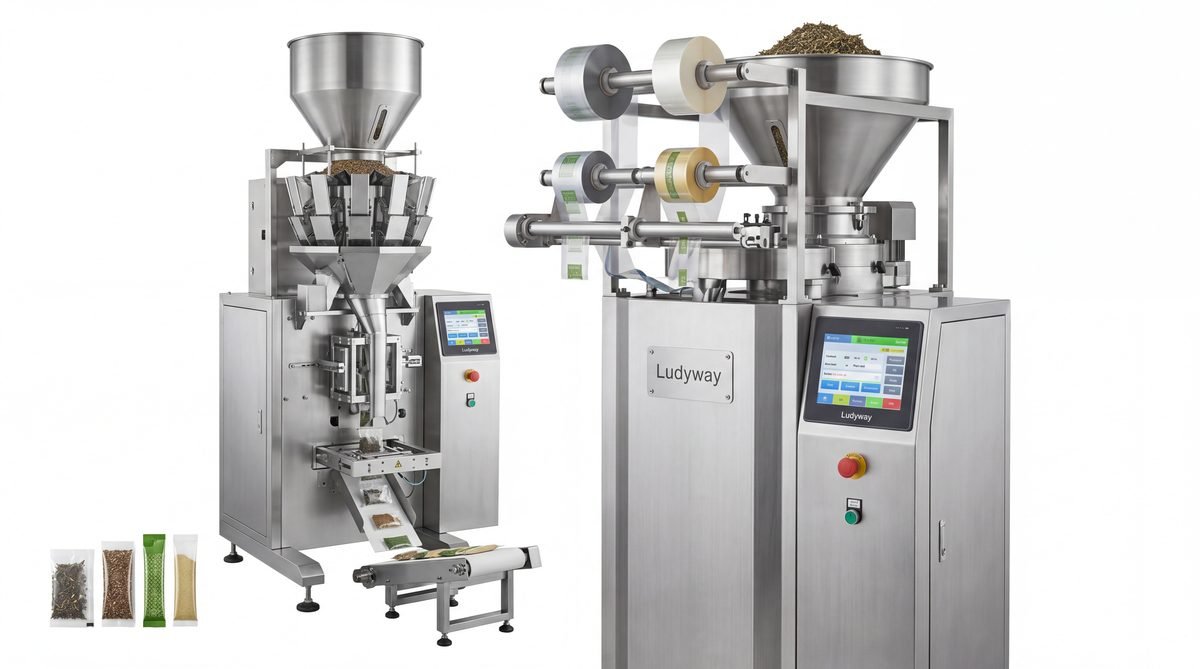
Auger fillers for fine tea powder, volumetric cup fillers for granules, or multi-head weighers for whole leaf tea each carry different price points. Multi-head weighers from reputable brands can add $15,000–$40,000 to the total cost.
5. Ancillary Equipment Integration
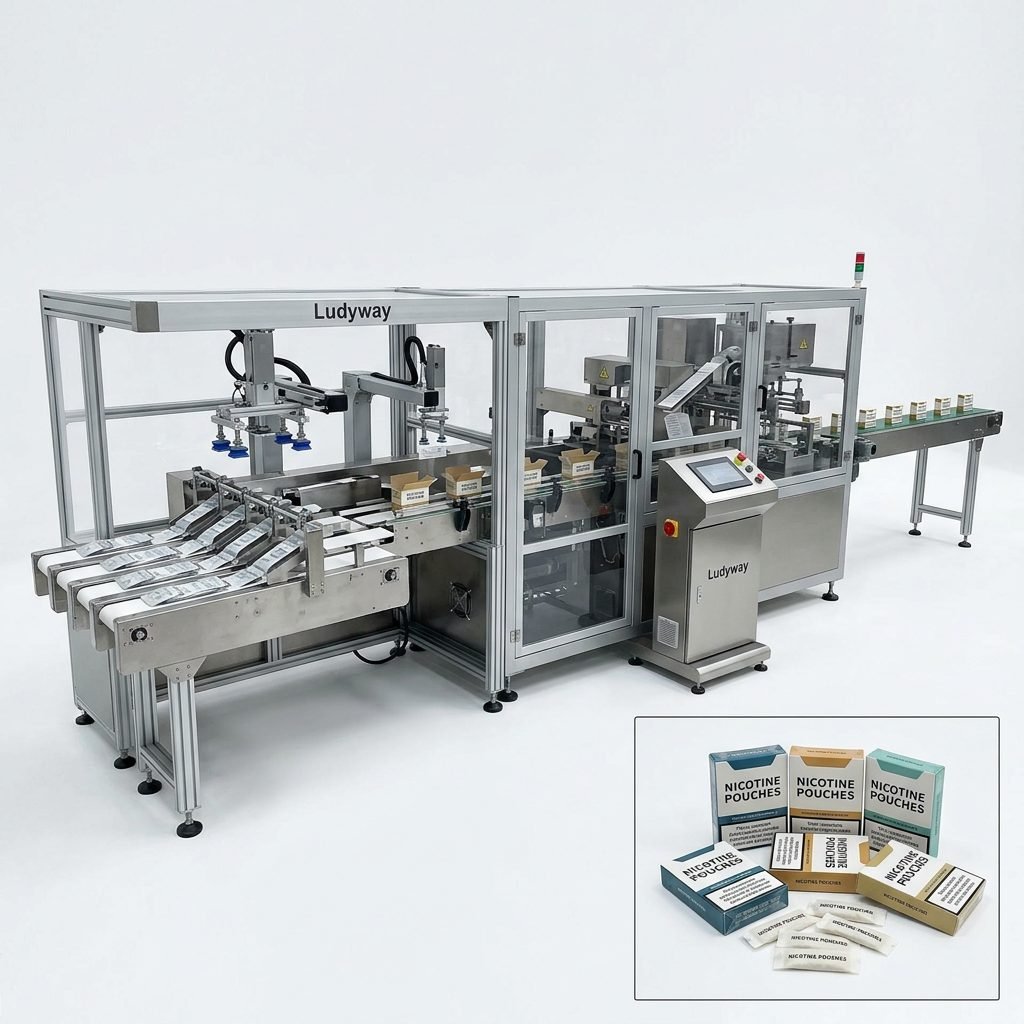
A complete line may include a bucket elevator, rotary turntable, checkweigher, metal detector, cartoning machine, and case packer. As reported by the Flexible Packaging Association, integrated systems reduce labor but require higher initial investment.
6. Regulatory Compliance and Certifications
Machines designed to meet FDA food packaging regulations or ISO 11607 standards for sterile packaging incorporate stainless steel construction and validated processes, increasing manufacturing costs.
7. Geographic Manufacturing Origin
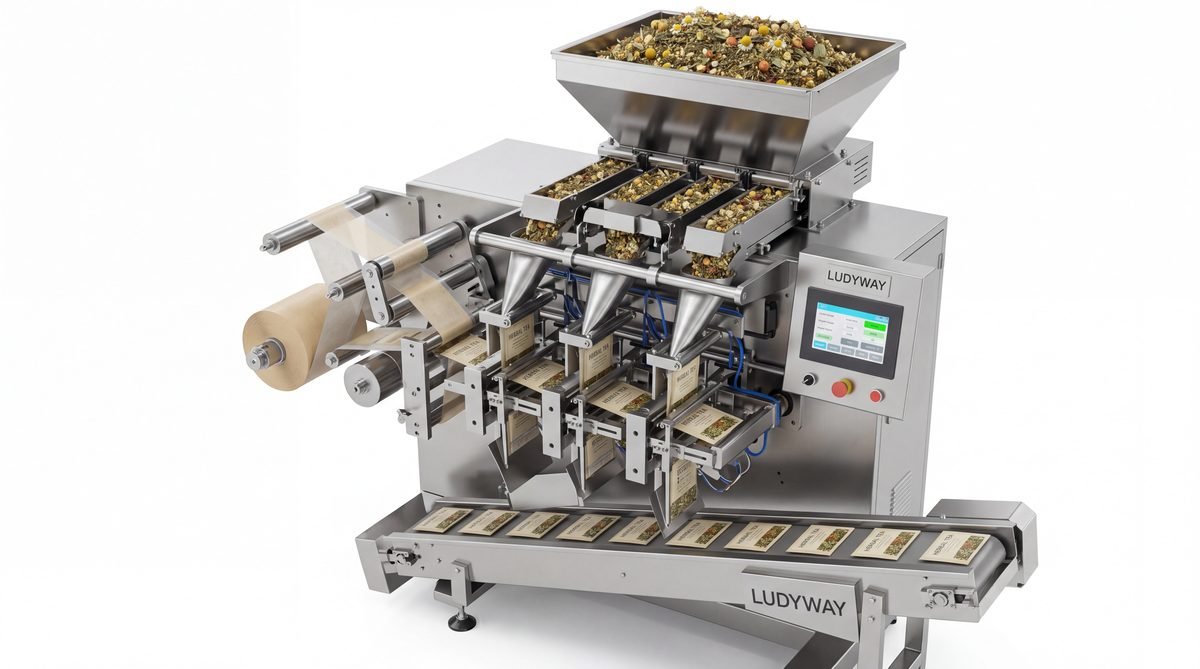
European and Japanese machines are typically priced higher than Chinese-manufactured equipment. However, manufacturers like Ludyway combine cost-effectiveness with advanced engineering, serving customers in over 100 countries with reliable packaging solutions built in a modern 20,000㎡ production facility.
New vs. Used Tea Packaging Machines: Cost Comparison
Budget-conscious buyers often weigh the option of purchasing refurbished equipment. Here is what you need to know.
- New Machines: Include full warranty (typically 12–24 months), latest technology, remote support, and compliance with current standards. Expect to pay 100% of market price.
- Used Machines: Can be 40%–60% cheaper upfront, but may require retrofitting, lack official technical support, and have higher maintenance costs over the long term.
- Refurbished Options: Some manufacturers offer factory-refurbished units with limited warranties, striking a middle ground between price and reliability.
When evaluating ROI, consider total cost over a 5-year period rather than just the purchase price. Downtime due to unsupported used equipment can quickly erode initial savings.
Essential Buying Tips for Tea Card Packing Machines
Procurement managers and business owners should follow a structured evaluation process before committing to a purchase.
Define Your Current and Future Production Needs
Avoid buying a machine that barely meets today’s output requirements. Allow at least 30% headroom for growth. If you anticipate expanding into stick packs or sachet formats, select a modular platform that supports future upgrades.
Request a Factory Acceptance Test (FAT)
Before shipment, reputable manufacturers invite buyers to witness a live demonstration using their own tea materials. This verifies speed, accuracy, and seal integrity under real production conditions.
Evaluate After-Sales Support and Spare Parts Availability
A machine is only as good as the support behind it. Confirm the availability of critical spare parts, response times for technical inquiries, and whether remote troubleshooting is offered. Machines that meet ISO packaging standards often have better documentation and global parts compatibility.
Consider Total Cost of Ownership (TCO)
Beyond the invoice price, factor in energy consumption, film waste rates, operator training, routine maintenance, and consumable parts. Advanced servo-driven systems may cost more upfront but deliver lower operating costs through reduced material waste.
Verify Compliance with Your Target Market Regulations
If exporting tea products, ensure the packaging machine aligns with destination market requirements. Reference resources from the European Commission on packaging regulations and EPA sustainable packaging guidelines to stay ahead of evolving standards.
Popular Tea Packaging Formats and Machine Configurations
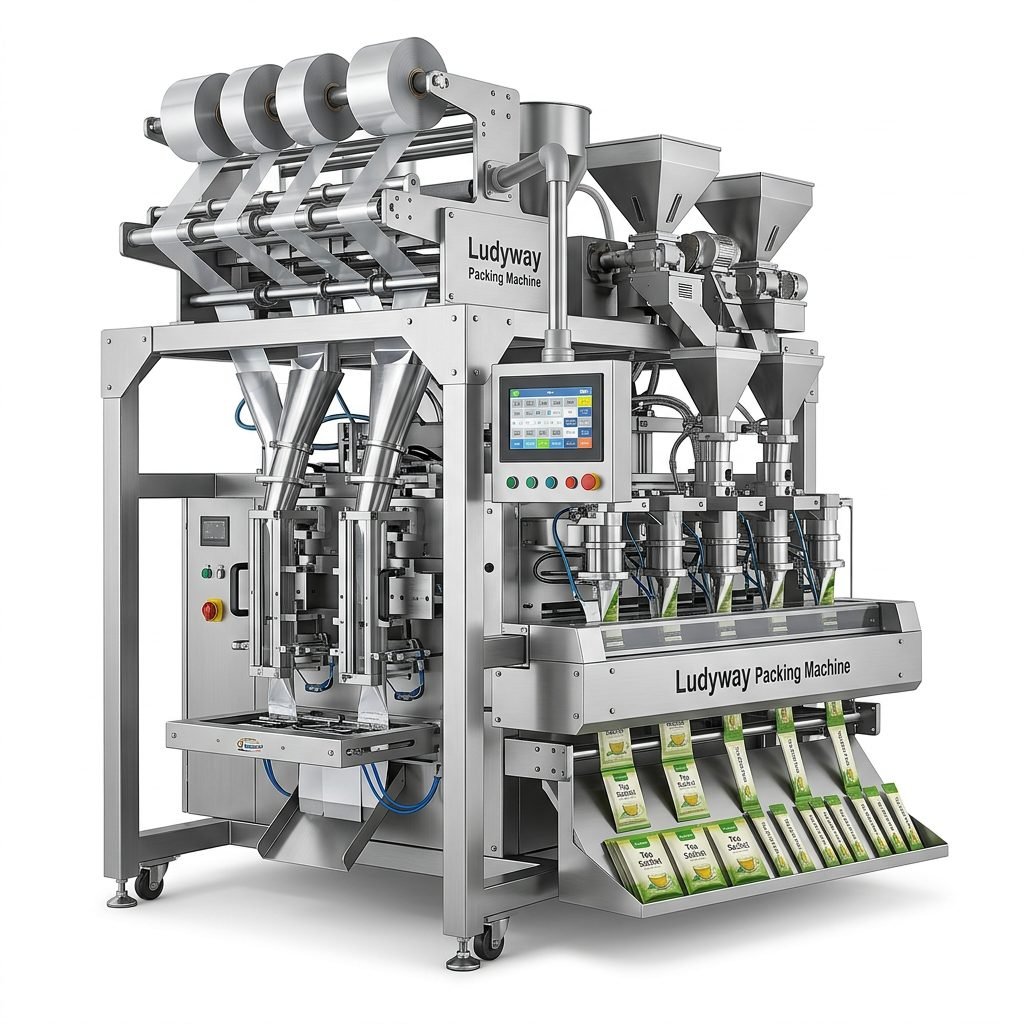
The term “tea card packing machine” can refer to various packaging styles. Selecting the correct format influences both machine choice and overall line investment.
| Packaging Format | Common Applications | Typical Machine Type |
|---|---|---|
| Tea Card / Envelope Pack | Premium loose tea, gifting | Automatic card overwrapping machine |
| Stick Pack | Single-serve instant tea powder | Multi-lane stick pack machine |
| Sachet / Pouch | Loose leaf tea, herbal blends | Vertical form fill seal (VFFS) machine |
| Tea Bag with Outer Envelope | String-and-tag tea bags | Tea bag packaging line with envelope machine |
Industry data from PMMI’s 2025 State of the Industry report indicates that flexible packaging formats, including stick packs and sachets, continue to experience strong growth across food and beverage categories globally.

Return on Investment: How a Tea Card Packing Machine Pays for Itself
An automated tea packaging machine is a capital investment that should deliver measurable returns. Here is how to calculate your payback period.
- Labor Reduction: One multi-lane machine can replace 5–8 manual packing workers, saving $60,000–$120,000 annually in direct labor costs depending on your region.
- Material Savings: Precision filling reduces product giveaway by 2%–5%, translating to significant cost recovery for high-value teas.
- Increased Throughput: Scaling from 30 packs/min to 400 packs/min enables fulfillment of large export orders and retail chain contracts.
- Quality Consistency: Automated sealing and gas flushing extend shelf life and reduce customer complaints and returns.
Most mid-range automatic tea card packing machines achieve a 12–24 month ROI under normal operating conditions. For multi-lane high-speed systems, the payback period can be as short as 8–15 months due to dramatically higher output volumes.
Questions to Ask Before Requesting a Quotation
Being prepared with detailed information helps manufacturers provide accurate pricing and avoid costly misunderstandings later. Here is a checklist of what to clarify before engaging suppliers.
- What is the target production speed (packs per minute)?
- What type of tea product will be packaged (powder, granule, whole leaf, blend)?
- What packaging film material will be used, and what are the sealing requirements?
- Is gas flushing or vacuum required for shelf-life extension?
- What are the required bag dimensions and format (stick pack, sachet, card envelope)?
- Will the machine need to integrate with upstream weighing, conveying, or downstream cartoning systems?
- What are the electrical and compressed air specifications at your facility?
- What certifications or regulatory compliance does the machine need to meet?
Referencing standards documentation from ISO 11607 for packaging validation can strengthen your technical specification requirements when communicating with machinery suppliers.
Why Build a Relationship with an Experienced Manufacturer
Beyond the initial transaction, a reliable packaging machinery partner provides long-term value. Look for manufacturers who offer installation support, operator training, and a responsive spare parts network. Companies with decades of engineering expertise and a global service footprint are better positioned to support your growth across international markets.
Final Considerations for Your Tea Packaging Investment
The right tea card packing machine balances budget, performance, and scalability. While low-cost machines may seem attractive initially, they often lead to higher downtime, inconsistent seal quality, and limited future adaptability. By thoroughly evaluating your production requirements, understanding key cost drivers, and partnering with an experienced equipment manufacturer, you can secure a solution that delivers reliable performance and strong returns for years to come.
For deeper market intelligence, explore resources from the PACK EXPO International and PACK EXPO Las Vegas events, where the latest packaging technologies and industry trends are showcased annually.