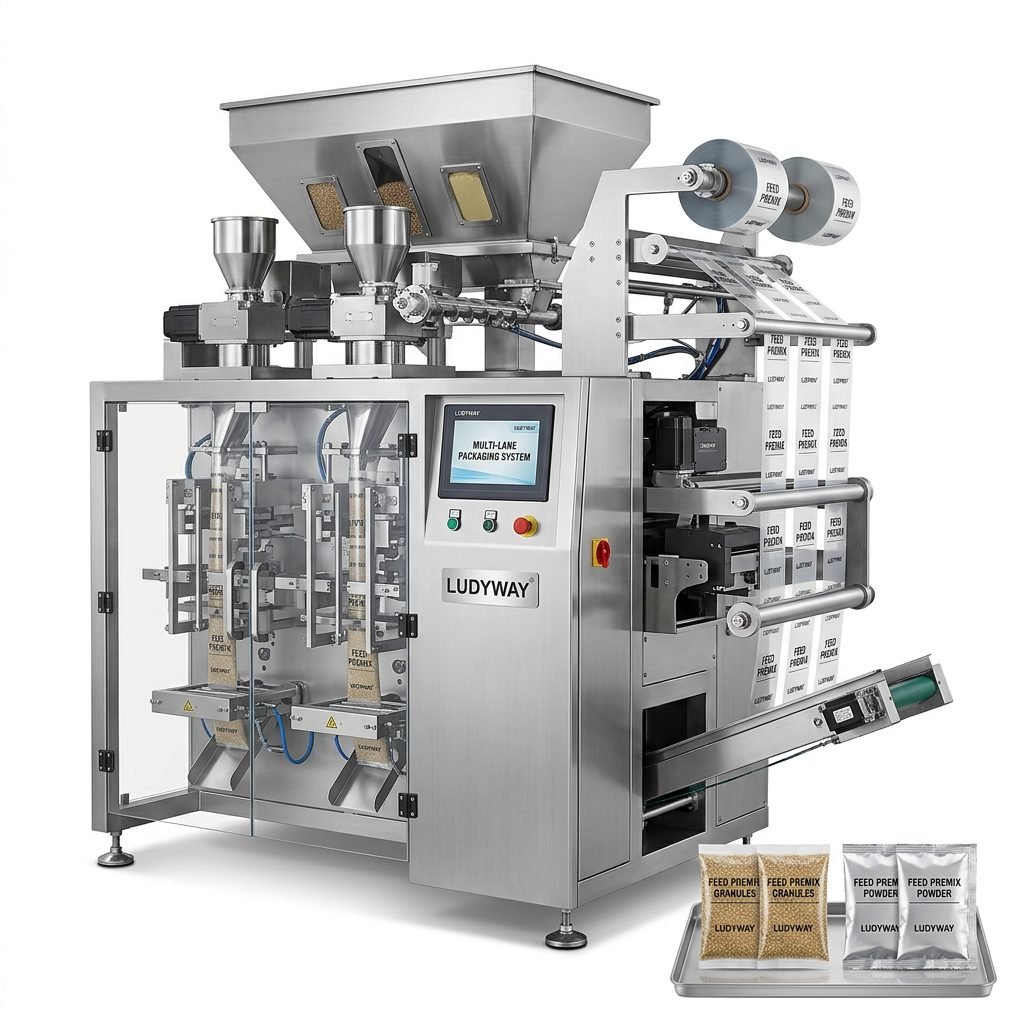
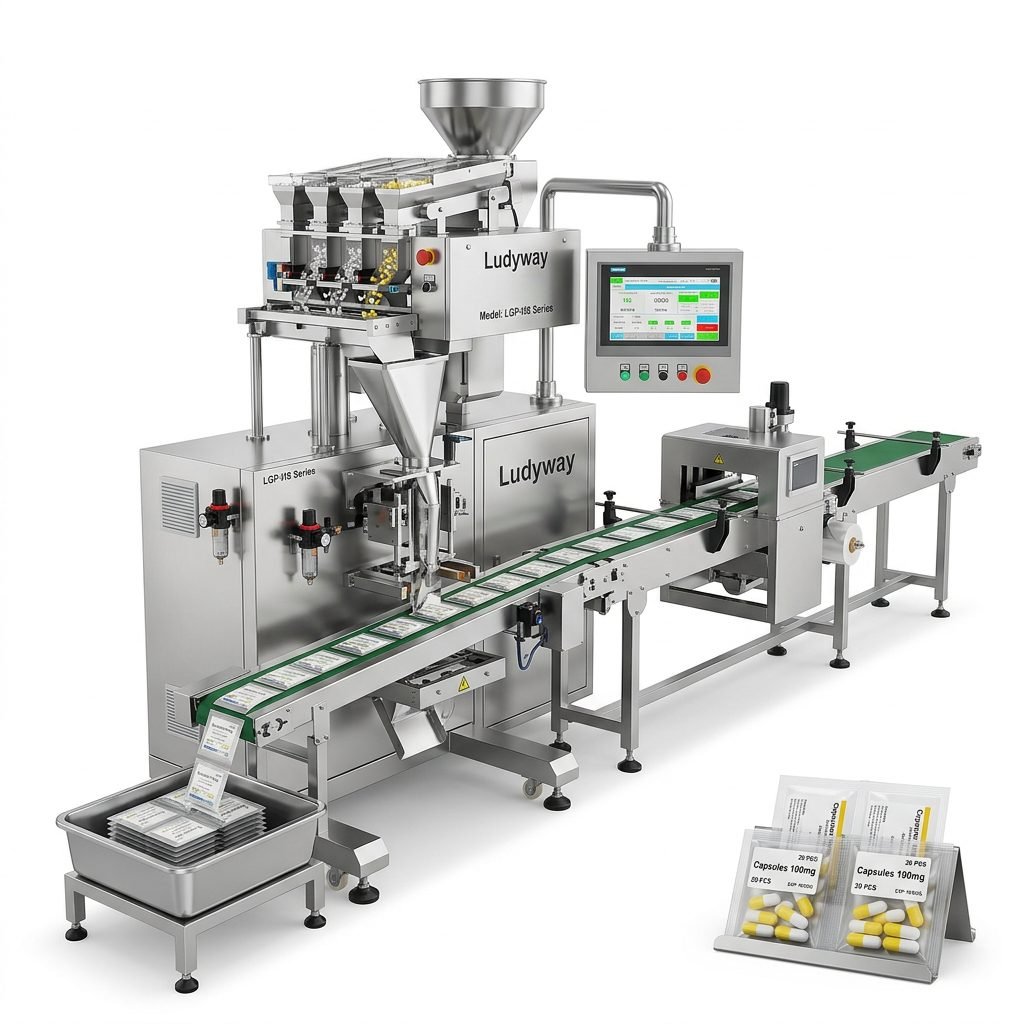
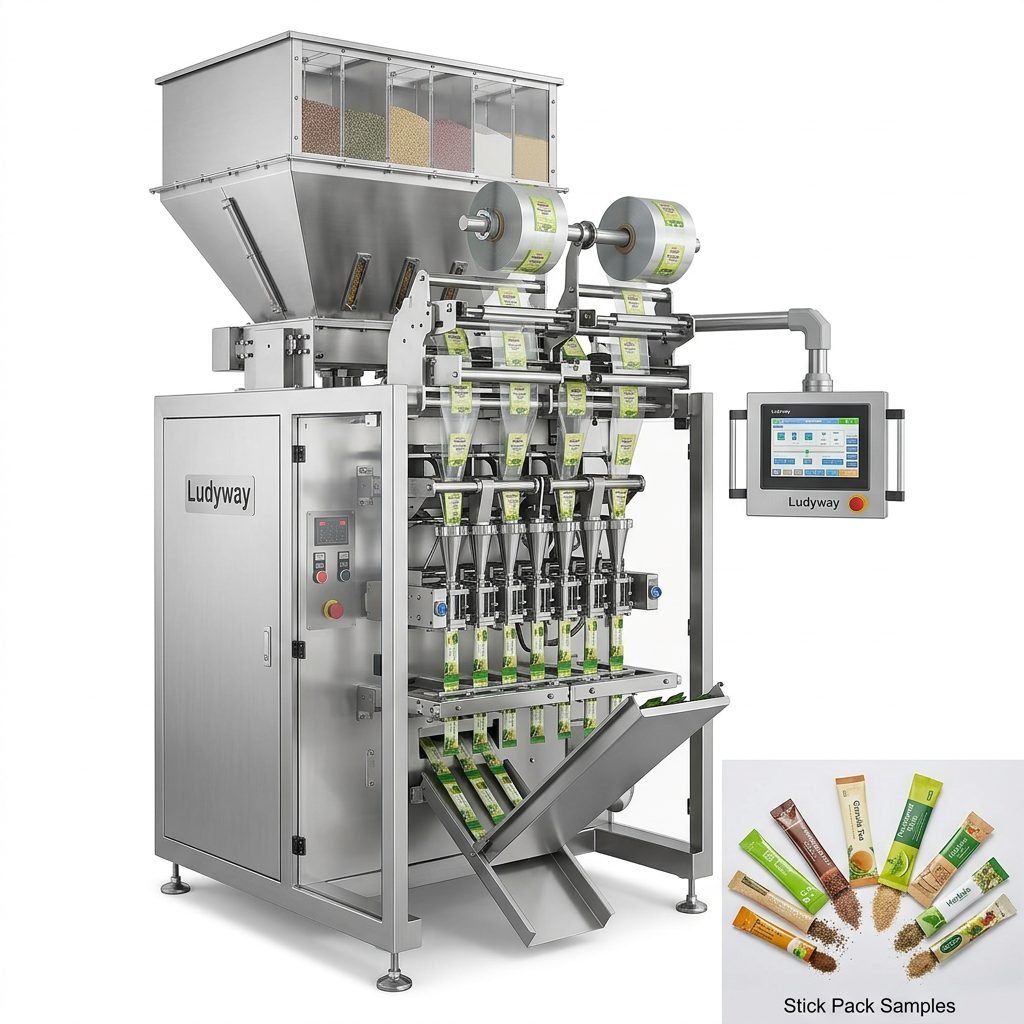
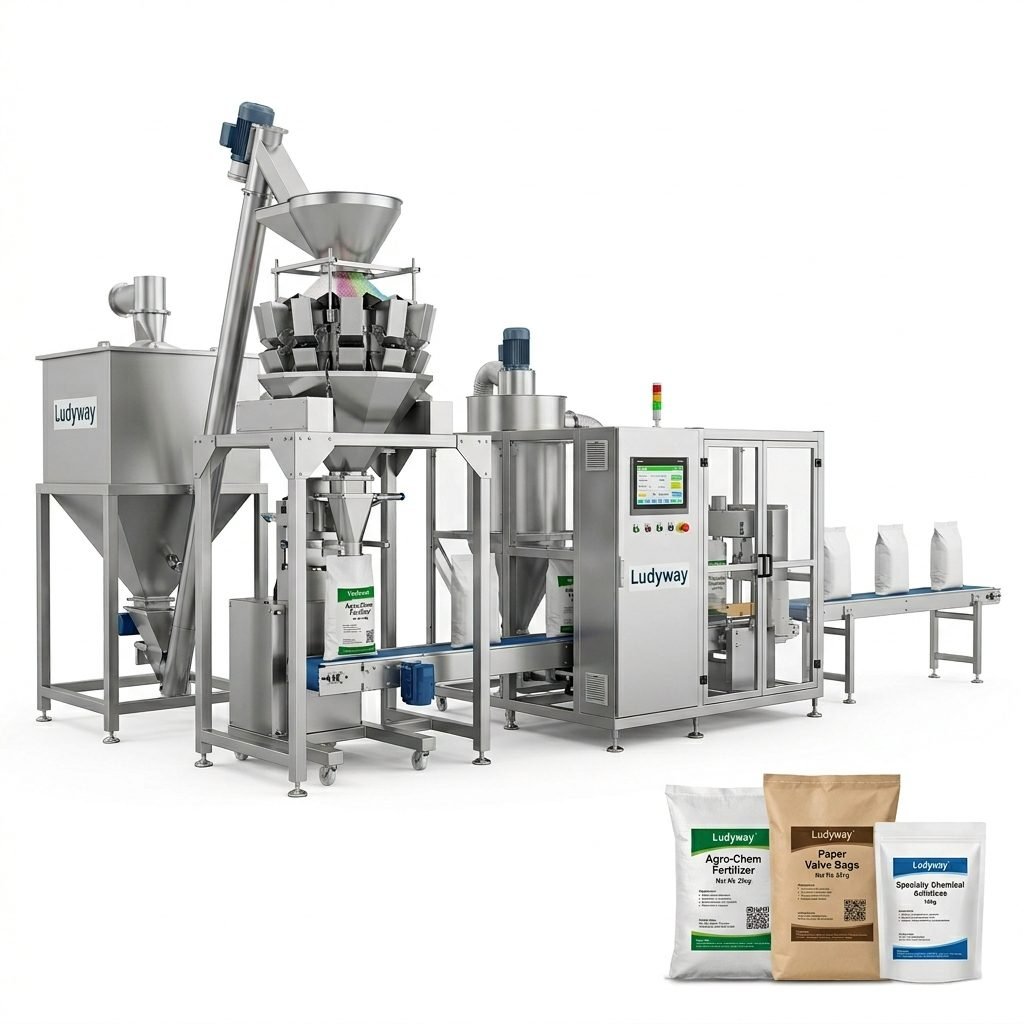
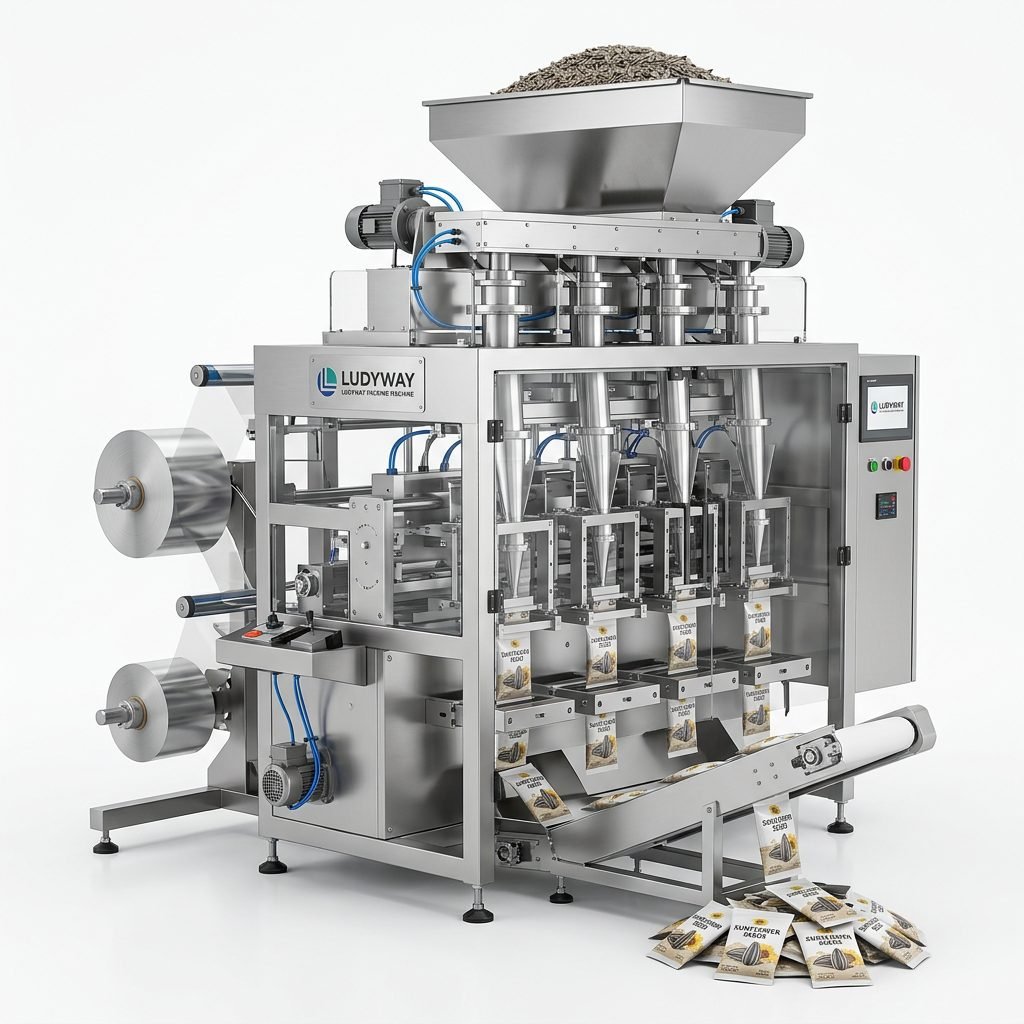
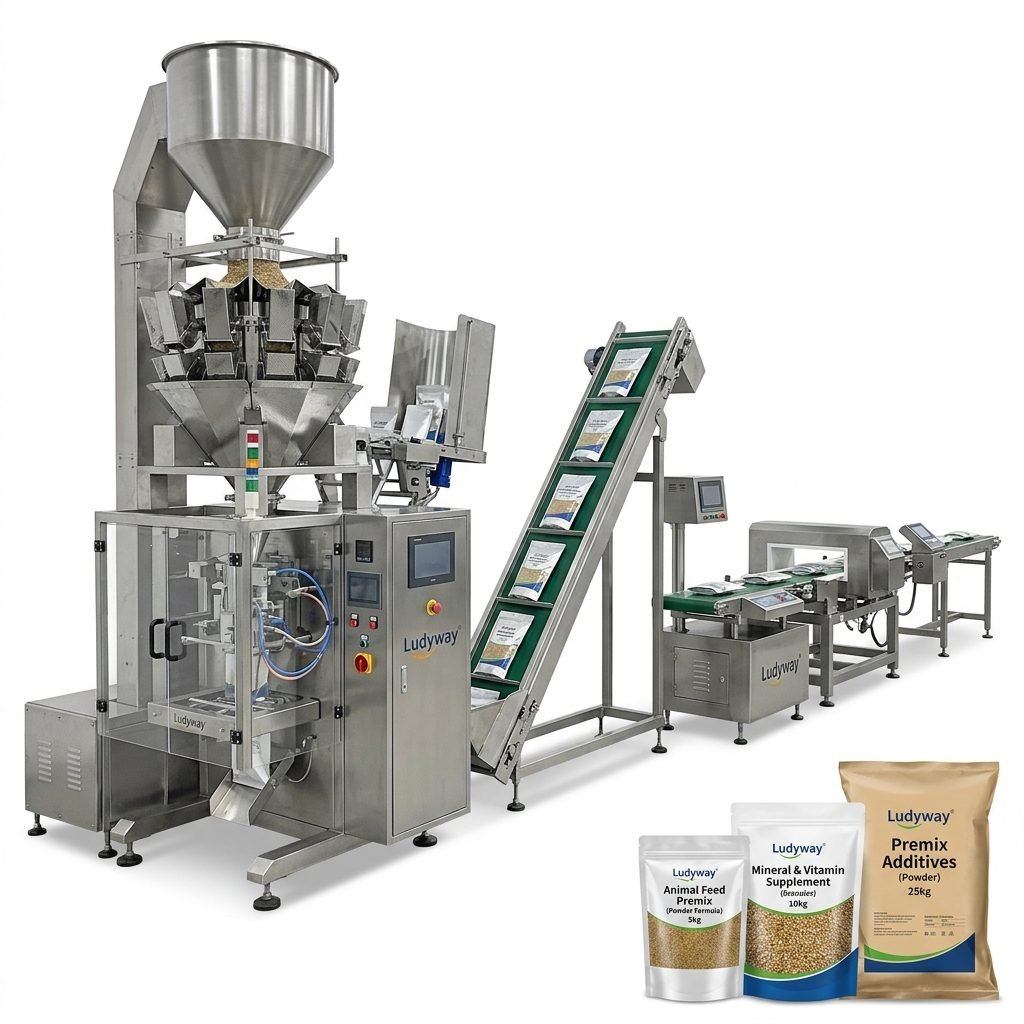
The food packaging industry in Georgia is experiencing rapid transformation. As the country strengthens its position as a major exporter of hazelnuts, wine, tea, and spices, manufacturers are seeking reliable and efficient food packaging machinery to meet growing domestic and international demand. Selecting the right equipment requires careful evaluation of multiple factors specific to the Georgian market and its unique production environment.
Understanding Georgia’s Food Packaging Landscape
Georgia’s strategic location at the crossroads of Europe and Asia makes it a vital hub for food processing and export. The country’s agricultural sector is diverse, with key products including:
- Hazelnuts and walnuts – Georgia is one of the world’s top hazelnut producers, with significant export volumes to EU markets
- Wine and spirits – A traditional industry requiring specialized liquid packaging solutions
- Tea and herbal products – Growing demand for portion-packed formats
- Spices and seasonings – Expanding processing capacity for both local and export markets
- Dairy and powdered products – Increasing need for sachet and stick pack formats
According to PMMI’s packaging industry data, Eastern European and Caucasus region markets are seeing double-digit growth in packaged food consumption, driving investment in modern packaging technologies.
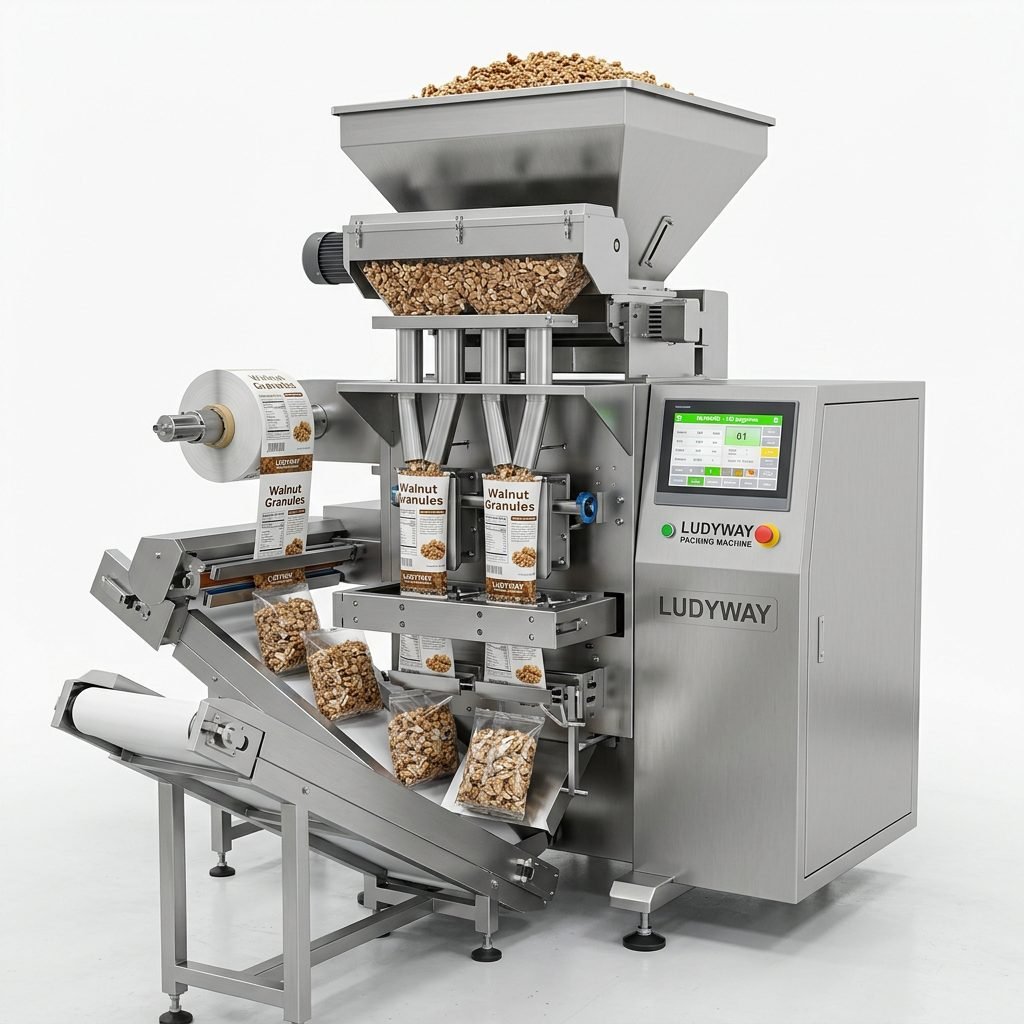
Key Factors to Evaluate When Choosing Packaging Equipment
1. Product Type and Physical Characteristics
The nature of your product is the single most important factor in machine selection. Different food products require specific handling and filling mechanisms:
| Product Category | Recommended Machine Type | Key Considerations |
|---|---|---|
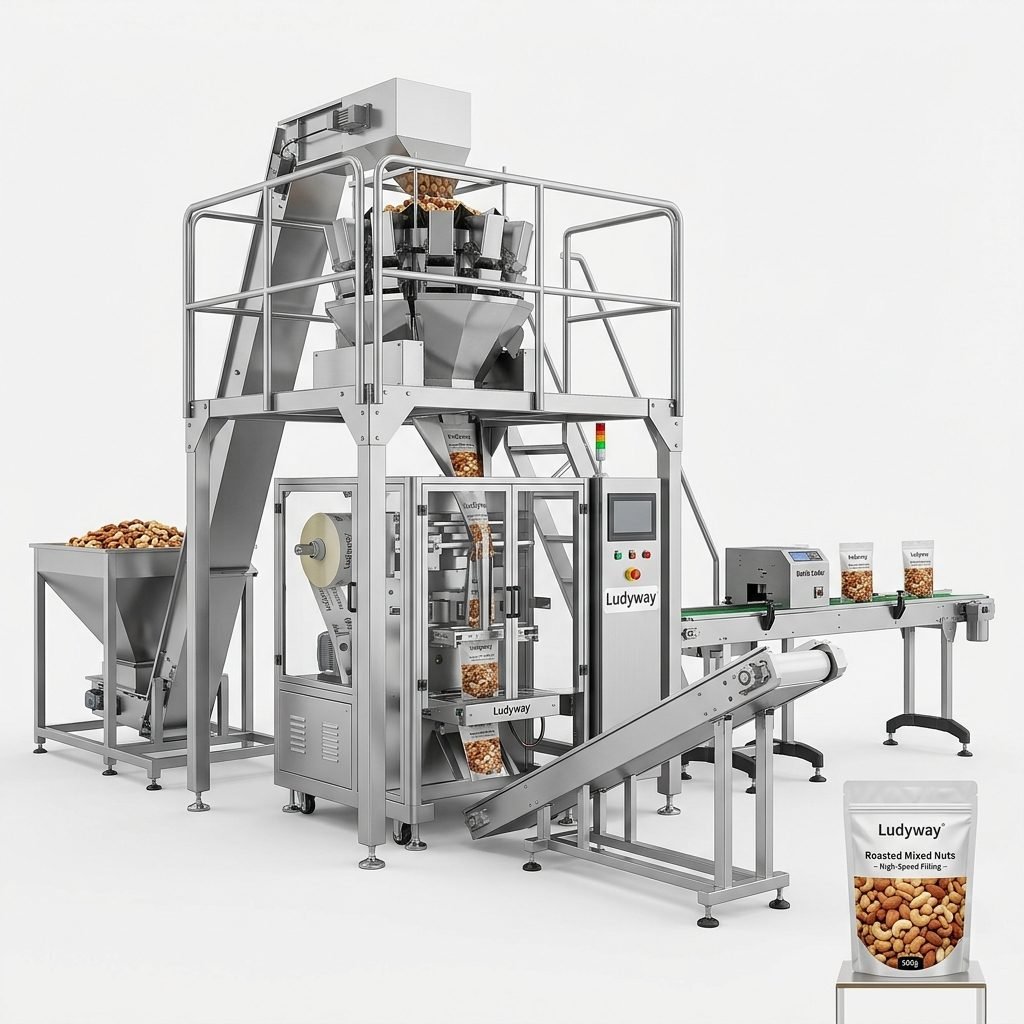
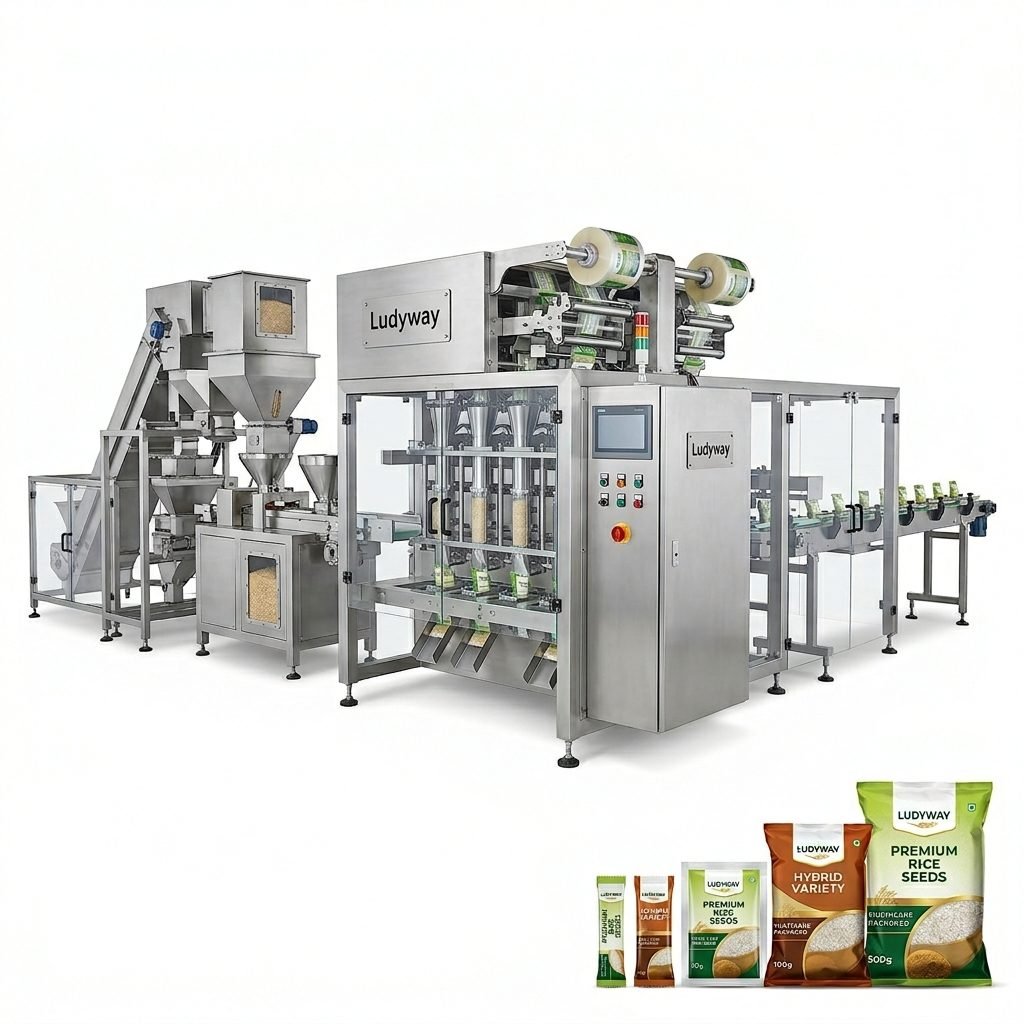
| Granules (nuts, grains, seeds) | Multi-head weigher with volumetric filler | Particle size uniformity, fragility, dust generation |
| Powders (spices, milk powder, flour) | Auger filler or vacuum-based dosing | Flowability, moisture sensitivity, dust control |
| Liquids (wine, oil, sauces) | Piston filler or flow meter system | Viscosity, foaming tendency, temperature sensitivity |
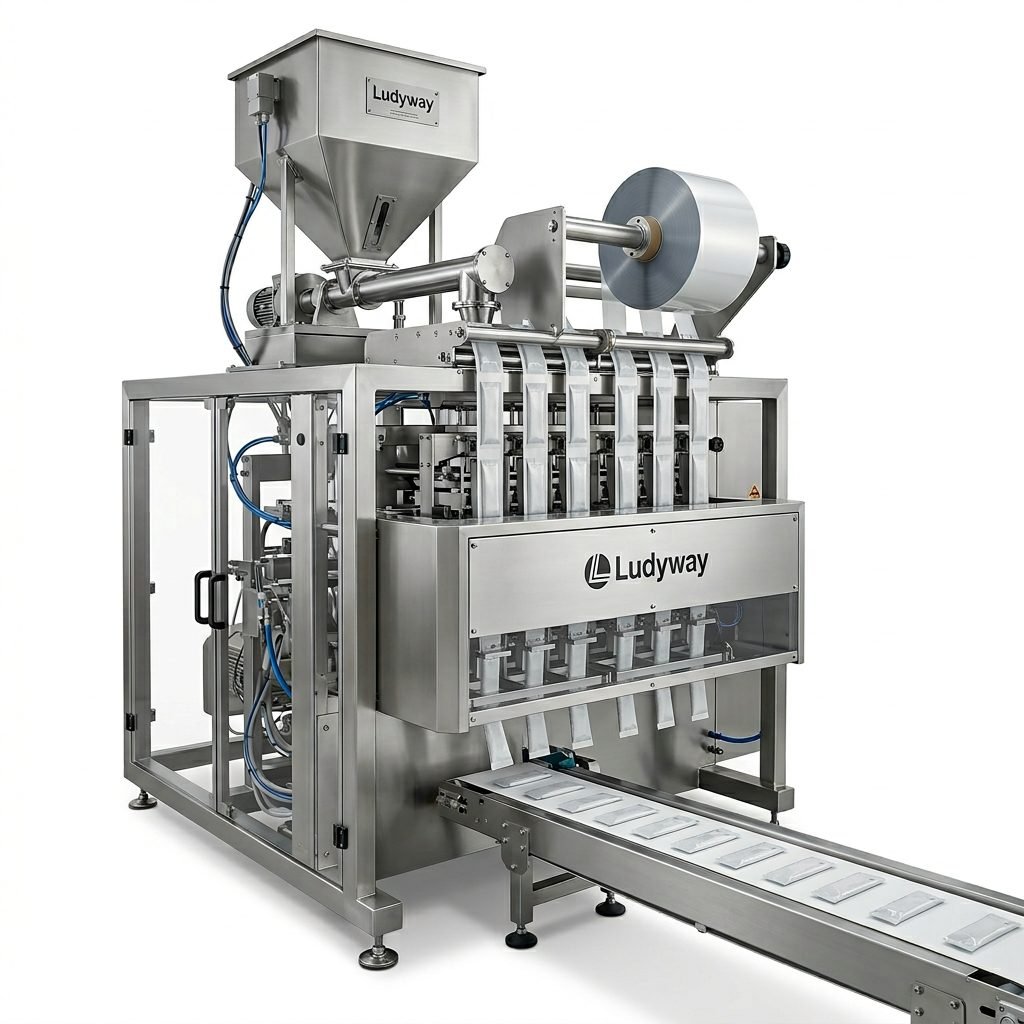
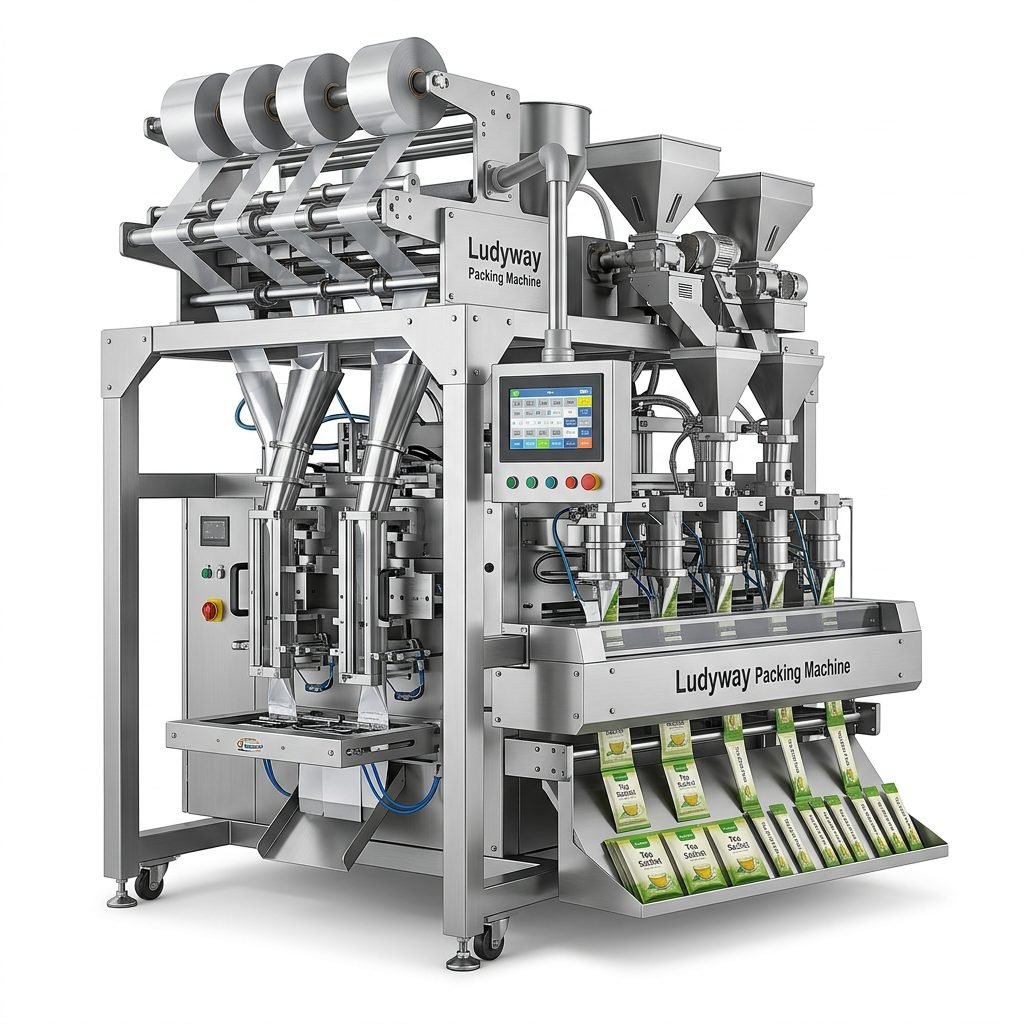
| Tea and herbal blends | Multi-lane stick pack or sachet machine | Blend consistency, aroma preservation, portion accuracy |
2. Packaging Format and Market Requirements
Georgian food producers must align packaging formats with both local consumer preferences and export market standards. The EU market, a primary destination for Georgian exports, has stringent packaging and food contact substance regulations that influence material and format choices.
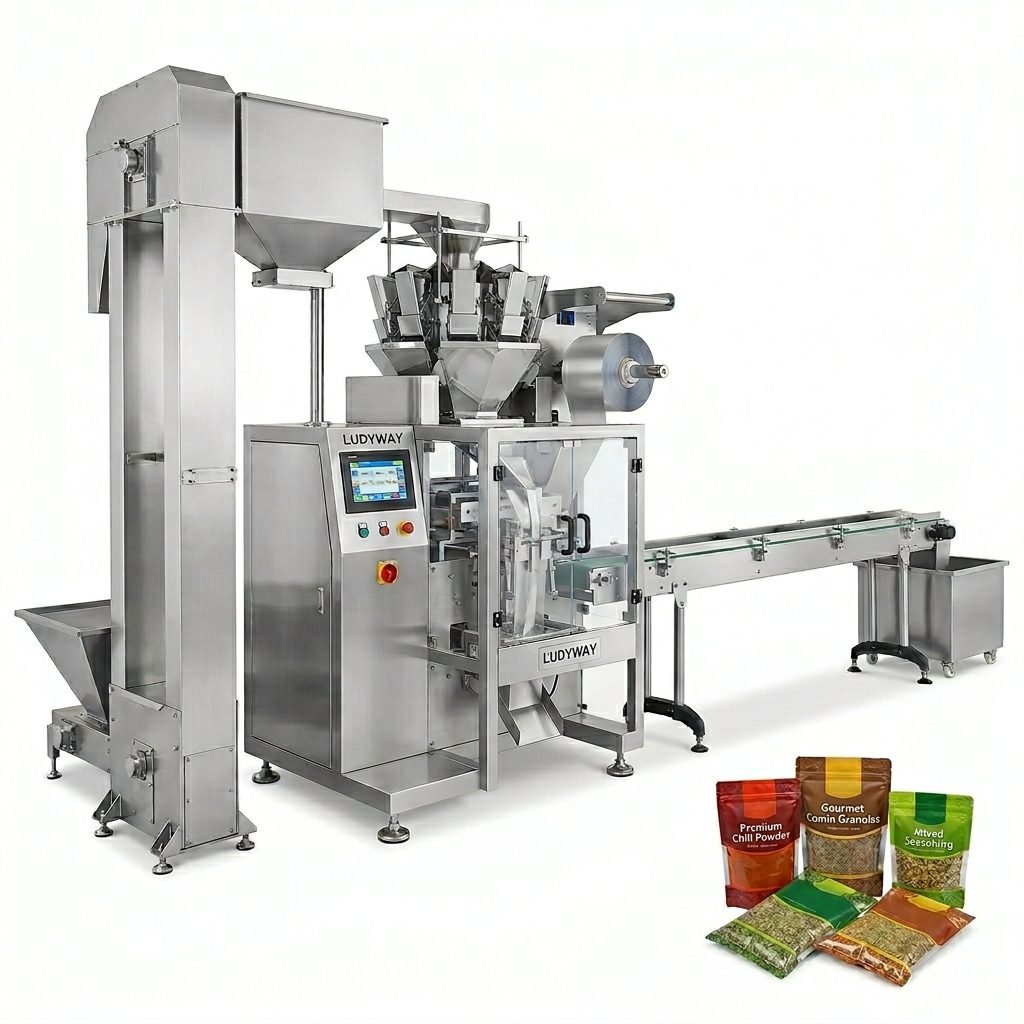
Popular packaging formats in the Georgian market include:
- Stick packs – Ideal for single-serve coffee, sugar, tea, and spice portions, increasingly popular in Georgian hospitality and retail sectors
- Sachets – Cost-effective for sauces, condiments, and sample-sized products, widely used in food service
- Pillow pouches – Versatile format for snacks, dried fruits, and nut products, offering excellent shelf presence
- Gusseted bags – Preferred for larger quantities of hazelnuts, walnuts, and bulk food products destined for export
The Flexible Packaging Association reports that flexible packaging formats are gaining significant market share across Europe, a trend that directly influences Georgian exporters’ packaging decisions.
3. Production Capacity and Speed Requirements
Matching machine speed to your actual production needs is critical for ROI. Consider both current volumes and projected growth over 3-5 years. For Georgian manufacturers supplying EU supermarket chains, consistency and reliability often outweigh raw speed.
| Production Scale | Recommended Speed Range | Typical Applications |
|---|---|---|
| Small artisanal producer | 30-60 packs/min | Specialty teas, craft spices, boutique wine samples |
| Mid-size processor | 60-150 packs/min | Regional spice brands, nut exporters, dairy powders |
| Large-scale exporter | 150-400+ packs/min | Multi-lane hazelnut lines, bulk seasoning, instant beverages |
4. Compliance with International Standards
Georgian food exporters targeting EU and international markets must ensure packaging equipment supports compliance with global food safety standards. Key certifications and standards to verify include:
- CE marking – Mandatory for machinery sold and operated in the European Economic Area, directly applicable to Georgia’s EU-oriented export strategy
- ISO 22000 – Food safety management systems that packaging equipment should support through hygienic design features
- FDA compliance – Relevant for producers exploring U.S. market entry alongside existing EU channels
- GFSI-recognized schemes – Equipment should facilitate compliance with BRC, IFS, or FSSC 22000 standards required by European retailers
Refer to ISO packaging standards and EU packaging regulations for comprehensive guidance on compliance requirements affecting Georgia’s export-oriented food sector.
5. Machine Build Quality and Materials
For Georgian food processors handling abrasive products like nuts and granular materials, machine durability is paramount. Look for:
- Stainless steel construction – Food-grade SS304 or SS316 for all product contact surfaces, essential for hygienic packaging solutions and corrosion resistance in humid Georgian climates
- Sealed bearings and protected electronics to withstand dusty production environments common in nut and spice processing
- Easy-clean design with minimal crevices, critical for allergen management between product changeovers
- Robust frame construction for stable high-speed operation on potentially uneven factory floors
6. After-Sales Support and Spare Parts Availability
Georgia’s geographic location means that reliable technical support is a critical factor. When evaluating suppliers, prioritize those offering:
- Remote diagnostic capabilities and video-assisted troubleshooting
- Comprehensive spare parts catalogs with express shipping options to Tbilisi and Batumi
- Documentation and training materials in English, Russian, or Georgian languages
- Local distributor or agent presence in the Caucasus region for on-site support
- Preventive maintenance programs tailored to your production schedule
7. Total Cost of Ownership and ROI Analysis
Beyond the initial purchase price, Georgian manufacturers should evaluate the total cost of ownership over the machine’s expected lifespan. Consider these cost components:
| Cost Factor | Typical Impact | Optimization Strategy |
|---|---|---|
| Energy consumption | 15-25% of operational costs | Select servo-driven systems with energy-saving modes |
| Consumable parts | Sealing belts, cutting blades, filters | Genuine parts ensure longer replacement intervals |
| Downtime costs | $200-$1,000+ per hour | Invest in reliable equipment with strong support |
| Labor requirements | 1-3 operators per shift | Automation reduces dependency on skilled labor |
Regional Considerations for the Georgian Market
Several Georgia-specific factors deserve special attention during the machine selection process:
- Power supply stability – In some regions of Georgia, voltage fluctuations occur. Machines with built-in voltage regulation and surge protection offer added reliability
- Climate conditions – The humid subtropical climate in western Georgia (including Batumi and the Black Sea coast) requires packaging machines with superior corrosion protection and moisture-resistant electronics
- Workforce skill levels – User-friendly interfaces with multilingual support help bridge any technical skill gaps and reduce training time for Georgian operators
- Logistics infrastructure – Consider machine dimensions and shipping routes through the Port of Poti or Batumi when planning equipment delivery and installation timing
Making the Final Decision: A Step-by-Step Approach
Follow this structured approach to select the right packaging machine for your Georgian operation:
- Define your product specifications – Document granule size, powder density, liquid viscosity, and any special handling requirements
- Map your target markets – EU requirements differ from CIS markets; ensure your chosen format and materials comply with destination regulations
- Calculate realistic throughput needs – Account for seasonal peaks common in Georgian agriculture, particularly during hazelnut and tea harvests
- Request sample testing – Send product samples to potential suppliers for real-world machine trials before committing
- Evaluate supplier credentials – Verify experience with similar products, international certifications, and references from the Caucasus or Eastern European region
- Plan for future flexibility – Consider modular systems that accommodate new product lines as your Georgian business diversifies
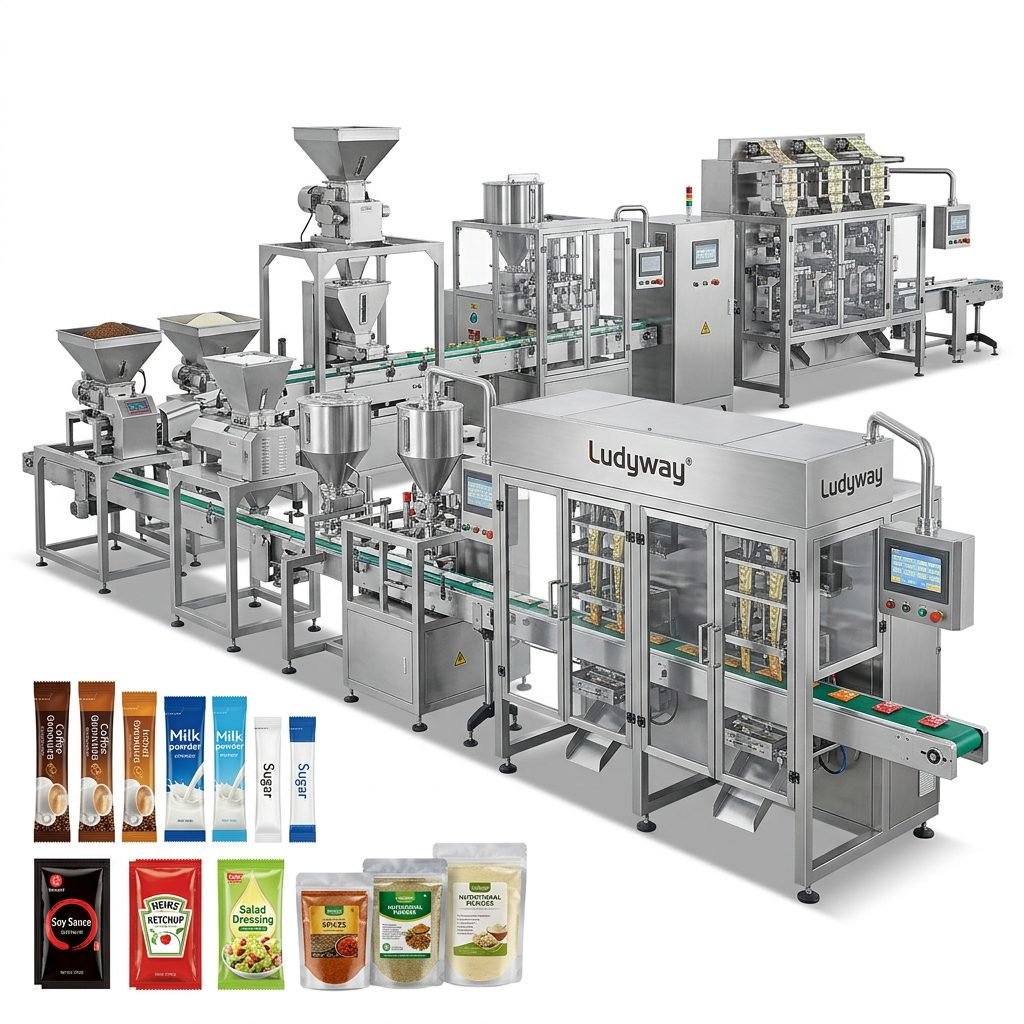
As a leading global packaging machine manufacturer with over 30 years of industry experience, Ludyway provides advanced multi-lane stick pack, sachet, and fully automated packaging systems serving customers in over 100 countries. With a modern 20,000㎡ manufacturing facility and more than 50 intelligent packaging machine models, the company supports Georgian food producers with reliable, efficient, and cost-effective solutions tailored to granule, powder, liquid, and pouch applications.
For further guidance on packaging technology trends and standards, explore resources from PMMI’s packaging resources library, review Flexible Packaging Association industry data, and consult ISO packaging and distribution standards to ensure your investment aligns with international best practices and delivers long-term competitive advantage in the Georgian market.