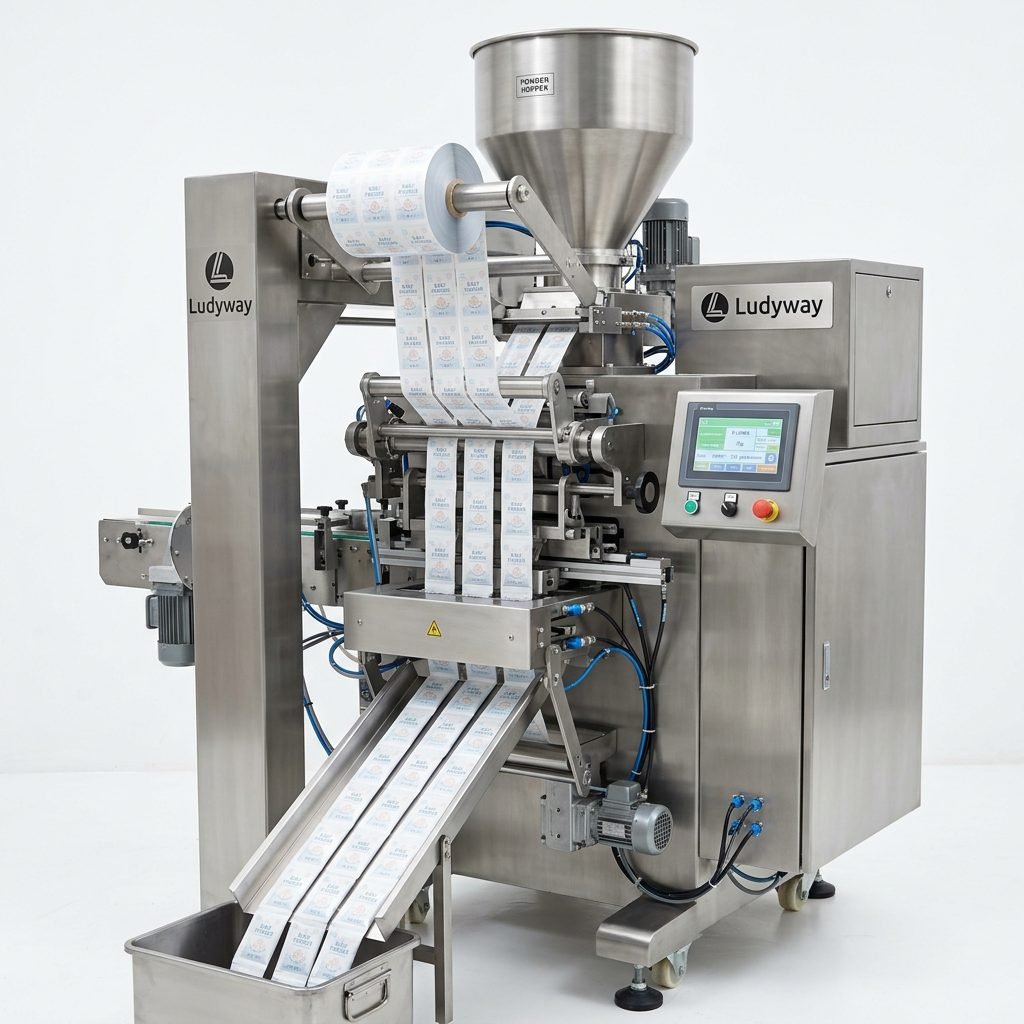
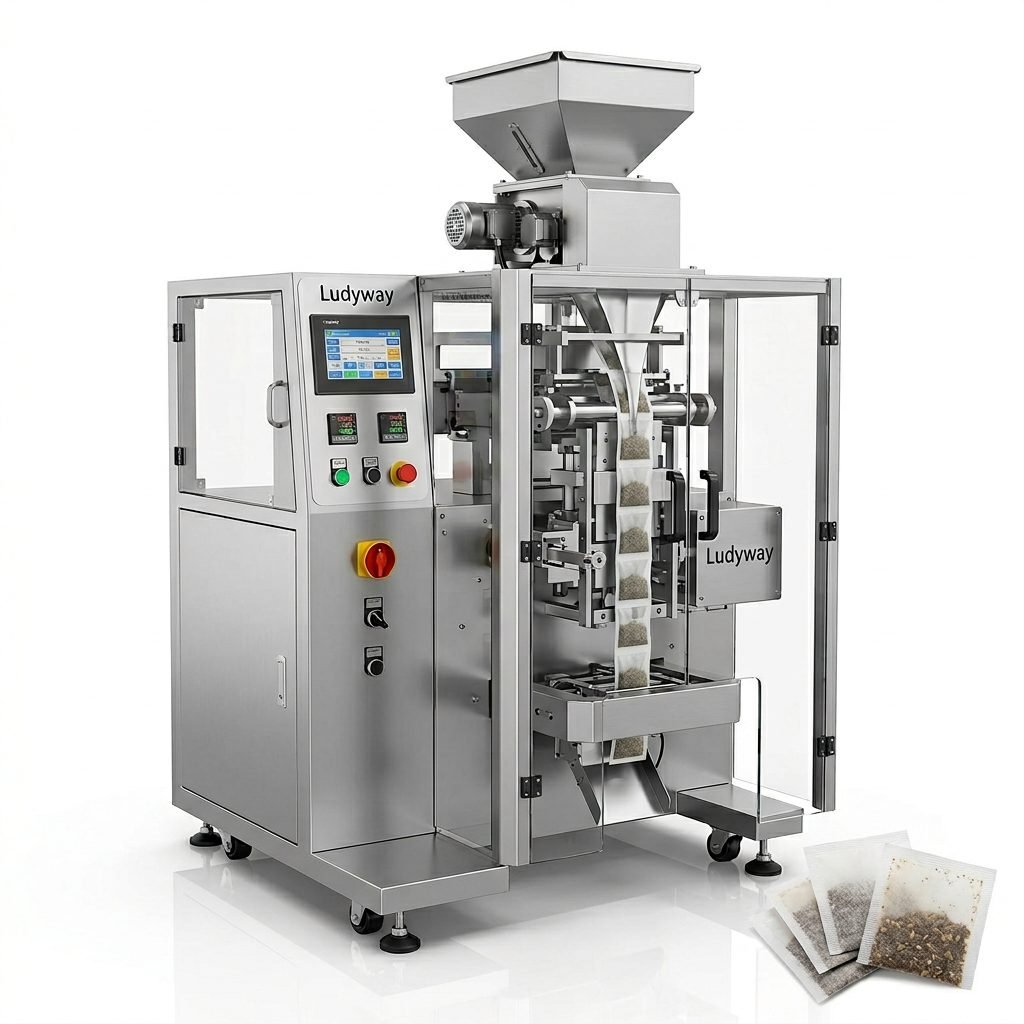
Investing in a tea sachet filling machine is a strategic decision that directly impacts your production efficiency, product quality, and bottom line. Whether you are launching a new tea brand or scaling an existing operation, understanding the cost landscape is critical. Prices vary widely based on automation levels, filling speed, machine configuration, and additional features. This guide breaks down the key factors driving tea sachet filling machine costs and helps you make an informed purchasing decision.
Understanding Tea Sachet Filling Machine Types
Before diving into pricing, it is essential to recognize the different machine categories available on the market. Each type serves specific production needs and comes with a distinct price point.
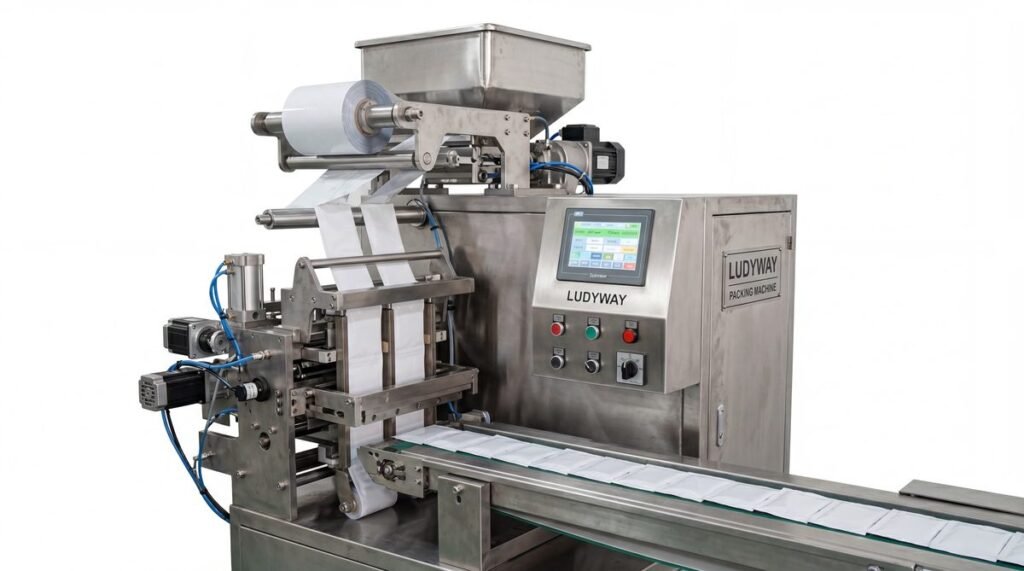
- Single-Lane Manual or Semi-Automatic Machines: Ideal for startups or small-batch production. Operators manually load film and initiate cycles. These entry-level machines offer affordability but lower output.
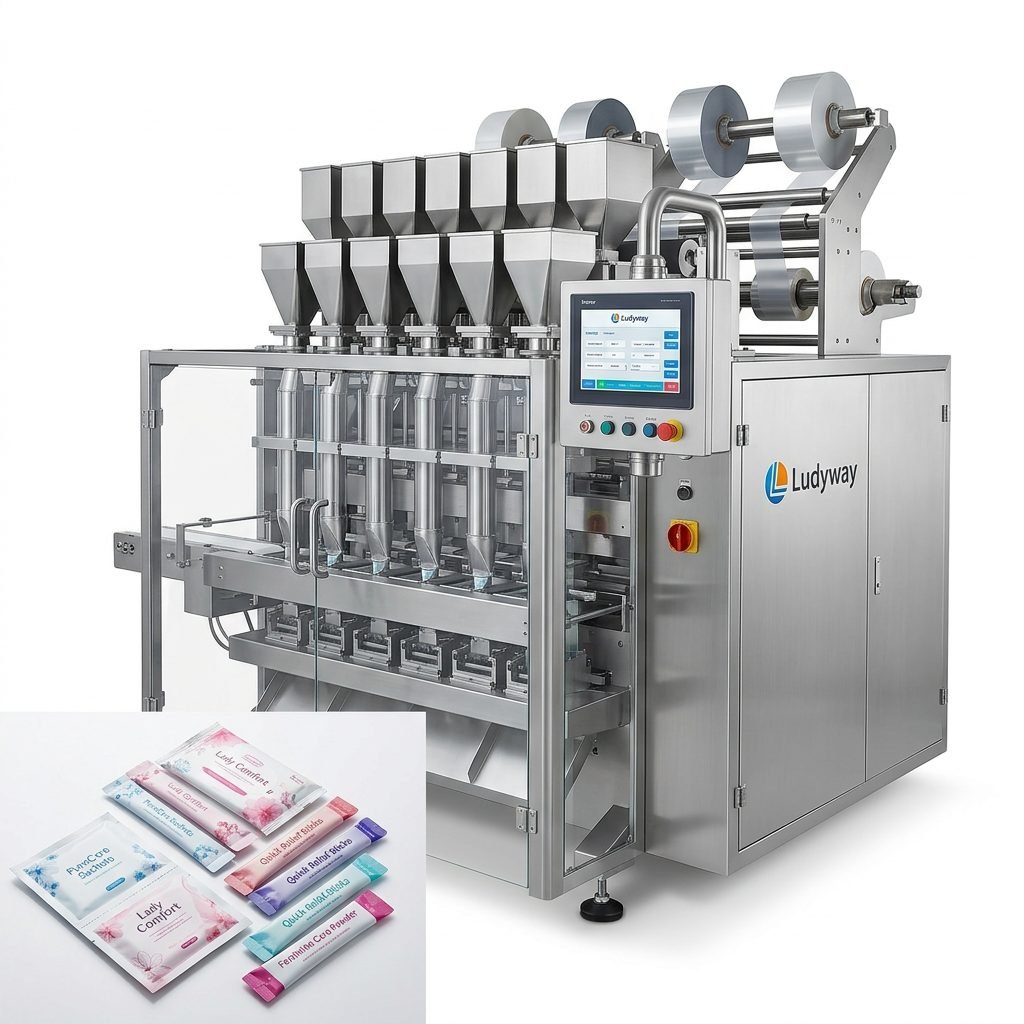
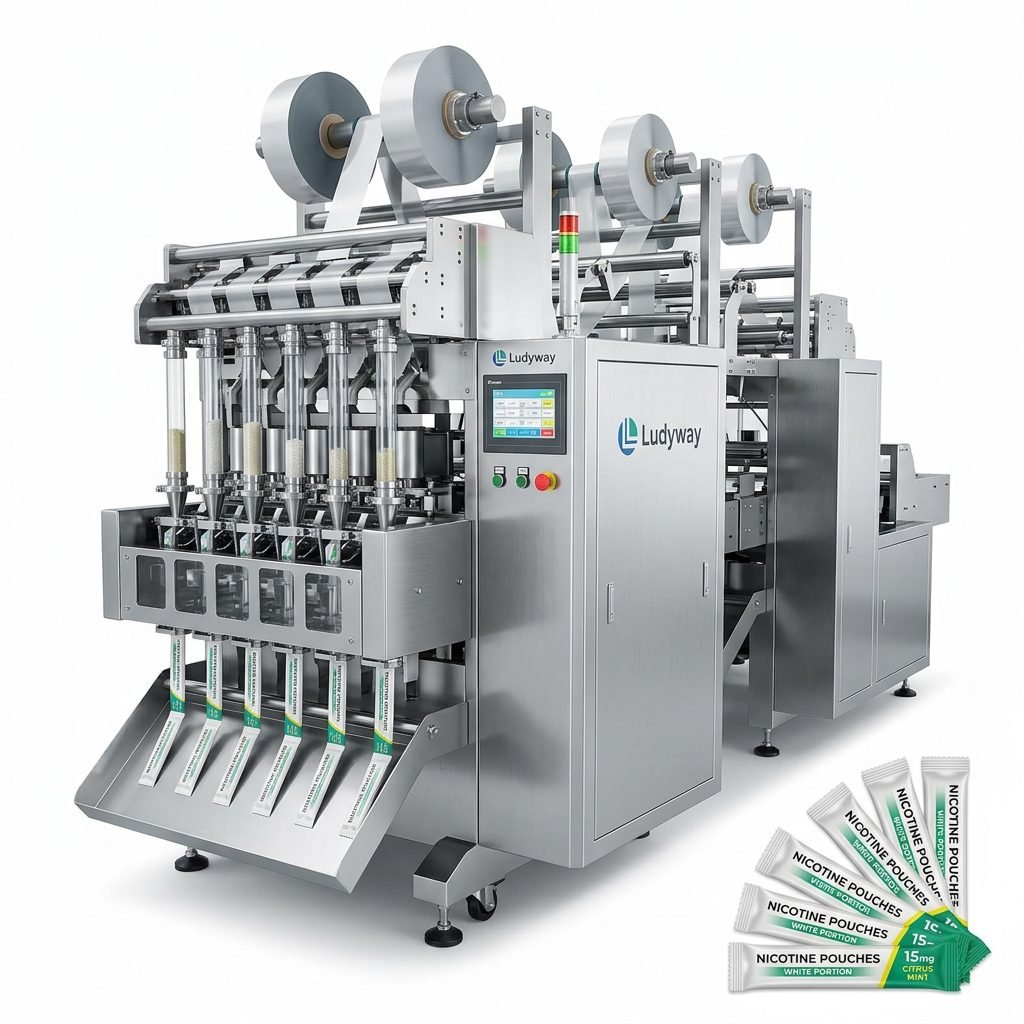
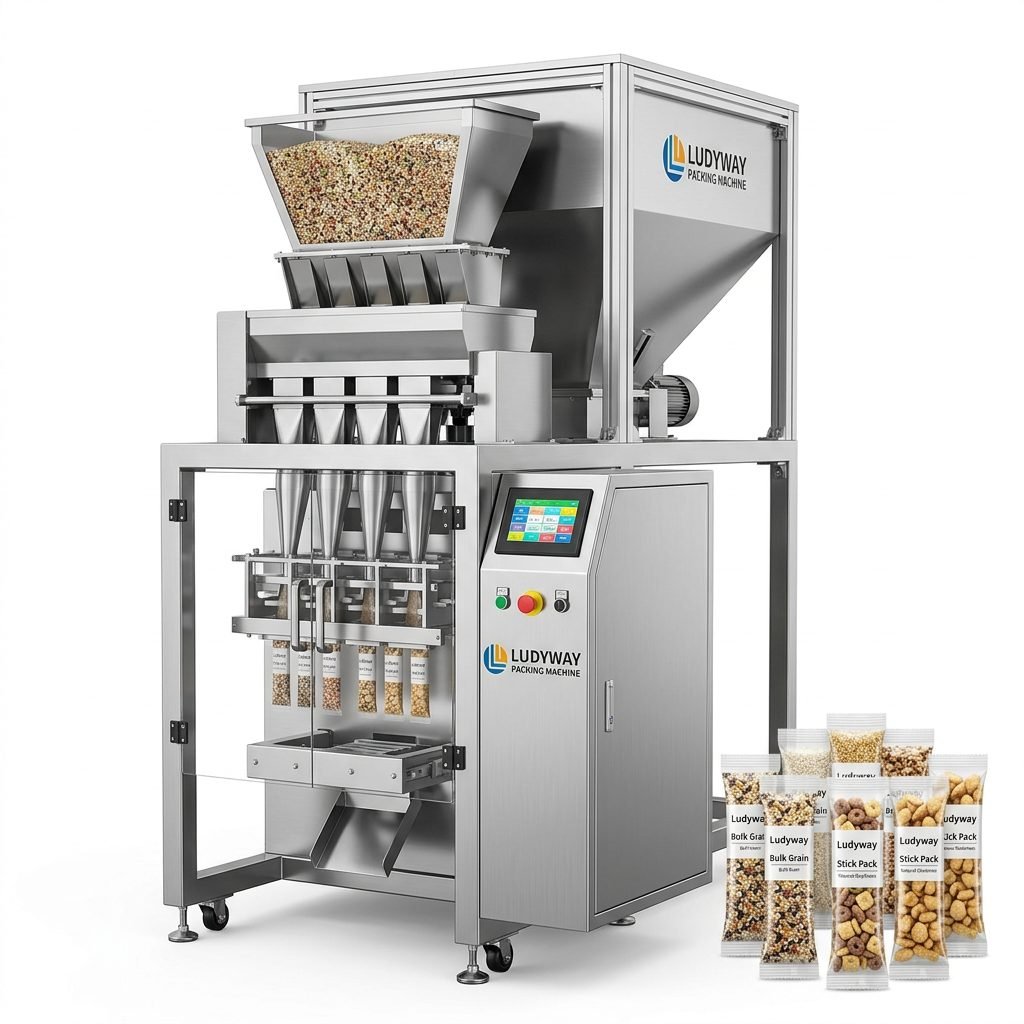
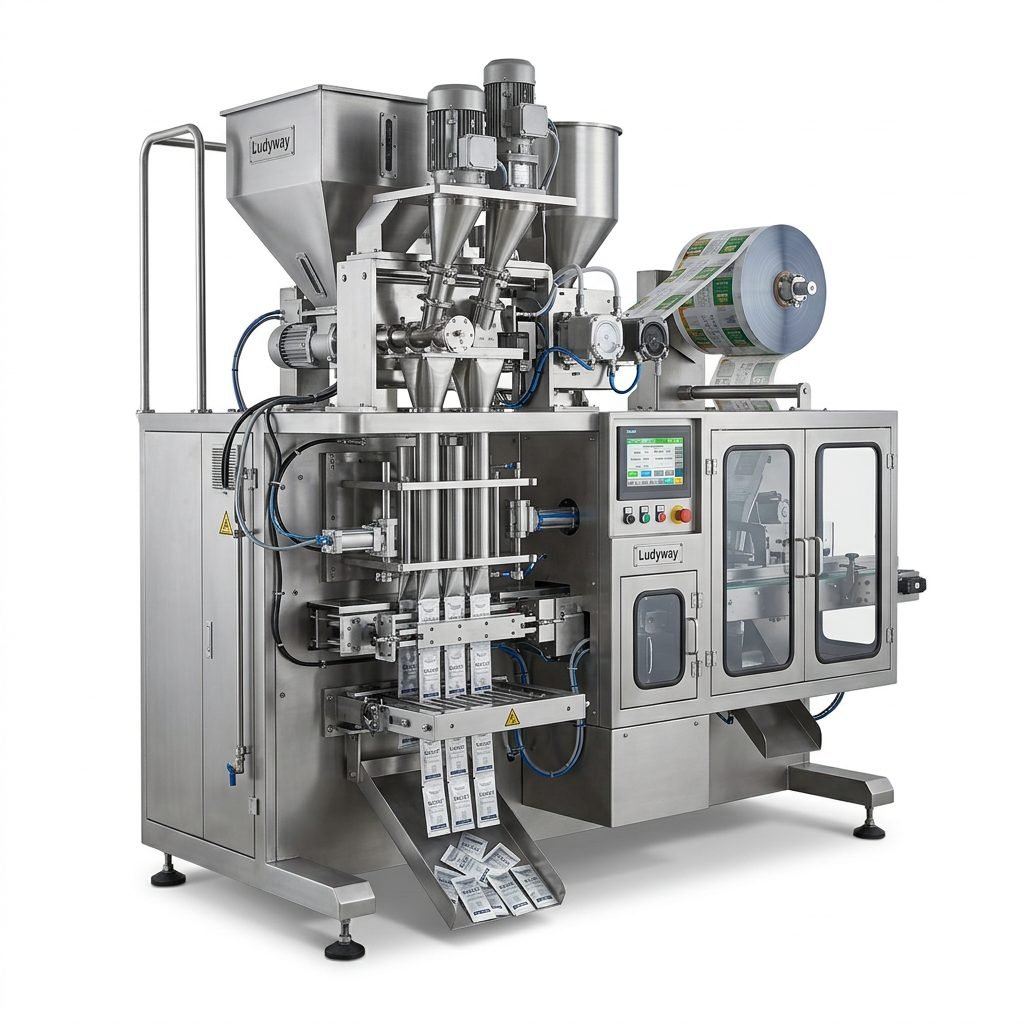
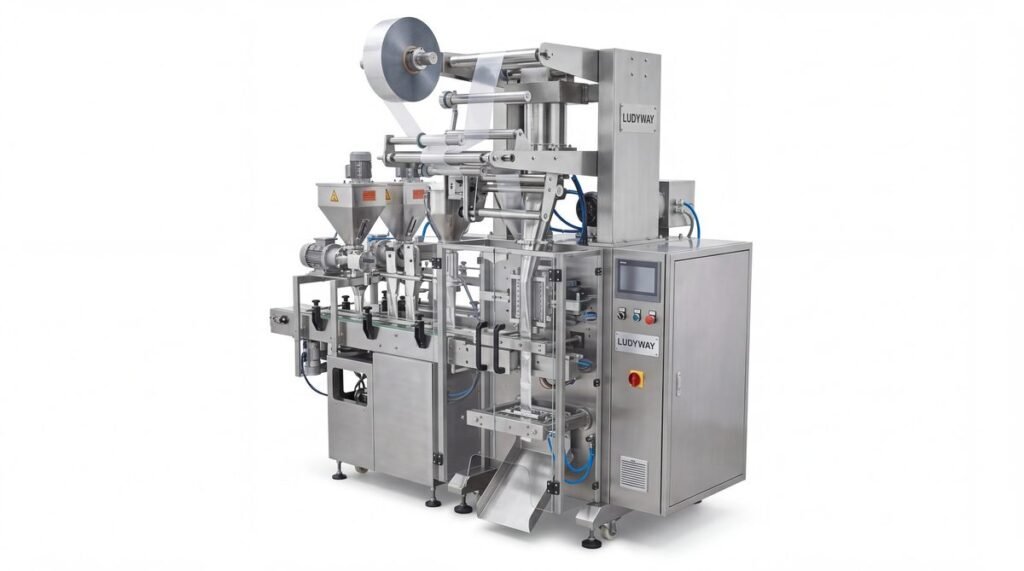
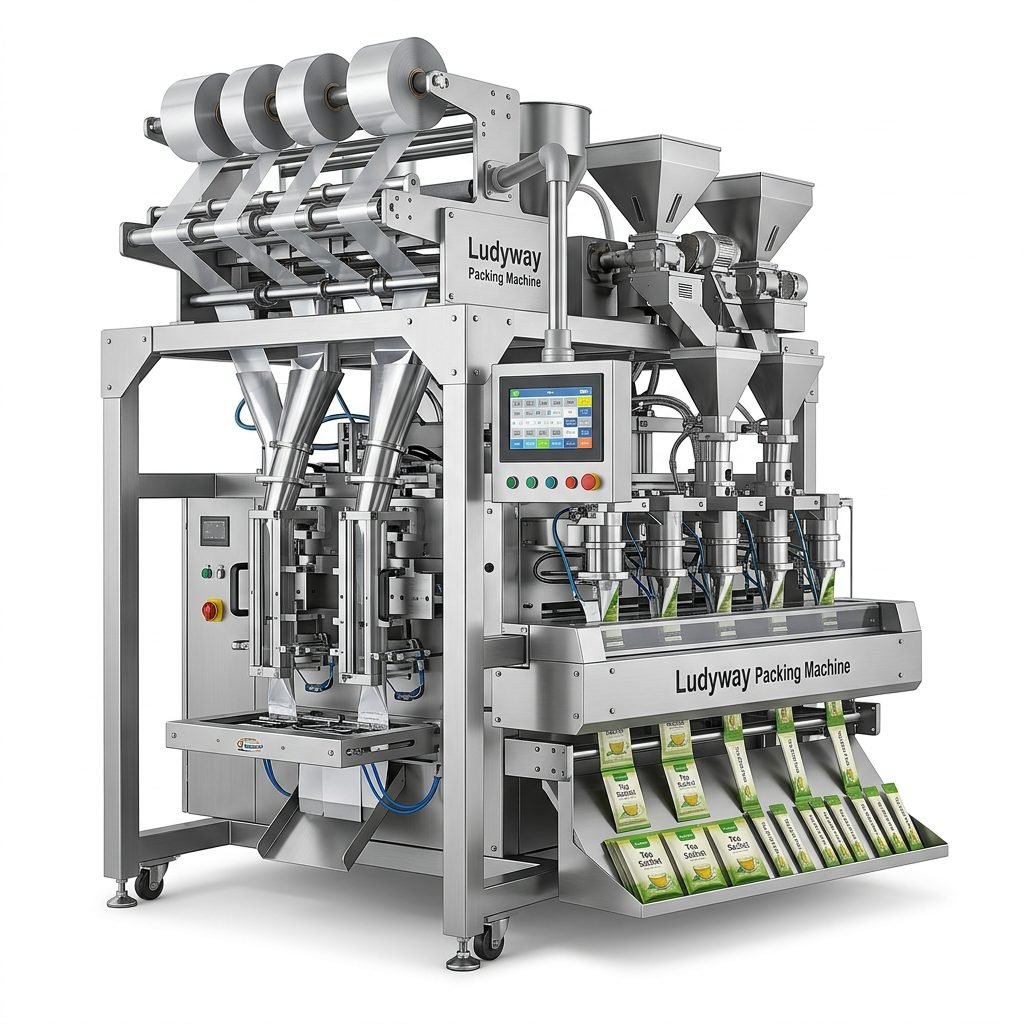
- Multi-Lane Automatic Stick Pack and Sachet Machines: Designed for medium to high-volume production. They can run 4, 6, 8, or more lanes simultaneously, dramatically increasing throughput. These are the backbone of most commercial tea packaging operations.
- Fully Integrated Turnkey Production Lines: These systems combine multi-lane fillers with automatic weighing, cartoning, and palletizing modules. They represent the highest level of automation and investment.
Key Factors Influencing the Price of a Tea Sachet Filling Machine
Several variables determine the final price tag of your equipment. Being aware of these elements will help you allocate budget accurately and avoid unexpected costs.
Automation Level and Control System
The degree of automation is the single most significant cost driver. Basic models with simple PLC controls cost less, while advanced systems featuring servo-driven motors, touchscreen HMI interfaces, and IoT connectivity command a premium. Fully automatic multi-lane machines consistently achieve higher precision and faster changeover times, justifying their higher initial investment through long-term operational savings.
Number of Lanes and Production Speed
Machines with more lanes produce more sachets per cycle. An 8-lane or 10-lane machine will cost substantially more than a 2-lane counterpart. Similarly, high-speed models capable of running 400-600 sachets per minute require more robust components and refined engineering, pushing the price upward.
Filling Mechanism and Accuracy
Tea products come in diverse forms—fine powders, granular blends, whole leaves, and herbal mixes. Each requires specific filling technology. Packaging machinery market research indicates that auger fillers, volumetric cup fillers, and multi-head weighers each have different cost implications. High-precision weighing systems with feedback loops and reject capabilities add to the total investment but significantly reduce product giveaway.
Construction Materials and Compliance
Food-grade stainless steel construction (typically SS304 or SS316) is mandatory for tea packaging. Machines built to meet FDA food packaging regulations or other international standards often involve additional engineering and certification costs. Dust-proof enclosures, wash-down compatibility, and GMP-compliant designs further influence pricing.
Estimated Price Ranges for Tea Sachet Filling Machines
The following table provides a general pricing framework based on current market data. Actual quotes depend on specific configurations, optional accessories, and regional suppliers.
| Machine Category | Estimated Output | Estimated Price Range (USD) |
|---|---|---|
| Semi-Automatic Single-Lane Sachet Machine | 30-60 pouches/min | $5,000 – $20,000 |
| Automatic Multi-Lane Stick Pack Machine (4-6 Lanes) | 120-250 pouches/min | $35,000 – $80,000 |
| High-Speed Multi-Lane Sachet Machine (8-12 Lanes) | 300-600 pouches/min | $90,000 – $180,000 |
| Integrated Turnkey Packaging Line | Fully customized | $200,000 – $500,000+ |
Additional Cost Considerations Beyond the Base Price
Buyers should budget for auxiliary equipment and services that often accompany a tea sachet filling machine purchase. These ancillary costs can represent 15-30% of the total project budget.
- Material Handling Equipment: Bucket elevators, vacuum conveyors, and vibratory feeders for automatic product infeed.
- Inspection and Quality Control: Checkweighers, metal detectors, and vision inspection systems to ensure product integrity.
- Secondary Packaging Modules: Cartoners, case packers, and palletizers for end-of-line automation.
- Installation and Training: On-site setup, operator training, and commissioning services.
- After-Sales Support: Warranty terms, spare parts availability, and ongoing technical support agreements.
How to Choose the Right Machine for Your Budget
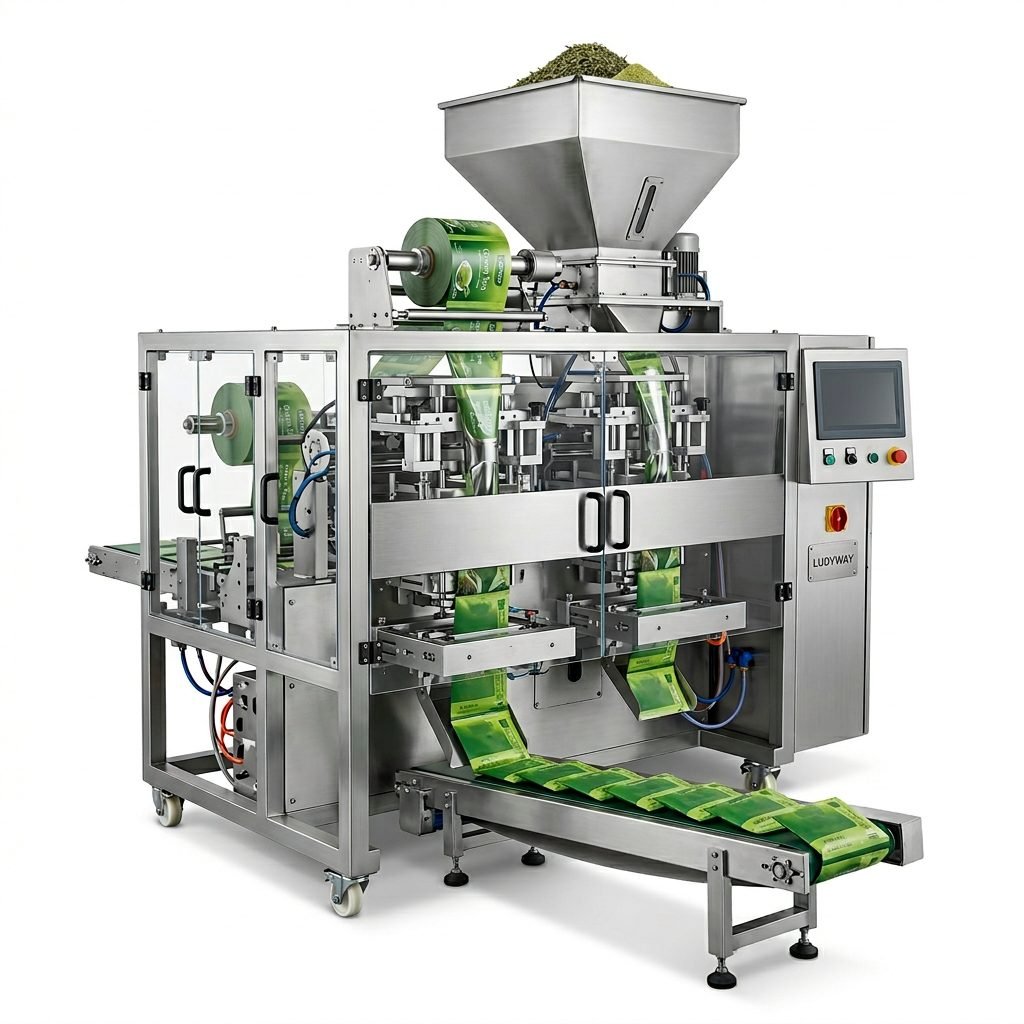
Selecting the optimal equipment requires aligning your production requirements with long-term business goals. Consider the following decision-making framework.
Define Your Current and Future Capacity Needs
Analyze your peak daily or monthly production volumes. Factor in expected growth over a 3-5 year horizon. A machine that meets only current capacity may become a bottleneck quickly. Investing in a multi-lane configuration with modular expansion capabilities offers long-term flexibility.
Evaluate Product Characteristics Thoroughly
Tea powders can range from free-flowing granular material to cohesive, sticky blends. Leaf teas require gentle handling to prevent breakage. Conduct thorough product trials on candidate machines to verify filling accuracy, seal integrity, and overall performance with your specific formulations. This step is crucial for avoiding costly post-purchase modifications.
Prioritize Total Cost of Ownership (TCO)
Purchase price alone provides an incomplete picture. Consider energy consumption, spare parts pricing, maintenance frequency, and expected machine lifespan. A slightly more expensive machine with higher efficiency, lower waste rates, and superior reliability frequently delivers a lower total cost of ownership over its operational lifetime. Reference flexible packaging industry data for benchmark metrics on packaging line efficiency and operational costs.
Supplier Selection and Due Diligence
Your choice of manufacturer directly impacts machine quality, delivery timelines, and after-sales support. Look for suppliers with demonstrated experience in tea packaging applications, verifiable client references, and comprehensive service capabilities. Leading manufacturers, such as Ludyway, operate modern 20,000-square-meter production facilities and maintain dedicated engineering teams to support customers worldwide. A reputable supplier provides transparent pricing, detailed technical documentation, and responsive ongoing support throughout the machine’s lifecycle.
Industry Trends Impacting Tea Sachet Machine Costs
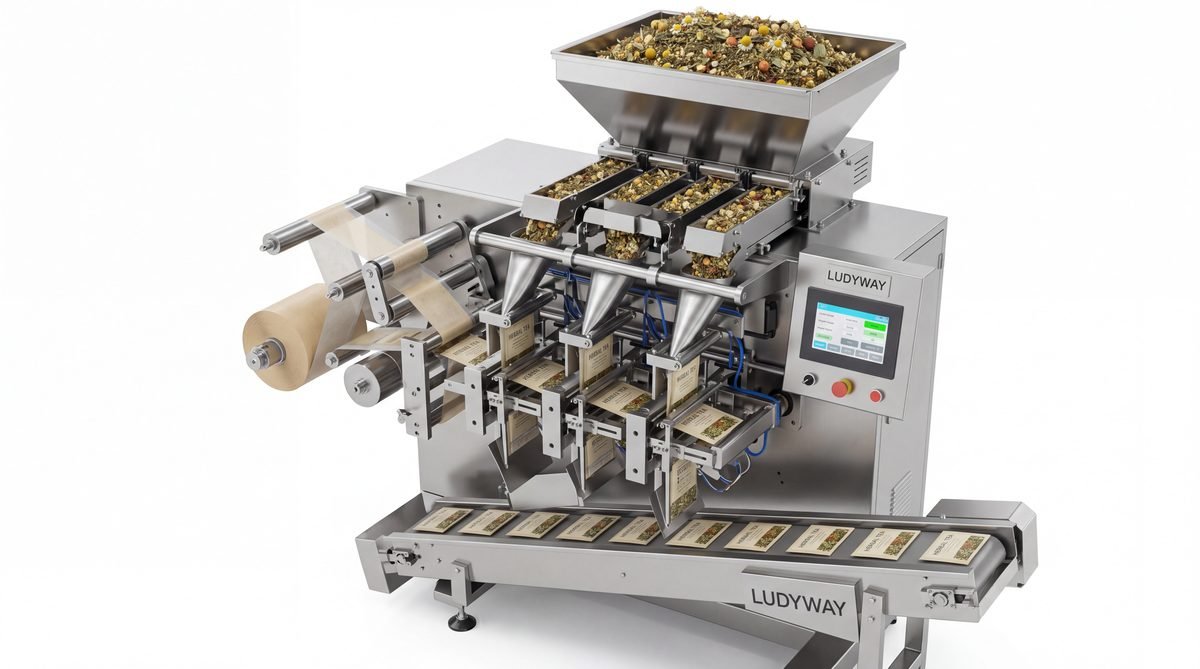
Several macroeconomic and industry-specific trends are influencing equipment pricing. Sustainability initiatives are driving demand for machines compatible with biodegradable and recyclable film materials, which may require specialized sealing and tension control systems. Smart factory integration, including real-time production monitoring and predictive maintenance capabilities, is becoming standard on premium equipment. These technological advancements add upfront cost but deliver significant operational benefits through reduced downtime and improved overall equipment effectiveness.
Geographic Sourcing Considerations
Where you source your machine affects both price and service quality. Equipment manufactured in regions with lower labor and material costs can carry a lower initial price, but buyers must carefully evaluate build quality, safety compliance, and the availability of local technical support. International shipping, import duties, and the cost of sourcing foreign technicians for installation must be factored into total expenditure.
Final Thoughts on Budgeting for Your Tea Sachet Filling Machine
A tea sachet filling machine represents a significant but essential capital expenditure for tea producers. By understanding the variables that drive cost—automation level, lane count, filling technology, and compliance requirements—you can develop a realistic budget that balances performance with affordability. Always request detailed quotations from multiple suppliers, conduct hands-on product trials, and evaluate total cost of ownership rather than focusing solely on the initial purchase price. For further insights, explore state of the industry packaging reports and international packaging exhibitions to stay current with equipment innovations and market trends.