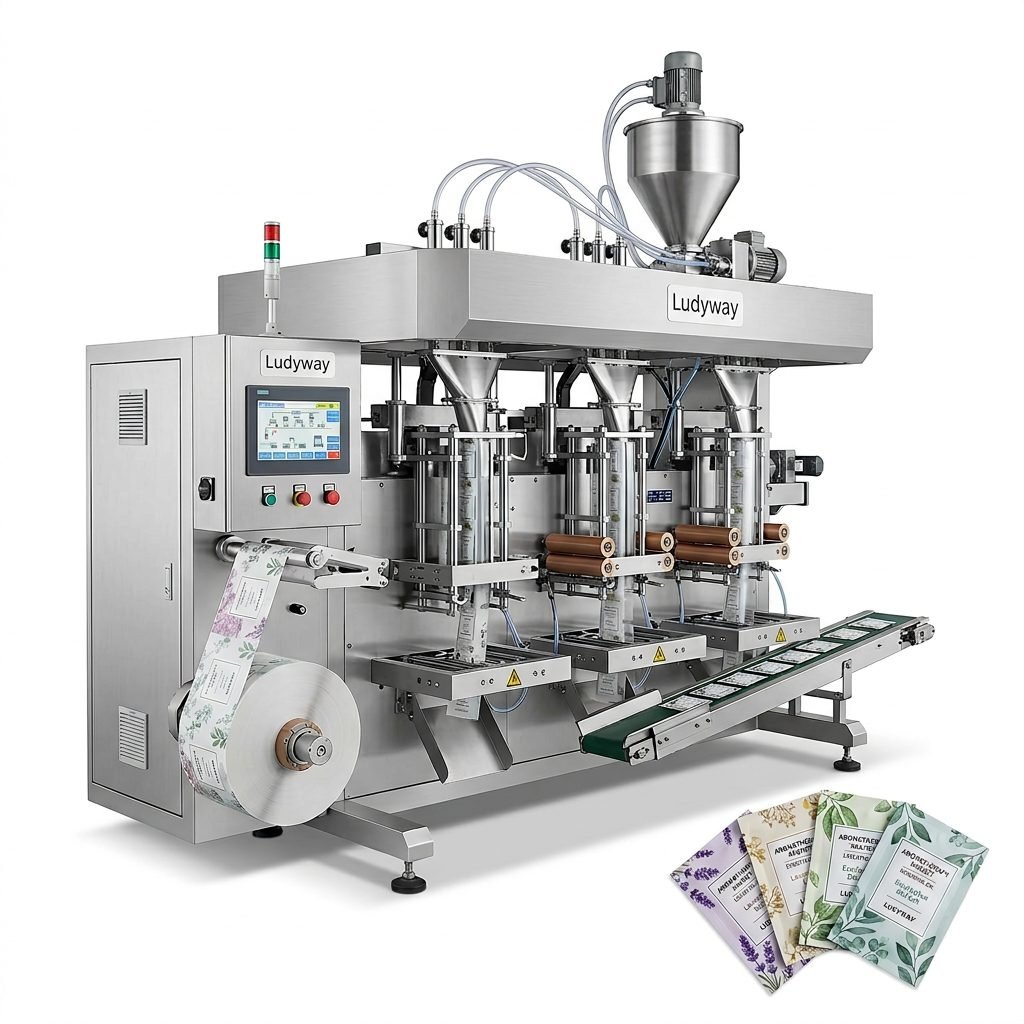
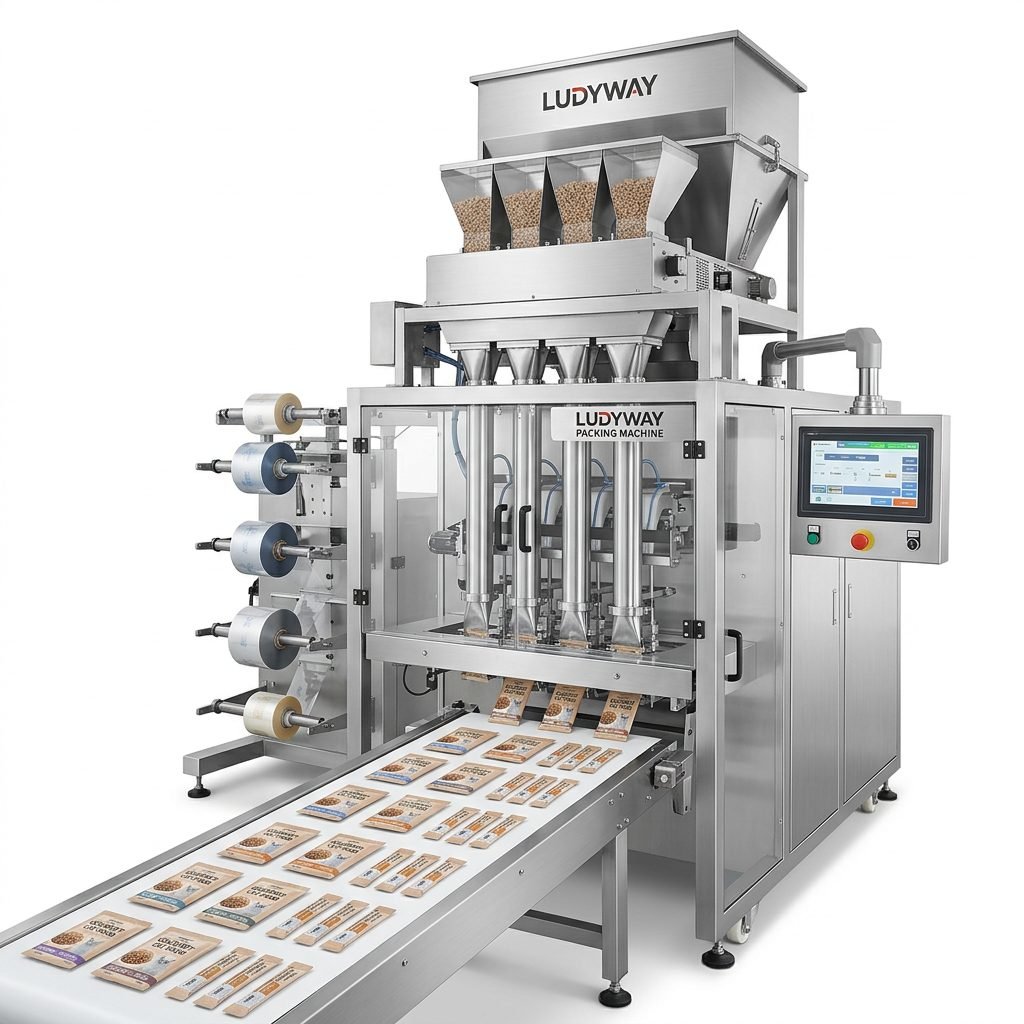
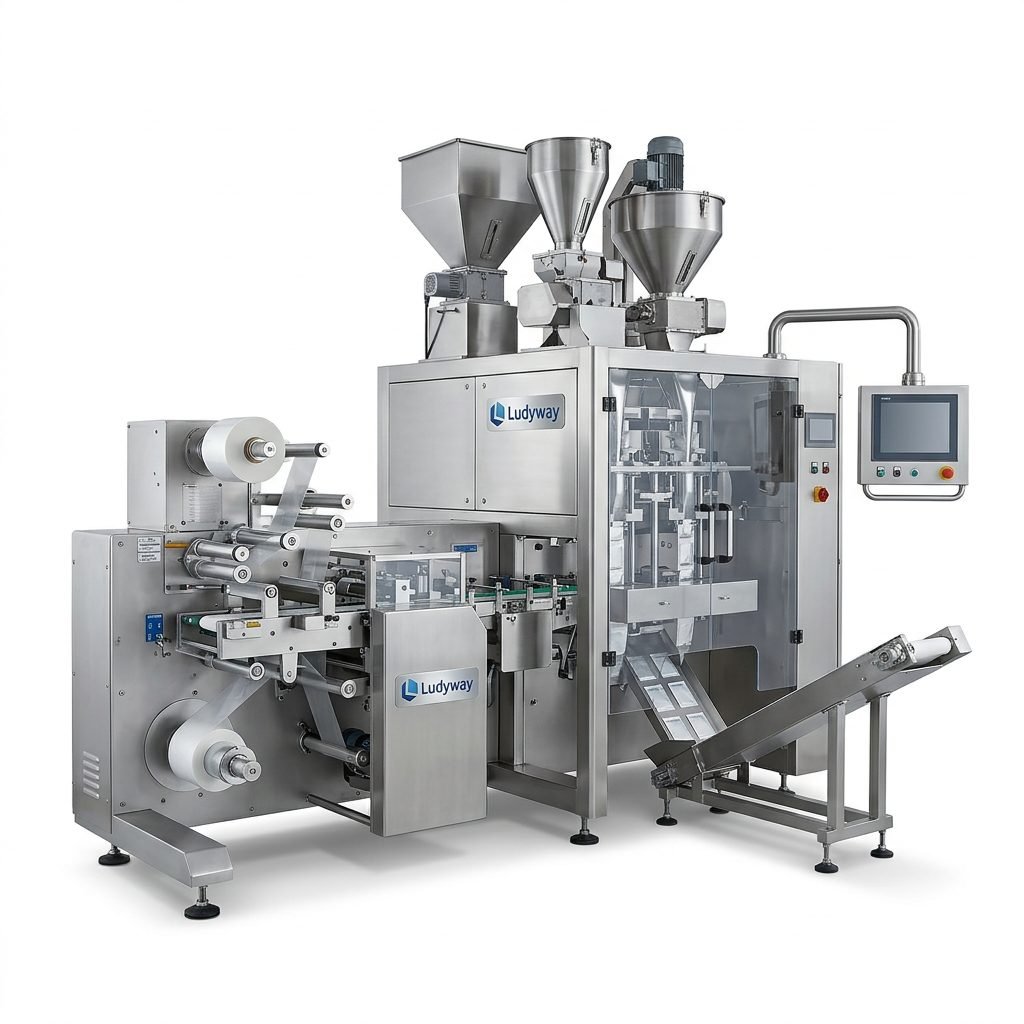
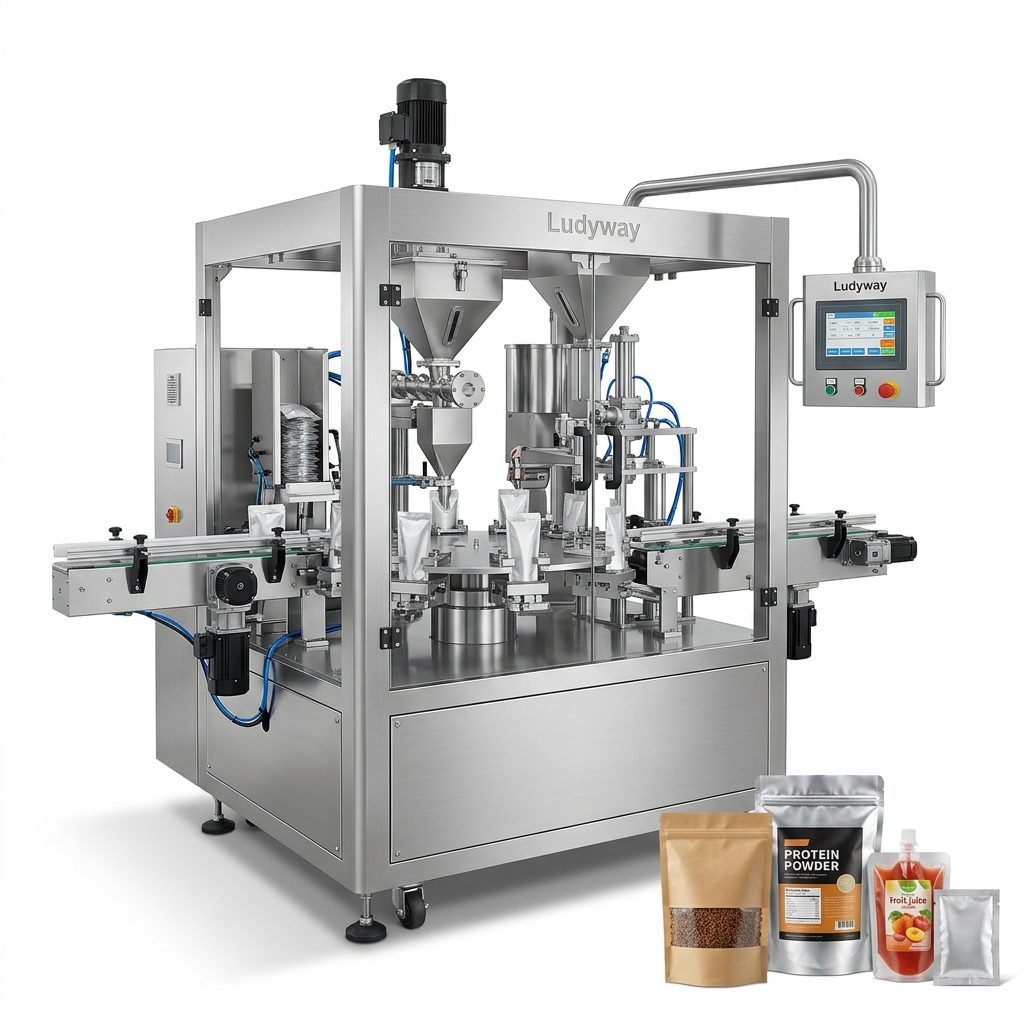
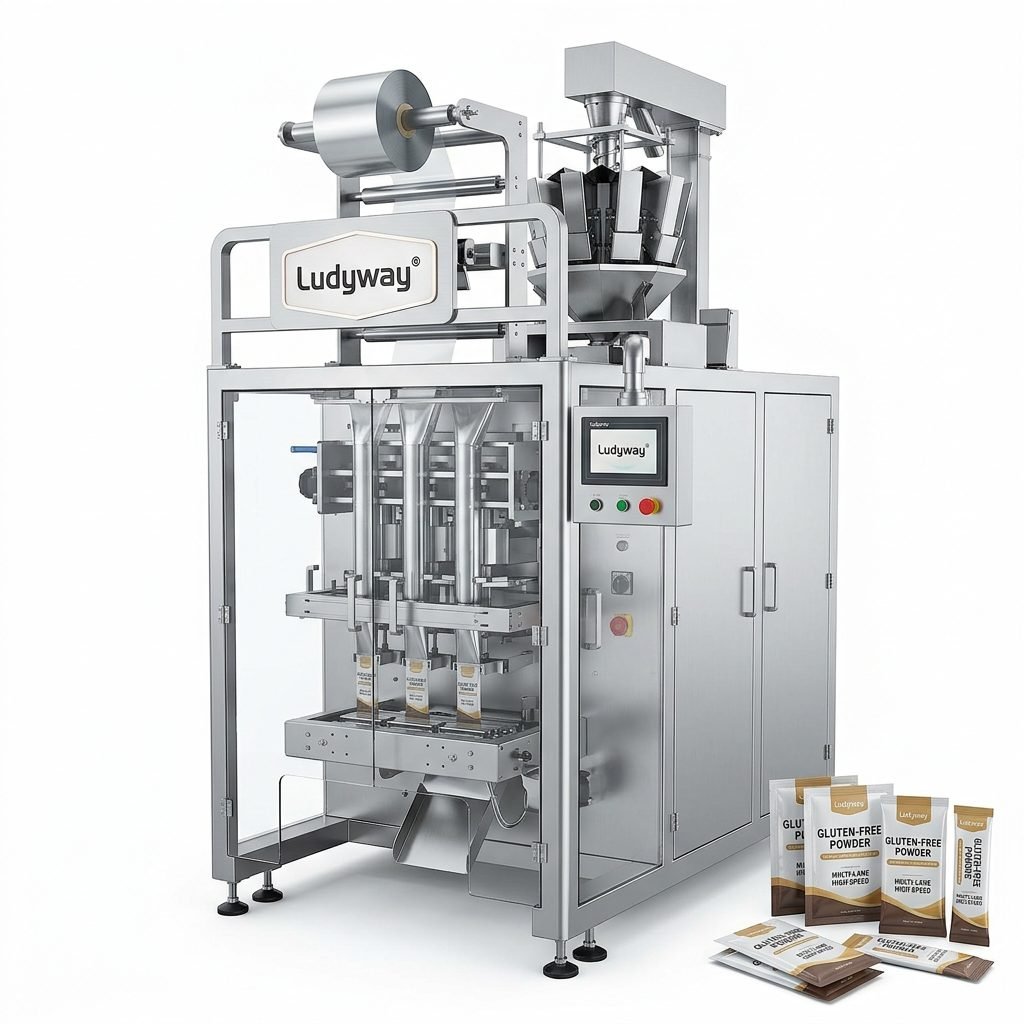
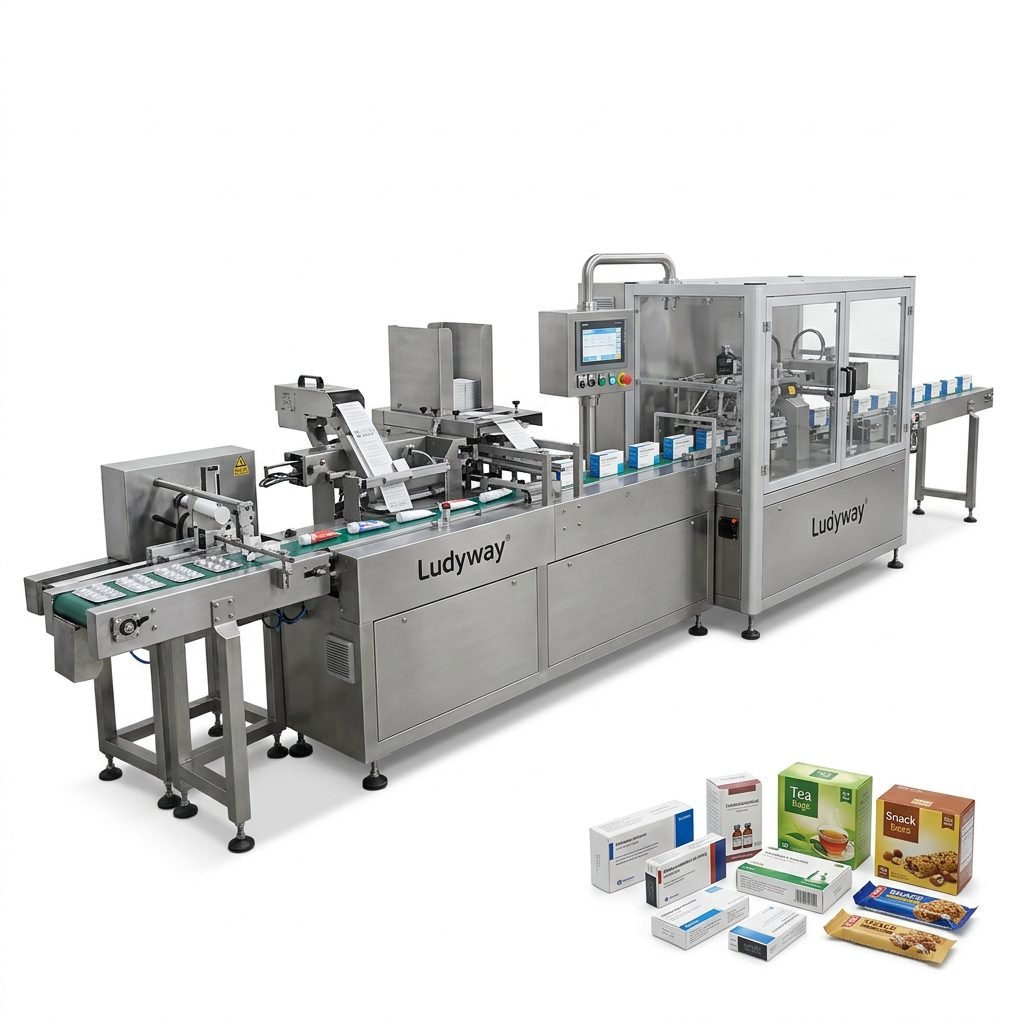
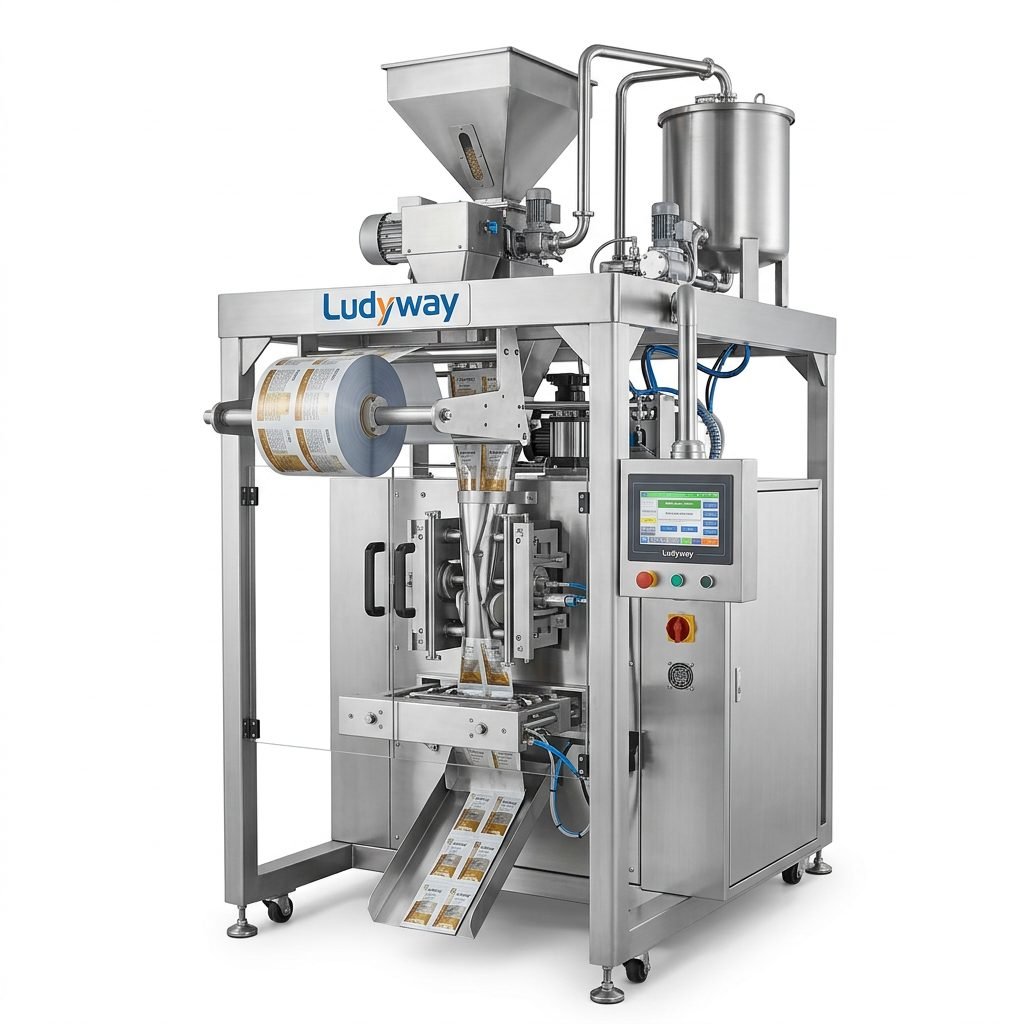
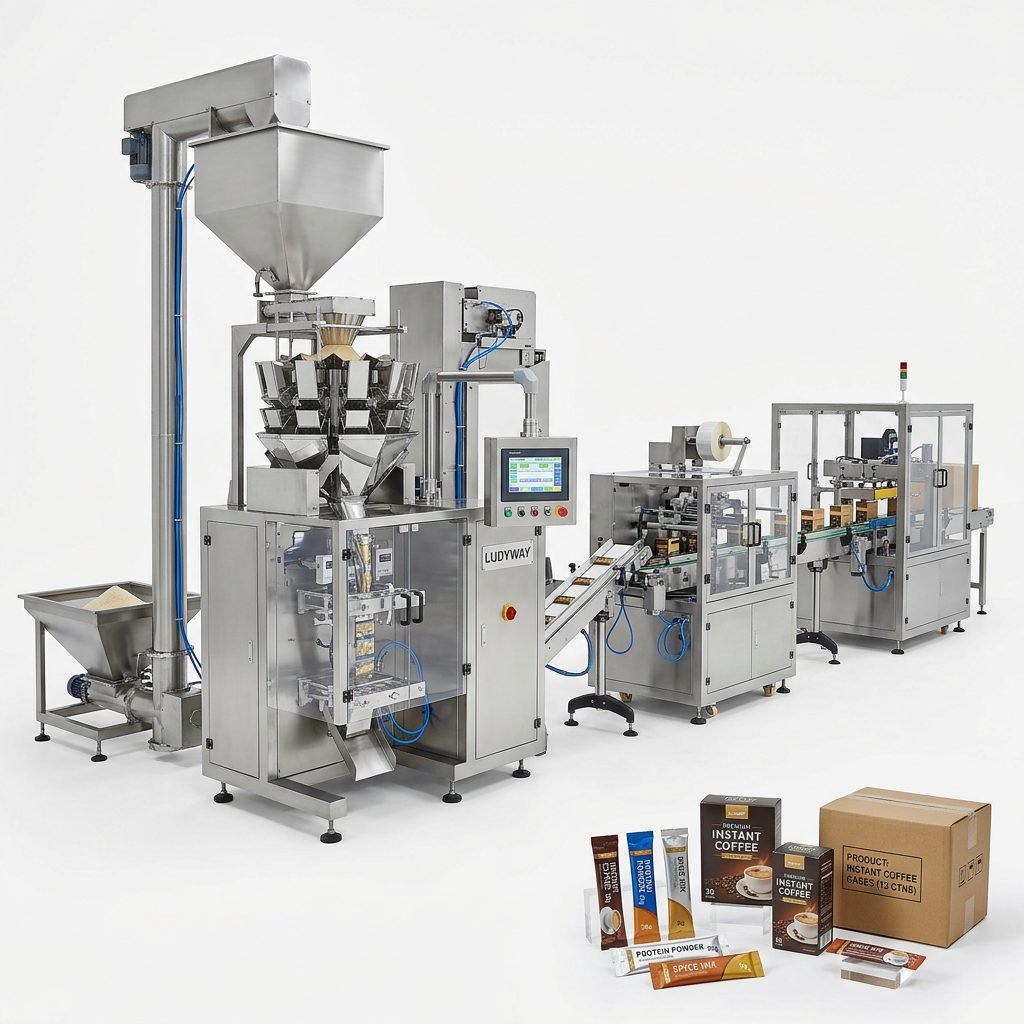
A vacuum skin packaging machine is a critical asset in food processing facilities, ensuring product freshness, extending shelf life, and maintaining visual appeal. However, like any high-performance equipment, consistent maintenance is the backbone of operational efficiency. Without a structured cleaning and upkeep routine, residue buildup, seal bar degradation, and vacuum pump issues can lead to costly downtime and compromised package integrity. This guide covers essential cleaning protocols and preventive maintenance strategies to keep your vacuum packaging machine running at peak performance.

Why Routine Maintenance Matters
Skipping daily cleaning can result in contamination risks and seal failures. A well-maintained machine delivers higher throughput, reduced waste, and consistent seal quality. Key benefits include:
- Extended equipment lifespan by preventing premature component wear
- Optimal vacuum performance through clean pump oil and unobstructed air lines
- Food safety compliance by eliminating bacterial growth zones
- Lower repair costs with early detection of worn parts
Daily Cleaning Checklist
Implementing a daily cleaning routine is the first line of defense against mechanical failures. Focus on these critical areas:
- Seal Bar and Sealing Area: Remove food particles and plastic residue using a soft brass brush. Built-up debris causes uneven heating and weak seals.
- Vacuum Chamber: Wipe down the chamber interior with a food-safe sanitizer. Liquids and grease can corrode chamber surfaces over time.
- Silicone Membranes: Inspect for tears or deformation. Damaged membranes cannot form a proper skin package.
- External Surfaces: Clean stainless steel panels with a damp cloth to prevent dust accumulation on sensors.
Weekly Preventive Maintenance Tasks
Moving beyond surface cleaning, allocate time each week for deeper inspection:
- Check Vacuum Pump Oil Level: Ensure oil is at the correct sight glass level. Milky or dark oil indicates moisture contamination and requires immediate replacement.
- Inspect Gas Flushing System: Verify that gas nozzles are not clogged. Improper gas flow compromises MAP (Modified Atmosphere Packaging) integrity.
- Test Temperature Calibration: Use a thermal probe to confirm seal bar temperature matches the controller setpoint.
- Clean Air Filters: Remove dust from pump exhaust filters and cooling fans to prevent overheating.

Monthly Deep Cleaning and Component Inspection
Monthly maintenance should include a thorough examination of critical machine subsystems:
| Component | Inspection Focus | Action Required |
|---|---|---|
| Heating Elements | Resistance check, burn marks | Replace if resistance deviates >10% |
| Vacuum Gauge | Calibration accuracy | Recalibrate or replace sensor |
| Pneumatic Hoses | Cracks, leaks, loose fittings | Tighten connections, replace aged lines |
| Power Supply | Voltage stability, wiring integrity | Refasten terminals, check insulation |
Common Issues and Troubleshooting Tips
Even with regular cleaning, certain problems may arise. Addressing them proactively prevents unplanned downtime:
Weak or Inconsistent Seals
This often results from contaminated seal bars or incorrect temperature settings. Clean the bar thoroughly and verify that the Teflon cover is intact and free of wrinkles. Adjust dwell time gradually to match film thickness.
Poor Vacuum Level
A gradual loss of vacuum usually points to pump oil degradation or a blocked intake filter. Change the oil according to manufacturer guidelines and inspect the oil mist separator. Sudden vacuum loss indicates a chamber door gasket failure.
Excessive Noise During Operation
Unusual sounds from the pump suggest cavitation or mechanical wear. Check oil viscosity and inspect internal pump vanes for damage. Rattling from the frame may simply require tightening of mounting bolts.
Recommended Maintenance Schedule Overview
| Frequency | Task Summary |
|---|---|
| Daily | Clean chamber, seal bar, and exterior; inspect membrane |
| Weekly | Check oil level, gas flush, temperature calibration, filter cleaning |
| Monthly | Heating element test, gauge calibration, hose inspection, electrical check |
| Quarterly | Pump oil replacement, comprehensive vacuum test, controller firmware update |

Lubrication and Consumable Replacement
Moving parts require periodic lubrication to minimize friction. Apply food-grade grease to guide rails and pivot points monthly. Keep a stock of critical OEM consumables on hand, including Teflon tape, heating wires, silicone membranes, and pump filter elements. Using non-genuine parts often accelerates wear and voids warranties.
Record Keeping and Operator Training
Maintain a detailed logbook documenting each cleaning session, part replacement, and calibration check. This data reveals performance trends and simplifies audits. Operator training is equally vital—ensure all personnel understand basic troubleshooting steps and emergency stop procedures. Many packaging machinery manufacturers, such as Ludyway, provide comprehensive training materials to support their equipment. Consistent training reduces operator-induced errors and boosts line productivity.
For more insights on optimizing your production workflow, explore our resources on fully automated packaging systems and turnkey packaging solutions. Maintaining your vacuum skin packaging machine with these structured practices ensures reliable performance, protects product quality, and maximizes your return on investment.