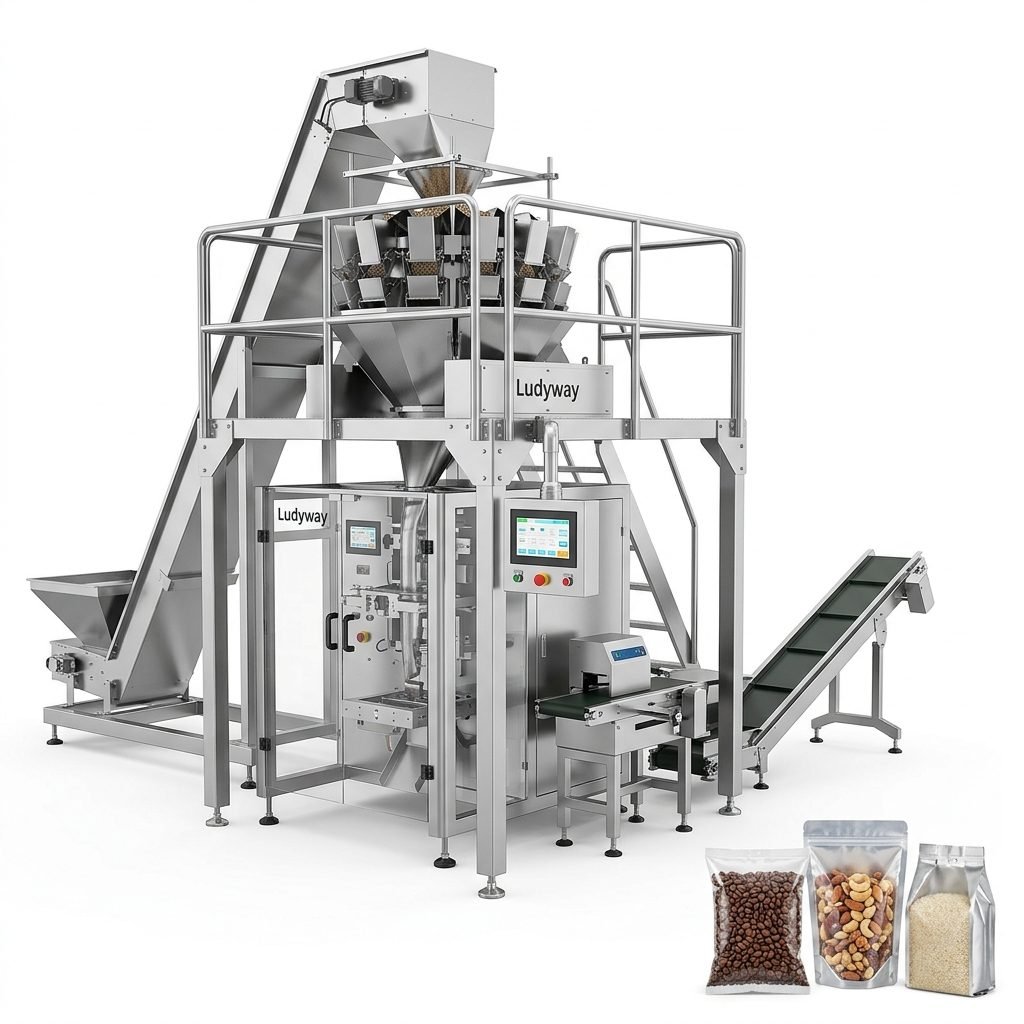
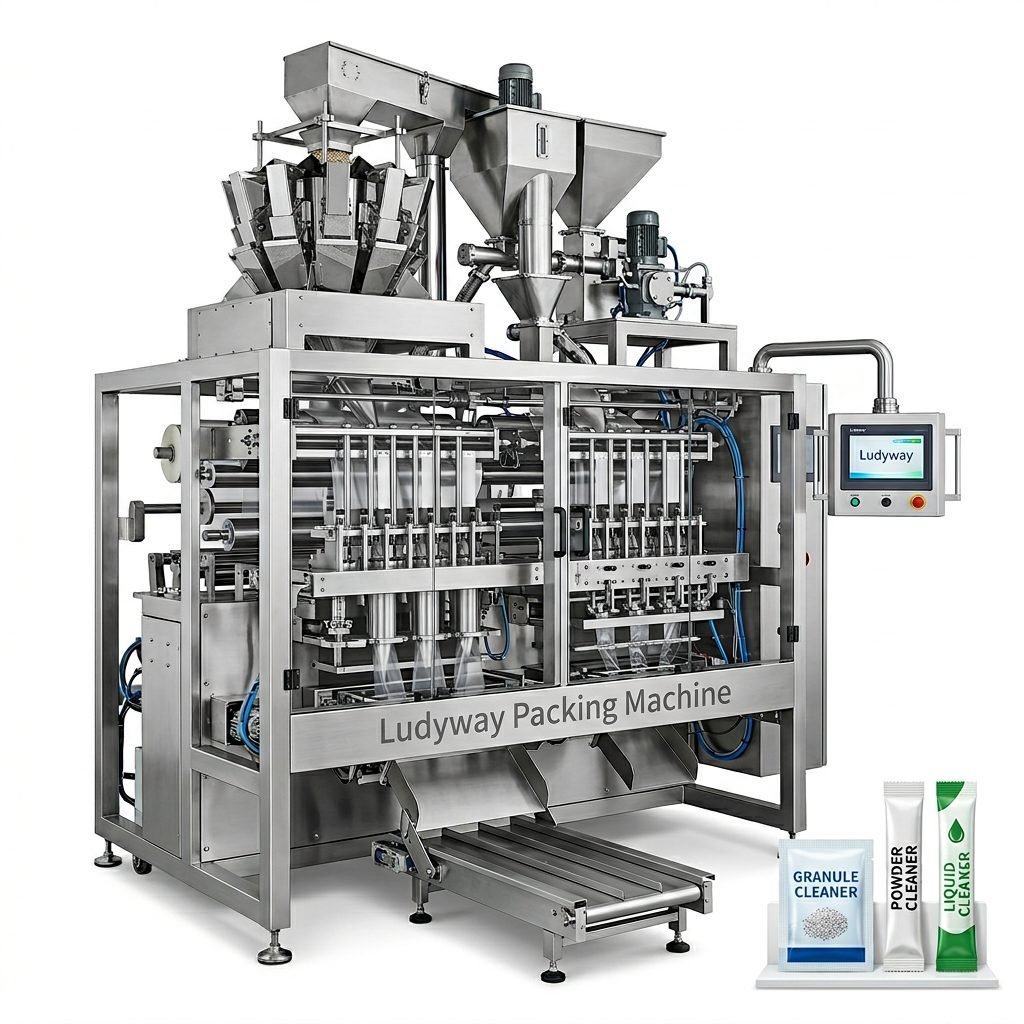
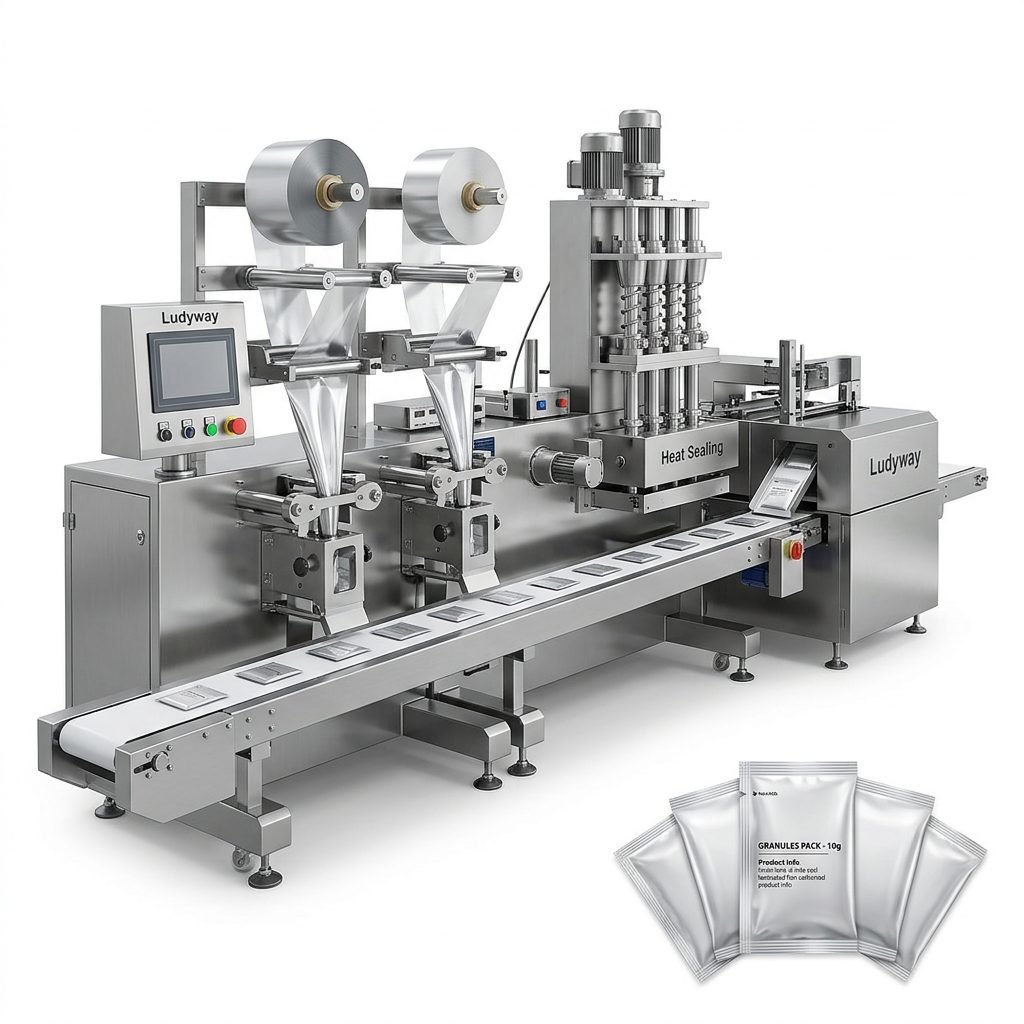
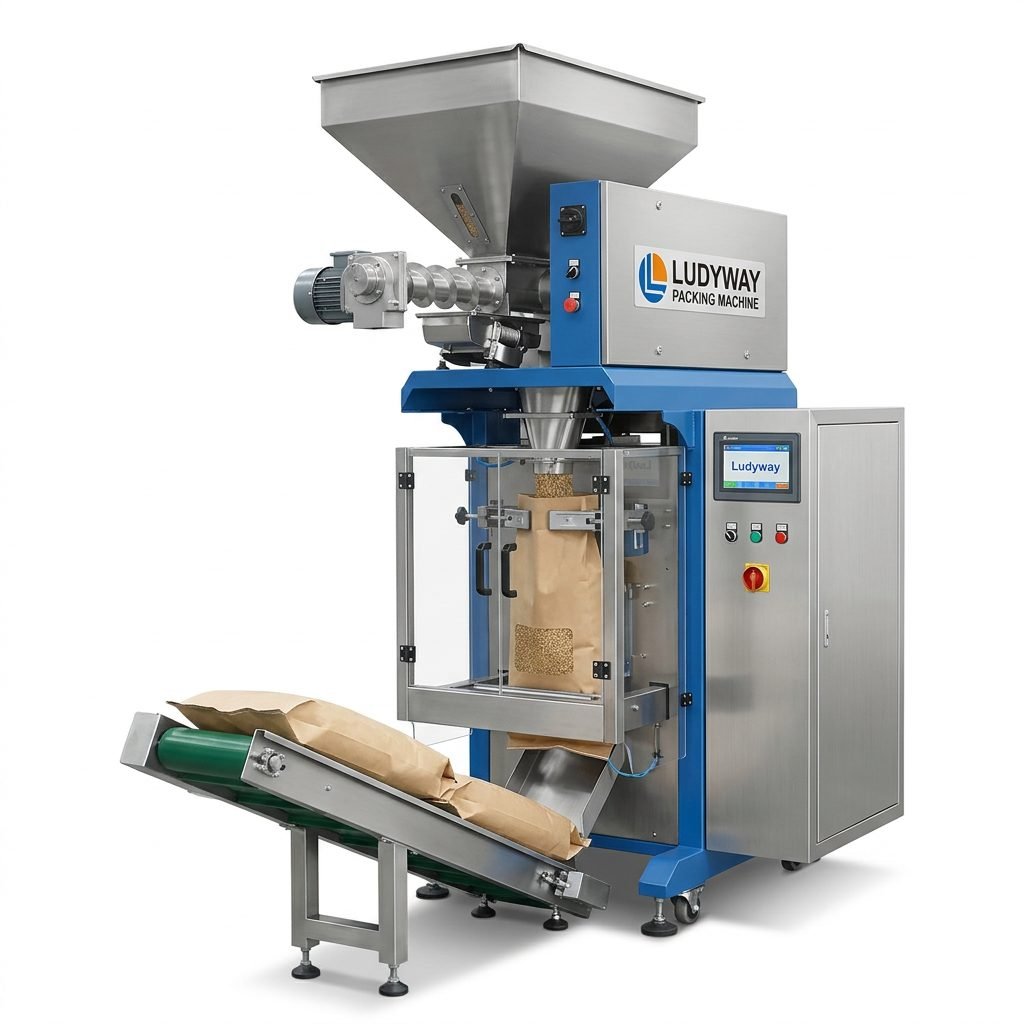
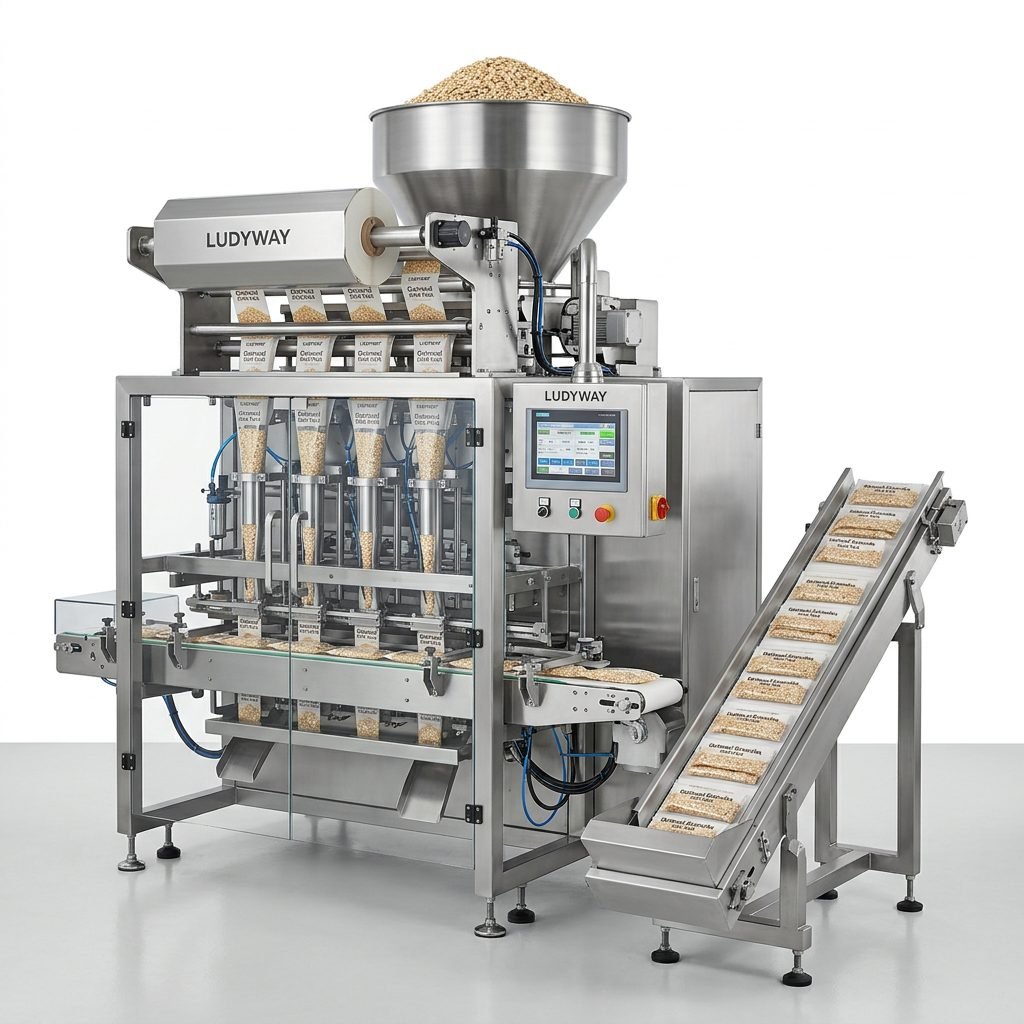
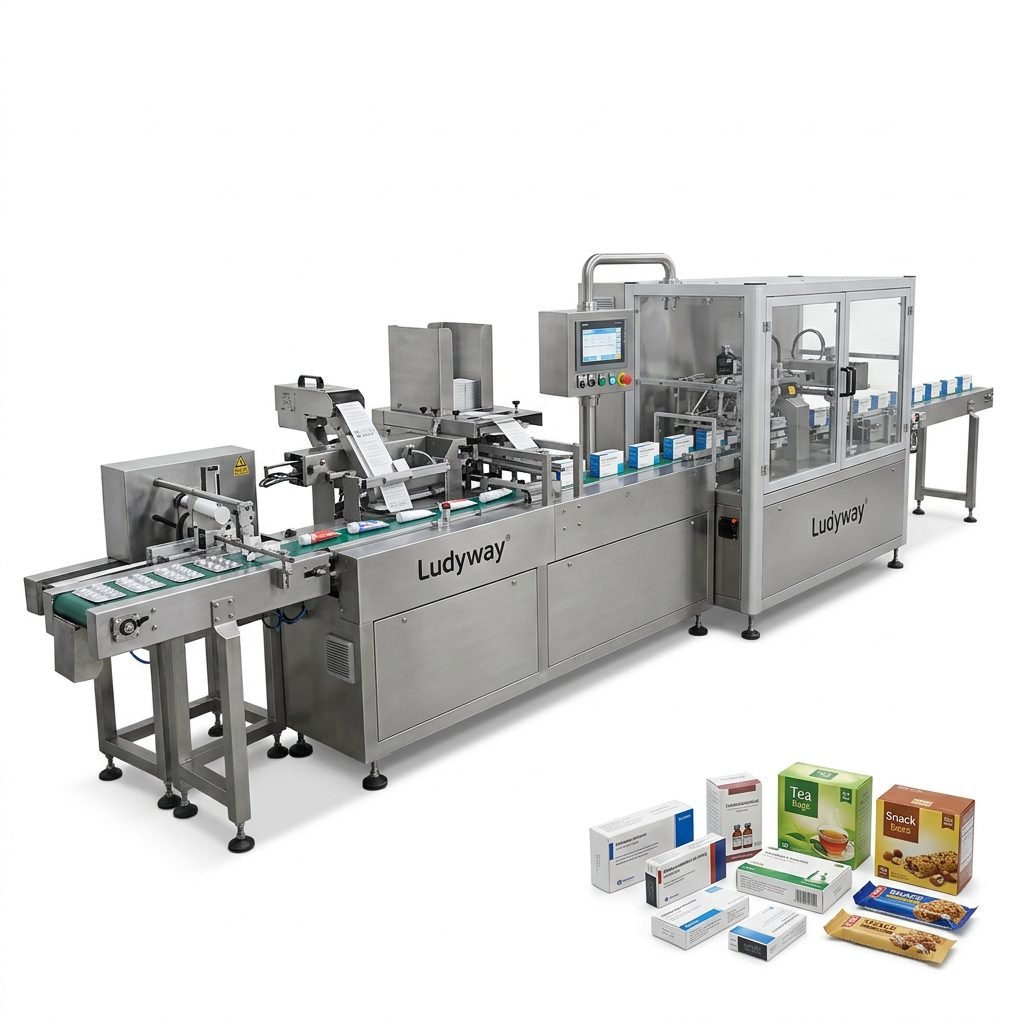
Investing in a tea tiffin packing machine is a strategic decision for tea producers, exporters, and contract packers looking to scale operations. Whether you are packaging premium loose-leaf tea or affordable everyday blends into tiffin-style containers, understanding the price range, key features, and selection criteria ensures you make a cost-effective choice without compromising on performance or product quality.
What Influences Tea Tiffin Packing Machine Price?
The cost of tea tiffin packing equipment varies widely based on several technical and operational factors. A clear breakdown of these elements helps you align your investment with production goals.
1. Automation Level
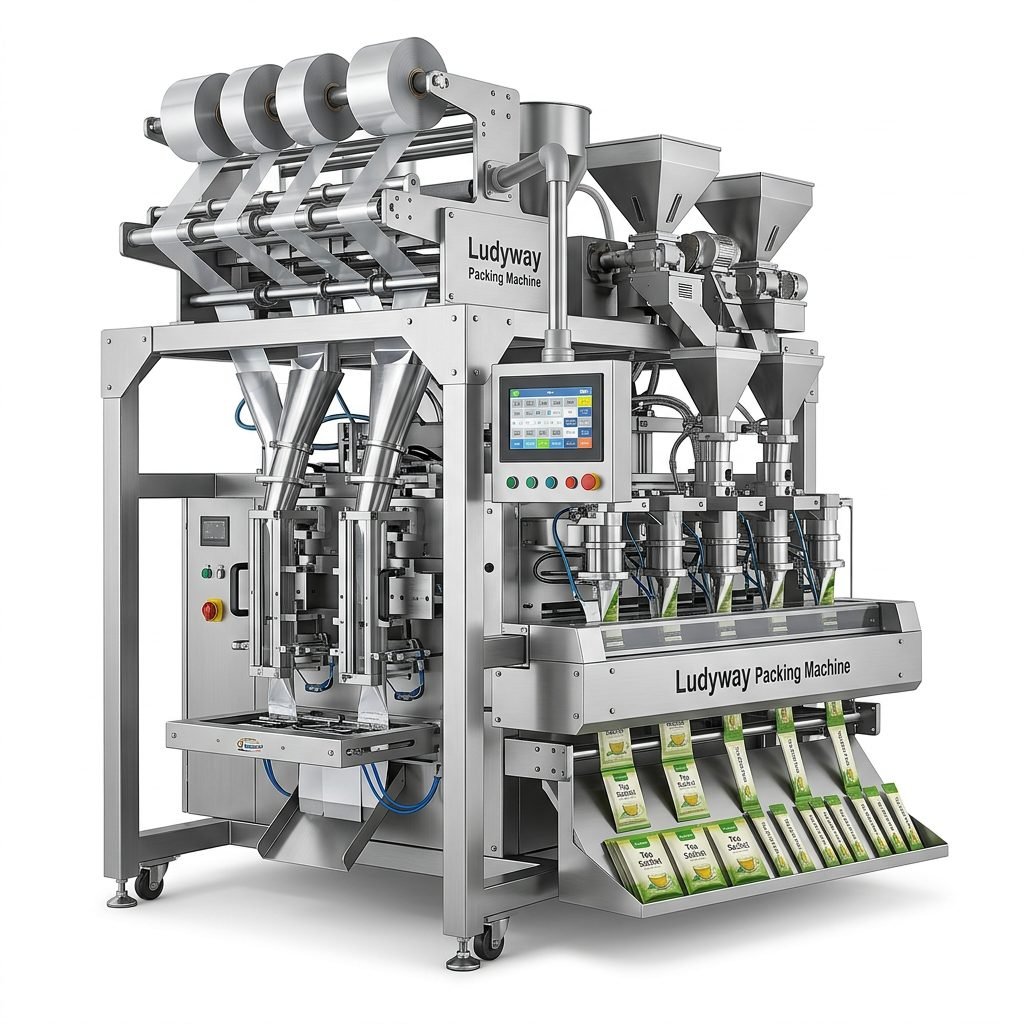
The degree of automation is the single largest cost driver. A semi-automatic model requires manual intervention for container placement or lid sealing, making it more affordable upfront. In contrast, a fully automatic tea tiffin packing line integrates can filling, nitrogen flushing, weighing, capping, labeling, and coding into one continuous system, significantly increasing the price but reducing long-term labor costs.
2. Filling Technology
Tea leaves, whether orthodox, CTC, or dust grade, demand specific filling mechanisms. Volumetric cup fillers work well for granular and dust teas, while multi-head weigher combinations deliver high-precision weighing for premium products. Machines using servo-driven auger fillers or weigh-fill systems command higher prices due to superior accuracy and reduced product giveaway.
3. Production Speed and Capacity
Entry-level machines might handle 10-15 tiffins per minute, suitable for small to medium enterprises. High-speed rotary systems capable of 30-60 containers per minute push the equipment cost higher, reflecting robust construction, advanced PLC controls, and faster mechanical cycles. Your required output directly shapes the price tier.
4. Additional Modules and Features
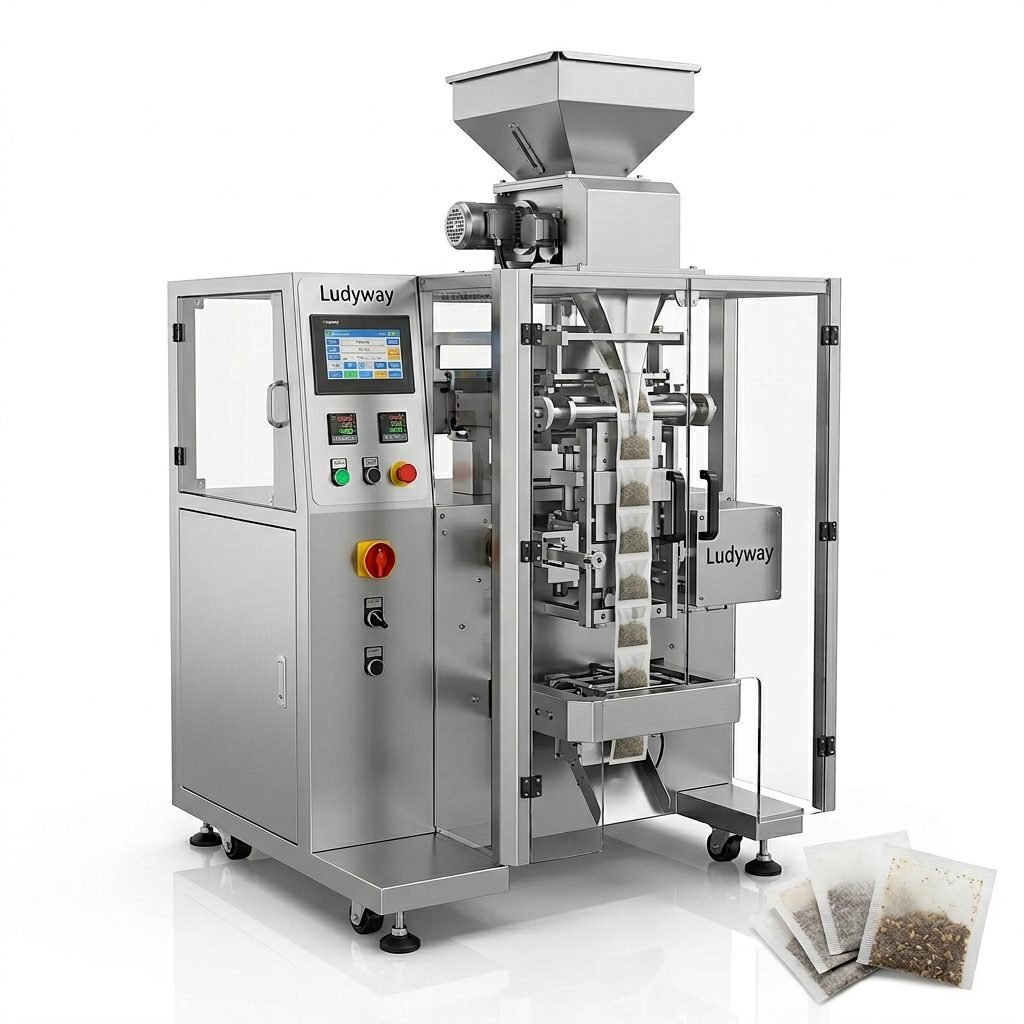
Optional but increasingly essential modules add to the base machine cost:
- Nitrogen Flushing Systems – Extends shelf life by reducing oxygen levels inside the tiffin.
- Checkweigher Integration – Ensures every container meets weight specifications.
- Metal Detection – Critical for food safety compliance.
- Automatic Tiffin Denesting and Lidding – Eliminates manual handling from infeed to outfeed.
Each module, while adding to the purchase price, often pays for itself through reduced rework and quality claims.
Typical Price Ranges for Tea Tiffin Packing Machines
Market prices fluctuate based on configuration, country of origin, and customization. The table below provides indicative ranges for different machine categories.
| Machine Type | Approximate Price (USD) | Best Suited For |
|---|---|---|
| Semi-Automatic Volumetric Filler | $8,000 – $18,000 | Startup tea brands, low-volume artisan producers |
| Automatic Single-Lane Weigh-Fill System | $22,000 – $45,000 | Medium-scale manufacturers, private label packers |
| Fully Automatic Multi-Head Weigher Can Line | $50,000 – $120,000 | High-volume export-oriented tea factories |
| Complete Turnkey Tiffin Packing Solution | $130,000 – $300,000+ | Large-scale industrial operations with integrated packaging needs |
Note that these figures serve as benchmarks; actual quotes depend on specific technical requirements, container dimensions, and optional modules.
Key Features to Look For When Buying
Beyond price, evaluating functional features protects your investment and ensures operational reliability. Prioritize the following when comparing automatic tea tiffin packing machine models:
Precision Weighing Accuracy
Tea is a value-dense product; even minor overfilling erodes margins over time. Seek systems achieving ±0.5 to ±1 gram accuracy through multi-head weighing or high-resolution load cells. This precision becomes especially important when packing premium single-origin teas or gift tiffin sets.
Gentle Product Handling
Tea leaves are fragile. Excessive mechanical stress during conveying and filling creates dust and degrades visual appeal. Look for machines with low-drop filling principles, vibration-dampened transfer points, and minimal leaf breakage design characteristics.
Quick Changeover Capability
If your facility packs multiple tiffin sizes or tea grades, rapid format changeover is essential. Tool-free adjustments, recipe management via HMI, and modular conveyor designs reduce downtime between production runs and improve overall equipment effectiveness.
Hygienic Construction
Food-grade stainless steel contact parts (typically SUS304 or SUS316L), accessible cleaning points, and dust extraction provisions align with international food safety standards including HACCP and GMP requirements. Verify that the machine design eliminates crevices where tea dust can accumulate.
Smart Controls and Connectivity
Modern PLC systems with touchscreen interfaces offer recipe storage, production data logging, remote diagnostics, and integration readiness for MES or ERP platforms. These features support traceability requirements increasingly demanded by international buyers.

Regional Price Differences and Sourcing Considerations
Geographic origin significantly impacts both pricing and support infrastructure. Understanding these dynamics helps balance capital expenditure against service expectations.
- European and Japanese Machines: Often priced 40-70% higher than Asian alternatives, these systems emphasize precision engineering, extensive documentation, and established local service networks. They suit operations where brand reputation demands recognized OEM names.
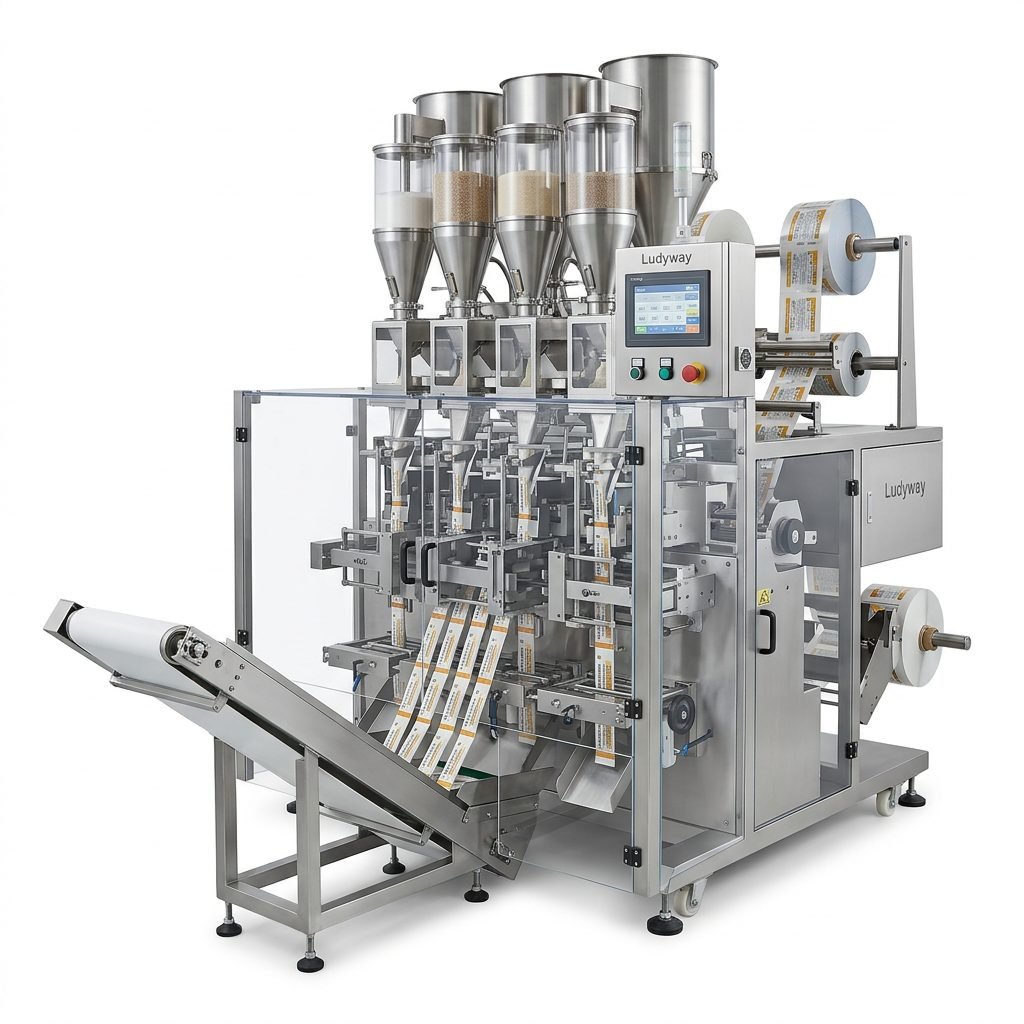
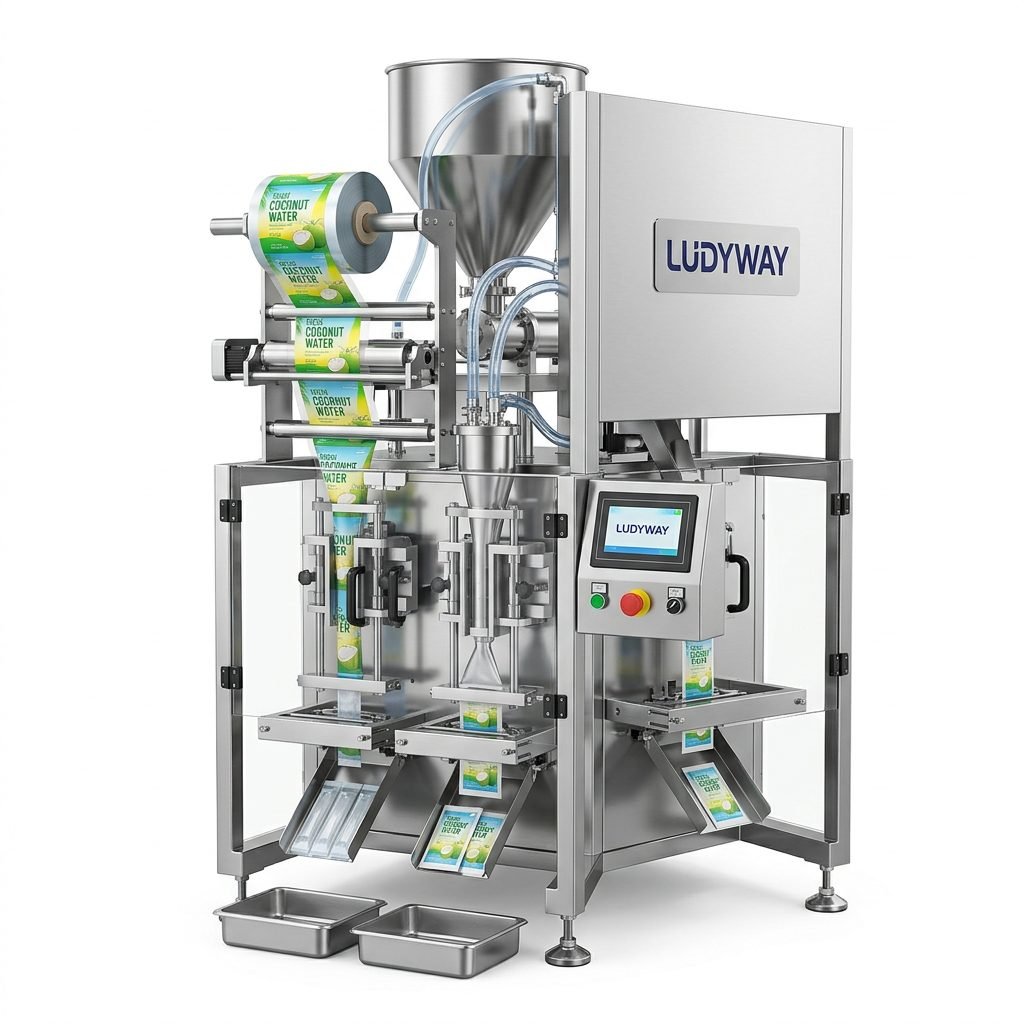
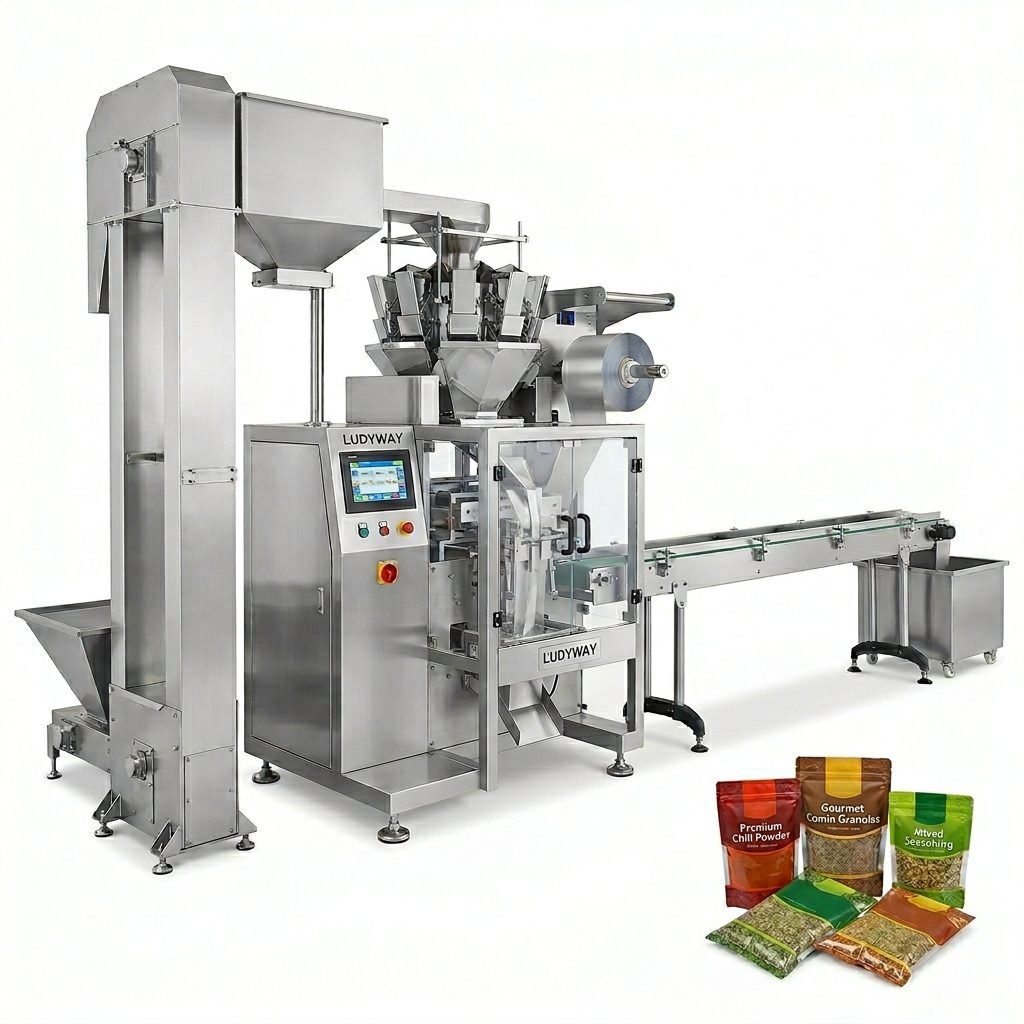
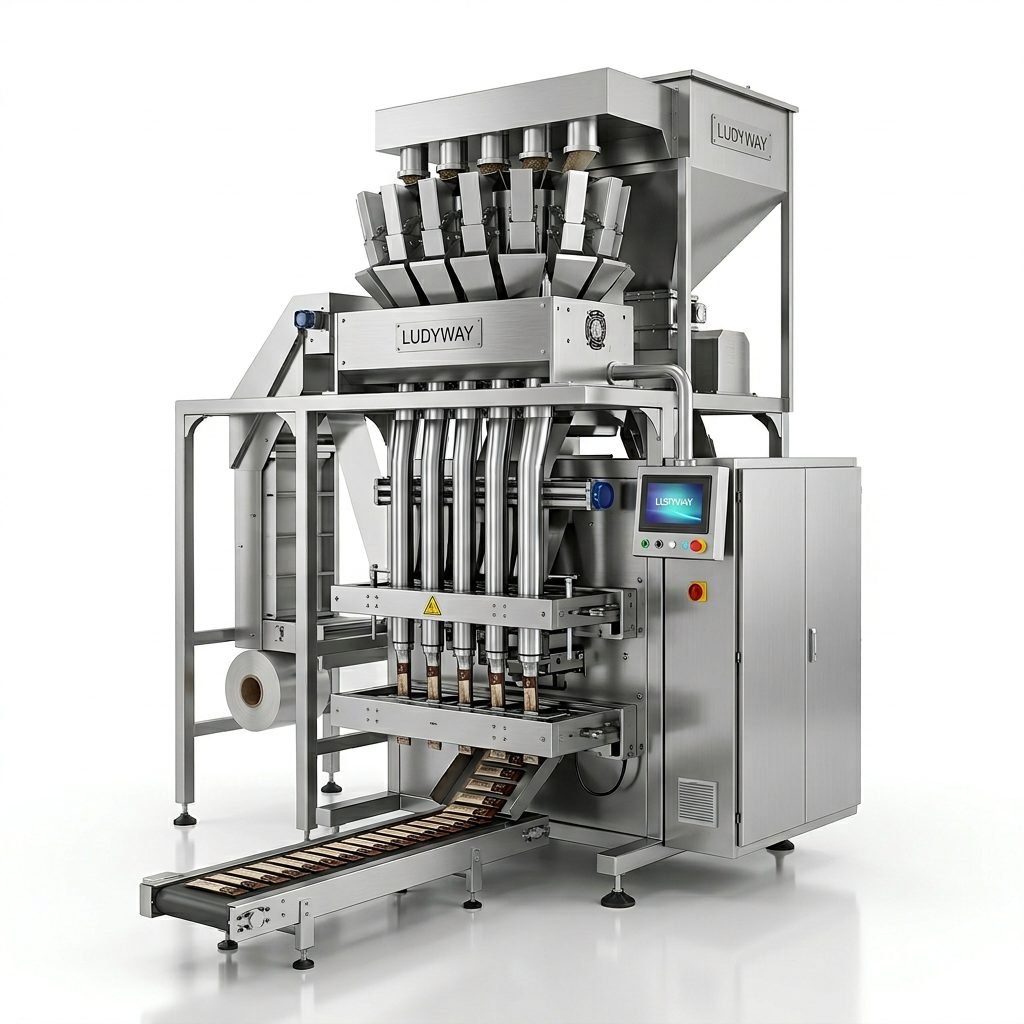
- Chinese Packaging Machinery: Manufacturers like Ludyway, with over 30 years of industry experience and a modern 20,000㎡ production facility, offer competitively priced tea tiffin packing solutions that increasingly rival Western equipment in reliability and sophistication. The value proposition centers on cost-effective engineering, rapid customization, and responsive support. For instance, multi-lane sachet and can packing systems from established Chinese producers can deliver comparable output at 30-50% lower investment, a significant advantage for growing tea enterprises.
- Indian and Taiwanese Options: Mid-range pricing with growing technical sophistication, particularly strong in tea-specific applications given the regions’ deep industry heritage.
Calculating Return on Investment
A thorough ROI analysis moves beyond purchase price to consider total cost of ownership. Variables include:
- Labor savings: Automating manual weighing and filling typically reduces direct labor by 3-5 operators per shift.
- Product giveaway reduction: Precision filling cuts overfill losses, which can represent 2-5% of total material cost with manual methods.
- Throughput increase: Mechanical speeds of 30-60 tiffins per minute replace manual rates of 5-10 per minute, enabling higher output without proportional cost increases.
- Quality consistency: Uniform fill weights and seal integrity reduce customer complaints, returns, and brand damage.
Most operations achieve payback within 12-24 months when selecting appropriately scaled equipment.
Practical Buying Guide Steps
Step 1: Define Your Current and Projected Output
Calculate peak daily production requirements and add 20-30% capacity buffer for future growth. Overbuying capacity strains cash flow; undersizing creates immediate bottlenecks.
Step 2: Specify Tiffin Characteristics
Document container dimensions (diameter, height), material (tinplate, aluminum, plastic), lid type, and any special requirements like inner seals or scoops. These parameters dictate machine configuration and tooling.
Step 3: Identify Critical Features
Distinguish between must-have features (e.g., nitrogen flushing for extended shelf life) and nice-to-have options (e.g., color-coded reject stations). This prioritization keeps budgets focused.
Step 4: Request Detailed Quotations
Approach multiple suppliers with identical specifications to enable like-for-like comparison. Request clarification on included items – some quotes cover only the filling station while others include conveyors, denesters, and lidding modules.
Step 5: Evaluate After-Sales Support
Availability of spare parts, technical documentation, installation supervision, and operator training heavily influences long-term machine performance. Verify these commitments before finalizing a purchase.
Selecting the right tea tiffin packing machine involves balancing initial price against operational efficiency, product quality, and scalability. By focusing on filling accuracy, hygienic design, and supplier capability rather than price alone, tea businesses gain packaging assets that support sustained growth in competitive local and export markets.
Related Resources
- PMMI State of the Industry Reports – Packaging machinery market data and trends.
- Flexible Packaging Association Industry Resources – Insights on packaging materials and equipment.
- FDA Food Packaging and Food Contact Substances – Regulatory guidance for food packaging.
- ISO Packaging Standards – International standards relevant to packaging equipment.