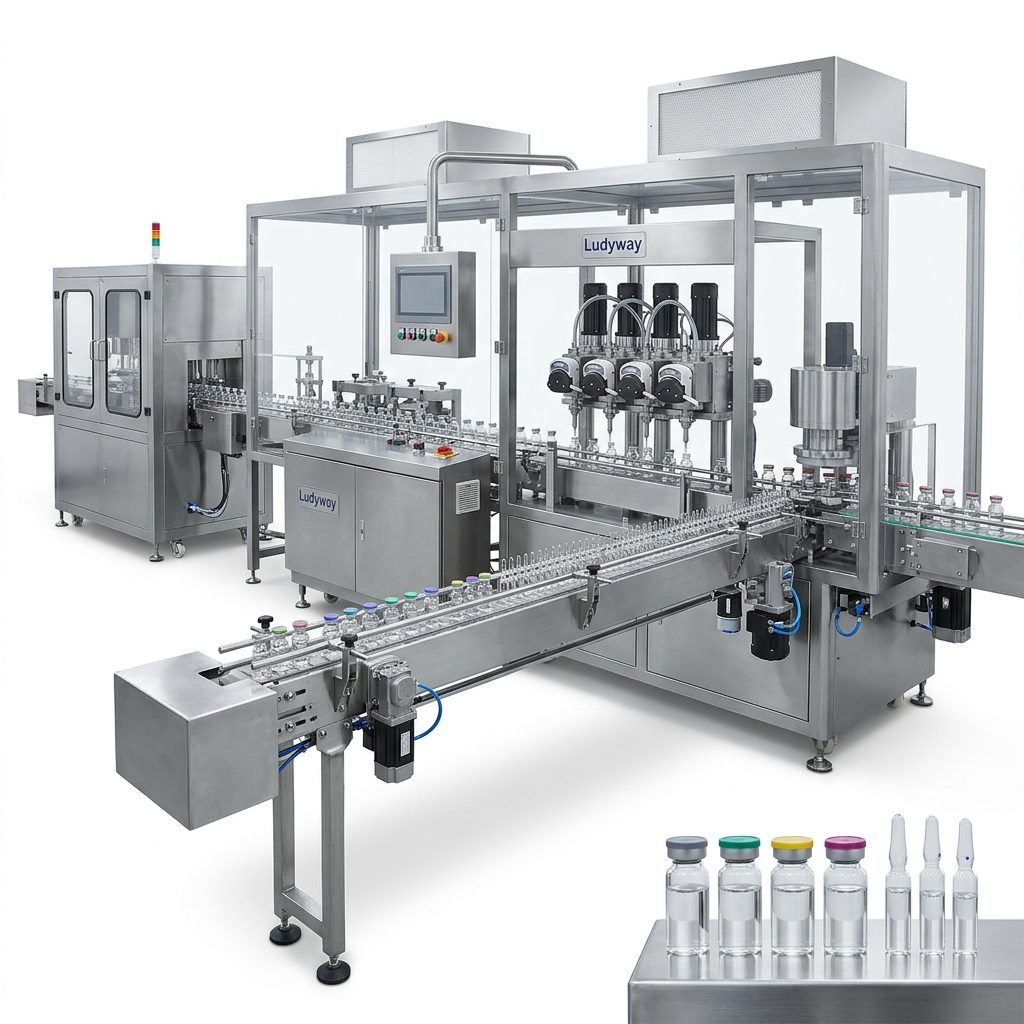
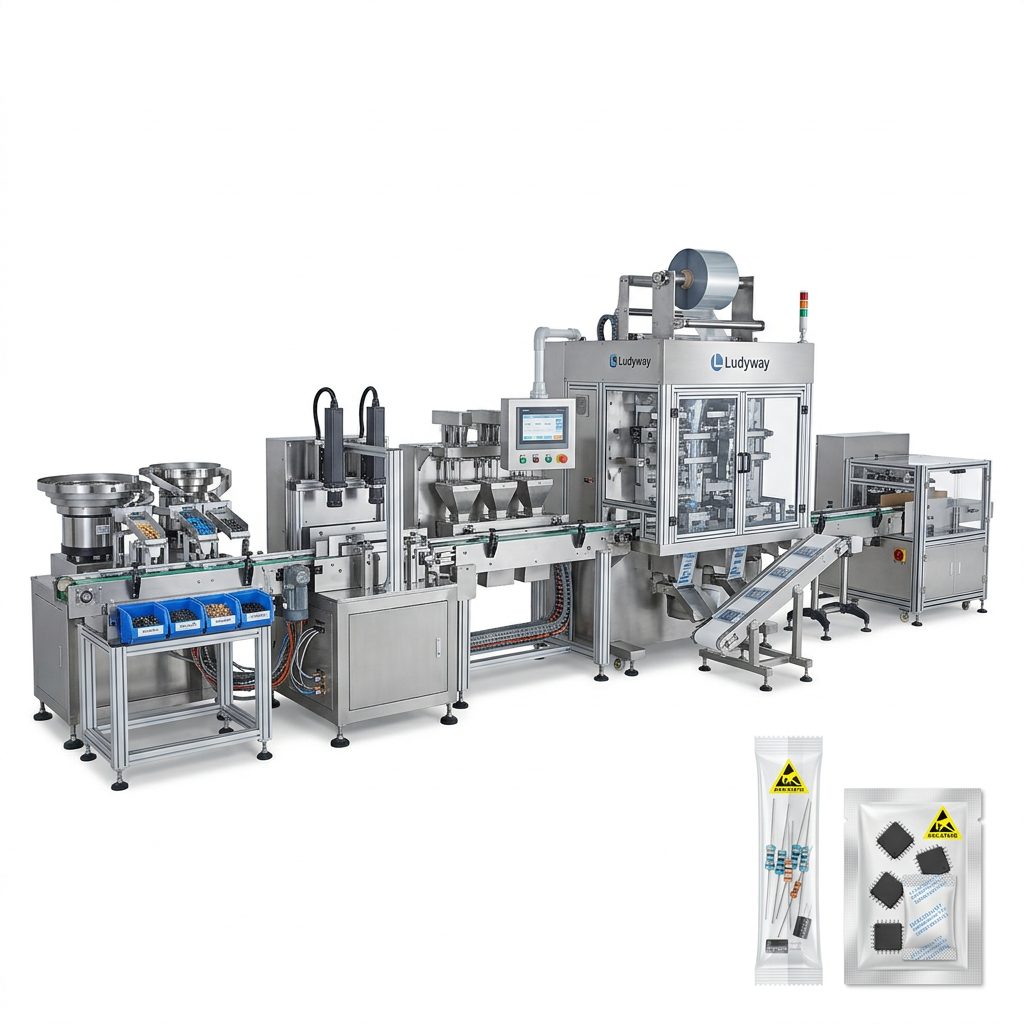
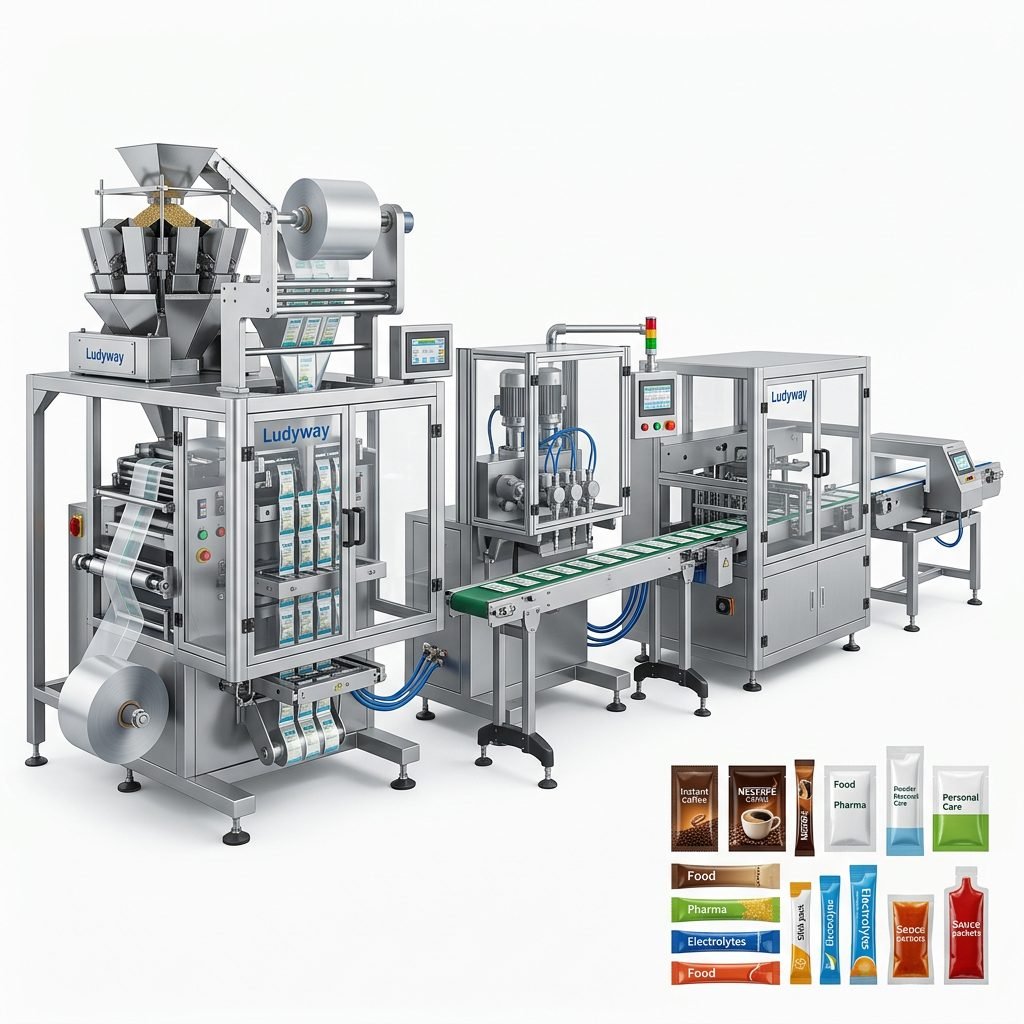
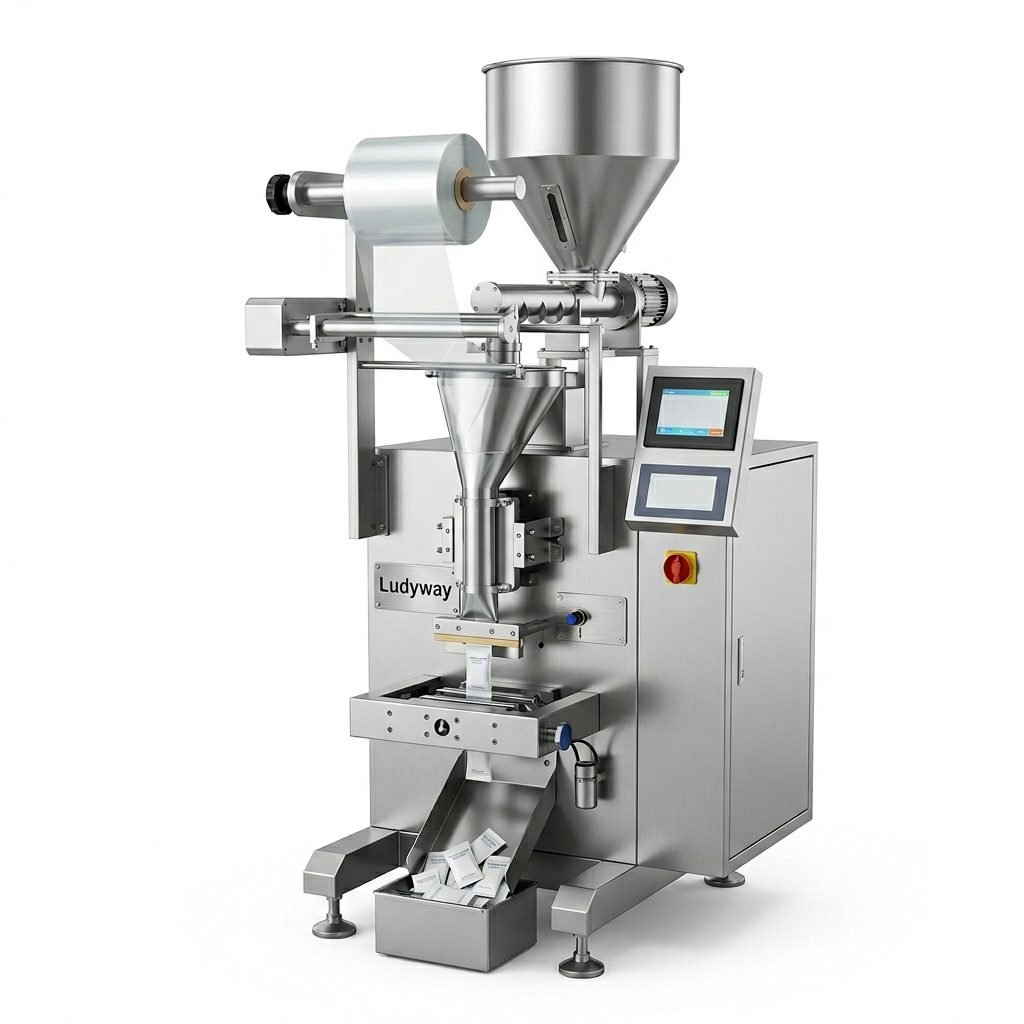
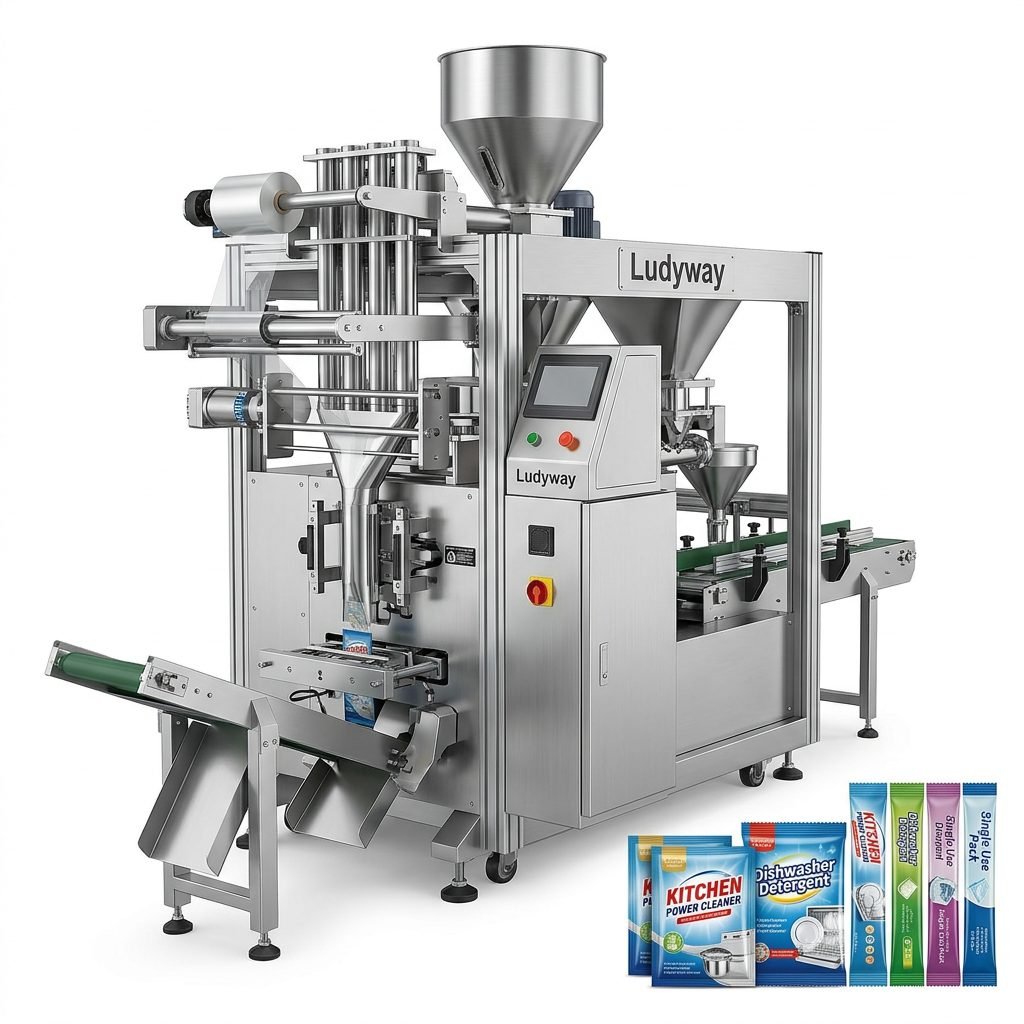
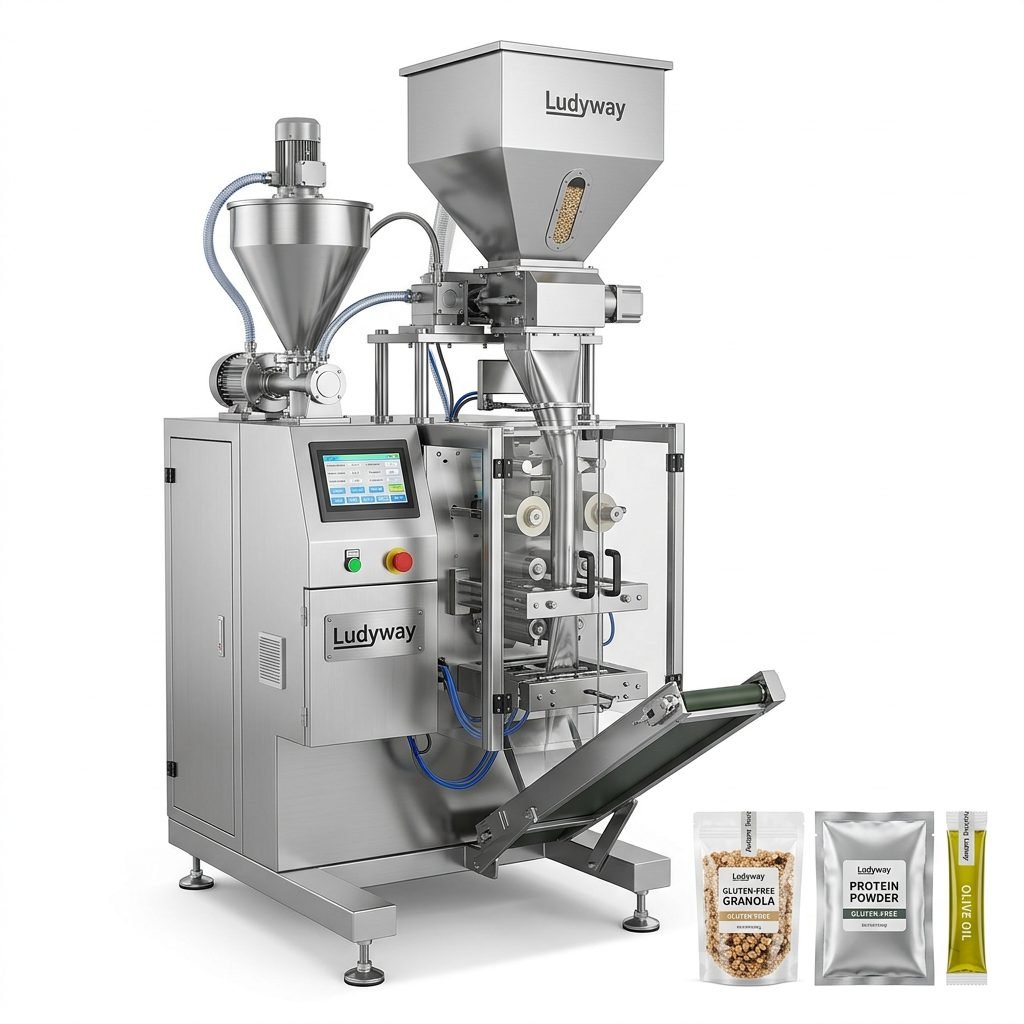
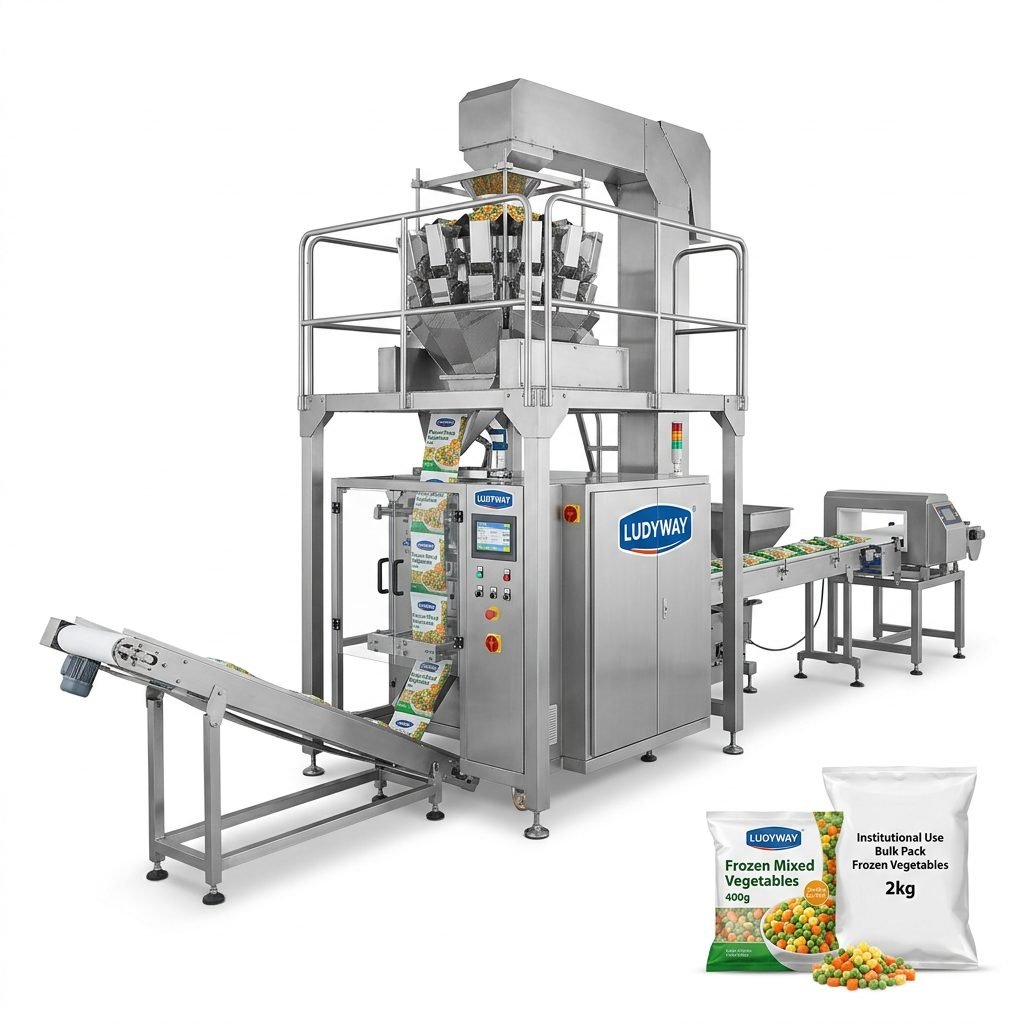
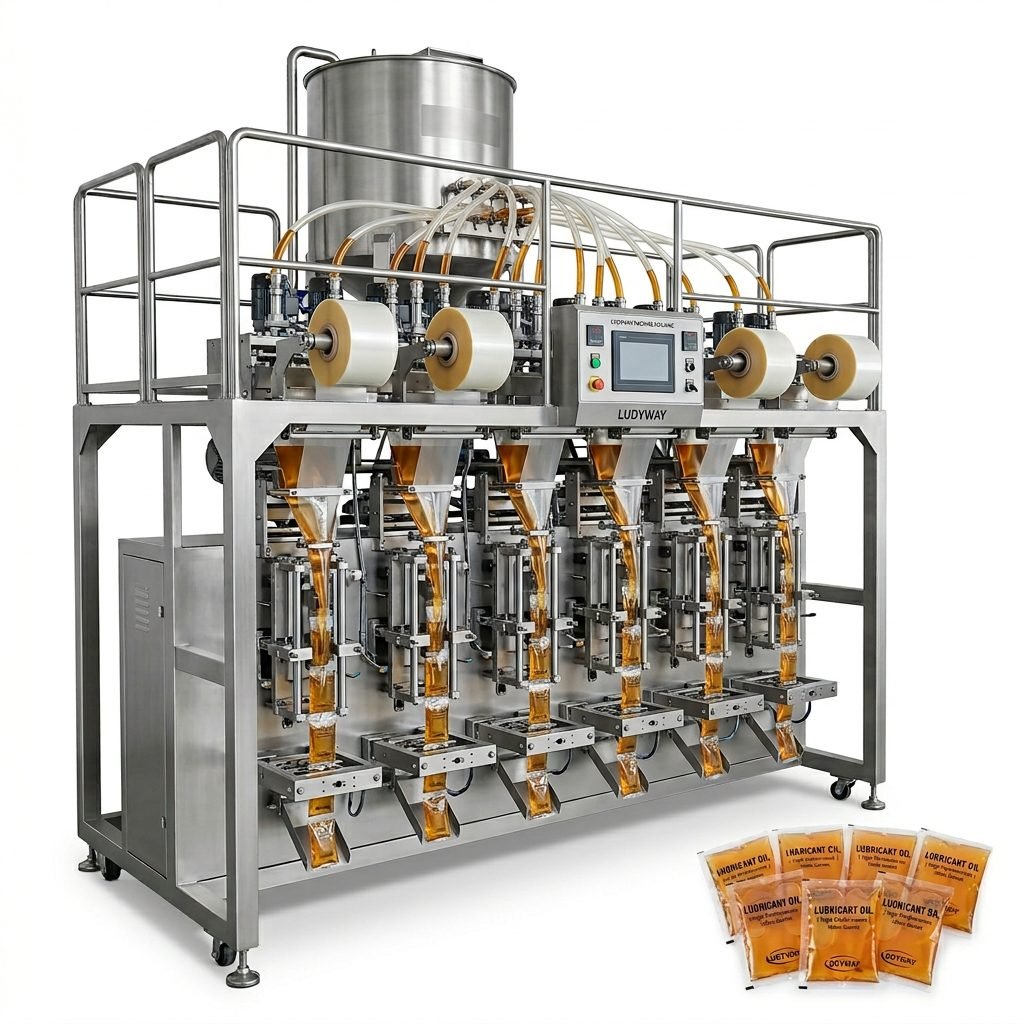
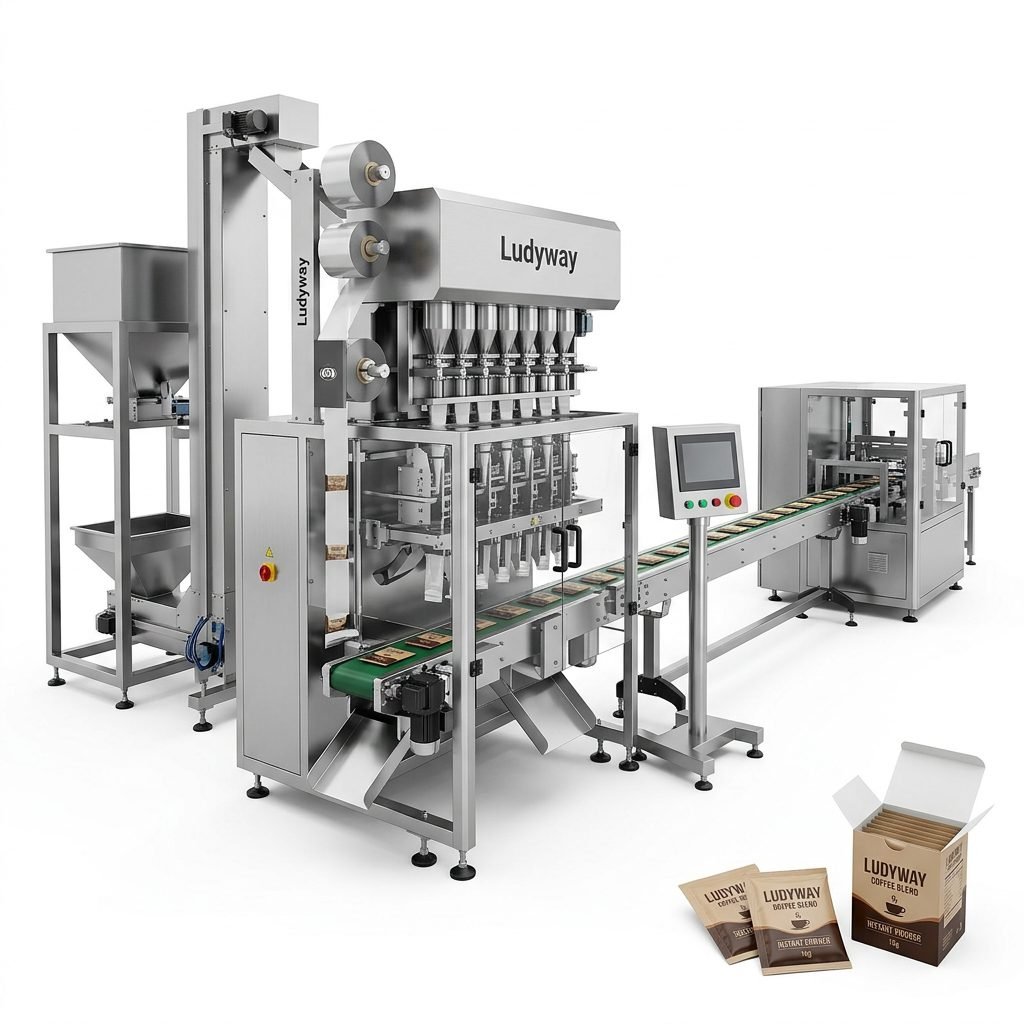
Regular and systematic maintenance is the cornerstone of extending the lifespan of your protective packaging machine and ensuring consistent, high-quality output. Without a proper care routine, even the most robust equipment can suffer from unexpected downtime, costly repairs, and compromised packaging integrity. This guide outlines essential maintenance tips designed to keep your machinery running at peak performance.
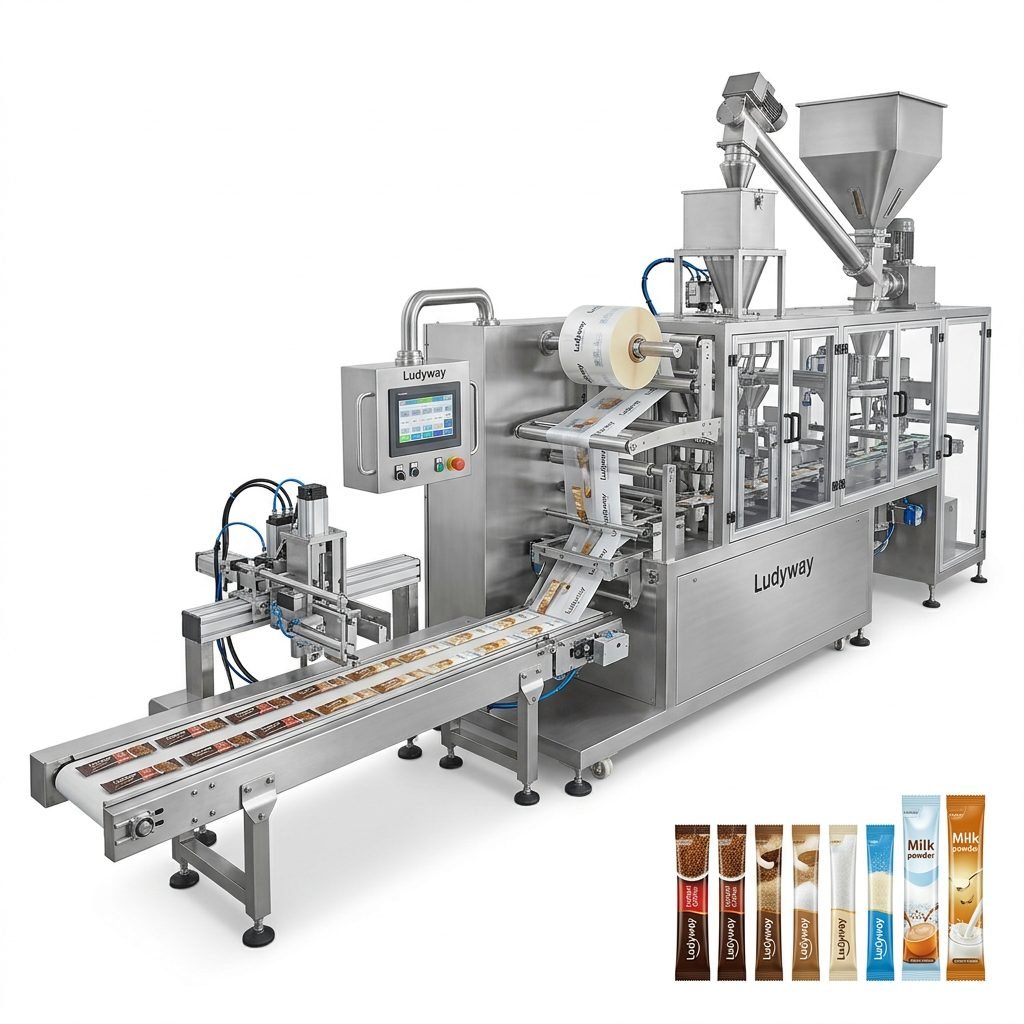
1. Daily Maintenance Checklist
Daily upkeep is the first line of defense against wear and tear. Establishing a simple end-of-shift routine can prevent small issues from escalating into major failures. Operators should be trained to perform these basic checks before, during, and after operation.
- Clean all contact surfaces: Remove dust, powder residue, and debris from sealing jaws, forming tubes, and conveyors using approved cleaning agents. A clean packaging machinery surface ensures product safety and prevents material buildup that can affect sealing quality.
- Inspect safety guards and interlocks: Verify that all protective covers, emergency stop buttons, and safety sensors are fully functional. Never bypass a safety device during operation.
- Check air pressure and lubrication levels: For pneumatic systems, confirm that air pressure gauges read within the recommended range. Top up lubricant reservoirs if levels are low, using only manufacturer-specified oils.
- Monitor film roll alignment: Ensure the protective packaging film feeds smoothly without wrinkles or misalignment, which can cause sealing defects and material waste.
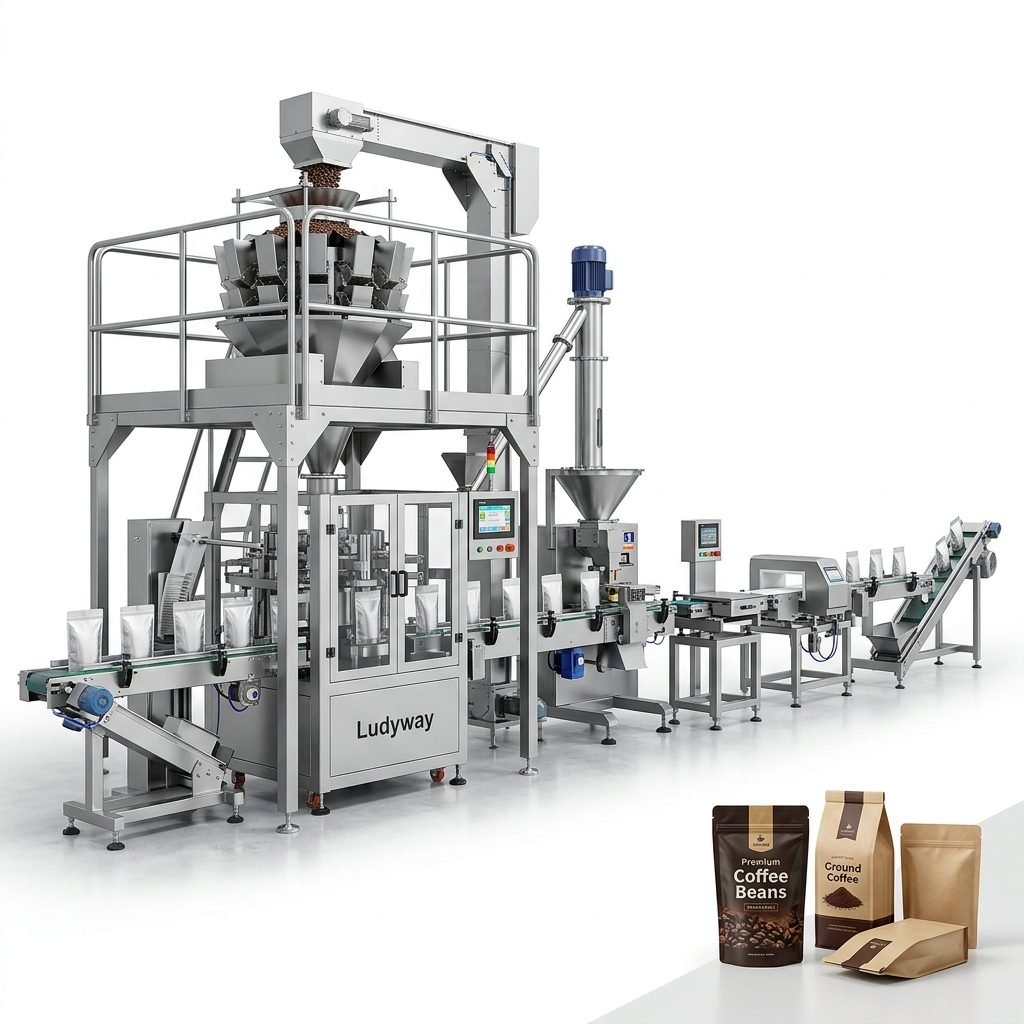
2. Weekly and Bi-Weekly Maintenance Tasks
While daily checks address immediate cleanliness and safety, weekly tasks dive deeper into the mechanical and electrical components that drive your packaging line. Allocating dedicated time each week for these tasks significantly reduces unplanned stops.
- Inspect drive belts and chains: Look for signs of cracking, fraying, or stretching. Tension should be adjusted according to the maintenance manual. A loose belt can slip and cause inconsistent pouch lengths.
- Examine heating elements and thermocouples: Sealing consistency depends on accurate temperature control. Use a calibrated thermometer to verify that actual temperatures match controller setpoints. Clean any carbonized residue from sealing bars.
- Tighten all accessible fasteners: Vibration during high-speed operation can loosen bolts and screws over time. Pay special attention to the cutting blades, forming collars, and motor mounts.
- Test sensor responsiveness: Check registration sensors, fill-level detectors, and reject mechanisms. A delayed or faulty sensor can lead to misaligned cuts and packaging rejects.
3. Monthly Maintenance Schedule
A structured monthly maintenance plan ensures that hidden problems are identified and corrected before they impact production output. The table below summarizes key monthly action items for a typical protective packaging system:
| Component | Maintenance Action | Frequency |
|---|---|---|
| Electrical Panels | Clean dust from enclosures; check wiring connections for looseness or corrosion | Monthly |
| Gears and Bearings | Regrease according to manufacturer guidelines; listen for abnormal noise | Monthly |
| Film Roll Shafts | Clean shaft surfaces; inspect bearings for smooth rotation | Monthly |
| PLC and HMI | Back up all parameters; verify software version and alarm history | Monthly |
| Pneumatic Cylinders | Check for leaks; ensure smooth actuation without hesitation | Monthly |
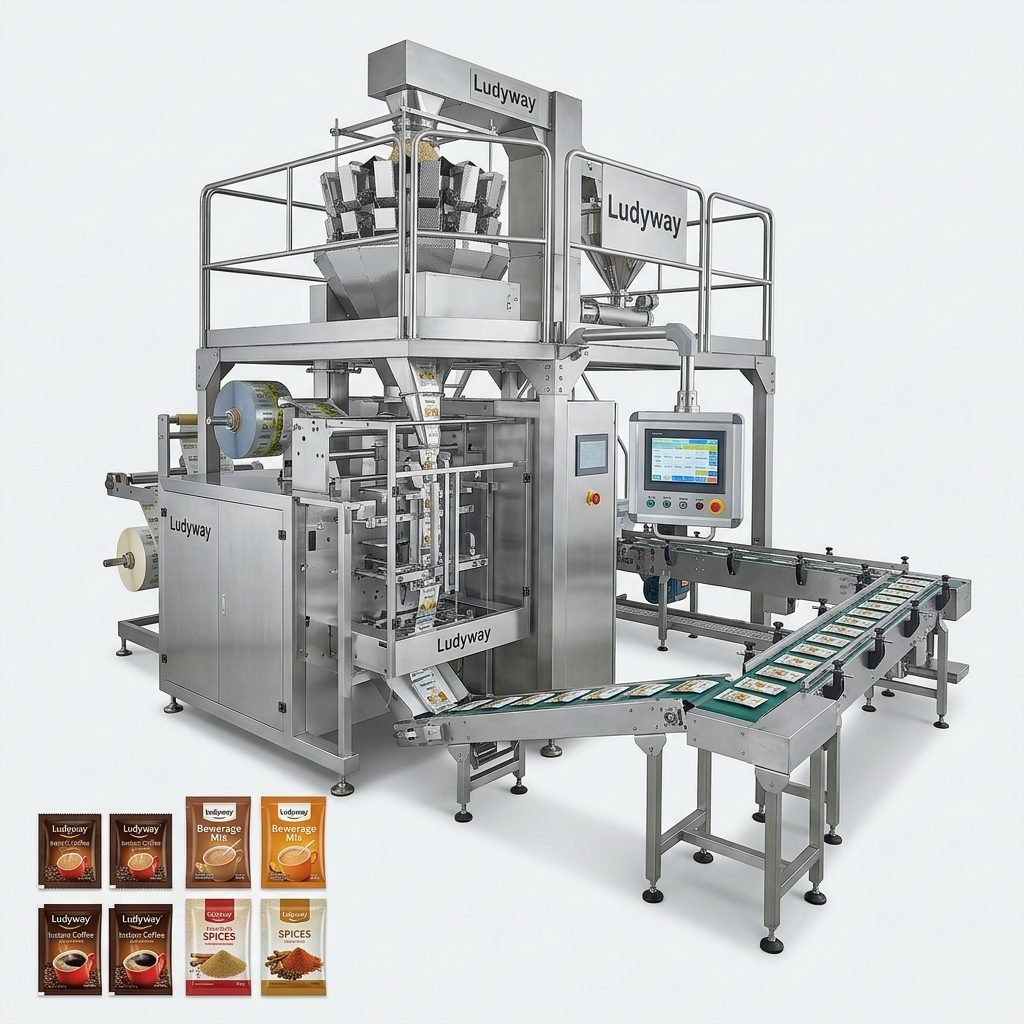
4. Quarterly and Annual Servicing
Long-term reliability depends on comprehensive servicing performed at regular intervals. These advanced procedures often require specialized tools and should be documented in detail for packaging standards compliance and audit readiness.
- Replace wear parts proactively: Sealing gaskets, cutting blades, O-rings, and filter cartridges have finite service lives. Replacing them on a schedule rather than after failure avoids quality defects.
- Calibrate load cells and weighing systems: For machines with integrated filling or checkweighing, annual calibration ensures dosing accuracy and reduces product giveaway.
- Perform thermal imaging inspection: Check electrical connections and motor housings for hot spots, which may indicate loose connections or impending component failure.
- Deep clean and decontaminate: Disassemble major assemblies to remove deeply embedded product residue, especially when switching between different product formulations to prevent cross-contamination.
5. Troubleshooting Common Issues
Even with diligent upkeep, occasional operational issues may arise. Knowing how to quickly diagnose and resolve common problems minimizes downtime and maintains packaging quality.
| Problem | Possible Cause | Recommended Solution |
|---|---|---|
| Irregular seal strength | Contaminated sealing jaws or incorrect temperature | Clean jaws thoroughly; recalibrate temperature controller |
| Film tracking off-center | Worn rollers or misaligned forming collar | Inspect and adjust roller alignment; replace worn components |
| Excessive machine vibration | Loose mounting bolts or unbalanced rotating parts | Tighten all fasteners; inspect bearings and drive shafts |
| Intermittent sensor faults | Dirt on sensor lens or loose wiring connection | Clean sensors with lint-free cloth; secure all connectors |
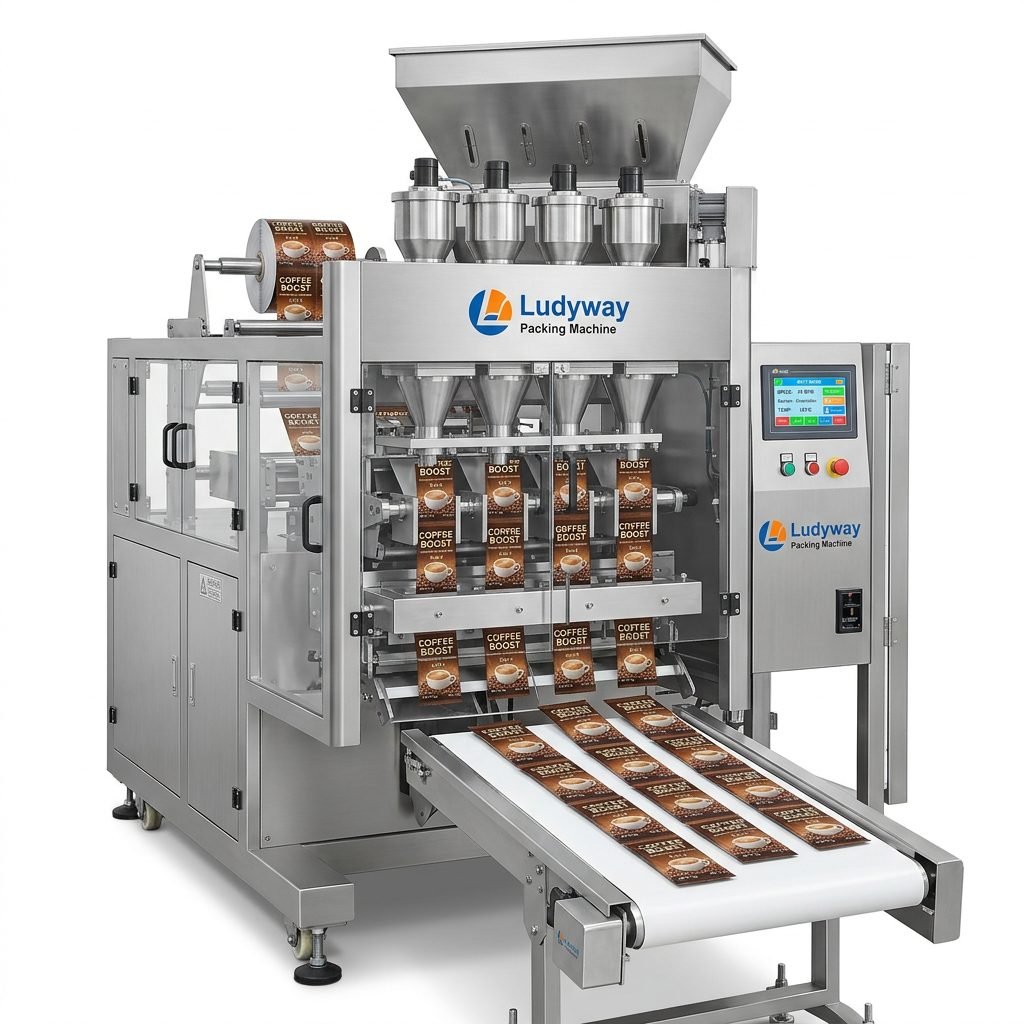
A well-maintained protective packaging machine not only delivers superior product protection but also reduces operational costs over its lifetime. For businesses seeking reliable, easy-to-maintain equipment, manufacturers such as Ludyway design their packaging systems with accessibility and serviceability in mind, helping operators perform routine tasks efficiently.
6. Documentation and Spare Parts Management
An often-overlooked aspect of effective maintenance is meticulous record-keeping and inventory control. Maintaining a well-organized spare parts inventory prevents extended downtime when critical components need replacement.
- Keep a digital maintenance log: Record every inspection, repair, and parts replacement with dates and technician notes. This data helps predict future maintenance needs and supports warranty claims.
- Stock critical spare parts: Identify high-wear items such as sealing bands, thermocouples, belts, and sensors. Having these on hand reduces lead time during breakdowns.
- Refer to OEM documentation: Always use the original equipment manufacturer’s maintenance manual as the authoritative source for service intervals and procedures. For detailed industry guidance, consult resources from the packaging industry standards body.
7. The Value of Preventive Maintenance
Adopting a preventive rather than reactive maintenance strategy transforms how a production facility operates. The benefits extend far beyond the machine itself, influencing overall equipment effectiveness (OEE), product safety, and bottom-line profitability. When combined with proper operator training and adherence to regulatory packaging guidelines, a robust maintenance program becomes a competitive advantage.
By following these essential maintenance tips, you safeguard not only your packaging investment but also the trust your customers place in your products. A proactive approach today prevents costly surprises tomorrow, ensuring your protective packaging operations remain uninterrupted and efficient for years to come.