The North American market for airtight food packaging machines is expanding rapidly. Food manufacturers face increasing demands for extended shelf life, stringent food safety regulations, and sustainable packaging solutions. Selecting the right equipment is not just a capital investment—it is a strategic decision that impacts product quality, operational efficiency, and brand reputation.

Understanding Airtight Packaging Technology
Airtight packaging, often referred to as hermetic sealing, creates a barrier that prevents oxygen, moisture, and contaminants from entering the package. This technology is essential for preserving dry food products, powders, and granular items. The core of these systems often involves advanced packaging and processing technologies that ensure seal integrity at high speeds.
Modern machines utilize techniques such as vacuum sealing, gas flushing (Modified Atmosphere Packaging, or MAP), and heat sealing. These processes are critical for products like instant coffee, protein powders, spices, and nutritional supplements, which are highly sensitive to environmental factors. A reliable airtight sealing system prevents oxidation, preserves flavor profiles, and maintains the free-flowing nature of granule and powder products.
Key Machine Types for North American Food Producers
Choosing the correct format type is the first step. The packaging style you choose significantly influences your packaging machinery market research and investment roadmap.
Multi-Lane Stick Pack Machines
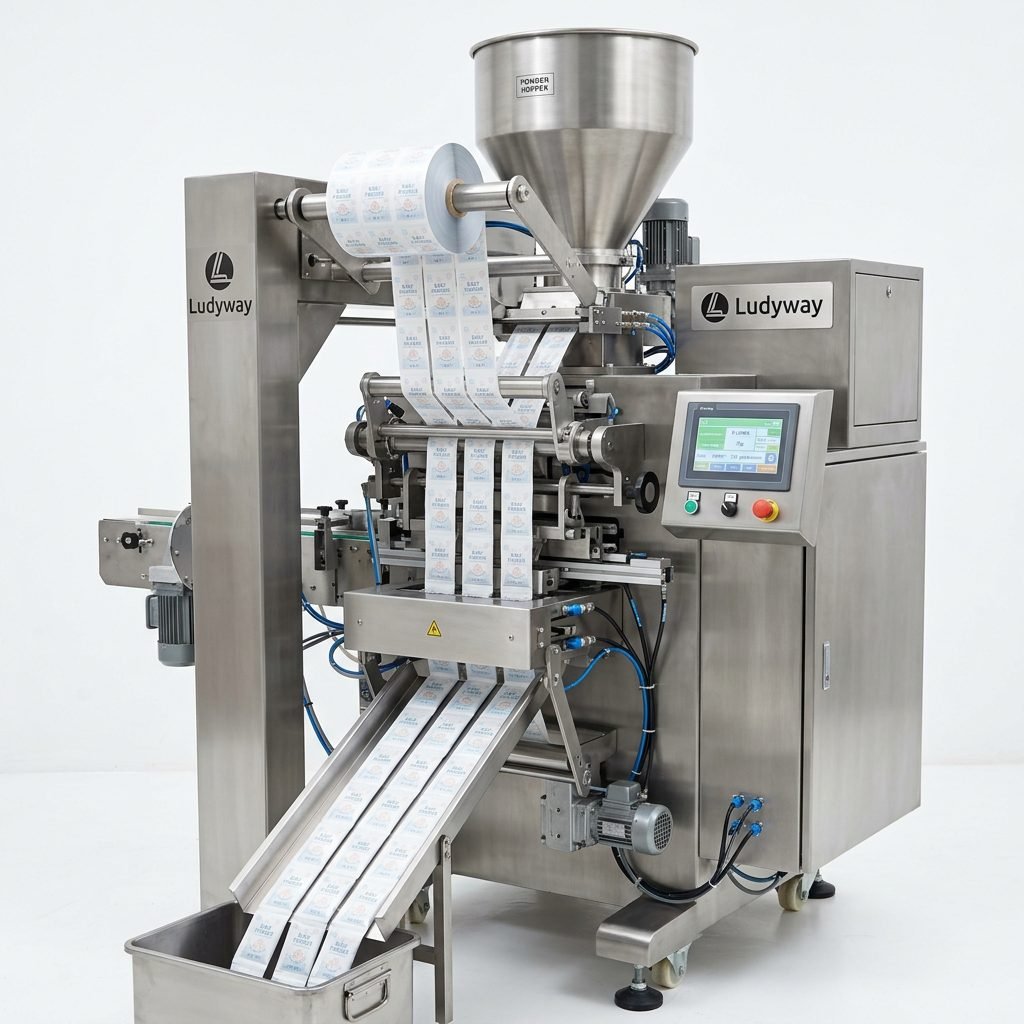
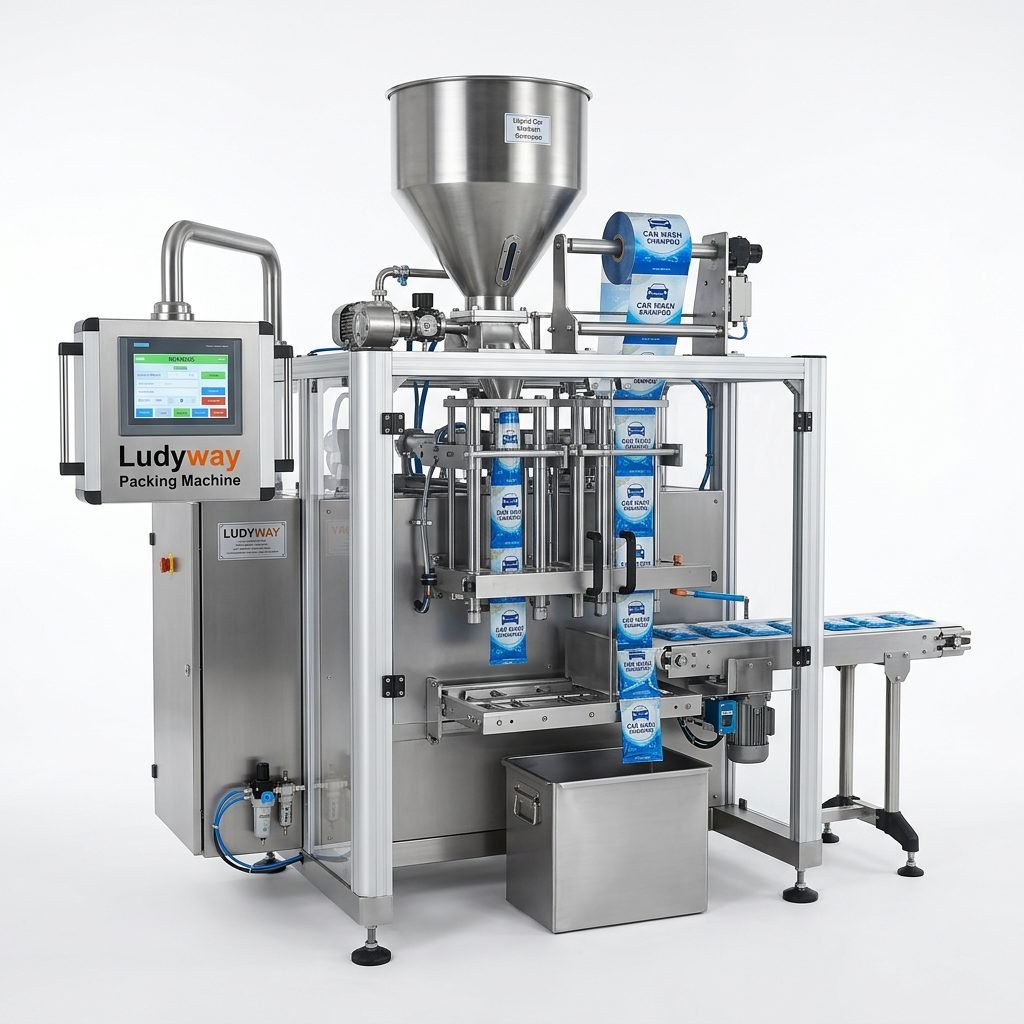
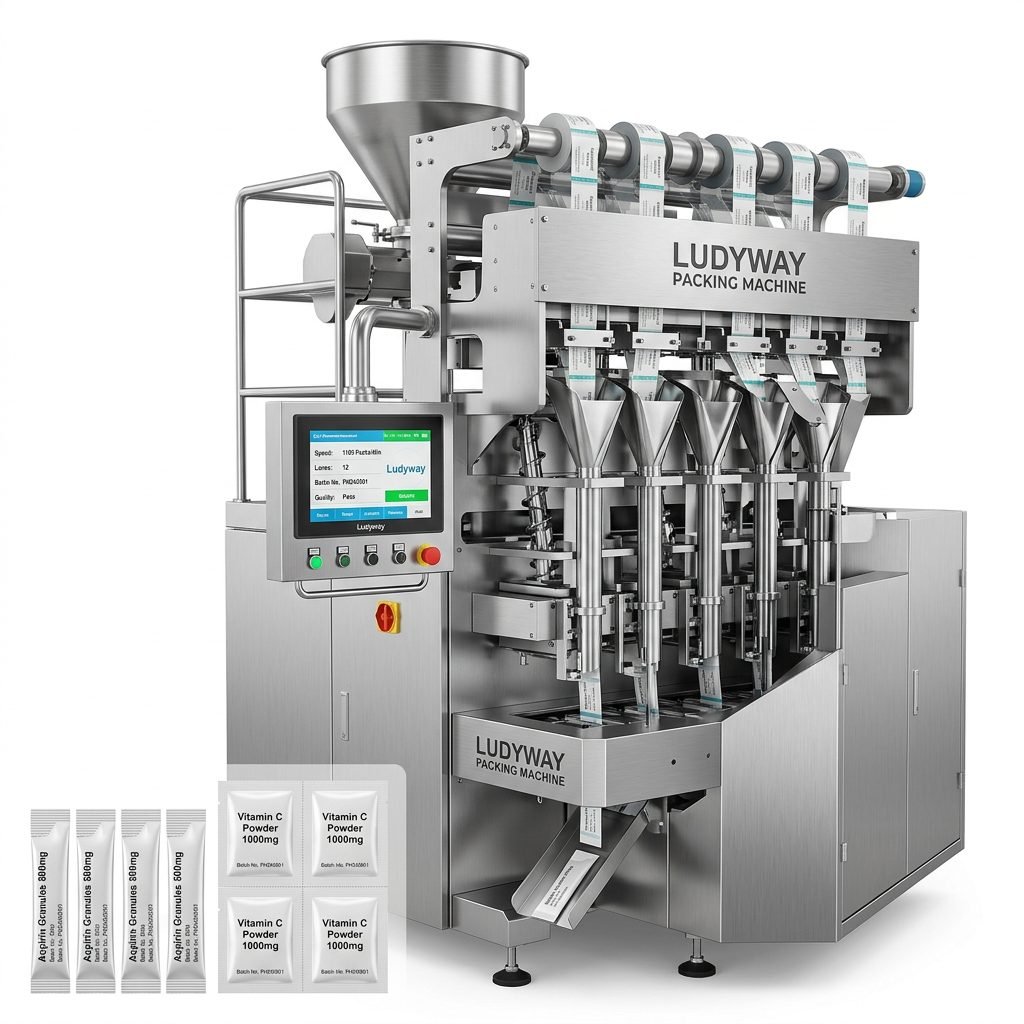
Stick packs are single-serve, elongated pouches ideal for powders, granules, and liquids. Multi-lane stick pack machines offer massive throughput by forming, filling, and sealing multiple lanes simultaneously. For North American producers targeting the convenience store or on-the-go market, these machines—offering 10 to 20 lanes or more—deliver the speed and efficiency required to meet high-volume demand while ensuring an airtight seal on each stick.

Rotary Premade Pouch Fillers
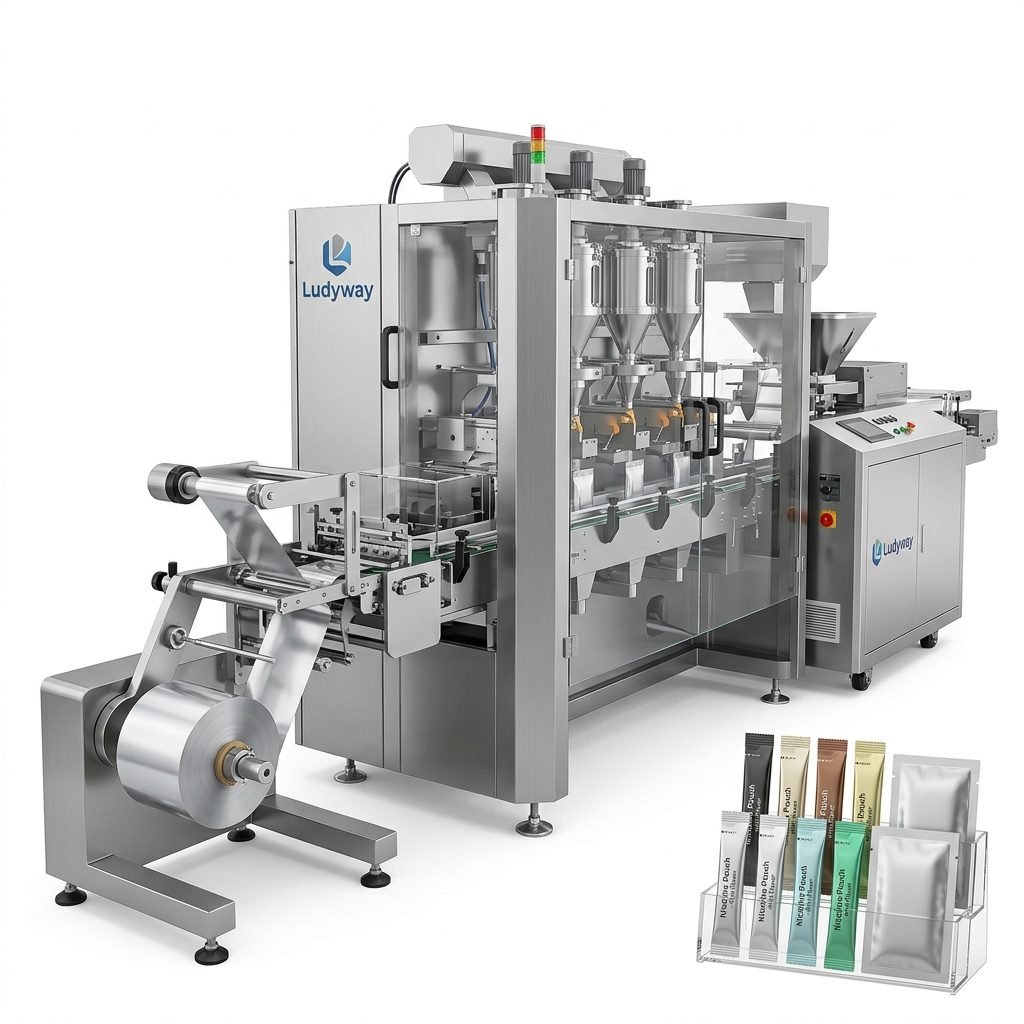
For stand-up pouches, zipper pouches, and spouted pouches, rotary premade pouch machines are the industry standard. These systems pick up empty pouches, open them via suction, fill with product, and execute a precision hermetic seal. They are highly versatile and allow brands to leverage premium pouch formats with high-impact shelf appeal, critical for the competitive retail landscape in North America.
Vertical Form Fill Seal (VFFS) Solutions
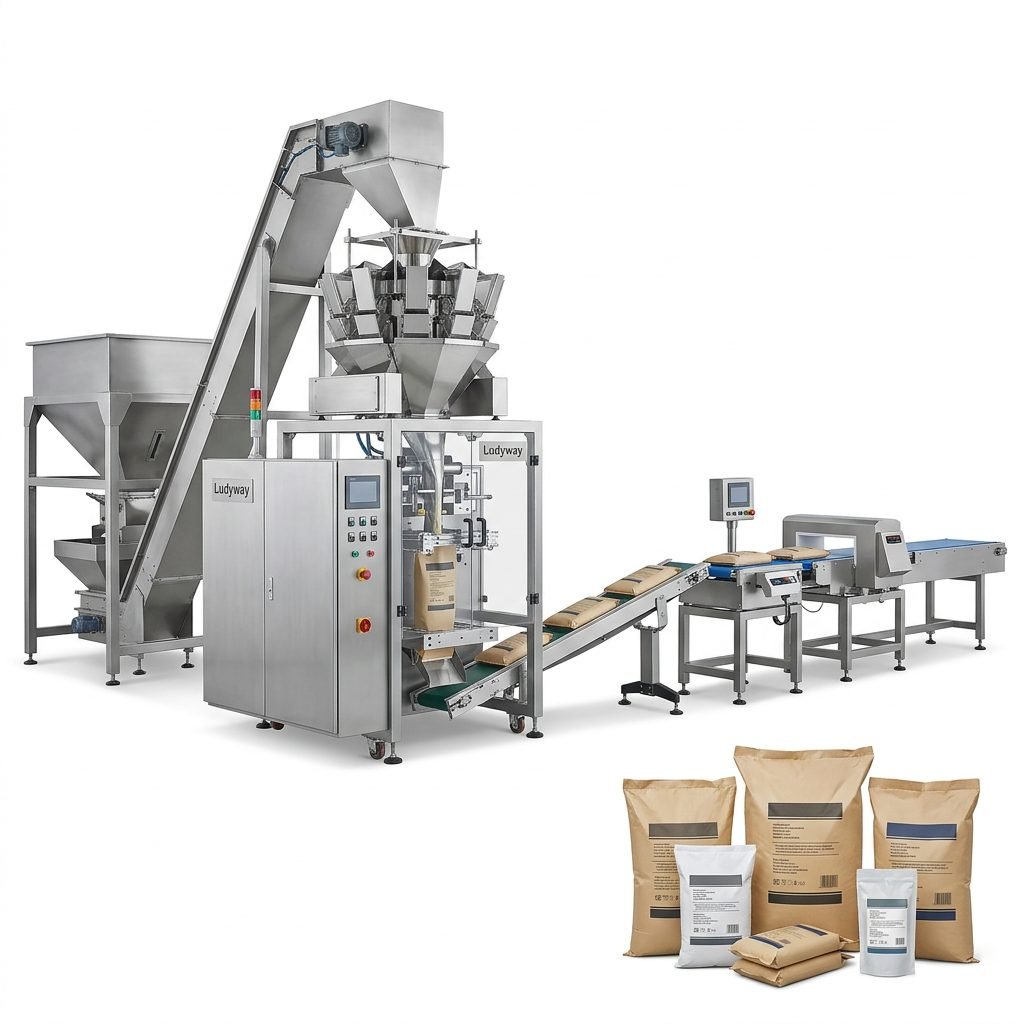
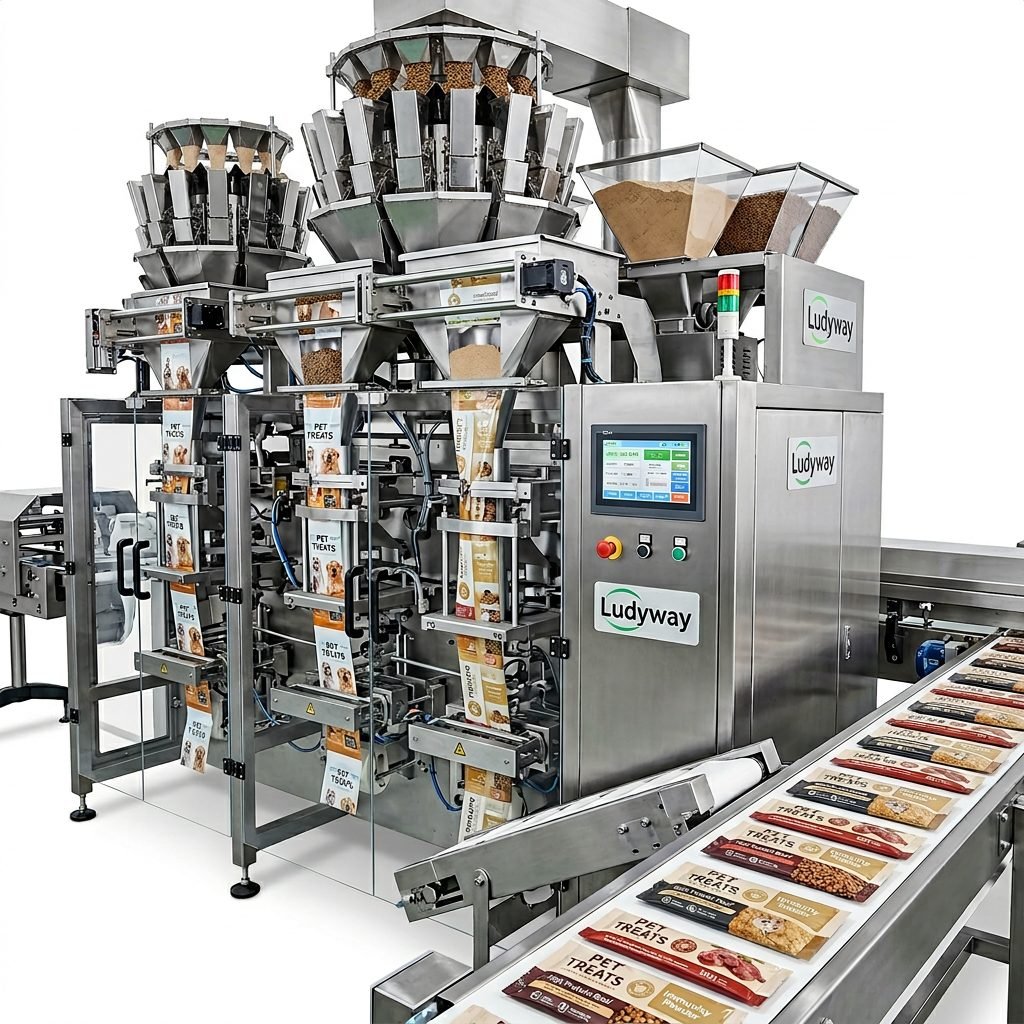
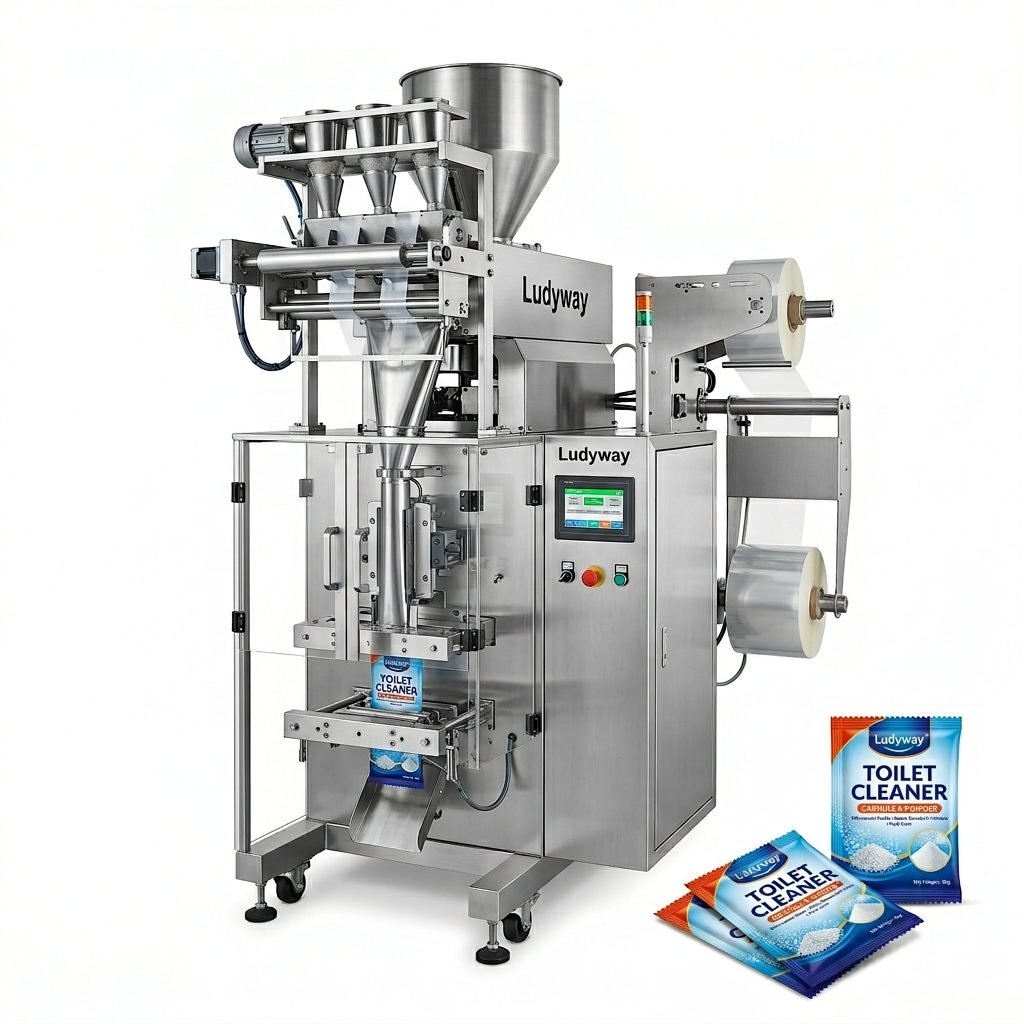
VFFS machines form a bag from a roll of film, fill it vertically, and then seal it. These are workhorses for high-volume granule and powder packaging. When configured with appropriate sealing jaws and gusseting mechanisms, VFFS systems provide a robust, cost-effective method for creating pillow bags or block-bottom bags with excellent airtight barrier properties.
Critical Factors in Selecting a Machine
Beyond the machine type, several performance factors demand close evaluation. These determine long-term reliability and total cost of ownership (TCO).
- Film Compatibility & Seal Integrity: Ensure the machine supports a wide range of high-barrier laminates. The sealing jaw design, temperature control precision, and dwell time adjustment capabilities directly dictate the airtight seal quality. Look for machines with servo-driven jaw motion for consistent pressure.
- Gas Flushing (MAP) Capabilities: For shelf-stable products, residual oxygen levels are a critical metric. High-performance systems should achieve O₂ levels below 1% consistently. FDA food packaging regulations often necessitate this capability to ensure product safety without excessive preservatives.
- Clean-in-Place (CIP) and Hygiene: North American facilities adhering to FSMA (Food Safety Modernization Act) standards require tool-free disassembly and sloped surfaces to prevent contamination. Hygienic design is non-negotiable.
- Changeover Flexibility: With supply chain volatility, co-packers and manufacturers need rapid switchovers between different products and film types. Machines with recipe-driven automation and minimal change parts reduce downtime significantly.
Comparing Leading Airtight Packaging Configurations
The table below summarizes a practical selection guide for buyers seeking the best fit for their product lines in the North American context.
| Machine Configuration | Ideal Product Range | Typical Sealing Speed | Best Fit Market Segment |
|---|---|---|---|
| 12-Lane Stick Pack | Instant coffee, sugar, protein powder | Up to 600 packs/min | Food service, direct-to-consumer subscription |
| 8-Station Rotary Pouch | Granola, spices, supplements | 40-60 packs/min | Retail shelf-ready premium packs |
| Continuous VFFS with MAP | Shredded cheese, dried fruit, powders | 80-120 bags/min | Wholesale clubs, industrial ingredients |
| Aseptic Liquid Sealer | Liquid coffee, sauces, ready-to-drink | 30-50 packs/min | Extended shelf life (ESL) beverages |
Navigating Regulatory and Safety Compliance
Any equipment deployed in a U.S. or Canadian facility must align with strict safety and material standards. Beyond OSHA machine guarding requirements, the FDA’s food contact substances regulations must guide every sealing component choice. Stainless steel construction (typically 304 or 316 grade) and food-grade lubricants are the baseline. Additionally, referencing ISO packaging standards helps ensure your processes are globally benchmarked for quality, even if you serve only the domestic market.
The Importance of Gas Flushing Precision
Nitrogen flushing is a primary method to achieve airtight conditions. The precision of the gas injection nozzle and the dwell timing directly impact the residual oxygen content. High-quality machines integrate oxygen analyzers to monitor seal integrity in real-time, an essential feature validated by protocols found in ISO 11607 packaging standards. Consistent monitoring prevents costly product spoilage returns.
Regional Supply Chain and After-Sales Support
When sourcing packaging machinery for North America, the supplier’s local support infrastructure is paramount. Downtime costs can exceed thousands of dollars per hour. Look for a partner that offers not just remote diagnostics, but also on-the-ground field service engineers, local spare parts hubs, and a thorough understanding of North American voltage standards and safety certifications. Long-term training support for your operators ensures the equipment runs at peak efficiency for its entire lifecycle.
Sustainability and Thin-Film Sealing Innovations
The drive toward a circular economy is pushing North American brands to adopt recyclable mono-material films. However, these eco-friendly films have narrow sealing windows and are notoriously difficult to seal hermetically. A machine’s ability to handle heat-sensitive, thin-gauge metallocene PE or recyclable laminates without wrinkling or burning is a differentiator. Advanced temperature control algorithms and servo-sealing technology are critical for maintaining airtight integrity while meeting sustainability targets set by groups like the Flexible Packaging Association.
Turnkey Integration and Scalability
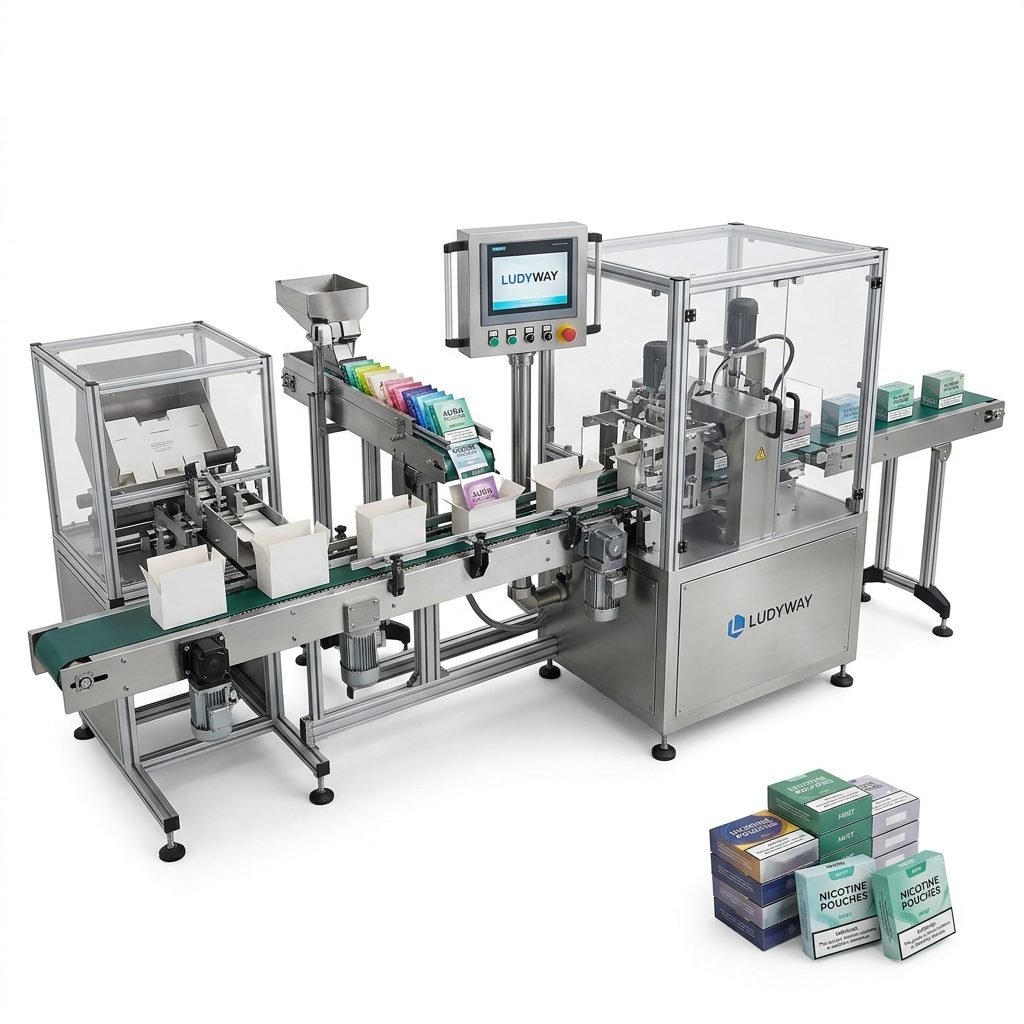
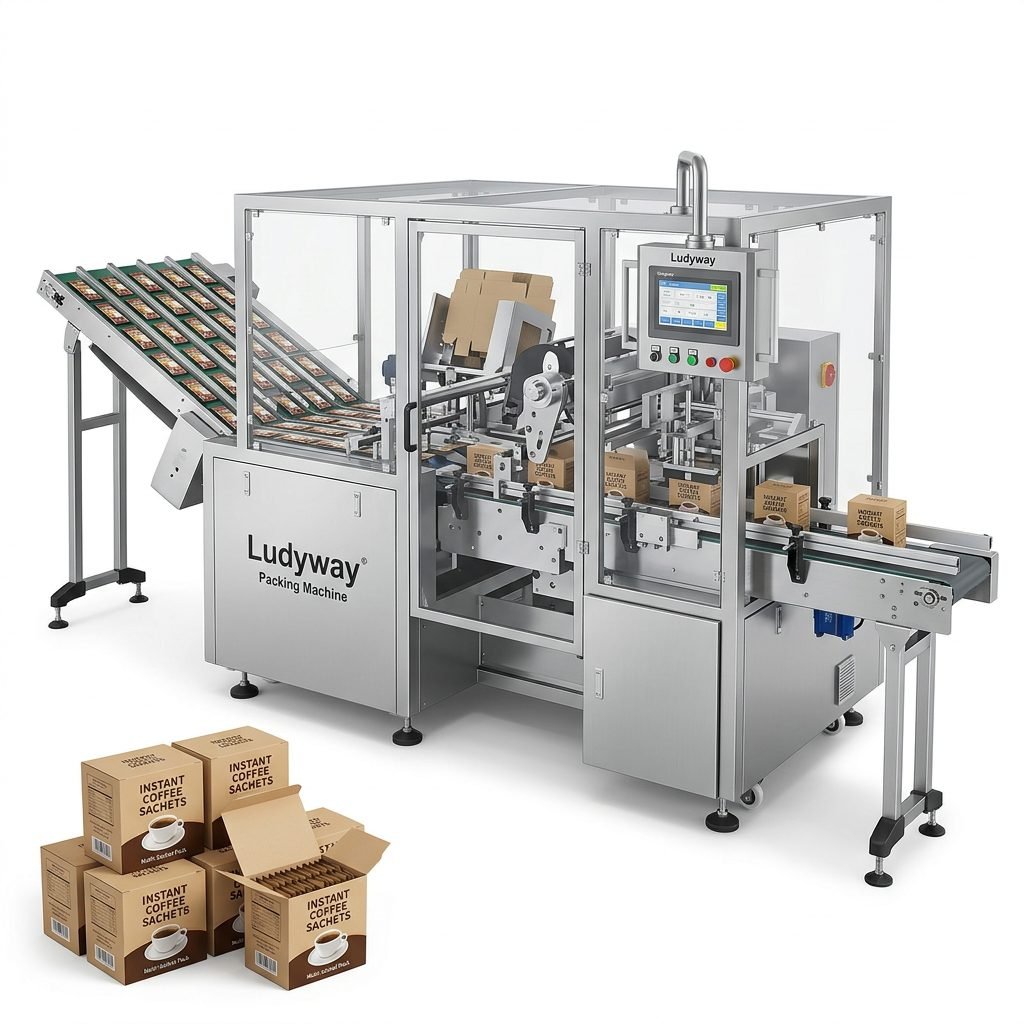
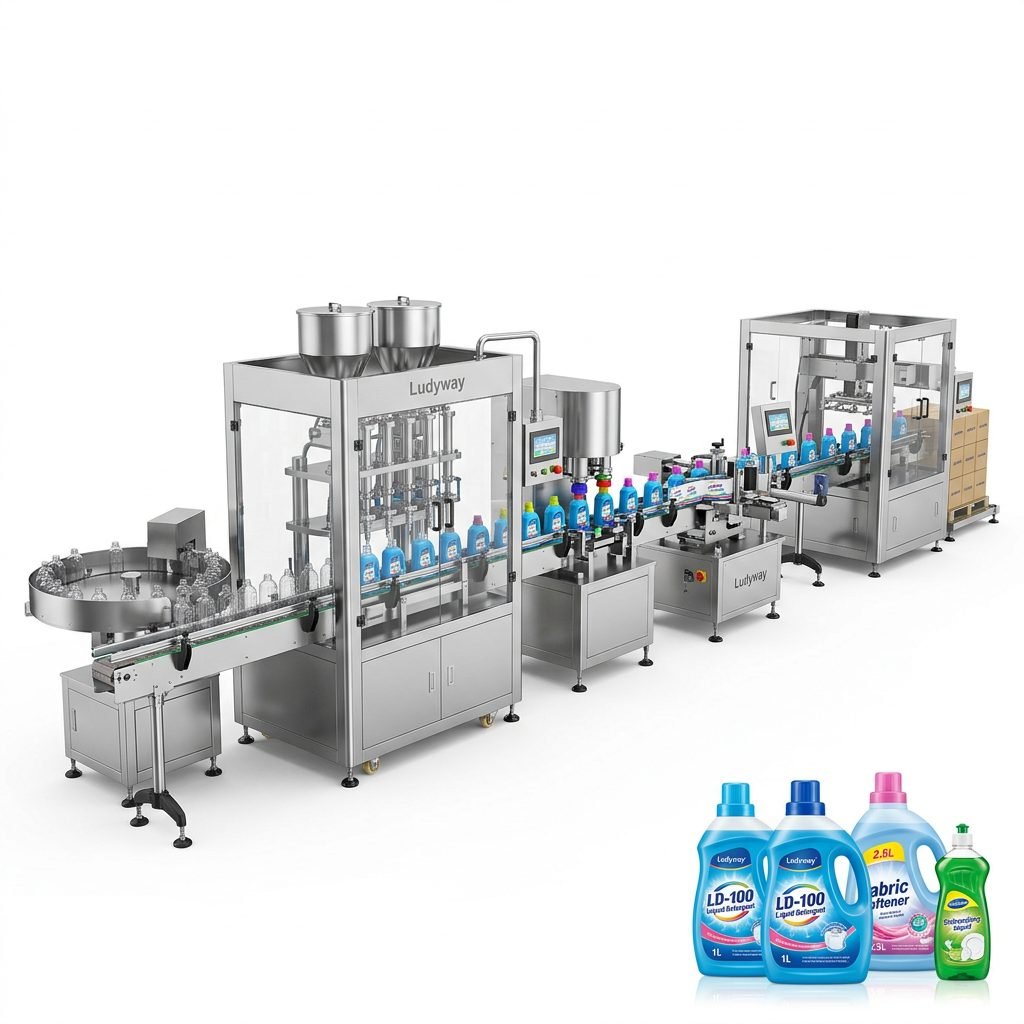
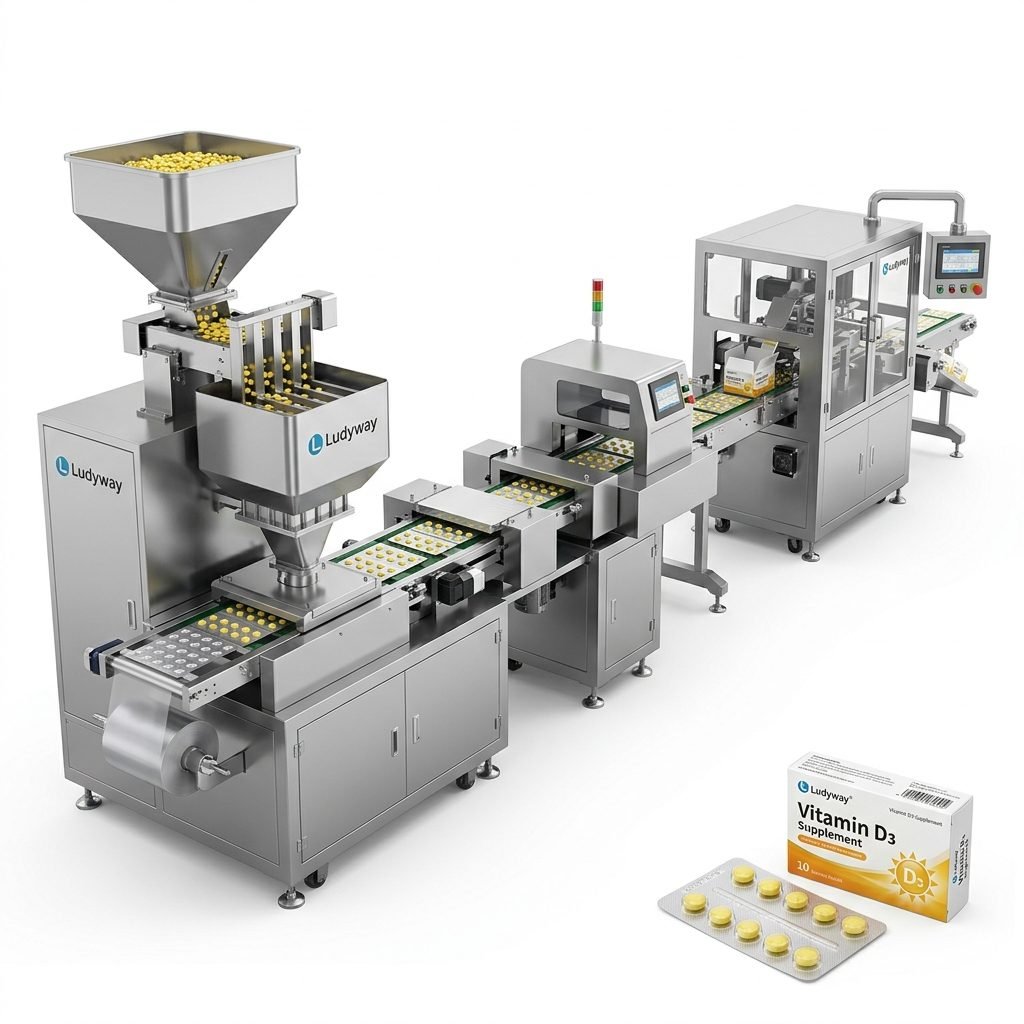
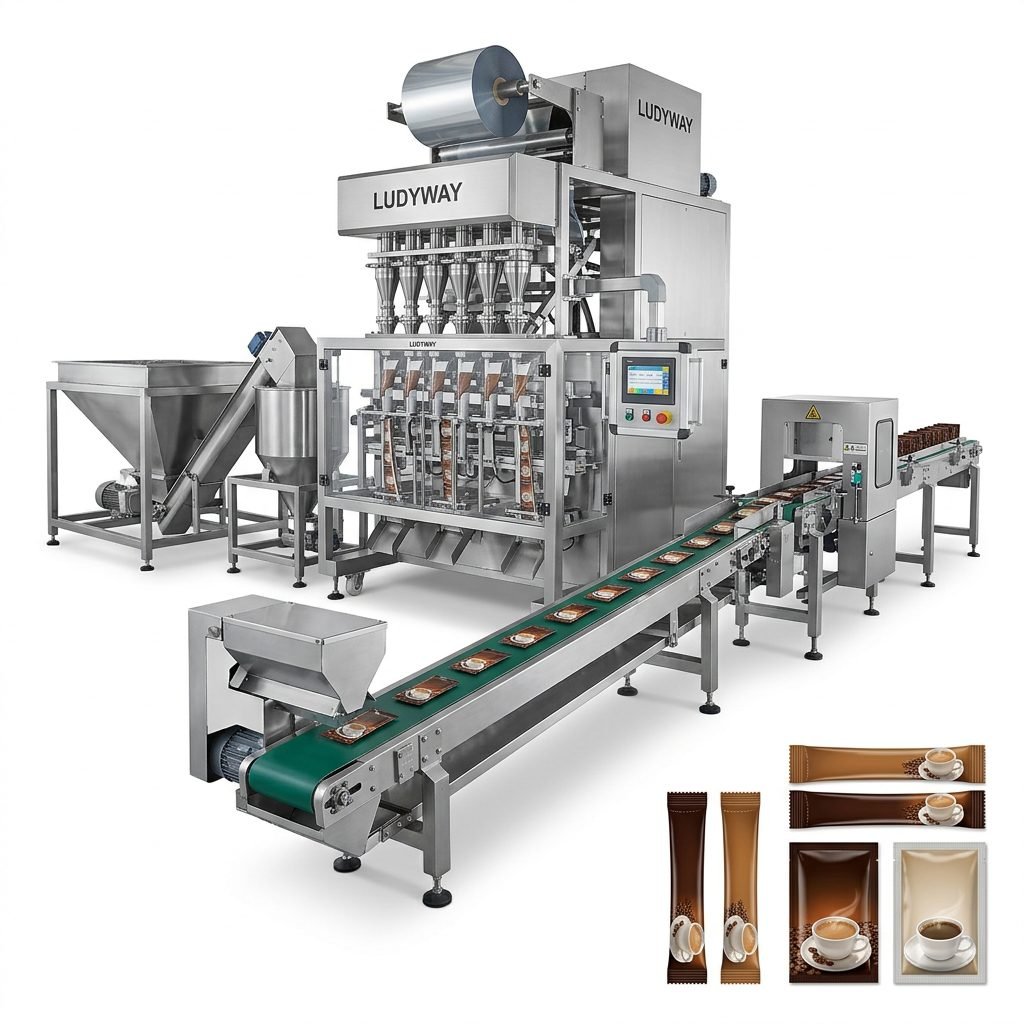
Modern food facilities are moving toward fully automated, lights-out production models. A strategic buying guide must consider upstream and downstream integration. Turnkey automated packaging lines include multi-head weighers, checkweighers, nitrogen dosing, labeling, and secondary cartoning. Ludyway is one of the largest packaging machine manufacturers globally, specializing in such turnkey production solutions, and its integration capabilities help businesses close the gap between ingredient handling and final logistics, ensuring product quality remains uncompromised from start to finish.

Evaluating Total Cost of Ownership (TCO) in North America
Price tags can be misleading. A cost-effective buying decision accounts for the total lifecycle cost.
- Film Waste Reduction: Servo-driven machines with precise registration save thousands of feet of expensive barrier film annually compared to clutch-and-brake systems.
- Energy Efficiency: Look for machines with regenerative drives that feed energy back into the system, reducing the electrical load in your facility.
- Preventive Maintenance Alerts: Industry 4.0 compatible machines that track cycle counts and thermal profiles can predict seal jaw failure before it causes a critical shutdown.
Future-Proofing Your Investment
As the North American food packaging landscape evolves with stricter labeling laws and e-commerce demands, your machinery must be adaptable. Ensure your airtight food packaging machine can handle hot-fill, cold-fill, and ambient products, and that the control architecture is open for integration with future ERP systems. By aligning your procurement with these standards, your operation will be positioned to succeed in a market that no longer tolerates compromised seal quality or inefficient resource usage.
Whether you are attending the next PACK EXPO International or upgrading an internal line, this guide serves as a foundation for selecting a partner that delivers not just a machine, but a long-term, reliable packaging capability.