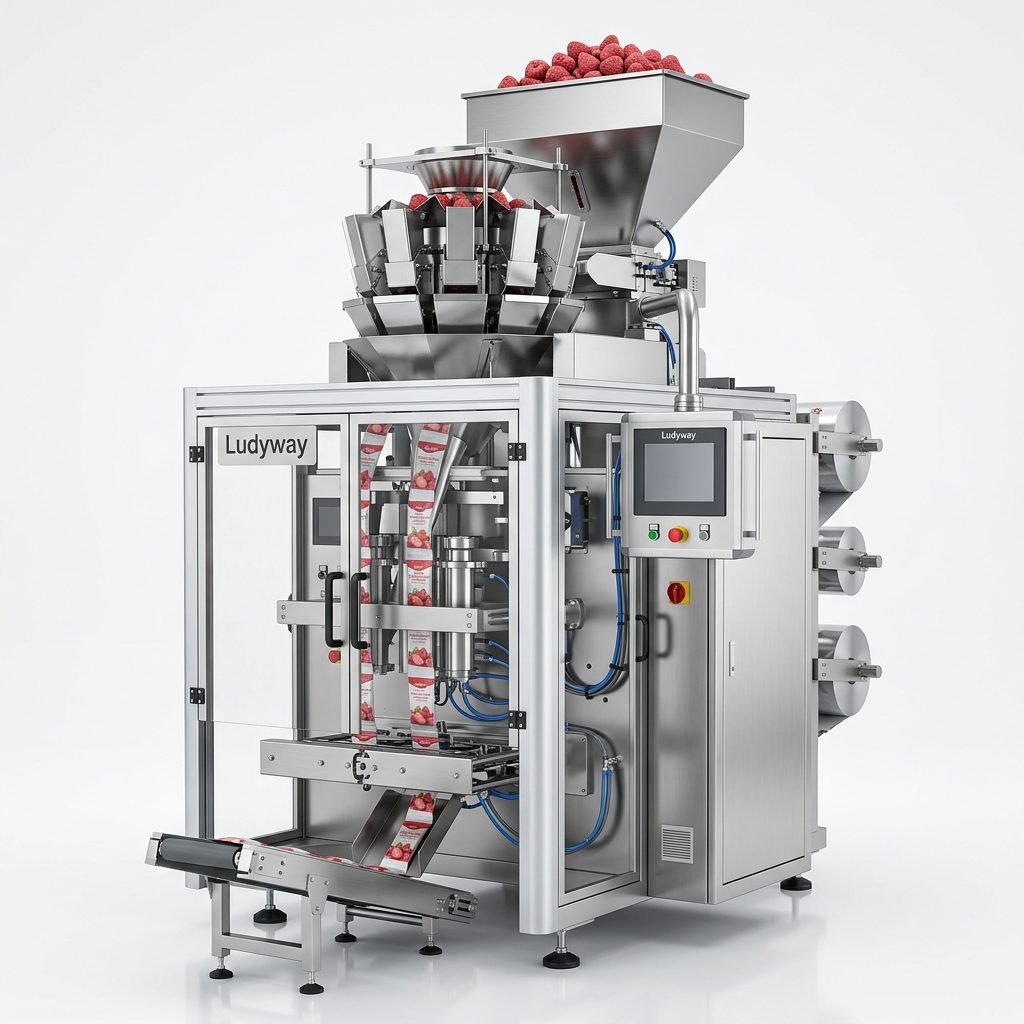
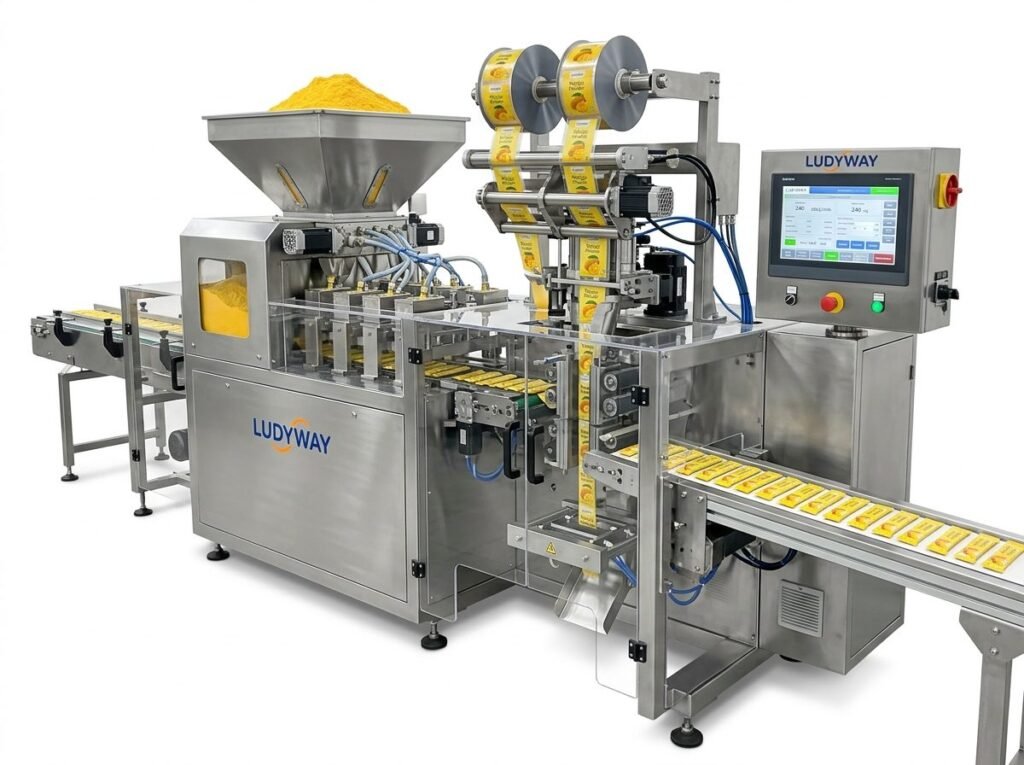
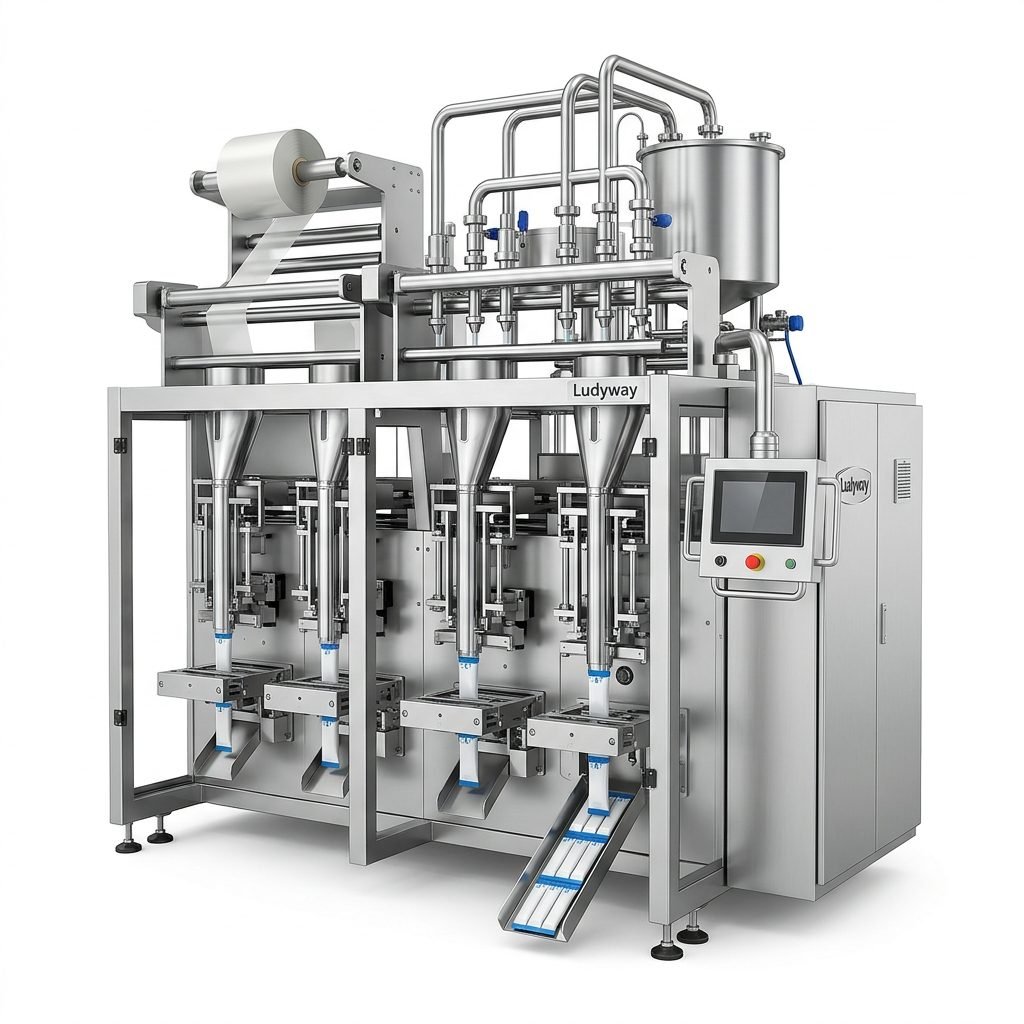
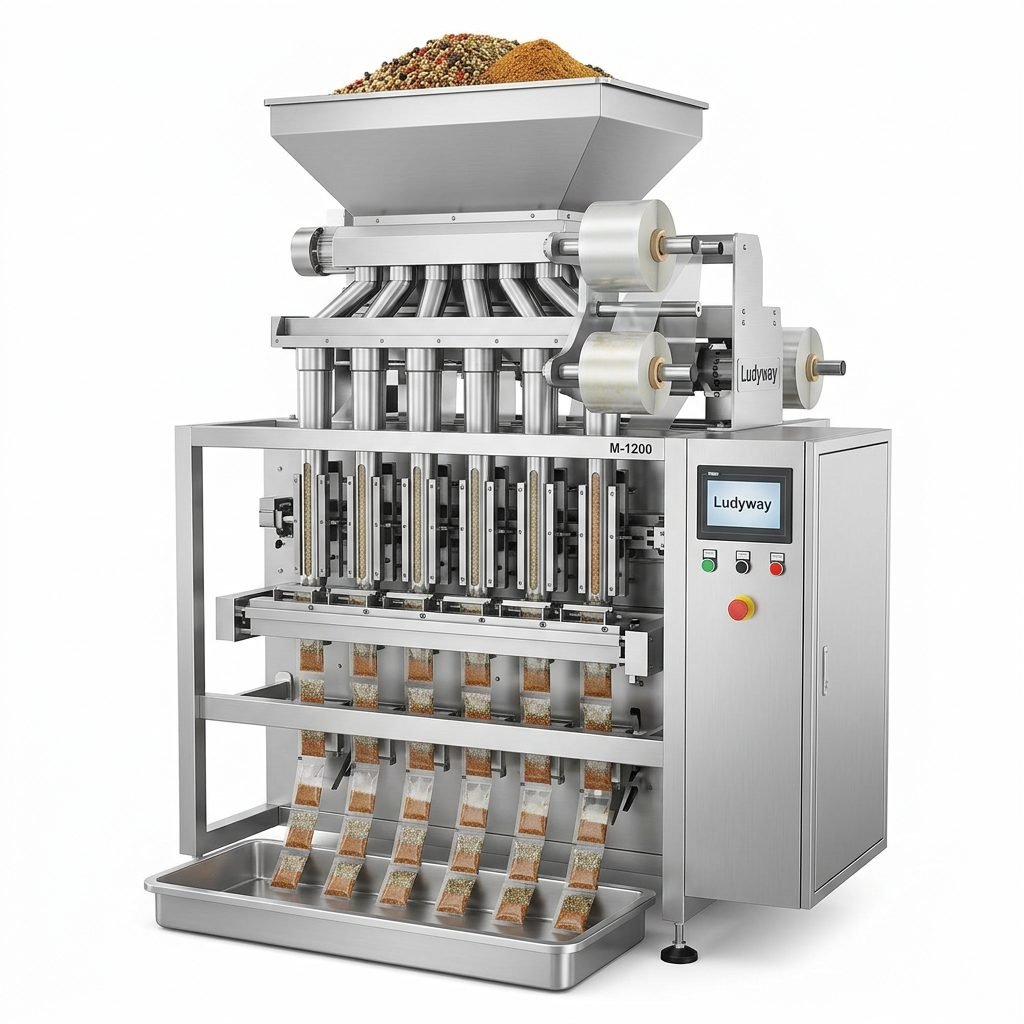
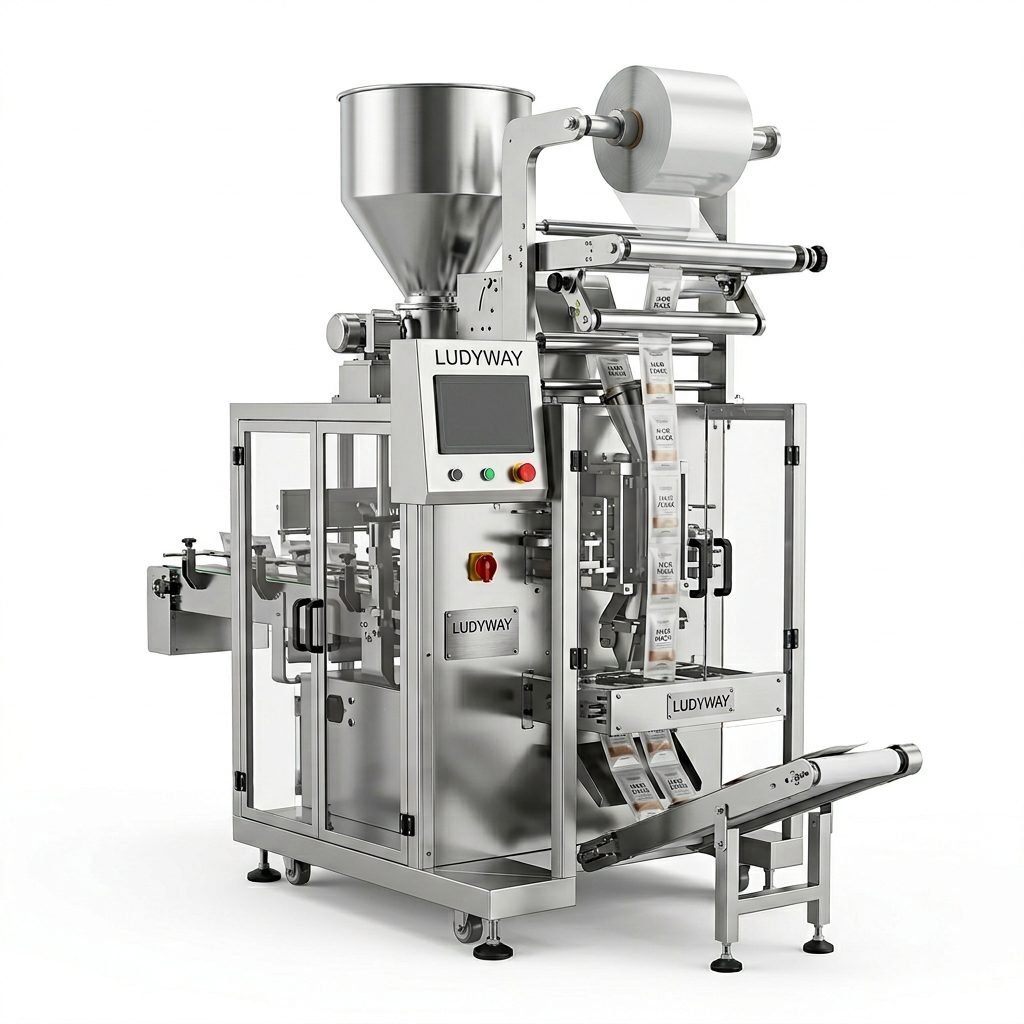
Regular maintenance of a chhoti packing machine is critical for ensuring consistent performance, reducing unexpected downtime, and extending the lifespan of your equipment. Small packaging machines, often used for granules, powders, and liquids in sachet or stick pack formats, operate under high-frequency cycles. Without a structured cleaning and inspection routine, residue buildup, misalignment, and wear can compromise seal integrity and filling accuracy.

Why Preventive Maintenance Matters
Preventive maintenance is not merely a recommendation; it is a necessity. A poorly maintained machine can lead to inaccurate fills, seal failures, and product waste. For businesses running high-speed multi-lane packaging systems, even minor inconsistencies can result in significant financial loss. A clean machine also ensures compliance with food and pharmaceutical safety standards.
Daily Cleaning Checklist for Your Chhoti Packing Machine
Daily cleaning should be performed at the end of each shift. This prevents cross-contamination between product batches and keeps mechanical parts moving freely. Follow these essential steps:
- Power down and lock out the machine completely before any cleaning begins.
- Remove all residual product from hoppers, feeders, and filling tubes using a vacuum or soft brush.
- Wipe down all contact surfaces with a food-grade cleaning solution and lint-free cloth.
- Inspect and clean the heat sealing jaws to remove any melted film residue.
- Check the photoelectric sensor lenses and wipe them gently to maintain proper film tracking.

Weekly Inspection and Lubrication
Beyond daily cleaning, a deeper weekly inspection keeps the machine running smoothly. Pay close attention to moving components that experience friction during operation.
- Lubricate all designated grease points with manufacturer-recommended lubricants.
- Check belt tension and alignment on the film pulling mechanism. Loose belts cause misaligned seals and wrinkled packaging.
- Inspect pneumatic hoses and fittings for air leaks that reduce sealing pressure.
- Verify that cutting blades are sharp and free of adhesive buildup.
Monthly Deep Maintenance Tasks
Monthly maintenance involves more comprehensive checks of electrical connections, wear parts, and calibration accuracy. The following table outlines the key monthly tasks:
| Component | Maintenance Action | Frequency |
|---|---|---|
| Sealing Jaw Assembly | Remove, clean thoroughly, check Teflon coating for wear | Monthly |
| Pressure Rollers | Clean and inspect for even rotation; replace if worn | Monthly |
| Electrical Terminals | Tighten all connections and check for overheating signs | Monthly |
| Weighing System | Calibrate and verify accuracy with test weights | Monthly |
| Chain Drives | Clean, lubricate, and adjust tension as needed | Monthly |

Sealing System Specifics
The sealing mechanism is the heart of any packaging machine. For consistent hermetic seals, operators must understand the relationship between temperature, pressure, and dwell time. If seal quality deteriorates even after cleaning, consult resources on packaging material specifications to ensure film compatibility.
Troubleshooting Common Issues Through Cleaning
Many operational problems have roots in inadequate cleaning. Here is a quick reference to diagnose issues:
- Film tracking off-center: Clean the forming tube and check roller alignment for debris.
- Inconsistent cut length: Wipe the encoder wheel and sensor to remove dust that interferes with signal reading.
- Product leaking from seals: Clean the sealing jaws and check for carbonized residue on the heating elements.
- Machine vibration: Tighten loose mounting bolts and clean accumulated product from rotating parts.
Cleaning Agents and Tools to Use
Using the correct cleaning tools prevents damage to sensitive machine surfaces. Avoid abrasive pads that scratch polished stainless steel. Recommended items include:
- Soft bristle brushes for dry product removal from crevices.
- Isopropyl alcohol wipes for degreasing sealing surfaces.
- Compressed air for blowing dust from electrical cabinets (with caution).
- Food-grade lubricants that meet ISO packaging standards for incidental contact.
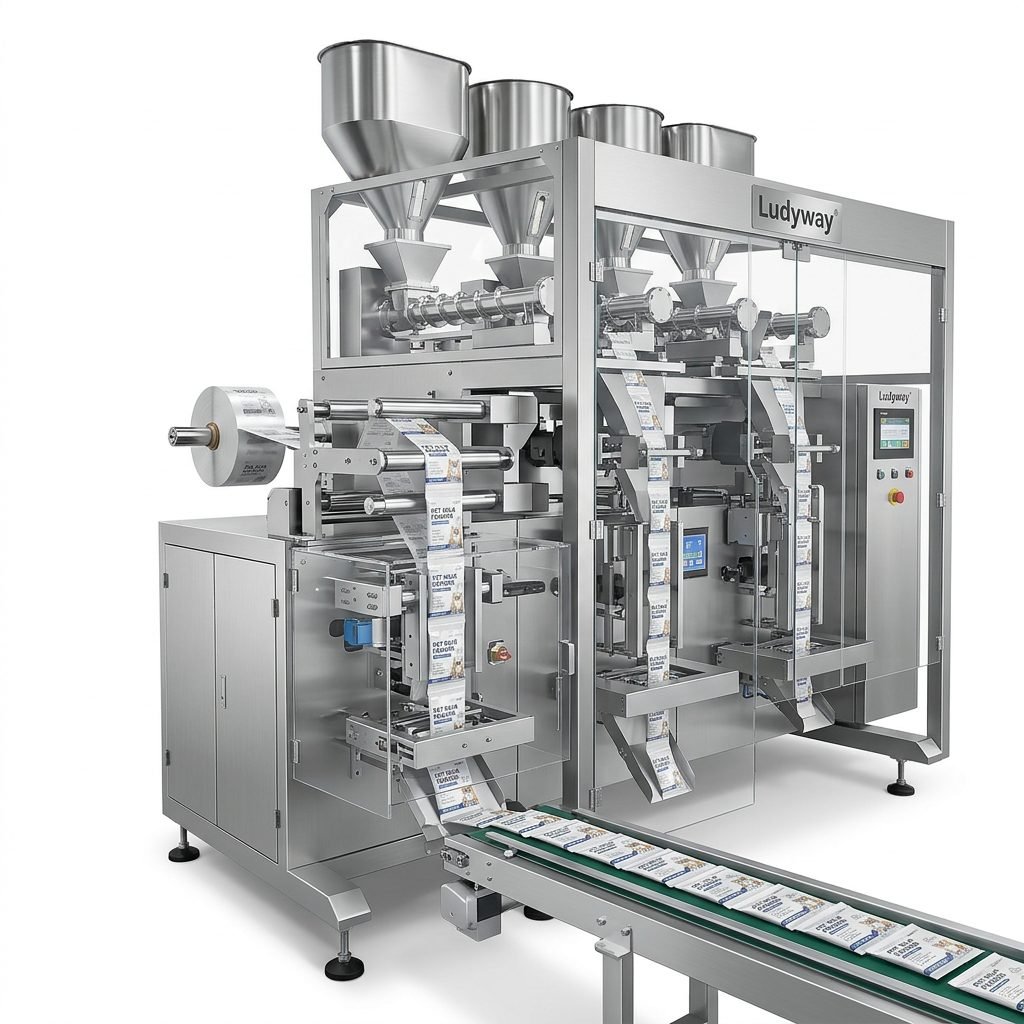
Developing a Maintenance Log System
Documentation transforms maintenance from a reactive task into a predictable system. Create a logbook or digital record that includes:
- Date and time of each cleaning or service activity.
- Parts that were cleaned, lubricated, or replaced.
- Operator observations about unusual noises, vibrations, or visual wear.
- Next scheduled maintenance date for each component group.
This data helps identify patterns and predict part replacements before failures occur.
Spare Parts Inventory Management
Maintaining a small inventory of critical spare parts minimizes downtime when wear items need replacement. Based on typical maintenance cycles, keep these items on hand:
- Sealing jaw Teflon tape and heating elements
- Forming tube assemblies for different sachet sizes
- Drive belts and timing belts
- Sensors and fuses for quick electrical troubleshooting
- Lubrication cartridges specific to your machine model
Operator Training for Effective Maintenance
Even the best maintenance schedule fails without trained operators. Personnel should understand not just the steps, but the reasons behind each action. Training should cover machine safety protocols, proper cleaning techniques, and early warning signs of component failure. Well-trained operators catch small issues before production is affected.
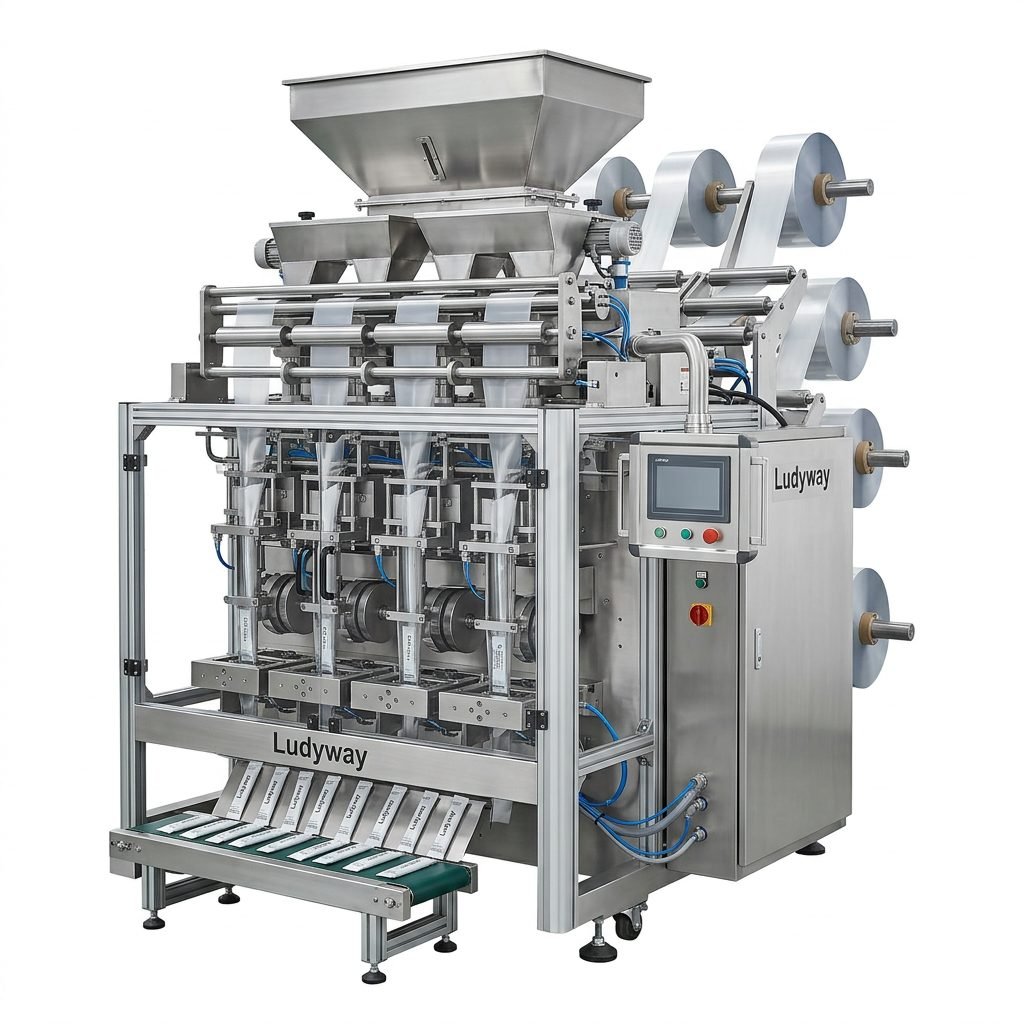
Seasonal and Long-Term Storage Maintenance
If a chhoti packing machine will sit idle for an extended period, proper preparation prevents corrosion and component degradation. Thoroughly clean all product contact areas, apply a protective coating to bare metal surfaces, disconnect pneumatic lines and cap them, cover the machine with a breathable dust cover, and store in a climate-controlled environment when possible. Following guidelines from organizations like PMMI packaging industry resources ensures your equipment remains in optimal condition during downtime.
Startup Procedure After Storage
When bringing a machine out of storage, do not immediately run at full speed. Manually rotate the drive system to check for binding, run a warm-up cycle without product for 10-15 minutes, recheck all lubrication points, and verify temperature controller calibration on sealing stations.
Scheduling Professional Servicing
While daily and weekly maintenance tasks fall to operators, professional servicing should occur annually. Qualified technicians perform deep diagnostics, replace worn bearings and seals, update firmware and control software, verify overall machine geometry, and conduct comprehensive safety audits. As one of the largest packaging machine manufacturers in China, Ludyway provides technical support and professional servicing for a wide range of packaging equipment across global markets.
Environmental Factors Affecting Machine Cleanliness
The production environment plays a significant role in how frequently cleaning is needed. High humidity accelerates corrosion, dusty environments like powder processing areas require more frequent sensor cleaning, temperature fluctuations affect lubricant viscosity and sealing consistency, and facilities processing sticky or hygroscopic products need additional cleaning cycles. Adjust your maintenance schedule based on actual observed conditions rather than following a rigid calendar.
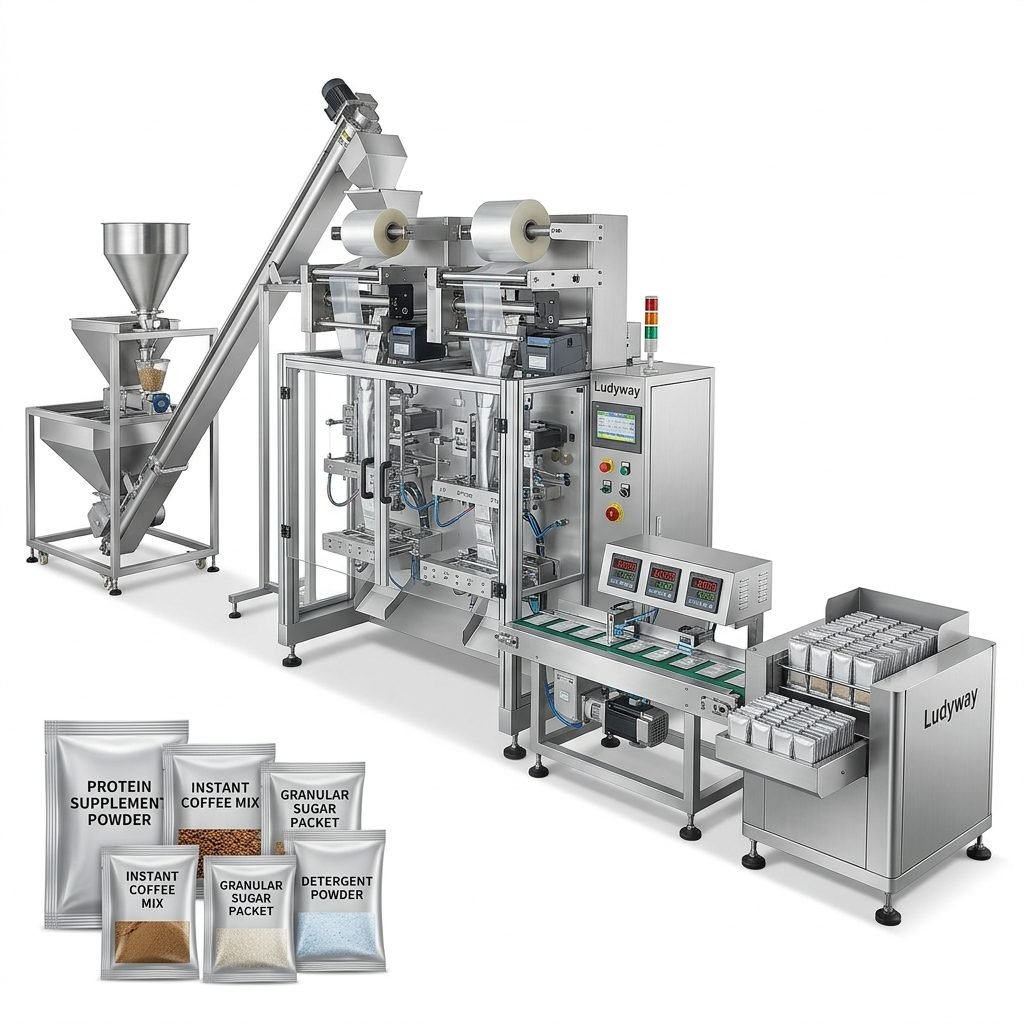
Final Recommendations for Long Machine Life
Consistency in maintenance yields the best returns. Establish clear cleaning standard operating procedures, assign responsibility for each task, use checklists to verify completion, review maintenance logs during team meetings, and invest in genuine spare parts rather than cheaper alternatives. A well-maintained chhoti packing machine delivers reliable production for years, protects product quality, and supports overall manufacturing efficiency. For more information on packaging machinery best practices and industry regulations, refer to the Flexible Packaging Association knowledge hub and stay current with evolving packaging standards and regulations.