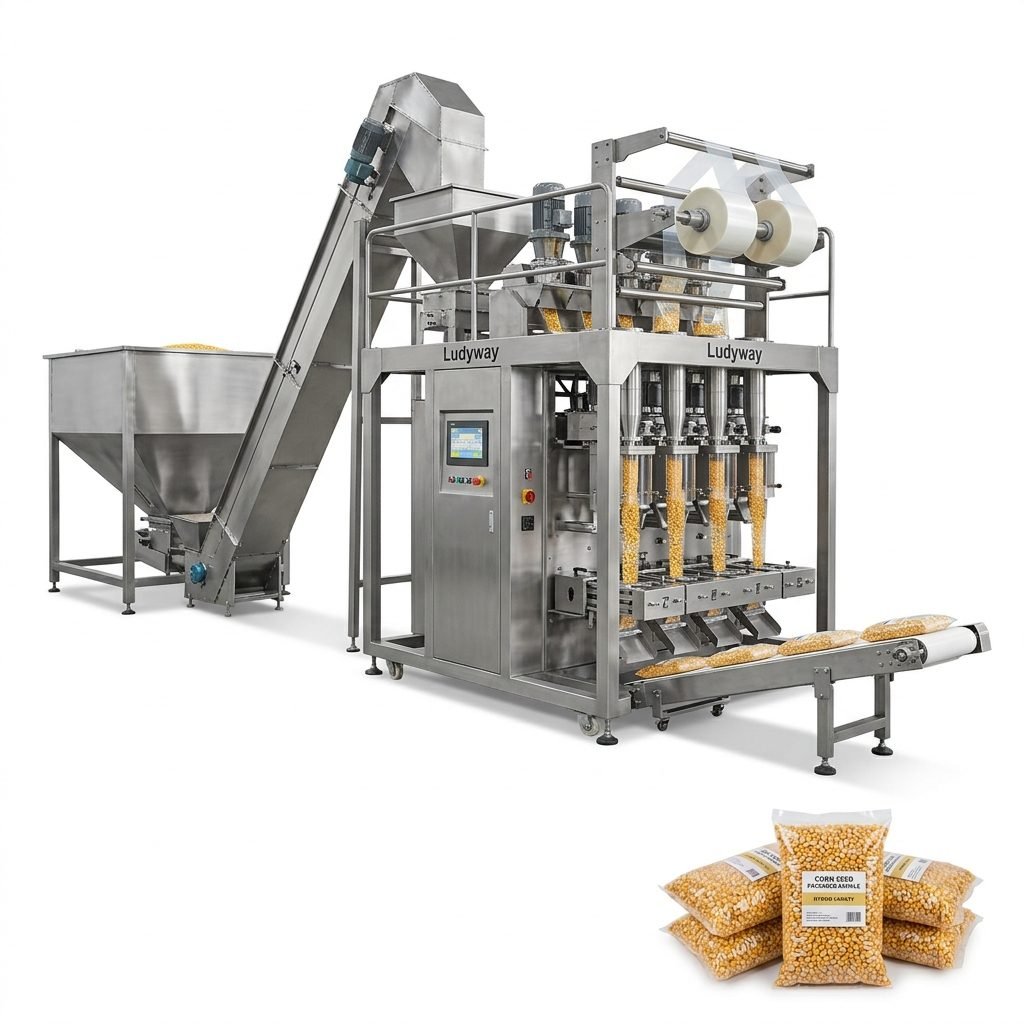
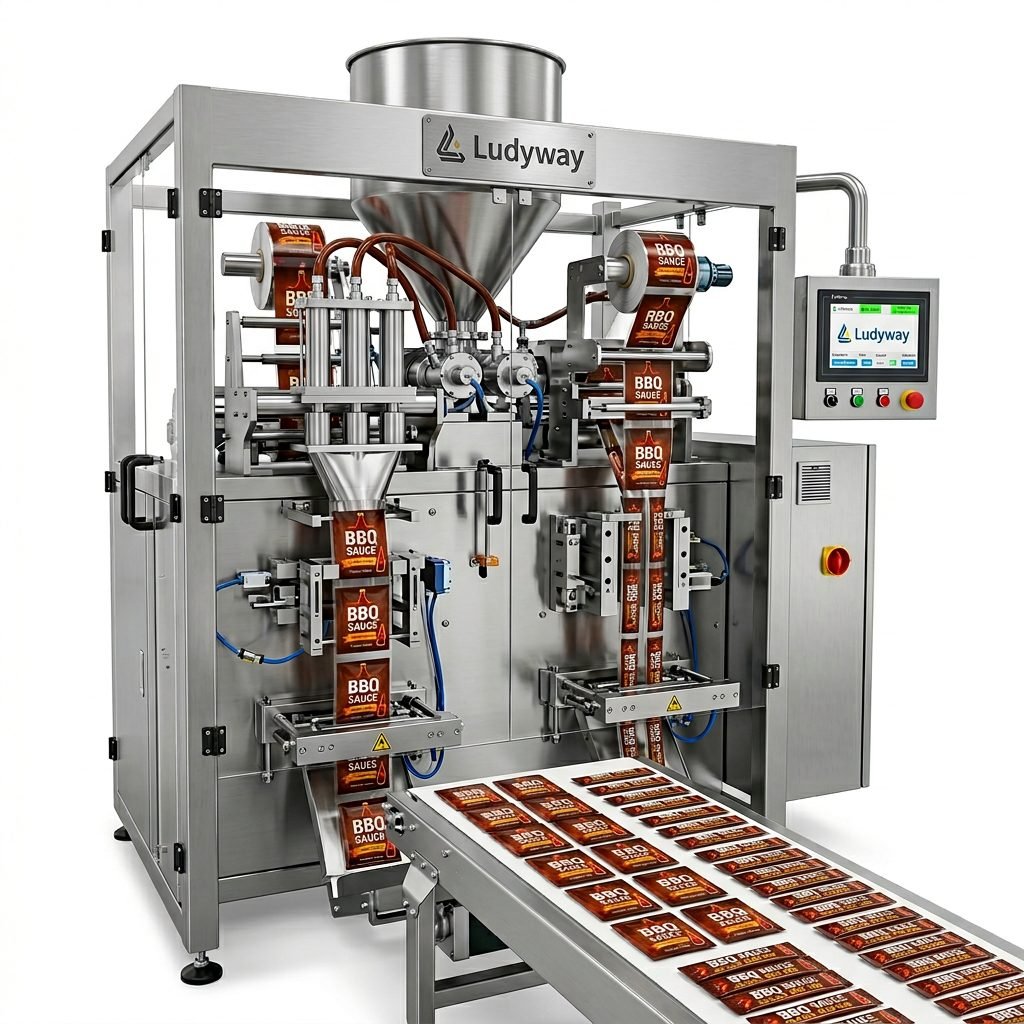
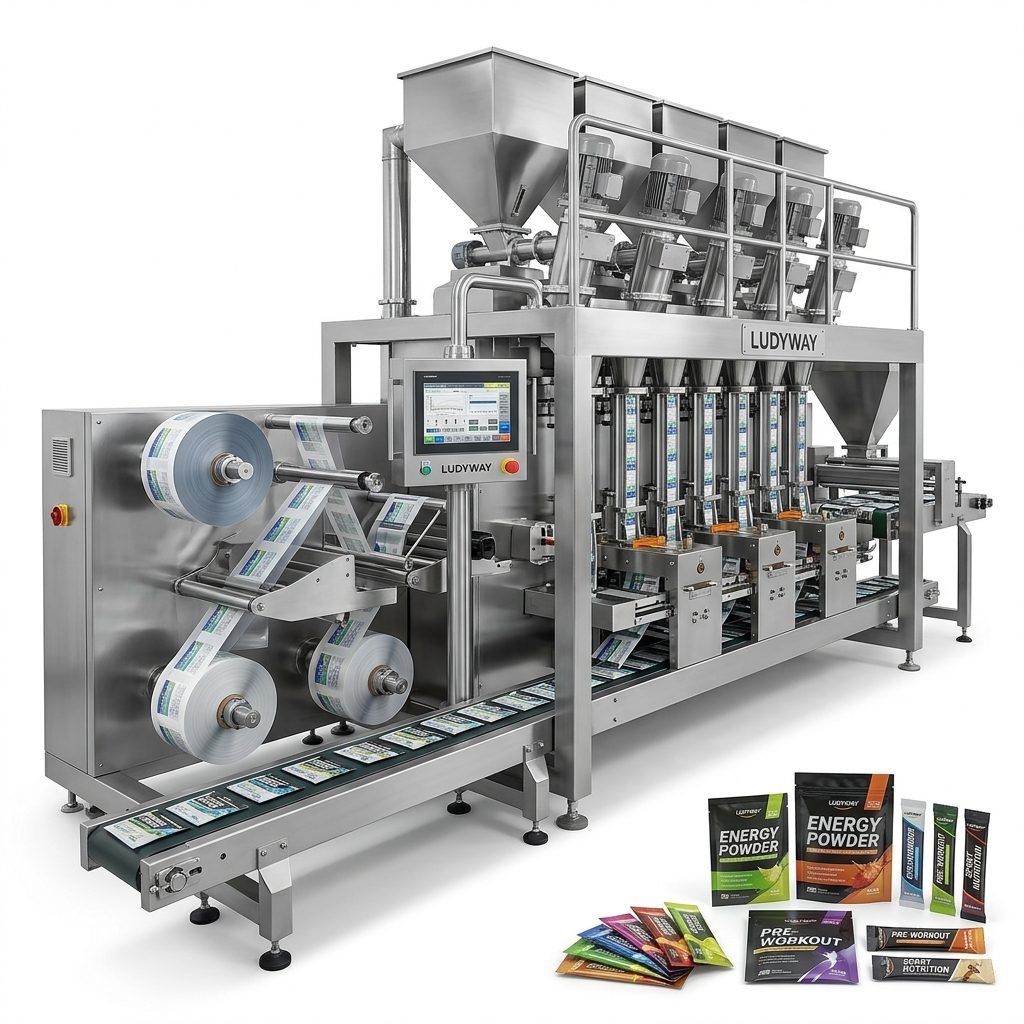
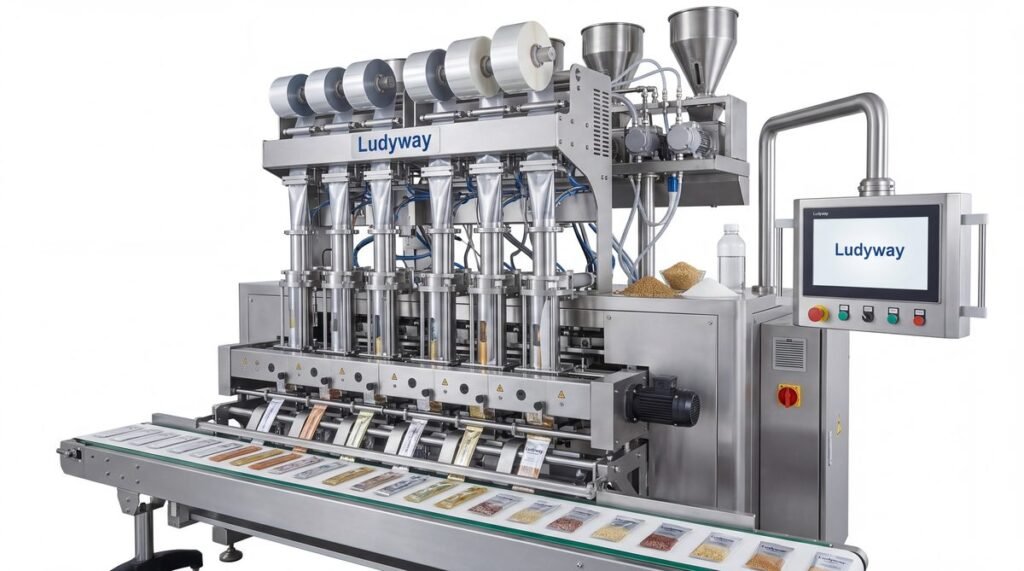
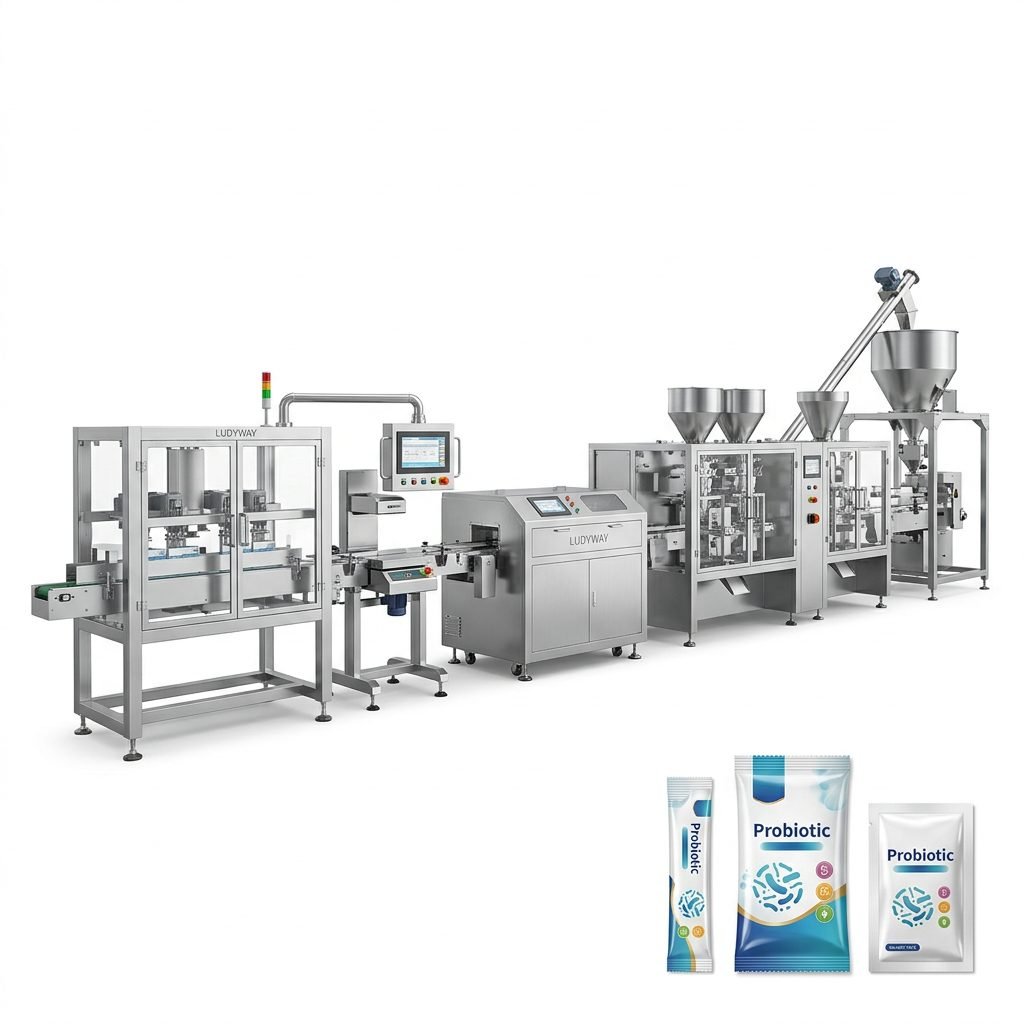
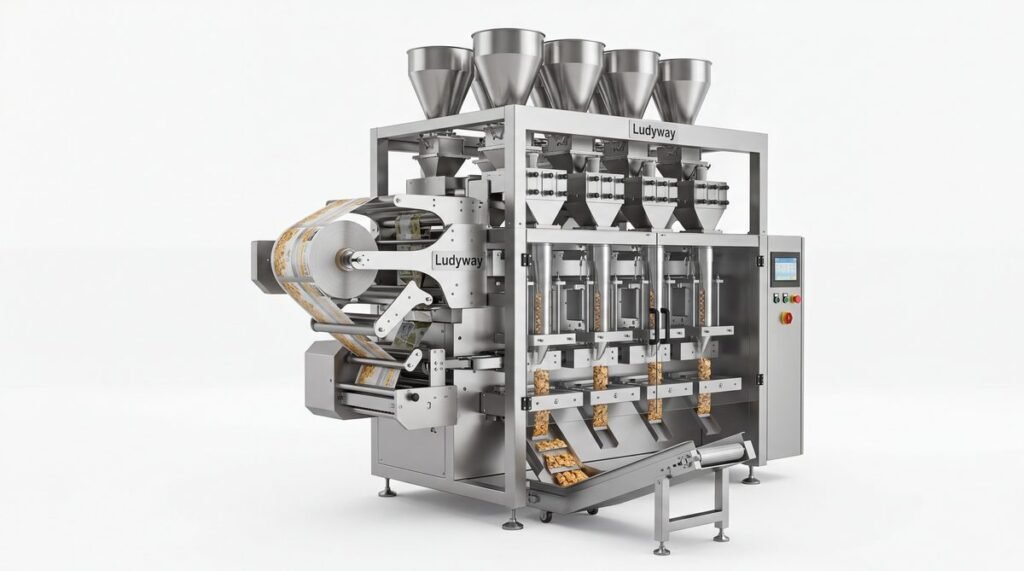
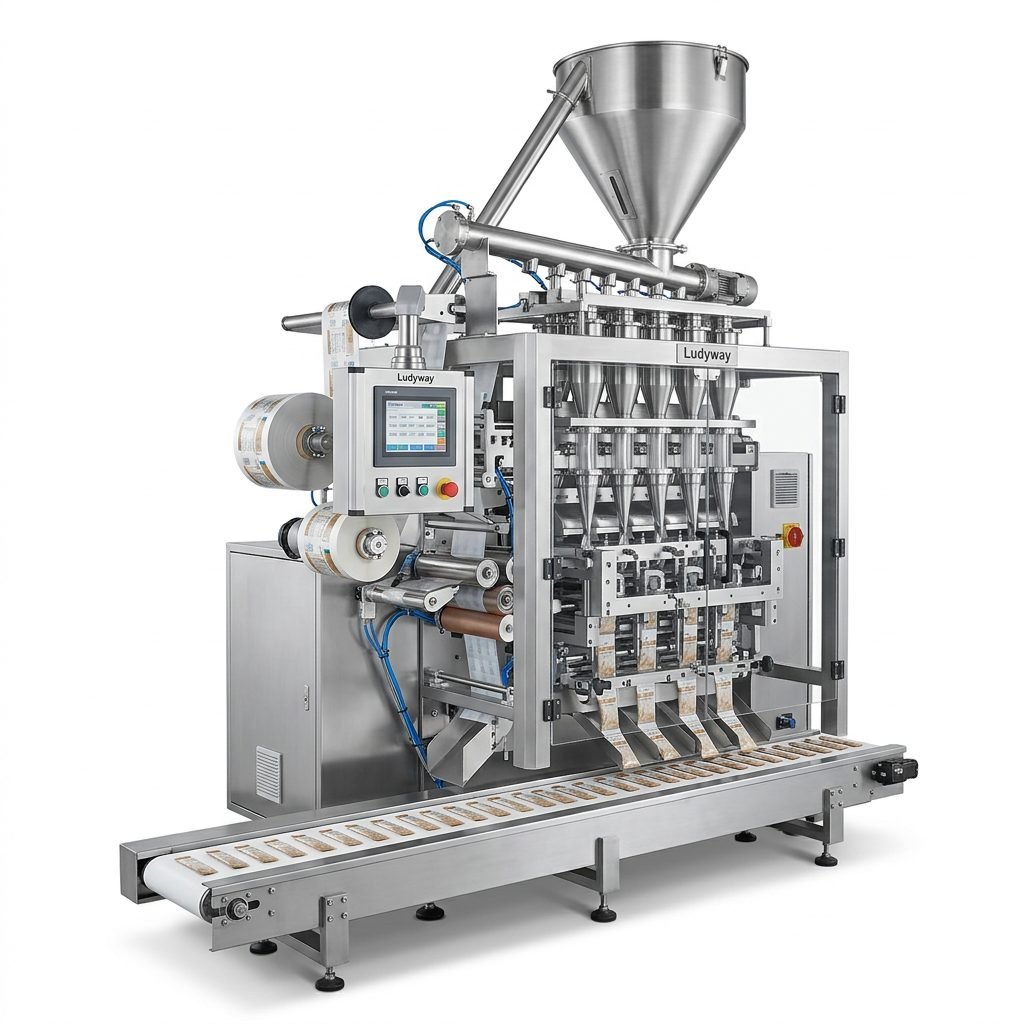
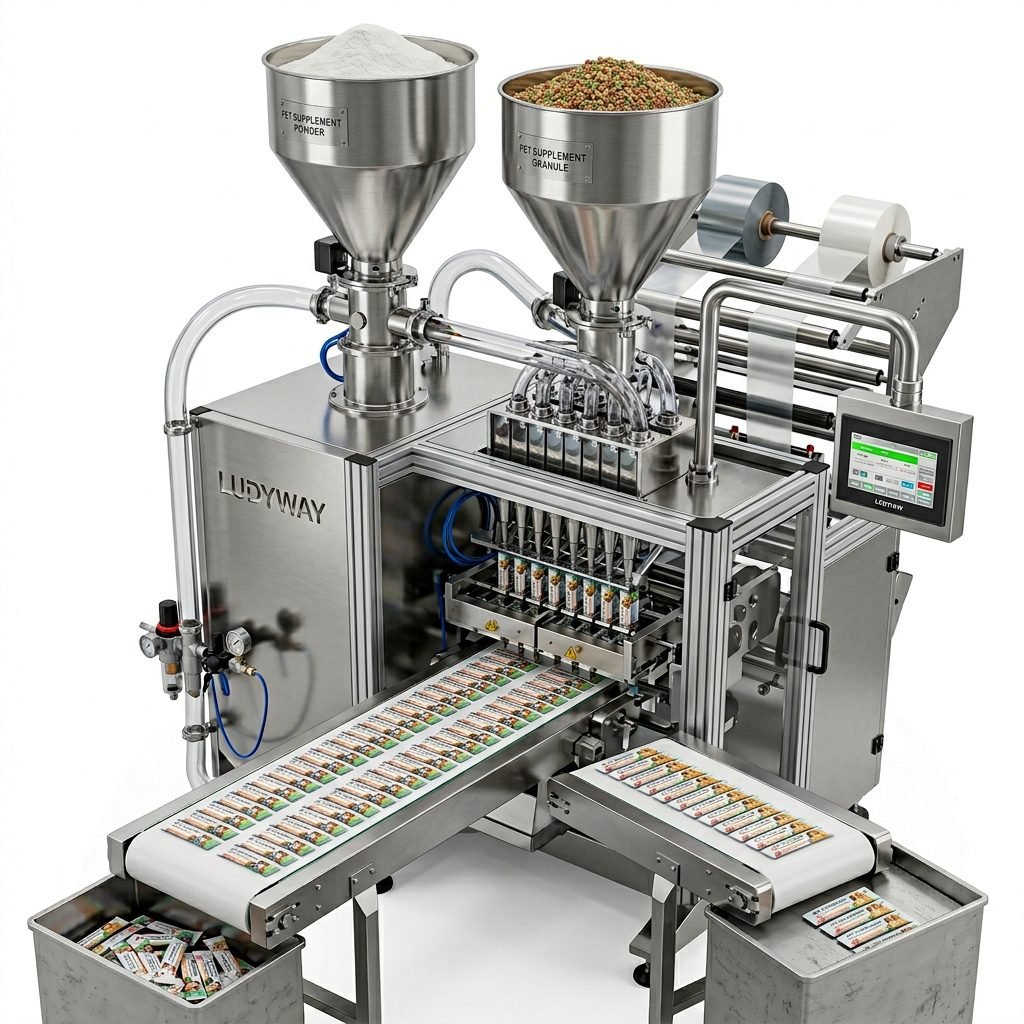
Proper maintenance of your peanut packaging machine is essential for ensuring consistent performance, extending equipment lifespan, and avoiding costly downtime. Whether you operate a multi-lane stick pack machine for peanut granules or a high-speed sachet system, a structured cleaning and maintenance routine will keep your production line running smoothly and maintain product quality.
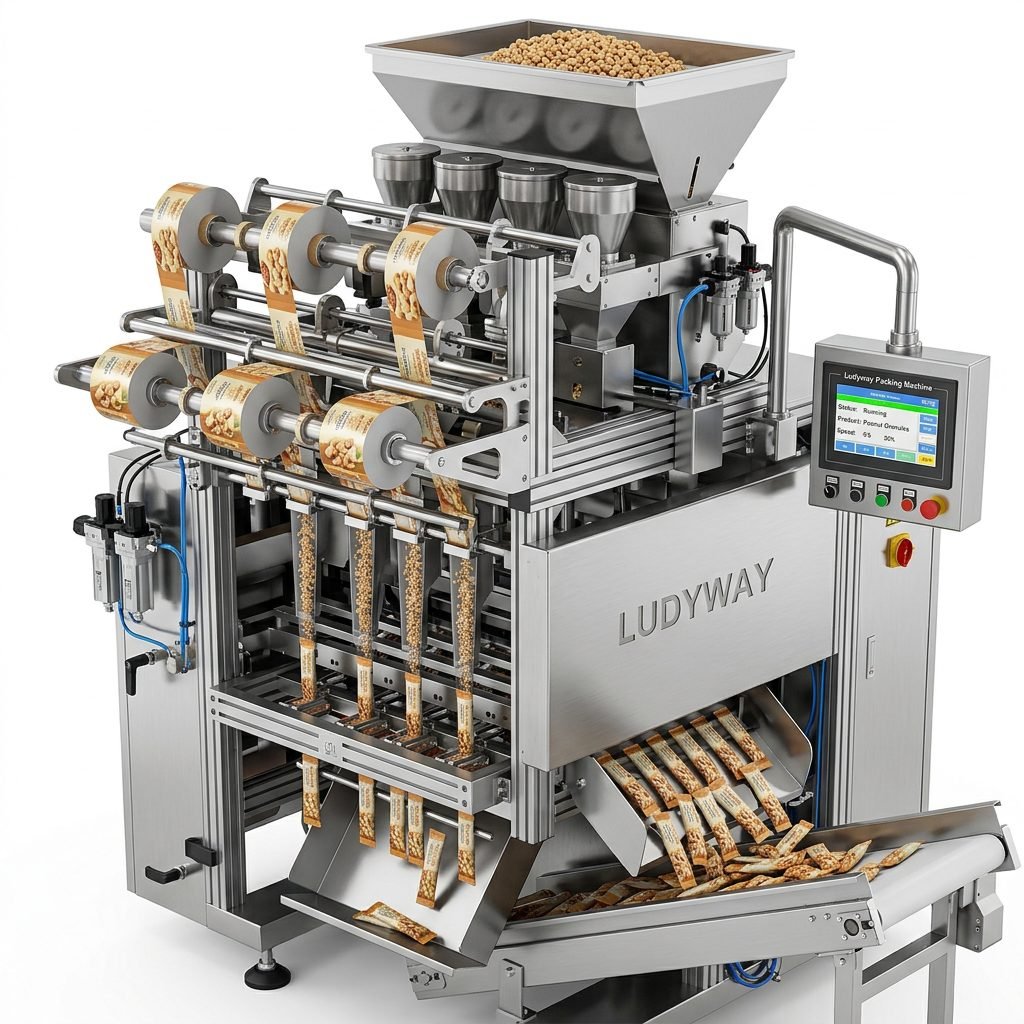
Why Routine Maintenance Matters for Peanut Packaging Equipment
Peanut packaging involves handling granules and powders that can easily accumulate in machine components. Peanut dust and oil residues from roasted peanuts can clog sealing jaws, disrupt filling accuracy, and lead to premature wear of critical parts. A well-maintained machine delivers consistent seal integrity, precise portion control, and reduces the risk of product contamination.
Neglecting regular upkeep often results in unexpected breakdowns, compromised packaging quality, and increased operational costs. Investing time in preventive maintenance pays off through improved efficiency and longer machine service life.
Key Benefits of Regular Cleaning
- Extended equipment lifespan — Removing debris prevents abrasive wear on moving parts
- Consistent filling accuracy for precise weight control in every sachet or stick pack
- Reduced risk of seal failures and product spoilage
- Compliance with FDA food packaging safety standards
- Lower energy consumption from well-lubricated and properly aligned components
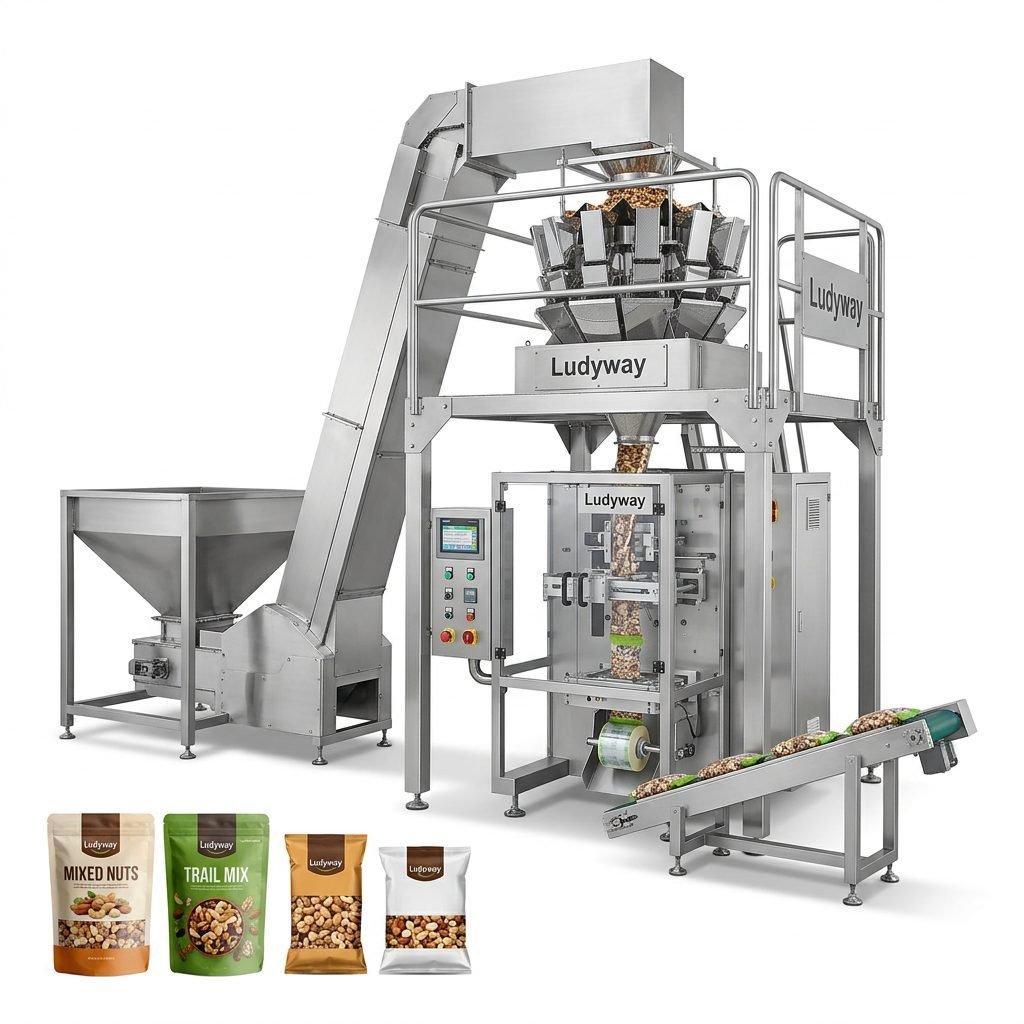
Daily Cleaning Checklist for Peanut Packaging Machines
Implementing a daily cleaning protocol is the first line of defense against buildup and mechanical issues. Focus on areas where peanut particles and oils tend to accumulate.
Essential Daily Tasks
- Wipe down all contact surfaces — Use food-grade cleaning agents to remove oil residues from filling nozzles and hoppers
- Clear product pathways — Inspect and clean feeding chutes, auger fillers, and discharge points
- Check sealing jaws — Remove any stuck peanut particles or carbonized residue from heating elements
- Inspect sensors and photoelectric cells — Dust accumulation can cause false readings and misalignment
- Empty and clean the dust collection system — Peanut powder can quickly fill collection trays
- Verify air pressure levels — Pneumatic systems require consistent pressure for proper operation
Weekly and Monthly Maintenance Schedule
Beyond daily cleaning, a structured preventive maintenance schedule ensures that all mechanical and electrical systems remain in optimal condition. Use the table below as a reference for your maintenance planning.
| Maintenance Frequency | Task | Key Focus Areas |
|---|---|---|
| Daily | Surface cleaning and visual inspection | Hoppers, filling heads, sealing jaws, conveyor belts |
| Weekly | Deep cleaning of product contact zones | Auger mechanisms, volumetric cups, weighing systems |
| Bi-Weekly | Lubrication of moving components | Bearings, chains, cam mechanisms, guide rails |
| Monthly | Electrical system check and calibration | Sensors, temperature controllers, servo motors, PLC systems |
| Quarterly | Comprehensive mechanical inspection | Belt tension, gear wear, pneumatic cylinder seals, vacuum systems |
| Annually | Full machine overhaul and certification | Complete disassembly inspection, replacement of worn parts, recalibration |
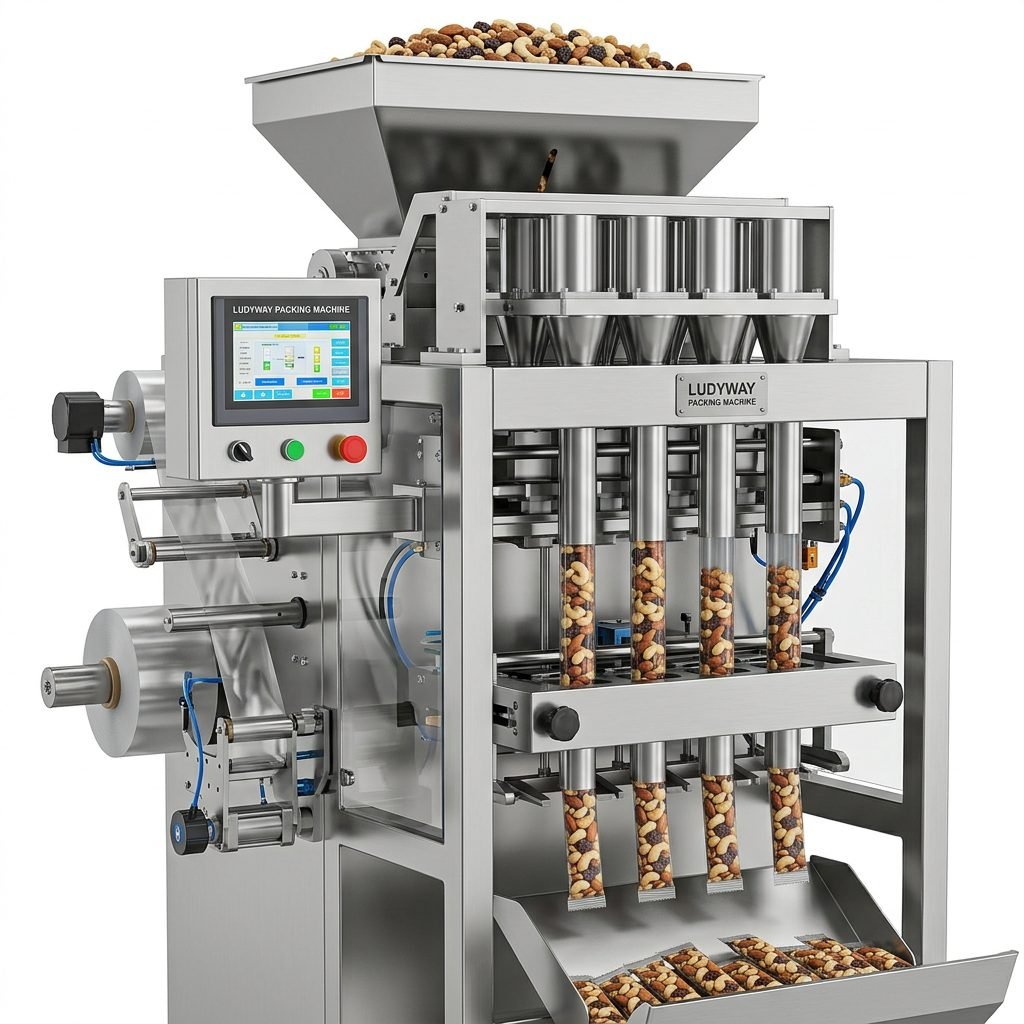
Lubrication Best Practices
Proper lubrication is critical for high-speed packaging operations. Peanut processing environments can be particularly demanding due to fine dust that mixes with lubricants and forms abrasive compounds.
Lubrication Guidelines
- Use food-grade lubricants specifically approved for packaging machinery in food processing environments
- Apply grease sparingly to bearings and chain drives on a bi-weekly schedule
- Wipe away excess lubricant immediately to prevent dust accumulation
- Check oil levels in gearboxes monthly and top up with manufacturer-recommended oils
- Inspect pneumatic cylinder rods for proper lubrication to prevent seal damage
- Document all lubrication activities for traceability and compliance with ISO packaging standards
Common Issues and Troubleshooting
Even with diligent maintenance, packaging machines may encounter operational issues. Recognizing early warning signs can prevent major breakdowns.
Frequent Problems in Peanut Packaging
- Inconsistent fill weights — Check for clogged augers, worn volumetric cups, or calibration drift in weighing systems
- Seal integrity failures — Inspect heating elements, check temperature settings, and clean sealing jaw surfaces
- Film tracking issues — Verify roller alignment, tension settings, and photoelectric sensor positioning
- Excessive noise or vibration — Look for loose fasteners, worn bearings, or misaligned drive components
- Intermittent machine stops — Review sensor cleanliness, electrical connections, and PLC fault logs
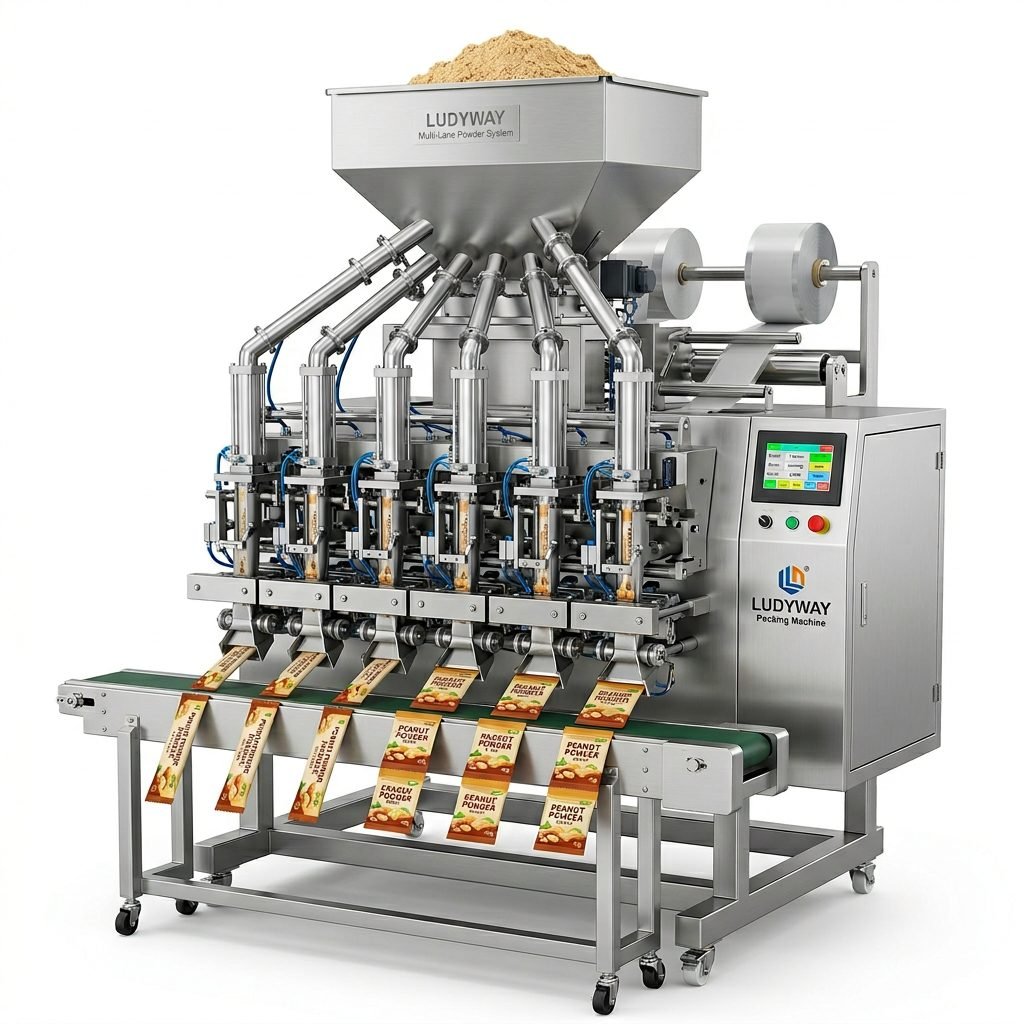
Sealing System Maintenance
The sealing mechanism is one of the most critical subsystems in any peanut packaging machine. Peanut oils and fine particles can quickly degrade seal quality if not properly managed.
Sealing Jaw Care
- Clean sealing surfaces daily with non-abrasive tools to remove carbonized residues
- Check temperature calibration weekly using an external thermometer
- Inspect Teflon coatings for wear and replace when peeling or damage is visible
- Verify jaw alignment and parallelism to ensure even pressure distribution
- Replace worn heating cartridges promptly to maintain consistent sealing temperatures
Electrical and Control System Care
Modern packaging equipment relies heavily on PLC-controlled automation. Protecting electrical components from dust and moisture is essential for reliable operation.
- Keep control cabinets sealed and check gaskets monthly
- Clean cooling fans and filters to prevent overheating
- Inspect wiring harnesses for signs of wear or rodent damage
- Back up machine parameters and PLC programs regularly
- Test emergency stop circuits and safety interlocks as part of monthly checks
When to Call Professional Service Support
While routine maintenance can be handled in-house, certain situations require expert technical assistance. Recognizing when to seek professional help can save significant time and prevent further damage.
- Major component replacement such as servo motors or PLC units
- Persistent quality issues that cannot be resolved through standard troubleshooting
- After any unexpected crash or mechanical overload event
- When upgrading or retrofitting the machine with new capabilities
- For annual comprehensive calibration and certification services
Working with an experienced packaging machinery provider ensures access to genuine spare parts and factory-trained technicians. Ludyway, one of the largest packaging machine manufacturers in China, offers comprehensive after-sales support, technical training, and maintenance services for its full range of granule, powder, and liquid packaging systems, helping manufacturers worldwide maintain peak production efficiency.
Spare Parts Management
Maintaining an inventory of critical spare parts minimizes downtime when replacements are needed. Key items to keep in stock include:
- Sealing jaws and heating cartridges
- Drive belts and timing belts
- Sensor units and photoelectric cells
- Pneumatic cylinders and seals
- Filling augers and volumetric cups
- Common bearing sizes used in the machine
Always source spare parts from authorized suppliers to guarantee compatibility and quality. Refer to the PMMI packaging industry resources for additional guidance on maintenance standards and best practices.

Documentation and Record Keeping
A well-documented maintenance history is invaluable for predictive maintenance planning and regulatory compliance. Keep detailed records of all cleaning, lubrication, inspections, and repairs.
Recommended Documentation Practices
- Maintain a daily cleaning log signed by operators
- Record all part replacements with dates and part numbers
- Track temperature and pressure readings over time to identify trends
- Document calibration results for weighing and sealing systems
- Keep service reports from external technicians on file
Final Thoughts on Peanut Packaging Machine Maintenance
A proactive approach to cleaning and maintenance is the most cost-effective strategy for maximizing the return on your packaging equipment investment. By following the daily, weekly, and monthly schedules outlined above, operators can significantly reduce unplanned downtime, extend machine life, and maintain consistent product quality. For specialized support, always consult your equipment manufacturer or a qualified packaging industry professional to ensure your maintenance practices align with current standards and regulations.