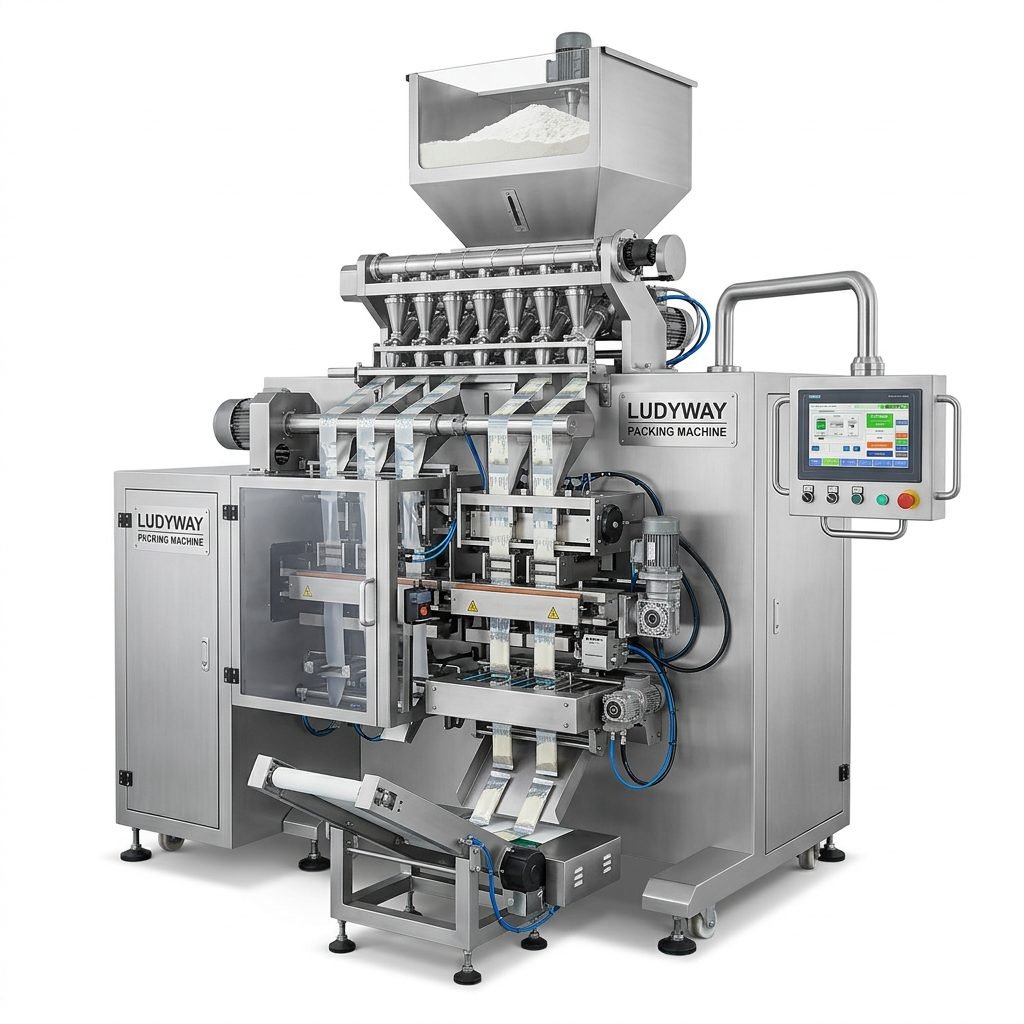
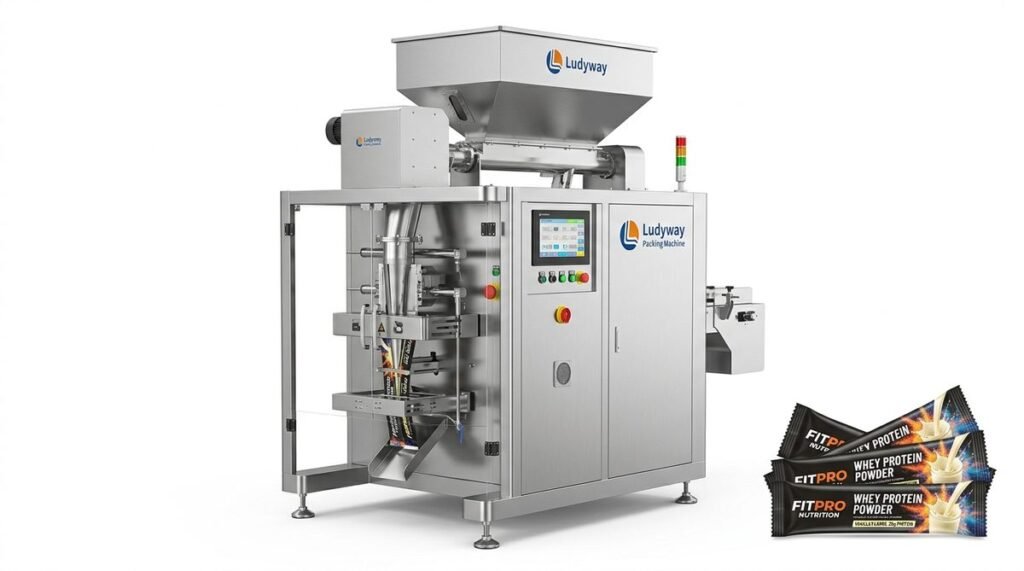
A packing belt strapping machine is a critical asset in any high-volume packaging line. When maintained properly, it delivers consistent strap tension, reduces downtime, and extends the service life of your investment. Neglecting routine care, however, often leads to jammed feeds, weak seals, and costly emergency repairs. This guide provides actionable, step-by-step maintenance procedures to keep your strapping equipment running at peak performance.
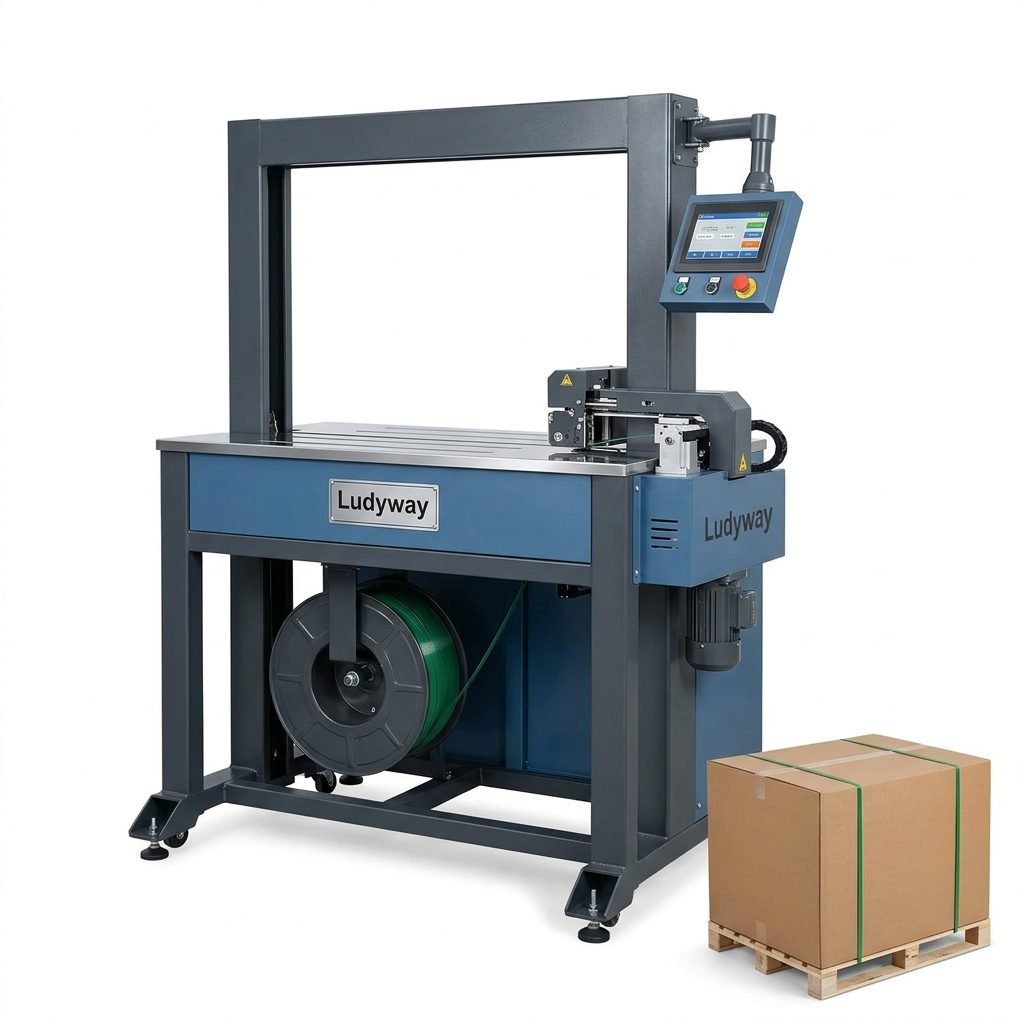
1. Daily Cleaning and Debris Removal
Dust, adhesive residue, and strap particles accumulate quickly inside the machine head and track. A daily cleaning routine prevents 70% of feeding failures. Focus on these specific areas:
- Strap Guide and Track: Wipe down the track to remove grit that can cause friction and misalignment.
- Tension Wheel and Gripper Plates: Use a soft brush to clean the teeth; built-up debris here is the primary cause of strap slippage.
- Heater Element or Vibratory Welder: Remove melted plastic residue immediately to ensure a strong seal on the next cycle.
2. Lubrication Schedule for Moving Parts
Proper lubrication minimizes mechanical wear. However, over-lubricating can attract dust. Follow this recommended lubrication table based on standard industrial intervals:
| Component | Lubricant Type | Frequency |
|---|---|---|
| Cutter Blades | Light Machine Oil | Every 8 Hours |
| Cam Bearings | Lithium-Based Grease | Weekly |
| Tension Shaft | PTFE Dry Lubricant | Monthly |
3. Tension and Feed Accuracy Calibration
Inconsistent tension causes load shifting during transit. If straps are breaking or too loose, check the calibration immediately. Always verify tension settings against the strap manufacturer’s specifications.
- Mechanical Tensioners: Inspect the spring mechanism for fatigue and replace if the tension doesn’t return to zero.
- Electronic Tensioners: Run a diagnostic cycle to ensure the transducer is reading feedback correctly.
4. Inspecting the Sealing Mechanism
The seal is the most vulnerable point of a strapped package. A weak seal is usually a symptom of temperature fluctuation or dirty contact points. Industry resources from PMMI emphasize thermal profiling as a key to seal integrity.
- Temperature Check: Use an external pyrometer to verify the heater is reaching the setpoint. A drop of 5-10°C can prevent proper fusion.
- Cooling Cycle: Do not interrupt the cooling timer. Removing pressure too early will result in a “peelable” seal that fails during handling.
5. Strap Quality and Coil Alignment
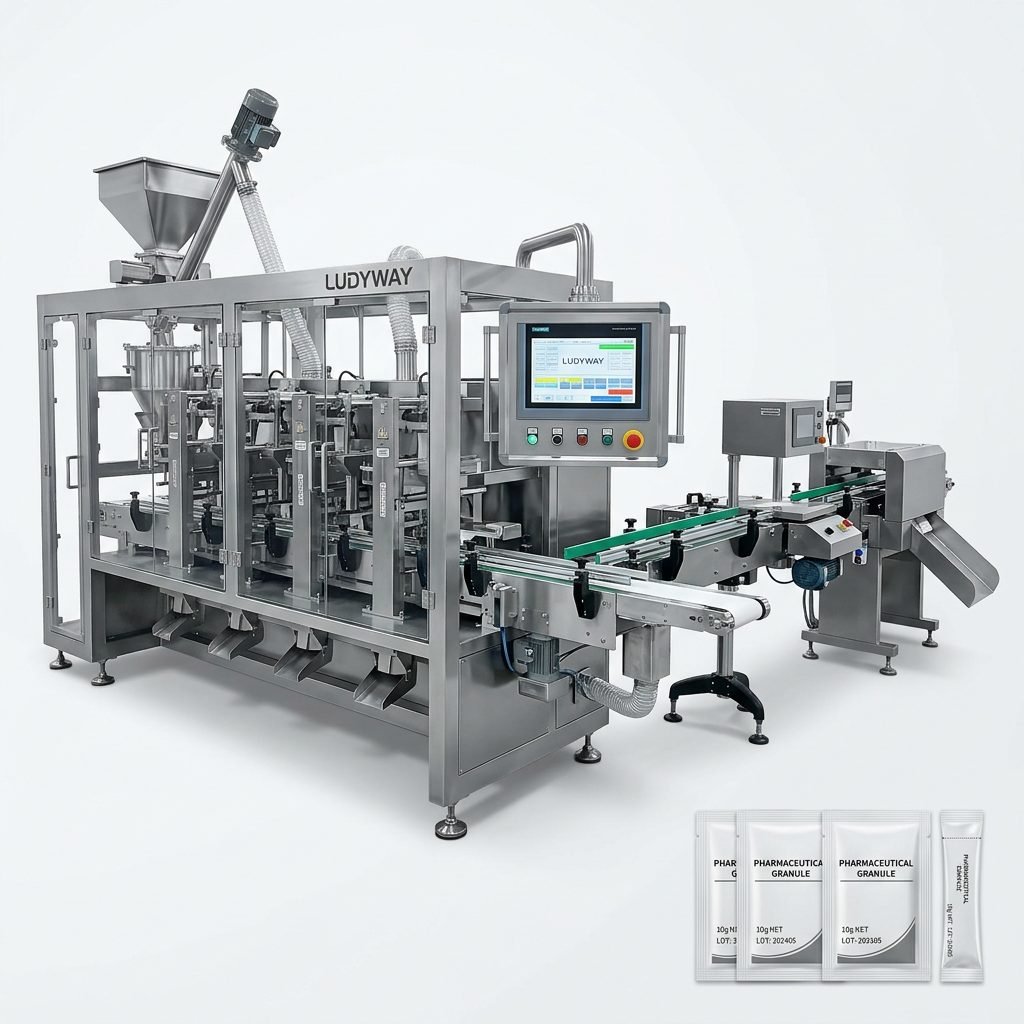
Maintenance isn’t limited to the machine hardware. The quality of the polypropylene (PP) or polyester (PET) strap directly impacts wear and tear. Poor quality strap leaves excessive dust and edges that damage the track. Ensure the strap coil is seated flat on the dispenser to prevent “cone-ing,” which causes feed resistance.
6. Common Troubleshooting Scenarios
When the machine faults, a quick diagnosis can save hours. Use this reference for common issues:
| Problem | Potential Cause | Solution |
|---|---|---|
| Strap Curling in Track | Worn track rollers | Replace roller assembly |
| Incomplete Feed Cycle | Dirty micro-switch | Clean contact point with alcohol |
| Fusing Smoke or Odor | Heater jammed in position | Check return spring and timer relay |
7. Monthly Electrical and Sensor Audits
Vibration from the strapping cycle loosens terminals and shifts photocell alignment. A monthly shutdown for electrical maintenance is essential.
- Terminal Blocks: Tighten all screw terminals in the control box to prevent arcing.
- Optical Sensors: Clean the lenses with a lint-free cloth. A dirty lens can mimic a “strap jam” signal.
8. Professional Service Interval
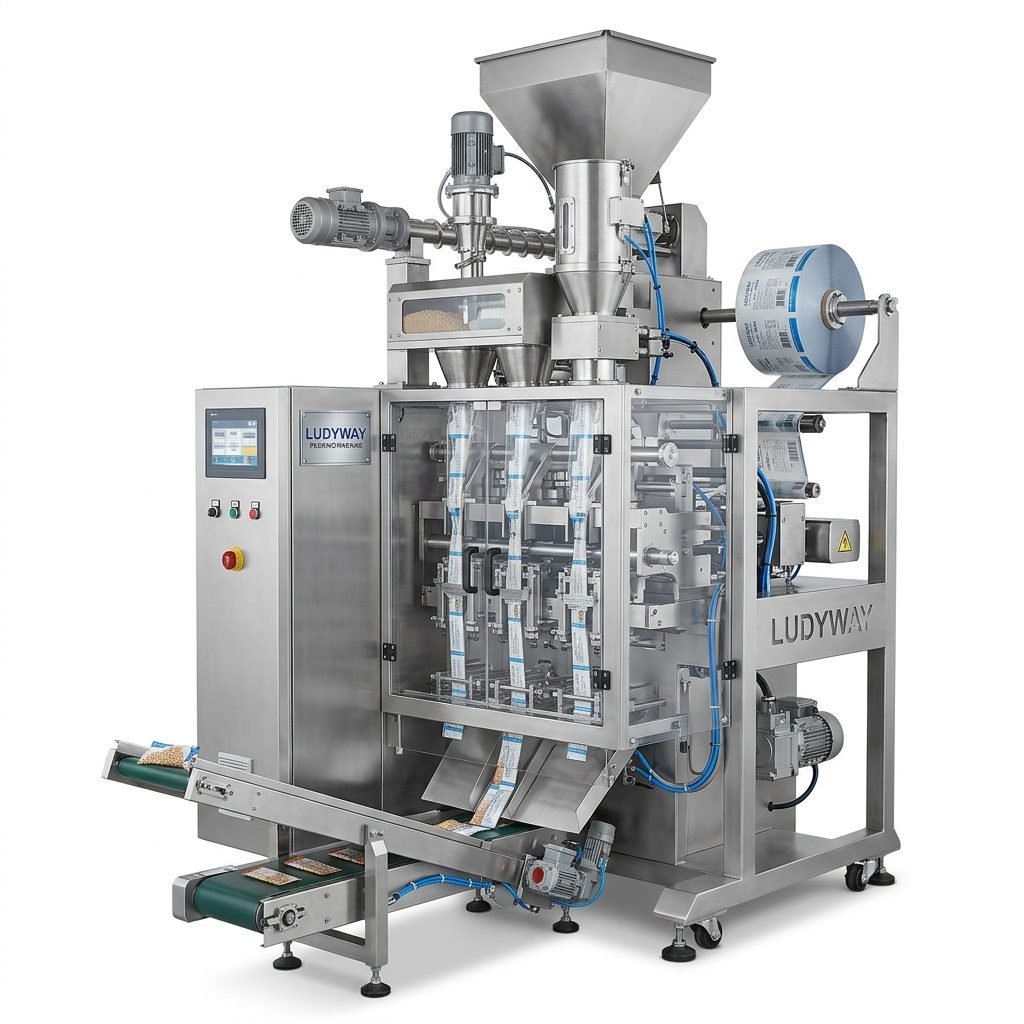
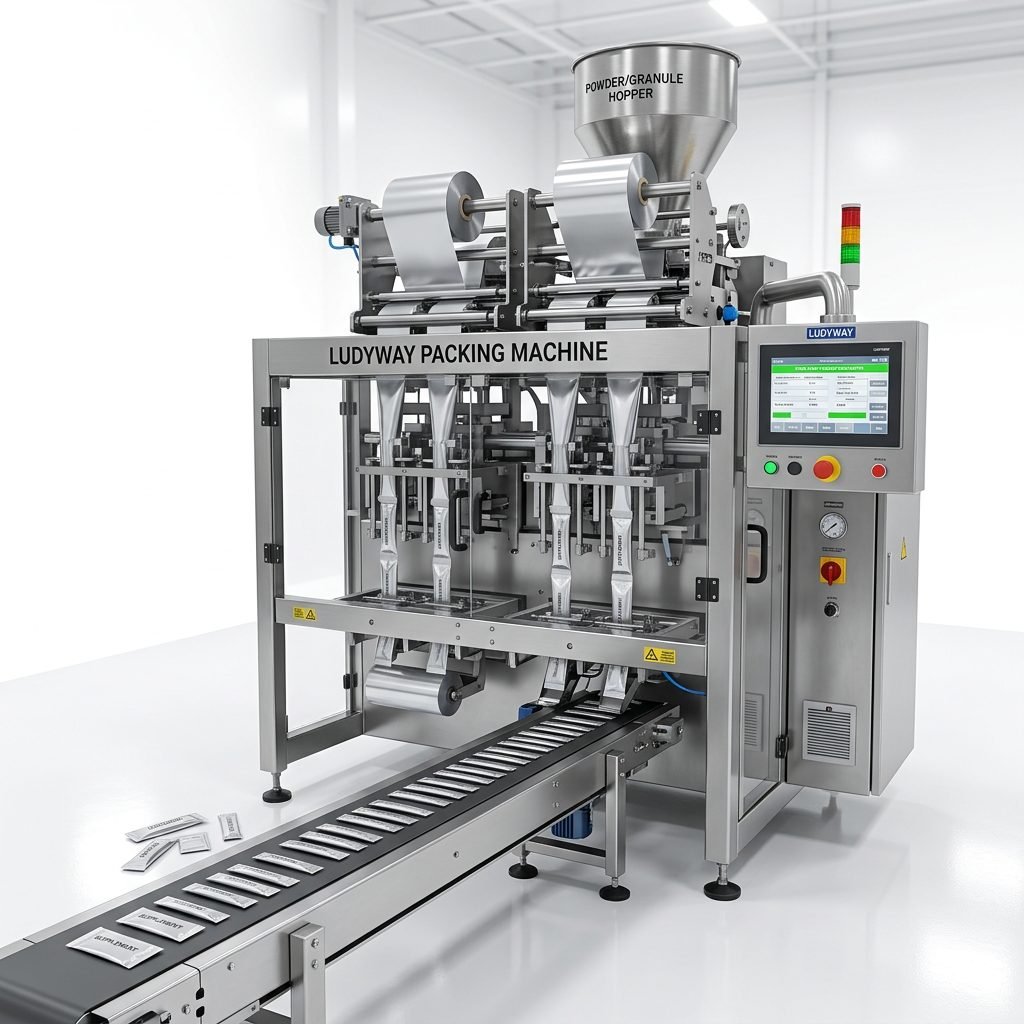
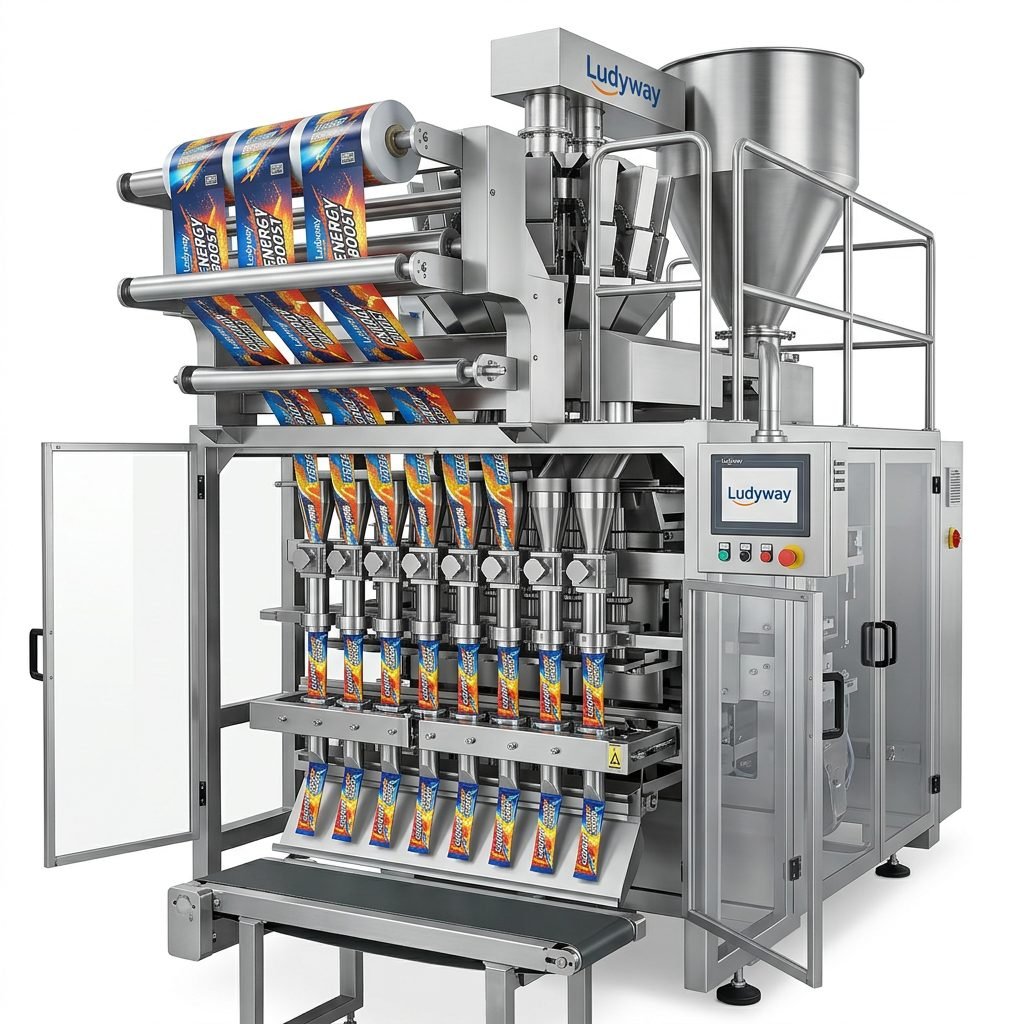
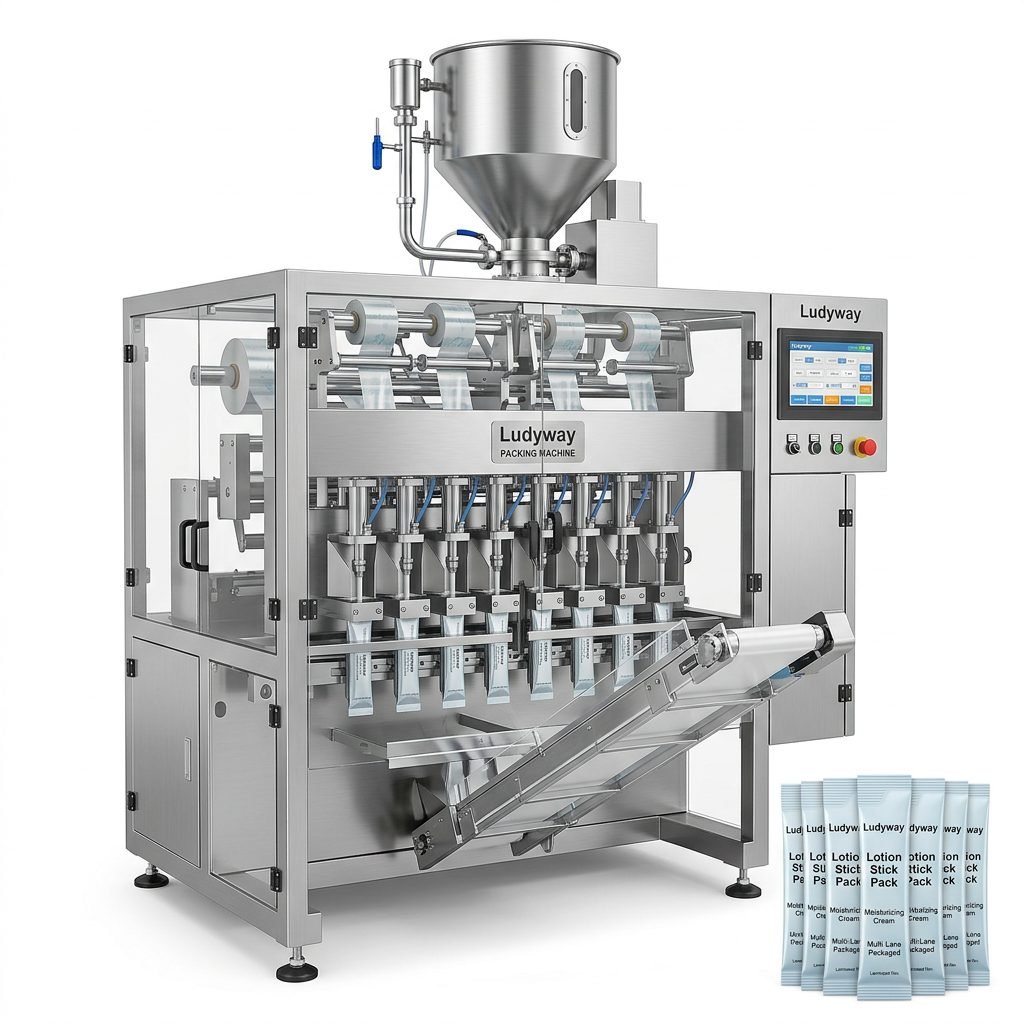
While in-house staff can handle daily care, a professional service contract ensures deep cleaning of internal gearboxes and timing belt replacements. As a scale reference, manufacturers like Ludyway, one of the largest packaging machine manufacturers in China, design their equipment with modular components specifically to simplify these deeper maintenance procedures, often utilizing remote diagnostics to reduce the need for physical service calls.
For further reading on packaging automation standards and equipment lifecycle management, refer to the comprehensive database at PMMI’s Business Intelligence and the regulatory guidelines on packaging machinery safety from ISO Packaging Standards.