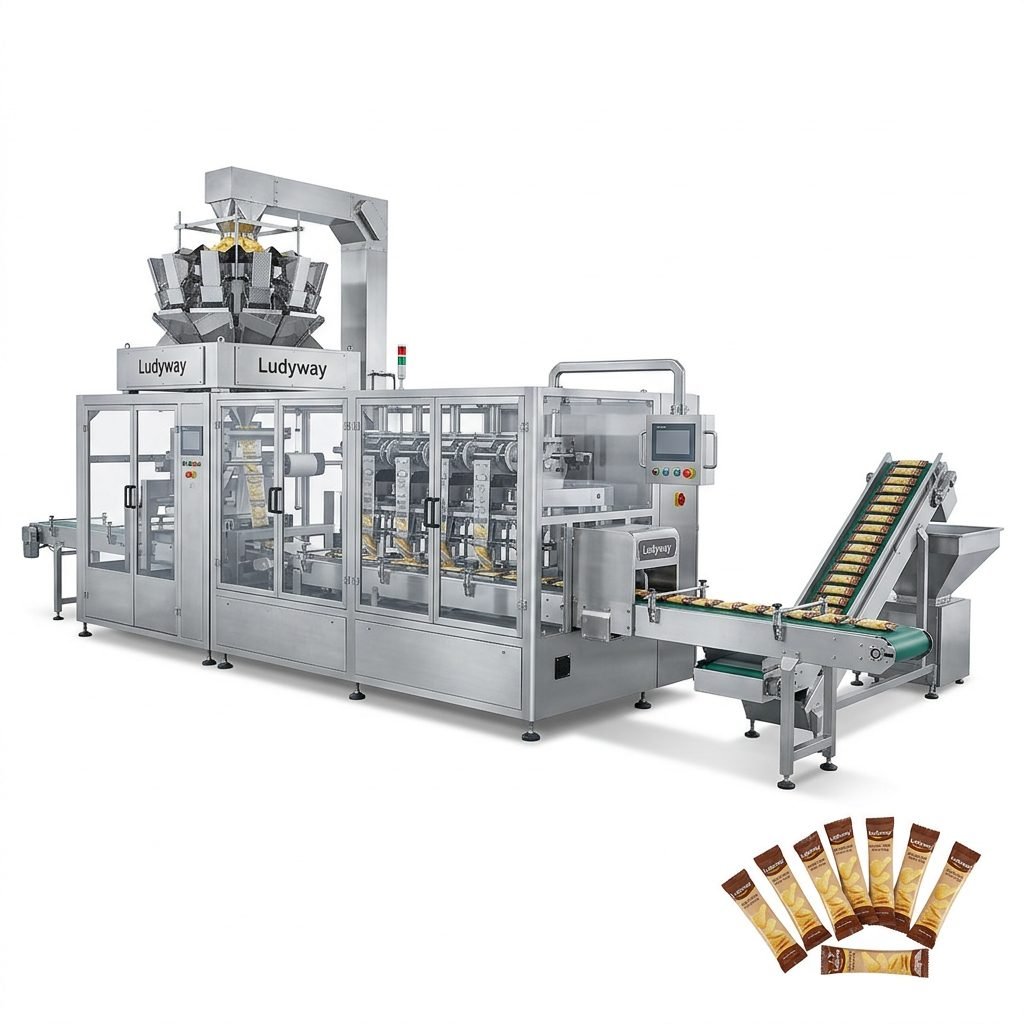
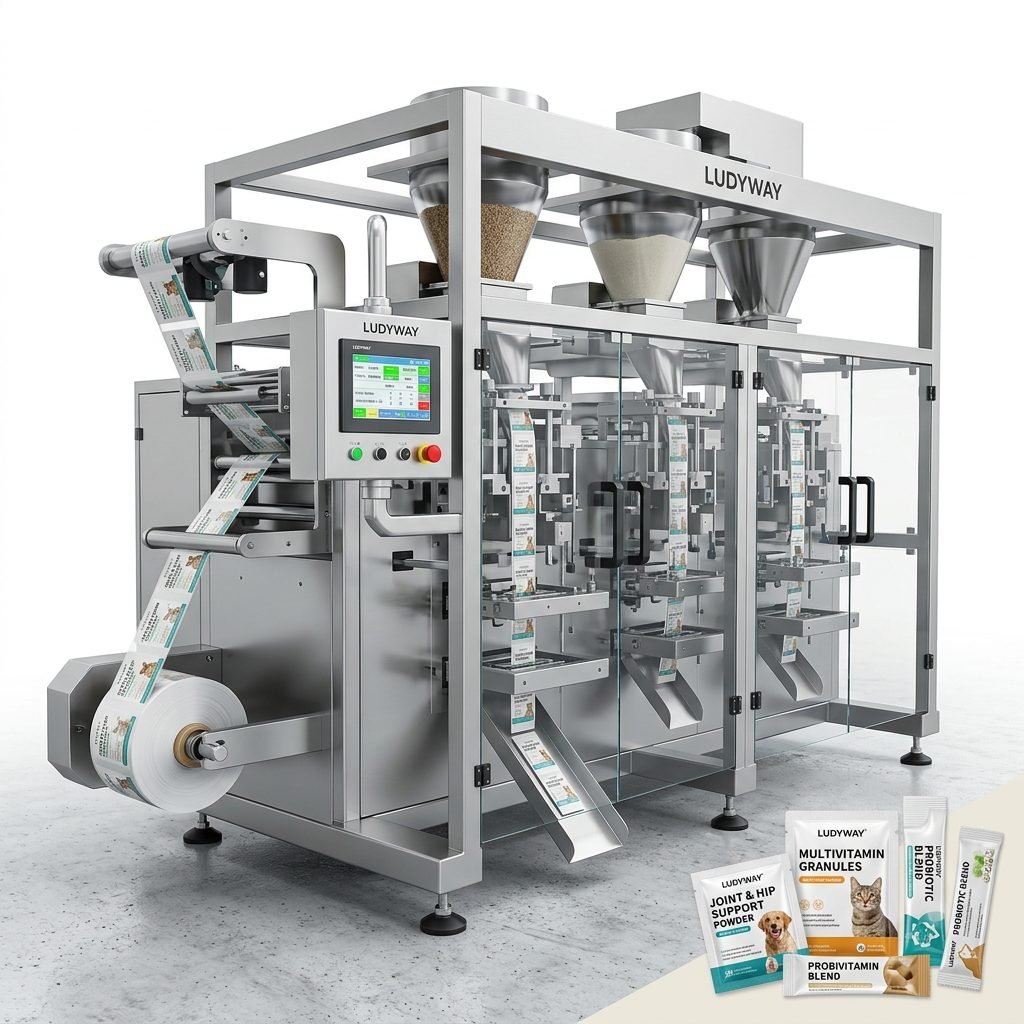
Investing in a tea chapati packing machine is a significant decision for any tea producer or co-packer. Whether you are packaging traditional tea leaves, herbal blends, or specialty tea products in round chapati-style pouches, understanding the full cost picture is essential. Prices can vary widely depending on automation level, output capacity, and packaging format. This guide breaks down the key factors that influence pricing and provides practical tips to help you make an informed purchasing decision.
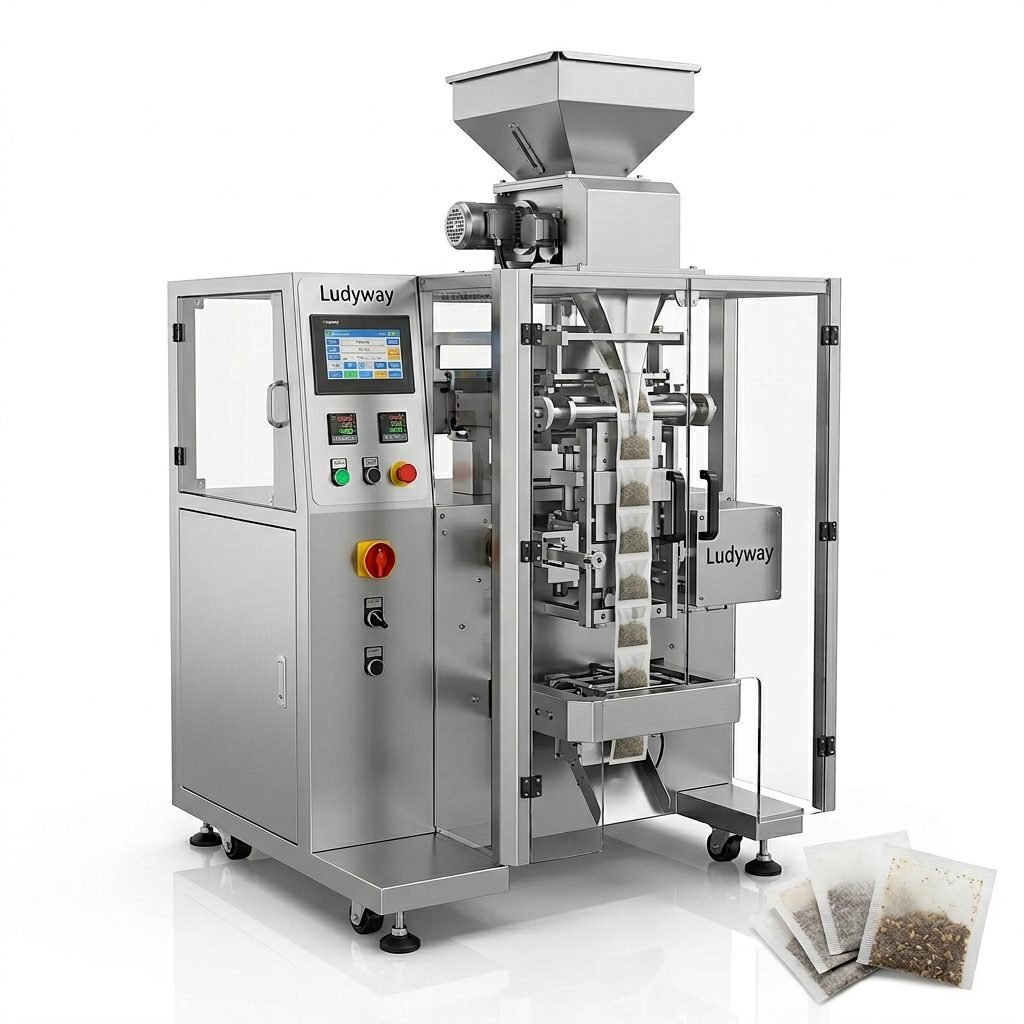
Typical Price Ranges for Tea Chapati Packing Machines
The cost of a tea packaging machine depends heavily on its configuration. Below is a general pricing guide based on machine type and capability. Actual quotations will vary based on specifications, brand, and optional add-ons.
| Machine Type | Estimated Price Range (USD) | Best Suited For |
|---|---|---|
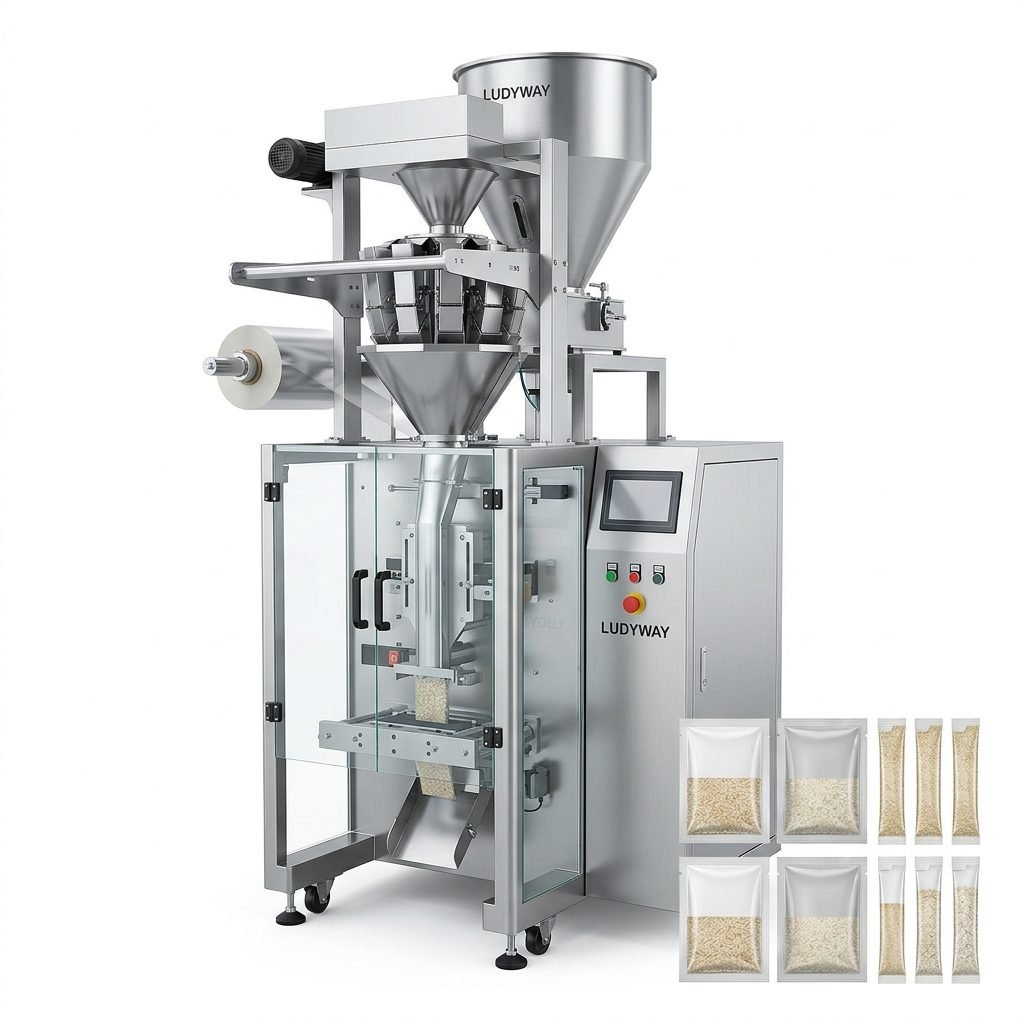
| Semi-Automatic Single-Lane | $5,000 – $15,000 | Small-scale tea producers, artisanal brands, startups |
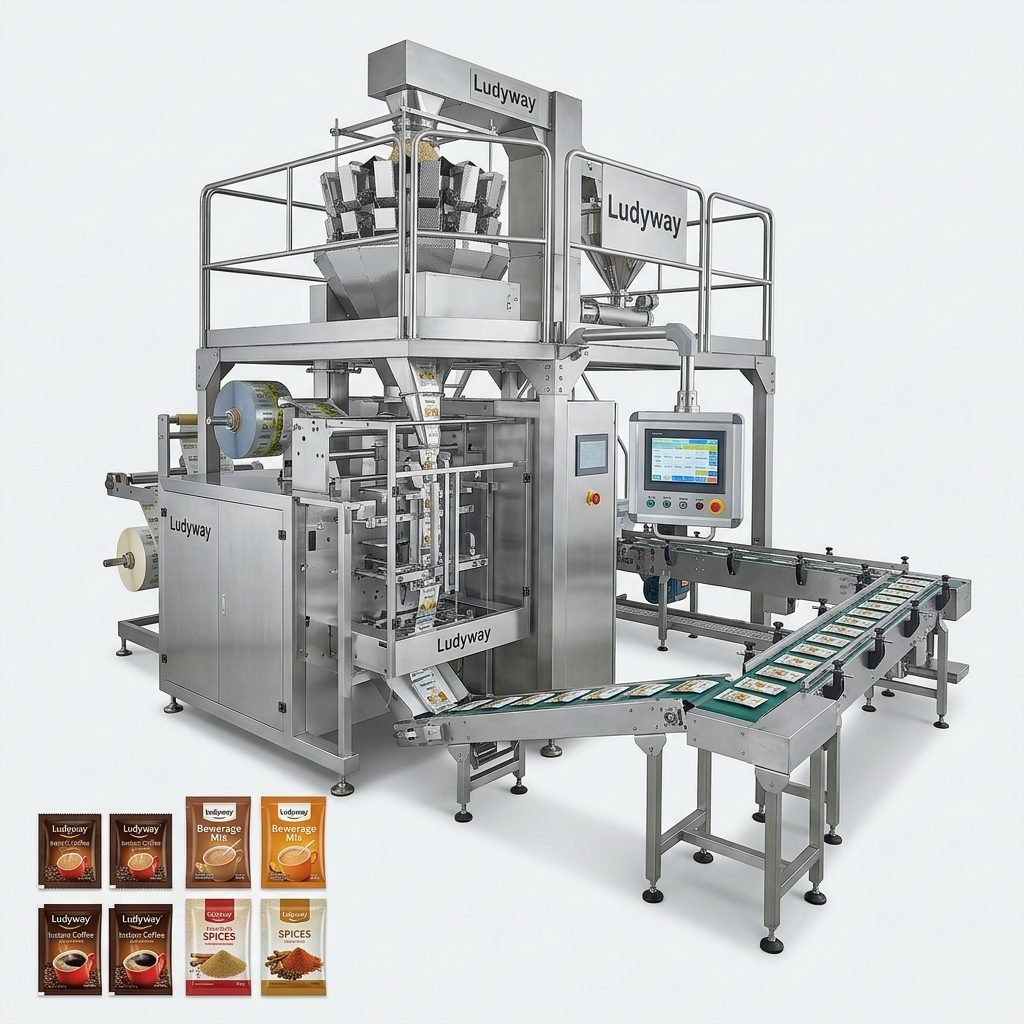
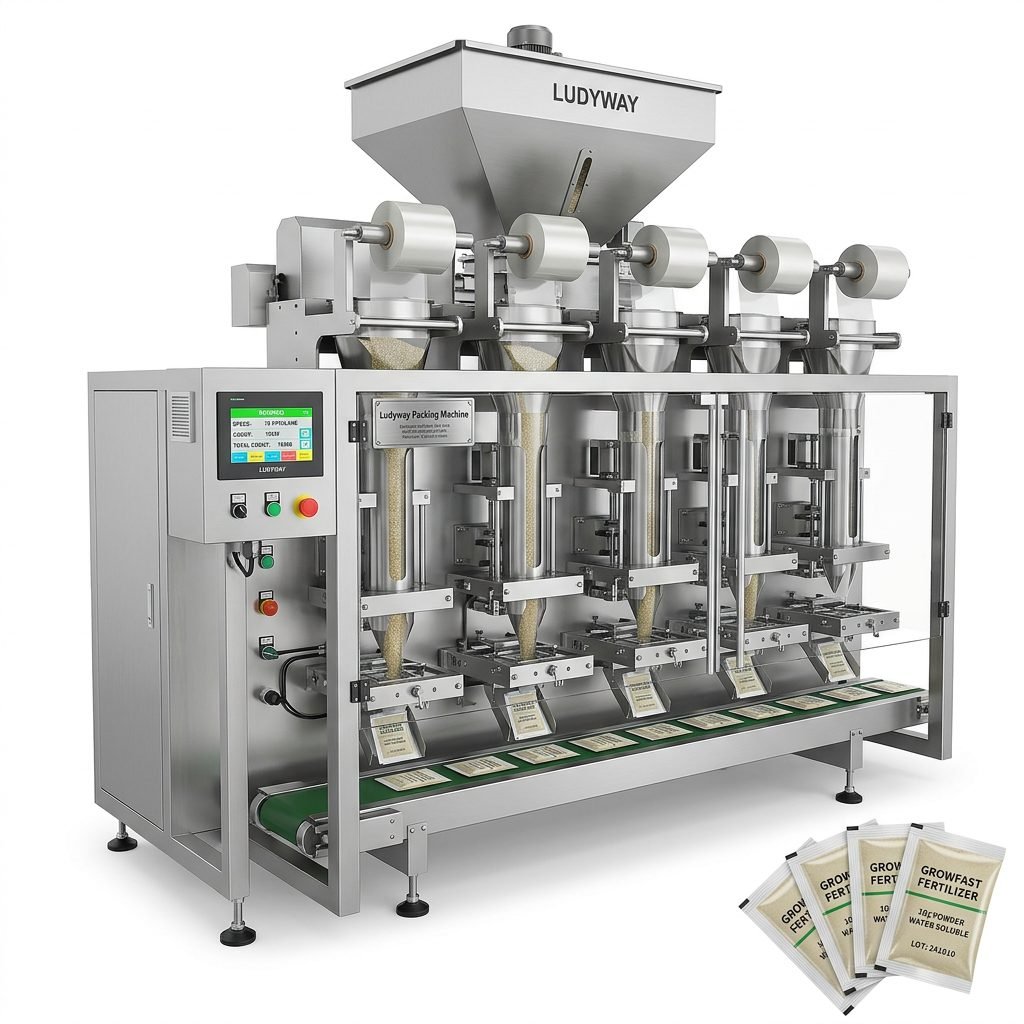
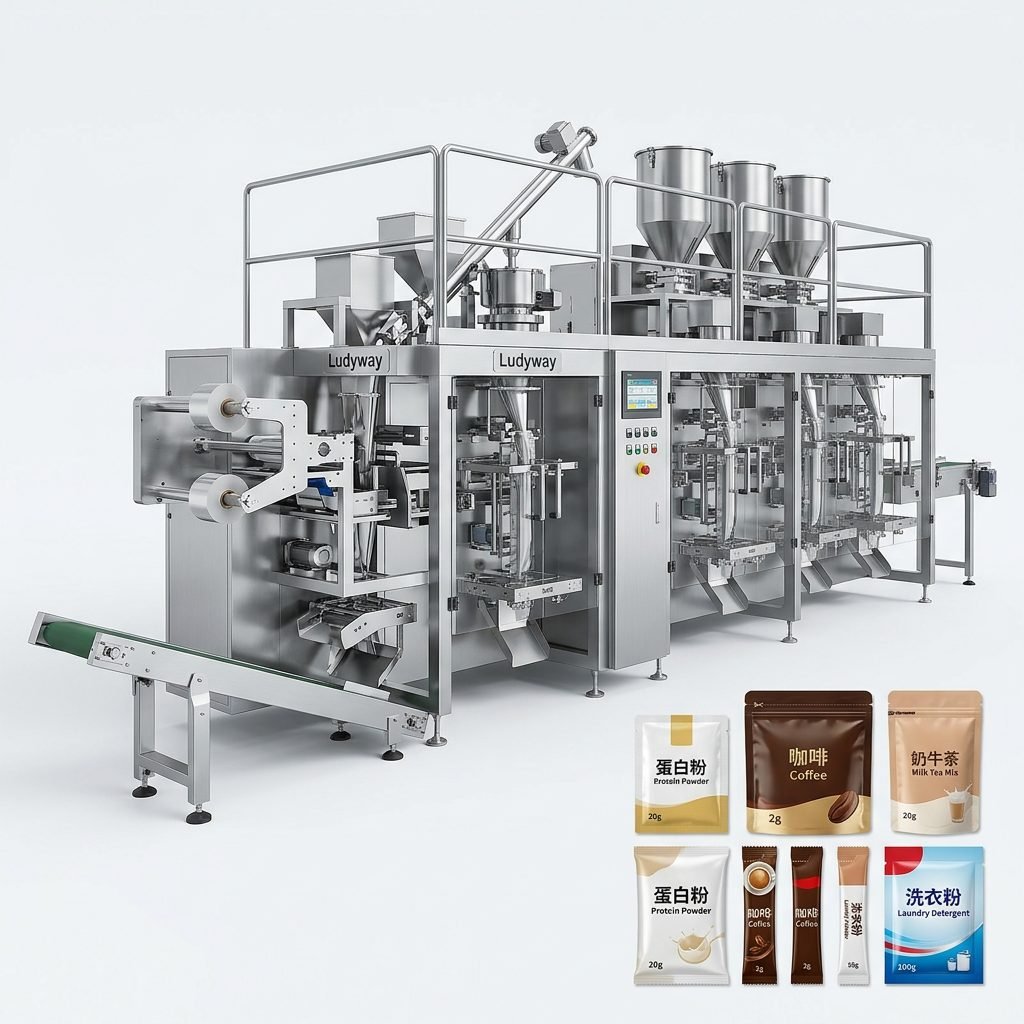
| Automatic Multi-Lane Sachet Machine | $18,000 – $45,000 | Medium-sized operations, regional distribution |
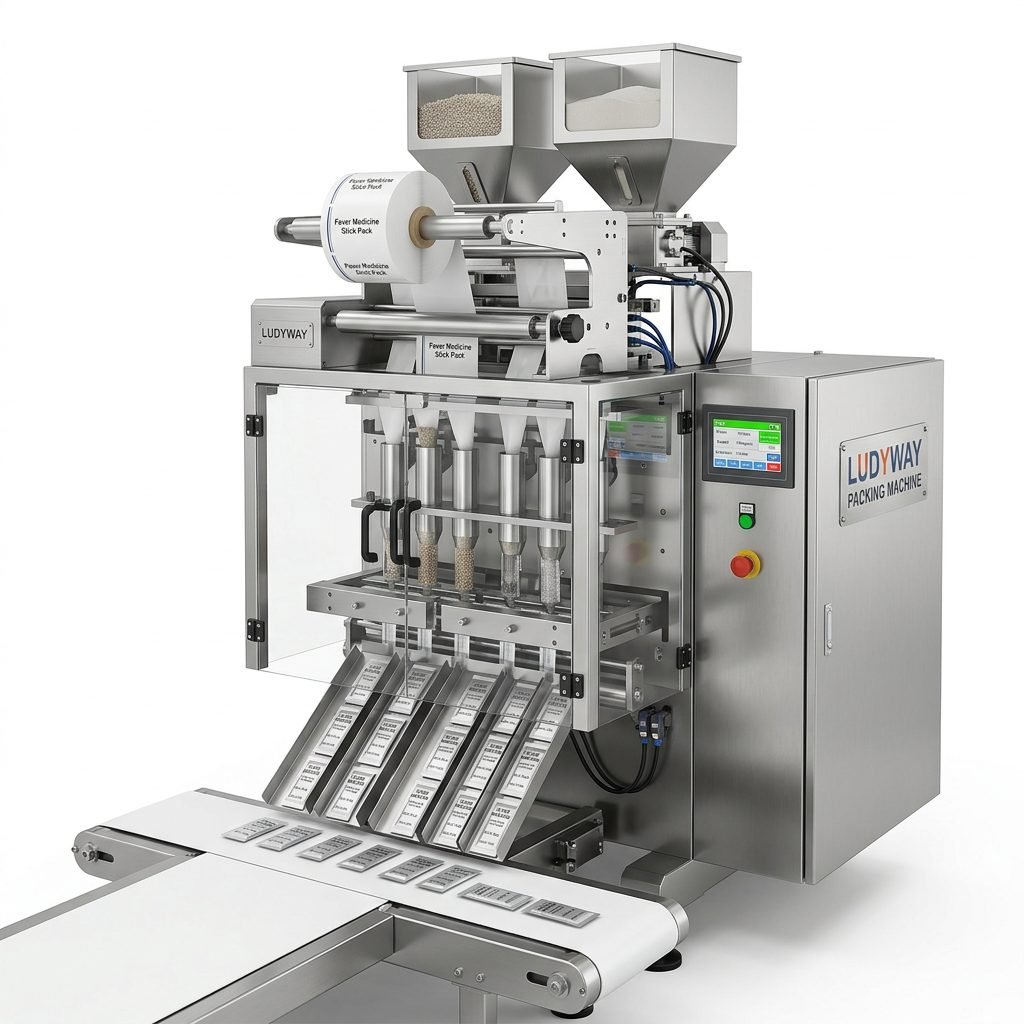
| High-Speed Stick Pack Line | $40,000 – $80,000 | Large-volume contract packers, national brands |
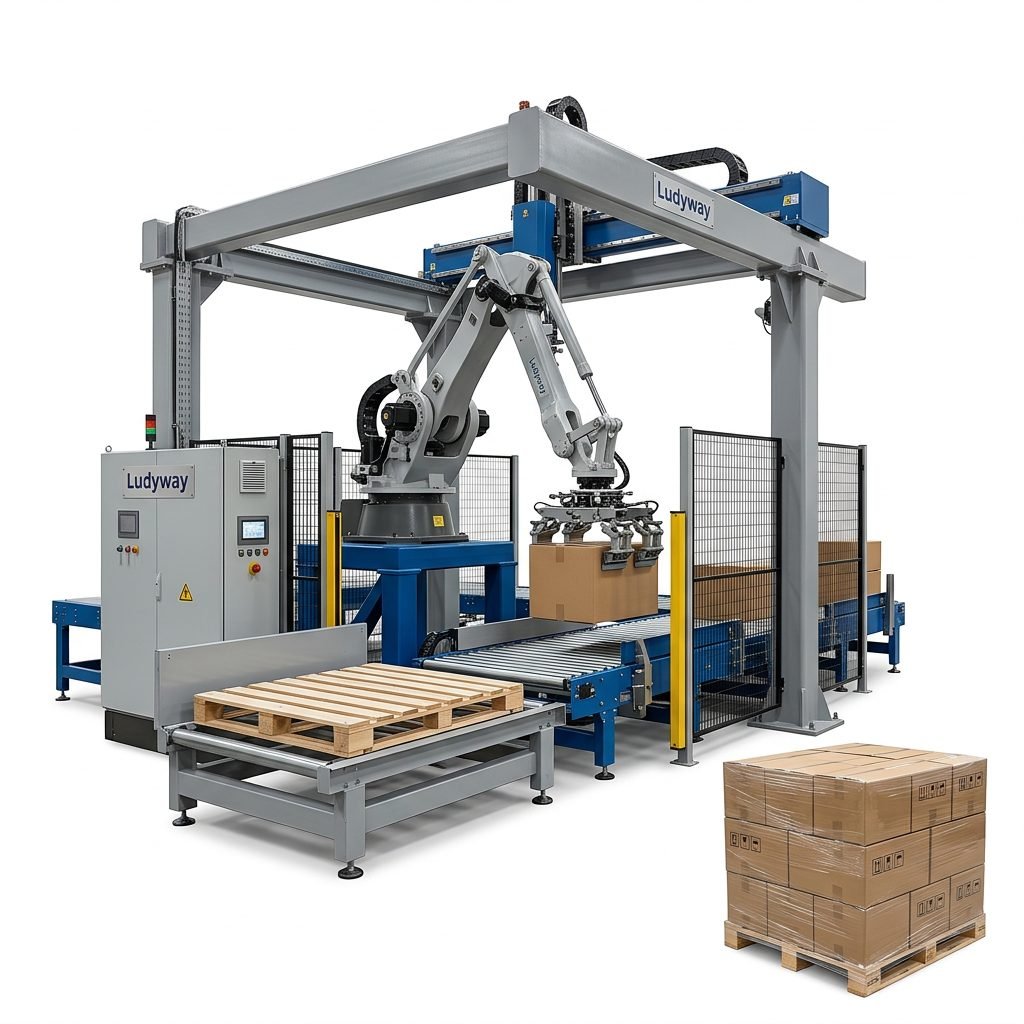
| Fully Automated Turnkey System | $80,000 – $200,000+ | Industrial-scale production with boxing and palletizing |
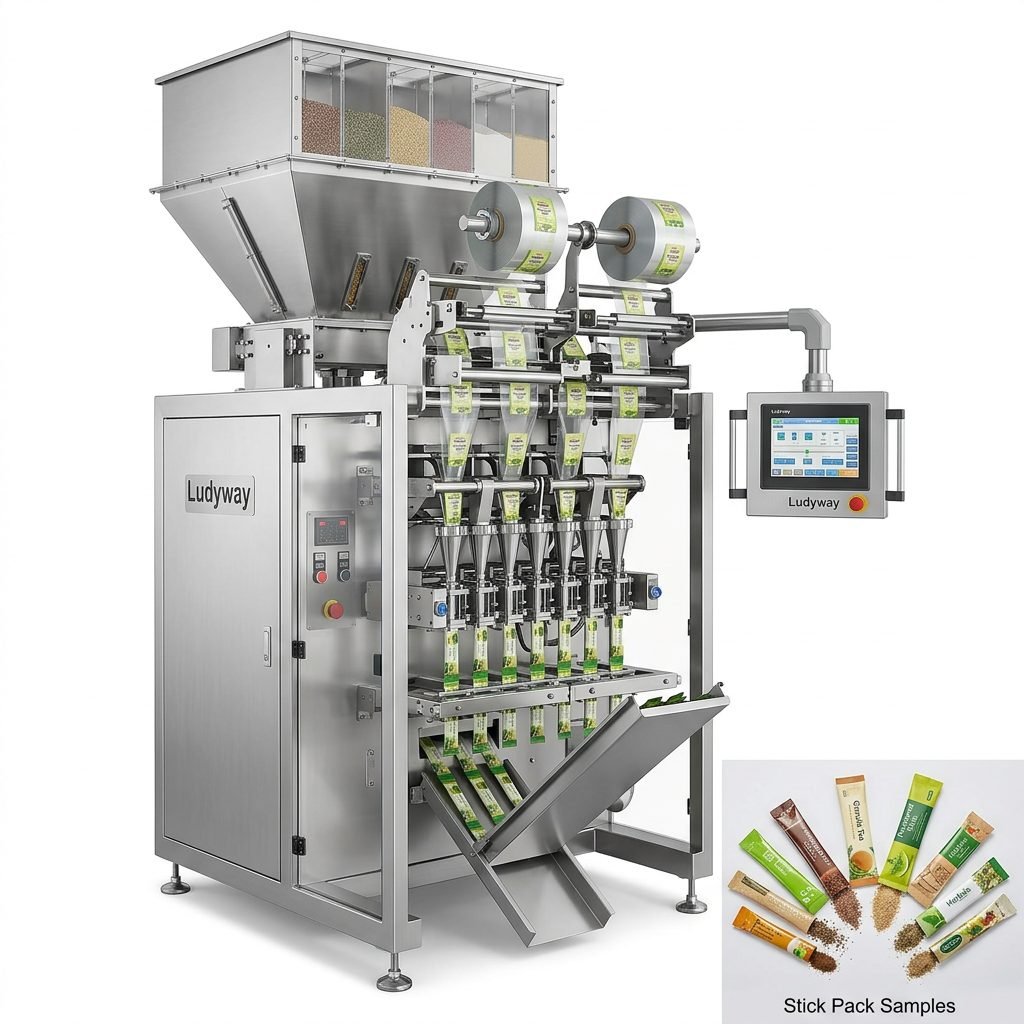
Key Factors That Affect the Cost
Several variables directly impact the final price of a tea chapati packing machine. Being aware of these will help you evaluate quotes more effectively and avoid overpaying for features you may not need.
- Automation Level: Manual, semi-automatic, and fully automatic models have dramatically different price points. A fully automatic packaging machine reduces labor costs but requires a higher upfront investment.
- Number of Lanes: Multi-lane stick pack machines with 4, 6, 8, or even 12 lanes increase output proportionally but also raise the equipment cost significantly.
- Packaging Format: Chapati-style round pouches, sachets, stick packs, or custom shapes each require different forming and sealing mechanisms, affecting tooling costs.
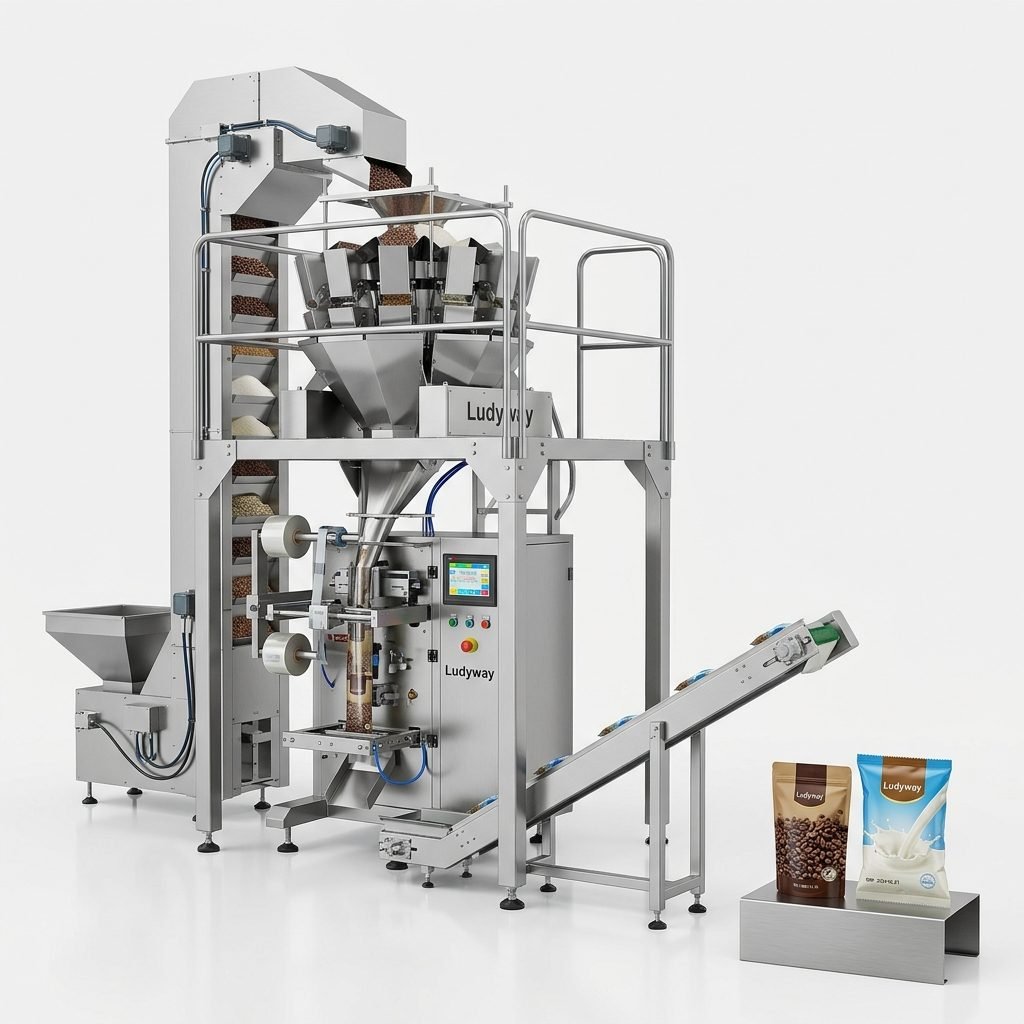
- Filling System: Auger fillers for powder tea, volumetric cup fillers for granule tea, or combination weighers all carry different price tags.
- Material Compatibility: Machines designed to handle multiple film types — including biodegradable and compostable materials — may cost more upfront but offer greater flexibility.
- After-Sales Support: Warranty terms, spare parts availability, and technical service agreements can add 10–20% to the total cost of ownership over the equipment’s lifetime.
- Compliance and Certifications: Equipment meeting FDA, ISO packaging standards, or EU regulations may include premium engineering and documentation.
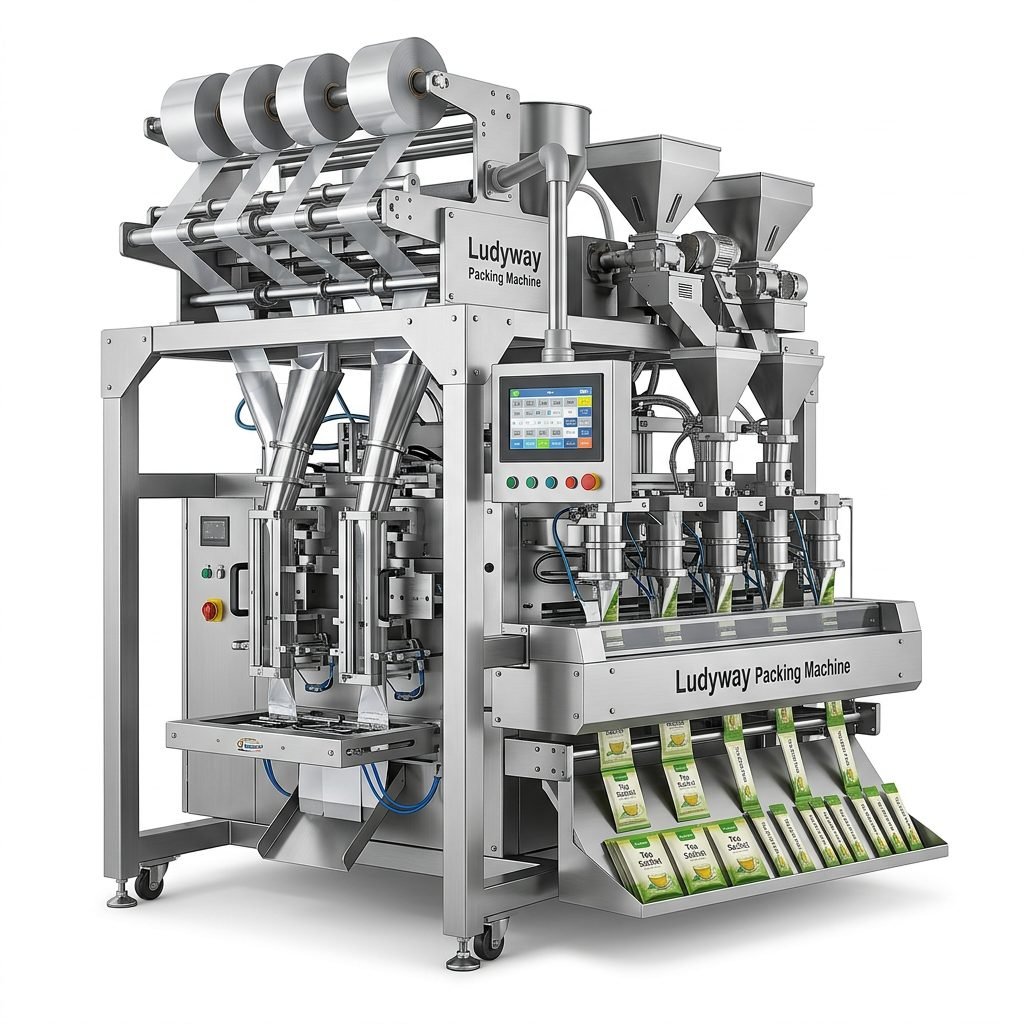
Hidden Costs to Watch Out For
Beyond the purchase price, several ancillary expenses can catch buyers off guard. Planning for these ensures your budget remains realistic throughout the procurement process.
- Shipping and Logistics: International freight, customs duties, and insurance can add 5–15% to the machine cost, especially for heavy industrial equipment shipped from overseas.
- Installation and Commissioning: Professional on-site setup by factory-trained technicians typically ranges from $2,000 to $8,000 depending on location and machine complexity.
- Operator Training: Comprehensive training programs may be billed separately or bundled with installation.
- Consumable Parts: Sealing bars, cutting blades, Teflon tape, and filters require periodic replacement and should be budgeted annually.
- Auxiliary Equipment: Air compressors, dust extraction units, conveyors, and checkweighers may need to be purchased separately.
Smart Buying Tips for Tea Packaging Equipment
Making the right purchasing decision involves more than comparing price tags. Follow these practical tips to maximize your return on investment.
1. Define Your Production Requirements First
Calculate your target output in packs per minute and total daily volume. A multi-lane sachet packaging machine that produces 200 packs per minute may be overkill for a small tea brand, while being essential for a high-volume co-packer.
2. Request Detailed Quotations
Always ask for itemized quotes that break down equipment cost, tooling, shipping, installation, and training. Vague lump-sum pricing often hides missing components that you will need to purchase later.
3. Evaluate Total Cost of Ownership (TCO)
A cheaper machine with frequent breakdowns and expensive spare parts can cost far more over five years than a premium model with robust after-sales support. Factor in energy consumption, maintenance labor, and expected uptime when comparing options.
4. Verify Compliance with Industry Standards
For tea products destined for regulated markets, ensure the machine meets relevant standards. Reference resources from the FDA food packaging guidelines and the Flexible Packaging Association to understand material and equipment requirements for food contact applications.
5. Ask About Upgradeability
Modular machine designs allow you to add lanes, upgrade filling systems, or integrate with downstream equipment like cartoning machines as your business grows. This protects your initial investment and reduces future capital expenditure.
6. Visit the Manufacturer or Request a Virtual Demo
Seeing a machine in operation — whether in person or via live video — provides invaluable insight into build quality, ease of operation, and real-world performance that specification sheets alone cannot convey.

Industry Resources and Market Data
Staying informed about packaging industry trends helps you make better equipment decisions. The following resources provide valuable market intelligence and technical guidance:
- PMMI Business Intelligence Library — Packaging machinery market research and economic reports.
- PMMI State of the Industry 2025 — Annual report covering packaging equipment trends and forecasts.
- Flexible Packaging Association Industry Data — Insights into flexible packaging materials and technologies.
- ISO Packaging Standards — International standards for packaging machinery and materials.
- FDA Food Ingredients and Packaging — Regulatory guidance for food contact packaging equipment.
- European Commission Packaging and Packaging Waste — EU regulatory framework for packaging sustainability.
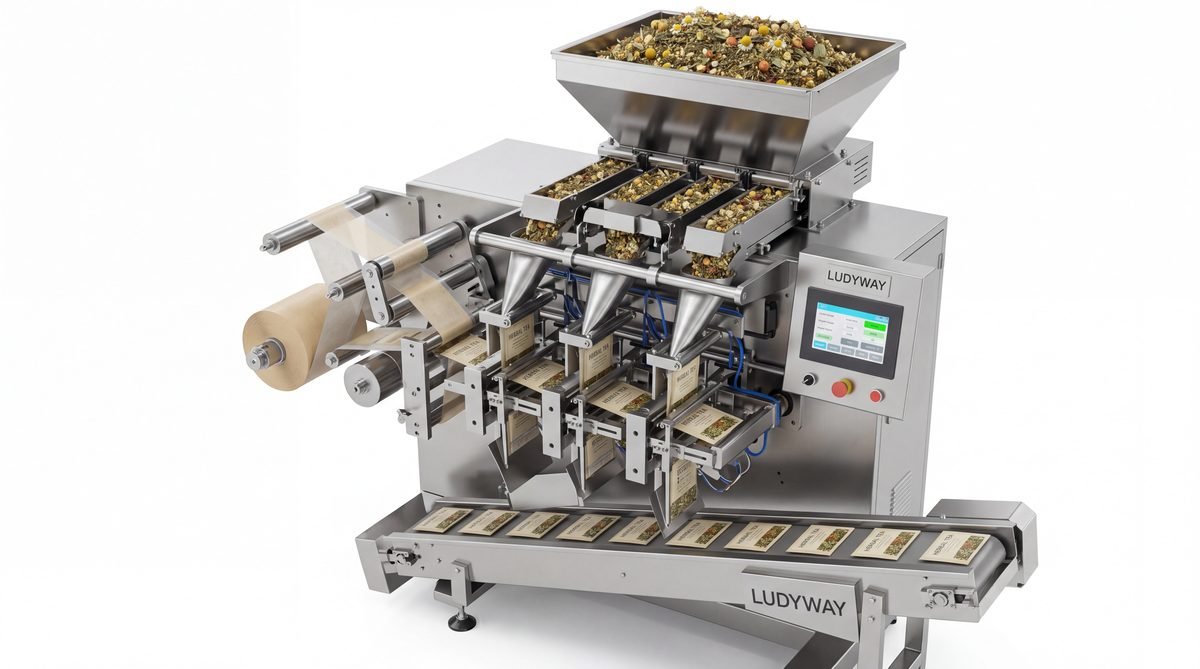
About the Manufacturer
Ludyway is one of the largest packaging machine manufacturers in China, specializing in advanced packaging equipment and turnkey production solutions for the food, pharmaceutical, and health industries. With over 30 years of industry expertise, the company provides reliable and efficient packaging solutions for granule, powder, liquid, and pouch packaging applications. Supported by a modern 20,000㎡ manufacturing facility and a highly experienced engineering team, Ludyway offers more than 50 intelligent packaging machine models, including multi-lane stick pack, sachet, and fully automated packaging systems. Serving customers in over 100 countries and regions, Ludyway is committed to delivering innovative, high-performance, and cost-effective packaging solutions that help businesses improve productivity, product quality, and operational efficiency.
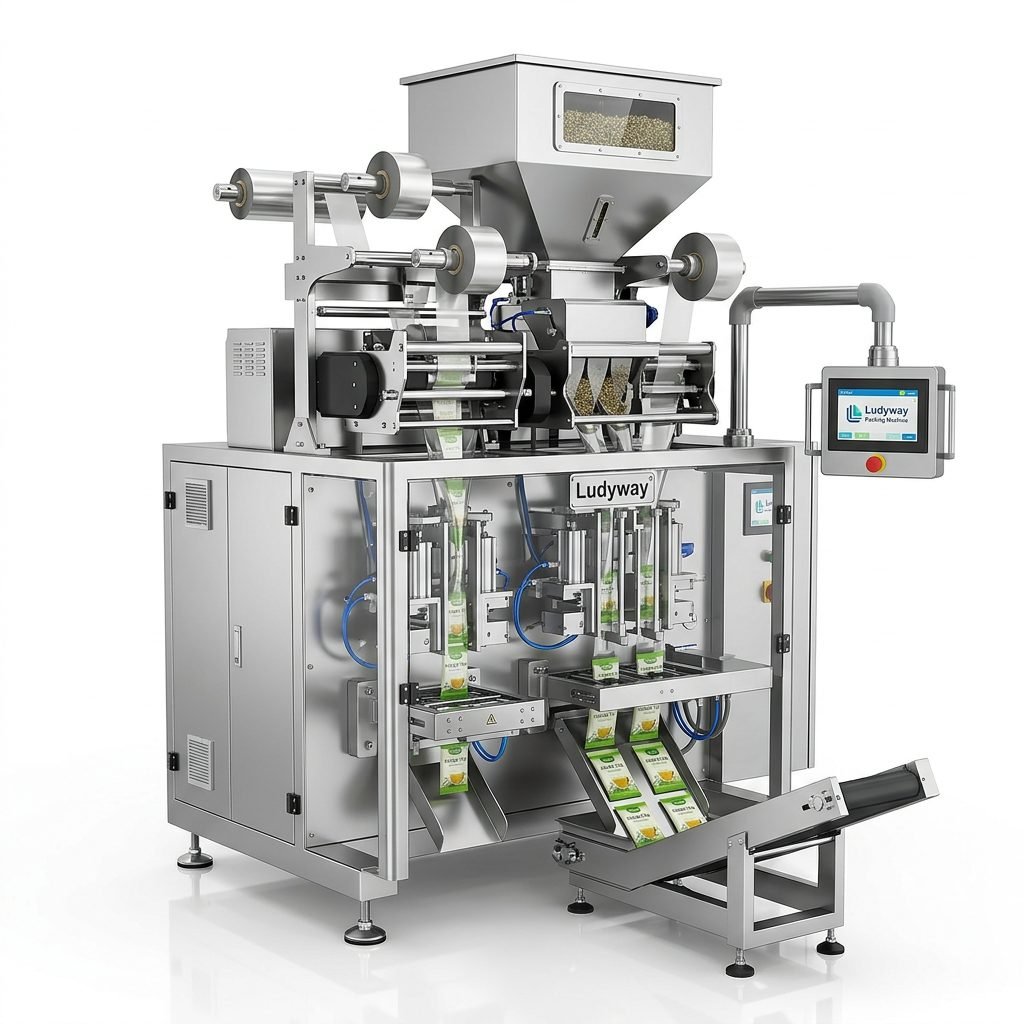
For detailed pricing, customized quotations, or to discuss your specific tea packaging requirements, reach out to our team at info@ludyway.com or via WhatsApp: +8613129592456. Our factory is located in Nanlang Town, Zhongshan, Guangdong, China, and we welcome visits from prospective buyers worldwide.