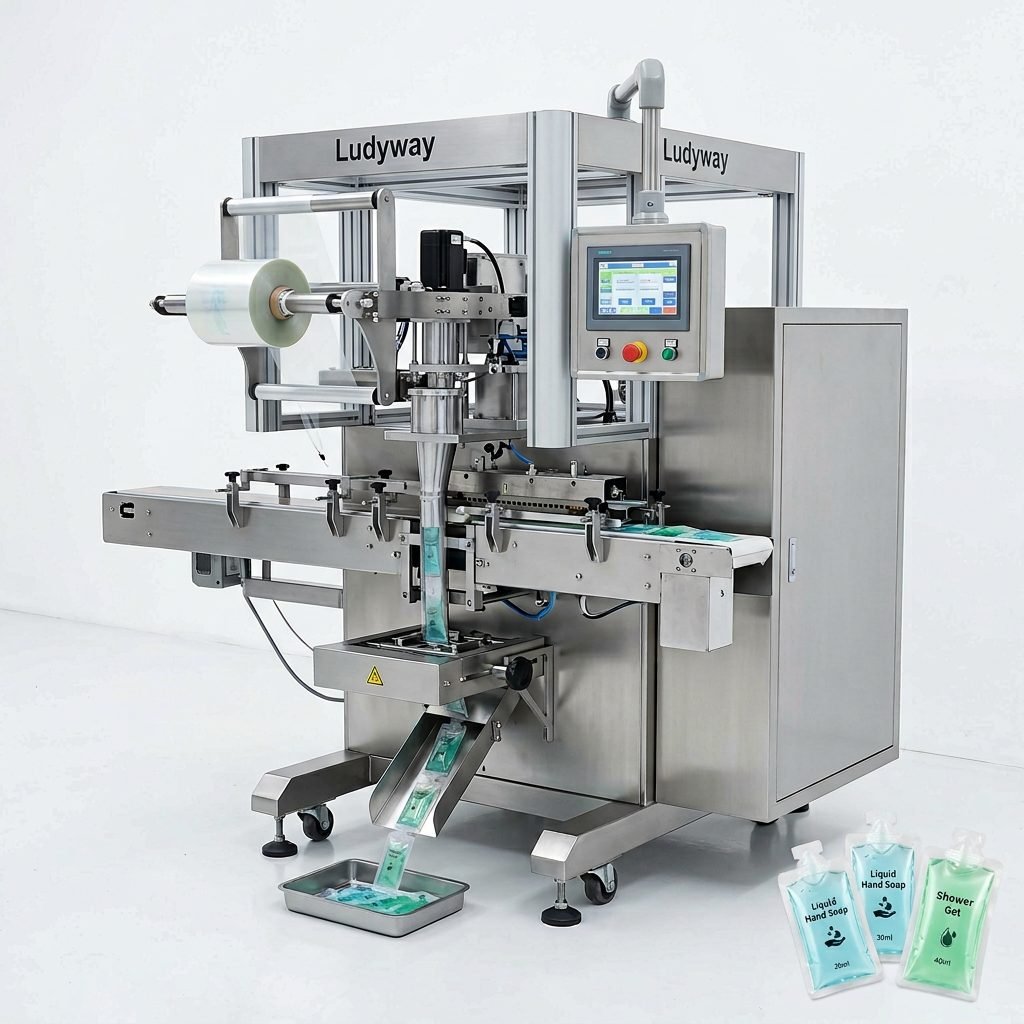
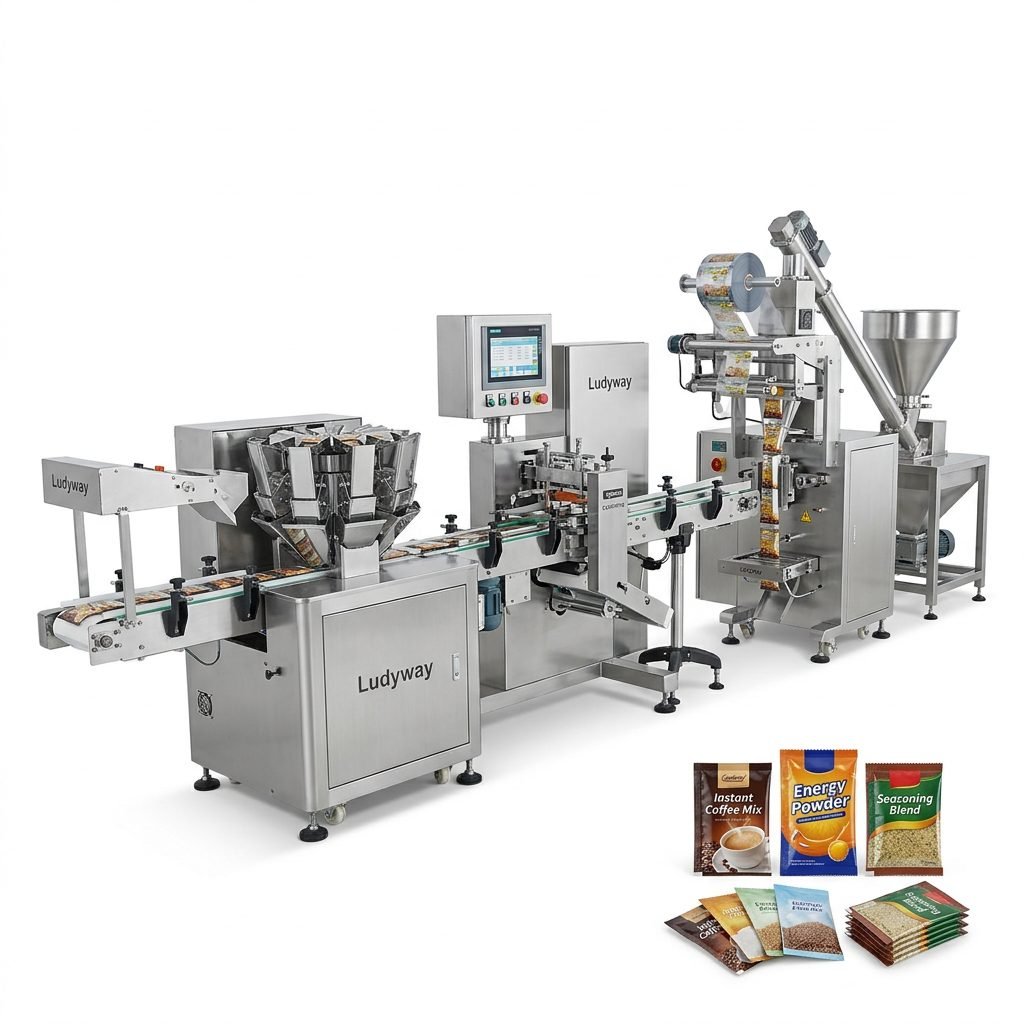
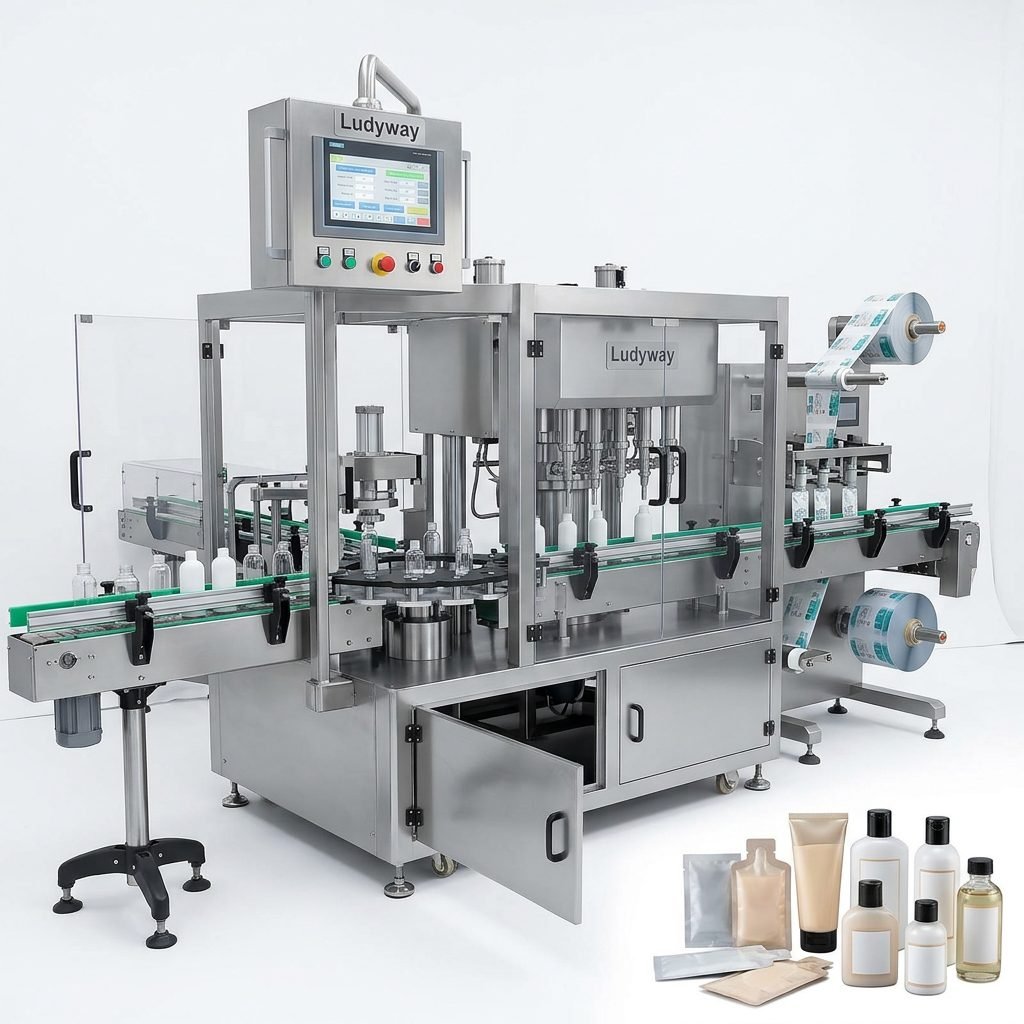
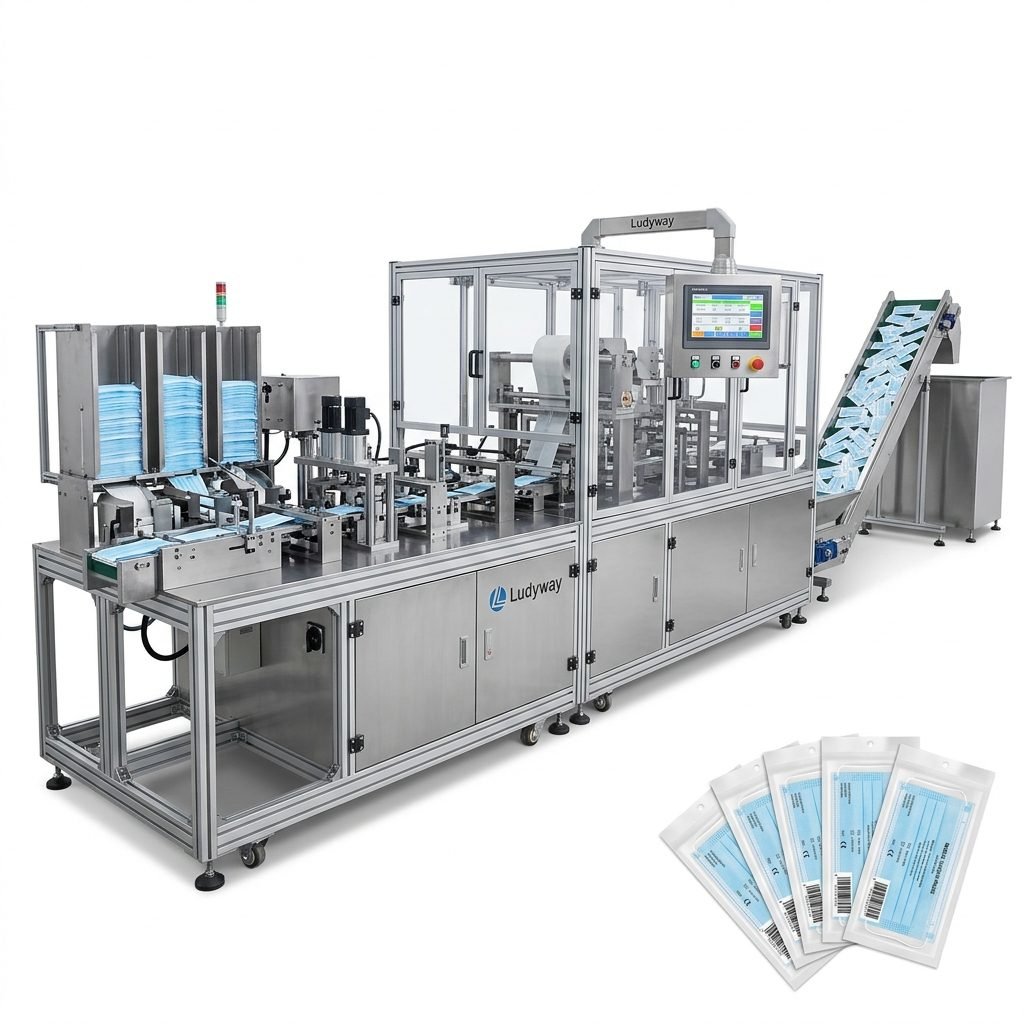
Selecting the right thermoforming packaging machine is one of the most critical equipment decisions for manufacturers in food, medical, pharmaceutical, and consumer goods sectors. A well-chosen machine improves production efficiency, reduces material waste, and ensures consistent package quality. A poorly matched system leads to downtime, excessive scrap rates, and higher total cost of ownership. This guide walks you through the key factors, technical considerations, and evaluation criteria to help you make an informed purchasing decision.

Understanding Thermoforming Packaging Technology
Thermoforming is a packaging process in which a plastic film or sheet is heated to a pliable forming temperature, shaped into a specific cavity or mold, filled with the product, and then sealed with a top film or lid. The process creates sturdy, tamper-evident packages commonly used for food trays, medical device blisters, pharmaceutical blister packs, and consumer goods. Compared to other packaging methods, thermoforming offers superior package rigidity, excellent barrier properties, and the ability to handle a wide range of packaging materials including PET, PVC, PP, PS, and multilayer laminates.
According to PMMI’s State of the Industry reports, the thermoforming segment continues to grow as manufacturers seek automated, high-speed packaging solutions that reduce labor dependency while maintaining product protection standards.
Key Factors to Consider When Selecting a Thermoforming Packaging Machine
Every production environment has unique requirements. The following factors should guide your evaluation process and help narrow down the options.
1. Product Specifications and Packaging Material Compatibility
Your product’s physical characteristics directly determine which thermoforming machine configuration is appropriate. Consider product dimensions, weight, shape uniformity, and whether the item is liquid, solid, powder, granular, or a combination. Equally important is the packaging film structure. Machines must be compatible with the material’s forming temperature range, shrink rate, and sealing characteristics. Multilayer films with EVOH or aluminum foil barriers require precise temperature control to achieve reliable hermetic seals.
Key questions to answer at this stage include:
- What are the minimum and maximum package cavity dimensions required?
- Does the product require modified atmosphere packaging (MAP) or vacuum sealing?
- Will you run a single film specification or need quick-changeover flexibility for multiple materials?
- What barrier properties are needed for the target shelf life?
2. Production Speed and Output Requirements
Cycle speed and machine throughput are fundamental metrics. Thermoforming machines are typically rated in cycles per minute, but effective output depends on cavity layout, tooling design, and film indexing speed. A machine with a larger forming area and multi-cavity tooling can produce significantly more packages per cycle, reducing the required cycle speed for a given hourly output target. When calculating required capacity, factor in planned growth and seasonal demand fluctuations rather than purchasing for current needs alone.
For example, a machine forming 4 cavities per cycle at 12 cycles per minute produces 2,880 packages per hour, while an 8-cavity configuration at the same speed doubles output to 5,760 packages per hour with only incremental increases in energy and operator oversight.
3. Machine Build Quality and Durability
Construction materials, component sourcing, and engineering standards directly affect equipment longevity and maintenance costs. Look for stainless steel construction in product contact areas, robust frame welding, and precision-machined tooling. Pneumatic and servo-driven systems from recognized industrial automation brands provide greater reliability and easier spare parts availability. Machines built to international standards such as CE, UL, or ISO requirements offer additional assurance of quality and safety compliance.
Refer to ISO packaging standards for guidance on applicable quality and performance benchmarks relevant to your industry and target markets.

4. Level of Automation and Integration Capabilities
Thermoforming machines range from standalone units to fully automated, inline systems. Evaluate whether a standalone machine, a partially integrated system, or a complete turnkey packaging line best fits your current operations. Automation options include automatic film unwinding, web tension control, servo-driven forming and cutting stations, vision inspection systems, automatic reject mechanisms, and robotic pick-and-place product loading. Higher automation levels increase upfront investment but typically result in lower per-unit labor costs, reduced human error, and higher long-term consistency.
Integration with upstream and downstream equipment — such as fillers, checkweighers, metal detectors, cartoners, and palletizers — should be considered during machine selection to avoid future compatibility issues.
5. Maintenance, Serviceability, and Technical Support
Every packaging machine requires routine maintenance. Evaluate the machine’s service accessibility, the availability of detailed technical documentation, and the supplier’s ability to provide remote diagnostics, spare parts, and on-site field service. Quick-change tooling designs that allow format changes in minutes rather than hours can significantly reduce downtime in multi-product production environments. Before finalizing a purchase, discuss service-level agreements, warranty terms, and the geographic proximity of service technicians.
For pharmaceutical and medical device applications, consult FDA packaging and food contact substances regulations to ensure machine and material selections meet current compliance requirements.
6. Budget, Total Cost of Ownership, and ROI Analysis
The purchase price is only one component of the total cost. A comprehensive ROI analysis should account for installation costs, operator training, energy consumption, consumable parts, seal tooling replacement intervals, and projected maintenance expenses over the machine’s expected service life. Machines with higher energy efficiency ratings, fewer wear parts, and better film utilization rates often deliver lower total cost of ownership despite a higher initial capital outlay. Film waste rates as low as 1-2% versus 5-8% can translate into significant annual savings for high-volume operations.
Comparing Thermoforming Machine Configurations
The following table outlines key differences between common thermoforming packaging machine configurations to help you align machine capabilities with production needs.
| Feature | Manual / Semi-Automatic | Fully Automatic | High-Speed Inline System |
|---|---|---|---|
| Output Range | Up to 2,000 packages/hour | 3,000–8,000 packages/hour | 8,000–20,000+ packages/hour |
| Product Loading | Manual / basic assisted | Automatic feeders and denesters | Robotic pick-and-place with inline synchronization |
| Changeover Speed | 20–40 minutes | 10–25 minutes | 5–15 minutes (quick-change tooling) |
| Film Waste Rate | 4%–8% | 2%–5% | 1%–3% |
| Operator Involvement | 2–4 operators | 1–2 operators | 0.5–1 operator (oversight) |
| Initial Investment | Lower | Moderate | Higher |
Evaluating Thermoforming Packaging Machine Suppliers
Choosing the right equipment partner is as important as choosing the right machine. A capable supplier should demonstrate not only manufacturing expertise but also application knowledge, engineering support, and global service capability. Look for companies with a proven track record, documented case studies, and the ability to customize machine configurations rather than offering only standard models.
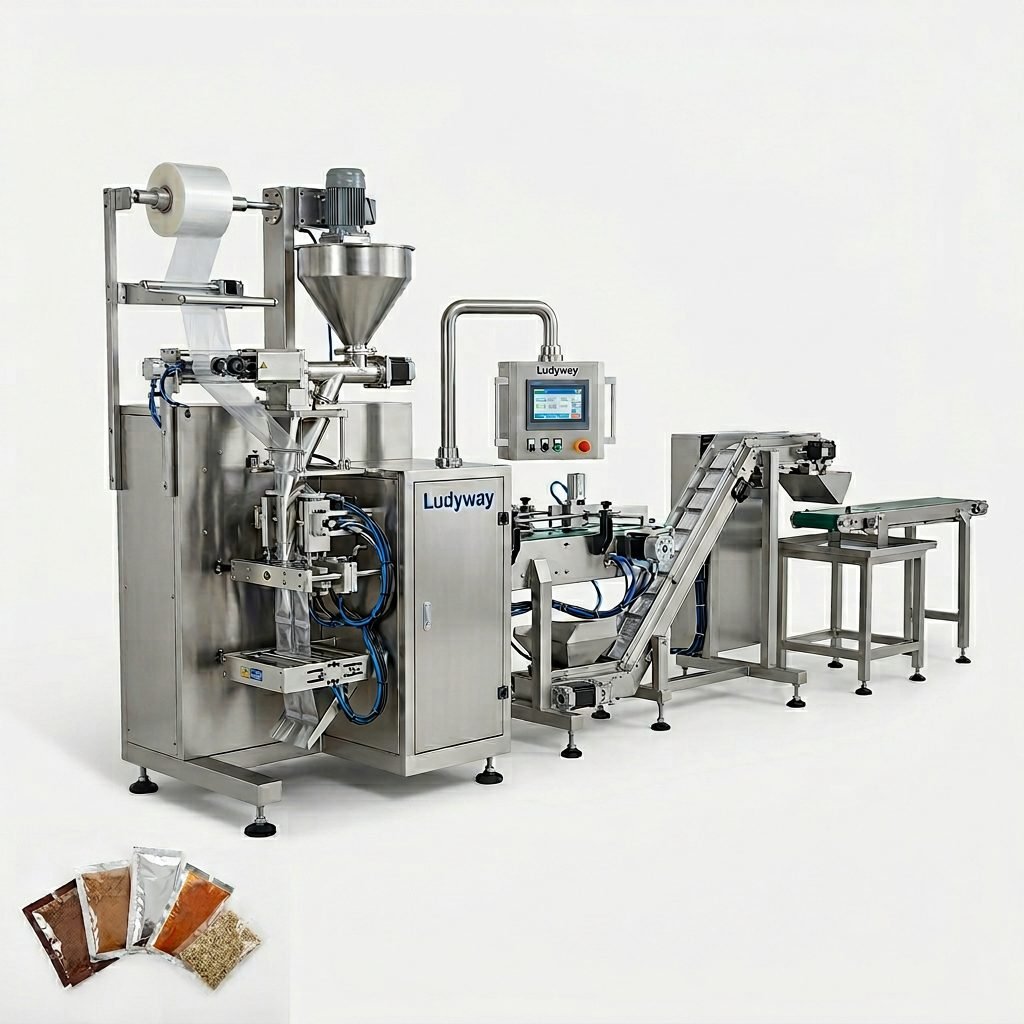
Experienced manufacturers like Ludyway Machinery combine in-house engineering with automation expertise to help customers configure thermoforming packaging solutions that match specific product characteristics, production speeds, and factory integration needs. Evaluate suppliers based on their equipment portfolio, international certifications, and the availability of post-installation technical support.
Industry resources such as the Flexible Packaging Association’s knowledge hub provide valuable benchmarking data and technical publications that can inform supplier evaluation.
Special Considerations for Regulated Industries
Pharmaceutical, medical device, and certain food packaging applications require strict adherence to regulatory frameworks. Thermoforming machines used in these sectors must support validated processes, cleanroom compatibility, and detailed batch documentation. Machine design features such as smooth stainless steel surfaces, minimal crevices, HEPA-filtered forming zones, and integrated vision inspection systems are essential for compliance. The ISO 11607 standard for terminally sterilized medical device packaging provides critical guidance for machine qualification and process validation in medical applications.
Frequently Asked Questions About Thermoforming Packaging Machines
What is the typical lifespan of a thermoforming packaging machine?
With proper maintenance and timely replacement of wear components, a well-built thermoforming machine can operate reliably for 10 to 20 years in a typical production environment. Regular inspection of heating elements, sealing systems, and drive components extends service life and maintains package quality.
How do I determine the right film width for my application?
Film width is determined by the maximum forming area width plus adequate edge material for the film transport chain grip. Calculate the required width based on the largest cavity layout needed plus typically 20–30mm per side for film transport. A supplier’s application engineering team can assist with film utilization optimization.
Can one thermoforming machine handle multiple package formats?
Yes, many machines support quick-change tooling systems that allow operators to switch between different cavity sizes and package types. However, the range of formats is limited by the machine’s maximum forming area, film width capacity, and sealing station design. Discuss your full range of required formats with the manufacturer before selecting a model.
What are the key differences between chain-driven and servo-driven machines?
Servo-driven systems offer higher precision, faster acceleration, programmable motion profiles, and reduced mechanical wear compared to chain-driven alternatives. For high-speed applications or formats requiring precise film registration, servo technology typically delivers better results and lower long-term maintenance costs.
How important is film waste reduction technology?
Advanced film indexing and scrap management systems can reduce trim waste to as low as 1%, directly impacting material cost per package. In high-volume production, even a 2% reduction in film waste can generate substantial annual savings that quickly offset incremental machine investment. Evaluate film utilization efficiency as part of total cost of ownership calculations.

Steps to Make the Right Purchase Decision
- Define your current and future packaging requirements, including product types, package sizes, materials, and target output rates.
- Research thermoforming technology options through industry resources such as PMMI’s packaging industry resources and equipment supplier technical documentation.
- Request detailed machine specifications and case studies from multiple suppliers to compare build quality, component sourcing, and performance data.
- Evaluate total cost of ownership, including energy consumption, spare parts costs, film waste projections, and expected maintenance intervals.
- Visit supplier facilities or request live demonstrations to observe machine performance with your actual products and materials.
- Review service capabilities and spare parts logistics to ensure ongoing support aligns with your operational expectations.
- Negotiate warranty terms and service-level agreements before finalizing the purchase contract.
Conclusion
Selecting the right thermoforming packaging machine requires a systematic evaluation of product requirements, material compatibility, production capacity, automation needs, and supplier capabilities. By focusing on total cost of ownership, build quality, and application-specific configuration, manufacturers can make informed investments that deliver reliable performance, consistent package quality, and strong returns over the equipment lifecycle. Taking the time to thoroughly assess options and engage with experienced suppliers pays dividends in production efficiency and long-term operational stability.