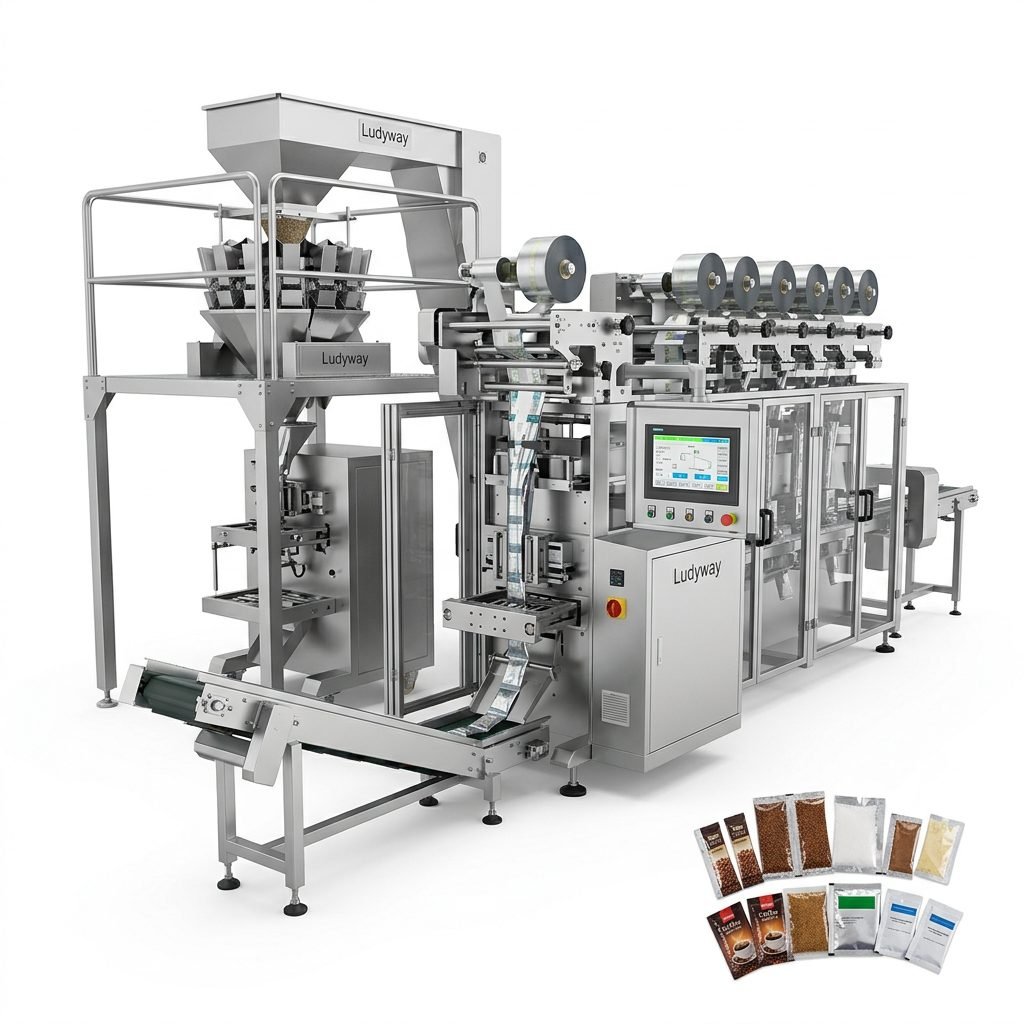
A Modified Atmosphere Packaging (MAP) machine is a critical asset for food manufacturers, pharmaceutical companies, and flexible packaging operations. Proper maintenance not only extends the lifespan of your equipment but also ensures seal integrity, gas flushing accuracy, and consistent product quality. Neglecting routine care can lead to costly downtime, compromised food safety, and inconsistent packaging results.

Understanding the Core Components of a MAP Machine
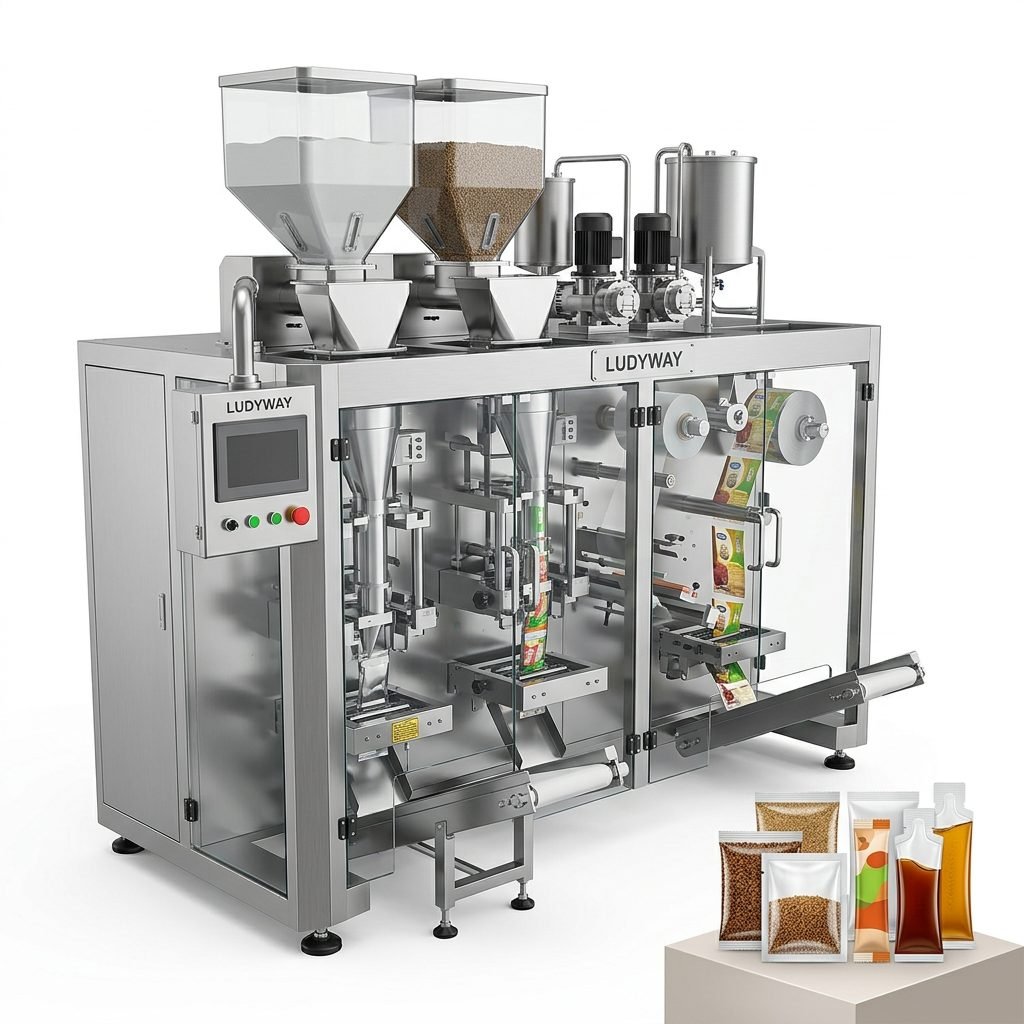
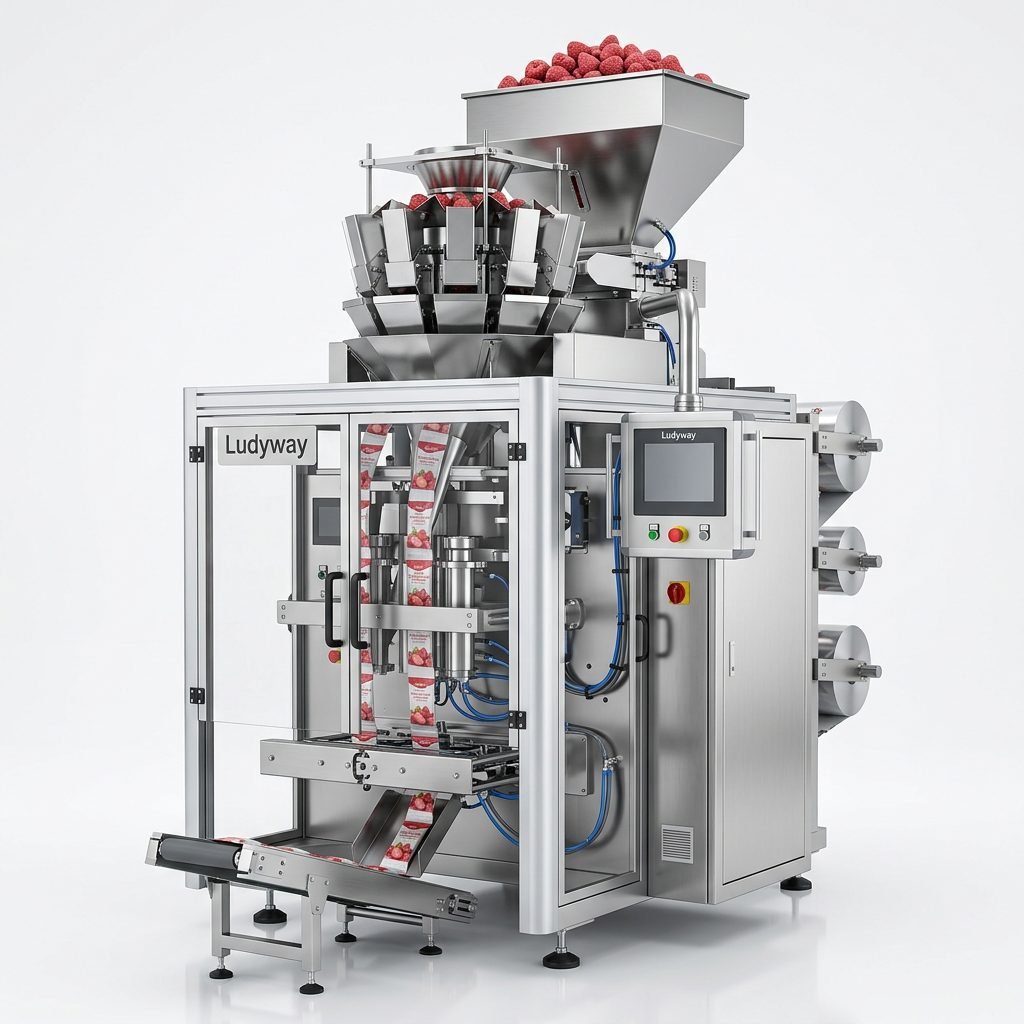
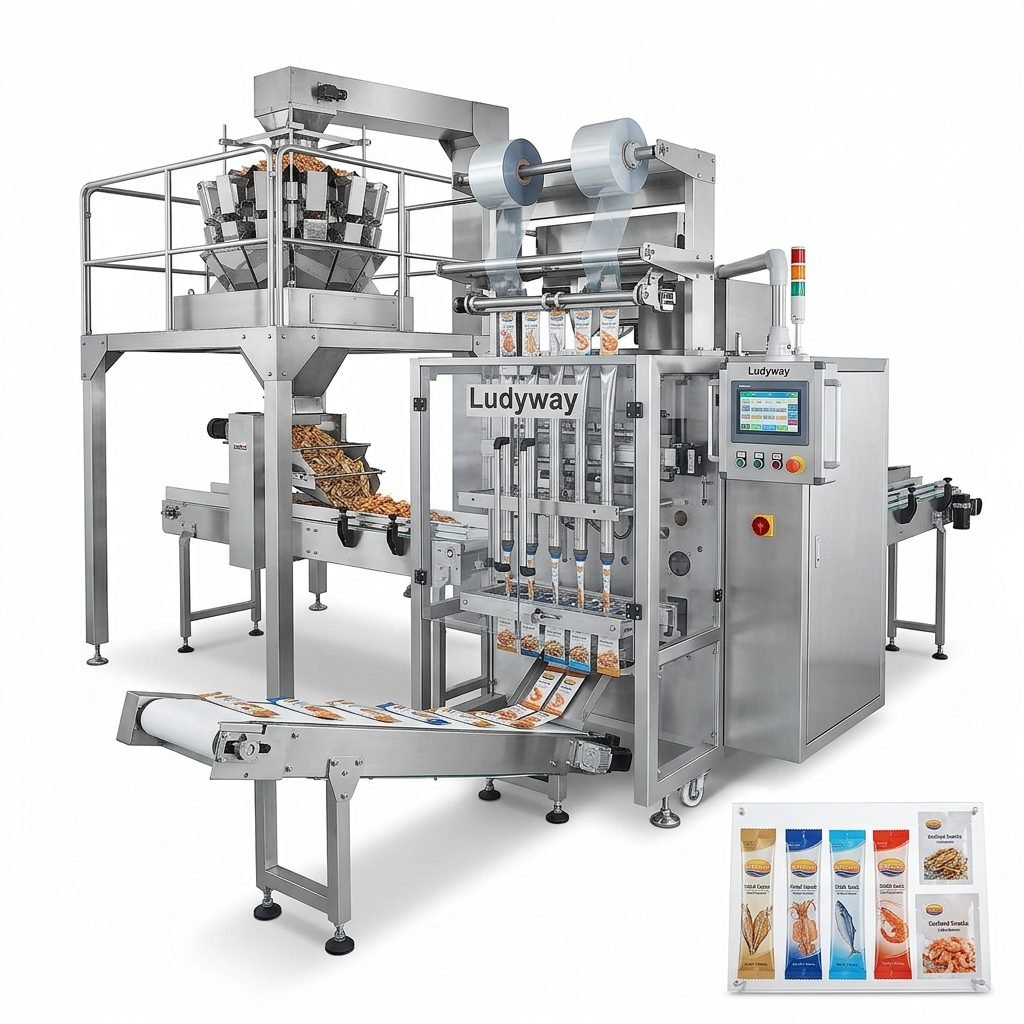
Before diving into maintenance routines, it is essential to understand the key components that require regular attention. A typical MAP machine integrates gas mixing systems, vacuum pumps, sealing jaws, and film transport mechanisms. Each plays a vital role in achieving the perfect modified atmosphere. The packaging industry standards emphasize that preventive maintenance is the most effective strategy to avoid unexpected failures.
Daily Cleaning Protocols for Optimal Hygiene
Daily cleaning is non-negotiable when running a MAP machine, especially in food-grade environments. Product residue and film dust can accumulate quickly, affecting sensor accuracy and mechanical movement.
- Sealing Area: Remove all food particles and grease from the sealing jaws using a food-safe solvent. A dirty seal bar is the primary cause of leaking packages.
- Gas Flush Nozzles: Inspect and wipe down nozzles to prevent blockages that alter the gas mixture ratio.
- Film Path: Clean the rollers and guides to prevent static buildup and film tracking errors.
- External Surfaces: Wipe down the machine housing with a damp cloth to maintain a professional processing environment.
Weekly and Monthly Preventive Maintenance Tasks
Beyond daily wipe-downs, a structured schedule for deeper mechanical and pneumatic checks is required. According to PMMI resources, adhering to a strict maintenance log can increase machine efficiency by up to 20%.
Lubrication and Mechanical Inspection
Friction is the enemy of precision. Regular lubrication of moving parts such as chains, gears, and linear guides keeps the machine running smoothly. Use only food-grade lubricants specified in the equipment manual. During this routine, check for worn belts or chains and replace them immediately to prevent sudden breakdowns during high-volume production cycles.
Vacuum and Gas System Integrity
The core of MAP technology relies on accurate gas ratios. Inspect vacuum pump oil levels and color monthly. Milky or dark oil indicates contamination or moisture ingress. Calibrate gas flow meters to ensure the correct mix of nitrogen, carbon dioxide, or oxygen is being injected. Even a minor drift in gas composition can drastically shorten product shelf life and conflict with FDA packaging regulations.
Electrical Safety and Sensor Checks
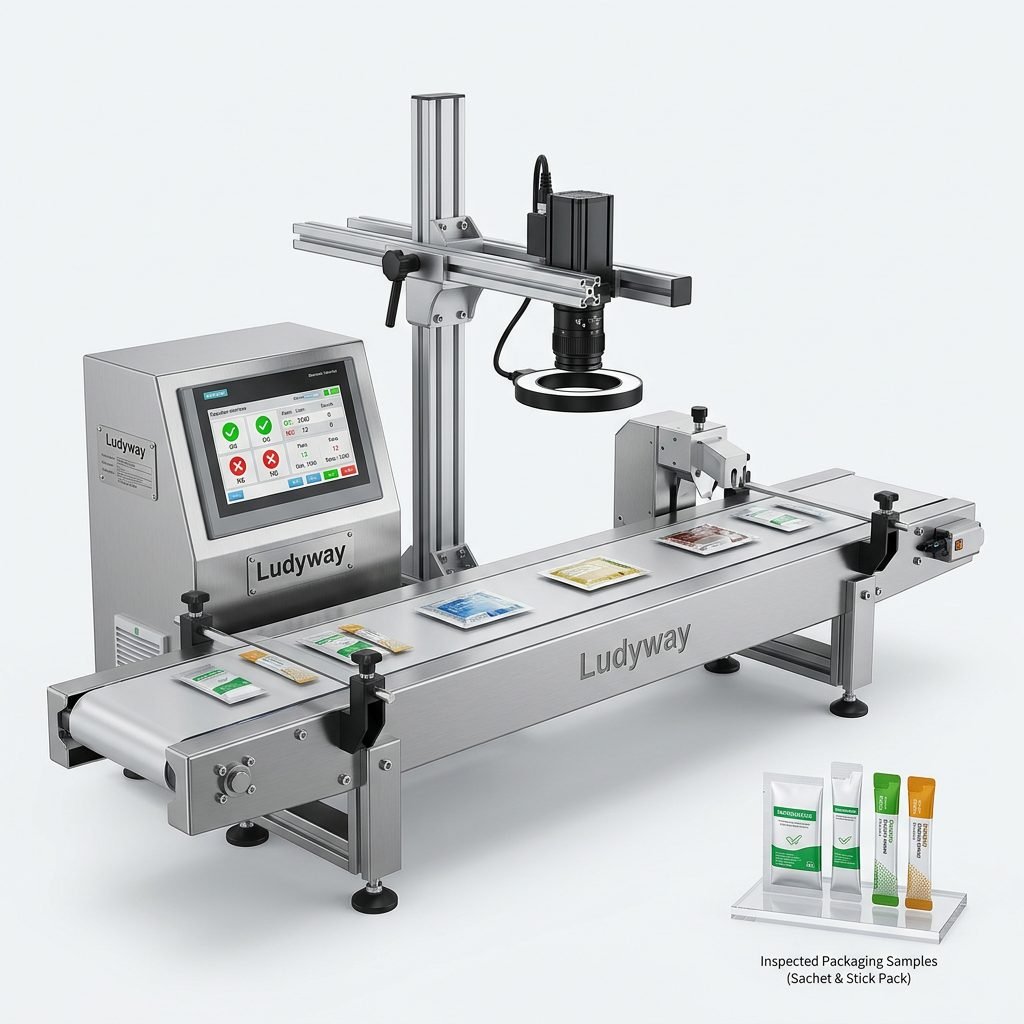
Loose wiring or dirty sensors can cause intermittent errors. Tighten all terminal connections and clean photo-electric sensors with a lint-free cloth. This ensures accurate film registration and prevents false error alarms that halt production. As a manufacturer specializing in advanced packaging equipment, Ludyway designs systems with diagnostic tools to aid in this electrical troubleshooting process.
Quarterly Deep Maintenance and Calibration
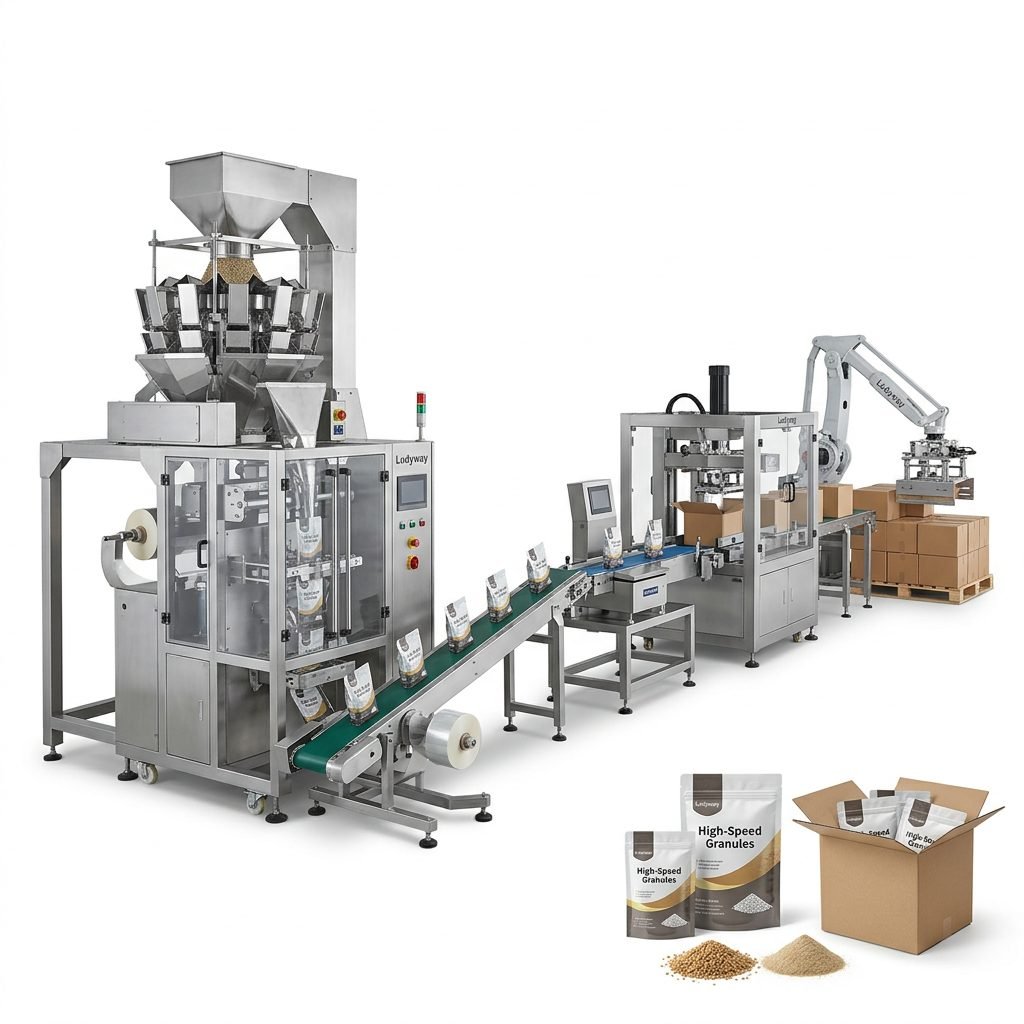
Every three months, a full system audit is recommended. This involves stripping down the forming tube, deep cleaning the crimp jaws, and verifying all pneumatic pressures. The following table outlines a standard quarterly checklist for reference:
| Maintenance Area | Specific Action | Target Result |
|---|---|---|
| Sealing System | Replace Teflon covers and check jaw alignment | Zero-leak seals |
| Vacuum Pump | Change oil and replace exhaust filters | Optimal vacuum level |
| Gas Mixer | Full calibration and leak test | Accurate gas ratio |
| Safety Guards | Test interlock switches | Immediate machine stop |
Replacing Wear Parts Proactively
Do not wait for failure. Components like sealing gaskets, cutting knives, and O-rings have a finite lifespan in a modified atmosphere environment. Stocking critical spares and replacing them during scheduled downtime is a strategy recommended by leading packaging machinery standards. This approach avoids the panic of emergency repairs.
Training Your Operators for Day-to-Day Care
The most sophisticated maintenance plan fails without proper operator training. Employees should be trained to recognize the early signs of trouble, such as unusual noises, visible film wrinkles, or inconsistent vacuum levels. They must also understand the correct handling procedures for the machine’s HMI (Human Machine Interface). Empowering operators to perform first-line maintenance can significantly reduce the load on your engineering department.
Documentation and Record Keeping
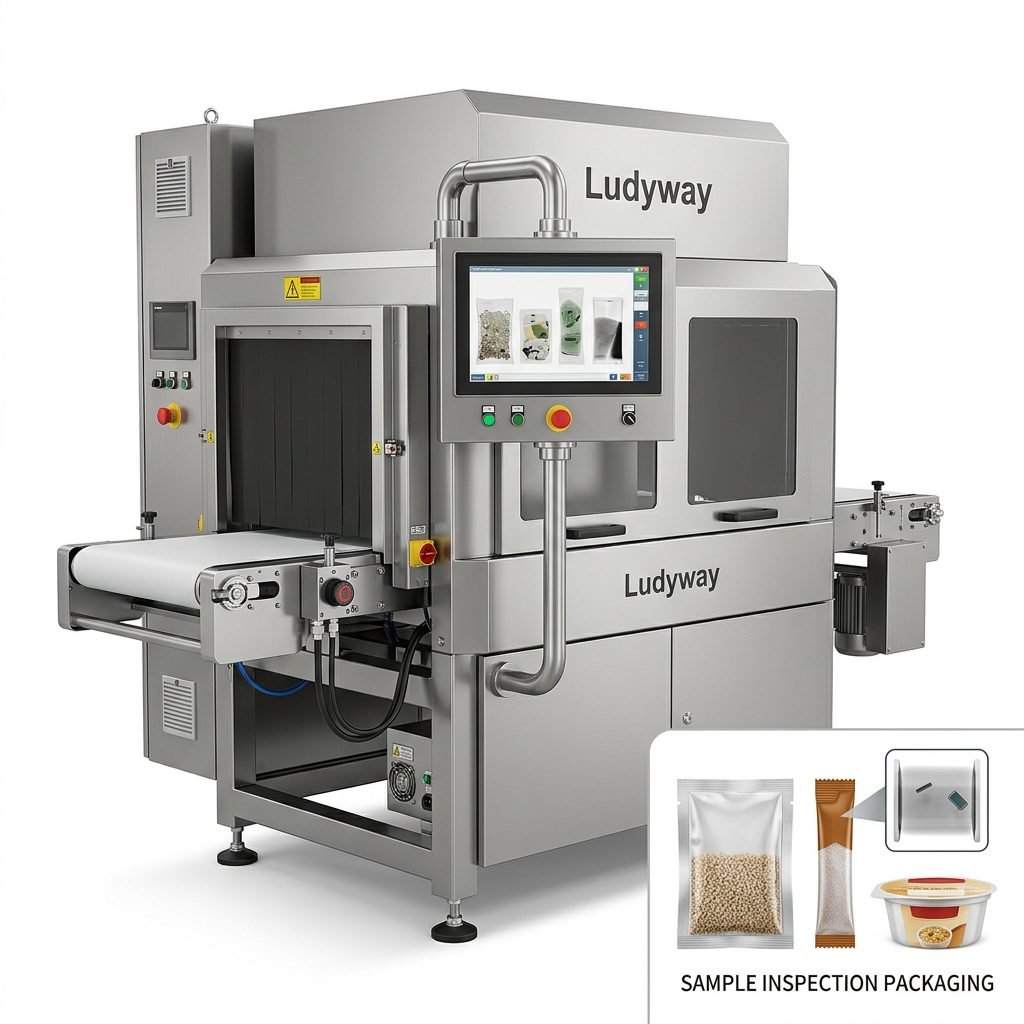
Keep a detailed logbook for every maintenance action. Record the date, the parts replaced, and any anomalies observed. This historical data is invaluable for predicting future failures and ordering parts. It also serves as critical documentation for ISO packaging standards audits and food safety compliance reviews.
Troubleshooting Common MAP Packaging Issues
Even with excellent maintenance, issues can arise. Here are quick fixes for common problems:
- Residual Oxygen Too High: Check gas lines for leaks and verify the vacuum pump’s duty cycle.
- Wrinkled Seals: Check the temperature controller and clean the sealing jaw faces.
- Poor Film Tracking: Re-align the film carriage and clean sticky buildup from the forming shoulder.