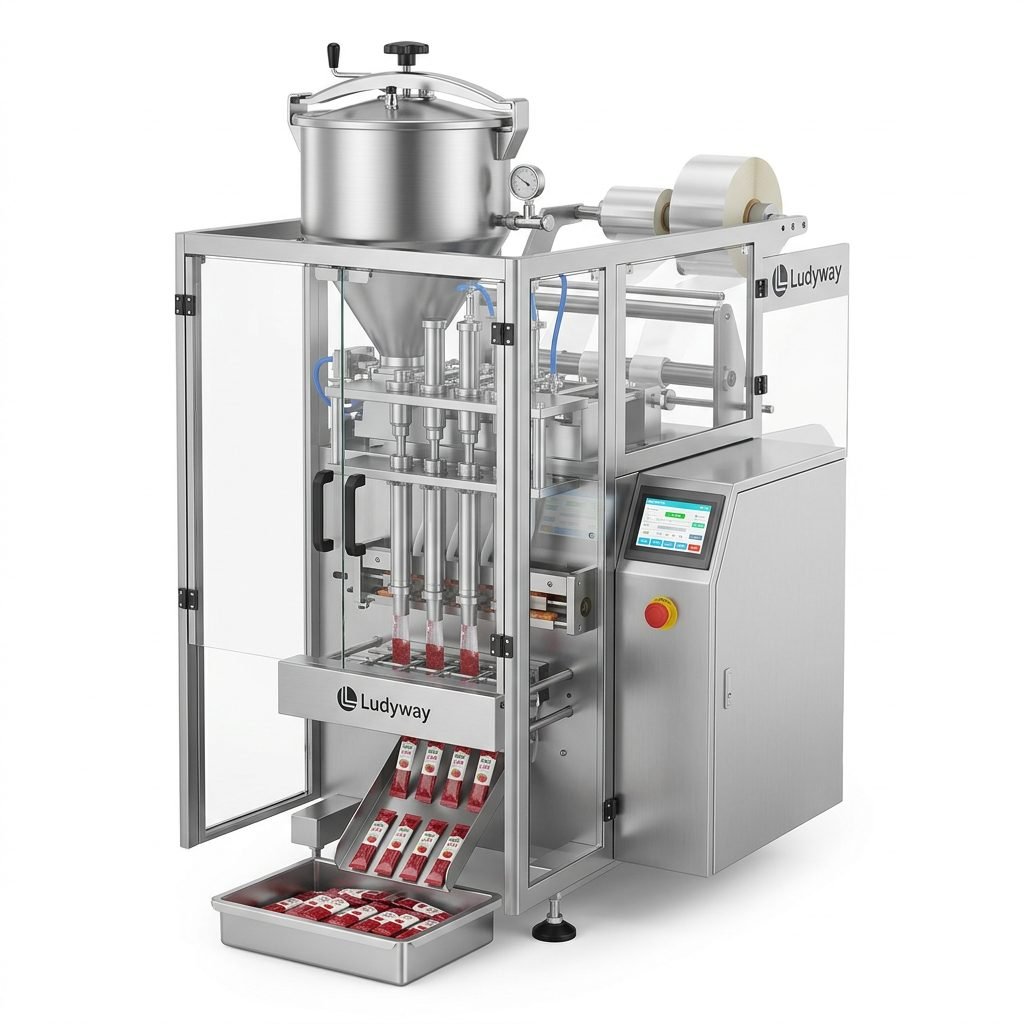
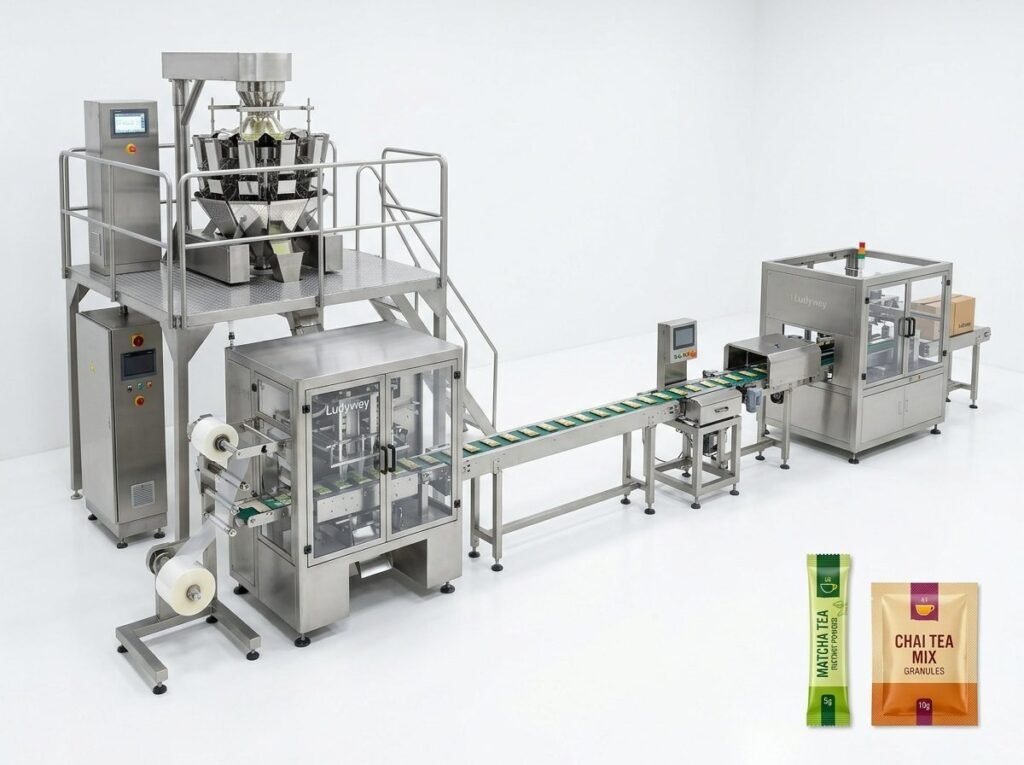
Consistent output and machine longevity depend heavily on how well you maintain your aerosol packaging machine. A proactive maintenance routine minimizes unplanned downtime, reduces waste, and ensures safety compliance. Below, we break down actionable steps to keep your equipment running at peak efficiency.
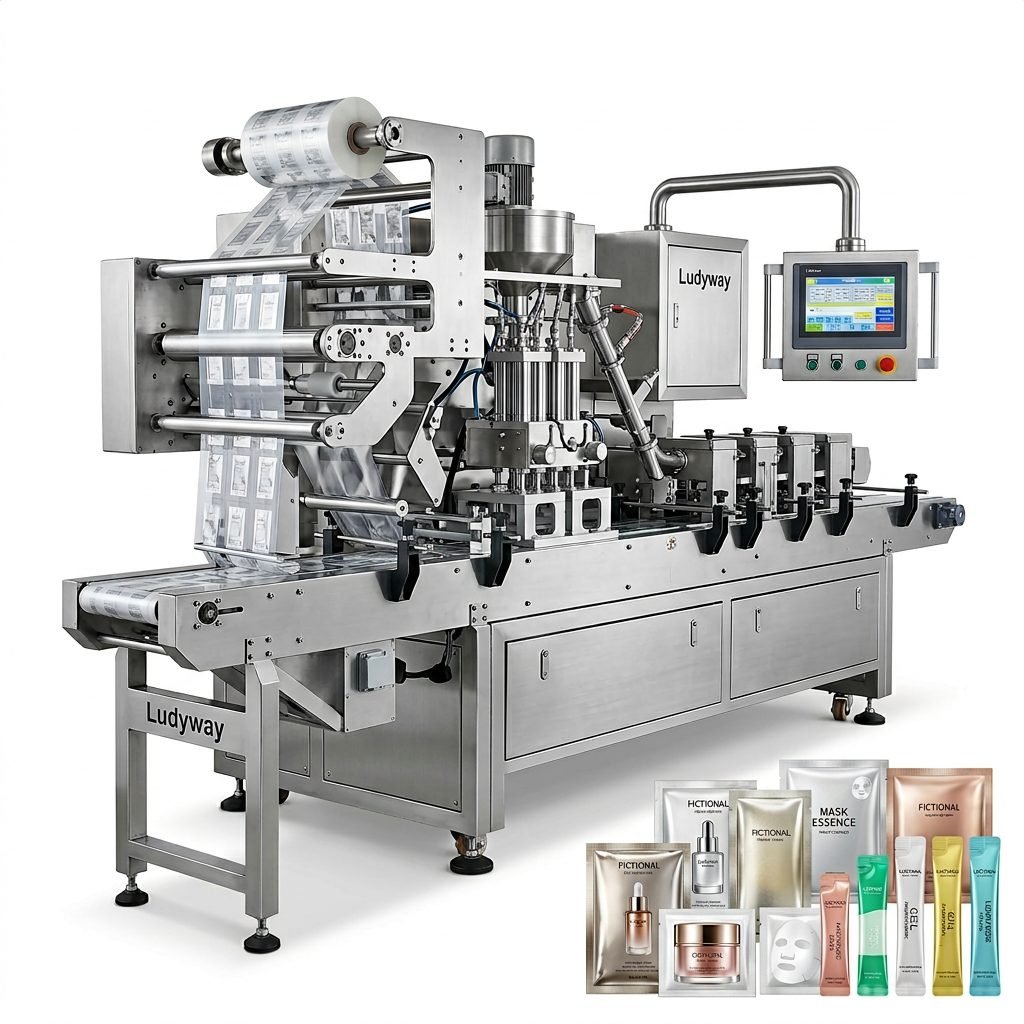
1. Daily Cleaning and Inspection Protocols
Establishing a strict daily cleaning schedule is the foundation of reliable performance. Product residue, dust, and propellant buildup can cause corrosion, jamming, and seal failures. At the end of each shift, operators should perform a visual inspection and clean critical contact surfaces.
- Clean the filling nozzles and valves to prevent clogging.
- Wipe down sealing jaws and gaskets with approved, non-abrasive cleaners.
- Check the conveyor belts for wear or product spillage.
- Inspect the pressure gauges for any abnormal readings.
2. Lubrication and Moving Parts Management
Friction is a primary enemy of high-speed packaging machinery. Proper lubrication of moving components reduces mechanical stress and energy consumption. However, in aerosol environments, you must use food-grade or non-reactive lubricants to avoid contamination risks.
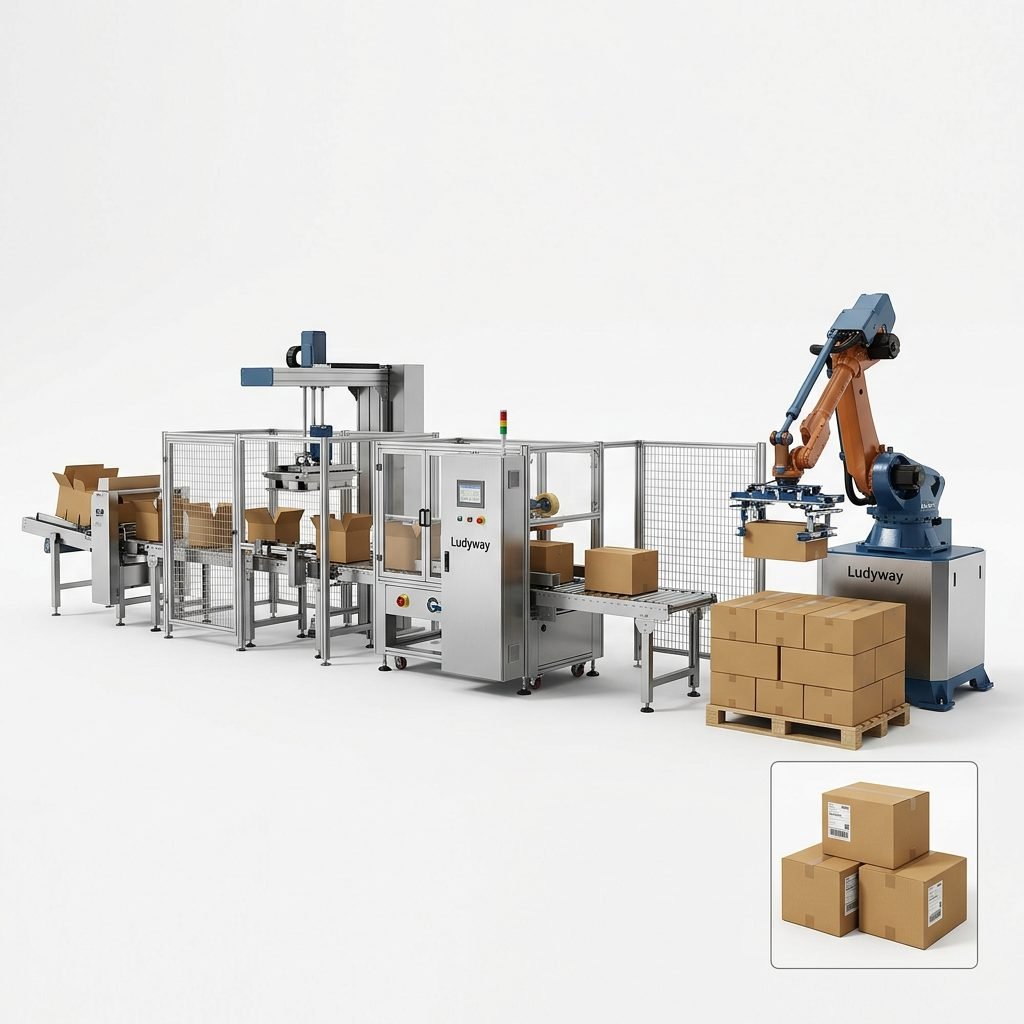
Key Lubrication Points
| Component | Frequency | Recommended Lubricant |
|---|---|---|
| Main Drive Chains | Weekly | Synthetic Chain Oil |
| Cam Followers | Bi-weekly | EP2 Grease |
| Sealing Head Linkages | Daily (light oil) | Food-Grade Mineral Oil |
3. Calibration and Seal Integrity Checks
Faulty seals lead to propellant leakage and product spoilage. Regular calibration of temperature controllers and pressure settings is non-negotiable. You must verify the integrity of the aerosol filling and sealing machine vacuum and crimping systems weekly.
- Use a water bath test to detect micro-leaks in finished cans.
- Recalibrate thermocouples monthly to ensure accurate heat sealing.
- Inspect the condition of the crimping collets and replace if showing wear.
- Verify the propellant injection timing to ensure consistent fill weights.
4. Operator Training and Standard Operating Procedures (SOPs)
Even the most robust machinery will fail if operated incorrectly. Comprehensive training ensures that operators can identify early warning signs like unusual vibrations or sounds. Ludyway, a leading expert in integrated packaging solutions, emphasizes that well-documented SOPs drastically reduce human error in high-speed production environments.
Essential SOP Elements
- Clear startup and shutdown checklists to avoid pressure buildup errors.
- Emergency stop procedures specifically for propellant handling zones.
- A logbook system to track all maintenance activities and anomalies.
- Visual guides for replacing wear parts like O-rings and filters.
5. Spare Parts Inventory Management
Waiting for a replacement part to ship can result in days of lost production. Maintaining a strategic spare parts inventory is a cost-effective insurance policy. Focus on items that are prone to wear under high-cycle conditions.
| Critical Spare Part | Recommended Stock Level | Average Lifespan |
|---|---|---|
| Filling Valves | 2-3 sets | 6 months |
| Heating Elements | 2 units | 12 months |
| Drive Belts | 1 set per machine | 8-10 months |
| Pneumatic Filters | 5-10 units | 3 months |
6. Pneumatic and Electrical System Audits
Aerosol lines often rely on compressed air for actuation and control. Moisture or contaminants in the air supply can cause erratic valve behavior. Drain water traps daily and inspect solenoid valves for sticking.
Electrical safety is paramount due to the flammable nature of some propellants. Ensure all grounding connections are secure and control panels are kept closed and dust-free. Tighten terminals quarterly, as machine vibration loosens electrical connections over time.
7. Troubleshooting Common Aerosol Packaging Issues
Addressing minor faults immediately prevents catastrophic failures. Here is a quick reference guide for typical problems encountered on an automatic aerosol production line.
- Problem: Inconsistent fill levels.
Solution: Check for partially clogged metering cylinders or fluctuations in product viscosity/temperature. - Problem: Can dropped or misaligned at crimping station.
Solution: Inspect the star wheel timing and height adjustment. - Problem: Leaking valve cups.
Solution: Verify the jaw profile is correct for the can size and increase crimp pressure slightly. - Problem: Excessive vibration.
Solution: Inspect leveling feet and check for loose mounting bolts on the main drive motor.
8. Yearly Overhaul and Professional Servicing
Beyond daily care, an annual major overhaul is critical. This involves stripping down major assemblies, replacing all wear parts, and checking the geometric alignment of the frame. A professional service contract with a qualified packaging machine manufacturer ensures that deep-level software updates and mechanical realignments are handled correctly, preserving your investment for years to come.
Preventive Maintenance Schedule Overview
| Task | Daily | Weekly | Monthly | Yearly |
|---|---|---|---|---|
| Clean contact parts | ✔ | |||
| Lubricate chains | ✔ | |||
| Check seal integrity | ✔ | |||
| Calibrate sensors | ✔ | |||
| Full mechanical overhaul | ✔ |
By integrating these maintenance essentials into your production culture, you guarantee a safer workplace, higher output, and a significant reduction in total cost of ownership for your aerosol packaging equipment.
Related Resources: