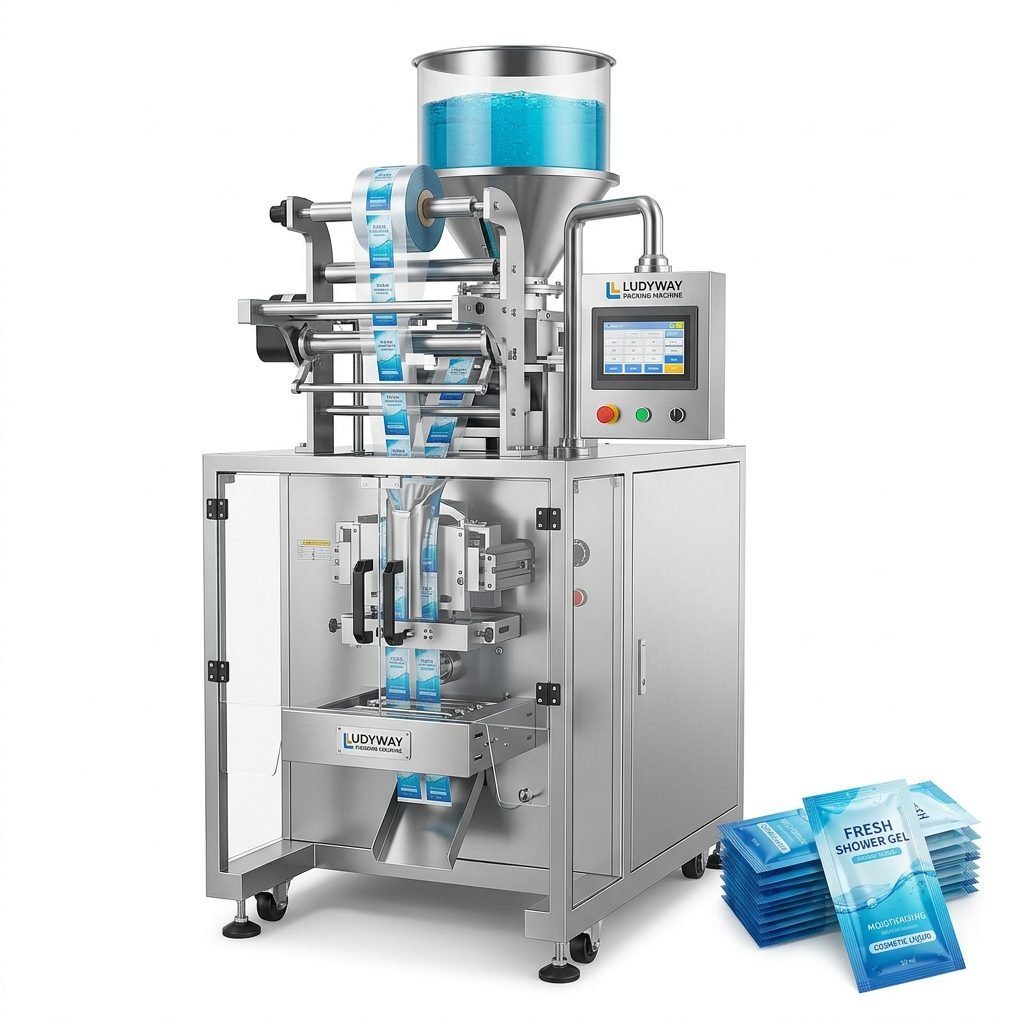
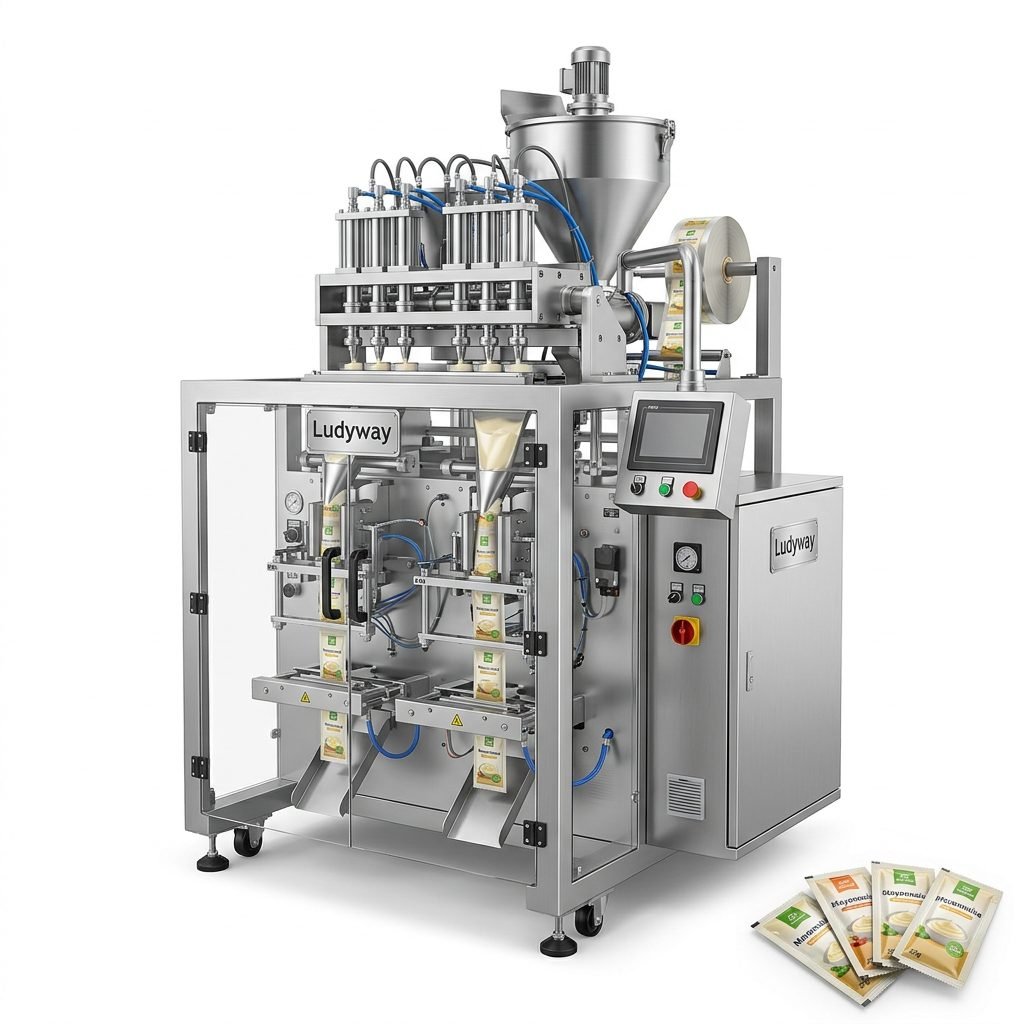
Establishing a skin vacuum packaging machine production line requires careful planning, precise equipment selection, and systematic implementation. Whether you are packaging cosmetic serums, facial masks, creams, or pharmaceutical skin care products, vacuum packaging technology plays a critical role in preserving product integrity, extending shelf life, and enhancing brand presentation. This guide walks you through every essential step of setting up a complete skin vacuum packaging production line—from initial site assessment to full-scale operation.
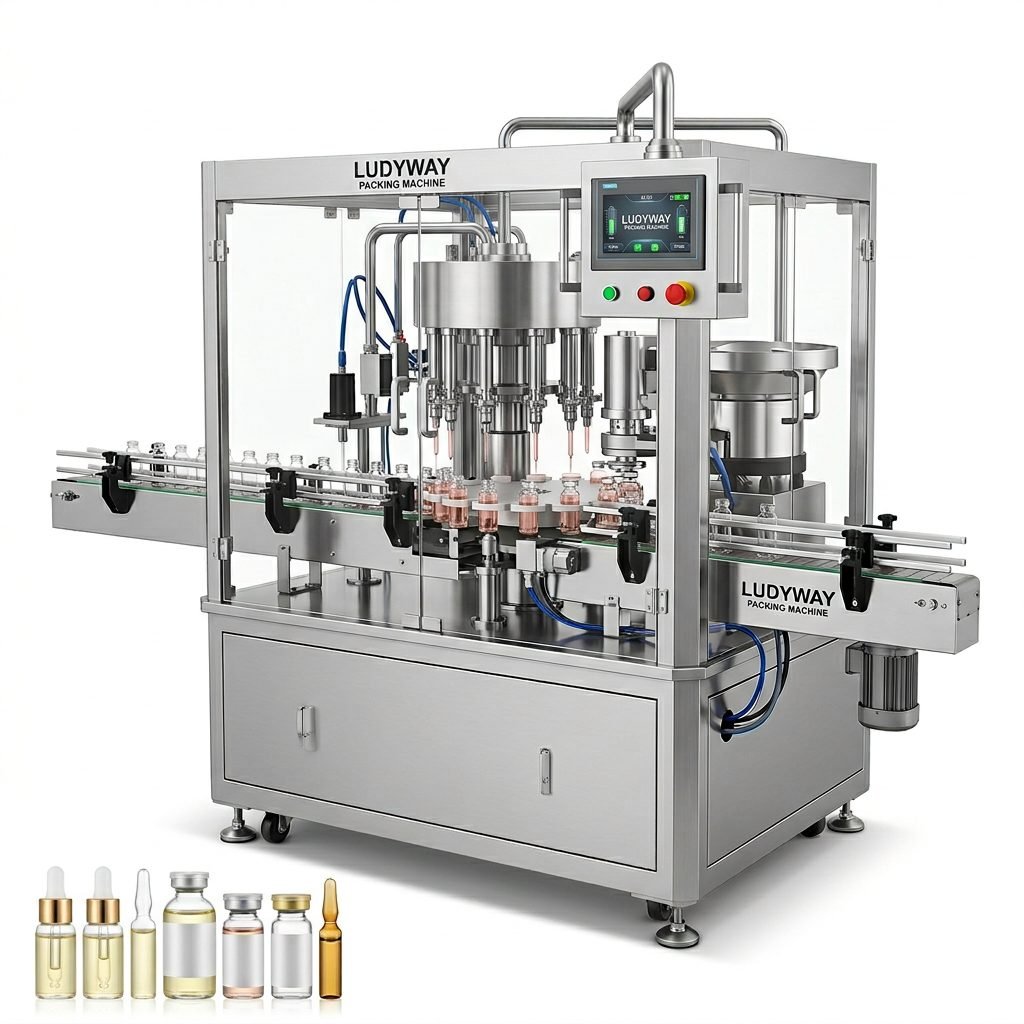
Understanding Skin Vacuum Packaging Technology
Vacuum packaging for skin care products involves removing air from the package prior to sealing, creating an oxygen-reduced environment that protects sensitive formulations from oxidation, contamination, and degradation. This technology is particularly vital for products containing active ingredients such as retinol, vitamin C, hyaluronic acid, and peptides. Unlike conventional packaging methods, vacuum packaging systems ensure that creams, serums, and mask essences maintain their potency throughout their intended shelf life.
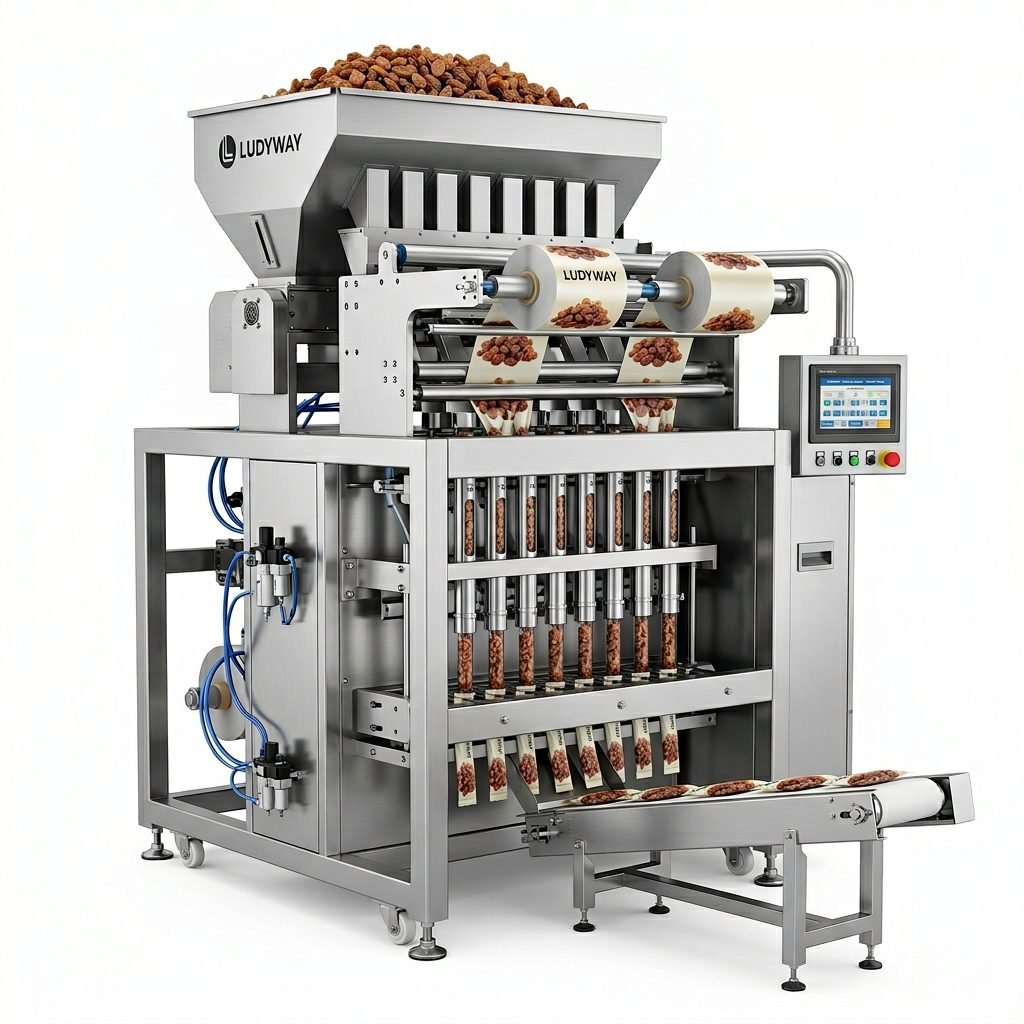
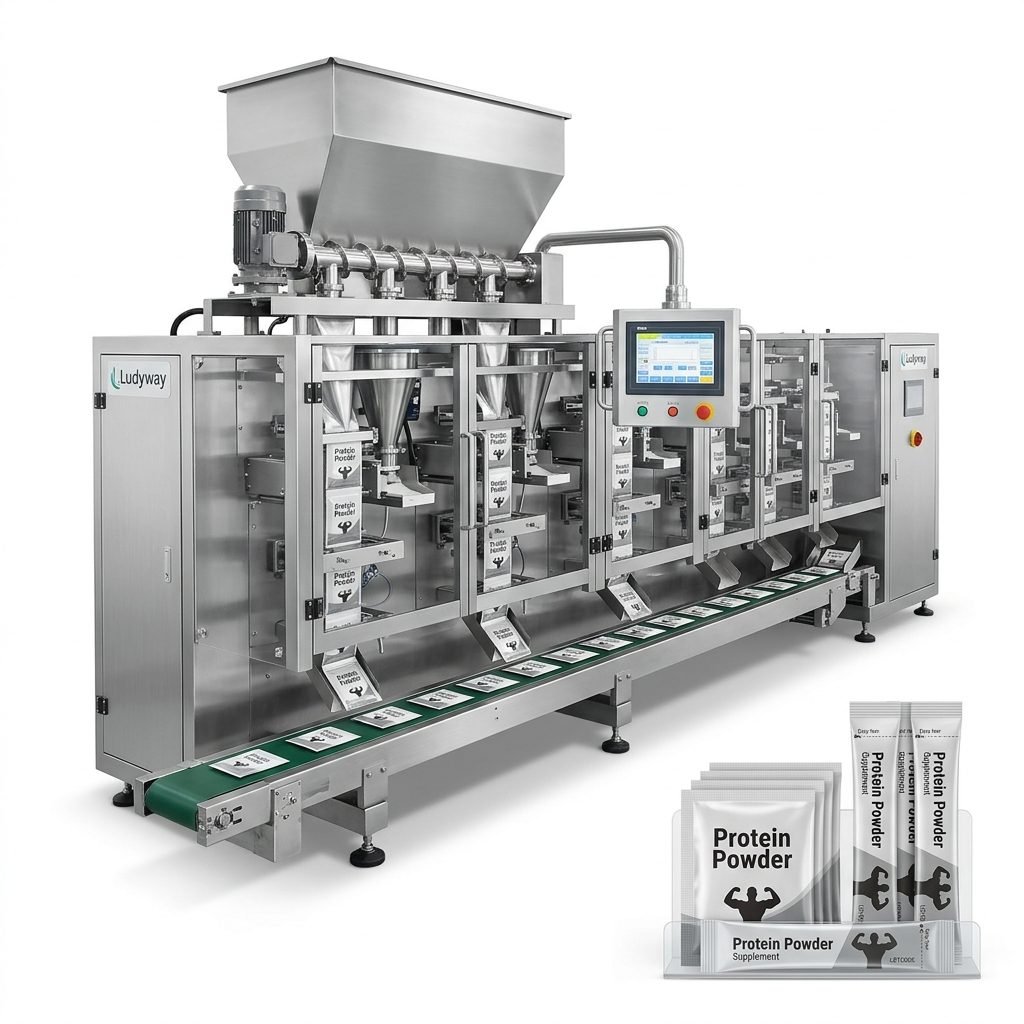
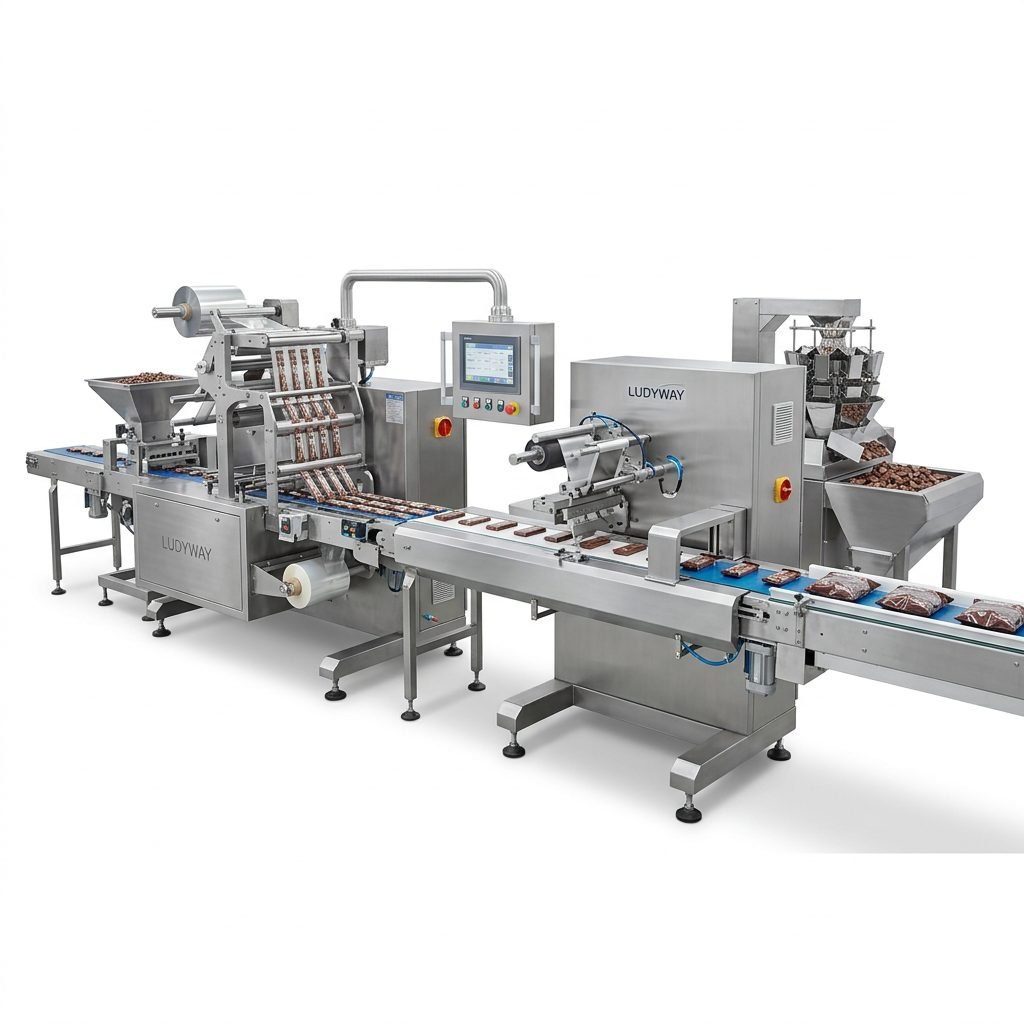
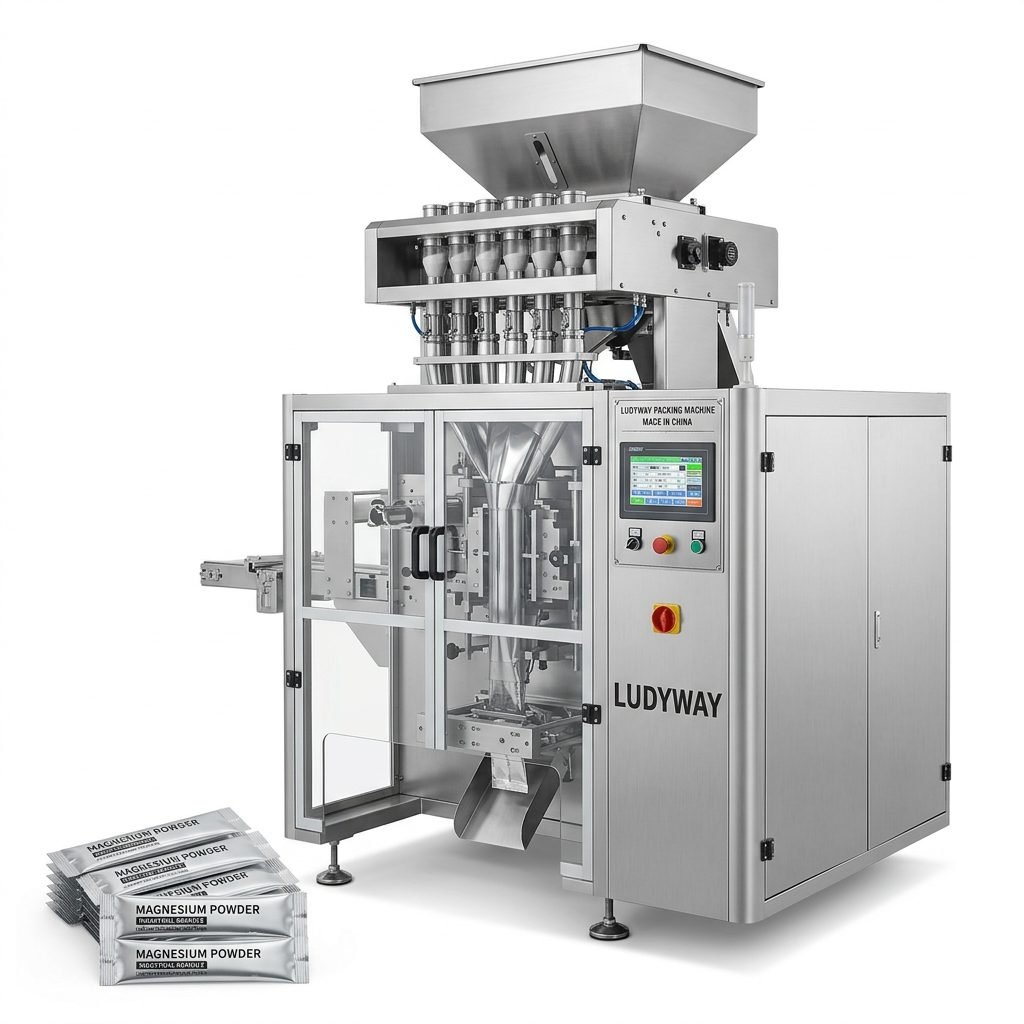
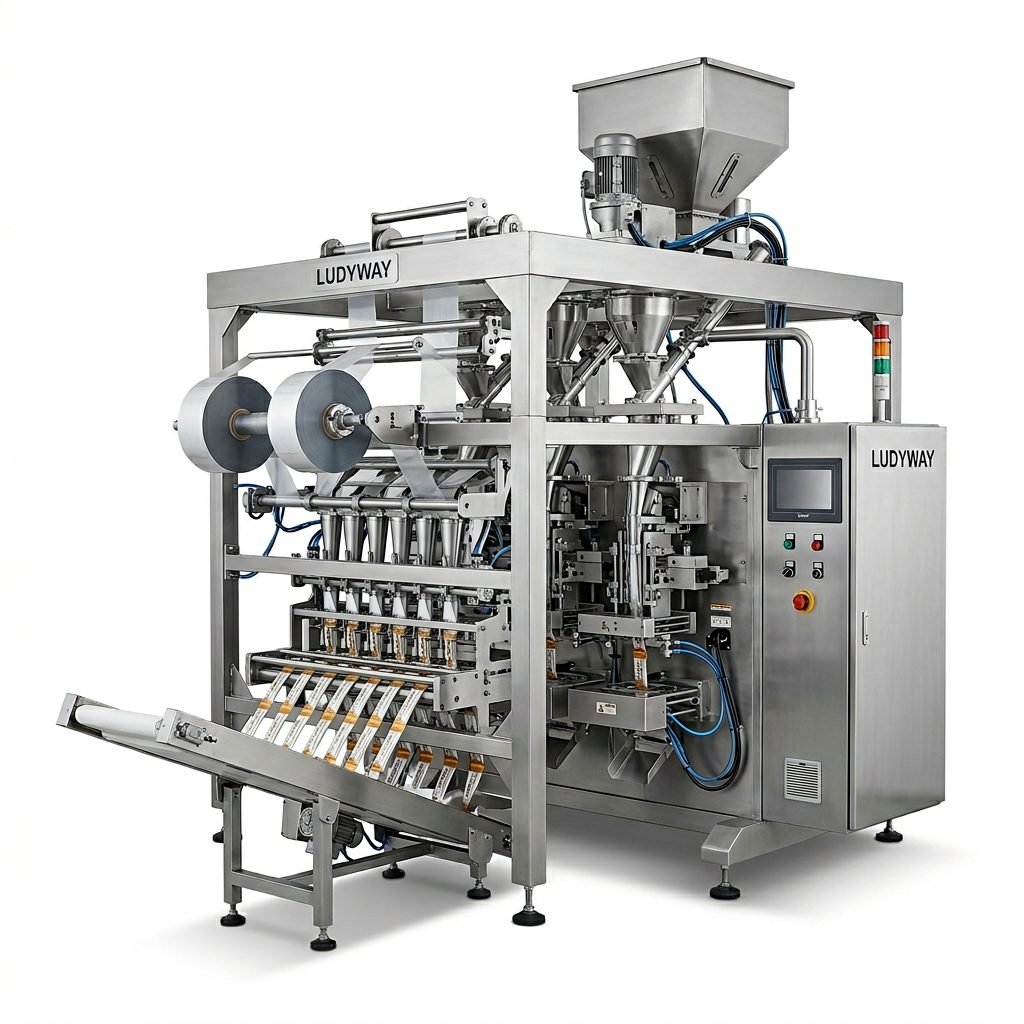
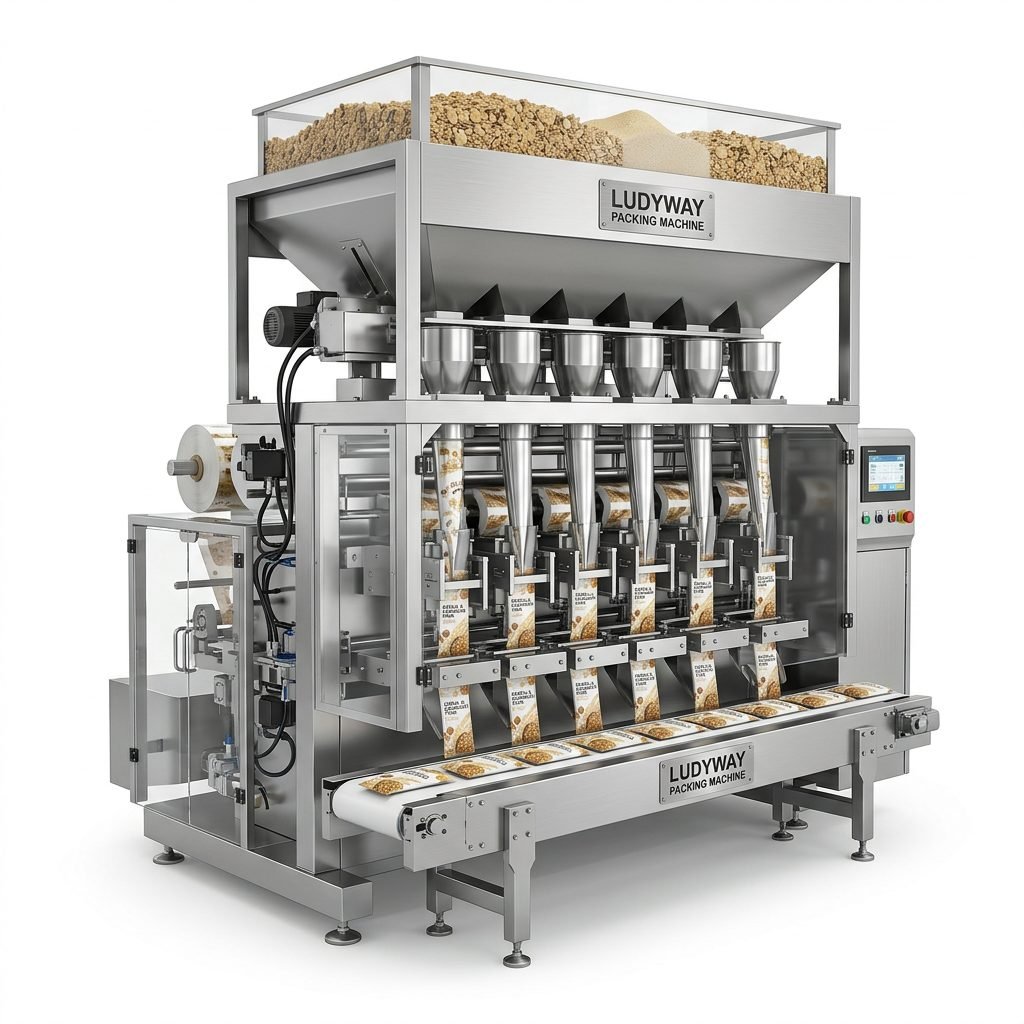
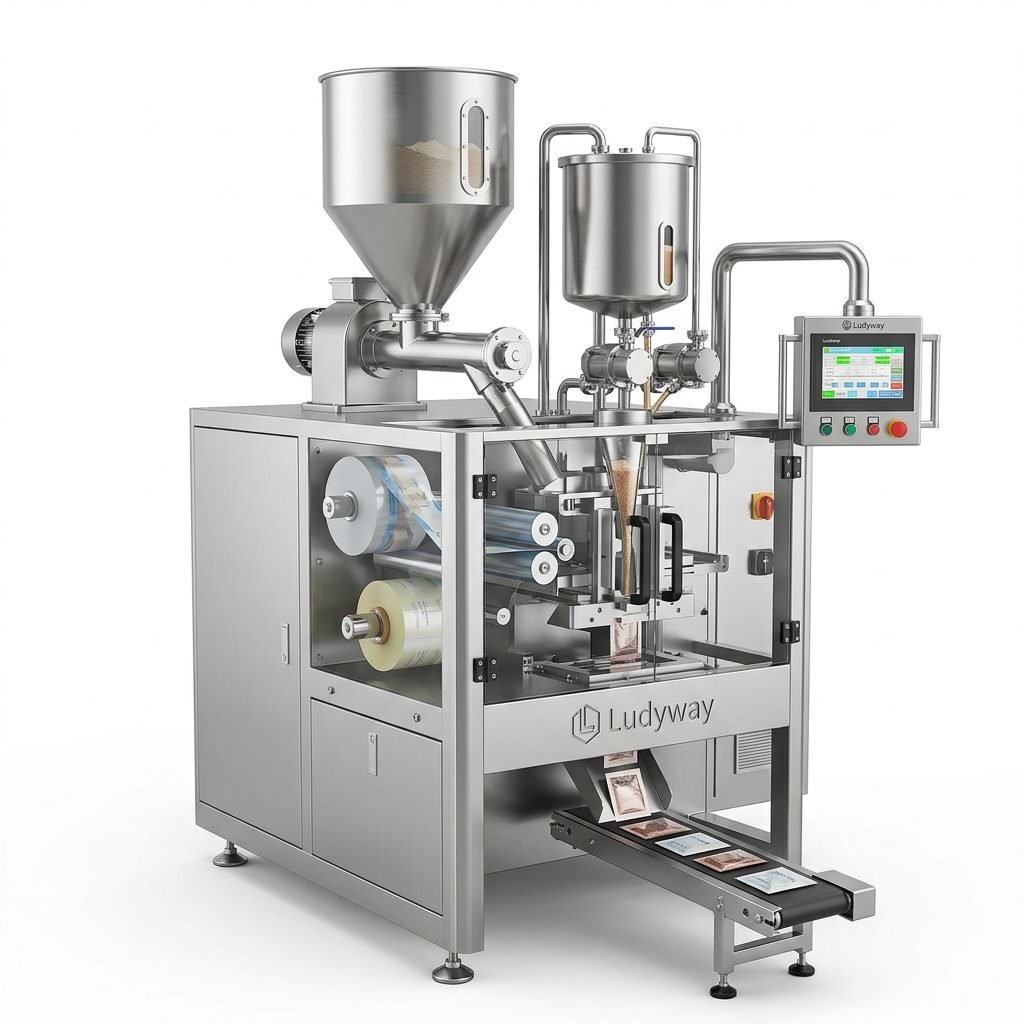
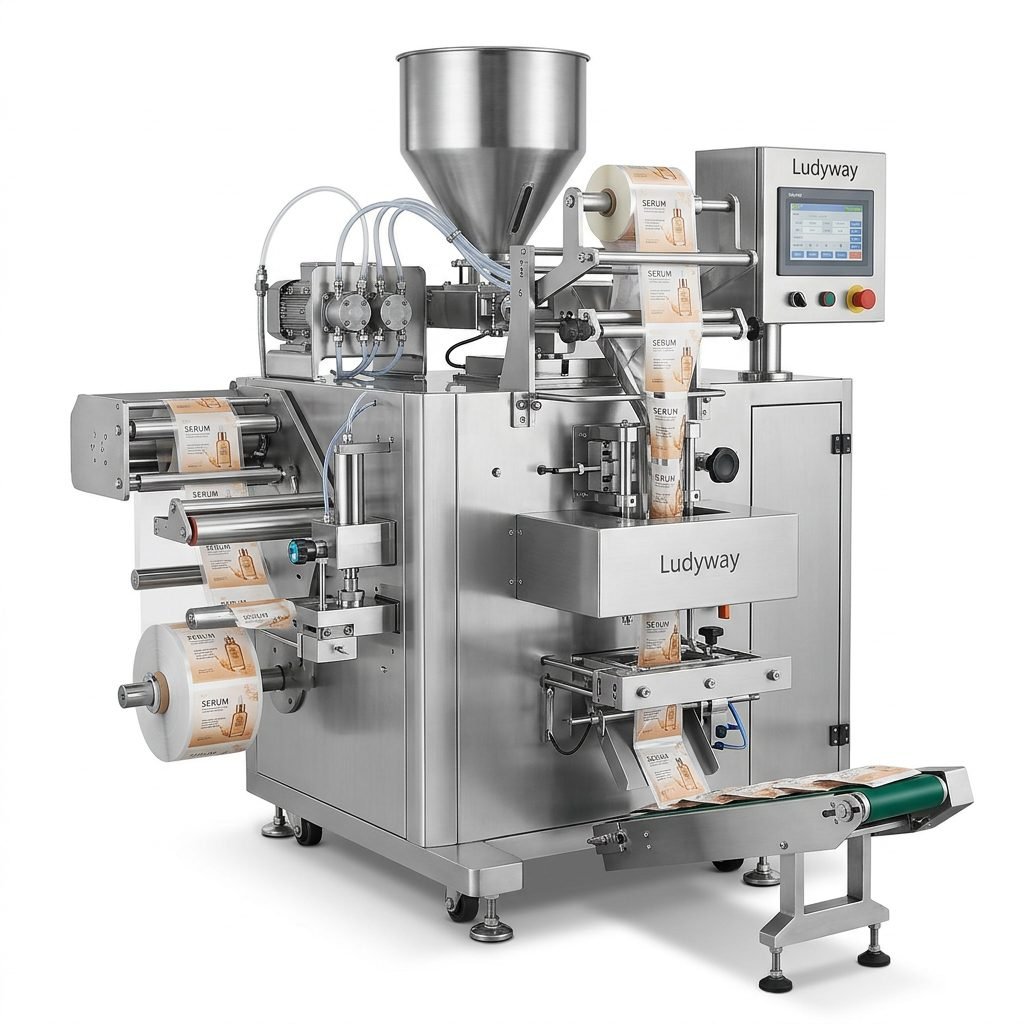
The modern skin vacuum packaging machine integrates multiple functions—filling, vacuum extraction, sealing, and coding—into a single automated workflow. These machines handle various packaging formats including sachets, stick packs, pouches, and pre-formed trays, making them versatile for different product categories within the skin care industry.
Key Components of a Skin Vacuum Packaging Production Line
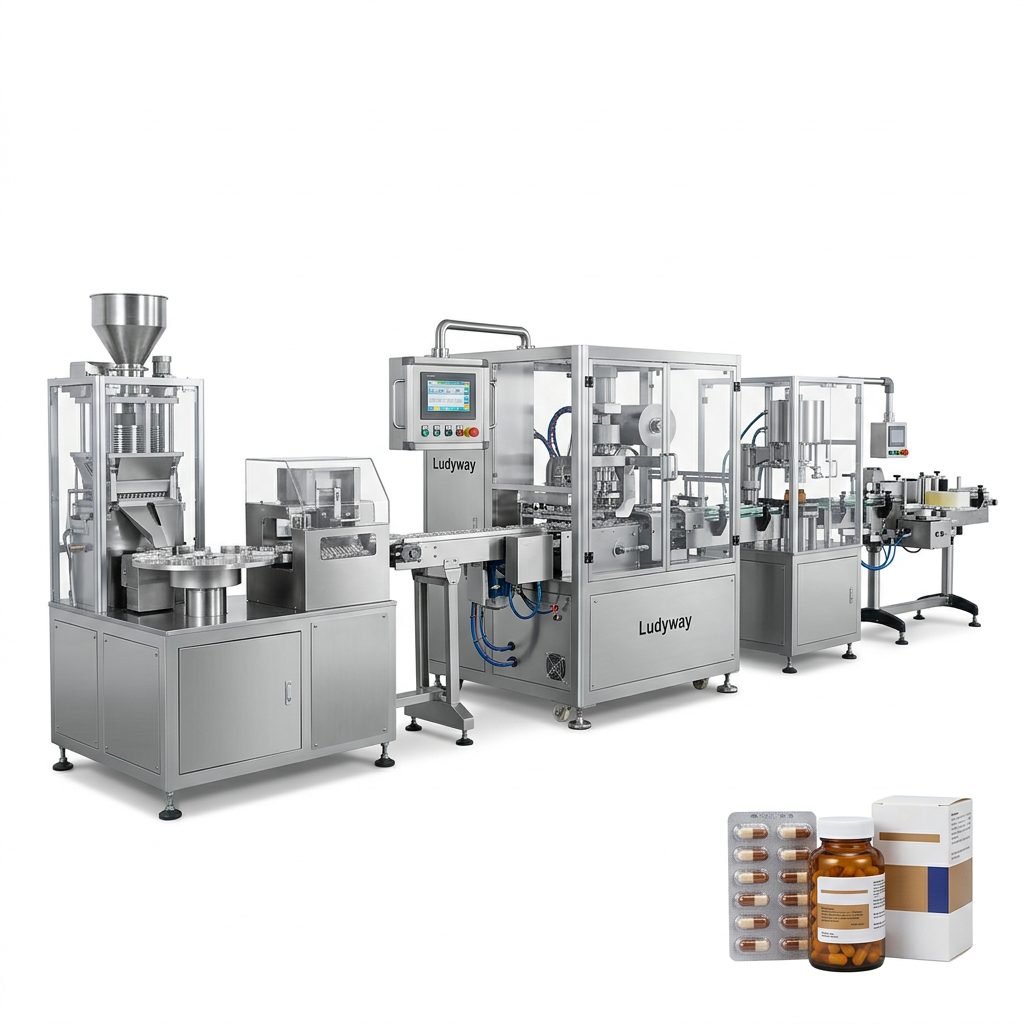
A well-designed skin vacuum packaging production line consists of several interconnected modules. Understanding each component helps in making informed procurement and layout decisions.
Vacuum Chamber and Air Extraction System
The vacuum chamber is the heart of the operation. It creates a controlled low-pressure environment that removes oxygen from the packaging cavity before sealing. Rotary vane vacuum pumps and oil-free diaphragm pumps are commonly used, with the choice depending on the sensitivity of the skin care product and the required vacuum level. For high-end cosmetic applications, vacuum levels of 5-10 mbar are typically specified to ensure maximum product protection.
Precision Filling and Dosing Units
Accurate dosing is non-negotiable in skin care packaging. Piston fillers handle viscous creams and lotions, while peristaltic pumps excel with liquid serums and essences. For powder-based products like facial masks or exfoliating treatments, auger filling systems provide the necessary precision. The filling tolerance should ideally remain within ±0.5% of target weight to comply with regulatory standards and minimize product giveaway.
Sealing Mechanism and Film Compatibility
The sealing station applies controlled heat and pressure to create an airtight bond between packaging films. Multi-layer laminated films with aluminum foil barriers are standard for skin care vacuum packaging due to their superior oxygen and moisture barrier properties. The sealing temperature, dwell time, and pressure must be precisely calibrated for each film type to ensure consistent seal integrity.
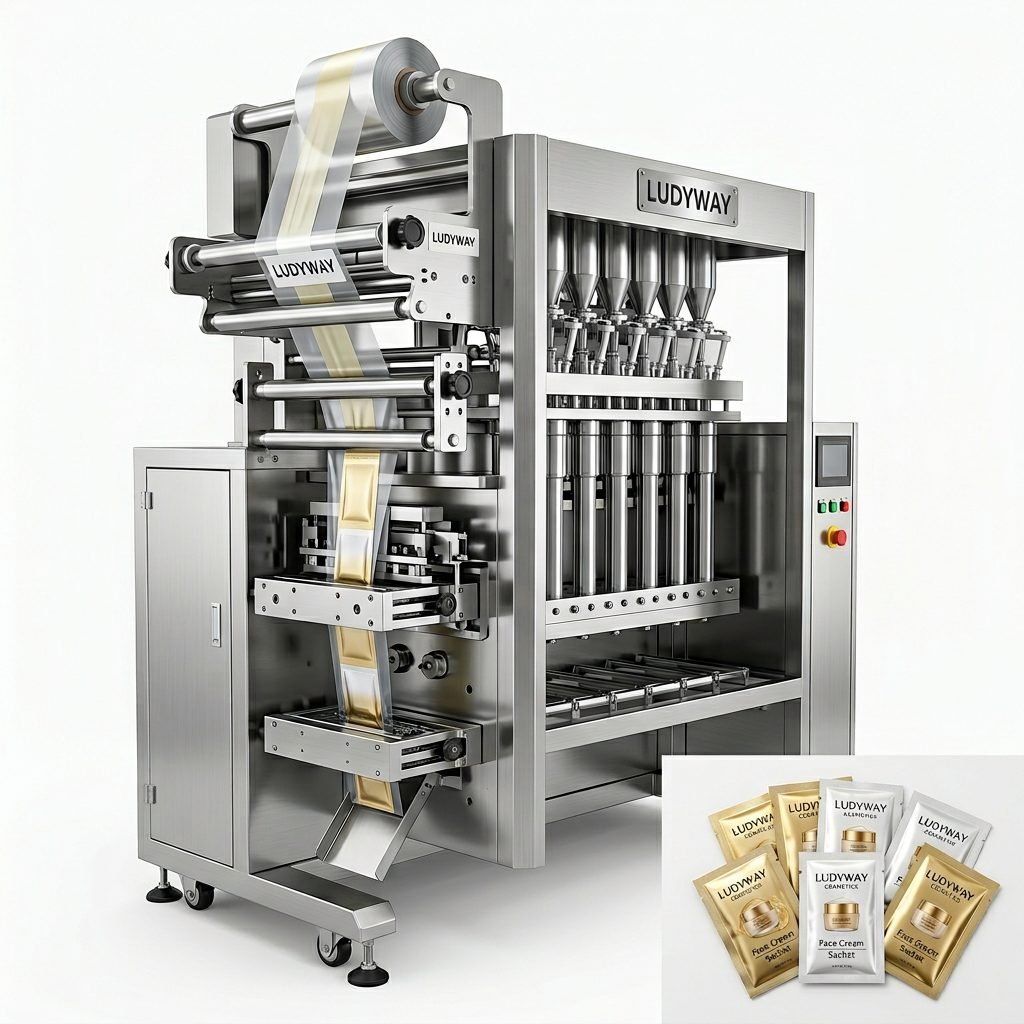
Step-by-Step Production Line Setup Guide
Phase 1: Site Assessment and Preparation
Before any equipment arrives, conduct a thorough assessment of your production facility. Key considerations include:
- Floor load capacity: Verify that the floor can support the weight of all machinery, especially the vacuum pump system and multi-lane packaging units.
- Cleanroom classification: Skin care products often require ISO Class 7 or 8 cleanroom environments to prevent contamination during the packaging process.
- Utility connections: Ensure adequate electrical supply (typically 380V/220V three-phase), compressed air lines (6-8 bar), and proper ventilation for vacuum pump exhaust.
- Material flow design: Plan the layout to support a logical flow from raw material storage to finished product handling, minimizing cross-contamination risks.
Phase 2: Equipment Installation and Integration
Install the skin vacuum packaging machine and ancillary equipment according to the manufacturer’s specifications. Position the vacuum pump as close to the packaging station as practical to minimize pressure loss in connecting lines. Professional installation services can significantly reduce commissioning time and ensure all components communicate correctly through the central PLC control system.
Phase 3: Calibration and Parameter Optimization
Calibrate each station meticulously. Start with the filling unit—verify dose weights across multiple cycles using a precision balance. Then adjust the vacuum cycle: evacuation time, holding time, and gas flush parameters (if nitrogen flushing is incorporated). Finally, fine-tune the sealing temperature profile for your specific packaging film. Document all optimized parameters for future reference and batch-to-batch consistency.
Phase 4: Trial Runs and Validation
Conduct at least three consecutive trial runs with actual product to validate the entire production line. During trials, monitor critical quality attributes including seal strength, residual oxygen levels, fill weights, and visual defects. Use statistical process control (SPC) methods to establish baseline performance metrics before transitioning to full production.

Equipment Selection Parameters
Choosing the right skin vacuum packaging machine requires evaluating multiple technical specifications. The table below summarizes key parameters to compare when selecting equipment:
| Parameter | Entry-Level | Mid-Range | High-End |
|---|---|---|---|
| Production Speed | 30-60 packs/min | 80-150 packs/min | 200-400 packs/min |
| Vacuum Level | 50-100 mbar | 10-50 mbar | 1-10 mbar |
| Filling Accuracy | ±1.5% | ±0.8% | ±0.3% |
| Automation Level | Semi-automatic | Fully automatic | Smart factory ready |
| Changeover Time | 30-45 min | 15-25 min | 5-10 min |
| Residual O2 Level | <3.0% | <1.5% | <0.5% |
Quality Control and Regulatory Compliance
Skin care products packaged under vacuum must meet stringent quality and regulatory standards. Implement a comprehensive quality management system that addresses the following critical checkpoints:
- Seal integrity testing: Perform dye penetration tests and burst strength analysis on samples from each production batch to verify seal quality.
- Residual gas analysis: Use headspace gas analyzers to confirm that oxygen levels remain below specified thresholds throughout the product’s shelf life.
- Microbial monitoring: Conduct regular environmental monitoring and product testing to ensure the vacuum packaging process does not introduce contamination.
- Traceability systems: Integrate batch coding, serialization, and vision inspection technologies to maintain complete traceability from raw material to finished package.
- GMP documentation: Maintain detailed records of equipment calibration, cleaning procedures, and process parameters in compliance with FDA and ISO 22716 guidelines for cosmetic manufacturing.
Maintenance Best Practices for Long-Term Reliability
A proactive maintenance program is essential to keep your skin vacuum packaging production line operating at peak efficiency. Establish a structured maintenance schedule that includes:
- Daily: Clean product contact surfaces, inspect seals and gaskets, verify vacuum pump oil levels, and check for air leaks in pneumatic connections.
- Weekly: Lubricate mechanical components according to manufacturer specifications, calibrate temperature sensors, and test emergency stop functions.
- Monthly: Replace vacuum pump oil (for oil-sealed pumps), inspect heating elements for wear, verify PLC program integrity, and deep-clean film transport mechanisms.
- Quarterly: Conduct comprehensive performance audits, replace worn wear parts, update firmware if applicable, and review process data for trending issues.
- Annually: Perform full mechanical overhaul, replace major seals and bearings, recalibrate all sensors, and conduct validation testing to confirm continued compliance.
Optimizing Production Efficiency and Reducing Waste
Achieving operational excellence with skin vacuum packaging equipment involves continuous improvement across multiple dimensions. Focus on minimizing film waste by optimizing index length settings and seal parameters. Implement real-time OEE monitoring systems to track availability, performance, and quality metrics. Train operators thoroughly on proper machine operation, troubleshooting, and changeover procedures to reduce downtime and human error.
Advanced features such as automatic film splicing, servo-driven movements, and self-diagnostic capabilities can significantly enhance production uptime. When evaluating packaging machine manufacturers, prioritize those offering comprehensive after-sales support, readily available spare parts, and remote diagnostic capabilities to minimize potential disruptions.
Future Trends in Skin Vacuum Packaging
The skin vacuum packaging machine industry continues to evolve with several emerging trends shaping the future. Sustainable packaging materials including recyclable mono-material films and bio-based laminates are gaining traction. Smart packaging technologies incorporating NFC tags, QR codes, and freshness indicators are being integrated into vacuum packaging lines to enhance consumer engagement. Additionally, the adoption of Industry 4.0 principles—including IoT connectivity, predictive maintenance algorithms, and digital twin simulations—is transforming how manufacturers operate and maintain their packaging assets.
Choosing the Right Partner for Your Packaging Line
Selecting the right equipment partner is as critical as choosing the machinery itself. Ludyway, with over 30 years of industry expertise and a modern 20,000㎡ manufacturing facility, offers comprehensive skin vacuum packaging solutions tailored to diverse production requirements across the cosmetic and pharmaceutical sectors. When evaluating potential suppliers, consider their engineering capabilities, project management experience, and commitment to ongoing technical support. A successful skin vacuum packaging production line implementation depends on a collaborative partnership that extends well beyond equipment delivery. For further guidance on packaging machinery standards, the PMMI packaging industry resources provide valuable technical references.
Investing in a properly configured skin vacuum packaging machine production line delivers measurable returns through enhanced product protection, reduced waste, improved production efficiency, and strengthened brand reputation. By following the structured approach outlined in this guide—covering site preparation, equipment selection, installation, calibration, quality control, and maintenance—you can establish a world-class packaging operation that meets the exacting demands of the modern skin care market.