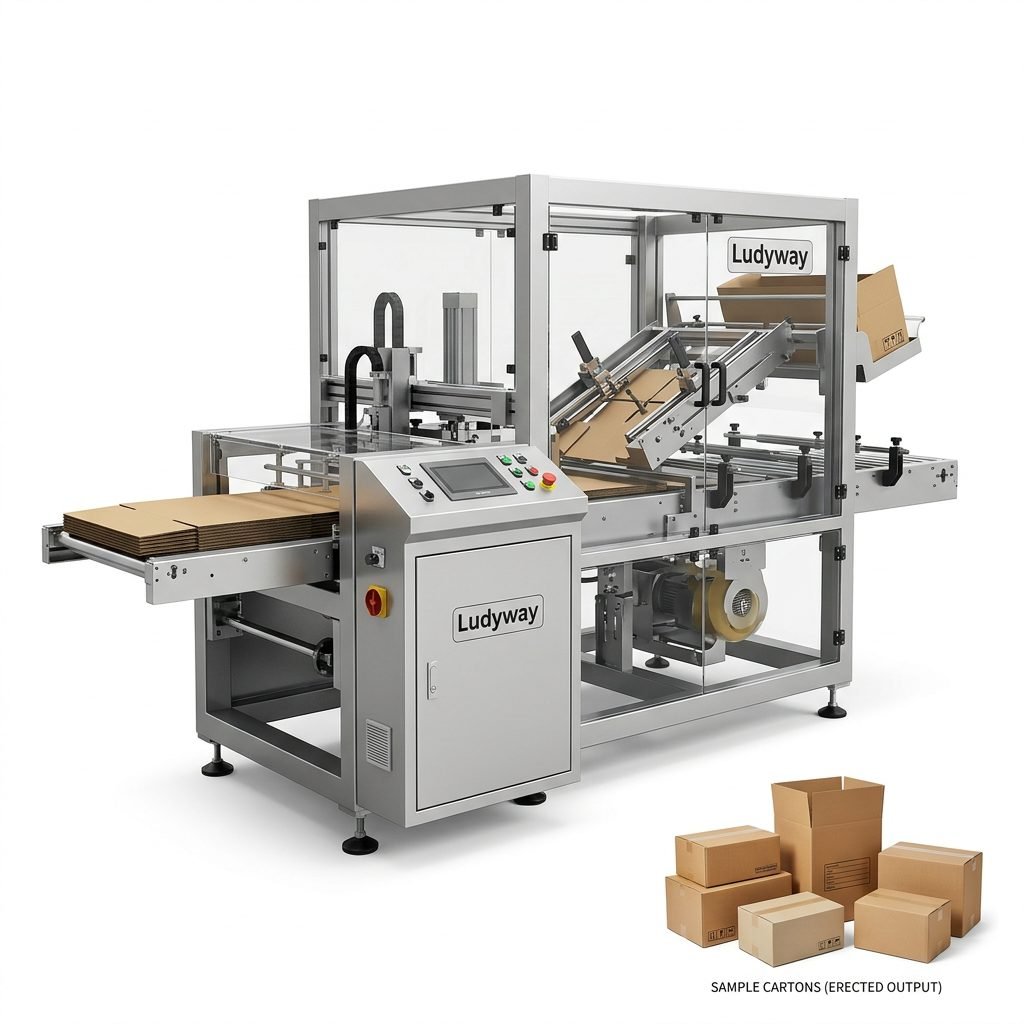
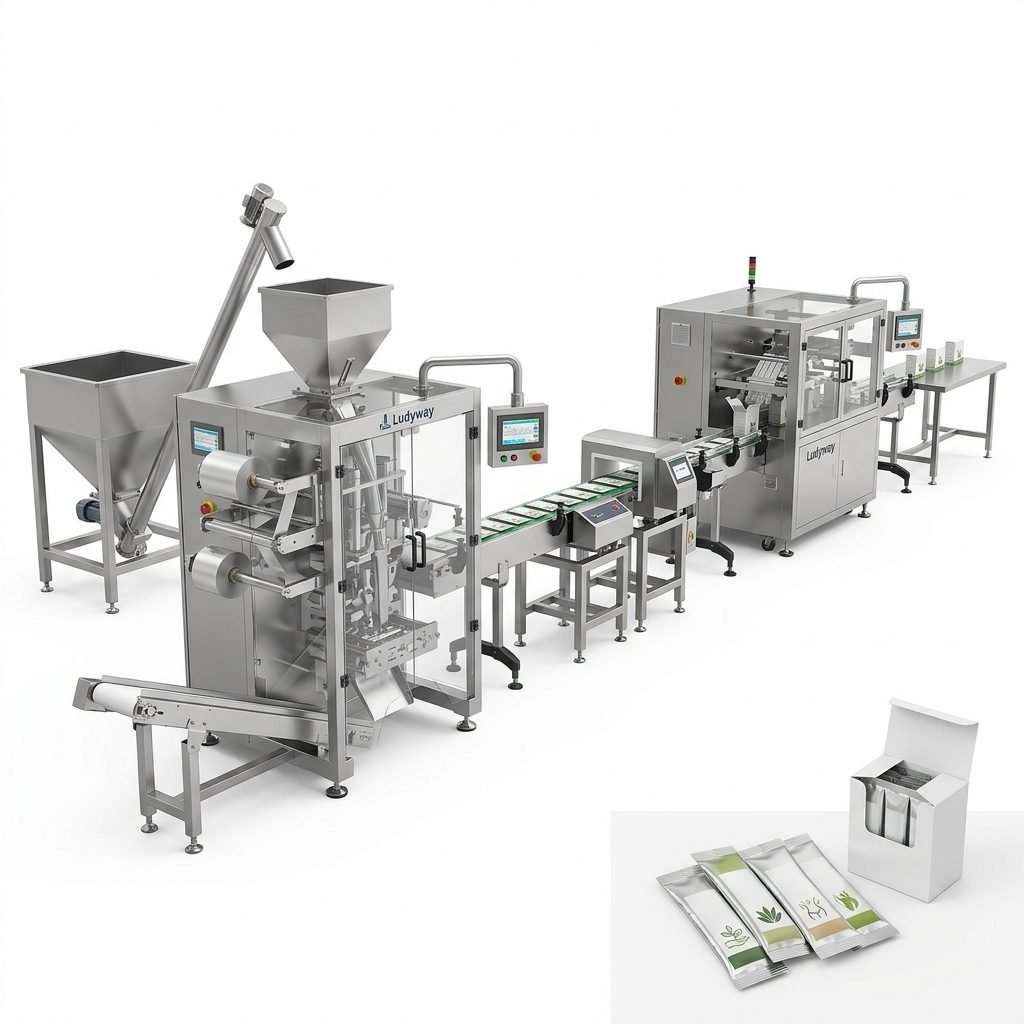
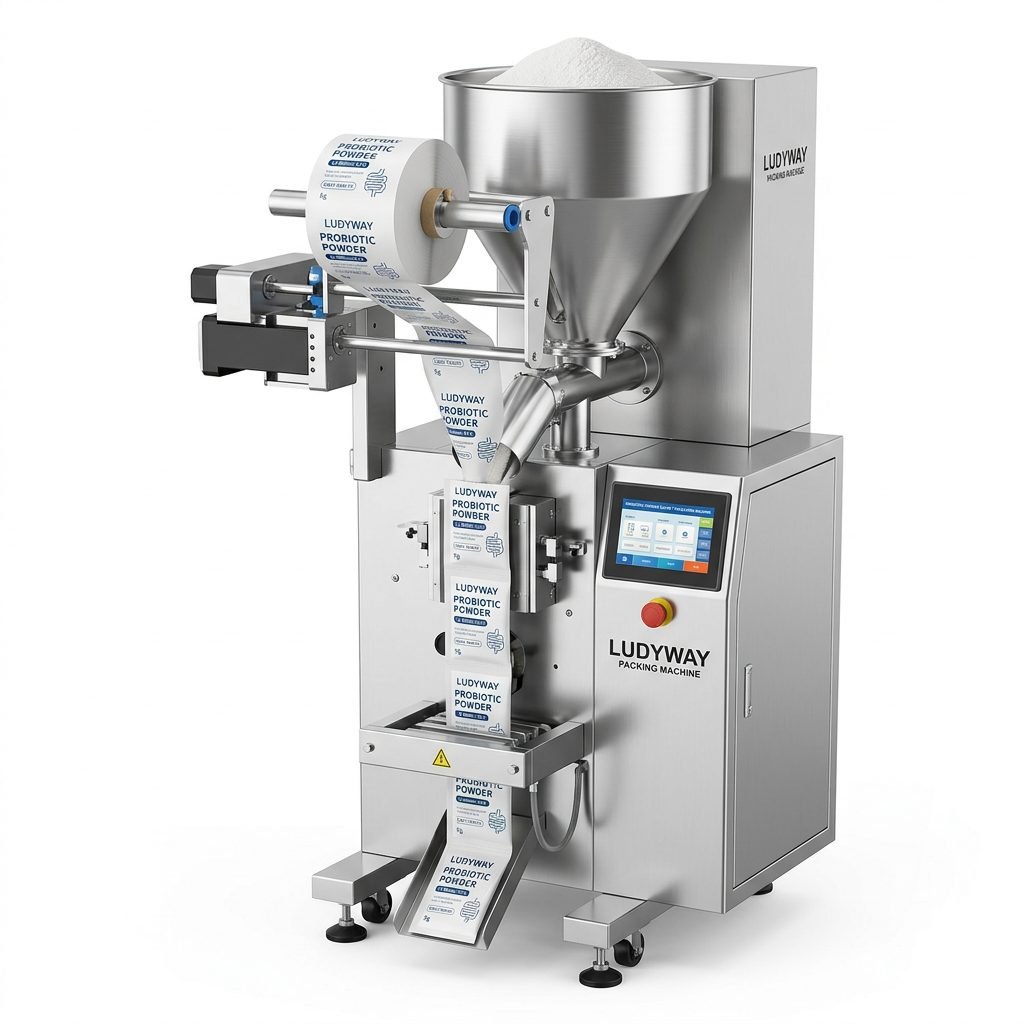
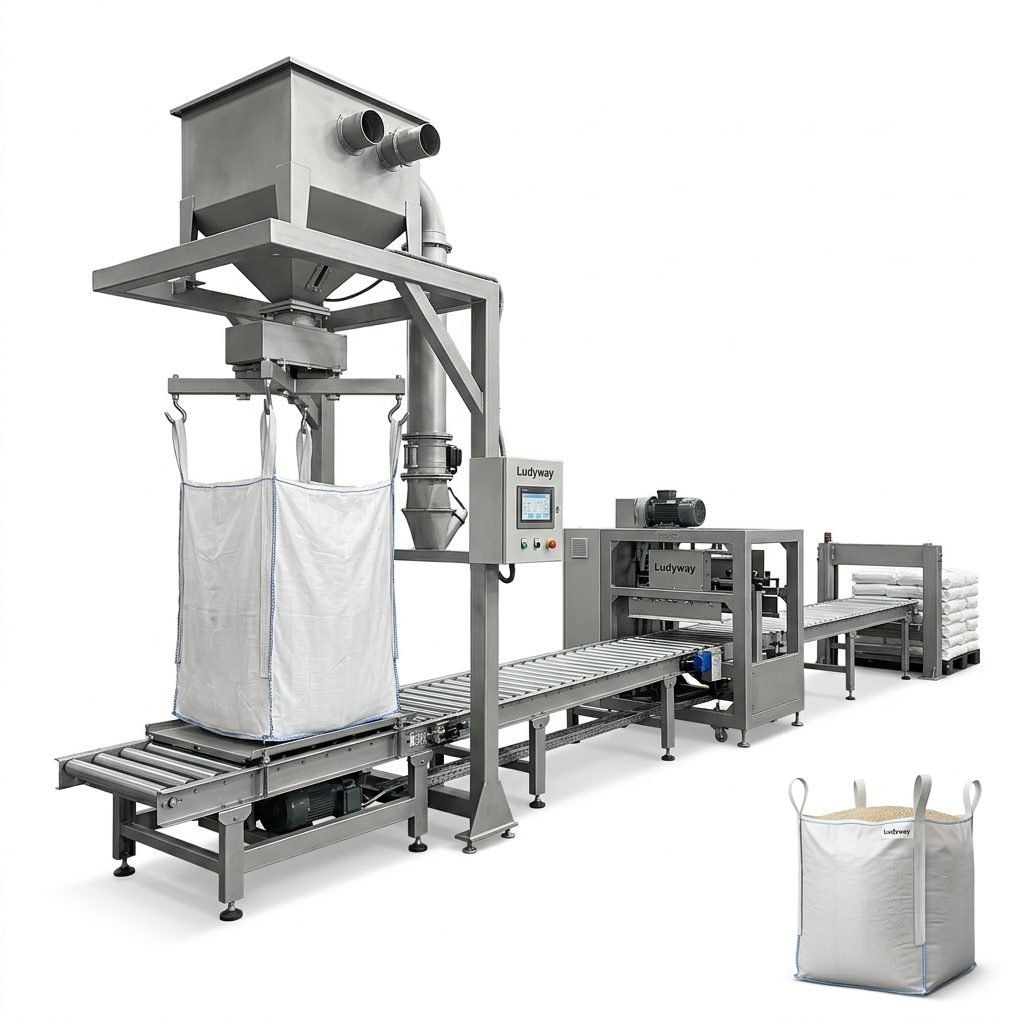
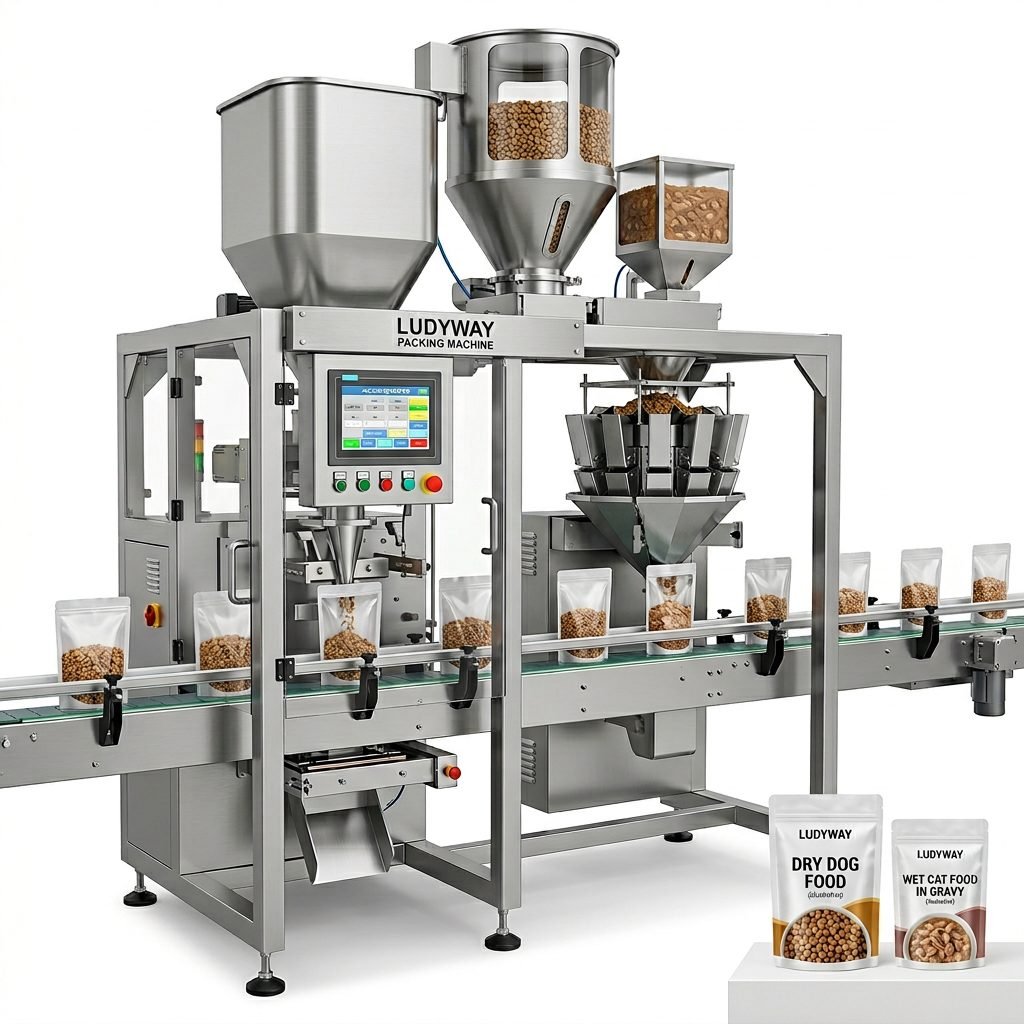
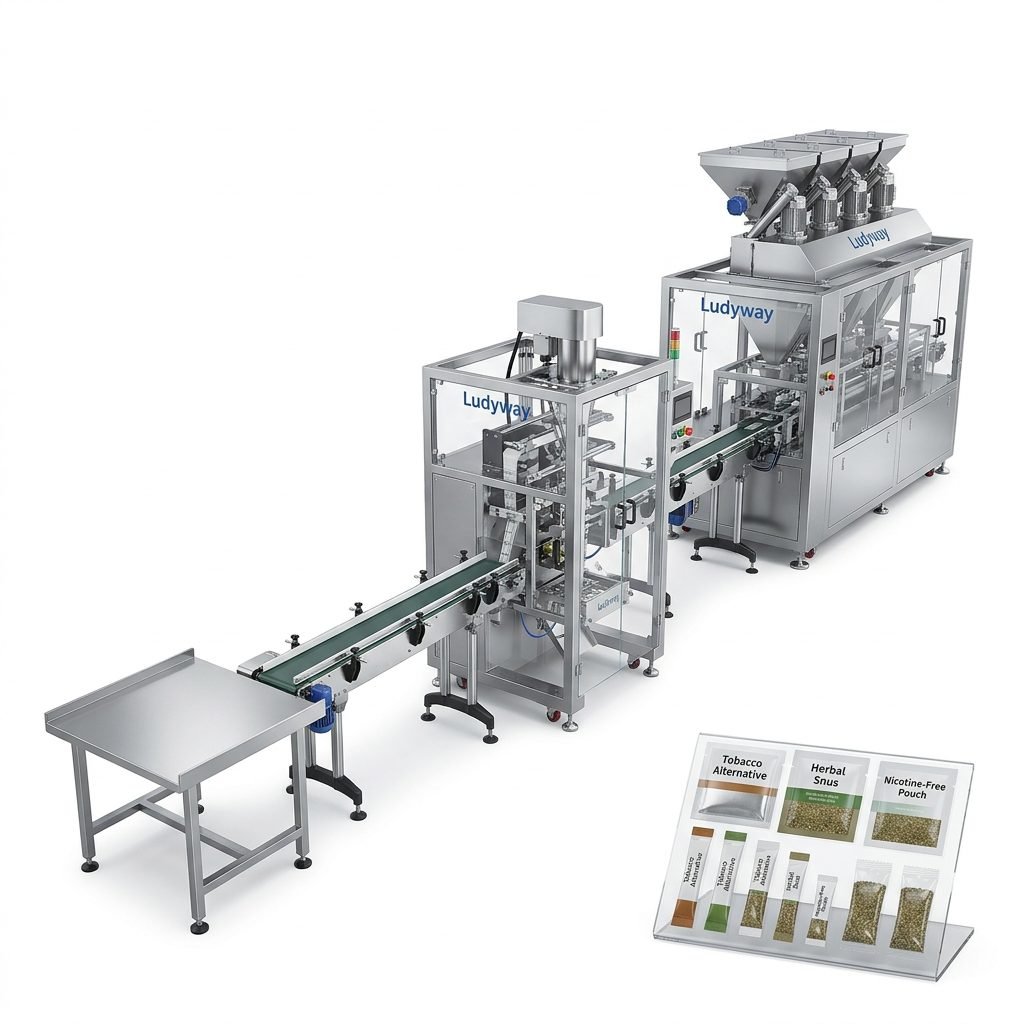
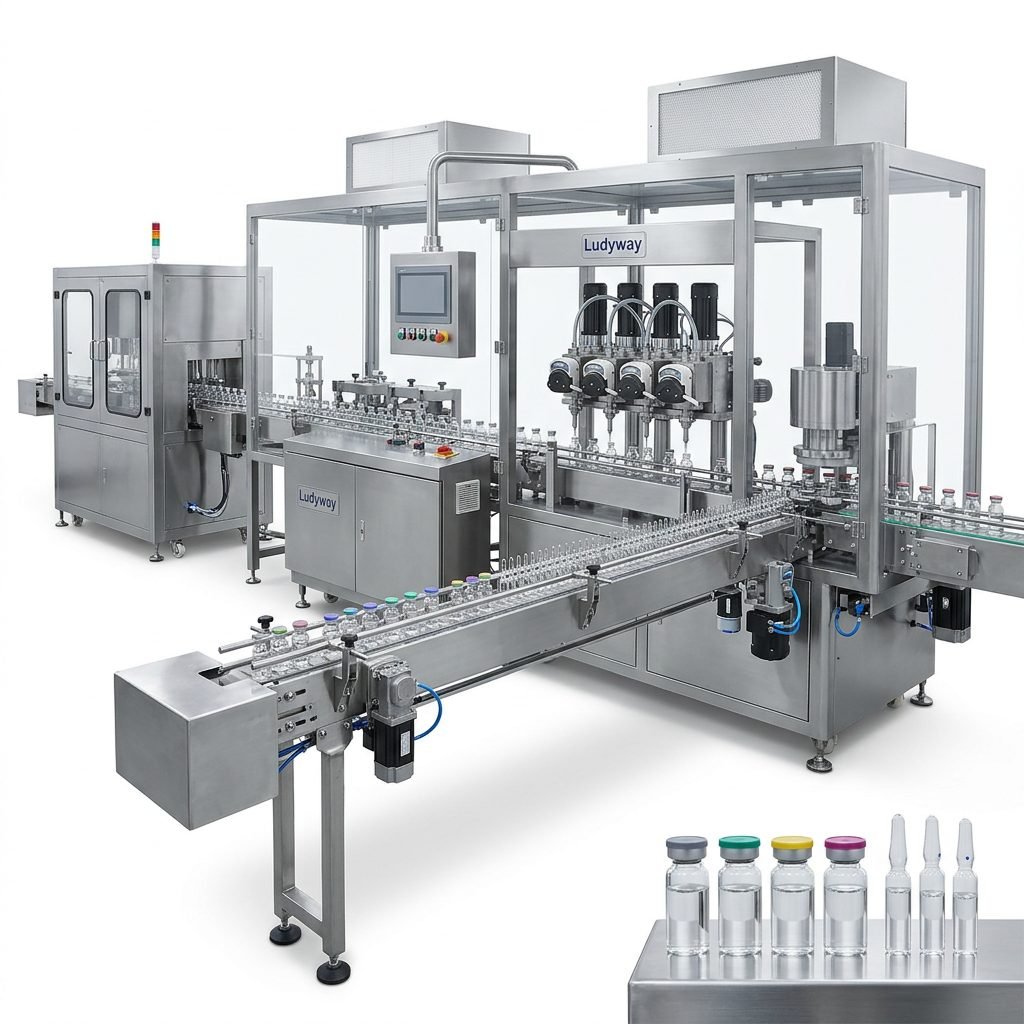
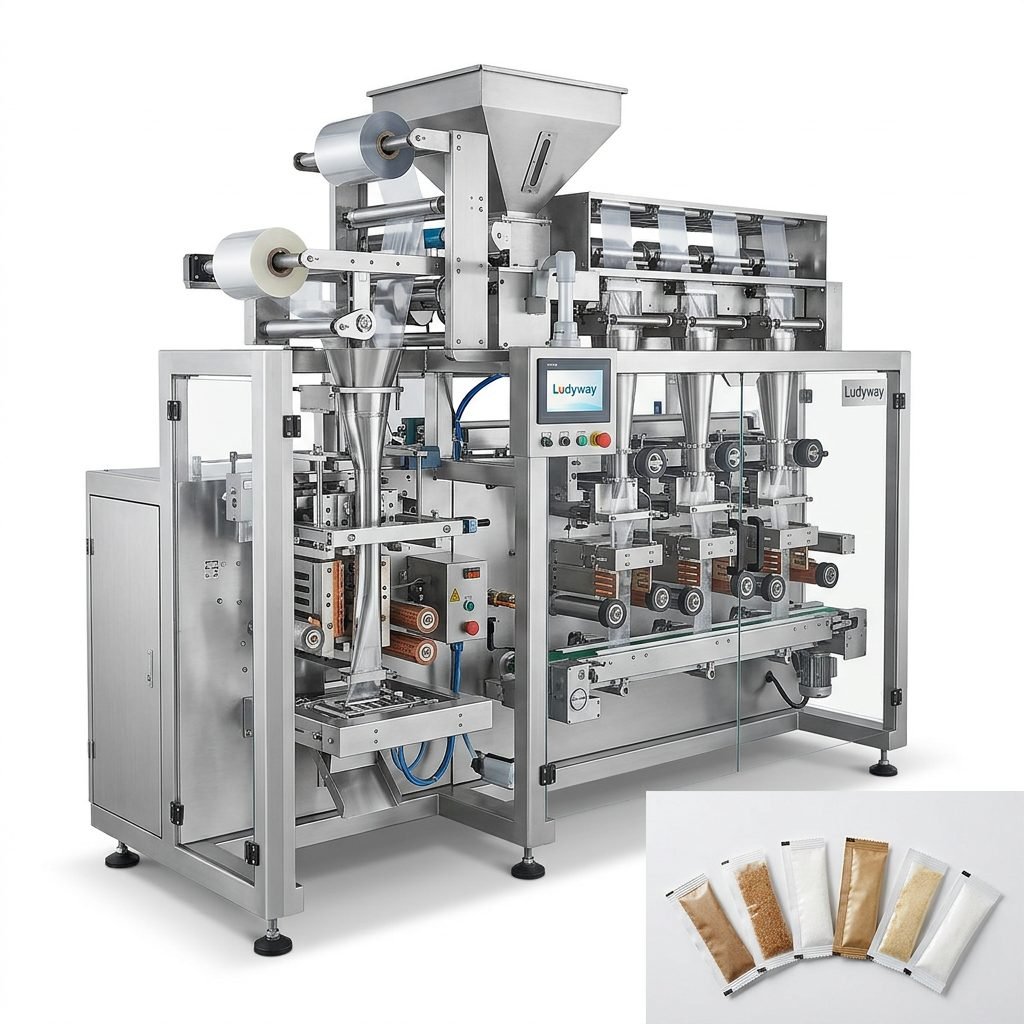
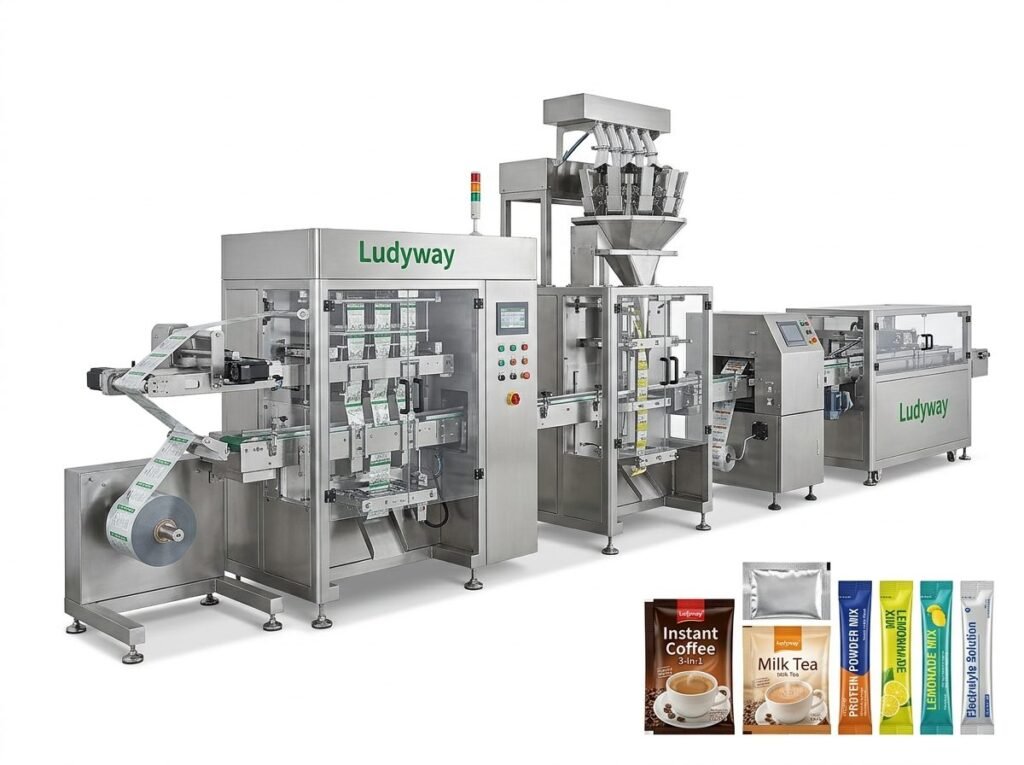
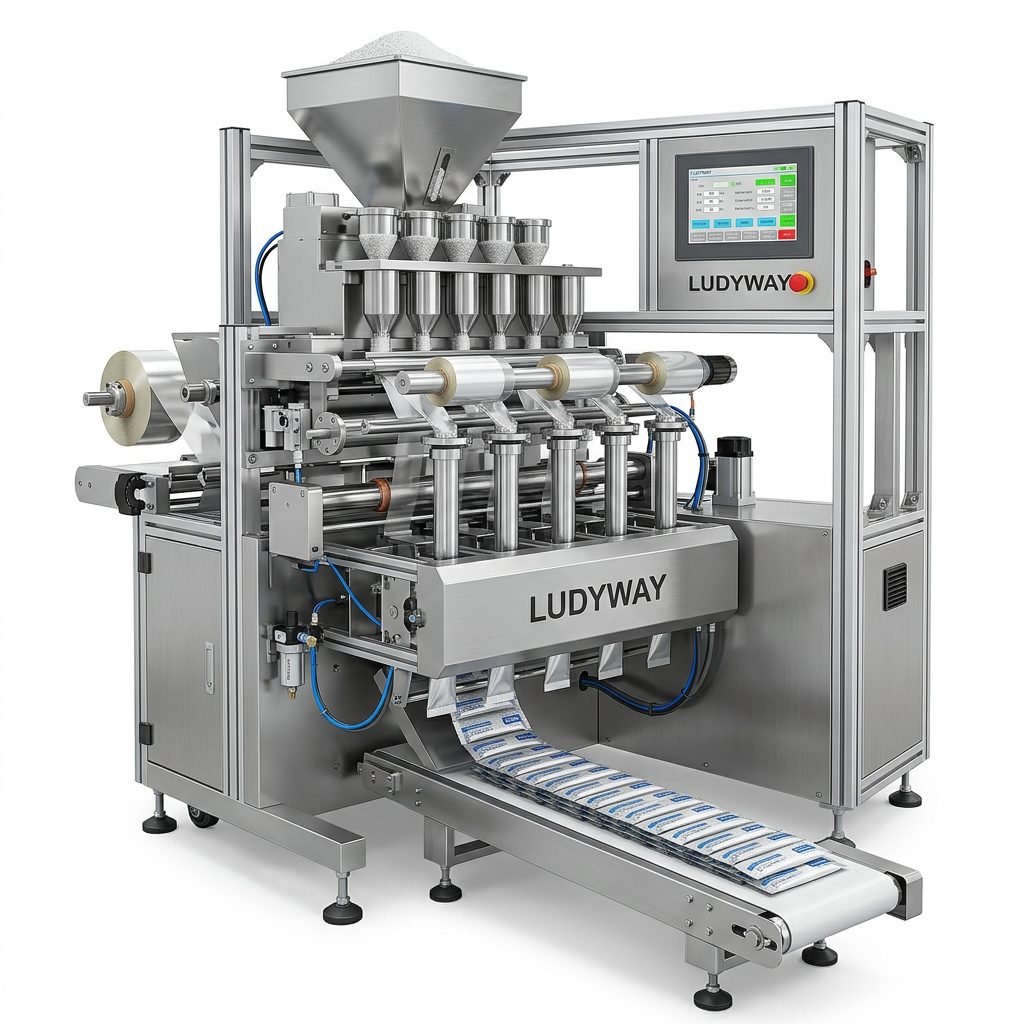
Proper cleaning and routine upkeep are critical to ensuring your soup packaging machine operates at peak efficiency. Neglecting maintenance can lead to seal failures, inconsistent fill weights, and costly downtime. Whether you run a compact single-lane unit or a fully automated packaging machine line, following a structured maintenance plan will extend equipment life and protect product quality.

Why Soup Packaging Machine Maintenance Matters
Soup products often combine moisture, oils, powders, and particulates that can quickly accumulate on critical components. Residue buildup on sealing jaws, forming tubes, and filling nozzles compromises package integrity. A proactive approach reduces unplanned repairs and ensures compliance with food safety standards. According to industry data from the PMMI packaging association, preventive maintenance can cut machine downtime by up to 30%.
Key Benefits of Regular Maintenance
- Consistent seal strength and leak prevention
- Accurate fill weights and reduced product waste
- Extended lifespan of wear parts such as belts and bearings
- Fewer emergency breakdowns during production runs
- Improved operator safety conditions
Daily Cleaning Checklist for Soup Packaging Equipment
At the end of each shift or production cycle, operators should complete a thorough cleaning routine. Product residue from soup powders, dried vegetables, and seasoning oils hardens quickly and becomes difficult to remove if left overnight.
| Component | Cleaning Action | Frequency |
|---|---|---|
| Filling Nozzles & Augers | Disassemble and wash with food-grade sanitizer; remove oil buildup | Every 8 hours |
| Sealing Jaws & Teflon Tape | Wipe with clean cloth; inspect for film residue and carbon deposits | Every shift |
| Forming Tube & Collar | Clean with non-abrasive solution; check for scratches causing film drag | Daily |
| Hopper & Feed System | Empty completely; brush away powder fines; inspect for clogs | Daily |
| Conveyor Belts & Guides | Remove debris; check tension and alignment | Daily |
Cleaning Best Practices
Always disconnect power before performing any cleaning or maintenance. Use food-grade lubricants and cleaning agents approved for packaging machinery. Avoid excessive water near electrical enclosures; instead, use damp cloths and compressed air for dry particulates. Document each cleaning cycle in a maintenance log for traceability and audit readiness.
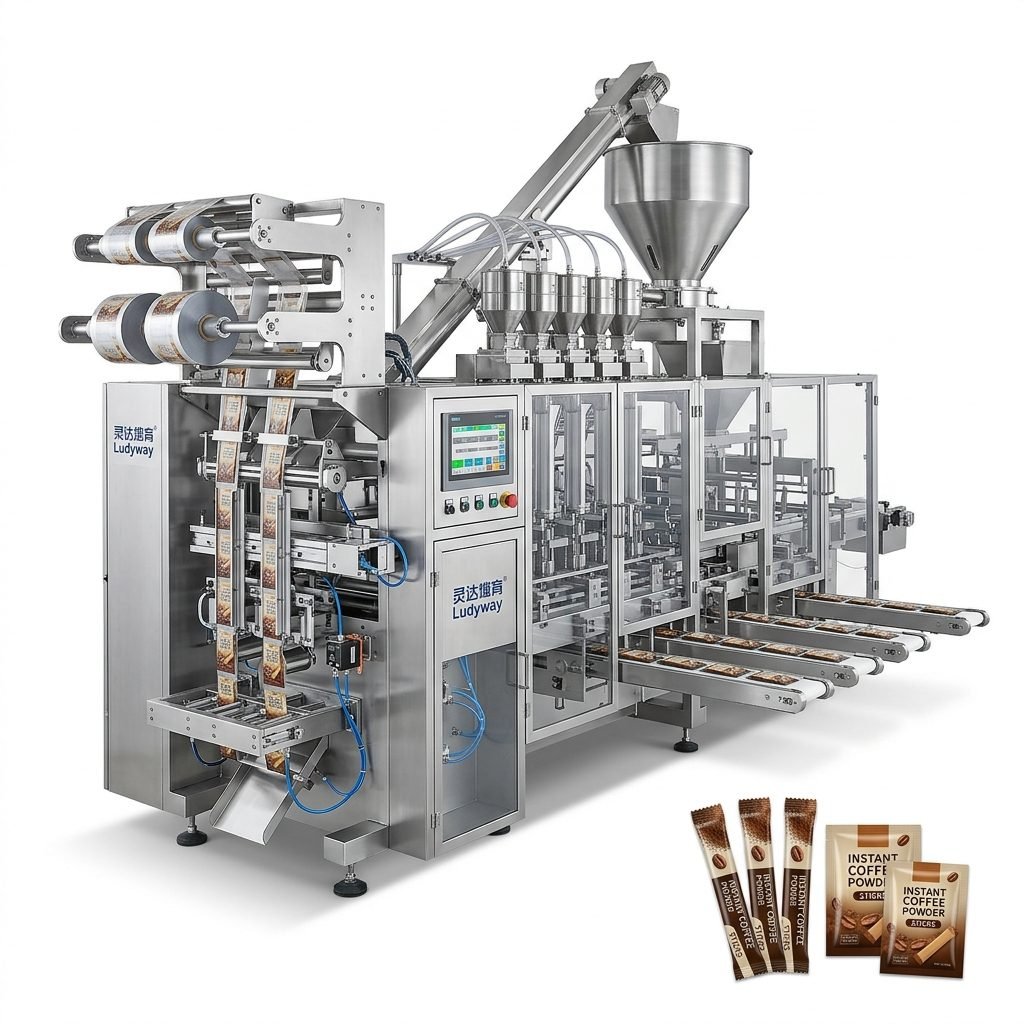
Weekly and Monthly Preventive Maintenance Tasks
Beyond daily cleaning, a structured preventive maintenance schedule addresses wear items before they fail. Soup packaging lines running multi-shift operations should follow these intervals strictly.
Weekly Maintenance
- Inspect all sealing jaw bearings and lubricate as specified
- Check film registration sensors and clean lenses
- Verify temperature controller calibration for both vertical and horizontal seals
- Tighten loose fasteners on the frame and guarding
- Test emergency stop functionality and safety interlocks
Monthly Maintenance
- Replace or clean air filters and vacuum system elements
- Inspect drive belts, timing belts, and chains for wear and tension
- Examine electrical connections for loose terminals or heat discoloration
- Perform a full stroke test on pneumatic cylinders and check for leaks
- Review the maintenance log and address recurring issues
Common Issues and Troubleshooting

| Problem | Possible Cause | Recommended Action |
|---|---|---|
| Incomplete or weak seals | Dirty sealing jaws, incorrect temperature, worn Teflon tape | Clean jaws, recalibrate temperature, replace Teflon tape |
| Inconsistent fill weights | Clogged auger, product bridging in hopper, sensor drift | Clean feed path, adjust agitator, recalibrate weighing system |
| Film tracking off-center | Misaligned forming collar, uneven roll tension, dirty rollers | Realign collar, adjust tension, clean rollers thoroughly |
| Excessive machine vibration | Loose mounting bolts, worn bearings, unbalanced rotating parts | Tighten all hardware, replace worn bearings, perform alignment check |
Quarterly and Annual Overhaul Recommendations
A more comprehensive inspection should be scheduled on a quarterly and annual basis to address deeper mechanical and electrical systems.
Quarterly Maintenance
- Drain and replace gearbox oil in main drive and auxiliary systems
- Inspect all cam followers and linear bearings for smooth operation
- Test and calibrate temperature controllers and thermocouples
- Update PLC and HMI software if updates are available from the manufacturer
Annual Overhaul
- Perform a complete machine teardown for deep cleaning and inspection
- Replace all wear parts: belts, bearings, seals, gaskets, and Teflon strips
- Inspect the electrical cabinet for dust ingress and tighten all terminals
- Conduct a full performance validation run with production material
- Engage a certified technician from your equipment supplier for a thorough audit
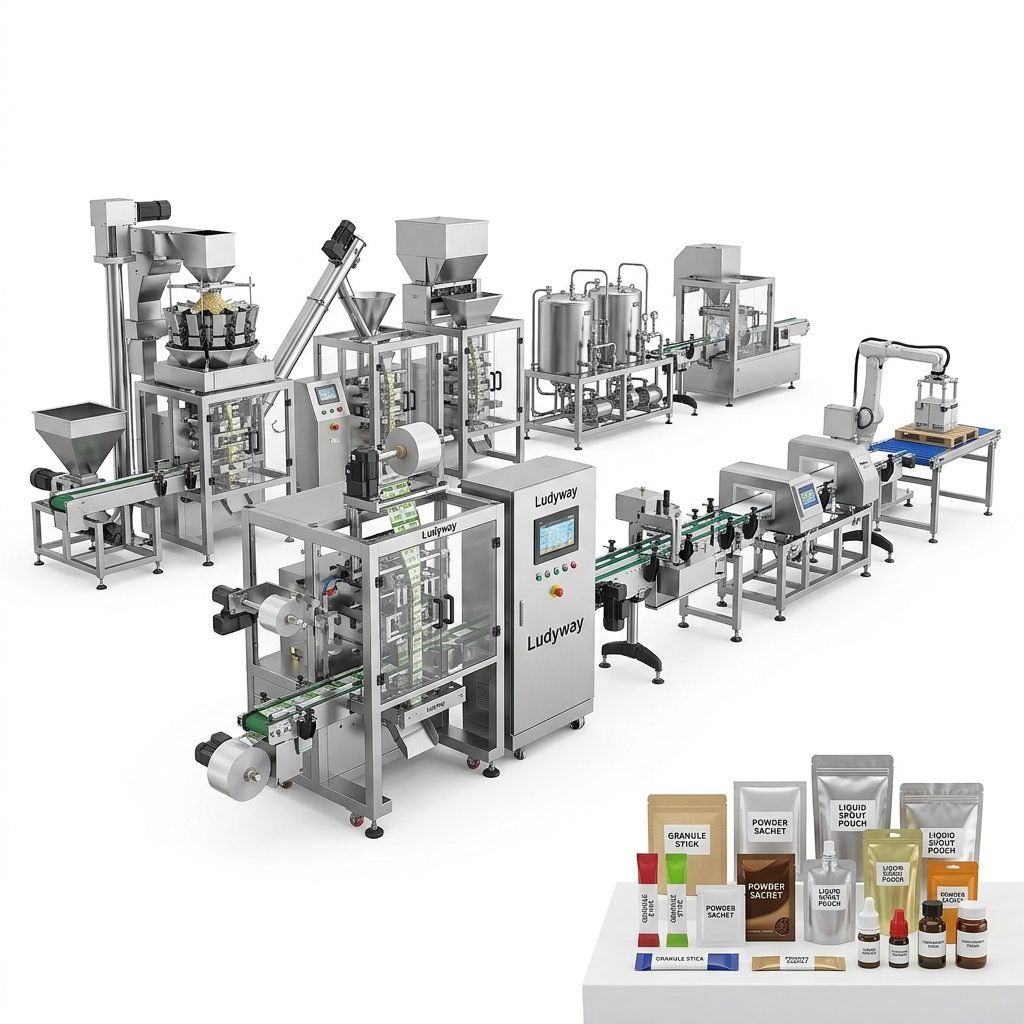
Spare Parts Inventory Management
Maintaining an organized spare parts inventory is essential for minimizing downtime. Critical spare parts should always be on hand. Refer to standards published by the ISO packaging standards for quality assurance guidance on replacement components.
- Sealing jaws and replacement Teflon tape rolls
- Heating elements and thermocouples
- Drive belts and timing belts of each specification
- Sensor assemblies and photoelectric cells
- Pneumatic seals, O-rings, and cylinder rebuild kits
- Forming tubes for different bag sizes
Training and Documentation
Even the best maintenance plan fails without proper operator training. Ensure all personnel are trained on lockout-tagout procedures, equipment-specific cleaning protocols, and basic troubleshooting. Maintain a digital or physical maintenance logbook that includes date, tasks performed, parts replaced, and the technician’s signature. This documentation is also valuable for food safety audits and certifications from agencies such as the FDA food packaging division.
When to Call a Professional Technician
While routine maintenance can be managed in-house, certain situations require expert intervention. Contact your equipment provider if you encounter:
- Persistent seal integrity failures after all adjustments are made
- Unusual noises suggesting internal mechanical damage
- PLC or servo drive faults requiring reprogramming
- Major component replacement such as main drive motors or multi-head weighers
Ludyway is one of the largest packaging machine manufacturers in China, specializing in advanced packaging equipment and turnkey production solutions for the food, pharmaceutical, and health industries. With over 30 years of industry expertise and more than 50 intelligent packaging machine models, Ludyway supports customers across 100+ countries with reliable, high-performance equipment designed for easy maintenance and long service life. For more maintenance tips and machine specifications, visit the packaging machine manufacturer resource center.
For broader industry insights, explore the PMMI business intelligence library or review the latest flexible packaging trends at the Flexible Packaging Association resources portal.