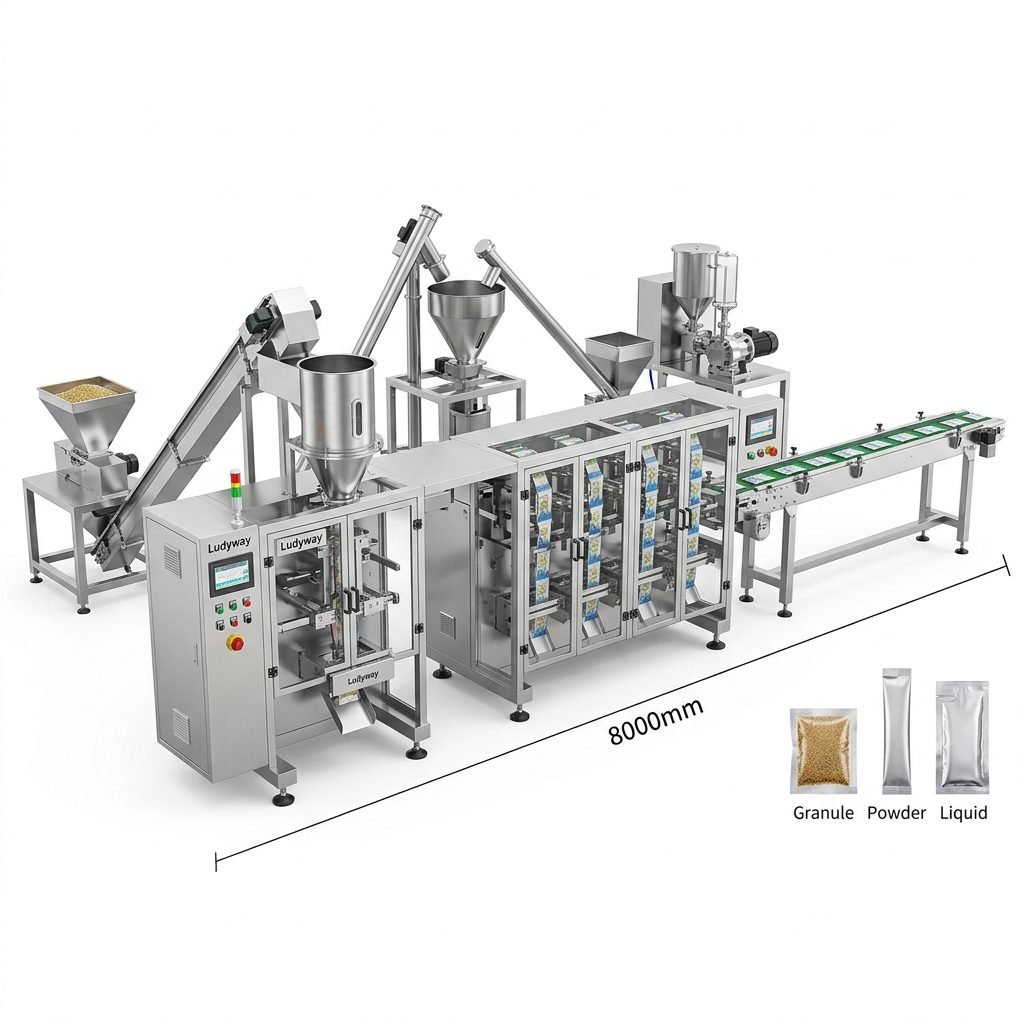
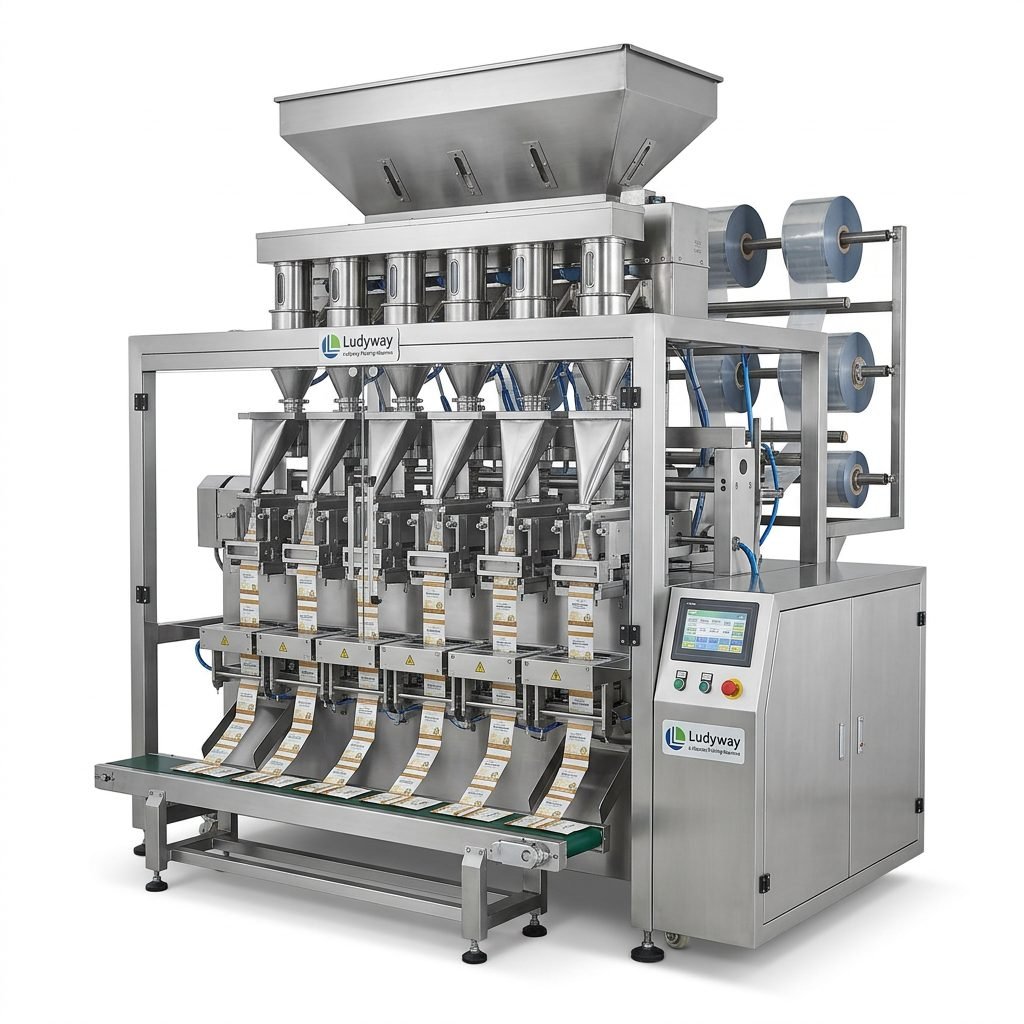
Packaging machines are the backbone of modern manufacturing, transforming raw materials into finished, market-ready products. This complete guide delves into the intricate processes, diverse types, and critical considerations involved in their manufacture, providing a comprehensive overview for industry professionals and businesses looking to invest in packaging automation.
The Core Manufacturing Processes
The journey of creating a packaging machine is a meticulous blend of engineering precision and practical application. It begins with comprehensive design and prototyping, where concepts are translated into 3D models and functional prototypes. This phase is crucial for validating the machine’s mechanics, ergonomics, and integration capabilities with existing production lines.
Following design approval, the process moves to precision machining and fabrication. High-grade materials like stainless steel and aluminum are cut, shaped, and welded to form the machine’s robust frame and components. Critical parts, such as servo motors, PLCs (Programmable Logic Controllers), and filling systems, are sourced from reputable suppliers and undergo rigorous quality checks. The assembly stage is where these components come together, accompanied by extensive wiring and the installation of the human-machine interface (HMI).
The final and most critical stages are testing and validation. Each assembled machine undergoes a series of dry runs and production simulations using actual or dummy products. Engineers calibrate parameters like speed, accuracy, fill volume, and seal integrity. Only after passing stringent performance and safety benchmarks is the machine prepared for shipment and installation at the client’s facility.
Key Stages in Machine Production
- Design & Engineering: Conceptualization, CAD modeling, and feasibility studies.
- Sourcing & Procurement: Selecting high-quality mechanical, electrical, and pneumatic components.
- Fabrication & Machining: Building the chassis, hoppers, conveyors, and forming assemblies.
- Assembly & Integration: Putting together mechanical parts, installing electrical systems, and integrating software.
- Testing & Quality Assurance: Running performance trials, checking seal strength, and ensuring dosing accuracy.
Exploring Different Types of Packaging Machines
The packaging machinery landscape is vast, with equipment specialized for different product forms, speeds, and packaging styles. Understanding these types is essential for selecting the right solution.
Vertical Form-Fill-Seal (VFFS) Machines
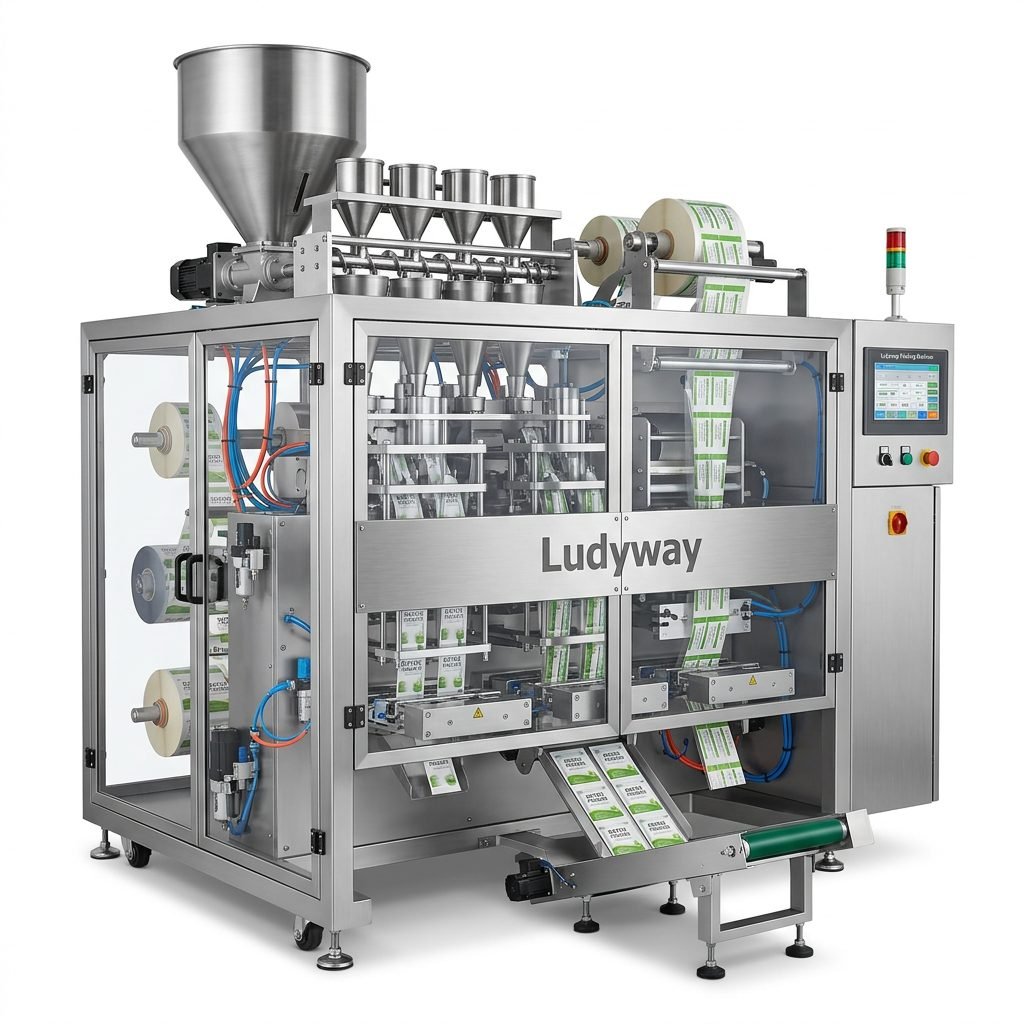
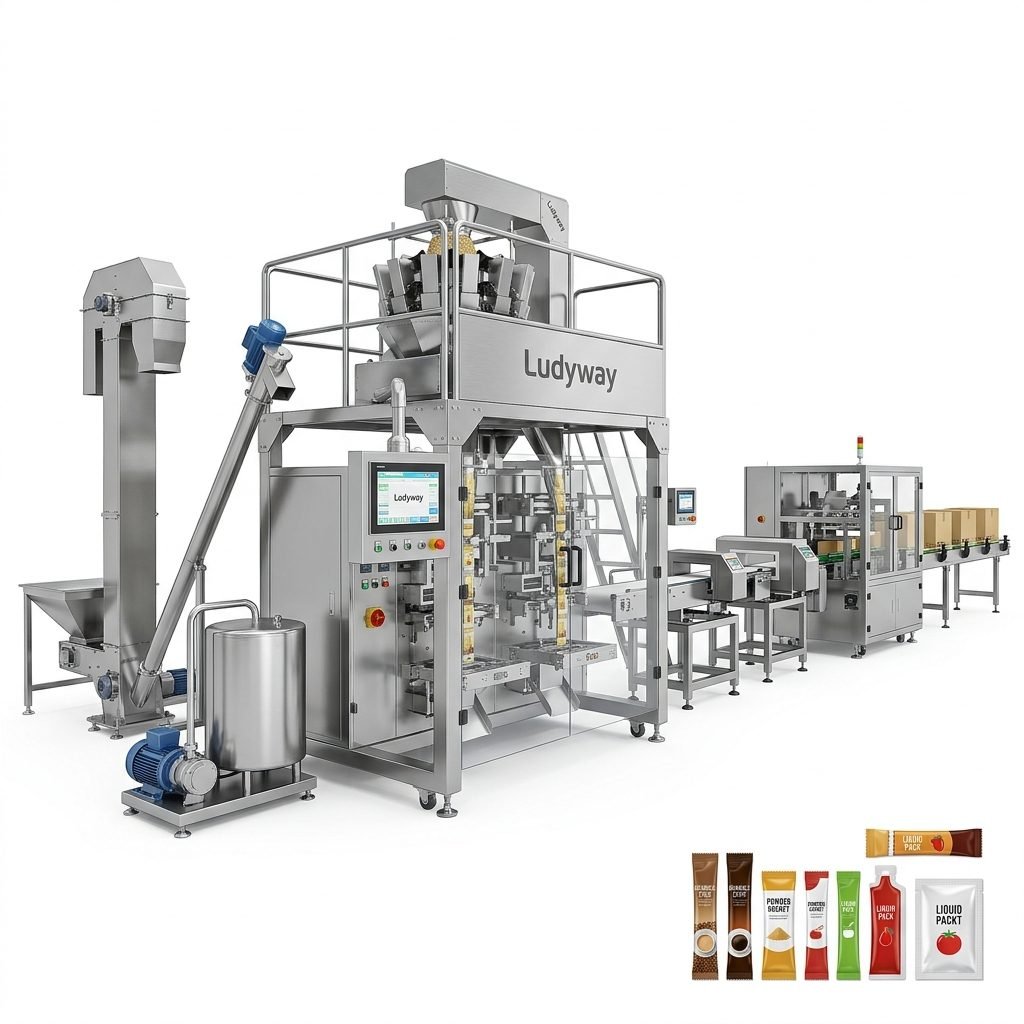
These are among the most common and versatile machines. They form a bag from a roll of film, fill it with a measured quantity of product, and then seal it—all in a continuous vertical motion. Ideal for granules, powders, snacks, and liquids, VFFS machines are praised for their efficiency and relatively small footprint.
Horizontal Form-Fill-Seal (HFFS) Machines
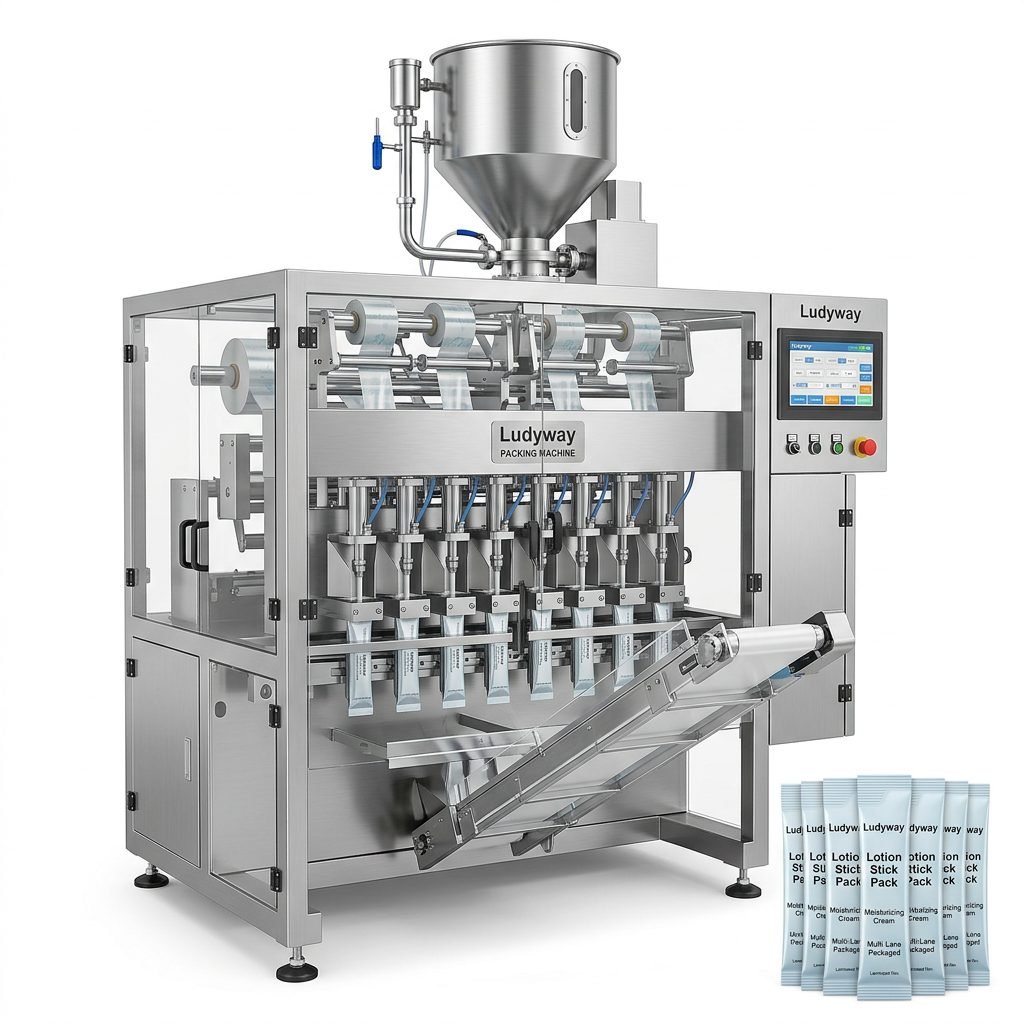
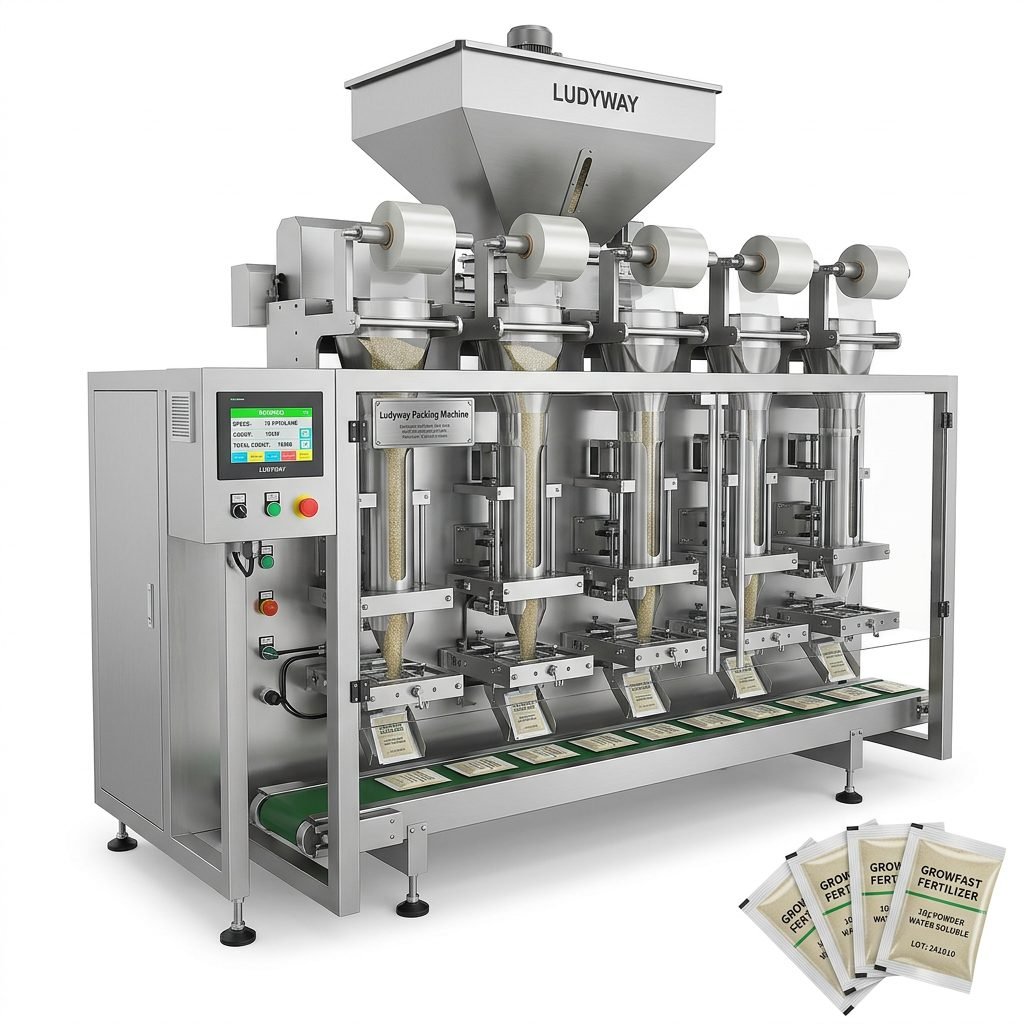
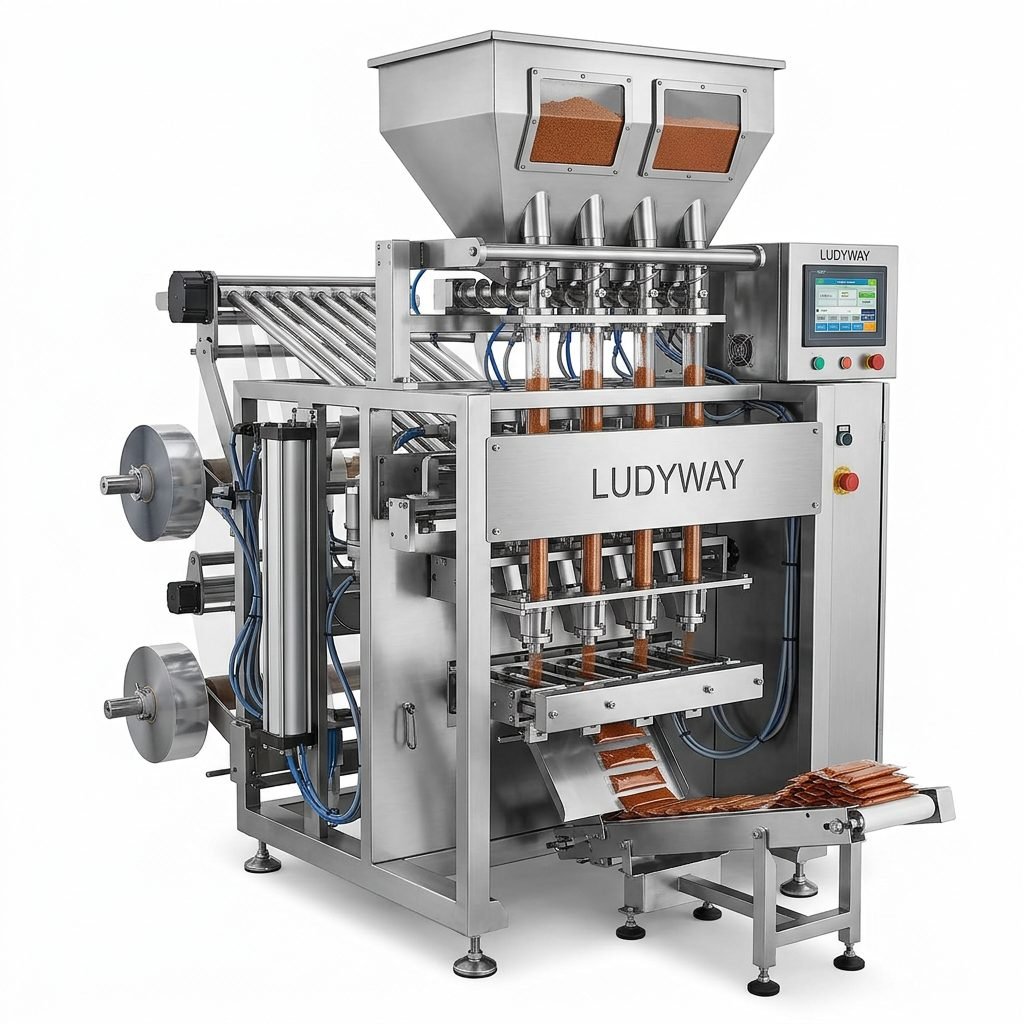
HFFS machines create pouches in a horizontal plane. They are often used for more complex packaging formats like stick packs, sachets, and four-side-seal pouches. They excel at handling products that require precise placement or multi-lane, high-speed production, commonly seen in the pharmaceutical and single-serve food industries.
Liquid & Piston Filling Machines
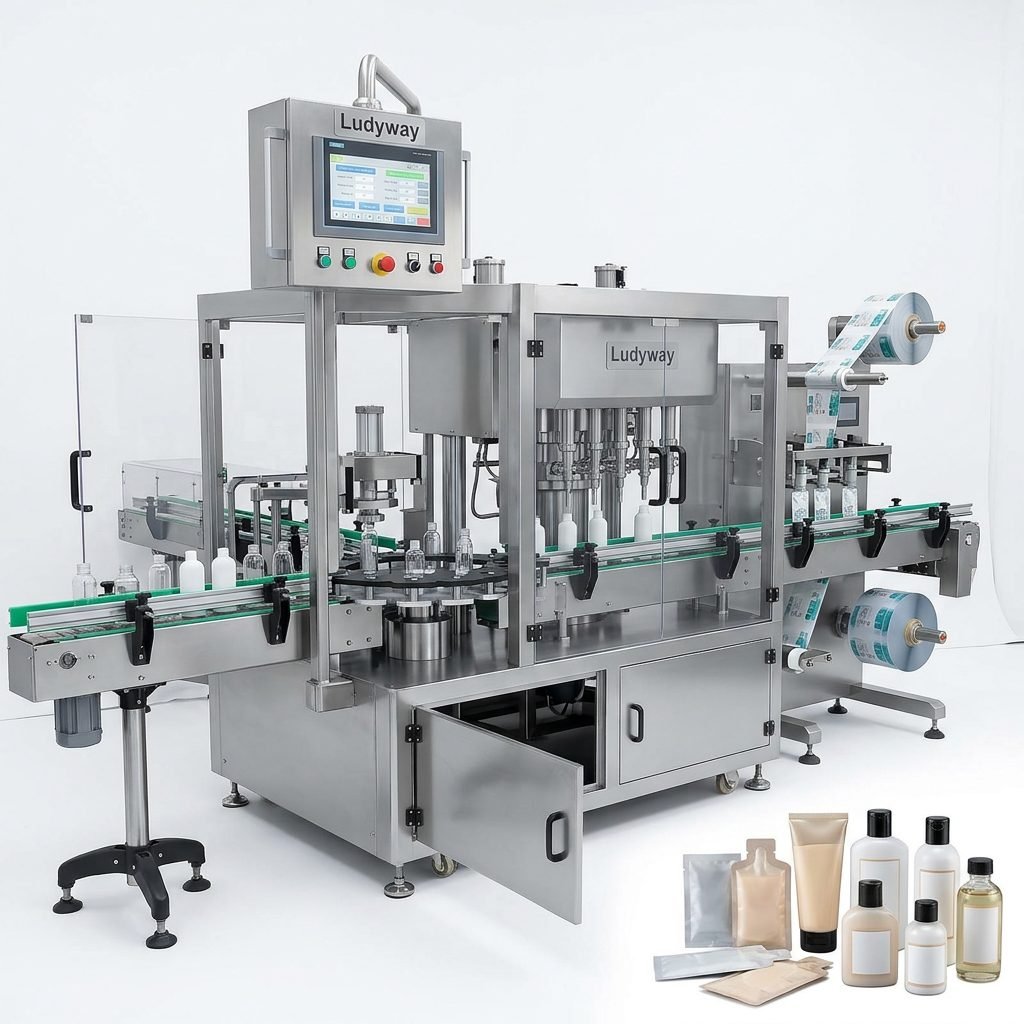
Designed specifically for viscous and liquid products like sauces, oils, creams, and chemicals, these machines use piston-driven cylinders or pumps for highly accurate volumetric filling. They are often integrated with capping, lidding, or labeling systems to create a complete liquid packaging line.
Specialized Packaging Systems
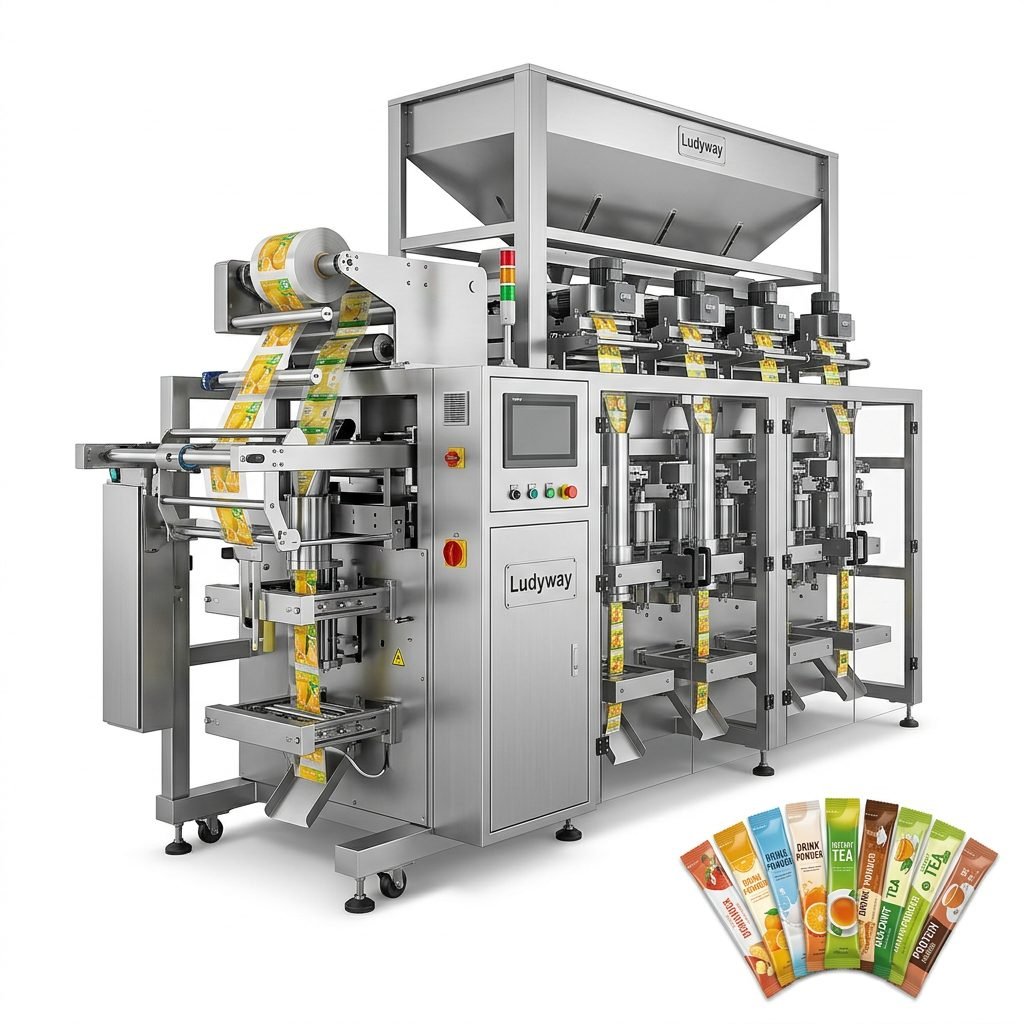
Beyond the standard types, there are machines tailored for unique needs. This includes multi-lane stick pack machines for high-volume powder delivery (e.g., coffee, sugar), cartoning machines for secondary packaging, and blister packing machines for pharmaceutical tablets and capsules.
Critical Considerations for Manufacturers & Buyers
Whether you are building or buying a packaging machine, several key factors determine long-term success and return on investment.
Product Characteristics: The nature of your product is paramount. Is it a free-flowing powder, an abrasive granule, a viscous paste, or a delicate solid? Characteristics like particle size, density, hygroscopicity (moisture absorption), and abrasiveness directly influence the choice of filling system, hopper design, and contact materials.
Production Speed & Output Requirements: You must define your required output in packages per minute (PPM) or shifts. This dictates the machine’s level of automation—from semi-automatic to fully automated, high-speed systems with robotic integration. It’s crucial to balance peak output with sustainable, reliable operating speeds.
Packaging Material & Format: The machine must be compatible with your chosen packaging film (e.g., laminate structures, recyclable materials) and the desired pouch style (e.g., pillow bag, gusseted bag, stand-up pouch). Considerations for sachet packaging differ from those for rigid container filling.
Changeover Flexibility: For manufacturers running multiple products or package sizes, quick changeover capability is a major competitive advantage. Look for machines with tool-less adjustments and recipe storage in the PLC.
Hygiene & Compliance Standards: Industries like food, pharmaceuticals, and nutraceuticals have strict hygiene regulations (e.g., FDA, cGMP). Machines for these sectors often require food-grade stainless steel construction, easy-clean designs (no-tool disassembly), and documentation for validation protocols.
After-Sales Support & Service: The relationship with the manufacturer doesn’t end at purchase. Reliable technical support, availability of spare parts, comprehensive operator training, and clear maintenance documentation are critical for minimizing downtime and ensuring a long machine lifespan.
Trends Shaping Future Manufacturing
The industry is continuously evolving. Smart factories are integrating Industrial Internet of Things (IIoT) sensors for predictive maintenance and real-time performance monitoring. There is also a strong push towards sustainability, driving demand for machines that can handle mono-material or biodegradable films efficiently. Furthermore, modular machine designs are gaining popularity, allowing for easier upgrades and reconfiguration as business needs change.
Frequently Asked Questions (FAQs)
What is the typical lead time for manufacturing a custom packaging machine?
Lead times vary significantly based on complexity, customization, and manufacturer backlog. For a standard machine with moderate customization, expect 8 to 16 weeks from order confirmation to delivery. Highly complex, fully integrated turnkey lines can take 20 weeks or more. It’s essential to discuss timelines in detail during the planning phase.
How do I choose between a Vertical (VFFS) and a Horizontal (HFFS) machine?
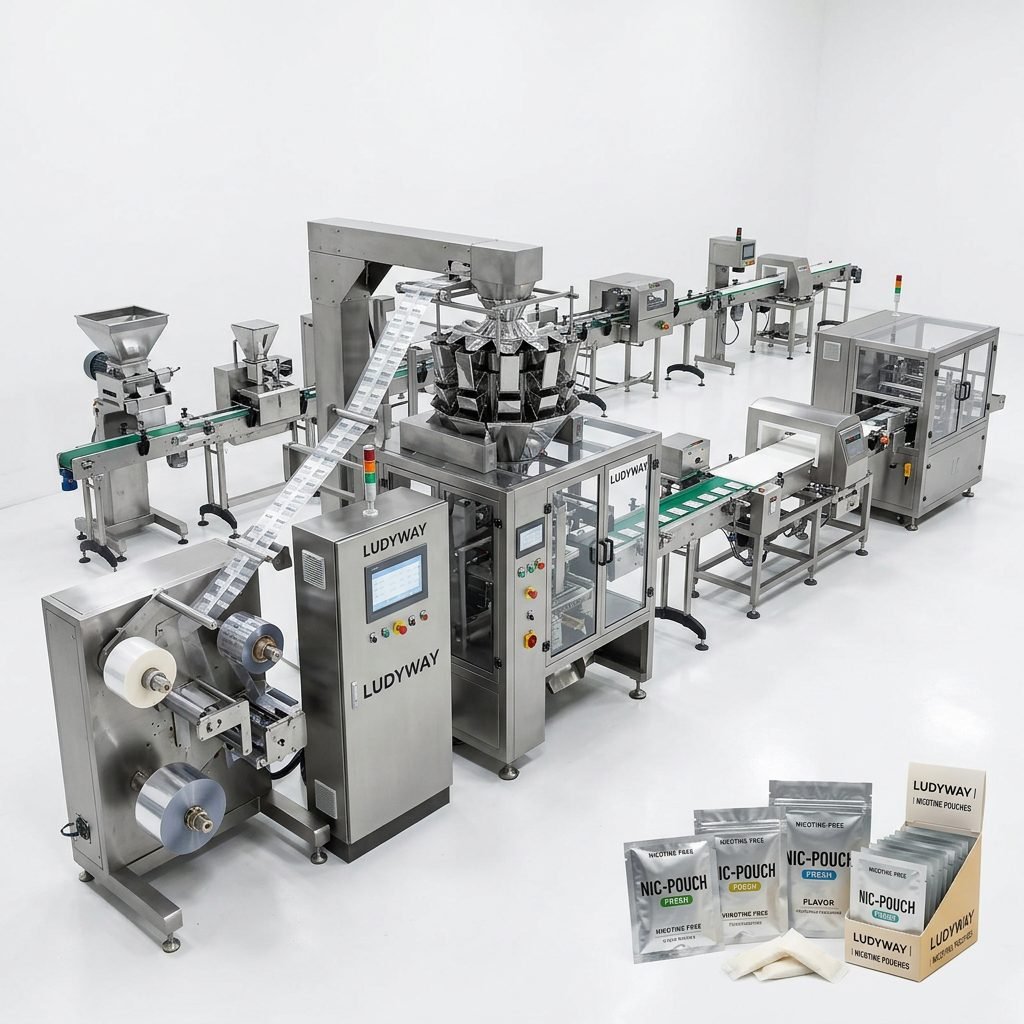
The choice primarily depends on your product and package format. VFFS machines are generally more cost-effective for simple, granular/powder products in standard pillow bags. HFFS machines are superior for complex shapes (like stick packs), multi-lane production, and formats requiring precise product placement. A reputable supplier like Ludyway Machinery can conduct product tests to recommend the optimal solution.
What are the most critical maintenance routines for a packaging machine?
Daily cleaning to prevent product buildup, regular lubrication of moving parts as per the manual, and inspection of sealing jaws for wear are essential. Periodic checks should include verifying the accuracy of the weighing or filling system, tightening bolts and fasteners, and updating software. A proactive maintenance schedule is far less costly than unexpected breakdowns.
Can one machine handle different types of packaging materials?
Most machines are designed to handle a range of materials within a specific category (e.g., various laminated films for VFFS). However, switching between vastly different materials—like from a thin laminate to a thick recyclable paper composite—often requires mechanical adjustments, different sealing temperatures, and potentially new forming tools. Modern machines with digital controls simplify this changeover process.
What should I look for in a packaging machine manufacturer’s after-sales service?
Prioritize manufacturers who offer comprehensive on-site installation and training, a clear warranty policy, readily available spare parts inventory, and responsive remote technical support (via phone or video). A strong service network, either directly or through local partners, is invaluable for ensuring your production line remains operational.