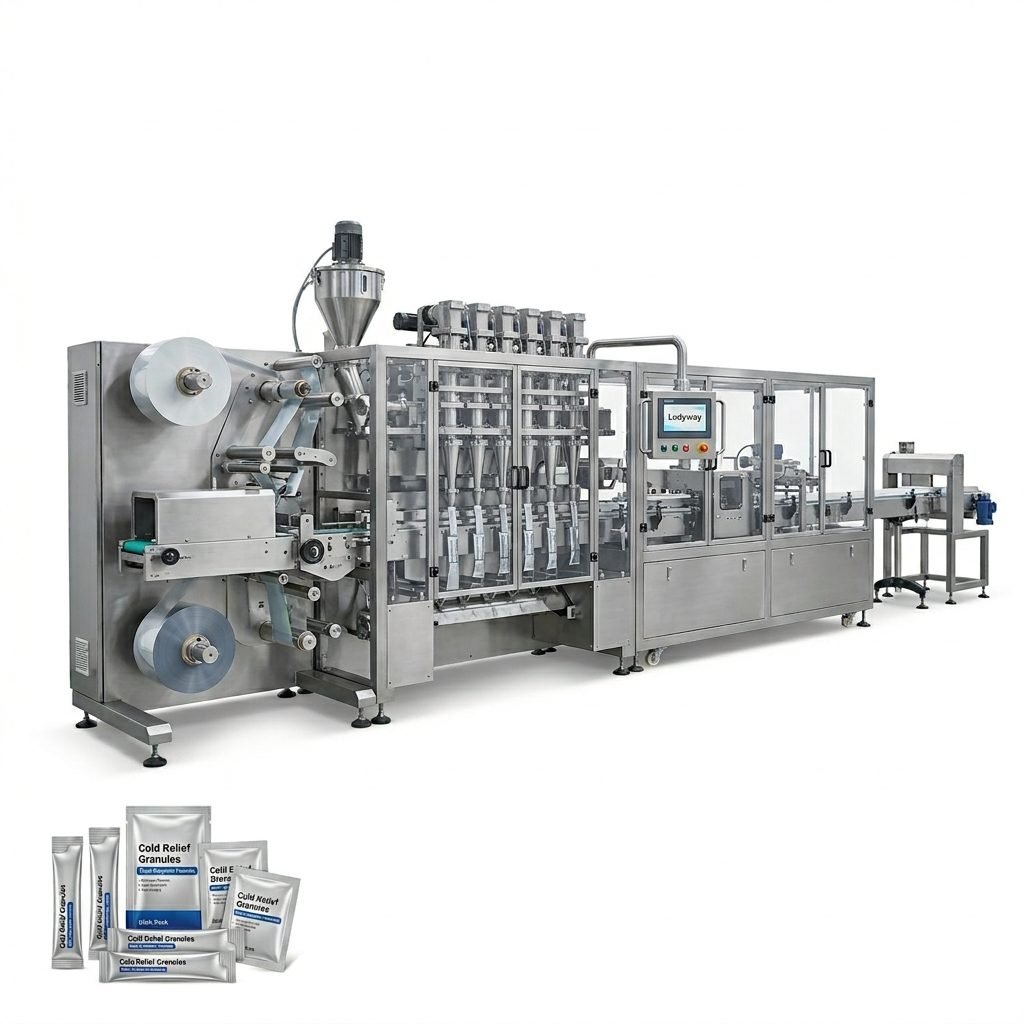
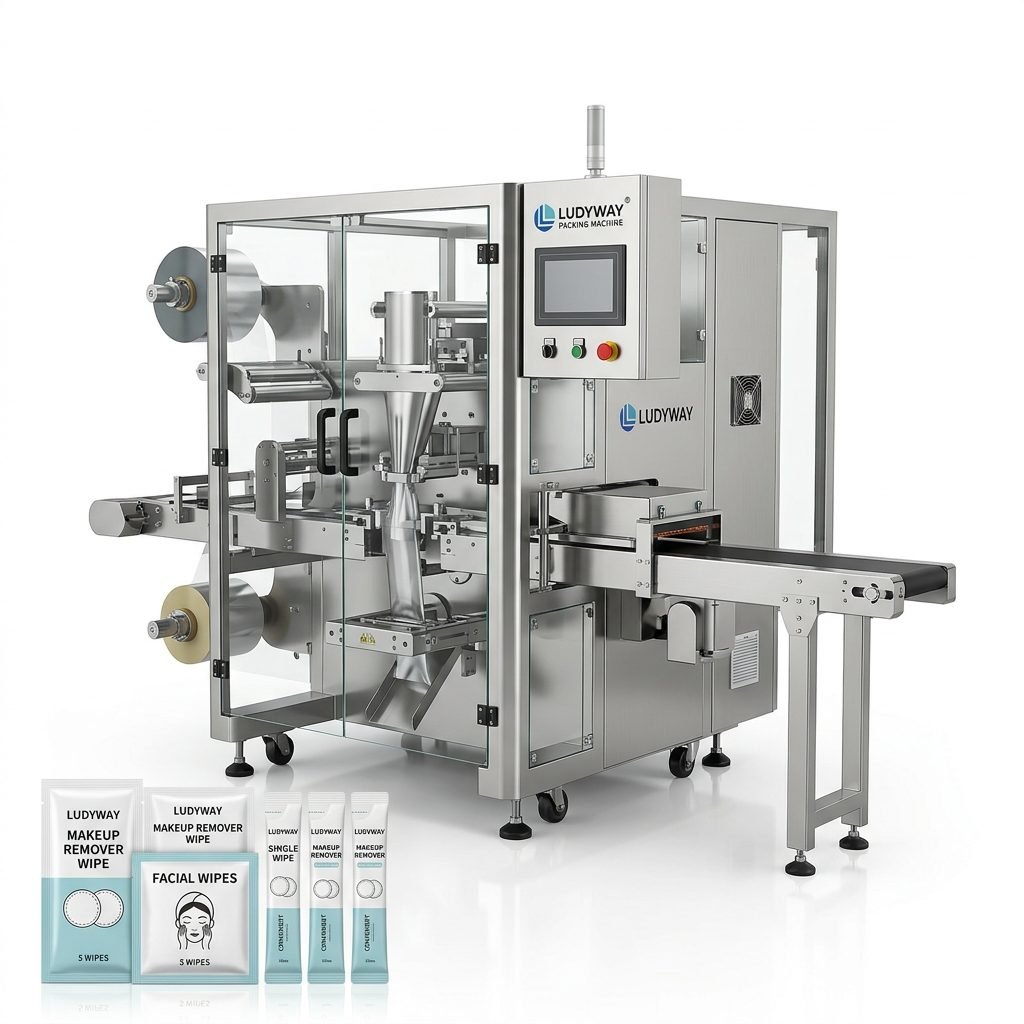
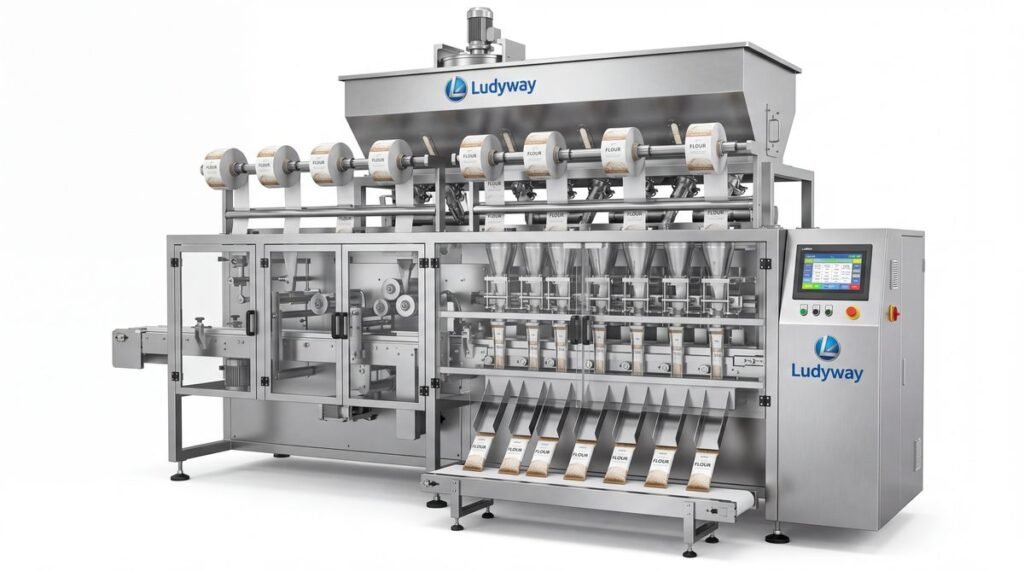
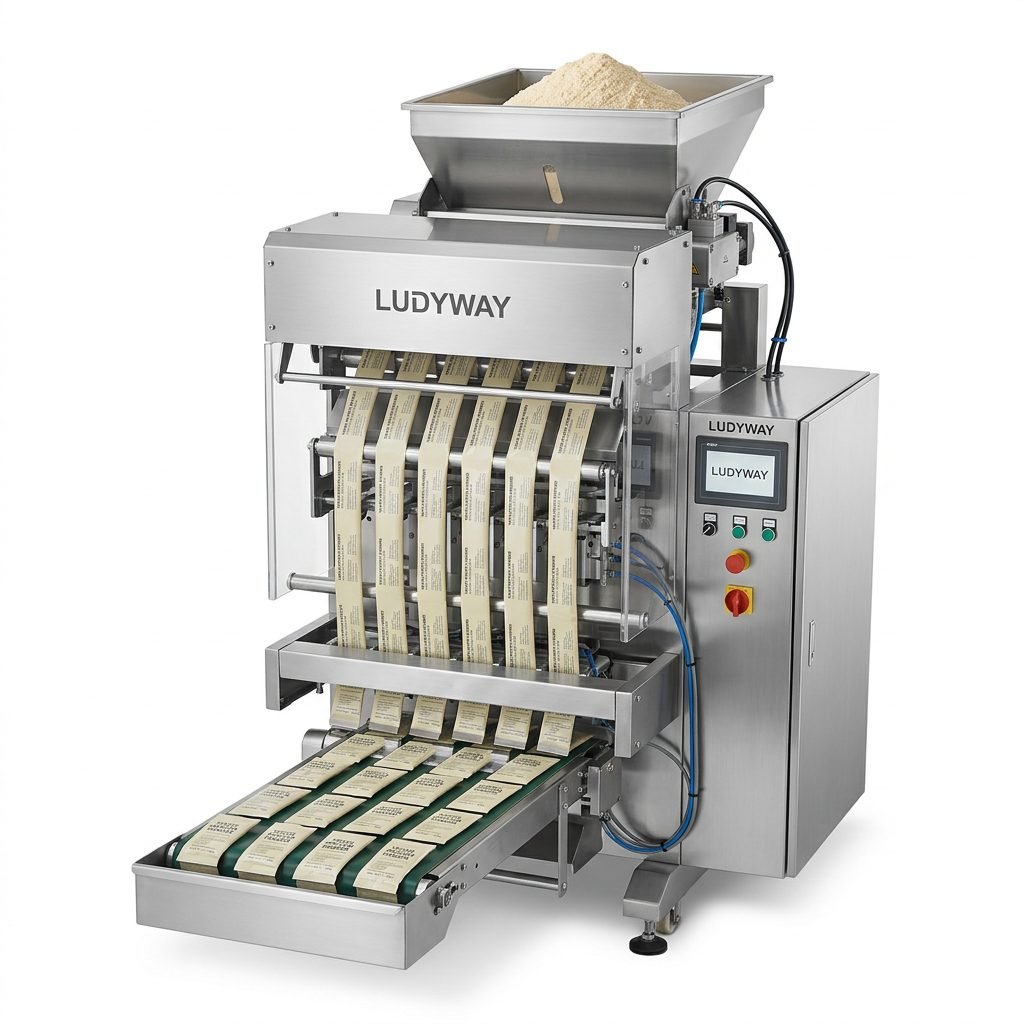
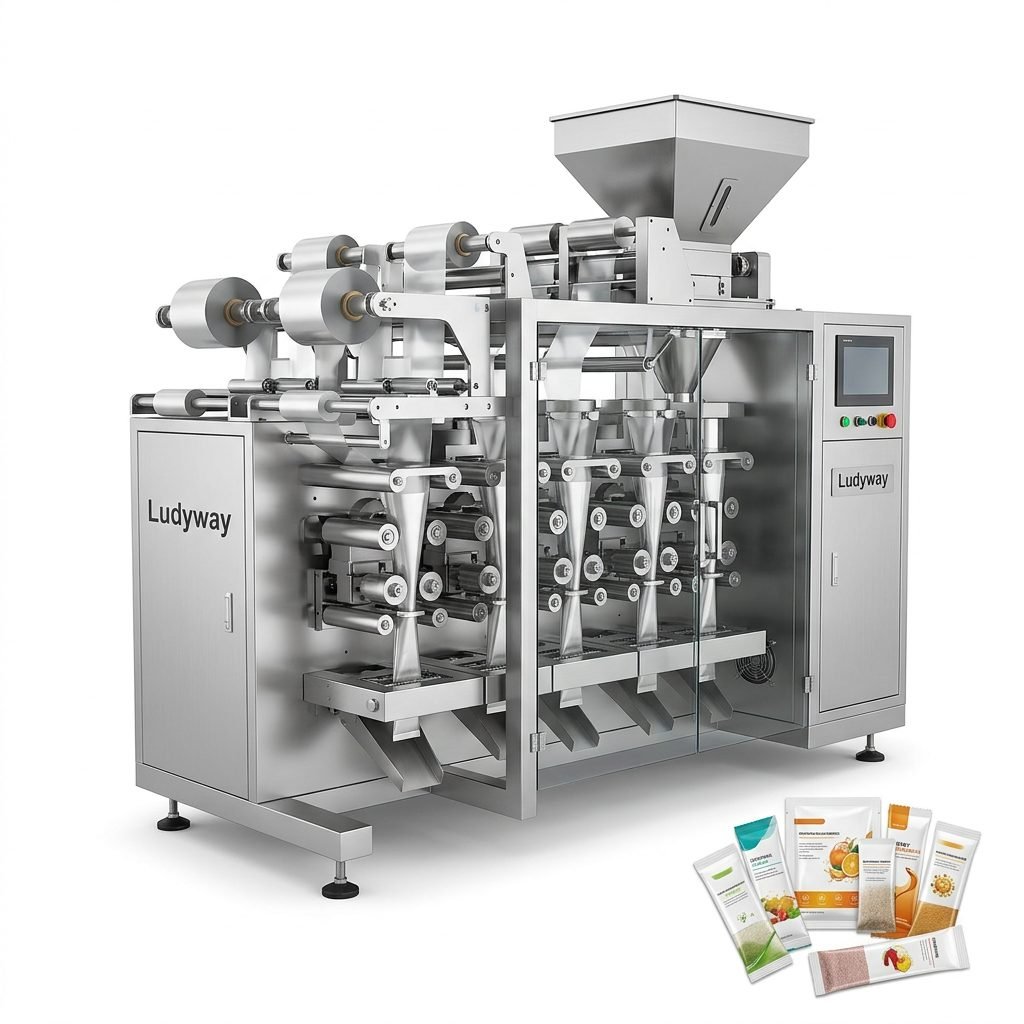
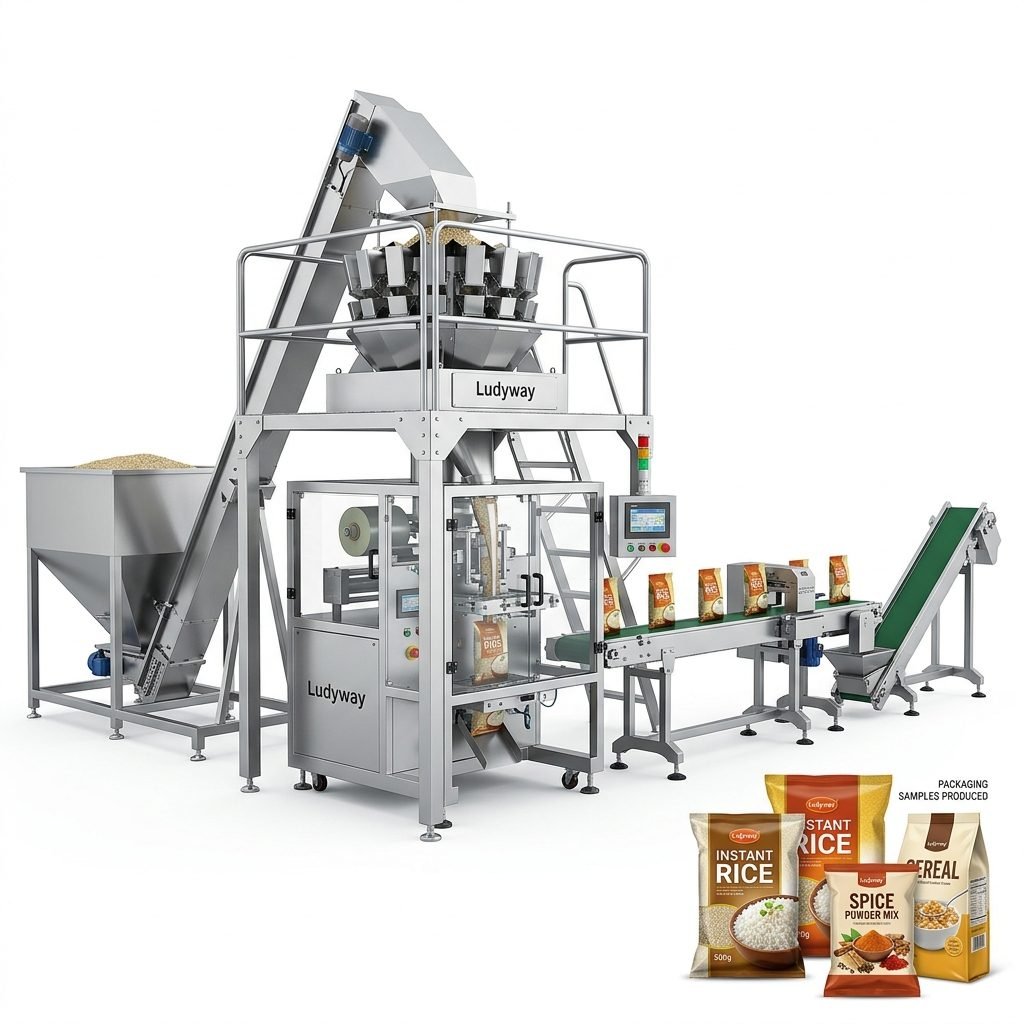
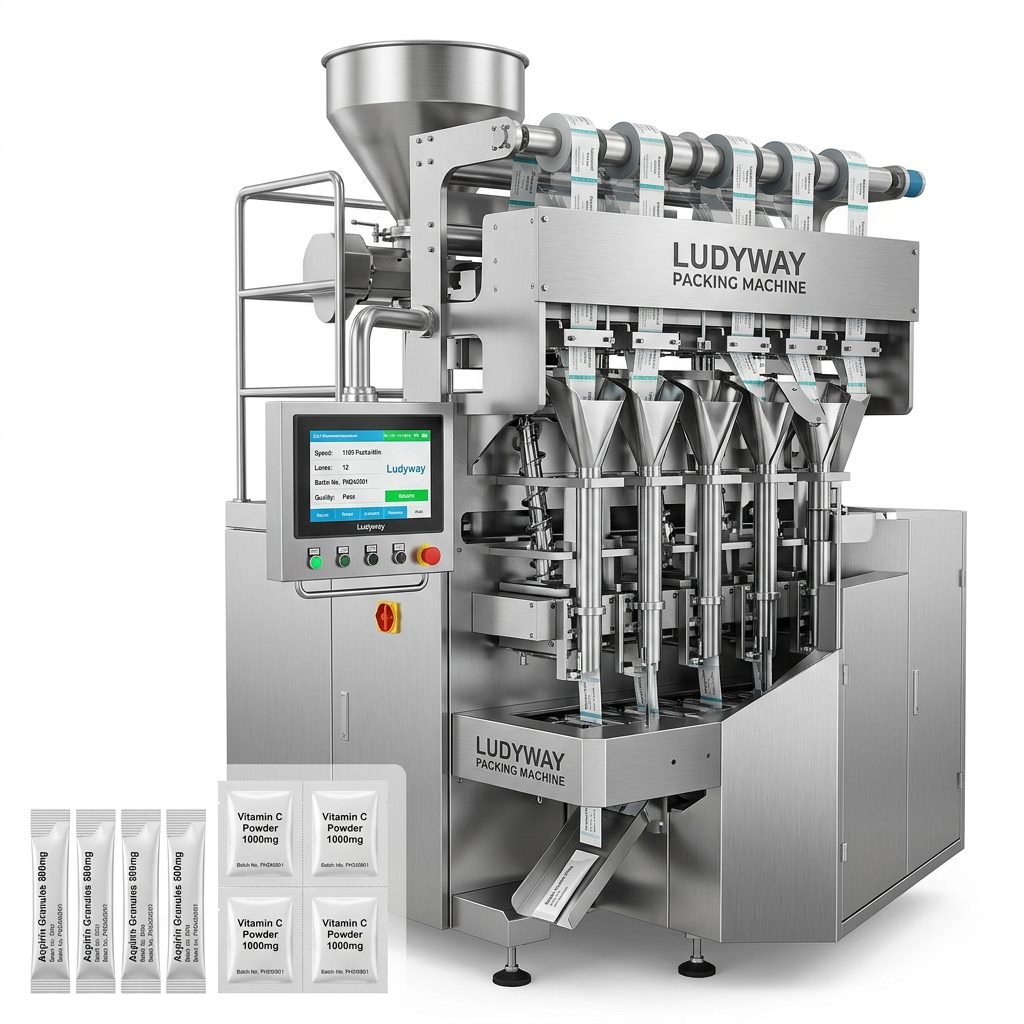
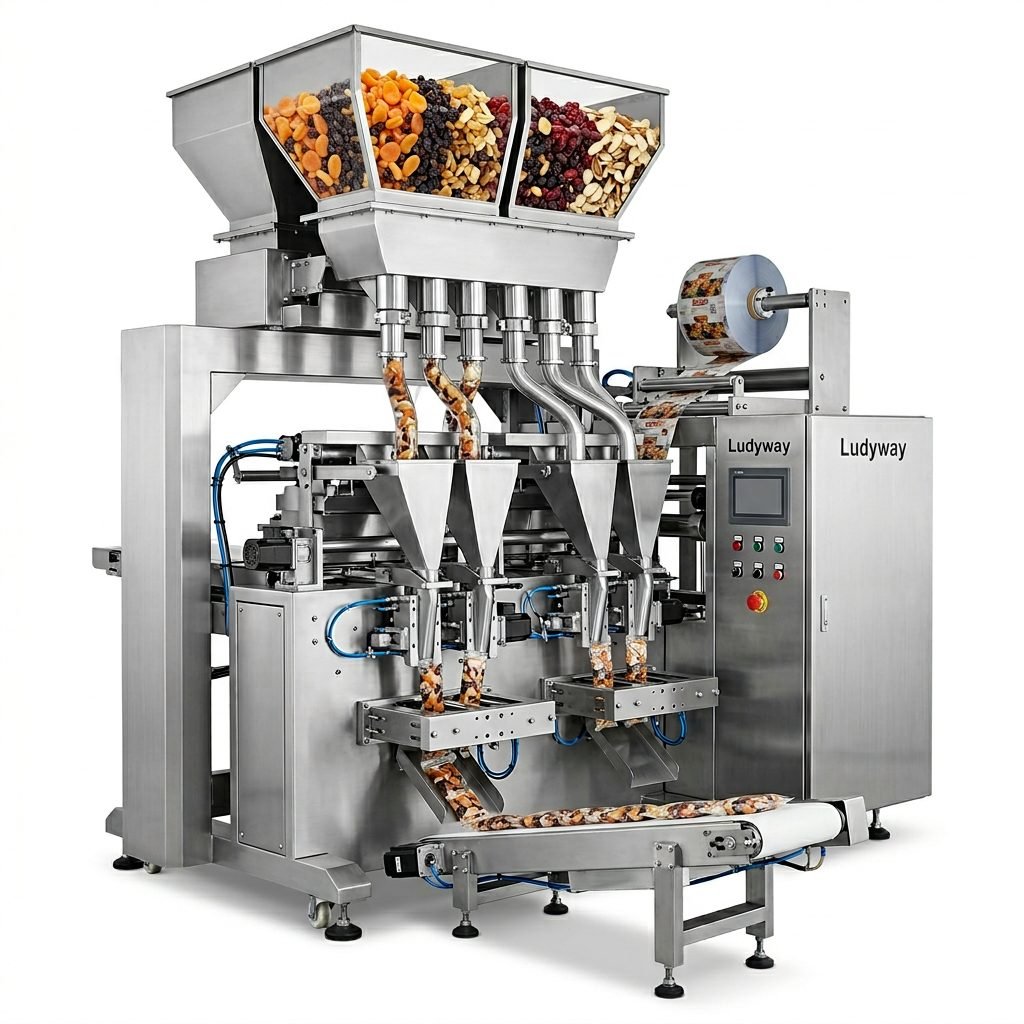
A well-maintained oil filling and packing machine is the backbone of any efficient production line. Whether you are handling edible oils, essential oils, lubricants, or industrial fluids, regular maintenance ensures consistent fill accuracy, minimizes downtime, and extends the service life of your equipment. Neglecting routine care can lead to costly breakdowns, product waste, and compromised packaging quality. This comprehensive guide walks you through the essential steps to keep your oil filling and packing machinery operating at peak performance.
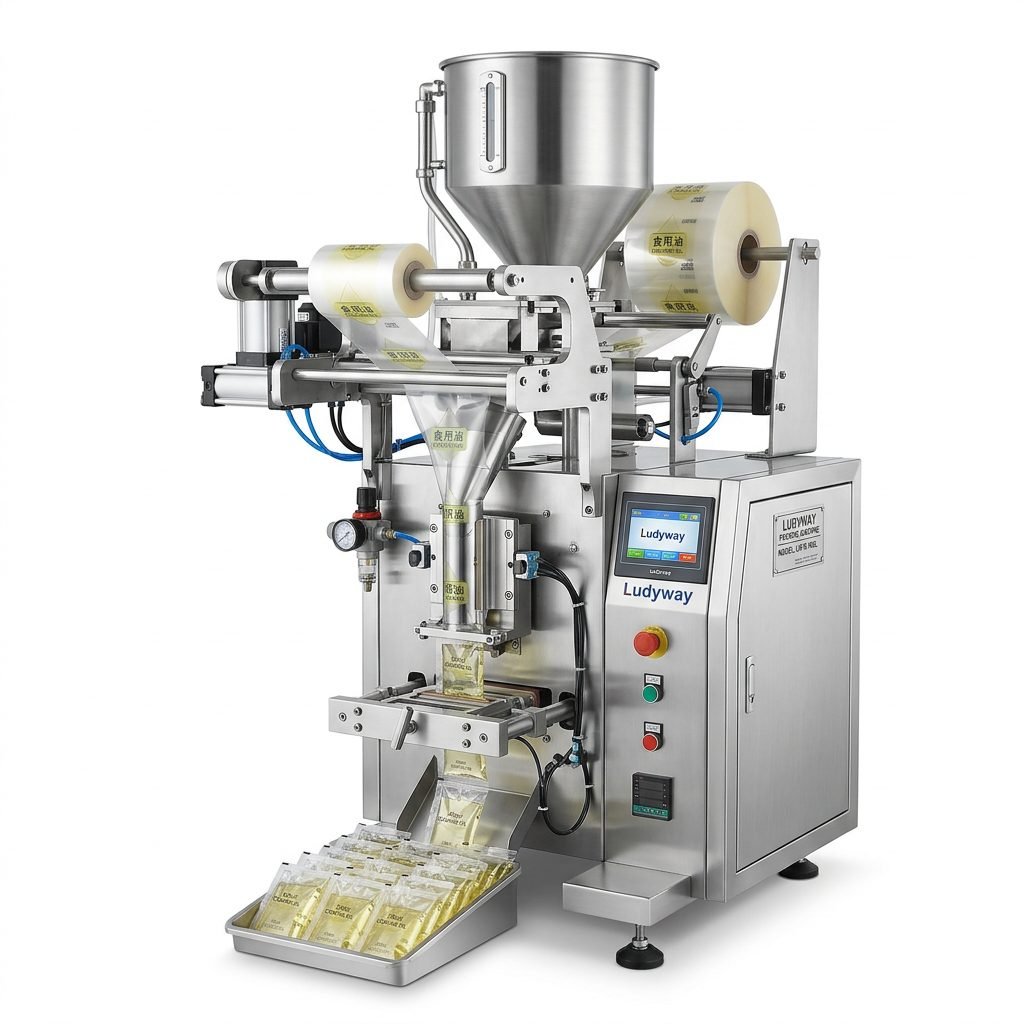
Why Regular Maintenance Is Critical
Oil filling machines handle viscous and often sensitive liquids that can leave residues, cause clogging, and accelerate wear on seals, nozzles, and pumps. A structured preventive maintenance program helps you avoid unplanned stoppages and ensures that every sachet, bottle, or pouch is filled to exact specifications. Key benefits include:
- Extended equipment lifespan through reduced mechanical stress
- Consistent fill volume accuracy compliant with ISO packaging standards
- Reduced risk of contamination in food-grade oil applications
- Lower total cost of ownership compared to reactive repair approaches
- Improved safety for operators working around automated filling systems
Daily Maintenance Checklist
Daily inspections form the foundation of effective machine care. Operators should perform these checks before, during, and after each production shift to catch issues early.
Pre-Operation Inspection
- Visually inspect all filling nozzles for dried oil residue or blockages
- Check that all safety guards and emergency stop buttons are functional
- Verify that the hopper or oil reservoir is clean and free of contaminants
- Inspect conveyor belts for alignment and debris buildup
- Confirm that air pressure and power supply meet the machine’s specifications
During Operation Monitoring
- Listen for unusual vibrations, grinding, or squeaking sounds from the drive system
- Monitor fill levels and reject any pouches showing inconsistent volumes
- Watch for oil leaks around seals, gaskets, and connection fittings
- Ensure that temperature controls for heated oil products remain within the set range
Post-Operation Cleaning
- Flush the filling system with an approved cleaning solution to remove oil residue
- Wipe down all external surfaces, especially around the filling station and sealing area
- Remove and clean drip trays to prevent oil accumulation
- Document any anomalies in the maintenance log for further investigation
Weekly Maintenance Tasks
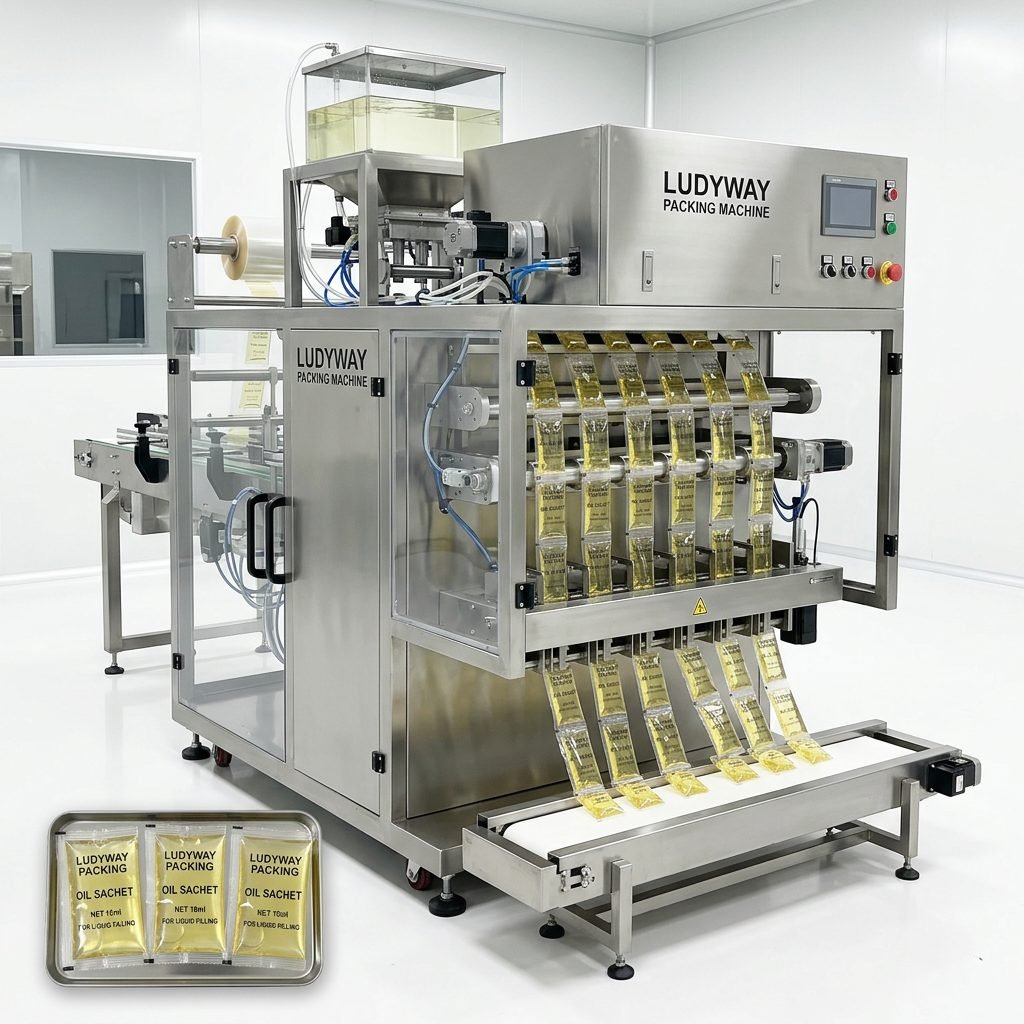
Weekly procedures go deeper, addressing components that experience gradual wear. Allocate dedicated time for these tasks to prevent cumulative damage.
- Inspect and lubricate all moving parts including chains, gears, and cam mechanisms
- Check the sealing jaw temperature and calibrate if necessary for consistent pouch seals
- Clean or replace air filters on pneumatic systems to maintain proper cylinder operation
- Test sensor accuracy for fill level detection, pouch presence, and cap placement
- Tighten any loose bolts, fasteners, or mounting brackets identified during visual inspection
- Review the PLC error log for recurring warnings that may indicate developing problems
Monthly Maintenance Procedures
Monthly maintenance requires more thorough inspection and component-level servicing. These tasks may require a qualified technician familiar with packaging machinery standards.
- Perform a complete calibration check on all filling heads to verify dispense accuracy
- Inspect pump diaphragms, piston seals, and rotary valves for wear; replace as needed
- Examine electrical connections for signs of corrosion, overheating, or loose terminals
- Test the emergency stop circuits and safety interlocks for proper function
- Deep clean the oil reservoir and check for sediment or degradation of stored product
- Assess the condition of heating elements and thermocouples if processing temperature-sensitive oils
Quarterly and Annual Maintenance Schedule
Long-term reliability depends on comprehensive quarterly and annual servicing. The table below outlines the key activities at each interval.
| Interval | Maintenance Activity | Responsible Personnel |
|---|---|---|
| Quarterly | Replace all oil seals and O-rings in filling heads and rotary joints | Maintenance Technician |
| Quarterly | Inspect and service the vacuum system and product recovery lines | Maintenance Technician |
| Quarterly | Perform a full system software backup and update PLC firmware if required | Automation Engineer |
| Annually | Complete overhaul of gearboxes, drive motors, and main bearings | Senior Technician / OEM Service Team |
| Annually | Replace all pneumatic hoses, cylinders, and solenoid valves showing wear | Maintenance Team Lead |
| Annually | Conduct a full machine alignment check including frame leveling | OEM Service Engineer |
| Annually | Validate all filling accuracy metrics against FDA packaging requirements | Quality Assurance Manager |
Common Issues and Troubleshooting Guide
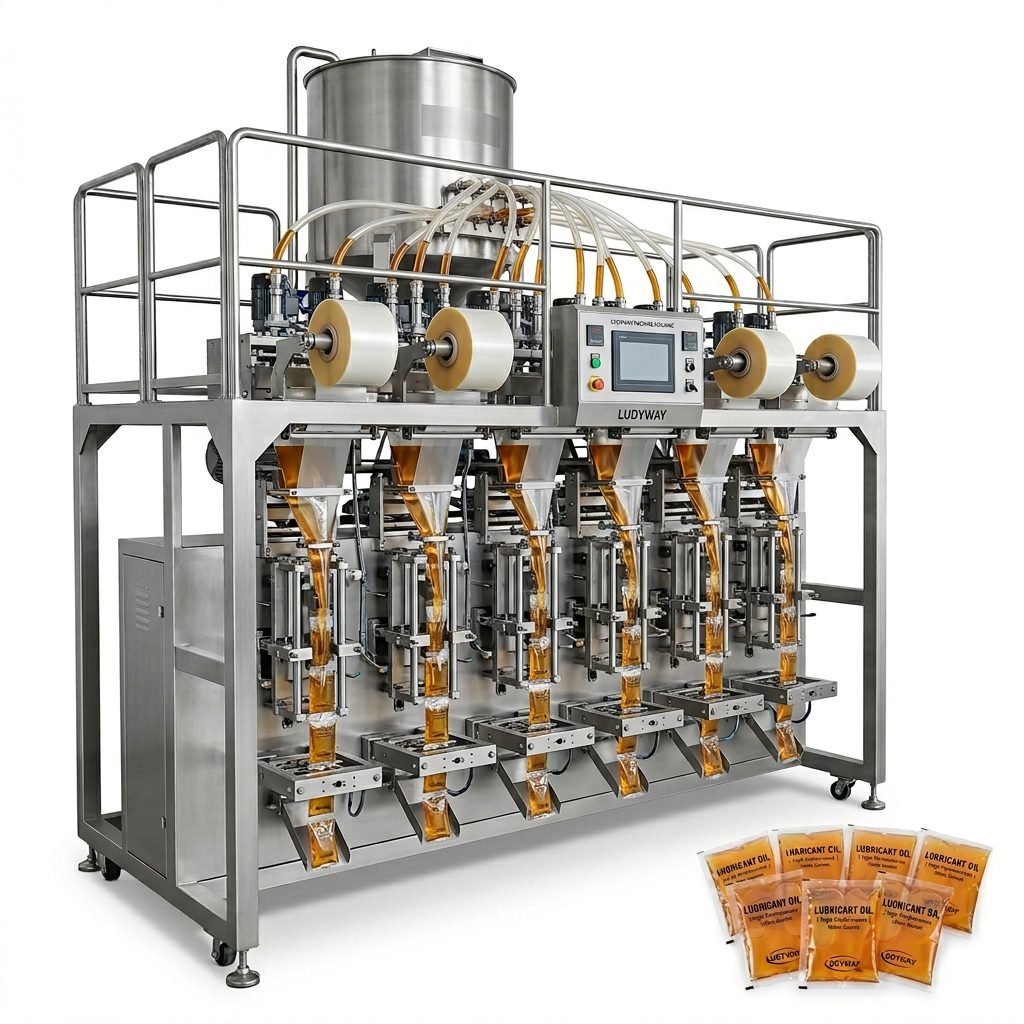
Even well-maintained machines can develop problems. Understanding the root causes of common issues helps you resolve them quickly and prevent recurrence.
Inconsistent Fill Volumes
- Possible causes: Worn pump components, air in the product line, clogged nozzles, or incorrect pump stroke settings
- Solution: Bleed air from the system, clean all nozzles thoroughly, recalibrate pump settings, and replace worn seals
Oil Leakage Around Seals
- Possible causes: Degraded seal material due to oil chemistry, improper installation, or excessive operating pressure
- Solution: Verify seal material compatibility with your oil type, replace seals using correct installation tools, and check pressure regulators
Pouch Sealing Defects
- Possible causes: Incorrect sealing temperature, contaminated sealing jaws, or inconsistent film tension
- Solution: Clean sealing jaws with an approved non-abrasive cleaner, recalibrate temperature controllers, and adjust film feed tension
Machine Jamming or Intermittent Stops
- Possible causes: Misaligned guides, worn conveyor rollers, or sensor detection failures
- Solution: Realign all guide rails, replace worn rollers, and test all photoelectric sensors for proper sensitivity
Spare Parts Management
Maintaining an adequate inventory of critical spare parts minimizes downtime when components fail. Based on industry best practices, we recommend keeping the following items in stock:
- Complete set of seals, O-rings, and gaskets for all product contact areas
- Spare filling nozzles in various sizes for different packaging formats
- Replacement heating elements and thermocouples for the sealing station
- Extra sensors, relays, and fuses for the electrical control system
- Pneumatic components including cylinders, solenoid valves, and air hoses
- Drive belts, timing belts, and conveyor chains
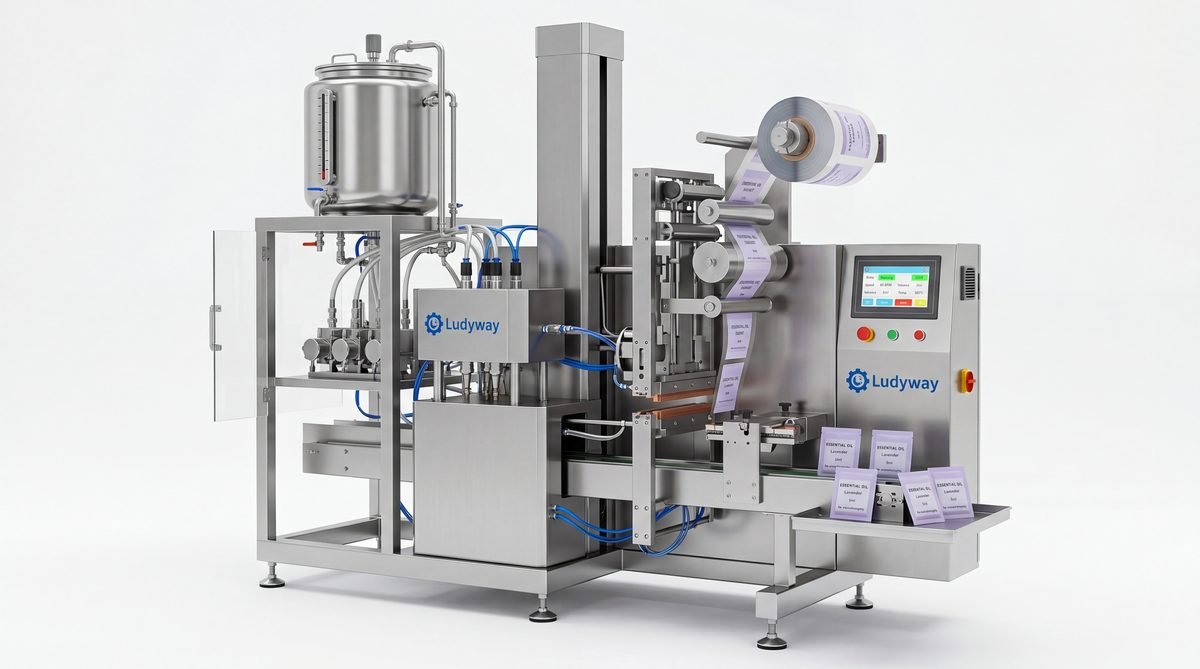
Safety Precautions During Maintenance
Safety must always come first when servicing any oil filling and packing machine. Follow these essential precautions to protect your team and your equipment:
- Always follow lockout-tagout (LOTO) procedures before performing any maintenance task
- Allow heated components to cool completely before inspection or replacement
- Use appropriate personal protective equipment (PPE) including gloves and safety glasses
- Ensure the work area is well-ventilated, especially when handling volatile oils or cleaning solvents
- Never bypass safety interlocks or operate the machine with guards removed
- Train all personnel on PMMI safety guidelines for packaging equipment operation
Lubrication Best Practices
Proper lubrication is essential for an oil filling machine — ironically, the machine that fills oil also needs oil. Use only food-grade lubricants for any component that may contact the product zone. For non-product areas, follow the manufacturer’s recommended lubrication schedule and use the specified grease or oil grades. Over-lubrication can attract dust and cause buildup, while under-lubrication accelerates wear on bearings and drive components.
Documentation and Record Keeping
Maintaining detailed service records helps you track machine performance over time and identify recurring issues before they escalate. Your documentation should include:
- Daily inspection checklists signed by the operator
- Records of all parts replacements with dates and part numbers
- Calibration logs showing fill accuracy measurements
- Details of any unplanned downtime events with root cause analysis
- Annual service reports from qualified technicians
When to Call Professional Support
While many maintenance tasks can be handled by in-house teams, certain situations warrant expert intervention. If you encounter persistent fill accuracy issues, control system faults, or mechanical problems beyond your team’s expertise, reaching out to professional service providers is the most cost-effective approach. Companies like Ludyway, one of the largest packaging machine manufacturers with over 30 years of industry expertise and a modern 20,000㎡ manufacturing facility, offer comprehensive after-sales support including remote diagnostics, on-site servicing, and genuine spare parts supply to keep your production lines running smoothly. For complex turnkey systems, annual service contracts with the original equipment manufacturer can provide peace of mind and priority access to technical expertise.
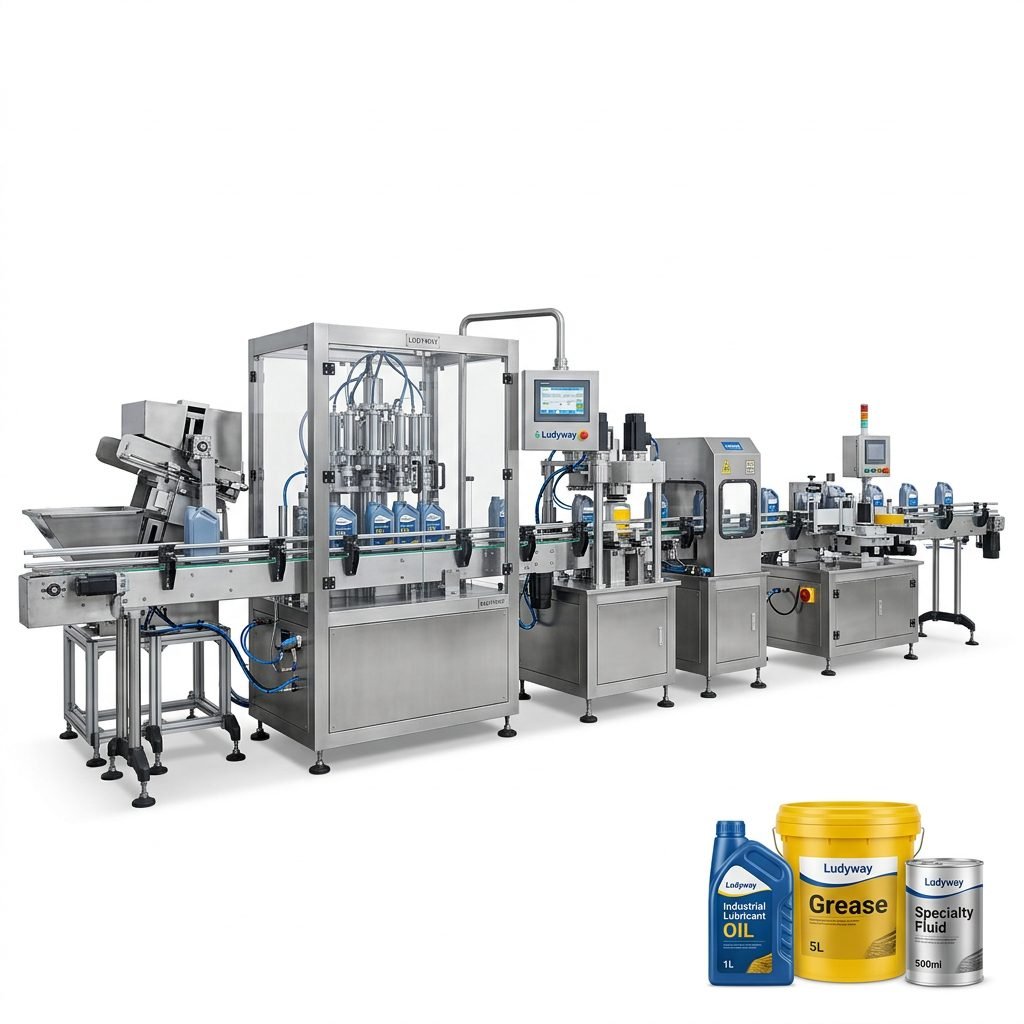
Final Thoughts on Oil Filling Machine Maintenance
A proactive maintenance culture is the most reliable way to maximize the return on your packaging equipment investment. By following the daily, weekly, monthly, and annual checklists outlined in this guide, you can significantly reduce unexpected downtime, maintain consistent product quality, and extend the operational life of your oil filling and packing machine. Remember that adherence to ISO packaging and distribution standards not only ensures compliance but also reflects a commitment to excellence that customers and regulators appreciate. Invest in training your operators, keep critical spare parts on hand, and build a strong relationship with a trusted equipment partner to keep your production line operating at its full potential.