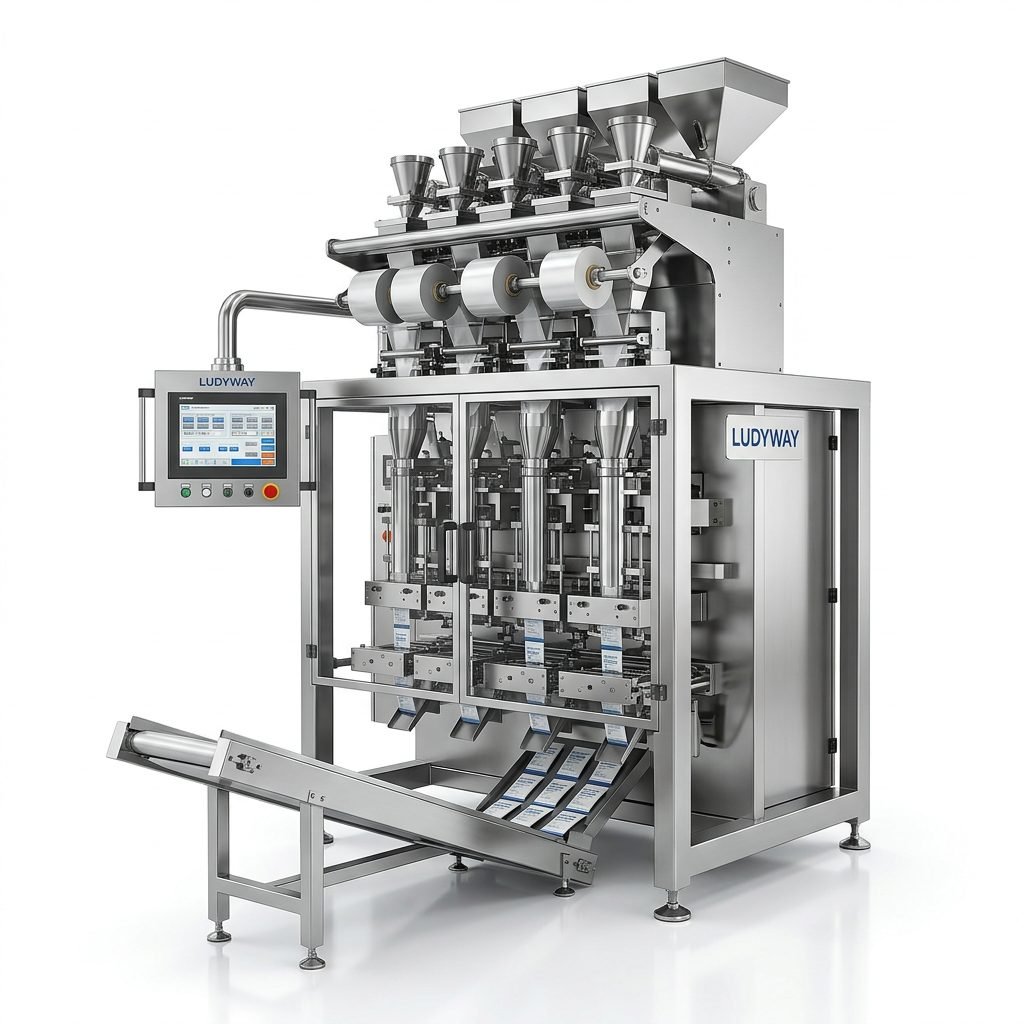
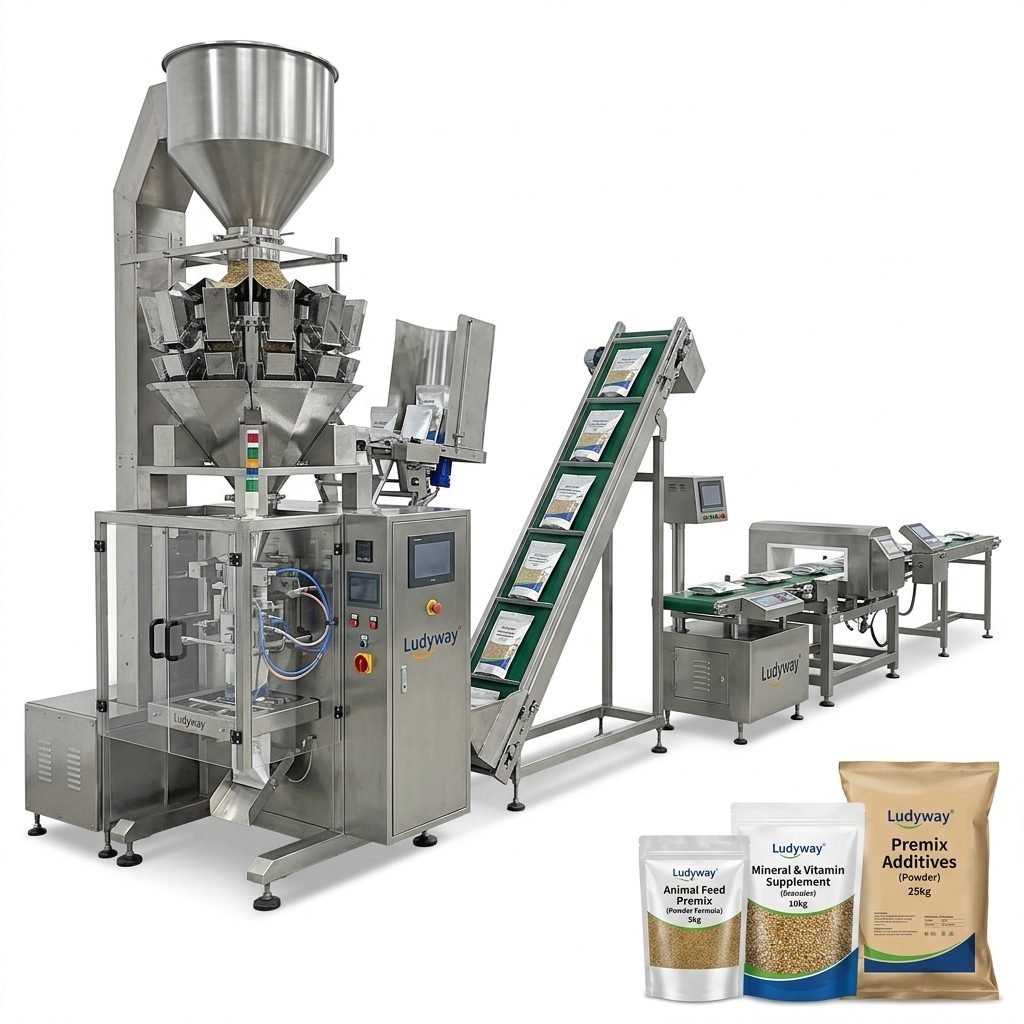
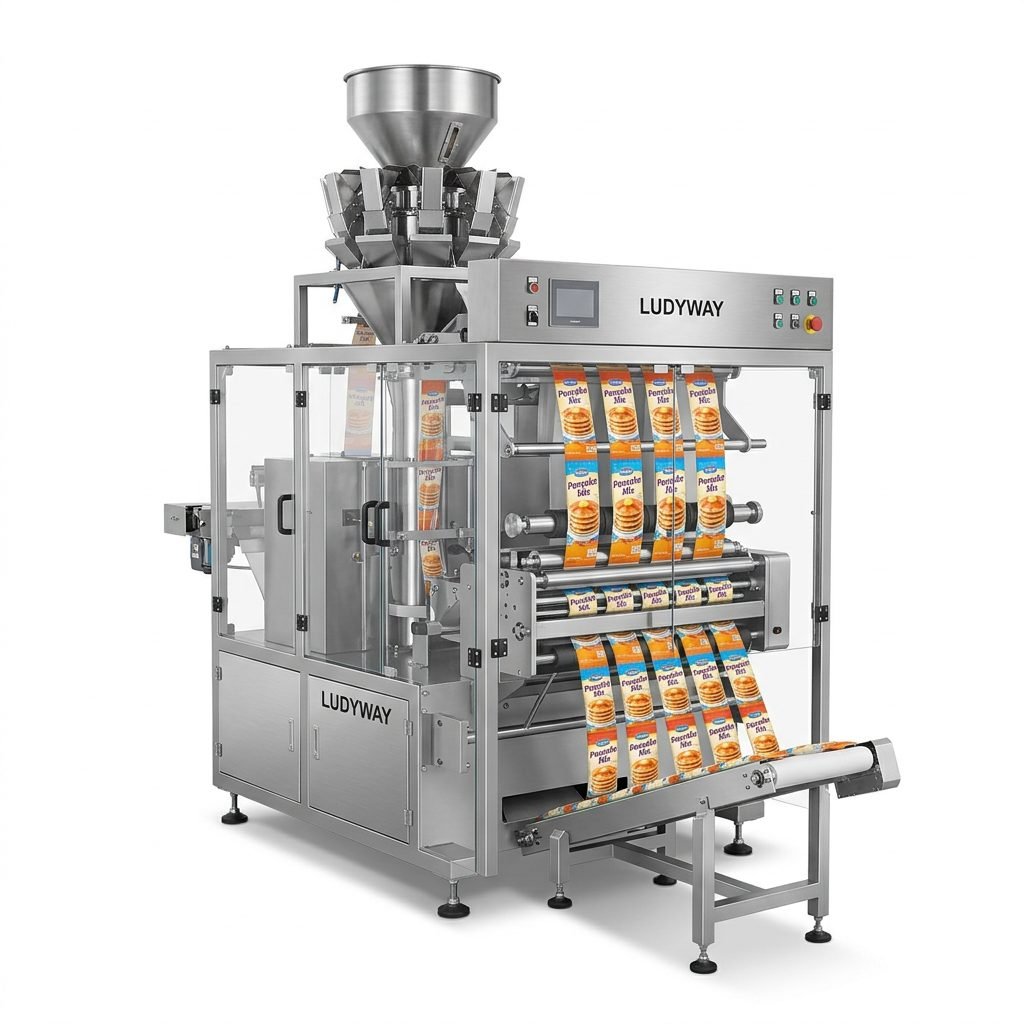
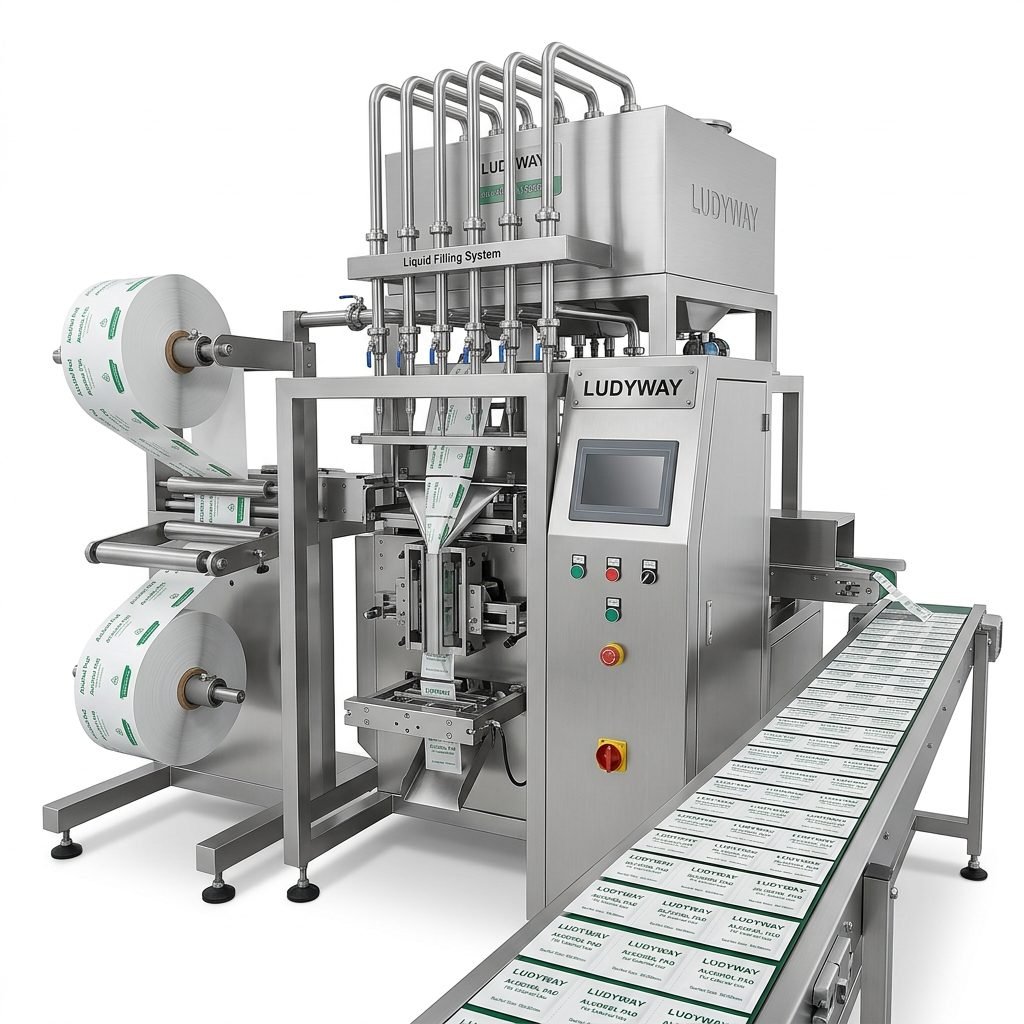
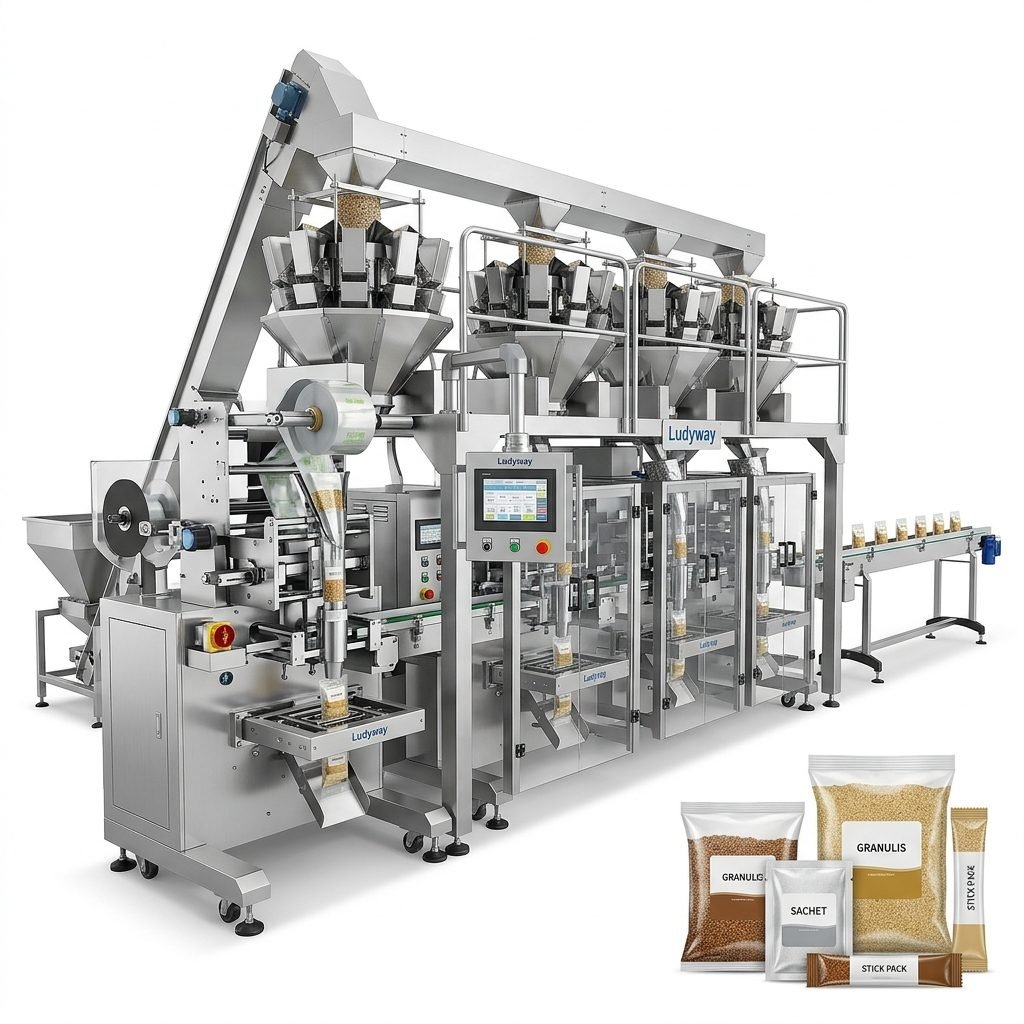
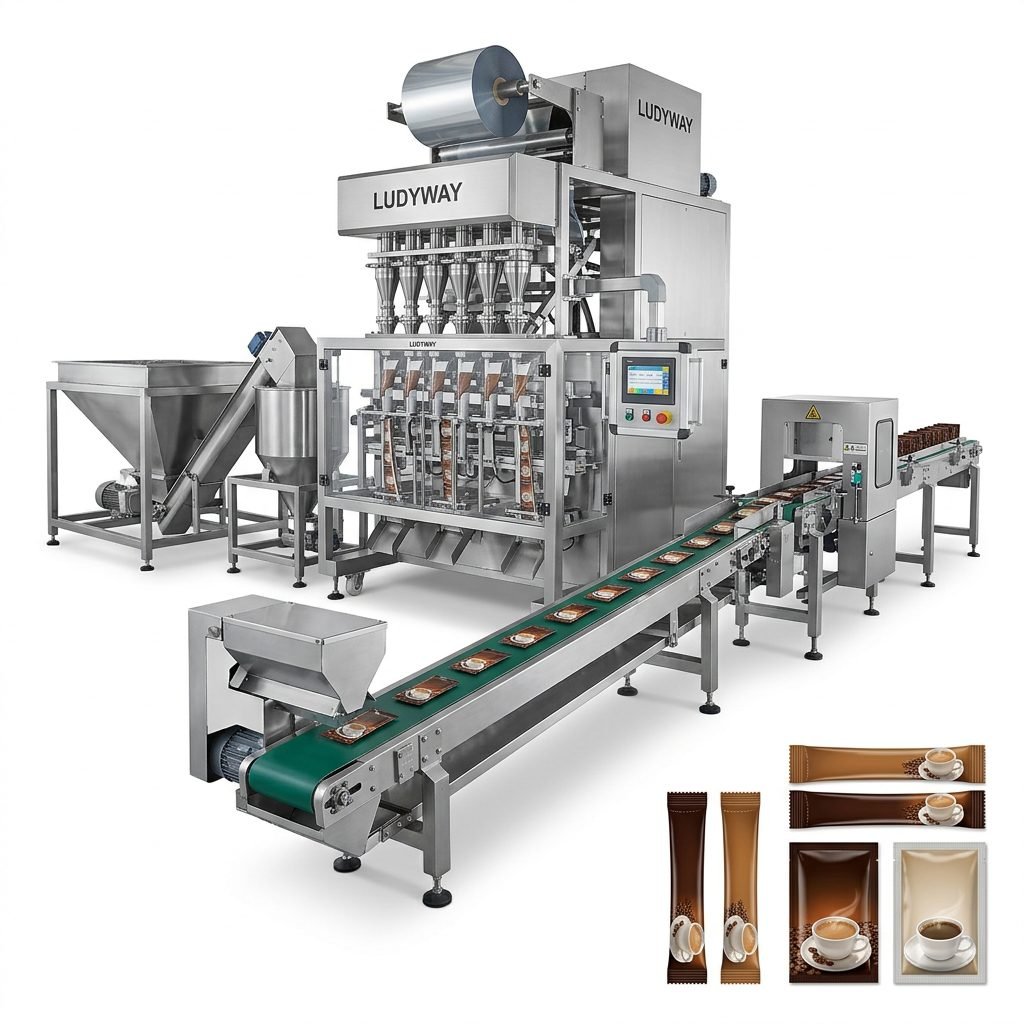
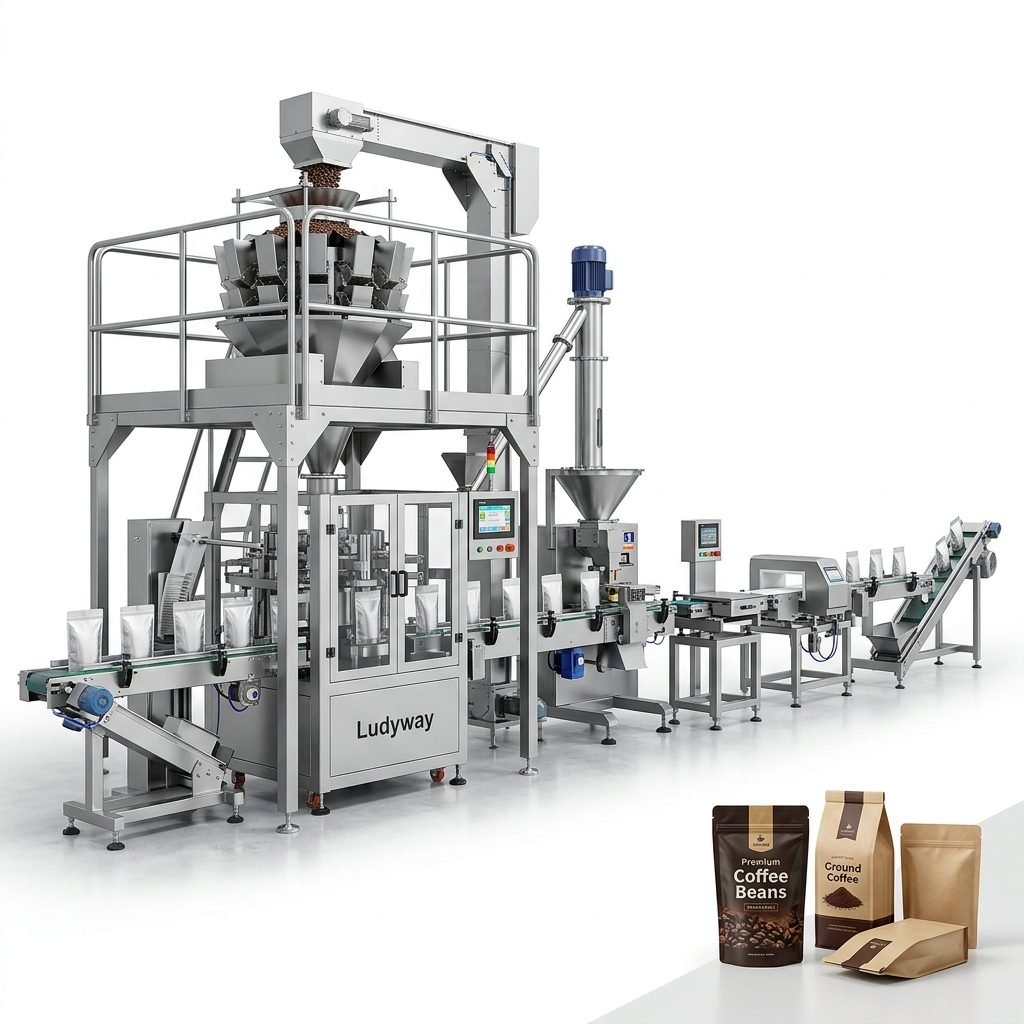
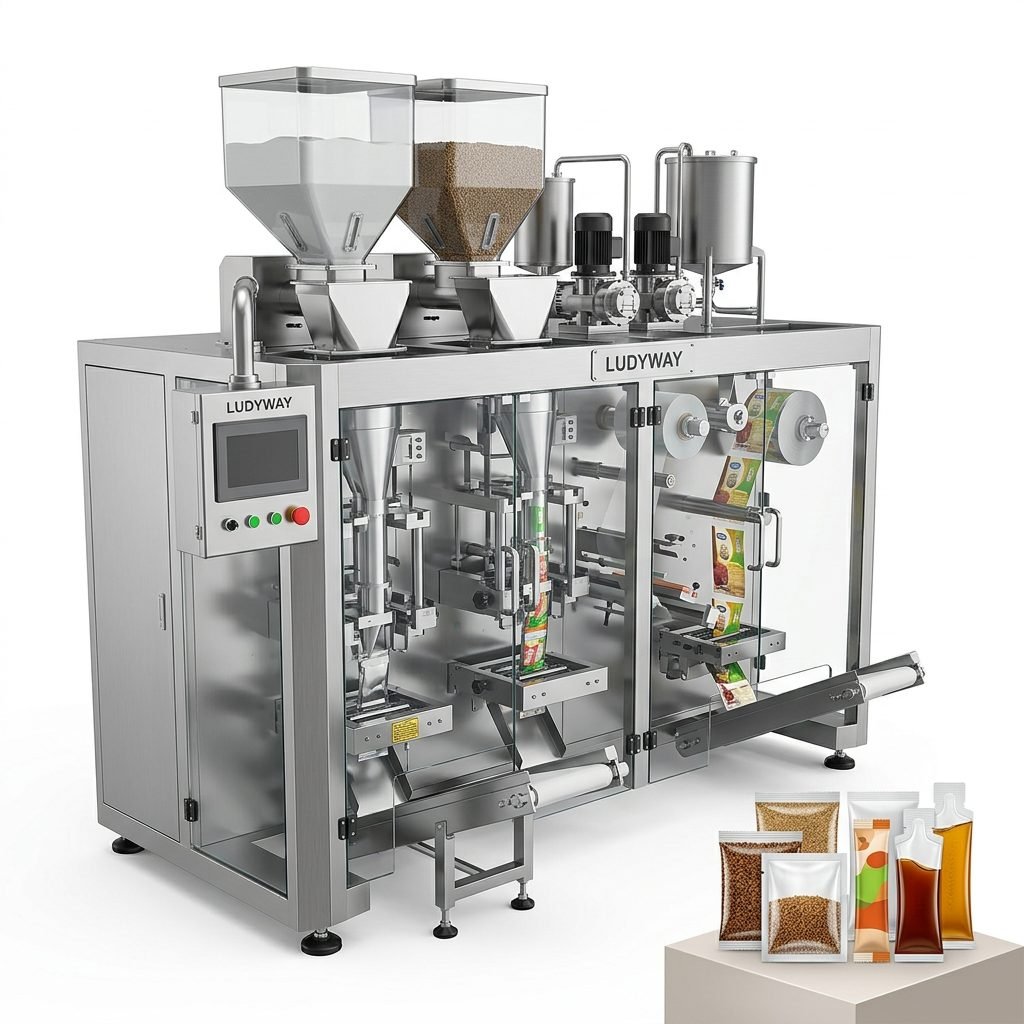
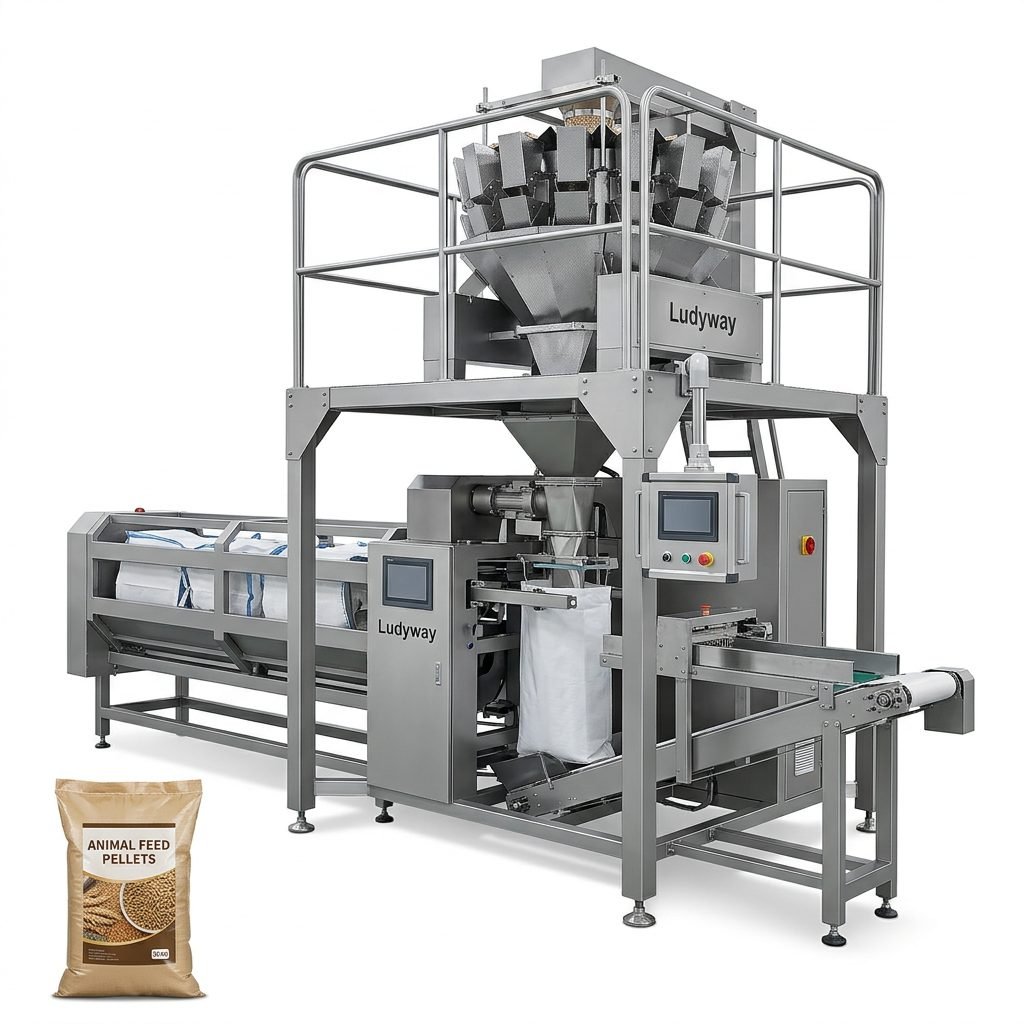
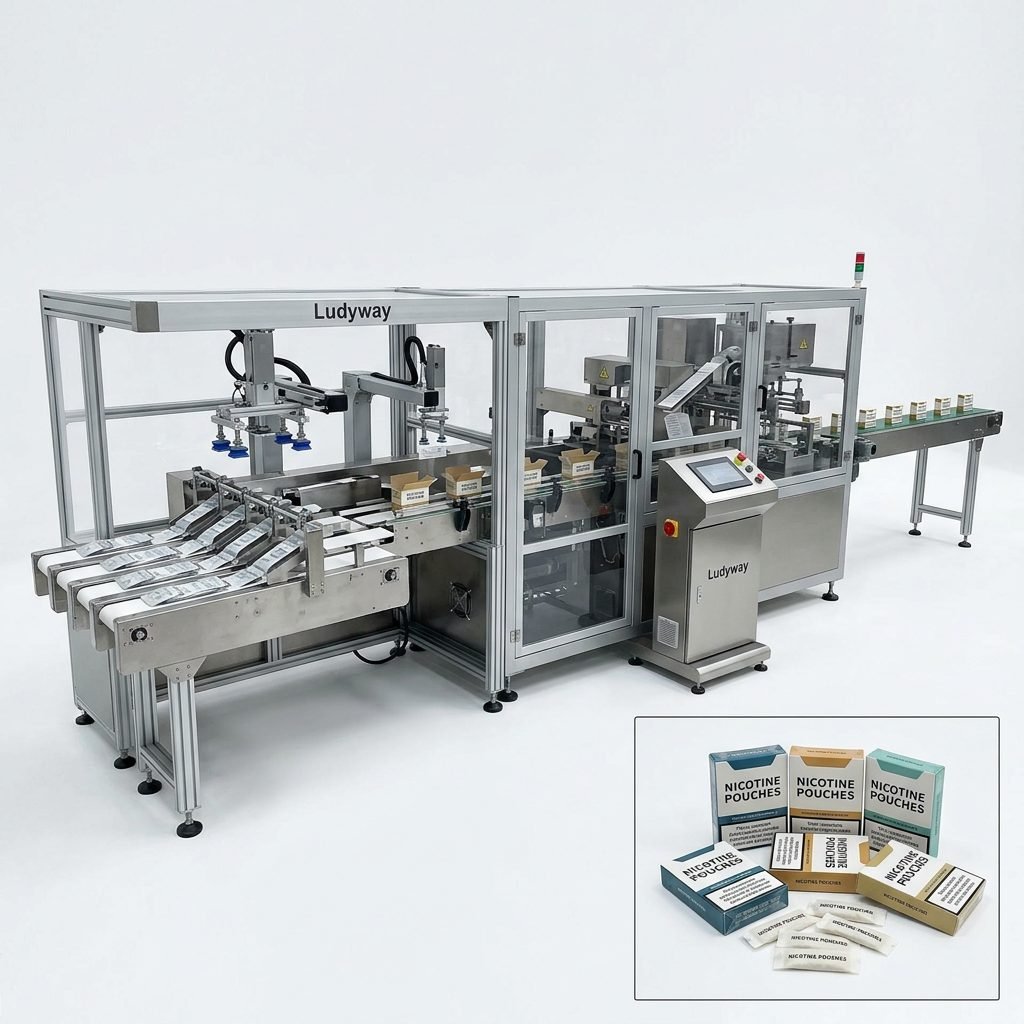
A well-maintained produce packaging machine is the backbone of any efficient food production line. Whether you are handling fresh fruits, vegetables, or ready-to-eat produce, equipment reliability directly impacts product quality, throughput, and compliance with FDA food packaging safety standards. Without a consistent maintenance routine, even the most advanced packaging systems can experience unexpected downtime, costly repairs, and compromised seal integrity. This guide outlines essential tips to keep your produce packaging machine running at peak performance.
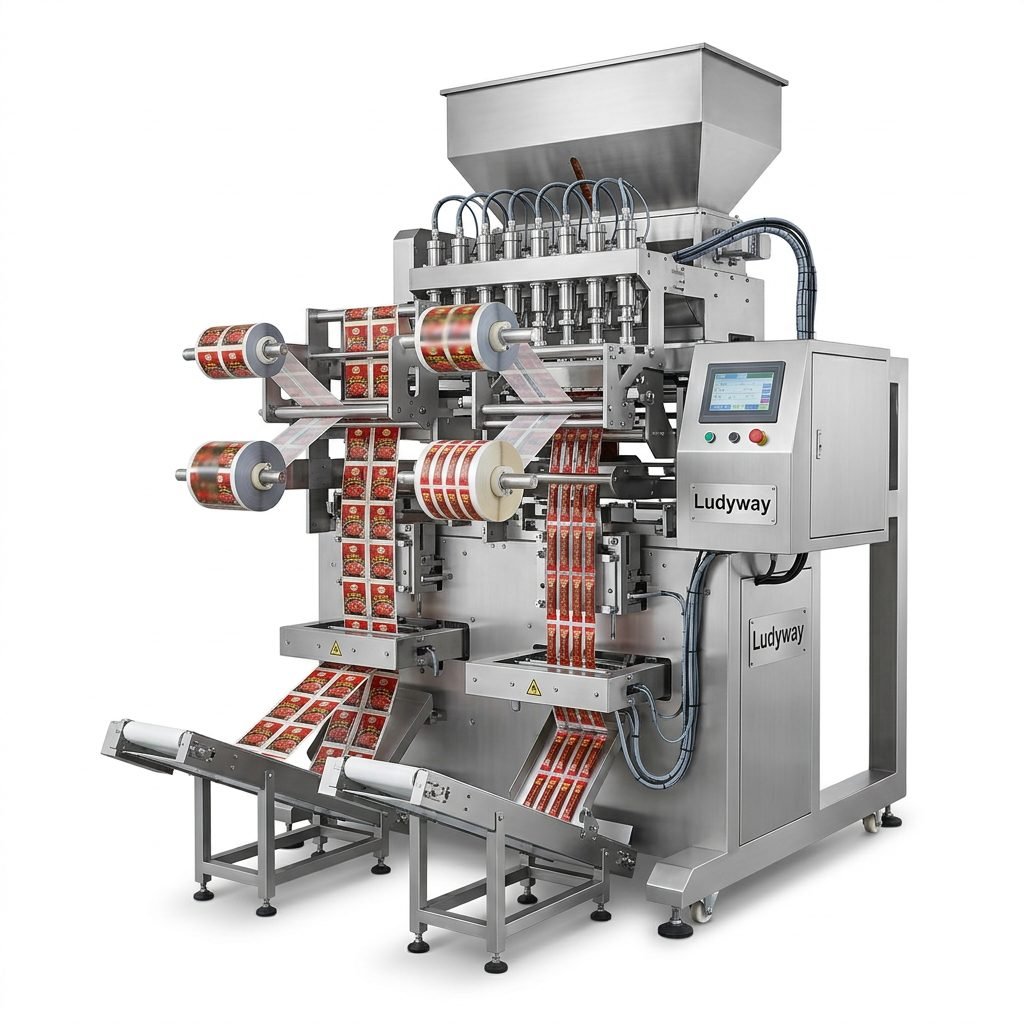
Daily Cleaning and Sanitization Protocols
Produce packaging environments demand strict hygiene. Residual product buildup on filling nozzles, sealing jaws, and conveyor belts can lead to contamination and mechanical wear. Implement a daily cleaning checklist that includes:
- Removing all loose product debris from filling zones and weighing systems
- Wiping down stainless steel surfaces with food-grade sanitizers
- Inspecting and cleaning heat seal bars to prevent film sticking
- Blowing out dust from sensor lenses and photoelectric cells
- Draining and cleaning any liquid residue from filling pumps
According to PMMI packaging industry resources, consistent sanitation reduces contamination risks by up to 40% in food packaging operations.
Lubrication Best Practices for Moving Parts
Friction is a silent enemy of packaging machinery. Bearings, chains, cam mechanisms, and linear guides all require proper lubrication to function smoothly. Use food-grade lubricants that meet H1 or H2 classifications for incidental food contact areas. Key lubrication points include:
- Rotary sealing jaw bearings — every 40–50 operating hours
- Film unwinding shaft bushings — weekly inspection and lubrication
- Cross-seal and longitudinal seal cam followers — monthly greasing
- Conveyor drive chains — check tension and lubricate bi-weekly
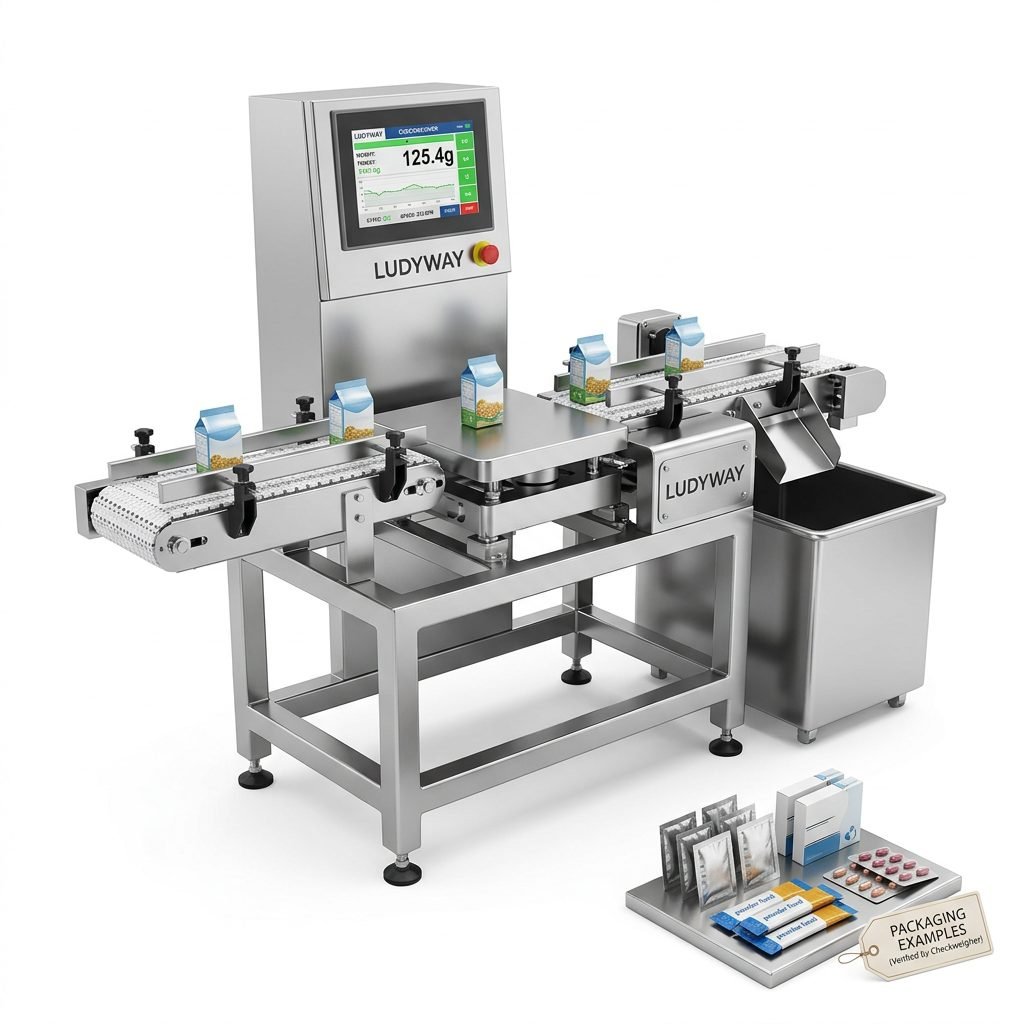
Inspection of Sealing Components and Film Path
The integrity of package seals determines shelf life and product freshness. Worn-out sealing jaws, damaged Teflon coatings, or misaligned film tracking can cause leaking sachets and product waste. During routine inspections, pay close attention to:
- Sealing jaw surface condition — replace if Teflon tape is peeling or scorched
- Film registration sensors — verify accurate print mark detection
- Tension control rollers — ensure consistent film feed without wrinkling
- Temperature calibration of heat seal bars — verify against setpoint values
Reference guidelines from ISO packaging standards provide comprehensive frameworks for seal integrity testing and validation procedures.
Electrical System and Control Panel Checks
Modern produce packaging machines rely on PLC controllers, servo drives, and HMI touchscreens. Electrical faults can be difficult to diagnose without systematic checks. Schedule monthly electrical inspections covering:
- Tightening all terminal connections in control cabinets
- Inspecting cable harnesses for wear, especially in moving areas
- Verifying emergency stop circuits and safety interlocks
- Checking servo motor feedback signals for anomalies
- Backing up PLC programs and HMI configuration files
Preventive Maintenance Schedule Overview
A structured preventive maintenance plan minimizes unexpected breakdowns. Below is a recommended maintenance schedule aligned with industry practices from PMMI business intelligence reports:
| Maintenance Task | Frequency | Responsible Team | Priority Level |
|---|---|---|---|
| Clean filling nozzles and sealing area | Daily / End of Shift | Operator | Critical |
| Lubricate moving mechanical parts | Weekly | Maintenance Tech | High |
| Inspect and replace sealing jaws | Monthly | Maintenance Tech | High |
| Electrical system audit | Monthly | Electrical Engineer | Medium |
| Replace worn belts and chains | Quarterly | Maintenance Team | Medium |
| Full machine overhaul and calibration | Annually | Service Engineer | Critical |
Common Troubleshooting Scenarios and Solutions
Even with diligent maintenance, operational issues can arise. Here are frequent problems and their typical resolutions:
- Film tracking drifts during operation — Check web guide sensor alignment and roller parallelism; clean any adhesive buildup on guide rollers
- Inconsistent fill weights — Recalibrate the multi-head weigher or auger filler; inspect for product bridging in hoppers
- Seal wrinkles or pleats — Verify temperature setpoints; inspect Teflon coating condition on heat seal bars
- Machine stops with no alarm — Check all safety interlock switches and emergency stop circuits for continuity
- Excessive noise from drive system — Inspect gearbox oil levels; check for loose sprockets or worn chain links
Documentation and Spare Parts Management
A critical but often overlooked aspect of maintenance is proper documentation. Maintain a detailed logbook recording every service activity, part replacement, and calibration adjustment. This historical data helps identify recurring issues and predict component lifespan. Additionally, keep an inventory of essential spare parts on hand:
- Heat seal bars and Teflon tape rolls
- Drive belts and timing pulleys
- Sensor assemblies (photoelectric, proximity, temperature)
- Filling pump seals and gaskets
- HMI backup batteries and fuses
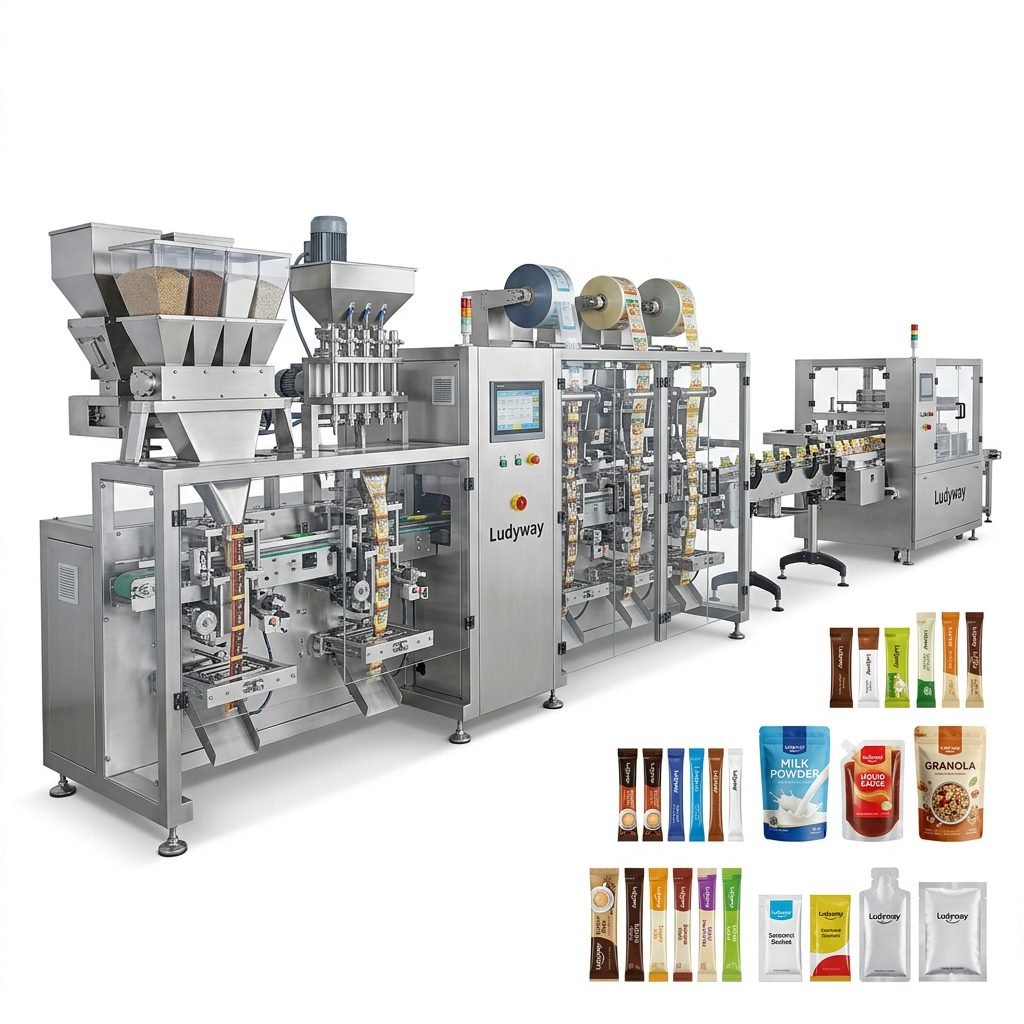
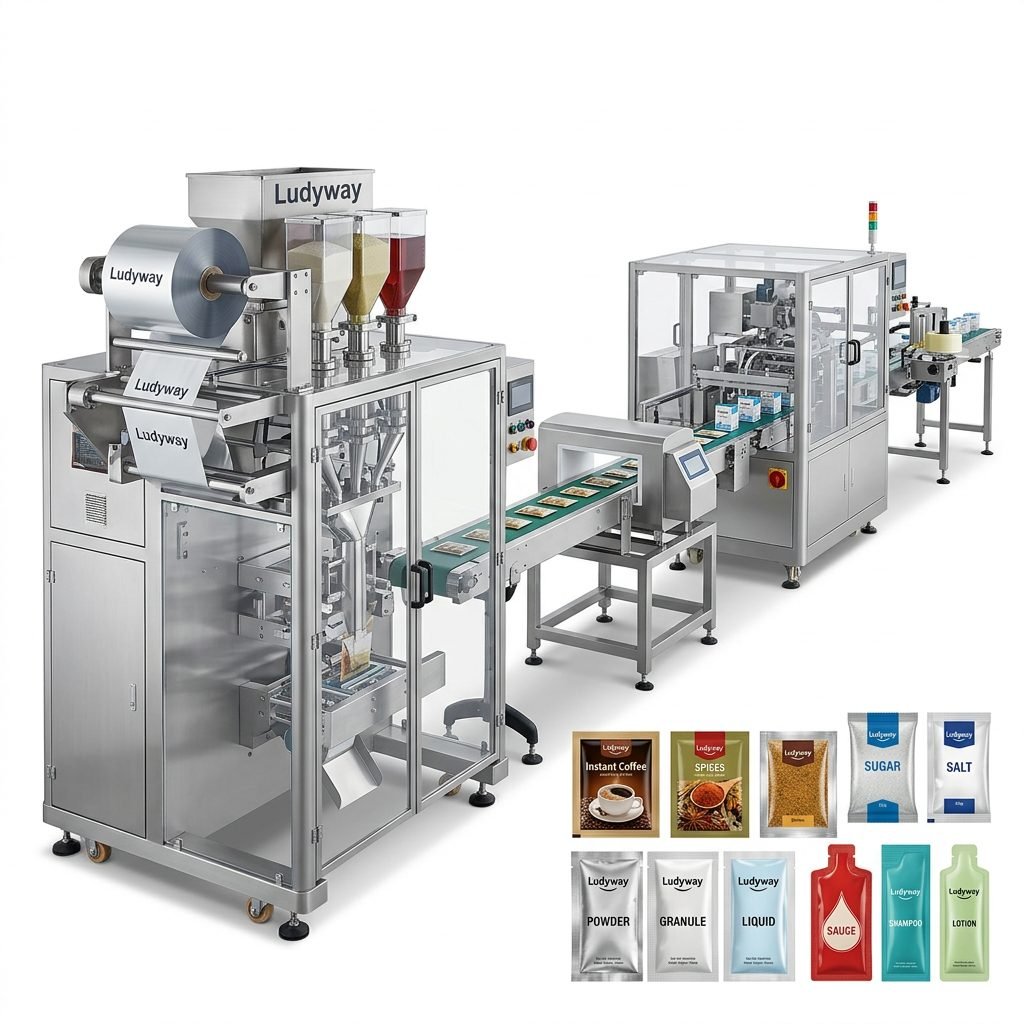
For advanced packaging machinery and turnkey solutions, manufacturers like Ludyway provide comprehensive spare parts catalogs and remote diagnostic support to help customers minimize downtime and maintain consistent production quality. Industry data from the Flexible Packaging Association highlights that proactive spare parts management can reduce machine downtime by up to 30%.
Training Operators for Daily Maintenance Tasks
Empowering machine operators with basic maintenance skills creates a first line of defense against equipment deterioration. Operators should be trained to perform daily checks including visual inspections, basic cleaning procedures, and early detection of abnormal sounds or vibrations. A well-trained team can identify issues before they escalate into major failures. Key training topics include:
- Proper startup and shutdown sequences to avoid mechanical stress
- Recognizing warning signs such as unusual heat, odor, or noise
- Correct cleaning techniques for sensitive components
- Basic sensor troubleshooting and reset procedures
- Accurate logging of operational data and maintenance activities
Resources from PMMI packaging machinery standards offer valuable guidance on operator training programs tailored to food packaging environments.
Long-Term Benefits of Consistent Maintenance
Investing time and resources in a structured maintenance program yields measurable returns. Well-maintained packaging machines deliver higher efficiency, longer service life, and superior product quality. The advantages extend beyond the production floor, supporting regulatory compliance and customer satisfaction. According to PMMI state of the industry reports, companies with robust maintenance protocols experience significantly fewer unplanned stoppages and maintain more consistent output levels throughout the equipment lifecycle.
By following the essential tips outlined in this guide — from daily cleaning and lubrication to electrical checks and spare parts readiness — you can ensure that your produce packaging operations remain reliable, efficient, and compliant with evolving industry requirements.