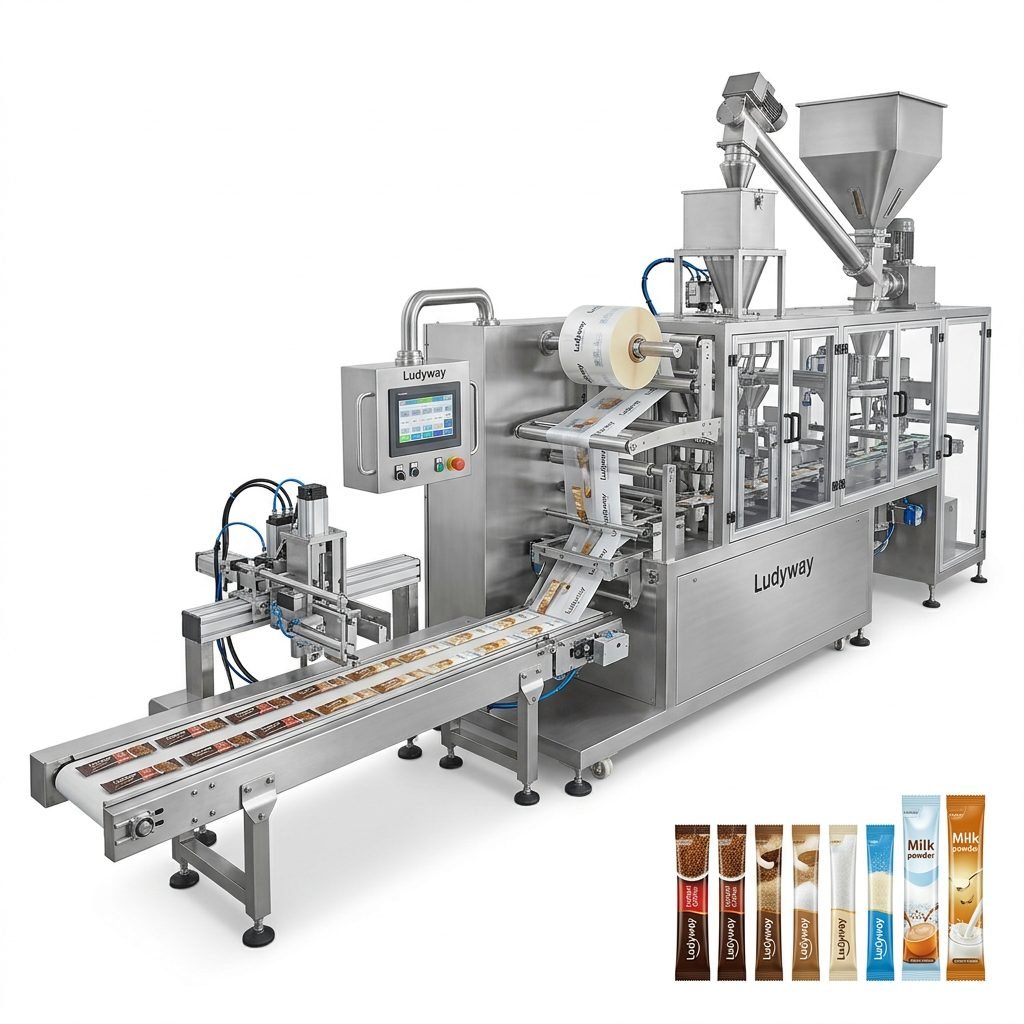
Selecting the right salad packaging machine is a critical decision that directly impacts your product quality, shelf life, and production efficiency. Whether you are packing fresh leafy greens, ready-to-eat salad bowls, or delicate salad kits, the packaging equipment you choose must align with your specific product characteristics, throughput requirements, and long-term business goals. This guide walks you through every essential factor to consider before making your investment.
Understanding Salad Packaging Requirements
Salad products present unique packaging challenges. Fresh-cut vegetables and leafy greens are highly perishable, require careful handling to avoid bruising, and often need modified atmosphere packaging (MAP) to extend shelf life. Your packaging machine must be capable of handling these delicate products without compromising their visual appeal or freshness.
Key product characteristics to evaluate include:
- Product fragility – Leafy greens bruise easily; gentle handling mechanisms are essential
- Moisture content – High moisture levels require specific film types and sealing parameters
- Packaging format – Bags, trays, bowls, or flow-wrapped packs each demand different machine configurations
- Gas flushing requirements – Many salad applications benefit from nitrogen or CO₂ gas flushing
Types of Salad Packaging Machines
Different salad products call for different packaging technologies. Understanding the available machine types helps narrow your options significantly.
Vertical Form Fill Seal (VFFS) Machines
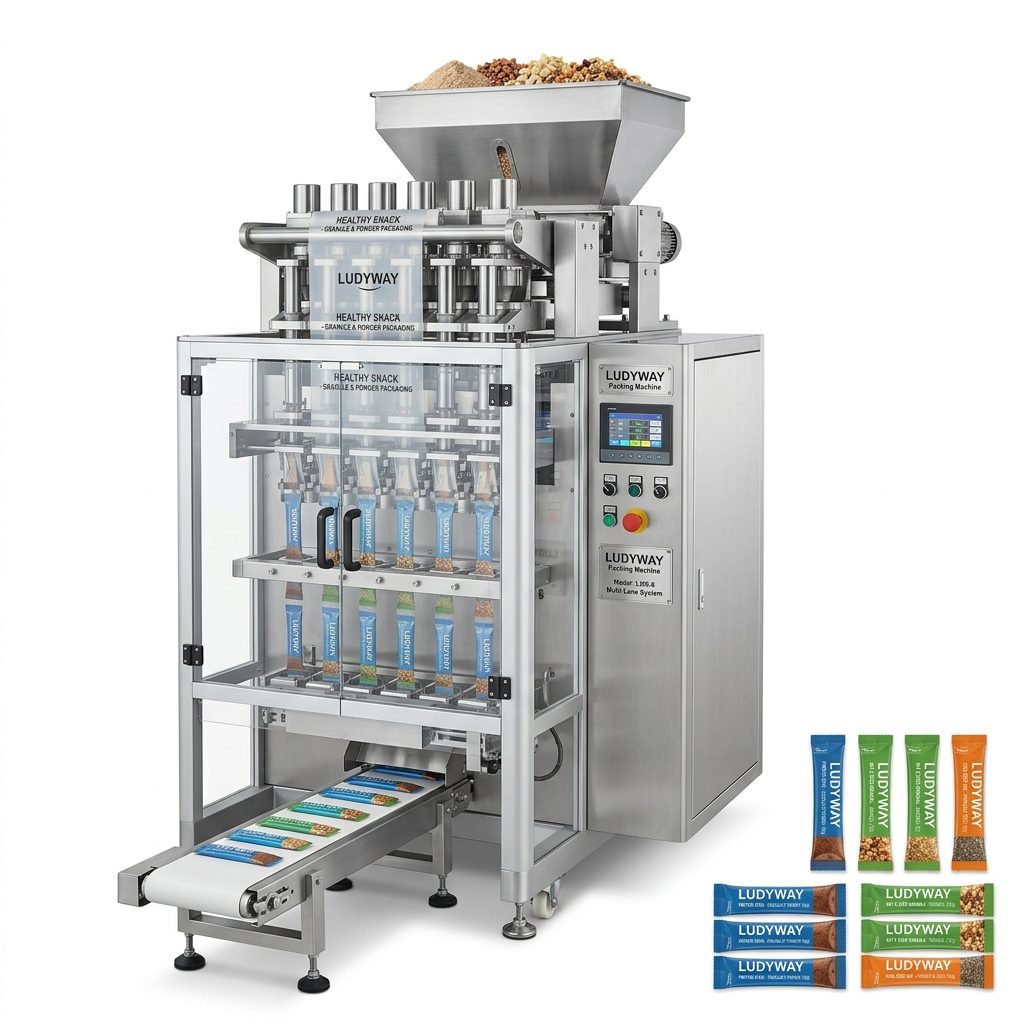
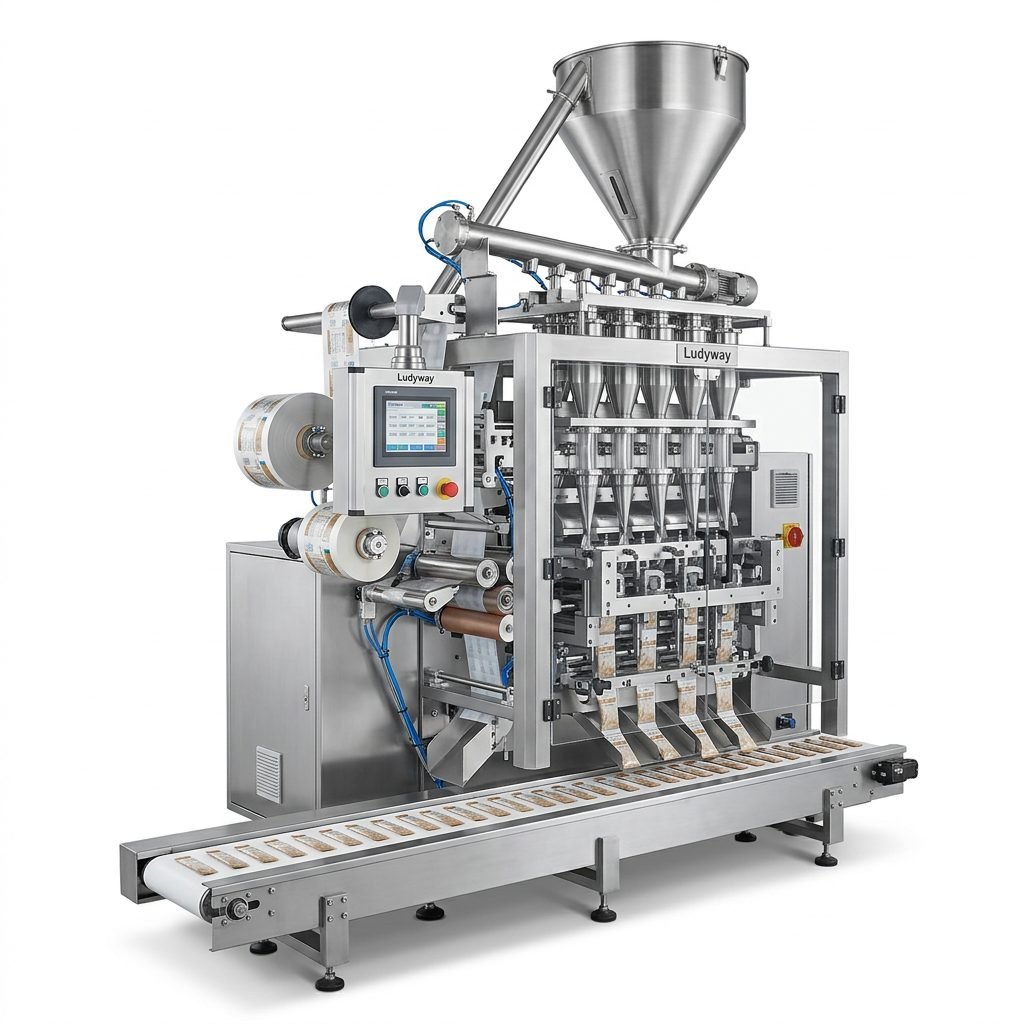
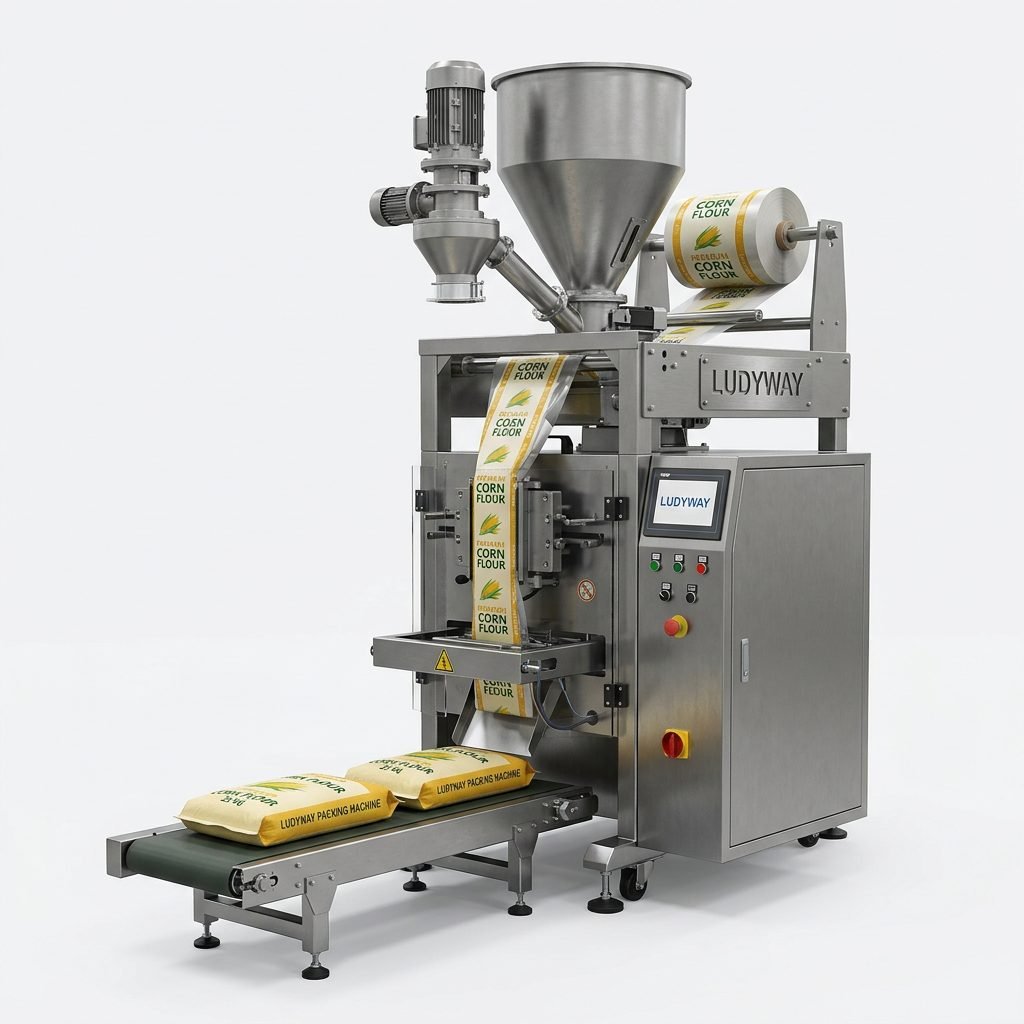
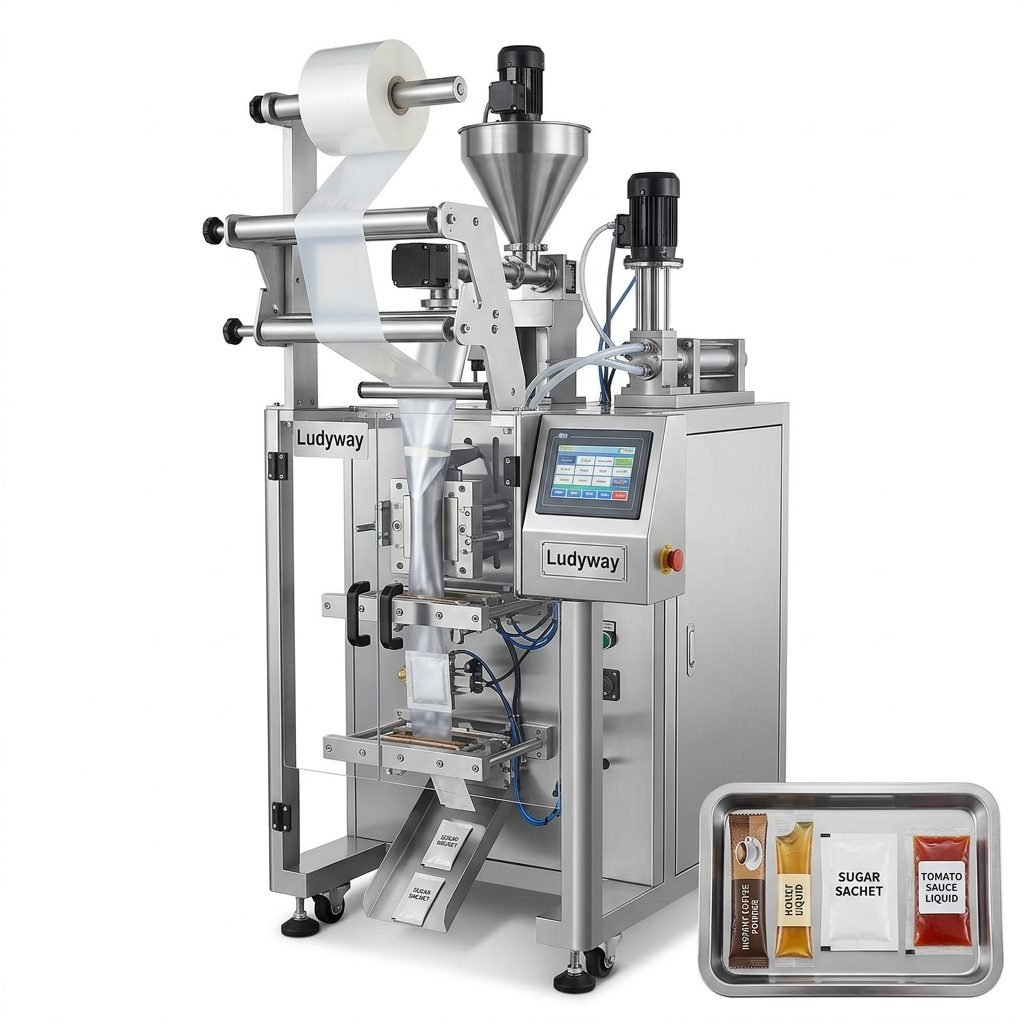
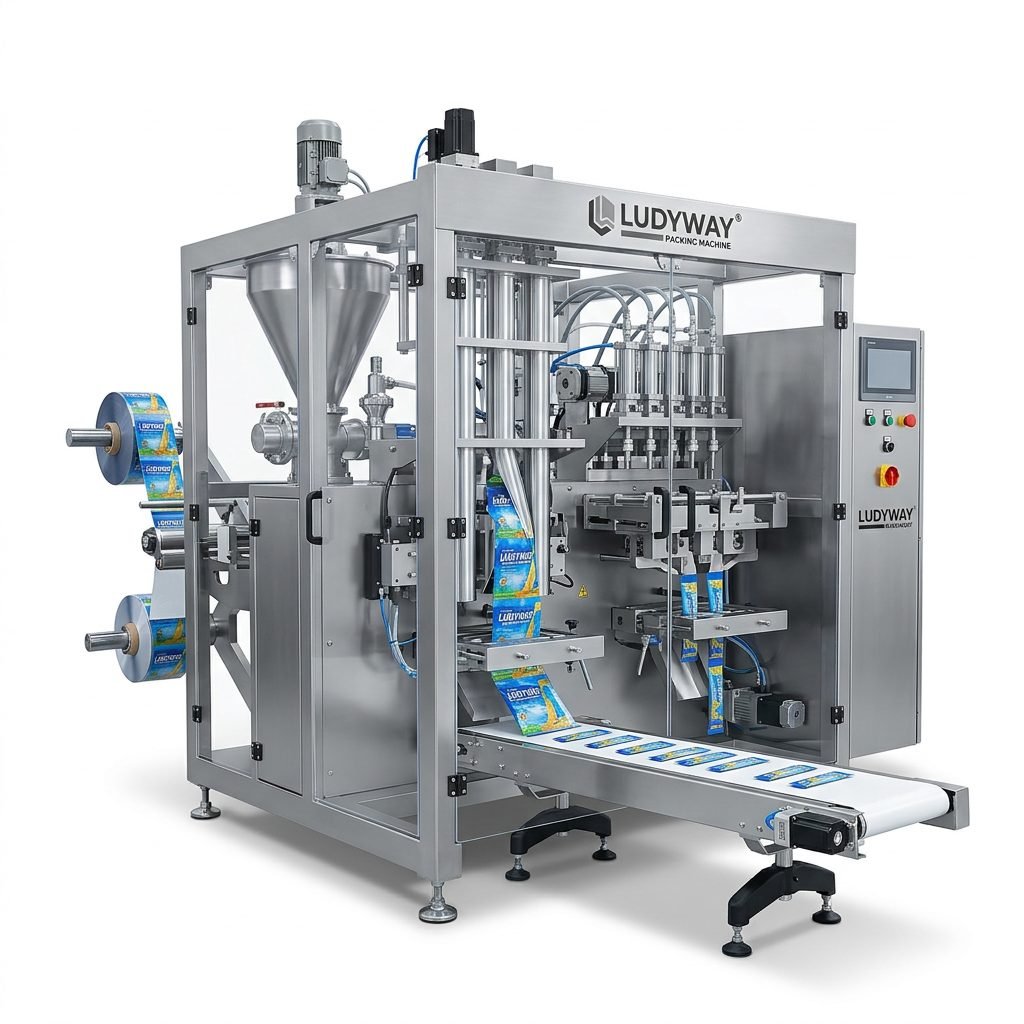
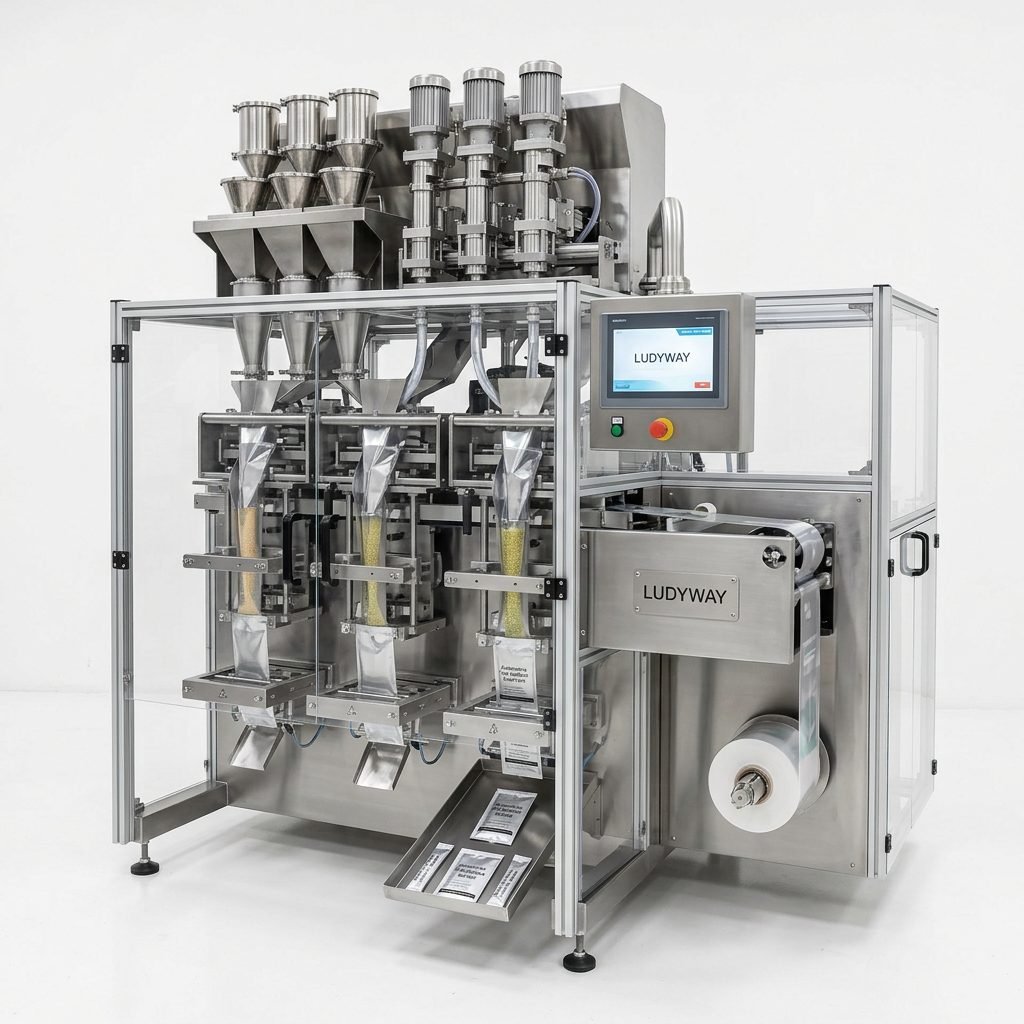
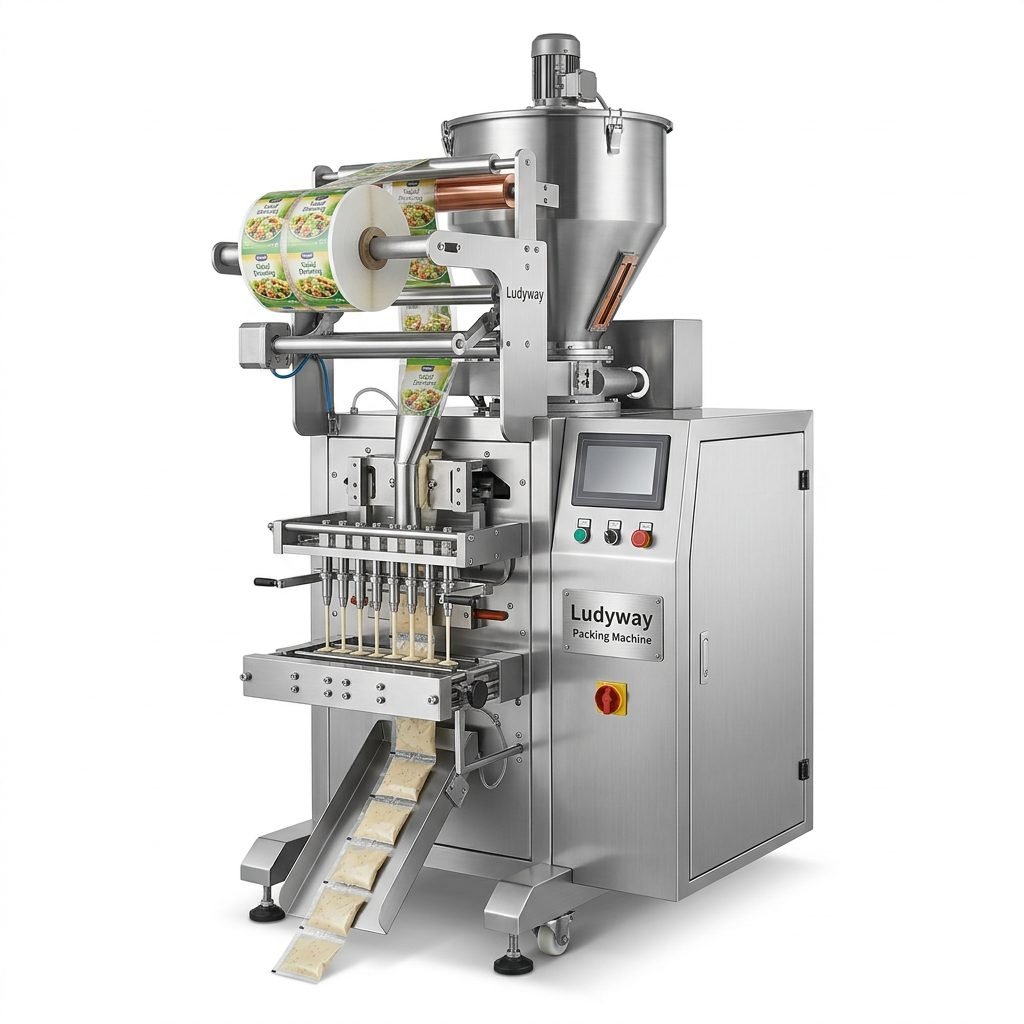
VFFS machines are among the most versatile options for salad packaging. They form bags from flat roll stock, fill them with product, and seal them—all in a continuous vertical motion. These machines are excellent for leafy greens, mixed salads, and pre-washed vegetables sold in pillow bags. Modern VFFS systems can be equipped with MAP capabilities, integrated weighers, and gentle product handling features such as vibrating pans and specially designed forming tubes.
Horizontal Form Fill Seal (HFFS) Machines
HFFS machines work horizontally and are ideal for tray-sealing applications, flow-wrapped salad kits, and multi-component salad bowls. They offer precise control over the packaging process and are frequently used for higher-value salad products that require a premium presentation. These machines can handle various tray materials and lid films, making them highly adaptable.
Tray Sealing and Thermoforming Machines
For rigid or semi-rigid tray-based salad packaging, tray sealers and thermoformers are the preferred choice. These machines are well-suited for ready-to-eat salad bowls, salad kits with separate compartments, and deli-style salad containers. They deliver excellent seal integrity and are often used with MAP to maximize shelf life.
Critical Features to Evaluate
Once you have identified the machine type that fits your product, evaluate these mission-critical features to ensure the equipment meets your operational needs.
| Feature | Why It Matters | What to Look For |
|---|---|---|
| Gentle Product Handling | Prevents leaf damage and maintains visual quality | Adjustable drop heights, slow-speed feeding, soft-landing designs |
| MAP Compatibility | Extends shelf life by reducing oxygen inside the package | Integrated gas flushing, precise gas mixing controls, seal integrity testing |
| Hygienic Design | Essential for food safety and easy sanitation | Stainless steel construction, washdown capability, open frame design |
| Sealing Integrity | Prevents leaks and contamination | Temperature-controlled sealing jaws, adjustable pressure, uniform heat distribution |
| Changeover Speed | Reduces downtime between product or format changes | Tool-less changeover, recipe-based settings, quick-release components |
Production Speed and Throughput
Matching the machine’s output capacity to your current and future production needs is essential. Undersizing your equipment can create bottlenecks, while oversizing leads to unnecessary capital expenditure. Consider both your current peak production requirements and your growth projections over the next 3 to 5 years.
Production speed is typically measured in packs per minute (ppm) or bags per minute (bpm). For salad packaging applications, common speed ranges include:
- Small to medium-scale operations: 20 – 40 packs per minute
- Mid-range production: 40 – 80 packs per minute
- High-volume automated lines: 80 – 150+ packs per minute
Packaging Material Compatibility
Your packaging machine must be compatible with the films and materials you intend to use. Salad packaging commonly uses:
- Polypropylene (PP) – Good clarity and moisture barrier
- Polyethylene (PE) – Excellent sealability and flexibility
- Laminated structures – Multi-layer films with enhanced barrier properties
- Biodegradable and compostable films – Growing demand for sustainable packaging options
Verify that the machine’s sealing system, film transport, and forming components are suitable for the specific film types, thicknesses, and barrier requirements you plan to use. Some materials require higher sealing temperatures or specialized jaw coatings.
Automation and Integration Capabilities
Modern salad packaging lines rarely operate in isolation. Your machine should integrate seamlessly with upstream and downstream equipment, including:
- Multi-head weighers or volumetric fillers
- Product conveyors and elevators
- Metal detectors and checkweighers
- Labeling and coding systems
- Casing and palletizing equipment
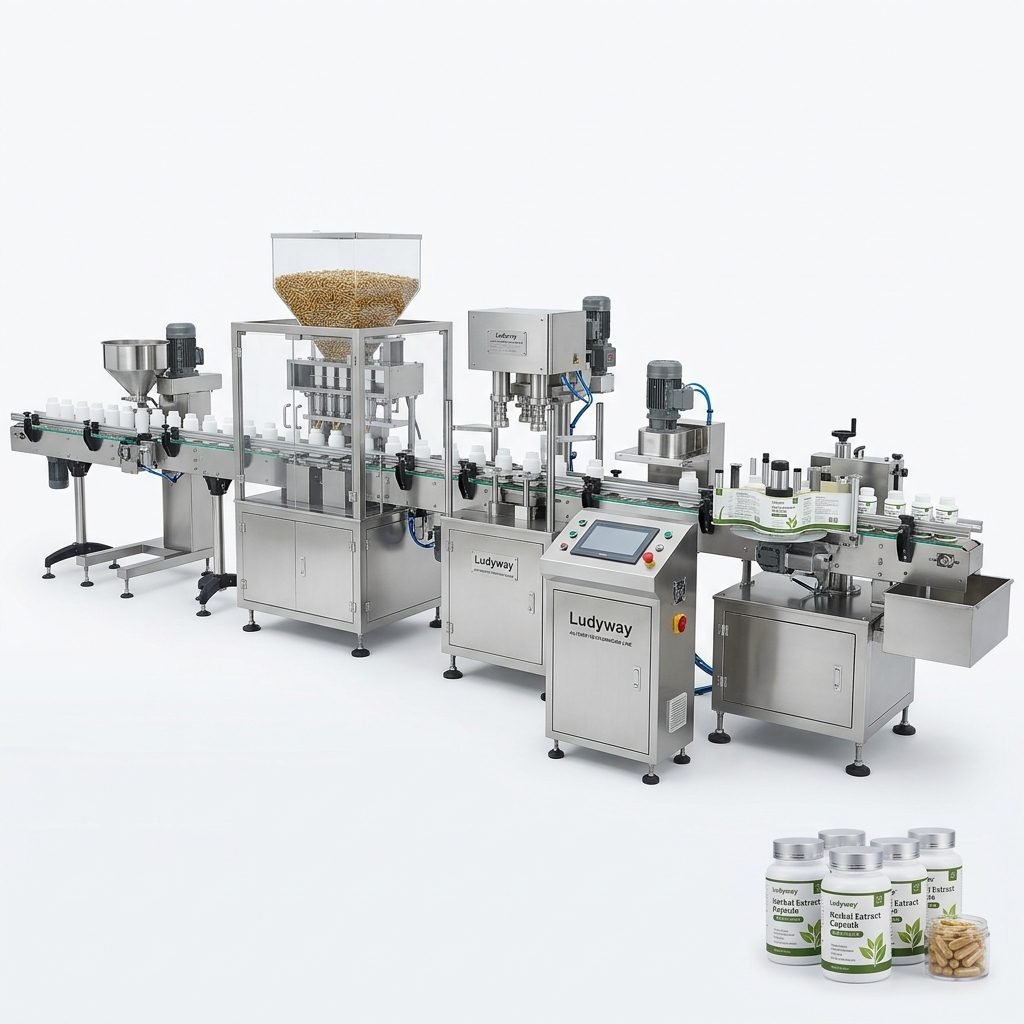
Choosing equipment that supports turnkey integration from a single packaging machinery partner can simplify project management, reduce compatibility risks, and streamline after-sales support. For example, manufacturers like Ludyway Machinery provide integrated packaging systems that connect multiple stages of the packaging process, helping ensure consistent performance across the entire line.

Sanitary and Food Safety Compliance
Hygienic Machine Construction
Salad packaging equipment must meet stringent food safety standards. Look for machines built with food-grade stainless steel, sloped surfaces to prevent liquid accumulation, and minimal horizontal flat areas. Washdown-ready designs with IP65 or higher rated electrical components are strongly recommended for environments where regular cleaning is performed.
Regulatory Requirements
Depending on your market, your packaging machine may need to comply with various regulations and standards. For guidance on packaging and food contact substances, refer to the FDA Food Packaging and Food Contact Substances resources. Many manufacturers also align their equipment with ISO packaging standards to ensure international market compliance.
Budget and Total Cost of Ownership
The purchase price of a salad packaging machine is only one component of its total cost. A comprehensive cost analysis should account for:
- Installation and commissioning
- Operator training
- Spare parts inventory
- Preventive maintenance programs
- Energy consumption
- Film and material waste rates
Machines with higher initial investment often deliver lower long-term operating costs through reduced waste, higher uptime, and longer service intervals. When evaluating options, request detailed information about expected maintenance requirements, spare part availability, and technical support response times.
Supplier Selection and After-Sales Support
Your relationship with the equipment supplier extends well beyond the initial purchase. Key supplier evaluation criteria include:
- Industry experience – Proven track record in salad and fresh produce packaging
- Technical support – Availability of remote assistance, on-site service, and troubleshooting
- Spare parts availability – Regional distribution and reasonable lead times
- Customer references – Verifiable testimonials from similar applications
- Customization capability – Ability to adapt machines to your unique requirements
For more insights into packaging industry trends and standards, organizations such as PMMI – The Association for Packaging and Processing Technologies and the Flexible Packaging Association provide extensive resources, market data, and technical guidance.
Questions to Ask Before Buying
Before committing to a specific salad packaging machine, ask potential suppliers these critical questions:
- Can the machine handle my specific product mix and packaging format?
- What is the expected overall equipment effectiveness (OEE) in similar applications?
- How quickly can changeovers between different bag sizes or products be completed?
- What gas flushing and MAP capabilities are available?
- Is remote diagnostic and support capability included?
- What training programs are provided for operators and maintenance staff?
- Can the machine accommodate future packaging material innovations or sustainability goals?
Industry Trends Shaping Salad Packaging
The salad packaging landscape continues to evolve. Current trends influencing machine selection include growing demand for sustainable and recyclable packaging materials, increasing adoption of automation to address labor challenges, and the rise of single-serve and convenience-oriented salad formats. Staying informed about packaging machinery market research and industry developments helps ensure your investment remains competitive over its service life.
Choosing the right salad packaging machine is a strategic decision that affects every aspect of your operation—from product quality and food safety to production efficiency and profitability. By carefully evaluating your product requirements, production goals, and supplier capabilities, you can select equipment that supports your business both today and in the years ahead.