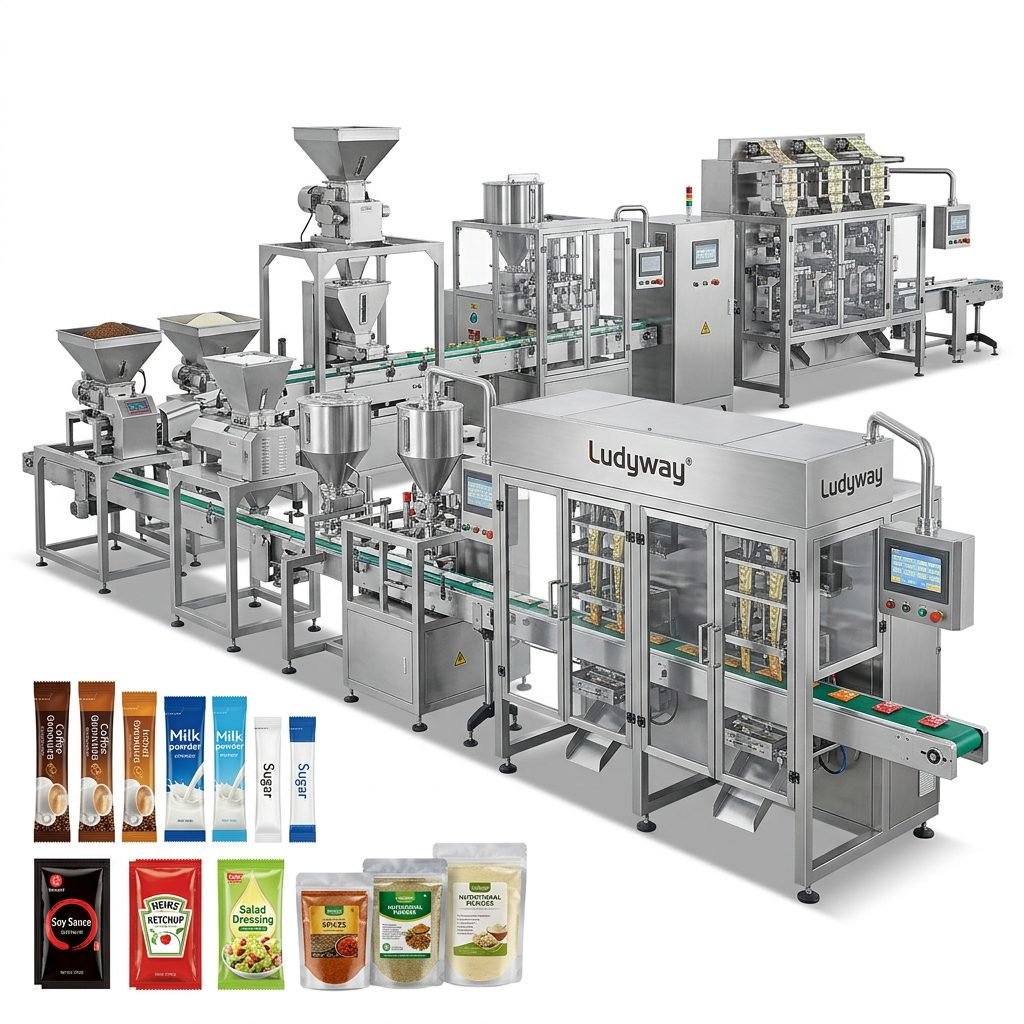
Investing in a tea grain packing machine is a significant decision for tea producers, blenders, and co-packers. Whether you are packaging loose-leaf tea, herbal blends, or instant tea granules, the cost of the equipment varies widely based on automation level, speed, and packaging format. Understanding the key factors that influence pricing will help you budget correctly and choose the most suitable machinery for your production needs.
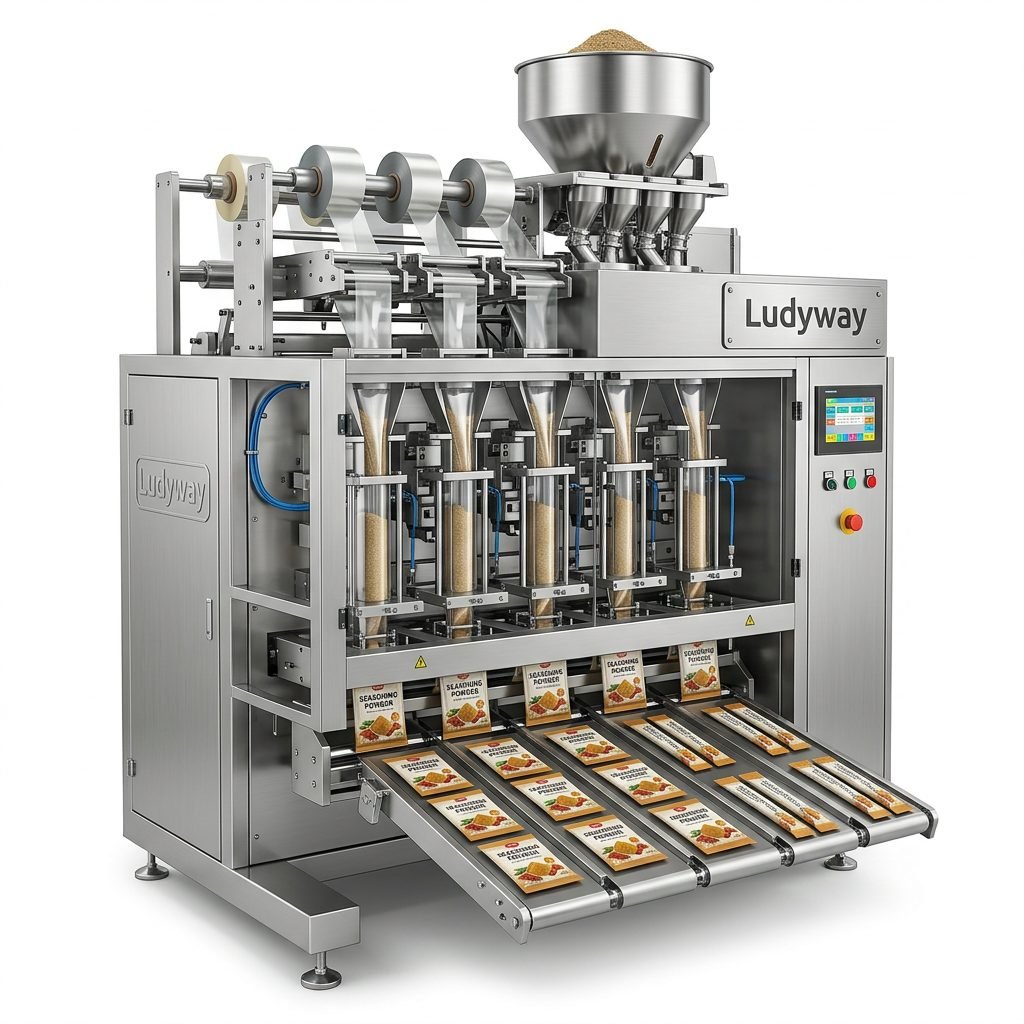
Key Factors That Affect Tea Grain Packing Machine Costs
Several variables determine the final price of a tea grain packing machine. Before comparing quotes, it is essential to understand what drives cost differences between models and manufacturers.
1. Automation Level
Machines range from semi-automatic to fully automatic systems. A basic semi-automatic unit requires manual feeding and operation, while a fully automatic line integrates weighing, filling, sealing, and even cartoning. Naturally, higher automation increases the upfront investment but reduces long-term labor costs.
2. Packaging Format and Style
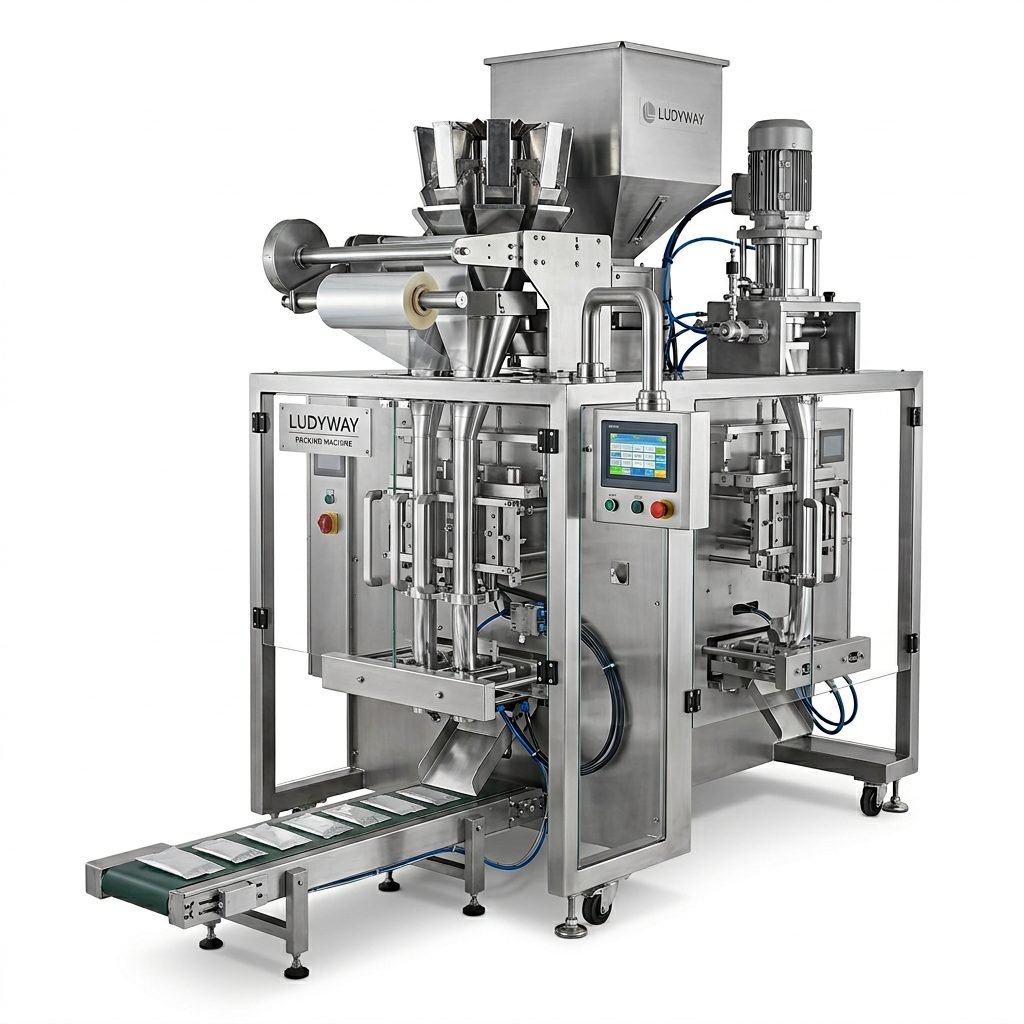
The type of package you need—stick packs, sachets, flat pouches, or stand-up pouches—directly impacts machine design and cost. A dedicated stick pack machine optimized for tea grains will differ in price from a multi-format sachet packaging machine capable of handling multiple pouch styles.
3. Production Speed and Lane Configuration
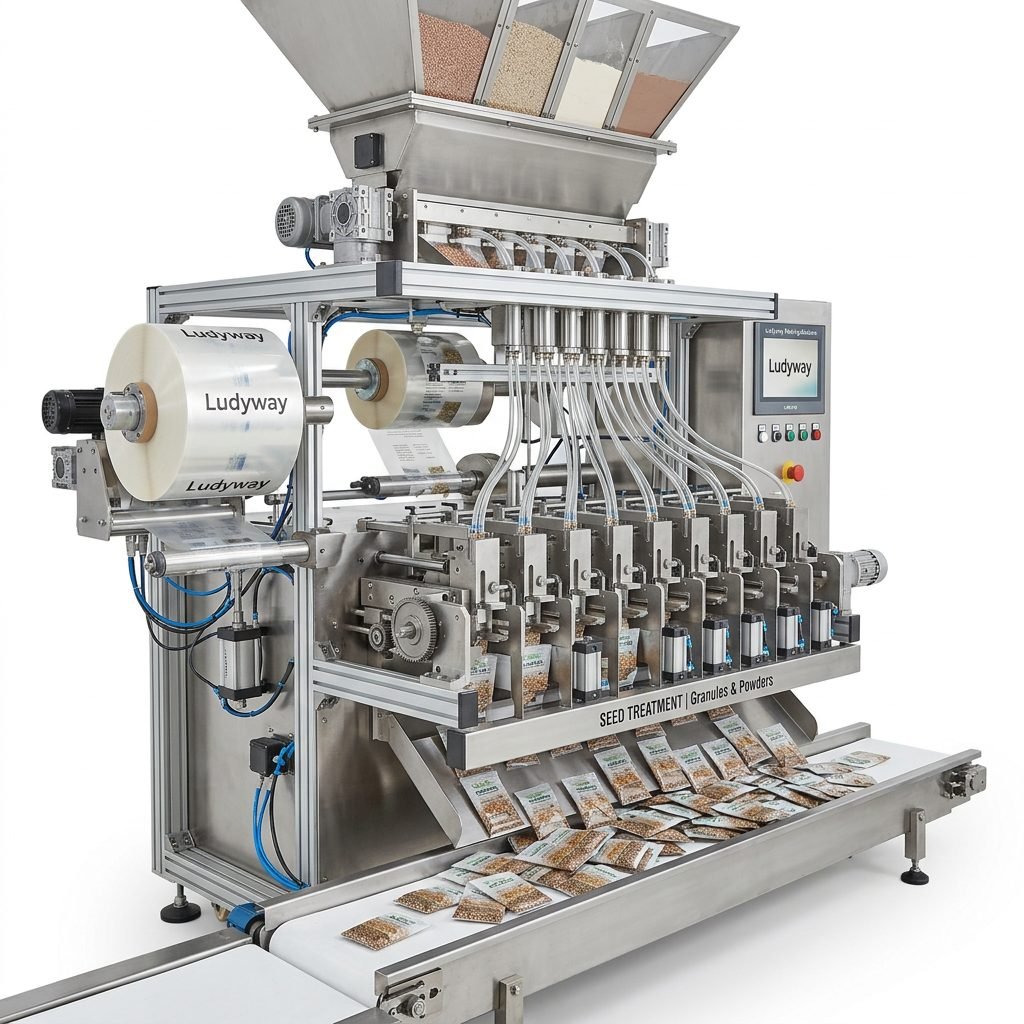
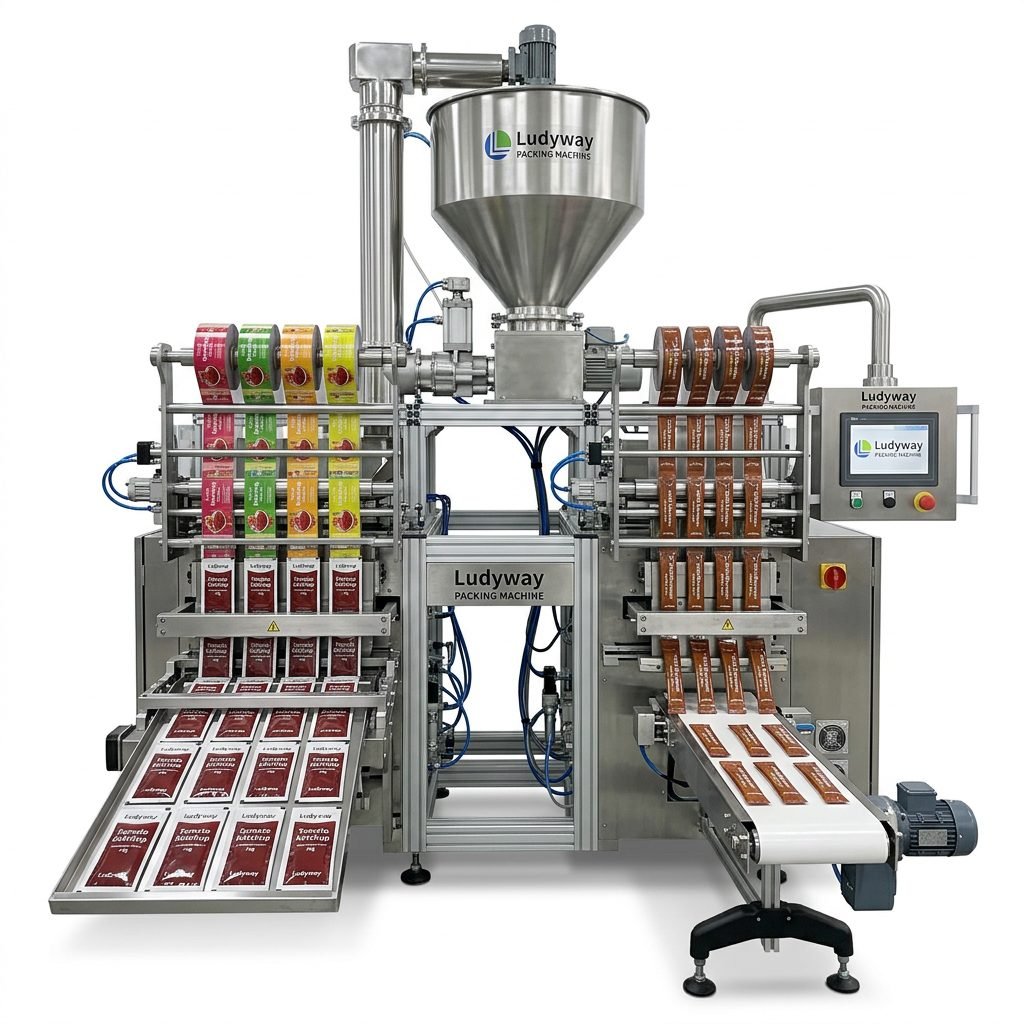
Single-lane machines are more affordable but have limited output. Multi-lane systems (4-lane, 6-lane, 8-lane, or even 12-lane) multiply throughput significantly. A high-speed multi-lane packaging machine can fill hundreds of packs per minute, but the price scales with the number of lanes and filling stations.
4. Weighing and Filling Technology
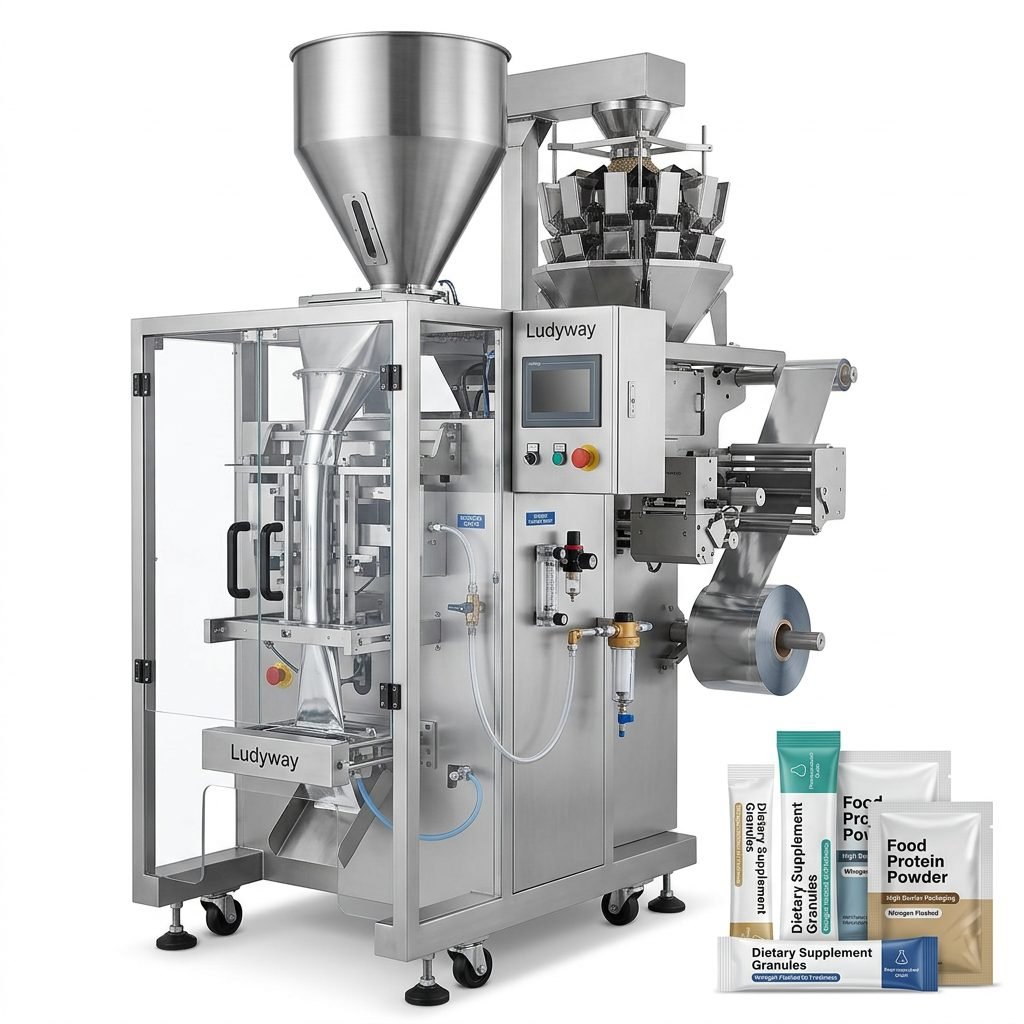
Volumetric cup fillers are cost-effective for free-flowing tea grains. Multi-head weighers and auger fillers provide greater accuracy, especially for blends with varying particle sizes. Precision dosing systems add to the equipment cost but minimize product giveaway and improve consistency.
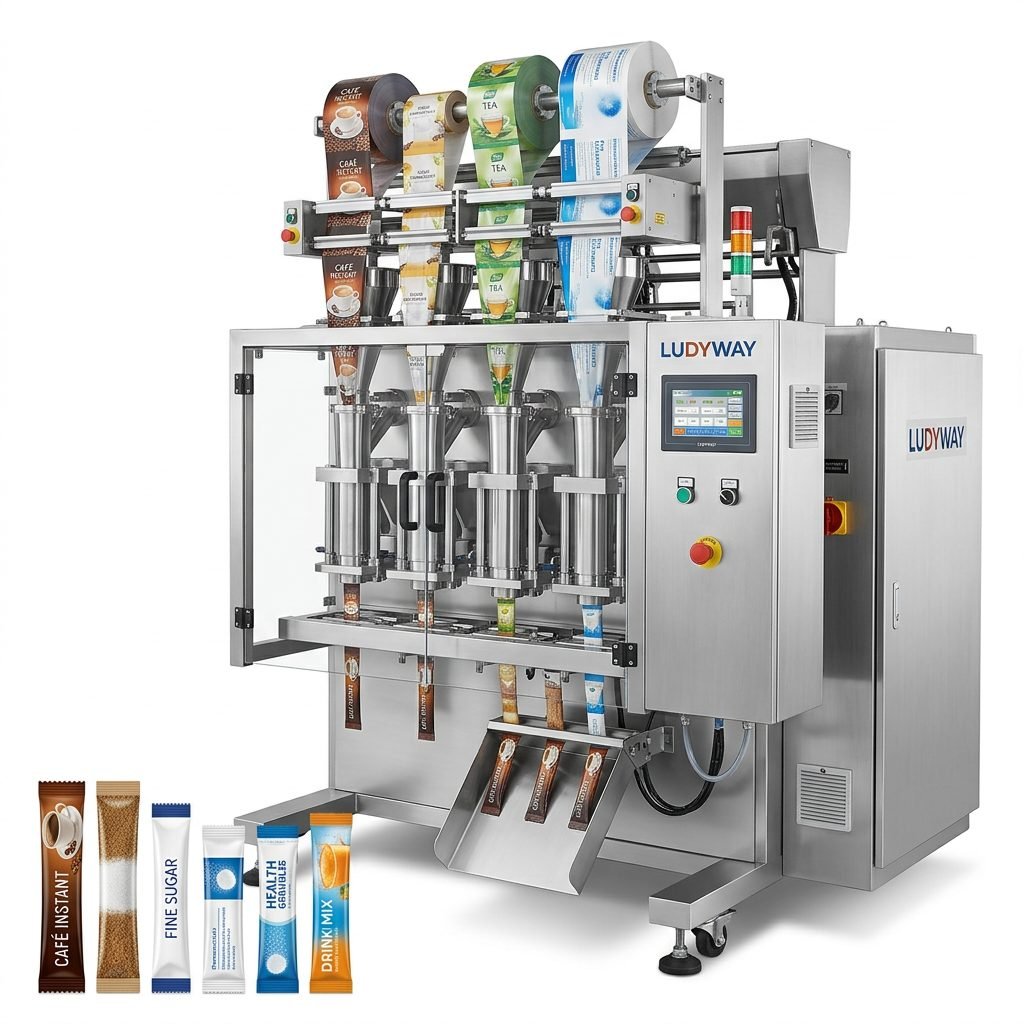
Tea Grain Packing Machine Price Ranges by Type
The table below provides a general overview of estimated price ranges based on machine configuration and capability. Actual prices vary by manufacturer, region, and customization requirements.
| Machine Type | Configuration | Estimated Price Range (USD) |
|---|---|---|
| Semi-Automatic Single-Lane | Basic filling and sealing, manual operation | $3,000 – $8,000 |
| Automatic Single-Lane Stick Pack | Integrated weighing, automatic film tracking | $10,000 – $25,000 |
| Multi-Lane Stick Pack (4-6 Lanes) | Medium-speed production with multi-head weigher | $30,000 – $60,000 |
| Multi-Lane Stick Pack (8-12 Lanes) | High-speed, high-volume production system | $65,000 – $150,000 |
| Multi-Format Sachet & Pouch Machine | Versatile system for stick packs, sachets, and pouches | $40,000 – $120,000 |
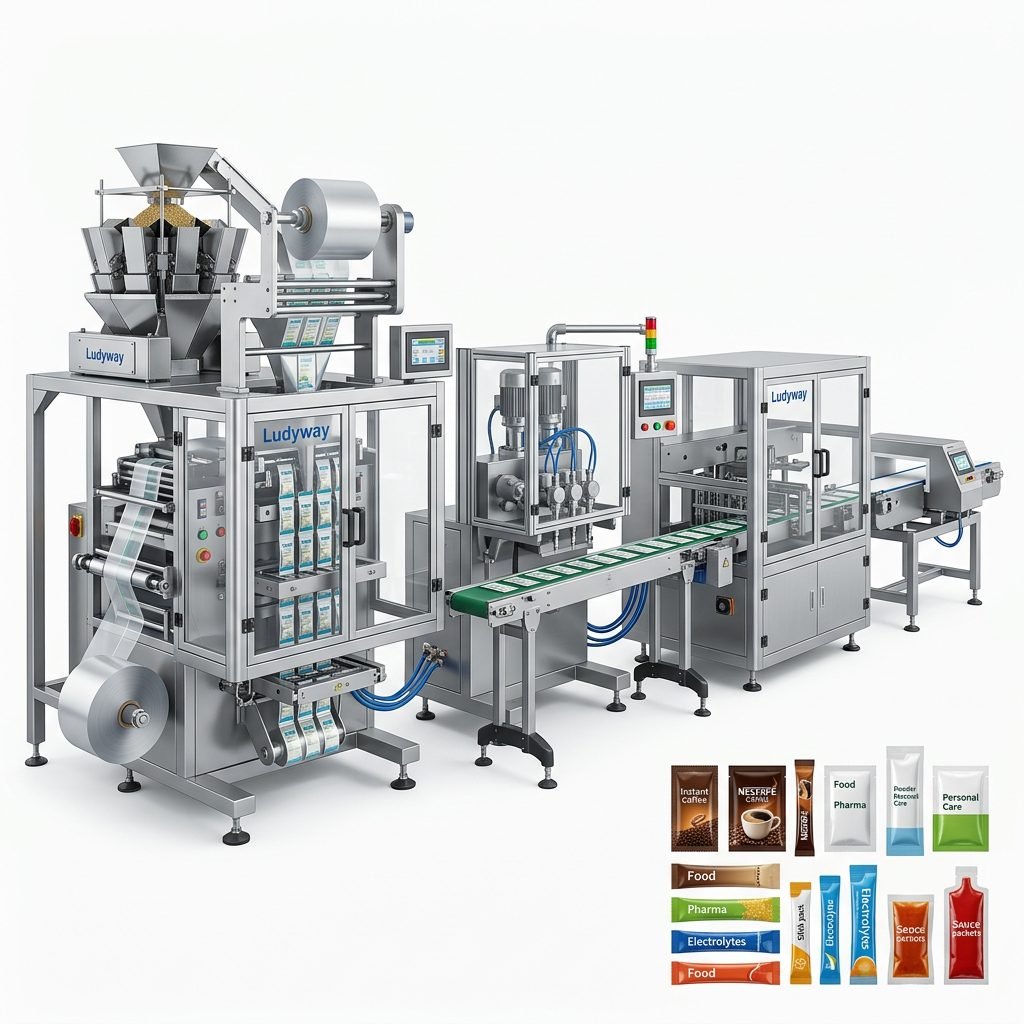
| Complete Turnkey Packaging Line | Feeding, filling, cartoning, and palletizing | $150,000 – $500,000+ |
Additional Cost Considerations Beyond the Base Machine Price
When budgeting for a tea grain packing machine, remember to account for auxiliary equipment and ongoing operational expenses. The sticker price is only part of the total investment.
- Feeding and Conveying Systems: Bucket elevators, screw conveyors, or vacuum feeders to transport tea grains into the machine hopper.
- Multi-Head Weighers or Auger Fillers: Precision dosing equipment that integrates with the packaging machine for accurate portion control.
- Date Coding and Labeling: Thermal transfer printers or inkjet coders for batch numbers, expiration dates, and barcodes.
- Gas Flushing Systems: Nitrogen flushing to extend the shelf life of oxygen-sensitive tea products.
- Checkweighers and Metal Detectors: Quality control equipment that rejects underweight or contaminated packs.
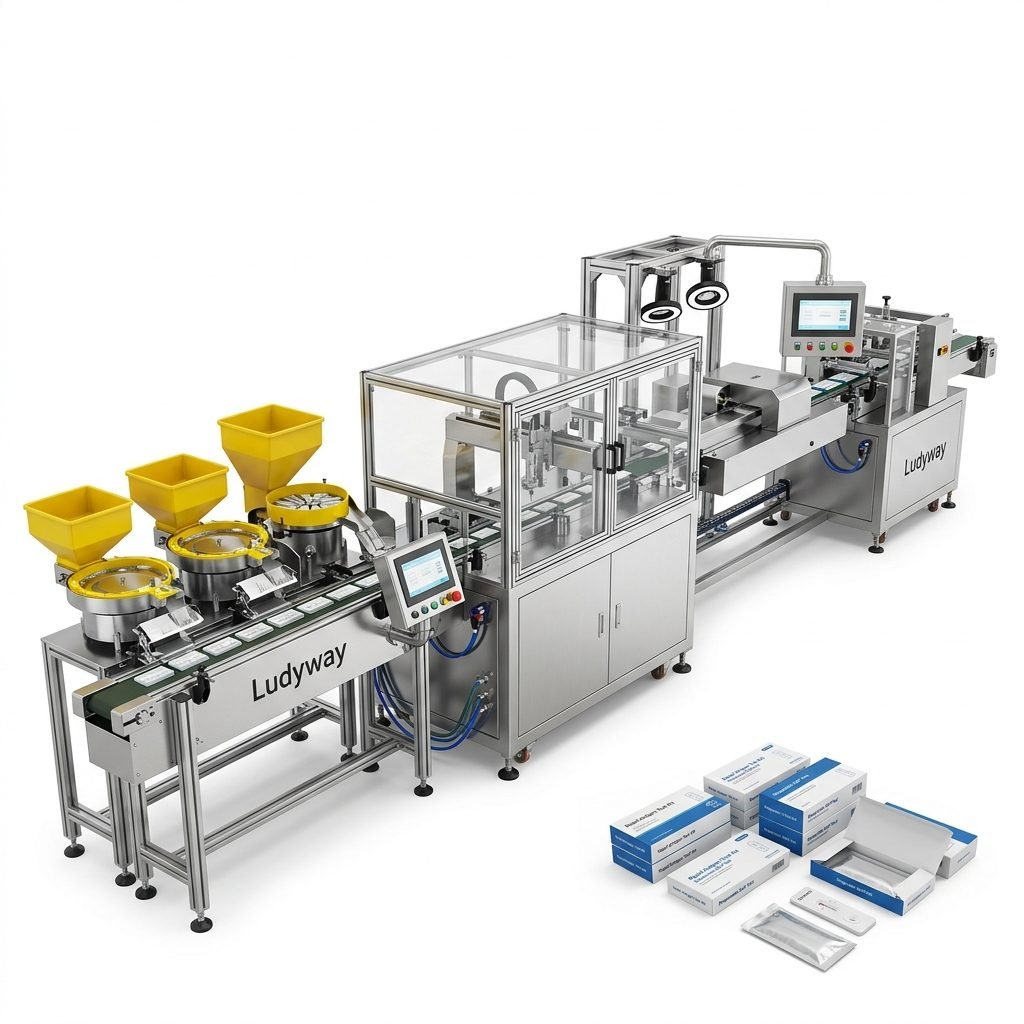
- Cartoning and Case Packing: End-of-line automation for boxing finished stick packs or sachets.
- Installation, Training, and Shipping: On-site commissioning, operator training, and freight costs vary by destination.
- Spare Parts and After-Sales Support: Regular maintenance kits, wear parts, and service contracts ensure long-term reliability.
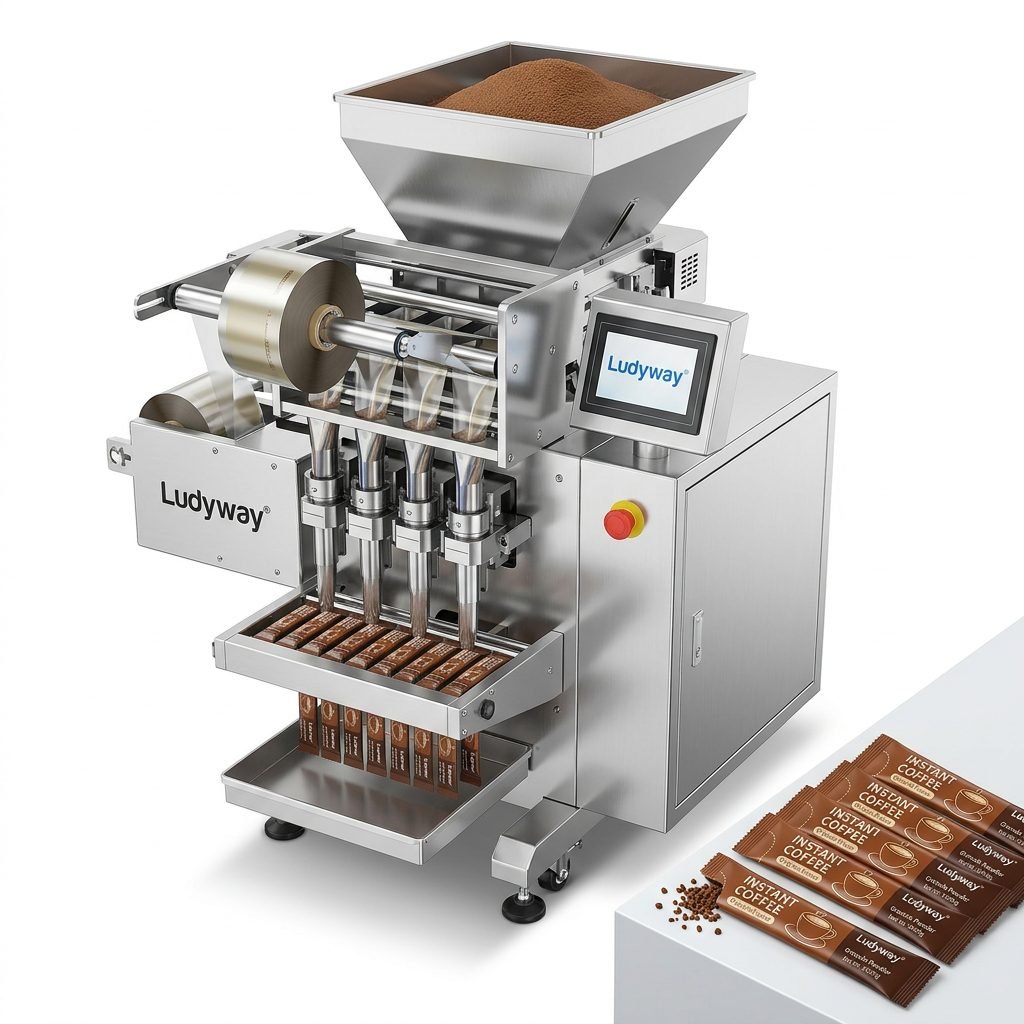
Cost Comparison: Chinese Manufacturers vs. European Brands
Sourcing a tea grain packing machine from China often delivers significant cost savings compared to European or North American brands, without necessarily sacrificing quality. Leading Chinese manufacturers now offer CE-certified, ISO-compliant equipment with advanced PLC controls and servo-driven systems.
Why Consider Chinese Packaging Machinery?
- Cost Efficiency: Prices are typically 40%–60% lower than comparable European models.
- Customization Flexibility: Manufacturers readily adapt machines to specific tea grain characteristics and packaging requirements.
- Rapid Lead Times: Standard models can be delivered within 30–60 days; custom lines may take 60–90 days.
- Complete Turnkey Expertise: Many Chinese suppliers provide integrated solutions from raw material handling to finished carton palletizing.
Pro Tip: Always request detailed specifications, video demonstrations, and client references before committing to a large equipment purchase. Visiting the factory or arranging a virtual tour can help verify manufacturing capabilities.
How to Choose the Right Machine for Your Budget
For Startups and Small Tea Brands
A semi-automatic or single-lane automatic stick pack machine with volumetric filling is often the best entry point. Budget between $5,000 and $20,000 for a reliable starter setup that can scale as your brand grows.
For Growing Mid-Sized Producers
A 4-lane or 6-lane multi-lane stick pack machine with a multi-head weigher provides the throughput needed to fulfill larger orders. Expect to invest $30,000 to $80,000 for a well-equipped mid-tier system.
For Large-Scale Industrial Operations
High-speed 8-lane or 12-lane lines with complete turnkey integration—including automatic feeding, nitrogen flushing, checkweighing, and cartoning—are necessary for 24/7 production. Budgets for these systems range from $120,000 to $500,000+.
Return on Investment: Understanding Long-Term Value
A higher upfront cost often translates to lower total cost of ownership over the machine’s lifespan. Consider these ROI factors:
- Labor Reduction: Automating from manual to fully automatic can reduce headcount by 50%–80%.
- Product Giveaway Savings: Accurate weighing systems prevent overfilling, saving thousands in product costs annually.
- Production Speed Increases: Multi-lane machines multiply output, enabling you to fulfill larger contracts.
- Downtime Prevention: Robust machines with good after-sales support minimize costly production stoppages.
Industry Resources and Standards
For further research on packaging machinery standards and industry trends, consult these authoritative resources:
- PMMI – The Association for Packaging and Processing Technologies
- Flexible Packaging Association – Industry Resources
- ISO – Packaging Standards
About a Leading Packaging Machine Manufacturer
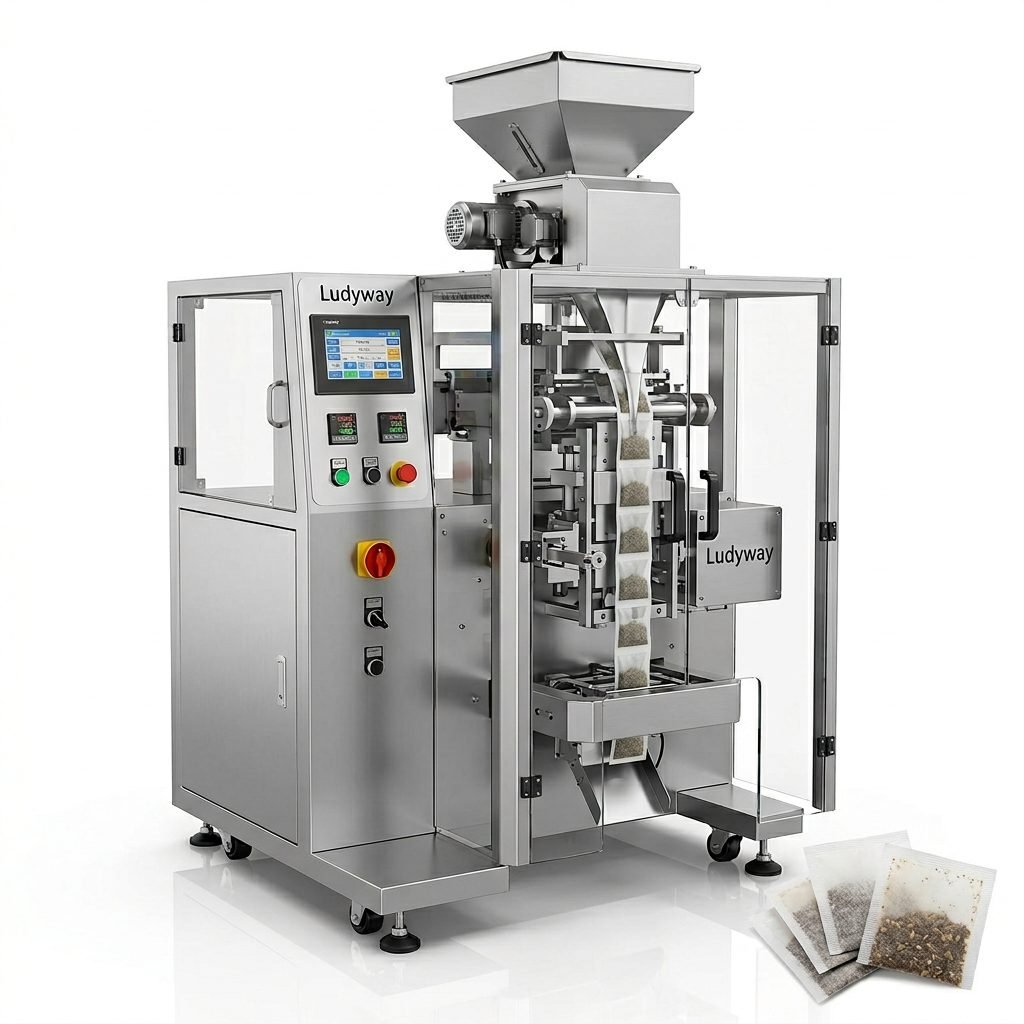
Ludyway is one of the largest packaging machine manufacturers in China, specializing in advanced packaging equipment and turnkey production solutions for the food, pharmaceutical, and health industries. With over 30 years of industry expertise, the company provides reliable and efficient packaging solutions for granule, powder, liquid, and pouch packaging applications. Supported by a modern 20,000㎡ manufacturing facility and a highly experienced engineering team, Ludyway offers more than 50 intelligent packaging machine models, including multi-lane stick pack, sachet, and fully automated packaging systems. Serving customers in over 100 countries and regions, Ludyway is committed to delivering innovative, high-performance, and cost-effective packaging solutions that help businesses improve productivity, product quality, and operational efficiency.
The cost of a tea grain packing machine ultimately depends on your specific production requirements, desired automation level, and choice of supplier. By carefully evaluating your needs and comparing options from reputable manufacturers, you can find a solution that balances performance, reliability, and budget—positioning your tea business for long-term growth and success.