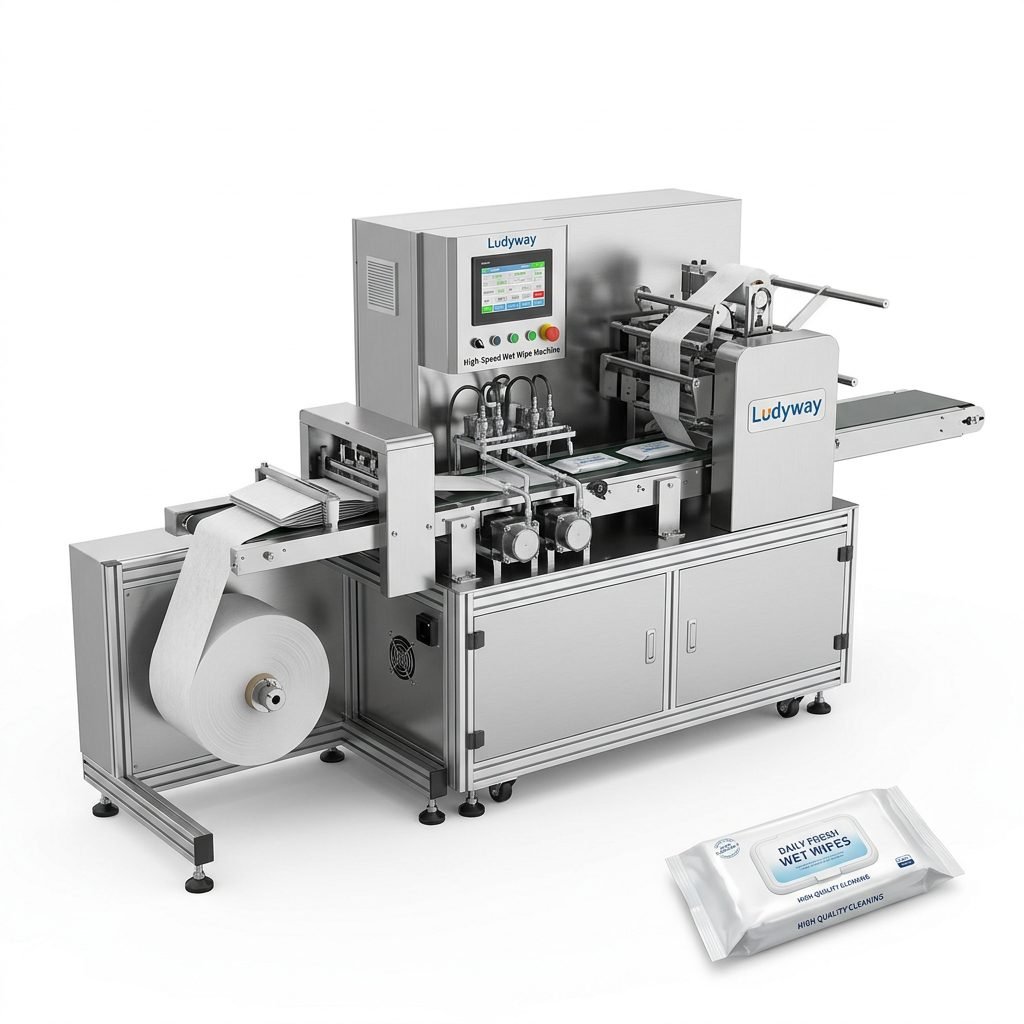
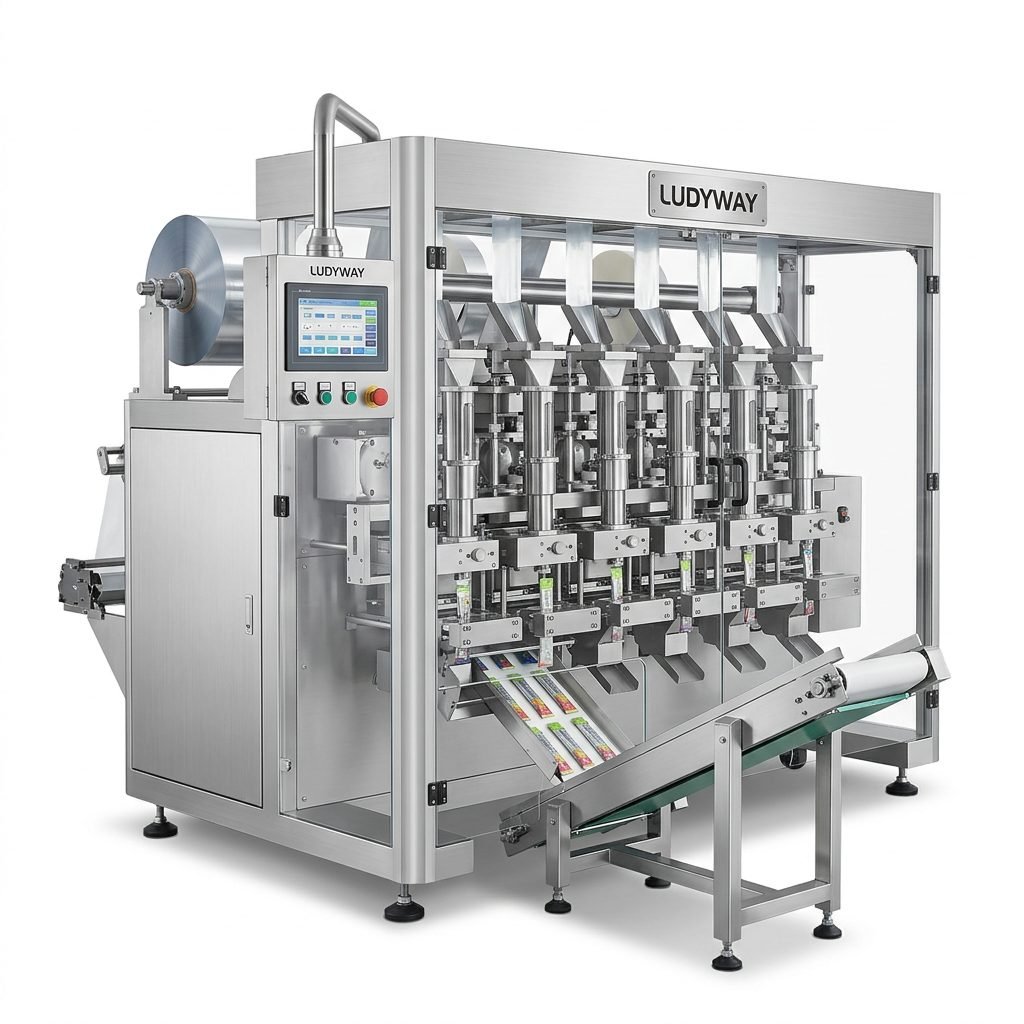
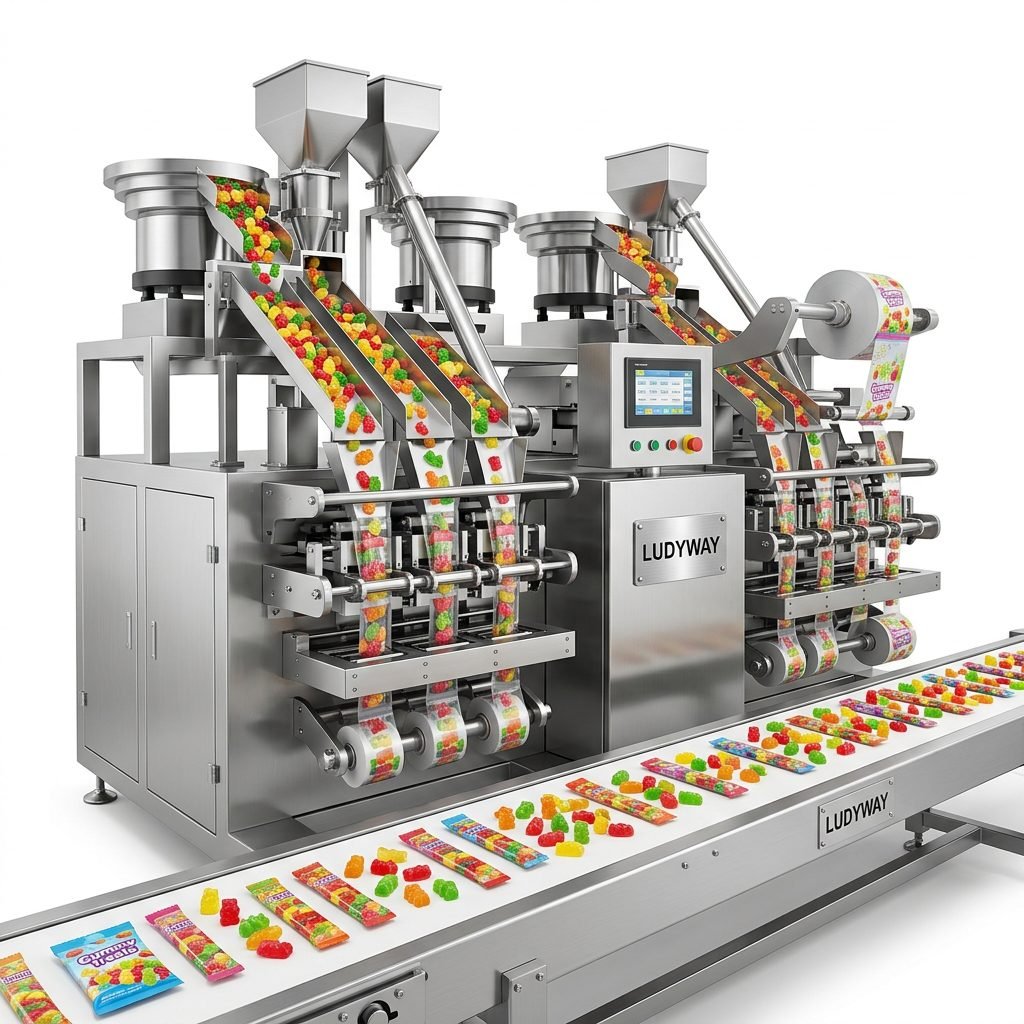
Investing in a packaging machine for your production line in Cuba requires careful analysis of local market conditions, product specifications, and long-term operational goals. Cuba’s unique economic landscape—shaped by import restrictions, evolving industrial policies, and a growing emphasis on self-sufficiency—means that selecting the right equipment is not simply about comparing technical specifications. It demands a strategic approach that balances performance, durability, and after-sales accessibility.
Understanding Cuba’s Industrial Packaging Landscape
Cuba’s manufacturing sector has undergone significant transformation in recent years. The government has actively encouraged foreign investment and domestic production capacity building, particularly in food processing, pharmaceuticals, and consumer goods. For businesses operating in or exporting to Cuba, packaging machinery must comply with local regulations while remaining adaptable to infrastructure constraints such as intermittent power supply and limited access to specialized technical support. Selecting equipment that is energy-efficient and mechanically robust becomes a critical success factor.
Step One: Define Your Product Characteristics
Before evaluating any packaging equipment, you must thoroughly document your product’s physical properties. This foundational step prevents costly mismatches between your product and the machine’s capabilities.
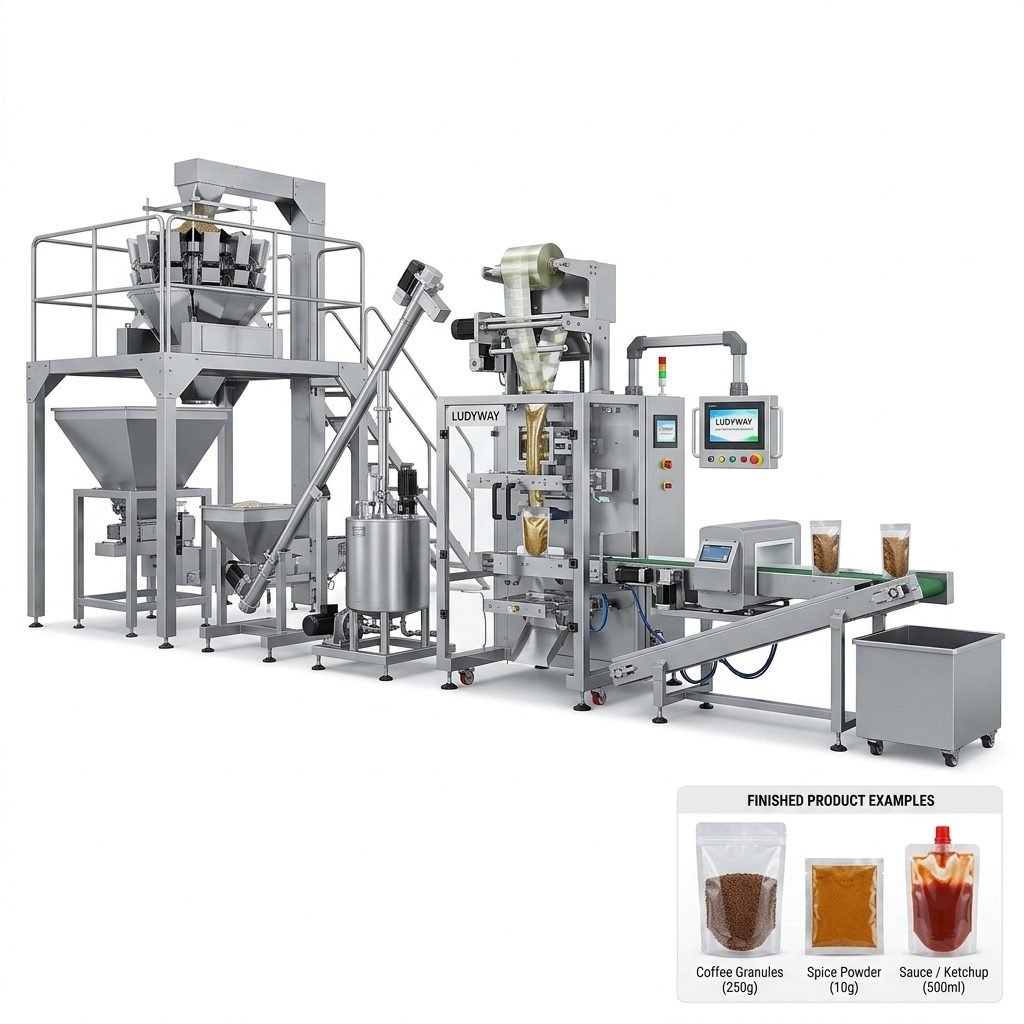
- Physical form: Is your product a granule, powder, liquid, paste, or solid? Each form requires a fundamentally different filling mechanism. A granule packaging machine uses volumetric or weighing filling, while liquid products need piston or pump-based systems.
- Flow characteristics: Free-flowing granules behave very differently from cohesive powders. Products like sugar or salt flow easily, whereas protein powders or spices may bridge and clog. Understanding flowability helps determine hopper design and agitation requirements.
- Hygroscopicity and sensitivity: Products that absorb moisture—common in Cuba’s humid climate—may require nitrogen flushing or desiccant integration within the sachet packaging machine to extend shelf life.
- Particle size distribution: Inconsistent particle sizes can lead to inaccurate fills and seal contamination. Specify acceptable size ranges to your equipment supplier.
Step Two: Determine Your Packaging Format
The packaging format you choose directly impacts consumer convenience, shelf presence, and production efficiency. In Cuba’s retail environment, where imported packaged goods compete alongside local products, packaging format can be a significant differentiator.
Stick Pack Format
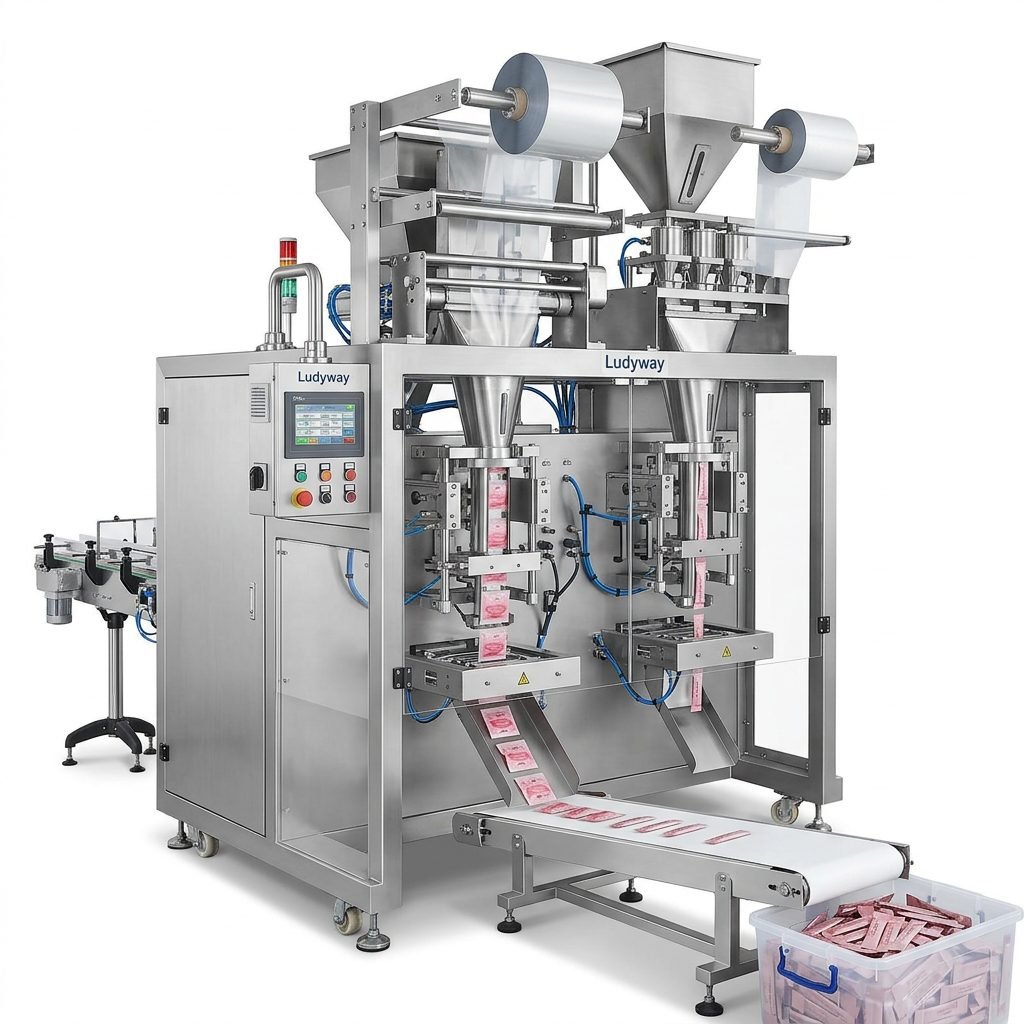
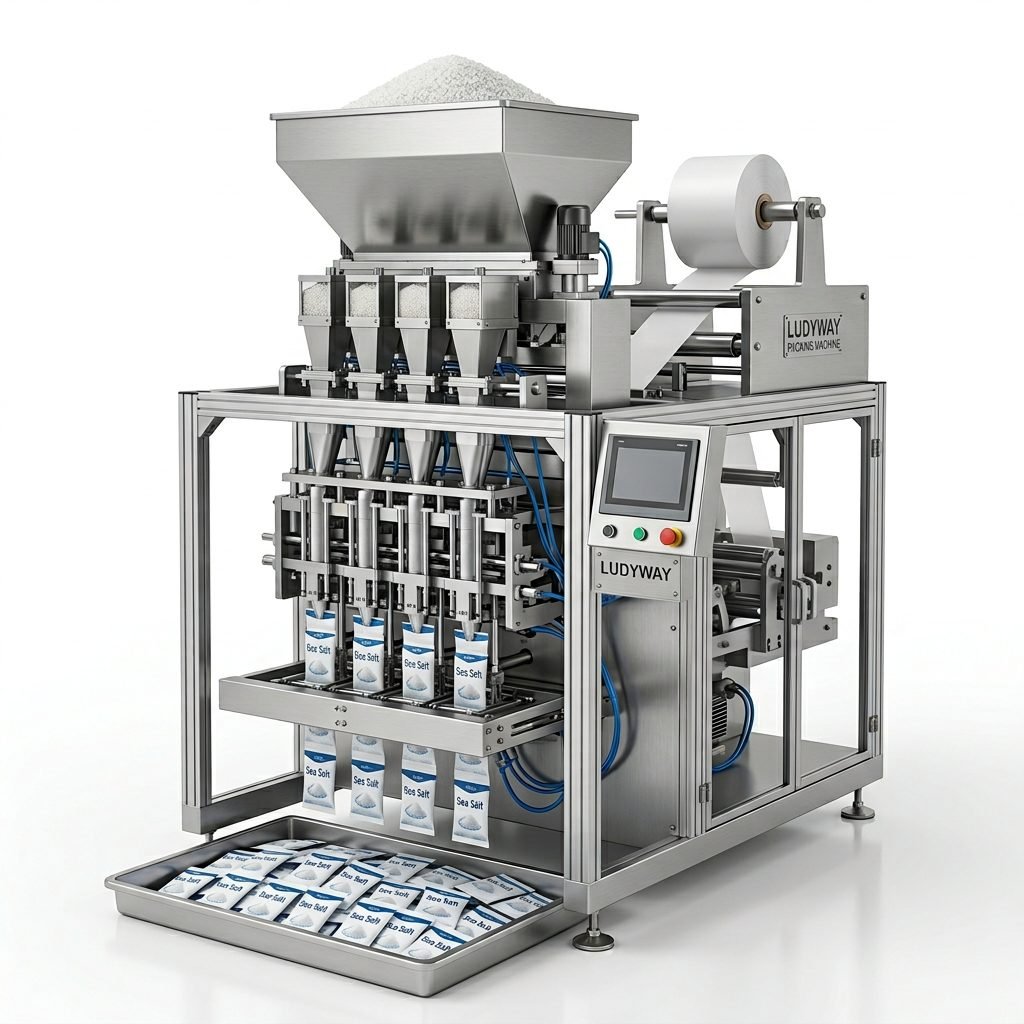
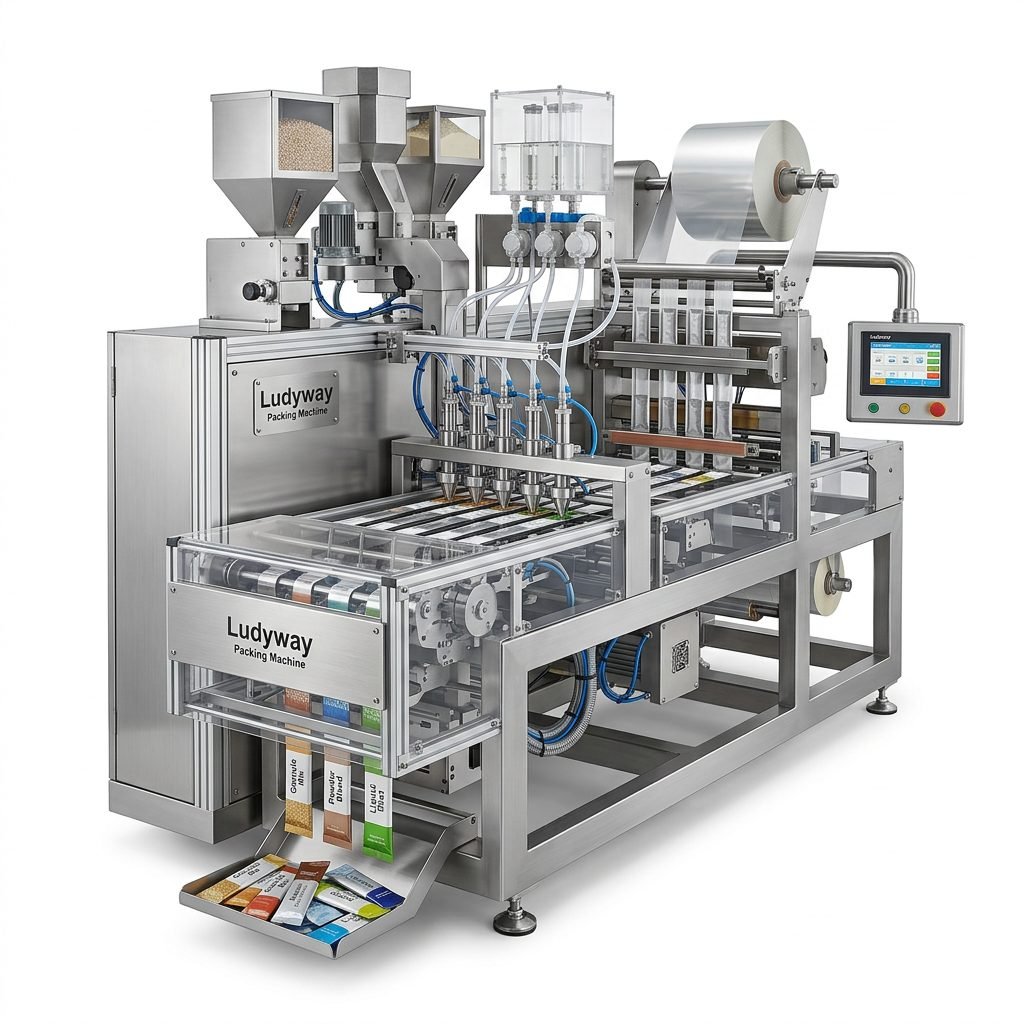
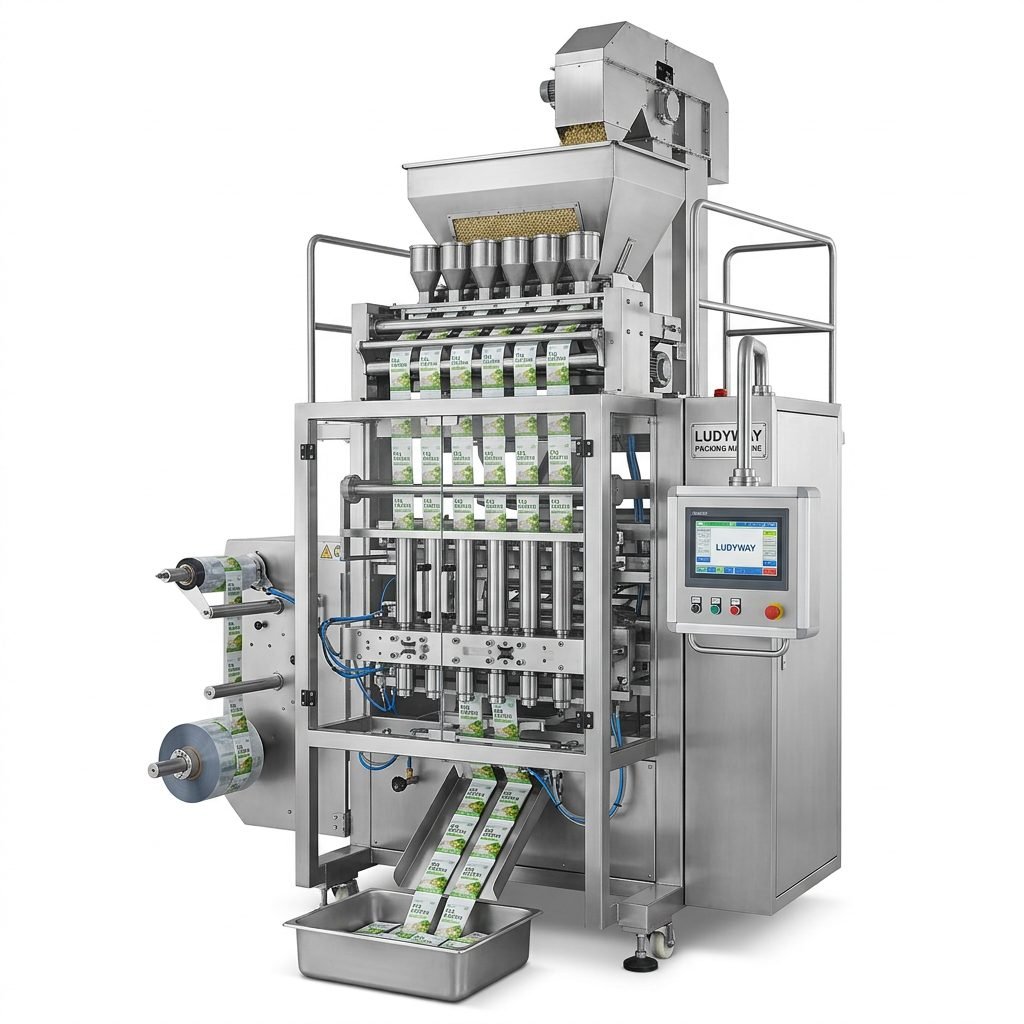
Stick packs are narrow, elongated sachets ideal for single-serving powders, granules, and liquids. They offer excellent portability and are widely used for instant coffee, sugar, energy drinks, and nutritional supplements. A multi-lane stick pack machine can produce hundreds of packs per minute, making it suitable for high-volume production.
Sachet and Pouch Packaging
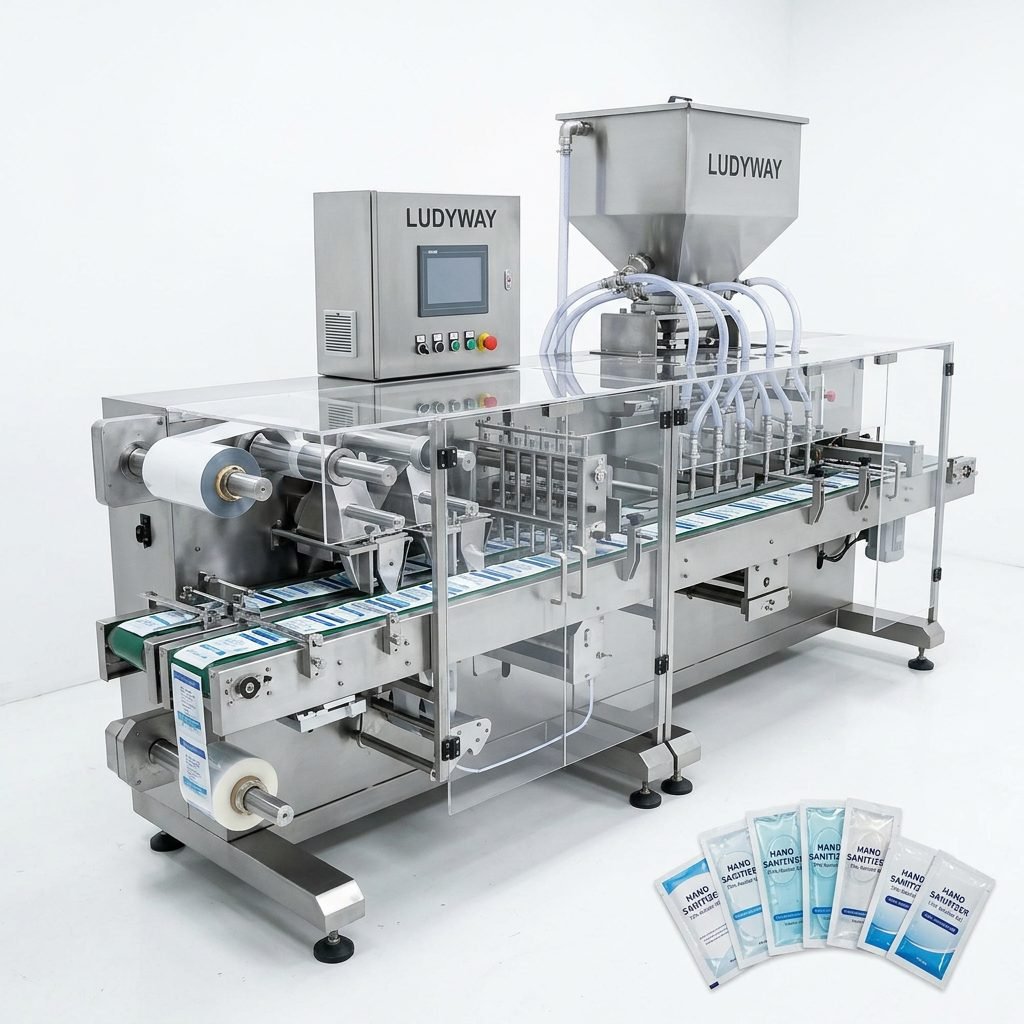
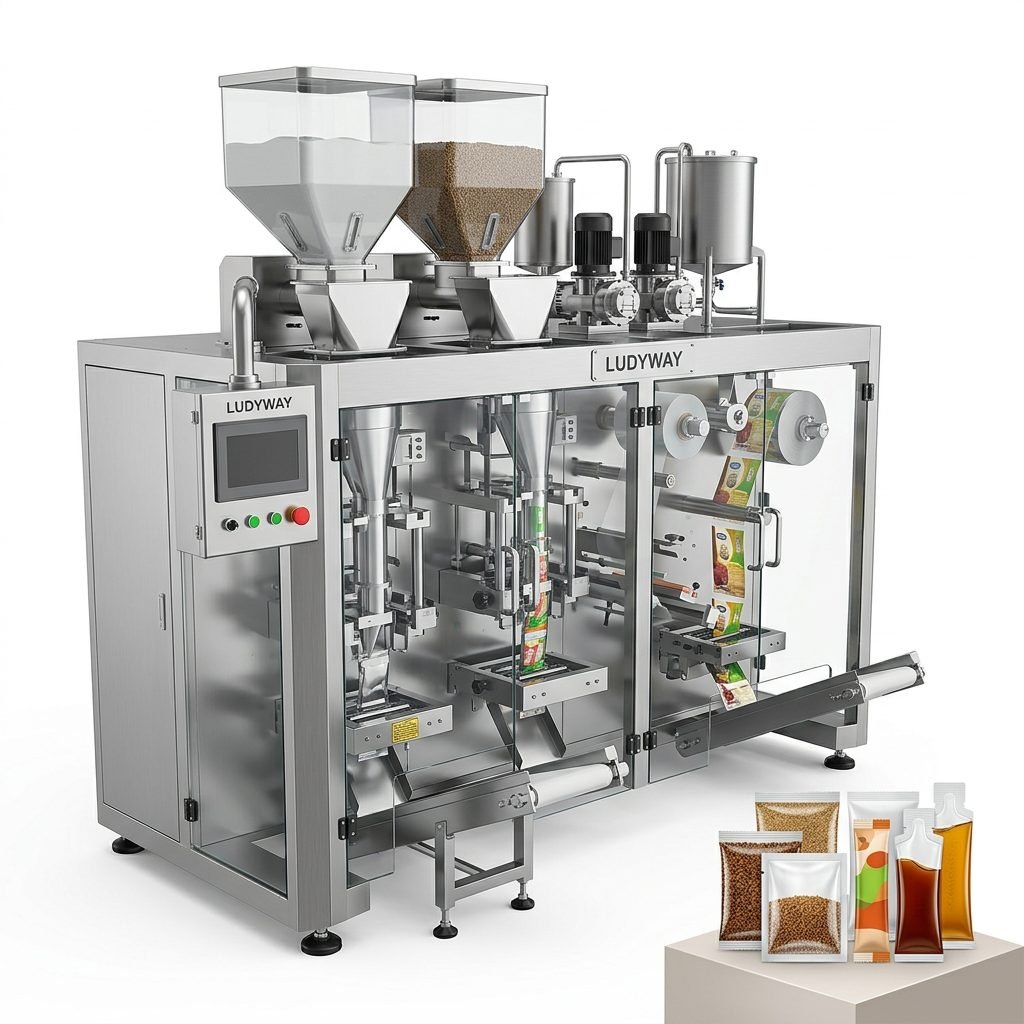
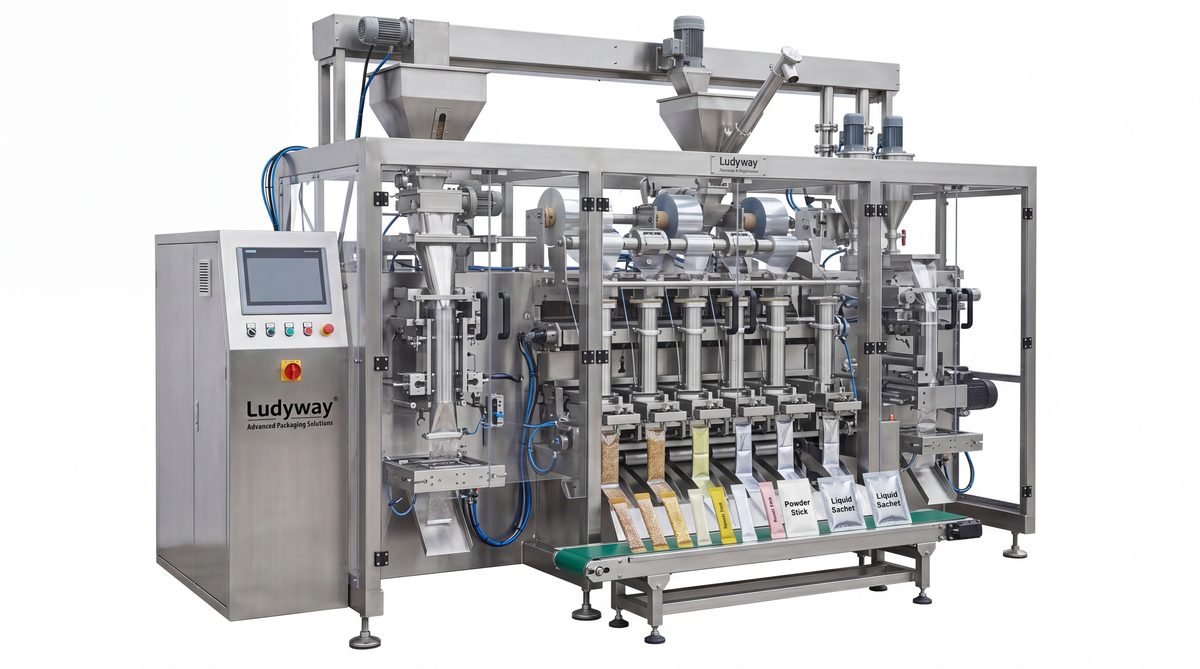
Flat sachets or stand-up pouches provide more surface area for branding and are common for larger portion sizes. They accommodate a wide range of products, from shampoo and condiments to pharmaceutical powders. Multi-lane sachet machines can simultaneously fill multiple lanes, dramatically increasing output.
Bottle and Jar Filling
For liquid products such as beverages, sauces, or pharmaceutical syrups, automated bottling lines with integrated capping and labeling stations are essential. These systems require precise filling nozzles and contamination controls, especially for food-grade and pharmaceutical applications.
Step Three: Evaluate Machine Specifications Against Cuban Conditions
Cuba’s infrastructure presents unique challenges that must influence your equipment selection. Below is a comparative overview of key specifications to prioritize when sourcing machinery for Cuban operations.
| Specification | Why It Matters in Cuba | Recommended Target |
|---|---|---|
| Power Requirements | Voltage fluctuations and intermittent supply are common; equipment must tolerate instability | 220V/380V dual compatibility with voltage stabilizer integration |
| Spare Parts Availability | Import lead times can be lengthy; critical components must be locally accessible or easily shipped | Supplier with global logistics network and comprehensive spare parts catalog |
| Ease of Maintenance | Access to specialized technicians may be limited; operators need intuitive maintenance procedures | Modular design with tool-free access to common wear parts |
| Material Compatibility | High humidity and salt air in coastal regions accelerate corrosion | Stainless steel (SS304 or SS316) for all product-contact parts |
| Automation Level | Labor costs may be lower, but skilled machine operators can be scarce | Semi-automated with intuitive PLC touchscreen controls |
| Production Speed | Balance between output targets and sustainable operation; over-speeding causes breakdowns | Rated speed with 20-30% headroom above current needs |
Step Four: Assess Supplier Reliability and Support
Given Cuba’s geographical location and trade dynamics, your equipment supplier’s ability to provide ongoing support is paramount. Evaluate potential suppliers across these dimensions:
- Installation and commissioning: Does the supplier offer remote or on-site installation support? Video-guided installation and real-time remote troubleshooting via WhatsApp or video call can significantly reduce downtime in locations where in-person visits are challenging.
- Training programs: Comprehensive operator training—whether through detailed manuals, video tutorials, or on-site sessions—ensures that your team can independently manage day-to-day operations and basic troubleshooting.
- Documentation quality: Detailed electrical schematics, mechanical assembly drawings, and spare parts catalogs are essential. These documents should be available in English and Spanish to support local technicians.
- Warranty and post-warranty service: Clarify warranty terms, including which components are covered and for how long. Understand the process for ordering replacement parts after the warranty period.
Step Five: Regulatory Compliance and Certifications
Packaging machinery destined for food or pharmaceutical production in Cuba must meet relevant international standards. While Cuba has its own regulatory framework, many requirements align with international norms. Key certifications to look for include:
- CE marking – Indicates conformity with European health, safety, and environmental standards, widely recognized in international trade.
- ISO 9001 – Quality management system certification that demonstrates the manufacturer’s commitment to consistent quality.
- FDA compliance – Relevant for food-contact materials and pharmaceutical packaging; reference FDA food packaging guidelines for specific requirements.
- GMP compatibility – Good Manufacturing Practice requirements for pharmaceutical and nutraceutical packaging environments.
For deeper insight into packaging standards, the PMMI packaging industry association provides extensive resources on machinery standards and market intelligence. Additionally, ISO packaging standards offer internationally recognized guidelines for equipment design and performance.
Step Six: Total Cost of Ownership Analysis
The purchase price of a packaging machine represents only a fraction of its total lifetime cost. In the Cuban context, where logistics and maintenance access can be constrained, a thorough total cost of ownership (TCO) analysis is essential. Consider these factors:
- Freight and customs: Shipping to Cuban ports involves specific documentation and logistics partners. Clarify whether the supplier can arrange door-to-door delivery or if you need to manage freight independently.
- Energy consumption: Machines with variable frequency drives (VFDs) and energy-efficient motors reduce operational costs over time, which is especially relevant given Cuba’s electricity pricing and availability.
- Consumables: Packaging film, sealing components, lubricants, and filters all contribute to ongoing expenses. Ensure that these consumables are compatible with locally available supply chains or can be reliably imported.
- Downtime costs: Every hour of unplanned downtime translates to lost production. Investing in a machine with higher reliability and better support infrastructure often pays for itself through reduced disruption.
Packaging Machine Type Selection Matrix
Use the following table to match your product type with the most suitable packaging machinery category. This matrix simplifies the initial screening process.
| Product Category | Recommended Machine Type | Typical Output Range | Best For |
|---|---|---|---|
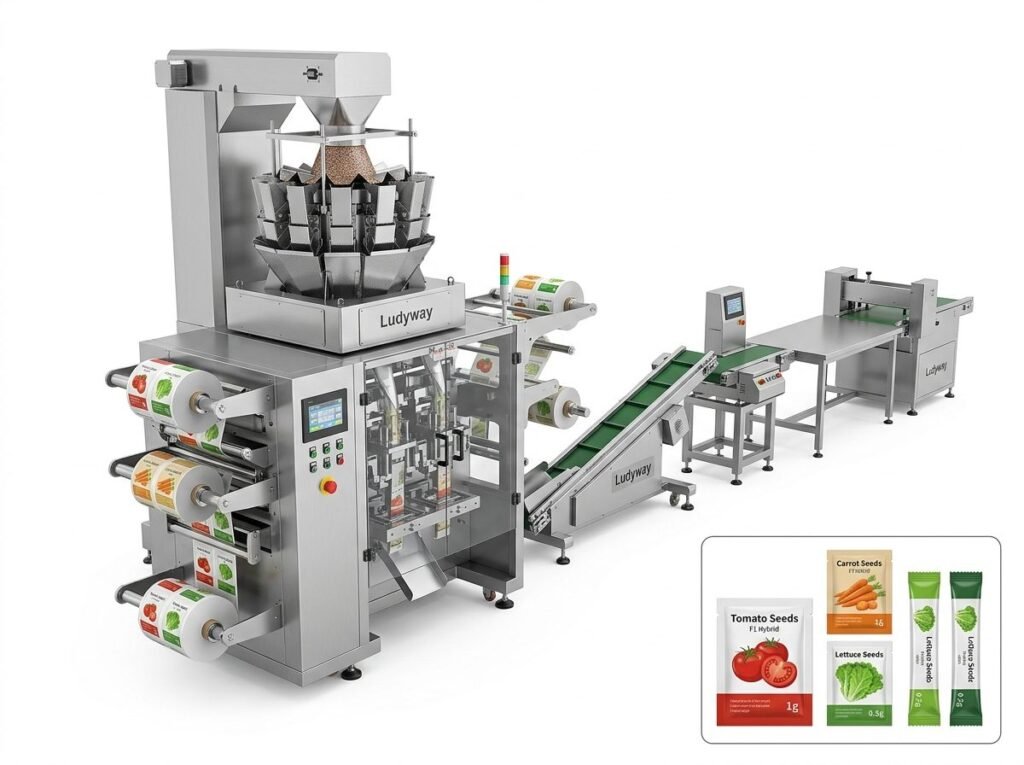
| Granules (sugar, coffee, seeds) | Multi-Lane Stick Pack Machine | 200-600 packs/min | High-volume single-serve packaging |
| Powders (protein, spices, flour) | Vertical Form Fill Seal (VFFS) Sachet Machine | 150-400 packs/min | Fine powder packaging with dust control |
| Liquids (beverages, sauces, oils) | Liquid Sachet Filling Machine | 100-300 packs/min | Precision liquid dosing with anti-drip systems |
| Pharmaceutical tablets/capsules | Blister Packaging Machine | 50-200 blisters/min | GMP-compliant pharmaceutical packaging |
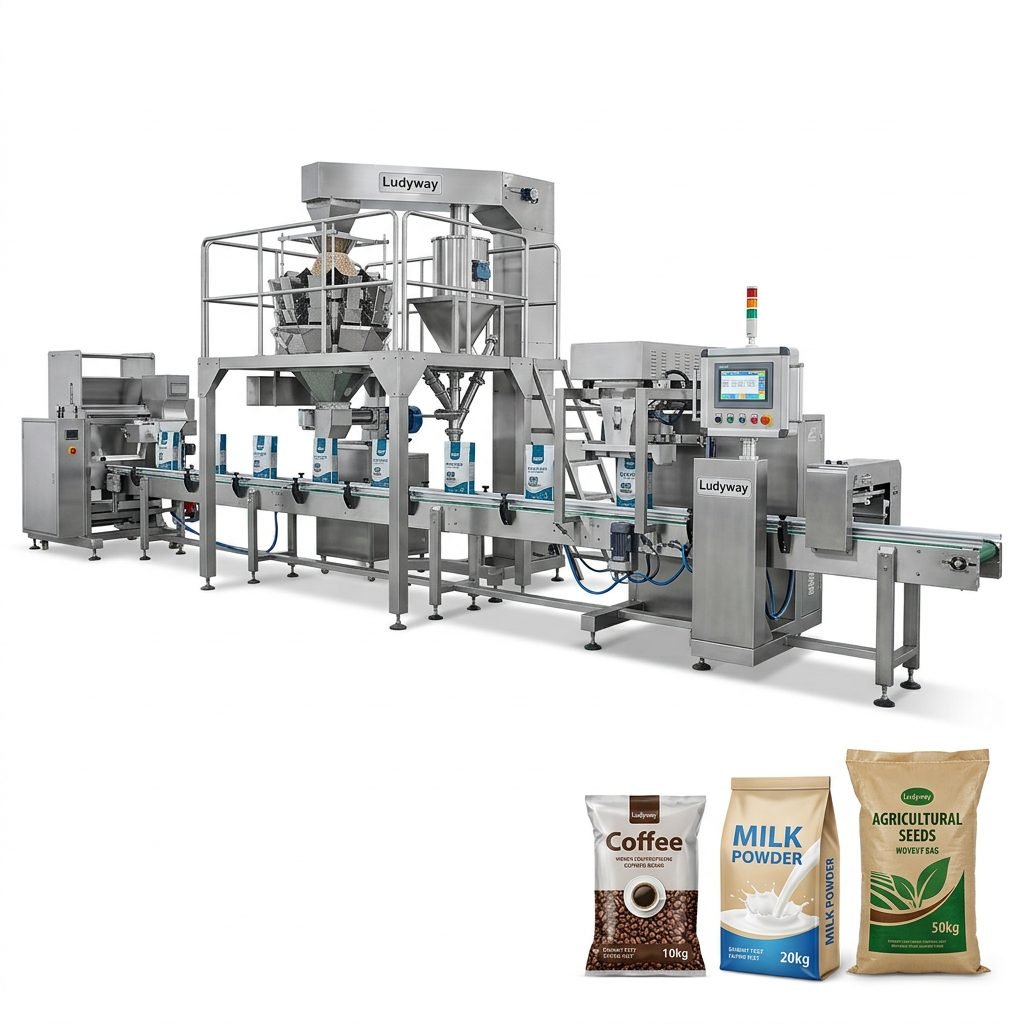
| Bulk solids (fertilizer, pet food) | Premade Pouch/Bag Filling Line | 10-60 bags/min | Heavy-duty industrial bagging |
Common Pitfalls to Avoid
Drawing on decades of packaging industry experience, here are several mistakes that businesses frequently make when purchasing their first packaging machine for Cuban operations:
- Prioritizing price over support: A lower upfront price often comes at the expense of documentation quality, spare parts availability, and technical support. In Cuba’s operating environment, reliable support frequently outweighs initial savings.
- Ignoring film compatibility: Not all packaging machines work seamlessly with every type of packaging film. Verify that the machine can handle the specific film materials and thicknesses you plan to source, considering that film supply chains to Cuba may be constrained.
- Overlooking facility requirements: Confirm that your facility has adequate power supply, compressed air capacity, and floor space before the machine arrives. Retrofitting infrastructure after delivery causes significant delays.
- Underestimating training needs: Even intuitive machines require proper operator training. Budget time and resources for comprehensive onboarding to achieve target production efficiency quickly.
Leveraging Turnkey Packaging Solutions
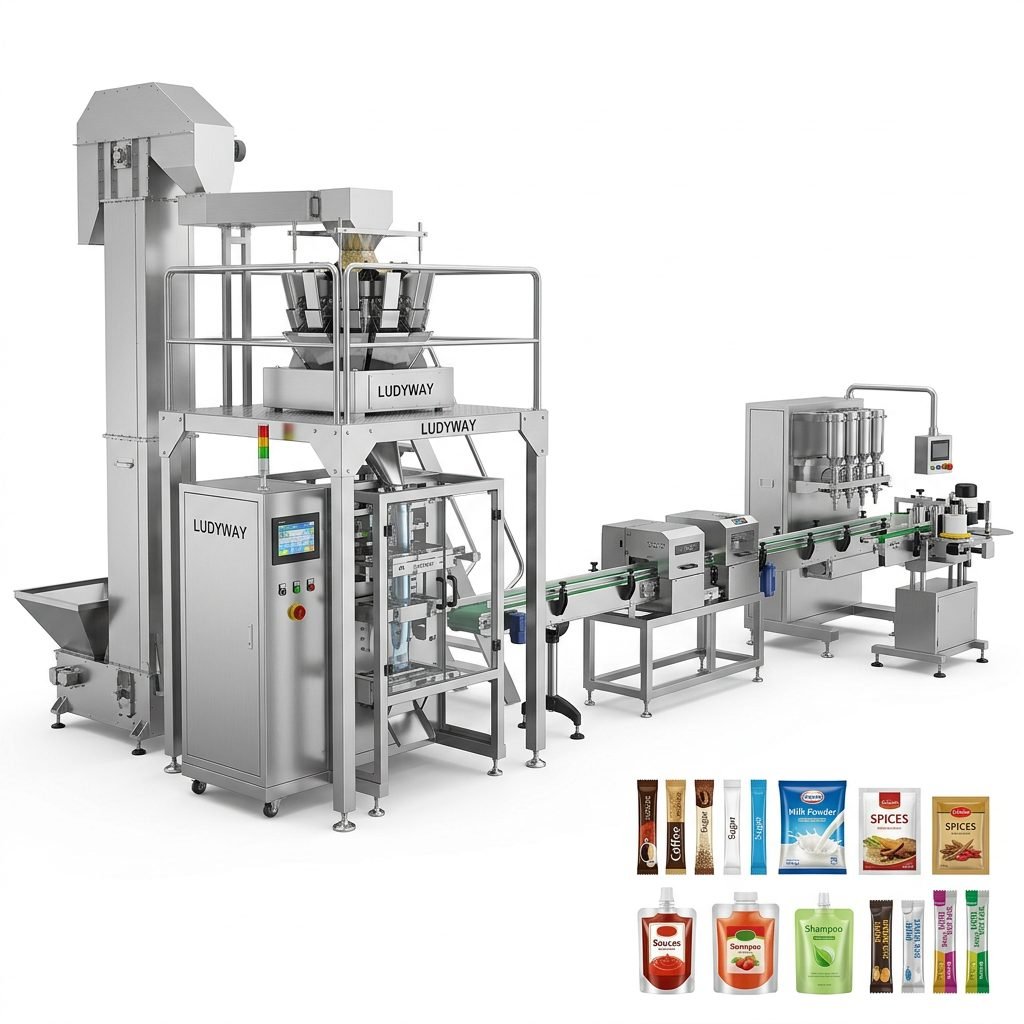
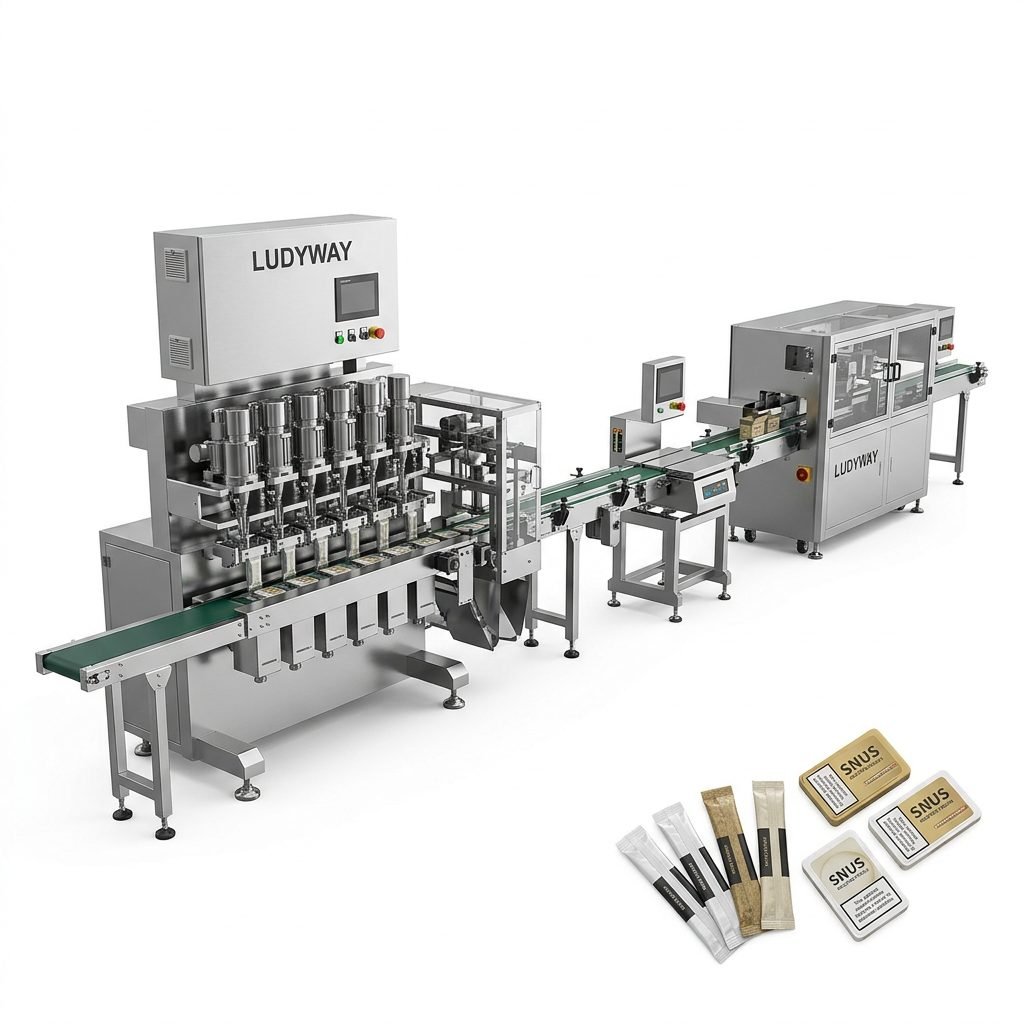
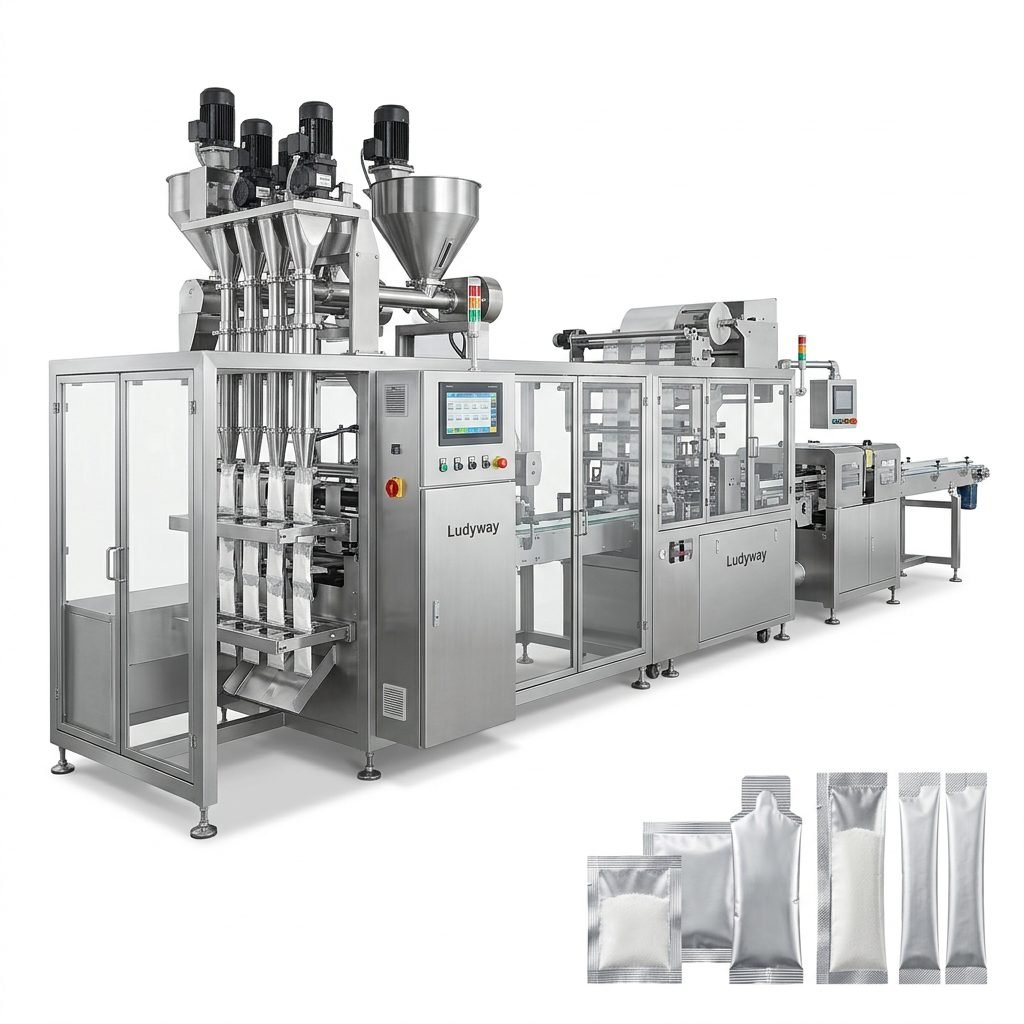
For many Cuban enterprises, working with a supplier that offers turnkey packaging solutions can simplify the procurement and commissioning process. Rather than coordinating multiple vendors for filling machines, conveyors, cartoners, and inspection systems—all while navigating import logistics—businesses can partner with a single provider who delivers an integrated production line. This approach reduces compatibility risks, streamlines communication, and often accelerates installation timelines. Companies such as Ludyway, one of the largest packaging machine manufacturers in China, specialize in turnkey production solutions spanning granular, powder, liquid, and pouch packaging applications, backed by over 30 years of industry experience and a global footprint that includes more than 50 intelligent machine models.
Key Takeaways for Cuban Buyers
Selecting the right packaging machine for Cuba requires balancing technical performance with practical considerations unique to the local context. Prioritize equipment that is energy-efficient, mechanically durable, and backed by a supplier with a proven international service network. Document your product specifications thoroughly, evaluate total cost of ownership rather than just purchase price, and invest in operator training to maximize long-term productivity. For further reference, explore industry resources from the Flexible Packaging Association or review the latest State of the Industry reports from PMMI to stay informed on packaging trends and technology developments.