Ensuring the longevity and efficiency of your Pani ki bottle packing machine is critical for maintaining a profitable production line. Whether you are filling 200ml water bottles or 20-liter canisters, a structured maintenance program drastically reduces unexpected breakdowns. As a leading global packaging machine manufacturer, the industry consistently emphasizes that proactive care is more cost-effective than reactive repairs. This guide outlines essential maintenance tips to keep your liquid packaging operations running smoothly.
Regular maintenance not only extends the lifespan of your equipment but also guarantees the hygiene standards required for water packaging. Let’s explore the critical steps for optimal machine performance.
Understanding Your Water Bottle Packing Machine Components
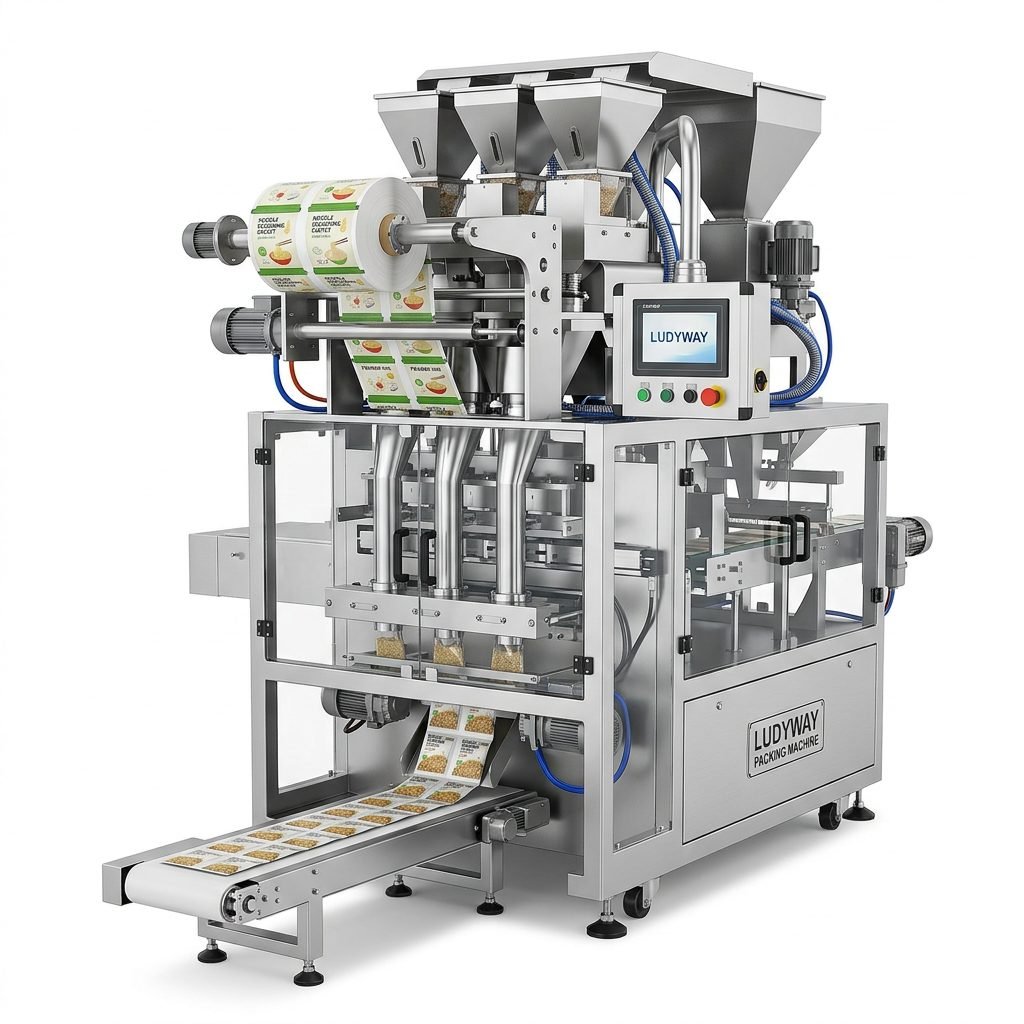
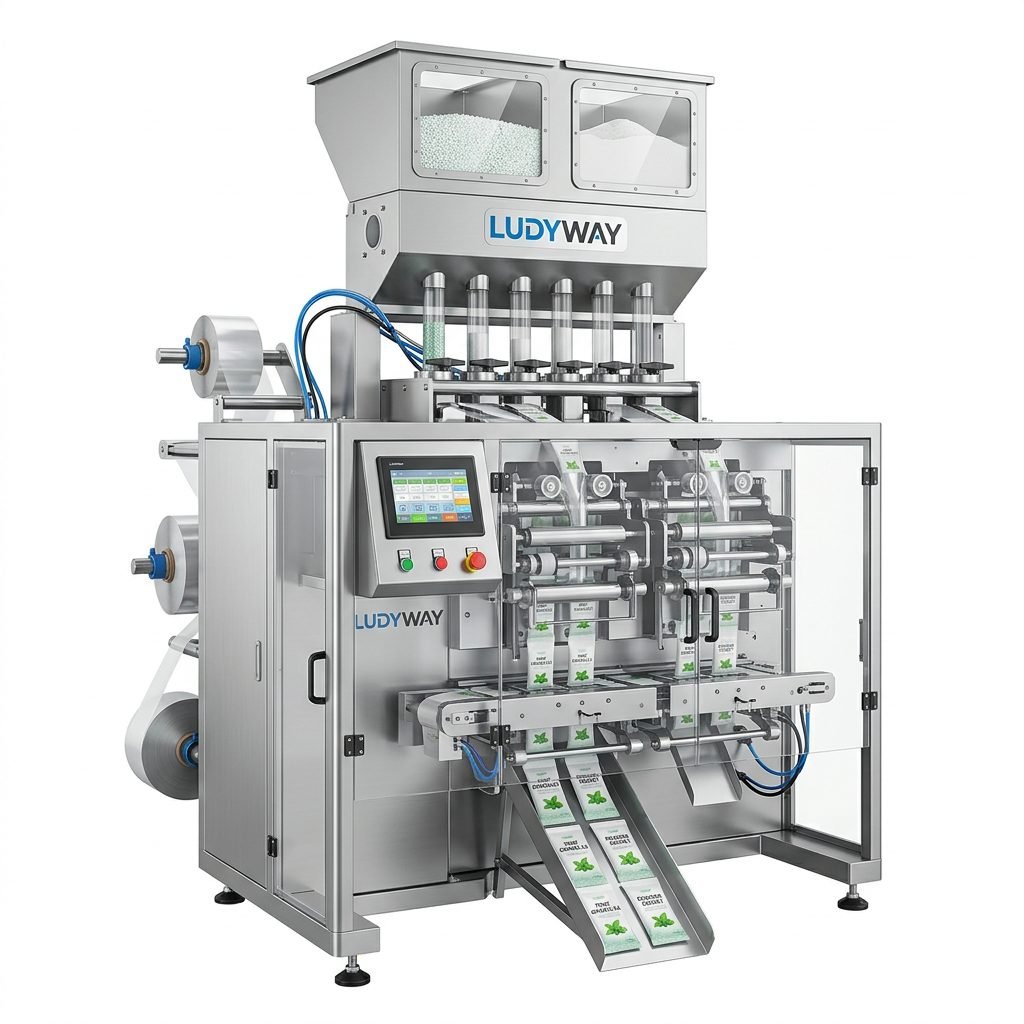
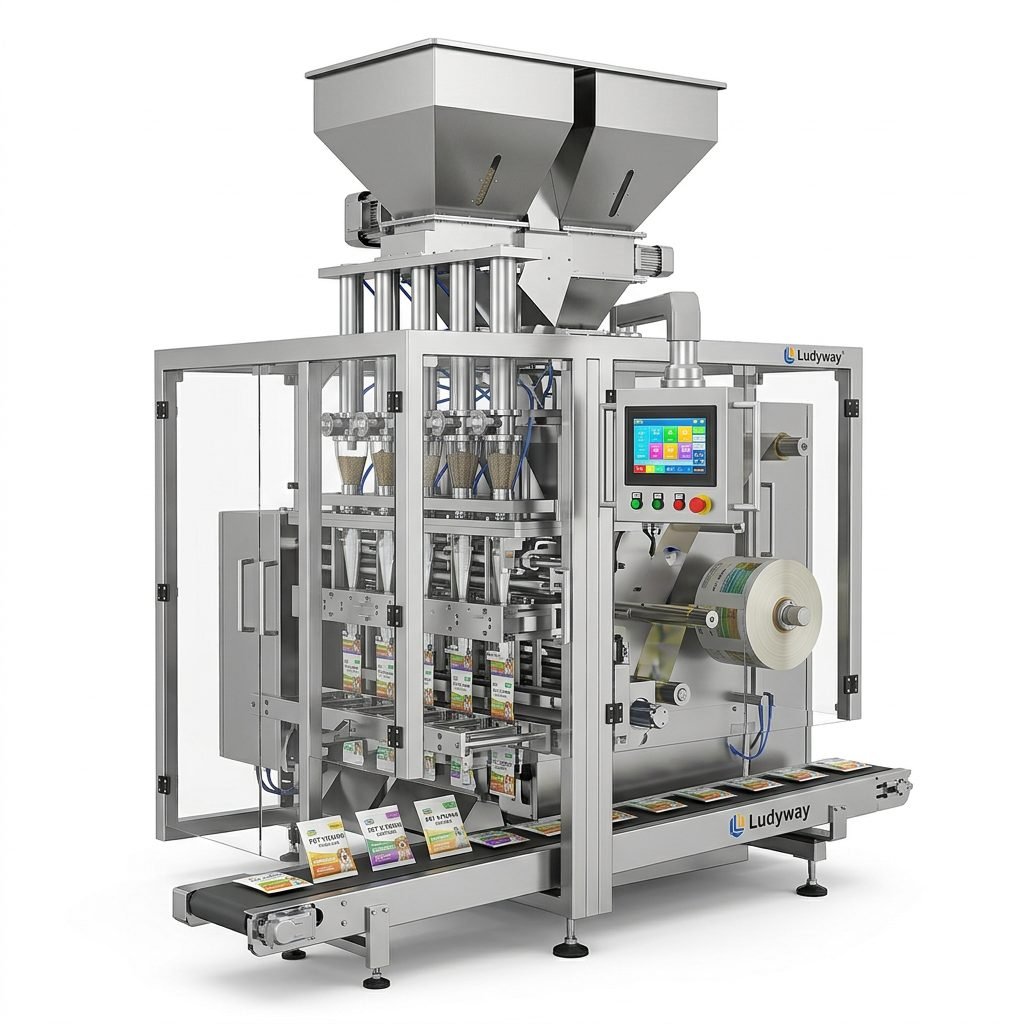
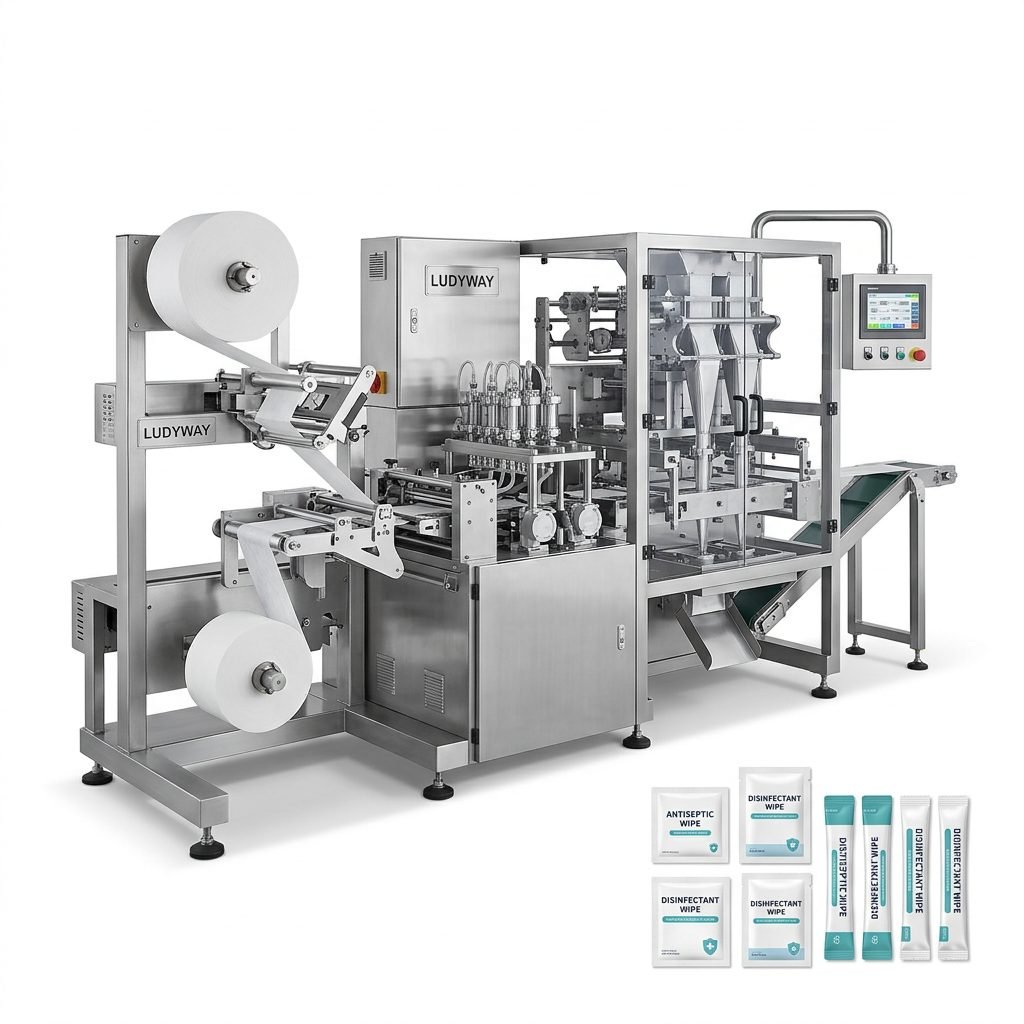
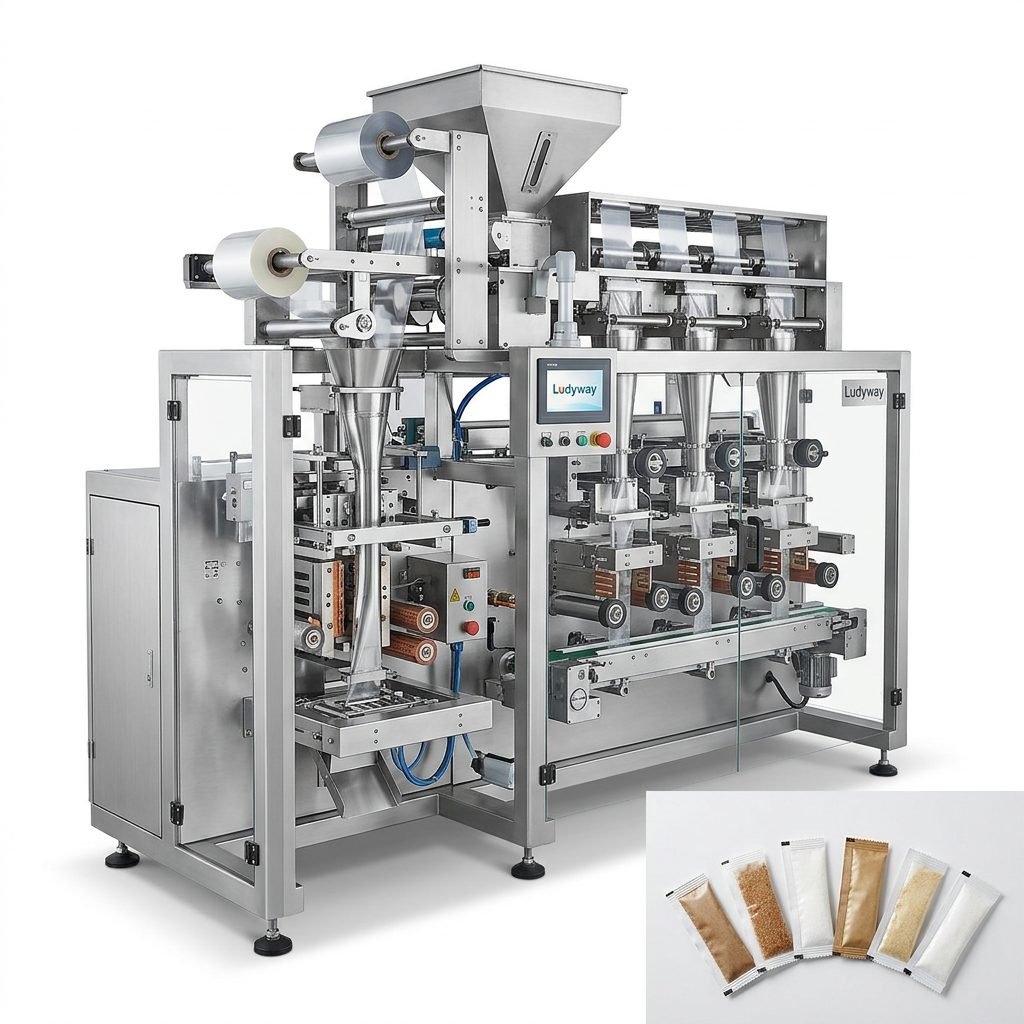
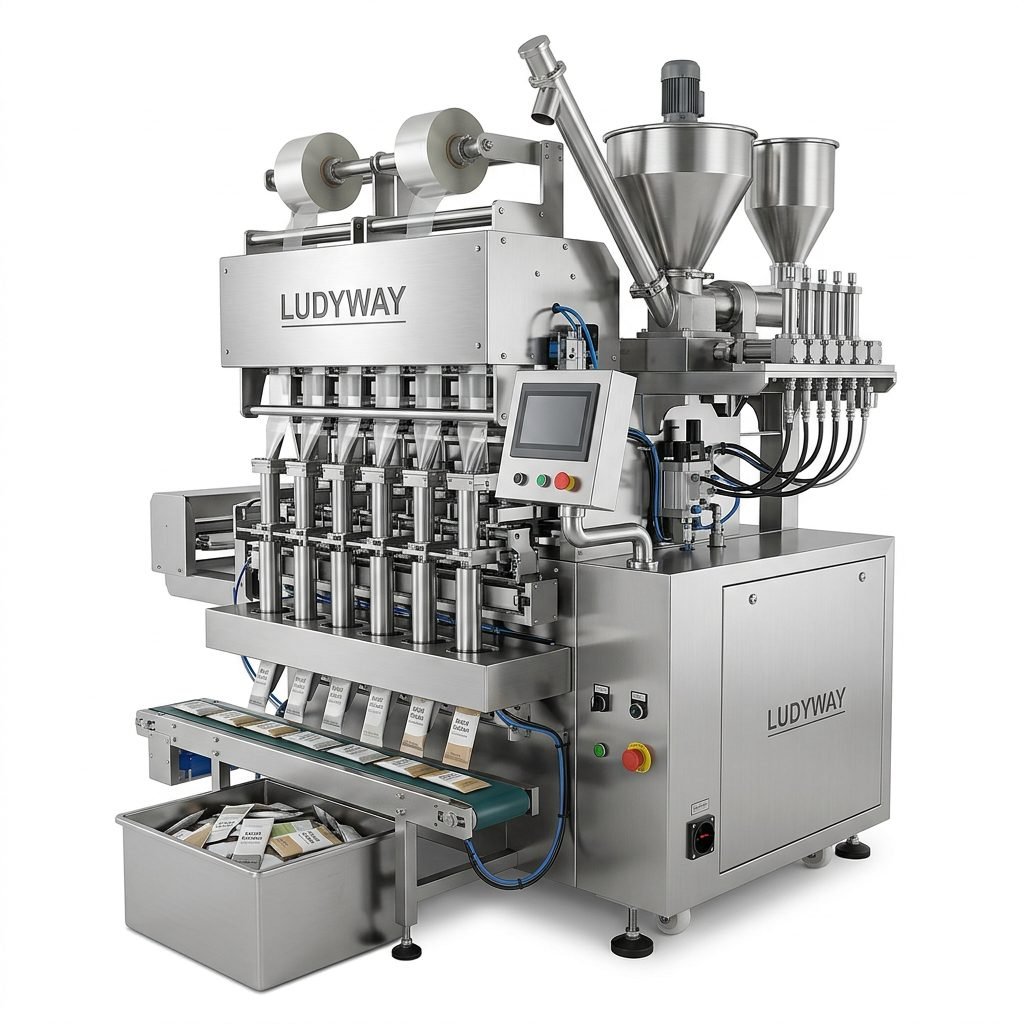
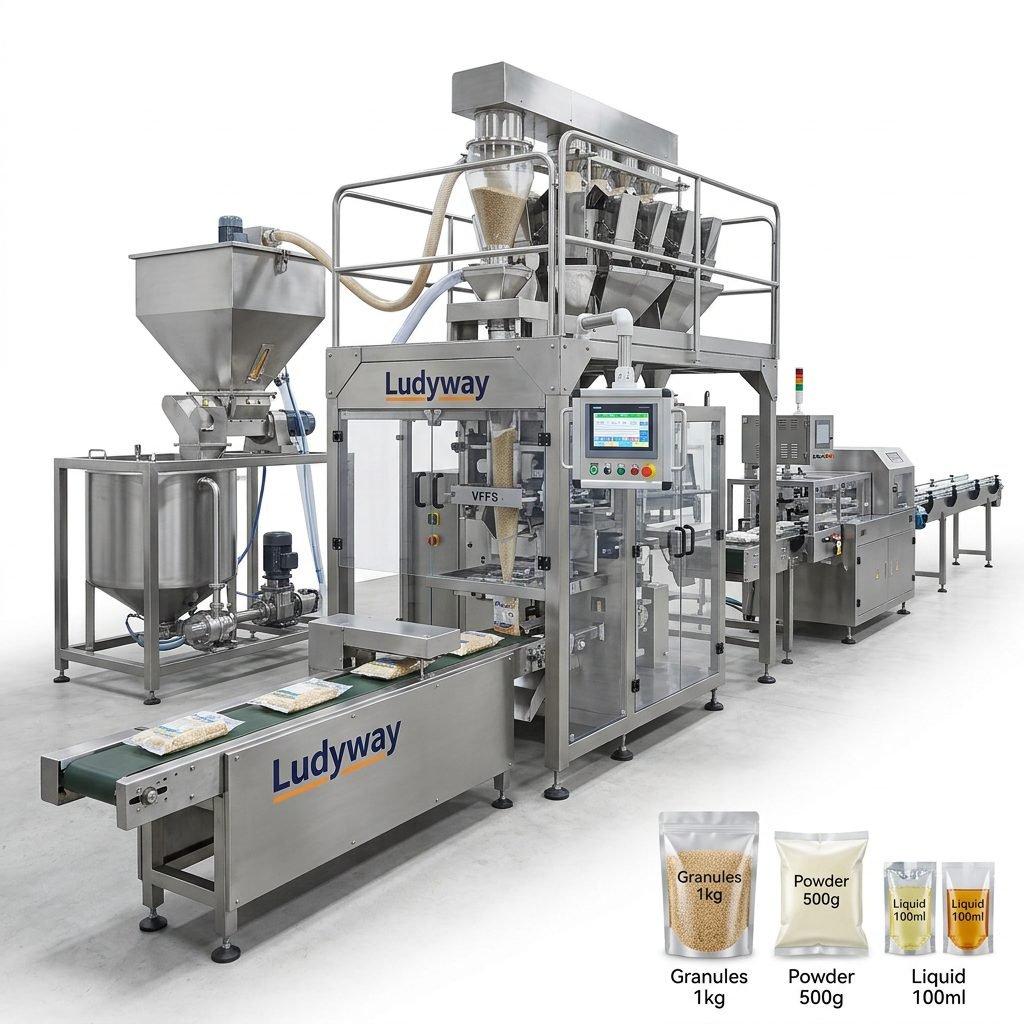
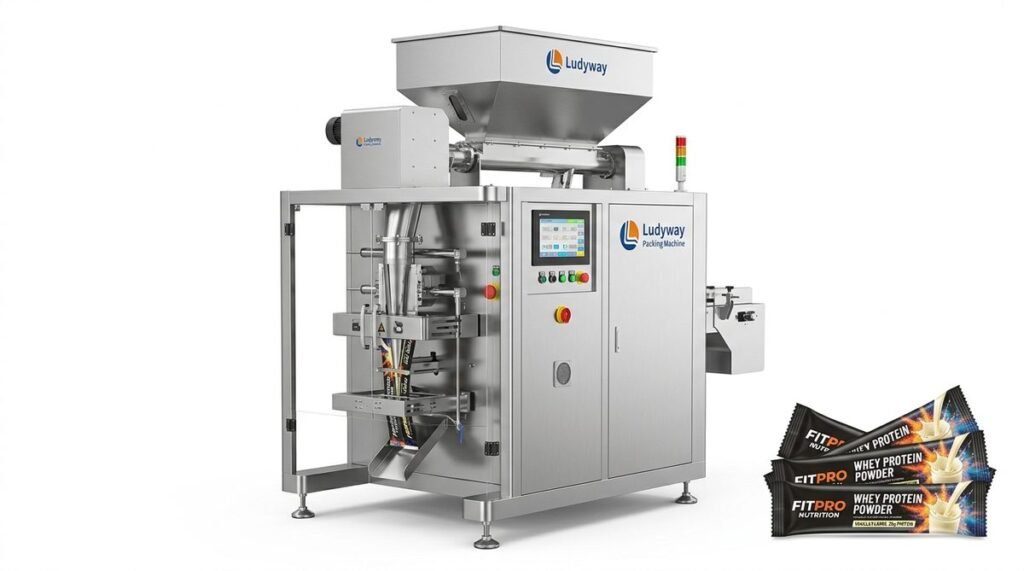
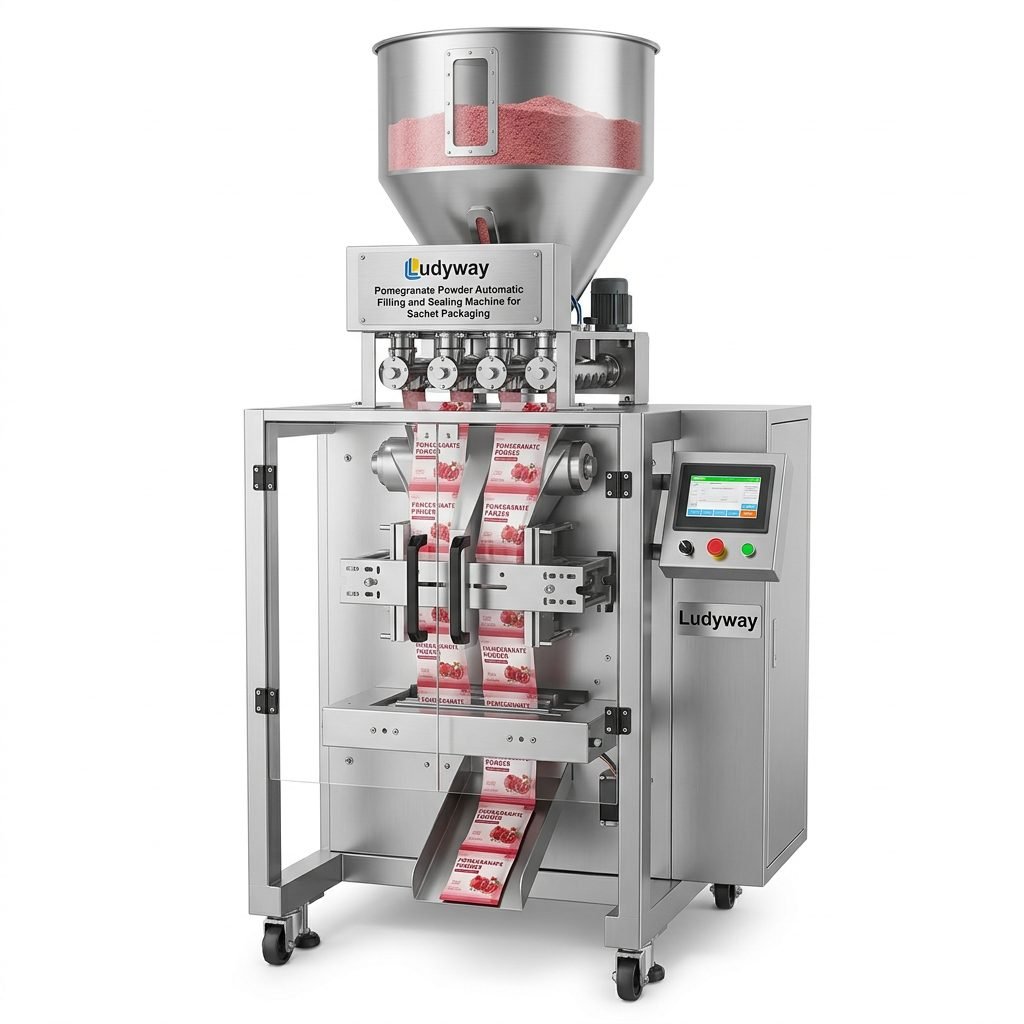
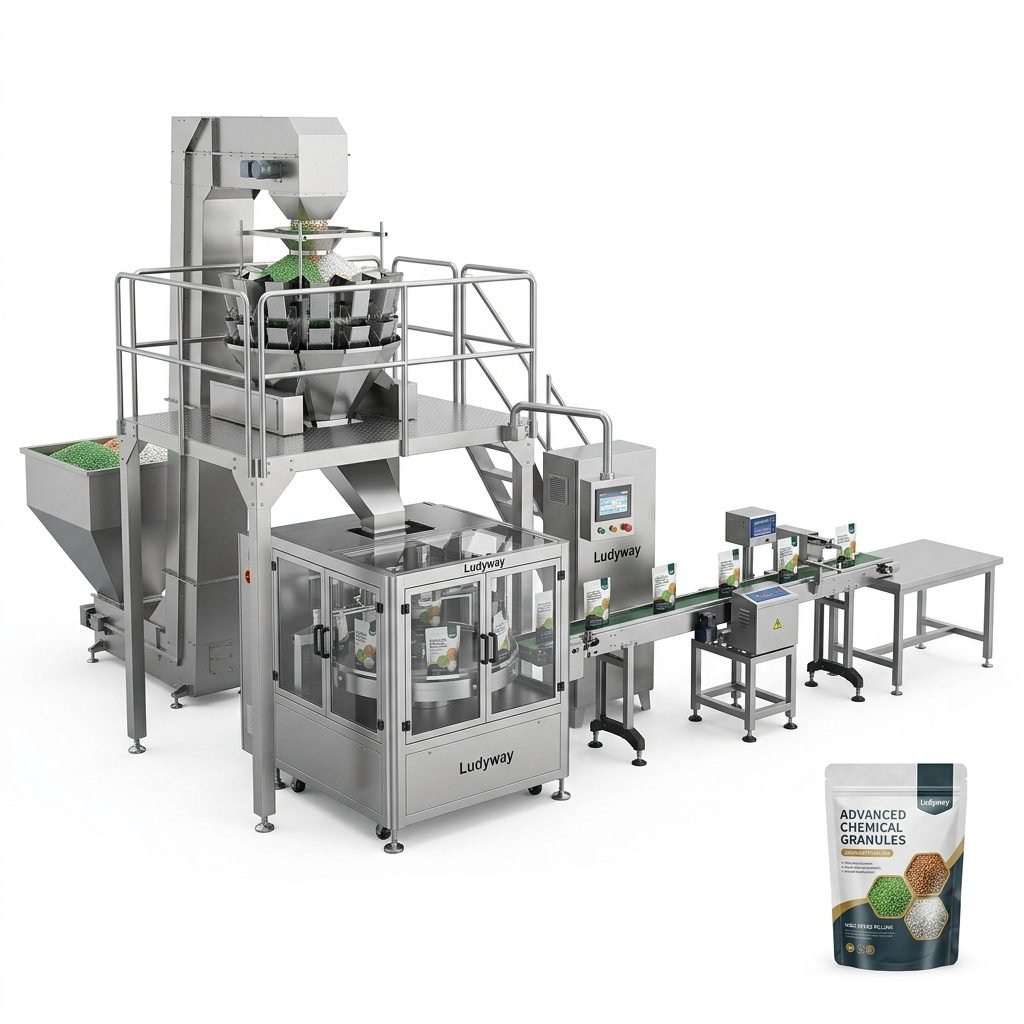
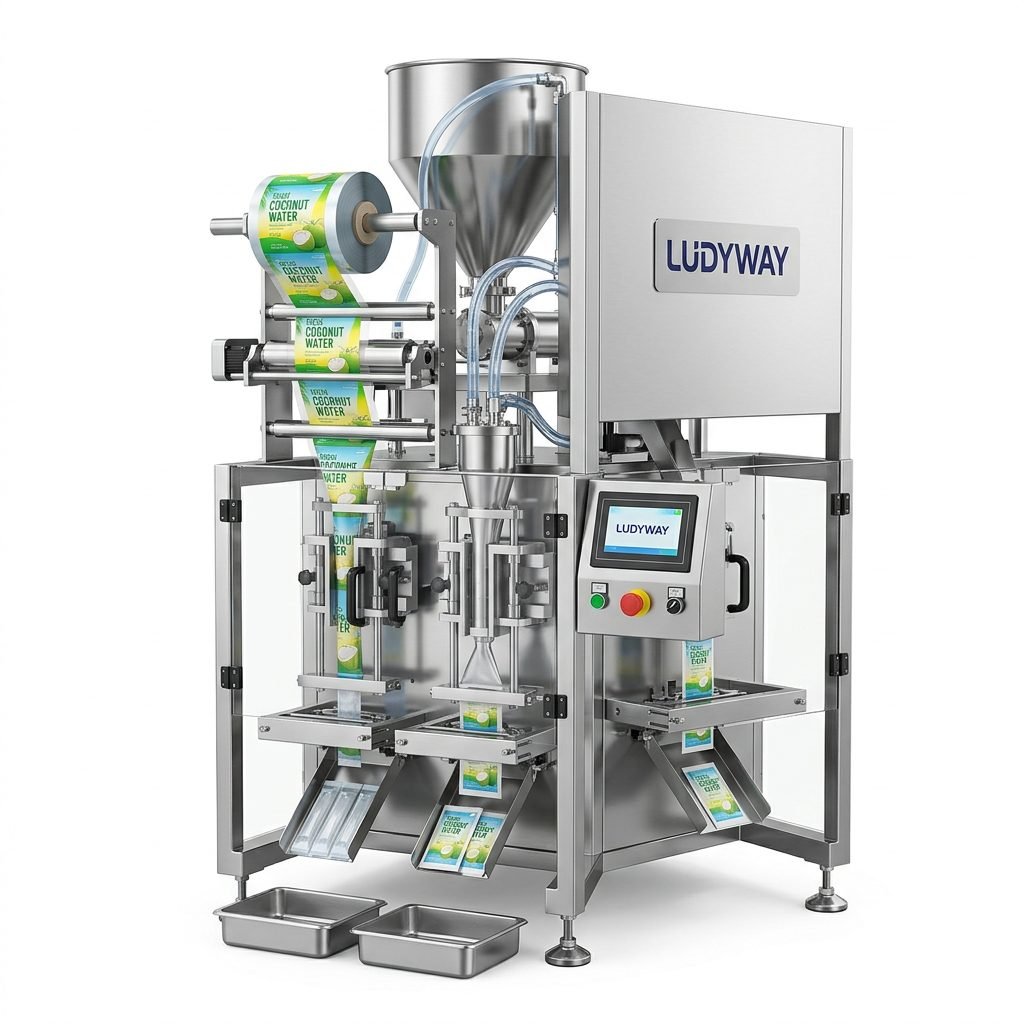
Before diving into maintenance protocols, identify the core modules of your specific model. Most automatic packing machines for water bottles consist of a conveyor system, filling nozzles, film unwinding units, sealing jaws, and cutting blades. Understanding how these components interact is essential for effective troubleshooting and preventive care.
Daily Maintenance Checklist for Liquid Fillers
A disciplined daily routine is your first line of defense against contamination and mechanical wear in a Pani ki bottle packing machine. Neglecting basic daily tasks can quickly lead to inconsistent fill volumes and damaged packaging film.
Cleaning the Filling Nozzles and Product Path
At the end of every shift, flush the filling nozzles and product lines with purified water or an approved cleaning solution. Residual mineral deposits can clog the nozzles, leading to inaccurate fill levels. Sanitation is paramount in bottled water production; ensure no cleaning chemicals contaminate the primary water source.
Inspecting the Sealing Jaws and Film Path
Remove any debris or plastic dust that has accumulated on the sealing jaws. Check the film path for tension and alignment. Improper tension leads to wrinkled or leaking packs. Visually inspect the heater elements for discoloration or damage.

Weekly Preventive Care for Packaging Systems
Weekly inspections allow you to catch early signs of mechanical failure before they escalate. These checks are vital for maintaining the high-speed output of your liquid sachet and bottle packing equipment.
Lubrication and Mechanical Movement
Lubricate the cam followers, linear guides, and conveyor chains. Always use food-grade lubricants as recommended by the machine manufacturer. Listen for unusual noises from the gearbox or motor that could indicate worn bearings.
Sensor and Electrical Systems Verification
Clean the photoelectric sensors with a lint-free cloth. Dust or water vapor on the sensor lens can cause false signals, stopping the machine mid-cycle. Check the electrical connections in the control cabinet for tightness, as vibration from the Pani ki bottle packing machine can loosen terminal screws over time.
Monthly and Quarterly Overhaul Tasks
Scheduling deeper maintenance windows, such as monthly or quarterly overhauls, is a hallmark of smart factory management. These tasks focus on replacing consumable parts and recalibrating critical instruments.
Replacing Wear Parts and Consumables
Proactively replace silicone gaskets, O-rings, and cutter blades. Do not wait for them to fail. The rubber rollers in the film feed system should be inspected for cracking and replaced if hardened to prevent film slippage.
Temperature Controller Calibration
Calibrate the PID temperature controllers for the sealing bars. If the temperature drifts outside the set range, it can burn the bottle film or produce weak seals. Verifying this ensures consistent packaging quality.
Essential Maintenance Schedule Table
| Frequency | Maintenance Task | Key Focus Area |
|---|---|---|
| Daily | Flush filling system & clean jaws | Product purity & seal integrity |
| Weekly | Lubricate chains & clean sensors | Mechanical wear & signal accuracy |
| Monthly | Replace O-rings & film rollers | Leak prevention & film handling |
| Quarterly | Calibrate temperature & tension | Seal quality & power efficiency |
| Annually | Full gearbox oil change & overhaul | Long-term reliability |
Troubleshooting Common Issues in Water Packing
Even with strict maintenance, issues can arise. Knowing how to diagnose them quickly ensures minimal downtime for your Pani ki bottle packing machine.
- Inconsistent Fill Levels: Check for partial blockages in the filling nozzles or fluctuations in the product tank pressure.
- Leaking Bottles/Packets: Inspect the sealing temperature, jaw alignment, and the condition of the Teflon coating on the sealing bar.
- Machine Vibration: Look for loose foundation bolts or misaligned couplers in the motor drive shaft. Excessive vibration can quickly damage sensitive electronics.
- Film Not Unwinding Correctly: Adjust the brake tension on the film reel or check for static buildup causing the film to stick.
Selecting Expert Support for Turnkey Packaging Lines
While routine maintenance can be handled in-house, annual servicing or technical upgrades require expert intervention. Partnering with an experienced equipment provider ensures you have access to genuine spare parts and certified technicians. For businesses looking to scale their production with advanced machinery, visiting industry-leading resources like PMMI or the Flexible Packaging Association offers valuable insights. Companies like Ludyway, operating from a modern 20,000㎡ production facility and offering over 50 intelligent packaging machine models, are crucial partners in optimizing your liquid packaging operations. Furthermore, understanding the latest standards, such as those found on the FDA’s packaging guidelines and ISO packaging standards, is vital for compliance and safety.

Implementing these maintenance protocols will significantly reduce repair costs and maximize the uptime of your Pani ki bottle packing machine. Remember, a well-maintained machine is the backbone of consistent, high-quality water packaging production.