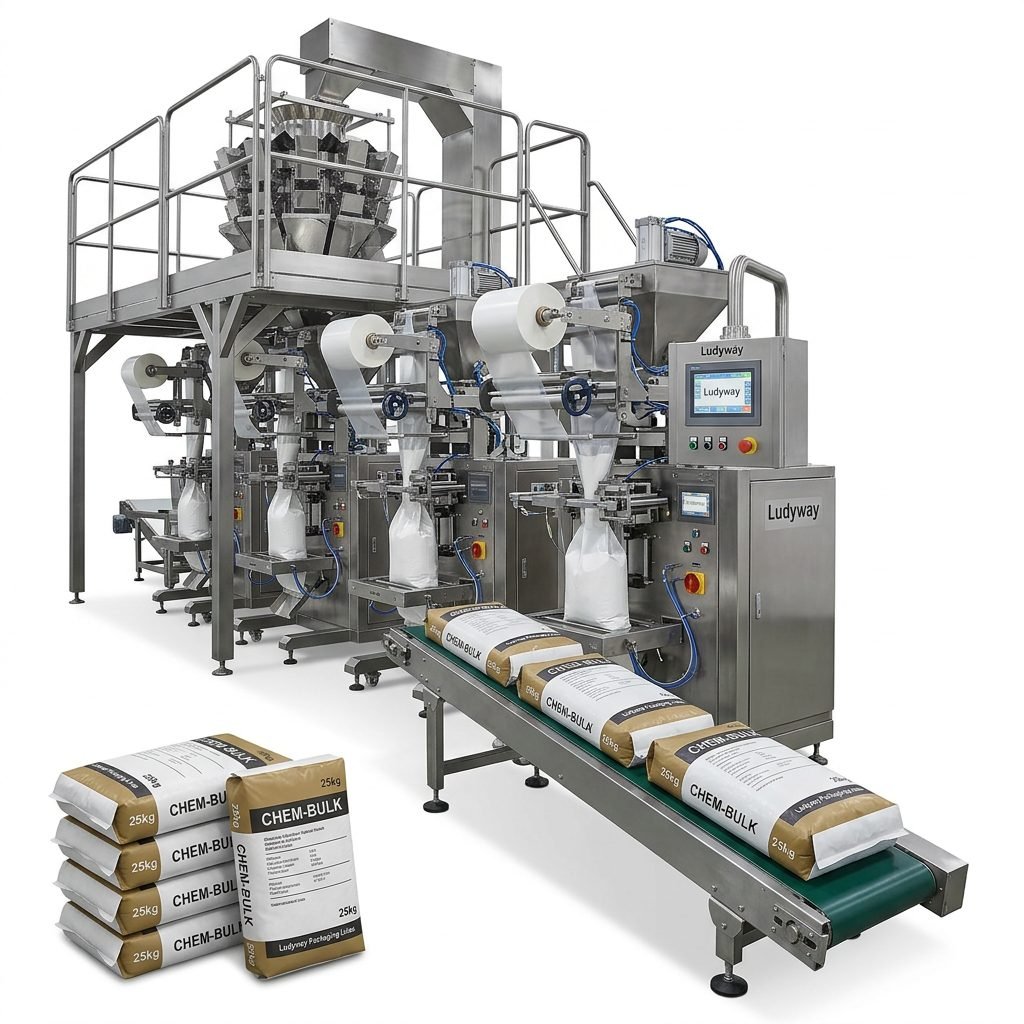
The Middle East food industry is undergoing rapid transformation, driven by increasing consumer demand for extended shelf life, food safety assurance, and premium product presentation. As countries like Saudi Arabia, the UAE, Qatar, and Kuwait continue to invest heavily in food processing infrastructure, the demand for high-performance packaging machinery has surged significantly. A vacuum food packaging machine has become an essential asset for food manufacturers, processors, and exporters across the region seeking to preserve product freshness while meeting stringent international quality standards.
Whether you are packaging dates, nuts, coffee, spices, meat products, or ready-to-eat meals, selecting the right vacuum packaging machine requires careful evaluation of technical specifications, production capacity, and regional compliance requirements. This comprehensive guide will help Middle Eastern buyers make informed decisions when investing in vacuum packaging technology.

Why Vacuum Packaging Is Critical for the Middle East Market
The Middle East presents unique environmental challenges for food preservation. High ambient temperatures, humidity fluctuations, and long-distance logistics create conditions where food products are particularly vulnerable to spoilage. Vacuum packaging technology addresses these challenges by removing oxygen from the package, which dramatically slows bacterial growth, prevents oxidation, and preserves flavor integrity.
Key benefits driving adoption across the region include:
- Extended shelf life — critical for export-focused food manufacturers targeting European, Asian, and North American markets
- Protection against humidity — essential in Gulf countries where moisture can rapidly degrade dry goods like spices and nuts
- Enhanced food safety compliance — meeting international packaging standards for import markets
- Reduced product waste — significant cost savings for high-volume processors of dates, coffee, and meat products
- Premium product positioning — vacuum-sealed packaging signals quality and sophistication to discerning Middle Eastern consumers

Types of Vacuum Food Packaging Machines Suitable for Middle Eastern Operations
Understanding the different machine categories is fundamental to making the right investment. Each type serves specific production requirements and product characteristics common in the regional market:
Chamber Vacuum Packaging Machines
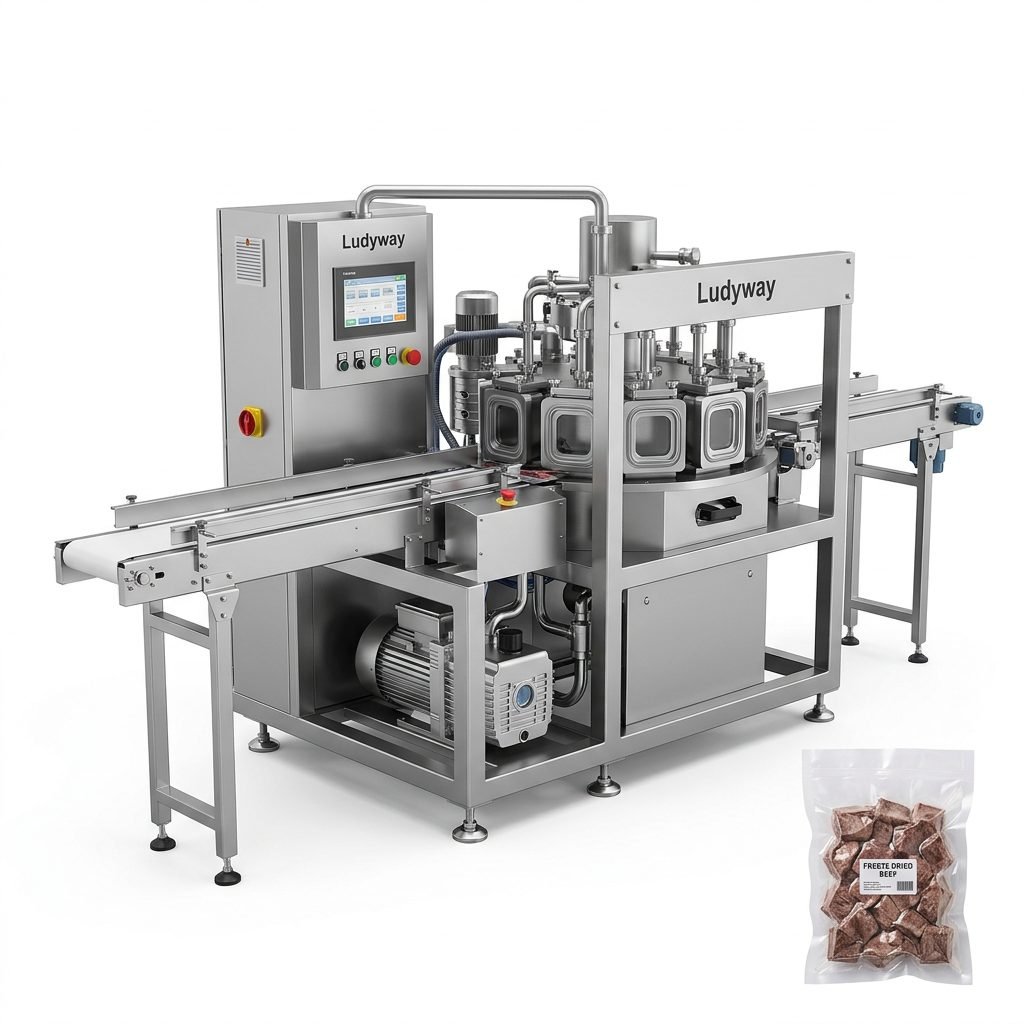
These versatile machines place the entire product and pouch inside a vacuum chamber. They are ideal for dates, dried fruits, nuts, and coffee — all major export commodities from the Middle East. Chamber machines provide consistent vacuum levels and are well-suited for both granular and solid products.
External Vacuum Sealers (Nozzle-Type)
For operations requiring higher throughput with pre-made bags, external vacuum sealers offer excellent efficiency. These are commonly used for meat processing plants and ready-to-eat meal packaging facilities expanding throughout the GCC region.
Thermoforming Vacuum Packaging Lines
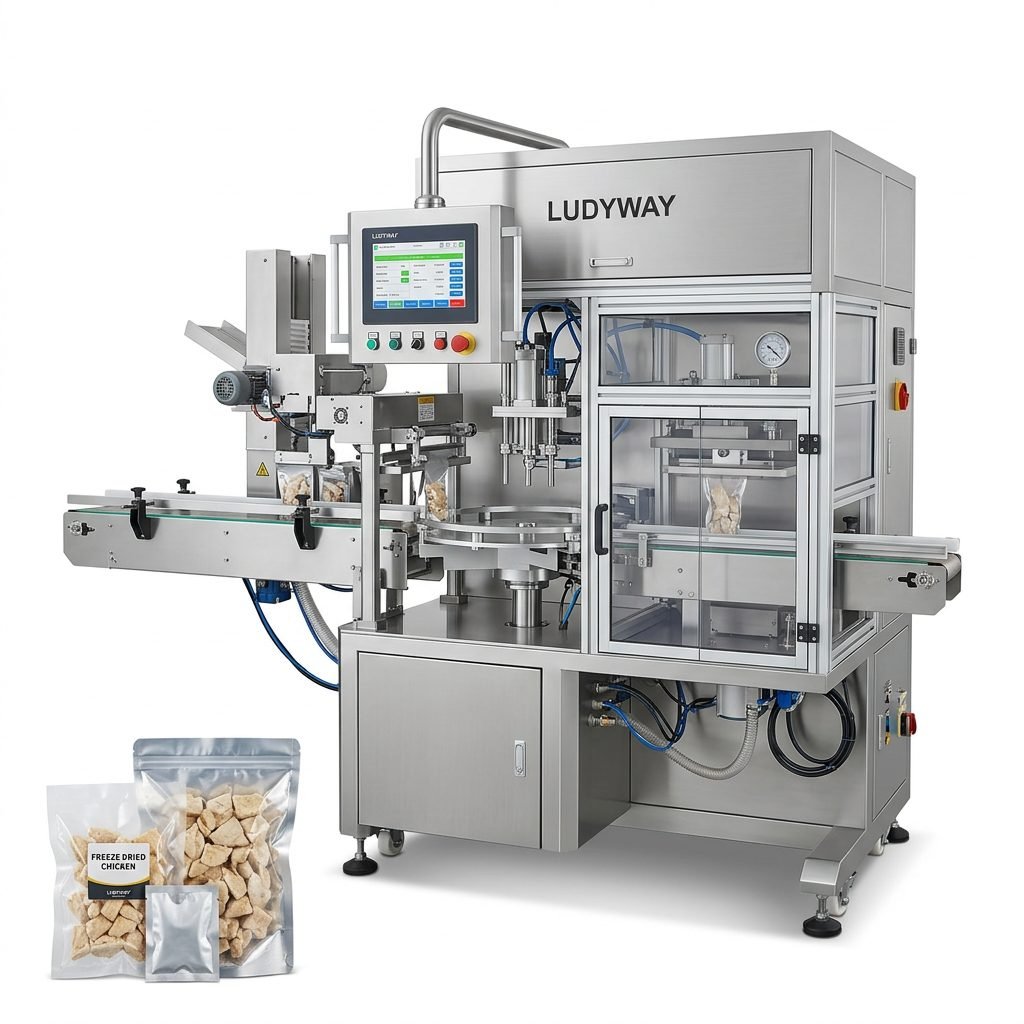
These fully automated systems form the packaging material, fill the product, apply vacuum, and seal — all in one continuous operation. For large-scale food manufacturers in Saudi Arabia and the UAE producing retail-ready vacuum packs, thermoforming lines represent the highest level of automation and production efficiency.
Multi-Lane Stick Pack and Sachet Vacuum-Compatible Systems
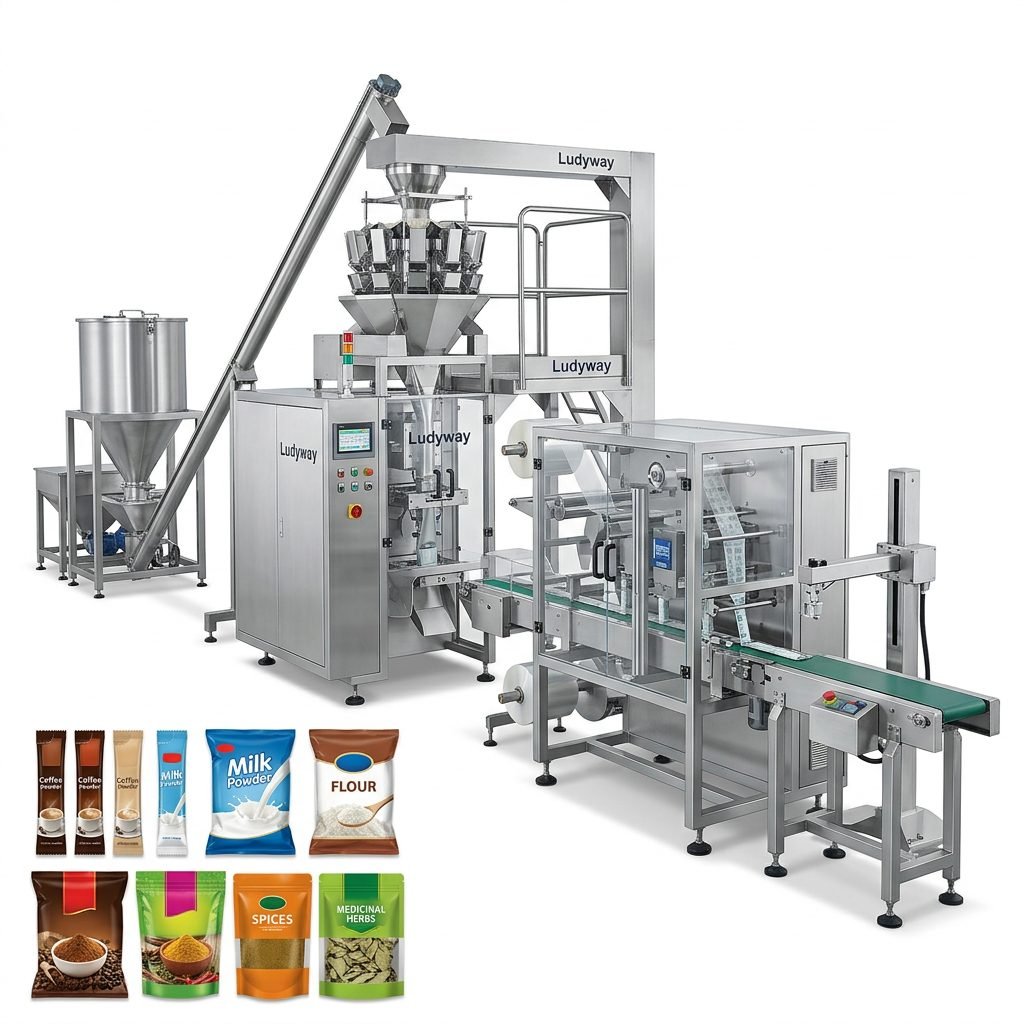
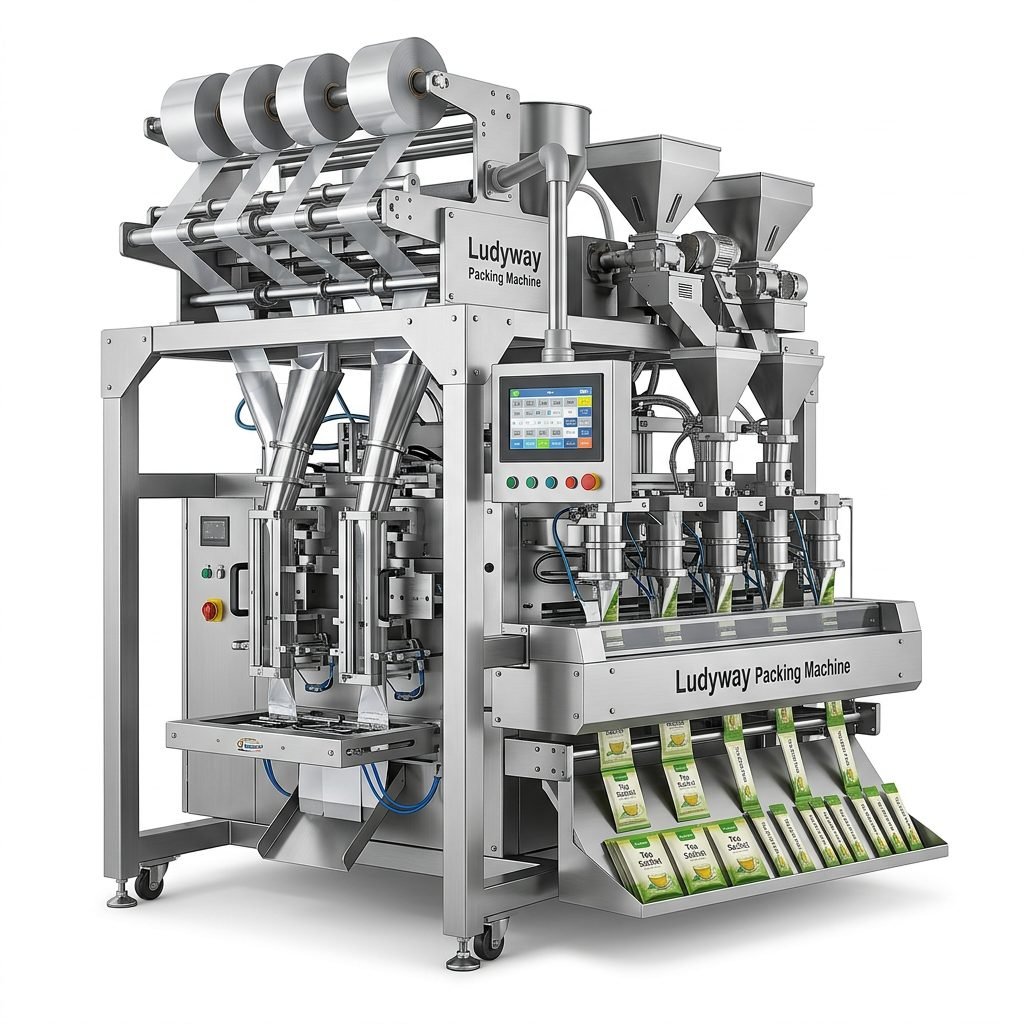
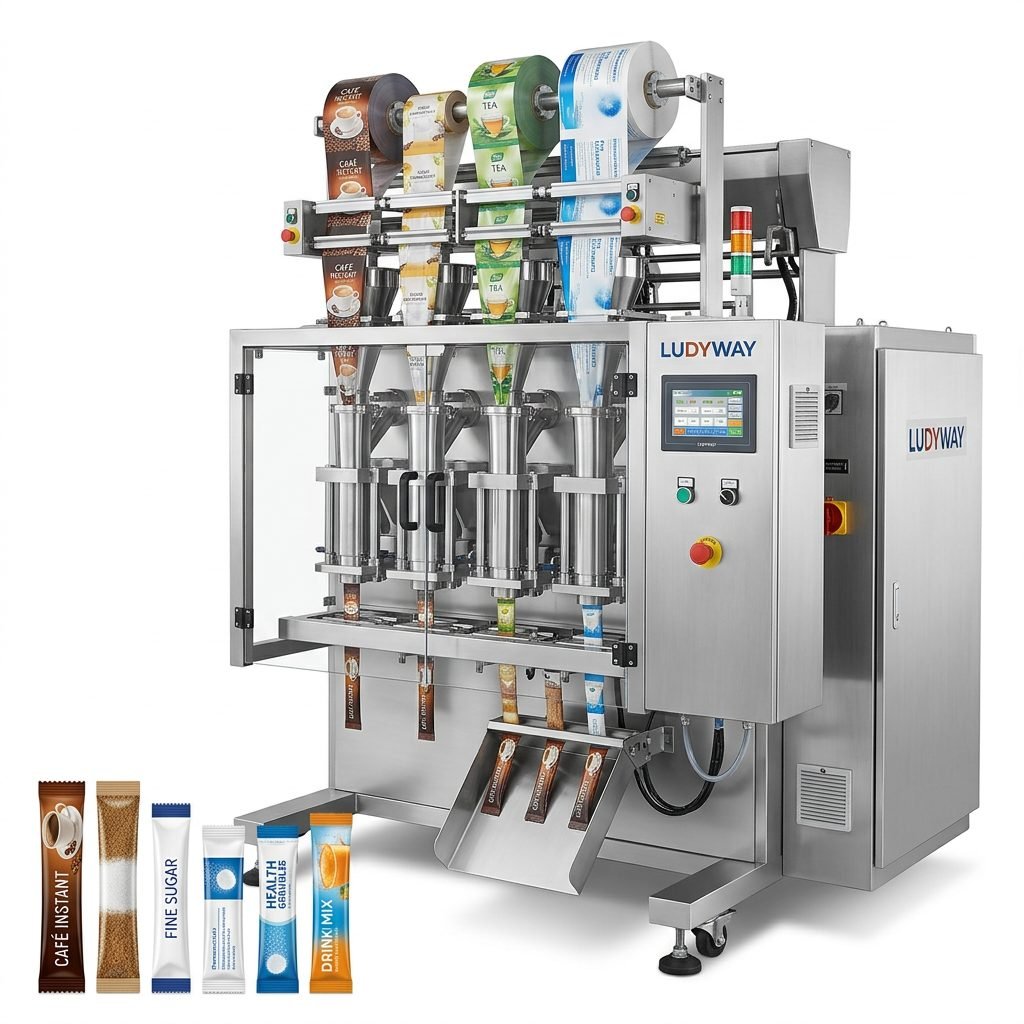
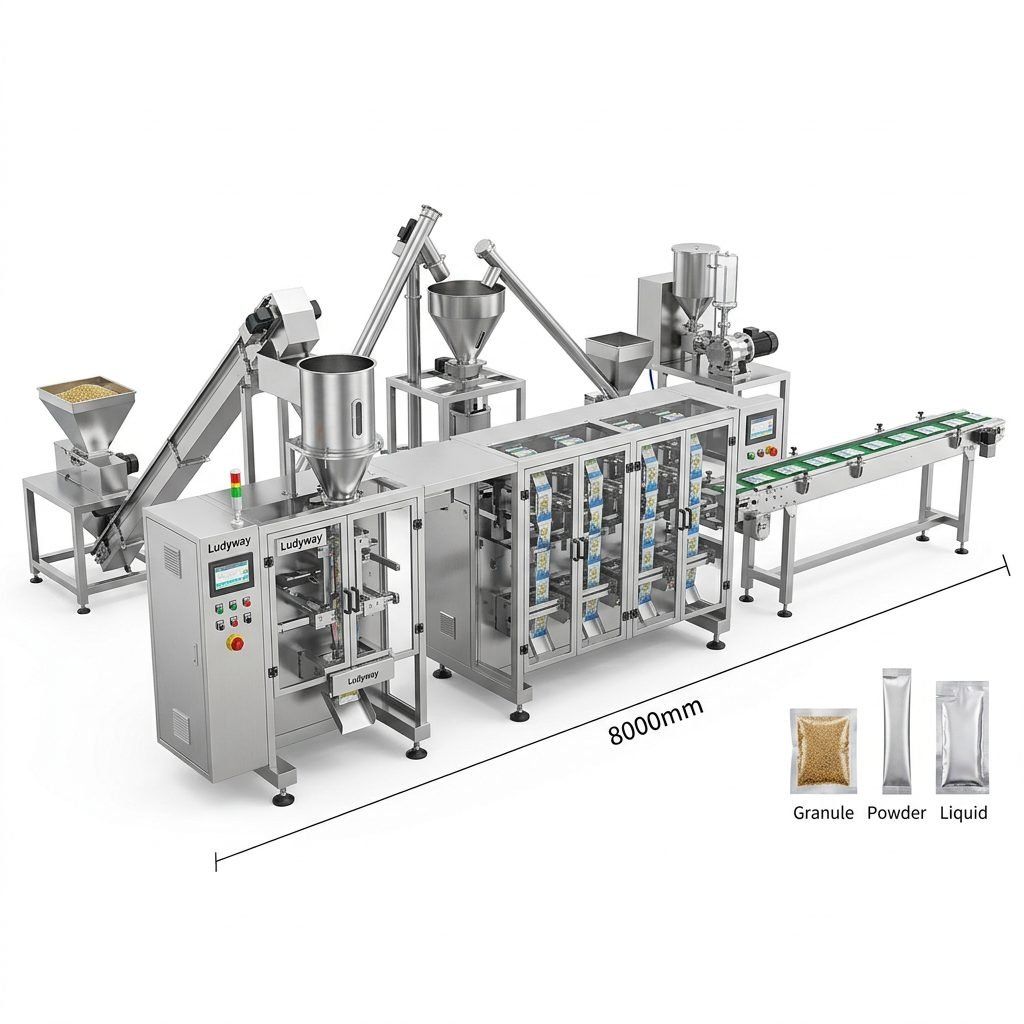
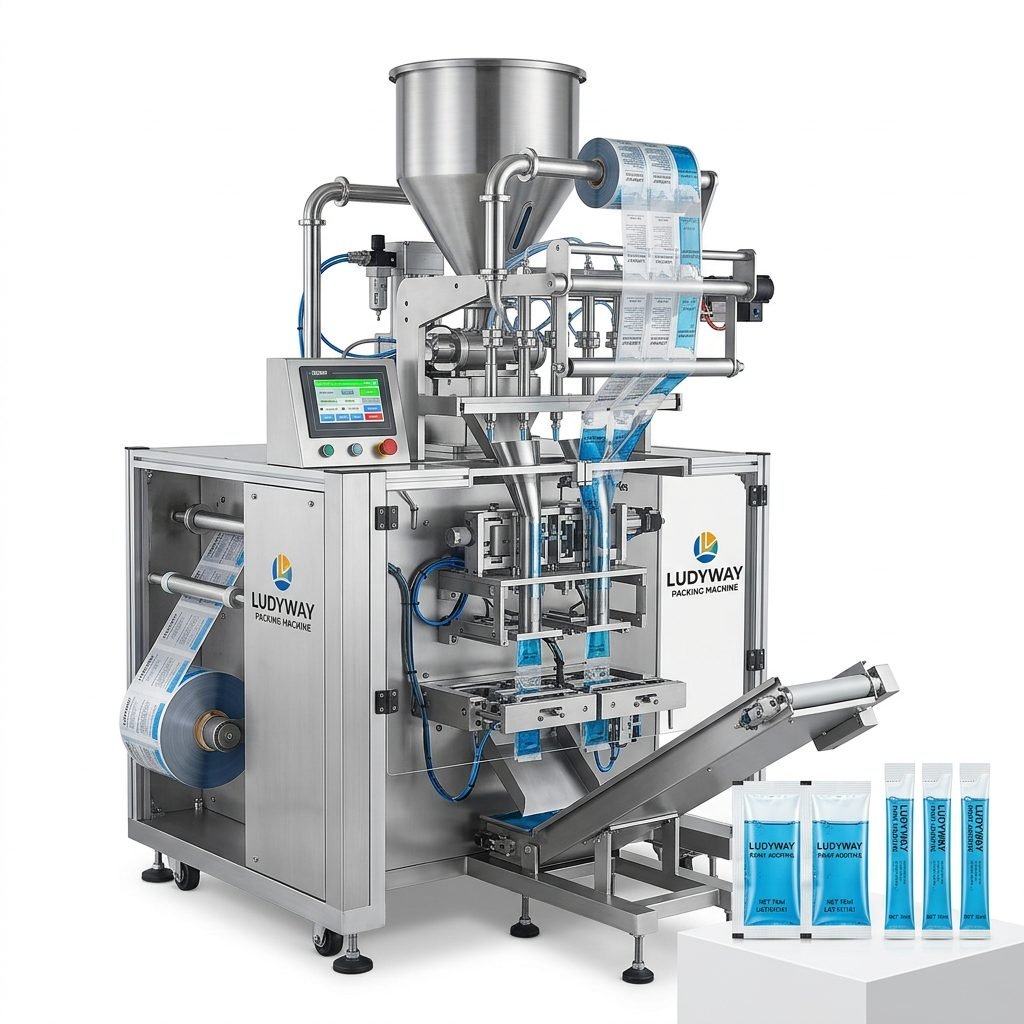
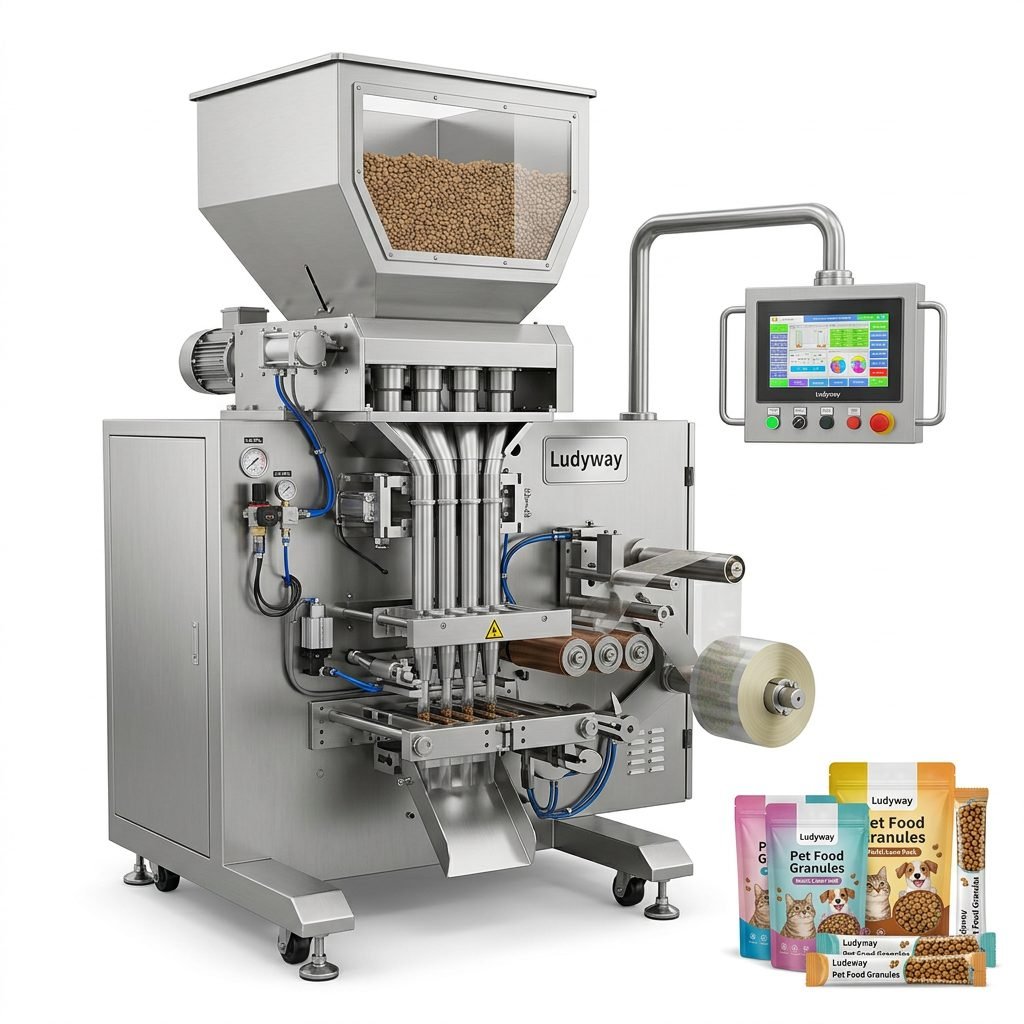
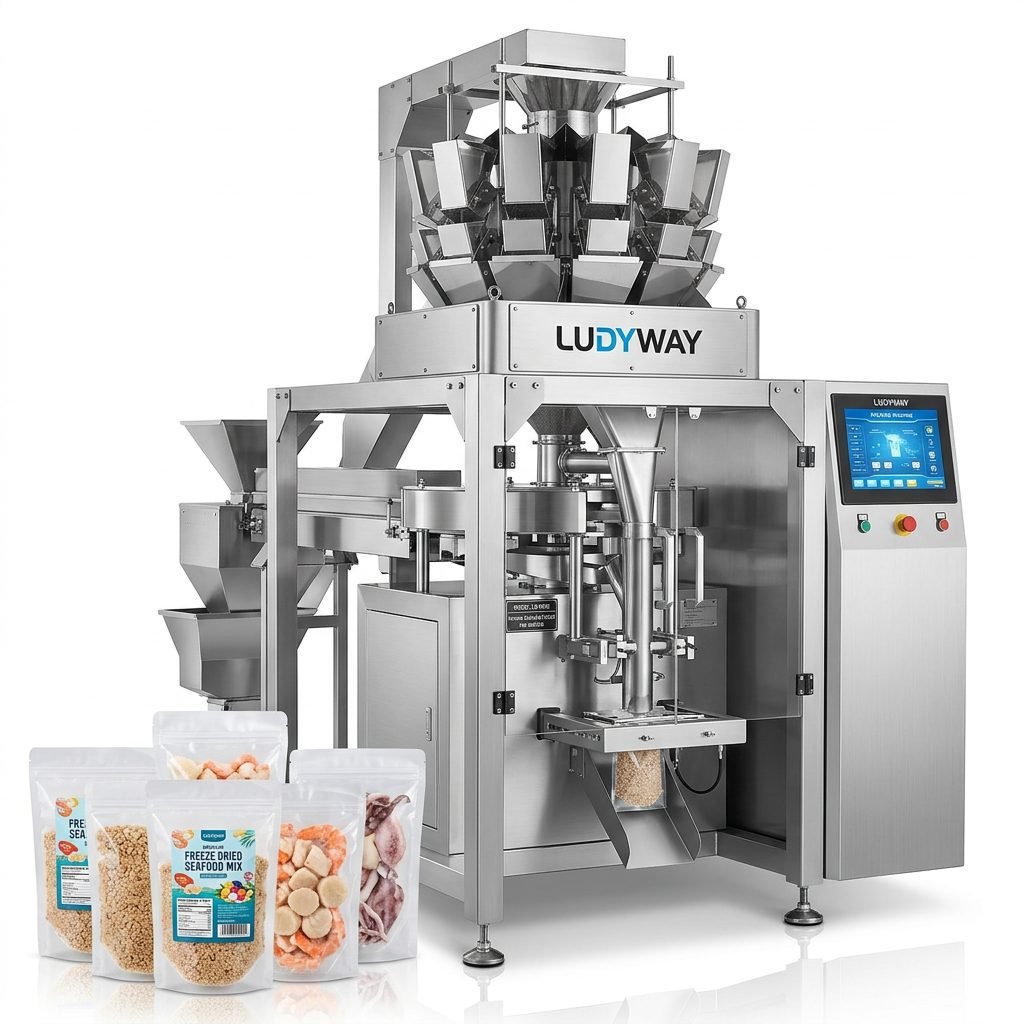
For powdered and granular products like instant coffee, milk powder, spices, and supplement formulations, multi-lane packaging machines with vacuum or nitrogen-flushing capabilities provide compact, portion-controlled packaging ideal for both domestic retail and export channels.
Key Factors to Consider When Purchasing a Vacuum Packaging Machine
Middle Eastern buyers should evaluate the following critical parameters before making a procurement decision. These factors directly impact operational performance, total cost of ownership, and packaging quality standards:
| Evaluation Factor | Why It Matters for Middle East Buyers | Key Questions to Ask |
|---|---|---|
| Vacuum Pump Type | Determines ultimate vacuum level and speed; oil-lubricated rotary vane pumps offer deeper vacuum for high-moisture products | What is the pump capacity (m³/h)? Is it suitable for continuous operation? |
| Chamber Size & Configuration | Dictates maximum product dimensions; critical for bulk packaging of dates and large meat cuts common in regional cuisine | What are the maximum pouch dimensions the machine can accommodate? |
| Production Speed | Directly affects throughput and labor requirements; essential for export-oriented processors | How many cycles per minute? What is the effective hourly output? |
| Sealing Bar Configuration | Impacts seal integrity and production flexibility; double-seal bars recommended for liquid-containing products | Single or double seal? What sealing width options are available? |
| Material Compatibility | Must handle various pouch materials including aluminum foil laminates, PA/PE, and high-barrier films | Can the machine seal different film thicknesses and material structures? |
| Cooling System Efficiency | Essential for maintaining performance in high-ambient-temperature Middle Eastern production environments | What is the recommended operating temperature range? |
| Control System & Automation | PLC-controlled systems with touchscreen interfaces enable precise parameter control and recipe management | Does the machine support programmable recipes for different products? |
| After-Sales Support | Access to spare parts, technical assistance, and maintenance services across the Middle East | Is local service support available in GCC countries? What are warranty terms? |
Product Categories Best Suited for Vacuum Packaging in the Middle East
The Middle East food industry encompasses a diverse range of products that benefit significantly from vacuum packaging technology. Understanding which product categories are most commonly packaged using vacuum systems helps buyers align their equipment selection with market opportunities:
- Dates and Dried Fruits — Saudi Arabia, UAE, and Oman are among the world’s leading date producers; vacuum packaging preserves moisture content and prevents sugar crystallization while extending shelf life beyond 12 months
- Nuts and Seeds — Almonds, pistachios, cashews, and sunflower seeds require oxygen-free environments to prevent rancidity; vacuum packaging with nitrogen flushing is the preferred solution
- Coffee and Tea — The thriving café culture across the Gulf has driven demand for premium packaged coffee; vacuum-sealed packaging preserves volatile aromatic compounds
- Spices and Seasonings — Bulk and retail packaging of za’atar, sumac, cardamom, saffron, and turmeric benefit from vacuum sealing to maintain potency and prevent contamination
- Meat and Poultry Products — Halal meat processing facilities increasingly adopt vacuum packaging for both fresh and frozen products destined for domestic and export markets
- Dairy Products — Cheese and labneh producers utilize vacuum packaging to prevent mold growth and maintain texture during distribution
- Ready-to-Eat Meals — The fast-growing convenience food sector in urban centers like Dubai and Riyadh relies on vacuum packaging for meal components
Regulatory Compliance and Food Safety Standards
Middle Eastern food manufacturers must navigate a complex landscape of local and international regulations. Equipment selection should account for compliance with relevant standards to ensure smooth market access:
GCC Standardization Organization (GSO) Requirements
Food contact materials and packaging processes must align with GSO standards, which increasingly reference ISO packaging standards. When selecting a vacuum food packaging machine, verify that materials used in construction are food-grade and suitable for direct product contact applications.
Halal Packaging Considerations
For many Middle Eastern markets, Halal certification extends beyond ingredients to encompass packaging processes. Vacuum packaging machines should be designed to prevent cross-contamination and support clean-in-place (CIP) protocols where applicable.
Export Market Compliance
Manufacturers exporting to the European Union must meet EU packaging regulations, while those shipping to North America should reference FDA food contact substance guidelines. Selecting equipment that supports traceability and quality documentation is a strategic advantage.
Technical Specifications to Evaluate Before Purchase
A thorough technical assessment ensures the selected vacuum packaging machine aligns with your production objectives. Below are the most critical specifications to review with potential suppliers:
Vacuum Level and Pump Performance
The achievable vacuum level, typically measured in millibars (mbar) or as a percentage, directly determines packaging quality. For most food applications, a vacuum level of 1-5 mbar is sufficient. However, products with high moisture content or those requiring extremely low residual oxygen levels may necessitate deeper vacuum capabilities. Evaluate the pump’s duty cycle rating to ensure it can handle continuous production demands common in Middle Eastern processing facilities.
Sealing System Technology
The sealing mechanism is the heart of any vacuum packaging system. Flat sealing bars, profile sealing bars, and bi-active sealing systems each offer different advantages. For liquid-containing products or those with powdery residues, consider machines equipped with double-seal bars and automatic cleaning functions to maintain consistent seal integrity across extended production runs.
Construction Material and Build Quality
Given the corrosive potential of saline atmospheres in coastal Middle Eastern locations, stainless steel construction (AISI 304 or 316 grade) is strongly recommended for all food-contact surfaces and structural components. This ensures durability, simplifies sanitation, and supports long-term reliability even in challenging production environments.
Gas Flushing and Modified Atmosphere Packaging (MAP) Capability
Many premium food products benefit from gas flushing with nitrogen or carbon dioxide after vacuum application. This MAP capability helps preserve product texture — especially important for delicate items like baked goods, snacks, and certain confectionery products popular in Middle Eastern markets. Verify whether the machine supports integrated gas flushing with adjustable parameters.
Cost Analysis and Return on Investment
Investing in a vacuum food packaging machine represents a significant capital decision for food businesses. A comprehensive cost analysis should extend beyond the initial purchase price to encompass the total cost of ownership over the machine’s expected service life:
- Initial Capital Investment — Entry-level chamber machines start at lower price points, while fully automated thermoforming lines require substantially higher investment but deliver correspondingly greater throughput
- Operational Costs — Include vacuum pump oil changes, sealing bar replacements, gasket maintenance, and electricity consumption; oil-free pump options may reduce ongoing maintenance expenses
- Packaging Material Costs — Different machine types require specific pouch formats; evaluate film costs per unit packaged to accurately calculate per-unit economics
- Labor Requirements — Automated systems can significantly reduce manual handling, delivering labor cost savings of 40-60% compared to semi-automatic alternatives
- Product Waste Reduction — Extended shelf life directly translates to fewer product returns and reduced spoilage losses throughout the distribution chain
Supplier Evaluation Criteria for Middle Eastern Buyers
Selecting the right equipment partner is as important as choosing the right machine. Middle Eastern buyers should evaluate potential suppliers against these critical criteria:
Industry Experience and Track Record
Look for manufacturers with demonstrated experience in the Middle Eastern and North African (MENA) food processing sector. A supplier’s familiarity with regional operating conditions, product types, and regulatory requirements significantly reduces implementation risk. Ludyway is one of the largest packaging machine manufacturers in China, specializing in advanced packaging equipment with over 30 years of industry expertise and serving customers in over 100 countries and regions, including comprehensive support for Middle Eastern food processing operations.
Technical Support and Service Infrastructure
Verify the availability of local service engineers, spare parts inventory, and technical support within the GCC region. Downtime in high-volume production environments can be extremely costly, making responsive after-sales support a critical supplier selection criterion. Ask about remote diagnostic capabilities, preventive maintenance programs, and emergency response protocols.
Customization and Integration Capabilities
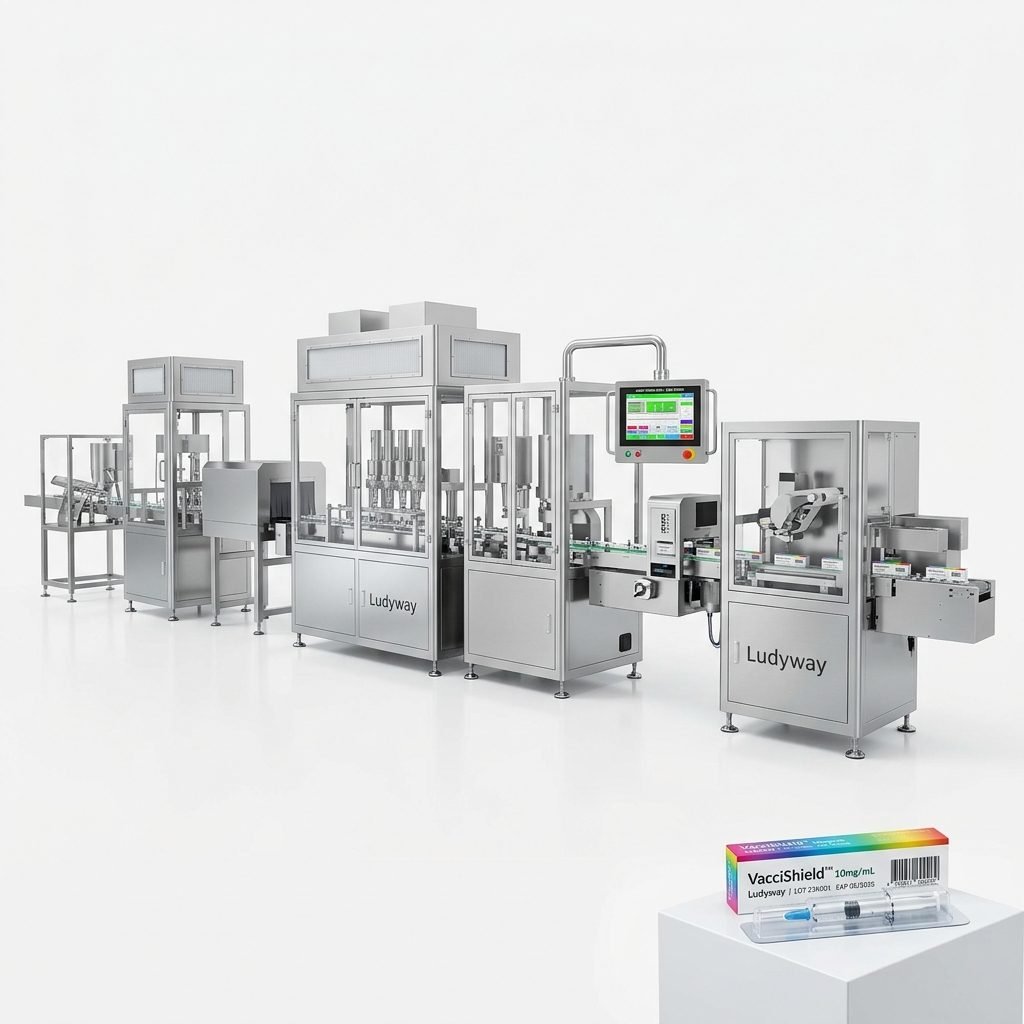
Every production facility has unique requirements. The ideal supplier should offer customization options for chamber sizes, conveyor integration, labeling systems, and upstream-downstream equipment connectivity. Turnkey solutions that integrate vacuum packaging with weighing, filling, coding, and cartoning systems provide streamlined operational efficiency.
Installation, Training, and Operational Best Practices
Proper installation and operator training are fundamental to realizing the full potential of your vacuum packaging machine investment. Key considerations for Middle Eastern operations include:
- Facility Preparation — Ensure adequate electrical supply with proper voltage stabilization, compressed air systems where required, and appropriate ventilation for heat dissipation in hot climates
- Operator Training Programs — Comprehensive training should cover machine operation, cleaning procedures, routine maintenance, troubleshooting, and safety protocols; request training documentation in Arabic where beneficial for operational staff
- Preventive Maintenance Schedules — Establish regular maintenance intervals for vacuum pump servicing, sealing bar inspection, gasket replacement, and sensor calibration to prevent unexpected downtime
- Hygiene and Sanitation Protocols — Develop cleaning schedules aligned with Halal production requirements and general food safety standards including HACCP principles
- Performance Monitoring — Track key metrics including vacuum cycle time, seal integrity rates, and production throughput to identify optimization opportunities
Emerging Trends in Vacuum Packaging for the Middle East
The Middle Eastern food packaging landscape continues to evolve, driven by technological innovation and shifting consumer preferences. Forward-thinking buyers should consider these emerging developments when making equipment investments:
Sustainable Packaging Integration
Growing environmental awareness across GCC countries is accelerating demand for recyclable and biodegradable vacuum packaging films. Modern vacuum machines increasingly support mono-material films and thinner gauge materials without compromising seal integrity. Equipment compatibility with sustainable packaging materials will become increasingly important as regulatory frameworks evolve in markets like the UAE and Saudi Arabia.
Smart Factory Connectivity
Industry 4.0 capabilities — including IoT sensors, real-time production monitoring, predictive maintenance alerts, and packaging machinery data integration — are transforming how food manufacturers optimize their vacuum packaging operations. Machines with OPC-UA or MQTT protocol support enable integration with enterprise resource planning (ERP) and manufacturing execution systems (MES).
E-Commerce Ready Packaging
The rapid growth of online grocery and food delivery services across the Middle East has created demand for durable vacuum packaging that withstands the rigors of individual parcel distribution. Packaging equipment must now produce retail units that maintain seal integrity through multiple handling points in the e-commerce logistics chain.
Portion-Controlled and Single-Serve Formats
Changing household structures and busy urban lifestyles in cities like Dubai, Abu Dhabi, and Riyadh are driving demand for single-serve vacuum-sealed portions of coffee, nuts, snacks, and meal components. Multi-lane stick pack and sachet machines with vacuum or nitrogen-flushing capabilities are increasingly popular for these applications.
Frequently Asked Questions About Vacuum Packaging Machines
What is the typical lifespan of a commercial vacuum packaging machine?
A well-maintained vacuum food packaging machine from a reputable manufacturer typically delivers 10-15 years of reliable service. Key longevity factors include stainless steel construction, quality vacuum pump selection, and adherence to preventive maintenance schedules. Machines operating in dusty or high-temperature environments common in parts of the Middle East may require more frequent servicing to maintain optimal performance.
Can the same machine handle both dry and moist food products?
Many modern vacuum packaging machines are versatile enough to handle diverse product types. However, products with high liquid content require specific features such as double-seal bars, tilted chamber designs to prevent liquid ingress into the vacuum pump, and appropriate sensor configurations. Discuss your full product range with potential suppliers to ensure the selected machine configuration accommodates all intended applications.
What are the electrical requirements for Middle Eastern installations?
Most industrial facilities across the GCC operate on 380-415V three-phase power at 50Hz. Confirm that the machine’s electrical specification matches your facility’s supply, and consider voltage stabilization equipment where power quality may be inconsistent. Reputable suppliers offer machines configured for regional electrical standards without requiring external transformers.
How do I determine the appropriate production capacity?
Calculate your current and projected packaging volumes over a 3-5 year horizon. Factor in seasonal demand variations common in Middle Eastern food markets — for example, date packaging operations experience significant surges around Ramadan. Select a machine with capacity approximately 20-30% above your peak requirements to accommodate growth without overinvesting in excess capacity.
Making the Final Decision: A Structured Approach
After evaluating technical specifications, supplier qualifications, and commercial terms, Middle Eastern buyers should follow a structured decision-making process:
- Define clear operational requirements — document product types, target throughput, packaging formats, and budget constraints
- Shortlist 3-5 qualified suppliers with proven Middle Eastern market experience and positive client references
- Request detailed proposals including technical specifications, performance guarantees, installation timelines, and after-sales service commitments
- Conduct factory acceptance testing where feasible, or request video demonstrations with products similar to your own
- Evaluate total cost of ownership rather than focusing solely on purchase price — factor in energy consumption, maintenance costs, and expected service life
- Negotiate comprehensive warranty terms and service level agreements with clearly defined response times for technical support
- Plan for operator training and facility preparation to ensure smooth installation and rapid production ramp-up
Investing in a vacuum food packaging machine is a strategic decision that impacts product quality, operational efficiency, and market competitiveness for years to come. By carefully evaluating the factors outlined in this guide, Middle Eastern food manufacturers and processors can confidently select equipment that meets their unique operational requirements while positioning their businesses for sustainable growth in both regional and international markets. The right machine, backed by a reliable supplier with genuine industry expertise, becomes a cornerstone of long-term production excellence.