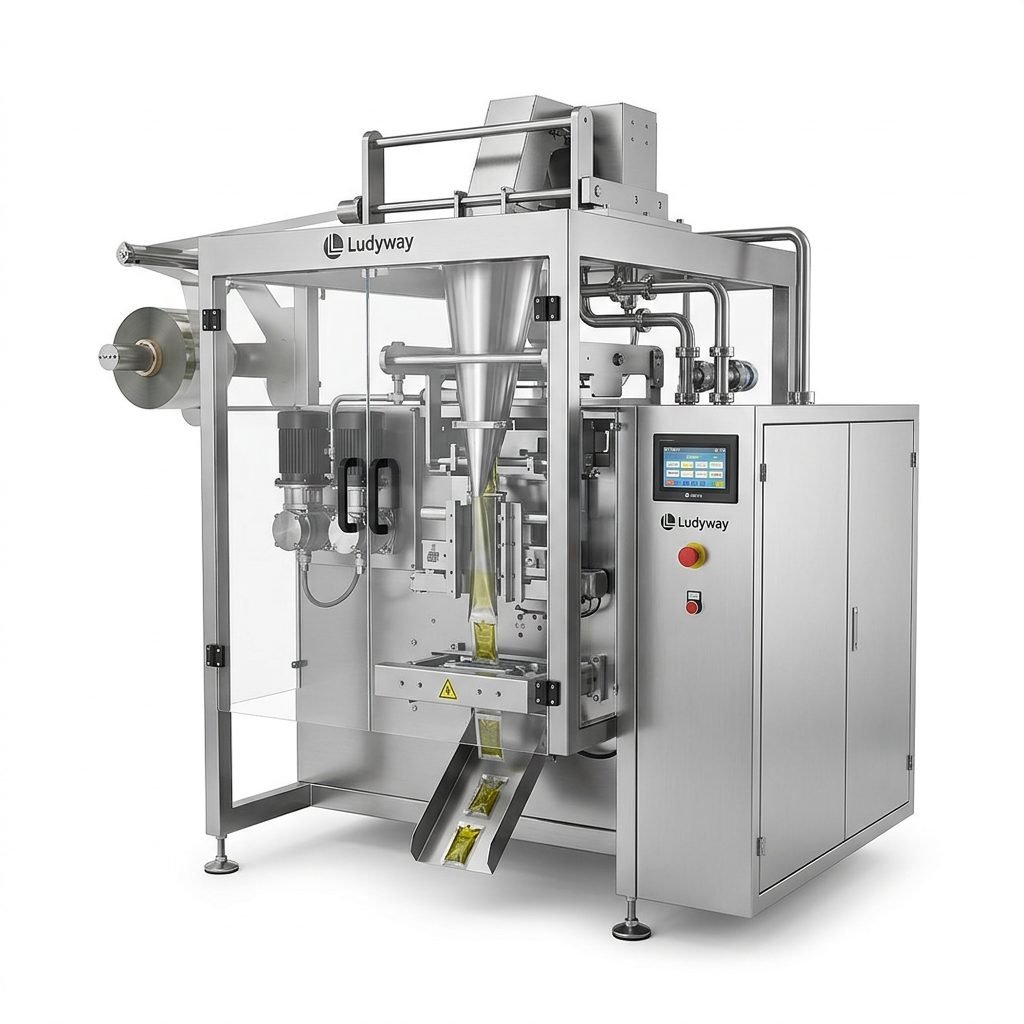
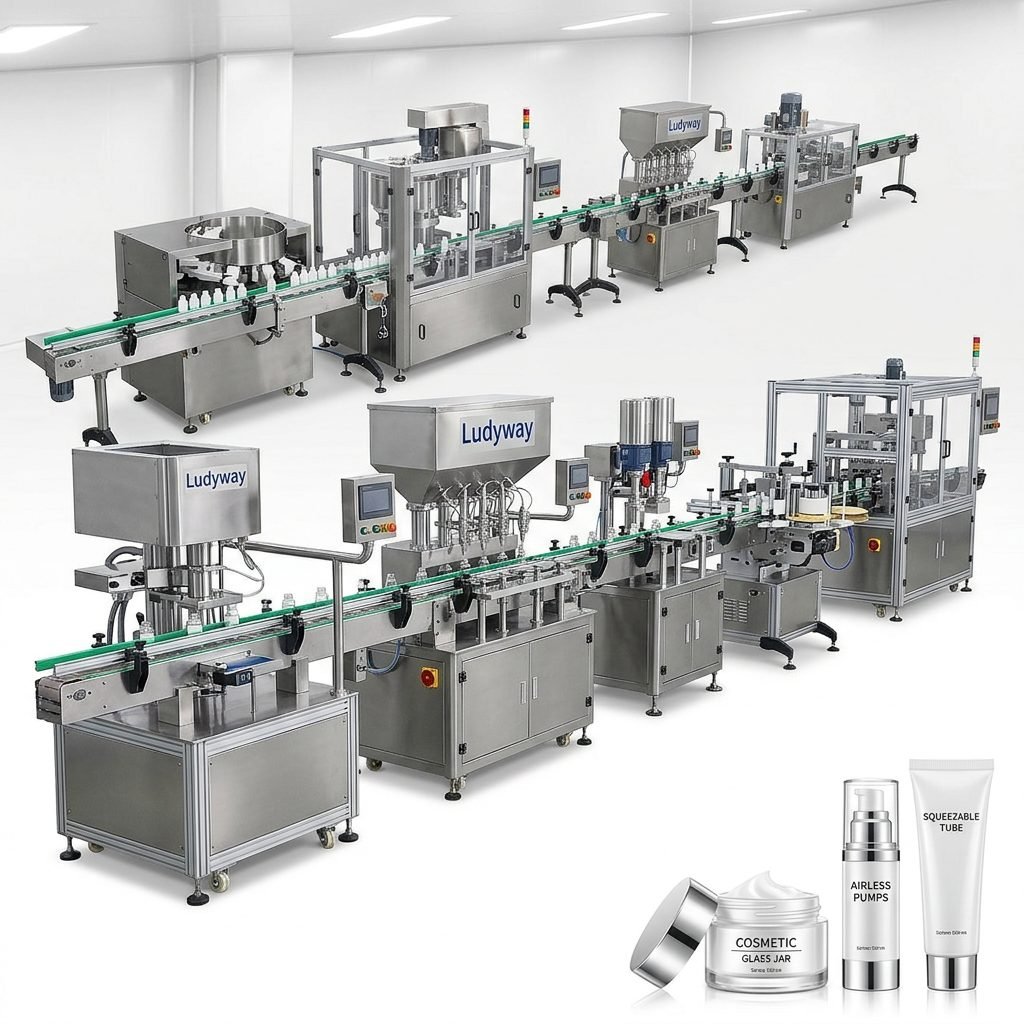
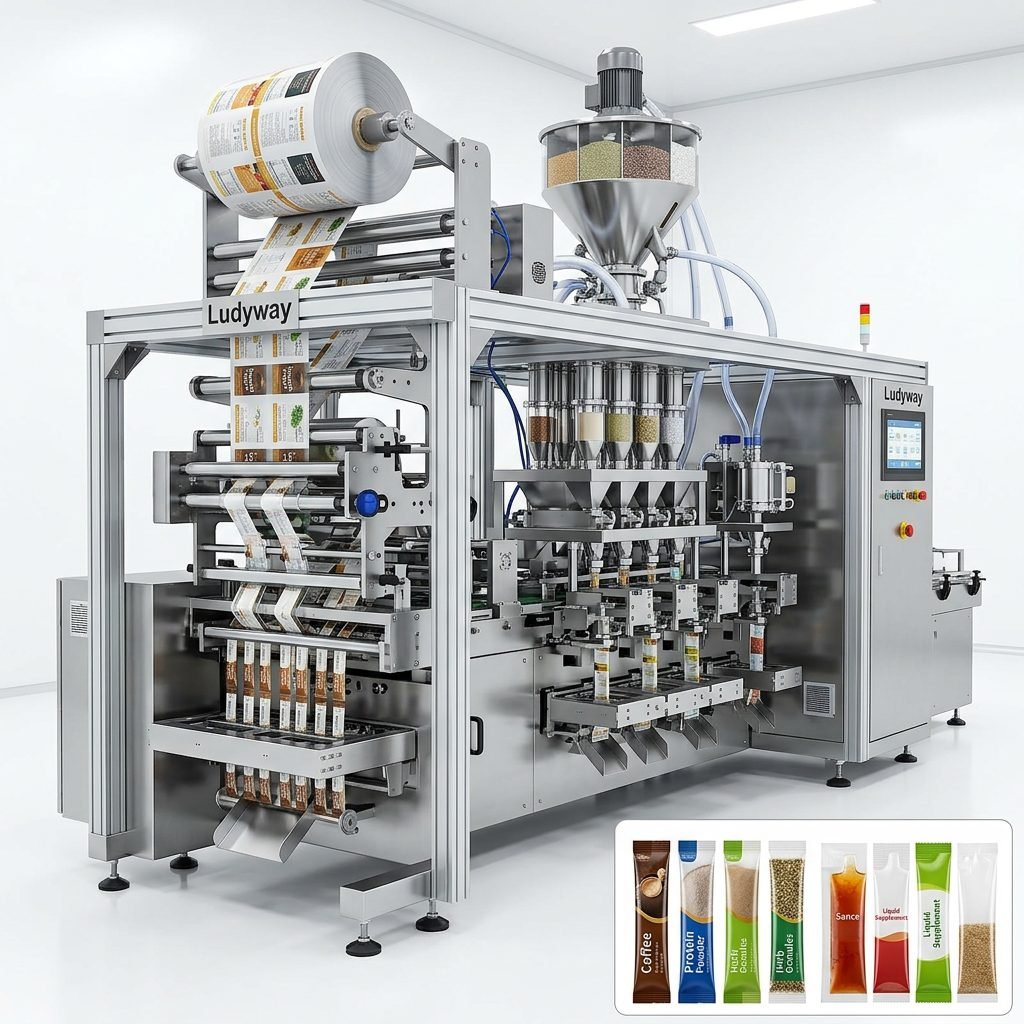
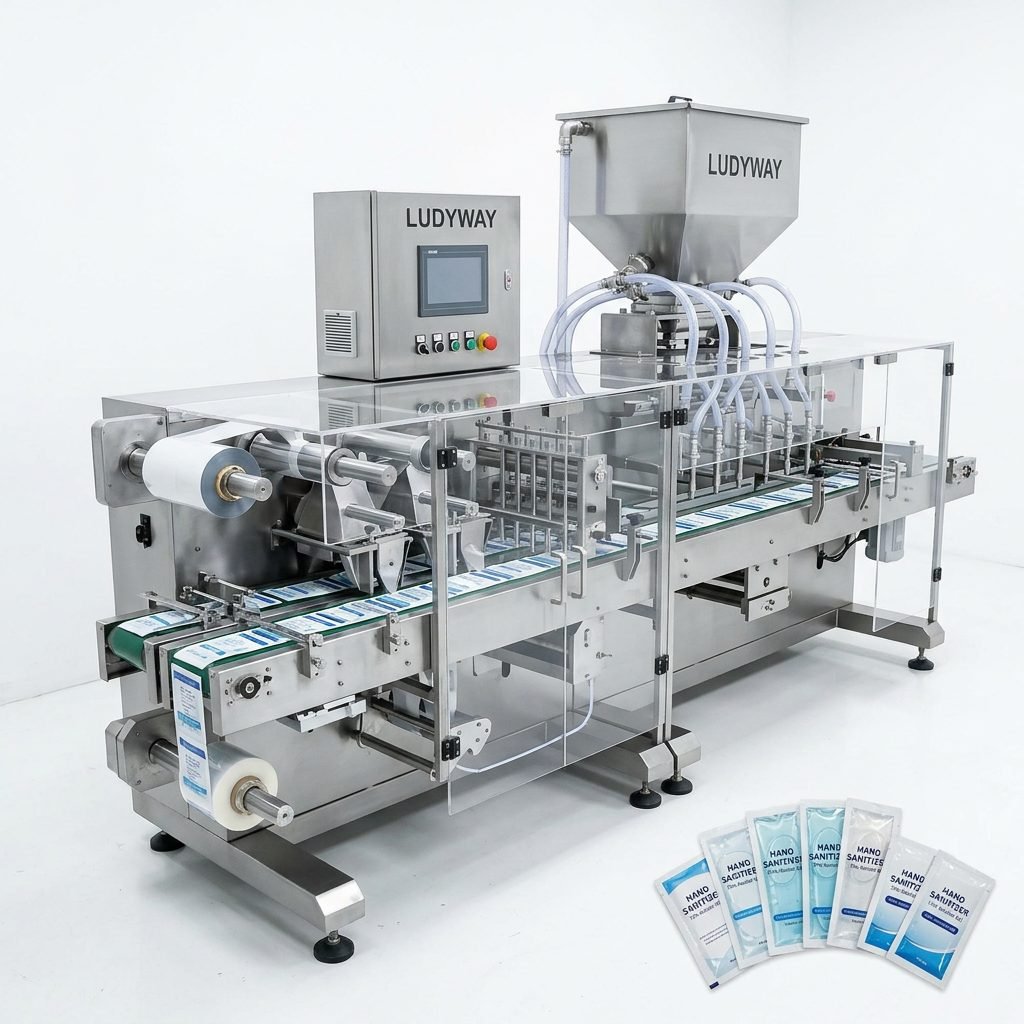
A flow wrap packing machine is a critical asset in high-volume food, pharmaceutical, and consumer goods production lines. However, without a structured maintenance routine, even the most robust horizontal flow wrapper can experience unscheduled downtime, film waste, and inconsistent seal quality. This guide provides actionable daily, weekly, and monthly maintenance strategies to maximize your equipment’s lifespan and ensure optimal performance.
Why Preventive Maintenance Directly Impacts Your Bottom Line
Reactive repairs cost manufacturers an average of 4 to 5 times more than planned preventive maintenance. In the context of flexible packaging, a poorly maintained machine leads to film slippage, jaw misalignment, and temperature fluctuations. By implementing a rigorous check on your packaging machine‘s core systems, you reduce product giveaway, minimize leaker rates, and maintain the integrity of your seal integrity.
Daily Cleaning and Inspection Checklist
Air and dust management is the foundation of daily flow wrapper care. Product debris, especially from granule and powder applications, accumulates rapidly on sensors and film guides. Operators must perform a 15-minute end-of-shift routine without fail.
- Film Path & Forming Shoulder: Wipe down the forming shoulder and film rollers with a lint-free cloth. Check for scratches or static build-up that can distort the film. Even minor scratches on the shoulder can snag the film and cause mis-wraps.
- Jaws and Sealers: Inspect the crimper jaws and sealing plates while the machine is cool. Remove any charred residue or molten polymer build-up. This residue is often the primary cause of leaking seals.
- Electrical Cabinets: Use compressed air to gently blow dust off servo drives and circuit boards. Ensure cooling fans on the electrical panel are unobstructed to prevent drive overheating and unexpected shutdowns.
Weekly Mechanical Adjustments and Gas Spring Checks
Mechanical wear is inevitable, but catching it early prevents catastrophic failure. Weekly maintenance should focus on torque, alignment, and lubrication of moving parts. Pay special attention to the reciprocating components that operate at high cycles per minute.
- Lubrication: Grease all designated nipples on the main drive, sealing jaw shafts, and cross-seal unit. Over-greasing can be as damaging as under-greasing; look for signs of grease pushing out past seals.
- Conveyor Belts: Check chain tension on infeeds and outfeeds. A loose chain causes product spacing issues, leading to film jams. Inspect the conveyor system belts for fraying or tracking misalignment.
- Gas Springs/Struts: The safety hood and guarding struts must hold their position firmly. If a hood drifts downward, the gas springs must be replaced immediately to ensure operator safety.
Monthly Deep Dive: Electrical and Sensor Calibration
While daily cleans address the surface, monthly maintenance requires an electrical health check. Thermal imaging is an advanced diagnostic tool recommended for critical connections. Loose terminals generate heat and can burn out expensive servo motors. Furthermore, sensors must be calibrated to avoid false registration errors.
| Component | Month 1 Action | Month 3 Action |
|---|---|---|
| Film Registration Sensor | Clean lens & check contrast adjustment | Test switch-over response time |
| Thermocouple / Heater Cartridge | Visual check for blisters on wiring | Replace if deviation > 2°C from setpoint |
| Servo Motor Cables | Check shield grounding and twist integrity | Re-tighten terminal screws (power off) |
| Vacuum Belt (if applicable) | Clean vacuum holes with a pin | Check blower filters and hose leaks |
Optimizing Film Tension and Tracking
Film handling is the most common source of waste in a flow wrapper. Incorrect tension creates a “smile” or “frown” effect in the longitudinal seal, or causes the material to tear at the cross-seal jaw. Use a tension meter to ensure the unwind roller applies consistent force throughout the roll’s entire diameter, from full to empty. The tracking adjustment should ensure the film rides perfectly centered on the forming shoulder without drifting to one side. If you notice edge curling, investigate the pre-heating temperature of the fin seal wheels.
Managing the Sealing System: Temperature and Pressure
The sealing jaw system requires a precise balance. Operators often mistakenly increase temperature when seals fail, when the real culprit is often pressure inconsistency or dwell time. Use a pressure-sensitive paper test monthly to verify that the jaw alignment provides uniform pressure across the entire fin seal width. Be aware that ceramic-coated jaws do not fail outright; they develop micro-cracks over time that snag the hot film, requiring replacement to restore quality.
Sourcing Genuine Spare Parts and Support
Using generic lubricants or poorly machined replacement parts severely shortens the life of high-speed machinery. Always ensure your spares inventory includes OEM film rollers, bearings, and sealing elements designed for the specific speed and temperature of your application. For businesses operating large-scale production, partnering with a reputable manufacturer is essential. Ludyway offers extensive support and high-quality spares for a full range of automated packaging lines, serving the food, pharmaceutical, and health industries with over 50 intelligent machine models across a modern 20,000㎡ manufacturing facility.
Common Troubleshooting Quick Reference
- Film Jam in Forming Area: Usually static electricity or poor film threading. Verify the ionizing bar is functional and the film passes exactly through the designated path of the forming shoulder.
- Intermittent Seal Gaps: Indicates a primary drive wear or a build-up of sticky product residue on the heated jaws. Perform an immediate scrub-down with a brass brush.
- Machine Stopping Erratically: Likely a 24V DC power supply fluctuation or a safety interlock loop fault. Check the guard switches for tight mechanical closure before replacing sensors.
- Excessive Noise from Main Drive: Listen for rhythmic clicking. This often signals a failing bearing in the eccentric shaft drive. Replace bearings in sets to prevent shaft misalignment.
For more detailed guides on granule, powder, liquid, and pouch packaging solutions, explore our resource center or consult directly with an engineering expert.
Related resources: